Generic selectors

Exact matches only

Search in title

Search in content

Post Type Selectors

Tag: Corals

  • 9 Beautiful Beginner Corals For Reef Tanks

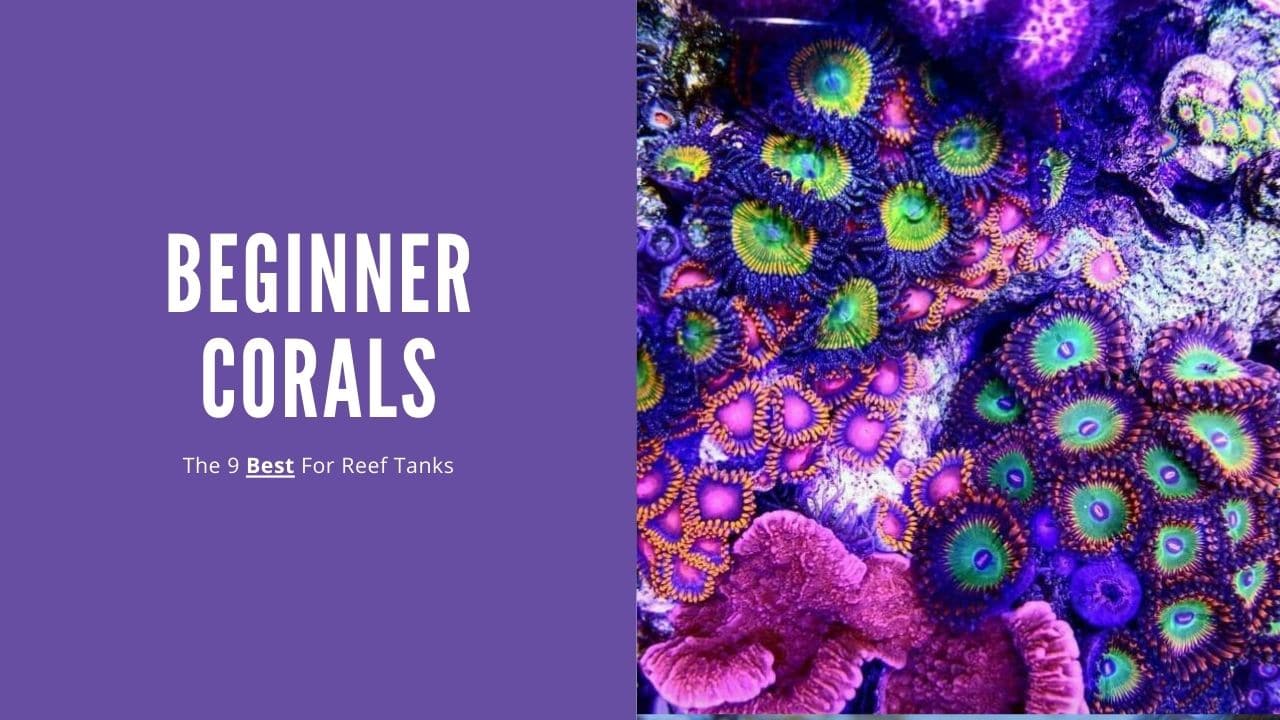
    9 Beautiful Beginner Corals For Reef Tanks

    If your parameters are not stable, the coral will not survive the first month. Corals do not die from wrong numbers. They die from unstable numbers. The difference between a thriving reef and a dying one is consistency, not perfection.

    Stable mediocre parameters beat perfect parameters that swing. Every time.

    I have over 20 years of experience as a reefkeeper and have helped build dozens of client reef tanks. My clients want results with minimum drama, so I have become very good at identifying which corals deliver on that promise and which ones will frustrate you. This guide focuses on corals that are genuinely beginner-friendly, not just “sold as easy” but actually easy when you understand what they need.

    EXPERT TAKE | MARK VALDERRAMA

    The “beginner coral” label gets misused constantly in this hobby. Zoanthids are genuinely beginner-friendly. A lot of LPS corals are marketed as beginner corals when they are really intermediate, they will survive beginner mistakes for a while but will not thrive without deliberate placement and stable water. The one thing I tell everyone starting a reef tank: your first corals should be soft corals, and you should not add your first coral until you have three to six months of stable parameters in the tank. An unstable reef tank with beginner corals is just a slow way to kill things. A stable tank with any of the corals on this list is something you can build on.

    How I Selected These Corals

    Every coral on this list was chosen for four reasons: variety of colors and forms available, genuine ease of care, manageable invasiveness, and representation across soft coral, LPS, and SPS categories. I deliberately excluded xenia and green star polyps from the main recommendations, they are easy, but they are also invasive and will take over your tank if you are not managing them actively. Easy to care for and easy to control are not the same thing.

    What People Get Wrong About Beginner Corals

    The biggest mistake I see is buying the “hardy” label without researching what that coral actually needs. Hardy relative to what? Hardy relative to SPS means it can handle some parameter variability. It does not mean it can handle the parameter swings of an uncycled or immature tank.

    Chemical warfare is the other thing new reefers underestimate. Corals compete for space using chemical allelopathy. Zoanthids, leather corals, and LPS corals release compounds into the water that can stress or even kill neighboring corals. Activated carbon and regular water changes help, but placement matters too. Give corals space. Do not pack them together in a new tank.

    And SPS corals are not beginner corals under any circumstance. Anyone who tells you otherwise is selling you something.

    Beginner Coral Tiers

    TIER BREAKDOWN

    Beginner (Soft Corals): Zoanthids/Zoas, Mushroom corals (Discosoma, Rhodactis, Ricordea), Toadstool leather coral, Pulsing xenia (easy but invasive, manage carefully), Kenya tree coral
    Intermediate (LPS): Frogspawn, Hammer coral, Duncan coral, Torch coral, Blasto coral, Brain corals (Favites, Lobophyllia)
    Advanced (SPS): Birdsnest coral (Seriatopora), Montipora capricornis, Pocillopora (more forgiving SPS entry), Acropora (expert only, not a beginner coral by any definition)

    Beginner Corals: Quick Comparison

    Coral Type Difficulty Placement Key Trait
    Zoanthids (Zoas) Soft coral Beginner Anywhere Unlimited color; easiest reef coral
    Mushroom Corals Soft coral Beginner Bottom to mid Very forgiving; low light tolerant
    Toadstool Leather Soft coral Beginner Mid to top Hardy; releases chemicals when disturbed
    Frogspawn LPS Intermediate Bottom to mid Best beginner LPS; sweeper tentacles
    Hammer Coral LPS Intermediate Bottom to mid Hammer-shaped tentacle tips
    Blasto Coral LPS Intermediate Bottom to mid Colorful; slow but steady growth
    Birdsnest Coral SPS Advanced Mid to top Most forgiving SPS entry point
    Montipora Cap SPS Advanced Mid to top Encrusting; requires stable alk/cal/mag
    Pocillopora SPS Advanced Top to mid More forgiving SPS; branching growth

    The 9 Best Beginner Corals for Reef Tanks

    1. Zoanthids (Zoas)

    • Type: Soft coral
    • Lighting: Low to moderate (adaptable)
    • Water Flow: Low to moderate
    • Placement: Anywhere in the tank
    • Temperament: Mostly peaceful; can release palytoxin when fragged (use gloves)

    Zoanthids are the best beginner coral in the hobby. They are inexpensive, available in virtually every color combination imaginable, grow fast, frag easily, and tolerate the kind of imperfect lighting and moderate parameter variation that a newer reef tank will have. You can place them anywhere from the sandbed to the rock structure. They will adapt.

    The color diversity is genuinely extraordinary. Budget zoas can be had from other hobbyists for almost nothing. Collector morphs can sell for hundreds of dollars per polyp. You can build an entire aesthetically diverse reef tank using only zoanthids and it would look stunning. They are the foundational reef coral for a reason.

    One important note: always wear gloves when fragging zoanthids. Some contain palytoxin, one of the most potent biological toxins known. It is not a risk during normal viewing and aquarium maintenance, but direct contact with coral tissue during cutting is a different matter.

    2. Frogspawn (Euphyllia divisa)

    • Type: LPS coral
    • Lighting: Low to moderate
    • Water Flow: Low to moderate
    • Placement: Bottom to mid-tank
    • Temperament: Has sweeper tentacles, give it 6 inches (15 cm) of space from neighbors

    Frogspawn is the best beginner LPS coral. It is hardy, widely available, forgiving of moderate parameter variability, and visually striking, the long flowing tentacle tips look like clusters of eggs or frogsawn, hence the name. It will sway gently in flow and expand fully when happy.

    The only significant management note: frogspawn has sweeper tentacles that extend at night. Give it at least 6 inches (15 cm) of space from neighboring corals. It will sting anything it touches. This is normal LPS behavior, but it catches beginners off guard when their nearby corals start receding.

    3. Mushroom Corals (Discosoma, Rhodactis, Ricordea)

    • Type: Soft coral
    • Lighting: Low to moderate (do not expose to intense light)
    • Water Flow: Low
    • Placement: Bottom to mid-tank, shaded areas acceptable
    • Temperament: Peaceful but will expand into neighboring space

    Mushroom corals are among the most beginner-tolerant corals in the reef hobby. They thrive in lower light conditions that would stress most other corals, they multiply freely once established, and they do not need the same parameter precision that LPS and SPS corals demand. Discosoma mushrooms are the easiest. Rhodactis are more textured and slightly more demanding. Ricordea (Florida and yuma) are the most colorful and command higher prices.

    Keep water flow gentle, mushrooms do not like direct strong flow and will shrink or detach if blasted continuously. They will move on their own if unhappy with placement, which can be disconcerting the first time you see it.

    4. Toadstool Leather Coral (Sarcophyton sp.)

    • Type: Soft coral
    • Lighting: Moderate to high
    • Water Flow: Moderate
    • Placement: Mid to upper tank
    • Temperament: Releases chemicals when stressed, keep away from sensitive LPS

    Toadstool leather corals are large, dramatic soft corals that look like a mushroom cap on a stalk. They are very hardy once established and grow quickly under good light. The chemical warfare aspect is real: when disturbed or stressed, they release compounds that can irritate neighboring corals, especially LPS. Activated carbon and regular water changes mitigate this. Keep them separated from sensitive neighbors and run carbon continuously in a mixed reef with leather corals.

    One behavior that worries new reefers: toadstool leathers periodically go into a “shedding phase” where they close, look deflated, and shed a waxy film. This is completely normal and lasts several days to a week. It is not disease. It is not dying. Let it go through the cycle.

    5. Hammer Coral (Euphyllia ancora)

    • Type: LPS coral
    • Lighting: Low to moderate
    • Water Flow: Low to moderate
    • Placement: Bottom to mid-tank
    • Temperament: Has sweeper tentacles; same as frogspawn rules apply

    Hammer coral is related to frogspawn but with T-shaped or hammer-shaped tentacle tips instead of round ones. It is equally hardy and equally recommended for LPS beginners. Branch and wall (flat/plate) forms exist, branching hammers tend to grow faster and frag more easily. The sweeper tentacle caution applies here too. Give it space from neighbors.

    6. Blasto Coral (Blastomussa wellsi)

    • Type: LPS coral
    • Lighting: Low to moderate
    • Water Flow: Low
    • Placement: Bottom to mid-tank
    • Temperament: Peaceful; minimal allelopathy

    Blasto coral is one of the most underrated beginner LPS corals. It grows slowly but steadily, accepts low light better than most LPS, and is relatively peaceful. It comes in stunning reds, pinks, and greens. The slow growth is actually an advantage for beginners, it does not spread aggressively and is easy to manage in a small tank. It benefits from occasional target feeding with small meaty foods.

    7. Duncan Coral (Duncanopsammia axifuga)

    • Type: LPS coral
    • Lighting: Moderate
    • Water Flow: Low to moderate
    • Placement: Mid-tank
    • Temperament: Peaceful; responds very well to target feeding

    Duncan corals are a great intermediate LPS choice. They grow in colonies of individual polyp heads on branching stalks, each polyp opening fully with tentacles extended. They respond well to target feeding (small meaty foods, liquid reef foods) and will grow noticeably faster with regular feeding. A small colony bought for $30 can become a large impressive specimen within a year or two of good care.

    8. Birdsnest Coral (Seriatopora hystrix)

    • Type: SPS coral
    • Lighting: High (PAR 200–400+)
    • Water Flow: High
    • Placement: Middle to upper tank
    • Temperament: Peaceful; sensitive to parameter swings

    If you want to move into SPS corals, birdsnest is the most forgiving entry point. It is a true SPS, so it requires stable alkalinity, calcium, and magnesium, and it needs high light. But within the SPS category, it tolerates moderate parameter variation better than most. It grows quickly under good conditions and frags easily. I would not recommend any SPS coral until you have 6 months or more of stable parameters in a mature reef tank. Birdsnest is where you start when you are ready for SPS, not before.

    9. Montipora Capricornis (Monti Cap)

    • Type: SPS coral
    • Lighting: Moderate to high (PAR 150–300)
    • Water Flow: Moderate to high
    • Placement: Mid to upper tank
    • Temperament: Peaceful; encrusting growth pattern

    Monti cap is an encrusting SPS that grows in plating or whorling growth forms across rock surfaces. It comes in orange, red, purple, and green variants. It is more forgiving than most SPS and requires somewhat lower light than Acropora. Still needs stable dosing of alkalinity, calcium, and magnesium. As SPS go, this is one of the more approachable ones for someone transitioning from an LPS reef to an SPS tank. Not a beginner coral, an experienced intermediate coral keeper’s first SPS, yes.

    Mark’s Pick: Best First Coral

    MARK’S PICK

    Zoanthids, without hesitation. They are the most forgiving coral in the hobby, they come in more color combinations than anything else in the reef trade, and they give you real-time feedback about tank conditions. If your zoas are closed for multiple days in a row, something is off with the water or flow. They are the canary in your reef tank. Start with zoas, learn what healthy coral behavior looks like, and build from there. The best reef tanks I have seen started with a solid zoanthid collection and grew outward from that foundation.

    Avoid These Corals If…

    AVOID IF

    Your tank is under six months old, even “hardy” corals need a mature, cycled tank with stable nutrient levels. A new tank will swing parameters and kill corals during the diatom and algae bloom phases.

    You want to start with SPS (Acropora, Montipora, Millepora), these are not beginner corals by any definition. SPS requires stable alkalinity, calcium, and magnesium, high light, and a mature tank. Start with soft corals first.

    Your parameters are not tested weekly, corals will not tell you something is wrong until they are already dying. If you are not testing alkalinity, calcium, and magnesium regularly, you are not ready for LPS or SPS corals.

    You want to pack corals in close together, chemical warfare between coral types is real. Give every coral at least 6 inches (15 cm) of space and run activated carbon. An overcrowded reef tank is a chemistry war that nobody wins.

    You have high nitrates (above 20 ppm) or phosphates (above 0.1 ppm), soft corals can tolerate moderate nutrients, but LPS and SPS will struggle. Get nutrient control established before adding coral.

    Closing Thoughts

    A reef tank built correctly is one of the most rewarding things in this hobby. The key word is “correctly.” The coral list matters less than the foundation, a mature, stable tank with tested parameters and reasonable nutrient control. Get that right and almost everything on this list will thrive. Rush it and even the hardiest zoanthids will struggle.

    When you are ready to add your first corals, check out the selection at Flip Aquatics or Dan’s Fish for quality reef corals shipped directly to your door.

  • Setting Up an Indoor Coral Reef for Beginners

    Setting Up an Indoor Coral Reef for Beginners

    Setting up a coral reef is one of the most rewarding things you can do in this hobby. and one of the most intimidating if you don’t know where to start. I set up my first reef tank years before there were good online resources, so I made a lot of expensive mistakes. My 125-gallon is the product of everything I’ve learned through trial, loss, and persistence. This guide is what I wish someone had handed me when I started.

    Have you tried setting up a coral reef tank?  Selecting your first corals can be overwhelming but there are certain important things to consider about this high maintenance hobby. Corals thrive best in larger reef tanks but they can also be kept in small aquariums. One of my most favorite items in the marine hobby is soft coral. 

    On a side note, soft corals are composed of soft tissues. Among the fastest growing flower animal, they lack skeletal structure. They have the widest range of brightest colors available in the hobby.

    They can live in moderate lighting but more intense lighting makes them bring more intense coloration.They usually feed on suspended food particles.

    Types

    Some corals can only tolerate high nutrient environment. Most of them need slow flowing water. Various types of corals are available in the market. They are categorized from easiest to hardest to care for:

    • Soft Coral – one of the favorites
    • LPS Coral – large polyp stony
    • SPS Coral – small polyp stony
    • NPS Coral – non-photosynthetic corals 

    Best Soft Corals for Beginners

    Ricordea Mushroom
    1. Mushroom Corals – Many varieties available. Avoid Yumas though as they aren’t as hardy
    2. Colt Coral – Hardy and tree like.
    3. Toadstools – These very hardy soft corals come in brown, yellow, and pink colors.
    4. Zoanthids -They are the most popular. They come in a wide variety of colors and sizes. They reproduce very quickly.

    Corals are marvelous. Keeping them is fulfilling with proper maintenance and knowledge. Here are some corals that can be bad for beginners to buy:

    1. Invasive corals: green star polyps, xenia, anthelia, yellow polyps, generic palys. They are fast growing corals and extremely hardy. They need to be isolated or on a separate rock not touching the rest of your corals to prevent them invading the other rock formation.
    2. Goniopora – also known as Flower Pot Coral. This require intensive care and feeding.
    3. Non-Photosynthetic coral (azooxanthelle) – Sea Fans, Chili Corals, Sun Corals, and Gorgonians require feeding three times a day. They have the most odd textures, shapes, and cryptic behaviors. Because of their demand, you need experience and advanced filtration systems to maintain the water parameters in good shape.

    Important Thing to be Aware of When Packaging:

    The stone where the coral is glued must be attached to a styrofoam before putting in the plastic bag with saltwater. This makes the coral protected even if the plastic bag is tossed around, especially during delivery or travel. When the bag turns over, the styrofoam floats and turns over leaving the coral unharmed. The styrofoam with rock and coral should always be in inverted position.

    Introducing Them to Your New Tank:

    Acclimation is also necessary for them to equilibrate the temperature. There are three steps to properly acclimate corals:

    • Let the plastic bag with coral floats above the water surface of your tank for 10-15 minutes. This enables the coral to adjust to your tank’s temperature and avoid stress.
    • Drip accumulate the corals by using an airline drip to allow them to adjust to your tank parameters.
    • Place them first on the ground rather than putting them on higher spots because the corals must adapt slowly. 

    Don’t go for dirty water, though corals can tolerate, eventually it leads to a disaster. Go for clean and nutrient-rich water to ensure their good health. Iodine supplement is also necessary. Seek recommendations from experts.

    Drip and Quarantine Them:

    Drip  every corals you introduce to your system. If you are new to the hobby, a solution like CoralRX is pretty standard to use. As you get more experience, you can move on to Bayer, which is a surprisingly effective coral drip and superior to the standard drips sold by your LFS.

    Any procedure that should be done is quartaining your corals. This is done to not only light accululate your corals, but to also prevent pests and diseases from entering your aquarium. Any coral you purchase runs the risk of bringing in all sorts of pests like flatworms, glass anemones, red bugs, and nudibranchs.

    A coral QT is easier than you think. I personally follow the FishOfHex method as shown below in the video:

    Must-Haves During Maintenance:

    • Eye goggles – This will protect your eyes from squirting of slime coming from accidental cutting through coral tissues.
    • Mouth and nose cover (mask) – Having this prevents your mouth to get in contact with toxin.This will also protect you inhaling the bad fumes.
    • Tight gloves – You need to always wear this during cleaning and touching the rocks.
    • Carbon – this absorbs the poison (toxin) in the water.

    Avoiding Palytoxin Poisoning in a Reef Tank

    Palytoxin is poisonous. The fumes that comes out from corals are toxic. Here’s how to avoid it in a reef aquarium:

    • Avoid the slime and wash your hands thoroughly after touching the coral.
    • Enough ventilation in the room is necessary.
    • Never boil live sea rocks or corals because this will release playtoxin in the air and poison not only you but the entire house!
    • Do not let the coral gets near to your mouth or eyes. Mucus (palytoxin) squirts which are dangerous. Avoid touching coral reef tank if you have open wound. When the mucus enters your bloodstream, you need to seek medical assistance.
    • Carbon is needed to remove the palytoxin in your tank.
    • Dispose the water contaminated with toxin and pieces of corals with concern to the proper place. Seek recommendation from experts how to properly get rid of them.

    3 Ways Palytoxin Can Enter Your Body:

    • Direct contact: eyes, and mouth
    • Ingestion (eating)
    • Inhaling the fume

    Reefs Explained

    They are alive. Unlike plants that produce their own food, corals catch their food to survive. Coral larvae can swim then eventually attach to hard surfaces or rocks to form a reef. Corals belong to the class Anthozoa of phylum Cnidaria (flower animals). 

    These marine (saltwater) invertebrates are diverse underwater ecosystems that secrete calcium carbonate forming a structure. They have polyps (composed of thousands of tiny animals) that cluster in groups. 

    How Do They Die?

    • coral mining
    • pollution
    • blast fishing
    • overfishing
    • destructive fishing practices: using cyanide and dynamite
    • disease
    • global warming
    • outbreaks of predatory starfish
    • digging of canals

    Primary Types:

    • Barrier – They border a shoreline but they are separated from land by water forming an open water, usually deep, between the shore and the reef.
    • Fringing – grows seaward forming borders along the surrounding islands and the shoreline
    • Atoll – oval or circular in shape. From being a fringing reef, they grow upward from a volcanic island that has sunk below the sea ground.

    Interesting Facts:

    Corals can live up to 900 years, growing as large as 6 feet (1.8 m) or more. Worms, fish, snails, and sea stars prey on corals. Coral is immobile and when it dies, the hard calcium structure remains and eventually a new coral will form. The process is repeated over and over and expands. 

    Overtime, the coral colonies that are being buried by sediments when they die turn into limestone. They become fossils on Earth. 

    What is a Polyp?

    It does not have brain, tongue, nose, and ears but it has nerve net that goes from the mouth to the tentacles. Coral is the simplest animal to have dedicated reproductive system, muscular system, and nervous system.

    Final Thoughts

    Setting up an indoor coral reef is rewarding. The artificial marine ecosystem provides a stunning display. This hobby requires expertise to be successful and ensure the safety of your family. Know the pros and cons. Awareness is vital. 

    Avoid letting wastewater contaminate Earth’s bodies of water. Participate in campaigns against global warming. Coral reefs play an important role in sustaining our economy and the health of our oceans. Preserve coral reefs. Provide homes for millions of aquatic species.


    📘 Want to learn more? This article is part of our complete Saltwater Fish & Reef Guide. your ultimate resource for marine fish, coral care, reef setup, and more.

    References

  • LPS Coral – 10 Easy to Care Corals for Beginners (Updated)

    LPS Coral – 10 Easy to Care Corals for Beginners (Updated)

    LPS corals were my entry point into keeping coral in my reef. They’re forgiving enough for beginners but rewarding enough that experienced hobbyists keep them long-term. I’ve kept hammers, torches, and frogspawn in my 125-gallon for years, and these large polyp stony corals have some of the best movement and personality in the hobby. If you’re just getting started with coral, this is exactly where I’d recommend beginning.

    So you have seen the incredible tanks posted on forums, seen your friend’s tank, or just have been inspired by seeing ocean life and now looking to get your own. Reef tanks is pretty intimating for a newcomer and we have written articles about tank selection and easy saltwater fish to keep. But what about corals?

    I wrote an article later on about soft corals, but I want to talk today about the LPS Coral. These corals are the big show stoppers in the tank with their colors and their varieties, but not all LPS corals are created equally. Some of these corals are difficult to keep, but we have a list of corals here that you can safely pick from if you are looking to get into coral keeping.

    Before we get started, let’s talk about requirements of LPS corals. What makes corals “difficult” in the hobby is stability. Corals like stability. They don’t want temperature swings, they suffer from salinity changes, and hate high nitrates. The good thing is that technology and best practices from experienced hobbyist have made it easier to keep LPS corals than ever before.

    • A solid RODI system or buy RODI water from your fish store
    • Make your biological filter natural with dry rock or live rock – consider slowly removing “nitrate factories” such as bio-balls
    • Get a serious protein skimmer to filter your tank
    • Get a quality reef light that has proven PAR and spectrum for your corals
    • Monitor your nutrient levels with test kits
    • Change your water on a set schedule at least twice a month. Use a quality reef salt mix.
    • Consider supplementation if you have a heavy LPS or SPS population – for many newcomers water changes will take care of this if you are a frequent water changer. We recommend two part from B-Ionic and dosing to your saltwater mix

    The Easy LPS Corals for Beginners

    Below is our list from the easiest to care LPS corals readily available in the market. While there is many others on this list, we felt these were the best candidates based on their beauty, ease of care, and uniqueness. Feel free to comment if your favorite has been left off the list.

    LPS corals are the entry point to keeping coral. They tolerate mistakes that SPS corals punish. If you cannot keep LPS alive, you are not ready for anything harder.

    Picture Name Best For Link
    Editor’s Choice!

    Frogspawn

    Frogspawn

    Middle to Top

    Click For Best PriceBuy On eBay
    Hammer Coral Hammer Coral

    Bottom to Middle

    Click For Best PriceBuy On eBay
    Acan Coral Acan Coral

    Bottom to Middle

    Click For Best PriceBuy On eBay
    Duncan Coral Duncan Coral

    Bottom to Middle

    Click For Best PriceBuy On eBay
    Pagoda Cup Coral Pagoda Cup Coral

    Bottom to Middle

    Click For Best PriceBuy On eBay
    Tongue Coral Tongue Coral

    Bottom

    Click For Best PriceBuy On eBay
    Blasto Coral Blasto Coral

    Bottom to Middle

    Click For Best PriceBuy On eBay
    Brain Coral Brain Coral

    All

    Click For Best PriceBuy On eBay
    Trumpet Coral Trumpet Coral

    Bottom to Middle

    Buy On eBay
    Candy Cane Coral Candy Cane Coral

    All

    Buy On eBay

    The 10 Best LPS Corals For Beginners

    Let’s go into detail and see why each LPS Coral is great for beginners.

    #1 Frogspawn

    Best LPS Coral


    Frogspawn

    Editor’s Choice

    A readily available, hardy, and beautiful LPS coral. Great for beginners and forgiving


    Shop WYSIWYG


    Click For Best Price

    This is the one of the more aggressive corals on the list, but it is readily available and very popular. The main thing with the frogspawn is giving it adequate space as they are known to stretch 6″ beyond their base at night and will sting other corals nearby. They is mixed with hammer corals as they both will not sting each other. There is also a variant called an Octospawn, which is less common, more expensive, and offers more color variety.

    Key Frogspawn Stats:

    • Temperament: Aggressive
    • Lighting: Moderate
    • Water Flow: Moderate
    • Placement: Middle to Top

    #2 Hammer

    Anemone Look-Alike


    Hammer Coral

    A great anemone lookalike coral. Easy to care for. Look for branching types vs wall type


    Click For Best Price


    Buy On EBay

    Hammers are a great beginner LPS coral that adds a lot of moment. It is relatively easy to care for with the major issue being its aggressiveness. Also note that the branching hammers are a lot easier to take care of over the wall types. They come in a lot of different colors with yellow and orange being the most expense. These are fairly easy to find online, but the more exotic hammers tend to be only sold through coral vendors while the cheaper variety tend to be found locally or through coral vendors selling on EBay.

    Key Hammer Stats:

    • Temperament: Aggressive
    • Lighting: Moderate
    • Water Flow: Low to Medium
    • Placement: Bottom to Mid

    #3 Acan Brain

    Multiple Colors Available!


    Acans

    The best LPS coral if you are looking for a variety of colors. Easy to care for and fun to feed


    Click For Best Price


    Buy On EBay

    Acans are great coral additions as long as you place them correctly. They need to placed a few inches away from other corals as they are known for attacking other corals by extending their stomachs out! They are widely available in many colors and patterns. Acan lords tend to be on the less aggressive side versus other Acans. Reds are the most common color but they come in many colors.

    Key Acan Stats:

    • Temperament: Aggressive
    • Lighting: Moderate
    • Water Flow: Medium
    • Placement: Bottom to Middle

    #4 Duncan

    Easy To Propagate


    Duncan Coral

    A quick growing and easy to care for LPS coral. Known for being easy to frag


    Click For Best Price


    Buy On EBay

    If you are looking for a coral like looks like an anemone, this is a great candidate. Well a Torch coral can pull off the look as well, some Torch corals is pretty finicky, but most Ducan corals are pretty tough. This is a fairly easy LPS coral and a fun one to feed as it will readily consume food. They offer a lot of movement in the aquarium and can get quite large if you let them. They tend to also be fast growing and easy to frag.

    Duncan Key Stats:

    • Temperament: Peaceful
    • Lighting: Low to Moderate
    • Water Flow: Low to Moderate
    • Placement: Bottom to Middle

    #5 Pagoda Cup


    Pagoda Cup Coral

    One of the most peaceful LPS corals that you can buy. Easy to keep and a fast grower


    Click For Best Price


    Buy On EBay

    Pagoda Cup Corals do vary in the amount of care they require. You will want to avoid such species with thin plates or convoluted shapes. Pagodas like the one picture above are the ones we are looking for. They make excellent additions to a reef tank being very peaceful and easy to keep. The only thing with these corals is that it growth fast.

    Pagoda Cup Key Stats:

    • Temperament: Peaceful
    • Lighting: Moderate
    • Water Flow: Medium
    • Placement: Bottom to Middle

    #6 Tongue (Fungia Repanda)


    Tongue Coral

    A unique looking coral that is best placed at the bottom of your reef tank. Easy to care for


    Click For Best Price


    Buy On EBay

    This is a very hardy coral that will add color to the bottom of your tank. It prefers to live on a fine sandy substrate and known for being easy to care for.

    Tongue Key Stats:

    • Temperament: Semi-Aggressive
    • Lighting: Moderate
    • Water Flow:Low to Medium
    • Placement: Bottom

    #7 Blasto


    Blasto Coral

    An affordable and easy to care for LPS coral. They are a great way to get reds in your reef tank


    Shop WYSIWYG


    Buy On EBay

    A Blasto coral is a pretty tough LPS coral that adds a lot of color in the reef tank. While it is more on the aggressive side, they make up for it with their variety of colors and more tend to be fairly affordable. It’s a pretty low risk LPS coral to start with and a joy to feed.

    Blasto Key Stats:

    • Temperament: Aggressive
    • Lighting: Low
    • Water Flow: Moderate
    • Placement: Bottom to middle

    #8 Brain – Favia Species


    Brain Coral

    A hardy coral that can be placed anywhere in the reef aquarium


    Click For Best Price


    Buy On EBay

    A hardy coral that is placed anywhere in the aquarium. They are on the aggressive side so care must be taken when placing. They are plentiful in the wild and available from local fraggers and shops. The favia brain coral overall is a great coral for beginners.

    Brain Key Stats:

    • Temperament: Aggressive
    • Lighting: Moderate
    • Water Flow: Low
    • Placement: All

    #9 Trumpet


    Trumpet Coral

    A hardy and peaceful LPS coral. Comes in multiple colors and reasonably priced. Also great for small tanks


    Buy On eBay

    An excellent LPS coral for a beginner. This is a hardy and peaceful coral with very short sweeper tentacles.  They are a number of colors available and they are not overly expensive. They stay small enough to be good candidates for smaller tanks.

    Trumpet Key Stats:

    • Temperament: Peaceful
    • Lighting: Moderate
    • Water Flow: Low
    • Placement: Bottom to Middle

    #10 Candy Cane


    Candy Cane Coral

    A peaceful and easy to care for LPS coral. It is one of the best choices for beginners


    Buy On eBay

    The number one LPS coral on our list hits all the checkmarks. A peaceful coral than is placed anywhere in the aquarium and needs moderate flow and lighting. It’s short sweeper tentacles allow it to be placed in close proximity to other corals and it is a hard coral.

    Candy Cane Key Stats:

    • Temperament: Peaceful
    • Lighting: Moderate
    • Water Flow: Medium
    • Placement: All

    Feeding Instructions

    Discussing LPS corals wouldn’t be complete without talking about feeding them. After all, feeding LPS corals is really what makes many reefers enjoy them being seeing them actively feed gives that anemone like appearance and behavior. The other great thing with being able to feed LPS corals is it is a great way to help a coral that is struggle or going south. In fact, some of these corals like Acans, do much better with feedings once or twice a week. So what is the best food for them?

    We recommend feeding your LPS corals with Polyp Lab’s Reef Roids. Reef roids is readily accepted by LPS corals and it’s too small to be eaten by fish, which is an issue in a reef tank once fish figure out that when corals are feed. Big meaty food like Mysis is great as well, but it is big enough for fish and shrimp to get a hold of and can cause some harassment when then shrimp or fish pull the food out of the coral’s mouth.

    Just mix up the roids in a cup of tank water, use a turkey baster too grabbed the mixture, and directly feed the LPS corals while the pumps are off. Feeding 1 to 2 times a week and as always always test your water to make sure you aren’t spiking your phosphates and nitrate levels with too much food.

    Closing Thoughts

    We will note that your tank must be setup with a healthy system before you begin placing corals in your aquarium. All corals require careful observation while they are establishing in your tank. Check for signs of stress like lack of opening up, discoloration, or damage to other corals. Stay patient and make adjustments as necessary. Once you have your first set of corals established you will be on your way to a successful and enjoyable reefing experience!


    📘 Want to learn more? This article is part of our complete Saltwater Fish & Reef Guide. Your ultimate resource for marine fish, coral care, reef setup, and more.

  • Pulsing Xenia – A Unique Soft Coral But Buyer Beware!

    Pulsing Xenia – A Unique Soft Coral But Buyer Beware!

    In this post I’m going to highlight the Pulsing Xenia – one of the most unique soft corals available, but also a coral that needs to have a warning label for anyone looking to put one in their tank.

    Pulsing Xenia grows so fast it becomes a pest. Beautiful, mesmerizing, and impossible to contain once it spreads. Buy it knowing removal is harder than keeping it alive.

    Species Overview

    Pulsing Xenia goes by its scientific name Xenia elongata. It has study stalks covered with a crown of featherly polyps. The polyps open and and close in a pulsing motion which is where it gets its name from. As they grow, they group into colonies and spread into mats across the rockwork.

    Scientific Name Heteroxenia fuscescens
    Common Name (Species) Pulsing Xenia
    Family Xeniidae
    Origin Indo Pacific
    Coral Type Soft Coral
    Diet Nutrients via water absorption
    Care Level Easy
    Activity Active
    Lifespan to 10 years
    Temperment Peaceful
    Placement All Areas
    Minimum Tank Size Any
    Temperature Range 73. 81 Degrees F
    pH Range 8.1. 8.4
    Salinty 1.023 – 1.025
    Lighting Low to Moderate
    Flow Rate Medium to Strong Flow
    Water Type Saltwater
    Breeding Splitting or spreading across tank
    Colors Grey, Pink, Tan White
    Dosing Required No
    Compatibility All Corals

    Pulsing Xenia in the Aquarium

    Xenias tend to vary in hardiness. Some aquarists cannot keep them alive while others grow them so well that they become invasive in the tank. This is because one’s tank actually may be too specialized for xenia. A SPS heavy tank would be a tank where Xenia would not grow as fast as SPS tank setups have as low phosphates and nitrates as possible while soft coral tanks have some phosphates and nitrates above trace amounts.

    a beginner reef tank has higher nutrient levels – which will make Xenia grow faster as they absorb these. The best chance for success would be to purchase a specimen that is aquacultured. They are easily found as aquacultured either from a local store, online, or even from local aquarists trimming them or wanting to get rid of them.

    But what if you are visiting this post and actually want to get rid of them? Yes, that is the issue with these corals. They can grow so fast that they can overtake a tank. To illustrate, let me show you an example case from TRex from the reef2reef forum.

    TRex’s tank was a 65 gallon reef tank that had a single pulsing xenia placed in. Within a year, the pulsing xenia had grown, reproduced, and completely taken over the tank:

    Before:

    Pulsing Xenia Before

    After:

    Pulsing Xenia After

    A picture says a thousand words doesn’t it?

    Factors to Consider When Deciding on Purchasing

    If the pictures above have not discouraged you, let’s talk about factors when purchasing a pulsing xenia. They are pretty corals no doubt and in a species only tank they are actually pretty breathtaking with the non-stop pulsing and movement in the tank. Here are some things to consider to prevent an invasion.

    Place Them On An Island

    Place the xenia on its own rock away from others. You will want to place them at least 4 or 5 inches away from any other rock. Any type of grow that appears on another rock should be removed immediately.  Removal is done by gently pulled out by walking a fingernail around the base of the coral to slowly loosen it. If you are planning to have them in your tank long-term, you will need to be prepare to trim them down as they grow to keep them contained.

    Put Them in The Sump

    Xenia feed off of Nitrate in the tank as they grow and would have uses in a refugium. The key is to regularly remove the growth so they can grow again and consume more nitrates. A Xenia refugium also serves as an excellent sanctuary for fry as they provide limitless hiding places. Here is a video from Troy V showing off his Xenia Refugium.

    Consider a species only tank

    A Xenia only tank is actually pretty breathtaking, though I personally would never consider one in a large display tank. If you have a smaller tank, it’s definitely something you can consider and would provide an easy to care coral. They actually are very compatible with clownfish as they readily host them.

    Consider Having Nature Take Its Place By Placing More Aggressive Corals Near Them.

    I have seen this as a last measure for reefers who have had their aquarium taken over, but do not want to break down their tank or remove rocks. Aggressive LPS corals like hammer, torch, and frogspawns excel at clearing the way with their sweeper tentacles. Any of these corals with etch out their own space and clear out anything within 4 or 5 inches from it. Anemones will also do the trick.

    Let’s Hear Your Stories

    Have a story or have pictures you would like to share about pulsing xenia growing in your tank or maybe you have a xenia tank of your own? Share in the comments below.