

Last Updated: May 13, 2026
Thank you for visiting! By the way… any links on this page that lead to products on Amazon and other stores/partners are affiliate links Aquarium Store Depot earns a commission if you make a purchase.
Driftwood does two jobs in an aquarium, and most people only think about one of them. The visual job is obvious: it gives a tank structure, depth, and a natural anchor for plants like Java fern and Anubias. The chemical job is the one that surprises people. Depending on the wood type and the size of the piece, driftwood can lower pH, release tannins that stain the water brown, and break down slowly over years. Pick the wrong type for your fish, and you’re fighting your own decor. I’ve used many types in planted tanks, shrimp setups, and community tanks, and each one behaves differently.
Driftwood is not just decoration. It’s an active part of your water chemistry.
EXPERT TAKE | MARK VALDERRAMA
After 25 years keeping fish and running aquarium stores, here’s what I tell every customer before they buy driftwood: soak it before it goes in the tank. Every piece. Even if the seller says it’s pre-treated. A minimum 1-week soak in a bucket, with water changes every couple of days, removes the bulk of tannins and ensures the wood sinks properly. Driftwood that isn’t fully waterlogged will float and stress your fish. Driftwood that dumps heavy tannins into a new tank can crash your pH faster than you’d expect. Soak first. Always.
The Top Picks
WHY THIS RANKING
Rankings here factor in four things: tannin output and how it affects water chemistry, how quickly each wood fully waterloggs and sinks, durability over months and years in the tank, and visual impact across different tank styles. Cheap wood that floats for weeks or rots within months doesn’t belong on this list regardless of price. The top picks here stay down, break down slowly, and work with your fish rather than against them.
What People Get Wrong About Aquarium Driftwood
The most common mistake is buying without thinking about tannins. Tannins are natural compounds in wood that leach into the water and lower pH while staining it amber or brown. For blackwater fish like discus, cardinal tetras, or wild bettas, this is actually ideal. For African cichlids or goldfish, which prefer hard, alkaline water, it works against you and stresses your fish. The wood type you pick needs to match the chemistry needs of your fish, not just look good in your tank.
The second mistake is skipping the soak. Wood that isn’t fully waterlogged floats. It will float up, dislodge plants and decorations, and frustrate you for weeks. Some types take longer than others to sink: spider wood sinks relatively fast, while denser pieces like Manzanita can take longer depending on the piece. Don’t put it in the tank until it sinks reliably in a bucket on its own.
The third mistake: ignoring white mold growth. A fuzzy white coating sometimes appears on new driftwood within the first few weeks in the tank. It’s a natural biofilm, not harmful, and most fish and shrimp will pick at it and eat it. It resolves on its own. If you see it and panic-remove the wood to scrub it, you’ve done more work than necessary.
The Biggest Mistake
Adding driftwood directly to an established, stable tank without soaking first. I’ve seen hobbyists do this with large pieces of spiderwood or Manzanita and watch their pH drop a full point within 48 hours. For fish that are sensitive to pH changes, that’s a stress event that can trigger disease. Tannin leaching is heaviest in the first few weeks. Soak the wood first, do multiple water changes during the soak, and the chemistry impact when it goes into the tank is manageable.
The Candidates: A Quick Comparison
| Picture | Name | Best For | Link |
|---|---|---|---|
|
Editor’s Choice!
|
Manzanita Driftwood |
Low Tannins |
Click For Best Price |
|
Best Value
|
Tigerwood |
Low Tannins |
Click For Best Price |
|
Budget Option
|
Spiderwood |
Unique shape |
Click For Best PriceBuy On Amazon |
 |
Buce Plant WYSIWYG Driftwood |
Showpieces |
Click For Best Price |
 |
Bonsai Driftwood |
Best Shape |
Click For Best Price |
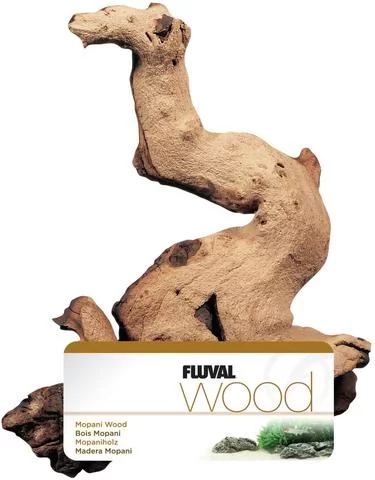 |
Fluval Mopani Wood |
Brand Name |
Buy On Amazon |
 |
Koyal Wholesale California Driftwood |
Budget Pick |
Buy On Amazon |
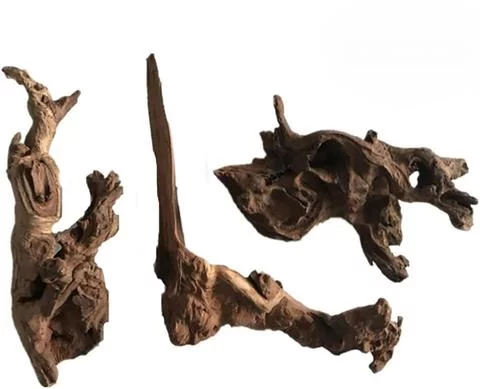 |
Hamiledyi Driftwood |
Price |
Buy On Amazon |
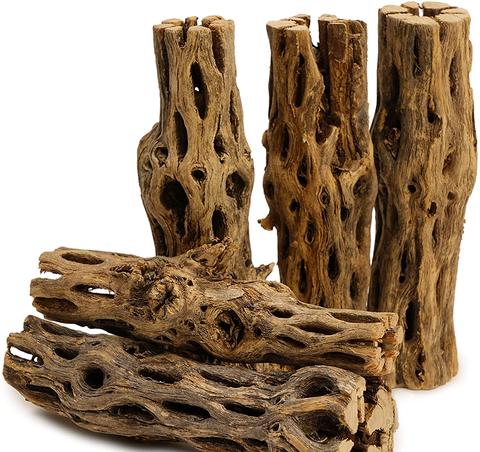 |
NiloG Cholla Wood |
Best For Shrimp Tanks |
Buy on Amazon |
The 9 Best Driftwood Types Reviewed
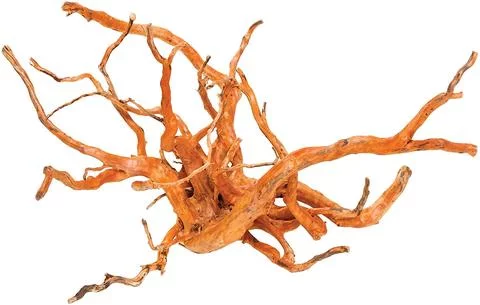
1. Manzanita: The Best Overall
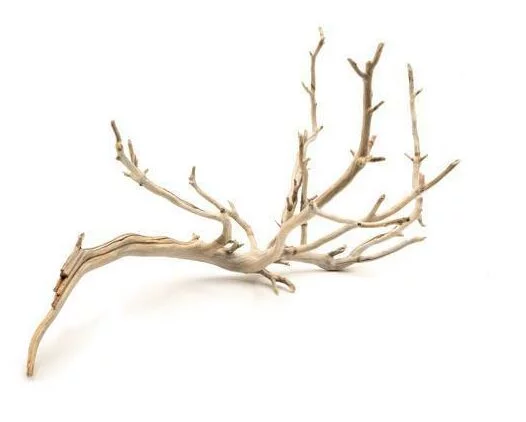
Manzanita is the driftwood I reach for in planted tanks and community setups, and it’s not close. The branching structure creates natural hardscape anchor points for Java fern, Anubias, and mosses. Tannin output is low compared to most other types, which means the water chemistry impact is minimal. It’s dense enough to sink in a reasonable time with proper soaking, and it’s durable enough to last years in the tank without rotting or breaking down structurally.
I’ve used Manzanita in planted community tanks, betta setups, and aquascapes where the visual profile matters. It photographs well, it works at every scale from small to large, and it doesn’t bully your fish with chemistry swings. If you don’t know what to buy and you’re keeping a community freshwater tank, this is the answer.
- Low tannin output
- Excellent branching structure for plants
- Dense and durable
- Can take longer to sink than lighter woods
- Higher price point for premium pieces
2. Tigerwood
Tigerwood has a distinctive striped grain pattern that makes it one of the most visually striking options available. Like Manzanita, tannin output is relatively low. It comes in showpiece sizes that can anchor a large display tank, which separates it from most competitors in the mid-range category. Choose Tigerwood over Manzanita if the visual grain of the wood matters to you and you want a statement piece rather than a branching structure for plants.
- Striking visual grain
- Low tannins
- Available in large showpiece sizes
- Less branching structure than Manzanita
- Fewer plant attachment options
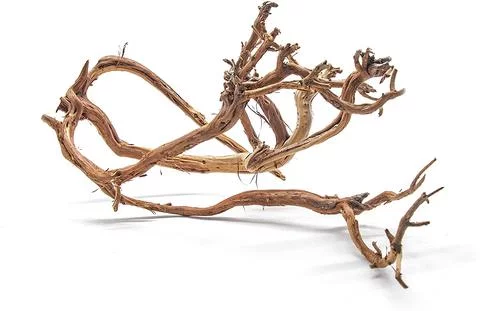
3. Spiderwood
Spiderwood is the first choice for small tanks and nano setups. The thin, spidery branching structure creates visual depth and complexity in a small footprint, which makes it uniquely suited to 10-gallon and under tanks where a large piece of Manzanita would be overwhelming. It’s also the fastest to sink of any wood on this list. It does leach more tannins than Manzanita or Tigerwood, so soak it properly. The surface texture is one shrimp genuinely love: they graze it constantly, picking at the biofilm that develops on the surface.
- Ideal for nano and small tanks
- Sinks quickly
- Excellent shrimp grazing surface
- Higher tannin output than Manzanita
- Thinner branches can break
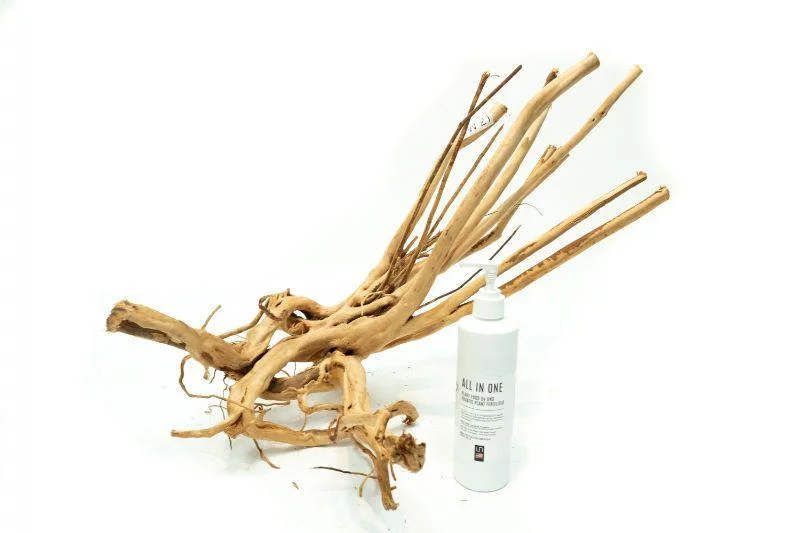
4. Buce Plant WYSIWYG Driftwood
What You See Is What You Get driftwood from Buce Plant is exactly that: you’re buying a specific, photographed piece, not a random selection from a bin. For a display tank where the exact shape and size of the centerpiece matters, this is the right approach. You pay more for the certainty. If you’re building an aquascape around a specific layout, WYSIWYG sourcing removes the guesswork.
- Exactly what you see in the photo
- Great for display aquascape planning
- Quality-vetted pieces
- More expensive than random selection
- Limited availability on specific pieces
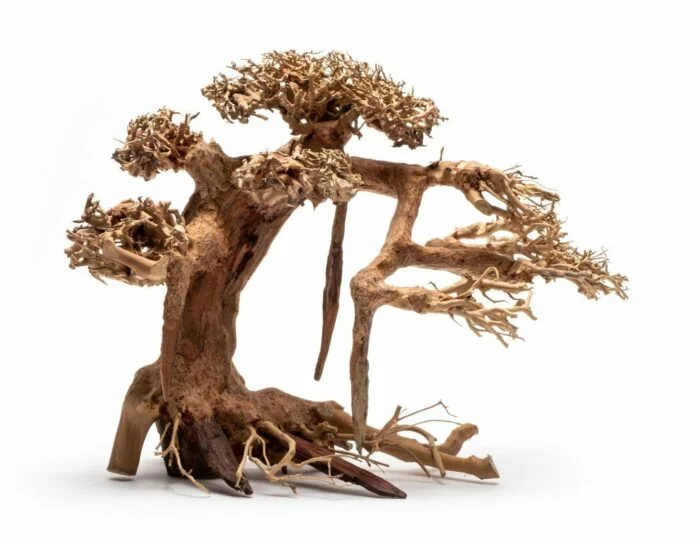
5. Bonsai Driftwood
Bonsai driftwood is pre-shaped to mimic the look of a bonsai tree, which creates an instant focal point in any tank. It’s a designed piece, not a natural one, but the visual effect is genuinely striking. Most bonsai pieces are sold with or are intended to have moss or plants attached to the branches, which reinforces the tree silhouette. If the aquascape is built around a tree motif, this is the most direct path to that look.
- Dramatic visual focal point
- Purpose-built for plant attachment
- Consistent shape and structure
- Less natural-looking than raw driftwood
- Can look staged if not planted well
6. Fluval Mopani Wood
Mopani is an African hardwood with a two-tone coloring: pale and dark areas that create natural contrast. It’s extremely dense, which means it sinks reliably without extended soaking. The trade-off: it’s one of the heaviest tannin producers on this list. A fresh piece of Mopani in an established tank will stain the water dark amber within a day or two. Soak it for at least two weeks with daily water changes before it goes in. Once the initial tannin dump is over, it’s a durable, long-lasting piece. Fluval’s version is pre-boiled and treated, which reduces but does not eliminate the initial tannin release.
- Extremely dense, sinks quickly
- Beautiful two-tone coloring
- Long-lasting in the tank
- Heavy tannin producer
- Requires extended soaking before use
7. Koyal Wholesale California Driftwood
California driftwood is the budget option on this list, and it shows in both price and consistency. Pieces vary significantly in shape, size, and quality because it’s sold as natural collected wood without the same curation as specialty aquarium driftwood. For a beginner tank where the goal is natural decor at low cost, it’s workable. For an aquascape where every element is intentional, the variability is a problem. Soak thoroughly and inspect for any signs of rot before use.
- Very affordable
- Natural look
- Works for basic community tank setups
- Significant piece-to-piece variability
- Less consistent quality than specialty options
8. Hamiledyi Driftwood
Hamiledyi is another budget-tier option sold primarily on Amazon, available in various sizes. Quality control is inconsistent, and the wood is softer than hardwood specialty options, meaning it breaks down faster over time. For a short-term setup, a quarantine tank, or a tank where cost is the only constraint, it does the job. Don’t expect it to look the same in two years as it does today.
- Cheap and widely available
- Multiple sizes
- Softer wood, breaks down faster
- Inconsistent quality
9. NilocG Cholla Wood
Cholla wood is in a category by itself. It’s not a traditional driftwood type: it’s the dried skeleton of a cholla cactus, which gives it a hollow, tubular structure that no other wood on this list has. Shrimp go absolutely crazy for it. The hollow interior gives them shelter and a surface covered in biofilm to graze. It does break down faster than hardwoods, typically within 6 to 12 months depending on tank conditions. Plan to replace it. In a shrimp tank, that’s a trade-off most shrimp keepers accept without hesitation.
- Best option specifically for shrimp tanks
- Hollow structure provides shelter
- Excellent biofilm surface
- Breaks down in 6 to 12 months
- Not a long-term centerpiece option
BUY OR SKIP?
Buy if: You want natural structure and a platform for low-light plants, you’re building a blackwater or biotope setup where tannins are a feature rather than a problem, or you’re running a shrimp tank where surface biofilm matters. Skip if: Your fish require hard, alkaline water and any pH drop would stress them, or your tank is already established and you don’t want to manage the tannin leaching period. For African cichlid tanks or goldfish tanks: don’t use it without very thorough preparation.
Should You Add Driftwood?
Good Fit If:
- You keep soft, acidic water fish: tetras, bettas, discus, apistogrammas, or wild-type South American species
- You’re running a planted tank and need anchor points for Java fern, Anubias, or mosses
- You’re keeping a shrimp colony that needs hiding spots and biofilm grazing surface
- You want to build a natural-looking aquascape with visual depth
Avoid If:
- Your fish require hard, alkaline water and pH stability is critical
- You’re not prepared to soak the wood properly before adding it to the tank
- Your tank is brand new and still cycling: adding tannin load to a cycling tank complicates the process
MARK’S TOP PICK
Manzanita for most freshwater tanks. It’s the best combination of low tannins, good structure for plant attachment, long-term durability, and visual impact at multiple tank scales. For shrimp tanks, add Cholla Wood alongside whatever hardscape you choose. For large showpiece tanks where you want a dramatic centerpiece, Tigerwood in a showpiece size. For nano tanks under 10 gallons, Spiderwood every time.
WHAT MOST PEOPLE MISS
White fuzzy mold on new driftwood is normal and harmless. It’s a biofilm that develops when new organic material enters the tank, and fish and shrimp will eat it on their own. The instinct is to panic-remove the wood and scrub it, which does nothing except stress your fish and reset the process. Leave it. It resolves within a week or two in most tanks. If you want to speed it up, a few otocinclus or nerite snails will clean it up faster than any intervention you’d try manually.
Closing Thoughts
Driftwood is one of the best investments you can make in a freshwater aquarium. It gives fish shelter and territory, gives plants a natural anchor, and gives the tank a visual depth that artificial decor simply cannot replicate. The key is matching the wood type to your fish and their water chemistry needs, soaking it properly before it goes in, and understanding that tannins are a feature in some tanks and a problem in others.
My pick for most setups: Manzanita. Soak it for a week minimum, rinse it, and it’ll serve your tank for years. For shrimp tanks, add Cholla Wood. For nano builds, Spiderwood.
For quality fish that deserve a natural environment, I consistently recommend Flip Aquatics and Dan’s Fish. Good livestock in a well-built tank makes every piece of driftwood worth it.
- About the Author
- Latest Posts

I’m Mark Valderrama, founder of Aquarium Store Depot and a fishkeeper with over 25 years of hands-on experience. I started in the hobby at age 11, worked at local fish stores, and have kept freshwater tanks, ponds, and reef tanks ever since. I’ve been featured in two best-selling aquarium books on Amazon and built this site to share practical, experience-based fish keeping knowledge.


Leave a Reply