Tag: Fish Tanks

  • Aquarium Sizes: My Complete Guide After Owning Tanks from 5 to 125 Gallons

    Aquarium Sizes: My Complete Guide After Owning Tanks from 5 to 125 Gallons

    Choosing the right aquarium size is one of the most important decisions youโ€™ll make as a fish keeper โ€” and one where I see beginners go wrong most often. Iโ€™ve personally owned and run 5-gallon, 10-gallon, 20-gallon, 29-gallon, 40-gallon, 65-gallon, and 125-gallon tanks over my 25 years in the hobby, across both freshwater and saltwater setups. Trust me when I say: bigger is almost always easier.

    This guide covers every standard aquarium size with real specs, honest pros and cons, and my personal recommendations for each โ€” so you can pick the right tank the first time.

    Key Takeaways

    • Bigger is always better for your fish.
    • Weight is important when choosing fish tank sizes. Each gallon of water already weighs 8.3 pounds, but empty weight, substrate, and hardscape all add up.
    • Consider your available space, budget, and the kind of fish you want to keep before choosing your tank size.
    • Large tanks require less frequent maintenance than small fish tanks.

    Choosing A Tank – What To Consider

    Setting up a fish tank is a long-term commitment, so it’s not something you want to jump into without considering all the facts. Let’s take a look at the most important factors when choosing aquarium dimensions.

    Size

    The length, depth, and height of your aquarium determine which kind of fish you can keep. Different species grow to different sizes and have different activity levels and territorial behaviors.

    If you are setting up an aquarium for a specific species, you’ll need to research its minimum tank size first.

    Weight

    Water is surprisingly heavy, and so is glass and aquarium substrate. The weight of your aquarium is usually more important to think about than its size. Aquariums in the 5 to 15-gallon size range can often be kept on sturdy furniture, but anything bigger is going to require a proper stand.

    Consider both the empty and full weight of a tank, and remember, it’s not only the stand that you need to consider but also what’s underneath it.

    There are definite limits to the amount of weight your floor can handle, and that depends on a bunch of factors, like which floor you’re on and how your building was built.

    Power

    Aquariums need electricity to run, and the larger your tank, the larger your power bill. Most aquariums require heating, and all need filtration. Modern aquarium hardware is very energy efficient, but keeping a large tank warm in a cold environment is going to need energy. Some older homes, especially with reef tanks, make not have the breakers to handle a larger setup.

    20 amps circuits are ideal for larger high-powered setups.

    Cost

    Generally speaking, aquarium prices increase with size. The same rule applies to hardware, lighting, decor, substrate, stands, and pretty much everything else.

    Permission

    You’ll need to consult your landlord/lady about permission to keep an aquarium if you’re renting, and size might well be an issue. There might also be weight limits in your building, so do your homework before you buy something too big.

    Maintenance

    Aquarium maintenance is one factor that actually decreases with aquarium size. Basically, the larger a tank, the more stable its water quality and the less maintenance it needs per gallon. Of course, this one’s really going to depend on how many fish you keep, how big they are, and what they eat.

    Standard Aquarium Sizes

    Aquariums come in all shapes and sizes, including cylinders, bow front, and hexagons (see our video above from our YouTube Channel). Their designs vary slightly depending on the manufacturer, and even the material they are made of varies, with glass aquariums and acrylic aquariums being the most popular options.

    Choosing odd aquarium shapes and sizes takes careful planning, but fortunately, most fish tanks come in standard rectangular sizes. Standard-size glass tanks are also easy to find in kits that may include a hood, lighting, and sometimes other equipment like stands, heaters, and filters.

    Even though standard fish tank sizes are, well, standard, there may be a slight difference in actual aquarium dimensions between different manufacturers and by trim type. I recommend you confirm the exact dimensions with a tape measure before you buy the wrong box!

    Keep reading as we look at standard fish tank size options and the pros and cons of each one.

    Small Fish Tanks

    Small aquariums vary from less than a gallon up to 15 gallons. The major benefits of a small aquarium tank are low cost, and low space requirements, although they are not necessarily easier to maintain. Small tanks are recommended for small freshwater fish and invertebrates.

    Let’s take a look at some popular small aquarium tank size options.

    5-Gallon Tank

    The 5-gallon aquarium is the smallest size you should consider for keeping fish. This is a great tank size for your desk at home, at work, or even at your bedside.

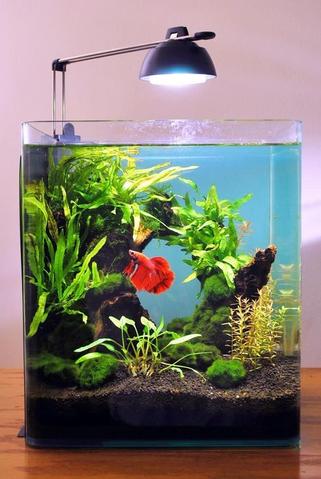
    However, your options are very limited when it comes to choosing fish, and maintaining good water quality can be tricky. This aquarium size is best if you want a single betta or inverts in a compact freshwater tank.

    Iโ€™ve kept a 5-gallon and Iโ€™ll be honest: small tanks are actually harder to maintain than larger ones, not easier. Parameters can shift fast โ€” a missed water change, a temperature swing in summer or winter, or forgetting to top off evaporated water can cause real trouble quickly. A 5-gallon is a perfectly fine betta home if youโ€™re diligent, but it doesnโ€™t forgive neglect the way a larger tank does.
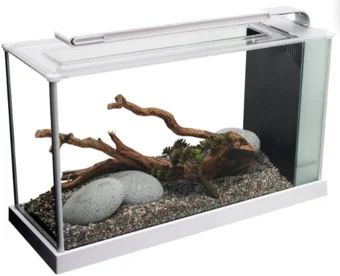
    Editor’s Choice!
    Fluval Spec V

    The Best 5 Gallon Fish Tank

    The best filtration, best light, and perfect size. Everything you need to get started. It’s the perfect small tank!

    Buy On Petco Buy On Amazon

    Dimensions: (L x W x H): 16 x 8 x 10 inches or 41 x 20 x 25 centimeters

    Dry Weight: 7 pounds or 3.2 kilograms

    Wet Weight: 62 pounds or 28 kilograms

    Pros

    • Lightweight
    • Low cost

    Cons

    • Limited choices of fish
    • High maintenance needs

    Stocking options

    10-Gallon Tank

    A ten-gallon fish tank is still considered a nano aquarium, although it provides more options when choosing aquatic pets. Ten-gallon tanks are cheap to set up, and a little easier to maintain than the 5-gallon size. These tanks are also easy to find as complete kits.

    Dimensions: (L x W x H): 20 x 10 x 12 inches or 51 x 25 x 30 centimeters

    Dry Weight: 11 pounds or 5 kilograms

    Wet Weight: 111 pounds or 50 kilograms

    Pros

    • Affordable aquarium and hardware
    • Does not require an aquarium stand

    Cons

    • Still too small for a community tank
    • Needs careful maintenance

    Stocking Options

    Medium Fish Tanks

    Medium fish tanks are the ideal choice for beginners who want a wide choice of fish species. The water volume in these tanks allows a little more room for error than in a small tank, although their filled weight makes them too heavy for most home furniture.

    Read on to learn about the most popular medium-sized fish tanks.

    20-Gallon Tanks

    The 20-gallon aquarium size opens up a whole lot more options for fish keepers because these fish tanks are great for small, peaceful communities. This is also the minimum recommended size for saltwater fish like clownfish.

    The 20-gallon capacity aquarium is available in two standard sizes with the same capacity. The long option is generally preferred, although the 20-gallon high is also a great choice, particularly if you want to grow taller plants or don’t have a lot of floor space for your aquarium.

    For freshwater fish keeping, my personal recommendation for beginners is the 20-gallon long. It gives you enough water volume to keep parameters stable, opens up your stocking options significantly, and is still very manageable. I also strongly believe in running one tank at a time โ€” especially when starting out. Get one 20-gallon running well before thinking about adding more. Donโ€™t spread yourself thin.

    Dimensions: (L x W x H):

    • Long 30 x 12 x 12 inches or 76 x 30 x 30 centimeters
    • High 24 x 12 x 16 inches or 61 x 30 x 41 centimeters

    Dry Weight: 25 pounds or 11 kilograms

    Wet Weight: 225 pounds or 102 kilograms

    Pros

    • Great tank size for a small community
    • Easier to maintain than smaller tanks but still light and compact

    Cons

    • May require a stand
    • Still too small for many popular tropical fish species

    Stocking options

    29-Gallon Tank

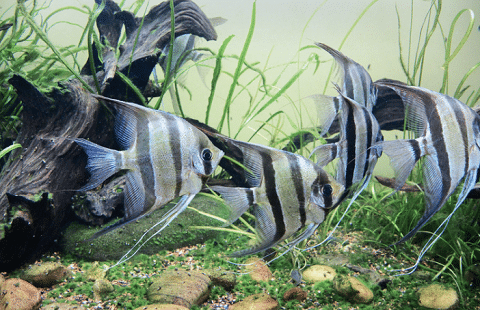
    The 29-gallon aquarium is one of the best all-round choices, particularly for beginner fish keepers. This is the minimum tank size for many medium-sized freshwater fish like goldfish and angelfish, although it is also an excellent size for a busy community of small fish.
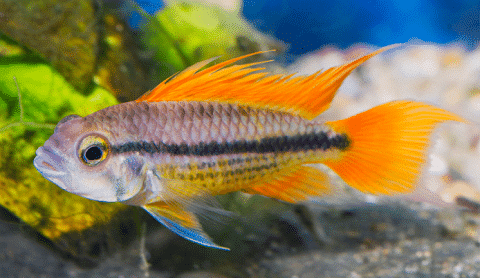
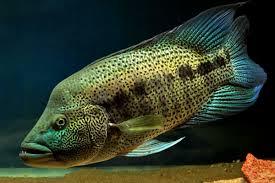
    Apistos Cichlid

    The 29-gallon fish tank is also a step up in height, which is great for growing a variety of aquarium plants. This aquarium size is also great as a hospital or quarantine tank for medium and larger fish.

    Dimensions: (L x W x H): 30 x 12 x 18 inches or 76 x 30 x 46 centimeters

    Dry Weight: 40 pounds or 18 kilograms

    Wet Weight: 330 pounds or 150 kilograms

    Pros

    • Stable water parameters
    • Enough room for a variety of different fish
    • Available in kit form

    Cons

    • At over 300 pounds, this fish tank usually requires a well-built aquarium stand

    Stocking options

    • A varied community, including centerpiece fish, bottom dwellers, and schooling fish
    • Angelfish
    • Fancy goldfish

    40-Gallon Tanks

    The 40-gallon aquarium allows you to keep ‘wet pets’ like the blood parrot cichlid or even younger specimens of larger species like oscars and flowerhorns.
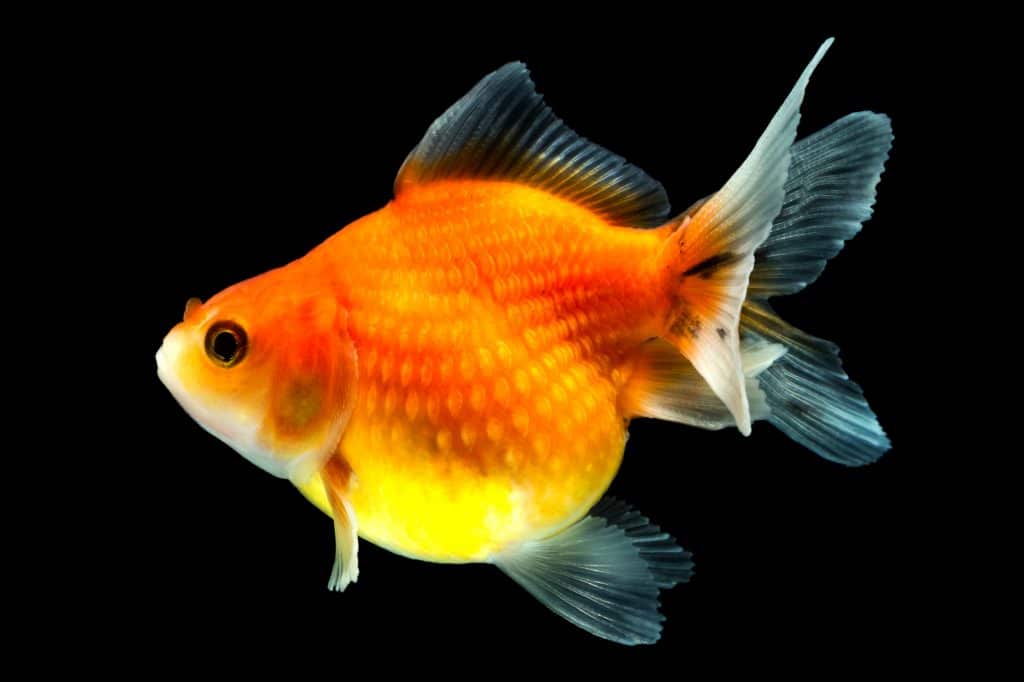
    Pearscale Goldfish

    This is a great tank size for three or four fancy goldfish with good filtration or even a cool water setup with a slow-swimming fancy goldfish and some white cloud minnows or ricefish.

    40-gallon tanks are available in a ‘breeder’ tank or a standard long shape, which is longer and narrower but has the same depth. The longer option is a great size for more active swimming fish like giant danios.

    Dimensions (L x W x H):

    • Breeder 36 x 18 x 16 inches or 91 x 46 x 41 centimeters
    • Long 48 x 12 x 16 inches or 122 x 30 x 41 centimeters

    Dry Weight: 58 pounds or 26 kilograms

    Wet Weight: 458 pounds or 207 kilograms

    Pros

    • Big enough for larger, single fish
    • Great size for a planted community tank
    • Available in two shapes

    Cons

    • Requires a dedicated stand

    Stocking options

    Large Fish Tanks

    Large aquariums are necessary to provide a healthy home for medium to large salt and freshwater fish. Aquarium weight becomes more important than aquarium dimensions when setting up these tanks, especially if you live above the ground floor.

    Let’s take a look at some popular options and what you can keep in them.

    55-Gallon Tank

    The 55-gallon aquarium size is entering the category of large aquariums. This is the minimum tank size for an African cichlid community, although your options are limited to a few species.
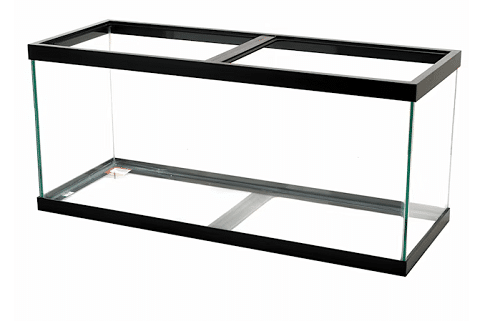
    You can also keep some of the larger Central American cichlids in this aquarium tank size, including oscars and severums. Of course, all the fish mentioned for smaller tanks will also be happy in this larger tank size.

    The 55-gallon is where Iโ€™d point anyone serious about African cichlids or saltwater fish. For African cichlids, itโ€™s the realistic starting point โ€” though Iโ€™d lean toward a 75-gallon if your space and budget allow. For saltwater, a 55-gallon gives you enough water volume to keep parameters stable for most fish. Itโ€™s a serious tank that rewards serious hobbyists.

    Dimensions: (L x W x H): 48 x 13 x 21 inches or 122 x 33 x 53 centimeters

    Dry Weight: 78 pounds or 35 kilograms

    Wet Weight: 628 pounds or 285 kilograms

    Pros

    • Stable water conditions
    • Variety of stocking options, including saltwater fish

    Cons

    • Increased depth makes reaching the substrate more difficult during maintenance
    • Too large for sponge filtration

    Stocking options

    • Varied community tank with angelfish school
    • Small African cichlid community

    75-Gallon Tank

    The 75-gallon aquarium is 4 feet long, just like the 55-gallon, but the extra width just increases the amount of floor space in the tank, allowing you to create a more diverse aquascape and keep even more fish or larger species.
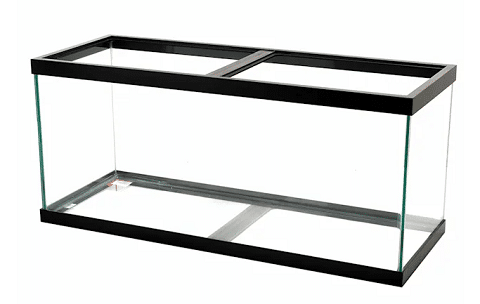
    Budget Option
    Aqueon 75 Gallon Aquarium

    Your standard 75 gallon aquarium. 4 foot dimensions and fits most stands available at fish stores

    Click For Best Price

    This is a great size to create a healthy long-term home for large Central American cichlids like Jack Dempseys and Flowerhorns.

    The 75-gallon is my sweet spot for serious freshwater setups and a solid entry point for a saltwater reef. For African cichlids specifically, this is where they really have room to establish territories without constant aggression from overcrowding. On the saltwater side, this is the size Iโ€™d recommend to most reefers who want to keep corals long-term. More water volume = more stability = more margin for error.

    Dimensions: (L x W x H): 48 x 18 x 21 inches or 122 x 46 x 53 centimeters

    Dry Weight: 140 pounds or 64 kilograms

    Wet Weight: 850 pounds or 386 kilograms

    Pros

    • Ideal long-term home for wet pets like full-grown Oscar cichlids

    Cons

    • Does not offer many benefits over the 55-gallon but is significantly heavier

    Stocking options

    • Large cichlids like oscars or flowerhorns
    • a small group of discus
    • Medium-sized community fish like silver dollars and rainbowfish
    • Saltwater reef tank

    125-gallon Tank

    The 125-gallon tank is an excellent 6-foot option for serious fish keepers. Setting up a large aquarium takes time, but the results can be amazing!

    I ran a 125-gallon reef tank and it was one of the most rewarding setups Iโ€™ve had. The scale โ€” the fish, the corals, the whole living ecosystem โ€” is something you simply canโ€™t replicate in smaller tanks. But I want to be real: the maintenance commitment goes up significantly. Water changes take real prep work. Lighting for a 6-foot tank, especially for corals, gets expensive fast. Go in with eyes open, and itโ€™s absolutely worth it.

    Editor’s Choice
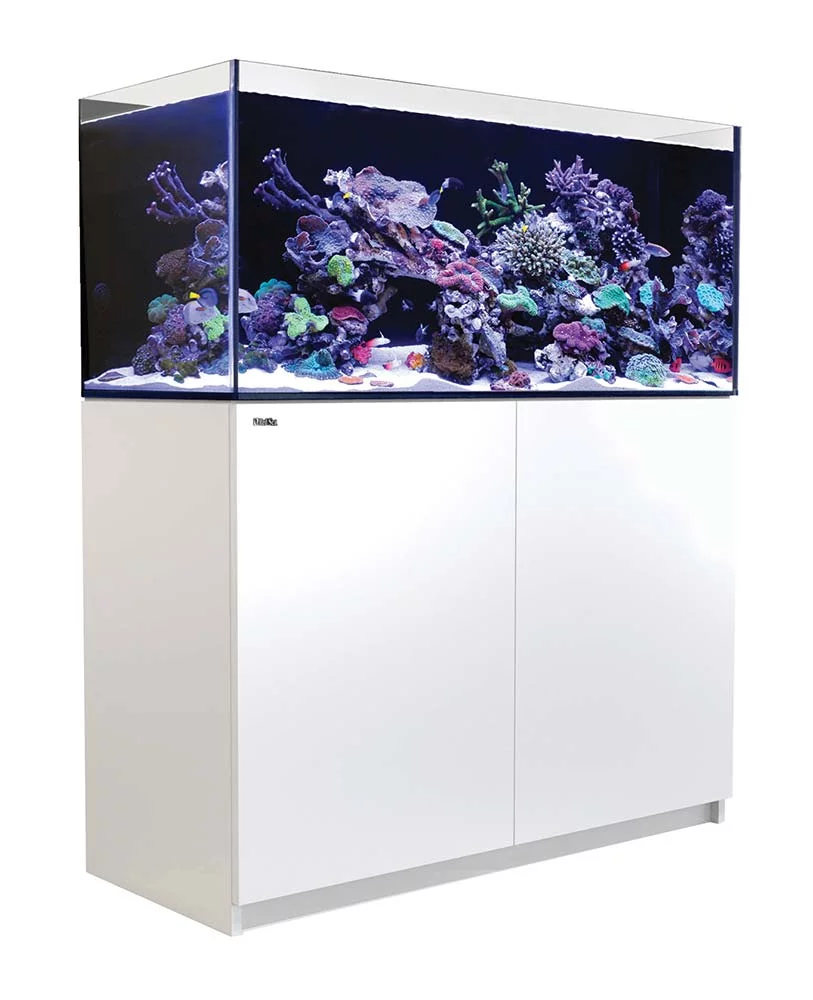
    Red Sea Reefer 425 XL

    The newest generation Red Sea Reefers offer a great all in one system for anyone looking for a saltwater aquarium

    Click For Best Price

    There’s almost no limit to the variety of fish you can keep in a tank of this size, and they are pretty easy to find. In fact, 6-foot tanks are often available in kit form.

    Dimensions: (L x W x H): 72 x 18 x 21 inches or 183 x 46 x 53 centimeters

    Dry Weight: 206 pounds or 93 kilograms

    Wet Weight: 1400 pounds or 635 kilograms

    Pros

    • Big enough for most popular salt and freshwater aquarium fish in the hobby
    • Makes a real statement in any room

    Cons

    • A large investment of time and money

    Stocking options

    150-gallon Tank

    The 150-gallon has all the same benefits as the 125 but has that little bit of extra volume for added water stability. It has the same dimensions at the bottom, which means you don’t need to spend more on substrate and hardscape, which really adds up to the cost of a tank setup.

    Dimensions: (L x W x H): 72 x 18 x 28 inches or 183 x 46 x 71 centimeters

    Dry Weight: 338 pounds or 153 kilograms

    Wet Weight: 1800 pounds or 816 kilograms

    Pros

    • This aquarium tank has the same floor space as the 125 but even more water volume
    • The extra height of a 150 allows more complex aquascaping options

    Cons

    • Complete 150-gallon tanks are extremely heavy and often unsuitable for upper floors
    • Extra depth makes maintenance more difficult

    Stocking options

    • Almost all the well-known freshwater aquarium fish and most large variety of reef species
    • Huge schools of tetras and other small fish
    • Large cichlids
    • Various catfish

    Larger Tanks

    When it comes to fishkeeping, bigger is almost always better. Fish live out in rivers, lakes, and oceans where they have huge amounts of space to swim and explore. This means that aquariums are never too big for fish, but they are often too small.

    If you have the space, budget, and floor strength for a larger aquarium, why not go all out and build your dream setup? Your fish will thank you for it!

    What people consistently underestimate about very large tanks is the ongoing maintenance. Water changes donโ€™t just take more water โ€” they take more time, more prep, and more equipment. Lighting becomes a real investment once you go beyond a 2-foot tank, especially for reef or high-tech planted setups. My advice: only go as big as you can realistically maintain. A well-maintained 75-gallon will always outperform a neglected 200-gallon.

    Quick Tank Chart

    For those who prefer a quick list to reference, here is a chart with all the aquarium sizes we discussed. Happy shopping!

    GallonsDimensions (Imperial) – LxWxHDimensions (Metric) – LxWxHEstimated Filled Weight
    5 Gallon16 x 8 x 10 inches41 x 20 x 25 centimeters62 lbs (28 KG)
    10 Gallon20 x 10 x 12 inches51 x 25 x 30 centimeters111 lbs (50 KG)
    20 Gallon Long30 x 12 x 12 inches76 x 30 x 30 centimeters225 lbs (102 KG)
    20 Gallon High24 x 12 x 16 inches61 x 30 x 41 centimeters225 lbs (102KG)
    29 Gallon30 x 12 x 18 inches76 x 30 x 46 centimeters330 lbs (150 KG)
    40 Gallon Breeder36 x 18 x 16 inches91 x 46 x 41 centimeters458 lbs (207 KG)
    40 Gallon Long48 x 12 x 16 inches122 x 30 x 41 centimeters458 lbs (207 KG)
    55 Gallon48 x 13 x 21 inches122 x 33 x 53 centimeters628 lbs (295 KG)
    75 Gallon48 x 18 x 21 inches122 x 46 x 53 centimeters850 lbs (385 KG)
    125 Gallon72 x 18 x 21 inches183 x 46 x 53 centimeters1400 lbs (635 KG)
    150 Gallon72 x 18 x 28 inches183 x 46 x 71 centimeters1800 lbs (816 KG)

    FAQs

    What is a good fish tank choice?

    All fish tank sizes have their place, it really depends on the kind of fish you wish to keep. Standard-size aquariums tend to be the most affordable and easiest to find. If you’re just starting out and want a small and affordable tank that can hold plenty of beautiful community fish, consider a 29-gallon capacity tank.

    Larger pet fish like oscars usually need 55 gallons or more, but you can scale down to a betta tank of just 5 gallons if you want a wonderful small pet fish.

    How big is a 24x12x12 tank?

    A 24 x 12 x 12-inch tank is a standard 15-gallon or 2-foot aquarium. This is an excellent size for a nano community aquarium or a basic planted tank with small schooling tetras. There are many stocking options available for this tank size, although the small volume of water makes frequent maintenance important.

    What are the dimensions of a standard tank?

    Standard tank dimensions vary depending on the volume of water they hold. Popular small aquarium sizes include 2-foot, 3-foot, and 4-foot tanks.

    Is Taller Or Wider Better?

    Wider tanks are better than taller tanks in most situations. A bigger surface area or ‘footprint’ provides more space for swimming, territories, and aquascaping. However, there are some cases where a tall tank is ideal. Tall fish species like angelfish require deeper water and many of the taller stem plants will not fit in shallow planted aquariums.

    Final Thoughts

    Choosing your aquarium’s dimensions takes careful planning, but that doesn’t mean it can’t be fun! Use this guide to help make an informed decision; just remember to factor in how much space you have and the water weight on your tank before making a purchase.

    What is your favorite tank size? Let us know in the comments below! Also check out our YouTube channel for more videos.


    ๐Ÿ”ง Want to learn more? This article is part of our complete Aquarium Equipment & Gear Guide โ€” your ultimate resource for filters, heaters, lights, pumps, tanks, and more.

  • Fish for a 55 Gallon Tank: My 21 Picks After Years in the Aquarium Trade

    Fish for a 55 Gallon Tank: My 21 Picks After Years in the Aquarium Trade

    Iโ€™ve personally cared for nearly every fish on this list through my years working at local fish stores, so I can tell you firsthand which ones thrive in a 55-gallon setup and which ones cause problems. A 55-gallon tank is a fantastic size โ€” it opens the door to impressive centerpiece fish and schooling communities alike, but that wide range of options is exactly where most fishkeepers go wrong. In this guide, Iโ€™ll share my top 21 picks, along with the stocking mistakes I see most often so you can avoid them.

    Key Takeaways

    • There are hundreds of different fish species that you can keep in a 55-gallon tank
    • This tank size is a great choice for large, single-fish setups like oscar aquariums or a busy community aquarium filled with plants and colorful nano fish.
    • Tank size is not the only factor when choosing fish. Take note of each species’s water parameter requirements and select fish that will thrive in your local water.

    Best Freshwater Fish For 55 Gallon Tanks

    Let’s start our list right away. You can check out this video from our official YouTube Channel while following along on this blog post. If you like our content be sure to subscribe!

    1. Freshwater Angelfish

    Altum Angelfish
    • Scientific name: Pterophyllum scalare
    • Care level: Easy
    • Minimum tank size: 40 gallons
    • Temperament: Generally peaceful but may be aggressive when breeding and will eat nano fish
    • Adult fish size: 6 inches
    • Origin: South America
    • Temperature: 75 – 82ยฐF
    • pH: 6-7
    • Diet: Omnivore
    • Swim Level: Mid-level
    • Type: Centerpiece

    Freshwater angelfish are some of the most beautiful and elegant fish in the hobby and they can thrive in a standard four-foot aquarium. These stunning South American Cichlids are available in a range of different breeds, ranging from pure white to black, and even multicolored.

    A pair of angelfish in a 55 gallon planted tank is usually a great idea, just be aware that these fish can show some territorial behavior around breeding time, and they will snack on nano fish when they can catch them.

    ๐Ÿ† My top pick for a 55-gallon centerpiece: If I were setting up a 55-gallon freshwater community tank, angelfish would be my first choice. A pair in a well-planted setup is genuinely stunning โ€” Iโ€™ve seen this work beautifully countless times through my years in the aquarium trade. Just plan your community around them from the start, and avoid adding nano fish as tank mates.

    2. Congo Tetra

    Congo-Tetra
    • Scientific name: Phenacogrammus interruptus
    • Care level: Easy
    • Minimum tank size: 30 gallons
    • Temperament: Peaceful
    • Adult fish size: 2.5-3 inches
    • Origin: West Africa
    • Temperature: 73-82ยฐF
    • pH: 6-7.5
    • Diet: Omnivore
    • Swim Level: Middle and upper levels
    • Type: Schooling fish

    The Congo tetra is a beautiful African schooling fish that is ideal for larger aquariums. Males are neon blue with an orange horizontal stripe and interesting pointed tail fins. Females have a classy gold/silvery color with shorter tails and more compact dorsal fins.

    A school of six or more fish will add variety and heaps of movement to the water column of your 55-gallon tank.

    3. African Cichlids

    African-Cichlids
    • Scientific name: Various
    • Care level: Moderate
    • Minimum tank size: Various
    • Temperament: Semi-aggressive
    • Adult fish size: 1.5 – 5 inches
    • Origin: East Africa
    • Temperature: 77-82ยฐF
    • pH: 7.5-9
    • Diet: Species dependant
    • Swim Level: Lower and middle levels
    • Type: Centerpiece fish

    A four-foot tank is just large enough for an African cichlid setup, although it’s important to choose the right species to minimize territorial disputes and provide the hard, high-pH water these fish require.

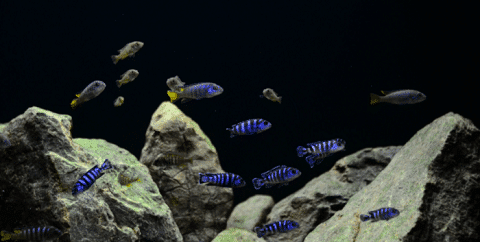
    Smaller mbuna cichlids like yellow labs or other smaller species like shell dwellers are ideal for this tank size, although you could also start a breeding group of a slightly larger species like one of the smaller peacocks.

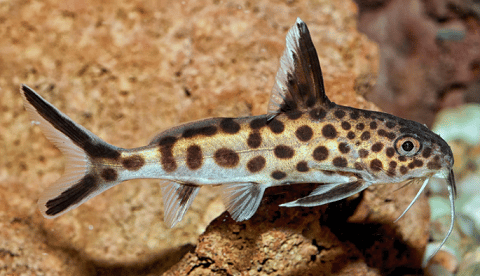
    4. Synodontis Catfish

    Synodontis-Catfish
    • Scientific name: Synodontis spp.
    • Care level: Easy-moderate
    • Minimum tank size: 30-50 gallons
    • Temperament: Peaceful/ Semi-aggressive
    • Adult fish size: 4-8 inches
    • Origin: East Africa
    • Temperature: 74-82ยฐF
    • pH: 7.5 – 8.5
    • Diet: Omnivore
    • Swim Level: Bottom
    • Type: Bottom dweller

    There are several species of Synodontis catfish available in the aquarium hobby, and these interesting fish are especially popular as bottom-dwelling tankmates in an African cichlid tank.

    Of course, you could keep these bottom-dwelling fish with other suitable tank mates, but avoid small, slow-moving species that might turn into lunch. Synodontis catfish prefer the company of their own kind, so pick up a school of four or more.

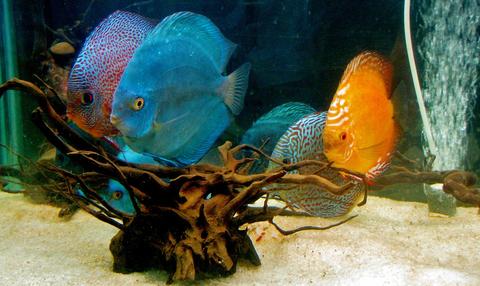
    5. Discus

    Discus In An Aquarium
    • Scientific name: Symphysodon discus
    • Care level: Advanced
    • Minimum tank size: 55 gallons (75+ is better)
    • Temperament: Peaceful
    • Adult fish size: 5-6 inches
    • Origin: South America
    • Temperature: 82-89ยฐF
    • pH: 6-6.5
    • Diet: Omnivore
    • Swim Level: Middle levels
    • Type: Centerpiece

    It is possible to keep discus cichlids in a tank as small as 55 gallons, but I must emphasize that you’re going to need to stay dedicated to maintain their water quality!

    So, if you’ve always dreamed of keeping the ‘king of the aquarium’ but you don’t have space for a bigger tank, you could attempt this species. Be prepared to perform frequent water changes to keep these delicate fish happy and healthy.

    6. Corydoras Catfish

    • Scientific name: Corydoras spp.
    • Care level: Easy
    • Minimum tank size: 30 gallons for most species
    • Temperament: Peaceful
    • Adult fish size: 2-3 inches
    • Origin: South America
    • Temperature: 74-80ยฐF
    • pH: 5.5-8
    • Diet: Omnivore
    • Swim Level: Bottom
    • Type: Bottom dweller

    Corydoras catfish can be kept in tanks as small as 30 gallons, although a four-foot tank will allow you to keep a larger school or even a few different species. These peaceful fish hang out on the bottom of the tank and they love to search the substrate for leftover food scraps.

    There are many different types, including panda cories, Sterbai cories, and even albino breeds, but these social fish really need the company of their own kind. Pick up a school of at least 5 of the same species and provide a sinking bottom feeder tablet to keep them in good health.

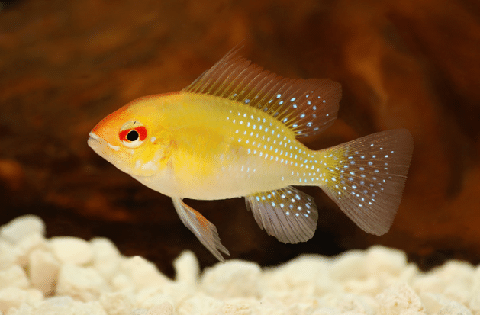
    7. Ram Cichlids

    Golden Ram Cichlid
    • Scientific name: Mikrogeophagus ramirezi
    • Care level: Moderate – Advanced
    • Minimum tank size: 20 gallons
    • Temperament: Peaceful
    • Adult fish size: 2.5 inches
    • Origin: South America
    • Temperature: 78-86ยฐF
    • pH: 5.5-7.5
    • Diet: Omnivore
    • Swim Level: Lower levels
    • Type: Centerpiece

    The ram is a colorful dwarf cichlid from South America. These gorgeous fish are relatively shy and sensitive for a cichlid, but they can make a great addition to a 55-gallon aquarium.

    Ram cichlids hang out at the bottom of the tank and sift through the substrate in search of a meal, so a sand substrate is ideal. These tropical fish require warm water, so set your heater in the low 80s to recreate their natural habitat.

    8. Neon Tetras

    • Scientific name: Paracheirodon innesi
    • Care level: Moderate
    • Minimum tank size: 10 gallons
    • Temperament: Peaceful
    • Adult fish size: 1.5 inches
    • Origin: South America
    • Temperature: 70-79ยฐF
    • pH: 6-7
    • Diet: Omnivore
    • Swim Level: Middle levels
    • Type: Schooling fish

    Who says you can’t keep small fish in a big tank? The neon tetra is a classic community fish that will thrive in a large aquarium filled with live plants and other small peaceful species. These fish look their best in a large school, so a 55-gallon is ideal for the species.

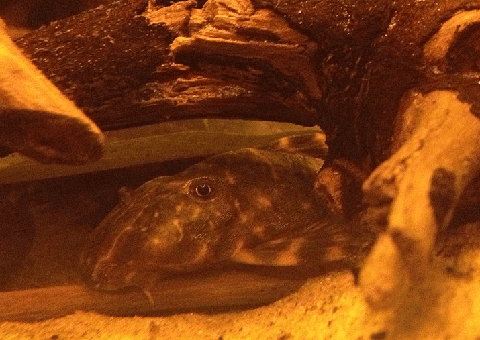
    9. Small to Mid-sized Plecos

    Clown-Pleco
    • Scientific name: Ancistrus spp., Hypancistrus spp. Panaqolas spp. etc.
    • Care level: Easy-Advanced
    • Minimum tank size: 20 gallons
    • Temperament: Peaceful
    • Adult fish size: 3-6 inches
    • Origin: South America
    • Temperature: Species dependant. Some prefer low 70s Fahrenheit while others prefer mid-80s
    • pH: Slightly acidic-slightly basic (Most species will do well in neutral conditions)
    • Diet: Herbivore
    • Swim Level: Bottom
    • Type: Bottom dweller

    There are well over a hundred pleco species, some of which grow to more than a foot in length. However, there are many species in the hobby that are perfectly sized for a 55-gallon tank, and some will even help you keep algae under control.

    These peaceful bottom dwellers are safe to keep with smaller fish, although they can also hold their own with medium-sized fish in community tanks. Include plenty of rocks and driftwood to create a natural environment with plenty of hiding spaces and food sources.

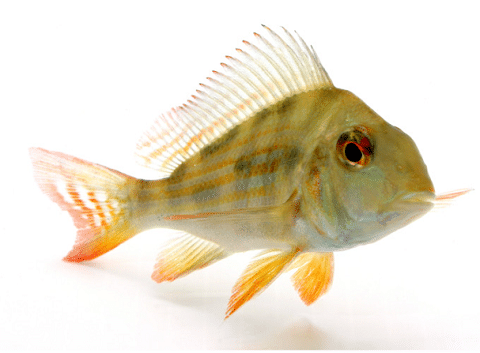
    10. Geophagus

    Geophagus
    • Scientific name: Geophagus spp., Satanoperca spp., etc.
    • Care level: Moderate
    • Minimum tank size: 55 gallons for smaller species
    • Temperament: Generally peaceful
    • Adult fish size: 6+ inches
    • Origin: South America
    • Temperature: Species-dependant
    • pH: Species-dependant
    • Diet: Omnivorous
    • Swim Level: Lower levels
    • Type: Centerpiece

    Geophagus are colorful South American cichlids characterized by their unique feeding style. These medium to large fish sift through the substrate in search of food, so they are not ideal fish for a carefully aquascaped tank!

    Keep geophagus cichlids on a fine sandy substrate and choose smaller species that grow to about 6 inches or smaller (e.g., Geophagus tapajos).

    11. Rainbowfish

    Lake-Tebera-fish
    • Scientific name: Melanotaenia spp.
    • Care level: Easy-moderate
    • Minimum tank size: 30 gallons
    • Temperament: Peaceful
    • Adult fish size: 2-6 inches
    • Origin: Australia and Indonesia
    • Temperature: 74-80ยฐF
    • pH: 6.5-8
    • Diet: Omnivore
    • Swim Level: Middle levels
    • Type: Schooling fish

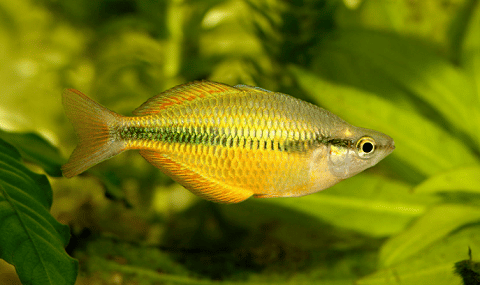
    Rainbowfish are peaceful, schooling fish that will add color and movement to your 55-gallon aquarium. These fish have an interesting body shape, and there are many amazing species to choose from, including the popular Boesmani rainbow and the smaller dwarf neon rainbow.

    Check out my guide to 15 popular rainbowfish types to find the perfect species for your tank!

    12. Convict Cichlids

    Convict Cichlid
    • Scientific name: Amatitlania nigrofasciata
    • Care level: Easy
    • Minimum tank size: 30 gallons
    • Temperament: Aggressive
    • Adult fish size: 3.5 – 6 inches
    • Origin: South America
    • Temperature: 74-84ยฐF
    • pH: 6.5-8
    • Diet: Omnivore
    • Swim Level: Lower levels
    • Type: Centerpiece

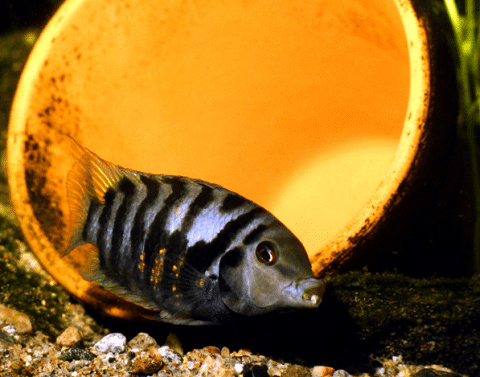
    Named for its grey color and vertical black stripes, the convict cichlid looks like it belongs in a prison! In fact, these South American cichlids are excellent fish for a 55-gallon aquarium, and they’re super easy to breed! In fact, these fish spawn so much that you may want to choose another species if you aren’t up for raising their tiny fry.

    13. Tiger Barbs

    Tiger-Barb
    • Scientific name: Puntigrus tetrazona
    • Care level: Easy
    • Minimum tank size: 30 gallons
    • Temperament: Semi-aggressive
    • Adult fish size: 3 inches
    • Origin: Southeast Asia
    • Temperature: 73-86ยฐF
    • pH: 6-8
    • Diet: Omnivore
    • Swim Level: Middle levels
    • Type: Schooling fish

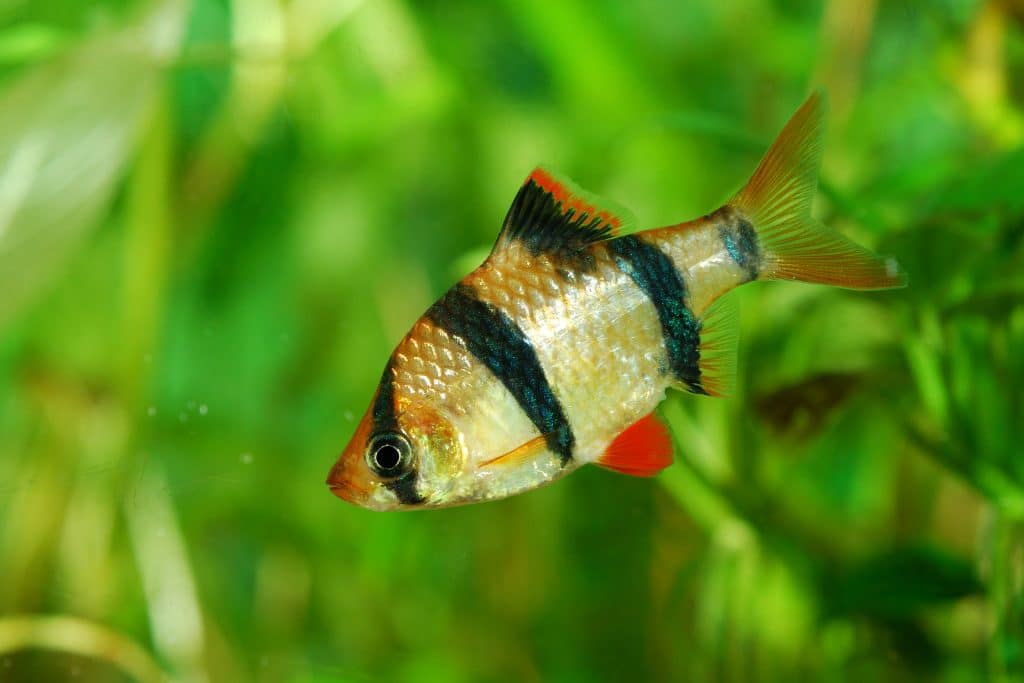
    Named for its orange body color and four vertical black stripes, the tiger barb is an attractive schooling fish from Southeast Asia. These active barbs have a reputation for nipping other fish, although they tend to behave a lot better when kept in large schools of 15 or more.

    Tiger barbs can be kept with many bottom-dwellers and fast-moving schooling fish, just avoid any slow-moving tankmates or fish with long, flowing fins. A Southeast Asian Biotope with tiger barbs, loaches, and a single red-tailed shark could make an interesting 55-gallon setup.

    14. Rainbow Cichlid

    Rainbow Cichlid
    • Scientific name: Herotilapia multispinosa
    • Care level: Easy
    • Minimum tank size: 20 gallons
    • Temperament: Relatively peaceful
    • Adult fish size: 4-5 inches
    • Origin: Central America
    • Temperature: 72-82ยฐF
    • pH: 7-8
    • Diet: Omnivore
    • Swim Level: Lower levels
    • Type: Centerpiece

    The rainbow cichlid is a beautiful Central American fish that is relatively peaceful as far as cichlids go. That being said, fish from the cichlid family are generally not recommended for the general community tank.

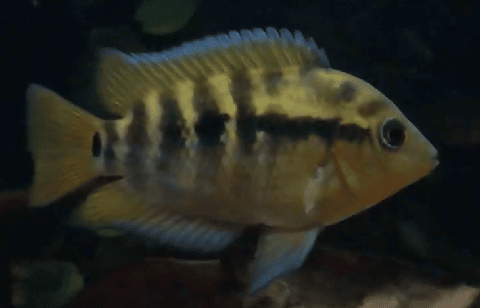
    These fish have a beautiful golden color with a prominent black streak along each side that may be broken into blotches. A pair of rainbow cichlids would be an excellent choice for a planted 55-gallon tank with suitable tankmates.

    15. Dension Barb

    Dension Barb Swimming
    • Scientific name: Sahyadria denisonii
    • Care level: Easy
    • Minimum tank size: 55 gallons
    • Temperament: Peaceful
    • Adult fish size: 4 inches
    • Origin: India
    • Temperature: 59-77ยฐF
    • pH: 6.5-7.8
    • Diet: Omnivore
    • Swim Level: Middle levels
    • Type: Schooling fish

    Also known as the roseline shark, denison barbs are one of the best-looking barbs in the hobby. These speedy schooling fish combine sleek lines and silvery scales with a bright red streak and yellow tail spots.

    Due to their size and active nature, a 55-gallon tank provides just enough swimming space for a small school (6+) of these peaceful freshwater fish. Denison barbs enjoy cooler water temperatures, so factor that in when selecting tank mates.

    16. Electric Blue Acara

    How Does An Electric Blue Acara Look Like
    • Scientific name: Andinoacara pulcher
    • Care level: Moderate
    • Minimum tank size: 40 gallons
    • Temperament: Semi-aggressive
    • Adult fish size: 6-7 inches
    • Origin: Trinidad and Venezuela
    • Temperature: 74-82ยฐF
    • pH: 6-7
    • Diet: Omnivore
    • Swim Level: Lower half
    • Type: Centerpiece

    The electric blue acara is a particularly colorful breed of the regular blue acara and a favorite species in the aquarium hobby. These active South American cichlids add amazing color to a 55-gallon tank and their personality traits make them compatible with a wide variety of species, including other cichlids like angel fish and geophagus.

    17. Giant Danio

    Giant Danio in Aquarium
    • Scientific name: Devario malabaricus
    • Care level: Easy
    • Minimum tank size: 40 gallons
    • Temperament: Generally peaceful
    • Adult fish size: 6 inches
    • Origin: India and Sri Lanka
    • Temperature: 65-77ยฐF
    • pH: 6-8
    • Diet: Omnivore
    • Swim Level: Middle and upper levels
    • Type: Schooling fish

    You probably know danios as tiny nano fish, but one species, the giant danio, doesn’t fit that category.

    The giant danio is a beautiful fish, with gold to orange stripes on a cobalt blue body. These fast-swimming schoolers can reach over 6 inches, so a 55-gallon tank will provide just enough swimming space for a small group.

    18. Fancy Goldfish

    Fancy Goldfish For Sale
    • Scientific name: Carassius auratus
    • Care level: Moderate
    • Minimum tank size: 20-30 gallons
    • Temperament: Peaceful
    • Adult fish size: 6-8 inches
    • Origin: East Asia
    • Temperature: 65-72ยฐF
    • pH: 7-8
    • Diet: Omnivore
    • Swim Level: All levels
    • Type: Centerpiece

    Goldfish are peaceful, long-lived pets with heaps of personality and various breeds to choose from. Fancy goldfish have been selectively bred into some surprising shapes and colors, including black moors, ranchus, and ryukins.

    Many people associate goldfish with small glass bowls, although these fish actually need plenty of space. A 55-gallon tank is a great size for three or four adult fancy goldfish.

    Check out my guide to 12 fancy goldfish types to find the perfect breeds for your tank!

    19. Rosy Barbs

    Rosy Barb
    • Scientific name: Pethia conchonius
    • Care level: Easy
    • Minimum tank size: 30 gallons
    • Temperament: Generally peaceful
    • Adult fish size: 3-4 inches
    • Origin: Southern Asia
    • Temperature: 64-72ยฐF
    • pH: 6-8
    • Diet: Omnivorous
    • Swim Level: All levels
    • Type: Schooling fish

    Rosy barbs are peaceful schooling fish that prefer cool water aquariums. These fish have a golden-orange color, and males tend to be more colorful than females. Long-finned varieties are also available in the aquarium hobby.

    A small school of these medium-sized fish will do well with many small to medium-sized community fish that enjoy the same conditions.

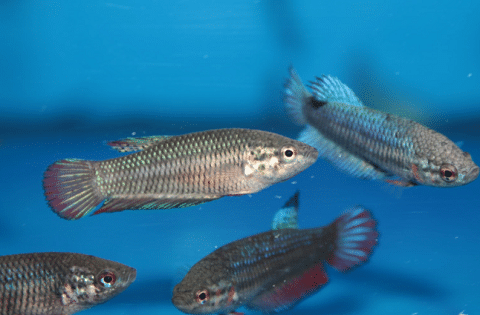
    20. Female Bettas

    Female-Betta
    • Scientific name: Betta splendens
    • Care level: Moderate
    • Minimum tank size: 5 gallons
    • Temperament: Semi-aggressive/aggressive
    • Adult fish size: 2.5 inches
    • Origin: Thailand
    • Temperature: 76-81ยฐF
    • pH: 6.5-8
    • Diet: Carnivore
    • Swim Level: All levels
    • Type: Centerpiece

    The most popular way to keep betta fish is to house a single male alone in a small aquarium. However, you may be surprised to learn that some aquarists successfully keep multiple female bettas together in the same tank.

    This is known as a betta sorority tank, and it’s an interesting option for a 55-gallon aquarium. A sorority tank is not an ideal choice for a beginner, however, and the trick is to keep only females and a minimum group size of four to spread out aggression.

    21. Mollies

    Mollies
    • Scientific name: Poecilia spp.
    • Care level: Moderate
    • Minimum tank size: 20 gallons
    • Temperament: Generally peaceful
    • Adult fish size: 3-6 inches depending on the species
    • Origin: North, Central, and South America
    • Temperature: 72-82ยฐF
    • pH: 7-8.5
    • Diet: Omnivorous
    • Swim Level: Middle levels
    • Type: Schooling fish

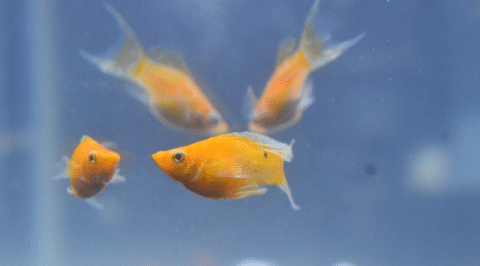
    Mollies are medium-sized livebearers that are ideal for a 55-gallon aquarium. These interesting fish are highly adaptable and can even thrive in a saltwater tank, although they are usually kept in hard, freshwater aquariums.

    There are three popular molly species, and they have been hybridized and bred into many beautiful colors and varieties, including the popular balloon molly and various other fancy breeds. Mollies get along with many other peaceful fish and can be kept in a community tank or a dedicated livebearer tank with guppies and other similar species.

    โš ๏ธ The biggest stocking mistake I see with 55-gallon tanks: Fishkeepers constantly underestimate how much aggression and size differences matter. Adding a small, peaceful species to a tank with a larger or semi-aggressive fish almost always ends badly โ€” Iโ€™ve seen it play out dozens of times. Research the adult size and temperament of every fish before mixing species, and when in doubt, stick to fish with similar size and temperament profiles.

    Other Options

    All the fish mentioned in this guide are excellent options for a 55-gallon setup, although there are hundreds of other species that will thrive in this versatile tank size. I’ve narrowed this list down to just 21 options but you can get much more inspiration by exploring some of my other helpful guides.

    Looking for more species? Check out the following posts!

    What fish can you put in a 55-gallon fish tank?

    55-gallon tanks are big enough for most of the popular freshwater aquarium fish sold in fish stores, and there are hundreds of options. Of course, you will need to create a suitable habitat and provide appropriate water parameters for whichever fish you plan to keep.

    What is the largest fish for a 55-gallon tank?

    New World cichlids like Oscars and Jack Dempseys are about the largest fish you can keep in a 55-gallon, although they would prefer a larger tank when fully grown.

    How do you stock a 55-gallon tank?

    Start with your water parameters when stocking a new aquarium. If your water is naturally hard, you may have the ideal conditions for a livebearer tank or for smaller African Cichlids like yellow labs. Soft water is ideal for many tropical South American, Southeast Asian, or West African fish.

    If you’re creating a community tank with several different fish species, make sure each fish will be comfortable in the water conditions you have and attempt to create the kind of habitat they prefer in nature.

    Consider using a calculator like AqAdvisor for help on research.

    How many fish can you have in a 55-gallon tank?

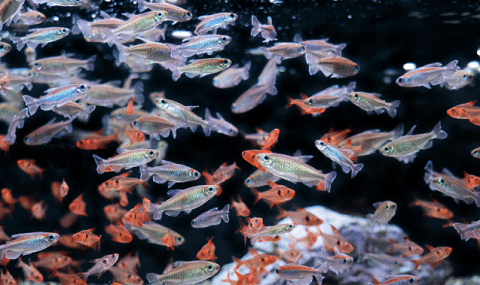
    The total number of fish you can keep will depend on the size and requirements of the fish species. You could keep just a single large species like an adult Jack Dempsey cichlid, or choose a large school (dozens) of nano fish like chili rasboras or ember tetras if you want more fish.

    What can I put in a 55-gallon tank besides fish?

    Fish aren’t the only animals you can keep in a 55-gallon tank. You can also keep freshwater invertebrates like shrimp and snails, amphibians like axolotls and African dwarf frogs, or even small turtle species.

    Final Thoughts

    Choosing the right fish for an aquarium is an exciting but challenging task. Whether you’re considering a 55-gallon tank, or just researching the next fish to add to your existing setup, rest assured that all the fish discussed in this guide will work with the right care.

    Do you have a 55-gallon aquarium? Tell us about your setup in the comments below!


    ๐Ÿ“˜ Want to learn more? This article is part of our complete Freshwater Fish Guide โ€” your ultimate resource for freshwater species, care tips, tank setup, and more.

  • The 10 Best Aquariums in the US: Ranked by 175 Analyzed Reviews

    The 10 Best Aquariums in the US: Ranked by 175 Analyzed Reviews

    As someone who’s been in the aquarium hobby for over 25 years, I’ve visited a lot of public aquariums โ€” and they’re not all created equal. The famous names get the most attention, but some of the most impressive displays I’ve seen are at lesser-known institutions. To give this question a more objective answer, we ran a study analyzing TripAdvisor reviews from 175 public aquariums across the US, scoring them by the frequency of words like “beautiful,” “breathtaking,” and “picturesque.” The results had some surprises.

    How about ones not named Georgia, Sheed, or the Monterey aquarium? I got you covered. A new study by us at Aquarium Store Depot ranked Belle Isle Aquarium in Detroit, MI, as Americaโ€™s most beautiful aquarium. 

    We analyzed the number of Tripadvisor reviews1 that contained words such as โ€˜beautiful,โ€™ โ€˜breathtaking,โ€™ and โ€˜picturesqueโ€™ for 175 public aquariums across America. Each was then ranked based on the percentage of reviews containing these beauty keywords, to determine Americaโ€™s most eye-catching aquariums. 

    Key Takeaways

    • Belle Isle Aquarium in Detroit, MI, is found to be Americaโ€™s most beautiful aquarium, with 30.7% of visitor reviews referencing its beauty. 
    • Butterfly House & Aquarium in Sioux Falls, SD, is second, with 30.1% of reviews talking about its beauty. 
    • Birch Aquarium in La Jolla, CA, is third, with 25.8% of reviews mentioning its beauty. 

    The People’s Choice for 10 Best Aquariums In US

    Let’s get straight to our topic and discuss our top ten from this analysis and review. Below is is a video from our YouTube channel. If you like our content, be sure to subscribe. We go into greater detail in the blog post below.

    1. Belle Isle – Detroit, Michigan 

    Topping the list of Americaโ€™s most beautiful aquariums is Belle Isle Aquarium in Detroit, Michigan, where 30.7% of its reviews contain keywords describing its beauty.  

    First opened in 1904, it is one of the oldest aquariums in America, hosting more than 200 different saltwater and freshwater species. The historic building hosts tropical fish from all over the world, with the majority of species coming from the Great Lakes region. The aquarium was closed in 2005 but was reopened in 2012 after the community showed there was enough demand to support it. 

    2. Butterfly House – Sioux Falls, South Dakota 

    Second on the list of Americaโ€™s most beautiful aquariums is the Butterfly House & Aquarium in Sioux Falls, South Dakota, with 30.1% of its reviews containing beauty keywords.  

    The only public saltwater aquarium in the Dakotas, Butterfly House & Aquarium hosts hundreds of species of fish and corals. The fish on display come from all over the world, ranging from the Indo-Pacific region to the Caribbean. At the aquariumโ€™s Under the Dock exhibit, visitors can see species such as yellow stingrays, horseshoe hawkfish, and princess parrotfish. 

    3. Birch – La Jolla, California 

    In third place is Birch Aquarium in La Jolla, California, where beauty keywords featured among 25.8% of its reviews. Birch Aquarium was first established in 1903 and went through a series of relocations until establishing itself at its current location at the University of California, San Diego.  

    Also known as Scripps Aquarium, it boasts a vast selection of marine life, such as a Loggerhead Sea turtle and a giant Pacific octopus and is home to a huge two-story tall kelp forest. 

    4. Point Defiance Zoo – Tacoma, Washington 

    With 24.6% of its reviews containing beauty keywords, the Point Defiance Zoo & Aquarium in Tacoma, Washington, is the fourth most beautiful aquarium in America.  

    Featuring species from the Pacific Ocean, Point Defiance is home to animals such as the scalloped hammerhead shark and the giant Pacific octopus. This is in addition to having one of only two jelly globes in the country, which is part of their wider jellyfish display.  

    5. Seacoast Science Center – Rye, New Hampshire 

    In fifth is the Seacoast Science Center in Rye, New Hampshire where beauty keywords featured in 23.3% of its reviews. The Seacoast Science Center showcases species from the Gulf of Maine and further afield. Exhibits include tropical reef habitats, interactive edge of the sea touch tanks, and a whale exhibit that is situated underneath a 32-foot whale skeleton suspended from the ceiling.  

    6. VIA – Schenectady, New York 

    The sixth most beautiful aquariums in the USA is VIA Aquarium in Schenectady, New York, with 21.7% of its reviews featuring beauty keywords. The VIA Aquarium features 45 exhibits of marine and reptile life.  

    It offers experiences such as stingray feeding, behind-the-scenes tours to discover how the aquarium runs, and the chance to be a junior aquarist for a day. 

    7. Sea Life Park Hawaii โ€“ Waimฤnalo, Hawaii 

    Sea Life Park Hawaii is the seventh most beautiful aquarium in America, with 21.3% of its reviews containing beauty keywords.  

    It is located on the east coast of the Hawaiian island of Oโ€™ahu and features an aquarium, marine mammal park, and bird sanctuary that boasts a wide range of flora and fauna for visitors to experience.  

    Visitors can also learn about native Hawaiian sharks inside the Shark Cave exhibit and interact with natureโ€™s smartest aquatic marine mammals in the Dolphin Lagoon. 

    8. Mississippi Aquarium – Gulfport, Mississippi 

    With 20.1% of its reviews containing beauty keywords, Mississippi Aquarium ranks as the eighth most beautiful aquarium in America. 

    Opened in 2020, the Mississippi Aquarium hosts more than 200 aquatic species across 12 fresh and saltwater exhibits. Species on display include sharks, stingrays, and Atlantic bottlenose dolphins โ€“ the latter of which visitors can book an interactive experience with. 

    9. Branson (At The Boardwalk) – Branson, Missouri 

    In ninth place is the Aquarium at the Boardwalk in Branson, Missouri where 20.1% of reviews describe its beauty.  

    Also known as Branson Aquarium, the Aquarium at the Boardwalk boasts many unique ways to experience the aquatic habitats on display, such as underwater tunnels where you can view sharks and stingrays swimming above, as well as their interactive Jelly Infinity room that showcases jellyfish. 

    10. Cape Cod Museum of Natural History – Brewster, Massachusetts 

    Rounding out Americaโ€™s top ten most beautiful aquariums is the Cape Cod Museum of Natural History in Brewster, Massachusetts, where 19.8% of its reviews feature beauty keywords.  

    The museum and accompanying aquarium showcase the wide variety of flora and fauna that live in the capeโ€™s land and water habitats, with both freshwater and saltwater aquatic species on display. The museum provides plenty of learning opportunities for visitors, especially about horseshoe crabs, which have been a focus of the museumโ€™s conservation efforts through their horseshoe crab head start program. 

    Mark Valderrama, Owner of Aquarium Store Depot, said:  

    โ€œThe waters of our planet are home to all kinds of weird, wonderful, and beautiful life. While many people might not get the chance to experience this life in its natural habitat, aquaria provide people the opportunity to see the wonders of aquatic life from all over the world, as well as learn of their important conservation and restoration efforts. 

    โ€œBelle Isle Aquarium is not only one of Americaโ€™s oldest aquaria but also one the countryโ€™s most beautiful to experience. This stands to reason, given that the historic building hosts a range of aquatic life from all over the world, giving visitors the chance to not only admire the exhibits but also to learn about both local Great Lakes species and those from further afield.โ€ 

    Methodology

    Tripadvisor reviews for 175 American aquariums were analyzed to determine the prevalence of keywords in their reviews relating to beauty. These keywords were โ€˜beautiful,โ€™ โ€˜breathtaking,โ€™ โ€˜stunning,โ€™ โ€˜pretty,โ€™ โ€˜gorgeous,โ€™ โ€˜cute,โ€™ โ€˜picturesque,โ€™ and โ€˜scenic.โ€™ Aquariums were then ranked according to the percentage of reviews that contained any of these keywords. 

    Rank Aquarium Location Total Reviews Beauty Keywords Count Beauty Keyword Percentage 
    1. Belle Isle Aquarium Detroit, Michigan 127 39 30.7% 
    2. Butterfly House & Aquarium Sioux Falls, South Dakota 521 157 30.1% 
    3. Birch Aquarium La Jolla, California 1,956 504 25.8% 
    4. Point Defiance Zoo & Aquarium Tacoma, Washington 1,012 249 24.6% 
    5. Seacoast Science Center Rye, New Hampshire 150 35 23.3% 
    6. VIA Aquarium Schenectady, New York 143 31 21.7% 
    7. Sea Life Park Hawaii Waimanalo, Hawaii 1,533 327 21.3% 
    8. Mississippi Aquarium Gulfport, Mississippi 134 27 20.1% 
    9. Aquarium at the Boardwalk Branson, Missouri 717 144 20.1% 
    10. Cape Cod Museum of Natural History Brewster, Massachusetts 303 60 19.8% 
    11. Long Island Aquarium and Exhibition Center Riverhead, New York 662 122 18.4% 
    12. Moody Gardens Galveston, Texas 2,841 522 18.4% 
    13. Seymour Marine Discovery Center Santa Cruz, California 257 47 18.3% 
    14. Discovery World Milwaukee, Wisconsin 553 96 17.4% 
    15. Waikiki Aquarium Honolulu, Hawaii 1,822 311 17.1% 
    16. Columbus Zoo and Aquarium Columbus, Ohio 2,704 457 16.9% 
    17. Discovery Bay at Minnesota Zoo Apple Valley, Minnesota 841 141 16.8% 
    18. South Carolina Aquarium Charleston, South Carolina 2,429 406 16.7% 
    19. Atlantic City Aquarium Atlantic City, New Jersey 481 79 16.4% 
    20. ECHO, Leahy Center for Lake Champlain Burlington, Vermont 576 93 16.1% 

    Aquariums with fewer than 100 total reviews were omitted from the ranking. 

    Here are other aquariums that missed the list, but are still worth visiting:

    • Georgia aquarium
    • Shedd aquarium
    • Monterey bay aquarium
    • Audubon aquarium
    • National aquarium
    • New England aquarium
    • Oregon Coast aquarium
    • New York Aquarium
    • Seattle Aquarium
    • Tennessee aquarium
    • Florida aquarium
    • Newport aquarium
    • Dallas World Aquarium
    • Mystic Aquarium – Functions as a conservation center to protect aquatic animals

    Why Is Georgia, Sheed, And Monterey Excluded?

    I know I will get this question a lot about this post and study. These three are, without a doubt some of the best aquarium exhibits you can visit in the US. In fact, you can make an argument for the Georgia aquarium being one of the world’s best. However, in this study, I wanted to focus on the smaller aquariums and work on a methodology that would highlight them more. You see these three on EVERY list, so why not work on a method that will highlight many aquariums that are overlooked and are great to visit?

    What’s Your Favorite One?

    Have you visited an aquarium that you are raving about? Let us know in the comments below. We love to hear about your experiences. Maybe we will go visit one of your choices on our tour of aquariums.

  • How To Clean Your Betta Fish Tank: My 8-Step Routine After Years of Keeping Them

    How To Clean Your Betta Fish Tank: My 8-Step Routine After Years of Keeping Them

    Knowing how to clean betta fish tank setups properly has been part of my routine for a long time, and one habit I picked up from years of saltwater keeping translated directly into my betta maintenance approach: I always prep my water bucket before I start anything else. It sounds minor, but that one habit changes the whole process โ€” the temperature is already matched, the conditioner is already mixed in, and I’m not scrambling when the tank is half-drained. Betta tanks are far simpler than a reef setup, but the fundamentals of water care are exactly the same. Get those right, and your betta will thrive.

    Key Takeaways

    • Regular betta fish tank cleaning is essential for a healthy pet and a beautiful display tank
    • Clean your betta fish tank when your water parameters deteriorate. Monitor your water chemistry with a test kit to work out the perfect cleaning schedule for your tank.
    • Aquarium maintenance can be stressful for your fish, so work efficiently but gently when you clean your betta fish tank.
    • Never remove your fish during regular cleaning and maintenance. Leave your betta to swim in the remaining water while performing a water change.

    Why Do I Have To Do This?

    Many fish keepers make the mistake of waiting until their betta fish tank looks bad before cleaning it up, but fish tank cleaning is about more than just aesthetics. Betta fish need a clean and safe environment to live a long and healthy life.

    Cleaning a betta fish tank is the perfect opportunity to change out some of the old aquarium water and improve the water quality and parameters in your tank. You might not see the difference in your tank’s water, but your fish will definitely feel it!

    When To Work On Your Aquarium

    Weekly clean ups and water changes are generally a good idea, but in some cases that might not be enough. Meanwhile, other tanks might only need to be cleaned every second week. So how do you know how often to clean a betta fish aquarium?

    Regular Testing for A Science Based Approach

    Use your water test kit to take the guesswork out of the equation and give yourself the confidence that you’re caring for your pet just right. If you don’t already have a test kit, pick up a set of test strips or a liquid test kit.

    The most important parameters to test for are ammonia, nitrite, nitrate, and pH. Test weekly, at least for the first few months after setting up your betta’s tank.

    Suggested Betta Fish Water Parameters

    • Ammonia: Zero parts per million (ppm)
    • Nitrite: Zero ppm
    • Nitrate: Up to 20 ppm
    • Temperature: Bettas are tropical fish. Use a heater to maintain warm water temperatures of about 78 – 80 ยฐF
    • pH: 6.5 to 7.5

    Water changes should be done based on your water parameters. While there are many blogs and pet sites that will tell you to just make a water change every week or bi-monthly, it’s not the best idea to just go off a rigid schedule. Your water changes should be based on your parameters.

    You should know over time with your test results, your tanks nutrient accumulation. This is especially true if you have a heavily planted tank where, depending on the type of plants you have – you may not need to do water changes as often and may actually need to dose nutrients instead!

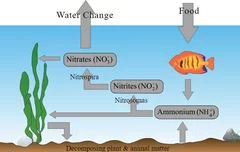
    The Nitrogen Cycle – Watch Those Nitrates

    The chemistry of your betta fish tank water changes over time as fish poop, uneaten food, and dead plant matter accumulate in your aquarium water. Unfortunately, water quality gets worse, not better, and it can become dangerous to your fish if you go too long without water changes.

    Aquarium_Nitrogen_Cycle_medium

    Your ammonia and nitrite levels should always read zero, but your nitrate levels will rise and your pH may drop. Nitrates may be impossible to see or smell, but they make a big difference to your fish. Long-term exposure to high nitrates will stress your betta and even cause serious health problems in some cases.

    Clean your betta fish aquarium and perform a partial water change if your nitrates rise above about 40 parts per million or your pH drops below 6.5. Slightly higher nitrate levels aren’t the end of the world, but try to maintain your levels to the ones we mentioned earlier.

    As a biofilter cycles, ammonia will rise until sufficient nitrifying bacteria are present to consume the ammonia and convert it to nitrite. Ammonia levels will then begin to decrease while nitrite levels increase. Nitrite levels will continue to increase until sufficient bacteria are present to consume the nitrite and convert it to nitrate. Unless many plants are present, nitrate levels will rise slowly until a water change is performed.

    Source – Florida Department Of Agriculture

    Visual Inspection

    Of course, you want your betta fish tank to look great so that you can enjoy watching your fishy friend. An awesome fish tank also makes any room look so much better if you ask me!

    You can clean your betta fish tank to remove unsightly algae even if your water parameters are still safe. However, invading your betta fish’s home to clean too often will cause unnecessary stress on your pet, so it’s best to get on top of the cause of excess algae growth rather than continually clean it.

    How To Clean Betta Fish Tank – In 8 Simple Steps

    Equipment List

    • Gravel vacuum, also known as an aquarium siphon (mini size)
    • Dechlorinator
    • Algae scraper
    • Small brush, e.g. soft toothbrush
    • Two buckets
    • Thermometer
    • Heater (if not using tap water and you need to prep the water overnight)

    Cleaning Procedure Overview

    Basically, you’re going to be removing dirt and water from your betta tank, cleaning the glass and ornaments (if necessary), and then replacing the water you took out with clean new water that has been treated to make it safe for your fish.

    You’ll be doing all this with your fish in the aquarium, so you’ll want to work gently to minimize stress on your betta.

    It might take 30 minutes or more if this is your first time cleaning a betta tank, but don’t worry, you’ll get much faster with a little experience!

    Step 1: Get ready

    Start by collecting all the tools you’re going to need and put them all together. That way, you won’t need to go searching for bits and pieces halfway through the cleanup.

    • Pro tip

    You’re probably going to spill a few drops of water, so move any photographs, electrical devices, or anything else around the tank that you don’t want to get wet.

    Step 2. Prepare your replacement water

    Next up, it’s time to prepare some fresh water in a bucket to replace the amount that you’re going to remove. Many fishkeepers add water straight from the tap before adjusting the temperature and adding water conditioner, but I prefer to get the replacement water just right before adding it to the tank. You can do this by adjusting the temperature in the faucet and using a thermometer to measure the temperature. Aim to match your temperature in the bucket to the display within 1 degree.

    Of all eight steps, this is the one I’d tell any keeper to slow down and be thorough on. Temperature and parameter matching is what separates a water change that genuinely helps your fish from one that adds unnecessary stress. My habit โ€” carried over from saltwater โ€” is to prep the bucket well in advance, sometimes the night before, so the water is already at the right temperature and the conditioner has fully mixed before it ever touches the tank. Bettas are tougher than they look, but repeated swings in water conditions wear them down over time.

    You might be using tap water, well water, remineralized RO water, or rainwater, but no matter the source, it’s a good idea to get this water up to the same water temperature as your betta tank water. That way, you won’t cause unnecessary temperature stress for your pet. For sources like RO or rainwater you will likely need a heater to heat up the water to the target temperature.

    It’s a good idea to test the parameters of your source water before you add it to your tank to give you some baseline readings. Remember, tap water and well water should be treated with a water conditioner, so follow the instructions on the product you have and mix it into the water in the bucket.

    And please โ€” don’t skip the water conditioner, not even once. I had a friend I was helping get into the hobby, and they forgot to add dechlorinator during one water change. Just one time. It was enough to lose the fish, and it was genuinely heartbreaking. Chlorine and chloramines in tap water are lethal to bettas, and the damage happens fast. Keep your conditioner right next to your bucket so it’s never an afterthought.

    • Pro Tip – How much water to change out

    You’ll need to do a little math to work out how much new water your tank will need. Use your nitrate levels to guide you in this step. For example, a nitrate level of 20 ppm can be brought down to 10 ppm by performing a 50% water change (if your source water measures 0 ppm nitrates).

    However, 25-30 percent water changes are less stressful for your fish. Therefore, a 25% water change when your nitrates get to about 15 ppm is a better choice.

    Step 3: Cut the Power

    Your next step is to switch off all your electric aquarium equipment because working with electrical equipment and water is never a good idea. While quality aquarium filters and heaters pose little danger, there’s always a chance, so what risk it?

    Oh, and you also risk damaging your equipment if it runs out of the water, so double-check that everything is switched off.

    • Pro Tip – Cleaning and Maintaining Equipment

    A clogged aquarium filter will not work effectively. Many aquarium filters are easy to clean and service at home, but it’s a good idea to consult an aquarium specialist if you’re not comfortable with DIY jobs.

    I also recommend keeping a spare heater and filter at home in case you get a serious malfunction, especially if you live a long way from the nearest fish store.

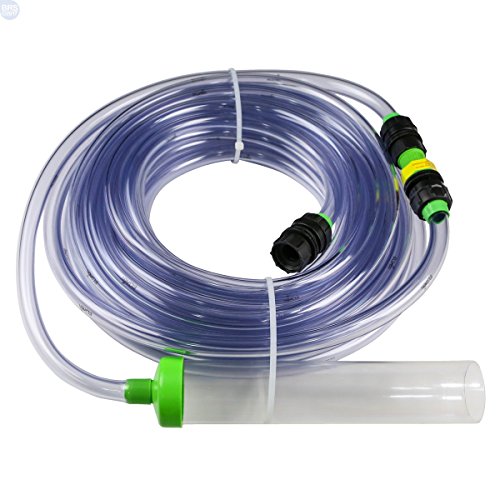
    Siphon out of the tank as long as the end of the hose is lower than the height of the submerged tube.

    Step 4: Clear the glass

    There’s nothing worse than a betta tank that’s covered in algae! Fortunately, soft algae are easy to remove from aquarium glass, but you need to take care to avoid scratches. Use a purpose made algae scraper for the best results, although you can also get great results with an algae cleaning pad, a razor blade, or an old credit card.

    My Pick
    Flipper Algae Scraper

    I love the Flipper. Just put it in your aquarium and clean from the outside. You can even move it to other sides of the tank with its flipper feature. Simply Amazing!

    Click For Best Price Buy On Amazon

    Glass doesn’t scratch easily with these tools, but trapping sand or gravel between your cleaning tool and the glass will leave nasty and permanent damage. Acrylic tanks scratch easily, so use a cleaner specifically designed for this material to avoid damage.

    Cleaning the Outside of Your Tank

    You’ll also want to clean the outside glass of your betta aquarium whenever necessary. You can do this at any time, so don’t wait for your weekly water change if you see a smudge or some dust on the glass.

    You can use warm water, but I find a weak solution of vinegar and water works great for cleaning glass! Simply spray some vinegar water on the glass and wipe it down with dry paper towels to get your betta aquarium looking brand new.

    • Pro Tip – Buy Right

    Look for cleaning equipment designed for small aquariums. Large gravel vacuums and magnetic glass cleaners are awkward to use in small tanks.

    Step 5: Tidy Up the Hardscape and Decorations

    Over time, dirt and algae can collect on the rocks, driftwood, and ornaments in your aquarium. Clean these items with a soft brush like an old toothbrush.

    Items covered in stubborn dirt can be removed from the tank and cleaned separately, just don’t use any harsh chemicals that could be toxic to your betta.

    Cleaning Artificial Plants

    Artificial plants are a great way to create a more natural look in your tank. However, you will want to clean them and remove algae on a regular basis. Silk plants are the best choice because hard plastic fake plants can damage your fish’s fins.

    You can soak your silk plants in mild vinegar water or a dilute mixture of water and hydrogen peroxide to clean off stubborn dirt. Test a small portion of your decoration to make sure they won’t bleach, and be sure to rinse your silk plants carefully before putting them back in your tank.

    • Pro Tip – Loosen Dirt Before You Siphon

    Clean your glass and hardscape before you remove water from your tank. That way, you can suck up the loosened dirt and algae with your gravel vacuum when performing the water change.

    Step 6: Siphon

    Grab your second bucket and set it next to your betta tank. The bottom of the bucket should be lower than the bottom of your betta fish tank so that your gravity siphon will keep running. Place the end of your gravel vacuum’s hose in the bucket to catch all the water you’re going to suck out of the tank, and then start the siphon.

    Python Cleaner

    The Python is a mainstay in the fish hobby. Easily clean your aquarium by connecting this to your sink!

    Buy On Amazon

    Suck up water from the substrate level of the tank to remove waste and organic material from between the particles. You’ll notice plenty of debris coming up into the pipe of your gravel vacuum, and that’s OK.

    Remove enough water to where you can reach the betta tank without causing any water to spill out. Move on to steps 5 and 6 if you’re going to be cleaning your glass and decorations. Otherwise, continue to remove the same amount of tank water as you will be replacing.

    Pro Tip – How to Start a Siphon

    Gravel vacuums with built in pumps are the easiest to use. Simply put the pipe section in the water, the end of the hose in the bucket, and squeeze the pump a few times to get the siphon running.

    You can start a siphon with standard gravel vacuums by submerging the pipe of your vacuum under the water to fill the thicker pipe section. Once full, lift the pipe section out of the water with the open end facing upwards, watch the water travel down the hose, and then submerge the pipe in the tank before all the water runs out.

    If you’ve been quick enough, water should continue to sip

    Step 7: Rinse the Filter

    Algae often grows on the outer walls of submersible and hang-on-back filters, and this can be cleaned using an aquarium sponge pad.

    Cleaning the inside of your filter is not something you need to do too often, but your filter media will clog up with waste eventually, which puts extra strain on the pump in your filter and reduces its effectiveness.

    Cleaning your filter media is easy. Simply rinse it out in the bucket full of water that you removed from the tank. Do not wash your filter media in tap water or use any sort of soap or detergent. Remember, your beneficial bacteria live in the filtration media, and killing them would disrupt the nitrogen cycle in your tank!

    If you use a cartridge based system, replace it at least monthly. If you have separate chemical filtration replace it at least monthly. Sponges can be cleaned out at any time as long as you clean them in used aquarium water to maintain the bacteria colony.

    Step 8: Refill the Aquarium

    After removing the old water, and cleaning the glass, equipment, and ornaments, it’s time to add new water to the aquarium.

    Adding water to the aquarium too fast will make a big mess. It blows the substrate all over the tank, uproots plants, and kicks a bunch of dirt back up into the water. Pouring water slowly is tough, though, especially when that bucket starts to feel really heavy!

    Use a small jug or a large, clean cup to pour the water into the tank in a slow and controlled way. If you have a large rock or other hardscape decoration in the tank, aim the jug over that to prevent a stream of water from reaching the substrate. Alternatively, float a plastic fish bag on the surface of the tank and pour the water onto that to slow the flow.

    For larger setups, a return pump is great to use. You can attach a spray bar to diffuse the the water or use the other methods mentioned above.

    Useful Tips – How to Minimize Maintenance

    Let’s face it, cleaning aquariums isn’t everyone’s idea of a good time. Follow these handy tips to minimize the amount of cleaning and maintenance required in your tank.

    1. Up your filtration

    Your betta fish tank needs a filter and a heater. An air powered sponge filter is great for a small tank, but HOB and canister filters work too, just make sure the water flow stays gentle.

    1. Grow some live plants

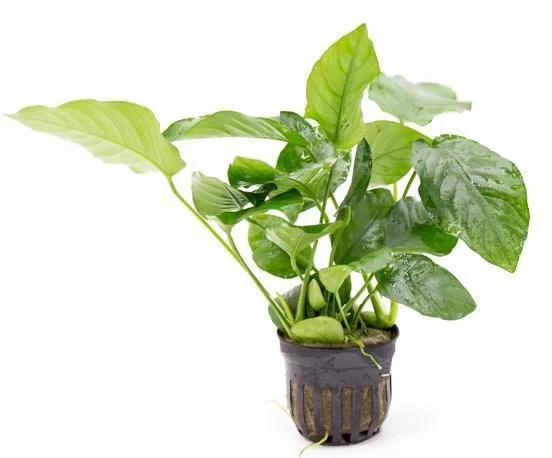
    Fast growing stem plants are the best for soaking up nitrates, but they need regular trimming in a nano betta fish tank. Choose smaller species of Anubias and Cryptocoryne plants for minimal maintenance. They’re not as effective as fast-growing species, but they look great and they will help.

    1. Avoid overfeeding

    Whatever food your betta fish doesn’t eat will simply go to waste and rot in your tank, causing increased nitrate levels and poor water quality. The correct portion size for one betta fish is roughly equal to the fish’s eye size.

    1. Balance your lighting

    Use weak lighting and set your lights on a timer for about six hours per day. This will minimize the growth of algae in your tank. Live plants may require stronger lighting, but healthy plants will mostly outcompete nuisance algae.

    1. Avoid bowls or tiny tanks

    Pick out a tank that’s at least 5 gallons to create an awesome home for your fishy friend. Maintaining high water quality in tiny aquariums can be tough, and your fish will definitely appreciate more room!

    1. Clean up crew

    Once your tank has matured for at least a few months, you can consider adding a Nerite snail or two to clean the glass for you. These beautiful creatures love to snack on algae, and they don’t breed in fresh water.

    For larger tanks with enough room, add a few more snails or consider a small school of otocinclus catfish. They’re more sensitive than snails, but they’re awesome little fish!

    Minimizing Stress

    Do not remove your fish when cleaning the tank. It just puts a whole lot of unnecessary stress on your betta and can cause injuries. Stressed fish often develop illnesses that can affect them days or even weeks later.

    Save your fish net for removing plant trimmings from your tank or for cases when you need to acclimate new fish or move them between your quarantine tank and display aquarium.

    Lastly, Betta fish can be very inquisitive and territorial, so take care not to suck your fish into the gravel vacuum. It happens!

    FAQs

    How often should I clean my betta fish tank?

    As a general rule, you can clean your tank lightly once per week. However, its best to do water changes based on your parameters and using water tests to determine if you need to make a water change. Typically, most tanks will need to do water changes once a week or bi-monthly. Tanks with lots of plants may be able to go longer without.

    How often do you change water for betta fish?

    Each tank is different, so there’s no right or wrong answer. The parameters of your source water (tap, well, rain, etc.) and the amount of fish you keep make a big difference to your water quality.

    I recommend a chemistry-based approach. Monitor your water parameters and design a schedule that keeps your nitrate levels below 40 parts per million while keeping your water changes to 30 percent of your tank volume or less.

    How do you clean a betta fish tank for beginners?

    The best way to clean a betta tank is to clean the glass with an algae scraper and suck out 20-30% of the water from your tank with a gravel vacuum. Suck up the water from the bottom of the tank to remove debris and waste on the substrate.

    You can remove dirt and algae from ornaments with a soft toothbrush. Lastly, refill the tank with clean, dechlorinated water.

    Is Dawn dish soap safe for betta fish?

    Never use soap to clean the inside of your fish tank. Soap residue is potentially harmful to your fish and could disrupt the balanced ecosystem within your tank. Remember, your betta fish shares its home with beneficial bacteria that are crucial for maintaining safe water quality.

    How often do you change the water in a betta fish bowl?

    You should not keep a betta fish in a bowl, as such a small tank would require frequent cleaning, resulting in serious swings in water quality and high stress for your fish. Pick out at minimum a tank size of 5 gallons from your local fish store or order a complete tank setup online to keep your pet much happier and healthier! That being said while you have a fish in a bowl you’ll want to make water changes every 2-3 days.

    How long after cleaning can I put my betta fish in the tank?

    You should not remove a betta fish from its tank while cleaning. It’s much safer to leave your pet in its home and work around it gently. If you’ve already taken your betta out of the tank, you may need to acclimate your pet slowly to avoid a temperature shock when returning it to the tank.

    Final Thoughts

    Betta fish are great low maintenance pets that can live for many years with regular tank cleaning and water changes. Follow this guide’s recommended steps and tips to keep your pet healthy and your tank looking great.

    How often do you clean your betta aquarium? Share your routine in the comments below!


    ๐Ÿ“˜ Want to learn more? This article is part of our complete Betta Fish Guide โ€” your ultimate resource for betta care, types, tank setup, feeding, tank mates, and more.

  • 10 Types of Fish Tanks: How to Choose the Right Setup for Your Budget

    10 Types of Fish Tanks: How to Choose the Right Setup for Your Budget

    My most rewarding tank setup was my 125-gallon reef โ€” it took years to build and it was worth every bit of it. But I’ve also kept a 65-gallon community freshwater, bettas, and plenty of other setups over the years. The type of tank you choose sets the direction for everything else: your fish choices, your equipment, your budget, your maintenance routine. Getting this decision right from the start makes a real difference. Here’s how I’d break it all down.

    Key Takeaways

    • All-in-one aquariums are ideal for beginners, but careful cleaning is necessary for tanks made of acrylic.
    • A freshwater tropical fish aquarium is a great choice for novice fish keepers, just make sure all the species you keep will get along and stay small enough for your tank size.
    • Basic saltwater aquariums can be suitable for beginners, but more equipment and technical knowledge is needed to keep live corals and sensitive marine fish.
    • All aquariums with live animals should have a quality filtration system to keep a clean and healthy environment for your fish. You’ll also need a heater to maintain warm water for tropical fish and good lighting to grow aquatic plants.

    Top 10 Types Of Fish Tanks

    In this section, we’ll learn about ten awesome types of fish tanks and the species that you can keep in them. Check out the video above from our YouTube Channel and read along! Let’s dive right in!

    ๐ŸŽฏ Mark’s Sizing Rule: Match Your Budget to the Tank
    My biggest advice before you choose a tank type is to match your budget to the setup, not the other way around. I’ve seen plenty of people push for a 75-gallon because it sounds impressive, then cut corners on filtration, lighting, or livestock because the money ran out. A well-equipped 40-gallon is a better experience every time. For freshwater beginners, I recommend starting at 20 gallons โ€” it’s forgiving and affordable to set up right. For saltwater, aim for at least 40 gallons for stability, and push to 75 if your budget genuinely allows it.

    1. Cold Water Aquarium

    Coldwater-Aquarium

    A cold water aquarium is the ideal choice for fish keepers who want to keep goldfish and other types of fish that prefer cooler aquarium water. Unlike tropical fish, coldwater species come from parts of the world where winter temperatures can drop pretty low, so these species do not need a heater to survive in most homes.

    Stocking Options:

    2. Brackish

    Archer-Fish

    Brackish fish live in coastal environments where freshwater rivers and lakes mix with salty water from the ocean. There are many awesome brackish fish to choose from, and most are tropical species that require stable, warm temperatures.

    These fish need aquarium water with a specific gravity of between about 1.005 and 1.012, so you’ll need to prepare their water with reef salt and monitor the salinity with a refractometer to keep them healthy.

    Stocking options:

    • Scats
    • Monos
    • Bumblebee goby
    • Brackish puffer fish species
    • Archer fish

    3. Tropical Community Setup

    Congo-Tetra

    The tropical community setup is probably the most popular choice in the aquarium hobby. This kind of aquarium houses a variety of different freshwater tropical fish together in the same tank.

    However, it’s very important to research each fish carefully because some prefer different water parameters and temperatures while others just don’t get along. Good filtration and heating are very important for this type of fish tank.

    Stocking options:

    4. Freshwater Aggressive

    Wolf-Cichlid

    There’s something really cool about big, aggressive fish, and these species can actually make the best pets! However, choosing their tank mates carefully is important because some of these fish are mean!

    Some experienced fishkeepers know how to mix various aggressive species together in the same tank, but it’s much safer to keep just one aggressive fish in its own tank if you’re just starting out.

    Stocking options:

    5. African Cichlids

    African-Cichlids

    African cichlids are some of the most colorful and fascinating freshwater fish on the planet. Most of the popular aquarium species come from huge East African Lakes like Lake Malawi and Tanganyika, and there are loads of options to choose from.

    These fish are often highly territorial, so you really need to do your research before mixing different species in the same tank. However, you can create a truly stunning display tank if you choose the right fish. African cichlids generally need hard, alkaline water to thrive.

    Stocking options:

    6. Planted Aquarium

    Planted-Aquarium-EI

    Did you know you can grow live plants in an aquarium? Hobbyists worldwide grow all sorts of beautiful aquatic plants in their tanks, often in amazing layouts called aquascapes that look like miniature scenes from nature.

    Whether you’re trying to create a magical underwater world or simply growing a few live plants to improve your water quality and create a more interesting home for your fish, a planted aquarium is always a great option!

    Stocking options:

    • Coldwater species
    • Tropical community species
    • Various aquascapes

    7. Paludarium

    Pal-Setup

    A paludarium is an interesting type of aquarium that includes both underwater and land environments in the same tank. This kind of setup usually imitates a swamp, a river bank, or the shore of a lake. Paludariums are a little more complicated to create, but they can be really fun to build!

    Stocking options:

    • Nano fish in the water section
    • Various aquatic and terrestrial plants
    • Frogs
    • Turtles

    8. Saltwater Aquariums

    Flame Angel

    Aquariums aren’t just for freshwater fish. You can keep all sorts of marine fish in a home aquarium, including some stunning tropical reef fish!

    Keeping a saltwater aquarium is not all that different from keeping freshwater species, although it does require some extra equipment and knowledge to keep the water salinity correct and maintain a healthy aquarium environment for the fish.

    Stocking options:

    • Huge variety of fish species

    9. Reef

    Aquatic_Life_T5_LED_Hybrid_Lights_Reef_Tank_large

    Reef tanks are special saltwater aquariums that recreate the habitat of a tropical coral reef. These tanks are not just about the fish. Instead, reef keepers maintain amazing underwater worlds with many different types of sea creatures.

    Stocking options:

    • Many colorful fish species
    • Live corals
    • Anemones, starfish, shrimp, snails, and other invertebrates

    10. Saltwater Predators

    Clown-Triggerfish

    Not all the colorful saltwater aquarium fishes are friendly creatures like nemo. You can also keep some awesome saltwater predators in a fish tank if you choose their tank mates carefully!

    This kind of tank is usually all about the fish because saltwater predators tend to snack on invertebrates. However, many species can live together with live corals.

    Stocking options:

    • Moray eels
    • Grouper
    • Lionfish
    • Marine pufferfish

    7 Types Of Aquariums You Can Buy

    Choosing which type of fish tank to create involves careful planning and research, especially when it comes to choosing the right fish. However, each kind of setup requires some important equipment, and the first choice you need to make is the actual aquarium and aquarium stand you are going to use.

    Aquarium tanks come in many shapes and sizes, and the materials used to build them vary too. From simple fish bowls to tanks big enough to fill a living room, there’s no limit to the kind of tank you can keep if you have the space and budget!

    Continue reading to learn about seven popular types of aquariums.

    1. Nanos

    Betta-Tank-Setup

    Nano aquariums are simply small tanks up to about 20 gallons or so. These are popular choices for small fish like guppies and betta fish, although there is a long list of amazing nano fish that you can keep and some aquarists even keep saltwater fish and reef tanks in nano aquariums!

    While nano aquariums might be cheaper to buy and easier to clean, they are not necessarily the easiest to maintain, so think twice before buying a tiny tank.

    You can keep invertebrates like snails and shrimp in 1-2 gallon tanks, but 5 gallons is about as small as you can go for fish, and only a few species will thrive in such a small space. However, a 15-gallon tank is great for beginners and allows you to keep many more fish species, including small tropical communities.

    2. All-In-Ones

    Waterbox Nano

    A classy rimless nano reef tank that won’t break the bank! Great design with a well design all in one chamber

    Click For Best Price Buy On Amazon

    Setting up an aquarium from scratch can save you a few dollars and be lots of fun, but buying the right equipment can be tricky if you’re just getting started.

    Fortunately, all-in-one setups with built-in chambers for heating, and filtration are available. The manufacturers put a lot of work into their designs, making these the most stylish and visually appealing options too, and models with built-in aquarium stands and cabinets make organizing your fish tank super convenient.

    All-in-one aquariums come in various shapes and sizes, including nano tanks perfect for shrimp or betta fish, medium setups for community fish, and even bigger tanks large enough for impressive African cichlid or saltwater predator displays.

    3. Reef Ready

    Reef_Ready_Rimless_Aquarium_large-1

    Reef-ready aquariums are a kind of tank designed for saltwater reef tanks. These aquariums may come pre-drilled so you can design and fit your own overflow and sump setup or they may come complete with everything needed for reef tank filtration systems.

    These all-in-one setups take a lot of the hassle and risk out of a complicated DIY job, leaving you more time to research and plan your new reef inhabitants!

    4. Glass And Acrylic

    Back in ancient China, fish were first kept in ponds and water gardens and could only be viewed from above. Thankfully, we have transparent aquarium materials today that give us a much better view!

    Most fish tanks are made from glass or acrylic (a clear plastic-like material), and each material has its own pros and cons. Let’s start with glass, the traditional option.

    • Glass fish tanks
    Low_Iron_vs_Traditional_Glass_Aquariums_large-1

    Glass tanks offer high clarity and visibility making them the best choice for enjoying crystal-clear views of your fish. They are widely available and come in standard sizes, so you can easily find a hood, stand, and equipment to match your setup.

    Glass is relatively scratch-resistant, but it is a brittle material that can crack and break if bumped or filled on an uneven surface. Glass is also a heavy material and this becomes an important consideration for large fish tanks.

    • Acrylic fish tanks

    Acrylic fish tanks come in a much wider range of shapes and sizes than glass tanks, and they are the go-to option when designing custom fish tanks. Acrylic is much lighter and tougher than real glass, although it does not offer the same viewing clarity, and it scratches easily if cleaned carelessly.

    While acrylic tanks may have some important benefits, they generally won’t last as long as a well-cared-for glass tank because they can become scratched and discolored with age.

    5. Cubes And Rectangles

    UNS-Shallow-Rimless-Aquarium

    Most fish tanks are rectangular, and this shape should be your first choice for most aquarium types. Rectangles offer more floor space for aquascaping and more horizontal swimming space for your fish. This is especially important for active, open-water species. Longer tanks also tend to decrease aggression as fish will become more aggressive in small environments. A statement from a study backs up this assertion below:

    Aggressive behavior was not correlated with small-scale changes in either group size or habitat size alone. However, a significant difference was observed in environments sufficiently large and complex: fish spent less time exhibiting aggressive behavior.

    Journal of Applied Animal Welfare Science – Volume 14 Issue 4

    Rectangular tanks are also strong, easy to construct from sheet glass or acrylic, and offer a large surface area for oxygenation. However, don’t be too quick to rule out a cube-shaped aquarium. Cube tanks are also readily available and offer a few benefits over the traditional rectangular tank.

    Firstly, there’s something undeniably elegant about a cube aquarium that makes them really pop. Their symmetrical shape also improves visibility, making them great for positions like the center of a room where you might view them from any direction.

    6. Tall And Shallow Aquariums

    Some common tank sizes come in more than one rectangular shape. A 20-gallon tank, for example, is available in a ‘long’ or ‘high’ shape, while a 40-gallon is available in a ‘long’ or ‘breeder’ shape.

    Long, shallow aquariums are generally the better choice because they offer more swimming distance for your fish and they have a greater surface area for oxygen and carbon dioxide to diffuse into the water. However, ‘high’ and ‘breeder’ tanks need less floor space and work better for some aquascapes and reef layouts.

    7. Rimmed And Rimless

    Rimless_Tank_large-1

    Traditionally, glass aquariums have been built with solid bracing around the top rim for added strength. However, many modern aquariums are designed to be rimless, with no plastic strip along the top edge of the glass.

    There are pros and cons to each design, and depending on your goals you may need to choose one over the other. Let’s take a look at the differences:

    • Rimmed tanks

    They might not look as good, but rimmed tanks are stronger than rimless tanks. They are also cheaper and the top edge of the glass is well protected from chipping. Rimmed tanks are supported by bracing, so they can be made with lighter glass which cuts down on their overall weight too.

    The rim of these tanks also hides the waterline at the top of the tank, an area that often shows hard water stains or bright light when your water level drops between water changes.

    • Rimless tanks

    The benefits of rimless tanks are not that obvious, especially since the hood of your aquarium may cover the rim anyway. However, there are some situations where a rimless tank is the obvious choice.

    Many aquarists prefer to keep open-top aquariums which allow the viewer to see the animals and plant life from a whole other dimension. A rimless tank creates a seamless blend between the walls and the surface of the water, which just looks so much better than a solid rim around the top.

    How To Choose a Fish Tank

    Choosing a fish tank is not something you should rush into. Fish can live for many years, and you’ll need to perform regular maintenance to keep your tank looking its best. So, how do you choose the right kind of tank for your needs?

    Size

    Most people will have limits on the amount of space they have for a tank, and the amount of money they are willing to spend. However, the size and shape of your tank need to be suitable for the kind of fish you plan to keep, so your options will be limited if you choose a very small aquarium.

    โš ๏ธ The Most Common Mistake I See: Choosing a tank size you can’t properly support. Bigger tanks need better filtration, more lighting (especially for reef setups), and more expensive livestock. Going large before you’re ready almost always leads to equipment shortcuts that make the whole experience harder and costlier. Get the size that fits your actual budget first โ€” you can always upgrade later once you understand what you’re doing.

    While a smaller tank is easier to clean, it does require more frequent maintenance, and it can be tough to maintain stable conditions, especially if you keep sensitive types of fish.

    Marine Vs. Freshwater Aquarium

    The bright colors and amazing shapes of a tropical coral reef aquarium make this kind of setup the ultimate display tank. Maintaining a vibrant tropical reef in your home is the pinnacle of achievement in the hobby, but the effort required and the costs involved are not suited to everyone. Fortunately, basic saltwater tanks or a fish-only brackish tank are easier to maintain and can be achieved by a dedicated beginner.

    A freshwater tank can have just as much color, and you can usually find a much wider range of fish species at your local fish store. These aquariums tend to be more forgiving too, since you don’t need to monitor the salinity of the water and it’s often safe to use dechlorinated tap water.

    Placement

    RImless-Setup

    Always choose a location in your home, office, or business before you buy the tank, taking care to consider factors like the distance to the nearest electrical point and faucet/tap, the amount of foot traffic and noise the area gets, and the distance from windows. You should avoid positioning your tank anywhere that receives direct sunlight.

    Fish tanks are surprisingly heavy when full of water, so you’ll need a strong stand to hold a medium-sized tank. However, small nano aquariums can be placed on a solid, level piece of furniture. Get your measuring tape out and make sure your tank will fit into the space you have available.

    Consult a professional to assist in setting up a custom design like a wall aquarium or a very large floor aquarium because they can affect the structure of your building.

    FAQs

    What type of fish tanks are there?

    Choosing types of fish tanks can be tough because there are so many options! Aquariums can be big or small, come in a wide range of shapes, and they can be made of different materials like acrylic or glass.

    Aquariums can also house many different types of fish, ranging from tiny tropical fish to huge saltwater species. Many freshwater fish keepers also plant aquatic plants in their tanks, and saltwater fish keepers can keep live corals and all sorts of interesting saltwater creatures.

    Which type of fish tank is best?

    With so many amazing options available to the modern aquarium hobbyist, choosing just one type of aquarium requires some careful thought.

    If you’re just getting started, consider an all-in-one, medium-sized cabinet aquarium. These types of fish tanks are the easiest to set up and they provide storage space for all your equipment and supplies. Cabinet-style aquariums even blend right into your home like a stylish piece of furniture!

    When it comes to size, larger fish tanks are generally better than smaller tanks because they require less aquarium maintenance to keep the fish healthy. However, very large tanks can be quite a chore to clean, so consider a 20 to 55-gallon starter setup before moving to something very large.

    What are the different types of freshwater aquariums?

    There are many different types of fish tanks that you can create. A tropical fish aquarium is one of the most popular choices, and there are hundreds of different types of fish to choose from in the hobby.

    Freshwater aquariums aren’t only for fish! You can even create a thriving aquatic world by including different forms of aquatic life such as shrimp, snails, and live aquatic plants. Temperature makes a difference too, and aquariums can hold tropical species that prefer warm water or cold water fish like goldfish that prefer a cooler environment.

    Final Thoughts

    The sky is the limit when it comes to setting up fish tanks, and that’s what I love so much about this hobby. From a small glass cube of live aquatic plants to a huge tank full of colorful saltwater predators, anything is possible with the right tank, knowledge, and vision. I hope this guide has helped you learn more about the different types of fish tanks and given you some great ideas for your next aquarium!

    Do you have a dream fish tank that you’d love to create? Tell us about it in the comments below!


    ๐Ÿ”ง Want to learn more? This article is part of our complete Aquarium Equipment & Gear Guide โ€” your ultimate resource for filters, heaters, lights, pumps, tanks, and more.

  • How to Soften Aquarium Water: 7 Methods That Actually Work

    How to Soften Aquarium Water: 7 Methods That Actually Work

    Hard tap water is one of the most common challenges I hear about from hobbyists โ€” and it’s especially relevant if you’re keeping soft water species like tetras, discus, or Apistogramma cichlids that really do need lower GH to thrive. My go-to solution has always been RO water with remineralization, because it gives you complete control. But there are simpler options depending on how hard your water is and what you’re keeping. Here are 7 methods that actually work, ranked from most reliable to most situational.

    In this blog, I’ve covered a lot about maintaining water quality and ideal tank water requirements for your fish. But, today I’ll talk about rather serious issues, i.e., dealing with water hardness. We’ll also discuss general hardness gh and carbonate hardness. Also, how does hard water affect your aquatic plants and livestock.

    What Is Hardness?

    We’re not diving into the scientific definition, so, in simple words, water hardness is the number of dissolved minerals, such as Calcium ions and Magnesium ions in water. Hard water feels slimy on your hands even after washing with soap. Therefore, you end up using more soap or detergent to clean things.

    Hard water also leaves solid deposits of Calcium carbonate on your utensils and lowers the efficiency of water heaters and other equipment, ultimately reducing the life of your kitchen utensils. In short, hard water has high mineral content while soft water has low mineral content that does not affect your aquatic friends so much.

    As surprising as it sounds, hard water possesses some real benefits for humans. Because humans, in general, require mineral content to remain healthy and hard water provides just the right traces of Calcium and magnesium in the diet.

    Hardness And pH level In Fish Tanks

    Water hardness is often ignored by many aquarists. However, it’s essential to maintain water hardness in your aquarium as it is closely related to pH levels in your aquarium water. Therefore, many fish experts suggest using water conditioners to adjust the mineral content in home aquariums.

    That’s because a wide number of fish species cannot survive hard water, causing them to fall ill and die. Sometimes, the tap water is slighter hard, and in some places, it is soft. The water hardness or water softness depends on the place you live in.

    As a rule of thumb, if you live in areas with limestone, the water will be hard. If your tap water comes from rivers and lakes, the water will be soft because it has low mineral content.

    How Does Hardness Affect Your Fish Tank

    Hard water directly influences pH levels in your fish tank. The minerals in hard water make the tank water more alkaline and acidic, ultimately affecting the overall health and well-being of your soft water fish species.

    Many aquarium fish species have always lived in soft water, so they don’t adapt well to hard water and it may lead to many health issues. Additionally, hard water also interrupts the osmoregulatory process1, where they maintain a balance between salt and water inside their bodies, leading to stress and illness.

    As far as breeding is concerned, even hard water fish species find it hard to breed in hard water. Therefore, experts suggest changing hard water to soft water to stimulate spawning.

    African Cichlids in a Rock Aquarium

    Furthermore, if you have tank decorations, you’ll always notice limescale deposits on equipment and other tank decors, reducing the efficiency and working mechanisms of heaters and aquarium filters leading to an unhealthy tank environment.

    Fun Fact: Most fish species are not soft water fish and thrive in hard water. For example, African Cichlids, Paradise fish, prefer slightly hard, alkaline water. In a saltwater aquarium, water is naturally hard. Some fish like Discus fish, need very soft water.

    General Hardness GH vs. Carbonate Hardness

    The measures of concentration of Calcium and magnesium ions along with carbonate and bicarbonate ions in water are called general hardness and carbonate hardness.

    General Hardness GH

    The concentration of Magnesium and Calcium ions in the water is termed General hardness. In my earlier posts, you must have noticed units such as ppm (parts per million) or DH (Degrees hardness). So, ppm and DH are the units of General hardness where 1ยฐdH indicates 10 mg of calcium oxide (CaO) per liter of water.

    The general hardness (GH) can have an adverse effect on the health and well-being of your aquatic pets and aquarium plants as they have different hard water preferences.

    Carbonate Hardness KH

    The concentration of Carbonate ions and Bicarbonate dissolved in the water is termed Carbonate hardness. Carbonate hardness turns the fish tank water alkaline and may resist changes in the pH levels of your aquarium water.

    Low KH can result in fluctuating pH levels, which significantly impact your aquarium life, whereas high KH results in a more stable pH.

    In conclusion, General hardness is easier to adjust than carbonate hardness.

    Changing GH And KH In Your Fish Tank

    There are different treatments to control GH and KH in aquarium water. First of all, experts suggest using water conditioners, salt, water softening pillow, RO water, etc.

    We will discuss how to treat GH and KH and how to soften your aquarium water later, but first, let’s discuss how hard water and soft water are distributed in the United States. 

    Map of water hardness in the United States, 1975

    The map above indicates the concentration of water hardness in the USA. The red areas indicate hard water, and the purple areas (East coast outside of Florida and North East coasts) indicate soft water. Knowing the hardness of where you live helps to naturally pick out your fish. For example, if you live in North Carolina, you are best off with software fish like many freshwater community fish, while if you live in Texas, you will do best with African cichlids as they prefer hard water.

    7 Ways On How To Soften Aquarium Water

    Now that we laid out the foundation, let’s talk about the 7 ways to soften our water.

    1. RO Filter

    Reverse osmosis filters are commonly used in the aquarium hobby to purify water for freshwater and marine aquariums. RO filter works to soften aquarium water by removing dissolved minerals and solids from the water and only letting water molecules pass through.

    The surprising part of using RO filters is their ability to re-mineralize the water after de-mineralizing it. Of course, water free of all minerals can be detrimental to your fish. Therefore, there’s a characteristic named “blank slate” of RO water, allowing you to add your preferred re-mineralizing products to achieve your desired KH, GH, and pH levels.

    If you own larger tanks, a reverse osmosis unit is the best investment you can make. If you are trying to keep a saltwater tank, consider an RODI filter instead.

    Best Value
    LiquaGen – 5-Stage RODI

    Best Value

    A complete 5 stage RODI unit without the excessive price

    Buy On Amazon

    2. Distilled water

    Distilled water is devoid of all the impurities and minerals as it has been boiled into vapor and cooled to form liquid again. This extreme process of vaporizing the water and turning it back to liquid results in 100% purified water that removes all the minerals from it, making GH absolutely zero. Also, it is free of chlorine, chloramines, soluble heavy metal ions, and other chemicals.

    It is readily available everywhereโ€”in pharmacies, grocery stores, and local pet shops. However, if you have large breeding tanks or large fish tanks, the regular use of distilled water can be heavy on the pocket. 

    How to use distilled water in your aquarium 

    1. I always suggest mixing regular aquarium water with distilled water and adjusting the softness or hardness, respectively. And perform regular water changes using the same ratio of distilled water and aquarium water to decrease the water hardness over time. 
    2. Before mixing aquarium water and distilled water and before adding it to the fish tank, double-check the water parameters. 
    3. Use salts and other remineralizing products from the market to make sure your aquarium water gets all the right minerals it needs.

    3. Rainwater

    Rainwater System

    The best and most affordable option that involves no additional cost and maintenance is using rainwater to soften aquarium water.

    The perfect advice is to do all water changes using rainwater. But, the question arises, how do I know if rainwater is soft? 

    Absolutely right! You don’t. Hence, you can always collect rainwater to test it later to determine the levels of GH and KH. However, be informed that rainwater is naturally and usually soft because it has zero traces of dissolved minerals, including Calcium and Magnesium.

    However, if you find out the collected rainwater is way too soft for your ideal water parameters, you can always mix it up with tap water – just make sure you dechlorinate the water! 

    Practice caution

    While softening aquarium water with rainwater, practice caution as it can collect many pollutants from the environment and may pollute your tank as well. Besides, collect rainwater in clean containers or barrels to prevent contaminants from entering into your aquarium water. Lastly, always test collect rainwater before adding it to your aquarium as it can sometimes be slightly acidic water, harmful for your fish. 

    4. Peat Moss

    Peat Moss In Garden

    If you’re looking for an all-natural, organic option for softening aquarium water, adding peat moss to your aquarium should be your best bet. Peat moss releases humic substances and tannins that reduce the general hardness and Carbonate hardness of aquarium water. This also results in low pH levels and makes the water more acidic. It is considered a “natural” chemical filtration media that leads to softer water.

    If you have blackwater fish in your tank, adding peat moss gives your water a brownish hue that mimics the natural environment of your fish to thrive in such water conditions. 

    How to use peat moss to soften aquarium water

    1. Soak or boil peat moss for a few hours before adding it to the aquarium water to clean any impurities and toxins. 
    2. Use a mesh bag or nylon stocking to place the peat moss. It is recommended to position the peat moss inside the filter, so water flows freely through it. 
    3. Always check and monitor the pH level, GH, and KH after you add it to ensure water chemistry is within safe levels.
    4. I recommend replacing peat moss every other month to maintain efficiency.
    5. While performing water changes, always use a mix of tap water and soft water in the form of RO, rainwater, etc.
    6. To remove some of the color of peat moss, add activated carbon in the water filter to clear up the water. 

    Aqua Soil

    Tropica Aquarium Soil

    A top grade planted tank substrate from Europe. More natural looking than ADA Soil

    Click For Best Price Buy On Amazon

    If you have a heavily planted aquarium, consider using aqua soil to create and maintain ideal water conditions for aquatic plants. Aqua soil uses natural materials to lower the carbonate hardness, reducing the pH levels in water to make it more acidic and soft. 

    Many aquarists, including myself, are raving fans of aqua soil for planted tanks because they are rich with nutrients, including nitrogen, phosphorus, and other elements needed for plant growth. 

    However, if you’re setting up your tank with aqua soil for the first time, be careful of Ammonia leaching. If this happens, avoid adding fish to your tank until the ammonia levels are under safe ranges.

    Indian Almond Leaves

    Also, an ideal natural solution for brackish water fish species, Indian almond leaves are used to soften aquarium water. These dried leaves are most popularly used in betta fish tanks or shrimp tanks. They release tannins and humic substances to soften aquarium water and lower its pH. 

    Not only does it soften aquarium water, but it also provides natural shelter for your fish to flee from stress and predators effectively. 

    How to add Indian almond leaves to soften aquarium water

    The process is straightforward.

    1. Take dry and brown Indian Almond leaves and rinse them thoroughly to remove pollutants and get rid of insects. 
    2. Add a few leaves to your tank and let them settle down to the bottom. 
    3. After a week or so, test your water for hardness. Needless to say, the water hardness level should go down!

    Driftwood

    Driftwood is also a natural alternative to soften aquarium water. Just like peat moss, driftwood also releases tannic acid that boosts fish immunity and fights against fungal infections.

    Editor’s Choice
    Manzanita Driftwood

    Editor’s Choice

    Manzanita offers it all. Great shape, low tannins, quick to water log and reasonably priced. It’s the ultimate driftwood!

    Click For Best Price Click For Branch Pieces

    However, driftwood impacts pH more than KH. Also, your tank water needs to be carefully monitored for fungal growth and parasites if the driftwood is contaminated or not clean enough. 

    FAQs

    How do I lower the hardness of my aquarium water?

    You can lower the water hardness in your aquarium water by adding water conditioners, salts, water softening pillows, RO filters, and much more. Whatever you do, make sure you perform regular water changes and monitor the water parameters to track water hardness regularly.

    Is it okay to put fish in hard water?

    Yes, there are a variety of tropical fish well-suited for all types of tanks, including hard water tanks.ย 

    How do I make my aquarium water soft?

    You can add natural and organic matter such as Indian almond leaf, water-softening pillows, distilled water mixed with tap water, and much more to soften aquarium water easily.ย 

    How do I lower the hardness in my aquarium naturally?

    To lower the hardness in your aquarium naturally, you need to add natural elements such as Rainwater, Indian almond leaf, peat moss, and driftwood. These options soften water through natural means and keep your fish healthy and happy.ย 

    Can I use baking soda to soften aquarium water?

    No, fish experts do not recommend using baking soda to soften aquarium water as it raises the carbonate’s highness and pH levels and does quite the opposite of softening water.ย 

    Is it safe to use a water softener in a fish tank?

    Yes, it’s absolutely safe to use water softeners in a fish tank. Since most water softeners are organic and natural and provide the right balance of dissolved mineral levels, the fish remain healthy and thrive in your home aquariums.

    Final Thoughts

    Water hardness is one of the most critical problems in the aquarium world. But, not anymore! Because now you know how to soften aquarium water without compromising the health of your fish and breaking the bank. 

    For larger tanks, invest in RO filters. For heavily planted aquariums, go for Aqua soils, and for brackish water fish species tanks, always choose Indian leaves and Peat moss. 


    ๐ŸŸ Want to learn more? This article is part of our complete Aquarium Care Guide โ€” your ultimate resource for water chemistry, maintenance, feeding, disease prevention, and everything you need for a healthy tank.

  • What Do Starfish Eat? Feeding Habits, Diet, and Reef Safety Explained

    What Do Starfish Eat? Feeding Habits, Diet, and Reef Safety Explained

    Starfish feeding is one of those topics that genuinely surprises people โ€” the mechanics of how they actually consume prey are bizarre in the best way. In my saltwater years I kept reef tanks where hitchhiker starfish would occasionally show up on live rock, and watching them work is something else. The feeding method varies significantly by species too, which matters a lot if you’re considering adding one to a reef tank. Some are safe, some will systematically eat everything you’ve built. Here’s what you need to know.

    Key Takeaways

    • Starfish have evolved anatomy and feeding mechanisms to feed on a variety of prey in their oceanic habitats.
    • They mainly eat mussels, clams, oysters & other small invertebrates, predators or scavengers, depending on the species.
    • Starfish employ defense mechanisms like regeneration and toxins to protect themselves from predators such as fish, turtles & birds.

    Understanding Starfish: Anatomy and Feeding Mechanism

    Tube Feet And Their Functions

    The tube feet of starfish, found on the underside of its arms in numerous species such as the sunflower starfish, have with hundreds or thousands present. They are a crucial component for feeding and movement. These unique appendages look like mini water balloons filled with liquid, which assist them in capturing prey and opening shells from mollusks. Not only do they act as locomotion, but they also serve a purpose in prying apart their shell-encased meals too! That’s right; they forcibly open up clams and oysters with their feet!

    The Process Of Eversion

    The starfish stands out from other sea creatures with its ability of eversion, an creepy yet intriguing process in which the stomach extends outside of the body for digestion. You see, starfish actually have two stomachs. The first stomach is called the Pyloric stomach and stays internal. The second stomach is called the cardiac stomach. The starfish expels its cardiac stomach, and that envelops the prey!

    The tube feet will hold onto prey while the second stomach is wrapped around the prey (source – Vancouver Aquarium). This cardiac stomach then breaks down prey and allows them to eat much larger than themselves. The second stomach then soaks up the nutrients from the prey and, when completed, returns back to the starfish’s body so the Pyloric stomach can complete digestion.

    Not only is this technique incredibly effective, but it also demonstrates remarkable flexibility not found amongst most marine life forms that help give the starfish success during meals.

    Diets In The Ocean (What Do Starfish Eat)

    Sea stars mainly feed off mussels, clams, oysters as well as various other small invertebrates, a feeding process which is quite remarkable when observed up close!

    The diets of starfish (or sea star) that inhabit their natural ocean habitats can depend on the region and what prey are available. While some of these species hunt proactively, others sustain themselves by scavenging fish food and other organic matter. It is of note that most starfish are carnivorous by nature and are actually predators in the wild. Who knew from their innocent-looking exterior!

    Predatory Species

    Pedatory Starfish

    Starfish species are voracious hunters, using their tube feet to capture and manipulate prey. These predators feed on a wide range of marine life, including shellfish such as clams, mussels and oysters, crustaceans like shrimp and crabs, worms, snails, sea cucumbers, and even sea urchins! Most starfish prefer to snack on these common items, while the larger ones can enjoy more varied fare. Regardless of size or what they have chosen for dinner that night, though, itโ€™s undeniable that starfishes make skilled hunters in all kinds of environments around the world!

    Scavenger Species

    Scavenger starfish maintain a diet that includes decomposing organisms, algae, and leftover food particles. These animals feed on whatever sources are available in their environment- muscles, shrimp, snails, and other small creatures, serving as opportunistic feeders to keep the balance of their aquatic habitat clean by consuming organic matter and detritus. These invertebrates play an essential role within its ecosystem when it comes to finding meals.

    Feeding In Aquariums

    It is essential to maintain a balanced diet and healthy environment for starfish kept in aquariums. They feed on fish flakes, algae pieces, sponges or anything else that may be found in the sand bed of their habitat. Thus keeping up with water changes and cleaning the substrate are two imperative tasks required when caring for these sea creatures. To make sure they thrive, itโ€™s important to give them an ample supply of food such as leftovers from other marine life like fish. This ensures they have proper nutrition to keep them happy and content within their artificial home!

    Providing A Balanced Diet

    A well-rounded dietary regimen for starfish in aquariums should comprise a variety of food items to ensure they are receiving all the nutrition they require. Sea stars feed on food such as shrimp, crabs, snails, mussels, and clams, as well as decomposing organisms. It is recommended that these creatures be fed every two to four days so their diet remains balanced and your sea stars live without going hungry.

    Monitoring Health

    Keeping a close watch on the welfare and environment of starfish is essential in order to make sure they get all that their diet requires. Monitoring them regularly should include inspecting for signs of distress before buying, measuring tank salinity, adjusting food supplies as needed, and keeping an eye out for activity levels and movement patterns. Certain filtration methods are being properly employed with proper water circulation in aquariums as well as ensuring it stays clean at all times. All these steps contribute towards providing the best possible care so your starfish can thrive with plenty of nutrition from its specially-designed diet featuring a combination of various types of fish.

    Starfish Species And Their Specific Diets

    When encountering different types of starfish, it is important to understand the individual dietary needs that each species requires for its health and well being. In this article, we will discuss the diets of some popular forms of starfish in aquariums as well as those with specific diet requirements.

    For instance, various kinds of starfish have distinctive nutritional habits. Yet others may require special nourishment in order to remain healthy. Being aware of these particular provisions for every kind of species ensures that you can keep them long term.

    Common Species Of Starfish

    Brittle Starfish in Reef Tank

    Starfish species, such as brittle, chocolate chip and marble sea stars, have their own specific preferences when it comes to food. For example, the diet of a brittle star mostly consists of mollusks like clams, snails and oysters while those with distinct chocolate chips on them usually go for marine worms along with some sea urchins. Marble starfish prefer having shrimp in their menu plus plentiful algae too, so if you plan on caring for these popular types, including sand dollars, be sure to provide proper nourishment according to what they love eating! In general, most starfish will not eat soft corals and they will not eat fish (unless they are already deceased)

    Unique Dietary Requirements

    It is important to understand the special dietary habits of starfish species in order to ensure their well-being and minimize the impact on coral reefs. The crown-of-thorns starfish, a corallivorous creature that feeds exclusively off coral colonies, can consume up to 6, 10 square meters every year1. Fortunately, you will not see these fish sold in stores. They are only found in the wild.

    Baby Starfish: Food And Growth

    The nutritional needs of baby starfish vary depending on their lifecycle stage. During both larval and juvenile stages, these animals have to consume various types of food in order to reach physical maturity. To gain a better understanding of what is needed for their growth and development, let us explore how the diets of young starfish differ between these two phases.

    For starters, during the larvae phase, they feed upon planktonic organisms or organic particles found within waterbodies such as algae or detritus. When transitioning into juveniles, which happen after several molts, they start eating larger invertebrates like clams, barnacles, etc., as well prepared meals from commercial sources, which can provide additional minerals not available otherwise through natural sources.

    Larval Stage

    Baby starfish, in their larval stage, feed on the small creatures and plants that can be found living in the ocean. The baby starfish are still too weak to swim so they use a whirlpool effect to help them get food nearby.

    To develop into juveniles, these tiny animals eat microorganisms as well as other minuscule sources of nutrition from which they receive all essential nutrients for growth.

    Juvenile Stage

    During their juvenile stage, starfish rely heavily on microalgae to get the essential nutrients for growth and development. They also consume other plants such as seaweed, kelp, and sea grass, while some species of them feed on coral polyps or larval/juvenile mussels and barnacles, too. This time period in their life is critical as they continue maturing into adulthood.

    And ensuring that there is enough food from which to gain nutrition so those vital processes can go ahead smoothly is very important when considering different types of starfish species overall.

    Predators And Defense Mechanisms

    Starfish are often thought of as serene animals, but in their habitats, they face several predators. These creatures have adapted different defensive techniques to stay safe from potential dangers. This section will explain the common predators of starfish and how they use these strategies for protection.

    In order to survive attacks by adversaries, starfish possess an array of defense mechanisms that help them resist possible harm. Weโ€™ll take a look at what kinds of natural threats exist out there for these sea stars and examine the methods used to keep away predators who seek after them.

    Common Predators

    Spotted Eagle Ray

    Starfish face the threat of predation from larger fish, sea turtles, and marine birds. Manta rays, various shark species as well as bony fish that are quite large also tend to feed on starfish, a vulnerable group due to their slow movement. These animals have adapted defensive strategies in order for them to survive better against their predators.

    Defense Mechanisms

    Starfish have developed various defense strategies to help them stay safe from predators. Their outer shells made of calcium carbonate plates held together by a flexible membrane serve as an effective protection barrier. Starfish possess the remarkable ability to regrow lost body parts such as their arms, through a process known as autonomy.

    For some species, like the crown-of-thorns starfish, they can even release toxins in order to ward off enemies and competitors living in the same ocean environment where they reside. Thanks to these protective mechanisms, starfishes are able to thrive successfully under different conditions found across oceans all over the world.

    Frequently Asked Questions

    What is a starfish’s favorite food?

    Starfish can be seen feeding on a variety of food items, including clams, oysters and snails, which are their favored delicacy. They also feed on sand dollars, mussels, and injured or deceased fish. It uses its stomach to digest the meal after it has fastened itself onto it.

    Do starfish drink water?

    Starfish extract oxygen through their outer body using tiny tubes called tube feet. These little structures draw water from the bottom of the ocean and take in its oxygen molecules via a process known as osmosis. This allows starfish to drink liquid from seawater, without having to come up out of it or leave their aquatic environment altogether. By utilizing this method, they can remain safe while still getting what they need for survival in an ever-changing marine ecosystem full of threats both above and below sea level!

    What do you feed a starfish in a tank?

    Starfish should be fed prepared mollusk-based foods or shrimp every 2-3 days. While many are excellent scavengers in aquariums, it is often not enough to keep a starfish healthy and fed.

    How do common starfish eat?

    Starfish use their tube feet to latch onto prey such as snails, clams, oysters, mussels and barnacles in order to feed. They can digest these animals due to the extraordinary structure of their digestive system, which allows them to digest food outside of their stomachs. They are able to consume large amounts that would otherwise be too big for consumption. Additionally, these amazing creatures can also regenerate lost limbs – another impressive adaptation!

    What do starfish eat in the ocean?

    Starfish in the ocean have a varied diet that includes predation on prey, and scavenging fish food as well as other organic matter. This diversified range of nutrients enables them to stay nourished with all sorts of meals available from their aquatic environment, such as fish, providing an optimal balance for sustainable nutrition.

    Closing Thoughts

    The way the starfish eats is one of the most unique things you will observe in the animal word. They look innocent from the outside, but they are scary with how they eat. Just imagine taking out your own stomach having it eat your fish instead of you putting food in your mouth!

    Are you fascinated or freaked out after learning about how these starfish eat? If so, let us know in the comments. We leave to hear from our feeders. Until next time, fellow aquarists!


    ๐Ÿ“˜ Want to learn more? This article is part of our complete Saltwater Fish & Reef Guide โ€” your ultimate resource for marine fish, coral care, reef setup, and more.

  • 11 Common Betta Fish Diseases: How to Identify, Treat, and Prevent Them

    11 Common Betta Fish Diseases: How to Identify, Treat, and Prevent Them

    Betta fish are actually pretty resilient when kept in proper conditions โ€” the diseases people commonly see are almost always a result of stress from poor water quality, wrong temperature, or a tank that’s too small. I’ve kept bettas and made my share of early mistakes; the turning point was realizing that most betta health problems are preventable, not inevitable. When something does go wrong, catching it early makes the difference between a treatable condition and a fish that’s already too far gone. Here are the 11 most common betta diseases, what causes them, and what to actually do about them.

    Key Takeaways

    • Betta fish are vulnerable to most of the common fish diseases
    • Stress from poor water quality management, poor diet, and small aquariums without heating and filtration are common causes of disease
    • Treating your betta begins with finding the cause of stress and looking for tell-tale symptoms
    • Many betta diseases can be treated at home, but consult a qualified veterinarian if you’re unsure

    What Causes Illness?

    In many ways, betta fish (AKA Siamese Fighting Fish) are the ideal tropical aquarium fish. These hardy fish are beautiful, interactive, and surprisingly easy to care for. However, betta fish are also susceptible to many health issues, and they can get sick for many different reasons.

    Understanding these causes is the best way to prevent problems and give your pet the best chance at a long and healthy life. So why do betta fish get sick? Let’s get into it!

    Genetics

    Just like people, some fish are prone to certain illnesses because it’s in their ‘family history’. Unfortunately, there’s nothing you can do about this, but buying fish from reputable breeders can lower the risk.

    Contamination

    Betta fish can be exposed to harmful chemicals and infections when you introduce new decorations, live plants, or infected fish to their tank.

    You can minimize the risk by quarantining new fish and live plants and using only aquarium safe decor in your tank.

    Stress

    This is the big one and probably the #1 killer of aquarium fish. Stressed fish are highly likely to develop illness because it compromises their immune system, leaving them wide open to infections and diseases. Let’s run through a few major causes of stress:

    Fighting

    Male betta fish are naturally territorial and aggressive, and that’s why you should keep them in their own tank. Fighting causes physical injuries and exhaustion, which are both leading causes of secondary infections.

    Water Quality

    Most people keep betta fish in pretty small aquariums, where poop and uneaten food quickly build up to cause toxic water. It’s really important to keep your fish in a filtered tank and perform regular water changes, treat your tap water, and maintain a healthy environment for your pet.

    Water Temperature & Water parameters

    Betta fish are pretty tolerant creatures, but they can only be healthy within a certain range of water parameters. Use an aquarium heater to maintain their water temperature and test your water regularly to make sure they are the ‘safe zone’. Poor water quality will create stress that can get your fish sick.

    Safe parameters

    • Tank temperature: 76 – 85 ยฐF
    • pH: 6.8 – 7.5
    • GH: 3 – 4 dGH
    • KH: 3 – 5 dKH
    • Ammonia: 0 ppm
    • Nitrite: 0 ppm
    • Nitrate: less than 40 ppm

    Diet

    Overfeeding and a poor diet are major causes of poor health in betta fish. As a rough guide, feed your fish twice each day and provide a helping of pellets about as big as one of its eyes.

    Supplement their diet with live or frozen foods like blood worms once or twice a week to improve their condition.

    Injuries

    One of the most common causes of illnesses we see in betta fish is injuries from sharp edges. These fish easily tear their fins on objects like plastic plants and pointed decorations.

    Current

    Betta fish are adapted to life in the slow lane. These tropical fish live in stillwater environments and they are not known for their speed or agility!

    A filtered tank is essential, but it’s just as important to keep the flow low. A strong current will blow your fish around, causing exhaustion, stress, and illness. It’s also possible to have your fish sucked in by the intake. The longer and more ornate your Betta’s fins are, the higher the risk of this happening.

    The factors mentioned in this section are responsible for most of the health issues we see in betta fish. Refer back to this list whenever you pick up problems, and go through each one to see if you can identify the root cause.

    Warning Signs

    Checking in on your fish every day and taking the time to watch and learn about their normal behaviors is the best way to monitor their health. You will have a much better chance of curing your fish when problems are caught early.

    If you suspect your betta fish might be sick, or if you just want to know what to look out for, these are the most common warning signs of a sick betta fish:

    • Bloated or hollow belly
    • Bulging eyes
    • Torn, damaged, or split fins
    • Floating, sinking, or having trouble swimming
    • Dull color
    • Decreased activity level
    • Clamped fins
    • Decreased appetite
    • Horizontal stress stripes
    • Flashing/scratching against surfaces in the tank
    • Gasping and rapid breathing

    11 Betta Fish Diseases To Look Out For

    So now you know about the major causes of Betta illness and some of the warning signs to watch for, let’s go ahead and learn about some typical diseases you might encounter.

    We can separate these common betta fish diseases into four major categories. These are:

    • Parasites
    • Bacterial infections
    • Fungal infections
    • General symptoms

    Keep in mind that your betta fish may be affected by more than one of these categories at the same time.

    For example, a fish with a heavy parasite load will have a weakened immune system and will struggle to fight disease. This leaves them vulnerable to an opportunistic fungal or bacterial infection.

    1. Ich

    Freshwater Ich

    Ich is one of the most common diseases of freshwater fish, and unfortunately, Betta fish are not immune. This parasite (Ichthyophthirius multiliis) causes an illness known as white spot disease, and it can be fatal if left untreated.

    Symptoms

    The most common symptom of an ich infection are small white spots on the fish’s fins and or body, but sometimes these are only present on the fish’s gills.

    Affected fish will often rub their body against the substrate, glass, or ornaments to try to rid themselves of the parasite, but there are some other common signs to look for. They may breathe rapidly, lose their appetite, and hide themselves away.

    Treatment Options

    • Medications like Ich-X
    • Aquarium Salt
    • Heat treatments
    Best For Ich
    Hikari USA Ich-X

    Ich-X is the best all around medication when it comes to treating Ich

    Buy On Amazon

    2. Flukes

    Flukes are another common parasite that can affect betta fish. Microscopic flatworms such as Gyrodactylus species feed on your fish’s skin and gill tissues, causing discomfort and itching. Unfortunately, serious infestations can be fatal, so this is one disease you definitely want to treat fast.

    Symptoms

    Flukes are too small to see, but you may notice your fish scratching itself on the gravel or against the rocks and other objects in their tank.

    Treatment Options

    • Medications like Praziquantel
    • Aquarium salt

    3. Velvet (AKA Gold Dust Disease)

    Freshwater Velvet

    Velvet is another common betta fish disease that is caused by a parasitic protozoan called Piscinoodinium. It is common in Betta fish, and serious cases can be fatal.

    Symptoms

    The classic sign of this disease is a covering of gold particles all over the betta’s body. Other common signs include missing scales or flashing behavior.

    Velvet affects the skin, causing redness and itching. It also damages the fish’s gills, causing rapid breathing.

    Treatment Options

    • Heat treatments and reduced lighting
    • Medications containing copper sulfate

    4. Anchor Worms

    Anchor Worms

    Achor worms are a relatively rare but serious parasite of betta fish. These worm-like crustaceans (Lernaea species) attach themselves to your fish’s skin causing local damage and bleeding.

    Symptoms

    Anchor worms are large parasites (up to half an inch) that are often visible to the naked eye. They may cause redness and inflammation on your fish or cause your fish to scratch itself against surfaces in the aquarium.

    Treatment Options

    • Careful removal with tweezers
    • Water treatment with Hikari Cyropro or similar products
    • Aquarium salt

    Fungal Infections

    5. Saprolegnia And Other Fungal Infections

    Fungi are common lifeforms in our aquariums, but they rarely affect healthy fish. The problem starts when an injured or stressed fish has a weak immune system and reduced blood flow to a certain part of the body.

    Symptoms

    A fungal infection can appear as gray cotton-like growths on your betta’s body, gills, or fins.

    Treatment Options

    • The first step to treating a fungal infection is to find the underlying cause of stress or illness in the affected fish. Test your aquarium water and perform water changes if necessary.
    • Next, you can treat the fungus itself by medicating your fish with an antifungal medication like API Fungus Cure or Tetra Fungistop Plus.

    6. Fin Rot and Tail Rot

    Betta with Fin Rot

    Betta fish fin and tail rot is one of the most common betta fish diseases and often results from a physical injury. Betta fish have especially long and delicate fins that are easily damaged by snagging on sharp decorations and plastic plants.

    Fin rot and tail rot are secondary infections that are most likely to occur in poor water quality or in fish with weakened immune systems.

    Symptoms

    Fish with fin and tail rot will have visible tears, rips, and splits in their fins. Their fins may show discoloration in mild fin rot cases before more advanced symptoms set in.

    Treatment Options

    • Antibiotics such as Erythromycin are effective against a bacterial infection
    • Methylene blue for treatment of fungal infections
    • Aquarium salt

    7. Mouth Rot/columnaris

    Gram Negative Bacteria

    Mouth rot or mouth fungus is a bacterial infection that looks very similar to a fungal infection. This condition is caused by the bacteria Flavobacterium columnare and it is also known as columnaris, saddle-back, or cotton-wool disease.

    Symptoms

    Affected fish develop a fuzzy cottony growth around their lips, whitish patches on their skin, gills and fins, or sores and lesions on their body.

    Treatment Options

    • Antibiotics
    • Aquarium salt treatment
    • Aquarium water quality management

    General Symptoms

    Betta fish suffer from many health conditions where the cause is not clear, or could involve various factors.

    8. Swim Bladder Disorder

    Swim bladder disease is a symptom rather than a specific medical condition. The swim bladder is a gas-filled organ that fish need to maintain neutral buoyancy in the water so they can stay upright and stable in the water.

    Poor health caused by low temperature, overfeeding, or starvation can cause this common problem. Pharmaquatics has a great video above no how he treats the disease. It’s a must watch!

    Swim bladder disease is also is a cause of Betta Fish Vertical Death Hang, which is a condition and symptom that can be fatal to your fish.

    Symptoms

    Betta fish with swim bladder disease have difficulty swimming. They may sink to the bottom, float at the surface on their side, or even swim upside down.

    Treatment Options

    • Improve aquarium water quality
    • Improve diet
    • Identify and remove any causes of stress

    9. Bloat

    Bloat is a common symptom of poor health in betta fish, and it has various possible causes such as overfeeding, constipation, egg-holding, tumors, or bacterial infection.

    Symptoms

    Betta fish with bloat have a bloated belly. This symptom may show up on one or both sides of the body.

    Treatment Options

    Treating bloat is difficult because its cause is not easy to isolate. The best course of action for mysterious conditions like bloat is to look for any causes of stress in your fish’s environment.

    You may also want to move your betta to a quarantine tank if you are worried about other fish being affected in community tanks. Early bloat can be constipation and may be resolved with epsom salt.

    10. Dropsy (Edema)

    Dropsy is a serious illness that requires urgent treatment. Unfortunately, this condition could be a symptom of various problems, ranging from poor diet to cancer, so finding a solution can be difficult without professional help. I included a video from EverdayAquatics that goes through how he cured his Betta fish.

    Symptoms

    This alarming illness causes your fish’s scales to lift, making them look almost like a pineapple or a pinecone. This condition is caused by excess water in your fish’s tissues and it can be a sign of kidney or gill failure.

    Treatment Options

    It’s best to consult a veterinarian if your fish has dropsy. If you can’t get to a vet you’ll need to try to identify the cause of the problem. Check your aquarium water quality, parameters, and temperature first, and make any necessary adjustments.

    11. Popeye

    Popeye Fish

    Popeye is an alarming condition that causes your betta fish’s eye to bulge out. This symptom is technically known as exophthalmia. It is often treatable and sometimes clears up on its own, but it can cause the loss of the eye or fatal complications in advanced cases.

    Popeye is most often caused by swelling after physical trauma when your fish bumps into something, but it can also result from organ failure resulting from unhealthy tank conditions or bacterial infection.

    Symptoms

    Popeye is easy to identify. Your fish may have bilateral pop-eye which affects both eyes or just one eye may be affected.

    Treatment Options

    If just one of your betta fish’s eyes is enlarged, it is quite likely the result of mechanical trauma. The best course of action is to maintain high aquarium water quality and monitor your fish carefully. A bacterial infection may require antibiotics which are available from a veterinarian.

    Preventing Illness

    Prevention is always better than cure when it comes to caring for your pet beta fish. Here are my 7 top tips to help prevent the common betta fish diseases:

    1. Set your fish up in a 5-gallon + aquarium with a suitable heater and filter
    2. Make sure your tank is cycled before buying/adopting your new pet
    3. Choose a healthy, lively specimen that has been well looked after
    4. Acclimate your pet slowly to its new home
    5. Feed your pet a healthy, balanced diet and avoid overfeeding
    6. Stay on top of weekly aquarium maintenance
    7. Choose tank mates very carefully and always quarantine them before introducing new fish to your betta tank

    Treating Your Pet

    As you can see, different betta fish diseases have different treatments, so there is no magic cure for every illness. However, the first two steps are the same in most cases:

    • Try to identify the illness
    • Identify any sources of stress

    Depending on the diagnosis, you may be able to treat the condition yourself using medications from your local pet store, but it’s important to do your homework before treatment. Ask your local fish store for advice and look up a good veterinarian in the area and call in if you’re not sure. It’s best to call before you have an issue.

    If you are going to use medications, be sure to follow instructions carefully and consider the health of the other animals in the tank. If you keep other fish, animals, or plants in a community tank, you might need to move your betta to its own hospital tank for treatment.

    What is A Hospital/Quarantine Tank?

    A quarantine tank is a small aquarium or tub where you can keep new fish for a few weeks before adding them to your main display tank. During this period you can monitor them for signs of illness and parasites to avoid introducing them to your other fish.

    You can also use your quarantine tank as a hospital tank for treating sick fish. This is important because many fish medications are harmful to invertebrates and live plants, but it also helps you to separate a sick fish to prevent spreading your betta’s illness.

    A small hospital tank also makes feeding and monitoring easier while your fish recovers.

    Useful Medications

    Let’s take a look at some common medications that you might want to keep for treating common betta fish diseases:

    Aquarium Salt

    Aquarium salt is helpful for treating many common betta diseases, including bacterial infection, fungal infection, and external parasites like anchor worms. Aquarium salt is not exactly the same as table salt which includes other chemicals like iodine.

    Anti-parasitic Medications

    API General Cure

    A great general medication for various fish diseases. Can be used in water or fed direct with a binder like SeaChem Focus.

    Buy On Amazon Buy On Chewy
    • Ich-X
    • Seachem Paraguard
    • Seachem Metro
    • General Cure
    • Praziquantel
    • Hikari Cyropro

    Antibiotics

    • Seachem Kanaplex
    • API Triple Sulfa

    Antifungal Medications

    • API Fungus Cure
    • Tetra Fungistop Plus
    • Seachem SulfaPlex

    FAQs

    How do I know if my betta fish has a disease?

    There are many warning signs to look out for if you think you have a sick betta. Start by looking for physical changes like growths, damaged fins, white spots, or bulging eyes.

    Behavioral changes are also important clues. Look for changes in activity levels, difficulty swimming, and a lack of appetite.

    What does a sick betta fish look like?

    Sick betta fish may have clear physical signs like white spots on their body and fins, damaged fins, or other physical symptoms.

    Behavioral changes are often the only obvious sign you’ll see though, and these include flashing (scratching), difficulty swimming and buoyancy issues (floating/sinking), and clamped fins.

    Can you heal a sick betta fish?

    Sometimes you can heal a sick betta fish by simply identifying the cause of the problem, fixing it, and allowing the fish time to recover. However, fish medications and aquarium salt treatments are required in serious cases.

    What could be wrong with my betta fish?

    Bettas suffer from many common aquarium fish diseases. These are most often caused by keeping them in small tanks without heating, filtration, and regular maintenance.

    How do you help a sick betta fish?

    The first step for treating a sick fish is to identify the illness and its cause. Observe your fish’s behavior and look out for any obvious physical problems to help you diagnose the illness before choosing a treatment plan.

    What is the best medicine for sick betta fish?

    Different betta fish diseases require different treatments, and many problems require no medications at all. Aquarium salt is a good general treatment to have in your first aid kit, but it won’t always work as well as more targeted treatments. Try to identify the cause of your fish’s illness, or get some advice from a professional before medicating a sick betta fish.

    How often should I change water for a sick betta?

    A regular aquarium water change schedule of 10-20% per week is usually sufficient for a healthy betta, but sick fish may need a more aggressive approach. If you are placing your fish in a quarantine tank, be sure to monitor your ammonia and nitrate levels. Fish in quarantine will usually need water changes sometimes as often as multiple times a week of the tank wasn’t properly cycled.

    Make sure to follow your medications instructions on dosaging when changing water

    What to do if your betta fish is laying on the bottom?

    There are many possible reasons why your betta fish may be lying on the bottom of the tank, and often this is completely normal behavior. Often your fish is just sleeping at the bottom of the tank, but it can be a sign of poisoning, swim-bladder disorder, or other forms of distress. Check out this in-depth article on 12 possible reasons for this behavior to help you get to the bottom of this common concern.

    Final Thoughts

    Having a sick betta is distressing for any fish owner. However, by identifying the cause of the problem and acting early, fish keepers have a good chance of treating most betta diseases and saving the affected fish.

    I hope this article has been helpful to you (and your betta-buddy) and that you will enjoy many more years with your wonderful wet-pet!


    ๐Ÿ“˜ Want to learn more? This article is part of our complete Betta Fish Guide โ€” your ultimate resource for betta care, types, tank setup, feeding, tank mates, and more.

  • Aquarium Air Stones: What They Actually Do and When You Should Use Them

    Aquarium Air Stones: What They Actually Do and When You Should Use Them

    Air stones are one of those pieces of equipment that generate more debate than they probably deserve. My take: in a standard community or species tank with a HOB or canister filter providing surface agitation, an air stone is optional. In a heavily stocked tank or one with less surface movement, it can meaningfully improve dissolved oxygen levels. The one place I’d actually push back on using them is a CO2-injected planted tank during light hours โ€” you’re paying to inject CO2 and then gassing it off at the surface simultaneously. At night when CO2 is off, running an air stone makes more sense. Context matters more than any blanket rule.

    So if youโ€™re serious about understanding what these devices are and why they are the one piece of equipment that should be in every tank, even if you just have a planted tank, then read on as I will be revealing some seriously important facts and killing a few fishy myths about air stones.

    Key Takeaways

    • Air ‘stones’ are made from many materials other than stone
    • Air stones work through agitation, not diffusion
    • Air stones are necessary for all aquariums, even those without fish.

    Introduction – What Are Aquarium Air Stones?

    First off, an air stone, also known as a bubbler, is not always made from stone. In fact, more and more they are no longer being made of natural objects like silica, porous stones or lime wood, but rather glass, ceramics and even plastics are all being used to make these โ€˜stonesโ€™.

    Secondly, although these stones do contribute to incorporating O2 into the water of your aquarium, this is not the result of the bubbles diffusing their oxygen into the water. At least not to the degree that everyone keeps saying it is.

    Thirdly, air stones arenโ€™t just there so your fish can breathe. Even planted tanks with no aquatic life other than the plants can still greatly benefit from having an air stone.

    These cheap little devices do a lot! And they should be in every tank.

    In fact, have you ever seen some breeding tanks, or even those tanks at a fish restaurant? They are usually completely bare of anything other than one thing, yup, an air stone. Just something to take note of.

    Why Are They Important?

    In order to really understand what an air stone is and why itโ€™s imperative to include one in your tank, weโ€™re going to briefly need to understand a little science.

    Obviously for any tank to maintain aquatic life there needs to be some oxygen in the water.

    Depending on a number of factors including how many fish youโ€™re keeping, plant life and the consistency and size of water changes all play a role in the amount of O2 that is either absorbed or expelled into the water.

    But another part of having fish and even plants is the CO2 they themselves expel. Plants can do a lot to absorb CO2 in a fish tank, but at night, they are releasing CO2 as well as your fish. So excess carbon dioxide needs to be taken out while the oxygen needs to be put in.

    In order to do this we need to create an environment that includes optimal gas exchange.

    And optimal exchange occurs due to agitation of the waterโ€™s surface, not because air bubbles are diffusing dissolved oxygen into the water from your air stone.

    Both O2 and CO2 levels need to be optimized according to your tank requirements. And aquarium air stones are the very best and most cost effective way of doing this.

    Why Are They So Effective?

    In a recent scientific study, scientists concluded that water (such as in the ocean for this study) that is agitated from below the waterโ€™s surface creates a more efficient effect on absorbed oxygen levels. Or adding dissolved oxygen and expelling carbon dioxide from a body of water.

    โ€˜Breaking of the water surface from below has considerably more effect in increasing the exchange of oxygenโ€ฆโ€™ Although they did not understand exactly why this is the case, it definitely demonstrates why an air stone would be so effective.

    This study also backs up an avid fish keeper’s theory in his video where he uses an oxygen meter to take readings from a bunch of different fish tanks all using different methods of aeration and surface agitation.

    Although not as ‘scientific’ as the other study, he also came to the same conclusion that tanks with an air stone always had considerably more oxygen in their water than any other aeration method tried, by far.

    So while your aquarium fish tank may benefit a tiny bit as the air bubbles rise diffusing into your water as they float to the top of your tank, itโ€™s the action of the fine bubbles reaching the surface and causing disruption to the surface that is actually doing the work to produce more oxygen.

    The bubbles bursting at the top of your tank speeds up the gas exchange allowing excess CO2 to escape while also absorbing oxygen. So the more bubbles and fizz happening, the better your fish tank will be oxygenated.

    What Are Some Other Benefits?

    Aquarium air stones aren’t just for increasing oxygen levels in your home aquarium. There are actually many benefits of having an air stone in your aquarium fish tank.

    Often times there are places in a fish tank that you just can’t get to in order to clean. These sorts of spots collect debris and fish and plant matter that breaks down and releases CO2 and other harmful gases into the tank.

    Aquarium air stones work to improve water circulation that keeps oxygenated water flowing throughout the entire water column, including any dead spots which is important for maintaining a healthy environment, especially in large aquariums.

    The steady stream of tiny bubbles rushing up in your aquarium also looks nice and can be soothing to listen to. I always enjoyed the noise of my air stone at night and found it very relaxing, almost like waves on the ocean.

    And I’ve even had fish that seemed to enjoy swimming in and out of the bubbles, almost like they were playing. Good exercise for them too if your fish are a bit fat!

    How to Use Them?

    Buying, installing and using an aquarium air stone is one of the easiest things you can do as an aquarist. And the most beneficial too!

    When you get your new air stone, you’ll also need to grab an air pump to push air to your stone. Both the aquarium air stone and air pump can be found at any fish store and are only a few dollars. If you have the funds get one with a control valve so you can adjust the amount of air pressure.

    Editor’s Choice!
    Eheim Air Pump

    The Quietest Air Pump

    Powerful, quiet, and German engineered. Even comes with an air stone! The best aquarium air pump you can buy today!

    Click For Best Price Buy On Amazon

    For smaller aquariums, just get a cheap all in one set up that will work properly until you get more serious about the hobby. Just be sure the noise level isn’t too bad as some pumps can be really loud.

    You’ll also need some tubing to connect the stone to the air pump. They’re usually clear plastic and again, they’re super cheap. The length depends on where you’ll place your air stones in the fish tank. There are a lot of options that are 25 feet of hose plus all types of connectors.

    As far as what stone is the best or what material to buy, again, go with an inexpensive option in the beginning. Most air stones last up to 5 years plus and can be cleaned easily enough if they get clogged.

    For the price, there really isn’t a ‘best’ material although I’d stay away from anything plastic and stick to natural materials like ceramic, glass or silica air stones.

    How to Clean Them?

    Although air stones are quite cheap and most aquarists just toss them in the garbage and buy new ones, they can be easily cleaned if they start clogging up or just get really dirty with algae.

    One of the easiest ways to clean an old air stone is to soak it in hydrogen peroxide overnight. In the morning rinse it off in fresh water for five minutes then let it completely air dry. Once dry, it’s clean enough to go back into your aquarium.

    If you have hard water, soaking your air stone in a solution of equal parts vinegar and water overnight will help remove all the calcium buildup. The next day rinse it off well, then let it soak in freshwater for an hour before returning it to your tank.

    Airstones or Sponge Filters?

    Although these two may seem similar and both work with air pumps, they are still very different. An aquarium air stone only diffuses the air being pumped through it while a sponge filter uses the air pump to filter out debris and breed beneficial bacteria.

    Editor’s Choice
    Hikari Bacto Surge Sponge Filter

    The Best Sponge Filter

    With a name brand and high quality reputation, the Bacto Surge separates itself from the pack

    Buy On Chewy Buy On Amazon

    Sponge filters usually produce large bubbles rather than the tiny bubbles an aquarium air stone creates which isn’t as beneficial for water movement as a stone is.

    So which is better or more important? That totally depends on if you have some sort of biological filtration already. If not, then both are equally important and both should be used.

    In fact, one way to get the best of both worlds is to use the air stone inside the filter connected to an air pump. That way you’re still getting the water circulation effect while filtering your water at the same time.

    FAQS

    Are air stones good for aquariums?

    Yes, air stones are very good for aquariums. They provide the necessary aeration needed for fish to breath in closed aquarium environments.

    Where should the air stone be in a fish tank?

    The air stone should be placed in a corner or out of the way of focal points within your aquarium.

    How long do aquarium air stones last?

    Provided you purchased a quality air stone, they can last from a year to five or more years with proper cleaning and care.

    Can fish live without air stones?

    Fish can live without an air stone if you have adequate aeration through some other means like live aquatic plants or moving water.

    Are air stones good for fish tanks?

    Yes, air stones are great for fish tanks. They help with water oxygenation and help move around nutrients and waste products in your tank water so they can be sucked up by your filter.

    Wrapping Up…

    After reading all of this it should be pretty obvious that the easiest thing you can do to improve the water quality of any fish tank is to simply use an air stone connected to an aquarium pump in your tank.

    This little inexpensive piece of equipment can do more to oxygenate your tank’s water and increase circulation than most other things combined.

    With their low cost, ease of maintenance and many benefits, why wouldn’t an aquarium air stone be your very first investment!


    ๐Ÿ”ง Want to learn more? This article is part of our complete Aquarium Equipment & Gear Guide โ€” your ultimate resource for filters, heaters, lights, pumps, tanks, and more.

  • How to Lower Nitrates in a Fish Tank: 9 Methods That Actually Work

    How to Lower Nitrates in a Fish Tank: 9 Methods That Actually Work

    Nitrate management is something I think about constantly across my tanks โ€” especially my 125-gallon reef where elevated nitrates directly impact coral health. Over 25 years I’ve tried every method out there, from water changes to refugiums to carbon dosing. Here’s what actually works and what’s most practical for most setups.

    Nitrates don’t kill fish overnight the way nitrites do โ€” and that’s exactly what makes them dangerous. In my 125-gallon reef tank, I learned to respect nitrates the hard way. Coral bleaching, nuisance algae outbreaks, and sluggish fish behavior were all signs I initially attributed to other causes. Once I dialed in my nitrate management through a combination of water changes, refugium macroalgae, and a biopellet reactor, everything improved. In freshwater tanks, the fix is often simpler, but the principle is the same: elevated nitrates stress fish chronically, suppress immune systems, and fuel algae blooms. Here’s what actually works, based on my experience across dozens of setups over 25 years.

    Key Takeaways

    • Nitrates are the least toxic compared to Ammonia and Nitrite
    • At high levels, nitrate is harmful to your fish
    • Water changes, live plants, and specific media can help lower nitrates

    What Is It?

    Nitrate is a component of the nitrogen cycle and it is formed when bacteria do the conversion of ammonia. The bacteria named, Nitrosomonas1 first convert ammonia into nitrite and then it converts nitrite into nitrate.

    The names, nitrate, and nitrite are similar and beginner aquarists usually confuse them. However, nitrite is very toxic to the fish, while nitrates are less toxic. That’s because most aquarium fish may be poisoned and killed by nitrite concentrations of just 1 part per million, whereas nitrate concentrations can occasionally be 100 times higher. Some people associate high nitrate levels with bothersome algae and Old Tank Syndrome, which causes nitrate levels to rise, pH levels to fall, and any newly introduced fish to be stunned and die despite ammonia and nitrite tests coming back negative.

    The fun part about nitrate is it’s present almost everywhere. You might just be replacing your old tank water with new tap water and there are high chances of nitrate being present. Fortunately, it’s not as deadly as nitrite.

    How To Lower Nitrates In Fish Tank

    One of the easiest ways to lower nitrates in a fish tank is by changing your tank water frequently. The other quick ways include adding live plants, removing filter media, and avoiding overfeeding and overcrowding.

    We have a video from our YouTube Channel for those who want a visual explanation. As always, our blog post goes into more detail. Feel free to look at both. If you like our channel, be such to subscribe as we post new videos every week!

    1. Frequent Water Changes

    Your nitrate level will decrease if you switch to tap water as long as it contains less nitrate than your tank water. Test the nitrate level in both your freshwater tank and your tap to check that this is the case.

    Also, remember to maintain the right temperature of the water you’re replacing and make sure it’s treated for chlorine or chloramine.

    Avoid using tap water if the nitrate levels are around 40 ppm or higher. It’s best to use RO water if the nitrate levels are too high in your tap water. The benefit of RO water to your aquarium fish is many as it removes nitrates, phosphates, chlorine, and minerals from tap water. Also, RO water is soft water with low pH, so suits the fish that prefer such water conditions.

    Summary:

    1. Perform water changes frequently.
    2. Vacuum the gravel to remove debris and fish waste
    3. Change your filter pads every once or twice a week to remove uneaten food rots or fish wastes that add to nitrate levels
    4. Make sure to test your tap water for nitrates before introducing it into the tank.

    2. Live Plants

    The old tank syndrome or high nitrate accumulation in your tank is very common. If you have freshwater aquariums, the problem seems quite under control. However, in saltwater tanks, extreme nitrate levels can cause a nuisance. It is said to lower nitrates and keep them below 20 mg/L for a healthy ecosystem.

    To cater to this, a planted aquarium works best to pull nitrates from the water for nutrition. However, there are some plants better than others.

    As plants might really run low on this important nutrient after using it all up, aquascapes actually inject nitrate in the form of nitrogen, or N. Other advantages of live aquatic plants for freshwater aquariums include helping to control algae growth, sheltering young fish and fry, and providing areas for fish to lay their eggs. Just make sure any aquarium with plants has the appropriate lighting and additional fertilizers to keep the plants thriving and healthy.

    Aquarium Plants That Work Best

    Water Sprite

    Water sprite or Indian Water Fern is a good live plant for most community tanks. They are also very useful, low-maintenance, and beautiful plants that keep your aquarium nitrate, ammonia, and nitrite free.

    Water Sprite

    Readily available and easy to grow. This fast growing plant will soak up nutrients and thrive in low light

    Click For Best Price Buy On Amazon

    The leaves of water sprite are fast growing, so they quickly absorb all harmful toxins and chemicals from the tank water. Hence, they are powerful natural filters for your aquarium. However, they are very fast-growing plants that grow like a weed and may tangle into other plants. So, it’s important to prune them occasionally without harming the leaves.

    Duckweed

    Duckweeds are excellent floating plants that lower nitrates in your tank naturally. In the wild, you will usually find them sitting on top of the surface of many lakes and ponds.

    Goldfish Love It!
    Duckweed

    An easy to care for plant that Goldfish love to eat!

    Buy On Amazon

    In the aquarium hobby, duckweed is known to control nutrients and add aesthetics to the fish tank. However, like water sprite the growth rate of duckweed is very high, leading to uptake nutrients, equipment clogs, and many other problems. Therefore, it’s important to trim the branches occasionally.

    Water Wisteria
    Water Wisteria

    An easy to grow and great beginner floating plant to try!

    Click For Best Price Buy Tissue Culture

    Water wisteria is one of my top picks for nitrate-reducing plants because it is, aesthetically pleasing with its gorgeous palmate leaves. Plus, it’s so easy to grow and low-maintenance. However, always grow this plant in the background as it turns very tall and bushy within no time.

    Frogbit

    If you have a larger aquarium tank, the frogbit plant should be your go-to. Appearance-wise, frogbit is very similar to duckweed and nitrate uptake.

    Amazon Frogbit

    A fast growing floating plant. Known to be invasive in North America. Handle with care!

    Buy On Amazon

    However, the leaves are thick and circular in shape.

    Frogbit is very similar to duckweed in appearance and nitrate uptake. Your community fish can thrive and seek shelter in their long roots. But extra maintenance should be done to keep the roots and growth at bay.

    Hornwort

    A common choice for nitrate reduction in aquariums is hornwort. Aquarists wishing to lower nitrate levels in their tanks can use this rapidly growing aquatic plant because of its special capacity to absorb nitrates from the water column.

    As hornwort can absorb a lot of nitrates from the water column, it is a fantastic choice for aquariums with high nitrate levels. The plant is a helpful addition to any aquarium since it also lowers ammonia and phosphate levels.

    Hornwort may drastically reduce nitrates in as little as two weeks, but it’s crucial to keep in mind that it should be used in conjunction with nitrate-reducing systems. The aquarium must be regularly checked for nitrate levels in order to remain healthy and free of them.

    Anacharis

    Anacharis not only create nitrate remover but they also recognize to be a fantastic food source for many varieties of freshwater fish, including goldfish, tetras, and guppies. It also makes a terrific plant for breeding tanks because of its long, thin leaves, which offer excellent hiding places for fry.

    Water Lettuce

    One other live plant species that may remove nitrates from the tank water is water lettuce. A shallow-water pond’s nitrogen content may be effectively extracted by species like pistia stratiotes to the extent of 83%. You should plant this floating plant if you want both aesthetics and functionality.

    Water Lettuce

    A popular floating plant that is used in ponds and aquariums!

    Click For Best Price Buy On Glass Aqua

    3. Nitrate Reducing Media 

    To remove nitrates, nitrate removal filter media is used to lower nitrates in fish tanks. As mentioned earlier, nitrates are the natural by-product of the nitrogen cycle. The process allows beneficial bacteria to convert fish waste and uneaten food into less harmful substances.

    In order to remove nitrates, many aquarists equip the filer with high-performance filter media, such as the Biome Ultimate Filter Media, which is highly porous with a unique structure that absorbs water seamlessly. Filter media works in an exclusive way and supports beneficial bacterial bloom that is good at removing nitrate levels. 

    However, there are a few pointers you have before using nitrate-removing filter media in your tank.

    Filter media type

    It is important to choose the right type of filter media that suits your aquarium size and filtration system. There is a variety of nitrate-removing filter media in the market, including resins, pellets, sponges, sintered glass, etc. Biome Ultimate Filter Media is made of premium quality sintered glass and is ideal for Canister, HOB, and sump filters.

    Editor’s Choice!
    Biohome Ultimate Filter Media

    Editor’s Choice!

    This is the best media you can buy for your aquarium. It does it all – removes ammonia, nitrite, and nitrates

    Buy On Amazon

    Preparation of filter media

    It is crucial to rinse the media to remove any dust particles and debris. While rinsing the media, always use fresh water and avoid the use of soap or detergents, as they can potentially harm the beneficial bacteria in the media. 

    Placement 

    Whether the media should be placed in the filter compartment or inside the filter bag, place it in the filter and make sure to follow the instructions on the label correctly.

    Keep An Eye On Your Levels

    I recommend using a water testing kit to monitor the nitrate levels in your aquarium. After adding filter media, it should take around 2 weeks to notice a significant decrease in nitrate levels.

    Replace The media

    Over time, media might become dirty and saturated and will need to be routinely changed. For information on when to change the media, consult the manufacturer.

    4. Equipment Methods

    Reverse osmosis, water distillation, and ion exchange methods can remove nitrate levels from water. However, remember that it’s not easy to get rid of nitrate levels through sediment filters, carbon filters, or even traditional ion exchange water softeners. To get rid of nitrates effectively, it’s important to install an anion resin tank. Also, if you want to reduce nitrate levels in your tap water, it’s crucial to install an under-sink RO system. If you have a small fish tank, it’s recommended to use a water distiller to reduce nitrate from the water. 

    Reverse Osmosis Method

    To use the reverse osmosis method, you have to install an RO unit that is specifically designed for aquariums. The RO unit is usually connected to the source of tap water. The water is then transferred through the system which removes toxic nitrate, and other contaminants.

    After the removal of all the nitrate, the pure water is collected in a tank that could later be used for aquarium water changes and regular maintenance by topping off the tank.

    Important

    The reverse osmosis process does not guarantee proper water quality. It is even proven to remove essential nutrients and other beneficial minerals from the water along with nitrate removal. Therefore, it is important to re-mineralize the water to maintain a healthy environment for your fish.

    Also, the RO water system demands regular maintenance to prevent the growth of bacteria and other microorganisms in the fish tank.

    Ion Exchange Method

    Though not commonly used, the ion exchange method effectively removes nitrate from the fish tank. 

    In this method, you pass the water through a resin bed with charged particles; ions. These ions in the resin bed attract the oppositely charged particles in water, including nitrates. Hence, the resin becomes saturated with nitrates and other contaminants. It’s best to regenerate or replace the resin bed to effectively remove nitrates from the water in the future. 

    Water Distillation Method

    If you want to remove nitrate, dissolved solids, minerals, and other toxic substances from water, you should go for the water distillation method.

    In this method, the water is boiled until steam is produced. The steam is later cooled and condensed into liquid form. While the water is boiling, it removes nitrates and other toxic substances. As a result, you get pure distilled water free of nitrates and other dissolved solids.

    5. Algae Turf Scrubber (ATS)

    Caution: If you have a planted aquarium, DON’T try this method!

    The Algae turf scrubber method is ideal for freshwater aquariums or saltwater tanks through a process called biological filtration. 

    In this method, the ATS device used light and nutrient-rich water flow to encourage bacterial growth, which absorbs nutrients, such as nitrates from the fish tankโ€”ultimately removing them from the core.

    IceCap Turf Scrubber

    Turf scrubbers are well known in saltwater aquariums for removing nitrates and phosphates

    Buy On Amazon

    To speed up the process and effectiveness of ATS, it’s crucial to provide adequate lighting and nutrient-rich water flow for smooth algae bloom. It’s also advisable to clean your algae mats and screens to prevent clogging. 

    6. Refugium Sumps (Saltwater)

    Refugium sumps are a natural form of biological filtration that effectively reduces nitrates in the tank. They are ideal for a saltwater tank.

    In an aquarium system, a refugium sump is a separate compartment that is often stocked with living plants, algae, and other microorganisms. Nitrates and other dissolved nutrients are absorbed by living plants and microbes when water passes through the refugium, changing them into less hazardous forms. The primary aquarium is then filled with purified water.

    Editor’s Choice!
    Trigger Systems Triton

    The Best Aquarium Sump

    Developed for the triton method and feature rich, this the best overall sump you can purchase today

    Click For Best Price

    You would normally require a sump tank, a water pump, and suitable lighting for the living plants and algae to set up a refugium sump for nitrate removal. To avoid overgrowth and to guarantee adequate nitrogen intake, the living plants and algae in the refugium would need to be routinely clipped and removed.

    7. Live Rock and Porous Rock (Saltwater)

    Live rock and porous rocks are the types of rocks, which are directly harvested from the ocean. These types of rocks have living organic matter such as bacteria, algae, and invertebrates to break down organic waste, such as nitrates. When the water in your aquarium flows through these rocks, the bacteria in them convert nitrates into nitrogen gas, which is less harmful. 

    Real Reef Rock

    This is the best aquacultured rock you can find in stores and online

    Buy On Amazon Click For Best Price

    However, the process of biological filtration through these rocks is slow and may be insufficient, depending on the tank size. To use live rock and porous rock as natural filters, just add the rock to your fish tank and let it establish a biological system. 

    Pros

    1. Source of natural biological filtration
    2. Provide a natural aesthetic to the aquarium
    3. Require little to no maintenance

    Cons

    1. They can be costly
    2. Can be contaminated
    3. Takes time to establish a biological filtration system
    4. May not be effective for heavily planted aquariums or stocked aquarium

    8. Feed Less

    Feeding less is one of the most significant ways to lower nitrates in your tank. Also, it’s important to set a feeding routine for your fish. During the feeding time, make sure to shut off all the filters and pumps. Add a smaller amount of food and let the fish consume it all. Feed your fish for no more than 5 minutes. Otherwise, there will be leftover food trapped in filters, leading to higher nitrate levels.

    Key Takeaways:

    1. Always feed smaller amounts of food because overfeeding can lead to increased nitrate levels
    2. Feed only twice or thrice daily to prevent excess waste 
    3. Use high-quality food with fewer fillers and more nutrients for better digestion

    9. Avoid Overcrowding 

    Any aquarium’s nitrate level should directly correspond to how much ammonia the fish produce. Nitrate production increases with the number of fish present. The more fish you have, the more nitrate they will produce. As a result, tanks are frequently overstocked with too many fish and overfed in tanks with persistent nitrate issues. You may reduce the amount of ammonia, fish waste, and subsequent nitrate created by keeping fewer, smaller fish without overfeeding them.

    To avoid overcrowding your tank, start out with one small fish per 10 gallons of water. Later, add two or three fish weeks apart and test the nitrate levels in your tank. As soon as the nitrate levels start to rise, stop adding fish to your tank.

    FAQs

    What is the fastest way to lower them?

    The fastest and easiest way to lower nitrates in your aquarium is by performing partial water changes by removing a portion of tank water and replacing it with fresh, clean water.ย 

    How do I lower them in my fish tank naturally?

    Fortunately, we have some excellent natural filters in the form of live plants. Live plants absorb nitrates and other nutrients from the tank and promote a healthy natural ecosystem

    What can I put in my tank to lower them?

    You can put nitrate-removing filter media in your filter to lower nitrates in your tank. Additionally, you can also use live and porous rocks if you have saltwater tanks.

    Why are my levels so high?

    There can be several factors associated with high nitrate levels in your fish tank. They can be:

    Too many fish
    Overfeeding
    Improper filtration
    Dead fish or dead plants (decomposing plant matter)
    Tap water high in nitrates

    How do you fix high levels in a fish tank?

    You can fix and avoid the high nitrate levels in your fish tank by testing the water regularly. Also, regular water changes and maintenance is the key to keeping your tank ammonia and nitrite free.

    Can fish survive high levels?

    Yes, but only for a short period of time. Overexposure to high nitrate levels can result in reduced oxygen levels, increased stress, and health-related problems.

    How long does it take for levels to go down in the aquarium?

    It depends on the nitrate levels, the efficiency of the filter system used, the tank size, the water changes schedule, etc. Generally, you will notice a considerable difference in nitrate levels just after a water change. However, if the levels are too high, it may take multiple water changes to reach a safe level.ย 

    Final Thoughts

    High levels of nitrates can affect the health of your fish and the overall aquarium ecosystem adversely. Therefore, it is important to monitor the nitrate levels through regular maintenance and water testing. It’s also crucial to add live plants in your aquarium to keep the fish healthy, happy, and thriving. Lastly, make sure to never overfeed your fish and overcrowd your tank as it may cause a nitrate spike, leading to severe stress and other health problems. 

  • Brown Algae in Your Fish Tank: 4 Causes and 9 Ways to Get Rid of It

    Brown Algae in Your Fish Tank: 4 Causes and 9 Ways to Get Rid of It

    Brown algae is one of the first things new tank keepers panic about โ€” and honestly, one of the least serious issues you’ll face. It looks alarming when it starts coating your substrate, glass, and decorations, but what you’re seeing is actually diatoms, not true algae. It’s extremely common in newly set up tanks as they cycle and silicate levels stabilize.

    The good news: in most cases, it resolves on its own as the tank matures. When it doesn’t, there are reliable fixes. Here are the 4 main reasons it shows up and 9 ways to clear it out for good.

    Key Takeaways

    • Brown algae (diatoms) are common in new aquariums and usually disappear on their own
    • If brown algae is a long-term problem, its cause can be managed
    • Brown algae is a common aquarium pest that thrives on high silicates, phosphates, and nitrates
    • Increasing regular tank maintenance is a good way to combat brown algae in many cases

    What Is It?

    Brown algae- also known as silicate algae or diatoms1, are single-celled algae found in fresh and saltwater all over the planet. These tiny algae use light to grow (photosynthesize) and silicate to form a protective ‘glass’ shell. Diatoms are not true brown algae, although they evolved from the same ancestor.

    Aquarists think of diatoms as a pest, but these algae are actually vital for life on earth. Like plants, they are the foundation of the food chain, which supports all living animals. These incredible life forms also provide the oxygen we breathe. In fact, diatoms in the ocean are said to produce more oxygen than all the world’s rainforests!

    So how do you identify brown algae? These algae settle on pretty much all tank surfaces, including rocks, glass, and substrate. They form a thin, rusty brown layer that is soft and easy to remove.

    Is It Bad?

    Diatoms are generally not bad for your aquarium. They often show up in new tanks after a few weeks or months and then disappear on their own. However, a slimy brown layer is not very attractive, so in that sense, they are bad.

    Despite the ‘dirty’ look, diatoms are a great food source for many aquatic animals, including algae-eating fish. Unfortunately, there are some situations where serious brown algae growth can have real negative effects on your aquarium.

    When Are Diatoms Bad?

    Sometimes diatoms do not disappear on their own, and they can be a concern in planted aquariums. Brown algae harm plants by covering their leaves and blocking their access to light.

    When plants are unhealthy, their leaves begin to decay. Decaying leaves break down and release even more phosphates and nitrates into the water, potentially making the problem even worse.

    Let’s take a look at some of the main causes of brown algae in aquariums

    Causes Of Diatoms

    Understanding the cause of any problem in your aquarium is the first step toward finding a solution. So, it’s time for a little detective work! This information is also useful to prevent brown algae in any other aquariums you put together.

    Freshwater Diatoms

    1. New Aquariums

    The most common cause of diatom growth is a water chemistry imbalance in a newly set-up aquarium. This problem usually happens in immature tanks without healthy populations of beneficial bacteria and other microorganisms.

    A covering of brown slime is a big surprise to many new fish keepers, and it’s easy to panic and start looking for complicated and expensive solutions. Rest assured, after a few weeks, other forms of algae will probably outcompete these diatoms, and you may never see them again.

    However, if the brown algae in fish tank water do not disappear on their own, or if you develop this problem in a mature aquarium, you may need to look for other causes.

    2. High Nitrates, Phosphates, and Silicates

    These three compounds are the usual cause of persistent brown algae problems in established aquariums. Let’s take a closer look at each one and how they encourage brown algae growth.

    • Nitrates

    Nitrates are the final product of the nitrogen cycle in an established aquarium. They can also be found in low concentrations in tap water and other water sources. Diatoms thrive in high nitrate environments because they use this compound as an energy source for growth.

    The best way to limit nitrate is to physically remove it from your aquarium by changing the water. However, you can also manage this nitrogen compound by limiting the amount of fish you keep or by growing aquatic plants.

    • Phosphates

    Diatoms and other algae thrive in water with high phosphate. These phosphorous compounds are another product of aquarium waste, like uneaten food and dead plant material.

    A lack of maintenance and overfeeding flake foods are major causes of high phosphate levels in aquarium water.

    • Silicates

    Brown algae (AKA silica algae) thrive in the aquarium water with high silicate levels because they use silicates to grow a protective shell.

    Silicates are salts formed by combining silicon and oxygen. They can come from water sources like tap water and hardscape materials like sand, gravel, and rocks. Silicate concentrations in tap water may vary depending on where you live.

    3. Stagnant Water

    Brown algae attach themselves very weakly or simply settle on surfaces in your aquarium. Stagnant water with no movement allows them to multiply, while flowing water keeps them suspended in the water column where they can be filtered.

    Aquariums should have healthy water flow to keep small waste particles suspended in the water column where your filter can collect them.

    4. Poor Water Quality

    Diatoms and aquarium algae tend to thrive in low water quality with high nutrient levels. Most nutrients come into your aquarium as fish food and never really leave the system.

    Sure, the fish eat the food, but they cannot absorb all of the nutrients, and whatever remains stays behind in the form of fish poop.

    Good quality filtration and beneficial bacteria turn these excess nutrients from highly toxic substances into mildly toxic substances known as nitrate. The most efficient way of removing nitrates is through regular partial water changes and growing live aquarium plants.

    Testing

    So now you know a little more about what diatoms are and what causes them, but how do you know which cause applies to your situation? The simple answer is by testing.

    A standard aquarium test kit measuring ammonia, nitrite, and nitrates is a ‘must-have’ for any fish tank. A silicate test kit is recommended for an older tank with a persistent brown algae problem.

    When To Test

    An important thing to remember about testing is that water parameters change over time. Testing once a year or once a month will not give you an accurate idea of what’s really going on with your water chemistry.

    Test your water every three days or so in a new aquarium to monitor changes in your water chemistry. You can reduce the frequency to once a week as things stabilize, but I recommend testing before and after water changes to work out a schedule with the right results.

    Once your aquarium is established and stable, you can slow down and test once a month or whenever you notice any potential problems like sick fish, algae growth, or unhealthy plants.

    How to Get Rid of Brown Algae in Fish Tank – 9 Best Ways

    Now that you know a little more about the causes of brown algae problems, let’s go ahead and learn how to get rid of brown algae in your aquarium. We have a video from our YouTube channel that you can also follow along.

    1. Give It Time

    Brown algae are usually a temporary problem, and the best course of action in many cases is to just watch and wait. The diatoms will clear up on their own in time as other algae establish themselves and the nitrogen cycle develops and matures in your tank.

    2. Clean It Up

    If your brown algae problem is not solving itself, or you really can’t stand the sight of it, you can always clean it off manually.

    Diatoms do not attach themselves firmly like some other algae species, so they are pretty easy to remove. Here’s how:

    Cleaning Aquarium Glass

    Let’s face it; no one likes dirty aquarium glass. Removing brown algae from tank walls is easy with an algae scraper or a non-scratch algae pad. Use a plastic scraper or a purpose-made algae pad to avoid scratches if you have an acrylic aquarium.

    Whatever you use to clean your aquarium glass, take care to never get sand or gravel between the glass and the cleaner because that’s how scratches happen.

    Cleaning Aquarium Ornaments

    You can carefully remove aquarium ornaments and clean them in old tank water, ideally when doing a water change. This is not necessary if your brown algae problem has just started in a new tank.

    Cleaning Aquarium Substrate

    Brown algae often settles on the bottom of fish tanks, and this can be pretty unsightly, especially if you have a light-colored substrate. These diatoms can be removed by suction with your gravel vacuum.

    Python Cleaner

    The Python is a mainstay in the fish hobby. Easily clean your aquarium by connecting this to your sink!

    Buy On Amazon

    Cleaning Aquarium Plants

    Cleaning brown algae on aquatic plants is difficult without damaging their leaves. This job is best left to the experts- the algae eaters!

    Keep reading to learn more about aquarium algae eaters later in this article or check out my in-depth guide to the best algae eaters for freshwater tanks.

    Cleaning Fake Plants

    Many aquarium owners prefer to use fake plants to create a more natural appearance, although cleaning them can be a challenge. You can scrub your plastic plants with a soft brush or cloth or dip them in a mild bleach solution (1/10 parts) or hydrogen peroxide.

    3. Change Your Substrate

    Brown algae require silicates to grow, but where do they get this material? While it is possible to reduce your silicate levels through filtration, sometimes you need to go straight to the source. Silicates can come in through your water, but they are also found in most substrates. Play sand, for example, is high in silicates.

    4. Increase Water Flow

    Increasing the water flow in your aquarium can prevent diatoms from settling. You can do this by installing a larger filter or a powerhead. In some cases, just rearranging your hardscape or moving your filter will have a big effect on water circulation.

    Of course, some fish don’t do well in strong water flow so this might not be an option with slow-swimming fish like bettas and fancy goldfish.

    5. Improve Water Quality

    Poor water quality is the cause of so many problems in the aquarium hobby that it’s usually the first place to start when anything goes wrong. But how do you improve water quality?

    Filtration

    All aquariums need adequate filtration to support the nitrogen cycle and remove waste particles from the water. There are many types of aquarium filters on the market, but it’s always a good idea to buy the best quality unit that you can afford.

    Designs like canister filters that provide more space for filter media can support larger beneficial bacteria colonies and ensure better filtration. Still, you can also use more than one filter in your aquarium as long as you do not create too much flow.

    Aquarium filters are usually rated by the tank size they can be used for, but manufacturers often overestimate this figure.

    Therefore, the filter’s gallon-per-hour rating is far more useful. As a general guideline, choose a filter that can process the total amount of water in your tank 4 to 6 times every hour.

    Adding a protein skimmer to your saltwater aquarium can improve the filtration by removing even more phosphates from the water.

    Maintenance

    The number one cause of poor water quality is a lack of aquarium maintenance. We all dream of an aquarium that takes care of itself, but the truth is that the water quality in our tanks changes in time, and the smaller the tank, the faster this happens.

    Excess nutrients cause water quality issues, and the two most effective ways of reducing these nutrients are to limit the amount that goes in and to remove as much as possible.

    If you have too many fish in your aquarium, you’ll need to feed them a lot, and they will produce a lot of waste. Consider stocking your tank with fewer fish if you want to minimize your maintenance needs.

    Water Changes

    Even with a low-stocking rate, nitrate levels will slowly climb, leading to algae outbreaks and many other issues. Performing more water changes is the simple solution to reducing these excess nutrients.

    But how often should you perform water changes? And how much water should you change each time?

    Nitrates and phosphates build up at different speeds in different tanks, so the only way to answer these questions is to test your water regularly. Nitrate levels of 20 ppm or lower are considered ideal for fish, although you can usually let them rise to double that without problems.

    Put simply, if your aquarium water has a nitrate reading of 30 ppm, a 50 percent water change will bring it down to about 15 ppm. If it takes two weeks to return to 30 ppm, then a 50% water change every two weeks may be necessary.

    6. Grow Plants

    Healthy plants will compete with brown and green algae to suppress their growth. Live plants use light and nutrients to grow, just like brown algae, and we can all agree that aquarium plants look much better than diatoms!

    Water Sprite

    Readily available and easy to grow. This fast growing plant will soak up nutrients and thrive in low light

    Click For Best Price Buy On Amazon

    However, growing healthy, vigorous plants is not as simple as throwing them into your tank and hoping for the best. Different aquarium plants have different needs, so while some plants will grow like weeds without any care, others will need experience, time, and some extra equipment to flourish.

    Here’s what you need to know about plant care:

    • Aquatic plants need light to grow

    Use purpose-made aquarium lights to provide the right spectrum of light for your plants, and run your lights on a timer for 6 – 8 hours each day to simulate a natural photoperiod (day/night cycle).

    • Plants need nutrients

    You’re probably wondering how adding nutrients could be beneficial when your goal is to reduce nutrients. Well, plants will use nutrients in the water from excess food and fish poop, but they also need other nutrients from fertilizers to perform at their best.

    Remember, healthy growing plants will use up the nutrients in the water column before the brown algae, and basically beat them at their own game.

    • Plants need Carbon Dioxide

    Did you know that plants breathe in carbon dioxide (CO2) and breath out oxygen? Fortunately, CO2 occurs naturally in our aquarium water column. But some plants need increased levels to thrive.

    If your goal is to simply get rid of algae, choose plants that do not need injected CO2 to thrive. If you want a jaw-dropping aquascape full of colorful plants, however, you will want to invest in some extra equipment.

    The Ultimate CO2 Kit
    CO2Art Pro Elite Series Bundle

    Use Offer Code ASD10%Off

    The highest end offering by CO2Art. This package includes everything you need to perform consistent and the highest quality CO2 injection in the industry!

    Click For Best Price
    • Plants attach themselves in different ways

    Aquarium plants fall into three categories; the fastest and easiest are the floating plants. Species like hornwort will float in the water column, soaking up nutrients and competing with diatoms and other algae types like blue-green algae.

    Epiphytes do not float or drift but rather anchor themselves to solid structures like rocks and driftwood. These plants use their roots to hold on and to capture nutrients from the water column. Epiphytes will compete with brown algae, although they tend to be slower growers than floating plants.

    Rosette plants and rooted stem plants send their roots down into the soil, sand, or gravel to anchor themselves and collect nutrients. Some rooted plants need quality aquarium soil to thrive.

    7. Add Animals That Eat Them

    Growing live plants is an excellent way to combat many algae species in the aquarium, but there’s another way to use aquatic life to your benefit. One of the easiest (and most fun) ways to control brown algae is to add algae eaters!

    Various fish and snail species eat brown algae, and these creatures can be fascinating to keep. While these animals will remove brown algae, they cannot solve the cause of the problem.

    Let’s quickly look at some great species that can help you eliminate brown algae.

    • Otocinclus catfish

    The otocinclus catfish is a small freshwater fish with a big appetite for algae and diatoms. These fish grow to just 2 inches, and they can be kept in tanks as small as 10 gallons.

    • Amano shrimp

    Amano shrimp are another excellent option for diatom control in a freshwater aquarium. These interesting inverts are perfect for planted tanks, but beware, larger fish will eat them.

    • Nerite snails

    Nerite snails are hard-working creatures that love to eat diatoms. There are a few different species available, and most have awesome shell patterns or shapes.

    Some aquarium snails tend to breed out of control, but not the mighty nerite. These snails cannot breed in freshwater.

    • Plecostomus

    Plecos are armored catfish from South America that love to snack on brown algae. There are many species of plecostomus catfish, ranging from the strange bristle nose pleco at 4 to 5 inches to the common pleco that can reach 20 inches. Naturally, choosing the right species for your tank size is pretty important!

    • Lawnmower blenny

    So far we’ve only focused on freshwater species that eat brown algae, but there are many great options for marine aquariums too!

    The lawnmower blenny is a great little reef fish that grows to just a few inches and is suitable for reef tanks of 30 gallons or more. These expertly camouflaged bottom dwellers may take up to 3,000 bites each day, so they’re great for removing brown algae.

    • Trochus snails

    Trochus snails are another excellent option for marine tanks. These conical gastropods come in many patterns and colors, and the various species range from 1 to more than 3 inches across. Trochus snails are easy to care for, easy to breed, and they eat diatoms and blue-green algae.

    8. Try Phosphate Removers

    It is possible to control diatoms by reducing the amount of silicates in the water. Products like Phos-Zorb from API and Phosguard from Seachem remove both silicates and phosphates from the water to suppress brown algae growth.

    9. Use Reverse Osmosis Water

    If your tap or well water is very high in silicates, your best option might be to use reverse osmosis (RO) water or RODI water in your aquarium. Reverse osmosis water is pure water that has all contaminants and minerals removed through a filtration process.

    However, it is important to note that RODI water for freshwater fish is completely pure and unsafe for fish unless it has been remineralized. Another option is to simply ‘cut’ or mix your tap water with RO water to reduce the silicate levels.

    My Pick
    Seachem Equilibrium

    A great remineralizer for freshwater tanks. Best used with RO, RODI, and distilled water. Completely aquarium safe

    Click For Best Price

    FAQs

    Why am I getting this in my Aquarium?

    The most common causes of brown algae in fish tank water are an imbalance of nutrients in a new tank, excess silicates, and excess nutrients like nitrates and phosphates. This kind of algae is very common in new aquariums and usually disappears after a few weeks.

    What eats it in an aquarium?

    Many aquarium algae eaters will happily feed on brown algae in fish tanks. Otos, plecos, and nerite snails are all great options for freshwater tanks. Saltwater clean-up crew like lawnmower blennies, trochus snails, and cerith snails are perfect for reef tanks.

    Is it okay to have it in an aquarium?

    Brown algae is usually harmless, except for extreme cases. A little brown algae in a new aquarium is perfectly normal, but abundant diatom growth in established tanks is a sign of nutrient imbalances or other problems.

    Does having it mean my aquarium is cycled?

    Brown algae is a sign that your tank is going through the cycling process rather than proof that cycling is complete. The best way to know if a new aquarium is cycled is to test the water parameters. A cycled aquarium will read zero ammonia and zero nitrites but show detectable nitrates.

    What causes it to grow in a freshwater aquarium?

    Brown algae loves fish tanks with high nitrate, phosphate, and silicate levels. Nitrates and phosphates increase as uneaten food and fish waste accumulate in your tank, and silicates usually occur in varying levels in well and tap water.

    What kills it in Aquariums?

    The best way to stop brown algae is to starve it by making your aquatic environment unsuitable for its needs. Simply killing the algae will not remove the cause of the problem, so avoid using any harsh chemical treatments.

    Final Thoughts

    Brown algae in fish tanks is something that most fish keepers will need to deal with from time to time. If you have a brown algae outbreak in a new aquarium, keep calm and allow it to work itself out. If your problem is in an established tank, run through the causes and solutions explained in this article for the best chance at removing brown algae for good!

    Have you gotten rid of brown algae in your tank? Tell us about your experiences in the comments below!


    ๐ŸŒฟ Want to learn more? This article is part of our complete Planted Tank & Aquascaping Guide โ€” your ultimate resource for aquarium plants, aquascaping styles, substrates, and more.


    ๐ŸŸ Want to learn more? This article is part of our complete Aquarium Care Guide โ€” your ultimate resource for water chemistry, maintenance, feeding, disease prevention, and everything you need for a healthy tank.

  • Blackwater Aquarium Guide: 6 Best Fish Types and How to Set One Up

    Blackwater Aquarium Guide: 6 Best Fish Types and How to Set One Up

    Blackwater is one of my favorite aquarium styles, and one that doesn’t get nearly enough attention. There’s something genuinely beautiful about a dimly lit tank with amber-tinted water, leaf litter, driftwood roots, and a school of wild-type tetras or apistogramma moving through it. Done right, it looks like a slice of the Amazon โ€” because that’s exactly what it’s mimicking.

    A lot of people who end up with tannin-stained water from new driftwood actually have the beginnings of a blackwater setup without knowing it. Understanding what blackwater really means โ€” and which species evolved for it โ€” opens up one of the most rewarding directions in freshwater fishkeeping. Here’s a practical guide to setting one up, plus the 6 fish types that belong in it.

    Keep reading!

    What Are Blackwater Aquariums (Blackwater Biotopes)?

    Blackwater tank aquariums mimic the natural habitat of rivers, swamps, floodplains, and lakes. Since these blackwater rivers have low minerals and high organic compounds or matter, the color of the blackwater habitat is mostly dark water with a tannin-stained appearance.

    And so, the fish species that inhabit these environments are called blackwater fish. Most blackwater fish prefer slightly acidic conditions having a pH of around 6.5 or below. Also, they need a balanced diet with live food or frozen foods.

    Though mesmerizing, a blackwater tank is challenging to keep and maintain because of the unique water chemistry and conditions required by the blackwater fish.

    Types of Blackwater Aquarium Fish

    It is a popular belief that blackwater fish such as Tetras, Discus, Apistos, Loaches, and rams can thrive without soft water, low pH, or perfect water chemistry or water parameters. However, it’s not true.

    Blackwater fish requires exceptionally crystal clean and clear water that is bacteria-free. Thus, make sure to keep blackwater fish, only if you can keep your tank clean.

    Here is a list of some of the popular blackwater aquarium fish to keep in your home aquariums:

    • Tetras
    • Rasboras
    • Hatchetfish
    • Corydoras
    • Discus
    • Gourami
    • Apistogramma and other dwarf cichlids.

    1. Tetras

    Many species of tetras thrive in a blackwater tank. The tetras that live in dark water such as in swamps, peat bogs, and blackwater rivers prefer low concentrations of dissolved minerals and ph-neutral substrates such as freshwater sand. Avoid using marine sand or gravel sand since they are usually made of limestone that breaks up and increases the pH levels of your tank.

    Congo-Tetra

    The tetras living in blackwater biotope have adapted to the blackwater conditions, thus, are very sensitive to changes in the water chemistry or parameters than other tetra species. Blackwater tetras are also more prone to stress and illness. So, proper monitoring should be done to avoid any mishaps.

    2. Geophagus

    Geophagus are a species of Cichlids found in the streams and blackwater rivers of South America. Blackwater tank hobbyists love Geophagus fish for the fact that it is a blackwater fish. Since they are a blackwater fish species, they require a specialized diet and water conditions to thrive in.

    Geophagus

    Also, they are territorial and aggressive towards other fish, so they need plenty of hiding places and large tank size to tame their aggressive traits. Nevertheless, Geophagus is a unique and enchanting addition to your freshwater fish tank.

    3. Discus Fish

    When we speak of blackwater aquarium fish, Discus is the first one that comes to mind.

    Discus fish are usually called “the king of the aquarium fish”, and rightfully so. They have a serene, vibrantly colored body with a unique body shape that stands out from the crowd. Discus are well-adapted for blackwater tanks with low pH and high levels of organic matter.

    Discus In An Aquarium

    Discus loves hanging out in small groups, hence, ideal for a community tank. Also, it requires a varied diet to maintain the vibrancy of its colors and overall health. Therefore, the water conditions and nutritional requirements need to be met to keep a discus fish in a blackwater tank.

    4. Gouramis

    Pearl Gourami Fish

    Gouramis, especially Chocolate Gouramis, enjoy the blackwater biotope setup as much as bettas and cichlids do. Just make sure your Gourami is happy with the soft, acidic, and tannin-filled water.

    5. Dwarf Cichlids

    Dwarf Cichlids are an excellent choice for a biotope aquarium. Check out our article on them for more info. There are several types available with German Rams being the most colorful

    German Ram Cichlid in Tank

    6. Betta Fish

    If you’ve kept Betta fish or the Siamese fighting fish, you’ll understand that the use of tannins is not a novel concept. Experts aquarists use dried or dead Indian almond leaves to keep their bettas healthy, happy, and thriving. In the past, it has also been noted that bettas kept in tannin water with organic matter leached are more colorful and healthier.

    WYSIWYG Available!
    Betta Fish

    Use Coupon Code ASDFISH at Checkout

    Betta Fish are one of the most beautiful varieties of freshwater fish available in the hobby. Easy to care for with plenty of varieties!

    Buy Premium Varieties Buy On Petco Online

    How To Set Up

    Setting up a blackwater biotope properly requires special attention and care due to the unique conditions of these environments. Here are some steps you can follow to set up a blackwater aquarium:

    1. Choose A Suitable Tank Size

    Choosing a suitable aquarium size for blackwater fish is not an issue. Since these fish species are usually small, the tank size is pretty flexible. Also, nano blackwater biotope are easy to maintain under strict water conditions.

    Therefore, I recommend setting up a smaller tank starting with ultra-purified water and treating it with plant tannins.

    If you want to keep fish species such as Discus fish and angelfish, you can opt for a 55 gallons tank or over only if you can maintain it.

    2. Choose The Right Substrate

    I recommend using a fine gravel substrate to provide your plants with a root zone. You can opt for a dark substrate, especially for planted aquariums. In all cases, marine sand or gravel should never be used because they are made of limestone and aragonite, which increase the pH levels of water.

    To keep the pH neutral, it’s important to use freshwater sand or gravel. Basically, any substrate that is rich in organics or pH neutral would be the best choice for a blackwater biotope.

    3. Add Live Aquatic Plants

    If you’re into keeping live plants, choose plants that are adapted to low light and low pH conditions, such as Anubias or Java fern.

    Live aquatic plants, although not necessary, provide beautiful aesthetics and a more natural environment for the blackwater fish. Also, plants are an ideal source of natural tannins, especially with the dead or decaying leaves.

    1. Choose plants that can survive low light and low pH conditions. Some good choices include Anubias, Java fern, and Cryptocoryne. Also, you can add floating plants such as Amazon frog bit, Najas Indica, red root floaters floating plants, etc.
    2. Use natural materials for decorations: Natural materials, such as driftwood, Indian almond leaves, aquarium wood, and rocks, can help to create blackwater habitats.

    4. Set Up The Filtration System

    To maintain excellent overall water chemistry, it’s important to install and set up an effective filtration system. Choosing a reliable filtration system for a blackwater aquarium is a daunting task because of the critical requirements.

    I recommend setting up a canister filter or power filter. Also, remove activated carbon from the media chambers and use peat in place of activated carbon in the filter’s media. After adding the peat, closely monitor watercolor and water quality and adjust the peat quantity accordingly.

    Best Value
    Fluval Canister Filters

    Our Subscriber’s Choice

    Top name brand, Italian made, and updated design. The next gen Fluval Canisters are a best buy!

    Buy On Amazon Buy On Petco

    5. Prepare The Fish

    The blackwater habitat is relatively different from any freshwater or saltwater tanks. Therefore, it is important to prepare the fish before adding so it can adapt well.

    6. Maintain The Water Quality

    Blackwater aquarium tank works the best with general water hardness (GH) and carbonate hardness (CH) in the 2 to 5-degree range. This range has low dissolved minerals which are ideal for a blackwater aquarium.

    Ideally, you should do partial water changes to keep the water in pristine condition for your blackwater fish.

    Maintaining your tank water is the best bet for keeping a blackwater biotope aquarium. If the tank becomes too dark, up the number of water changes or does them a bit more regularly. If you need to clean the substrate or gravel, I recommend doing a quick “sweep” with a gravel siphon.

    7. Choose The Right Tank Mates

    It’s crucial to take the fish’s size, temperament, and care needs into account when selecting tank mates for blackwater fish.

    To fit their tank size, many aquarium owners choose for smaller schooling fish that flourish in a planted aquarium. The following advice will help you select the best tank mates for your blackwater fish:

    Think About The Fish’s Size

    It is crucial to select tank mates that are comparable in size and temperament to blackwater fish because they are often tiny and quiet. Avoid larger or more aggressive fish since they could intimidate or damage the blackwater fish.

    Choose Compatible Species

    Blackwater fish originate from a range of habitats, so it’s crucial to pair them with tank mates who are acclimated to the same types of water. Included in this are elements like pH, temperature, and water hardness.

    Think About The Care Demands

    Some blackwater fish species could need particular care, including a particular food or amount of water flow. To guarantee that every fish can survive in the aquarium, it is crucial to pair species that require a similar level of care.

    Pay Attention To The Amount Of Fish

    Overcrowding the blackwater tank should be avoided as it might result in poor water quality and stress for the fish. Make careful to look up the appropriate tank size and stocking rates for each fish species you are thinking about.

    FAQs

    Is This Good For Tanks?

    Yes, blackwater aquariums are suitable for fish designed for blackwater biotope. However, freshwater or saltwater fish might not be the right choice for a blackwater aquarium. Blackwater aquarium has low levels of dissolved minerals and high concentration of organic matter, which is not suitable for all fish types.

    Why Is the Water Dark?

    Blackwater is dark water because of humic substances or humic and fulvic acids.

    Do Neon Tetras Like This?

    Yes, Neon tetras (Paracheirodon innesi) are well adapted for Amazonian Blackwater environment and can thrive in these environments when given proper care.

    Can Tetras Live In Blackwater?

    Yes, some species of tetras are adapted to living in blackwater environments.

    Can You Have Plants In This Type Of Tank?

    Yes, you can have plants in a blackwater tank. Some examples of plants that may be suitable for a blackwater tank include Amazon sword plants, Anubias species, and Cryptocoryne species.

    What Does This Look Like In A Tank?

    Blackwater in an aquarium is water that appears black and tannin-stained, usually as a result of the presence of organic materials and little dissolved mineral content.

    Tannins

    Blackwater habitats are prevalent in nature and are characterized by very low levels of dissolved minerals and a high concentration of organic matter. They may be found in shallow, slow-moving waterways like rivers, swamps, and floodplains. In the realm of fishkeeping, blackwater tanks can be formed by utilizing a dark-colored substrate consisting of organic materials, such peat moss or coconut coir, or by employing leaves (Indian almond leaves or oak).

    Are These Tanks Good?

    Blackwater tanks, also known as “blackwater aquariums,” are aquariums that are designed to mimic the natural habitat of certain species of fish, plants, and other aquatic animals. These environments are typically characterized by low pH and high levels of dissolved organic matter, which can be achieved by using specialty filters and substrates, such as peat or leaf litter.

    Some people find blackwater tanks to be aesthetically pleasing and enjoy the unique appearance of the water and plants in these environments. Additionally, some species of fish and plants are adapted to living in blackwater environments and may thrive in these conditions.

    However, blackwater tanks can be more challenging to maintain compared to traditional freshwater aquariums. The low pH and high levels of organic matter can make it more difficult to keep the water clean and healthy, and it can be challenging to find the appropriate filtration and water-changing equipment for these types of tanks.

    Do All Fish Like Dark Water?

    No, not all fish species are adapted to living in blackwater environments, which are characterized by low pH and high levels of dissolved organic matter.

    Can Shrimp Live In This Type of Tank?

    Yes, some species of shrimp, such as Red Cherry shrimp, Pinto shrimp, and bamboo shrimps thrive in blackwater environments.

    Final Thoughts

    Blackwater aquariums, despite being challenging to set up and maintain, look ravishing and refreshing.

    It is important to carefully research the care requirements of the fish you are considering for a blackwater aquarium to ensure that they are suitable for these conditions. Blackwater aquariums can be rewarding to keep, as they provide a unique and beautiful setting for the fish to thrive in.


    ๐Ÿ“˜ Want to learn more? This article is part of our complete Freshwater Fish Guide โ€” your ultimate resource for freshwater species, care tips, tank setup, and more.