Tag: Pondkeeping

  • Best Algae Eating Fish for Ponds: What Actually Works (And What to Avoid)

    Best Algae Eating Fish for Ponds: What Actually Works (And What to Avoid)

    Algae in a pond is one of those problems that looks simple but has real nuance to it. The biological answer โ€” adding fish that consume algae โ€” works, but only if you pick the right species for your pond size, climate, and existing stock. I’ve seen people add plecos to outdoor ponds and wonder why they disappeared come winter. Temperature tolerance matters as much as appetite. This list covers the species that actually do the job and survive long-term in a pond environment.

    Key Takeaways

    • Understanding algae growth in ponds is essential for keeping it under control.
    • Consider pond size and environment, compatibility with existing inhabitants, climate & temperature requirements when selecting an algae eating fish.
    • Regular maintenance like water testing and proper feeding can help keep your pond healthy!

    Understanding Its Growth

    A problem pond owners often face is algae growth in their ponds. This mainly results from too much sunlight, nutrient rich water, and other environmental conditions.

    Types

    Having the right algae eater is essential to manage different kinds of algae growth in your pond. For example, string algae can be a real eye sore as it attaches itself on rocks, waterfalls and plants. Blue-green algae might even pose harm for pets due to its toxicity โ€“ making their control vital. Green water tends to also accumulate often, though this type does not Cause any hazardous effects.

    Green water cannot be treated with fish, you will need to resolve that with an UV sterilizer. String and filamentous algae can be eaten by livestock. Blue green algae is toxic and a cyanobacteria. Cyanobacteria indictates a big inbalance in your pond and require immediate attention. It will not be eaten by fish.

    Causes

    Algae blooms in ponds can be attributed to an overabundance of nutrients, such as nitrates and phosphates, due to runoff or fertilizer. A lack of water flow that enables the build-up of those same elements. And inadequate filtering which leaves residuals available for algae growth. Poor circulation permits these excesses settle leading into perfect conditions for the accelerated proliferation of said species. Insufficient filtration Boosts chances by allowing sustenance not cleared from waters remain behind inviting throngs more plant life.

    Top 10 Algae Eating Fish for Ponds

    Now that we understand the reasons for algae blooms and the different varieties we handle in the pond world, we can now talk about our list that contains the best 10 species for ponds which are renowned as adept consumers of pond algae.

    We are covering all sizes of ponds here. From fish big suited to large ponds and even lakes to fish that can be placed in a patio pond. There is an algae eating pond fish for you on this list. Let’s get started!

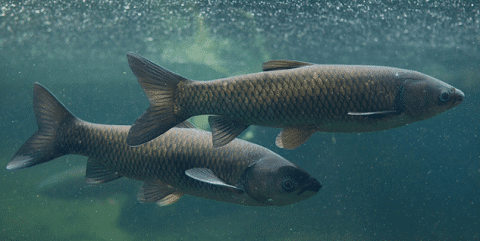
    1. Grass Carp (Ctenopharyngodon idella)

    Glass Carp In Lake
    • Scientific Name: Ctenopharyngodon idella
    • Care Level: Moderate
    • Minimum Pond Size: 3000+ Gallons
    • Temperament: Peaceful
    • Adult Fish Size: 48″
    • Temperance Tolerance: Up to 0 degrees F

    Grass Carp are an ideal fish for large ponds because of their size, fast growth rate and appetite for aquatic plants and algae. They can grow up to 55 pounds, but are generally peaceful in nature. If you do purchase them, ensure the breeder has treated them. Treated specimens are sterile. This is done to control their numbers as they are very invasive if released into the wild.

    These fish will eat many types of nuisance grass, including muskgrass and duckweed. It will generally not eat flimentous algae. It’s more of an invasive plant eater, and it does a great job at what it enjoys eating.

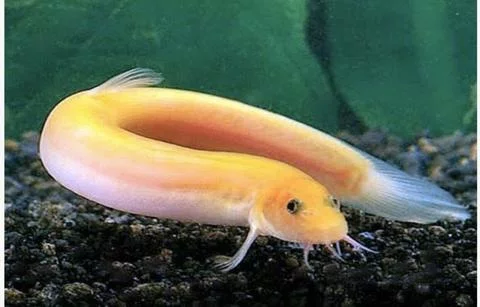
    2. Dojo Loach (Misgurnus anguillicaudatus)

    Dojo Loach
    • Scientific Name: Misgurnus anguillicaudatus
    • Care Level: Easy
    • Minimum Pond Size: 200 Gallons
    • Temperament: Peaceful
    • Adult Fish Size: 12″
    • Temperance Tolerance: Up to 40 degrees F

    Pond Loach (also known as weather loach) are mild-mannered fish that enjoy residing at the bottom of a body of water. They mainly feed on algae and organic matter, while adapting to different ranges in temperature โ€“ from 68ยฐF (20ยฐC) up to 72ยฐF (23ยฐC). These resilient creatures can endure even if temperatures drop as low as upper 50โ€™s Fahrenheit (13-15 ยฐ Celsius), provided that pH level remains between 6.5 and 8.0. If your waters get closer than this during the winter, you will need to bring them in to survive. Fortunately, they are small enough to be housed in aquariums.

    For optimal comfort for these peaceful swimmers, itโ€™s suggested they live together with their own kind. Preferably, no less than six individuals per group or family unit is preferred by aquarium keepers alike!

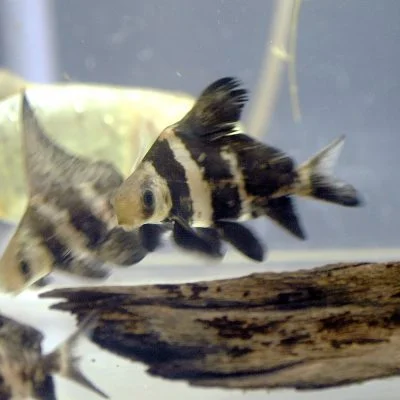
    3. Chinese High-Fin Banded Shark (Myxocyprinus asiaticus)

    Chinese High Fin Banded Shark
    • Scientific Name: Myxocyprinus asiaticus
    • Care Level: Moderate
    • Minimum Pond Size: 1,000 Gallons
    • Temperament: Peaceful
    • Adult Fish Size: 48″
    • Temperance Tolerance: Up to 0 degrees F

    Chinese High-Fin Banded Sharks are best suited for large ponds, as they have slow growth rates and tolerate colder water temperatures. Preferred environments vary between 55 to 75 degrees Fahrenheit (13 – 24ยฐC), however they can tolerate lower temperatures during the winter time. These fish feed on algae and exhibit docile behaviors with their tankmates. As such, thereโ€™s no need to worry about aggression from these high fin banded sharks when it comes to aquarium inhabitants sharing a home in the same space!

    This is a large fish with a large appetite for algae. As long as you have a big enough pond, it will be up for tackling your algae problem!

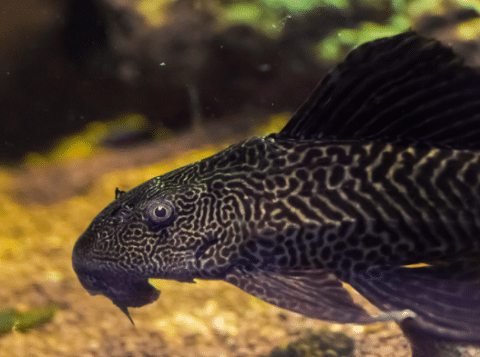
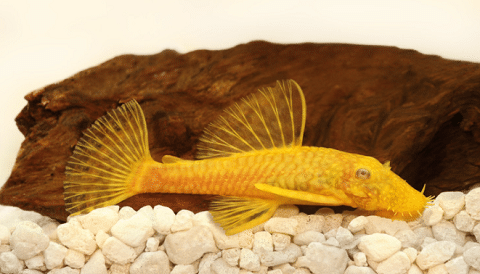
    4. Common Pleco

    Common-Pleco
    • Scientific Name: Hypostomus plecostomus
    • Care Level: Moderate
    • Minimum Pond Size: 300 Gallons
    • Temperament: Peaceful
    • Adult Fish Size: 24″
    • Temperance Tolerance: Up to 50 degrees F

    The Common Pleco is a resilient, adaptive fish species that has an adapted mouth structure for efficiently feasting on algae. To ensure the best well being of these creatures in their pond environment, it may be necessary to maintain warmer water and provide them with more spacious dwellings. They are best suited to be in ponds where the outside temperature is more stable in the winter. They going to be too large to be placed in a temporary aquarium during the winter.

    5. Bristle Nose Pleco

    Bristle Nose Pleco
    • Scientific Name: Ancistrus spp
    • Care Level: Easy
    • Minimum Pond Size: 150 Gallons
    • Temperament: Peaceful
    • Adult Fish Size: 6″
    • Temperance Tolerance: Up to 40 degrees F

    Bristle Nose Pleco are a peaceful species that do well in tank conditions ranging from 68-82ยฐF (20-28ยฐC). They can tolerate cooler environments than the Common Pleco, with temperatures as low as 40ยฐF (4 ยฐC), making them an ideal choice for colder climates. These smaller fish love eating algae and require plenty of hiding places to feel safe and comfortable.

    6. Shubunkin Goldfish

    Editor’s Choice
    Shubunkin

    Editors’ Choice

    Coloration, patterns, and it’s Koi-like features make this goldfish one of the most popular for ponds

    Click For Best Price Buy On Amazon
    • Scientific Name: Carassius auratus
    • Care Level: Easy
    • Minimum Pond Size: 180 Gallons
    • Temperament: Peaceful
    • Adult Fish Size: 6″
    • Temperance Tolerance: Up to 0 degrees F

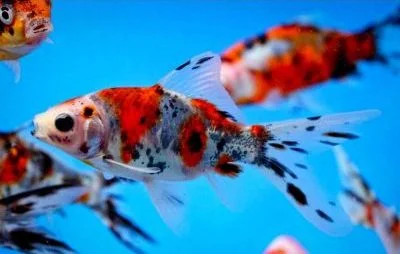
    Shubunkin Goldfish are known for being vibrant and sociable fish, which thrive in an array of pond conditions such as cold water. Theyโ€™re quite hardy creatures that can tolerate a variety of temperatures and will feed on algae along with other edibles. Keeping Shubunkins together is recommended because they enjoy the company of their peers.They will eat more algae during the winter than they will over the hotter months.

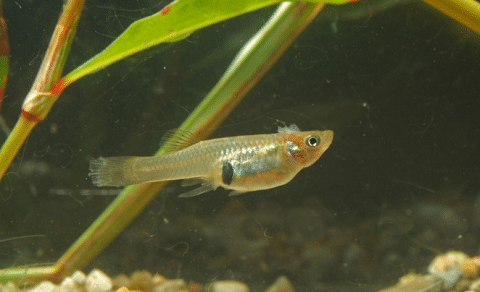
    7. Guppies

    • Scientific Name: Poecilia reticulata
    • Care Level: Easy
    • Minimum Pond Size: 20 Gallons
    • Temperament: Peaceful
    • Adult Fish Size: 1 – 2 inches
    • Temperance Tolerance: Up to 55 degrees F

    Guppy Fish can help maintain the algae level in smaller ponds, They may be susceptible to lower water temperatures. To keep them healthy and thriving it is important that their habitat temperature stays above 65ยฐF (18ยฐC). They can tolerate down to 55 degrees short term, but will need to be placed inside once temperatures drop.

    They are an omnivorous species meaning that they have a varied diet including plant matter, insects, crustaceans as well as high-quality fish food supplemented with occasional treats such as brine shrimp or bloodworms. Only only do they control algae, but they are great at eating mosquito larvae.

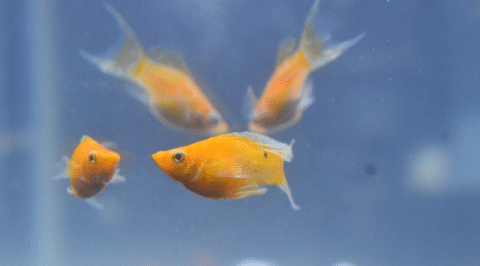
    8. Mollies

    Mollies
    • Scientific Name: Poecilia sphenops
    • Care Level: Easy
    • Minimum Pond Size: 30 Gallons
    • Temperament: Peaceful
    • Adult Fish Size: 3 – 4 inches
    • Temperance Tolerance: Up to 68 degrees F

    Molly Fish are excellent at keeping algae growth in check and do their best when surrounded by plenty of vegetation. Itโ€™s wise to have several together since theyโ€™re very sociable creatures. These fish should be brought indoors in the colder winter months as they donโ€™t tolerate low temperatures well. An important thing for them is a balanced diet that includes insects, small crustaceans, or anything else with an algae base, such as spirulina flakes or pellets designed specifically for aquariums.

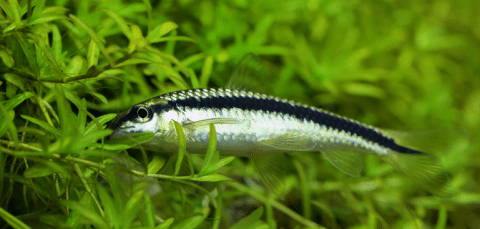
    9. Siamese Algae Eater

    Siamese-Algae-Eater
    • Scientific Name: Crossocheilus oblongus
    • Care Level: Moderate
    • Minimum Pond Size: 100 Gallons
    • Temperament: Moderate
    • Adult Fish Size: 5-6 inches
    • Temperance Tolerance: Up to 68 degrees F

    Hardy fish, such as Siamese Algae Eater and Chinese Algae Eater from Southeast Asia, require warm waters to thrive. These species are excellent algae consumers, making them an ideal addition for smaller ponds where temperatures should range between 70-79ยฐF (21-26ยฐC). They are best housed in locations that stay warm throughout most of the year.

    10. Mozambique Tilapia

    Mozambique Tilapia
    • Scientific Name: Oreochromis mossambicus
    • Care Level: Moderate
    • Minimum Pond Size: 10 lbs per acre (not met for home ponds)
    • Temperament: Moderate
    • Adult Fish Size: 14 inches
    • Temperance Tolerance: Up to 40 degrees F

    For pond owners with lots of land, the addition of Mozambique Tilapia to their larger ponds can be beneficial as they are voracious algae eaters who will happily feed on algae blooms during warmer months. Because they are fish that do not live well during the freezing months and they are considered aquaponic, they serve a dual purpose.

    Keep them for the warm months and when it gets cold, you can harvest them for food. They revert to their wild state when introduced to a large pond, which changes their taste and look. They are also easy to catch when it gets cold as their metabolism will slow down.

    Additional Inhabitants

    Maintaining a healthy pond environment involves controlling the algae growth, and our top 10 algae eating fish can be helpful in this process. Other beneficial creatures that could help with this are Japanese Trapdoor Snails and Mosquito Fish, both of which provide unique characteristics to assist you on your quest for an ideal balance.

    Japanese Trapdoor Snail (Viviparus malleatus)

    Japanese Trapdoor Snails are known for their hardiness and make an attractive addition to any pond. They consume algae, along with decaying matter which helps keep the water clean. These snails can tolerate a wide variety of temperatures, even surviving colder climates up north – they wonโ€™t overpopulate as well! But before introducing this species or other fish into your local environment, it is best to check in with Fish and Wildlife division since some may be deemed invasive species1.

    Mosquito Fish (Gambusia affinis)

    Mosquito-Fish

    Koi and Mosquito Fish are small, hardy pond dwellers that feast on algae as well as mosquito larvae. They have the ability to withstand drastic temperatures in outdoor ponds, making them beneficial for controlling algae growth. They differ from regular guppies as they only reproduce seasonally, while guppy fish can reproduce anytime.

    Factors To Consider

    Choosing the right species for your pond is important, and it requires considering a number of factors such as size, compatibility with other creatures living in the pond environment, climate conditions, and temperature. Letโ€™s take a closer look at these elements.

    When picking out algae eating fish to add to our ponds we need evaluate if they are compatible with already existing inhabitants within that particular system. Consider space requirements (how large or small is oneโ€™s body of water); how their preferred temperatures align against current weather patterns? Doing this will enable us make informed decisions concerning which types of aquatic animals to add.

    Size And Environment

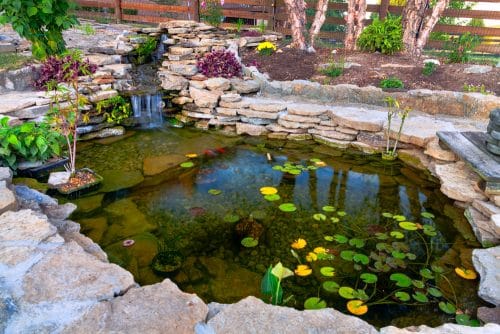
    Sample-Pond

    When selecting algae eating fish species, the scale of your pond and its environment must be taken into consideration. For instance, bigger ponds are better suited for Grass Carp, whereas Siamese Algae Eater is preferable in smaller bodies of water and in warmer climate. Check all the parameter requirements in this post so you select the correct fish for your environment.

    Compatibility With Other Inhabitants

    When introducing algae eating fish to an existing pond, ensuring their compatibility with other inhabitants is critical. Many of these algae eaters are bottom feeders, which means they are territorial to other fish that inhabit that space. It is best not to mix algae eaters that are bottom feeders with others to avoid any territorial disputes.

    Climate And Temperature Requirements

    When it comes to the type of algae eating fish species you choose for your pond, research is essential. Different varieties have diverse temperature requirements – some prefer temperatures over 65ยฐF (18ยฐC), such as Molly Fish. While others like Shunbunkins can cope with chilly 32ยฐF (0ยฐC).

    It’s also important to note that any fish we listed can tolerate up to zero degrees Fahrenheit and withstand freezing temperatures as long as a de-icer is used to defrost a hole in the ice so gasses can escape the pond.

    Alternative Control Methods

    Algae growth in ponds can be regulated through the use of algae eating fish or alternative solutions like floating plants and UV clarifiers. Let us explore how these methods contribute to keeping a pond free from excessive amounts of algae.

    Floating Plants

    Floating plants are helpful in controlling algae growth by preventing the direct sunlight exposure to water, which is essential for algae to survive. They also absorb nutrients from the environment hence reducing its availability for algae development. Commonly used floating species of aquatic vegetation include lettuce-like Water Lettuce, similar looking Water Hyacinth and tiny Duckweed.

    Aside from limiting unwarranted increase of algae population, these botanical floaters have an ornamental aspect as well providing secluded shelters. The major drawback is that you will have trouble seeing your pond fish. Placing your pond in a shaded area will also reduce algae from direct sunlight.

    UV Clarifiers And Filtration Systems

    By using UV light to kill algae and other microorganisms, as well as filtering out debris from the water with filtration systems, it is possible to control algae growth in ponds. This approach can improve the clarity of the pondโ€™s waters and promote healthier fish populations due to reduced algae issues. To get maximum benefits from these techniques, though, one must take care when managing and observing them on a regular basis. Bulbs should be replaced regularly. UV systems are best against green water and also have a disease mitigation benefit if you purchase a high end system.

    Maintenance Tips

    Maintaining a healthy and balanced pond environment is essential for avoiding algae overgrowth, as well as safeguarding the health of all pond life. Water testing regularly along with right feeding habits and employing algae control methods such as floating plants or UV clarifiers should be considered to preserve an ideal atmosphere in your pond system.

    Regular Water Testing

    Monitoring water quality is a must to maintain the health of your pond and its inhabitants. Using a testing kit can help measure pH, ammonia, nitrite, and nitrate levels. Essential information for preventing algae blooms and other problematic conditions in ponds.

    Water testing is your first defense against algae. You can check to see if your parameters are off and take appropriate action. You can also make water changes if parameters are off to rebalance the system. Note that one expert koi keepers who raise one of the finest breeds recommend 10% water changes a week with some going as far as 10% a day using auto water change systems2.

    Proper Feeding Practices

    Adhering to normal feeding routine can help prevent an excessive amount of nutrients and the growth of algae in your pond. Overfeeding could lead to a build up of nutrient levels, leading swiftly to unsightly algae bloom. To limit this problem, ensure that fish consume their food within minutes. Then remove any leftovers promptly so as not jeopardize water quality conditions.

    Best Value
    Blue Ridge Koi & Goldfish Food

    The Best Value in Koi Food

    Premium quality Koi food without the premium price. It’s the best value on the market

    Click For Best Price Buy On Amazon

    Frequently Asked Questions

    What is a good algae eating fish for a pond?

    Algae-eating fish are a great choice for outdoor ponds, providing variety and an inexpensive way to bring life into the space. Koi Ponds, Pond Loaches, Chinese High Fin Banded Sharks and Flying Foxes as well Common Plecos all make excellent candidates that help maintain cleanliness while looking beautiful in your pond.

    These species of algae eaters arenโ€™t particularly challenging to care for, they can be found almost anywhere pet stores operate. Since these types of fish wonโ€™t break the bank budget wise it is easier than ever before to get creative when stocking up on different kinds of aquarium dwellers at home!

    Plus even if youโ€™re just starting out with keeping aquatic creatures thereโ€™s no need fear: Algae eating fishes like those listed above require only basic maintenance such as regular water tests ensuring good quality levels so you will never have troubles caring after them properly without experiencing too much effort doing this vital task itself!

    Will algae eaters survive in a pond in winter?

    Koi, goldfish and Chinese High-Fin Banded Sharks (Batfish) are all able to make it through wintertime successfully in both small and large ponds. These species can help keep the growth of algae blooms under control as well.

    How do I get rid of large algae in my pond without killing fish?

    To get rid of large algae in your pond without killing fish, you can try using beneficial bacteria, mechanical filtration systems, and manual removal techniques like skimming and netting.

    For an all-natural solution, you can also add a bundle of barley straw which breaks down over time to clarify water and indirectly reduce algae growth.

    How can I control algae in my pond?

    To manage the algae in your pond, use an aerator to add oxygen and helpful bacteria. You can also physically remove decomposing matter with a net. Nutrient levels are key. Keep an eye on phosopate and nitrate levels. Keep your pond out of direct sunlight and keep temperatures stable. High temperatures will encourage more algae growth.

    How do algae eating fish help control algae growth?

    Algae eating fish are useful for controlling algae growth since they will consume it and other organic material, thereby keeping the pond clean. These aquatic creatures act as a natural way of regulating algae buildup so that waters remain clear.

    Closing Thoughts

    Adding algae eating fish to your pond can prove advantageous in creating a healthy, uncluttered environment. Depending on the size of the body of water and existing wildlife, an appropriate selection should be made when considering these aquatic species for controlling any excessive growths.

    Have you had any luck with these algae eaters? Let us know in the comments below.


    ๐ŸŒฟ Want to learn more? This article is part of our complete Planted Tank & Aquascaping Guide โ€” your ultimate resource for aquarium plants, aquascaping styles, substrates, and more.
  • How to Build a Koi Pond: 11 Steps to Do It Right From the Start

    How to Build a Koi Pond: 11 Steps to Do It Right From the Start

    I’ve maintained koi ponds over the years but I’ve never built one myself โ€” and my honest rule is I wouldn’t until I could do it right, which means going large. Undersized koi ponds are one of the most common mistakes in the hobby: koi grow big, produce enormous waste, and need serious filtration and water volume to stay healthy. The “small backyard pond” that looks charming in photos often becomes a maintenance nightmare within a season. That said, a properly built koi pond is genuinely one of the most rewarding projects in the hobby โ€” it just requires planning, budget, and realistic expectations from the start. Here’s how to do it right in 11 steps.

    Key Takeaways

    • The easiest way to build your first koi pond is with a complete kit
    • Bigger is always better, but anything larger than 1300 gallons will work for a few koi fish
    • A sterile pond is an unhealthy pond, a natural water garden with live plants is great for high water quality and a healthy pond ecosystem
    • Be sure to educate yourself on koi pond maintenance. These beautiful fish need ongoing care to stay healthy

    Minimum Requirements

    Koi are surprisingly hardy fish, but you’re going to need to stick within their parameters to keep them healthy in the long run. So what do koi need?

    Space

    Koi carp grow to about 24 inches in a healthy pond, but some can reach lengths of 36 inches, and that means they need plenty of room! The smallest recommended koi pond should hold at least 1000 gallons and be at least 2 feet deep.

    Of course, a deeper and larger pond is better for your fish and easier for you to maintain, but that extra thousand gallons often goes beyond budget and space.

    If you are willing to put in the work to maintain your koi pond and take any necessary steps to protect your fish, then a smaller pond could be just right for you.

    Water Temperature

    Koi are cold water fish. They are most comfortable in water temperatures of between 65 and 75 degrees Fahrenheit, although they can survive anything between about 35 and 90 degrees.

    Maintaining your water temperature in its preferred range throughout the year is pretty impractical in many areas, but you’ll have the best chance if you build your pond in a partially shaded area and dig it deep enough to maintain more stable temperatures.

    If you live in a really hot, tropical climate, koi fish aren’t your best choice. These are cool water fish and they’re just not going to thrive in really warm water when oxygen levels drop.

    You can keep koi in cold areas, and they can survive even if the top of their pond freezes over. However, you’re going to need to keep a hole in the ice to allow for gas exchange.

    The Ecosystem Concept – Lessons from Nature

    Ecosystems are complex systems where many different plants, animals, algae, bacteria, and other life forms all work together to keep a stable environment where each species can survive.

    Creating a fully functioning ecosystem that needs zero maintenance is practically impossible in a space as small as a koi pond, but you can get pretty close if you use good filtration and grow live plants.

    The Benefits of Plants

    Live plants are a feature of the natural koi fish habitat. Aquatic plants create an attractive natural environment and help to shade and shelter your fish from predators and full sun.

    Live aquatic plants also attract many harmless and beneficial insects that keep your pond healthy and make a great natural food source for your fish.

    Plants are also great for soaking up nitrates and phosphates in the pond water and improving oxygenation. Unfortunately, koi can be pretty hard on plants, so secure the plants by growing them in baskets.

    If you really want a clean modern looking pond without many live plants, consider building a second small pond with live plants as a filter pond(vegetable pond). If both sections are the same level, you can simply pump the water from one section to the other and let gravity equalize the depths.

    How to Choose Your Koi Pond Build Site – Key Considerations

    Planning a backyard koi pond that your fish will love is important, but you have to enjoy it too! Keep these points in mind when choosing a spot:

    • Try to make your pond visible from your home, that way you can enjoy it even when the weather isn’t great. Placing it near your home also allows you to hear the water flowing if you have a waterfall setup.
    • Your pond needs water and electricity. Make sure these are available nearby.
    • Small pets and children can get in real trouble if they fall into a pond. Safety first!

    Choosing a Shape

    The final shape of your koi fish ponds mostly comes down to personal preference. Smooth rounded lines are more pleasing to the eye if you’re going for a natural look, and they also allow your pond fish to cruise around without swimming into corners.

    Hardware and Materials

    Unfortunately, setting up a great koi pond is a little more complicated than digging a pit, filling it with water, and throwing in some fish. You need some important equipment and materials to keep your pond water clean and your fish alive. Let’s look at the basics.

    Liner

    You’ll need to line the bottom of your pond to prevent the water soaking down into the ground, or mixing with fine substrates and turning muddy. The easiest and cheapest way to do this is to use a purpose-made pond liner.

    EPDM pond liners are made from a flexible, fish-safe material that is not damaged by the sun and will not poison your fish. A 45 mil liner is recommended for a small koi pond. Before you line your koi pond, go ahead and add an underlayment layer to protect your pond liner from anything sharp that might damage it and cause leaks.

    Pump

    Your koi pond needs a pump to keep the water circulating. It will also suck water through your pond skimmer basket and push it through your biological filtration system.

    Water flow keeps your pond oxygenated, cools it down, and prevents excessive algae growth. Your water pump is installed below the water level.

    The simplest and easiest filter system for a DIY koi pond involves a waterfall feature and filter on one end of the pump, and a surface skimmer and submersible pump on the opposite end.

    Basically, the pump creates suction that pulls leaves and other surface debris through the surface skimmer and sends clean water around the outside of the koi pond and up to the top of the waterfall. This water then flows through a filter before tumbling back into the pond and sends a current across to the skimmer on the other side to repeat the process.

    Skimmer vs Bottom Drain

    Leaves, dust, feathers, grass clippings, fish poop, and all sorts of other things collect and rot in koi ponds, so we need a way to remove them from the system. The favored method is to install a bottom drain (kind of like the drain of a bath tub) which allows you to suck up waste that settles on the bottom of the koi pond.

    Installing a bottom drain is an excellent option, especially if you want to keep the bottom of your koi pond clean of silt. However, bottom drains are a little more complicated and require a few extra steps and costs to install.

    One way of getting around this is to use a bottom pump that sits at the bottom of the koi pond and does basically the same job but without the extra plumbing and risks associated with putting a hole in your pond liner!

    Another great option is to skip the bottom filtration altogether and run a surface skimmer. This creates a mechanical filter to trap most of the leaves and surface debris that land in your koi pond before it can sink to the bottom. However, you’ll still need to vacuum the bottom of your pond from time to time.

    Complete Kits – The Easy DIY Route

    So now you know a little more about the basics of koi needs, and what you need to set up a great backyard koi pond for a few fish. It’s time to start looking for equipment.

    Editor’s Choice!
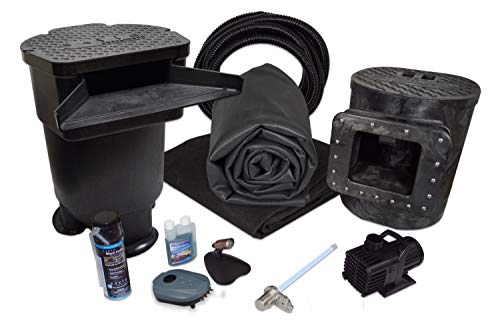
    Half Off Ponds Savio Signature

    Editor’s Choice!

    With premium Savio parts and a UV sterilizer, this pond kit has it all and will operate reliably for years!

    Buy On Amazon

    Now, you can shop around and match up your hardware on your own, or you can go for an all-in-one kit. I’ve already covered some of my favorite, complete kits in this Koi pond kit guide, so check it out if you’re looking for a great setup in the 1300 to 1900-gallon range.

    How to Build a Koi Pond – 11 Simple Steps

    It’s time to get building, but where do you start? Read on for a basic breakdown for installing a simple backyard koi pond.

    We’re discussing basic, affordable koi ponds here that you can do yourself or with the help of a friend or contractor. If you want to go all out and build a very large and complex setup, it’s going to be worth your while to hire a professional pond installer from the start.

    1. Budgeting and Planning

    Do your planning and budgeting before you dive in and dig up your yard. Sure, you can start the process and take it step by step, but it’s much smarter to get everything you need from the get-go.

    You’ll also need to make sure you’re permitted to build a koi pond in the first place1. This is especially important if you don’t own the land!

    2. Choose Your Location

    So you’ve done your planning, and you’re going to build a pond. Congratulations!

    A pond is a permanent build, which means you can’t move it around if you’re not happy with the location. Take your time to choose a great spot, and run through some of the important considerations mentioned earlier in this guide.

    Top tips

    • Choose a spot that you can see from your home
    • The site should have an electrical outlet and faucet nearby

    3. Mark it Out

    Once you have chosen your site, it’s time to mark out your pond. Choose a shape that compliments your outdoor space and avoid sharp angles that create dead spots of water flow and restrict your fish’s swimming space.

    Remember to include the location of your waterfall and your skimmer pump and housing during this step.

    Top tips

    • Choose a level site
    • Use a soft garden hose pipe and brightly colored spray paint to mark out your site

    4. Get Digging

    Your pond needs to be at least 2 feet deep, but 3 or more feet is much better if you have any predators around or if you live in a very cold climate. I supplied a video from Plant Abundance that shows the digging process.

    Digging out a pond is a serious job, so you’re going to need to be physically fit, have a few friends or family members to help, or hire some equipment.

    Remember to dig a spot for your pump and skimmer housing at one end of the pond, and a shallow trench for the pvc flex pipe that runs from the pump to the waterfall. Keep the dirt handy for landscaping around the pond, it’s great for building up a waterfall and for building gentle slopes for your plants.

    Top tips

    • Contact your local utility company to find out about water and electricity lines before you start digging
    • Think about where you’re going to put all the dirt before you start digging
    • Dig terraces, not smooth slopes
    • Take your time and stay hydrated if it’s warm out

    5. Add Your Underlayment and Liner

    Start by installing your underlayment and then move on to your pond liner. Make sure there are no sharp rocks, staples, nails, or anything else that could puncture your rubber liner.

    Allow the liners to sit loosely, and place a few rounded boulders at key spots to keep everything in place. You’ll want to leave about a foot of excess liner over the edge of your pond to prevent leaks and create a neat finish.

    Top tips

    • Pond liner is tough stuff, but keep pick axes and other sharp heavy tools clear to prevent punctures
    • Allow your liner to heat up in the sun a little, it will be much softer and easier to shape

    6. Install Your Pump and Skimmer

    Next it’s time to fit all your plumbing together. Use teflon tape and a little silicon to create watertight connections and use cement to attach hoses that don’t have threaded connectors. Refer to the instructions on your pond kit for attaching the pond liner to your waterfall box and your pump housing.

    Your pump box should be sunk level with your pond. Compact the soil at the bottom of this hole before installing this housing and tamp the soil into place when you back-fill around the sides of the box. This will keep it level and prevent settling earth.

    Top tips

    • Hide your hardware with plants for a natural look, but make sure they are easily accessible for maintenance and cleaning

    7. Create Your Waterfall

    Use some of the excess soil you dug out of the pond to create a raised area on the opposite end of your pond. This will be your waterfall end where water flows in. Set your waterfall box in place and pack rocks to create a natural-looking slope leading up to the top of the box.

    Seting Up A Pond For Butterfly Koi

    You may be tempted to create steep slopes to minimize space, but a gradual slope will look much more natural and make a great place to grow some beautiful plants.

    Top tips

    • Compact the ground before placing your waterfall box- you don’t want it to tilt or lean as it settles
    • Use a level to make sure your waterfall outflow is level so that the water flows evenly over the lip
    • Make sure the hose coming from the pump is connected to the waterfall box before you build up the rock walls!

    8. Add Your Filtration System

    Unless you have an absolutely enormous pond (lake), you’re going to need to keep your water filtered to maintain a healthy pond environment for your fish and avoid green water.

    You already have the water flow provided by the pump and the mechanical filtration of the skimmer basket, now you need some biological filtration media to house a strong beneficial bacteria colony.

    There are various biological filtration options for koi ponds, but spend a few extra dollars and choose a good quality product that fits neatly in your waterfall box. This media will support the nitrogen cycle and maintain a healthy pond environment for your koi fish.

    9. Add Rocks and Gravel

    Once your koi fish pond has been dug, lined, and plumbed, it’s time to get those creative juices flowing and pack in some rocks to create a natural water feature. The terraces you dug into the slopes of your pond are going to come in handy now to create stable levels for stacking rocks.

    Fill in the spaces between the rocks with gravel and rocky soil to create a natural look and hide the black liner below.

    Top tips

    • Be careful with heavy boulders! Steel-toed boots can help protect your feet, but any shoes are better than nothing
    • Use rounded rocks to protect your pond liner from cuts and scratches

    10. Add Plants

    Ok, this step is optional, but we love aquatic plants here at AquariumStoreDepot, and so do your fish! Plant manageable, dry land plants around the perimeter of your pond in a natural and random pattern. Use plants to cover up the slopes leading up to your waterfall for a much more natural and attractive look.

    Plants With Koi or Goldfish

    Rember to grow some plants in the water too. Live plants give off oxygen to help create a naturally aerated pond. Floating plants like lily pads are also great because they protect your fish from sun exposure and predators.

    Top tips

    • Choose plants that resprout after the winter
    • Do your research and avoid invasive plants that might escape into local waterways

    11. Fill and Neaten

    After you have covered the bottom of the entire pond and all your hardware is installed, fill the pond to its final level.

    Your backyard oasis is really coming together now and it’s time to neaten up the edge of the pond. Fold the liner over and pack dirt and gravel to sure it up and cover the edge.

    Lastly, clean up the area and grab a soda. Soak up the moment when you switch on the pump and watch the waterfall flow into your very own backyard koi pond!

    Top tips

    • Add a dechlorinator to make your water safe for your fish and use a beneficial bacteria starter to jump-start the nitrogen cycle in your koi pond.

    FAQs

    How deep should a koi pond be?

    Koi ponds should be at least three feet deep. However, you can get away with two or two and a half feet if you provide loads of cover and protect your fish from predators.

    How much does it cost to build your own koi pond?

    Building your own backyard pond can cost less than a thousand dollars or completely empty your bank account, it all depends on the size and quality of your components. Look at spending a minimum of $1500 dollars to set up a simple kit-based koi pond for a few fish.

    Can I build a koi pond myself?

    Yes, you can build your own backyard pond. However, it’s important to be realistic about the scale and complexity of the koi fish pond you can build without professional help. Starting with a complete koi fish pond kit is usually the most effective way of building your first backyard pond.

    Can koi fish survive in a pond?

    Koi fish are the ideal ornamental fish for backyard ponds because they are both beautiful and hardy. They do not require a pond heater, but all koi ponds require good water flow and adequate pond filtration systems.

    Final Thoughts

    Each pond is different, from the equipment used, to the outdoor space where you install it, and the creative vision of the person building it. This guide should get you on the right track to building your first koi pond. Just remember, be safe, and have fun!

    Are you setting up a DIY koi pond? Tell us about your project in the comments below!

  • Kawarimono Koi: The Rare Catch-All Category Serious Collectors Should Know

    Kawarimono Koi: The Rare Catch-All Category Serious Collectors Should Know

    Kawarimono is one of those koi categories I find endlessly interesting because it’s essentially the “everything else” classification โ€” fish that don’t fit neatly into the established varieties. I’ve seen stunning Kawarimono specimens at Aquashella that stopped people in their tracks precisely because they were unlike anything with a standard name. For serious koi collectors, this is where you find truly one-of-a-kind fish.

    At koi shows and vendor events like Aquashella, Kawarimono always draw a second look. They’re the “catch-all” classification in the koi world โ€” non-metallic koi that don’t fit neatly into any of the fifteen standard recognized varieties. That sounds like a consolation prize, but in practice it means Kawarimono includes some of the most unusual and visually striking koi you’ll ever see. Because they’re produced in smaller numbers and don’t follow predictable patterns, they’re legitimately rare. If you’re the kind of koi keeper who wants something that starts a conversation, Kawarimono are worth knowing about.

    A Quick Overview On Kawarimono Koi

    Scientific NameCyprinus rubrofuscus
    Common NamesKoi, Fancy Carp, Nishikigoi, Kawarimono Koi
    FamilyCyprinidae 
    OriginJapan
    Common ColorsSaffron through reddish brown to nearly black
    Care LevelIntermediate
    TemperamentSocial and Peaceful
    LifespanApprox 30 – 40 years
    CompatibilityOther carps and amphibians
    Minimum Pond Size1000 gallons
    Pond Set-upOutdoor water garden with aquatic plants

    Kawarimono mainly falls under two groups:

    1. Black Koi
    2. Solid or single-colored Koi

    Therefore, Kawarimono, being the absolute darling, still doesn’t fall under the fifteen other varieties of Koi.

    However, regardless of their peculiar features, they are produced in small numbers. Hence, rare.

    Black Koi Kawarimono

    Black Koi kawarimono is further classified into five different varieties.

    Kumonryu

    Kumonryu is by far the most prominent Koi of all black Koi varieties which gained prominence in the 1980s. The name Kumonryu means dragon of the nine markings, which is derived from a legend of Dragon Ryu. Ryu was considered a Koi that transformed into a cloud and raced through the sky.

    Kumonryu is named after dragons because their bodies are evocative of the metallic coiled bodies of dragons as portrayed in historical arts.

    Kumonryu Koi are always scaleless (Doitsu) where the black surface is covered with white markings over the head, fins, and body. Some experts claim such details are reminiscent of the Killer whale pattern. The patterns of Kumonryu vary โ€” from large to wavy-edged chunks of white spread along the flanks and head of the body.

    However, the Kumonryu Koi is mainly Doitsu Matsukawabake, meaning that their pattern fluctuates seasonally, depending on the quality and water temperature, forming a black net pattern.

    The class of Koi, though majorly scaleless, showcases a group with singles lines of considerable lateral and dorsal scales. However, that’s rare.

    Beni Kumonryu

    Beni Kumonryu is scaleless Koi with a red pattern over a white and black body.

    However, these variants are not always scaleless, rather show a single line of large scales on the lateral and dorsal sides.

    The red (Beni) pattern often changes frequently, depending upon the water quality and temperature. Whereas, in winters, it’s natural for Beni Kumonryu to turn completely black. However, as the summer and spring approach, the red (Beni) pattern and white base come out.

    Matsukawabakke

    Matsukawabakke is a Kumonryu with scales. Legend has it that Matsukawabakke is the result of Kumonryu and Shusui’s interbreeding.

    And likely so.

    Like its counterparts, Matsukawabakke changes colors frequently during its course of life. Matsukawabakke, in some seasons, can turn totally white or black. However, they exhibit cloudy black patterns in the transition period.

    Karasu

    The literal meaning of Karasu is ‘crow’ in Japanese.

    Karasu is an ancient variety of Koi that showcases black fins and body with a white or orange stomach. However, at times, Karasu shows traces of blue instead of black.

    Hajiro

    Hajiro is a close relative of Karasu with a white nose and white-tipped pectoral fins that add uniqueness to the pool.

    Hageshiro 

    Hageshiro is very similar to Hajiro with a little addition of white on the head.

    Single-colored

    Kawarimono Koi Types

    Chagoi

    Chagoi is a single-colored uniform brown Koi famous for their distinctive qualities, unusual size, amicability, and amiability.

    The word Chagoi is derived from a Japanese word, meaning tea, depicting the true color of this breed.

    Chagoi is naturally peaceful that appreciates hand feeding and generous interaction with their owners.

    However, to determine the best quality Chagoi, one should look out for the paler variants that are blemish-free, and free of spotting, fading, or blurring. Here is a great video by Dazzle Koi that goes in detail on this great breed.

    Soragoi (Plain Gray Blue)

    Soragoi is just like common carp, so they are unpopular when it comes to domesticating Koi fish.

    Soragoi displays plain blue-gray color and can reach over 30 inches in length. Soragoi is usually very docile and calm and may have a calming effect in your garden ponds.

    Ochiba Shigure

    Ochiba Shigure is a cross-bred of the brown-colored Chagoi with the grey-blue Soragoi.

    Together they form a bi-colored pattern, Ochiba Shigure.

    Shiro Muji (White)

    Shiro Muji is an all-white Koi that is a result of successful Kohaku spawning. However, in Shiro Muji, the hi is completely absent.

    The Shiro Muji is often discarded or thrown into the bargain bin. Nevertheless, the fittest ones are stored and raised into quality Koi.

    One of the rarest kind of Shiro Muji is Albinos. They have red eyes, red dorsal fins and tails.

    Kigoi (Non-metallic Yellow)

    Kigoi or lemon Koi are the non-metallic variants of Koi of yellow or pale orange color. They are flat-shaped and matte-colored with a few exceptions of brighter and metallic skin.

    The rarest type of Kigoi is Akame Kigoi, which has red eyes and extremely prized. They have also proven to grow immensely.

    Midorigoi (Green)

    The variety that exhibits the color green is called Midorigoi. Surprisingly, it’s the only family that shows this color.

    Midorigoi are translucent green Doitsu Koi that has black or silver mirror scales.

    Formerly, they emerged from a cross between Shusui and a Yamabuki Ogon in the 1960s as a scaleless breed. However, presently, they are sold as the scaled variants of Koi.

    Magoi

    Magoi has deep bronze scales. However, regardless the color, the Koi seems black from above.

    The Magoi is not considered a true breed by some experts. Nevertheless, the legacy of keeping the fish continues.

    Matsuba

    The matt-scaled non-metallic Matsuba Koi falls in the Kawariumono variety, which are considered rare and pricey.

    How to Choose a high-quality Koi

    The Kawarimono is not just a type, it’s a whole different variety with various other types of unusual yet stunning Koi fish.

    Therefore, the judging criteria for Kawarimono is just the same with any other Koi fish.

    The best quality Kawarimono should be deep and solid with a healthy, lustrous body. Also, there should be no signs of spotting, blurring, or fading. If any of these signs appear, the fish is of inferior quality and usually discarded.

    Furthermore, the distribution of hues and patterns should be consistent all across the entire body. If you are looking to purchase a Koi online, look for a what you see is what you get (WYSIWYG) vendor. NextDayKoi is a great place to get quality Koi at reasonable prices.

    The Most Friendly Koi
    Kawarimono

    A non metallic Koi fish. Features the Chagoi Koi – known as the most friendly Koi in the Pond trade

    Click For Best Price

    FAQs

    What is this type of fish?

    Kawarimono is a broad classification of Koi fish that feature non-metallic bodies with a slight sheen on their skin.

    Kawarimono falls under three categories:

    1. Single-colored koi: Kigoi, Benigoi, Shiro Muji.

    2. Black Koi: Karasu, Kumonryu, Matsukawabake.

    3. Miscellaneous: Matsuba, Midorigoi.

    What are the friendliest Koi?

    Though Koi are considered quite friendly and peaceful pets. However, there’s a classification in Kawarimono that beats all other Koi when it comes to friendliness. And that’s the Chagoi Koi.

    What is Magoi?

    Magoi Koi is the original authentic Japanese Carp introduced in Japan in late 1700s. Magoi Koi is not considered a true breed by some experts. However, they still managed to make their mark. It has deep bronze scales that appear black from above.

    Final Thoughts

    Kawarimono, what’s usually considered as left overs or discarded fish are one of a kind with a broad classification of various unconventional yet beautiful fish that are bred all across the world.

  • How Much Are Koi Fish? What Drives the Price From $5 to $1.8 Million

    How Much Are Koi Fish? What Drives the Price From $5 to $1.8 Million

    Koi pricing is one of those topics that genuinely surprises people when they first look into it. I’ve seen koi at big-box stores for $5 and show-quality nishikigoi at Aquashella that run into the tens of thousands of dollars โ€” and occasionally heard of champion fish selling for millions in Japan. Understanding what drives that range makes the hobby a lot more interesting, and helps you make smarter buying decisions whether you’re a beginner or a serious collector.

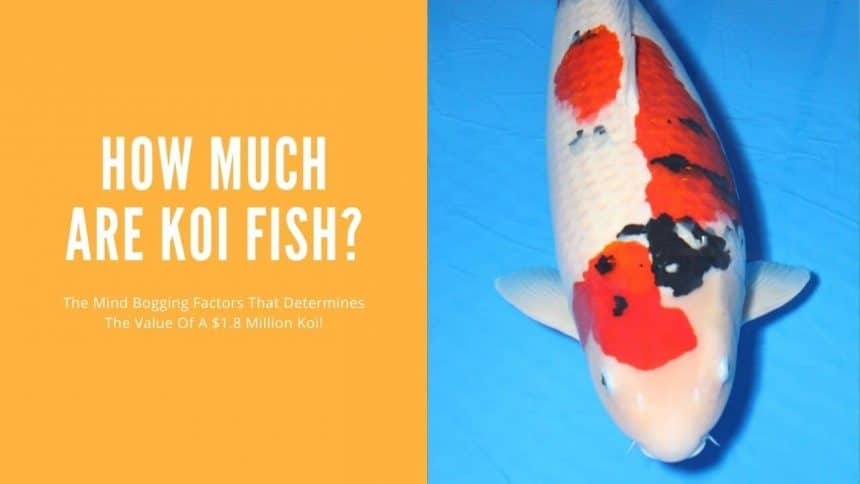
    Koi pricing spans one of the widest ranges of any animal in the hobby โ€” from a few dollars for feeder koi to a Kohaku that sold for $1.8 million in Japan in 2018. Most pond keepers are operating somewhere in the middle, which is actually a great place to be. I’ve seen koi vendors at Aquashella selling beautiful, healthy fish for $20โ€“$100, and that’s where most hobbyists will spend. What drives the high end is a combination of variety, pattern symmetry, body shape, bloodline, and whether the fish came from a top Japanese breeder. Here’s how to understand what you’re actually paying for.

    The most expensive Koi fish sold in Japan was worth $1.8 million in 2018. 

    Koi fish are known to adorn garden ponds, restaurant interiors, and lounge space for their beautiful lineage and bizarre coloring. But do you know, how much are Koi fish and what exactly adds to their worth? In this article, I’ll list some mind-boggling factors that determine Koi fish’s cost and overall quality of a Champion Koi.

    Why are Koi fish so expensive? (12 Reasons That Explain How Much Are Koi Fish)

    There’s no one answer to this question (in fact, that’s why we created this video above from our YouTube channel). The worth of Koi fish highly depends on some obvious factors such as the quality of Koi, colors, and patterns. On the basis of quality and price, Koi fish are usually categorized into three classes;

    • Pond raised Koi – The Koi that we raise in ponds are the easiest to find and the cheapest in the market.
    • Ornamental quality Koi – The popular category that we raise as ornamental fish, such as Butterfly Koi. These are cheaper than the show-quality Koi fish but a bit pricey than the pond-raised fish.
    • Show quality Koi – The highest quality of Koi fish all around the world and the costliest. These are raised for competitions and Japanese Koi shows.

    However, not all Koi qualify as the Grand Champion and some might end up in the bargain bin. As an avid Koi enthusiast, I’ll specify some of the greatest reasons for Koi’s unrivaled value.

    1. Successful Spawning

    Any Koi keeper would agree; despite thousands of Koi eggs during the spawning behavior, only 20% of quality Koi survive, sometime the survival is by chance. The survival chances make Koi more cherished and an expensive pet fish.

    But what exactly is a spawning behavior?

    Koi Spawning Behavior

    The process of spawning in Koi fish happens once a year when male Koi show great interest in the female Koi fish and keep following them for a day or two. Finally, the male Koi, usually in the early morning chase and nudge the Koi fish, and this is how the spawning begins.

    During spawning, the female Koi lay thousands of eggs that are then fertilized by interested males immediately.

    Now, this is where the quality and high prices come in.

    The Egg Stage

    Koi eggs stick to whatever they come in contact with. Usually, Koi fish like to deposit their eggs in aquatic plants such as water hyacinth and water lettuce. Therefore, I always encourage plants in a Koi pond if you want to breed them. However, around 20% of the thousands and thousands of eggs usually die of fungus, infertility, or eventually rot to death.

    The Hatchlings

    Under favorable water conditions, the eggs hatch in around 4-5 days. The hatchlings feed on their yolk sac until they are fully capable to eat food. Nevertheless, 20% of the hatchlings usually die before they are 1 inch long.

    The Culling Process

    Generally, only 60% of Koi fish reach 1 inch in length and make it through the hatching phase. This is where the farmers start the culling process.

    During the process, breeders discard all of the bad and deformed fish into the bargain bin. Hence, the healthy Koi fry feeds on a high-protein diet for around 3-4 weeks for further inspection when they reach around 2 to 3 inches. After a couple of weeks, breeders examine the baby Koi and discard another 15% of Koi into the bargain bin. And so, only the best, high-quality Koi makes it to the Grand Champion Koi list.

    After successful tallying of the Koi fish, they are either sold locally or internationally for hundreds to thousands of dollars.

    2. Body Conformation or Shape

    Koi Body

    Novice Koi hobbyists often overlook the conformation or body shape of Koi fish, mainly because they are not aware of its worth.

    However, let me tell you;

    The quality and cost of Koi fish are highly dependent on its body shape. The award-winning Koi fish is free of any defects and deformation in body shape. The ideal conformation of Koi fish is a torpedo-shaped, symmetrical body with even fins, corresponding to the body.

    3. Colors and Patterns Diversity

    One thing that outshines Koi is the color variety and fascinating patterns that keep the spectators in awe.

    The colors in Koi can be classified into six extraordinary variations ranging from metallic and white to blue, yellow, red, and black. Nonetheless, not all the colors and patterns are as appreciated by Koi owners. Hence, the high pricing.

    Also, the depth of Koi skin cells affects the vividness of Koi. That being said, the brighter the Koi, the costlier. 

    Therefore, Koi breeders particularly pick the best colors and develop them into a brighter appearance through nutritious food for a heftier price tag.

    The Grand Champion Koi that sold for $1.8 million in Japan had sultry red patches on a white body surface that sparkled like diamonds. And so in an enthusiast mind, the cost was justified.

    Thus, the rarity and purity of colors and patterns increase the value of Koi fish.

    4. The Biosecurity of Koi farms

    Experienced Koi breeders maintain strict biosecurity in farms to prevent fish diseases and keep an active protocol for their inventory.

    These Koi ponds are usually in remote places to prevent the contamination of water through pathogens, and all of this costs substantial money.

    5. The need for a Large Pond

    Unlike goldfish, guppies, and other commercial aquarium fish, Koi demands a huge pond for their survival.

    The depth and intensity of Koi’s color and luster depend on water quality, therefore, Koi breeders prefer breeding and raising them in large ponds.

    Consequently, a Koi farm needs a vast space with sufficient ventilation and filtration that add to its overall yield.

    6. The import Costings

    No matter what you do and how you do it. Let’s admit this – The quality of Japanese Koi is second to none and unmatchable. Therefore, all countries import show quality Koi from Japan, and this also adds to the ultimate price of Koi fish.

    7. Connoisseur’s Craze

    I’ll be honest here, it’s a game of supply and demand.

    The more the demand, the higher the cost.

    People are crazy about Koi. Thus, Koi are expensive. In Japanese culture, Koi is considered a sacred pet that brings good luck and prosperity to the family.

    And so, people show immeasurable affection towards Koi. They want it in their garden ponds, large indoor aquariums, and for winning the grand competitions, including the most popular All Japan Grand Koi Competition. Hence, the mad price. Let’s look at some Grand Champion Koi from the show itself over the years. Check out Koi Port Indonesia for more videos:

    8. High-quality Koi Luster

    High-quality Koi fish are free of blemishes and the skin is lustrous and rich with pigments. Just like you can easily distinguish between cotton and silk. The high-quality Koi can easily be recognized through its shimmery lustrous body.

    9. The Overall Personality – Quality & Elegance

    The judgment of quality and elegance on the basis of Koi’s personality is an arbitrary choice. However, Koi connoisseurs rely on this factor heavily. High-quality Koi fish are proven to perform exceptionally, be it swimming or socializing (aggressive or slow Koi fish are naturally devalued.)

    Also, Koi owners judge the fish by their body movements and how gracefully they flex their bodies in the water. If the Koi fish looks healthier and energetic among the shoal, it is always rated higher. 

    10. Extended Breeding time

    The breeding of Koi is not everyone’s cup of tea.

    Unlike guppies and bettas, Koi breeding needs patience and resilience. Any breeder will at least need 3 to 5 years to nourish and sell the show-quality Koi in the market.

    11. Distinctive Features

    Breeding Koi fish is a life-changing experience, and breeders put everything at stake to hit the jackpot.

    Sometimes, when breeders are being a little adventurous, they might interbreed some of the rarest and quirkiest fish with distinctive qualities. The result is an extraordinary baby koi that manifests in magnificent colors and patterns.

    Hence the breeders demand an exceptionally high price for Koi fish with such peculiar qualities.

    12. Heritage and Legacy

    You would be surprised to know that Koi fish, in their early years, were only bred for food. However, as time passed, breeders started seeing great potential in breeding the fish and making a living out of it. Nowadays, Koi fish are kept for their extravagant patterns and exquisite colors in landscaped ponds and large aquariums.

    Did you know?

    Even though Koi are commonly called Japanese Carp, they did not originally originate from Japan. Their exact origin is highly debatable by the Koi experts.

    Nishikigoi

    The carp that we call Koi, is Nishikigoi, which is termed as living jewels or brocaded carp. Nishikigoi possesses wonderful patterns and colors that we adore and love today.

    Although Koi is not originated from Japan, Japanese breeders get the credit for fine-turning and breeding them to the remarkable color variations we witness now.

    The Big Three

    There are 15 major types of Koi but the most popular among them are the three varieties namely, Kohaku, the Sanke, and the Showa. These varieties of Koi fish are commonly called, the big three in the USA and Europe.

    What determines a Champion?

    Even after years of breeding Koi fish, many breeders still couldn’t master the art of raising a Champion Koi.

    According to Koi fish experts, the cost of Koi depends on the diverging intensity and depth of the colors. Also, there is an ideal size for a very expensive Koi fish.

    The most prized Koi is not very large. Rather, they are 1.5 feet long with a torpedo-shaped body.

    But how do experts judge Koi for a Grand Champion?

    Well, they have their ways. However, there are five factors that determine a Champion Koi.

    • Overall Body Size
    • Shape and Body Conformation
    • Patterns
    • Color Depth
    • Intensity

    Overall Body Size

    Like in many departments, the bigger the size, the better. The same is the case with Koi fish. 

    A larger size Koi fish has reached maturity and thus its full potential. Therefore, the ideal size for Champion Koi is as long as it can handle without compromising its color intensity and depth.

    Big Girl, reportedly known as the largest Koi fish to date, weighs 40kg (90lbs) and is 1.2m (4 feet) long.

    Shape and Body Conformation

    Grand Champion Koi Sanke

    About 60% judging score of a Champion Koi makes up the body shape and conformation of Koi fish (2010 Champion Sanke showed above1).

    For the fish to qualify as a Champion Koi, it should have a long, broad head with a symmetrical tail and pectoral fins. Also, it should have a beautiful streamlined shape with thin bodies.

    Any deformities, be it around the eyes, mouth, or fin areas are a minus. Furthermore, fins should be in optimal condition with no fraying or wear and tear.

    It is observed that female Koi tend to win majority shows because of their peculiar shape and body conformation.

    Patterns

    The judgments based on patterns are a bit difficult to understand for novice Koi keepers.

    Nonetheless, I’ll make it sound easy-peasy.

    On the basis of patterns, we classify Koi fish in several categories. What judges basically look for is the clear and crisp outlines or edges, colloquially known as ‘Kiwa’ (meaning: verge, side, edges).

    Therefore, if we speak about Koi, the edges or Kiwa constitute the hi (red) or Sumi (black) patterns. These patterns although seem identical, tell a lot about the quality of the Koi fish.

    Patterns, together with color depth and intensity make up 30% of the total judging score of Champion Koi. Let’s look at some examples from The Daily Koi Channel of the All Japan Young Koi Show in 2021.

    Where’s the highest quality of Kiwa found?

    The big three.

    Yes, Kohaku, Sanke, and Showa possess the highest quality of Kiwa, especially the Kohaku varieties where red patterns are adorned on a white surface to illustrate the Kiwa. Kiwa refers to edge of a pattern element.

    Besides, the uniformity of colors also counts. For example, even hues of Crimson red or persimmon and orangish-red patterns throughout the body. The Champion quality Koi has a very dense red hue on the sharp edges of the pattern. Also, the barrier of red and white should be crystal clear with no blurring.

    Types of Kiwa

    Based on super edgy patterns, Kiwa is divided into two types.

    1. Kamisori Kiwa: Kiwa with razor-like edges, running through individual scales
    2. Maruzome Kiwa: Resembling the outline of a cherry blossom petal, Maruzome Kiwa gives a scalloped appearance to the trailing tip of the red patterns.

    Please note that we always consider the trailing edge of the pattern in judging Kiwa. (i.e., the edge nearest to the tail of Koi fish)

    The Distinctive Colors

    For determining a Champion Koi, Koi experts look for the following color varieties;

    1. Pearly white surface with red (hi) patterns and definite outlines, such as Kohaku
    2. Pure black body base with white and red hues, such as Showa
    3. Peacock like metallic looking, red and orange attractive markings, such as Kujaku

    Hinkaku

    The overall personality matters.

    And this is exactly what the judges assess while choosing a Champion Koi. The general aura of the fish with traits such as vitality, behavior, and overall personality against the norms.

    Sometimes, while judging, the ‘seemingly’ healthy but quiet fish might lose the race against the boisterous, energetic, and lively ones.

    How to Raise A Prized Pet?

    Raising a Champion Koi is not a five-finger exercise, instead, it takes a lot of hard work and patience in raising one.

    Quality Food

    Premium quality Koi food makes all the difference. Not just quality food but with efficient measurements will help your fish grow and develop vivid colors.

    Particularly in summers, when Koi are much hungrier and active, you should increase the frequency of daily feedings. Furthermore, you also notice that Koi will prefer eating food at one time more than the other. So, I recommend scheduling the feedings manually or get an automatic feeder for consistent feedings.

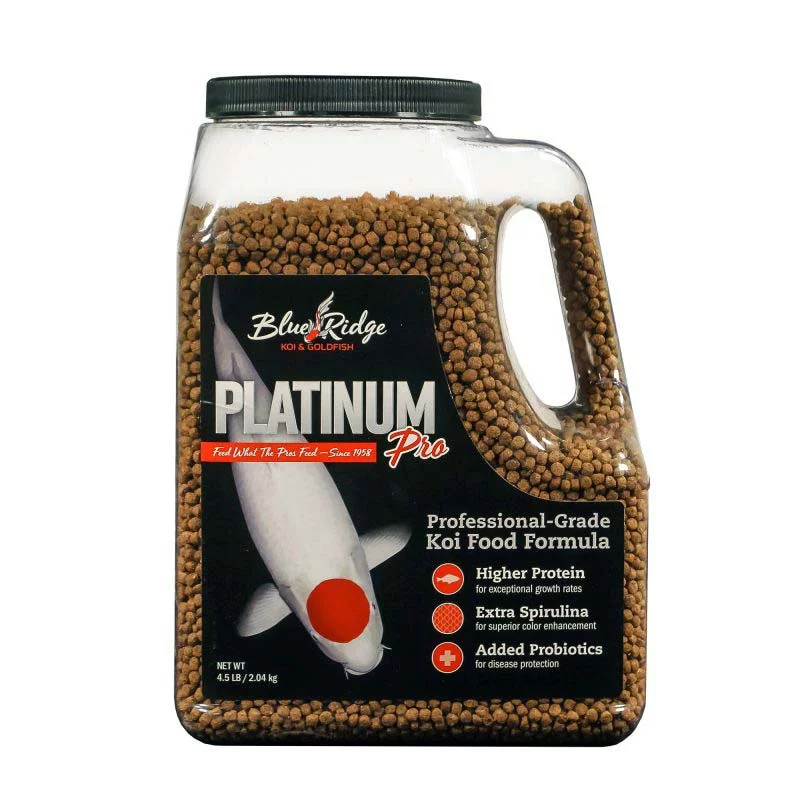
    Premium Pick
    Blue Ridge Platinum Pro

    Champion Koi Food

    If you’re looking to raise championship quality Nishikigoi or showing Koi in competitive events, I’d suggest that you give Blue Ridge Platinum Pro a go

    Click For Best Price

    Also, always measure the water temperature manually. 

    Recommended Feed Measurements based on water temperature

    1. Below 55ยฐ F = Feed once a week
    2. Below 61ยฐ – 65ยฐ F = Feed twice a day
    3. Bello1 65ยฐ- 73ยฐF = Feed thrice a day
    4. Over 77ยฐF = feed five times or more per day.

    Floating vs Sinking Food: Which is better?

    Almost all the Koi owners prefer floating food because it makes less mess. However, in recent years, there is a surge of sinking Koi food as the secret to Japanese jumbo-sized Koi is high-quality sinking Koi food.

    Let’s decide on the best type of food based on your preferences.

    Floating Food

    Let’s admit it! Floating food is fun to watch. Also, you can always hand feed your fish and enjoy the graceful sight of your Koi flexing their slender bodies.

    Furthermore, floating food allows you to diagnose health symptoms and carefully examine their odd behaviors. Therefore, I always enjoy giving floating food to my Koi as I get to spend more time with them and catch serious problems before they get worse. But there are cons to everything. Floating food has a lower conversion rate that would cease your Koi’s growth.

    Sinking Food

    Japanese breeders love sinking food as it stimulates growth and has a higher feed efficiency.

    However, you cannot deny the fact that sinking food means lesser interaction with your Koi and the chances of examining or diagnosing health issues are close to none.

    Treats to the Rescue

    High-quality Koi not only rely on the feed but consume occasional natural treats to grow into healthy and happy Champions.

    Therefore, if you’re adamant to hand feed your Koi, you can always choose to offer them yummy treats that would add to their nutritional value, such as orange peels, lettuce. You can also offer a mix of floating and sinking food to enjoy time with your pet and feed them wholesomely.

    The Quality of the food affects Water Quality

    As an avid Koi keeper, you should know that water quality is the number one factor that keeps Koi healthy and striving. Therefore, it’s imperative to feed your Koi premium-quality food that doesn’t pollute your water quite often. Inferior quality feed also increases the chances of pond scum and cloudy water that is a breeding ground for bacteria and fungi.

    Thus, I recommend feeds that do not fall apart quickly with less particulate matter to maintain the water quality and hygiene for your pet.

    Where To Buy Champion Level Fish

    I’ll be honest, it is very difficult to find champion level koi and most folks can’t afford it. I’ll start with 3 tiers of koi dealers, the best most are going to be able to afford, a high-tier, then an all in Champion level experience. Let’s start with the 1st level.

    Level 1 – Next Day

    My Pick!
    Next Day Koi

    Use Coupon Code: ASDEPOT

    Next Day Koi offers WYSIWYG Koi from the best breeders and farms in the country.

    Shop Now

    Next Day Koi offers WYSIWYG imported Koi from Japan that will satisfy the wonder and awe many Koi enthusiasts are looking for. You can get lower to mid priced Koi here that are beautiful looking delivered straight to your door. My coupon code also will get you an cool 10% off.

    Level 2 – Kloubec

    Kloubec Koi represents the next level of Koi FIsh for sale. This seller is a great option when looking for high quality Koi fish over $500. The EBay store will often have adult sized Koi that will show well.

    Level 3 – KoiTrips

    A World Class Koi Experience!
    Koi Trips

    Check It Off Your Bucket List!

    Visit the top breeders in the world and pick your very know champion level koi. Fly out to Japan for a true VIP experience with Koi Trips!

    Click For More Info

    Are you looking for the experience of a lifetime? Do you want to go to Japan and hand pick your very own champion level Koi from the top breeders in the world? If so, Tim Waddington and his team at KoiTrips are ready to take you on a the VIP experience of a lifetime. Come to Japan, pick the best quality koi in the world, and Tim’s team will do the rest to get it to your home in perfect condition!

    Other FAQS

    How much does it cost?

    It depends on a number of factors. Usually, the pond quality Koi costs around $50 – $150, depending on the size, color, shape, and variety.

    However, there are some show-quality varieties that would cost more than $10,000.

    Are they expensive?

    Yes, Koi fish are the most prized pet in the world, ranging from $50 to $2.2 million.

    Not only they are expensive but very high-maintenance, i.e., they require scheduled feeding, a clean koi pond, and aquatic plants to thrive.

    How much do they cost?

    Koi fish cost anywhere between $50 to $10,000 and above. Most Koi will fall in the range of $50 – $150

    How much is a 20-year-old worth?

    A healthy 20-year-old Koi would cost around $200 or above, depending on the size and current market value. If you have an adult Koi fish but a healthy one, i.e., it has not developed blemishes, freckles, or spots with a decent body shape. Then congratulations! It is likely worth even more!

    Final Thoughts

    Now, the answer to, how much are koi fish is too much ๐Ÿ˜…. But at least, now you know why they are madly prized and what it takes to make a champion Koi. Next time you’re thinking to feed your valuable pet inferior quality food, think twice, as it might affect its growth and color vibrancy.

  • Pond vs Lake: What’s the Real Difference? (A Hobbyist’s Take)

    Pond vs Lake: What’s the Real Difference? (A Hobbyist’s Take)

    This question comes up more than you’d think among pond keepers, and the honest answer might surprise you: scientifically, there’s no universally agreed-upon definition that separates a pond from a lake. I’ve visited water features ranging from small backyard garden ponds to sprawling natural lakes, and the line between them is genuinely fuzzy. What actually matters for fish keeping โ€” depth, surface area, water temperature stability โ€” is far more practical than whatever label you put on it. Here’s what the science actually says and how it applies to the hobby.

    Honestly and scientifically, there’s no apparent difference between a lake and a pond. A pond is a small lake, and a lake is a large pond. 

    However, some limnologists have categorized ponds and lakes on the basis of surface area and depth, while others have completely denied these traditional hypotheses.

    Therefore, the pond vs. lake debate has been around since the 1700s. But still, it’s an enigma.

    What is a Pond?

    Ponds are small depressions of shallow water that are surrounded by land. Ponds are freshwater bodies that cannot be larger than twenty acres. Any water bodies that are larger than 20 acres will be considered lakes.

    Ponds are further categorized into two types,

    Permanent ponds

    Permanent ponds are all year long. They hold water all year round and provide habitants for a variety of wildlife. If you built a koi pond, this would be an example of a permanent man made pond. You keep it permanent by keeping it running year round. Naturally, it would likely dry out – would would classify it into the other type of pond.

    Ephemeral Ponds or Temporary Ponds

    These ponds usually form when rain and snowmelt and fill the depression in the ground. The temporary ponds develop during spring and dry up in summers. Hence, a breeding ground for frogs and other amphibians.

    There are many ponds that are man-made and constructed for commercial or home use. However, natural ponds form near a swamp, surrounded by land.

    Whatever the case may be, ponds have a sensitive ecosystem that is adversely affected by human actions, such as dam constructor, pollution, habitat reduction, and addition of non-native plants and animals to the pond ecosystem.

    What is a Lake?

    Lake is an inland body of freshwater found in mountains, deserts, near seashores, and in almost every climate or environment.

    The size and other dimensions of the lake vary in size, ranging from a few square meters to bigger ones called seas.

    Did you know?

    The Caspian Sea is the world’s largest lake, covering an area of more than 370,000 square kilometers (143,000 square miles).

    Not only in size, but lakes differ in their deepest point as well. From the world’s deepest, Lake Baikal, and the shallow lakes that could allow a person to wade across them, lakes vary in depth greatly.

    Did you know?

    Lake Titicaca is one of the deepest lakes that is around 3,810 meters (12,500 ft) above sea level. However, the Dead Sea remains the lowest lake, about more than 395 meters (1,300 ft) below sea level. 

    Lakes can be open or closed. However, it has been observed that all freshwater lakes are open, allowing the water to leave by a river or other outlet. Closed lakes are proven to be salty, due to the presence of salts and other solids by the process of evaporation.

    Like ponds, lakes can either be natural or man-made. 

    The Importance of Water to Wildlife

    Pond Or Lake?

    Even though lakes do not receive sunlight enough to allow aquatic life to grow throughout, they provide homes to many birds and animals. The different types of fish grow and thrive in lakes. For example, Sturgeon, a fish that grows 6 meters and weighs around 680 kilograms is usually found in lakes.

    Lakes are also breeding grounds for other animals, including bats, mink, turtles, alligators, and beavers.

    Not just animals, different types of birds and fish are most commonly found in lakes.

    What is the Difference Between the Two?

    Like I mentioned earlier, size and depth are proven to be two relative properties that distinguish the two. However, there’s no set area to dictate the difference between lakes and ponds.

    When I was in Russia, I had a healthy debate about lakes and ponds with my fellow hobbyists, to which they replied;

    “Lake is natural water basin with slow water exchange and pond is shallow artificial water reservoir with an area of not more than 1km2.” It makes complete sense, but still highly questionable.

    So, are there any differences between lakes and ponds? The answer is yes, though the line is slightly blurred.

    A body of water with its own Microclimate

    This is the most noticeable difference between lakes and ponds. The lakes have their own microclimate and they develop their own small waves in gusty conditions, preventing plants from growing right up to the water’s edge.

    Contrastingly, ponds produce waves smaller than 12 inches in height.

    Has a varied Water Temperature

    Water in lakes has independent temperature layers, depending on the depth. However, a pond is a shallow enough body of water that is uniform in temperature throughout.

    Size and Depth of Both Bodies of Water

    The overall area and depth distinctions define the lakes and ponds. As a general rule of thumb, lakes are usually larger and much deeper than ponds.

    In lakes, the sun rays can’t reach the bottom, whereas a pond is a body of water that is shallow enough to receive sun rays at the bottom.

    The Presence of Vegetation

    Since lakes (aphotic zone) are bodies of water that occupy a large surface area, sunlight doesn’t reach the floor, preventing aquatic plants from growing. According to some Limnologists, lakes allow rooted plants to grow around their edges only.

    On the other hand, ponds (photic zone) are shallow bodies of water that allow natural weeds to take roots on the bottom and grow gracefully. As a result, rich vegetation and rooted plants thrive smoothly at the bottom of your ponds, and sometimes the surface.

    Temperature During Summers

    Lake Summertime

    Temperatures in summers usually define the differences between ponds and lakes. In Limnology, if the water body is deep and laminate into three distinct layers, the water body is considered a lake. The three layers are stratified as;

    1. Warm layer on the top
    2. The cold layer at the ground
    3. A layer of varying temperature in between termedย Thermocline.

    However, during summers, if a standing water body has one or two weakly defined layers, it is considered a pond.

    Effect on Environment

    One factor that really sets pond and lake apart from each other is their individual effects on the surrounding environment.

    Lakes affect the climate of their surrounding environment. However, ponds are affected by the surrounding ecosystem

    The Bottom Line

    In conclusion, even though, not scientifically proven, there is a fine line between a pond and a lake. Therefore, the name, lake, or pond is arbitrary and not based on scientific facts. In general, the following differences might help you distinguish between the two.

    1. In most cases, lakes are much deeper than ponds.
    2. Ponds produce smaller waves around 12 inches in height.
    3. Since lakes are deep standing bodies of water, sunlight doesn’t reach the ground which results in poor or no plantation.
    4. Unlike ponds, lakes host crocodiles, platypus, and other creatures.
    5. The temperature in ponds is relatively uniform than in lakes.

    FAQs

    What makes lakes?

    It all lies in the depth and how the sunlight reaches the bottom of the water body. The water temperatures of lakes range in layers. The lake floor is too deep to support plant life. Hence, as the pond gets deeper (until no sun rays reach the bottom), it becomes the lake.

    Can you swim in the water?

    One might think; water bodies, as shallow as ponds might be safe to swim in. However, according to the Centers for Disease Control and Prevention, swimming in a pond might result in serious illness, especially in children, elders, and people with the weak immune system.

    At what point does a pond become a lake?

    Charles Elton was one of the most prominent founders of ecology who stated that lakes are the water bodies of 40 hectares (99 acres) or more. Therefore, a pond has to be 40 hectares to become a lake.

    How big can it get?

    There is no maximum or minimum size of a pond. Theoretically, a pond remains a pond until the sunlight reaches its bottom (photic zone). However, according toย Wikipedia, the international Ramsar wetland convention sets the upper limit for pond size as 8 hectares (20 acres).

    Final Thoughts

    The differences between a pond and a lake are not drastic but important. Therefore, it’s best to educate yourself before going into the aquatic business.

    One fascinating thing about lakes is that they can turn into ponds, marshes, swamps, or worse, dry grounds, if not properly taken care of. 

    Hence, whatever you have, maintain its health and take care of the ecosystem to keep it thriving and healthy.

  • POND MAINTENANCE- THE MOST IMPORTANT POND TIPS YOU SHOULD KNOW

    POND MAINTENANCE- THE MOST IMPORTANT POND TIPS YOU SHOULD KNOW

    Let’s be honest, backyard ponds look beautiful with all vegetation and aquatic life swirling in circles gracefully. But it’s the pond maintenance that demands arduous hours of labor.

    Most pond hobbyists are aware of the fact that an unhealthy pond means an unhealthy ecosystem that is dangerous and detrimental to you and the environment. Therefore, it’s imperative that you do your research and homework before creating your own, beautiful garden ponds.

    In this article, I’m putting my years of experience to use and demonstrating seasonal pond maintenance and the recommended steps to follow during each season.

    Happy pond keeping!

    Seasonal Pond Maintenance

    Nature behaves differently in all seasons, and so does your pond. Therefore, you cannot follow the same tips throughout the year. Pond keeping demands in-depth knowledge and research about seasonal pond maintenance and its effects on your aquatic life.

    Usually, the type of pond determines its maintenance. However, this article will highlight popular seasonal pond maintenance tips that are particularly apt for spring start-ups to summer pond maintenance.

    Videos are always helpful, so for those that prefer to learn through video, here is a great video by anypond below. He’s a UK pond maintenance contractor.

    So if you’re new to water gardening, stay tuned to learn the essentials of pond care and maintenance.

    Spring

    During the spring season, your pond demands to be cleaned and un-winterized.

    Or if I may say so, spring pond maintenance is just the opposite of winter preparations. While in winter, you winterize your equipment for the cold, dry days, spring brings joy and life to your ponds and brings your aquatic life back from its long hibernation period.

    Here are the ideal easy steps for spring pond maintenance.

    1. Check Your Equipment

    Check your equipment and make sure they are running properly. Winter is the best time to replace UV bulbs and clean your equipment. Spring is the time to double check to ensure everything is in working order.

    2. Feeding Your Fish

    Start feeding your pond fish as soon as the temperature hits a steady 50 degrees. I recommend feeding a cold temperature feed until the temperature rises to 60 degrees. After reaching a normal temperature of 60 degrees and above, you can start with the regular feeding program for your pond fish.

    3. Remove Accumulated Debris

    During the winterization process, your pond accumulates debris and organic waste, including leaves, twigs, fish waste, and grass clippings. Even though the filtration system takes care of the debris, some waste turns into muck and sludge, which are a breeding ground for algae and cause water clarity issues. Therefore, I recommend spooning away the leaves, twigs, and other debris with a net.

    Deep cleaning involves draining the pond and washing the surface and rocks. This is more of a common routine in ponds that have gravel. Personally, I prefer bare bottom systems for Koi tanks. On a high end install, a bottom drain and bare bottom mitigates the need to drain clean the pond.

    During the cleaning process, you can transfer your fish and aquatic plants in a large tub with proper aeration to avoid inconvenience. As soon as your pond is free of debris and scum, refill it with water and return the fish, plants back.

    Fertilizing the aquatic plants

    When you put the plants back in the water, don’t forget to fertilize them according to their recommended dosage and needs, i.e., full fertilizing for new plants and maintenance fertilizing for the existing ones.

    Adding (nitrifying) beneficial bacteria and cleaning the filters

    It is imperative to clean the filters to remove accumulated sediments. Also, to keep your ponds properly maintained, add beneficial bacteria for bacterial colony stimulation.

    Summer

    The most favorable season for your water garden to thrive is summer.

    Summer season begins when the water hits up to 80 degrees and higher. Your fish should be fed generously during this time. However, there are a few things that should be taken into consideration while maintaining ponds in summer.

    Stock your pond water with Minnows or other small fish

    The reason I emphasize adding Minnows in ponds is mosquitoes.

    Mosquitoes can ruin the summer vacations that you’ve been longing for. Therefore, it is recommended to stock your pond with Minnows or other small fish to control the mosquito population. Also, consider larvicides and proper aeration to eliminate potential big problems.

    Keep your water source free of grass clippings and other debris

    Algae blooms happen the most in summers. Therefore, keep grass clippings, fish waste, and other accumulated debris out of the pond water.

    Install aeration system

    An effective and cost-efficient aeration system help maintain your pond and keep it clean throughout the year. It also increases oxygen supply by keeping the cooler water on the bottom of the pond, keeping the aquatic life healthy and happy all year long.

    Fall

    Fall Pond Maintenance

    Fall is the season when you need to put extra effort into your pond because it prepares you mentally and physically for the worst season of a garden pond, i.e., winter.

    Winter puts most of the life to sleep and therefore, it is recommended to remove the things that winters can damage, including the pond filters, pumps, aerators, and fallible plants. If there are fish in your garden ponds during winter, you can install the pond equipment momentarily to de-ice the water.

    Here are some things you can do to maintain your water garden during fall.

    Install leaf netting

    Fall means lots of leaf shedding, and the accumulated leaves are just unwanted debris for your pond.

    Therefore, it’s important to install lead netting to prevent the leaves from falling into the pond. Also, I recommend trimming and pruning the dead foliage of your aquatic plants just above the soil.

    Clean excess debris

    Accumulated leaves and fish waste affects your pond’s oxygen level and stresses the aquatic life. Therefore, always clean and remove excess debris using a hand net. If the accumulated debris is hard to reach, I recommend using a pond vacuum.

    Switch to fall-friendly Fish food

    It’s best if you switch your fish to the fall-friendly pond fish food that easily digests in cooler temperatures and sustains your fish in the dormancy period.

    When the water temperature drops below 50 degrees, I recommend Wheatgerm food three times a week, that too, only if your fish consume it in a 5 minute period. However, when the temperatures fall below 40 degrees, stop feeding your fish until spring time.

    Install de-icer and proper aeration kit

    In freezing temperatures, de-icing prevents harmful gases to accumulate under the ice and maintains healthy oxygen levels. De-icers allow oxygen levels to remain healthy and saturated in the pond by keeping a hole open in the ice.

    Editor’s Choice
    Aquascape Pond Heater and De-Icer

    Editor’s Choice

    Quality construction and backed by a 3 year warranty. The go to for a pond de-icer

    Buy On Amazon

    Therefore, de-icers and aeration kits are a must-have for your pond during fall and winter.

    Winter

    Winter is the season that adversely affects your pond fish and clearly, it’s the worst season for your water gardens.

    In such hard times, only two tips keep the pond game going. The first and foremost tip is to stop feeding your aquatic life once the water temperature drops below 50 degrees. The second life-saving tip is to install a floating pond de-icer to allow toxic gases from organic decomposition to escape without causing any harm to your pond. De-icers are vital for maintaining your pond in winter because breaking the ice would potentially kill the pond fish.

    Here are some other tips you can follow for winter pond maintenance.

    Prepare Submersible Pond Pumps

    First of all, check the submersible pond pumps if they are in good working condition.

    The pond pump should not be lower than 1 foot โ€” this ensures the circulation of surface water solely throughout the garden pond. The pond pump also helps in marinating warmer temperatures at the bottom of the pond where the pond fish hibernates1.

    I recommend running the submersible pump continuously until the temperature drops to 10 C or 50 F

    Reduced fish feeding

    Like I said before, reduced feeding does wonder as it doesn’t allow debris and waste to accumulate at the bottom of the tank. Also, during winters, fancy goldfish should be kept indoors for their survival and distribution of food.

    Reduce the feeding when the water drops down to 44 F to 50 F as fish can only digest low protein foods, such as wheat germ. As soon the water drops to 40 degrees Fahrenheit, the fish start to hibernate and so you will need to stop feeding your fish entirely.

    Therefore, it is recommended to monitor the pond water temperature so you know when to stop feeding the fish.

    Protect Aquatic Plants

    Aquatic plants such as pond lilies cannot tolerate harsh weather during winter. Therefore, some preventive measures should be taken for their protection.

    1. It’s recommended to remove Canna lilies from your pond. You can replant them in the green house instead for protection.
    2. In the case of small ponds, be sure to cut the heads of any marsh reeds before they shed their seeds in the pond.
    3. Install biological filters in your pond to keep the fish healthy during winter.

    Floating ball to prevent freezing

    One low cost way to maintain a pond during winter is to use the floating ball. The floating ball prevents pond freezing and maintains the gaseous exchange by movement.

    Floating Ball In Pond

    However, in some areas where the weather is extremely cold and dry, it may be best that you install an inline pond heater to maintain a desirable temperature for the pond. Nevertheless, an inline heater is a costly option. Some Koi Fish enthusiasts will move their prize winning fish indoors for the season to a holding tank. This is another good option in extreme winter climates.

    FAQs

    How do you maintain?

    Maintaining a pond might sound baffling at first, but as soon as you get the hold of it, things turn out pretty good.

    Here are some essential steps to maintain a garden pond during all seasons.

    1. Pond aerator
    2. Manually clean the debris and pond waste
    3. Monitor water temperature and pH balance
    4. Avoid overcrowding the pond
    5. Add beneficial bacteria
    6. Use aquatic plants to naturally maintain the oxygen levels of your pond

    Are ponds a lot of maintenance?

    I would say, yes! Ponds need regular maintenance and upkeep weekly or monthly. The maintenance of your pond depends on the size, as smaller ponds are more prone to fluctuation in ecology and hence need regular cleaning to prevent debris and waste accumulation.

    Large ponds need weekly or monthly maintenance, and at the beginning or end of the growing season.

    How do you maintain water quality in a pond?

    Maintaining water quality in a pond is not rocket science. You just need to follow the following tips to successfully maintain the water quality.

    1. Examine oxygen levels to avoid algae blooms
    2. Avoid overfeeding your fish to prevent waste accumulation
    3. Add a proper and healthy balance of aquatic plants
    4. Choose the right size of pond pump
    5. Keep your pond cool during summer
    6. Clean the debris before it starts to decay

    How do I keep my natural pondsclean and clear?

    The natural pond remains clean and clear if you target the root cause of the problem with a sustainable approach.

    Natural pond products will transform your pond’s ecosystem, ultimately lowering your costs most effectively. I’m sharing some of the simple, easy, and natural steps to maintain your garden ponds.

    1. Use algaecide or herbicide to control algae blooms
    2. Control the accumulation of excess nutrients by using natural, beneficial bacteria and enzymes
    3. Add aeration methods to treat several pond problems
    4. Manage the amount of vegetation entering your pond
    5. Maintenance is the key to naturally healthy, clean, and clear ponds

    Final Thoughts

    Garden ponds not only make everything look beautiful in your home interiors, but they also turn your home more earth-friendly. Therefore, it’s crucial to keep your ponds clean, healthy, and properly maintained throughout the year.

    I’ve given you some great tips on how to keep your garden ponds clean, healthy, and properly maintained. If you have any other helpful pond maintenance tips that we haven’t covered here today, please share them in the comments below!

  • How to Get Rid of Pond Scum: Root Causes and What Actually Works

    How to Get Rid of Pond Scum: Root Causes and What Actually Works

    Pond scum is one of those problems that sneaks up on you โ€” the water looks fine one week, and the next you’ve got a layer of green or brown slime coating the surface. I’ve dealt with it in my own outdoor setups, and I can tell you it’s almost always a nutrient issue at the root. Once you identify what’s feeding it, the solution becomes a lot more straightforward than most guides make it out to be.

    Pond scum is almost always a nutrient problem first and an algae problem second. The algae is just taking advantage of conditions you’ve created โ€” too much fish waste, overfeeding, decomposing leaves sitting at the bottom. I see pond keepers chase it with treatments and UV sterilizers when the real fix is cutting off the nutrient source. That said, once you’re in the middle of a bloom, there’s a smart order of operations to get things back under control. Here’s what actually works, starting with root causes.

    In this article, I’ll discuss the causes of pond scum, types of different algae, and preventive measures to control pond scum in your garden ponds.

    Causes of Pond Scum

    The causes of pond scum are the high level of specific nutrients, excessive daylight, and warm temperatures.

    Excess nutrients, including fish waste, decaying vegetation, and fertilizers, can enter the water and feed algae, resulting in rapid multiplication of algae.

    Excessive daylight is also the prime cause of pond scum, as clear shallow ponds are the breeding ground for algae forms.

    Low levels of oxygen and warm temperature are also the culprits of pond scum.

    To cater to these causes, pond or fountain filters must be properly maintained with the right size to prevent pond scum.

    Also, limiting the number of nutrients that enter your pond should be controlled. Try to manually skim the debris and waste from a pond and remove the algae. You can also install an effective filtration system to prevent scum.

    Direct sunlight adds to the pond scum. Therefore, pond dye and aquatic plants, including water iris or water lilies, should be added to reduce algae growth.

    Types of Algae

    There is a variety of pond algae. However, not all of them are harmful to your ponds. Some algae are beneficial that clings on the sides of your pond, producing oxygen during the day and utilize nutrients in the water. Furthermore, they provide nutrition to your pond fish.

    Pond algae are divided into three primary forms; filamentous, macrophytic, and planktonic.

    Filamentous Algae

    Filamentous Algae

    Filamentous algae (Picture Source), also hair-like algae, are the most common types of algae, eerie filaments, and attach themselves to the pond’s bottom floor or rocks and aquatic plants. When the filamentous algae grow rapidly, it breaks free and floats on the surface in the form of thick algae mats or pond scum.

    Filamentous algae is further classified into spirogyra, Cladophora and Pithophora. 

    The prevention and control of filamentous algae mats in garden ponds are easy, provided the proper treatment and early diagnosis. Depriving the filamentous algae with favorable conditions, such as nutrients and temperature, helps to control their growth and reduce the chances of potential damage to your pond and aquatic plants.

    Chara

    If there is a horrible onion-like smell in your pond, this is likely due to the presence of Chara algae.

    Chara these freshwater algae forms grow on the bottom of the pond floor. Chara is usually misunderstood as a weed. However, it lacks roots and does not grow above the water surface.

    Oscillatoria

    The red-purple or bluish tint in your pond is because of Oscillotoria.

    It’s freshwater, blue-green algae (cyanobacteria) that thrive in hot water springs. Oscillatoria forms blue-green mats on the bottom of the water surface. However, when they multiply, provided favorable conditions, they release and float at the water surface, making the water appear brackish.

    Planktonic/Microscopic Algae

    The normal production or presence of Planktonic algae is healthy for your pond as they supply your pond with dissolved oxygen, mandatory for the health of your pond and aquatic life.

    However, during summers, the planktonic algae bloom, giving your pond a pea-soup coloration, and that’s when you should take preventive measures to control the plankton algae.

    Since they are unicellular and multiply rapidly, you cannot detect them with your naked eye. Some common types of Planktonic algae are Chlamydomonas, chlorella, and euglena species.

    How To Control Algae Naturally?

    If you’re someone who doesn’t want to use chemicals, there are natural ways to control algae. The most effective ones are good water quality, pond aeration, the addition of beneficial bacteria, and the use of ultrasonic algae control.

    Aeration

    Ponds experts recommend using pond aeration methods to improve the overall appearance and health of the pond. Aeration will also curb pond scum growth.

    To facilitate pond aeration for large ponds, the use of a land-based compressor is encouraged, which boosts the level of dissolved oxygen in your garden pond.

    For Large Ponds
    Patriot Pond Pro

    The Pond Pro is a land based compressor that works to aerate large ponds and lakes

    Buy On Amazon

    For smaller to mid-sized Koi or Goldfish ponds, you can utilize aeration pumps, fountains, or an oxygenator.

    Best For Small To Mid-Sized Ponds
    Aquascape Aeration Kit

    This aeration kit is a great way to get added much needed aeration to your pond to prevent pond scum

    Buy On Amazon

    Adding Beneficial Bacteria

    The bacteria level in your pond should be maintained to control the situation.

    1. It is recommended to add beneficial bacteria in ponds where the bacterial count is low
    2. You can add the bacteria in liquid or powder form. Either way, they have the same function, i.e., to eliminate the pond algae and pond scum by lowering the nutrient content of the water
    3. Beneficial bacteria works the best to maintain the cleanliness of your pond if supported by the aeration method. Therefore, pond aeration is the primary requirement. Many DIY Pond Kits have both a filtration and aeration component.
    Great For Ponds!
    PondWorx Pond Bacteria

    This product is great for removing muck and nutrients from your pond rocks and surface. A great preventative for pond scum

    Buy On Amazon

    Ultrasonic Algae Control

    An advanced technology that has done wonders to control specific types of algae and pond scum in your pond is the use of ultrasonics.

    1. The process works by sending sound waves through water that vibrates every algae in the pond. The vibrations eventually damage the algae cell, and it dies
    2. Ultrasonic algae control tends to eliminate the algae alone. However, it can also be integrated with beneficial bacteria and aeration to control the algae blooms and pond scum.

    A common install is an Aquascape IonGen for smaller ponds. Large ponds and lakes would look more into a commercial solution, of which KLM Solutions is the go to brand.

    Low Cost Ultrasonic
    Aquascape IonGen

    The Aquascape IonGen is a great low cost ultrasonic that will work in most ponds

    Buy On Amazon

    Product Recommendations to prevent Algae Blooms

    I have faced the problems of algae blooms and pond scum in my garden ponds, and so I know how badly it affects your pond ecosystem and the overall appearance.

    However, I’ve tried two products and never looked back since then. I recommend using API Pond- Zyme Sludge destroyer and Cabin Obsession Pond Sludge remover to prevent algae blooms in your pond. Both work great against pond scum

    But please be informed that not all ponds have the same response to the treatment 

    API Pond-Zyme Sludge Destroyer

    Great For Small Ponds
    API Pond-Zyme

    This is a readily available product that works to remove sludge from your pond. Available at most pet stores

    Buy On Amazon Buy On Petco

    If you own a Koi or Goldfish Pond, you’d know that springs bring generous algae blooms and a foul smell that is a distraction for your visitors.

    Luckily, the API pond-zyme sludge destroyer works like a charm in gulping the sludge and improves water clarity. It has pond cleaner with natural pond bacteria and barley, which breaks down fish waste and destroys pond scum and sludge effectively.

    If you keep using this product religiously, I reckon it would save you a lot of money on pond maintenance and cleanliness.

    Cabin Obsession Sludge Remover

    Great For Large Ponds
    Cabin Obsessions Pond Sludge Remover

    This sludge remover is great for large ponds and lakes. A commercial level product at a consumer price

    Buy On Amazon

    If you’d like to deepen your pond naturally without dredging, Cabin Obsession Pond Sludge Remover is a total steal!

    It removes around 2 inches of sludge by releasing concentrated enzymes and bacteria that gulp the organic waste and destroy the muck, up to 2 inches per month. The product is all-natural and hence safe to use for fish and other aquatic life.

    Cabin Obsession Pond Sludge Remover is the most affordable solution for your pond’s maintenance needs for large ponds. It comes in a bucket that would last you approximately 10 months of regular pond maintenance.

    This allows you to get rid of the foul-smelling odors, ugly shorelines, and layers of pond scum with just a bucket of goodness.

    FAQS

    How do I get rid of pond-scum?

    The easiest ways to get rid of pond scum are 1) Improve oxygen levels of your pond by proper aeration methods 2) Add aquatic plants 3) Make use of the organic, environmentally-friendly algaecide to treat your ponds 4)Reduce the use ofย fertilizers

    What is the brown scum?

    It’s pond scum. Pond scum is usually black or brown, and a slimy, sticky substance that accumulates at the bottom of your ponds. It is nothing but the decaying waste in the form of fish debris, grass clippings, dead algae. It acts as a fertilizer for the harmful pond algae, so you should treat it promptly to prevent the layers of muck from developing on the pond surface.

    What causes green scum on ponds?

    The green color comes from the presence of single-cell planktons in your pond, giving it a pea-soup coloration.

    What does ponds scum eat?

    Pond scum is algae, and algae do not consume any plants or animals. The source of nourishment for algae is sunlight, warm temperatures, and excess nutrients within your water.

    How Do I Keep My Water Crystal Clear?

    You should take baby steps to keep the pond water crystal clear

    1) Do not overfeed your fish to prevent the accumulation of waste
    2) Add lots of aquatic plants to improve oxygen levels
    3) Facilitate aeration methods
    4) Use beneficial bacteria to eliminate the plankton that turns the water green1)
    5) Remove the debris and waste manually after feeding your fish
    6) Use environmentally-friendly algaecide to keep the water clear and pond scum free

    Final Thoughts

    Pond scum can be a nuisance if you don’t treat it timely and maintain your pond’s ecosystem. Don’t forget to aerate your ponds and add a large biofilter to keep healthy water quality and less stressful for your aquatic life. Also, the products you use should be environmentally friendly and organic, safe to use in ponds and lakes. If you have any questions about dealing with pond scum, leave us a comment below.

  • 7 Best Pond Fish: My Picks and the Popular Choices I’d Actually Avoid

    7 Best Pond Fish: My Picks and the Popular Choices I’d Actually Avoid

    Picking pond fish isn’t as simple as grabbing whatever looks good at the garden center. Climate is the variable most people underestimate โ€” a fish that thrives in a mild-winter climate can die in a harsh one, and I’ve seen that mistake made more times than I can count. There are also a couple of very popular fish that regularly end up in ponds and simply don’t belong there. In this guide I’ll walk through the 7 pond fish I’d actually recommend and explain why a few of the crowd favorites are worth skipping.

    The 7 Best Pond Fish

    Using my years of experience, I’m listing the 7 best pond fish that stood the test of time, regardless of weather conditions or other circumstances.

    1. Koi

    My Pick!
    Next Day Koi

    Use Coupon Code: ASDEPOT

    Next Day Koi offers WYSIWYG Koi from the best breeders and farms in the country.

    Shop Now

    It wouldn’t be wrong to say that the Koi are the king of ponds.

    With their beautiful, colorful, and cylindrical bodies flexing gracefully, the Koi fish is a treat for sore eyes.

    Koi Fish

    As for outdoor ponds, Koi is a perfect fit since it tends to grow very large if kept in optimal water conditions. Also, they are robust and strong fish that can withstand extreme winter and summer. However, while keeping Koi, consider the regular maintenance and upkeep of your ponds as they are much larger and difficult to maintain as compared to aquariums.

    If you’re considering Koi for your garden ponds, you should know the following factors.

    Cost

    In the case of Koi, “The more costly, the rarer and less defective.”

    Koi fish range from $15 for young to thousands of dollars for adult Koi or rare fish species. However, the price makes up for their extended lifespan. Koi, in healthy ponds, can live generally 25 – 35 years, provided that they are given nutritious food and quality water.

    Size

    Koi needs an Enriched Diet and a large environment to grow healthily and happily.

    The ideal size for Koi ponds should be over 1000 gallons and three feet deep to provide the fish with everything they need. Most Koi Pond Kits are designed to build koi ponds to these specs

    Additionally, if you’re planning to keep a shoal of fish, you will probably need a pond with over 3000 gallons.

    Filtration System

    The best thing about Koi is its hardiness against extreme conditions.

    However, still, they are living beings that demand basic care and attention, you will need some additional installments, such as a pond filter to keep your pond Koi-friendly.

    Protection in the Water

    Koi are largely susceptible to predators and so you will need to cover your garden ponds with netting or electric fencing.

    The best budget-friendly option is the addition of aquatic plants to provide shelter from the direct scorching heat of the Sun or deterring predators. Have your pond at least 3 feet deep is also great at keeping predators from getting to your prized pets.

    That’s pretty much the gist of what you should consider before buying Koi fish for your garden ponds.

    Still interested? I recommend purchasing your beautiful and healthy Koi with Next Day Koi that offers a broad variety of Koi at affordable prices.

    2. Goldfish

    Pond Goldfish

    Like Koi, Goldfish also appreciates wholesome, well-aerated outdoor ponds.

    Goldfish are small, hardy fish that does well in extreme temperatures. Hence, the perfect choice for your garden ponds. I recommend keeping the following important points in mind before going for Goldfish for your garden ponds.

    Proper Location

    Since Goldfish are cold water fish, you should provide a decent shade to your pond for maintaining the water temperature. However, in colder climates, there’s no need to cover the ponds as the warmth of sun perfectly balances the pond environment.

    Size

    The size of your outdoor pond should accommodate around 20 gallons of water per goldfish. Since Goldfish are smaller in size than Koi, they do pretty well in medium-sized ponds. However, make sure the fish swims freely without bumping into other mates or ornaments.

    For Goldfish, a pond depth of 18 inches is all that is needed. They will do well in 3 feet deep ponds, they are just less demanding then Koi.

    Water filter system

    A good filtration system is essential for Goldfish ponds that deal with waste or leftovers to avoid spikes in toxic nutrient levels and stress. Most pond kits come with high quality filtration systems.

    Mates

    Goldfish are very social, docile, and amiable creatures that relish the presence of other fish. However, if you have got a pond already occupied with Koi, it’s better to examine the size of your Koi before getting Goldfish, as mature Koi sized with juvenile Goldfish usually don’t get along with and might end up killing them.

    All in all, Goldfish need care, love, and dedication with water temperatures around 65 and 72 degrees Fahrenheit to thrive in your outdoor pond. Personally, my favorite is the Shubunkin Goldfish.

    3. Chinese High-Fin Banded Sharks

    Chinese High Fin Banded Shark

    High Fin banded sharks are a popular freshwater fish species that are extremely unique and a must-have for pond keepers. And even though their name might scare you, trust me!

    High Fin Banded sharks are not sharks at all!

    There are your usual algae-eating freshwater fish with just a single row of pharyngeal teeth. We call them sharks because they have a long sharp-like fin at the top, which gives them a striking resemblance to the mighty sharks.

    However, know that they require a larger pond area as they grow about 1.35 m (4 ft 5 in). Furthermore, the markings on High Fin banded sharks are majestic, making it a rewarding choice for your ponds.

    They are difficult to find locally. I recommend purchasing online through one of the Best Online Fish Stores on my list.

    4. Golden Tench

    Golden Tench

    If you want friendly mates in the pond for your Koi, you should try Golden Tench (Source Pic).

    Commonly known as the doctor fish, Golden Tench makes sure no fish in the pond falls ill. Legend has it, that the skin of Golden Tench contains an antibiotic that protects other fish from diseases.

    I don’t claim that’s true, however, I know for the fact that Golden Tench cleans up water, which ultimately helps other fish to remain healthy in the pond.

    Also, Golden Tench are tough fish and their life expectancy is around 15 – 20 years, making it a great fit for your garden ponds.

    Here are some things you should consider before buying Golden Tench.

    1. The depth of your pond should be at least 28 inches
    2. Your pond should hold a good amount of aquatic plants to keep Golden Tench happy
    3. It’s never a good idea to overcrowd your pond when keeping Golden Tench

    5. Sturgeon

    Sturgeon Fish

    Sturgeon, an easy-going fish that may reach the age of over 50 or 100 years. They are popular in larger ponds and waterscapes.

    At first glance, Sturgeon can be misunderstood with sharks – stronger and bigger with their mouths, underside. However, they are sensitive to sharp gravels and sand in the bottom of the pond.

    The Sturgeon requires a large pond with proper filtration because they prefer a strong current. Also, a sturgeon needs special feed that sinks to the bottom with a strong odor that looks like natural feed.

    If you’re thinking to get sturgeon as a beautiful pet for your ponds, here’s what you should consider.

    1. Keep the bottom of the pond clean because Sturgeons are bottom inhabitants, and so the accumulated dirt may cause gasification, causing harm to the fish.
    2. The Sturgeons require frequent feedings. They cannot digest most plant proteins so they need a high fish meal or shrimp meal content.
    3. Your pond should have a depth of at least 50 inches with minimal aquatic plants

    All in all, there’s a rule of thumb to determine your pond size for Sturgeons; keep the pond size 10 times larger than the size of your fish to ensure maximum safety and health.

    6. Minnows

    White Cloud Minnow

    Minnows (picture source) are small fish that are great for smaller or patio pond setups. For large ponds, if you want your other pond fish to feed on something naturally, Minnows are a good choice. Minnows are an excellent source of food for other bigger pond fish that can live up to seven years and keep your pond ecosystem clean by eating larvae, reducing algae growth, and adding movement into your pond.

    Out of various types of Minnows, the fathead minnow and white cloud mountain minnow the best suited for outdoors.

    Fathead Minnow

    Fathead Minnows display an appearance of light green or grey with a hazy spot on their dorsal fin. Fathead Minnows feed on insects, crustaceans, and zooplankton (algae), keeping your ponds clean and inviting for other fish. Therefore, they are suitable for outdoor ponds where the growth of algae is at its peak. Fathead Minnows are hardy creatures and can withstand extreme temperatures.

    White Cloud Minnow

    White cloud minnows are the smallest minnows you would ever find that grow up to 1.5 inches only. With their shiny green appearance and bright red fins, they add a moving effect to your backyard ponds.

    Aquarists and pond owners usually keep white cloud minnow in ponds meant for frogs to be bred. White cloud minnows are omnivorous and feed on insect larvae and other aquatic plants.

    Even though minnows are usually used for bait in garden ponds, there are a few things you should consider while choosing Minnows.

    1. Minnows need plenty of Oxygen. Hence, installing an oxygenator or waterfall is highly recommended
    2. Minnows are tiny fish and so they don’t need large ponds to survive
    3. Add lots of aquatic plants to provide shelter for your Minnows and to maintain the water temperature.
    4. Occasional food and treats increase the likelihood of fish survival. You can feed them fish flakes every once or twice a week

    7. Guppies

    Guppy Fish

    Guppies are small, bright fish species that thrive in outdoor pond as well as an aquarium.

    Despite their small size, Guppies take up a lot of space for nonstop swimming hours. Since guppies are tropical fish, they enjoy warm waters with a temperature tolerance of up to 68ยฐF (20ยฐC). Therefore, your garden pond would keep them happy as long as it’s not chilly outside.

    The peak months to keep your Guppies in the outdoor pond is between April and October when the water is warm enough to keep the fish healthy.

    Even though you can keep Guppies in aquariums, they enjoy garden ponds as they are avid and active swimmers. Another advantage to keeping Guppies in ponds is that they receive more sunlight and nutritious food, keeping their skins bright and more colorful than ever.

    Therefore, if you love small pond fish that add life to your pond, I suggest that you go for Guppies. There are a few things you should know about before considering Guppies as your pond inhabitant.

    1. Guppies enjoy clean water and so, the water filter is a must
    2. If you’re looking for long-term investment, note that they might not be the best choice because of their low life expectancy โ€” 1 to 3 years
    3. Guppies are small fish species, but they require ample space for swimming around the pond, which makes them highly suitable for pond life
    4. Guppies are easy prey for the predators. Much larger pond fish will eat them
    5. You would need a fishnet to inspect the Guppies for potential diseases or overall health

    What You Should Avoid

    I know you might not agree with my disapproval of these fish species because they are popularly kept in garden ponds for so long.

    Know that it’s not that I’m completely against keeping these fish species, it’s just that I don’t find it suitable for pond life.

    1. Fancy Goldfish

    Fancy goldfish like Orandas have long, flowy fins with celestial color patterns to keep the visitors in awe. However, No matter how ‘fancy’ it gets, keeping fancy variants in ponds is a no-no.

    I’ll tell you why.

    Fancy goldfish are known for their slow, clumsy nature which is ill-suited for outdoor ponds, especially if you have other fish in the pond, such as Koi or single-tailed goldfish. Koi and non-fancy Goldfish will outcompete Fancy Goldfish for food. They are slow swimmers and will get left behind, starving for food. They are also highly prone to infections and diseases.

    All in all, their fins are delicate that are easily damaged by other pond fish.

    Therefore, I strictly advise you to avoid fancy goldfish and pick other hardy counterparts.

    2. Catfish

    Catfish In Ponds

    Keeping aquatic plants in ponds is every aquarist’s dream, and so is mine.

    Which is what makes Catfish a bad fit for a pond. That’s because they are voracious eaters and destroy aquatic plants, turning the water cloudy with debris and plant waste.

    FAQS

    What kind can I group together in the water?

    You have to look and research for fish that are hardy and can survive extreme temperatures. Also, fish that can adapt to indoor-outdoor life easily are highly recommended for ponds. Additionally, the temperament of fish matters the most as not every fish gets along with others really well.

    The best pond fish are:
    1.Koi
    2.Goldfish
    3.Chinese High Fin Shark
    4.Golden Tench
    5.Sturgeon
    6.Minnows
    7.Guppies

    What kind can live in small outdoor water areas?

    For small ponds, choose a variety of fish that is small and doesn’t require much space for swimming, For very small ponds Fathead Minnows and guppies are a good choice. Goldfish are also a great addition to smaller outdoor ponds.

    What type can survive winter?

    The fish that can survive winters in outdoor ponds are

    1.Goldfish
    2.Fathead Minnows
    3.Koi

    Can aquarium fish survive in this type of water?

    Absolutely they can if provided with the right pond ecosystem and water conditions. Even though this factor varies from fish to fish, aquarium fish are usually tropical, therefore prefer warmer temperatures.

    As long as you maintain the water temperatures, your aquarium fish should thrive in a pond.

    What kind can live with a goldfish?

    Goldfish is suitable for ponds and makes the best mates with the following two pond fish.
    1.White cloud minnows
    2.Young Koi

    Final Thoughts

    Fish are graceful, scaly creatures that add colors to your backyard ponds. Pond fish, despite being healthy and hardy, need some extra and special care regarding their habitat and food.

    In this article, I’ve listed seven of the best pond fish species with their recommended care to add value to your pond.

  • Shubunkin Goldfish: The Complete Care Guide to the Pond Keeper’s Favorite

    Shubunkin Goldfish: The Complete Care Guide to the Pond Keeper’s Favorite

    Shubunkin goldfish might be the most underrated pond fish in the hobby. I’ve covered dozens of goldfish varieties over the years on our channel, and the shubunkin always stands out โ€” that calico patterning, with its mix of blue, red, orange, white, and black on nacreous scaling, is genuinely unlike any other goldfish. And unlike the slow, round-bodied fancy varieties, shubunkins are fast, hardy swimmers built for outdoor ponds. After 25 years in this hobby, they’re one of my top recommendations for pond keepers who want color, movement, and hardiness without the demanding requirements of koi. This guide covers everything: the different shubunkin varieties, tank vs. pond setup, water parameters, diet, and lifespan.

    A Brief Overview Of The Shubunkin

    Scientific NameCarassius auratus
    Common Name (Species)Shubunkin Goldfish
    FamilyCyprinidae
    OriginJapan
    DietOmnivore
    Care LevelEasy
    ActivityActive, social
    LifespanUp to 30 years
    TempermentPeaceful
    Tank LevelAll Areas
    Minimum Tank Size75 Gallons
    Temperature Range65 – 72 Degrees F
    KH150
    pH Range6.0 โ€“ 8.0
    Filtration/Flow RateModerate
    Water TypeFreshwater
    BreedingEgg-layers, Easy to breed
    CompatibilityPeace commuity species
    Ok, For Planted Tanks?With Research

    Origins and Habitat

    Shubunkin Goldfish are also known as Calico Goldfish, meaning multicolored. As a type of Goldfish (Carassius auratus), theyโ€™re descendants from the wild carp living in Asia today and were first bred in Japan. The Shubunkin earns its name from a town in Japan called Shubuta where they were first bred. These fish were first brought into the West in 1882 by James Meehan, who was a curator at the London Zoo.

    As for habitat, Shubunkins are a member of the Cyprinidae family, which means they like to live in slow rivers, lakes, ditches, or ponds. In Asia, fish kept in ponds typically have a habitat moderately decorated with plastic plants, driftwood, and rocks.

    What Does They Look Like?

    Features of Shubunkin Goldfish

    The Shubunkin is similar to the Common Goldfish and the Comet Goldfish in appearance and is crossbred from these two, as well as the Calico Telescope Eye Goldfish. They have nacreous scales which are pearly in appearance and look like a mix between transparent and metallic scales.

    The Calico Goldfish has overlapping patches of white, gray, red, black, and blue colors that can be seen on their long, flowing tail fins. The most valued color of a Shubukin is blue, and this is also the rarest color. These fish are usually heavily spotted as well.

    Typically, people divide Shubunkins into three different types:

    London

    The London Shubunkin goldfish typically has a slender body and shorter tails that tend to be more rounded, similar to the Common Goldfish.

    American

    The American Shubunkin is also known as the Japanese Shubunkin. An American Shubunkin has longer fins and a sharper fork tail, and looks more like Comet Goldfish than the other types.

    Bristol

    The Bristol Shubunkin is quite rare and has a B-shaped tail that stands out. Also, the Bristol Shubunkin tends to be longer and broader than other types.

    Shubunkin Goldfish Vs. Koi

    Below is a good reference video from J Lo on the difference between Shubunkin Goldfish and Koi. As you can see, the Shubunkin compliments as Koi with it’s varied color and fin shapes. They look amazing together in a pond! In some Koi keeping circles, the Shubunkin is often label a “poor man’s Koi”. The way I see it, they remind me of Butterfly Koi and allow you to keep the purity of the Koi line if you do not want to stick to Traditional Koi.

    How Big Are They?

    One common feature among the Goldfish freshwater species is that they grow based on their surroundings. Typically, Shubunkin Goldfish reach a size between 6โ€“12 inches, but if you keep them in a small space, theyโ€™ll be smaller.ย 

    These are excellent pond fish as well, since they can grow up to 14โ€“18 inches if they have enough room, and there have even been reports of them reaching lengths beyond 18 inches.

    How Long Do They Live?

    Depending on their environment, Shubunkin Goldfish are hardy fish and typically have a lifespan of 10โ€“15 years with proper care.

    Shubunkins that are kept in ponds usually live even longer since they have lots of space to explore and live a happy life. Some even have a lifespan of up to 30 years.

    Temperament and Activity Level

    These fish are super social and like to hang out in groups. Theyโ€™ll likely spend their days exploring their aquarium or pond, meaning that theyโ€™re very active. Like most Goldfish species, theyโ€™re fast swimmers and do well paired with other fast-swimming fish.

    They also like to eat whatever they can get their hands (or mouths) on, and they often scavenge for food at the bottom of the tank. Therefore, the only type of aggression you might encounter with Shubunkins is that theyโ€™re quick to steal food.

    What Are Good Tank Mates?

    While they can live alone, the Shubunkin thrives in tanks with other fish, and they make a good addition to community tanks. Some species suit them better than others, however.

    Good Tank Mates

    These quick swimmers pair well with other fast-moving fish that thrive in cooler waters as the Shubunkin does. They do well with other species of Goldfish as well as many other species. Here are some suggestions for fish to pair with your Shubunkin Goldfish:

    Fish Species to Avoid (Bad Tank Mates)

    Since Shubunkin Goldfish tend to steal as much food as they can manage, itโ€™s best not to pair them with slow-moving and shy species, as they might have a hard time getting enough nutrition.

    For the more experienced fish owner, you can pair your Shubunkin with slower swimmers as well. Just make sure to watch and feed your fish at different times, starting with the fast ones and then moving onto the slower ones.

    Shubunkin Goldfish donโ€™t pair well with aggressive fish such as Tiger Barbs or Cichlids since they donโ€™t like fighting. They also do not pair well with Fancy Goldfish because they are very fast compared to them. Fancy goldfish will struggle to eat enough with an athletic Shubunkin in the tank or pond.

    Finally, some tropical fish species might not be the best mates for Shubunkin, since they prefer cooler waters.

    What Do They Eat?

    Shubunkins are omnivores and eat almost anything you drop into the water. But for them to get all the nutrition they need, itโ€™s best to feed them high-quality dried food such as flakes and pellets.

    Another great thing is that these fish are scavengers and will eat up whatever they can find at the bottom of the tank, such as plant material and detritus. Just keep in mind that they might uproot live plants while theyโ€™re at it.

    What About Live Foods?

    Like all types of Goldfish, Shubunkin feed on insects and small crustaceans. Some live or frozen foods to feed them occasionally include Daphnia, blood worms, tubifex worms, krill, and brine shrimp.

    How Much and How Often to Feed

    You should feed your Goldfish twice a day and give them as much as they can eat for two minutes each time. For the everyday staple meal, pellets or flakes are your best choices. Occasionally, they should also get a treat in the form of live or frozen food.

    Once or twice a week, you can also give them some fresh vegetables from your kitchen, such as spinach, lettuce, or cucumber, but peel and blanch them first.

    Tank Requirements

    Shubunkin Tank Requirements

    While the Goldfish Shubunkin is rather easy to take care of, you need to consider the type of tank itโ€™s going to live in as well as how to decorate it.

    Tank Size

    There is lots of misleading information out there in regards to keeping a Goldfish. While your Shubunkin Goldfish will stay alive in a tank thatโ€™s 15โ€“20 gallons, itโ€™s too small for them to live a healthy life. Instead, you should invest in an aquarium thatโ€™s with a minimum tank size of 75 gallons to give them room to swim and search for food.

    As your fish will grow depending on how much space it has to move around in, the bigger the tank, the better. Shubunkins live the happiest in wide-open spaces where they can roam around and are great to keep as pond fish.

    If you add more fish to your aquarium, remember to increase the tank size by 10โ€“15 gallons per new member. A 75-gallon tank should only keep one Shubunkin Goldfish.

    Tank or Pond Setup

    Since this Goldfish type typically lives in slow-moving rivers or lakes, you want to make sure that your tank has low to moderate water movement. Generally speaking, a water filtration system provides enough movement in the tank. You can invest in some air stones if you wish to help keep the oxygen at reasonable levels.

    Shubunkins arenโ€™t picky, and most substrate works with this fish. The best choice is medium-sized gravel since theyโ€™ll be able to sift through this material and look for food. You can also opt for a bare bottom pond, a favorite setup for Koi Pond setups and for ease of cleaning.

    You can also invest in some underwater live plants for a more natural-looking habitat. Keep in mind that this fish is a quick eater, so it’s likely to unroot almost anything you plant. Your best bet here is fast-growing plants such as Hornwort, Java Fern, and Anacharis.

    In terms of other decorations, Shubunkins arenโ€™t picky and wonโ€™t mind plastic or silicone plants. The most important thing for them is to have a good amount of swimming space, so you can use some driftwood or rocks in your tank or pond but keep it minimal.

    Finally, you need to provide a sufficient amount of light. This will help your Shubunkin Goldfish maintain its natural sleeping pattern. There are many tanks on the market that have built-in LED lights with different settings for day and night that could be a good investment.

    Water Quality

    Filtration

    The Shubunkin is a messy fish and has a high waste load, which means that you need a good filtration system in your pond or tank. Your best bet is a filter with biological media. Without a filter, nitrate and ammonia levels in the water might reach unhealthy levels. However, also remember make that water change frequent and clean the tank or pond.

    When picking a filter, look for one that can clean all the water in your tank or pond. If it lacks in this aspect, youโ€™ll end up with unfiltered water. I recommend a high quality power filter or opt for a canister filter.

    Water Parameters

    One good thing with the Goldfish species is that it tolerates changes in water conditions much better than more sensitive tropical fish, for example. They can even survive in temperatures a few degrees over freezing, which is why they make such great pond fish. However, you should invest in a water heater if you plan on keeping your Shubunkins in an outdoor pond during the winter.

    Here are the ideal water parameters for Shubunkins:

    Aquarium Maintenance

    Shubunkin Goldfish in Aquarium

    (Source)

    Since Goldfish are messy types of fish, you need to clean out their tank more frequently than many other species. Keeping your aquarium clean is the most efficient way to prevent your Shubunkin from getting sick or developing any fish diseases.

    Every one to two weeks, you should clean your aquarium. First, wipe off the outside of the tank with an ammonia-free cleaner and a cloth, then shake the plants inside the aquarium to get rid of debris. Also, scrape the inside of the glass to remove algae, and then take a break for 15 minutes. Finally, siphon the substrate to further remove debris and then perform a 25 percent water change.

    Test Water Conditions

    You should check the pH level, hardness, and water temperature frequently, especially when setting up your tank and after changing the water. Make sure that the levels are within the spectrums stated in the section above.

    Other things you need to test are the levels of ammonia, nitrite, and nitrate. For Shubunkin Goldfish, the levels should be the following:

    • Ammonia: 0 ppm.
    • Nitrite: 0 ppm.
    • Nitrate: <40 ppm.

    In order to test the water conditions, invest in an aquarium water test kit. A good rule is to test the water conditions on a monthly basis. At the same time, make sure you also change the filter media.

    How To Set Up Your Fish Tank

    Before your Shubunkin moves into its new home, you need to set up the tank. Make sure you have a clean aquarium with the proper water conditions and temperature for your fish to start with, and itโ€™ll be easier to tweak them later.

    How To Set Up a Fish Tank

    Follow these seven steps to set up the fish tank for your Shubunkin Goldfish.

    1. Clean the Tank

    First of all, wipe off any dust with a damp cloth, never use any household chemicals or old cleaning equipment to clean the inside of your tank. If you have an old aquarium that needs some extra cleaning, you can use vinegar to dissolve dirt.

    2. Position the Tank

    Now itโ€™s time to position your tank. Itโ€™s best to put it into place before filling it with water since itโ€™ll get heavier. Make sure that itโ€™s out of direct sunlight and placed on a stable stand. It should also be level.

    3. Fill Tank With Substrate and Water

    After this, itโ€™s time to fill the tank with the substrate. For the Shubunkin, use medium-size gravel and rinse it with cold water before you fill the aquarium.

    Follow a ratio of 1 pound of substrate per gallon of water for a 1-inch thick bed, or 2 pounds of substrate per gallon of water for one thatโ€™s 2 inches thick. For a 75-gallon minimum tank size, this means 75โ€“150 pounds of substrate. For 125 gallons, youโ€™ll need 150โ€“300 pounds.

    When the gravel is inside the tank, fill it with water. Shubunkin Goldfish are freshwater fish, so youโ€™ll need to use fresh water. A tip to prevent the running water from spreading out the gravel is to place a bowl or saucer at the bottom of the tank and pour water onto it. After filling the aquarium, add dechlorinator to the water, following the instructions on the bottle.

    4. Install the Filter

    You can choose to use an external or internal filter, but we recommend an external one since it filters water more efficiently and has more space for media. The best choice for Shubunkins is to use a filter with biological media.

    Set up depends on the brand, so look at the instructions. You typically place it within the sand below the tank. Before you plug it in, fill it with water to start the filtering process. When you install it, make sure that the inlet and outlet tubes are straight so that water flows through them easily.

    5. Decorate It

    When youโ€™re done with the basic setup, itโ€™s time to decorate the tank. Remember that Shubunkins like to have lots of space to swim but that some plants and other items are okay to add. Rinse every item before you place it into the tank to prevent dirty water.

    Most plants are fine being buried in the gravel, but some species such as Java Fern need to be attached to some driftwood first and then placed into the aquarium.

    6. Cycle the Tank

    Before adding any fish, you need to cycle the water in the tank to build up bacteria in your biofilter that can convert ammonia into nitrites and then nitrites into nitrates. This is to prevent toxins from building up in the water.

    Simply add some ammonia into the tank (I recommend using Dr. Tim’s Ammonia) , following the instructions on the bottle. You need to check the levels of these substances frequently. When they reach 0 ppm, your tank is fully cycled. This might take a few weeks, so prepare your aquarium well in advance. For bacteria in a bottle, check out Fritz Turbo start.

    My Pick For Freshwater Bacteria
    Fritz Turbo Start 700 Freshwater

    Fritz Turbo Start is known in the industry as the fastest acting nitrifying bacteria you can purchase. This 700 version is specialized for freshwater tank and has my highest recommendation

    Buy On Amazon Click For Best Price

    7. Add Your Fish

    Now your Shubunkin Goldfish is ready to move in. Since fish can be sensitive to changes in water conditions, you want to acclimatize your Goldfish by slowly adding half a cup of water from the tank into its bag and wait for 5 minutes between adding another half a cup.

    When youโ€™ve acclimatized your Shubunkin, use a net to transfer it to the tank. Discard the remaining water in the sink and observe your new friend for the next 24 hours to make sure it eats and settles in well.

    If you opt to quarantine your fish (which I recommend), consider quarantine for 30 days in a separate tank.

    Health and Disease

    While this is a hardy fish, that doesnโ€™t mean that itโ€™s immune to freshwater fish diseases. So, letโ€™s talk about how you recognize a healthy as well as an unhealthy Shubunkin.

    Signs of Good Health

    A healthy Shubunkin swims constantly and eats regularly. It looks shiny, its colors are vibrant, and the scales are intact and not damaged. They also get along well with their tank mates and frequently explore the tank, digging and scavenging for food.

    Signs of Ill Health

    Some signs to be wary of include:

    • White spots on its scales.
    • Swimming sideways or just floating around without swimming actively.
    • Only staying close to the surface or the bottom of the tank.
    • Staying in one corner.
    • Not eating.
    • Constipation.
    • Injured scales.
    • Rubbing its scales against tank walls and plants.

    Common Health Issues and Treatment

    Ich is one of the most common diseases for freshwater fish. This is a parasite that appears as white spots on fish scales, and if left untreated, the white wounds can lead to bacterial infections and kill the fish. If you notice your Shubukin rubbing itself against surfaces and developing white spots, take it to a vet immediately. There are several products you can add to your tank to treat Ich.

    Swim bladder disease is another issue Shubunkin Goldfish can suffer from. Signs include swimming sideways, staying close to the surface or the bottom of the tank, or swimming in strange patterns. A home remedy against swim bladder disease is to feed your fish blanched peas, but your best bet is to seek help from a professional.

    Other diseases that can affect this Goldfish type include fin rot and skin flukes that other parasites or fungus cause. If your Shubunkin shows signs of ill health, seek advice from a vet.

    Breeding

    Shubunkin spawns during the spring and to start this process, move the fish into a separate breeding tank and drop the temperature to 60 degrees Fahrenheit. Then warm the water in the breeding tank by 2โ€“3 degrees F every day until the temperature reaches 72 degrees F.

    Youโ€™ll see the malesโ€™ colors begin to intensify, and theyโ€™ll start chasing the females. After a few days, theyโ€™ll push the females into the plants, where theyโ€™ll lay up to 10,000 eggs. After a few hours, spawning is done, and you need to remove the adult fish from the tank, or theyโ€™ll eat the eggs.

    After 4โ€“7 days, the eggs will hatch. Proceed to feed the baby fish with fry food until they reach 1-inch, and then put them into the adult tank.

    Are Your They Male or Female?

    You probably wonโ€™t be able to tell males and females apart until they reach maturity. During the breeding seasons, males will develop breeding tubercles on their gills and heads, which will look like white spines. The females will get rounder bellies when eggs develop.

    Availability

    Youโ€™ll find Shubunkin Goldfish available to buy at almost any pet store, fish supply shop, and even online. Not everyone has access to a quality local fish store. For those who do not have a good local fish store, check out my best places to buy fish online post. To save you time, for Shubunkins, I would recommend NextDayKoi for purchasing the quality quality Shubunkins.

    My Pick For Shubunkins!
    Next Day Koi

    Use Coupon Code: ASDEPOT

    Next Day Koi offers the finest Koi and Pond Goldfish from quality breeders. A great place to shop for Shubunkins!

    Click For Best Price

    What You Need To Buy

    • Fish tank
    • Medium-sized gravel
    • Filtering system with biological media
    • Dried fish food flakes
    • Fast-growing plants
    • De-chlorinator
    • Ammonia and Bacteria
    • Aquarium water test kit

    Closing Thoughts

    The Shubunkin Goldfish is an active, beautiful, and hardy species that socializes well with other freshwater fish and can be kept in outdoor ponds or indoor tanks. Theyโ€™ll make a great addition to your aquarium as long as you give it enough space to swim around and maintain healthy water conditions in the tank.


    ๐Ÿ“˜ Want to learn more? This article is part of our complete Freshwater Fish Guide โ€” your ultimate resource for freshwater species, care tips, tank setup, and more.

  • 11 Most Popular Types of Koi: A Guide to Varieties, Patterns, and What to Look For

    11 Most Popular Types of Koi: A Guide to Varieties, Patterns, and What to Look For

    Koi keeping is a hobby I have a deep appreciation for โ€” the depth of variety in these fish is genuinely remarkable. When I attend shows like Reefapalooza, the pond side of the hobby always draws a crowd, and for good reason. The patterns, the color combinations, the sheer size these fish can reach โ€” it’s a completely different experience from keeping tropical fish, and understanding the varieties is the first step to picking the right koi for your pond.

    Koi keeping is a hobby within a hobby, and once you go down that rabbit hole it can get seriously deep. I’ve seen vendors at Aquashella selling single fish for thousands of dollars โ€” and the buyers know exactly what they’re looking at. The variety of koi is genuinely staggering, from the classic Kohaku with its white body and red pattern to the metallic Ogon to the butterfly koi that divide opinion in the hobby. What most beginners don’t realize is how different show-quality Japanese koi are from the inexpensive pond-store fish โ€” the bloodlines and growing conditions matter enormously. Here are 11 of the most popular varieties worth knowing, whether you’re starting a pond or shopping more seriously.

    Top 11 different types of Koi fish Varieties

    There are over a hundred Koi varieties. However, I’m listing down 11 of the most popular varieties of Koi fish that have taken the fishing world by storm. Below is a quick infographic. You can see the full site graphic here.

    Types Of Koi

    1. Gosanke

    Gosanki Koi

    When I speak of Koi fish, my mind automatically shifts and pulls me in the direction of Gosanke.

    And I’ll tell you why.

    In the world of Koi, nothing beats Gosanke since this Koi variety is granted the highest status among all the varieties. The family of Gosanke Koi includes three popular Koi varieties and that’s the reason we call Gosanke the “big three”.

    Gosanke Koi is a diverse group of the world’s best koi fish including, Kohaku Koi, Taisho Sanshoku or Taisho Sanke, and Showa Sanshokuall of which are Grand champion winners. The signature colors of Gosanke Koi are red (Hi), black (Sumi), and solid white (Shiroji), where red and white are common among the three varieties. 

    Let’s dissect the characteristics of the three varieties of Gosanke koi fish (Kohaku, Sanke, Showa).

    2. Kohaku

    Kohaku Koi

    If you’re an avid Koi keeper, you know that Koi keeping begins and ends with Kohaku.

    Kohaku, which was once known as Sarasa appeared 200 years ago. Its distinctive characteristic was the red color that made it pop out in the pool of fishes.

    Now any Koi variety that is graced with red color is judged on the basis of the Kohaku pattern, which is loved by Koi enthusiasts all around the world.

    Kohaku Appearance

    Note: There’s no Sumi in Kohaku Koi

    The contemporary Kohaku Koi fish has a solid white (shiroji) body covered with red (hi or beni) markings. However, when the Koi fish is young, the base color (shiroji) may appear translucent or pinkish. The translucency of Shiroji in young Koi fish is considered ideal as the high-quality Shiroji (white) develops with the time that can be seen in Koi competitions. For Koi hobbyists, the white base color holds more importance than the patterned red (hi) because a stunning base color makes the red patterns stand out in the crowd.

    As far as the patterns are concerned, the only color is red (hi or beni). However, beni can further be classified into two hues under some circumstances. The most popular and common color of beni is orange-red or purple-red. The color can be transformed into a deep scarlet by maintaining water quality and good nutritional Koi fish food with the right amount of color enhancers.

    Things to look for

    When choosing among a large batch of Kohakus, these are the things to look out for the perfect and healthy fit.

    1. Choose the Koi fish with red (beni) on the head that only goes down about as far as the nostrils
    2. The eyes of Kohaku should be clear with no red markings. However, recent research shows that red can cover one eye but never both the eyes
    3. The base or shiroji should be milky or snowy white with no yellow coloration
    4. The hi around tails and fins should be less
    5. The interior of Hi should have no hues of Shiroji
    6. The quality or depth of beni should be thick; the thicker the Beni, the better

    3. Taisho Sanke

    Taisho Sanke Koi

    This winning breed of Koi fish is a bit confusing to many neophytes because of the three different names; Sanke, Taisho Sanke, and Taisho Sanshoku.

    Whatever the name may be, they all represent Taisho Sanshoku. However, the most common name for this Koi fish breed is Sanke, and the most appropriate is Taisho Sanshoku. Sanshokumeans tricolor in Japanese, indicating three different colors of Sanke, particularly white, black, and red.

    Simply put, Sanke Koi is a solid white (shiroji) Koi fish with red (hi, beni) and black (Sumi) markings. 

    Taisho Sanke appearance

    To find a Taisho Sanke that is both healthy and happy, you need to choose a healthy Kohaku. The Kohaku Koi sets the standard for a wholesome Sanke. The clearer the white (shiroji), the healthier the Sanke Koi.

    The base color of Sanke Koi fish is shiroji (solid, creamy white), which begins at the nose and extends to the tail and fins. The Hi on Sanke is a deep-orange shade rather than Cardinal red. Sanke possesses large, reddish-orange spots that make their color pattern appealing with shiroji between the patches of Hi.

    Whereas, the Sumi tends to be the rarest color on Sanke Koi. The Sumi (black) on Sanke are comparatively smaller than the Hi or Beni, making it a secondary color, while Beni or Shiroji are primary.

    Things to look for

    1. Shiroji should be clean, bright, and not discolored
    2. Sumi should appear as round patches and should be only present above the lateral line
    3. The head should have no Sumi
    4. On Sanke, the red should take up to 70% of Koi, the black about 10%, and the rest should be Shiroji
    5. Avoid Sanke with lots of small, peppery like Sumi markings. It’s a sign of poor quality Koi fish
    6. The fins should be all-white or partial white with black stripes

    4. Showa Sanshoku

    Show Sanskoku Koi

    Novice Koi keepers often confuse Showa Sanshoku with Sanke because of the uncanny resemblance between the two types of Koi.

    Showa Sanshoku is a tri-colored Koi variety with Sumi as the dominant color. In short, Showa is a black Koi adorned with white (Shiroji) and red (Hi) patterns.

    Appearance

    Appearance-wise, Showa can be confused with Sanke because of the same colors. However, Sanke is graced with a white base that does not go beyond the lateral line or onto the head. Alternatively, Showa possesses a black skin that shows through Shiroji and Hi.

    Also, one biggest difference between sanke-showa is the patterns of Showa wrap around.

    The Showa is further classified into seven different types of koi according to their body markings.

    1. Hi Showa with dominant red and black and very little Shiroji (white).
    2. Kindai Showa with 40% white or more, and varying amounts of Hi and Sumi.
    3. Old style Showa is mostly black with scarce Shiroji and Hi as a secondary color.
    4. Doitsu Showa has a shortage of scales except for some broad scales.
    5. Kin Showa has a gold, metallic sheen that sparkles.
    6. Gin Rin Showa has a silver metallic sheen. However, there are some Koi varieties with a combination of gold and silver sheen. The class of Koi is known as Kin Gin Rin.
    7. Ai Showa has blue or deep indigo speckles over the body.

    What to look for

    1. Thick base color with a lustrous appearance
    2. Sumi extends along the body length and extends into the fins moderately
    3. Red in Showa is strong and dense, particularly on the face, back, and tail region
    4. The pattern should be evenly distributed and easy on the eyes with sharp edges between the patterns

    5. Utsurimono

    Utsurimono Koi

    Utsurimono belongs to the same family as Showa Sanshoku. They are graced with a black coat and divided into further categories according to the color of their body markings.

    Utsurimono possesses a non-metallic black color mixed with any secondary color, producing beautiful interlacing patterns.

    Fun fact: Utsurimono was once considered a defective Showa Koi that lacked Hi (red) coloring. However, over the years, Koi enthusiasts have started to admire and adore this majestic Koi breed.

    Appearance

    Like other varieties of Koi, Utsurimono is defined by its distinctive color patterns that leave the fish lovers in awe.

    Appearance-wise, Utsurimono falls under three primary varieties.

    1. Ki Utsuri have a black coat with yellow as an accent color
    2. Hi Utsuri, as the name suggests, Hi utsuri has a black coat accentuated with a scarlet color.
    3. Shiro Utsuri has black skin with crystal white as the accent color. Also, the base of the pectoral fins of Shiro Utsuri is black.

    What to look for

    1. The Sumi of Utsurimono should cover the nose, pectoral fin joints, and side faces
    2. Always look out for four common patterns on the head of Utsurimono, which are the lightning strike, the small black patches, the two distinctly different black patches, and the heavy black pattern. These patterns are then separated by the accent color of the variety
    3. The accent color should be properly distributed as if the black base is wrapped around the accent colors

    6. Hikarimono

    Hikarimono Koi

    Koi fish are known for their bizarre colors but not all Koi fish show various colors at once. There’s a variety of Koi that shows only one color which is known as Hikarmono or Ogon Koi.

    The Ogon Koi can be of any color ranging from yellow, red, orange, platinum ogon, and cream. All these Koi colors can either be regular or metallic. However, the most common colors that the Ogon Koi comes in are white and yellow.

    To be sure if you have a pure breed Hikarimono, identify its colors. If there’s more than one color, it’s not a pure breed of Ogon Koi. Suppose you have a platinum ogon, it should only possess one color i.e., platinum. If the color of your Platinum Ogon is not uniform, then it’s not purebred.

    Hikarimono is a hardy Koi fish with a greater lifespan than other varieties. Hence, it’s low-maintenance and easy to breed.

    Hikarimono Koi can be classified into 3 sub-categories.

    1. Hikari-Moyo is a metallic breed with patterns
    2. Hikari-Utsuri is a metallic variant of Utsurimono
    3. Hikari- Muji is a metallic version of Mujimono

    7. Kawarimono

    Kawarimono Koi

    The meaning of Kawarimono in Japanese means “Oddballs” and so Kawarimono is a classification of a variety of Koi that are non-metallic and don’t fit into other classes.

    The Kawarimono Koi comes in three groups.

    Single-colored

    The Koi breeds that fall under the single-colored category are called Benigoi, where the Hi (red) covers almost the entire body that looks like a giant goldfish.

    The Single-colored Koi breed features a uniform color tone with red or white-tipped fins and a voluminous body shape.

    Black

    Koi varieties with black color display deep and even Sumi on fins or body. The four main varieties of Koi are.

     a. Karasu has black fins and a body with an orange or white tummy

    b. Hajiro has a black coat with a white nose and white-tipped fins

    c. Hageshiro has a white head to the color combination

    d. Youtsujiro has white fins

    Other Types

    Other odd Koi varieties are Midorigoi (green-colored) and Matsuba Koi (red Koi with dark scales).

    8. Gin rin

    Gin Rin Koi

    In a Koi fish pond, all that glitters is Gin rin.

    Gin Rin or Kin Gin Rin is more like a scale-type reference, which means silver scales. Therefore, Gin Rin have glittery scales that resemble floating diamond in water ponds.

    The color of the Gin Rin scales highly depends on the base color of Koi fish. For example, the Gin Rin reflects golden color when they cover red base (Hi) and silver while covering black or white skin.

    Gin Rin Koi is different from Hikarimono and metallic variety of Koi because Gin Rin are metallic scales whereas, the Hikarimono and metallic variety display a shiny, lustrous coat.

    There are four types of Gin Rin Koi.

    1. Diamond Gin Rin is the most common type with a crackled glass-like appearance
    2. Beta Gin is less common and the surface of skin sparkles like that of a mirror
    3. Pearl Gin is the most unusual type of Gin Rin with raised shiny deposits on the center of scales
    4. Kado Gin Rin is the least preferred type of Koi

    9. Doitsu

    Doitsu Koi

    Doitsu Koi are a modern addition to the Koi family. It is a crossbreed of Wagoi and European Caprinus Carpio Carpio with little to no scales.

    However, in terms of scales, the Doitsu Koi can be divided into two types of Koi.

    1. The leather carp with little or no scales on the body
    2. The mirror carp with a row of enlarged scales on the lateral line and two lines running alongside the dorsal fin

    Furthermore, the types of scales in Doitsu Koi fish can be divided into three types.

    1. Kawi Goi
    2. Kagami Goi
    3. Yoroi Goi

    Pto Tip: In competitions, the Doitsu Koi is usually beat out in shows by the scaled Koi varieties.

    10. Butterfly

    Butterfly Koi

    The butterfly Koi is one of the most popular and beautiful varieties of Koi. It’s a shame that it’s considered a fake breed of Koi fish by the Japanese, which is the reason it’s more famous in the USA than in other parts of the world.

    The butterfly Koi is the descendant of Goldfish and inherits one of the fanciest traits of its parent. i.e., long and flowing fins.

    However, despite being one of the most graceful ornamental fish, it is not suitable for conditions because it deviates from the traditional Koi characteristics.

    11. Tancho

    Tancho Koi

    Tancho is a red-head Koi variety that wears its Hi (red) marking as a crown on the head.

    Tancho Koi possess Hi markings on the head region only and comprise the family of Kohaku with lone, circular patterns of Hi on the head without Hi markings on the white, solid body.

    The red spot on the head should be circular and crimson red in color for the ideal Tancho Koi, such as Tancho, Tancho Showa, and Tancho Sanke.

    Most Popular Types For Shows

    Though any Koi fish is truly capable of winning competitions, there are certain groups of Koi fish that are more prevalent for shows than others. They include.

    1. Kohaku 
    2. Sanke
    3. Showa 

    Particularly the Gosanke variety of Koi is the most popular for Koi shows. However, the other classes are that are also in vogue for competitions are Utsuri, Bekko, Shusui, Koromo, Hikari Muji, Hikari Mono, Hikari Utsuri, Kawarigoi, Tancho, Kin Gin Rin. While some shows might also entertain the Doitsu Koi. 

    FAQS

    How many types are there?

    There are over more than a hundred (100) varieties of Koi fish known to mankind to date. Each variance has its own distinctive features that set them apart from others. The most prominent features of Koi lie in the color, patterns, and body conformation.ย 

    What are the three varieties?

    The three varieties of Koi or the “big three” refer to Gosanke, chieflyย Kohaku,ย Taisho Sanshokuย (Sanke), andย Showa Sanshokuย (Showa). These three types of koi out of 100 varieties are highest-rated for their excellence, popularity, and quality.

    What color is most expensive?

    Kohaku Koi, the red and white carp is the most expensive Koi species in the world it was sold for around $2.2 million US dollars in China.

    What is the rarest?

    The rarest Koi fish till date is Ki Utsuri. The group of Utsurimono with yellow patterns over a black, lacquer body.

    What is the biggest type?

    Koi can be humongous. However, some Koi grow out to be bigger than the expectations. The same happened in 2007 when the Koi named “Big girl” was in the limelight as the world’s biggest Koi fish. Big Girl weighed around 90lbs and was 1.2m long.

    No other Koi has beaten the the record of monstrous ‘Big Girl‘ so far.

    What are the best to buy?

    Choosing the best Koi for your garden ponds might be a nuisance. Because you never know the water quality and nutritional health of your fish before you spend some time with it.

    I don’t recommend buying fish online, no matter how trustworthy the site seems. That’s because you can only check out for abnormalities and problems in person. Therefore, I recommend going to the store and analyzing the water conditions and nutritional needs of the fish before making a purchase.ย 

    I’m an avid Koi keeper, and all my life, I’ve bought my Koi fromย Next Day Koi.ย They have an extensive collection of Koi breeds that are bred for perfection and excellence at reasonable rates. Also, the freedom to pick your own delivery date while ordering is what makesย Next Day Koiย the best bet for an occupied person like me. You can use my promo code ASDEPOT for an extra 10% off!

    Do they grow faster than goldfish?

    Koi are hardy animals that are voracious eaters. Also, they live much longer than goldfish and have a healthier immunity system. As compared to Goldfish, Koi grow at a rapid rate, doubling the Goldfish in their first year.

    How Can You Tell a Male from a Female?

    Here are some pointers to look for when identifying a female or male Koi in the swarm of fish.
    Koi males have more slender bodies than females. A female Koi has a rounded body, especially when she’s carrying eggs.

    The pectoral fins of male Koi are pointed and solid in color. The female possesses rounder fins as compared to its male counterparts.

    The breeding season brings many changes to Koi fish. Therefore, look out for Tubercles (little, white growths on the male head and pectoral fins). Comparatively, female Koi fish don’t develop Tubercles.

    Closing Thoughts

    The Nishikigoi family has over a hundred different types of Koi, capable of animating your garden ponds through their rich, vibrant colors and unique body conformation. We identify the Koi varieties on the basis of their markings, pattern placement, accent colors, and history. This article speaks about nine different Koi varieties, out of which three are prized Koi, ideal for Japanese Koi competitions.

    Koi keeping is a hobby within a hobby, and once you go down that rabbit hole it can get seriously deep. I’ve seen vendors at Aquashella selling single fish for thousands of dollars โ€” and the buyers know exactly what they’re looking at. The variety of koi is genuinely staggering, from the classic Kohaku with its white body and red pattern to the metallic Ogon to the butterfly koi that divide opinion in the hobby. What most beginners don’t realize is how different show-quality Japanese koi are from the inexpensive pond-store fish โ€” the bloodlines and growing conditions matter enormously. Here are 11 of the most popular varieties worth knowing, whether you’re starting a pond or shopping more seriously.

    Top 11 different types of Koi fish Varieties

    There are over a hundred Koi varieties. However, I’m listing down 11 of the most popular varieties of Koi fish that have taken the fishing world by storm. Below is a quick infographic. You can see the full site graphic here.

    Types Of Koi

    1. Gosanke

    Gosanki Koi

    When I speak of Koi fish, my mind automatically shifts and pulls me in the direction of Gosanke.

    And I’ll tell you why.

    In the world of Koi, nothing beats Gosanke since this Koi variety is granted the highest status among all the varieties. The family of Gosanke Koi includes three popular Koi varieties and that’s the reason we call Gosanke the “big three”.

    Gosanke Koi is a diverse group of the world’s best koi fish including, Kohaku Koi, Taisho Sanshoku or Taisho Sanke, and Showa Sanshokuall of which are Grand champion winners. The signature colors of Gosanke Koi are red (Hi), black (Sumi), and solid white (Shiroji), where red and white are common among the three varieties. 

    Let’s dissect the characteristics of the three varieties of Gosanke koi fish (Kohaku, Sanke, Showa).

    2. Kohaku

    Kohaku Koi

    If you’re an avid Koi keeper, you know that Koi keeping begins and ends with Kohaku.

    Kohaku, which was once known as Sarasa appeared 200 years ago. Its distinctive characteristic was the red color that made it pop out in the pool of fishes.

    Now any Koi variety that is graced with red color is judged on the basis of the Kohaku pattern, which is loved by Koi enthusiasts all around the world.

    Kohaku Appearance

    Note: There’s no Sumi in Kohaku Koi

    The contemporary Kohaku Koi fish has a solid white (shiroji) body covered with red (hi or beni) markings. However, when the Koi fish is young, the base color (shiroji) may appear translucent or pinkish. The translucency of Shiroji in young Koi fish is considered ideal as the high-quality Shiroji (white) develops with the time that can be seen in Koi competitions. For Koi hobbyists, the white base color holds more importance than the patterned red (hi) because a stunning base color makes the red patterns stand out in the crowd.

    As far as the patterns are concerned, the only color is red (hi or beni). However, beni can further be classified into two hues under some circumstances. The most popular and common color of beni is orange-red or purple-red. The color can be transformed into a deep scarlet by maintaining water quality and good nutritional Koi fish food with the right amount of color enhancers.

    Things to look for

    When choosing among a large batch of Kohakus, these are the things to look out for the perfect and healthy fit.

    1. Choose the Koi fish with red (beni) on the head that only goes down about as far as the nostrils
    2. The eyes of Kohaku should be clear with no red markings. However, recent research shows that red can cover one eye but never both the eyes
    3. The base or shiroji should be milky or snowy white with no yellow coloration
    4. The hi around tails and fins should be less
    5. The interior of Hi should have no hues of Shiroji
    6. The quality or depth of beni should be thick; the thicker the Beni, the better

    3. Taisho Sanke

    Taisho Sanke Koi

    This winning breed of Koi fish is a bit confusing to many neophytes because of the three different names; Sanke, Taisho Sanke, and Taisho Sanshoku.

    Whatever the name may be, they all represent Taisho Sanshoku. However, the most common name for this Koi fish breed is Sanke, and the most appropriate is Taisho Sanshoku. Sanshokumeans tricolor in Japanese, indicating three different colors of Sanke, particularly white, black, and red.

    Simply put, Sanke Koi is a solid white (shiroji) Koi fish with red (hi, beni) and black (Sumi) markings. 

    Taisho Sanke appearance

    To find a Taisho Sanke that is both healthy and happy, you need to choose a healthy Kohaku. The Kohaku Koi sets the standard for a wholesome Sanke. The clearer the white (shiroji), the healthier the Sanke Koi.

    The base color of Sanke Koi fish is shiroji (solid, creamy white), which begins at the nose and extends to the tail and fins. The Hi on Sanke is a deep-orange shade rather than Cardinal red. Sanke possesses large, reddish-orange spots that make their color pattern appealing with shiroji between the patches of Hi.

    Whereas, the Sumi tends to be the rarest color on Sanke Koi. The Sumi (black) on Sanke are comparatively smaller than the Hi or Beni, making it a secondary color, while Beni or Shiroji are primary.

    Things to look for

    1. Shiroji should be clean, bright, and not discolored
    2. Sumi should appear as round patches and should be only present above the lateral line
    3. The head should have no Sumi
    4. On Sanke, the red should take up to 70% of Koi, the black about 10%, and the rest should be Shiroji
    5. Avoid Sanke with lots of small, peppery like Sumi markings. It’s a sign of poor quality Koi fish
    6. The fins should be all-white or partial white with black stripes

    4. Showa Sanshoku

    Show Sanskoku Koi

    Novice Koi keepers often confuse Showa Sanshoku with Sanke because of the uncanny resemblance between the two types of Koi.

    Showa Sanshoku is a tri-colored Koi variety with Sumi as the dominant color. In short, Showa is a black Koi adorned with white (Shiroji) and red (Hi) patterns.

    Appearance

    Appearance-wise, Showa can be confused with Sanke because of the same colors. However, Sanke is graced with a white base that does not go beyond the lateral line or onto the head. Alternatively, Showa possesses a black skin that shows through Shiroji and Hi.

    Also, one biggest difference between sanke-showa is the patterns of Showa wrap around.

    The Showa is further classified into seven different types of koi according to their body markings.

    1. Hi Showa with dominant red and black and very little Shiroji (white).
    2. Kindai Showa with 40% white or more, and varying amounts of Hi and Sumi.
    3. Old style Showa is mostly black with scarce Shiroji and Hi as a secondary color.
    4. Doitsu Showa has a shortage of scales except for some broad scales.
    5. Kin Showa has a gold, metallic sheen that sparkles.
    6. Gin Rin Showa has a silver metallic sheen. However, there are some Koi varieties with a combination of gold and silver sheen. The class of Koi is known as Kin Gin Rin.
    7. Ai Showa has blue or deep indigo speckles over the body.

    What to look for

    1. Thick base color with a lustrous appearance
    2. Sumi extends along the body length and extends into the fins moderately
    3. Red in Showa is strong and dense, particularly on the face, back, and tail region
    4. The pattern should be evenly distributed and easy on the eyes with sharp edges between the patterns

    5. Utsurimono

    Utsurimono Koi

    Utsurimono belongs to the same family as Showa Sanshoku. They are graced with a black coat and divided into further categories according to the color of their body markings.

    Utsurimono possesses a non-metallic black color mixed with any secondary color, producing beautiful interlacing patterns.

    Fun fact: Utsurimono was once considered a defective Showa Koi that lacked Hi (red) coloring. However, over the years, Koi enthusiasts have started to admire and adore this majestic Koi breed.

    Appearance

    Like other varieties of Koi, Utsurimono is defined by its distinctive color patterns that leave the fish lovers in awe.

    Appearance-wise, Utsurimono falls under three primary varieties.

    1. Ki Utsuri have a black coat with yellow as an accent color
    2. Hi Utsuri, as the name suggests, Hi utsuri has a black coat accentuated with a scarlet color.
    3. Shiro Utsuri has black skin with crystal white as the accent color. Also, the base of the pectoral fins of Shiro Utsuri is black.

    What to look for

    1. The Sumi of Utsurimono should cover the nose, pectoral fin joints, and side faces
    2. Always look out for four common patterns on the head of Utsurimono, which are the lightning strike, the small black patches, the two distinctly different black patches, and the heavy black pattern. These patterns are then separated by the accent color of the variety
    3. The accent color should be properly distributed as if the black base is wrapped around the accent colors

    6. Hikarimono

    Hikarimono Koi

    Koi fish are known for their bizarre colors but not all Koi fish show various colors at once. There’s a variety of Koi that shows only one color which is known as Hikarmono or Ogon Koi.

    The Ogon Koi can be of any color ranging from yellow, red, orange, platinum ogon, and cream. All these Koi colors can either be regular or metallic. However, the most common colors that the Ogon Koi comes in are white and yellow.

    To be sure if you have a pure breed Hikarimono, identify its colors. If there’s more than one color, it’s not a pure breed of Ogon Koi. Suppose you have a platinum ogon, it should only possess one color i.e., platinum. If the color of your Platinum Ogon is not uniform, then it’s not purebred.

    Hikarimono is a hardy Koi fish with a greater lifespan than other varieties. Hence, it’s low-maintenance and easy to breed.

    Hikarimono Koi can be classified into 3 sub-categories.

    1. Hikari-Moyo is a metallic breed with patterns
    2. Hikari-Utsuri is a metallic variant of Utsurimono
    3. Hikari- Muji is a metallic version of Mujimono

    7. Kawarimono

    Kawarimono Koi

    The meaning of Kawarimono in Japanese means “Oddballs” and so Kawarimono is a classification of a variety of Koi that are non-metallic and don’t fit into other classes.

    The Kawarimono Koi comes in three groups.

    Single-colored

    The Koi breeds that fall under the single-colored category are called Benigoi, where the Hi (red) covers almost the entire body that looks like a giant goldfish.

    The Single-colored Koi breed features a uniform color tone with red or white-tipped fins and a voluminous body shape.

    Black

    Koi varieties with black color display deep and even Sumi on fins or body. The four main varieties of Koi are.

     a. Karasu has black fins and a body with an orange or white tummy

    b. Hajiro has a black coat with a white nose and white-tipped fins

    c. Hageshiro has a white head to the color combination

    d. Youtsujiro has white fins

    Other Types

    Other odd Koi varieties are Midorigoi (green-colored) and Matsuba Koi (red Koi with dark scales).

    8. Gin rin

    Gin Rin Koi

    In a Koi fish pond, all that glitters is Gin rin.

    Gin Rin or Kin Gin Rin is more like a scale-type reference, which means silver scales. Therefore, Gin Rin have glittery scales that resemble floating diamond in water ponds.

    The color of the Gin Rin scales highly depends on the base color of Koi fish. For example, the Gin Rin reflects golden color when they cover red base (Hi) and silver while covering black or white skin.

    Gin Rin Koi is different from Hikarimono and metallic variety of Koi because Gin Rin are metallic scales whereas, the Hikarimono and metallic variety display a shiny, lustrous coat.

    There are four types of Gin Rin Koi.

    1. Diamond Gin Rin is the most common type with a crackled glass-like appearance
    2. Beta Gin is less common and the surface of skin sparkles like that of a mirror
    3. Pearl Gin is the most unusual type of Gin Rin with raised shiny deposits on the center of scales
    4. Kado Gin Rin is the least preferred type of Koi

    9. Doitsu

    Doitsu Koi

    Doitsu Koi are a modern addition to the Koi family. It is a crossbreed of Wagoi and European Caprinus Carpio Carpio with little to no scales.

    However, in terms of scales, the Doitsu Koi can be divided into two types of Koi.

    1. The leather carp with little or no scales on the body
    2. The mirror carp with a row of enlarged scales on the lateral line and two lines running alongside the dorsal fin

    Furthermore, the types of scales in Doitsu Koi fish can be divided into three types.

    1. Kawi Goi
    2. Kagami Goi
    3. Yoroi Goi

    Pto Tip: In competitions, the Doitsu Koi is usually beat out in shows by the scaled Koi varieties.

    10. Butterfly

    Butterfly Koi

    The butterfly Koi is one of the most popular and beautiful varieties of Koi. It’s a shame that it’s considered a fake breed of Koi fish by the Japanese, which is the reason it’s more famous in the USA than in other parts of the world.

    The butterfly Koi is the descendant of Goldfish and inherits one of the fanciest traits of its parent. i.e., long and flowing fins.

    However, despite being one of the most graceful ornamental fish, it is not suitable for conditions because it deviates from the traditional Koi characteristics.

    11. Tancho

    Tancho Koi

    Tancho is a red-head Koi variety that wears its Hi (red) marking as a crown on the head.

    Tancho Koi possess Hi markings on the head region only and comprise the family of Kohaku with lone, circular patterns of Hi on the head without Hi markings on the white, solid body.

    The red spot on the head should be circular and crimson red in color for the ideal Tancho Koi, such as Tancho, Tancho Showa, and Tancho Sanke.

    Most Popular Types For Shows

    Though any Koi fish is truly capable of winning competitions, there are certain groups of Koi fish that are more prevalent for shows than others. They include.

    1. Kohaku 
    2. Sanke
    3. Showa 

    Particularly the Gosanke variety of Koi is the most popular for Koi shows. However, the other classes are that are also in vogue for competitions are Utsuri, Bekko, Shusui, Koromo, Hikari Muji, Hikari Mono, Hikari Utsuri, Kawarigoi, Tancho, Kin Gin Rin. While some shows might also entertain the Doitsu Koi. 

    FAQS

    How many types are there?

    There are over more than a hundred (100) varieties of Koi fish known to mankind to date. Each variance has its own distinctive features that set them apart from others. The most prominent features of Koi lie in the color, patterns, and body conformation.ย 

    What are the three varieties?

    The three varieties of Koi or the “big three” refer to Gosanke, chieflyย Kohaku,ย Taisho Sanshokuย (Sanke), andย Showa Sanshokuย (Showa). These three types of koi out of 100 varieties are highest-rated for their excellence, popularity, and quality.

    What color is most expensive?

    Kohaku Koi, the red and white carp is the most expensive Koi species in the world it was sold for around $2.2 million US dollars in China.

    What is the rarest?

    The rarest Koi fish till date is Ki Utsuri. The group of Utsurimono with yellow patterns over a black, lacquer body.

    What is the biggest type?

    Koi can be humongous. However, some Koi grow out to be bigger than the expectations. The same happened in 2007 when the Koi named “Big girl” was in the limelight as the world’s biggest Koi fish. Big Girl weighed around 90lbs and was 1.2m long.

    No other Koi has beaten the the record of monstrous ‘Big Girl‘ so far.

    What are the best to buy?

    Choosing the best Koi for your garden ponds might be a nuisance. Because you never know the water quality and nutritional health of your fish before you spend some time with it.

    I don’t recommend buying fish online, no matter how trustworthy the site seems. That’s because you can only check out for abnormalities and problems in person. Therefore, I recommend going to the store and analyzing the water conditions and nutritional needs of the fish before making a purchase.ย 

    I’m an avid Koi keeper, and all my life, I’ve bought my Koi fromย Next Day Koi.ย They have an extensive collection of Koi breeds that are bred for perfection and excellence at reasonable rates. Also, the freedom to pick your own delivery date while ordering is what makesย Next Day Koiย the best bet for an occupied person like me. You can use my promo code ASDEPOT for an extra 10% off!

    Do they grow faster than goldfish?

    Koi are hardy animals that are voracious eaters. Also, they live much longer than goldfish and have a healthier immunity system. As compared to Goldfish, Koi grow at a rapid rate, doubling the Goldfish in their first year.

    How Can You Tell a Male from a Female?

    Here are some pointers to look for when identifying a female or male Koi in the swarm of fish.
    Koi males have more slender bodies than females. A female Koi has a rounded body, especially when she’s carrying eggs.

    The pectoral fins of male Koi are pointed and solid in color. The female possesses rounder fins as compared to its male counterparts.

    The breeding season brings many changes to Koi fish. Therefore, look out for Tubercles (little, white growths on the male head and pectoral fins). Comparatively, female Koi fish don’t develop Tubercles.

    Closing Thoughts

    The Nishikigoi family has over a hundred different types of Koi, capable of animating your garden ponds through their rich, vibrant colors and unique body conformation. We identify the Koi varieties on the basis of their markings, pattern placement, accent colors, and history. This article speaks about nine different Koi varieties, out of which three are prized Koi, ideal for Japanese Koi competitions.

  • Koi vs Goldfish: 7 Key Differences That Determine Which Is Right for Your Pond

    Koi vs Goldfish: 7 Key Differences That Determine Which Is Right for Your Pond

    People ask me all the time whether they should get koi or goldfish for their pond โ€” and it’s genuinely one of the most important questions to get right before you start. I’ve kept goldfish for decades and followed koi keeping closely throughout my 25+ years in the hobby. The two fish look similar enough to confuse anyone, but they have very different size requirements, lifespans, and price tags. I’ve seen beginners end up with a koi pond they weren’t ready for, and others disappointed by goldfish when they really wanted something more striking. In this guide I’m covering 7 key differences that will tell you exactly which fish suits your pond, your budget, and your long-term commitment.

    Origins

    It’s safe to say that Goldfish are the distant “elder” cousins of Koi fish. I’ll tell you why.

    Goldfish and Koi both originated from East Asia as a result of selective breeding. However, goldfish were bred from a dull olive green colored edible fish, namely ‘Prussian Carp’.

    Whereas, Koi are colorful variants of Amur carp, which emerged in the 1820s. Up until recently, it’s believed that Koi fish have been bred from Common Carp (Cyprinus carpio). Ranger Homesteading has an excellent video below that goes into greater depth about the history of koi fish.

    However, goldfish are considered a species of their own, while Koi still falls under the Cyprinus carpio category.

    Appearance

    Koi and Goldfish look so much alike when they’re young, wild, and free. However, as they age, things start to change.

    The most significant difference between Koi and goldfish lies in their body shape. Koi are all almost the same size, but goldfish are usually wider and have an egg-like appearance. However, most goldfish have a variety of body types and shapes depending on their characteristics. They have dorsal fins and tail configurations with round, bulging eyes.

    On the other hand, Koi have a common body shape that remains the same regardless their type with their fins and tail connected. The most interesting trait of Koi is that they possess the same body size even with different color types that leave their owners in awe.

    Appearance-wise, size is the most dominant difference between Koi and goldfish. Goldfish are smaller in size and usually grow to around 6 inches long. However, in some rare cases, they might grow to be around one foot long.

    Koi, comparatively grow out to be much bigger with an average size of around 20 inches to 25 inches. In some rare cases, Koi are found to be 4 feet long, if given enough food and space.

    Personally, when I was new to fish keeping, I started distinguishing between goldfish and Koi based on their barbels. Barbels are whiskers at the side of the mouth. If the barbels are present, you’ve got Koi. If not, then goldfish.

    Colors

    When it comes to colors, the difference between Koi fish and goldfish are more apparent. That’s because Koi shows a more diverse and striking range of colors than goldfish. This may be because Koi fish are the descents of Common carp, and therefore, show colors in the metallic coloration along with red, orange, yellow, black, and white. The patterns are more unique to Koi due to their selective breeding.

    Contrastingly, goldfish come in red, orange, grey, brown, yellow, white, and black with the exception of gold coloration.

    Fins

    One significant difference between Koi and goldfish lies in the fins and tails.

    Goldfish are graced with two sets of paired fins (pectoral and pelvic) and three sets of single fins (dorsal, caudal, anal). Whereas, the fins of Koi are as simple as a fish’s fin can get.

    There’s an exception in Koi varieties with long, flowy fins, namely Butterfly Koi. And even though, many pond owners love the flowy look of butterfly Koi, Koi enthusiasts do not consider them to be true Koi.

    In addition to that, the distribution of fins in goldfish is highly dependent on the tails. Common goldfish might be single-tailed or double-tailed where the single varieties have a single caudal and anal fin and double varieties, such as the fancy goldfish possess two caudal and anal fins. Some goldfish, like the Shubunkin tend to have the fanciest scales and colors that Koi have.

    Lifespan

    Do you know?

    The oldest known Koi in Japan lived for about good 226 years, whereas, the oldest known goldfish lived for about 43 years. Hence, this record speaks volumes about their overall lifespan.

    Koi fish live much longer than goldfish. It is due to the dramatic changes in the body shape of goldfish that lessens their life expectancy.

    The fun part is, both, Koi and goldfish reach their maturity by the age of two or three. However, their lifespan differs from each other. Koi fish are believed to live for about 25 to 35 years or over, while the life expectancy of goldfish is around 5 to 10 years depending on the pond conditions and nutritional analysis.

    Food

    Concerning the matters of food, Koi fish and goldfish are so much similar. They both are omnivorous, lack a traditional stomach, i.e., food passes into the mouth and then straight to the intestine.

    However, due to the variety in body shape and sizes of Koi. Koi Food is tailored for each size – from pellets to food sticks. Also, Koi fish are voracious eaters and might end up eating other small fish in the pond.

    Compared to Koi, goldfish have smaller mouths and pharyngeal teeth to crunch the food into smaller pieces. Like Koi, they are omnivorous and enjoy flakes and small pelleted food.

    Aquarium Life

    One of the most frequently asked questions about Koi and goldfish is about their aquarium life.

    I’ve talked about this before; Koi don’t do well in aquariums. They are born to thrive in garden ponds with at least 200 gallons of water per fish, a capacity of 1000 gallons, and in a pond at least 2 feet in depth.

    Therefore, Koi demands a proper pond with optimal water level and quality. For raising healthy and happy Koi, they should be kept in Ponds, provided that the oxygen levels, diet, and water quality are top-notch.

    On the other hand, goldfish are happy and healthy in aquariums, especially the fancy varieties, which are slower and incompetent than the common goldfish. Furthermore, if you decide to keep your goldfish in indoor aquariums, it’s recommended that you provide them with enough space to move around freely and grow healthily.

    Compatibility with Plants

    Plants With Koi or Goldfish

    If you fancy submerged plants in your garden ponds, this news might disappoint you. Koi do not get along with most aquatic plants. As I mentioned before, Koi are avid eaters with bigger mouths and they ingest small aquatic plants, leaving little to no vegetation behind.

    Goldfish, as opposed to Koi, are fast friends with aquatic plants and will swim around lotus and Lillies merrily, without causing any damage.

    You can keep plants with Koi, but you need to be more selective with the varieties you choose versus with Goldfish.

    Diseases

    Koi are a very hardy breed of fish compared to goldfish, which makes them a perfect fit for extreme weather. However, under circumstances, Koi develop some conditions that might cease their growth and overall performance. Some common Koi diseases are Aeromonas, carp pox, Dropsy, costia, columnaris, and anchor worms. 

    These diseases are either caused by bacteria, viruses, or some parasites, and the best treatment for Koi diseases is isolation. However, the problem is, Koi is a powerful and large breed of fish. It might be a nuisance to capture them single-handedly. It’s recommended that you use a net with long handles to reach your Koi without causing much trouble.

    On the other hand, goldfish may be low-maintenance and easy to care for, but they are more sensitive and demand specialized care. This is especially true if you prefer fancy goldfish.

    Some of the most common Goldfish diseases are ich, flukes, fish lice, velvet, fin rot, etc., The treatment of goldfish is much easier than Koi because of the water volume. Also, goldfish are smaller in size and can be removed with a regular-sized net.

    FAQs

    I’ve compiled a list of the most frequently asked questions concerning Koi vs Goldfish. Please don’t hesitate to comment if you have more to add.

    Can they survive in the same pond?

    Frankly, yes, under some circumstances.

    As I discussed earlier, Koi are much larger in size than goldfish. Therefore, you would need ample space to fill your ponds with Koi and goldfish, both.
    Furthermore, goldfish enjoy the company of aquatic plants while Koi will enjoy to eating most of them. Hence, there should be a partition for aquatic plants to keep the two breeds catered to and happy.

    The last point is the treatment of diseases. Koi body has different requirements, and since they are graced with larger bodies than goldfish, it might be tough to catch and isolate them. Therefore, you need better nets with a solid strategy to deal with such unfortunate situations.

    In addition to these points, despite being hardy and low-maintenance, Koi and goldfish demand proper attention and extensive care. Consequently, you will have to invest more time and knowledge in keeping the two together.

    Other than that, Koi and goldfish get along pretty well and enjoy each other’s company. In fact, many expert Koi enthusiasts love keeping their Koi and goldfish together for ornamental purposes.

    Will koi fish kill goldfish?

    In my years of experience, I’ve never experienced this scenario personally. However, I believe accidents may occur only if you keep the two fish of different sizes together. Koi are greedy and voracious, and they might end up killing fish smaller than them, including goldfish. Therefore, while keeping the two together, be wary of their body size.

    Are koi fish aggressive to Goldfish?

    No, Koi are not aggressive to goldfish. However, there are a few exceptions, such as fancy varieties of goldfish that are unhurried, clumsy, and slow, which might not get along with Koi due to their competence for food and speedy nature. As a rule of thumb, avoid keeping Koi with any small and slow specie

    Koi vs Goldfish โ€“ Which Fish Is Right for My Pond? (Main Differences)

    Koi and goldfish, both are a mystical addition to your garden ponds. However, there comes a time when you have to choose between the two.

    So the answer to which is right for your pond lies in your preferences, available space, and time investment.

    Koi offers a rich variety of colors and different sizes to your pond. Yet, they need ample space to thrive and grow happily. You should only consider keeping Koi if you can at least manage 200 gallons of water per fish and have a pond of over 1000 gallons. The fish themselves are also more expensive than goldfish. Since they require large ponds, pond maintenance would require a proper routine with bigger and more expensive equipment to maintain water quality.

    Whereas, Goldfish are much smaller in size and require at least 20 gallons of water. Furthermore, goldfish can thrive in small tanks or aquariums provided that the water quality is excellent. However, due to the varying body shape and configuration, they are slightly more difficult to take care of than Koi.

    All in all, if you have a pond that is less than 1000 gallons, you should go for goldfish.

    Alternatively, if you want a breed hardier than goldfish and you can invest time and money in building a larger pond, Koi would be your best bet.

    Koi vs Goldfish Differences โ€“ Which Is The Best Fish For Garden Ponds?

    Apart from body sizes and pond requirements, a few things should be taken into consideration while choosing between the two fish breeds.

    The longevity or life expectancy of Koi is much greater than that of goldfish. Hence, if you’re looking for a long-term investment for your garden ponds, you should definitely opt for Koi.

    Also, if you’re someone who admires a pet’s personality, Koi would be compatible with you. Scientists believe that Koi are more social, smarter, and have more developed personalities than goldfish. And that’s why most fish connoisseurs prefer Koi over goldfish because what’s more rewarding than keeping your fish as companions throughout your life and establishing a healthy relationship with them?

    Nonetheless, both fish make excellent pets that add value, life, and intense colors to your garden ponds.

    Closing Thoughts

    As I promised, after reading this article, you’ll no longer feel the need to ask, Koi vs. Goldfish: which is which?

    Be informed that the major difference between Koi and goldfish lies in the size, lifespan, colors and patterns, appearances, and most importantly, the presence of barbels. Other than that, both are prized pets, loved and adored by pond keepers.


    ๐Ÿ“˜ Want to learn more? This article is part of our complete Freshwater Fish Guide โ€” your ultimate resource for freshwater species, care tips, tank setup, and more.

  • The Best Koi Fish – These 8 Will Impress Your Guests!

    The Best Koi Fish – These 8 Will Impress Your Guests!

    Koi are one of those fish where the more you learn, the deeper the rabbit hole goes. I’ve spent time at pond expos and talked with serious koi keepers who can look at a young fish and tell you exactly how it’ll develop over the next five years. Picking the best koi isn’t just about what looks pretty at the store โ€” it’s about understanding pattern development, color depth, and body conformation. These 8 are the ones I’d recommend for anyone who wants a pond that genuinely turns heads.

    Koi fish is one of the most adorable pets you can own. Their graceful movements by flexing their bodies and tail combined with the outrรฉ colors, charming personality, and incredible social adaptability are some of their glorious traits.

    Koi can be wonderful partners for their highly reactive nature. They acknowledge their owners as someone who brings them delicious food. Once they realize this voracious truth, they will greet you with shoaling, vying for treats, and purring for attention, which gives you another reason to domesticate them for the rest of your lives.

    People new to fish keeping often find it arduous to differentiate between hundreds of types of Koi. And this is where Koi fish differs from your usual fish โ€” we classify Koi by their beautiful qualities and phenomenal appearances than scientific classification.

    Our Candidates – A Quick Overview

    Below is a quick table of the best koi fish you can purchase today. I’ll over over each type of Koi and explain what makes each one so special.

    In a hurry? I recommend purchasing all Koi Fish from Next Day Koi, a What You See Is What You Get (WYSIWYG) online seller. Use coupon code ASDEPOT to get 10% off your order!

    PictureNameColorsLink
    Editor’s Choice!
    Gosanke
    Gosanke
    • Various Colors
    Click For Best Price
    Hikarimuji Hikarimuji
    • White, Yellow, Gold
    Click For Best Price
    Utsurimono Utsurimono
    • White, Black, Gold
    Click For Best Price
    Kawarimono Kawarimono
    • Various Colors
    Click For Best Price
    Koromo Koromo
    • Red, Orange, Yellow
    Click For Best Price
    Bekko Bekko
    • White, Black, Yellow, Orange
    Click For Best Price
    Asagi Asagi
    • White, Black, Orange
    Click For Best Price
    Shusui Shusui
    • White, Black, Orange
    Click For Best Price

    The 8 Best Koi Fish For Ponds

    There are over 100+ different types of Koi fish for sale characterized by their body shapes, proportions, color varieties, and scale patterns that make one stand out from the other. Out of those 100+ types, 8 of the most popular and best koi fish for sale are discussed below.

    1. Gosanke

    Editor’s Choice!
    Gosanke

    Editor’s Choice!

    The most popular Koi Fish on the market. Comes in a variety of colors and hardy.

    Click For Best Price

    Gosanke is the tremendous trio of Kohaku, Sanke, and Showa, which are the most popular types of Koi fish. Gosanke is graced with lustrous white skin with red and black patches all over the shiny surface.

    Kohaku is one of the most adored and common varieties of Gosanke in Japan and around the world. All three types of Gosanke are identical in terms of their body size, proportion, and scales. However, the major difference lies in their color patterns. Kohaku is differentiated on the basis of red or orange and white color patterns on their skin, while Sanke and Showa come in a spectrum of red or orange, white, and black spots on their skin.

    Although Sanke and Showa are almost alike, their color patterns differ. The red or orange and black patches on Showa are predominant than Sanke.

    2. Hikarimuji

    Best Sheen
    Hikarimuji

    Best Sheen Of All Koi

    This variety of Koi features metallic scales that reflect light. An excellent way to showcase flashes of colors in your pond!

    Click For Best Price

    Hikarimuji are single colored Koi with metallic scales. They are most known how their scales reflect light. Bringing a flash of colors, This variety of Koi is best for those looking for a solid color Koi to accent other multi color types. Hikarimuji are broken down into other classes of Koi called Ogon, Yamabuki, and Matsuba.

    When selecting a Hikarimuji a solid color pattern and sheen is highly valued. They come in white, yellow, and gold color combinations.

    3. Utsurimono

    Utsurimono

    A koi fish with a unusual color pattern. Placement of the black patches determines it’s rarity

    Click For Best Price

    Utsurimono is one of the most graceful and majestic Koi found to date because of its unusual color patterns and the striking base color.

    Utsurimono, as the name suggests, has a black base body adorned with various color patches. The three beautiful varieties of Utsurimono are Hi, Shiro, and Ki Utsuri, where โ€œHi Koiโ€ showcases a sublime red base, Shiro; white, and Ki; yellow. 

    The three different kinds of Utsurimono would surely steal the limelight of your Koi pond!

    How to Spot the Rarest Utsurimono

    Do you know?

    You can judge the rarest Utsurimono by the placement of Sumi (black patches). Ideally, the black pigments should cover the entire body of Utsurimono Koi fish. However, if the Sumi forms an Ichimatsu (checkered pattern) over the tail and the face is multi-colored, it is the rarest and most valuable Koi fish.

    Ki Utsuriis the rarest type of Utsurimono, with yellow patterns over a jet black body.

    4. Kawarimono

    The Most Friendly Koi
    Kawarimono

    A non metallic Koi fish. Features the Chagoi Koi – known as the most friendly Koi in the Pond trade

    Click For Best Price

    If you think keeping Koi fish as a pet is too mainstream, try keeping one of its unique classes, and you wouldnโ€™t have to worry about a thing.

    Japanese scientists loved carps so much, so they mutated some of them to achieve the colorful, energetic, and friendly carps we now call Koi. However, a few fish deviated from the cause and conformed to their original color and style and showcased sequences of their own conventional patterns and markings, colloquially known as the black Koi.

    Kawarimono is a diverse class of non-metallic Koi fish that is termed as the black sheep of the family because they donโ€™t fit into any other classes of Koi fish.

    Kawarimono can be further classified into three categories:

    1. Single-colored koi: Kigoi, Benigoi, Shiro Muji.

    2. Black Koi:Karasu, Kumonryu, Matsukawabake.

    3. Miscellaneous: Matsuba, Midorigoi.

    The friendliest Kawarimono:

    There’s a classification in Kawarimono Koi that is considered being the most adorable of all the species for its unrivaled aggression at feeding hours and ingenuousness at active hours.

    The uniform brown colored Chagoi Koi is the real McCoy in the world of Kois.

    Chagoi is known for two distinct qualities:

    1. The ability to outgrow other Koi.
    2. Extreme friendliness towards its keeper.

    Fun Fact about Kawarimono

    Scientists made several attempts to achieve the green varieties of Koi fish through Kawarimono mutations, and the research is still in progress. The fish exhibits a green color in the beginning. However, it darkens with time.

    5) Koromo

    Koromo

    And red and white Koi fish. Its name translates to “Robe” in Japanese

    Click For Best Price

    If youโ€™re a connoisseur koi lover, you will adore Koromo Koi.

    Koromo is a Japanese word that means Robe or Garment. And rightfully so, as the Koromo Koi appears to carry a blue scaled veil on top of its regular patterns. Since Koromo has several varieties, letโ€™s discuss the most common one, i.e., Ai Goromo. 

    Its literal meaning is indigo blue in Japan. Therefore, Ai Goromo is an elegant breed of Koi that is graced with a crystal white skin base with intricate deep crimson hi, outlined with dark blue lining across the scales. The dark lining may appear thin in the beginning and turn out dingy when the Koi is older. 

    6) Bekko

    Bekko

    One of the oldest domesticated Koi fish. Two toned in color. A very striking fish to have in your pond

    Click For Best Price

    Bekko is one of the most popular two-tone Koi fish domesticated for ages. Because of Bekko Koiโ€™s two tonal hues, it is quite rare to find, but the fish is stunningly gorgeous and easy on the eyes.

    Bekko is a diverse group of Koi, which is further divided into three types; Shiro, Aka, and Ki. 

    The Bekko Koi has a colored base glorified with black Sumi patterns. The Shiro koi has a white base, Aka; red, and Ki; lemon yellow.

    Ki is the rarest type of Bekko Koi because these are not spawned yet arise from Shiro Bekko, Kigoi or Snake crosses.

    Fun Fact about Bekko

    Did you know?

    Thereโ€™s a variety of Bekko Koi that is completely scaleless, which is known as Doitsu Bekko.

    7) Asagi

    Asagi

    If you are looking to impress your guest – this is the Koi to purchase.

    Click For Best Price

    Asagi is the historic and most beautiful choice for any avid Koi keeper.

    Asagi Koi do not exhibit the same color patterns as most of their family members. They commonly showcase bluish to light blue scales on the upper part of their body. However, the lower part i.e., the belly and mid-lateral portion are accentuated with vivid red markings. The trademark of Asagi Koi is the reticulations formed by their blue scales.

    Fun Fact about Asagi

    If youโ€™re looking for the most impressive Asagi Koi to wow your friends and family, look out for the scales.

    When the back of the Asagi Koi is covered with pale blue scales at the surface and dark blue at the edges. The transition between the two colors stands out, and your Koi pond looks incredibly outstanding. 

    8) Shusui

    Shusui

    A combo of the German mirror carp and Japanese Asagi. One of the most striking scale features available for Koi

    Click For Best Price

    Shusui has inherited some of the most peculiar traits from their progenitors, i.e. German mirror carp and Japanese Asagi. 

    The Shusui Koi is identified with Asagiโ€™s contrasting colors and exclusive scale patterns to either side of the dorsal line that is neat and uniform. Despite the bizarre, colorful patterns swirling around the pond in circles, the scales of Shusui Koi are the most stunning feature on the Koi fish.

    Fun Fact about Shusui

    Sometimes, as Shuisui age, they have a tendency to show black spots around their head region. However, Shusui with the spotless white, pale bluish head is the most valuable kind.

    Selecting Them – How do I choose one?

    So, here are some tips for choosing the best Koi fish for your pond.

    • Find the best koi dealer and take a tour of their koi ponds in order to know the condition of their fish. Talk to the supplier about some knowledgeable stuff that determines his command over Koi fish.  If looking online, a WYSIWYG koi dealer is highly recommended.
    • Before buying Koi, always examine the fish for some signs of illness. Observe the way they swim. Healthy Koi swim peacefully with no jerk movements. 
    • Other places to look for are gills for any respiratory diseases. If the gills exhibit uneven movements, know that the Koi might be facing some respiratory distress. 
    • Also, if the fish is lonely, leave it. Lonely Koi is not a healthy Koi. Therefore, always observe how Koi interact with other fish in the pond.

    Follow these tips before choosing Koi for your pond.

    Tips To Help Your Pet Become More Friendly – How to Hand Feed

    Koi is undeniably the most darling fish you’ll ever find. However, if you’re a new parent, you might have a hard time taming them.

    Here are some koi keeping tips to help you settle down with your Koi in the smoothest manner instantly.

    1. Feed your Koi the food it enjoys 2-3 times daily. Ideally, the food should be enriched in proteins.
    2. Koi fish are extremely social creatures. Therefore, the more the merrier. Introduce Chagoi Koi to your pond and see the difference in social adaptability. Do not overcrowd the pond as Koi doesn’t respond well to swarming ponds.
    3. Train the Koi to eat directly out of your hands. First, introduce your hand. Offer it some treats on the edge of the water and wait for the reaction. If the Koi comes to your hand and eat the treats, you’re all set. However, if it is reluctant, leave the treats floating in the water and wait for Koi to eat it. Repeat the same for the following weeks until the day it eventually eats out of your hands.

    If you want a more in-depth explanation, check out this video by Lee Calladine. Also check out our Koi Fish Care guide for extra tips!

    FAQS

    I have compiled a list of frequently asked questions about Koi fish. Please feel free to ask more, and I’ll definitely try to answer them.

    Which Is The Best Koi?

    Well, if youโ€™re new to Koi keeping, the Kohaku Koi is the best option for you. Kohaku Koi is one of the most popular Koi available. It is easily located at a koi dealer and easy to care for. They are part of the Gosanke family

    Which Is The Rarest?

    Thereโ€™s no one answer to this question. The rarest kinds of Koi are the ones that are not bred any more or less of. However,ย Ki Utsuriย is considered as one of the best and rarest kinds of Koi with a black body graced with patterns of yellow.

    Why are they so special?

    In Japan and China, Koi was raised for consumption. However, with the passage of time, much positive symbolism has been associated with Koi, such as good luck, wealth, health, love, and compassion.

    People tend to spend more on fish if they have a symbolic omen in their patterns and colors.

    Koi are considered being the most expensive fish to keep because of the care and attention it requires in breeding these fish.

    How Much Do They Cost?

    Depending on their size, proportion, and class, Koi cost around $10 to $1000.

    Where to Buy?

    You would be surprised to know that most of theย wannabe breedersย are opportunists.ย 

    Therefore, do your homework and proper research before buying from any importer or breeder.

    First, the Internet is your friend. Search for the best Koi fish for sale and you will be directed to some website where they breed Koi fish and put it on sale. You can visit their farms and since most of the online shops are credible and deal with the highest quality of Koi, you will get the Koi of your choice at a much more reasonable price than any breeder.

    If shopping online, a what you see is what you get (WYSIWYG) koi dealer is the best route to go. I recommend Next Day Koi as they deliver high quality Koi at great prices. Use the code ASDEPOT to get 10% off your order!

    How Big Do They Get?

    Different types of Koi grow at a different rate. Most domesticated Koi fish grow about 12 to 15 inches long while the Japanese Koi grow 22 to 26 inches long. The jumbo Koi reach their maximum growth at 34 to 36 inches long.

    However, domesticated Koi fish are best suited home ponds and large aquariums.

    Final Thoughts

    Koi fish are the jewels of pond adorned with beautiful colors and intricate scaling patterns. They are an outstanding addition to your home interiors and outdoor patio.

    If youโ€™ve been thinking to buy Koi for your home pond lately, think no more. Iโ€™ve covered seven of the best breeds of Koi fish to get you all sorted.
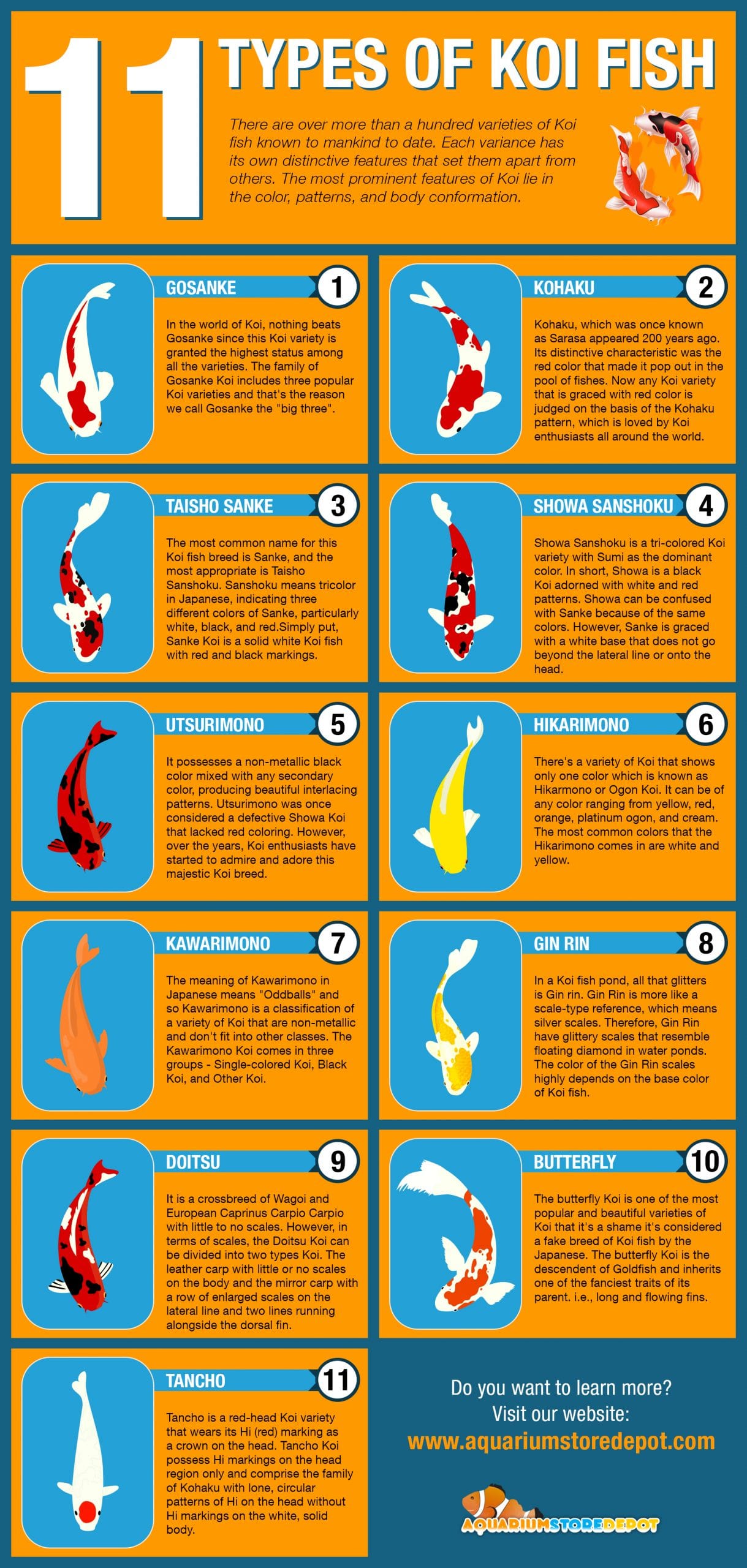
    Happy Koi Keeping!