
The Arowana is the kind of fish that makes experienced keepers stop and stare. This is not a beginner species. It requires a specific tank, a real commitment, and a keeper who understands exactly what they’re signing up for before they walk out of the store. After 25 years in this hobby, I still consider this one of the most impressive fish you can own.
This fish will outgrow your plans. Accept that before you buy it.
Silver Arowanas – the species most commonly sold in the US – routinely reach 3 to 4 feet (90 to 120 cm) and need a tank well over 200 gallons as adults. That 10-inch juvenile at the fish store will be pushing 3 feet within two to three years. Most people aren’t prepared for what comes next – and neither is the tank they’re planning.
This fish doesn’t just live in your tank. It defines it.
What It Is Actually Like Living With an Arowana
Nobody glances at a tank with an Arowana and keeps walking. Guests stop, stare, and ask questions – every single time. The fish has a prehistoric, armor-plated look that commands attention. Be prepared to explain what you’re keeping multiple times a week.
Feeding is an event. Arowanas track prey with visible intensity. Drop a feeder cricket near the surface and watch a 3-foot fish launch itself upward to intercept it. That hunting reflex never gets old – but it’s also exactly why a tight-fitting lid is non-negotiable. They will jump. Without a cover, they will die on your floor.
The growth rate catches people off guard every time. A juvenile looks manageable at 8 inches (20 cm). Three months later it’s 14 inches (35 cm). A year in, it’s 24 inches (60 cm) and you’re already researching the next tank. The growth is real and relentless.
These fish recognize their owners. They approach the glass when you enter the room, respond to feeding routines, and develop what feels like genuine personality. That connection – combined with the sheer visual impact – is why Arowana keepers rarely go back to community tanks.
What Most Care Guides Get Wrong About Arowanas
Most care sheets list the minimum tank size and call it a day. But the minimum is almost always undersized for long-term keeping. An 8-foot, 250-gallon tank is the floor for a single adult Silver Arowana – not a comfortable setup. Bigger is always better with this fish.
The legal situation gets glossed over constantly. Asian Arowanas (Scleropages formosus) are CITES Appendix I species – illegal to import or sell in the United States without special government permits. Nearly every Arowana sold in American fish stores is a Silver Arowana (Osteoglossum bicirrhosum) from South America. Knowing which species you actually have matters for care, size expectations, and legal compliance.
Feeding frequency is consistently misrepresented. Juveniles under 12 inches (30 cm) benefit from feeding once or twice daily. Adults over 24 inches (60 cm) should be fed once every one to two days – not multiple times per day. Overfeeding an adult Arowana causes fatty liver disease and swim bladder problems that are difficult to reverse.
The drooping eye issue almost never gets mentioned. Silver Arowanas commonly develop ventral strabismus – the eyes begin to droop downward from constantly looking toward the bottom of the tank or from bright overhead light causing stress. Once it develops, it’s nearly irreversible. Prevention matters far more than treatment.
The Reality of Keeping an Arowana
Tank size requirements are extreme. A juvenile Silver Arowana needs a minimum 75 gallons to start. You’ll upgrade to 125 gallons within a year. The adult needs at least 250 gallons in a tank no shorter than 8 feet (2.4 m). This is non-negotiable for a fish that reaches 3 to 4 feet (90 to 120 cm).
Filtration load is massive. Arowanas produce enormous amounts of waste for their size. A single adult can overwhelm a filter rated for the tank volume. Plan for a Fluval FX4 or FX6 canister, a sump system, or multiple large canisters running simultaneously. Expect 25 to 30% water changes weekly.
They will jump. This is not a maybe. Arowanas are surface predators that launch themselves out of the water to catch prey. Without a heavy, secured lid – not just a loose glass cover – your fish will end up on the floor. This kills more Arowanas in captivity than disease does.
Tankmate selection is extremely limited. Most fish small enough to fit in their mouth will be eaten – and their mouths are larger than most people expect. Most fish aggressive enough to challenge them will cause constant stress. Suitable tankmates are large, peaceful bottom dwellers that stay out of the Arowana’s surface zone entirely.
Biggest Mistake New Owners Make
Buying a juvenile without a plan for the adult tank. That 10-inch fish at the store will be 36 inches (90 cm) in under three years and need a 250-gallon setup. Most people don’t have that tank ready, don’t have the budget for it, and end up rehoming the fish or keeping it in conditions that stunt growth and shorten its life. Know your adult tank plan before you buy the juvenile – or don’t buy it at all.
Expert Take (Mark Valderrama, AquariumStoreDepot)
Before you buy an Arowana, look up the adult size and multiply your expected tank cost by three. That’s the realistic budget for keeping this fish properly. I’ve seen it play out at every fish store I managed – people buy a 10-inch juvenile thinking it’s manageable, then scramble for a 300-gallon setup two years later. Plan for the adult fish from day one. The juvenile is cheap. The infrastructure is not.
Key Takeaways
- Silver Arowanas reach 3 to 4 feet (90 to 120 cm) and need a minimum 250-gallon, 8-foot-long tank as adults
- Asian Arowanas (Scleropages formosus) are illegal to import into the United States – most US hobbyists keep Silver or Black Arowanas
- Arowanas are advanced-level fish – not suitable for beginners or intermediate keepers
- Secure lids are mandatory – Arowanas regularly jump out of open or loosely covered tanks
- Drooping eye syndrome (ventral strabismus) is a common and largely irreversible health issue in poorly set-up tanks
- Feed adults once every one to two days – overfeeding causes serious, long-term organ damage
An Overview
Want a showpiece predator that defines your entire room? This is the fish. Want something manageable in a standard home aquarium? Look elsewhere – there is no middle ground with this species.
| Scientific Name | Osteoglossum bicirrhosum (Silver Arowana) |
| Common Names | Silver Arowana, bony tongue fish, monkey fish, dragon fish |
| Family | Osteoglossidae |
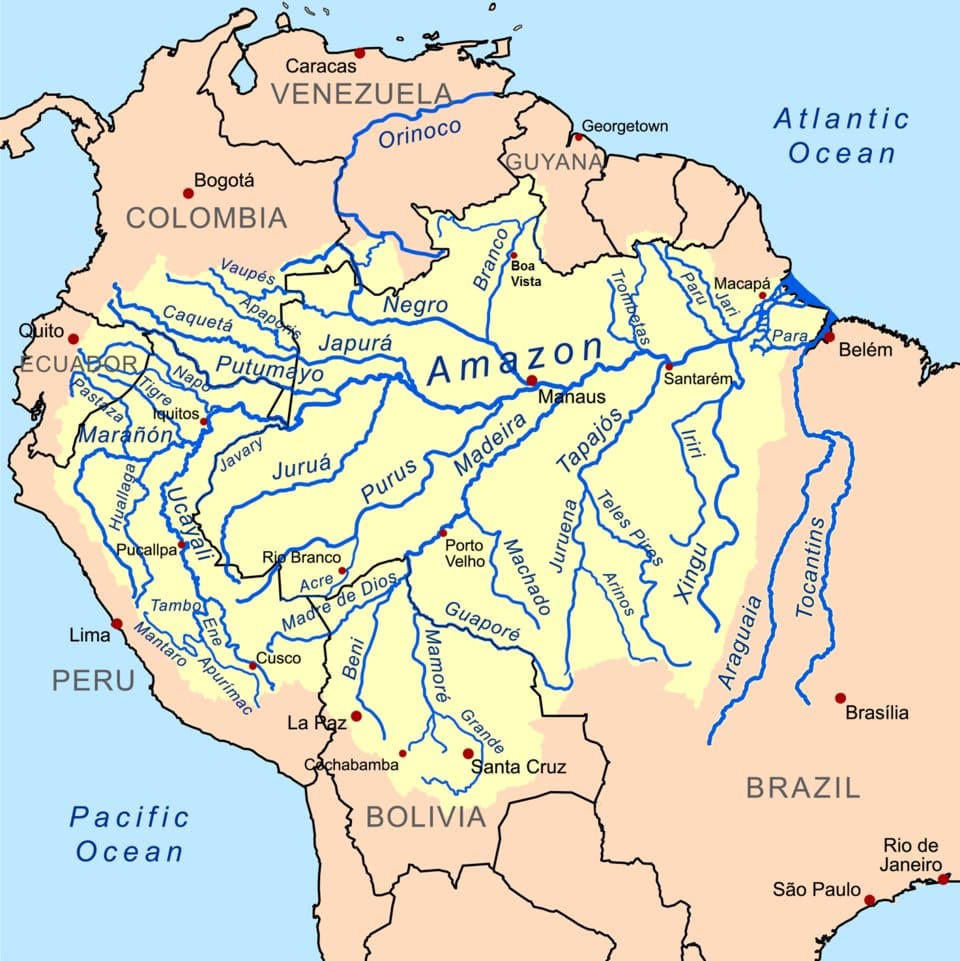
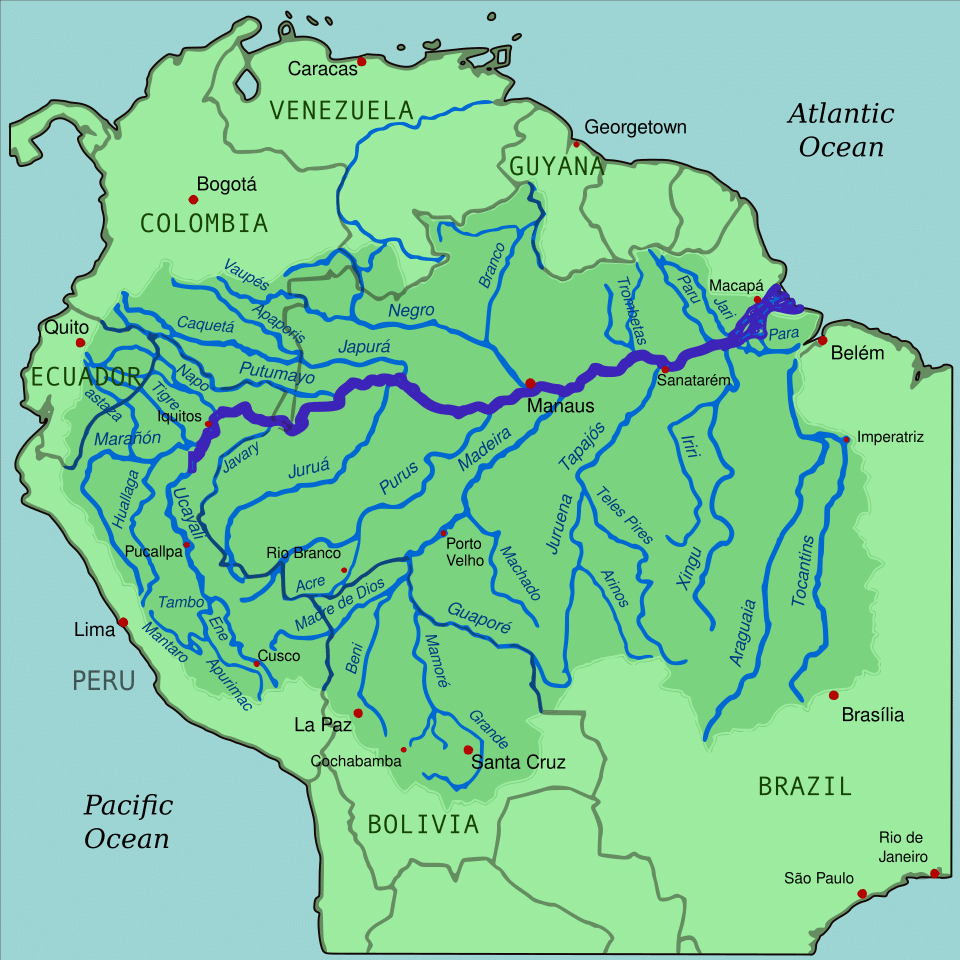
| Origin | Amazon basin – Brazil, Peru, Colombia, Venezuela, Guyana, Bolivia |
| Diet | Carnivore |
| Care Level | Advanced |
| Activity | Active surface swimmer |
| Lifespan | 10 to 15 years in captivity |
| Temperament | Aggressive – predatory toward smaller fish |
| Tank Level | Top and middle dweller |
| Minimum Tank Size | 250 gallons (8 feet long) for adults |
| Temperature Range | 75°F to 82°F (24°C to 28°C) |
| Water Hardness | 1 to 8 dGH (soft water) |
| pH Range | 6.0 to 7.0 |
| Filtration/Water Flow | Heavy filtration, moderate flow |
| Water Type | Freshwater |
| Breeding | Paternal mouthbrooder |
| Difficulty to Breed | Extremely difficult in captivity |
| Compatibility | Large peaceful species only – or solo |
Types of Arowana
The word “Arowana” covers several distinct species across two genera. In the United States, the two legally available South American species are the Silver and Black Arowanas. Asian varieties are CITES-protected and cannot be legally imported or sold in the US.
Silver Arowana (Osteoglossum bicirrhosum)
The most common Arowana in the US hobby. Native to the Amazon basin – Brazil, Peru, Colombia, Venezuela, and the Guianas. Reaches 3 to 4 feet (90 to 120 cm). Silvery scales with a faint greenish or pinkish iridescence depending on lighting. This is the species most American hobbyists are actually keeping when they say “Arowana.”
Black Arowana (Osteoglossum ferreirai)
Also South American – specifically the Rio Negro and upper Amazon tributaries in Brazil and Colombia. Juveniles are striking: black with a yellow and red lateral stripe that fades to silver-black as they mature. Care requirements are nearly identical to the Silver Arowana. Adult size and tank needs are the same.
Asian Arowana (Scleropages formosus and related species)
Native to Southeast Asia – Indonesia, Malaysia, Thailand, Vietnam, and Cambodia. Multiple color varieties exist: red, gold, green, and platinum. The most coveted Arowana in the world, with rare specimens selling for tens of thousands of dollars. Illegal to import into the United States under CITES Appendix I. Any “Asian Arowana” offered for sale in the US without government documentation is illegally sourced.
Northern Saratoga (Scleropages jardinii)
Native to northern Australia and southern New Guinea. Olive-green with pink to red scale edges. More aggressive than Silver Arowanas and slightly smaller, reaching about 3 feet (90 cm). Occasionally available in the US specialty trade.
Southern Saratoga (Scleropages leichardti)
Native to the Fitzroy River system in Queensland, Australia. Spotted pattern with distinctive red-edged scales. Reaches about 3 feet (90 cm). Less commonly available than Silver Arowanas in the US market.
African Arowana (Heterotis niloticus)
Technically a member of the Osteoglossidae family but behaviorally quite different. Native to the Nile River and West African river systems. Unlike other arowanas, the African Arowana is not a surface predator – it feeds primarily on algae, plant material, and plankton through filter feeding. Rarely kept in the hobby and substantially different in behavior from the South American and Asian species.
Origin Of The Silver Arowana
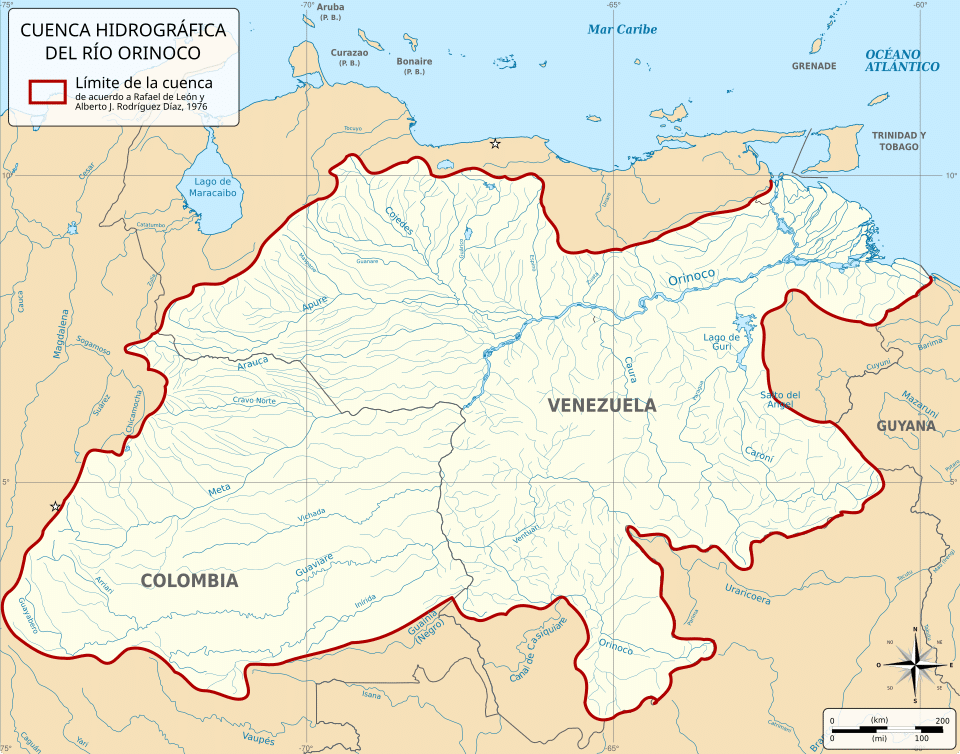
The Silver Arowana is native to South America – specifically the Amazon River drainage including the main Amazon, the Rupununi, Essequibo, and Orinoco systems in Brazil, Peru, Colombia, Venezuela, Guyana, and Bolivia. These fish inhabit the flooded forests (igapo) of the Amazon basin during seasonal floods, hunting insects and small vertebrates near the water’s surface.
The name “Arowana” derives from the Old Tupi word for “silverfish.” Fossil records show that osteoglossid fish have existed largely unchanged since the Jurassic period – these are ancient animals, which partly explains the prehistoric, armored appearance that makes them so visually striking in a modern aquarium.
Habitat
Arowanas inhabit slow-moving to still waters – flooded forests, oxbow lakes, backwaters, and river margins. They are surface hunters, positioned near the top of the water column where they can detect and intercept prey above and at the surface. Their dramatically upturned mouths are specifically adapted for surface feeding.
In the wild, they regularly leap from the water to catch insects, lizards, and small birds resting on overhanging branches. That jumping ability is not an aquarium quirk – it’s a core survival behavior. The video below from Nat Geo Wild captures it.
Appearance
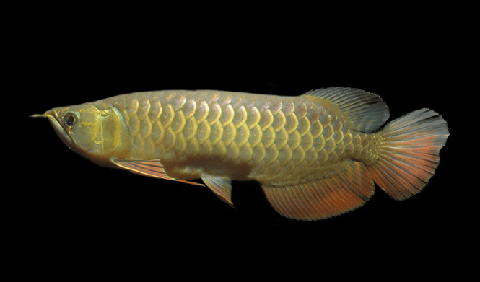
The Silver Arowana has a long, laterally compressed body covered in large, mirror-like scales with a faint iridescent sheen – green, blue, or pink depending on lighting and angle. The head is large with a dramatically upturned lower jaw. The dorsal and anal fins run along most of the rear body length and meet near the tail, giving the fish an almost eel-like silhouette from a distance.
Two chin barbels – small, fleshy projections – hang from the lower jaw. These are sensory organs used to detect vibrations and movement at the water’s surface. The barbels are one of the most distinctive features of the Silver and Black Arowanas and distinguish them from the Asian and Australian species at a glance.
Arowanas are visual fish. The iridescent scale display under good lighting is genuinely spectacular – one of the reasons this fish commands the attention it does even in an aquarium full of other species.
Lifespan
Silver Arowanas live 10 to 15 years in captivity with proper care. Some well-maintained individuals have exceeded 15 years. This is a long-term commitment – not a fish you buy and replace in a few years. Before purchasing, ask yourself whether you’ll still be maintaining a 250-gallon aquarium a decade from now.
Average Size
Silver Arowanas reach 3 to 4 feet (90 to 120 cm) in captivity. Adults commonly hit 36 inches (90 cm); exceptional specimens in large setups approach 48 inches (120 cm). Weight ranges from 10 to 15+ pounds (4.5 to 7+ kg) at full size. Growth is rapid in the first two to three years and slows as the fish approaches adult size. Don’t plan around the juvenile size – plan around the adult.
ASD Difficulty Rating: Advanced (Expert Level)
Arowanas are among the most demanding freshwater fish in the hobby. They require 250+ gallon tanks, heavy-duty filtration, secured lids, weekly water changes, and a long-term commitment measured in decades. This is not a fish for beginners or intermediate keepers without prior large predatory fish experience. If your largest tank has been 75 gallons or under, you are not ready for this fish yet.
Arowana Care
Arowanas are not difficult to keep in the sense that they’re fragile or require exotic water chemistry. They’re difficult because of scale – the tank, the filtration, the maintenance load, and the years-long commitment. Get those fundamentals right and they’re actually quite hardy. Get them wrong and you’ll have a stressed, stunted fish that never reaches its potential.
Tank Size
A juvenile Arowana under 12 inches (30 cm) can start in a 75-gallon tank, but you should be planning the adult setup immediately. Juveniles grow fast enough that a 75 is only adequate for 6 to 12 months. Move to 125 gallons as the fish passes 18 inches (45 cm). The adult tank needs to be a minimum of 250 gallons and at least 8 feet (2.4 m) long. Length matters more than depth – these are long, fast-moving surface fish that need horizontal swimming room.
Keeping multiple adult Arowanas requires 500+ gallons and careful monitoring. Multiple males in the same tank almost always results in serious aggression.
Water Parameters
The ideal water parameters for Silver Arowanas:
- Temperature: 75°F to 82°F (24°C to 28°C)
- pH: 6.0 to 7.0 (slightly acidic preferred)
- Water hardness: 1 to 8 dGH (soft water)
- Ammonia/Nitrite: 0 ppm at all times
- Nitrate: Under 20 ppm – these fish are sensitive to nitrate accumulation
Arowanas are sensitive to water quality swings. Regular testing and maintenance is essential, not optional. A large fish in a large tank produces a proportionally large waste load, and nitrate spikes happen faster than most keepers expect.
Filtration And Aeration
These fish need serious filtration. A Fluval FX4 or FX6 canister filter is the minimum for a 250-gallon adult setup – and many experienced Arowana keepers run two canisters or pair a canister with a sump. HOB filters are completely inadequate for adult Arowanas regardless of their rated capacity.
Consider a canister filter with an inline heater, or titanium heaters rated for large aquariums. Standard glass heaters can be broken by a large Arowana during feeding. Arowanas prefer moderate surface agitation rather than high turbulence – consistent with their natural slow-water habitat.

High flow, large filtration capacity, and quality plumbing – The FX series is designed for monster fish keepers
Lighting
Arowanas prefer moderate to low lighting – consistent with the shaded, surface canopy of their natural flooded-forest habitat. Avoid intense overhead lighting, which stresses the fish and contributes to drooping eye syndrome. A dark background combined with moderate lighting makes the fish more comfortable and dramatically improves the visual display of their iridescent scales.
12 to 14 hours of light per day is appropriate. Use a consistent lighting schedule via a timer. Irregular light cycles increase stress in already high-maintenance fish.
Aquatic Plants and Decoration
Arowana tanks work best with minimal, durable hardscape. These fish are large enough to uproot most planted aquarium plants and knock over anything not secured. If you want plants, choose species that attach to hardscape – Anubias on driftwood, Java Fern on rock – not substrate-rooted plants.
Avoid floating plants. Arowanas hunt at the surface and floating plants interfere with feeding. They also jump toward floating plant cover and can damage themselves on loosely fitted lids.
Many experienced Arowana keepers run bare-bottom tanks with dark backgrounds and minimal decoration – prioritizing visibility of the fish and ease of maintenance over aquascaping. Large pieces of driftwood provide visual structure without obstruction and are the most practical hardscape choice.
Tank Maintenance
Plan for weekly 25 to 30% water changes regardless of what your test kit reads – this is a maintenance schedule, not a response to elevated readings. Use a Python or automatic water change system for a 250+ gallon tank; doing it manually with buckets at this volume is unsustainable long-term.
Clean filter media monthly, but stagger canister cleaning so you never crash your biological filtration all at once. Monitor ammonia and nitrate weekly. Nitrate above 20 ppm in an Arowana tank is a signal to increase water change frequency, not just a number to note.
Substrate
Bare bottom is the most practical choice for adult Arowana tanks. It’s the easiest to clean, prevents uneaten food from decomposing in gravel gaps, and eliminates substrate disturbance from the fish’s movement. Most experienced Arowana keepers recommend bare bottom specifically because of maintenance efficiency at this scale.
If you prefer substrate, fine sand is the better option – easier to siphon clean than gravel and doesn’t trap waste as readily. Avoid large-grain gravel, which creates pockets where uneaten food accumulates and decomposes into ammonia spikes.
Fish Tank Mates
Arowanas are predatory surface fish. Anything that fits in their mouth will eventually be eaten – and their mouths are larger than most people expect. A 30-inch Arowana can swallow a fish that seems like a “safe” size. Tank mate selection needs to account for the adult size of the Arowana, not the juvenile you’re starting with.
The best tankmates are large, bottom-oriented species that stay out of the Arowana’s surface territory:
- Large Oscars – sturdy, similar South American water requirements, occupy mid to lower tank
- Large Plecostomus – armored bottom dwellers that don’t compete for surface territory
- Freshwater stingrays – peaceful bottom dwellers, excellent size match for large Arowana setups
- Large Pacu – herbivores, large enough to coexist, similar South American origin and water requirements
- Black Ghost Knifefish – nocturnal bottom dwellers that rarely occupy the Arowana’s zone
Avoid keeping Arowanas with: any fish under 6 inches (15 cm), aggressive cichlids that may harass or nip fins, other Arowanas unless you have 500+ gallons and a management plan for aggression, and turtles despite occasional anecdotal success stories.
Breeding
Silver Arowanas are paternal mouthbrooders – the male carries fertilized eggs and newly hatched fry in his mouth for up to eight weeks. The female lays 50 to 200 large eggs (each measuring roughly 1 inch / 2.5 cm in diameter), the male fertilizes and collects them, and then holds the developing young in his expandable mouth pouch until they’re large enough to swim independently.
Breeding in captivity is extremely difficult. You need a very large tank – 500+ gallons is realistic for a breeding pair – a naturally conditioned compatible pair, optimal water quality, and significant patience. Most captive breeding attempts fail because the male spits the eggs prematurely when stressed by other fish, poor water quality, or insufficient space. This is not a fish you’ll breed in a home aquarium by accident.
Fry are large at release – already 3 to 4 inches (7 to 10 cm) – and require live food immediately. They should be separated from the parents after release. Growth in the first year is rapid: properly fed juveniles can reach 12 inches (30 cm) within 12 months.
Hard Rule
This fish needs a heavy, secured lid – not a loose glass top. Arowanas will jump, and they clear tank edges that most keepers assume are impossible to reach. A fish found on the floor after a jump is almost never recoverable. Secure the lid before you add the fish. Not after.
Food and Diet
Arowanas are carnivores that prefer surface-level food. In the wild, they eat insects, small birds, lizards, frogs, bats, and smaller fish – anything that falls onto or near the water surface. In captivity, feed a varied diet:
- Feeder insects: Crickets, mealworms, hornworms – excellent protein and encourages natural hunting behavior
- Frozen/thawed food: Large shrimp, krill, silversides – convenient and nutritionally complete
- Live food: Feeder fish (use sparingly due to disease transmission risk), live shrimp
- Large pellets: High-quality carnivore pellets like Hikari Massivore – some Arowanas accept these readily, others refuse them entirely
Avoid feeding exclusively feeder goldfish or guppies. These carry significant disease risk and are nutritionally incomplete as a sole diet. Varied diet produces better coloration, better long-term health, and reduces the risk of nutritional deficiencies that can develop over a 15-year lifespan.
How Often Should You Feed Them?
Feed juveniles under 12 inches (30 cm) once or twice daily. Feed adults over 24 inches (60 cm) once every one to two days. Adults do not need daily feeding and are better off slightly underfed than consistently overfed. Overfeeding causes fatty liver disease, swim bladder issues, and water quality spikes from excess waste. A slightly hungry Arowana is a healthier Arowana.
Common Health Issues
Drooping Eye Syndrome (Ventral Strabismus)
The most common Arowana-specific health issue. The eyes begin to droop downward – caused by the fish habitually looking toward the bottom of the tank for food, or by bright overhead lighting causing the fish to avoid looking upward. Prevention: feed at the surface only, use a dark solid lid to diffuse overhead light, and ensure the tank is tall enough for the fish to swim at multiple levels. Once established, drooping eye syndrome rarely reverses.
Jump Injuries
Arowanas that escape their tanks – or jump against a loose lid – sustain serious injuries. Scale damage, fin tears, and head trauma are common. A fish that jumps and lands on a hard floor is rarely recoverable even if found quickly. Secure lids eliminate this risk entirely.
Ich (White Spot Disease)
Like most large freshwater fish, Arowanas are susceptible to ich during temperature fluctuations or when stressed. Treat with elevated temperature (82-84°F / 28-29°C) combined with appropriate medication. Avoid copper-based treatments – Arowanas can be sensitive to copper at therapeutic levels. Catch early and treat aggressively.
Fatty Liver Disease
Caused by consistent overfeeding, especially with high-fat foods like feeder goldfish. Symptoms include lethargy, loss of appetite, and abnormal swimming posture. Prevention is the only effective strategy – there’s no reliable treatment once fatty liver is advanced. Feed appropriately sized portions every one to two days for adults and avoid feeder fish as a staple.
Should You Get an Arowana?
Good Fit If:
- You have space for a 250+ gallon tank and can commit to it for 10 to 15 years
- You have fishkeeping experience with large, predatory, or demanding species
- You want a centerpiece fish that defines the entire room – not just the tank
- You can budget for heavy filtration, regular large water changes, and high-protein feeding
- You already have a plan for the adult tank size before you buy the juvenile
Avoid If:
- Your largest tank has been 75 gallons or under
- You want a community fish or anything that coexists easily with a varied stocking list
- You’re looking for a low-maintenance species
- You can’t commit to the 10 to 15-year lifespan and the infrastructure it requires
- You’re drawn to Asian Arowanas specifically – they’re illegal in the US and there’s no legal workaround
FAQs
How much do Arowanas cost?
Silver Arowanas typically sell for $30 to $100 as juveniles in the US hobby market. Prices increase with size – adults can sell for several hundred dollars. Rare Asian Arowana varieties (where legally available internationally) sell for thousands to tens of thousands of dollars. The fish price is usually the smallest part of the total Arowana budget – the tank, filtration, and ongoing maintenance are where the real costs accumulate.
What is the largest type of Arowana?
The African Arowana (Heterotis niloticus) can reach up to 3 feet 3 inches (100 cm). Of the more commonly kept species, Silver Arowanas and Asian Arowanas both regularly reach 3 feet (90 cm), with exceptional Silver specimens in large setups approaching 4 feet (120 cm).
Are Arowanas good for beginners?
No. Arowanas are advanced-level fish and should not be kept by beginners. They require tanks of 250 gallons or more, heavy-duty filtration, weekly water changes, and a long-term commitment of 10 to 15 years. Get several years of fishkeeping experience with progressively larger and more demanding species before considering an Arowana.
Can you keep Arowanas with other fish?
Yes, but with strict limitations. Anything that fits in their mouth will be eaten. The best tankmates are large, bottom-oriented species: big Oscars, large Plecostomus, freshwater stingrays, and large Pacu. Avoid small fish, aggressive cichlids, and other Arowanas unless you have 500+ gallons and separate territory zones.
Why do Arowana eyes droop?
Drooping eye syndrome (ventral strabismus) develops when an Arowana spends too much time looking downward – searching for food at the bottom of the tank – or when bright overhead lighting causes chronic stress to the eyes. Prevention: feed at the surface only, use a solid opaque lid, and maintain adequate tank height. Once the drooping develops, it rarely reverses, so prevention is the only effective strategy.
Can you keep multiple Arowanas together?
Silver Arowanas are generally kept solo or with one other individual in very large setups. Multiple adults require 500+ gallons and will still exhibit aggression, particularly between males. Don’t plan on keeping multiple adults together unless you have the tank size and a contingency plan for aggressive individuals – including the ability to separate them if needed.
Are Asian Arowanas legal in the US?
No. Asian Arowanas (Scleropages formosus and related species) are listed under CITES Appendix I, making their import and commercial sale illegal in the United States without government permits. Silver Arowanas (Osteoglossum bicirrhosum) and Black Arowanas (Osteoglossum ferreirai) from South America are legal and widely available. If a US seller claims to be selling an Asian Arowana, verify full documentation thoroughly before purchase.
Final Thoughts
The Silver Arowana is one of the most rewarding fish you can keep – and one of the most demanding. It’s a 15-year commitment, a 250-gallon tank, and a complete rethinking of how you approach home aquarium keeping. The people who thrive with this fish are the ones who planned for the adult before they bought the juvenile.
If you’ve got the space, the filtration budget, and the patience – there’s nothing else in freshwater fishkeeping quite like it. A 3-foot silver fish patrolling the surface of a 300-gallon tank isn’t just a pet. It’s the focal point of everything in that room. Plan accordingly.
📘 Want to learn more? This article is part of our complete Freshwater Fish Guide. Your ultimate resource for freshwater species, care tips, tank setup, and more.