Freshwater eels escape from tanks. Every single species. They find gaps you did not know existed and end up on the floor. That’s not a worst-case scenario. That’s what happens when the lid isn’t sealed. Start there.
Eels treat every crack in your lid as an exit. Seal them all. Every filter tube, every airline, every gap. This is not optional.
Freshwater eels are one of those categories where the label is misleading. Most of what gets sold as a “freshwater eel” is actually a spiny eel from the family Mastacembelidae: fire eels, tire track eels, peacock eels. They aren’t true eels at all. That’s not a knock on them. They’re fascinating fish with real personality. But it’s worth knowing what you’re actually buying. A few things apply across the whole group: they’re escape artists that need a tightly sealed lid, they’re mostly carnivores, and many get significantly larger than people expect. After 25 years in the hobby, these are the 11 types I’d point someone toward if they want to add an eel-like fish to their freshwater tank.
Key Takeaways
- Most “freshwater eels” sold in the trade are spiny eels (family Mastacembelidae), not true eels. They’re fish that evolved an eel-like body shape.
- True eels (snowflake eel, moray eels) are marine fish. They do not belong in freshwater aquariums.
- Every species in this group is an escape artist. A tight-fitting lid is non-negotiable. Seal every gap, including filter tube holes and airline entries.
- Soft sandy or fine substrate is required for burrowing species. Sharp substrate damages their skin and leads to infection.
- Fire eels and tire track eels grow large: 24-36 inches (60-90 cm). Plan for a 75-gallon (284 L) or larger tank for adult fish.
- All spiny eels are carnivores. They need meaty foods: earthworms, bloodworms, blackworms, and small live or frozen prey.
Expert Take | Mark Valderrama, AquariumStoreDepot
After 25+ years in this hobby, the fire eel is still one of my favorite large freshwater fish to keep. They develop individual personalities, learn to recognize their keeper, and will hand-feed once comfortable. The peacock eel is one of the best options for hobbyists who want the eel experience in a smaller package: it maxes out around 12 inches (30 cm) and works in a 35-40 gallon (133-151 L) setup. The one rule I can’t stress enough: seal your lid. I’ve found fire eels in places in a fishroom that still baffle me.
ASD Difficulty Tiers: Freshwater Eels
Beginner-Intermediate (Manageable size, hardy): Peacock eel (up to 12 in/30 cm), zigzag eel (up to 15 in/38 cm)
Intermediate (Larger, specific feeding needs): Tire track eel (up to 28 in/71 cm), half-banded spiny eel, striped peacock eel
Advanced (Large tank requirement, demanding care): Fire eel (up to 39 in/99 cm), Asian swamp eel (challenging to feed), electric eel (requires expert setup)
What Are “Freshwater Eels”?
The category “freshwater eel” covers fish from several completely different families. Understanding which family a fish belongs to tells you almost everything about its care requirements.
Spiny Eels (Family Mastacembelidae)
The most common “freshwater eels” in the trade. These are fish that evolved an eel-like elongated body but are not related to true eels. Fire eels, tire track eels, and peacock eels all fall here. They’re freshwater fish with spines along the dorsal surface, soft substrate-burrowing behavior, and carnivorous diets. Most are peaceful toward fish they can’t swallow. They’re the most practical and rewarding group for home aquariums.
True Eels (Family Anguillidae)
True freshwater eels like the American eel (Anguilla rostrata) and European eel (Anguilla anguilla) are catadromous: they live in freshwater but migrate to the ocean to breed. They’re almost never kept in home aquariums and are generally not recommended due to their eventual size and migration drive.
Asian Swamp Eel (Family Synbranchidae)
Asian swamp eels are air-breathing fish that can survive in very low-oxygen environments. They’re challenging to feed and care for and are primarily of interest to specialist keepers.
Electric Eel (Family Electrophoridae)
Electric eels are not eels at all: they’re knifefish. They generate electric charges strong enough to stun prey and deter predators. They require completely specialized, expert-level setups and are never recommended for general home aquarists.
What’s Not a Freshwater Eel
Snowflake eels, chain moray eels, and other morays are saltwater fish. They don’t belong in freshwater aquariums. Full stop. No acclimation process makes them freshwater animals.
Care Basics
Escape-Proofing (Non-Negotiable)
Before you add any eel-type fish to an aquarium, seal every gap in your lid. Every filter tube hole, every heater cord entry, every airline port. Eels are long, flexible, and surprisingly strong. They push through gaps that seem impossibly small. A single overnight gap means a fish on the floor. Use foam weather stripping, aquarium-safe sealant, or mesh over openings. This step comes before choosing your fish, before buying equipment, before anything else.
Substrate
Most spiny eels burrow. They need fine, smooth substrate: pool filter sand, play sand, or any fine-grain substrate they can push through without abrading their skin. Sharp gravel causes skin damage and bacterial infections. A burrowing eel on coarse gravel develops skin wounds. Those wounds get infected. The fish dies. Use sand.
Hiding Spots
Eels are shy and nocturnal when first introduced. They need substantial cover: PVC tubes, hollow driftwood, rock caves, dense plant beds. Without cover, they hide under equipment, behind filters, or attempt to escape. With proper cover, they gradually become more active during daylight as they feel secure. A fire eel that knows it has a safe cave will eventually spend time in the open during the day, including at feeding time.
Feeding
Spiny eels are carnivores that prefer live or frozen meaty foods. Earthworms, blackworms, bloodworms, and small whole prey (ghost shrimp, small feeder fish for larger species) are the staples. Getting newly acquired spiny eels to accept prepared foods can take time. Start with live earthworms or frozen bloodworms and work toward frozen and eventually pellet foods over weeks. Some individuals never fully transition to pellets. Plan for a long-term live and frozen feeding program.
11 Types of Freshwater Eels
Mark’s Pick: Best Eel for Most Hobbyists
The peacock eel. It stays under 12 inches (30 cm), works in a 35-gallon (133 L) tank, eats readily once settled in, and is one of the most interactive fish I’ve kept. A specimen that’s comfortable in its tank will come out during feeding time and take food directly from you. For anyone who wants the eel experience without committing to a 75-100 gallon (284-379 L) tank for a fire eel, the peacock eel is the answer.
1. Fire Eel (Mastacembelus erythrotaenia)
- Scientific Name: Mastacembelus erythrotaenia
- Family: Mastacembelidae
- Origin: Southeast Asia (Mekong basin, Malay Peninsula, Sumatra, Borneo)
- Common Name: Fire eel
- Adult Size: 24-39 inches (60-99 cm)
- Minimum Tank Size: 75 gallons (284 L) for juveniles, 125+ gallons (473 L) for adults
- Temperament: Peaceful (predatory toward very small fish)
- Care Level: Intermediate to advanced
- Diet: Carnivore (earthworms, bloodworms, raw prawn, whitebait)
- Temperature: 75-82°F (24-28°C)
- pH: 6.5-7.5
The fire eel is the most dramatic freshwater spiny eel in the hobby. Deep brown to black body with vivid red lateral stripes and spots. Adults are genuinely impressive fish that fill a large aquarium with purpose and presence. They’re peaceful toward fish too large to swallow but will eat smaller fish at night. The biggest challenge: size. A juvenile fire eel sold at 4-6 inches (10-15 cm) will be 24+ inches (60+ cm) within 2-3 years. Plan for that before you buy.
Fire eels develop real personality over time. A long-term kept specimen in a properly set up tank will recognize its keeper, come out for feeding before any food enters the water, and interact with hands during feeding. It’s one of the most rewarding large freshwater fish experiences in the hobby. But the tank requirement is serious. Don’t buy a fire eel for a 40-gallon (151 L) tank.
2. Tire Track Eel (Mastacembelus armatus)
- Scientific Name: Mastacembelus armatus
- Family: Mastacembelidae
- Origin: South and Southeast Asia
- Common Name: Tire track eel, zigzag eel, marbled eel
- Adult Size: 28-36 inches (71-91 cm)
- Minimum Tank Size: 75 gallons (284 L)
- Temperament: Peaceful (predatory toward small fish)
- Care Level: Intermediate to advanced
- Diet: Carnivore (earthworms, frozen meaty foods)
- Temperature: 73-82°F (23-28°C)
- pH: 7.0-7.5
The tire track eel closely resembles the fire eel in care requirements and ultimate size. The key difference is its patterning: cream to tan body with dark zigzag or tire-track markings along the sides instead of the fire eel’s red stripe. It’s slightly hardier and more adaptable than the fire eel in captivity, making it a marginally better choice for intermediate hobbyists. Same tank size requirements. Same substrate and lid sealing requirements. Same meaty diet. If you like the pattern over the fire eel’s coloring, the tire track is an equally rewarding fish.
3. Peacock Eel (Macrognathus siamensis)
- Scientific Name: Macrognathus siamensis
- Family: Mastacembelidae
- Origin: Thailand, Cambodia, Vietnam
- Common Name: Peacock eel, spot-finned spiny eel
- Adult Size: 10-12 inches (25-30 cm)
- Minimum Tank Size: 35 gallons (133 L)
- Temperament: Peaceful (can eat very small fish and shrimp)
- Care Level: Intermediate
- Diet: Carnivore (bloodworms, blackworms, small live prey)
- Temperature: 73-82°F (23-28°C)
- pH: 7.0-7.5
The peacock eel is the most practical spiny eel for hobbyists who want the eel experience without committing to a 75-gallon (284 L) setup. It stays under 12 inches (30 cm), which makes it manageable in a 35-40 gallon (133-151 L) tank. It has a yellow-tan body with a distinctive row of eyespots along the base of the dorsal fin (the peacock pattern that gives it its name). Peaceful toward fish larger than about 2 inches (5 cm), though shrimp and very small nano fish will be eaten. A good choice for intermediate community setups with medium to large fish.
4. Zigzag Eel (Mastacembelus pancalus)
- Scientific Name: Mastacembelus pancalus
- Family: Mastacembelidae
- Origin: Indian subcontinent, Myanmar
- Common Name: Zigzag eel, barred spiny eel
- Adult Size: 12-15 inches (30-38 cm)
- Minimum Tank Size: 40 gallons (151 L)
- Temperament: Peaceful to semi-aggressive
- Care Level: Intermediate
- Diet: Carnivore (earthworms, bloodworms, small invertebrates)
- Temperature: 73-82°F (23-28°C)
- pH: 6.5-7.5
The zigzag eel is a mid-sized option between the small peacock eel and the large fire and tire track eels. Its brown body is marked with irregular cream-colored zigzag patterns. It’s a competent burrower that needs soft substrate and a tight lid. At 12-15 inches (30-38 cm), it’s manageable in a well-set-up 40-55 gallon (151-208 L) aquarium. Less commonly available than the peacock or fire eel, but worth tracking down for the size-to-personality ratio it offers.
5. Half-Banded Spiny Eel (Macrognathus circumcinctus)
- Scientific Name: Macrognathus circumcinctus
- Family: Mastacembelidae
- Origin: Southeast Asia (Thailand, Malay Peninsula)
- Common Name: Half-banded spiny eel
- Adult Size: 8-10 inches (20-25 cm)
- Minimum Tank Size: 30 gallons (114 L)
- Temperament: Peaceful
- Care Level: Easy to intermediate
- Diet: Carnivore (bloodworms, blackworms)
- Temperature: 75-82°F (24-28°C)
- pH: 6.5-7.5
The half-banded spiny eel is one of the smaller and more manageable options in this group, staying under 10 inches (25 cm). It has a cream body with dark brown half-bands along its upper sides. Hardy by spiny eel standards and more tolerant of community tank conditions than the larger species. A good intermediate step for hobbyists who want to try an eel before committing to a fire or tire track eel setup.
6. Striped Peacock Eel (Macrognathus pancalus)
- Scientific Name: Macrognathus pancalus
- Family: Mastacembelidae
- Origin: Bangladesh, India, Myanmar, Thailand
- Common Name: Striped peacock eel
- Adult Size: 12-14 inches (30-35 cm)
- Minimum Tank Size: 40 gallons (151 L)
- Temperament: Peaceful
- Care Level: Intermediate
- Diet: Carnivore (live and frozen meaty foods)
- Temperature: 73-82°F (23-28°C)
- pH: 6.5-7.5
The striped peacock eel is sometimes confused with the standard peacock eel (M. siamensis) but grows somewhat larger and has striped rather than eyespot dorsal markings. Care requirements are similar. A good intermediate-sized option for hobbyists looking for something between the small peacock eel and the larger fire or tire track eel.
7. Asian Swamp Eel (Monopterus albus)
- Scientific Name: Monopterus albus
- Family: Synbranchidae
- Origin: South and Southeast Asia
- Common Name: Asian swamp eel, rice paddy eel
- Adult Size: Up to 39 inches (99 cm)
- Minimum Tank Size: 75 gallons (284 L)
- Temperament: Predatory
- Care Level: Advanced
- Diet: Carnivore (live fish, earthworms, large meaty prey)
- Temperature: 70-82°F (21-28°C)
- pH: 6.5-8.0
The Asian swamp eel is a true air-breathing fish that can survive in low-oxygen water, including rice paddies, mud, and shallow marshes. It’s a highly effective ambush predator and will eat anything that fits in its mouth, including fish up to a significant fraction of its own body size. It’s a challenging species to keep: it needs live or freshly killed prey to feed reliably, it grows large, and it’s highly escape-prone. Not recommended for community tanks. Primarily of interest to specialist keepers with dedicated setups.
8. Electric Eel (Electrophorus electricus)
- Scientific Name: Electrophorus electricus
- Family: Gymnotidae (knifefish, not true eels)
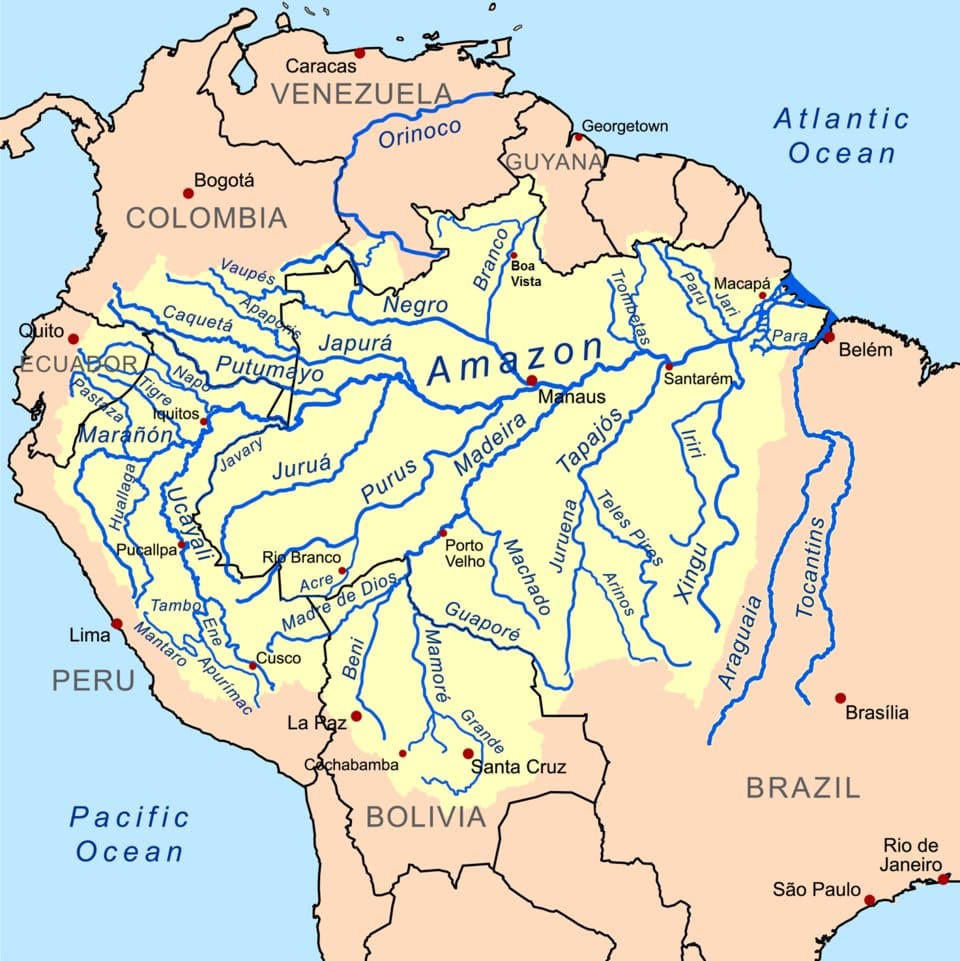
- Origin: South America (Amazon and Orinoco basins)
- Common Name: Electric eel
- Adult Size: Up to 8 feet (2.4 m)
- Minimum Tank Size: Public aquarium or expert facility
- Care Level: Expert only
Electric eels are knifefish, not true eels. They generate electric discharges of up to 860 volts, which can stun or kill prey and deliver a serious shock to humans. They grow to over 8 feet (2.4 m) in the wild. They are not suitable for home aquariums. They appear in aquarium discussions regularly because of their novelty, but keeping one is a serious welfare and safety issue. This section exists to clarify what they are and to say clearly: don’t keep one at home.
9. American Eel (Anguilla rostrata)
- Scientific Name: Anguilla rostrata
- Family: Anguillidae (true eels)
- Origin: Eastern North America, Caribbean
- Common Name: American eel
- Adult Size: Up to 4 feet (120 cm)
- Care Level: Advanced
American eels are catadromous: they spend their adult life in freshwater but migrate to the Sargasso Sea to spawn. They grow large, require very secure lid sealing, and eventually develop a migration drive that is difficult to manage in captivity. They’re not a common aquarium fish, and for most hobbyists, they’re better appreciated in a species-dedicated specialty setup or not kept at all. They can live 15-20 years in captivity under proper conditions.
10. Spiny Eel (Macrognathus aral)
- Scientific Name: Macrognathus aral
- Family: Mastacembelidae
- Origin: South Asia
- Common Name: One-stripe spiny eel, lesser spiny eel
- Adult Size: 12-15 inches (30-38 cm)
- Minimum Tank Size: 40 gallons (151 L)
- Temperament: Peaceful
- Care Level: Intermediate
- Diet: Carnivore (earthworms, bloodworms, small live prey)
- Temperature: 73-82°F (23-28°C)
- pH: 6.5-7.5
The one-stripe spiny eel is a South Asian species with a single prominent lateral stripe running from head to tail. It’s a competent burrower with the typical spiny eel care requirements: soft substrate, tight lid, meaty foods, and hiding spots. Mid-sized and manageable, making it a solid intermediate choice. Less flashy than the fire eel but more practical in a 40-55 gallon (151-208 L) setup.
11. Tiretrack Eel / Marbled Spiny Eel (Mastacembelus favus)
- Scientific Name: Mastacembelus favus
- Family: Mastacembelidae
- Origin: Southeast Asia
- Common Name: Marbled spiny eel, honeycomb eel
- Adult Size: 24-30 inches (60-76 cm)
- Minimum Tank Size: 75 gallons (284 L)
- Temperament: Peaceful (predatory toward small fish)
- Care Level: Intermediate to advanced
- Diet: Carnivore (earthworms, raw prawn, frozen meaty foods)
- Temperature: 73-82°F (23-28°C)
- pH: 7.0-7.5
The marbled spiny eel is sometimes lumped with the tire track eel but is a distinct species with a finer, more honeycomb-like patterning. It’s a large, striking fish that needs the same large tank and soft substrate as the fire and tire track eels. If the fire eel’s red coloring isn’t your aesthetic but you want a large, impressive spiny eel, the marbled eel is a compelling alternative with a subtler, more complex pattern.
Avoid These Mistakes with Freshwater Eels
- Unsealed lid: If you can see any gap, an eel can use it. Mesh, foam, sealant, anything. Do it before the fish goes in.
- Sharp gravel substrate: Spiny eels burrow face-first. Sharp substrate abrades their skin and causes bacterial infection. Use sand.
- Fire or tire track eels in small tanks: A 40-gallon (151 L) tank is not appropriate for a species that reaches 3 feet (90 cm). Plan for the adult size from day one.
- Expecting eels to eat pellets immediately: Most newly acquired spiny eels won’t touch dry food at first. Start with live earthworms or frozen bloodworms. Transition slowly.
- Saltwater eels (moray, snowflake) in freshwater: They’re marine animals. They will decline and die in a freshwater tank. There is no freshwater moray eel.
Quick Comparison: Freshwater Eels
| Species | Max Size | Min Tank | Level | True Eel? |
|---|---|---|---|---|
| Peacock eel | 12 in (30 cm) | 35 gal (133 L) | Intermediate | No (spiny eel) |
| Half-banded spiny eel | 10 in (25 cm) | 30 gal (114 L) | Easy-Int. | No (spiny eel) |
| Zigzag eel | 15 in (38 cm) | 40 gal (151 L) | Intermediate | No (spiny eel) |
| Tire track eel | 36 in (91 cm) | 75 gal (284 L) | Intermediate | No (spiny eel) |
| Fire eel | 39 in (99 cm) | 125 gal (473 L) | Advanced | No (spiny eel) |
| Asian swamp eel | 39 in (99 cm) | 75 gal (284 L) | Advanced | No (swamp eel) |
| American eel | 4 ft (120 cm) | Large | Advanced | Yes |
| Electric eel | 8 ft (2.4 m) | Public facility | Expert only | No (knifefish) |
What People Get Wrong About Freshwater Eels
- “Snowflake eels and morays can live in freshwater.” No. They’re marine animals. They will die in freshwater. There is no freshwater moray eel.
- “My fire eel will stay small in a small tank.” Fire eels grow to 3+ feet (90+ cm) regardless of tank size. A small tank means a stressed, short-lived fish, not a permanently small one.
- “Eels don’t need a lid, they won’t jump.” They don’t jump. They crawl. Through gaps. At night. On the floor. Seal the lid.
- “Eels can eat pellets from day one.” Most won’t. Start with live or frozen meaty food. Transition takes weeks to months for some individuals.
- “Spiny eels are eels.” Taxonomically, they’re not. They’re a convergent body form. Mastacembelidae are their own family with no close relationship to true eels (Anguillidae).
Closing Thoughts
Eel-type fish are some of the most rewarding large freshwater fish in the hobby, and some of the most misunderstood. The species that actually make sense for home aquariums are mostly in the spiny eel group: peacock eels for smaller setups, fire and tire track eels for hobbyists willing to commit to a proper large tank. They develop personality. They learn their keeper. They’re long-lived. A well-cared-for fire eel can be a 10-15 year relationship.
The non-negotiables: soft sandy substrate, a completely sealed lid, meaty foods, and a tank big enough for the adult fish. Get those four things right and spiny eels are genuinely hardy, rewarding animals. Skip any one of them and you’ll have problems.
For quality spiny eels and other specialty freshwater fish, check Flip Aquatics and Dan’s Fish for current availability. Species like peacock eels and fire eels come in periodically, so availability varies.