

Last Updated: June 25, 2026
Thank you for visiting! By the way… any links on this page that lead to products on Amazon and other stores/partners are affiliate links Aquarium Store Depot earns a commission if you make a purchase.
The Iridescent Shark is the kind of fish that makes experienced keepers stop and stare. This is not a beginner species. It requires specific conditions, a specific tank, and a keeper who understands what they are signing up for. After 25 years in the hobby, I still consider this one of the most fascinating fish you can own.
This fish will outgrow your plans. Accept that before you buy it.
ASD Difficulty Rating: Expert — Requires 300+ gallon (1,136+ liter) tank for adult colony; schooling fish needs group of 3+; extremely skittish (panic can injure or kill tank mates); 15–20 year commitment; fast growth catches new owners off guard.
This fish lives a long time, grows large, and demands a dedicated setup. The commitment is real and the costs add up over years, not months.
Oddball fish are not conversation starters. They are conversation dominators. Guests will stare at this tank for twenty minutes.
What It Is Actually Like Living With Iridescent Shark
Oddball fish are the fish that visitors notice first. Nobody glances at this tank and keeps walking. They stop, stare, and ask questions. Be prepared to explain what you are keeping multiple times a week.
Feeding is an event. Many oddballs are predators that hunt live or frozen food with visible intensity. Watching this fish track and strike at prey is one of the most dramatic moments in fishkeeping.
These fish grow fast and steadily. One month it fits comfortably. Three months later, you are researching larger tanks. The growth rate catches new owners off guard every single time.
Oddball fish often recognize their owners. They approach the glass when you enter the room, accept food from your hand, and display behaviors that feel remarkably personal. That connection is why oddball keepers rarely go back to community tanks.
What Most Care Guides Get Wrong About Iridescent Shark
The biggest misconception about Iridescent Sharks is that the 3-inch juvenile in the store is what you are buying. It isn’t. These fish reach 3 to 4 feet in the wild and 18 to 24 inches regularly in captivity, in groups of three or more. In my 25 plus years in the hobby, I’ve watched more iridescent sharks get donated to public aquariums – or worse, released – than almost any other large fish in the hobby. The minimum tank for a group of adults is 300 gallons. A 75-gallon is not a long-term home. It’s a holding tank.
Hard Rule: Do not buy iridescent sharks unless you have a 300-gallon (1,136-liter) tank available now or within 12–18 months. The 3-inch (7.6 cm) fish at the store becomes an 18–24 inch (45–61 cm) fish that needs to school with others. There is no middle ground on tank size.
The Reality of Keeping Iridescent Shark
Tank size requirements are extreme. Most oddball fish grow large, fast, and need significantly more space than beginners expect. A 2-inch juvenile will eventually need hundreds of gallons. Research adult size before purchasing, not juvenile size.
Diet is specialized. Many oddball fish are predators that need live or frozen foods. Some refuse pellets entirely. Feeding costs for large predatory fish add up quickly over the life of the fish.
Tankmate compatibility is extremely limited. Most oddball fish are either predators that eat smaller fish or territorial species that attack anything in their space. Community setups require careful size matching.
Biggest Mistake New Owners Make
Buying a juvenile oddball fish without understanding its adult size. That cute 3-inch fish at the store will be 18 inches long within two years and need a tank most people cannot afford or fit in their home.
Expert Take
Before you buy any oddball fish, look up its adult size and multiply your expected tank cost by three. That is the realistic budget for keeping this fish properly.
Key Takeaways
- Iridescent sharks require proper tank setup, water parameters, and balanced diet to maintain health.
- When selecting tank mates for iridescent sharks choose larger peaceful aquarim fish like silver dollars and tinfoil barbs.
- Monitor water quality and exercise caution when approaching the tank as they is startled easily.
- The Reality of Keeping Iridescent Shark
- What It Is Actually Like Living With Iridescent Shark
Species Overview
| Scientific Name | Pangasius hypophthalmus |
| Common Names | Iridescent Shark, Sutchi Catfish, ID Shark, Sutchi Catfish |
| Family | Pangasiidae |
| Origin | Mekong River Basin in Southeast Asia |
| Diet | Omnivore |
| Care Level | Advanced |
| Activity | Active |
| Life span | 15 – 20 years |
| Temperament | Peaceful (Will eat smaller fish) |
| Tank Level | All |
| Minimum Tank Size | 300 gallons |
| Water Temperature Range | 72°F to 79°F (22°C to 26°C) |
| Water Hardness | 2-20 dKH |
| pH Range | 6.5 – 7.5 |
| Filtration/Water Flow | High |
| Water Type | Freshwater |
| Breeding | Mostly commerciality |
| Difficulty to Breed | Difficult |
| Compatibility | Similar sized fish only |
| OK, for Planted Tanks? | No |
Introduction
Want a conversation piece? Get this fish. Want easy maintenance? Get community fish instead. There is no middle ground with oddball species.
The iridescent shark, otherwise known as the sutchi catfish or siamese shark (pangasianodon hypophthalmus) is a species of scaleless freshwater fish native to Southeast Asia’s Mekong and Chao Phraya river basins. It can grow up to an impressive 52 inches in length with weights over 40 kg, being one of the largest fish available in the aquarium trade.
Despite its alluring appearance that attracts aquarists from around the world, most home tanks are simply too small for this animal, making it difficult for them to live their full lifespan in captivity due to inadequate space and care needed. Only experienced owners with large tanks should consider adding one of these sharks into their aquariums
Natural Habitat And Distribution
Iridescent sharks (also known as iridescent catfish) are found in the depths of Southeast Asia – specifically, Mekong and Chao Phraya rivers. Due to loss of habitat, contamination, as well as overfishing, these creatures now find themselves classified on the IUCN Red List’s endangered species list. Despite this tough situation they encounter out in nature, iridescent sharks remain popular in aquariums across the world today.
Researchers and officials from the Wonders of the Mekong said that the Cambodia’s Upper Mekong River system is likely the last surviving natural habitat for the endangered Pangasianodon hypophthalmus or iridescent shark.
Their skill for getting around their natural environment even when it is difficult to see relies upon long barbels that produce sensory data, which helps them get by successfully during darker periods. The way they reproduce ties into their home surroundings considerably. Something we look into later throughout our guide.
Appearance
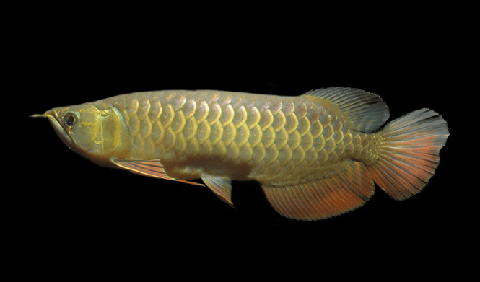
The iridescent shark is a captivating species, starting off its life with skin shimmering with an entrancing rainbow of colors that darken to solid grey as they age. Its defining features are the sail shaped dorsal fin and other fins, which become darker in shade. Juveniles will have a black stripe along their lateral line and a second stripe below it. It also has two pairs of barbels attached to their face along with large eyes and forked caudal fin.

A rare variant appears among these sharks. The albino iridescent sharks – completely white in coloration except for bright red eyes, making them highly sought out by aquarists wishing for something different from common aquarium dwellers. The albino iridescent shark care requirements remain unchanged when compared to regular non-albino counterparts, so make sure you’re ready before getting one!
All the same characteristics give this unique creature great visual appeal. Regardless of whether it’s normal or not, certain shades may set apart some members more than others, like those striking albino versions.
Size And Growth
Iridescent sharks can reach up to a formidable 52 inches in length and weigh over 40 kg. They grow at an accelerated rate, quickly reaching adult size in just two or three years’ time. Consequently, these large fish need spacious tanks for their optimum welfare and comfort. I have see them outgrow their tanks in less than 4-5 month often times eating smaller fish on the way.
⚠️ The “Trap Fish” Warning: Iridescent sharks are sold as cute 2. 3 inch juveniles in pet stores, but they grow to over 52 inches and can weigh more than 40 lbs. I consider them a classic trap fish. They’re impulse buys that people take home without understanding what they’re signing up for. Most outgrow their tank within a year or two, and rehoming a 4-foot catfish is genuinely difficult. Unless you already have a 300+ gallon setup or a large pond, I’d recommend skipping this fish entirely and choosing something more appropriately sized.
Not many aquarists are able to accommodate such sizable creatures when they become adults! Unfortunately, some people buy juvenile iridescent sharks without realizing the space that they will eventually require as adults. Something which often leads to cramped living conditions filled with stress, which can take its toll on the health of the shark catfish, adversely affecting lifespan expectancy.
It is critical for prospective owners of this species to plan ahead before bringing one home so that you know what level of care (especially concerning adequate housing space) must be offered throughout their entire lifetime; otherwise, rehoming may prove challenging down the line if circumstances change unexpectedly later on.
Caring for Your Iridescent Shark
Caring for iridescent sharks requires a spacious, healthy tank with suitable water parameters and an appropriate environment to ensure their wellbeing. When selecting compatible tank mates it is also important to provide them with a balanced diet. In order to give your shark the best care possible these are some of the specifics you should be aware of:
- Tank size and setup must meet specific guidelines;
- Water filtration needs constant monitoring as well as careful management when maintaining certain conditions;
- Feeding recommendations focus on delivering essential nutrients that improve overall health while avoiding overfeeding or malnutrition dangers;
We’ll go over each point in the sections below.
Tank Size And Setup
When it comes to keeping iridescent sharks, a minimum tank size of 300 gallons is a must. For each additional shark, an extra 150 gallons should be provided for optimum comfort and safety. Undersized tanks can lead to harm or stress for the fish. Often fish in undersized tanks will also exhibit aggression.
🐟 Mark’s Honest Take: I’ve never kept an iridescent shark. And that’s a deliberate choice. A 300-gallon tank is roughly 8 feet long. That’s not a home aquarium for most people; that’s a commercial-level setup or a serious enthusiast’s pond. I’ve seen stores sell 2-inch juveniles with no context about what they become, and it’s one of the most common mismatches in the hobby. If you’re committed to this fish, make sure your infrastructure is already in place before you buy. Not after.
To recreate their natural environment inside your tank use soft substrate like sand or consider a bare bottom setup. These fish are too large for any type of planted tank setup, so consider leaving them out.
Also, avoid decorations that may injure these animals. These fish are scaleless and are prone to injuries from running into large or sharp objects.
Water Parameters And Filtration
While these fish are big and hardy, they still need the proper parameters so they can thrive. Temperature should be kept between 72 to 79°F (22 to 26°C), while the ideal pH level is in a range from 6.5 and 7.5 with general hardness ranging 2-20dGH. Unfortunately, since they require at least room temperature water, they do not do well in outdoor ponds as they will get cooler than that.
Since these species produce hefty amounts of waste, it’s important for efficient filtration processes to occur regularly. 25% per week through a electric pump or vacuuming system works best at maintaining good quality standards in the aquatic environment which they inhabit.
This becomes especially important because you have no means of natural denitrification processes without plants so water changes are your best bet.
Feeding
It is important to maintain a healthy diet for iridescent sharks, as they need variety. This should include their staple food source of high-quality pellets and occasional supplements of live or frozen organisms such as worms, crickets and feeder fish in order to ensure proper nutrition. As the shark grows older, incorporating vegetable matter into its meals will also be beneficial. Thus it’s recommended that you offer them these fresh foods every two or three days on top of their regular pellet intake so they can remain lively and vibrant within your home aquarium environment!
Behavior And Socialization
Iridescent sharks are peaceful and social, living in groups. While they aren’t aggressive by nature, their size can make smaller fish feel intimidated. It is important to choose appropriate tank mates for them so that stress levels remain low. As these fish get larger, they will happily eat any fish that can fit in their mouths making it difficult to house many traditional tropical fish with it.
Tank Mates
When it comes to choosing suitable Iridescent Shark tank mates for iridescent sharks, active fish such as:
Aggressive fish like freshwater stingrays or large predatory cichlids like Oscars and peacock bass should also be considered due to their peaceful nature that won’t be easily intimidated by the size of an iridescent shark.
It is important to monitor interactions between your iridescent shark and any new additions you may want in the aquarium, particularly those that will harm them from being too aggressive or small compared its own size. Remember that every fish is different and the temperament listed on our post is different than the fish you actually own.
Startle Response And Precautions
Iridescent sharks, due to their lack of sight and heightened sensitivity to noise and sudden movements, have a tendency towards startle reactions that can result in them inadvertently crashing into tank walls or equipment. To keep your fish calm, it is best to create an environment with little sound by placing the aquarium away from bustling areas of your home and approaching any interaction slowly so they are not disturbed. Below is an example of these fish jumping out of their tanks (video source).
It is not uncommon for these fish to jump out of their tanks when startled. Given their size, they are hard to handle when they do jump out and will often damage lights and covers when they attempt.
Health Concerns And Disease Prevention
Want a conversation piece? Get this fish. Want easy maintenance? Get community fish instead. There is no middle ground with oddball species.
Keeping water quality up is essential for the well being and long life of iridescent sharks. They are at risk for things like fungal infections on their skin as well as “ich,” a protozoan parasite, which is caused by poor water conditions, leading to stress and weakened immunity in the fish. Another challenge with these fish is that they are scaleless, they are certain medications that cannot be treated much like clown loaches.
Monitoring your tank’s water parameters closely should help you identify any signs of illness early so that appropriate treatment options is accessed from either your local fish store or veterinarian. These fish are one of the rare fish that are large enough that a vet may be willing to see them.
Breeding Challenges And Considerations
It is an ambitious project to try and breed iridescent sharks in captivity as they are migratory fish that need specific environmental requirements, along with a vast amount of space. In their natural habitat these schooling species count on seasonal changes together with movement patterns for breeding purposes, something difficult to reproduce at home.
Although the chance of successfully breeding this type of shark in your aquarium is slim, it’s still necessary you give them proper care nonetheless. Considering how awe-inspiring they look plus all its distinctive features, having one or more around will make any tank truly special regardless of whether there are plans for reproduction or not.
Frequently Asked Questions
How big can iridescent sharks grow?
Iridescent sharks, which are quite sizable aquatic creatures, can measure up to 52 inches and weigh more than 40 kgs. These large fish make a definite statement in any environment they inhabit. They will eat any fish they can fit in their mouths!
What is the minimum tank size for iridescent sharks?
It’s best to have a 300 gallon aquarium for iridescent sharks. For some, an indoor pond is best suited for them.
What do iridescent sharks eat?
Iridescent sharks are omnivorous, needing a diet composed of top-notch pellets, both frozen and live foods, along with vegetables to remain in good shape. As they get larger, earthworms, mussels, crayfish, and whole shrimp are some great foods to feed.
Are iridescent sharks aggressive?
Iridescent sharks are non-threatening animals, with peaceful and social natures. However, they will eat anything that can fit in their mouths including other fish.
Why is breeding iridescent sharks in captivity difficult?
It is tricky to cultivate iridescent sharks in captivity due to their nomadic behavior and need for very precise environmental variables as well as ample living quarters.
Is the Iridescent Shark Right for You?
Good Fit If:
- You already have or are actively building a 300-gallon (1,136-liter) or larger setup
- You want a visually dramatic schooling species that recognizes you and reacts to your presence
- You are prepared for a 15–20 year commitment and the feeding and filtration costs of multiple large catfish
Avoid If:
- Your tank is under 300 gallons – even 200-gallon buyers end up rehoming these within two years
- You keep small fish – iridescent sharks eat anything that fits in their mouth
- You want a peaceful community tank – panic responses from iridescent sharks can injure or kill other fish
- You cannot commit to the long-term cost and space requirements of growing multiple large predator catfish
Closing Thoughts
The iridescent shark is one of the most impulse-bought, undersized-tank fish in the hobby. The 3-inch juvenile becomes an 18-inch schooling fish. Plan for that before you buy. If you have the tank – 300+ gallons, a group of three, heavy filtration, open swimming space – this is a genuinely impressive fish that will define the room it’s in. If you don’t, this is the one to admire at the public aquarium and leave there.
📘 Want to learn more? This article is part of our complete Freshwater Fish Guide. Your ultimate resource for freshwater species, care tips, tank setup, and more.
- About the Author
- Latest Posts

I’m Mark Valderrama, founder of Aquarium Store Depot and a fishkeeper with over 25 years of hands-on experience. I started in the hobby at age 11, worked at local fish stores, and have kept freshwater tanks, ponds, and reef tanks ever since. I’ve been featured in two best-selling aquarium books on Amazon and built this site to share practical, experience-based fish keeping knowledge.
Leave a Reply