Tag: Planted Tank

  • Floating Aquarium Plants: My 16 Picks After 25 Years in the Hobby

    Floating Aquarium Plants: My 16 Picks After 25 Years in the Hobby

    I’ve been keeping aquariums for over 25 years, and floating plants are still one of my favorite things to add to any freshwater setup. I started working at local fish stores early in my hobby journey, and it was there that I really fell in love with what a good canopy of floating plants can do for a tank. they make everything look more natural, more alive, and honestly more like a slice of a real river or jungle stream.

    In this guide, I’ll walk you through the 16 best floating aquarium plants based on my hands-on experience. including my personal top picks, the ones I use in my own setups, and a few honest warnings about the plants that can turn into a real nightmare if you’re not careful. Let’s get into it.

    What Are Floating Aquarium Plants?

    Floating aquarium plants come in many different shapes and sizes. When we talk about floating plants in the aquarium hobby, we don’t only mean aquatic plants that literally float on the water surface, with parts of the plant sticking out of the top of the water.

    In addition, aquatic plants that are not rooted to the substrate, but drift freely in the water column are also included in this category. Most species are green overall, but some like the Red Root Floater have a bit more color.

    The Benefits Of Floating Plants For Your Tank

    Let’s face it, a lidless set up with floating aquarium plants looks amazing. This kind of setup creates such a fascinating and natural appeal that it’s almost impossible to walk past without staring.

    Unfortunately in most tanks, the surface is covered by a hood, but of course, there are often practical reasons for having a lid! Many freshwater aquarium fish are strong jumpers and will end up on the floor if they are kept in a topless aquarium, so you need to think carefully for the safety of your livestock.

    Floating plants look great from whichever side you’re looking at them, and those types that grow on the surface of the water usually have great root systems that hang down into the water, which looks really cool.

    Oxygen & Food

    Floating plants are very popular in smaller aquariums like betta fish tanks, shrimp tanks, and other nano setups. This is because they’re really helpful in keeping conditions stable and safe in the freshwater aquarium.

    One of the benefits these aquatic plants provide is oxygen! Plants use carbon dioxide and give off oxygen, which is what your fish need to breathe. Since most floating plants are fast-growing, they are able to produce plenty of oxygen.

    In addition, micro-organisms and other life forms grow on the roots and other plant surfaces. These provide a great food source, particularly for shrimp and fry.

    Cover For Your Fish

    Apart from good looks, floating plants have loads of benefits for your fish and inverts. Floating plants that create a lot of structure in the water column make great places for fish to lay their eggs, and for fish fry and baby shrimps to hide in, safely away from hungry mouths.

    Species that have leaves that cover the water surface really help to bring out the best in many fish species. Fish feel safer and have lower stress levels under aquatic plant cover. This is because small fish have many predators that hunt them from above out in nature.

    Nutrient And Algae Control

    Most floating aquarium plants grow without rooting themselves in the substrate. This means they are very good at getting all the nutrients they need from the water column. This is good news because high nutrient levels in the water can be very harmful to your livestock, and also tends to result in loads of algae!

    Beneficial bacteria are able to colonize the surfaces of the plant and this really helps with the aquarium cycling process. These bacteria convert harmful toxins in fish waste into nitrates that the plants use as food. In fact, when plants are soaking up the nitrates, the need for water changes is reduced a whole lot! That doesn’t mean you don’t need good aquarium filtration of course.

    Removing nitrates from the water isn’t the only way that floating plants help to control algae. Floating plants that cover the water’s surface also block out light from above, and without light and nutrients, algae won’t grow.

    Other freshwater aquarium plants that grow below your floating plants also need nutrients and light of course. This competition can be a big problem if you add floating plants after planting other plants in the tank, especially types that need a lot of light.

    Now that you know more about the pros and cons of floating aquarium plants, it’s time for me to introduce you to the list of amazing species for your home aquarium!

    The 16 Best For Freshwater Tanks

    I’ve put together this amazing list of the most popular and effective floating plants that you can grow in your aquarium to make your choice a lot easier. I’ve included surface floaters like Amazon Frogbit that can cover the surface of your aquarium, as well as submerged plants like Water Sprite, that grow in the water column.

    So let’s get started with our list and get to know the top 16! Check out our YouTube video from our channel above. We got you covered in more detail from our blog below!

    In A Hurry? Check All The Best Floating Plants at BucePlant!

    1. Red Root Floater

    • Scientific Name: Phyllanthus fluitans
    • Skill Level: Easy
    • Lighting: Low-High
    • Tank Placement: Surface
    • Growth Rate: Fast
    • CO2 Requirement: No

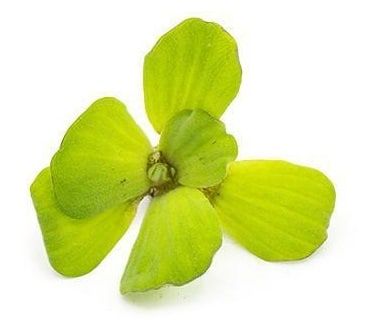
    Red Root Floater is an amazing floating plant from South America that does well in just about any freshwater aquarium. The leaves of this plant are green if grown under low light, but turn a deep red with high lighting. These floating plants have awesome red roots, no matter what sort of lighting you use.

    Red Root Floaters grow fast and will quickly cover the water surface of your fish tank. Controlling its growth is easy. just pull out a handful every week or so. This is my personal #1 recommendation for most aquariums. I’ve grown Red Root Floaters in multiple setups over the years, and the color transformation under high light is genuinely stunning. You go from green to deep crimson in just a few weeks. If you want one plant that immediately makes your aquarium look like something from a nature documentary, this is it.

    2. Fern

    Salvinia Natans (Floating Fern)

    A floating plant that tolerates cold water. Does best in low flow tanks

    Click For Best Price Buy From Glass Aqua
    • Scientific Name: Salvinia natans
    • Skill Level: Easy
    • Lighting: Low-High
    • Tank Placement: Surface
    • Growth Rate: Fast
    • CO2 Requirement: No

    Salvinia natans is a really cool floating freshwater plant option for aquariums with lower water temperatures. This low-maintenance plant species has green, air-filled leaves with interesting, hair-like structures on their top surface.

    The leaves of this plant can measure a little over an inch in size but are usually smaller in the home aquarium. These aquatic plants don’t have a very large root system and will grow best in low-flow tanks.

    3. Dwarf Water Lettuce

    Water Lettuce

    A popular floating plant that is used in ponds and aquariums!

    Click For Best Price Buy On Glass Aqua
    • Scientific Name: Pistia stratiotes
    • Skill Level: Easy
    • Lighting: Low-High
    • Tank Placement: Surface
    • Growth Rate: Fast
    • CO2 Requirement: No

    Dwarf Water Lettuce is a green floating plant that is native to Lake Victoria in East Africa. The leaves of the Dwarf Water Lettuce plant grow about 1.5 inches long and are soft and velvety in texture.

    Dwarf Water lettuce plants grow dense roots that trail down into the fish tank, providing great places for shrimp and small fish to hide. Its well-developed roots also make Dwarf Water Lettuce a great aquatic plant for reducing nitrate levels in fish tanks.

    One thing worth noting that often gets overlooked: Dwarf Water Lettuce works just as well in outdoor pond setups as it does in aquariums, making it one of the more versatile plants on this list. It’s also worth comparing directly to Amazon Frogbit. Water Lettuce has noticeably bigger leaves, meaning more surface coverage per plant and a bolder visual impact. For nutrient control in a larger or outdoor setup, it’s one of my top recommendations.

    4. Salvinia cucullata

    Salvinia Cucullata

    A unique and unknown floating plant in the aquarium hobby. Well worth looking into!

    Click For Best Price Click For Best Price
    • Scientific Name: Salvinia cucullata
    • Skill Level: Easy
    • Lighting: Low-High
    • Tank Placement: Surface
    • Growth Rate: Fast
    • CO2 Requirement: No

    This interesting floating plant is native to the tropical regions of Asia. It is a floating fern that is not very well known in the hobby but makes an excellent addition to the planted fish tank.

    The leaves of this aquarium plant are less than half an inch in size and, under ideal conditions, curl upwards to form an interesting bag shape. Achieving this form in the planted aquarium, however, requires good light, plenty of nutrients, and still water conditions.

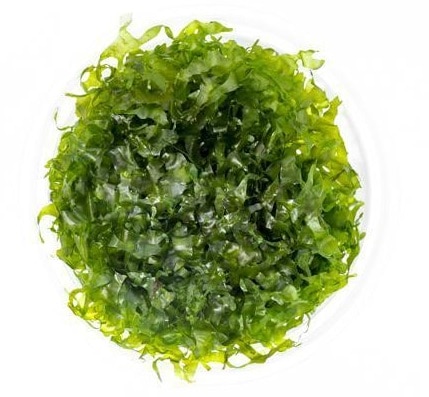
    5. Subwassertang

    • Scientific Name: Lomariopsis lineata
    • Skill Level: Moderate
    • Lighting: Low-Medium
    • Tank Placement: Submerged Floating
    • Growth Rate: Low-Moderate
    • CO2 Requirement: Recommended

    Subwassertang (or Susswassertang) is a German name that translates to English as ‘freshwater seaweed’. This is a really interesting species of plant that not that much is known about. In fact, the leaves of this floating plant are just one cell thick!

    Subwassertang floats freely in the aquarium and does not produce roots or need any substrate to grow. This is a plant that is very popular with shrimp keepers.

    6. Crystalwort Riccia

    • Scientific Name: Riccia fluitans
    • Skill Level: Easy
    • Lighting: Low-Moderate
    • Tank Placement: Submerged Floating, Attached To Hardscape
    • Growth Rate: Moderate
    • CO2 Requirement: Recommended

    If left to grow naturally, Riccia fluitans will form a mat at the surface of the aquarium. It is a versatile floating plant that can also be grown attached to hardscape features or attached to mesh though.

    This beautiful species of plant can be found growing all over the world. It provides great habitat for small fry and shrimps in your aquarium.

    7. Banana Plant
    Banana Plant
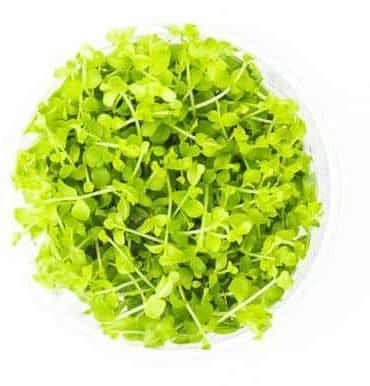
    A unique looking plant that can be used floating or attached to hardscape.
    Click For Best Price Buy On Glass Aqua
    • Scientific Name: Nymphoides aquatica
    • Skill Level: Easy
    • Lighting: Moderate-High
    • Tank Placement: Midground or Foreground
    • Growth Rate: Moderate
    • CO2 Requirement: No

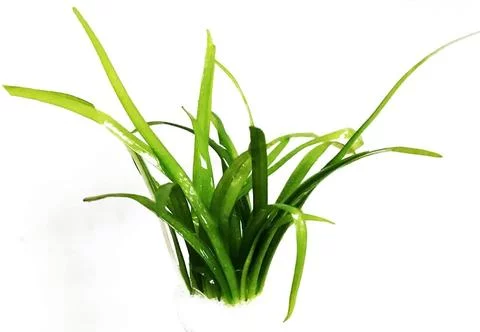
    The Banana Plant is native to the Southeastern United States. This low maintenance aquatic plant does send roots into the substrate, and can be rooted and allowed to grow to the surface, or left to float and send roots down. These are beautiful and interesting water lily-type plants that can flower if given good light and left to grow mature.
    8. Mosaic Plant

    • Scientific Name: Ludwigia sedioides
    • Skill Level: Advanced
    • Lighting: High
    • Tank Placement: Midground
    • Growth Rate: Slow-Moderate
    • CO2 Requirement: No

    The Mosaic plant is a truly spectacular floating plant. The leaves of this plant are dark green with red edges and close up each night before reopening when the sun rises.

    Unfortunately, this plant requires some space and needs to be planted in ponds or larger freshwater aquariums to grow to its full size and glory. This plant produces plenty of beautiful yellow flowers when it is growing well.

    9. Duckweed

    Goldfish Love It!
    Duckweed

    An easy to care for plant that Goldfish love to eat!

    Buy On Amazon
    • Scientific Name: Lemna minor
    • Skill Level: Easy
    • Lighting: Moderate-High
    • Tank Placement: Surface
    • Growth Rate: Fast
    • CO2 Requirement: No

    Duckweed is a very small floating plant that reproduces quickly in the aquarium. This tough floating plant is very efficient for removing nitrates from the water.

    Each plant is bright green and floats above the water surface with small hanging roots. I’ll be straight with you from my years working in fish stores: Duckweed is a nightmare once it gets established. Every microscopic piece left behind becomes a new colony. I’ve seen tanks take months to clear after a Duckweed infestation. If you want nutrient control and surface cover, you’re almost always better off with Amazon Frogbit or Red Root Floaters. plants you can actually manage. If you still want Duckweed, just know exactly what you’re signing up for.

    10. Amazon Frogbit

    Amazon Frogbit

    A fast growing floating plant. Known to be invasive in North America. Handle with care!

    Buy On Amazon
    • Scientific Name: Limnobium Laeviatum
    • Skill Level: Easy
    • Lighting: Moderate
    • Tank Placement: Surface
    • Growth Rate: Fast
    • CO2 Requirement: No

    Amazon Frogbit is a very popular South and Central American floating plant option that can be grown on the water surface of the planted aquarium. The spongy leaves of this plant can be left to cover the surface of your aquarium and the hanging roots provide great habitat for your fish and livestock.

    Fortunately, Amazon Frogbit is low maintenance and pretty easy to control because the plants are not super small. This plant has become an invasive weed in parts of North America, so be careful about disposing of it outdoors. Amazon Frogbit is my other go-to recommendation, especially for beginners. In my experience, fish absolutely love hovering under a Frogbit canopy. I’ve watched bettas build bubble nests right underneath it. It’s fast-growing, easy to scoop out, and the hanging roots create a habitat that fish genuinely thrive in.

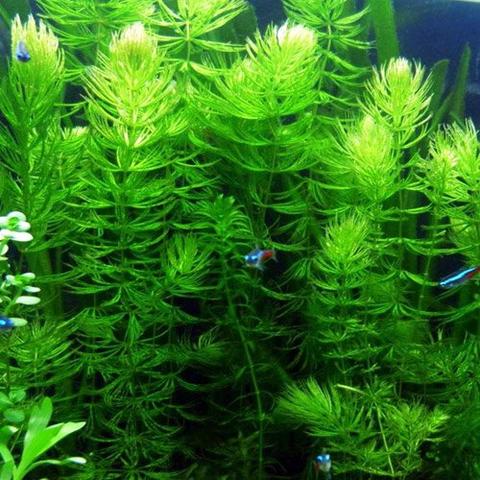
    11. Hornwort

    Hornwort

    Easy to maintain and grows large. Invasive in North America.

    Buy On Amazon Click For Best Price
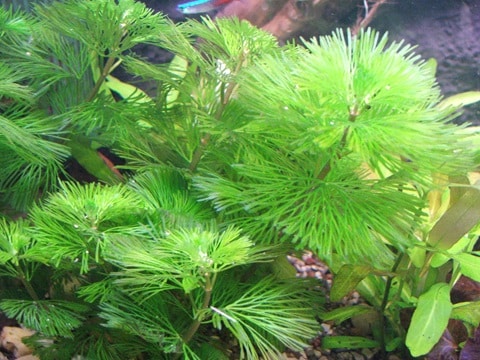
    • Scientific Name: Ceratophyllum demersum
    • Skill Level: Easy
    • Lighting: Moderate-High
    • Tank Placement: Submerged Floating
    • Growth Rate: Moderate-Fast
    • CO2 Requirement: No

    Hornwort is a very popular and very easy-to-grow aquarium plant. This stem plant lacks true roots and is not rooted in the substrate.

    It will float in the aquarium, providing great cover for small fish and shrimps. This makes the Hornwort plant a popular choice for breeders who keep grow-out tanks without substrate.

    My honest caveat with Hornwort: it sheds. A lot. If you’re the type of aquarist who likes a pristine-looking tank, be aware that Hornwort constantly drops needles as it grows, and those needles get everywhere. into your filter, across your substrate, floating around the tank. It’s not a dealbreaker, but it’s the one thing I always warned customers about before they added it to a display tank they cared about.

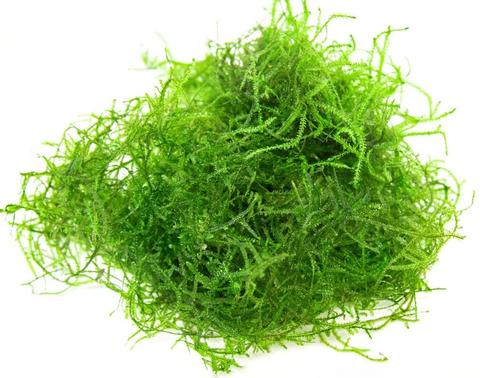
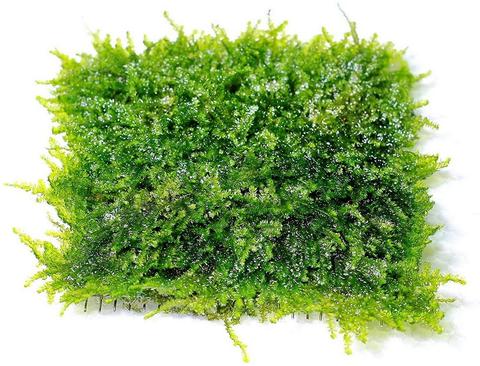
    12. Java Moss

    • Scientific Name: Vesicularia dubyana
    • Skill Level: Easy
    • Lighting: Low-Moderate
    • Tank Placement: Submerged Floating, Attached, Carpet, Walls
    • Growth Rate: Moderate
    • CO2 Requirement: Recommended

    Java Moss is one of the most versatile, and popular aquatic plants in the hobby. These low-maintenance plants do not require any special lighting or equipment and can be used in all sorts of different ways.

    Like most floating plants, Java Moss is really useful for protecting eggs and creating a hiding place for small fry, and shrimps from hungry bigger fish.

    In my experience, Java Moss is about as bulletproof as freshwater plants get. I’d recommend it to any beginner without hesitation. My personal preference leans toward plants with a more dramatic look, but Java Moss has a practical advantage that’s hard to overlook: fish notorious for picking apart plants will usually leave it completely alone. It’s also a column feeder, meaning you can attach it to rocks and driftwood and it’ll grab on and grow in place beautifully.

    13. Water Wisteria

    Water Wisteria

    An easy to grow and great beginner floating plant to try!

    Click For Best Price Buy Tissue Culture
    • Scientific Name: Hygrophila difformis
    • Skill Level: Easy
    • Lighting: Low-Moderate
    • Tank Placement: Submerged Floating, Rooted In Midground/Background
    • Growth Rate: Fast
    • CO2 Requirement: No

    Water Wisteria is a very easy and fast-growing plant that is a great choice for beginners because it does not need CO2 or strong light. It is quite similar to the Water Sprite and the two plants are sometimes confused.

    The leaves of this plant look quite different in their emersed form and really change shape when grown underwater. The Water Wisteria plant can be rooted in the substrate, or simply floated in the aquarium.

    14. Anacharis

    • Scientific Name: Egeria densa
    • Skill Level: Easy
    • Lighting: Low-Moderate
    • Tank Placement: Submerged Floating, Rooted In Midground/Background
    • Growth Rate: Moderate-Fast
    • CO2 Requirement: No

    Anacharis is another easy stem plant for beginners that can be grown floating in the aquarium, or rooted in the substrate. The Anacharis plant grows very well in cool water and cooler tropical aquariums.

    Anacharis is a fairly fast-growing and hardy plant, that can grow to a large size. It is best to grow this plant in medium to large aquariums so that it doesn’t take over a nano aquarium. It is one of the best floating aquarium plants for beginners.

    15. Water Sprite

    Water Sprite

    Readily available and easy to grow. This fast growing plant will soak up nutrients and thrive in low light

    Click For Best Price Buy On Amazon
    • Scientific Name: Ceratopteris thalictroides
    • Skill Level: Easy
    • Lighting: Moderate
    • Tank Placement: Submerged Floating, Rooted In Midground/Background
    • Growth Rate: Fast
    • CO2 Requirement: No

    Water Sprite is a great floating stem plant that grows wild in tropical areas all around the world. It is suitable for beginners and is easy to grow, providing many great benefits in the home aquarium. This aquarium plant can be left to float in the water or grow rooted in the substrate.

    Honestly, Water Sprite is one of the most underrated plants in the hobby. It gets a bad reputation as an aggressive grower, but that fast growth rate is actually one of its biggest advantages. it’s a godsend for nutrient control. I’ve used it in setups where I needed to rapidly bring nitrates under control, and it delivers every time. If you’re a beginner who wants a floating plant that genuinely works hard for your tank, Water Sprite belongs on your shortlist.

    16. Brazilian Pennywort

    Brazilian Pennywort

    A floating plant that can also grow rooted. Easy to grow and maintain

    Click For Best Price Buy On Glass Aqua
    • Scientific Name: Hydrocotyle leucocephala
    • Skill Level: Moderate
    • Lighting: Medium
    • Tank Placement: Foreground, Midground, Background, Submerged Floating
    • Growth Rate: Moderate-fast
    • CO2 Requirement: Yes

    Brazilian Pennywort is a great South and Central American plant that is easy to grow and doesn’t need much maintenance. Although this plant will grow best under moderate lighting, it can adapt to low light conditions and a wide range of temperatures. This floating stem plant can be grown rooted or allowed to float freely in the fish tank.

    The Biggest Mistake I See With Floating Plants

    After 25 years in this hobby and time spent at multiple fish stores, the number one issue I see beginners run into with floating plants is lighting. specifically, floating plants shading out everything below them.

    We’d regularly have customers come in frustrated that their stem plants or carpeting plants had melted or stopped growing. Nine times out of ten, they had a surface covered in Frogbit or Duckweed blocking nearly all the light from reaching lower plants. The fix is simple: use floating rings to section off part of the surface, or be selective about how much coverage you allow based on what else you’re growing. If you’re running high-light carpeting plants, be very conservative with your floating plant coverage.

    Tank Setup

    Floating plants are easy to grow, but do have a few special needs. For most of the species in this list, a substrate is not necessary, and that means these plants are ideal for aquarists who want the benefits of a planted fish tank, without substrate and hardscape.

    Let’s take a closer look at how to set up your aquarium for these awesome aquatic plants.

    Going Lidless/Hoodless

    Plants that grow above the top of the water usually don’t do very well in the extreme humidity that occurs above the surface if you keep a hood on your tank. It is possible to grow a surface floating plant type with a hood but to really appreciate these plants, you’ll want to view them from above anyway.

    This means you’ll want to set up your tank without a lid (aka Rimless Tank). You’ll need to be very careful about the kinds of fish you keep in a lidless aquarium of course because many fish will jump right out.

    If you already have active fish and still want to grow floating plants without a lid, you may have to consider fitting some sort of screen over the top.

    Lighting

    Without a hood over your aquarium, you will need an alternative way to set up your lighting. Fortunately, there are plenty of different lighting options that can be used.

    Clip-on lights are one of the best systems, but hanging fixtures, LED strips, and even desk lamp-style options will work.

    Selecting The Right Filter

    Even though floating plants are amazing for soaking up nutrients and improving water quality, a good quality filter is still essential. Most floating plants grow best in still water conditions so a fish tank with a low flow is definitely recommended. This means choosing the right filter can be very important.

    Surface skimming filters are definitely not recommended for surface-growing plants. Choosing the right kind of filter is also very important when growing unrooted plants that drift in the water.

    This is because these plants are delicate and the leaves and stems tend to break up and get sucked into filters, causing a blockage. The best way to avoid this is to use a sponge filter or to cover the intake of your power filter with a pre-filter sponge. If you are running a power filter, try using hardscape features like rocks and driftwood to break up the current.

    Care and Instructions

    Growing floating plants in your freshwater tank is very easy, and something that any aquarist can do. Let’s take a look at the most important aspects of floating plant care:

    Feeding

    Floating plants are water column feeders, and they can get most or all of the nutrients they need from fish waste and uneaten food in the fish tank. If you don’t have fish, or just want to get the best growth rate out of your plants, providing a liquid supplement, like APT Complete is definitely recommended.

    CO2 Injection

    Most floating plants don’t need high-tech conditions. A plant like Amazon Frogbit that floats on the surface of the aquarium has unlimited access to CO2 from the atmosphere around it. Floating plant species like Java Moss that grow beneath the surface are not so lucky, and many of them will benefit from added carbon dioxide.

    Propagation

    Floating plants are some of the easiest plants to propagate in the home aquarium. Although the flowering species can reproduce by seed, most species are very easy to grow by division.

    The mother plant will often produce small plantlets that can be separated or allowed to detach themselves and continue to grow. Stem plants and mosses can simply be divided and allowed to float.

    Tank Maintenance

    Tank maintenance is a very important part of keeping a healthy aquarium. Many species of floating plant will thrive in high nutrient systems and can be very helpful in improving water conditions.

    In heavily planted tanks, almost all of the nitrates in the water can be used by the plants, but I would still recommend you make regular partial water changes. It is important to test your water regularly to keep an eye on these parameters, so make sure you pick up a liquid test kit and test for nitrates when you’re changing water.

    Heavily planted tanks will usually have very little algae growth, but keeping the substrate or floor of the tank clean with your gravel vac is still very important.

    Keeping Them In Check

    In many cases, these aquarium plants grow really fast and multiply quickly in a fish tank. This means they can fill up your aquarium, or completely cover up the water surface in no time at all.

    Small floating plants that multiply can be pulled out of the tank very easily, but you might have to do this a few times a month. Some species, like Duckweed, can multiply incredibly fast, and this will keep you quite busy.

    Many aquarists use floating rings to keep surface-growing plants from covering certain areas. This is a great way to keep your plants from shading out the other plants below.

    Tank Mates

    Floating plants can be so effective in controlling algae in the planted aquarium, that they cut out the food source for algae-eating animals. Fortunately, algae wafers can be used to feed your algae eaters, but generally speaking, you should avoid growing a lot of floating aquarium plants if you keep animals like:

    If you plan on keeping your tank without a hood, you’re going to need to consider the safety of your fish, and avoid keeping species that are known for jumping. Unfortunately, most freshwater fish can easily jump out of lidless tanks so this is always a risk.

    Pests and other problems

    Being such fast-growing plants, it’s really important that you dispose of unwanted plants very carefully. Many floating plants will turn into an invasive weed and really take off if they get into your local waterways, posing a real threat to native plants and animals.

    Small species like the water fern and duckweed can be pretty messy and will tend to stick to your arms and equipment during tank maintenance.

    Snails and other organisms very often hitch a ride into your fish tank when adding new floating plants. For this reason, I would definitely advise you to buy tissue culture specimens wherever possible because they are grown under sterile lab conditions. You can learn more about tissue culture plants from the video by Utah State University below.

    Where To Buy Floating Plants

    Floating plants are very popular in the hobby and can usually be picked up from your local fish-keeping store. I prefer to buy from trusted online retailers because they tend to have the best range of species and tissue cultures.

    FAQS

    Do they oxygenate the water?

    Floating plants work great to oxygenate the water in your aquarium. This is important for keeping your livestock healthy and active.

    Do they stop algae?

    One of the greatest benefits of floating plants is their ability to soak up excess nutrients in the aquarium water. This, coupled with the shading they provide, makes them a great way of reducing algae in your aquarium!

    Do they plants need CO2?

    Most of the popular floating plants for aquariums can grow fine without injected CO2. Increasing CO2 levels (to 30 ppm) will improve growth rates though.

    Will floating plants block light?

    Floating plants are often fast-growing and can block out light to other plants growing below them. Low-light plants will grow just fine below floating plants but high-light species will be difficult to care for.

    Can you have too many in an aquarium?

    Allowing floating plants to cover the surface of your tank can look great and create an excellent habitat for your fish and livestock. It can cause some problems, however, like making tank maintenance and feeding fish more difficult, and blocking out light to submerged plants

    Final Thoughts

    After 25+ years in this hobby, floating plants remain one of my favorite additions to any freshwater setup. They’re one of the few things that simultaneously improve your tank’s looks, water quality, and the wellbeing of your livestock.

    My personal recommendation if you’re just getting started: pick up some Red Root Floaters or Amazon Frogbit. Both are easy to control, look incredible under good lighting, and will immediately elevate any aquarium. Just stay away from Duckweed until you really know what you’re getting into. trust me on that one.


    ๐ŸŒฟ Want to learn more? This article is part of our complete Planted Tank & Aquascaping Guide. your ultimate resource for aquarium plants, aquascaping styles, substrates, and more.

  • Aquarium Background Plants: My Top 15+ Picks After 25 Years of Planted Tanks

    Aquarium Background Plants: My Top 15+ Picks After 25 Years of Planted Tanks

    Background plants are where a planted tank really comes alive. they create the wall of green (or red) that frames everything else and gives your fish a sense of depth and security. After 25 years keeping planted tanks and working in fish stores, Iโ€™ve grown most of the plants on this list and learned which ones truly deliver and which ones are more trouble than theyโ€™re worth.

    This guide covers 15+ of my go-to background plants with honest takes on each. including which ones actually need CO2 (fewer than youโ€™d think) and the one tip that makes red plants actually turn red.

    Key Takeaways

    • Background plants are best in the back of your aquarium
    • They typically represent stem plants, which have a fast growth rate and require lots of pruning
    • Hornwort, Water Sprite, and Anacharis are some fo the easiest background plants to care for

    The Benefits For Your Tank

    Live aquarium plants have so many great benefits that it’s tough to know where to start! Aquatic plants are an important part of most freshwater ecosystems, so they make your fish feel right at home. Your fish will love exploring and hiding in tall aquarium plants, and some species will even lay their eggs in them!

    Living plants take in carbon dioxide and breathe out oxygen, which is what your fish need to stay active and healthy. Plants also soak up excess nutrients in the water, which would otherwise cause water quality issues and even excessive algae growth.

    Aquascaping

    Plants benefit our tank environment in many ways that we can’t see, but there are also obvious aesthetic benefits to growing live aquarium plants!

    A simple but effective aquascape concept for planted tanks is to plant tall aquarium plants (background plants) at the back of the tank, medium-sized plants in the middle, and low-growing plants in the front.

    Tall plants at the back of the tank can also be used to cover up hardware like filters and heaters in the tank, and cables and other stuff behind your aquarium.

    Best Aquarium Background Plants

    Now that you know what background plants are, you’re probably wondering how to choose the best species for your tank!

    You can use more than one individual plant species in the background, or use a single type. Whichever route you choose to go, it’s important to choose background plants that have suitable care needs and that grow to the right size.

    We have a video below from our YouTube channel. We go into more detail in our blog post below. If you like our content, be sure to subscribe. We post new videos every week!

    I’ve included the following important information for each species so you can be sure you’re picking the right plants:

    • Scientific Name
    • Skill Level
    • Size
    • Lighting
    • pH
    • Growth Rate
    • CO2 Requirement

    Now let’s get started!

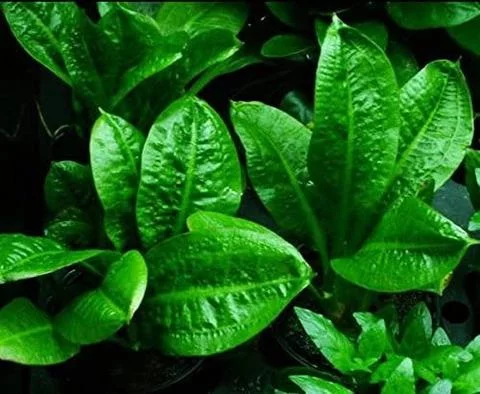
    1. Amazon Sword

    Amazon Sword

    A classic background aquarium plant. Grows large and will be a centerpiece in your aquarium

    Click For Best Price Buy On Amazon
    • Scientific Name: Echinodorus bleheri
    • Skill Level: Easy
    • Size: 4-20 inches
    • Lighting: Moderate
    • pH: 6.5- 7.5
    • Growth Rate: Fast
    • CO2 Requirement: No, recommended

    The Amazon sword is a classic aquarium plant, and the perfect species to start our list! This large rosette plant is great for beginners because it does well under moderate light and does not need injected CO2 to thrive.

    The Amazon sword plant has large, bright green leaves. They can be used to create a green wall of lush growth at the back of a medium to large aquarium.

    2. Water Wisteria

    Water Wisteria

    An easy to grow and great beginner floating plant to try!

    Click For Best Price Buy Tissue Culture
    • Scientific Name: Hygrophila difformis
    • Skill Level: Easy
    • Size: 10 – 20 inches
    • Lighting: Low-Moderate
    • pH: 6-7.5
    • Growth Rate: Fast
    • CO2 Requirement: No

    Water wisteria is a very easy background plant for planted aquariums. The leaves of this beautiful stem plant change shape as they grow larger. On young, emersed plants, the leaves are solid and broad, but on mature submerged plants, the leaves are finely textured and compound.

    3. Moneywort

    Moneywort Plant
    • Scientific Name: Bacopa monnieri
    • Skill Level: Easy
    • Size: 4- 12 inches
    • Lighting: Moderate – high light
    • pH: 6-7.5
    • Growth Rate: Slow
    • CO2 Requirement: No

    Moneywort is a bright green stem plant that does great in the background of planted aquariums. This slow-growing plant is easy to care for and does not need increased CO2, although it does prefer a nutrient-rich substrate.

    4. Ludwigia Natans Super Red

    • Scientific Name: Ludwigia natans
    • Skill Level: Easy
    • Size: 6-20 inches
    • Lighting: Moderate
    • pH: 6-7
    • Growth Rate: Fast
    • CO2 Requirement: No

    Ludwigia Natans Super Red is an excellent red aquarium background plant. This tall stem plant should be planted in clumps to create a dense background screen.

    It is very easy to propagate by cuttings. Despite its name, this plant will be green if grown under lower lighting conditions.

    Ludwigia Natans Super Red is my go-to if you want red in your background. Hereโ€™s the key thing most guides leave out: red plants need iron. Without iron supplementation, theyโ€™ll stay green or wash out. Use a quality liquid fertilizer that includes iron and dose regularly. thatโ€™s what actually unlocks the deep red color. Itโ€™s not about CO2, itโ€™s about iron.

    5. Cryptocoryne Balansae

    • Scientific Name: Cryptocoryne crispatula var. balansae
    • Skill Level: Moderate
    • Size: 24-36 inches
    • Lighting: Moderate-High light
    • pH: 6.5 – 7.5
    • Growth Rate: Moderate
    • CO2 Requirement: Yes

    Cryptocoryne balansae is a beautiful, long-leaved aquarium plant that can make an effective background species for your planted tank.

    These tall aquarium plants do not grow as fast as some of the traditional stem plants but the texture and movement of their leaves make this plant an interesting focal point.

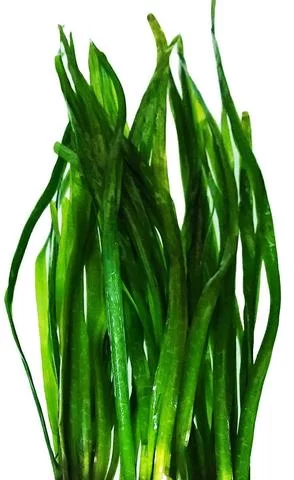
    6. Vallisneria

    • Scientific Name: Vallisneria americana, V. spiralis, etc.
    • Skill Level: Moderate
    • Size: 8-20 inches
    • Lighting: moderate to high light
    • pH: 6-7.5
    • Growth Rate: Moderate-fast
    • CO2 Requirement: Recommended

    There are a few great varieties of Vallisneria in the aquarium hobby, and most of them make amazing background plants. These tall, grass-like plants show amazing movement in a tank with some flow.

    Vals grow by sending out runners and rooting themselves into the substrate. When they are growing well, you’ll need to control their growth by cutting the shoot and replanting the new plant where you want it.

    Vallisneria is one of my personal favorites for the background. Itโ€™s not flashy, but itโ€™s reliable. easy to grow, no CO2 required, and unlike a lot of stem plants, the pruning is actually manageable. Vals spread by runners, so once you plant a few, theyโ€™ll naturally fill in the background over time. If youโ€™re setting up your first planted tank, this is one of the first plants Iโ€™d recommend.

    7. Ludwigia Repens

    My Pick
    Ludwigia Repens

    Buceplant offers both stem and tissue culture Ludwigia Repens at great prices. A great beginner red plant to try!

    Buy Stem Plants Buy Tissue Culture
    • Scientific Name: Ludwigia repens
    • Skill Level: Easy
    • Size: 4-8 inches
    • Lighting: Moderate
    • pH: 6-7
    • Growth Rate: Fast
    • CO2 Requirement: No

    Ludwigia repens can make an amazing background plant for smaller aquariums. They are one of my favorite background plants because they can provide so much color without requiring too much care. This easy stem plant stays pretty low and has awesome red color if grown in good light.

    8. Rotala Rotundifolia Red

    • Scientific Name: Rotala rotundifolia
    • Skill Level: Moderate
    • Size: 4-8 inches
    • Lighting: High light
    • pH: 6.5-7.5
    • Growth Rate: Fast
    • CO2 Requirement: Yes

    Rotala Rotundifolia red is the perfect choice for aquarists who want good color in the background. With good light, nutrients, and enough iron, this plant develops a brilliant red coloration.

    This stem plant looks a little thin if planted in a single row so plant it in nice clumps for a dazzling display.

    9. Egeria Densa (Anacharis)

    • Scientific Name: Egeria densa
    • Skill Level: Easy
    • Size: 4 – 12 inches
    • Lighting: Low – Moderate
    • pH: 6.5-7.5
    • Growth Rate: Moderate
    • CO2 Requirement: No

    Egeria densa is a great beginner plant for the background. It has a moderate growth rate and is very easy to propagate from stem cuttings. This dense leafy stem plant does not need bright light or CO2 to thrive and is an ideal choice for a cold water aquarium.

    10. Cryptocoryne Retrospiralis

    • Scientific Name: Cryptocoryne retrospiralis
    • Skill Level: Easy
    • Size: 10-24 inches
    • Lighting: Moderate
    • pH: 6.5-7.5
    • Growth Rate: Moderate
    • CO2 Requirement: No

    The best features of Cryptocoryne Retrospiralis are its awesome wavy leaf texture and subtle bronzy colors. This tall aquarium plant has a moderate growth rate so it does not require frequent trimming and maintenance.

    11. Alternanthera Rosanervig

    • Scientific Name: Alternanthera reineckii
    • Skill Level: Moderate
    • Size: 4-12 inches
    • Lighting: Moderate – high light
    • pH: 6.5 – 7.5
    • Growth Rate: Moderate – fast
    • CO2 Requirement: Yes

    Alternanthera Rosanervig, or just AR, is one of the most colorful and vibrant background plants for freshwater aquariums. Its leaves are bright pink below and greenish above with pink veins and even its stems burst with color. For the best display, AR needs bright light and stable injected CO2.

    12. Hornwort

    • Scientific Name: Ceratophyllum demersum
    • Skill Level: Easy
    • Size: 6-15 inches
    • Lighting: Moderate
    • pH: 6.5-7.5
    • Growth Rate: Moderate – fast
    • CO2 Requirement: No

    Hornwort is an easy, fast-growing plant that does not grow roots. It can make an effective background plant in tanks without substrate if you attach it to something like a rock or a plant weight.

    Worth knowing: hornwort is incredibly flexible. it works just as well floating at the surface as it does in the background. If you want to explore that option, check out my floating aquarium plants guide. One honest note: hornwort sheds needles constantly, which can clog your filter intake if youโ€™re not on top of maintenance. Great plant, just keep an eye on your filter.

    13. Guppy Grass

    Guppy Grass (Najas indica)

    Guppy Grass is a great plant for breeders and beginners. It is stress free, grows fast, and helps remove nutrients in an aquarium

    Click For Best Price
    • Scientific Name: Najas indica
    • Skill Level: Easy
    • Size: 4-12 inches
    • Lighting: Low-moderate
    • pH: 6-7.5
    • Growth Rate: Fast
    • CO2 Requirement: No

    Guppy grass is another extremely easy plant to grow. This hardy plant can be grown as a stem plant by securing it in the substrate or you can simply leave it to float in the aquarium. It is a very fast-growing plant under good conditions.

    14. African Water Fern

    • Scientific Name: Bolbitis heudelotii
    • Skill Level: Easy
    • Size: 6 – 16 inches
    • Lighting: Low
    • pH: 6-7.5
    • Growth Rate: Slow
    • CO2 Requirement: No

    The African water fern is an excellent choice for the background of tanks without substrate. It is an epiphyte which means it should not be planted but rather attached to hardscape features like rocks or driftwood.

    15. Water Sprite

    Water Sprite

    Readily available and easy to grow. This fast growing plant will soak up nutrients and thrive in low light

    Click For Best Price Buy On Amazon
    • Scientific Name: Ceratopteris thalictroides
    • Skill Level: Easy
    • Size: 6 – 15 inches
    • Lighting: Moderate
    • pH: 6-7.5
    • Growth Rate: Fast
    • CO2 Requirement: Yes, recommended

    Water sprite is a tall, fast-growing stem plant that is great for beginners. This beautiful green plant is very easy to care for and can grow pretty tall, so it is best for the background of medium to large aquariums.

    Water sprite is one of those flexible plants that works in both roles. rooted in the background or floating freely at the surface. I cover it in depth in my floating aquarium plants guide as well. Either way, itโ€™s a fast grower thatโ€™s excellent for nutrient control and keeping algae in check.

    16. Lucky Bamboo

    • Scientific Name: Dracaena sanderiana
    • Skill Level: Easy
    • Size: Up to 39 inches
    • Lighting: Low
    • pH: 6.0 – 7.5
    • Growth Rate: Slow to Moderate
    • CO2 Requirement: Optional

    Lucky bamboo is a lesser known background plant but has been made more popular by recent tiktok videos. These plants can make a great background section in your aquarium for your fish to swim in and out of. They are hardy and easy to care for. Just make sure that you keep the leaves above water.

    My take: think of lucky bamboo as an accent plant rather than a primary background plant. It works well in certain setups. especially if youโ€™re going for a natural or Asian-inspired aesthetic. but itโ€™s not something Iโ€™d build an aquascape around. A fun, low-maintenance addition; just let it play a supporting role.

    Tank Setup

    Creating a beautiful planted tank can be simple if you start out in the right way. Here’s what you’ll need:

    Lighting

    All background aquarium plants need light to grow, but some plants need more light than others. As a general rule, plants develop the best colors and a denser growth form under bright lighting.

    Most of the plants in this article will grow well under moderate lighting conditions and it is better to provide medium light if you do not have injected CO2. Whichever light strength you choose, make sure you use a full spectrum light that is specifically designed for growing aquarium plants.

    Substrate

    The substrate is the layer of gravel or sand at the bottom of a fish tank. This layer can do two things for your plants. Firstly, the substrate provides an anchor point where your plants can attach themselves and grow from. The substrate also provides nutrients to the root zone of aquatic plants.

    There are two basic categories of aquarium substrates:

    Inert Substrates

    Inert substrates do not provide your plants with nutrients. They provide your plant with a place to root and grow from, and they also create a more natural look in your aquarium. A gravel substrate is a great example of this type of growing medium.

    Active Substrates

    This type of growing medium is a nutrient-rich substrate that ensures healthy plant root growth. Use this type of substrate in heavily planted aquariums with loads of root-feeding plants. Not all aquarium plants need to take nutrients from the substrate, however, so avoid this type of soil if you are only growing column-feeding stem plants, epiphytes, or floating plants.

    Editor’s Choice!
    ADA Aqua Soil

    The Best Planted Tank Substrate

    The world’s standard in active substrates for planted tanks. Created by brand that founded modern aquascaping

    Buy On Amazon

    CO2 Injection

    The next plant requirement you need to consider is carbon dioxide (CO2). This gas is what plants breathe in. Carbon dioxide occurs all around us, and it is naturally dissolved in our aquariums at low levels.

    These natural levels are enough to sustain many aquarium plants, but if you want to see the best results, you’re going to want to increase the concentration. Many amazing aquarium plants just won’t grow well without injecting carbon dioxide into your aquarium. So how do you increase your CO2 levels?

    Pressurized carbon dioxide systems are available as kits, which is probably the easiest route to go. These awesome systems are designed to allow you complete control over the amount of CO2 you dissolve into the water.

    If CO2 sounds intimidating, hereโ€™s the good news: many of the best plants on this list donโ€™t need it at all. Amazon Sword, Water Wisteria, Crypts, Vallisneria, Hornwort, Guppy Grass, Water Sprite, and Lucky Bamboo all grow well without CO2 injection. The plants that benefit most are faster-growing stem plants and especially red plants like Ludwigia and Rotala. My advice: start with the no-CO2 plants, build confidence, and add a CO2 system later if you want to push things further.

    The Ultimate CO2 Kit
    CO2Art Pro Elite Series Bundle

    Use Offer Code ASD10%Off

    The highest end offering by CO2Art. This package includes everything you need to perform consistent and the highest quality CO2 injection in the industry!

    Click For Best Price

    Filtration & Water Quality

    All aquariums need quality filtration, including planted tanks. This essential piece of aquarium hardware filters out visible particles and also plays a vital role in regulating your tank water chemistry.

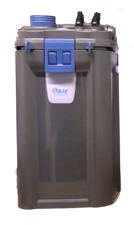
    Aquarium filters come in all shapes and sizes, and many types will work well in a planted aquarium with background plants. I recommend canister filters for planted display tanks because they hold a lot of filtration media and can be housed outside of your tank, so you won’t see too much unnatural equipment when gazing at your beautiful plants and fish.

    How To Grow Them In Your Tank

    Read this section to learn the basics of growing and caring for live plants in the background of your aquarium.

    Planting & Spacing

    Planting background plants in your fish tank is very easy. Most background plants must be grown submerged, which means you’ll need to have your tank set up with your substrate in place and at least partially filled with water before you plant them out.

    Stem plants are usually sold in bunches. You’ll need to separate the stems before planting them into the substrate individually. These plants will look a little thin when spread out in a row across the background of your tank, but they are usually very easy to propagate, so with a little patience, you can fill up the background in a few months. A more natural-looking option is to buy a few bundles of stem plants and plant them in bunches.

    Rosette plants like Amazon swords and crypts are usually sold individually in pots. These plants grow more slowly, so it is best to buy as many as you need. They should not be moved around after being planted in the substrate, so take the time to plan your layout carefully.

    Fertilization

    Plants need access to nutrients to stay healthy and grow. Some plants will thrive without any added fertilizer because they get enough nutrients from fish waste, but if you plan on growing healthy background plants in a beautiful planted tank, regular dosing with a quality aquarium fertilizer is usually the way to go.

    Editor’s Choice!
    APT Complete

    Editor’s Choice

    Made by an aquascaper for aquascapers. This is the best all around aquarium plant fertilizer on the market. Marco and micronutrients in one bottle!

    Use Coupon Code ASDComplete for 10% off your order!

    Click For Best Price Buy On Amazon

    Different plants access nutrients in different ways. Root feeding plants, like Amazon sword, get most of their nutrients from the substrate. An active aquarium soil will provide them with most of what they need to grow. These plants can also be grown in inert substrates but will need to be fed with root tabs to sustain their growth in the long run.

    Many stem plants like hornwort access nutrients that are dissolved in the water column and do not need a nutrient-rich substrate. These plants are known as column feeders and they will require regular doses of liquid fertilizer to grow their best.

    Trimming

    Most stem plants are fast growing under good conditions and will need regular pruning and trimming to stay neat and tidy. A good-quality pair of stainless aquascaping scissors will make this job much easier and more fun.

    You’ll need to collect all the little bits of plant that you have cut and remove them from your tank before they begin to rot (video source). The best way to do this is to use a small aquarium net with fine mesh, but you can also siphon them out with a hose or your gravel vacuum.

    Tank Maintenance

    Growing live aquarium plants can have amazing benefits for water quality, but with poor maintenance, the opposite can also be true.

    Melting plants and trimmings left to spoil in your water can even create toxic conditions for your fish. It’s important to remove all your plant trimming and any melting/dying growth as soon as possible.

    As with any aquarium, a regular maintenance schedule will keep your tank healthy and looking beautiful in the long run. Use your aquarium test kit to keep an eye on your parameters.

    Regular partial water changes will reset the nutrient levels in your tank and keep your water safe for your fish and plants.

    Pests & Other Problems

    Most of the popular freshwater fish can be kept in planted tanks without any problems, but some species are notorious for destroying live aquarium plants. These are some of the fish that you should avoid:

    Algae growth is the most common problem in planted tanks. Solving algae outbreaks can be tough, but you’ll almost always be able to succeed by making a few changes to the following:

    • Tank maintenance schedule
    • Lighting
    • Carbon dioxide levels
    • Fertilizer use
    • Plant numbers
    • Water temperatures

    Where To Buy Them

    Many of the background plants in this article can be found at your local fish store. Another great way to buy your plants is to order them online from trusted experts in the field. Where it is rare to find tissue culture plants when it comes to backgrounds plants, if you can find them buy them as they are pest free.

    My Pick
    Buce Plant

    Buce Plant offers a wide variety of aquatic plants for sale. With one of the largest selections in the US, you will find what you need here. They are also a great source for freshwater shrimp!

    Click For More Info

    FAQs

    Which background is good for planted aquarium?

    A healthy wall of living plants is my favorite kind of fish tank background, although you can use solid black, white, or even backlight backgrounds while your plants grow in.

    What is a background plant?

    A background plant is usually a tall plant that is used to cover the back wall of the aquarium. These are mostly stem plants, although tall, long-leaved rosette plants can also make a great choice.

    How big do aquarium plants get?

    Each different species of aquarium plant can grow to a different size. They range in size from foreground plants that reach an inch or less to tall species that can grow to several feet. Their ultimate size also depends on their growing conditions, however. Expect your plants to grow larger and healthier with good light, injected carbon dioxide, and regular doses of fertilizer.

    Do Bettas need tall plants?

    Betta fish love planted aquariums. They will benefit from just about any kind of aquarium plant, although they definitely enjoy hanging out in taller plants with large leaves.

    What is the fastest-growing aquarium plant?

    Hornwort is one of the fastest-growing aquarium plants in the hobby. This species can make a great background, but it will require regular trimming and maintenance to keep it under control.

    Final Thoughts

    Aquarists have long known that live plants can be used to create a beautiful and healthy aquarium. Deciding which plants to grow can be tough, but the 15 species highlighted in this guide are all amazing options. If you haven’t started growing live plants in your fish tank, why not start today?

    Do you grow live plants in the background of your fish tank? Tell us about your favorite plants in the comments below!


    ๐ŸŒฟ Want to learn more? This article is part of our complete Planted Tank & Aquascaping Guide. your ultimate resource for aquarium plants, aquascaping styles, substrates, and more.

  • Aquarium Carpet Plants: My 11 Best Picks and How to Actually Grow Them

    Aquarium Carpet Plants: My 11 Best Picks and How to Actually Grow Them

    An aquarium carpet is one of the most stunning things you can create in this hobby. but itโ€™s also one of the most misunderstood. After years working with planted tanks, I want to give you an honest picture of what it actually takes to grow a carpet, which plants are achievable for your setup, and where beginners go wrong.

    My personal go-to carpet plant is Monte Carlo. itโ€™s what I reach for when I want a reliable, beautiful result. But not every plant on this list has the same requirements, and that CO2 question needs a straight answer before you buy anything. Letโ€™s get into it.

    What Are Carpeting Plants?

    Have you ever seen an aquascaped aquarium that has a floor covered in dense green foliage? The plants used to create this effect are known as carpeting plants, and there are many species available in the aquarium trade.

    The best plants for this are low-growing and spread laterally to cover the floor. Most aquarium plants are grown rooted in the substrate, but epiphytes and mosses can be grown to cover hardscape features and in other creative ways.

    These carpet plants are used in a number of different aquascape styles including various nature-style and biotope setups. Carpet plants are also very important in Iwagumi and other minimalist aquascapes.

    The Benefits

    A carpet of plants looks great, but these plants offer a number of other great benefits to your aquarium too. These include:

    • Nitrate assimilation- Plants use harmful nitrogen compounds like nitrates and ammonia to grow, effectively removing them from your aquarium by turning them into healthy green growth.
    • Oxygenation- Plants release oxygen molecules in the water which live animals like fish need to survive.
    • Habitat creation- Carpet plants create the ideal environment for small animals like shrimp to hide and also create the perfect spawning grounds where fish eggs can be deposited.

    11 Best Aquarium Carpet Plants

    Now that you have a better idea of what a carpeting plant is, it’s time to learn more about the 11 best aquarium plant plant species for beautiful planted tanks.

    For each type, I’ll be listing the following information to make your choice easier:

    • Scientific Name
    • Common Name
    • Origin
    • Skill Level
    • Lighting
    • Temperature Range
    • Flow Rate
    • CO2 Requirement

    If you are a visual learner, check out our YouTube video above. We publish new videos every week. We go over more details in the blog post below. So let’s get started!

    1. Micranthemum ‘Monte Carlo’

    Monte Carlo Tissue Culture – UNS

    Tissue culture plants are grown in labs and are completely pest free and have great shelf lives

    Click For Best Price Buy On Amazon
    • Scientific Name: Micranthemum tweediei
    • Common Name: Monte Carlo
    • Origin: Argentina
    • Skill Level: Easy-Moderate
    • Lighting: Medium
    • Temperature Range: 68-77ยฐF
    • Flow Rate: Low – Moderate
    • CO2 Requirement: Yes

    Micranthemum ‘Monte Carlo’ is one of the best aquarium carpet plants because it stays low and is effective for forming a dense carpet. This all-green aquatic plant has small, rounded leaves that create a soft and lush look in the foreground of the aquarium.

    It has a fast growth rate if given enough light and performs best with increased CO2 levels. Micranthemum ‘Monte Carlo’ is such a versatile plant that it can even be grown as an epiphyte attached to hardscape features.

    Monte Carlo is my personal go-to carpet plant. the one I reach for when I want a reliable, beautiful result. Iโ€™ve worked with it directly and it delivers that dense, lush look that makes an aquascape. It grows well under good light with CO2, and itโ€™s versatile enough to attach to hardscape as well. If youโ€™re only going to try one carpet plant, this is the one Iโ€™d point you to.

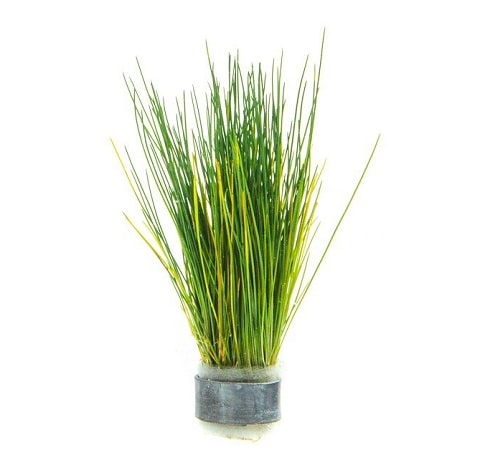
    2. Dwarf Hairgrass

    Easy To Grow Carpet!
    Dwarf Hairgrass

    Dwarf hairgrass is an easy to grow carpet that is great for beginners. Purchase tissue culture plants to ensure pest free plants!

    Click For Best Price Buy On Glass Aqua
    • Scientific Name: Eleocharis parvula
    • Common Name: Dwarf hairgrass, dwarf spike rush
    • Origin: Australia
    • Skill Level: Moderate
    • Lighting: Medium
    • Temperature Range: 50-85ยฐF
    • Flow Rate: Moderate
    • CO2 Requirement: Yes

    Dwarf hairgrass is one of the favorite carpeting plants in the aquascaping hobby because it has amazing color and texture. In fact, a dwarf hairgrass carpet can really look just like a grass lawn!

    This aquatic plant spreads by runners, so it can cover the bottom of the tank with horizontal growth. Growing a very dense carpet of dwarf hairgrass will require more intense lighting levels, injected CO2, and a rich substrate.

    3. Dwarf Baby Tears (Hemianthus Callitrichoides ‘Cuba’)

    Pearl Weed

    A carpet growing plant that is fast growing and will do well in low light

    Click For Best Price Buy On Amazon
    • Scientific Name: Hemianthus callitrichoides
    • Common Name: Dwarf baby tears
    • Origin: Cuba
    • Skill Level: Moderate-advanced
    • Lighting: Medium-high
    • Temperature Range: 68-75ยฐF
    • Flow Rate: Moderate
    • CO2 Requirement: Yes

    Dwarf baby tears (or pearl weed) is an amazing aquarium carpet plant for the more experienced aquarist. I say experienced because this aquarium plant requires great water quality, high quality lighting, and most importantly, stable co2 injection levels to thrive.

    The reward is an amazing carpet plant with finer texture and smaller leaves than the similar ‘Monte Carlo’. This is the right aquarium carpet plant for nano planted aquariums that need a fine-textured ground cover.

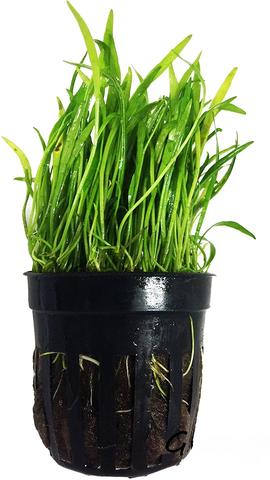
    4. Dwarf Sagittaria

    Dwarf Sagittaria

    A great first time beginner plant. Hardy and thrives in low light. Provides a natural looking ground cover

    Click For Best Price Buy On Amazon
    • Scientific Name: Sagittaria subulata
    • Common Name: Dwarf sagittaria, dwaf sag
    • Origin: North & South America
    • Skill Level: Easy
    • Lighting: Medium
    • Temperature Range: 72-82ยฐF
    • Flow Rate: Low
    • CO2 Requirement: Recommended

    Dwarf sagittaria is a great beginners plant that can be grown as a carpet or mid-ground aquarium plant. It has a coarser texture, resembling a broadleaf grass plant. This plant thrives in coastal regions and it is one of the best carpet plants for aquarists who have harder water.

    Dwarf sagittaria is easy to propagate and can be grown in a low-tech planted tank. For a dense carpet, however, this swarf sagittaria will perform best with high light and CO2.

    5. Java Moss

    • Scientific Name: Vesicularia dubyana
    • Common Name: Java moss
    • Origin: South East Asia
    • Skill Level: Easy
    • Lighting: Low-medium
    • Temperature Range: 60-86ยฐF
    • Flow Rate: Moderate
    • CO2 Requirement: Recommended

    Java moss is a favorite in planted tanks because it is just so versatile! It can be used to create a healthy carpet over the substrate, hardscape, and even walls of the aquarium.

    The important thing to understand about Java moss is that it does not grow rooted in the substrate. This means it must be attached to the surface by tying it, gluing it, or sandwiching it between aquarium-safe mesh.

    Java Moss is a perfectly acceptable beginner carpet. bulletproof, easy to attach, and grows without CO2. But Iโ€™ll be honest: it wonโ€™t give you that showstopping, high-end carpet look that more experienced hobbyists are after. Think of it as a gateway carpet plant. Itโ€™ll get you the feel for how carpeting works, and you can level up from there.

    6. Christmas Moss

    • Scientific Name: Vesicularia montagnei
    • Common Name: Christmas moss, Xmas moss
    • Origin: South America
    • Skill Level: Easy
    • Lighting: Low-medium
    • Temperature Range: 72-82ยฐF
    • Flow Rate: Moderate
    • CO2 Requirement: Recommended

    This aquarium plant makes a fantastic carpet over hardscape features like driftwood and lava stone, but it can also be grown over a fiber mat and positioned anywhere in the aquarium. Like Java moss, this species is adaptable to low lighting and can be grown in a low tech tank.

    Christmas Moss is my recommendation if you want a beautiful carpet effect without a CO2 system. Iโ€™ve worked with it and love the flexibility of being able to attach it to rocks, driftwood, or any hardscape. you get a lot of creative options. Itโ€™s much more forgiving than the high-tech carpet options and a great choice for low-tech planted tanks.

    7. Elatine hydropiper

    • Scientific Name: Elatine hydropiper
    • Common Name: Eight-stamen Waterwort
    • Origin: Widespread in Europe & Asia
    • Skill Level: Moderate
    • Lighting: Moderate-high
    • Temperature Range: 39-79ยฐF
    • Flow Rate: Moderate
    • CO2 Requirement: Yes

    Elatine hydropiper is still a relatively rare carpeting plant for planted aquariums. This species has tiny leaves and this makes it a great choice for nano aquariums!

    Like most carpeting plants, Elatine hydropiper requires good light and stable CO2 levels to stay low and healthy. Many growers choose to begin this aquatic carpet plant with a dry start to allow good root development.

    8. Four Leaf Clover

    • Scientific Name: Marsilea hirsuta & Marsilea quadrifolia
    • Common Name: Dwarf four-leaf clover, four-leaf clover
    • Origin: Australia
    • Skill Level: Easy
    • Lighting: Medium-high
    • Temperature Range: 68-84ยฐF
    • Flow Rate: low-moderate
    • CO2 Requirement: Recommended

    The Marsilea species are great foreground carpeting plants when grown under medium to high light. You probably know the four leaf clover as a good luck charm, but this aquatic plant makes a really great aquarium carpet too! These plants are actually tiny ferns and they can be grown in medium light, although more light will be preferred.

    9. Micro Sword (Liaeopsis Brasiliensis)

    Micro Amazon Sword

    A mid-ground plant that is fast growing and easy to grow

    Click For Best Price Buy On Amazon
    • Scientific Name: Liaeopsis brasiliensis
    • Common Name: Micro Sword, Micro sword grass
    • Origin: South America
    • Skill Level: Moderate
    • Lighting: Medium-high
    • Temperature Range: 70-83ยฐF
    • Flow Rate: Moderate
    • CO2 Requirement: Yes

    The micro sword is a great foreground plant that loves nutrient-rich growing conditions. This grass-like plant has a medium blade width, somewhere between that of the dwarf hair grass and dwarf sagittaria. Micro sword can stay compact and form a great carpet if grown under high light and planted close together.

    10. Glossostigma (Glossostigma Elatinoides)

    • Scientific Name: Glossostigma elatinoides
    • Common Name: Glosso
    • Origin: New Zealand
    • Skill Level: Moderate-advanced
    • Lighting: Medium-high
    • Temperature Range: 40-86ยฐF
    • Flow Rate: Moderate
    • CO2 Requirement: Yes

    Glossostigma, or glosso for short, is a beautiful carpeting species that is best for more experienced aquascapers. Glosso might not be the easiest aquarium carpet plant to grow, but it is a hardy species with a very wide temperature tolerance.

    Its light green leaves can form a thick carpet if given high light and access to good carbon dioxide levels. Under these conditions, glasso will grow fast and takes very well to trimming.

    11. Anubias Nana Petite

    • Scientific Name: Anubias barteri var. nana
    • Common Name: Anubias Nana Petite
    • Origin: West Africa
    • Skill Level: Easy
    • Lighting: Low
    • Temperature Range: 72-82ยฐF
    • Flow Rate: low-moderate
    • CO2 Requirement: No, recommended

    The last aquarium plant in this list is not a traditional carpeting species, but it can make a wonderful aquarium carpet plant for small areas. Anubias Nana Petite is a slow-growing species, so you will need plenty of patience if you plan on propagating it from just a few plants.

    On the plus side, this hardy plant will thrive in a low tech tank. It can be used to form a carpet over hardscape features, and because of its slow growth rate, it requires very little maintenance.

    One of the few plants on this list that genuinely doesnโ€™t need CO2. Anubias Nana Petite grows slowly, so once itโ€™s established you wonโ€™t be trimming it constantly. but patience is required getting there. Best used for smaller carpeted areas or accent patches rather than trying to fill an entire tank floor.

    How To Grow

    Anyone can grow a beautiful carpet of aquatic plants with the right knowledge and equipment. Read this section to learn everything you need to know to get started!

    Planting

    Being smart about how you position your carpeting plants can save you both time and money. Plants like dwarf hairgrass that grow rooted in the soil should be separated into small sections and planted in a grid pattern. In time, the plants will spread to cover up the area if growing conditions are good.

    You can plant each section using your fingers, but a long pair of stainless aquarium tweezers can make the task much easier and more precise.

    Epiphytes like the mosses and anubias do not grow rooted in the substrate and will need to be attached to your hardscape. There are many ways to do this, including gluing the plants down or simply attaching them with fine thread or fishing line.

    The Dry Start Method

    The dry start method (DSM) is a fast and reliable way of starting a carpeted aquascape. This method works by placing the substrate and hardscape into an empty tank and moistening the soil only. The plants are placed in their positions and allowed to grow emersed until they have established strong and healthy root systems.

    Placing a clear layer of saran wrap/cling film over the top of the tank will lock in the moisture and create the high humidity levels the plants experience in their natural habitat. Your lighting needs to be in place and you can set the timer for 12 hours a day or even more because algae will not be a problem. There will be enough CO2 in the air while the plants are growing emersed to promote fast growth.

    This is the approach I recommend for anyone serious about growing a carpet. The Dry Start Method gives your plants time to establish a strong root system before you flood the tank, which dramatically reduces the chance of the carpet floating loose or dying out in patches. If youโ€™re committed to growing a carpet, start dry. donโ€™t skip this step.

    Unfortunately, there are some downsides to the dry start method that must be considered:

    • This method is only possible for starting a new planted tank
    • The tank will still need to be cycled when it is filled before you can add any fish
    • You can expect some melting as the plants transition from emersed to submerged growth

    Only plants that can be grown emersed should be started with this method. Here are some ideal species that you can use:

    • Java moss
    • Dwarf hairgrass
    • Micranthemum ‘Monte Carlo’
    • Dwarf baby tears

    Not all plant species are suitable for the dry start method. The following types of plants should be avoided:

    Check out the video above from my buddy Aaron. He highlights dry start and the planting methodl.

    Substrate

    Knowing how to plant your carpeting plants is an important first step, but where you plant them is just as crucial. Most species will need a nutrient-rich environment in which to anchor themselves and absorb the nutrients they need. Some potential carpeting plants like anubias and Christmas moss do not need any substrate at all.

    There are many excellent substrate products on the market today that can be reliably used to grow incredible carpets. Some aquarists prepare their own ‘dirt’ mediums, but I would recommend starting out with a quality premade substrate like ADA Aqua Soil or Tropica. Aquarium soils are designed to include the nutrients plants need while providing the ideal structure for rooting and water flow.

    Editor’s Choice!
    ADA Aqua Soil

    The Best Planted Tank Substrate

    The world’s standard in active substrates for planted tanks. Created by brand that founded modern aquascaping

    Buy On Amazon

    Filtration

    Filtration is just as important for your plants as it is for fish. Decaying plant material is a major cause of elevated ammonia levels.

    The beneficial bacteria involved in biological filtration are essential for breaking this down into nitrates which is a less harmful compound. Fortunately, plants use nitrates as a source of nutrients, so live plants can work hand in hand to maintain great water quality!

    Of course, filters also trap physical waste particles, taking them out of suspension and making a cleaner, better-looking aquarium. Water flow is a factor that should not be overlooked when maintaining a planted aquarium. Plants need good water flow to access carbon dioxide and nutrients in the water column.

    There are many different types of filters available on the market, but I suggest buying the best quality unit you can afford. An external filter is the best option because it is able to house large amounts of filtration media with plenty of surface area for bacterial colonization.

    Internal filters can be used for smaller nano aquariums, but the downside is that they tend to take up a large amount of space inside the tank.

    Lighting

    You’re going to need a good light source to maintain a healthy carpet of live plants. Different plants have different light requirements, but all species need light to grow.

    As a general rule, plants grow shorter, denser, and more compact under intense lighting levels. In low light, plants will stretch themselves up to get closer to the light source above them, and that’s no good when growing a carpet!

    Lighting technology has come a long way, and the modern aquarist can choose between excellent LED and fluorescent lighting designed specifically to maximize plant growth. The strength and spectrum of the light produced do vary between products, so choose a model that suits your goals. The height of the aquarium also needs to be considered because light intensity diminishes quickly with depth.

    Of course, timing is important too. Your lighting should be set on a timer to start up and switch off automatically. Six to eight hours per day is the ideal photoperiod, and going longer than that can cause some algae issues.

    Carbon Dioxide

    All plants need carbon dioxide (CO2) in order to live and grow. CO2 is all around us and occurs naturally in your aquarium. Unfortunately, the levels are not high enough to promote the kind of dense, lush grow aquarists seek.

    A lack of CO2 can result in a low growth rate, smaller leaves, and vertical rather than spreading growth. Many carpeting plants will survive in low CO2 environments, but will not grow low and dense, but rather tall and thin.

    To maintain the perfect CO2 concentrations in your planted aquarium, you will need to set up a pressurized system. These systems are great for maintaining CO2 levels within a safe range and creating optimum plant growth in the aquarium.

    The Ultimate CO2 Kit
    CO2Art Pro Elite Series Bundle

    Use Offer Code ASD10%Off

    The highest end offering by CO2Art. This package includes everything you need to perform consistent and the highest quality CO2 injection in the industry!

    Click For Best Price

    A typical CO2 system (like the one linked above) will include:

    • Pressurized CO2 canister
    • CO2 regulator
    • Diffuser
    • Bubble counter
    • Drop checker

    An injection system like this should be run on a timer that starts it up an hour or two before the lights go on and then shuts it down when the lights go out. Using this equipment allows you to maintain stable, ideal concentrations of CO2 while the lights are on, the time when the plants need it the most.

    Maintaining

    Getting your plants to grow and thrive is the first goal, but maintaining that growth rate and keeping them looking at their best is just as important in the long run.

    Regular aquarium maintenance is very important, so don’t forget to perform regular partial water changes and bring out your water test kit to test your parameters. Read on for more useful information on caring for carpeting plants.

    Fertilizer

    Aquarium carpet plants do not only gather the nutrients they need from the soil. These plants also need nutrients in the water column for the most rapid growth.

    Root feeding plants gain the majority of the nutrients they need from the soil around their roots and they will thrive in a rich aquarium soil. Aquarium soils do become leached in time, but this doesn’t mean you have to uproot everything and start over!

    Root tabs are small, slow-release fertilizer capsules that can be inserted into the soil around the roots of your plant. They are a long-lasting solution that delivers the nutrients directly to the root zone.

    Aquarium carpet plants will also benefit from liquid plant food dosing. I recommend a product like APT Complete that contains both the macro and micro-nutrients that plants need.

    Editor’s Choice!
    APT Complete

    Editor’s Choice

    Made by an aquascaper for aquascapers. This is the best all around aquarium plant fertilizer on the market. Marco and micronutrients in one bottle!

    Use Coupon Code ASDComplete for 10% off your order!

    Click For Best Price Buy On Amazon

    Trimming

    Trimming and shaping your aquarium carpet plants is very important to keep your aquascape looking its best. Whether you’re looking for a low, tight covering of plants, or a progression towards larger plants that creates depth, you’re going to need to stay on top of trimming.

    Trimming your plants will also encourage lateral growth and the development of a healthy root system. A curved pair of aquascaping scissors make this job a breeze. Straight scissors have a place too, especially when it comes to creating neat edges.

    Before we move on, here’s a very important trimming tip! Remember to net out all your plant trimmings when you’re done. This will prevent them from spoiling in the tank and affecting your water quality.

    Algae and Pest Management

    Not all things that grow in aquariums are welcome! Algae growth is probably the biggest challenge that you will face when maintaining any planted aquarium.

    This can be a very temporary problem that resolves itself as your plants become established and begin to outcompete the algae for nutrients. There are also ways to use nature to fight algae for you.

    Some fish and invertebrates feed specifically on algae, and these aquatic friends will be more than happy to do their bit! The following species make great clean-up crew members:

    Check out this complete guide for more detailed information on aquarium algae.

    Common aquarium pests like snails often hitch a ride into aquariums on live plants. To avoid this, I definitely suggest growing tissue culture plants. Plants in a tissue culture cup have been grown under sterile lab conditions, so sterilizing and quarantining aren’t essential.

    Where To Buy

    Growing live aquatic plants has become increasingly popular, and more and more fishkeeping stores have begun stocking a range of live plants. I prefer to grow tissue cultured plants because it prevents any unwanted pests from being introduced. These aren’t always easy to find, but trusted online retailers stock great product ranges at great prices!

    FAQS

    What is the best carpet plant for aquariums?

    Micranthemum ‘Monte Carlo’ is one of the best all-around carpet plants for aquariums. These plants can create a full, bushy carpet if given good light, and they can even grow without CO2 under certain conditions.

    How do you take care of a carpet plant?

    Carpet plants need to be fertilized and trimmed from time to time. They also require good water quality, so regular aquarium maintenance and water changes are very important too.

    Do carpeting plants need CO2?

    All plants need CO2, but some need more of this gas than others. All carpeting plants will grow better with a pressurized CO2 system, and some species like dwarf baby tears should not be attempted without it.

    What is the easiest aquarium carpeting plant?

    Java moss is one of the easiest carpet plants to grow because it is so versatile. When it comes to achieving a perfect green cover at the bottom of the aquarium, however, Micranthemum ‘Monte Carlo’ is probably the easiest.

    Final Thoughts

    If you ask me, there’s nothing better than a heavily planted tank with a beautiful green carpet. You can use the species and tips in this article to grow your own amazing aquarium carpet. Happy growing!

    Do you love growing aquarium plants? Let us know about your favorite species in the comments below!


    ๐ŸŒฟ Want to learn more? This article is part of our complete Planted Tank & Aquascaping Guide. your ultimate resource for aquarium plants, aquascaping styles, substrates, and more.

  • The 11 Best Beginner Aquarium Plants: Grown and Reviewed After 25 Years

    The 11 Best Beginner Aquarium Plants: Grown and Reviewed After 25 Years

    I’ve been growing aquarium plants for over 25 years, and the number one question I get from beginners is simple: which plants actually survive? After testing hundreds of plant species across freshwater setups ranging from 5-gallon betta tanks to my 125-gallon community tank, I’ve narrowed it down to 11 plants that genuinely thrive without high-end equipment, demanding CO2 systems, or a green thumb.

    With over 25 years of experience in the aquarium hobby, I’ve assisted countless clients, hobbyists, and readers like you in overcoming their brown thumb woes. I’ve personally grown many of these plants in real world scenarios to determine the best beginner aquarium plants to buy.

    One of the biggest beginner mistakes I see constantly: buying too few plants at once. Aquatic plants work as a system. the more you have, the less algae takes hold because there’s more competition for nutrients. Buy in bulk from day one, and have patience. Plants often look rough for the first two weeks as they transition from emersed (above water) to submersed growth. Don’t pull them out early.

    The Top Picks

    Background Plant
    Java Fern
    • Column feeder
    • Adaptable
    • Easy to find
    Midground Plant
    Anubias Barteri
    • Mid-ground
    • Column feeder
    • Slow grower
    Foreground
    Java Moss
    • Foreground
    • Column feeder
    • Adaptable

    This was a tough pick because there are so many good easy to care aquarium plants on our list. Below are the recommended aquarium plant picks by background placement:

    The Candidates – A Quick Comparision

    Below is a list of the easy care for aquarium plants for beginners. You can purchase them easily online. I have hand-selected reputable vendors and will discuss the pros, cons, and specs of each plant below. 

    PictureNameFeaturesLink
    Editor’s Choice
    Java Fern
    Java Fern
    • Background Placement
    • Colum Feeder
    Click For Best PriceBuy On Amazon
    Best Value
    Anubias Barteri
    Anubias Barteri
    • Mid-Ground Placement
    • Column Feeder
    Click For Best PriceBuy On Amazon
    Budget Option
    Marimo Moss Ball
    Marimo Moss Ball
    • Foreground Background
    • Column Feeder
    Click For Best PriceBuy On Amazon
    Vallisneria Vallisneria
    • Background Placement
    • Root Feeder
    Click For Best PriceBuy On Amazon
    Java Moss Java Moss
    • Foregound Placement
    • Column Feeder
    Click For Best PriceBuy On Amazon
    Amazon Sword Amazon Sword
    • Backgound Placement
    • Root Feeder
    Click For Best PriceBuy On Amazon
    Monte Carlo Monte Carlo
    • Forground Placement
    • Root Feeder
    Click For Best PriceBuy On Amazon
    Cryptocoryne Lutea Cryptocoryne Lutea
    • Mid-Ground Placement
    • Root Feeder
    Click For Best PriceBuy On Amazon
    Dwarf Sagittaria Dwarf Sagittaria
    • Foregound Placement
    • Root Feeder
    Click For Best PriceBuy On Amazon
    Micro Amazon Sword Micro Amazon Sword
    • Mid-Ground Placement
    • Root Feeder
    Click For Best PriceBuy On Amazon
    Christmas Moss Christmas Moss
    • Foregound Placement
    • Column Feeder
    Click For Best PriceBuy On Amazon

    The 11 Best Beginner Aquarium Plants

    Let’s go into further detail about each different plant and why they are so great for beginners. I also left a video I created for you visual learners. If you like this video, share it with your friends and subscribe to my YouTube channel.

    1. Java Fern – Great For Low Tech Tanks

    Editor’s Choice
    Java Fern

    Editor’s Choice

    Hardy, easy to care for, and requires only basic lighting to grow. This is the perfect aquarium plant for beginners!

    Buy On Buce Plant Buy On Glass Aqua

    Java Fern is the staple plant for any low-tech planted tank. It is very hardy and straightforward to take care of. Java Fern does not have many requirements and feeds off your water column. It has the added benefit of not being liked by most fish. This means they can be used in aquariums with fish that eat aquarium plants. It can be attached to rocks or driftwood. There are no substrate requirements for Java Fern, giving you freedom on how you create your aquascape.

    This Java Fern offered online is a rooted specimen 4″ in size. You can build a sizable plant for a reasonable price.

    The only downfall to Java Fern is its look. Java fern has a Jurassic look due to its unique shaped green leaves. Because of that look, many aquascapers tend not to like it as its shape stands out among more classical plants and groundcover. 

    Pros

    • Very easy to grow
    • Many fish won’t eat it

    Cons

    • Unique looks make it not suitable for some aquascapes

    Java Fern Specs

    • Light Requirements – Low to Moderate
    • Growth Rate – Moderate to Fast
    • Water Parameters – 72 to 82 degrees F, pH 6.0-8.0, soft to moderately hard 
    • Best Location – Mid-Ground
    • Feed Type – Column Feeding

    2. Anubias Barteri – Hardy Mid-Ground Greenery

    Anubias is the ultimate easy to care for mid-ground plant. It will grow in any condition and is very attractive when fully mature. It is a very forgivable plant, and since it is column feeding, it can be placed anywhere. Many aquarists will attach this plant to driftwood or aquarium rocks since the rhizomes are best left in the open to prevent rot. Most fish will not eat it. It is one of the few plants that will work with Goldfish and African Cichlids. Like Java Fern, Anubias does not require a specialized substrate and will happily grow even in bare bottom tanks.

    This Anubias Barteri by UNS is one of the highest quality plant deals online. This Barteri variant is known as the “Board Leave” type. It is a tissue culture plant grown in-vitro in laboratories specializing in propagating aquatic plants. This method of growing plants ensures the plant is free from any pets. It ensures you get the highest quality plant available. If you are looking for a small plant, check out Anubias Nana.

    Anubias is my personal number one pick for any beginner. I have Anubias growing in tanks that get almost no direct light, attached to driftwood and rocks throughout my setups. It grows slowly. which actually works in your favor because it never overtakes the tank. and I’ve never had one melt even in neglected conditions. One rule: never bury the rhizome in substrate or it will rot.

    Pros

    • Most fish won’t eat it
    • Very hardy and forgivable
    • Elegant looking

    Cons

    • Grows slow
    • Rhizomes should be left above substrate when planted 

    Anubias Barteri Specs

    • Lighting Requirements – Low
    • Growth Rate – Slow
    • Water Parameters – 74 to 82 degrees F, pH 6.5-7.5, soft to moderately hard 
    • Best Location – Mid-Ground
    • Feed Type – Column Feeder

    3. Marimo Moss Balls – The World’s Easiest

    Budget Option
    Marimo Moss Ball

    Budget Option

    Grows anywhere, cheap, and soaks up nurients. An excellent beginner plant

    Click For Best Price

    The Marimo Moss ball is known to many as the world’s more accessible aquarium plant in the industry. It is bulletproof and requires very little care. Its cute round shape makes them perfect for small Betta Fish and Freshwater Shrimp Tanks. In mass quantities, they are known for reducing nutrient levels. They are sold at such low prices that most people purchase them in bulk and drop them into their tanks. They are native to colder waters, making them good candidates for coldwater tanks.

    โš ๏ธ Important 2021 Update: Marimo Moss Balls were flagged by the U.S. Fish and Wildlife Service after zebra mussel (Dreissena polymorpha) larvae were discovered inside imported specimens. Zebra mussels are a federally listed invasive species that can devastate native waterways. Before purchasing Marimo, verify legality in your state, and never dispose of them in any natural water source. If you bought Marimo before 2021, follow USFWS decontamination guidelines before discarding.

    These Marimo Moss balls are sold at a jaw-dropping price. Marimo Moss balls only have one con that I can think of. They collect detritus in your aquarium, and as a result, they will darken and look ugly in your tank over time. This is addressed by washing the ball in your aquarium water. 

    Pros

    • Small enough for nano tanks
    • Great for nutrient reduction

    Cons

    • Small
    • Look ugly as detritus collects off it

    Marimo Moss Ball Specs

    • Light Requirements – Low
    • Growth Rate – Moderate
    • Water Parameters – 60 to 80 degrees F, pH 6.0-8.0, soft to moderately hard 
    • Best Location – Foreground
    • Feed Type – Column Feeder

    4. Vallisneria – Easy To Grow Background

    If you want the ultimate easy to care for background aquarium plant, Vallisneria is the plant. It is super easy to care for and not demanding. It gets very tall, usually over 18″ if left to grow, and will quickly turn a background into a jungle-like backdrop. It supplies a lot of shelter for your fish and looks fantastic as its long green leaves wave through your tank’s current. It is a centerpiece plant that can thrive in a low-tech setup. 

    Vallisneria is a fantastic buy. They are reasonably priced, grow fast, and get tall. My recommended seller (BucePlant) offers the best specimens you can purchase online.

    The drawback with this beautiful plant is that it gets very tall and needs to be fed Aquarium Fertilizer to thrive. Aside from that, it’s worry-free!

    Pros

    • Very easy to grow
    • Many fish won’t eat it

    Cons

    • Gets very tall
    • It needs to be fed to thrive

    Vallisneria Specs

    • Light Requirements – Low to Moderate
    • Growth Rate – Fast
    • Water Parameters – 72 to 82 degrees F, pH 6.0-8.0, soft to moderately hard 
    • Best Location – Background
    • Feed Type – Root Feeder

    5. Java Moss

    Java Moss is the moss version of Java Fern. It is a plant that many fish will not bother with, and it will grow in just about any condition. It is a forgivable plant that can easily be planted in your foreground or attached to driftwood or aquarium rocks. Java moss is an ideal plant for low-tech tanks as it will thrive without fertilizers or CO2. It feeds on your water column, making this a very worry-free plant. Java moss is an excellent plant for fish and shrimp fry. This plant will provide biofilm, hiding places, and security for young aquatic animals in a breeding tank.

    This Java Moss offered in the link I provided comes in a golf-sized ball. This makes it easy for you to attach to anything you want. I like this loose version of java moss over something that is attached. Having it loose makes it easier to do whatever you want with it. Given the applications for java moss are many, this makes things easy for you when purchasing a specimen.

    There are two downfalls with java moss. Due to its form, java moss tends to get dirty from detritus and may need to be clean off with a powerhead. It also grows sporadically, making java moss not look as pretty as other groundcover aquarium plants.

    Pros

    • Most fish won’t eat it
    • Fast grower

    Cons

    • It can grow too fast for some
    • Not as pretty as other mosses

    Java Moss Specs

    • Light Requirements – Low to Moderate
    • Growth Rate – Moderate
    • Water Parameters – 74 to 82 degrees F, pH 6.5-7.5, soft to moderately hard 
    • Best Location – Foreground
    • Feed Type – Column Feeder

    6. Amazon Sword – Easy To Care for Rooted Foliage

    Amazon Sword

    A classic background aquarium plant. Grows large and will be a centerpiece in your aquarium

    Click For Best Price Buy On Amazon

    If you want a tall, rooted easy-to-care plant, the Amazon Sword is one of the best to buy. It is one of the classic aquarium plants in our hobby that can grow very large and tank over your fish tank with its giant green leaves. It will require feedings through root tabs or liquid fertilizers as it grows and matures. An active substrate will also keep it fed in the beginning. It requires the most light of all the plants on this list, though that isn’t saying much since all of these plants can grow in a low light low-tech environment.

    This Amazon Sword offered in the link is the only source of tissue cultured Amazon Swords I could find online. The plants are shipped in a good size. Tissue culture plants ensure that the plant is pest-free, hitchhiker free (e.g., snails), and easy to introduce to your aquarium.

    Remember that Amazon Swords are known to have leaves die off after planting. The plants do this to reabsorb nutrients to make longer, narrower leaves. This is very common if you purchase an Amazon Sword that has been grown outside of water. Amazon Sword requires the most light of all the plants on this list. I would recommend a quality planted tank LED if you plan on keeping one. It also needs a quality substrate to anchor, given its root-feeding nature and size.

    Fair warning: the Amazon Sword gets massive. I’m talking leaves that can reach 20+ inches in a 55-gallon tank. It’s a great fill plant and very hardy, but if you’re planning an aquascaped layout, it will eventually dominate the background and block out everything behind it. Root tabs matter more than liquid fertilizer with this one. it feeds almost entirely through its roots.

    Pros

    • Tall
    • Forgivable for a rooted plant

    Cons

    • Requires feeding
    • It needs more light than others on this list

    Amazon Sword Specs

    • Light Requirements – Moderate
    • Growth Rate – Moderate
    • Water Parameters – 72 to 82 degrees F, pH 6.5-7.5, soft to moderately hard 
    • Best Location – Background
    • Feed Type – Root Feeder 

    7. Monte Carlo – Easy To Care For Ground Cover For Aquascapers

    Monte Carlo Tissue Culture – UNS

    Tissue culture plants are grown in labs and are completely pest free and have great shelf lives

    Click For Best Price Buy On Amazon

    If you are looking to do an aquascape style that requires a carpeting plant and want something easy to grow, Baby Tears is the plant to buy. It grows fast and,, once established, it is an easy grower. It requires medium light, which means you will want a planted aquarium LED since the light will need to penetrate down to the bottom of the tank. Its small leaves will offer an excellent contrast to other plants in your aquarium and give you that grass-like carpet that makes aquascapes look amazing.   

    Monte Carlo is grown as a tissue culture plant. These are lab-grown plants that are provided with clean environments. This means that you are going to receive a pest and disease-free plant. It also means this plant is easy to divide when you first plant them, saving you money.

    Monte Carlos is not an actual low-tech plant. If you are looking to do a mass carpet, it is recommended that you consider CO2 injection. If you are using it as an accent to your other easy to care for aquarium plants, then you should not. Make sure to keep this in mind when you are buying this plant. 

    Pros

    • Grows fast
    • Easy to grow ground cover
    • Good looking as a carpet

    Cons

    • Not an actual low tech plant
    • Easy to get uprooted when first planted

    Monte Carlo Specs

    • Light Requirements – Moderate
    • Growth Rate – Fast
    • Water Parameters – 74 to 82 degrees F, pH 6.5-7.5, soft to moderately hard 
    • Best Location – Foreground
    • Feed Type – Root Feeder

    8. Cryptocoryne Lutea – Easy To Care For Ground Cover For Aquascapers

    Cryptocoryne Lutea is an excellent mid-ground,, easy-to-care-for aquarium plant. It is slow-growing, so it will not require much pruning and will save you a lot of them with maintenance when it hits maturity. It is a very hardy plant and will grow in low light conditions. It is also one of the few plants on this list that can tolerate lower pHs. 

    Cryptocoryne plants will sometimes lose their leaves after being planted and regrow them afterward. This is done by the plant in order to absorb nutrients and grow new leaves appropriate for being submerged in water.

    It is an excellent mid-ground plant with only one drawback. It does require fertilizer to thrive.

    Pros

    • It does not require much pruning
    • Cheap

    Cons

    • Slow Grower
    • Needs fertilizer

    Cryptocoryne Lutea Specs

    • Light Requirements – Moderate
    • Growth Rate – Slow
    • Water Parameters – 72 to 82 degrees F, pH 5.5-8.0, soft to moderately hard 
    • Best Location – Mid-Ground
    • Feed Type – Root Feeder

    9. Dwarf Sagittaria – Ground Cover For Non-CO2 Setups

    If you are looking for a ground cover aquarium plant that does not need CO2 to thrive, Dwarf Sagittaria is the plant to buy. It is very hardy and grows very fast. You can see an example of a Dwarf Sagittaria ground cover below on this Discus Tank

    To control the height of the plant, you can increase your light intensity. The more intense the light, the shorter Drawf Sagittaria will grow. They spread through runners similar to terrestrial grass-like St. Augustine or Bermuda grass. If they grow in an area you don’t want them to be, just pull the runners out.

    The Dwarf Sagittaria offered in the link is a tissue culture plant. It is one of the more difficult plants to find tissue culture due to how the plant grows. At the rate these plants spread, you should have good coverage on your aquarium floor within a few months of planting.

    Dwarf Sagittaria may be able to thrive without CO2 but does require fertilizer given its root-feeding nature.

    Dwarf Sagittaria is one I’ve personally grown for years and consistently recommend. It spreads via runners. once established, it fills in on its own without replanting. It’s one of the few true carpeting plants that actually works without CO2, though it grows faster with it. I’ve had it thrive under standard 6500K lighting with just root tabs, which makes it genuinely beginner-friendly.

    Pros

    • Grows fast
    • Cheap
    • Can control the size with light intensity

    Cons

    • Needs fertilizer

    Dwarf Sagittaria Specs

    • Light Requirements – Low
    • Growth Rate – Fast
    • Water Parameters – 72 to 82 degrees F, pH 6.5-7.5, soft to moderately hard 
    • Best Location – Foreground
    • Feed Type – Root Feeder

    10. Micro Amazon Swords – Fast Spreading Mid-Ground Cover

    Micro Amazon Sword

    A mid-ground plant that is fast growing and easy to grow

    Click For Best Price Buy On Amazon

    Mid-ground plants that are fast-growing and easy to grow are hard to find on this list. Micro Swords are the best candidate for this list. They are usually labeled as foreground plants, but given their size of 4-6 inches, they can be used as mid-ground plants in shorter tanks. It will grow well without CO2 and does fine in a low-light tank.

    Micro Swords are available in either pots or tissue culture. Both options are quickly split up and spread around your tank, given that the plant grows. Its splitting ability can give you more plants to start with since the plant reproduces with runners.

    As with all rooted plants on this list, make sure to fertilize them at a minimum to keep them healthy.

    Pros

    • Grows fast
    • It doesn’t need CO2

    Cons

    • Needs fertilizer

    Micro Sword Specs

    • Light Requirements – Low
    • Growth Rate – Fast
    • Water Parameters – 70 to 82 degrees F, pH 6.8-7.5, soft to moderately hard 
    • Best Location – Mid-Ground
    • Feed Type – Root Feeder

    11. Christmas Moss – Perfect Ground Cover for Shrimp Tanks!

    Christmas moss is an excellent live aquarium plant for freshwater shrimp tanks. They are fluffy, which makes them excellent for baby shrimp and it’s really easy to attach them to rocks or driftwood. They grow very fast and will get tall if you do not prune them.

    This Christmas moss comes in a mesh pad or dish that is ready to plant or attach to driftwood or rocks. As with all root-feeding aquarium plants on this list, it will require fertilizing feeding to thrive. It also gets a bit dirty with detritus. An Amano shrimp will help with clean-up. I have a separate article about Christmas moss here.

    Pros

    • Grows fast
    • It doesn’t need CO2
    • Great for shrimp tanks

    Cons

    • Needs fertilizer

    Christmas Moss Specs

    • Light Requirements – Low
    • Growth Rate – Moderate to Fast
    • Water Parameters – 70 to 82 degrees F, pH 6.8-7.5, soft to moderately hard 
    • Best Location – Foreground
    • Feed Type – Root Feeder

    My Criteria For Ease Of Care

    I need to explain what our selection criteria are for an easy to care for plant. What makes a plant easy to care for? Our criteria would be:

    • Hardiness
    • Can thrive without CO2 injection
    • Can thrive without fertilization
    • Can thrive without intense lighting

    The list of plants that are recommended beginner plants were selected in the round up above based on these criteria.

    How To Choose

    Many beginners start out with freshwater aquarium plants by going to their local fish store and picking out random plants that look nice. Usually,, getting what looks nice can be problematic because aquarium plant requirements vary. It will also lead to having a mixed planted tank that doesn’t flow well in your aquarium. All aquarium plants have a type that we should know when picking them out. I’ll explain further.

    Why Do You Want Greenery?

    Let’s talk about why you want aquarium plants in the first place. Plants offer many benefits in your aquarium. They come with added maintenance, so we want to ensure you are getting plants for the right reasons. Below are the benefits live plants can provide to your fish tank:

    • Aquarium plants complete the nitrogen cycle by consuming nitrates in your aquarium
    • They provide added oxygen in your aquarium by converting CO2 to oxygen
    • Provide places to hide for your fish decreasing stress and mitigating aggression for territory
    • It can be used to hide aquarium equipment and accent aquarium rocks and driftwood

    Many of these benefits can be done by equipment or media. Keep this in mind when deciding on whether you want plants or not. If you are reading here, I imagine you have decided the benefits of keeping aquarium plants outweigh the additional maintenance,, so let’s continue. 

    The Different Types

    All freshwater aquarium plants are broken down into three plant types. They are:

    • Foreground plants
    • Mid-ground plants
    • Background plants

    Foreground

    Foreground plants are best placed in the front of your tank. They are shorter plants. Some of these plants are carpeted plants as they will grow fast and spread across your substrate. Foreground plants can be great accents to driftwood as they can be attached to it and grow on the wood. 

    Mid-Ground

    These taller plants are best placed on the sides or middle of your aquarium. They add beauty to your aquarium without taking away swimming space. In shallow tanks, they can be used as background plants.

    Background

    These tall plants are best placed in the back of your aquarium. They will be rooted plants and need a substrate to anchor to. They provide a pretty backdrop to your aquarium and offer the most shelter for your fish.

    One you know what type of plant you are selecting, it makes placement planning much more straightforward.

    How They Feed

    Each aquarium plant has two ways of absorbing nutrients in your aquarium; these are:

    • From your water column
    • From its roots through your substrate

    Plants that can feed on your water column will be some of the better aquarium plants for beginners. You will not need an active substrate, and you can place them anywhere in the aquarium,, including on rocks and driftwood. Some water column feeding plants can also feed through roots.

    Root feeding plants,, in general are more difficult to grow than water column feeding plants. They feed through your substrate, which means your substrate needs to have nutrients available. This will mean you will need to be more selective about the Aquarium Substrate you choose. Active substrates are best for them,, along with regular feedings. There are root-feeding aquarium plants that do not require frequent feedings and will grow. 

    FAQs

    Which Is The Easiest To Grow In A Fish Tank?

    The Marimo Moss ball, while not a plant (it’s algae!), is arguably the easiest plant you can grow in a fish tank. It will grow in practical neglect and do well in cold water and tropical aquariums. It can be unrolled and glued down on driftwood and rocks to replicate a mossy look.

    Which Are Great For A Freshwater Tank?

    The best plants for freshwater aquariums do not need CO2 injection to survive, will do well in a variety of conditions, aren’t eaten by many fish, and get their nutrients from the water column. This makes the Anubias plant species the best all-around plant for a freshwater aquarium.

    Can You Root Them In Gravel?

    Yes, you can plant aquarium plants in gravel. However, gravel is considered an inert substrate, and many plants that are meant to be planted will need an active substrate or need to be supplemented regularly. You can place column feeders like Java Fern or Anubias on the substrate, but the roots cannot be buried, or they will rot away.

    Conclusion

    Getting started with aquarium plants is easier than you think when selecting good hardy plants. Every aquarium plant on our list is pretty forgivable for beginner mistakes and will do well without expensive CO2 systems. If you are ready to dive into the world of planted tanks, I recommend you get started with one of the plants on the list. They are sourced from proven and reputable vendors online. If you have any questions, please feel free to comment below. Thanks for reading, and see you next time!


    ๐ŸŒฟ Want to learn more? This article is part of our complete Planted Tank & Aquascaping Guide. your ultimate resource for aquarium plants, aquascaping styles, substrates, and more.

  • The 7 Best Plants for Cichlid Tanks: My Picks After Keeping Mbunas in a Planted Setup

    The 7 Best Plants for Cichlid Tanks: My Picks After Keeping Mbunas in a Planted Setup

    I’ve kept Mbunas in planted tanks and the results surprised me. Most people assume African cichlids and live plants can’t coexist, but with the right species it absolutely works. The key is choosing plants tough enough to survive the digging, uprooting, and occasional nibbling that cichlids are known for. In this guide, I cover the 7 plant species I’d trust in a cichlid tank. rooted in real experience, not just theory.

    Key Takeaways

    • African, Central, and South American cichlids can be kept with popular aquatic plants, like Anubias, Java fern, and Cryptocoryne.
    • Plant species are limited by water parameters and cichlid behavior.
    • Some cichlids will rip plants from the substrate, so rhizome species are a better choice.
    • Many of these plant species are low-maintenance but vary in growing times.

    The 7 Best Plants For Cichlid Tank

    Many cichlid tank setups are barebones with a plain substrate and intricate rockwork. These tanks cater to the natural behavior of cichlids, aggressively establishing and defending a territory space within the tank. Having plenty of hiding spots throughout the aquarium helps to diminish aggression while also offering breeding pairs safe spots to spawn. Still, a plain tank can look pretty boring even though African, Central American, and South American cichlids are some of the most colorful fish in the aquarium hobby.

    However, these plain setups are pretty similar to the natural habitats that you might find near Lake Tanganyika or Lake Malawi cichlids. These lakes have basic, hard water that doesn’t support many plants, with even fewer of those species being commercially available in the hobby. As we’ll see, this largely applies to African cichlid tanks. On the other hand, some Central and South Americans originate from very biodiverse waterways, leaving many options open for a planted aquarium.

    I used to be skeptical about African cichlid planted tanks until George Farmer. one of the most respected aquascapers in the hobby. showed me what was possible with the right plant selection. It genuinely opened my eyes. With tough, rhizome-based species like Anubias, Java fern, and Vallisneria, a planted Mbuna tank is achievable and stunning when done right.

    Generally, these are some of the best plant species available for cichlid tanks.

    The biggest mistake I see is choosing the wrong plants. soft, delicate species that cichlids tear apart within days. The second mistake is impatience: plants in cichlid tanks grow slower because lighting is usually lower and CO2 isn’t typically used. Cichlids will also detach rhizome plants from surfaces regularly. Set your expectations and focus on the tough species at the top of this list.

    1. Anubias

    Anubias

    Anubias is hardy and more fish and inverts won’t bother it. An excellent choice for beginners!

    Click For Best Price Buy On Amazon
    • Scientific Name: Anubias spp.
    • Size: 6-18 inches
    • Tank Placement: On surfaces
    • Lighting: Low
    • Cichlid Type: Central, South American, and African cichlids

    Anubias are very hardy plants that grow in nearly any water condition. They can be acclimated to more basic or acidic water pH levels, making them a possible addition to either American or African cichlid tanks. Anubias also prefer lower aquarium lighting, which makes them accessible to hobbyists with low-tech setups. It’s important to keep Anubias under low lighting and in some water flow as these plants cannot tolerate algae growing on their leaves.

    In addition to tolerating different water parameters, Anubias grows on driftwood, rock, and other surfaces. They are not planted in the substrate, which is beneficial since many cichlids love digging through sand and dirt. These plants have thick leaves that also make it hard for cichlids to nip at. Even if you have a troublesome picker, it is unlikely that the plant will be totally eaten.

    Anubias is my #1 pick for any cichlid tank. including Mbunas. I’ve grown it attached to rocks in my African cichlid setups and even my most aggressive fish leave it alone. The thick, rubbery leaves are simply unpleasant to eat, and because Anubias attaches to surfaces rather than planting in substrate, cichlids can’t uproot it no matter how much they dig. It’s the most cichlid-proof plant I’ve found.

    There are many species of Anubias to choose from, with some being hardier and more attainable than others. There are also dwarf species and others that grow to have moderately large leaves, though they are all generally slow growers.

    Some of the most popular species of Anubias are:

    • Anubias nana
    • Anubias barteri
    • Anubias heterophylla
    • Anubias congensis

    2. Java Fern

    • Scientific Name: Leptochilus pteropus/Microsorum pteropus
    • Size: <12 inches
    • Tank Placement: On surfaces
    • Lighting: Low to moderate
    • Cichlid Type: Central, South American, and African cichlids

    Java fern is similar to Anubias in terms of hardiness but offers much more height and placement possibilities. These plants can vary in size, especially when it comes to leaf width. There are tall and skinny varieties like Java Fern Narrow and Java Fern Needle Leaf, or larger-leaf ones like Java Fern Broad Leaf.

    For the most part, all types of Java Fern can be kept in any planted tank. These plants are so resilient that hobbyists even keep them in brackish conditions. They are also difficult and unpleasant to eat, so many fish avoid them. That being said, Java fern can thrive under low to moderate lighting and even high lighting if given time to acclimate. Their rhizomes cannot be planted in the substrate and they need to attach to rocks, driftwood, or other decorations.

    Java fern is a slow grower but becomes bushy over time. This, in addition to the many different types available, makes them a great addition to cichlid planted tanks.

    3. Bolbitis

    • Scientific Name: Bolbitis spp.
    • Size: <24 inches
    • Tank Placement: Midground or background in areas of high water flow
    • Lighting: Low to moderate
    • Cichlid Type: Central, South American, and African cichlids

    Another great plant option for Central, South American, and African cichlids are members of the Bolbitis genus. These are interesting-looking plants that can come in a lacy or broad leaf appearance. One lacy type is Bolbitis difformis while a straighter one is Bolbitis heteroclita.

    These are slow-growing ferns that can reach impressive sizes. Because of this, Bolbitis are used as either midground or foreground coverage. They don’t need a ton of light but do best when placed in high water flow.

    Like Anubias and Java fern, Bolbitis grows from a rhizome that can be attached to surfaces throughout the aquarium, which is necessary when keeping them with cichlids. They have tough, unpleasant leaves that nearly all fish avoid eating.

    Bolbitis is underrated in the cichlid plant conversation. It’s not as commonly sold as Anubias or Java fern, but if you can find it, it’s one of the tougher options on this list and adds a really distinct look to a cichlid tank.

    4. Cryptocoryne

    Low Tech Plant!
    Cryptocoryne Wendtii

    A great low tech plant for multiple aquascape types and setups. Forgiving and hardy, the Cyrptocoryne Wendtii is a great introduction to rooted plants!

    Buy Tissue Culture Buy Potted
    • Scientific Name: Cryptocoryne spp.
    • Size: <12 inches on average
    • Tank Placement: Midground or background
    • Lighting: Low to moderate
    • Cichlid Type: Central, South American, and African cichlids

    Cryptocoryne species are some of the most popular plants available for freshwater aquariums. These plants come in various shapes, sizes, and colors, and are pretty forgiving of varying water parameters. That being said, not every Cryptocoryne species is the right fit for a cichlid tank. Some of the preferred species include:

    • Cryptocoryne wendtii
    • Cryptocoryne usteriana

    Unlike the other species on this list, these plants need to be planted in the substrate. They get their nutrients mainly from their root system, so substrate fertilizers are recommended. Crypts are relatively slow-growing and much more palatable than the plants previously listed, so it’s important to keep your cichlids well-fed. Creating other sources of enrichment, like through live food, can also help distract other fish from digging up and nibbling on leaves.

    5. Crinum

    Crinum_calamistratum
    • Scientific Name: Crinum calamistratum/Crinum thaianum
    • Size: <24 inches
    • Tank Placement: Any
    • Lighting: Moderate to high
    • Cichlid Type: Central, South American, and African cichlids

    Crinum calamistratum and Crinum thaianum are uncommon to find at your local fish or pet store, though they continue to grow in popularity. These plants are mostly found growing on land, but a few make perfect additions to the cichlid planted tank (picture source: File:Crinum Calamistratum kz02.jpg – Wikimedia Commons. 13 Dec. 2019, commons.wikimedia.org/wiki/File:Crinum_calamistratum_kz02.jpg).

    Crinum is a bulb that should be partially buried in the substrate. They need moderate to high lighting and should have some water flow to keep algae from growing on their leaves. Both of these species are root feeders and will need a nutrient-rich substrate.

    Otherwise, Crinum species are very hardy and will withstand being uprooted or eaten by a hungry cichlid. Make sure to feed your fish plenty of other food for a better chance of your plant’s survival. In especially favorable conditions, Crinum may produce a white flower.

    It should be noted that Crinum species prefer hard water conditions, like those found with African cichlids. However, they can be kept in near-neutral conditions if a Central or South American setup allows.

    6. Vallisneria

    • Scientific Name: Vallisneria spp.
    • Size: <36 inches
    • Tank Placement: Midground or background
    • Lighting: Low to high
    • Cichlid Type: Central, South American, and African cichlids

    If you’re looking to create an African cichlid biotope, then some species of Vallisneria might be on your list. These are some of the few species of aquatic plant found in Lake Tanganyika that are readily available in the aquarium hobby. Don’t worry though. These are very hardy plants that can be kept with most other cichlids as well.

    There are many species of Vallisneria available with some staying under 10 inches and others growing out of the tank. Some of the popular types include:

    • Vallisneria americana
    • Vallisneria gigantea
    • Vallisneria spiralis

    Vallisneria are fast-growing with tough leaves that fish struggle to eat. However, new shoots might be susceptible to nibbling.

    7. Amazon Sword

    Amazon Sword

    A classic background aquarium plant. Grows large and will be a centerpiece in your aquarium

    Click For Best Price Buy On Amazon
    • Scientific Name: Echinodorus spp.
    • Size: <24 inches
    • Tank Placement: Background
    • Lighting: Moderate
    • Cichlid Type: Central, South American, and African cichlids

    Amazon swords are very fast-growing, bright green plants that can outgrow and withstand your cichlid’s behaviors. These plants do need to be planted in the substrate, so you might have trouble initially getting them established if your fish keep ripping them up. However, they can be kept in nearly all aquarium conditions as long as they are given moderate lighting.

    There are several types of Amazon sword, like Echinodorus bleheri, Echinodorus grandifolius, Echinodorus xinguensis, and Echinodorus horizontalis. Some of these species may be better equipped for withstanding lower water pH’s in Central and South American cichlid planted tanks.

    There is a chance that cichlids will eat Amazon swords, but adding more plants and keeping fish fed can help deter picking.

    Species That Work Best

    Now that we know some of the possible plants that can be kept with cichlids, we can look more into which cichlids do best with which plants.

    Here are some of the most common cichlids that you might be considering adding to a planted tank.

    1. Apistogrammas

    Apistogramma cacatuoides

    Apistogrammas are a South American cichlid that are commonly kept in blackwater community tank setups with a sand substrate. These fish are very easy to pair with plants and can be kept with all the species mentioned on this list. They will also appreciate floating plants.

    2. Ram Cichlids

    Bolivan Ram Cichlid

    Another South American cichlid, rams are commonly kept in planted community tanks. However, these fish prefer higher-than-normal water temperatures compared to other fish, which can be stressful to some of the more sensitive species of plant. For the most part, Java fern, Anubias, crypts, Bolbitis, and Vallisneria will work in these warmer setups.

    It should also be noted that ram cichlids love to burrow through the substrate, so root-feeder species might be torn up.

    3. Angelfish

    Black Angelfish

    Angelfish are undeniably the most common cichlid to see in the average hobbyist’s aquarium. These fish thrive in slow-moving, heavily planted conditions. They are unlikely to nip at plants and like to take shelter in dense vegetation. However, some of the plants on this list, like Anubias and Crinum, require water flow to prevent algae from growing on their leaves.

    Plants from these genera can still be kept with angels, but some algae control will be needed. This can be done through mechanical maintenance, using nerite snails, or other fish to gently eat algae off the surface of the leaves.

    Julidochromis ornatus

    Julidochromis are a common African cichlid from Lake Tanganyika. This lake has hard, basic water, and plants need to be able to acclimate to those conditions. Because of this, Java fern and Anubias are popular options, along with endemic species of Vallisneria.

    4. Discus

    Blue-Diamond-Discus

    Discus are some of the most challenging fish to keep in the aquarium hobby due to their need for pristine water quality. Luckily, plants help maintain water parameters and can help reduce the maintenance needed to keep these South American cichlids. Unfortunately, discus also prefer higher-than-normal water temperatures, which needs to be considered when picking out different plants.

    Like ram cichlids, some of the best warm water plant species include Java fern, Anubias, crypts, Bolbitis, and Vallisneria.

    5. Geophagus altifrons

    Geophagus altifrons are fun South American cichlids that look stunning in a planted aquarium. These fish can successfully be kept with all the plant species on this list, though it is possible they will dig up any planted ones.

    Some Geophagus are kept in very low acidic water parameters, so some consideration may be needed. However, many plants can adapt.

    6. Neolamprologus leleupi

    A small Lake Tanganyika cichlid, Neolamprologous leleupi is similar to Julidochromis ornatus. These fish especially love to hide in and around caves, though they might interact with surrounding plants from time to time.

    Like Julidochromis, Neolamprogous will pair well with Java fern, Anubias, and Vallisneria.

    Why They Struggle

    Frontosa-Cichlid

    You may have heard the term ‘melting’. This is the word usually used to describe a newly added plant that suddenly dies. The plant often turns yellow or white and loses its leaves until the base of the stem rots (though the plant should be removed much before this!). There is a chance that the plant will come back and survive from this point, especially if you can propagate healthy pieces.

    There are a few reasons plants might melt or die when added to a new aquarium.

    • The water is hard and basic. Many aquarium plants prefer neutral water conditions around 7.0 pH. Unfortunately, Lake Malawi and Tanganyika have much higher pH and hardnesses (usually buffered by crushed coral or limestone), which many plants can’t withstand.
    • The fish in the aquarium are destructive. Almost any type of African, Central, or South American cichlid has the capability of being destructive by digging up rooted plants. This can prevent the plant from becoming established and growing.
    • The water temperature is too high. Many South American cichlids originate from warmer-than-average water temperatures above 80ยฐ F. Most aquarium plants have been acclimated to the 70ยฐ F range.

    Conclusion

    Cichlids are often kept only with each other, but that doesn’t mean you can’t add some biodiversity through plants. While the species of plant that can be kept is limited due to preferred cichlid water parameters and behavior, there are still a few that can quickly fill an aquarium. Some of these options include Anubias, Java fern, and Cryptocoryne.


    ๐Ÿ“˜ Want to learn more? This article is part of our complete Freshwater Fish Guide. your ultimate resource for freshwater species, care tips, tank setup, and more.


    ๐ŸŒฟ Want to learn more? This article is part of our complete Planted Tank & Aquascaping Guide. your ultimate resource for aquarium plants, aquascaping styles, substrates, and more.

  • 15+ Tall Aquarium Plants: My Favorites and What to Know Before You Plant

    15+ Tall Aquarium Plants: My Favorites and What to Know Before You Plant

    Vallisneria is my favorite tall aquarium plant. I’ve used it more than any other background plant over the years. There’s something about a dense wall of flowing green that just looks right in a freshwater tank, and tall plants deliver that better than anything else. In this guide I’ll share my top picks, what I’ve actually planted and grown, and a few things beginners consistently get wrong before they’ve learned the hard way.

    Key Takeaways

    • Some examples of tall aquarium plants include Amazon Sword, Water Wisteria, Vallisneria, Cabomba, and Hornwort
    • Tall aquarium plants are ideal for the background of the aquarium because they can create a ‘living wall’ that adds depth and hides cables, hardware, and other stuff behind the tank.
    • Most tall aquarium plants grow rooted in the substrate, but some can be attached to the hardscape.
    • Many tall aquarium plants grow fast with minimal care, but some prefer bright light, added CO2, or specific water temperatures and pH levels. Research each plant before planting it in your tank to make sure it will be a good fit.

    15 Tall Aquarium Plants

    Are you ready to learn about 15 awesome tall aquarium plants? Each of these hand-picked choices can grow to over a foot tall under the right conditions (video source from our Channel), just make sure to compare their light and care requirements to make the best choice for your tank.

    1. Amazon Sword

    Amazon Sword

    A classic background aquarium plant. Grows large and will be a centerpiece in your aquarium

    Click For Best Price Buy On Amazon
    • Scientific name: Echinodorus sp.
    • Family: Alismataceae
    • Origin: Brazil
    • Difficulty: Easy
    • Light: Moderate
    • Substrate requirement: Yes
    • Fertilizer type: Root tabs/ aquarium soil
    • CO2 requirement: No

    Amazon Sword is a beautiful rosette plant that grows rooted in the substrate. This tall, large-leaved plant is a popular choice for the background of medium-sized tanks, although it can be used in the mid-ground of larger aquariums.

    Amazon swords are great for beginners because they grow at a fast but manageable rate and do not need high lighting conditions or carbon dioxide. Choose these sword plants for a dense, tropical look in your freshwater aquarium.

    2. Water Wisteria

    Water Wisteria

    An easy to grow and great beginner floating plant to try!

    Click For Best Price Buy Tissue Culture
    • Scientific name: Hygrophila difformis
    • Family: Acanthaceae
    • Origin: Asia
    • Difficulty: Easy
    • Light: Low/moderate
    • Substrate requirement: Recommended
    • Fertilizer type: Liquid
    • CO2 requirement: No

    Water wisteria is a fast-growing plant that can be rooted in the substrate or allowed to float in the water column. Its leaves have great texture and interesting roots grow from the nodes to collect nutrients from the water column. This bright green plant makes a great background plant if planted in groups at the back of the tank.

    3. Vallisneria Spiralis

    • Scientific name: Vallisneria spiralis
    • Common names: Straight vallisneria, tape grass
    • Family: Hydrocharitaceae
    • Origin: Europe, Africa, and Asia
    • Difficulty: Moderate
    • Light: Moderate/high
    • Substrate requirement: Yes
    • Fertilizer type: Root tabs/ aquarium soil
    • CO2 requirement: Recommended

    Straight Vallisneria is an excellent background plant for medium-sized aquariums since it grows to about 2 feet tall. This plant will not grow up out of the water in shallow tanks but rather bend over to grow along the surface, creating a very attractive effect.

    Vallisneria grows rooted in the substrate and should be grown in a fertile substrate to do its best. It grows fast and does require some maintenance since it spreads across the bottom by runners.

    4. Vallisneria Americana

    • Scientific name: Vallisneria americana
    • Common names: Jungle val, wild celery, tape grass
    • Family: Hydrocharitaceae
    • Origin: Asia, Australia, South and North America
    • Difficulty: Moderate
    • Light: Moderate
    • Substrate requirement: Yes
    • Fertilizer type: Root tabs/ aquarium soil
    • CO2 requirement: Recommended

    Vallisneria americana is a tall aquarium plant that grows to about three feet in a nutrient rich substrate. Its bright green leaves may be straight or twisted but are strap-like and extend upwards toward the water’s surface.

    Jungle val is an excellent choice for the background of a large aquarium and can even survive in slightly brackish water.

    ๐ŸŒฟ Mark’s Pick: Vallisneria and Water Sprite
    Vals are my personal favorite tall background plant. I’ve used them more than anything else. They spread naturally through runners, they’re nearly indestructible, and once they’re established you’ll have a dense green wall that looks great and gives fish real cover. Water Sprite is my other go-to: it grows fast, works as both a background stem plant or a floater, and is one of the best natural nitrate consumers you can add. If you’re just getting into planted tanks, start with one of these two.

    5. Cryptocoryne Balansae

    • Scientific name: Cryptocoryne crispatula
    • Family: Araceae
    • Origin: Thailand
    • Difficulty: Easy/intermediate
    • Light: Moderate/high
    • Substrate requirement: Yes
    • Fertilizer type: Root tabs/aquarium soil and liquid fertilizer
    • CO2 requirement: Recommended

    Cryptocoryne balansae is an easy aquarium plant for the background of freshwater aquariums. It can reach a height of nearly two feet and has long, narrow leaves with an attractive wavy texture.

    This cryptocoryne shows optimum growth under high lighting and does well in good water flow. It is native to areas with naturally hard water parameters but does well in slightly acidic to slightly alkaline conditions. Like other crypts, these plants need stable water conditions to avoid suffering ‘crypt melt’.

    6. Cabomba

    • Scientific name: Cabomba aquatica
    • Common names: Fanwort, giant cabomba
    • Family: Cabombaceae
    • Origin: South America
    • Difficulty: Moderate
    • Light: Moderate/high
    • Substrate requirement: Yes
    • Fertilizer type: Liquid fertilizer
    • CO2 requirement: Recommended

    Giant cabomba is a beautiful, fine-textured stem plant with a striking pale green color. It is a hardy plant that can quickly grow to over two feet, although it does best with CO2, regular feeding, and gentle water flow. These are great background plants for larger aquariums with moderate to intense lighting.

    7. Elodea (Anacharis)

    • Scientific name: Egeria densa
    • Common names: Brazilian waterweed
    • Common names: Anacharis
    • Family: Hydrocharitaceae
    • Origin: South America
    • Difficulty: Easy
    • Light: Low/moderate
    • Substrate requirement: No
    • Fertilizer type: Liquid fertilizer
    • CO2 requirement: No

    Elodea is a very easy tall aquarium plant that is perfect for beginner aquarists. This species has a moderate to fast growth rate and can be grown in both cold water and tropical aquariums. This deep green stem plant looks best when planted in clumps at the back of the aquarium.

    8. Hornwort

    • Scientific name: Ceratophyllum demersum
    • Common names: Hornwort, coontail
    • Family: Ceratophyllaceae
    • Origin: South America
    • Difficulty: Easy
    • Light: Moderate
    • Substrate requirement: No
    • Fertilizer type: Liquid fertilizer
    • CO2 requirement: No

    Hornwort is a hardy, fast-growing stem plant that can reach nearly three feet tall under optimal growth conditions. It can grow floating, anchored with weights, or rooted in the substrate and it is excellent for soaking up excess nutrients in the water and outcompeting nuisance algae.

    Hornwort is tolerant to both cold and tropical water environments and its fine leaf structure makes a great environment for shy fish and breeding projects.

    9. Red Tiger Lotus

    Nymphaea Tiger Lotus

    The Nymphaea Tiger Lotus is a beautiful flowering plant perfect for any aquarium. This plant is easy to care for and will thrive in most aquariums.

    Click For Best Price
    • Scientific name: Nymphaea zenkeri
    • Common names: Egyptian lotus, Egyptian water lily
    • Family: Nymphaeaceae
    • Origin: Africa
    • Difficulty: Easy
    • Light: Moderate
    • Substrate requirement: Yes
    • Fertilizer type: Root tabs, aquarium soil, or liquid fertilizer
    • CO2 requirement: No

    The red tiger lotus is an interesting species that grows from a bulb rooted in the substrate. This beautiful plant has red leaves that grow both in the water and up at the surface.

    These surface floating leaves will produce flowers, but many aquarists prefer to trim off the surface growth of the tiger lotus so it doesn’t block out light to the other plants below.

    10. Ambulia

    Ambulia-Plant
    • Scientific name: Limnophila sessiliflora
    • Common names: Asian Marshweed, Ambulis
    • Family: Plantaginaceae
    • Origin: Southeast Asia
    • Difficulty: Easy
    • Light: Low-moderate
    • Substrate requirement: Yes
    • Fertilizer type: Liquid fertilizer
    • CO2 requirement: No

    Ambulia is a fast-growing stem plant that reaches a height of about 16 inches (40 cm). It has beautiful, fine-textured leaves but tends to look pretty thin unless planted in bunches.

    Fortunately, these beginner friendly background plants are very easy to propagate from cuttings, so you can do a lot with just a few bundles if you have some patience.

    11. Bacopa Monnieri

    • Scientific name: Bacopa monnieri
    • Common names: Moneywort, water hyssop
    • Family: Plantaginaceae
    • Origin: Australia, Asia, Africa, South and North America
    • Difficulty: Easy
    • Light: Moderate/high
    • Substrate requirement: Yes
    • Fertilizer type: Root tabs/ aquarium soil and liquid fertilizer
    • CO2 requirement: No

    Bacopa monnieri is a bright green, upright aquatic plant with succulent stems. These tall aquarium plants are a great choice for the midground of large aquariums or the background of medium-sized tanks.

    Bacopa monnieri can be grown in inert substrates like sand but they do prefer a nutrient-rich substrate and will happily grow above the water’s surface and even produce small white and pink flowers under the right conditions.

    12. Ludwigia Natans Super Red

    • Scientific name: Ludwigia palustris
    • Common names: Super red ludwigia, water purslane
    • Family: Onagraceae
    • Origin: Worldwide
    • Difficulty: Easy
    • Light: Moderate
    • Substrate requirement: Yes
    • Fertilizer type: Aquarium soil and Liquid fertilizer (preferably high iron for red coloration)
    • CO2 requirement: No

    Ludwigia Natans ‘Super Red’ is one of the few tall aquarium plants with bright red foliage. This attractive species has a fast growth rate and is ideal for beginner aquarists, although it will not develop its best colors in low aquarium light conditions or if provided with low nutrition.

    Grow this plant in a decent aquarium soil and dose regularly with an iron rich fertilizer to encourage that bright red look.

    13. Ludwigia Arcuata

    • Scientific name: Ludwigia arcuata
    • Common names: Needle leaf ludwigia
    • Family: Onagraceae
    • Origin: North America
    • Difficulty: Easy
    • Light: Moderate/high
    • Substrate requirement: Yes
    • Fertilizer type: Root tabs/ aquarium soil and liquid fertilizer
    • CO2 requirement: No

    The needleleaf ludwigia grows to about 20 inches tall, making it a good choice for the background of a medium or tall aquarium. The fine foliage of this popular aquarium plant creates great texture in a planted tank and they provide a great hiding spot for smaller fish and shrimp.

    These plants develop beautiful reddish foliage under high lighting, but they may turn green under dimmer conditions. An iron supplement is also helpful to encourage red foliage.

    14. Java Fern

    • Scientific name: Microsorum/leptochilus pteropus
    • Common names: Java Fern
    • Family: Polypodiaceae
    • Origin: Southeast Asia
    • Difficulty: Easy
    • Light: Low light
    • Substrate requirement: No
    • Fertilizer type: Liquid fertilizer
    • CO2 requirement: No

    Unlike the other tall aquarium plants in this list, the ever-popular Java Fern does not grow floating or send roots into the substrate. These epiphytes are found growing on wet rocks and wood in nature, so the best way to grow them in the aquarium is by tying or gluing them to a piece of driftwood or your rockwork.

    Java ferns are slow-growing, undemanding aquarium plants that can grow to about 12 inches tall. They are ideal for the midground of small to medium-sized planted tanks.

    15. Eusteralis Stellata

    • Scientific name: Eusteralis/Pogostemon Stellata
    • Common names: Water star
    • Family: Lamiaceae
    • Origin: Australia and Asia
    • Difficulty: Easy
    • Light: Moderate/high
    • Substrate requirement: Yes
    • Fertilizer type: Liquid fertilizer
    • CO2 requirement: No

    Eusteralis stellata is a tall aquarium plant that is highly sought after for its beautiful foliage. This plant is easy to grow and reaches a height of about 20 inches, making it an ideal background plant.

    This plant species grows narrow, strap-like leaves, with various colors from green to reddish. However, you will need adequate iron levels and bright light to bring out its best colors.

    Other Species

    We usually limit our lists so our posts don’t get too long. Here are other plants that we didn’t cover that you can learn more about below.

    • Anubias barteri
    • Brazilian pennywort
    • Bacopa caroliniana

    16. Lucky Bamboo

    • Scientific Name: Dracaena sanderiana
    • Skill Level: Easy
    • Size: Up to 39 inches
    • Lighting: Low
    • pH: 6.0 – 7.5
    • Growth Rate: Slow to Moderate
    • CO2 Requirement: Optional

    When considering the best tall aquarium plants to purchase, don’t overlook the understated charm of lucky bamboo. Recently gaining traction from TikTok showcases, this plant provides an impressive vertical element to your aquatic setup, inviting your fish to meander through its towering stalks.

    Its robust nature and undemanding care needs make it a favored choice, particularly for its ability to prosper in ambient light alone. Ideal for aquarists seeking a low-light-compatible yet tall plant, lucky bamboo simply requires its leaves to remain above the waterline to thrive.

    Planted Tank Benefits

    Are you still wondering whether live plants are a good idea for your tank? Check out these pros and cons before you make the final decision.

    Pros

    • Tall plants create more depth in your aquascape and can be used to cover the background of your tank or hide equipment like heaters, filters, and cables
    • Live plants add oxygen to the water, creating a healthier environment for your fish and other aquatic pets
    • Tall aquarium plants create a great hiding place for shy fish and shrimp
    • Fast-growing stem plants like water sprite, ambulia, and hornwort are excellent for soaking up excess nutrients in the water and outcompeting nasty algae.

    Cons

    • Live plants need decent lighting and adequate nutrient levels to thrive
    • Omnivorous and herbivorous fish like goldfish and silver dollars will eat and damage live plants
    • Fast growing species may need regular trimming, and plants like vallisneria that spread by runners can cover the bottom of your tank if you don’t keep them in check

    Growing Them

    Tall aquarium plants tend to be very easy to grow. However, each species has its own preferred growing conditions. Let’s take a quick look at the basics of aquarium plant care to get you started in the right way.

    โš ๏ธ Three Mistakes I See With Tall Aquarium Plants: First, people underestimate how large they get. vallisneria can hit 3+ feet and take over a small tank. Match the plant to your tank size. Second, most tall plants. especially stem plants. are heavy feeders and will stall or melt without regular fertilization. Don’t skip ferts and expect them to thrive on fish waste alone. Third, substrate matters more than most guides admit. Root-feeding plants like swords and vals need a nutrient-rich substrate or root tabs to perform at their best.

    Substrate

    Depending on their species, aquarium plants can either float in the water, attach themselves to rocks and driftwood, or grow roots down into the substrate.

    Most popular aquarium substrates like gravel and sand are inert, which means they do not contain or release any nutrients. Fast growing stem plants will happily soak up the nutrients they need from the water column, but root-feeding species like Amazon sword and vallisneria will need access to nutrients at their root zones.

    Tropica Aquarium Soil

    A top grade planted tank substrate from Europe. More natural looking than ADA Soil

    Click For Best Price Buy On Amazon

    You can grow these plants in a nutrient-rich aquarium soil or simply insert root fertilizer tablets around their root zone in a sand substrate.

    Lighting

    Plants need sunlight to grow in nature, but exposing a fish tank to direct sunlight can cause algae problems if you don’t have enough healthy plant growth. The solution is to grow your plants under artificial lights that are designed for planted tanks. Here are some tips on choosing the right lighting:

    • Light intensity decreases with depth, so deep aquariums need stronger lighting than shallow tanks
    • Fluorescent and LED lighting are the best choices for aquariums because they do not create excessive heat and they are relatively energy-efficient
    • Choose a lighting system with a spectrum/temperature of about 5000 – 7000K for a natural looking color and healthy plant growth
    • Your aquarium lights must run on a timer to simulate a natural night/day cycle. about 8 hours per day is recommended.

    For an easy go to, I recommend Current USA’s Serene RGB lights. For more complex and advanced setups, others will turn to T5s, but that is outside of the scope of this post. I prefer to stick to easier to care for plants for ease of success.

    Best Value
    Serene RGB Pro LED

    Current USA’s offering into aquascaping is an incredible value. Spectrum, spread, easy to program and great PAR output.

    Click For Best Price Buy On Amazon

    Feeding

    Plants need nutrients to live and grow. Depending on their species, they may get the nutrients they need from the water, the substrate, or a combination of both.

    Plants will use the nutrients from excess fish food and fish waste and some tanks may not need much fertilizer at all. However, you will see the best results and growth rate by providing a balanced liquid fertilizer, provided your water parameters and lighting are suitable too.

    APT Complete is the best fertilizer product I’ve had the pleasure of using for planted aquariums. It’s created by an expert aquascaper for serious aquascapers. The all in one formula should cover everything you need for all plants on this list.

    Editor’s Choice!
    APT Complete

    Editor’s Choice

    Made by an aquascaper for aquascapers. This is the best all around aquarium plant fertilizer on the market. Marco and micronutrients in one bottle!

    Use Coupon Code ASDComplete for 10% off your order!

    Click For Best Price Buy On Amazon

    CO2 Injection

    All plants require carbon dioxide for healthy growth, and fortunately, there are ways to increase the CO2 levels in your tank to safe, natural levels. Almost all plants will benefit from running a pressurized CO2 system in your planted tank, although each of the 15 species discussed in this article can be grown in low-tech aquariums.

    If you are serious about aquascaping, I would consider a CO2 system. My favorite CO2 system to recommend comes from CO2Art. I’ve been a promoter for their products for several years now. You can get a discount code from me in the offer code in the box below.

    The Ultimate CO2 Kit
    CO2Art Pro Elite Series Bundle

    Use Offer Code ASD10%Off

    The highest end offering by CO2Art. This package includes everything you need to perform consistent and the highest quality CO2 injection in the industry!

    Click For Best Price

    FAQs

    What aquarium plant looks like tall grass?

    Vallisneria, or eel grass, plants look like tall underwater grass plants. These attractive aquarium plants even spread across the bottom of the tank like lawn-grass, although their long, strap-like leaves look best when they are not cut.

    What are high tech aquarium plants?

    High tech aquarium plants are species that need special growing conditions to thrive. These aquarium plants grow best under bright lights and with pressurized carbon dioxide pumped into the water.

    What are tall aquariums good for?

    Tall aquariums are ideal for tall fish species like angelfish, and of course, for tall aquarium plants. While tall aquariums provide less horizontal swimming space for fish, they also take up less floor space in your home, making them ideal for smaller apartments and bedrooms.

    Are live aquarium plants worth it?

    Almost all freshwater fish tanks benefit from live aquarium plants. They benefit your fish and other aquatic animals by increasing oxygen levels, soaking up excess nitrates in the water, and providing a safe place for fish to hide out and breed.

    What are the 5 aquatic plants?

    There are five types of plants that are popular in freshwater aquariums. These are carpet plants (e.g. dwarf baby tears), stem plants (e,g. water sprite), floating plants (e.g. red root floater), rosette plants (e.g. Amazon sword), and epiphytes (e.g. Anubias barteri).

    Final Thoughts

    There’s something really special about a planted tank with a wall of tall aquarium plants in the background, a bunch of smaller plants in the mid-ground and foreground, and some beautiful tropical fish enjoying their vibrant home. Why not plant one or more of the awesome species mentioned in this guide in your own tank?

    Do you have a planted aquarium? Share your favorite tall aquarium plants in the comments!


    ๐ŸŒฟ Want to learn more? This article is part of our complete Planted Tank & Aquascaping Guide. your ultimate resource for aquarium plants, aquascaping styles, substrates, and more.

  • Do Betta Fish Need a Filter? My Honest Answer and What I Actually Use

    Do Betta Fish Need a Filter? My Honest Answer and What I Actually Use

    I get this email or message a lot through my email or YouTube channel. Hobbyists, usually brand new, often tell me about their betta fish and their issues. Often, it stems from poor conditions or a question that all centers around the topic of this blog post.

    My quick answer to this is no – they don’t need one. However, many hobbyists are not able to run a tank filterless nor have the desire to maintain a tank without a filter. Not to mention, many filterless tanks are small and lack other factors that are a must for a Betta, such as a heater.

    My go-to recommendations are a sponge filter or an HOB with a sponge pre-filter on the intake. That last part matters. bettas are notoriously weak swimmers (the exception being plakat bettas, which have shorter fins and handle flow much better), and a strong current or an unprotected intake can stress or trap them.

    Key Takeaways

    • Betta fish can survive and even thrive without a filter but requires a lot of understanding of advanced methods of natural fishkeeping.
    • Consider factors such as tank size, adjustability, and maintenance needs when selecting the right filter for your betta fish.
    • Going without a filter requires extra precautions to ensure the cleanliness and stability of the water. It may come with increased risks that should be carefully considered.

    Understanding Their Natural Environment

    Before we discuss filters, we need to first understand how Bettas live naturally. Bettas naturally live in shallow waters and rarely swim more than 4-5 feet away from their territories throughout their entire lives1.

    Knowing this, one may assume that it’s perfectly okay to place these fish in a tiny container and have no filter, considering they live in low oxygen environments. However, there are many things we need to consider here:

    • While the territory and swim space are small naturally for a Betta, the availability of shelter is high, with driftwood, plants, and other matter in the water providing excellent cover for them
    • Plants, natural bacteria in the tank and soil will care for many of the nutrient issues in the wild
    • Bettas thrive in tannin rich waters in the wild, which requires specific setups in captivity
    • Nutrient levels are fairly low in native environments for Betta – oxygen is the main lacking factor

    In my experience being in this hobby for over 25 years, the vast majority of new aquarium hobbyists lack the desire to keep a natural fish tank (though I will discuss how near the end of this post). In the absence of keeping a natural fish tank, filters are something we must consider in order to maintain stable parameters for our beloved Bettas.

    Why We Need Them

    When it comes to betta fish care, maintaining a healthy tank environment is essential and filters play an integral role. They are instrumental in eliminating waste from the tank water, enhancing oxygenation, and stimulating the growth of beneficial bacteria for improved water quality. Adding a filter to your betta aquarium can result in several advantages, such as enabling you to have other tropical species living with them while also keeping toxic parameter levels undetectable.

    Itโ€™s important to remember that these particular fish come originally from shallow rice paddies, which provide slow-moving waters unlike what many other types of tropicals prefer. So selecting the right type of filtering device could make all the difference here – one like air pump powered sponge filters would work best due to its gentleness on both flow rate and ability to filter.

    Waste Removal And Water Quality

    To ensure proper water quality and waste removal for betta fish, it is important to incorporate a filter into their tank. This can be accomplished with the help of mechanical filtration, which traps particles using various types of media like filter pads, sponges, or gravel (as in the case with under gravel filters).

    In combination with mechanical filtration, chemical processes such as activated carbon treatment also support healthy levels by removing substances such as toxins or medications from the environment itself.

    Finally, when using a filter specifically made for betta fishโ€™s requirements, you should always practice safe handling practices – making sure filter floss/media replacements occur according to manufacturer instructions and that regular general upkeep takes place on time so toxins don’t leech back in. Consider changing your media sooner if you have an overstocked tank.

    Oxygenation And Bacteria Growth

    Betta Tank Setup

    Betta tanks should be kept clean, and filters like sponge filters can help with this process by promoting the growth of bacteria beneficial for biological filtration. This type of bacteria breaks down fish waste via a procedure called the nitrogen cycle into less hazardous substances such as ammonia or nitrites to keep your bettaโ€™s habitat safe. It is also important that water flow in their tank doesnโ€™t become static since it prevents air bubbles from forming, which leads to depletion of oxygen levels, something crucial due to betta fishesโ€™ own labyrinth organ not being enough on its own.

    Do Betta Fish Need A Filter?

    While a Betta fish can live without a filter in the right environment (more on this later), most setups will require a filter for your fish to thrive and maintain good health. Without one, ammonia and nitrite levels can spike, which may lead to stress or even death for these aquatic pets.

    Regular water changes as well as tank cleaning, become essential in the absence of a filter due to potentially poor water quality that comes with not having a filter, resulting in stress, sickness, or shorter lifespans for betta fish. Going without a filtration system may seem like an easier option, but this choice exposes your pet fish to more environmental threats than providing them would have been initially thought out.

    Filters are highly necessary if you wish to create optimal conditions for your beloved betta. Going without filters usually will require more maintenance care as I describe below.

    Increased Maintenance Requirements

    Without the aid of a filter, extra work is essential for keeping your betta fish tank clean and healthy. To make sure the water stays ideal for these creatures, itโ€™s necessary to perform frequent changes. With an unfiltered tank in a small container, it is pretty uncommon to change water every 2-3 days.

    Manual cleaning must be done on a regular basis in order to dispose of any waste that might lead to adverse effects if left unaddressed.

    It can take some time and effort when maintaining an aquarium without using filters. One should consider carefully before deciding between benefits that come with having such equipment versus the increased demand put onto them due to additional upkeep they need do achieve optimal conditions within their betta fish tank.

    Potential Health Risks

    Having a filtered tank is the best choice for your betta fish to ensure their longevity and health. Without filtration, accumulated ammonia from waste can become toxic in an unfiltered environment, leading to stress as well as illnesses such as fin rot or ich. Exposure to poor water quality due to no filter can reduce the life span of bettas significantly.

    By providing adequate filtration, you help remove toxins like ammonia and nitrites. This greatly improve the general health condition of your pet by reducing potential harm caused by bad water chemistry values too high in pollutants that could lead to harmful diseases.

    Pros And Cons Of Going Filterless

    What are the benefits and drawbacks? As a quick breakdown, here they are:

    Cons:

    • Increased water changes
    • Less tank stability to manage toxic ammonia and nitrites

    Here are the pros:

    • Saves money
    • No need to maintain equipment

    Filtration Methods

    When it comes to providing a healthy home for your betta fish, there are three filtration methods you should consider: mechanical, biological, and chemical. Each targets different areas of water cleanliness in order to make sure that the environment is safe and suitable for them. Using all three simultaneously can provide optimal results when implemented correctly into your tank setup.

    Every aquarium filter outside of a sponge filter has a 3 stage filtration feature, and it is typically what I recommend with my 25 years of experience in the hobby.

    Mechanical filters work by filtering out solid debris or waste from the aquarium while beneficial bacteria grow with use of biological filtration, which helps break down any dangerous elements within the habitat, such as harmful chemicals, so they cannot cause harm. Chemical media like activated carbon on its own works too – trapping toxins in order to keep overall water quality balanced inside your bettaโ€™s tank system.

    Cleaning Filter Media

    Mechanical Filtration

    We discussed mechanical filtration earlier in this post and now we can dive into it more in this section. Mechancial filter works by trapping debris from the water column with pads, floss, or sponges. It is important to note that this mechanical filtration is not effective unless you clean or replace the mechanical filtration regularly. The debris will continue to stay in the tank trapped and will continue to break down into harmful substances like ammonia until you clean it out.

    Some filters, like Marineland and Tetra filters, will have a cartridge system that will combine both mechanical and chemical filtration. While this seems convenient at first, long term, it can be expensive. I recommend going with a filter that has separate mechanical and chemical filtration sections.

    Chemical Filtration

    Chemical filtration is one of the most controversial filtration methods that you will often see talked about on forums and discussion groups. I have mixed beliefs on it and believe that it has it’s place for many applications.

    Chemical filtration is designed to absorb harmful chemicals and remove odor and discoloration in the tank. On the surface, this shows great; however, in some circumstances, it’s not the best.

    For example, if you have a heavily planted tank carbon can remove trace elements and may require you to change water or fertilize more often. It will also remove medications used so it should be used in a hospital tank.

    Carbon also doesn’t last forever. Usually, 3-4 weeks is the average lifespan before you will need to replace it. Use carbon when you want to :

    • Remove odors
    • If you desire a clear looking tank
    • If you concerned about outside environmental factors around your tank, like sprays getting into the tank

    Avoid carbon if:

    • You need to medicate a tank
    • Have a heavily planted tank and running with infrequent water changes
    • Want to run a tannin heavy tank

    When keeping betta fish, I believe it’s beneficial to run carbon for them as tanks are small, and it helps keep the tank fresh and clear looking.

    Biological Filtration

    Biological filter media is an important aspect in making sure betta fish live in a good environment. Beneficial bacteria, that can breakdown toxins like ammonia and nitrites through the nitrogen cycle process are enabled to grow due to the surface media provided in biological chambers of filters. This means your aquariumโ€™s water quality will be kept clean for your finned friend.

    Biological filtration cannot do all of the work on its own when it comes to ensuring top tier conditions for keeping them happy and healthy. Both mechanical and chemical methods need to merge together with this solution so that you can establish the best tank conditions possible for your fish!

    Types Suitable

    When setting up a betta tank, it is essential to choose the right filter for your particular needs. Hang-on-back (HOB), internal aquarium, sponge and canister filters are all viable options that come with their own pros and cons.

    Before making an informed decision on which type of filtration would be best suited to provide your betta fishโ€™s unique environment with adequate filtration, water flow as well as overall maintenance requirements. Keep in mind that they require peaceful aquatic conditions without strong currents or high levels of agitation from powerful pumps/filters etc.

    By understanding the various types available for use in betta tanks, we can create safe environments where our beloved pets will thrive happily while being provided maximum health benefits from proper filtering systems that suit their individual habits & lifestyles perfectly!

    Hang-On-Back (HOB)

    HOB filters (AKA power filters) are a great choice for betta tanks because of their practicality, convenience and efficiency. These kinds of filters offer several benefits: they hang on the outside wall or back side of your aquarium so that it doesnโ€™t take up extra space inside, installing them is simple enough to do as well as maintain, chemical filtrations paired with mechanical ones makes these types effective at eliminating impurities from water. Adjustable flow rates can be set according to whatever suits best for the particular fish species in question such as betta fishes.

    Donโ€™t forget that regular maintenance plus replacing cartridges regularly will ensure that HOB filter functions properly all through its lifetime usage time. Itโ€™s significant, though, to look out and make sure there wonโ€™t create strong currents which may likely cause harm or stress out any type of aquatic creature, including our beloved betta fishes. if this happens, try making some changes by covering the intake valve via an aquarium sponge in order reduce output pressure coming from Filters themselves accordingly.

    A HOB filter should have a sponge put on the intake to prevent your fish from being sucked into the filter. Consider also setting your filter to one of the lower settings to keep the water calm.

    Sponge Filters

    Betta fish tanks require gentle filtration, and thatโ€™s why sponge filters are the perfect choice for them. These aquarium filters can provide both mechanical as well biological filtering, which is suitable even in breeding or quarantine habitats of betta fishes.

    undefined

    Though effective with smaller tanks, when it comes to bigger ones with multiple inhabitants, these may not offer adequate filtration. Some sponge filters can offer chemical media sections, though I would consider another filter type instead of purchasing these.

    Editor’s Choice
    Hikari Bacto Surge Sponge Filter

    The Best Sponge Filter

    With a name brand and high quality reputation, the Bacto Surge separates itself from the pack

    Buy On Chewy Buy On Amazon

    To ensure its proper functioning, you’ll need to rinse the filter sponges weekly or bi weekly by using water from within the tank itself. Sponge filters are a great option because they won’t suck up your fish and will keep a calm current in the tank.

    Internal Filters

    When looking for an internal filter for betta tanks, it is important to consider the tank size and capacity of the filter. These filters attach to the sides using suction cups and provide a combination of mechanical filtration and biological surface area. Though they offer many benefits in terms of versatility, their use may take up valuable space within your aquariums that need more frequent cleaning than other types do. I personally do not use internal filters that often in tanks that I have setup in the past. If I did, the only internal filter I would use would be OASE’s since I can place a heater inside of it.

    Editor’s Choice
    OASE Bioplus Thermo

    The Best Internal Filter

    The OASE Bioplus is an internal version of the Biomaster Therm. It’s the only internal filter I trust in aquascapes

    Buy On Amazon Buy On Petco

    Canisters

    Canister filters are well suited for larger betta tanks or planted tanks, as they have the capacity to deal with a higher volume of water while providing thorough filtration. This type of filter is placed outside the aquarium and works by pumping water into it which then passes through its filtering media. Though efficient in managing high quality water parameters, canister filters come at an extra cost with more maintenance required than other types of filters.

    The other issue that I have seen happen is that canister filters are designed for higher output than other filters. I have seen Betta’s get sucked up by the intakes as a result or get stressed by the water flow in the tank. You can resolve the intake issue with a sponge on the intake and you can resolve the flow by lowering the flow and using a spray outlet to defuse the flow.

    Choosing The Right One

    Choosing the right filter for your betta tank is important to keep your fish healthy and content. The size of the tank, ease of maintenance, flow rate adjustment options should all be considered when selecting a filter. If possible opt out in favor of one that allows you to maintain proper water quality while avoiding strong currents which may stress out or even hurt the betta fish.

    The frequency with which filters need cleaning as well as their cartridge replacement requirements, have to taken into account too. Ultimately though itโ€™s vital that whatever decision is made accounts for its impact on providing an optimal environment specifically tailored towards keeping these creatures happy and alive for years!

    Adjustability And Flow Rate

    When planning the home of your betta fish, having a filter with adjustable water flow rates is essential. High-velocity currents generated by fixed speed filters can be damaging to these creatures and cause health problems that may reduce their lifespan. To guarantee they will live long and happily, you must equip their tank with a device which allows for adjustments in order to create an environment suitable for them. slow flowing waters being ideal.

    The most common mistake I see with betta filtration is running a filter thatโ€™s too strong. Most bettas are weak swimmers. theyโ€™ll spend all their energy fighting the current rather than exploring the tank. If your betta is constantly hiding in corners, the flow is probably the problem. The exception is plakat bettas, which have shorter fins and handle stronger flow much better than a standard veiltail.

    Maintenance And Replacement Requirements

    When deciding on the filter for your betta tank, keep in mind that different types require varying levels of care and maintenance. This could involve frequent cleaning or changing cartridges, which may be demanding to carry out regularly. Consider if you will have enough time available for these upkeep requirements when selecting a filter before installing it in the aquarium. Generally, the more advanced the filter, the more maintenance it will require to keep running.

    Going The Filterless Route

    Yes, you can run a Betta tank without an aquarium filter. However, it’s not easy. It requires a very specific setup and knowledge of how to grow and keep live aquarium plants. Here is how we do it:

    In a heavily planted natural tank, this is absolutely doable. Iโ€™ve seen it work well firsthand. When you have enough plant mass doing the biological work, the filter becomes optional. It takes more knowledge to manage, but for an experienced keeper itโ€™s a legitimate approach.

    • We will need an active substrate that will serve as a beneficial bacteria bed for our tank
    • We will need to acquire easy to care for, fast growing, plants that can overwhelm algae growth
    • You will want to have a heavily planted tank. Light planting will not be enough
    • We will need to understand fertilizers and dose our aquarium – especially if we don’t plan on changing water

    Walstad Method

    In order to do this correctly, you will need to understand the principles of running a natural tank. The most well known method for a natural tank is known as the Walstad Method. This involves setting up a heavily planted tank using organic potting soil and capping it with a 1″ layer of sand.

    I will do an article on the Walstad Method, breaking it down further in the future. Here are some plants that are great candidates:

    The betta fish is the perfect fish to have for a natural based tank so you are in luck. With their hardy nature and ability to breathe air outside of the tank they adapt well to a no filter environment.

    The Father Fish Method

    Another route to try is what is now called the Father Fish Method. Father Fish is an aquarium influencer with over 50 years in the hobby and a big believer in natural aquariums. He utilizes a modified Walstad Method that improved on the deficiencies of the Walstad. Definitely give him a follow on YouTube if you want to learn more about his approach. I am admittingly a more traditional aquarium keeper like my peers Cory and GreenAqua. However, Father Fish is a great resource of information and provides some hard hitting truths and mythbusting.

    Although some may assume this option is cheaper and takes less work, there are potential problems such as stress induced illnesses and death if you mess up the setup. This is why I advocate research if you are going the no filter route.

    One con to both of these methods is that the aesthetics of the tank bottom can be unsightly for some. More traditional aquascapes favor a more aesthetically pleasing presentation over the natural tank setup. If you don’t want to deal with the hassle of setup or want the aesthetics, consider doing a hybrid with a filter and hardy plants that are column feeders or going all in with carpet plants in a larger aquascape setup.

    Frequently Asked Questions

    How long can betta fish go without a filter?

    Betta fish can live without a filter as long as the ammonia and nitrite levels stay undetectable or low. Assuming that this isn’t the case, most bettas will tolerate the high concentrates for about a week or two until they are overwhelmed by ammonia or nitrate posing. This is why I stated earlier that aquariums without a filter or plants need to be changed every 3-4 days too keep levels liveable.

    Do betta fish need a filter and air pump?

    When it comes to a betta aquarium, a filter is usually necessary – an air pump though isnโ€™t necessarily so. It can be beneficial without one present in the tank. Having one is not required. You actually get both with a sponge filter (otherwise known as an air pump filter).

    Do betta fish need anything in their water?

    Betta fish need tap water that has been filtered to remove chlorine and other metals. Betta need trace elements in their water for survival so using pure distilled water should be avoided as it doesnโ€™t contain these elements

    What does a betta need in a tank?

    Bettas require a filter, heater and a 5 gallon tank to thrive. 10 gallons is the ideal size if you are considering other tankmates. The setup should be in an area without too much foot traffic away from direct sunlight or drafts close by a power source. Some decor is required, either silk based or live. Driftwood can be used, but sharp edges need to be sanded down.

    What types of filters are suitable for betta fish tanks?

    HOB, internal aquarium, sponge, and canister filters are all excellent choices for betta fish tanks. These provide a great way to keep the environment safe and healthy so that your beloved betta has an enjoyable home. As long as the intake is covered with a sponge and the flow is modified to suit the betta, you should be good to go.

    Closing Thoughts

    For your bettaโ€™s optimum health, it is essential to keep their environment clean and healthy. A filter plays an important role in sustaining water quality as well as fostering the growth of beneficial bacteria for a thriving habitat. While they can exist without one, it carries greater demands when caring for them, possibly putting their longevity at risk.

    Now I know several of my readers will want to debate me on this topic and I’m completely open to it. Have you keep your betta without a filter? Let me know in the comments below and let’s discuss. This is one of the more debated topics on the internet and I’m happy to debate and learn from you.


    ๐Ÿ“˜ Want to learn more? This article is part of our complete Betta Fish Guide. your ultimate resource for betta care, types, tank setup, feeding, tank mates, and more.


    ๐Ÿ”ง Want to learn more? This article is part of our complete Aquarium Equipment & Gear Guide. your ultimate resource for filters, heaters, lights, pumps, tanks, and more.

  • Aquarium Moss Guide: 15 Types, My Favorites, and How to Make Them Thrive

    Aquarium Moss Guide: 15 Types, My Favorites, and How to Make Them Thrive

    This plant will grow in almost anything. But if you want it to actually look good, you need to understand what it wants. The gap between alive and thriving is lighting, nutrients, and consistency.

    Any plant stays alive. Making it look good takes understanding.

    Key Takeaways

    • Aquarium mosses work great for aquascaping and fish/shrimp breeding projects
    • They are undemanding aquarium plants but do best with good water flow and cool temperatures
    • These plants should not be planted in the substrate. Some species will grow free-floating and others is attached to your hardscape with glue or thread
    • Moss is easy to propagate by division and it may spread itself around in your tank under ideal growing conditions

    What Are They?

    Aquarium mosses (Java moss, etc.) and liverworts (Pellia, etc.) are non-vascular plants technically known as bryophytes. These delicate plants attach themselves to tree trunks, rocks, driftwood, and riverbanks using anchoring structures known as rhizoids.

    Unlike regular plants, aquarium mosses don’t grow flowers, fruits, and seeds but reproduce with spores instead. They also get their nutrients from the water around them instead of using roots.

    Benefits

    Aquarium moss has many handy benefits for your tank. Let’s take a quick look at some of the reasons you may want to grow these interesting plants.

    • Aesthetics

    Aquarium mosses can turn an average aquascape into something truly special. From a dark green carpet to what looks like miniature fir tree branches, aquarium moss plants is used in loads of interesting ways to create an amazing underwater world.

    • Water Quality

    Like other live aquarium plants, aquatic mosses oxygenate the water while soaking up excess nutrients like nitrates that cause poor water quality. That makes them great for the overall health of your fish and other aquatic pets.

    • Breeding

    Aquatic Moss is one of the best plants for fish and shrimp breeders because its dense growth creates the perfect spawning site for egg scatterers. Their eggs can remain safely hidden from hungry mouths and the fish fry and baby shrimp can also hang out and feed amongst the foliage.

    Keep reading for some basic information about aquarium moss care.

    15 Types Of Aquarium Moss

    Now that you know the basics of Aquarium moss care, let’s dive right in and learn about 15 awesome species that you can grow!

    I supplied a video from our official YouTube Channel so you can get a visual for all these mosses. Our blog goes into further detail so follow along with both to get the full details. If you like our content, be sure to subscribe as we post new videos every week!

    1. Java

    • Scientific Name: Vesicularia dubyana
    • Origin: Southeast Asia
    • Care Level: Beginner
    • pH: 6 – 8
    • Light: Low-medium
    • Temperature: 70 – 75 ยฐF

    Java Moss is the perfect species to start with because it is the most popular moss in the aquarium hobby and the easiest to find. This versatile plant is great for aquascaping, breeding projects, or just to provide a great environment for shrimp and small fish to explore.

    You can grow this moss attached to your hardscape, as a carpet plant, or even as a living wall on the side or back of your aquarium. This plant has a moderate growth rate and develops long shoots lined with tiny leaves. It survives under a wide temperature range and in either low or bright light.

    2. Christmas

    • Scientific Name: Vesicularia montagnei
    • Origin: South East Asia and Australia
    • Care Level: Beginner
    • pH: 6-8
    • Light: Low-medium
    • Temperature: 72 – 82 ยฐF

    Christmas moss is another excellent aquatic species that is used in a number of aquascaping styles. This attractive bright green plant is perfect for planted aquariums with dwarf shrimp and shy fish that can hide and feed within its foliage.

    This species gets its name from its Christmas tree-shaped leaves. It has a neat, compact growth form when grown with sufficient light.

    Christmas Moss is my personal favorite from this list. That distinctive Christmas tree growth pattern makes it one of the most visually striking mosses you can keep, and it does especially well attached to driftwood or rocks with good lighting and CO2.

    3. Spiky

    • Scientific Name: Taxiphyllum sp.
    • Origin: Asia
    • Care Level: Beginner
    • pH: 5.5-8
    • Light: Low
    • Temperature: 68-82 ยฐF

    Spiky moss has an upright growth form which is excellent for adding depth to your aquascape. This fast-growing species has branched shoots similar to Christmas moss but grow larger, reaching a length of about 4 inches. Grow this undemanding moss attached to your hardscape or even emersed in a paludarium.

    4. Peacock

    • Scientific Name: Taxiphyllum sp. ‘Peacock moss’
    • Origin: Southeast Asia
    • Care Level: Easy
    • pH: 6-8
    • Light: Low-medium
    • Temperature: 65-77 ยฐF

    Peacock moss is a soft and delicate moss from the Taxiphyllum genus. This beautiful and undemanding aquarium plant has Christmas tree-like leaves.

    5. Weeping

    • Scientific Name: Vesicularia ferriei
    • Origin: Eastern Asia
    • Care Level: Beginner
    • pH: 6 – 8
    • Light: Low-high
    • Temperature: 59-86 ยฐF

    The weeping moss (Vesicularia ferriei) is a slow-growing East Asian species with a beautiful drooping form like a weeping willow tree. You are most likely to achieve this interesting form in your tank when grown under sufficient lighting, although this species can survive in low light. Attach this low-growing species to driftwood with thread or super glue for the best results.

    6. Flame

    Flame Moss

    Flame moss is a creeping plant that does well in shrimp tanks. An easy to grow plant that is slow growing and low maintenance

    Click For Best Price
    • Scientific Name: Taxiphyllum sp. ‘Flame moss’
    • Origin: Southeast Asia
    • Care Level: Easy
    • pH: 6-8
    • Light: Low-medium
    • Temperature: 54-86 ยฐF

    Flame moss is a unique species that grows spiraled, upright stems that resemble flames. This slow-growing aquatic species is grown both emersed and submerged and makes the ideal plant for a nano aquarium with shrimp or small fish.

    Flame moss is a hardy species that reaches a height of 3 to 4 inches if left untrimmed. This decorative plant is suitable for beginners, although it will do best in stable water parameters and gentle water flow conditions.

    7. Phoenix

    • Scientific Name: Fissidens fontanus
    • Origin: North America
    • Care Level: Easy
    • pH: 6-8
    • Light: Medium
    • Temperature: 64 -77ยฐF

    Phoenix moss is a North American moss with loads of uses in the aquarium. This aquarium moss has a delicate feathered appearance that adds amazing texture to any aquascape!

    You can secure this moss to your hardscape with gel super glue or fishing line or you can weigh it down and let it attach itself to your substrate. It will also spread itself around in your tank naturally although it stays low and needs little maintenance.

    8. Pearl

    • Scientific Name: Plagiomnium affine
    • Origin: Europe
    • Care Level: Easy
    • pH: 5-8
    • Light: Low
    • Temperature: 50-86 ยฐF

    Pearl moss is an attractive aquatic plant that grows long fine stems with small round leaves. This very slow-growing European moss species is ideal for low-light conditions.

    Pearl moss is a pretty rare species thats good for the aquarist who enjoys the challenge of growing a variety of different aquatic plant species. Its easy to propagate but will not spread as well as vigorous species like Java moss.

    9. Round Pellia

    • Scientific Name: Monosolenium tenerum
    • Origin: East Asia
    • Care Level: Easy
    • pH: 6-8
    • Light: Low to medium
    • Temperature: 64 – 79 ยฐF

    Monoselenium tenerum is an attractive Asian plant from the liverwort family with a deep green colour. It does well in low light conditions and is grown as a free-floating plant or tied/glued to wood and other objects in planted aquariums.

    This plant should not be confused with Subwassertang, a similar looking fern which is also known as round pellia.

    10. Mini Pellia

    • Scientific Name: Riccardia chamedryfolia
    • Origin: Asia
    • Care Level: Beginner/intermediate
    • pH: 6-8
    • Light: Low-medium
    • Temperature: 64-82 ยฐF

    Mini pellia is often called coral moss, although it is actually a liverwort rather than a true moss. This delicate, deep-green species grows low stems that create interesting effects on driftwood and other hardscape features in a planted tank.

    Mini pellia can grow and spread quickly once it is established in an aquarium and will look its best if given medium light and carbon dioxide. However, its not a good moss choice for warm water temperature ranges above 82ยฐF

    11. Mini Club Moss

    • Scientific Name: Selaginella Kraussiana
    • Origin: Africa
    • Care Level: Easy
    • pH: N/A
    • Light: Low-medium
    • Temperature: Tropical

    Mini clubmoss is a handy species for vivariums and paludariums because it requires high humidity but does not grow submerged in the water. This compact plant reaches a height of just two inches and has beautiful fern-like foliage.

    Mini-club moss requires deep, moist soil to root and grow. Try this interesting plant for the land section of your paludarium or vivarium setup!

    12. Fissidens Nobilis

    • Scientific Name: Fissidens nobilis
    • Origin: Asia
    • Care Level: Easy
    • pH: 6-8
    • Light: Medium
    • Temperature: 64-79 ยฐF

    Fissidens nobilis is a dark green moss that develops a strong attachment with its rhizoids. This Asian species is a great choice for the bottom of your tank or for the driftwood and other hardscape features in your aquascape.

    Fissidens nobilis has a very slow growth rate and looks pretty similar to the phoenix moss (Fissidens fontanus) although it grows larger and more upright feathery fronds.

    13. Ruby Red Club Moss

    • Scientific Name: Selaginella erythropus
    • Origin: South America
    • Care Level: Easy
    • pH: N/A
    • Light: Low-medium
    • Temperature: Tropical

    The ruby red club moss is another interesting option for vivarium and terrariums. The lower surfaces of this terrestrial moss’s leaves are a beautiful ruby-red color that contrast with the dark green uppersides. Club mosses thrive in moist well-drained soil but they should not be grown submerged under the water in an aquarium.

    14. Crystalwort

    • Scientific Name: Riccia fluitans
    • Origin: Cosmopolitan
    • Care Level: Easy
    • pH: 6-8
    • Light: Low-medium
    • Temperature: 68-81 ยฐF

    Popularized by aquascaping legend Takashi Amano, crystalwort is an interesting aquatic species that is grown as a floating plant or attached to driftwood or stainless steel mesh. Riccia fluitans is not a true moss, although it has a similar appearance and growth form in the aquarium (video source).

    This plant grows fast and develops an attractive branching pattern of narrow bright green leaves. It does not need CO2 or intense lighting if grown as a floating plant, although it will do better in a high-tech setup if grown attached to rocks or driftwood at the bottom of your tank.

    15. Willdenow’s Spikemoss

    • Scientific Name: Selaginella willdenowii
    • Origin: Southeast Asia
    • Care Level: Easy
    • pH: N/A
    • Light: Low-medium
    • Temperature: Tropical

    Willdenow’s spikemoss is a large terrestrial species that makes an interesting choice for a terrarium or vivarium setup (video source). This attractive plant grows rooted in the soil and requires fairly shady and moist growing conditions. Unfortunately, this species will not survive if grown underwater.

    Other Popular Species

    • Nano moss – Amblystegium serpens
    • Taiwan moss – Taxiphyllum alternans
    • Marimo moss ball
    • Stringy moss – Leptodictyum riparium

    Basic Care

    There is no specific combination of techniques and parameters that are perfect for every species, but these general guidelines are a good starting point for most aquatic mosses.

    The biggest mistake I see with aquarium moss is treating it like a throwaway plant. These plants can look absolutely incredible in the right conditions. Proper lighting, CO2 supplementation, and good water flow can transform a basic moss clump into something that looks professionally aquascaped. Donโ€™t give up on them too quickly.

    • Lighting

    Most mosses can thrive under a variety of lighting and they are one of the few good options for low-light tanks. Some species even survive under ambient light conditions in well lit rooms, although they should never be exposed to direct sunlight.

    Best Value
    Serene RGB Pro LED

    Current USA’s offering into aquascaping is an incredible value. Spectrum, spread, easy to program and great PAR output.

    Click For Best Price Buy On Amazon
    • Temperature

    Aquatic mosses are highly adaptable plants that can grow in a wide range of temperatures. However, most aquarists get the best results in heated aquariums with stable water temperatures in the low to mid-70s Fahrenheit. Algae and melting can become a problem at higher temperatures.

    Different species prefer different temperatures so choose a moss that will fit in with the other species in your tank. For example, Willow moss prefers cold water below 68 degrees Fahrenheit, while Java moss can survive in the lower 80s Fahrenheit.

    • Feeding

    Aquarium mosses do not gather nutrients from the substrate like regular rooted plants. Instead, they get the nutrients they need from the water column and from waste and detritus particles that settle among their foliage.

    Regular dosing with a liquid fertilizer is recommended for healthy growth, but avoid overdoing it as this could result in poor water quality and algae blooms.

    Editor’s Choice!
    APT Complete

    Editor’s Choice

    Made by an aquascaper for aquascapers. This is the best all around aquarium plant fertilizer on the market. Marco and micronutrients in one bottle!

    Use Coupon Code ASDComplete for 10% off your order!

    Click For Best Price Buy On Amazon
    • CO2

    Aquarium moss needs carbon dioxide, just like other plants, and they will benefit from increased levels. However, pressurized CO2 is not necessary unless you are using strong lighting.

    • Water Flow

    Moderate to strong water flow will help prevent too much waste settling within your moss, and increase aeration and nutrient flow to all parts of the plant. However, moss are delicate plants that is damaged or break loose in very strong water flow, especially when they are still developing healthy rhizoids.

    Attachment

    Keeping aquarium moss fixed in place can seem impossible until you learn a few simple tricks. It’s important to understand that these plants do not grow regular roots into the soil, so most species must be attached to the hardscape (rocks, driftwood, decorations ) or simply left to float in the water column.

    I’m going to share this wondering walkthrough video by Daniel Keepfish Fish that shows how he attaches moss to driftwood and other structures. It’s a must watch!

    You can tie or attach moss to rocks and driftwood with gel super glue, thread or fishing line. Separate and attach the plant in very thin sections, as thick clumps tend to rot from the inside. You can also sandwich moss between stainless steel or plastic mesh and use it as a carpet or even a living wall. Some examples of driftwood would include:

    • Spider wood
    • Manzanita
    • Tiger wood

    We’ll cover the process of growing an amazing wall a little later in this guide, so keep reading to learn about this amazing technique!

    Propagation

    Mosses are very easy to propagate, so you can grow large amounts from a small piece if you have the patience. The easiest method is to simply divide the plant and attach these divisions to other parts of the hardscape in your tank.

    They can also spread themselves around the tank by releasing spores or when small sections break apart, drift around, and anchor themselves.

    Maintenance

    Depending on the species, you need to trim your aquarium moss regularly to keep it neat and healthy. Don’t wait for it to grow too long and dense before trimming because the inner areas can die off if they don’t have access to light and water flow.

    Trimming moss can get pretty messy as all the tiny offcuts go drifting around in the tank. Be sure to switch off your filter and powerheads during this process to avoid clogging up the inflow and media. You can use a fine mesh net or suction from a hose or gravel vacuum to remove the offcuts as you go.

    Uneaten food, fish poop and other waste often settles among moss leaves and stems where it can decay and cause water quality issues. Remove this material with your gravel vacuum or stir it loose by waving your hand just above the plant during water changes.

    Tankmates

    Aquarium moss is delicate and is damaged by large boisterous fish like plecos and bottom feeders that like to root around for food buried in foliage and substrate. However, a clean-up crew of nano species like otos, kuhli loaches, or dwarf shrimp is very helpful for keeping your moss clean and healthy.

    Bonus – How To Create An Wall

    Growing an aquarium moss wall is one of the most interesting and effective ways of using aquarium moss in a planted tank. However, aquarium mosses will not simply attach themselves to glass, so you’ll need to make some preparations to achieve this awesome effect.

    Continue reading to learn how to create your own Aquarium moss walls!

    • Step 1 – Select your moss species

    Weeping moss (Vesicularia ferriei), Flame moss (Taxiphyllum sp. ‘Flame moss’), Christmas moss (Vesicularia montagnei), and many others is used for your moss wall. Choose a species that appeals to your individual vision for the tank.

    • Step 2 – Sterilize your moss

    If you don’t have sterile tissue culture moss, you may wish to sterilize the moss before adding it to your tank. This will minimize the chance of snails and other unwanted organisms getting into your aquarium.

    A weak bleach dip (1 part bleach: 20 parts water) is recommended. Make sure to rinse your moss thoroughly with dechlorinated water after dipping to remove all excess bleach or peroxide.

    • Step 3 – Measure and cut mesh

    You will need two panels of fine stainless steel or aquarium-safe plastic mesh cut to the size of your wall. Each panel should be the same size since you will be creating a moss sandwich to hold everything together.

    • Step 4 – Pack in your moss

    Arrange your moss on one mesh panel, being careful to keep it cool and moist. You don’t need to cover 100% of the mesh, but avoid overfilling as you need good water movement to the moss.

    • Step 5 – Secure the other mesh panel

    Next, it’s time to close the ‘sandwich.’ Use staples, small zip ties, or a needle and fishing line to hold everything together. Remember to mist your moss regularly during the process to prevent shock.

    • Step 6 – Installation

    Now it’s time to secure your moss wall to the glass. If you’ve made a wall that is long enough to cover the back and both sides, it might stay in place without any effort.

    You can also peg or secure a single panel to the glass along the top rim of the tank and secure it along the bottom with rocks and driftwood. Suction cups work too, but try to get your wall attached as flush to the glass as possible to prevent any fish or shrimp getting trapped.

    • Step 7 – Patience

    You know what they say, good things come to those who wait! If all goes well, it’s going to take a few months for the moss to grow through the mesh and create a full wall. Keep the water temperature and parameters stable during this period, and enjoy watching your living wall come to life!

    For a visual aid of all this, I’ll share this video from ThatShrimpDude that shows him setting up his own Moss Wall. Follow along to see how these steps are implemented visually.

    Maintenance

    Once your moss wall is well established, you need to trim it down from time to time to keep it neat. However, this is going to depend on which type of moss you use because some slow-growing species stay short and compact while others may become stringy.

    It’s best to use a pair of curved aquascaping scissors for this job- it’s what they’re designed for. Try to remove all the moss trimmings as you cut them, that way they won’t drift around and spoil in your tank. A gravel vacuum is effective for this job, but a small fine mesh net is easier if you’re working alone.

    FAQs

    What is the best moss for an aquarium?

    Java moss is one of the best aquarium mosses because it’s highly versatile, easily available, and very affordable! This species is used for everything from accents in carefully crafted aquascapes to live spawning mops in commercial fish breeding projects.

    What is the best moss for an aquarium moss wall?

    You could try just about any aquatic species for a moss wall, although in my experience, Christmas moss is the easiest to handle and maintain. Java moss, while beginner friendly, it’s not as clean as Christmas moss when it comes to presentation.

    Is moss good for a fish tank?

    Healthy aquatic moss growth is great for any freshwater fish tank. It provides many benefits, including improved water quality, natural food and hiding spots for your fish and shrimp. Aquatic moss also looks beautiful in any aquascape and it’s really fun to grow!

    What is a good alternative to Java moss?

    Christmas moss (Vesicularia montagnei) is a great alternative to Java Moss. This species has a neater growth form resembling a Christmas tree. It has a slower growth rate but that also means less maintenance in the long run.

    What is the easiest moss to keep in an aquarium?

    Java moss (Taxiphyllum barbieri) is the least demanding moss species to keep and an excellent choice for a beginner. This is an extremely popular aquatic moss species.

    What is the most hardy moss in a fish tank?

    Java moss (Taxiphyllum barbieri) is a very hardy species that can survive in a huge range of water temperatures, parameters and light intensities. This species is also relatively fast-growing.

    Final Thoughts

    There’s nothing like the deep greens of healthy aquarium moss to add that extra dimension to a planted aquascape. These interesting plants benefit our freshwater aquariums in so many ways that every aquarist should consider adding some to their tanks. I hope this guide has inspired you to try growing one of the many amazing types of moss available in the aquarium hobby today!

    Do you grow moss in your fish tanks? Tell us about your favorite aquarium moss species!


    ๐ŸŒฟ Want to learn more? This article is part of our complete Planted Tank & Aquascaping Guide. Your ultimate resource for aquarium plants, aquascaping styles, substrates, and more.

  • Flame Moss Care Guide: How to Grow It Right in Your Aquascape

    Flame Moss Care Guide: How to Grow It Right in Your Aquascape

    This plant will grow in almost anything. But if you want it to actually look good, you need to understand what it wants. The gap between alive and thriving is lighting, nutrients, and consistency.

    Any plant stays alive. Making it look good takes understanding.

    What It Is Actually Like Growing Flame Moss

    The first two weeks after planting are ugly. Emersed-grown leaves melt, new growth starts slow, and your tank looks worse before it looks better. This is normal. Do not rip out the plant and start over.

    Once established, this plant grows. You will be trimming it regularly, replanting cuttings, and giving away excess. The transition from fragile newcomer to aggressive grower happens faster than you expect.

    Algae will try to grow on the leaves. Healthy, fast-growing plants outcompete algae naturally. Slow-growing or struggling plants get covered in it. The plant’s health and algae presence are directly related.

    In the right conditions, aquarium plants produce visible oxygen bubbles called pearling. Watching tiny bubbles stream from the leaves during peak lighting is one of the most rewarding sights in planted tanks.

    Table of Contents

    The Flame Moss is sold as an easy plant, but easy does not mean neglect-proof. Wrong lighting, wrong substrate, or wrong CO2 approach will turn this plant into a melting mess. After growing aquarium plants for 25 years, I have learned what actually works and what the packaging never tells you.

    Healthy plants grow. If yours is not growing, something fundamental is off.

    Flame Moss grows upward. That one trait makes it look completely different from every other moss in the hobby. But it only works attached to hardscape. Loose on the substrate, it fails.

    This plant thrives when given consistent conditions over weeks and months. Quick fixes do not work in planted tanks. Patience and consistency are the real requirements.

    A well-grown aquarium plant does more for water quality than any filter media you can buy.

    Weโ€™ll take you on a journey through flame moss habitat origins, how to create ideal conditions and propagation methods as well as introducing some alternatives options if desired. After reading our comprehensive care sheet about growing & caring for Flame Moss successfully within your tank setup,you should have everything at hand required when adding these stunning beauties!

    What Most Care Guides Get Wrong About Flame Moss

    Want the easiest plant? Get java fern or anubias. Want a carpet? Get dwarf sagittaria. Want the best balance of easy and impressive? This plant delivers.

    The biggest mistake people make with Flame Moss is expecting it to grow quickly. Cranking up CO2 and lighting can actually encourage algae growth that smothers the moss. In my 25 plus years in the hobby, I’ve had the best results with moderate lighting and good water circulation. The inner portions of thick clumps will die if you don’t thin them periodically.

    The Reality of Growing Flame Moss

    Melting after purchase is normal. Most aquarium plants go through a transition period where emersed-grown leaves die off and submersed growth takes over. This is not a sign of failure. It is the plant adapting. Do not pull it out or move it during this phase.

    Lighting is not one-size-fits-all. Too little light and the plant grows leggy or stops entirely. Too much light without CO2 supplementation causes algae explosions. Match your lighting to your CO2 and fertilization strategy.

    Nutrient deficiencies show up in the leaves. Yellow leaves mean iron or nitrogen deficiency. Holes mean potassium deficiency. Black spots mean phosphate issues. Learning to read your plants saves you from guessing.

    Biggest Mistake New Owners Make

    Cranking up the light intensity without adding CO2 or fertilizers. High light without nutrients does not grow plants faster. It grows algae faster. Balance your light, CO2, and nutrients together or keep all three low.

    Expert Take

    If your plant is not growing, check your lighting duration and nutrient levels before changing anything else. Nine times out of ten, the problem is one of those two factors.

    Key Takeaways

    • Flame moss is a unique aquatic plant native to South and Southeast Asia with an upward spiral structure & dark green coloration.
    • Create the ideal aquarium environment for flame moss by considering tank size, water parameters, substrate & replicating its natural habitat.
    • Keep a water temperature of 70 – 80 degrees Fahrenheit, give 8 hours of light, and consider CO2 supplementation for more lush growth.

    Species Overview

    Scientific Name Taxiphyllum Flame (Taxiphyllum sp)
    Common Name Flame Moss
    Family Hypnaceae
    Origin South East Asia
    Skill Level Easy to Moderate
    Lighting Low to Moderate 15-40 PAR (umols)
    Tank Placement Foreground
    Water Current Low, Moderate
    Temperature Range 68 – 83ยฐ F
    Height 2 – 8 Inches
    pH Range 6.0 – 7.5
    Propagation Division
    Growth Rate Slow
    Feed Type Column
    CO2 Requirement Recommended

    Classification

    Division Bryophyta
    Class Bryopsida
    Order Hypnales
    Family Taxiphyllaceae
    Genus Taxiphyllum
    Species T. sp. “Flame”

    Origins And Habitant

    Flame moss is an interesting aquatic plant found in moist and warm South and Southeast Asia climates, often dwelling in the calm river water there. It adds a unique visual to freshwater tanks as it grows upwards, unlike other types of moss, which expand horizontally. Its dark green coloring gives off even more appeal when properly cared for with sufficient lighting. With just minimal upkeep required due to its slow rate growth potential. Up to 8 inches naturally but only three within aquariums. This species is a great way to add texture and color to aquascapes.

    Appearance

    The flame moss plant is an interesting sight to behold, with thick shoots twirling in a vertical motion that creates the look of a burning flame. This type of green-dark colored moss will reach up to 8 inches when cared for properly, thus making proper care essential. It has an upright growth habit that gives off a captivating visual effect and makes it great eye candy for aquariums!

    Flame-Moss-in-Fish-Tank

    People are drawn towards how fascinatingly unique its appearance is. No other type of foliage looks quite like Flame Mosses do. Allowing them plenty space as they grow brings out their beauty even more – providing aquarists an enjoyable experience while admiring these spectacular plantsโ€™ magnificent form.

    Placement And Lighting Needs

    Flame moss is a plant that grows best in low light and cooler water temperatures with slower circulation. For optimal growth conditions LED lights are ideal as they provide the spectrum and intensity needed while not burdening you with excess electricity costs. Because this variety has such a slow growth rate, you won’t have to worry too much about pruning as you would with stem plants. Avoid any intense lighting systems meant for professional aquascapes and keep flow moderate to slow to keep them from getting torn apart.

    Best Value


    Serene RGB Pro LED

    Current USA’s offering into aquascaping is an incredible value. Spectrum, spread, easy to program and great PAR output.


    Click For Best Price


    Buy On Amazon

    Good Tank Mates

    <a href=Crystal Red Shrimp on Plant” class=”wp-image-551257″/>
    Flame moss is an easy-care freshwater plant perfect for a wide variety of small fish and shrimp, which will gain shelter as well as access to nutrients from it. Some suitable tank mates include:

    All peaceful species can do well in properly maintained aquariums. By giving flame moss the right conditions alongside its chosen companions, youโ€™ll be able to establish a rewarding aquatic environment with everyone benefiting equally!

    Species To Avoid

    For ease of care, flame moss is an ideal choice for aquariums. Be mindful when introducing this species to your tank, as overly aggressive fish may uproot or harm the plantโ€™s delicate structure, as well as fish that have an appetite for plant matter. Watch out for these fish:

    Creating The Ideal Aquarium Environment For Flame Moss

    When it comes to flame moss care, the size of your tank, water parameters, and substrate selection are all key factors. This plant type is quite versatile because it can live comfortably in small nano tanks or bigger aquariums.

    To ensure successful growth, replicating its natural habitat by controlling water temperature and pH levels alongside adequate flow rate should be kept at optimal conditions for best results. Substrates like sand, gravel, or aqua soil can also give you some leeway when it comes to setting up an attractive aquatic display while still being able to maintain necessary habitats for your fire moss, no matter what format you choose, though sustaining ideal living standards will increase chances of success significantly.

    Tank Size And Setup

    In order for your flame moss to grow optimally and stay healthy, itโ€™s important that you provide the right lighting and water flow in your tank setup. Flame moss can grow in as small as a tank as 5 gallons and is housed in large aquascapes. The main thing is getting your parameters right and your lighting on point.

    We are looking at a low or moderate light for lighting. This is supplied with just about any standard planted tank led system. Limit your light exposure to 8 hours at most to prevent excessive algae growth.

    Water Parameters

    Creating a stable environment for flame moss with the ideal water parameters is crucial to ensure its health and growth. This includes maintaining temperatures between 68-83ยฐF (20-28ยฐC) as well as pH levels of 6.0 – 7.5. In order to keep your aquarium in optimal condition, it is important to be aware of any fluctuations related to ammonia, nitrate, and nitrite concentrations. Ammonia and Nitrites should be kept at 0PPM, while nitrates should be kept no higher than 40PPM. This will not only keep your fish and inverts healthy but also keep algae growth from getting excessive.

    To keep parameters ideal, this require regular water changes. Closely monitor your parameters with a proper aquarium test kit and perform water changes to balance back to these parameter ranges if anything is off.

    Substrate And Decor

    In order to grow flame moss in a tank, it must be properly secured with either cotton thread or mesh sheets. This will prevent the plant from moving away and allow its growth, making it an attractive feature within your aquarium. Flame moss are column feeders with a root system allowing them to be placed anywhere in the aquarium. To attach flame moss securely, you can use items such as driftwood or rocks alongside other decorations in combination with the mentioned materials (like cotton thread) so that everything remains in place.

    Feeding Your Plant (Fertilization)

    Providing the right nutrients and maintaining a pristine environment can help ensure your flame mossโ€™s healthy growth in your aquascape. Be mindful to not over-fertilize since too much fertilizer could increase algae or other health problems for both your aquarium moss itself and any occupants it shares space with. Everything needs to be balanced (CO2, Fertilizers, light, parameters, etc)

    Fertilizers

    Flame moss is a column feeder. To feed this plant, consider an all in one liquid fertilizer such as APT Complete. APT Complete is designed for serious aquascapers and is one of the best fertilizers on the market. It contains both micro and macro nutrients need to get plants to thrive.

    Editor’s Choice!


    APT Complete

    Editor’s Choice

    Made by an aquascaper for aquascapers. This is the best all around aquarium plant fertilizer on the market. Marco and micronutrients in one bottle!

    Use Coupon Code ASDComplete for 10% off your order!


    Click For Best Price


    Buy On Amazon

    Regarding the feeding schedule. This is going to depend on a few factors. The amount of CO2 injection and lighting will push up the need for fertilizers if the plant is trying to grow faster. In low tech environments, you can dose less, such as once a week.

    CO2 Supplementation

    For your flame moss to flourish, you can consider CO2 supplementation. This will lead to an enhanced color and increased plant growth rate. You could introduce this into your tank through a diffuser, reactor or injection system if desired. To keep tabs on correct levels for optimal plant development, a drop checker. Drop checkers will indicate when your CO2 levels are not at the ideal range of 30PPM. Note that Drop checkers have a delay to them. You can consider a test kit if you want an on the spot test without having to wait for your CO2 checker to read.

    The Ultimate CO2 Kit


    CO2Art Pro Elite Series Bundle

    Use Offer Code ASD10%Off

    The highest end offering by CO2Art. This package includes everything you need to perform consistent and the highest quality CO2 injection in the industry!


    Click For Best Price

    You can also seek a midgrade solution such as Seachem Flourish Excel. This is liquid CO2 that is dosed in the tank to enhance growth.

    Attaching In Your Aquarium

    Successful establishment of flame moss in your freshwater aquarium can give a fascinating look to the environment. Secure attachment methods such as cotton thread or fishing line are recommended to ensure it is fixed firmly and grows as desired. You could creatively plan its arrangement to enhance visual beauty by using various ideas like carpeting with flame moss, attaching it to driftwood or rocks, etc., thereby showcasing this exotic speciesโ€™ appeal at its best. Letโ€™s explore several techniques useful for stabilizing and arranging Flame Moss in two sections below – Anchoring & Planting Ideas!

    Anchoring Techniques

    To affix flame moss to decorations like driftwood in your tank, a good idea is to use either cotton thread or fishing string. These items is knotted around the plant material for support, providing it with a safe hold that will keep it from shifting about as time passes and allowing its growth for visual appeal within the aquariumโ€™s environment (video source). Alternatively, you could make loops with these materials if desired. No matter which option you go with, by using this method of anchoring Mosses securely, youโ€™re certain they wonโ€™t be moving to any place undesired!

    Planting Ideas

    Incorporating flame moss into an aquarium setup provides endless possibilities for creative and stylish planting designs. This type of moss is attached to driftwood or rocks, used with mesh netting to craft a wall or carpet, or formed into a โ€œmoss treeโ€ using the same material. To ensure that your aquatic landscape is healthy and vibrant, itโ€™s important to provide good lighting and adequate CO2 supplementation. One such idea is to place the moss on the branches of bonsai driftwood to create a tree-like look.


    Bonsai Driftwood

    Bonsai driftwood offers a unique looking background in your tank. With the proper plants attached to it you can truly get a forest like look in your tank


    Click For Best Price


    Buy On Amazon

    Propagating Your Plant In Your Aquarium

    Flame moss propagation is a great skill to learn to spread your moss all over your aquarium quickly. This enhances the look of your aquarium and makes maintenance more manageable. To propagate this beautiful aquatic plant successfully in your tank, learning how to divide it correctly and replanting tips are key components for achieving success with its propagation techniques.

    In order to create an eye-catching display featuring this captivating moss species in its full beauty – here are two methods youโ€™ll need to master: firstly division, then replantation.

    Division Technique

    The division method is an easy way to propagate flame moss in your fish tank. Utilizing a pair of scissors, carefully cut up mature flame moss into smaller pieces and try not to harm the plant. This gives you multiple new plants that provide both aesthetic value and help with water quality for your aquarium. Dividing this kind of moss enables speedy growth so it is incorporated into any environment efficiently.

    Replanting Tips

    When propagating the pieces of flame moss, plant flame moss on driftwood or rocks and be sure to anchor them securely on decorations with cotton thread or fishing string. Monitor this new growth carefully As it establishes itself and maintains its health for a captivating aquatic display. To ensure that your replanting is successful, adhere to these instructions. Youโ€™ll soon have lush green foliage bursting from all around!

    Alternatives – Other Aquatic Plants to Consider

    If youโ€™re seeking alternatives to flame moss, there are many aquatic plants that can give your aquarium a lush green environment while reducing nitrates and serving as natural food for fish. Options include other aquarium mosses like:

    These offer similar advantages both in terms of aesthetic appeal and practicality.

    When selecting these other aquatic plants rather than flame moss it is important to ensure they receive the same level of care: proper lighting conditions should be ensured, fertilization applied when necessary, and water parameters closely monitored. Doing this will create an attractive landscape showcasing the beauty available from various aquatic plant species.

    Where To Buy

    Flame moss is purchased locally at specialty fish stores. However, if you do not have access to a reputable store, consider purchasing them online. They are available in tissue culture, which makes them pest and disease free as these are grow in labs. You purchase them from our suggested online provider below.


    Flame Moss

    Flame moss is a creeping plant that does well in shrimp tanks. An easy to grow plant that is slow growing and low maintenance


    Click For Best Price

    Is the Flame Moss Right for You?

    Before you add a Flame Moss to your tank, here is an honest assessment of what you’re signing up for. I’d rather you know exactly what to expect now than find out the hard way after you’ve already bought one.

    • Experience level: Flame Mosss are best for keepers with at least some experience maintaining stable water parameters.
    • Tank size commitment: You’ll need at least 5 gallons, though bigger is always better. Make sure you have room for the tank before buying.
    • Tank mate planning: Flame Mosss is territorial, so plan your community carefully. Not every fish will work as a tank mate.
    • Maintenance routine: Weekly water changes and regular filter maintenance are the baseline. Consistency matters more than perfection.
    • Cost to keep: Flame Mosss are reasonably affordable. Standard equipment and quality food cover most needs.
    • Time investment: Beyond daily feeding and weekly maintenance, regular observation is the best way to catch health issues early.
    • Long-term commitment: These are living animals that depend entirely on you. Make sure you’re ready for the ongoing responsibility.

    Frequently Asked Questions

    What is flame moss good for?

    Flame moss is a great option for an aquarium inhabited by fish and shrimp. It adds shade and hiding spaces while providing potential food sources, such as infusoria or biofilm. This makes it a fantastic component when creating your tankโ€™s scenery, perfect to create that natural look!

    Is flame moss fast growing?

    Flame Moss needs some essentials in order to flourish: carbon dioxide low-to-medium lighting. This helps speed up its growth rate even though it is still not a particularly fast growing moss type. With proper attention given, One can ensure that the flame moss grows as much as possible over time.

    Will flame moss spread?

    In order to increase its coverage, flame moss must be trimmed and secured in new places, as it does not naturally spread on its own.

    How do you take care of a flame moss plant?

    Take care of a flame moss plant by keeping it in a tank with low to moderate lighting, water temperature of 70 – 80 ยฐF, and moderate flow, as well as regular trimming and avoiding drastic fluctuations in pH or temperature.

    Attach the moss to rocks with string or fishing line and propagate it by snipping off pieces and planting them. Low to medium lighting of about 8 hours daily is recommended to avoid excessive algae growth.

    What is the ideal water temperature for flame moss?

    Flame moss requires a water temperature between 70 – 80 ยฐF to develop optimally.

    How the Flame Moss Compares to Similar Species

    If you’re considering a Flame Moss, you’ve probably also looked at the Java Moss. Both fill similar roles, but the differences matter when planning your tank. The Flame Moss has its own distinct personality and care needs. In my experience, the choice often comes down to the specific community you’re building and whether your water parameters favor one over the other.

    The Christmas Moss is worth considering as well. While the Flame Moss and the Christmas Moss share some overlap in care, they bring different energy to a tank. If you have the space, keeping both in separate setups gives you a great chance to compare their behavior firsthand.

    Closing Thoughts

    Want the easiest plant? Get java fern or anubias. Want a carpet? Get dwarf sagittaria. Want the best balance of easy and impressive? This plant delivers.

    This thorough guide has the knowledge and resources to help you grow vibrant flame moss in your aquarium. From its origins, required environment, planting methods, anchoring techniques, as well as other aquatic mates that may be suitable for it – everything is covered here so that you can craft an eye catching display.

    Flame moss offers beauty and great shelter to their tank mates. With good care under ideal conditions provided by this guideโ€™s instructions, you could create a stunning oasis within your aquarium!

  • 30 Popular Freshwater Aquarium Plants: A Guide for Every Skill Level

    30 Popular Freshwater Aquarium Plants: A Guide for Every Skill Level

    Live plants transformed the way I keep freshwater tanks. Beyond the aesthetics, they compete with algae for nutrients, provide natural cover that reduces fish stress, and in a mature planted setup you can actually reduce water change frequency because the plants are doing real biological work. My approach is either CO2-injected with active substrate and Chihiros lighting for a proper planted tank, or fully natural using the Walstead method. but I’ve found the half-measures tend to disappoint. This list covers 30 popular species across beginner, intermediate, and advanced levels so you can find what fits your setup.

    Key Takeaways

    • Freshwater aquarium plants offer many benefits, including excellent shelter for small fish and other aquatic animals.
    • Growing live aquatic plants can also help to maintain high water quality and reduce the amount of maintenance you need to do.
    • Research the size, shape, and growth rate of each plant before adding it to your tank.
    • Choose tissue culture aquarium plants to avoid introducing unwanted pests.
    • Injected Carbon dioxide is not necessary for many plants, but most species will grow better with good light and increased CO2.

    Placement Categories

    Each aquarium plant species grows to a different size and shape, so it’s best to plan ahead before planting them in your tank. While you could grow plants in a random arrangement, it makes a lot more sense to structure your tank with the smallest plants in the front and the tallest in the back.

    Aquarium plants can be categorized by where they grow best in a display tank. Let’s take a look at the four most important placement options.

    Foreground

    Low-growing plants like Anubias nana petite make the best foreground plants because they add a splash of green without growing tall and blocking your view into the tank. Many species, like dwarf hair grass and micranthemum ‘Monte Carlo’, can also be used to create a beautiful lawn or ‘carpet’ in the front of your aquarium.

    Midground

    Mid-ground plants are generally medium-sized plant species that grow rooted in the substrate or attached to driftwood or rocks. Cryptocorynes and Ludwigias are excellent rooted plants for the middle of a planted aquarium. Choose epiphytes like anubias and Java ferns to attach to your hardscape.

    Background

    Choose tall, upright plants to cover the background of your aquarium and hide hardware like your heater. Fast-growing stem plants like water wisteria are an easy option, but large rosette plants like the Amazon sword or vallisneria which spreads by runners are also excellent choices.

    Floating

    Floating plants add a whole new dimension of interest to a display tank and also provide an excellent place for your fish to hide and explore.

    These plants look the best when grown in a tank without a hood, but remember that many fish will jump right out of an open aquarium. Floating plants also shade the plants below, so be cautious if you have rooted plants with high light requirements.

    Feeding Methods

    All plants need minerals and nutrients to grow and stay healthy. However, different plants gather these nutrients in different ways, so it’s important to choose the right type of fertilizer to suit your plant species. Let’s take a brief look at the two major plant feeding types.

    Column Feeders

    Epiphytes, floating plants, and many stem plants gather all the nutrients they need from particles dissolved in the water around them. That’s how these plants can survive in an aquarium without any substrate.

    They may gather all the nutrients they need from fish waste and uneaten food, but most will appreciate a regular application of liquid fertilizer.

    Editor’s Choice!
    APT Complete

    Editor’s Choice

    Made by an aquascaper for aquascapers. This is the best all around aquarium plant fertilizer on the market. Marco and micronutrients in one bottle!

    Use Coupon Code ASDComplete for 10% off your order!

    Click For Best Price Buy On Amazon

    Root Feeders

    Rosette plants and species that can survive for long periods outside of the water gather the nutrients they need from the soil. These plants develop strong root systems and need to be anchored to survive in the long term.

    Root-feeding plants should be grown in a nutrient-complete aqua soil or in an inert substrate (i.e. sand/ fine gravel) with added root tabs. These tablets slowly dissolve to release fertilizer directly at the plant’s root zone.

    The 4 Types

    Carpeting

    Sanzon Iwagumi

    Carpeting plants are low-growing plants that grow rooted in the substrate. They are planted densely or allowed to spread across the bottom of the tank, typically in the foreground of the aquascape. These plants are generally small species, although some require regular trimming to stay low and neat. Dwarf hair grass and dwarf baby tears are popular examples of aquarium carpet plants.

    Epiphytes

    Epiphytes are special plants that do not require soil to grow. These plants may develop a strong root system, but they use these roots to anchor themselves to rocks and wood rather than the substrate. Java fern is a typical example of an epiphyte that can be glued, wedged, or tied to a solid object in a freshwater aquarium.

    Stem Plants

    Stem plants are fast-growing species that grow upwards into the water column or simply float in the water near the surface. These plants have weak root systems and extract the nutrients they need from the water around them. Popular stem plants include water wisteria, hornwort, and anacharis.

    Mosses

    Mosses are versatile plants that can be left to drift in the water column or attached to driftwood and rocks. It’s also possible to use moss as a carpet plant by sandwiching it between two layers of fine mesh and allowing it to grow outwards.

    The fine structure of moss makes it a great place for fish to lay their eggs and for tiny fry and shrimp to hide away from predators.

    Low Tech Vs. High Tech

    Planted aquariums can be described as high or low-tech, and the difference really comes down to the type of equipment and maintenance that goes into the tank.

    High-tech planted tanks use powerful lighting, injected carbon dioxide, and carefully planned fertilization doses and schedules to improve plant growth and create amazing underwater aquascapes.

    Low-tech planted aquariums can be as simple as a regular fish tank, with standard lighting and little or no fertilizer. Most of the plants mentioned in this post will grow fine under low-tech conditions, although almost all of them will do even better in a high-tech setup.

    Tissue Culture Vs Traditional

    Many freshwater aquarium plant types are available for sale as tissue cultures that are grown under sterile laboratory conditions. While more expensive, tissue cultures are the best choice for aquarists concerned about introducing unwanted parasites, disease, or snails and their eggs into the aquarium.

    30 Types Of Freshwater Aquarium Plants

    Now that we have defined and explained the various classifications and terms for aquatic plants, let’s get into our list. For each of these plants, we will have the following listed for you:

    • Scientific Name
    • Common Name
    • Placement
    • Origin
    • Skill Level
    • Lighting
    • Temperature Range
    • Flow Rate
    • CO2 Requirement

    We have a video just for you below from our YouTube Channel. We go over more details in our blog post so please check out both. If you like our content, be sure to subscribe as we have no content uploaded every week!

    Let’s jump in!

    1. Java Fern

    • Scientific Name: Microsorum pteropus
    • Common Name: Java fern
    • Placement: Midground (epiphyte)
    • Origin: Southeast Asia
    • Skill Level: Easy
    • Lighting: Low – medium PAR, e.g. 40 – 150 ฮผmols
    • Temperature Range: 64 – 82 ยฐF
    • Flow Rate: Low – moderate
    • CO2 Requirement: Recommended but not required

    Java fern is an excellent plant for just about anyone with an aquarium! This Southeast Asian fern does not require high light, CO2 injection, or even substrate to grow. Its tough leaves are also resistant to damage from nibbling fish.

    2. Anubias

    Anubias

    Anubias is hardy and more fish and inverts won’t bother it. An excellent choice for beginners!

    Click For Best Price Buy On Amazon
    • Scientific Name: Anubias spp.
    • Common Name: Anubias
    • Placement: Foreground/midground (epiphyte)
    • Origin: Africa
    • Skill Level: Easy
    • Lighting: Low PAR, e.g. < 100 ฮผmols
    • Temperature Range: 72 – 82 ยฐF
    • Flow Rate: Low – moderate
    • CO2 Requirement: Optional

    Anubias is a group (genus) of low-light aquarium plants from the Araceae family. Like the Java Fern, these slow growers are epiphytes, which means they should be attached to your hardscape with glue or thread.

    There are several species available in the hobby, ranging from the tiny nana petite which makes a great foreground plant, to larger species like A. barteri for the midground.

    3. Bucephalandra

    Bucephalandra

    Bucephalandra is a slow-growing plant that’s perfect for anyone looking to grow their first aquatic plant. They are great for attaching to hardscape

    Click For Best Price Shop Tissue Culture
    • Scientific Name: Bucephalandra spp.
    • Common Name: Bucephalandra
    • Placement: Foreground/midground (epiphyte)
    • Origin: Indonesia
    • Skill Level: Easy – moderate
    • Lighting: Low – medium PAR, e.g. 40 – 100 ฮผmols
    • Temperature Range: 71 – 79 ยฐF
    • Flow Rate: Moderate
    • CO2 Requirement: Recommended but not required

    Bucephalandras are slow-growing epiphytes with beautiful colors. There are many species and varieties available, with many different leaf shapes, colors, and sizes. These plants are generally easy to grow and perfect for the midground hardscape of your aquarium.

    4. Cryptocoryne

    Cryptocoryne Parva

    Parva is one of the smallest Cypt plants available in the aquarium trade. A slow grower

    Click For Best Price
    • Scientific Name: Cryptocoryne spp.
    • Common Name: Crypts
    • Placement: Foreground/ midground
    • Origin: South & Southeast Asia
    • Skill Level: Easy
    • Lighting: Low – high PAR, e.g. 40 – 200 ฮผmols
    • Temperature Range: 68 – 82 ยฐF
    • Flow Rate: Low – moderate
    • CO2 Requirement: Recommended but not required

    Cryptocorynes, or crypts for short, are a large group of rosette plants that are mostly fairly similar in appearance. These plants grow rooted in the substrate and they are very easy to care for. Choose small species like C. parva for an interesting foreground or larger options like C. wendtii for the mid-ground.

    5. Amazon Sword

    Amazon Sword

    A classic background aquarium plant. Grows large and will be a centerpiece in your aquarium

    Click For Best Price Buy On Amazon
    • Scientific Name: Echinodorus bleheri/ grisebachii
    • Common Name: Amazon sword
    • Placement: Background – midground
    • Origin: Central & South America
    • Skill Level: Easy
    • Lighting: Low – high PAR, e.g. 40 – 250 ฮผmols
    • Temperature Range: 72 – 82 ยฐF
    • Flow Rate: Low-moderate
    • CO2 Requirement: Recommended but not required

    Amazon sword is an excellent background or midground plant for larger aquariums. This easy-going rosette plant has an upright growth form with large leaves – perfect for that lush tropical look.

    These plants grow rooted in the ground, so you will need a fairly deep layer of substrate to develop healthy roots.

    6. Java Moss

    • Scientific Name: Taxiphyllum barbieri
    • Common Name: Java moss
    • Placement: Foreground/hardscape/free floating
    • Origin: Southeast Asia
    • Skill Level: Easy-moderate
    • Lighting: Low to high PAR, e.g. 10 – 200 ฮผmols
    • Temperature Range: 64 – 79 ยฐF
    • Flow Rate: Moderate
    • CO2 Requirement: Recommended but not required

    Java moss is an easy and versatile species for the planted aquarium. This species will grow unanchored in the aquarium, but most aquarists prefer to attach it to their hardscape. Left to grow wild, this plant creates excellent places for shrimp and fry to shelter, which makes it a great species for breeding projects.

    7. Christmas Moss

    • Scientific Name: Vesicularia montagnei
    • Common Name: Christmas moss, Xmas moss
    • Placement: Attached to hardscape
    • Origin: Asia & Australia
    • Skill Level: Moderate
    • Lighting: Low – medium PAR, e.g. 40 – 150 ฮผmols
    • Temperature Range: 65 – 77 ยฐF
    • Flow Rate: Moderate
    • CO2 Requirement: Recommended but not required

    Christmas moss is a slower growing and more challenging moss species than Java moss, but with the right care, it can look truly amazing. It is named for its branching structure which makes it look like a miniature Christmas tree.

    8. Ludwigia Natans Super Red

    • Scientific Name: Ludwigia palustris
    • Common Name: Ludwigia natans ‘Super Red’, Water Purslane, Marsh Seedbox
    • Placement: Background – midground
    • Origin: Widespread
    • Skill Level: Easy
    • Lighting: Medium PAR, e.g. 150 ฮผmols
    • Temperature Range: 65 – 82 ยฐF
    • Flow Rate: Low – moderate
    • CO2 Requirement: Recommended but not required

    Ludwigia natans is a beautiful upright stem plant that can add vibrant red shades to your planted aquarium and it looks amazing when planted in dense grouping to create a fuller look. This is a very easy plant to grow and propagate, provided you can maintain stable water quality. This red plant can turn green under low light and CO2 conditions.

    9. Water Wisteria

    Water Wisteria

    An easy to grow and great beginner floating plant to try!

    Click For Best Price Buy Tissue Culture
    • Scientific Name: Hygrophila difformis
    • Common Name: Water Wisteria
    • Placement: Background – midground
    • Origin: India, Nepal, Bangladesh, & Bhutan
    • Skill Level: Easy
    • Lighting: Low – medium PAR, e.g. 40 – 150 ฮผmols
    • Temperature Range: 65 – 86 ยฐF
    • Flow Rate: Moderate
    • CO2 Requirement: Recommended but not required

    Water Wisteria is a fast-growing stem plant that can create a bushy green wall at the back of a planted aquarium or be used in a grouping as a feature in the midground of larger tanks.

    This interesting plant has rounded leaves with a toothed margin when grown emersed but changes to spiky feathered foliage when grown completely submerged in an aquarium.

    10. Ludwigia Repens

    My Pick
    Ludwigia Repens

    Buceplant offers both stem and tissue culture Ludwigia Repens at great prices. A great beginner red plant to try!

    Buy Stem Plants Buy Tissue Culture
    • Scientific Name: Ludwigia repens
    • Common Name: Creeping primrose-willow
    • Placement: Background – midground
    • Origin: North America
    • Skill Level: Easy – moderate
    • Lighting: Medium PAR, e.g. 150 ฮผmols
    • Temperature Range: 72 – 82 ยฐF
    • Flow Rate: Low – moderate
    • CO2 Requirement: Recommended but not required

    Ludwigia Repens is stem plant that can show various shades from bright green to red or gold. This plant grows quickly and is easy to propagate from cuttings. It looks best when planted in a dense bunch, and is perfect for the background of planted aquariums.

    11. Monte Carlo

    Monte Carlo Tissue Culture – UNS

    Tissue culture plants are grown in labs and are completely pest free and have great shelf lives

    Click For Best Price Buy On Amazon
    • Scientific Name: Micranthemum spp.
    • Common Name: Monte Carlo
    • Placement: Foreground, carpet
    • Origin: Argentina
    • Skill Level: Easy – moderate
    • Lighting: Medium – high PAR, e.g. 150 – 200+ ฮผmols
    • Temperature Range: 68 – 77 ยฐF
    • Flow Rate: Moderate
    • CO2 Requirement: Recommended but not required

    Micranthemum ‘Monte Carlo‘ is a small green spreading plant with delicate rounded leaves. It is one of the best carpet plants for the foreground of planted aquariums. This plant is easy to grow, but you will need high lighting and injected carbon dioxide for a dense, low carpet.

    12. Dwarf Hairgrass

    Easy To Grow Carpet!
    Dwarf Hairgrass

    Dwarf hairgrass is an easy to grow carpet that is great for beginners. Purchase tissue culture plants to ensure pest free plants!

    Click For Best Price Buy On Glass Aqua
    • Scientific Name: Eleocharis parvula
    • Common Name: Dwarf hairgrass, dwarf spikerush
    • Placement: Midground, foreground, carpet plant
    • Origin: Widespread
    • Skill Level: Easy – moderate
    • Lighting: Low – high PAR, e.g. 75 – 200+ ฮผmols
    • Temperature Range: 50 – 85 ยฐF
    • Flow Rate: Moderate
    • CO2 Requirement: Recommended but not required

    Dwarf Hairgrass is one of the best carpet plants for planted aquariums because it can look just like a real lawn. It will grow at its best with decent light and CO2 injection, but this is a carpet plant that can also be used in low-tech setups. This plant will grow in moderate water flow, but it will need a few weeks of low flow to establish a healthy root system.

    13. Floating Fern

    Salvinia Natans (Floating Fern)

    A floating plant that tolerates cold water. Does best in low flow tanks

    Click For Best Price Buy From Glass Aqua
    • Scientific Name: Salvinia natans
    • Common Name: Floating fern, floating watermoss
    • Placement: Floating plant
    • Origin: Africa, Europe, & Asia
    • Skill Level: Easy
    • Lighting: Low – high PAR, e.g. 75 – 200+ ฮผmols
    • Temperature Range: ยฐF
    • Flow Rate: Low – moderate
    • CO2 Requirement: No

    The floating fern is an interesting floating plant with bright green, wavy leaves covered in hairs. It is an excellent plant for open-top display aquariums or fish tanks with shy species like African killifish.

    Be aware that this fast-growing plant can multiply to cover up the surface of your aquarium, which can starve your other plants of the light they need to grow.

    14. Red Root Floater

    • Scientific Name: Phyllanthus fluitans
    • Common Name: Red root floater, apple duckweed
    • Placement: Floating plant
    • Origin: Amazon River Basin, South America
    • Skill Level: Easy
    • Lighting: Low – high PAR, e.g. 75 – 200+ ฮผmols
    • Temperature Range: 70 – 82 ยฐF
    • Flow Rate: Low
    • CO2 Requirement: No

    The red root floater is an attractive green or pinkish floating plant with striking red roots that hang down into the water. This is an ideal plant for open aquariums where you can enjoy its colorful rounded leaves from above. If it’s happy in your aquarium, this plant might even produce small white flowers!

    15. Subwassertang

    • Scientific Name: Lomariopsis lineata
    • Common Name: Subwassertang, susswassertang, Loma fern
    • Placement: Midground
    • Origin: Southeast Asia
    • Skill Level: Easy
    • Lighting: Low – medium PAR, e.g. 75 – 150 ฮผmols
    • Temperature Range: 68 – 75 ยฐF
    • Flow Rate: Moderate
    • CO2 Requirement: Recommended but not required

    The Subwassertang is a strange, seaweed-like moss that can be attached to your hardscape or left to drift around naturally in the tank. It is a great plant for fish or shrimp breeders who want to provide a healthy natural hiding place for young fry.

    16. Dwarf Water Lettuce

    Water Lettuce

    A popular floating plant that is used in ponds and aquariums!

    Click For Best Price Buy On Glass Aqua
    • Scientific Name: Pistia stratiotes
    • Common Name: Dwarf water lettuce, water cabbage, water lettuce, Nile cabbage
    • Placement: Floating plant
    • Origin: Uncertain. Africa or South America
    • Skill Level: Easy – moderate
    • Lighting: Low to high PAR e.g. 75 – 200+ ฮผmols
    • Temperature Range: 66 – 80 ยฐF
    • Flow Rate: Low – moderate
    • CO2 Requirement: No

    Dwarf water lettuce is a beautiful floating plant with pale green leaves and roots. It has low light requirements and will thrive in most aquariums, although this plant can grow pretty large. Unfortunately, water lettuce has a reputation for becoming invasive and is illegal in many states in the US, so check up on your local laws before ordering this attractive plant.

    17. Hornwort

    • Scientific Name: Ceratophyllum demersum
    • Common Name: Hornwort
    • Placement: Background – midground, floating plant
    • Origin: Widespread
    • Skill Level: Easy
    • Lighting: Medium – high, e.g. 150 – 200+ ฮผmols
    • Temperature Range: 50 – 77 ยฐF
    • Flow Rate: Low – moderate
    • CO2 Requirement: No

    Hornwort is a fast-growing stem plant with fine, needle-like leaves. This plant does not send roots down into the substrate, so you can leave it to float in the water column or anchor it in place with plant weights.

    Hornwort is super-easy to grow and needs no special care like high lighting or CO2. These plants are also great for soaking up extra nitrates in the water and reducing the amount of maintenance you need to do.

    18. Vallisneria

    • Scientific Name: Vallisneria spp.
    • Common Name: Vallisneria, tape grass, eel grass
    • Placement: Background
    • Origin: Various
    • Skill Level: Easy – moderate
    • Lighting: Medium – high PAR, e.g. 150 – 200+ ฮผmols
    • Temperature Range: 59 – 86 ยฐF
    • Flow Rate: Moderate – high
    • CO2 Requirement: Recommended but not required

    Vallisneria is a group of grass-like plants that can vary from about 8 inches to nearly 2 feet in height. These plants spread by sending a runner along the surface of the substrate and sending down roots.

    Vallisnerias are ideal for the background of your aquascape and they look amazing when left to grow up to the surface and curve over, especially when there is good water movement in the tank.

    19. Najas Indica (Guppy Grass)

    Guppy Grass (Najas indica)

    Guppy Grass is a great plant for breeders and beginners. It is stress free, grows fast, and helps remove nutrients in an aquarium

    Click For Best Price
    • Scientific Name: Najas indica
    • Common Name: Guppy grass
    • Placement: Background, midground, floating plant
    • Origin: Asia
    • Skill Level: Easy
    • Lighting: Low – medium PAR, e.g. 75 – 150 ฮผmols
    • Temperature Range: 71 – 86 ยฐF
    • Flow Rate: Low
    • CO2 Requirement: No

    Guppy grass is the perfect plant for aquarists who want something that will grow fast with minimal effort. This stem plant is ideal for breeding projects because it provides excellent hiding places for baby shrimp and fry. Guppy grass does not need substrate either, so you can even grow this plant in a bare aquarium.

    20. Pearl Weed

    Pearl Weed

    A carpet growing plant that is fast growing and will do well in low light

    Click For Best Price Buy On Amazon
    • Scientific Name: Hemianthus micranthemoides
    • Common Name: Pearl weed
    • Placement: Midground, foreground, carpet
    • Origin: United States of America
    • Skill Level: Easy
    • Lighting: Medium PAR, e.g. 150 ฮผmols
    • Temperature Range: 66 – 82 ยฐF
    • Flow Rate: Moderate
    • CO2 Requirement: Recommended but not required

    Pearl weed is a versatile species that can be grown as an upright stem plant or trimmed regularly to encourage a low carpet. It will grow fast in a fish tank, especially if provided with increased CO2 levels and high lighting. However, this low-maintenance plant can also be left to grow to its full size at the middle and back of smaller aquariums.

    21. Anacharis

    • Scientific Name: Egeria densa
    • Common Name: Anacharis, elodea, Brazilian waterweed
    • Placement: Background, floating
    • Origin: South America
    • Skill Level: Easy
    • Lighting: Low – medium PAR, e.g. 75 – 150 ฮผmols
    • Temperature Range: 61 – 82 ยฐF
    • Flow Rate: Low
    • CO2 Requirement: No

    Anacharis is a large, fast-growing plant that even beginners can grow. This versatile plant can be left to float freely in the aquarium or anchored in the substrate.

    Anacharis grows fast and large, so this is not the best choice for a nano tank. It has the potential to be highly invasive in local waterways, so always dispose of your trimmings responsibly

    22. Nymphaea Tiger Lotus

    Nymphaea Tiger Lotus

    The Nymphaea Tiger Lotus is a beautiful flowering plant perfect for any aquarium. This plant is easy to care for and will thrive in most aquariums.

    Click For Best Price
    • Scientific Name: Nymphaea zenkeri
    • Common Name: Red tiger lotus
    • Placement: Midground
    • Origin: Africa
    • Skill Level: Easy
    • Lighting: Medium to high PAR, e.g. 150 – 200+ ฮผmols
    • Temperature Range: 72 – 86 ยฐF
    • Flow Rate: Low
    • CO2 Requirement: No

    The red tiger lotus is a unique plant that will add color and interest to your freshwater tank. This African plant grows from a bulb and sends colorful leaves up to the surface. These plants even produce beautiful flowers if they receive enough light.

    23. Amazon Frogbit

    Amazon Frogbit

    A fast growing floating plant. Known to be invasive in North America. Handle with care!

    Buy On Amazon
    • Scientific Name: Limnobium laevigatum
    • Common Name: Amazon Frogbit, South American/ West Indian spongeplant
    • Placement: Floating plant
    • Origin: Central & South America
    • Skill Level: Easy
    • Lighting: Medium – high PAR, e.g. 150+ ฮผmols
    • Temperature Range: 64 – 86 ยฐF
    • Flow Rate: Low
    • CO2 Requirement: No

    Amazon frogbit is a beautiful floating plant for freshwater aquariums. It has smooth circular green leaves that float at the surface and interesting pale green roots that hang down into the water column. These plants shade the water and create the perfect environment for fish and shrimp to explore.

    24. Dwarf Sagittaria

    • Scientific Name: Sagittaria subulata
    • Common Name: Dwarf sag, narrow-leaf sagittaria, awl-leaf arrowhead
    • Placement: Foreground, midground
    • Origin: North & South America
    • Skill Level: Easy
    • Lighting: Medium PAR, e.g. 150 ฮผmols
    • Temperature Range: 64 – 79ยฐF
    • Flow Rate: Moderate
    • CO2 Requirement: Recommended but not required

    Dwarf sagittaria is one of the best freshwater aquarium plants for the foreground or midground. It does not have special growing requirements but is most likely to create a dense, low carpet if grown under high light and with injected CO2. This plant grows rooted in the substrate and will perform best in a good quality aquasoil or fertilized substrate.

    25. Water Sprite

    Water Sprite

    Readily available and easy to grow. This fast growing plant will soak up nutrients and thrive in low light

    Click For Best Price Buy On Amazon
    • Scientific Name: Ceratopteris thalictroides
    • Common Name: Water sprite, Indian water fern
    • Placement: Background, midground
    • Origin: Asia
    • Skill Level: Easy
    • Lighting: Medium – high PAR, e.g. 150 – 200+ ฮผmols
    • Temperature Range: 72 – 82 ยฐF
    • Flow Rate: Low
    • CO2 Requirement: Recommended but not required

    Water sprite is a fast-growing aquatic fern with fine, intricate leaves. This plant grows quickly and can reach over a foot tall, making it a great choice for the background of medium-sized aquariums. Water sprite can be left to float in the water column or be attached to the substrate with weights, but it does not develop a strong root system.

    26. Bacopa Caroliniana

    • Scientific Name: Bacopa caroliniana
    • Common Name: Water hyssop, giant red bacopa, lemon bacopa
    • Placement: Background, midground
    • Origin: United States of America
    • Skill Level: Easy
    • Lighting: Medium – high PAR, e.g. 150 – 200+ ฮผmols
    • Temperature Range: 68 – 84 ยฐF
    • Flow Rate: Low – moderate
    • CO2 Requirement: Recommended but not required

    Lemon bacopa is a slow-growing, upright stem plant that can be grown in the background or midground of your aquarium. This lemon-scented plant grows rooted in the substrate but is very easy to propagate by cuttings. It does not need high CO2 but will grow best with good light.

    27. Giant Ambulia

    • Scientific Name: Limnophila aquatica
    • Common Name: Giant ambulia
    • Placement: Background
    • Origin: South & Southeast Asia
    • Skill Level: Moderate
    • Lighting: Medium – high PAR, e.g. 150 – 200+ ฮผmols
    • Temperature Range: 59 – 86 ยฐF
    • Flow Rate: Low – moderate
    • CO2 Requirement: Recommended

    Giant ambulia (video source) is an impressive background plant with dense fine foliage. It has an upright growth form but will spread horizontally when grown under ideal conditions. This plant will grow best with good nutrient levels and increased carbon dioxide.

    28. Echinodorus muricatus

    Echinodorus Muricatus

    With its short stems and long, bright green leaves, this plant is sure to add some beautiful coverage to your background or mid-ground area.

    Click For Best Price
    • Scientific Name: Echinodorus sp.
    • Common Name: Radican sword
    • Placement: Background, midground
    • Origin: South America
    • Skill Level: Easy
    • Lighting: Medium PAR, e.g. 150 ฮผmols
    • Temperature Range: 59 – 86 ยฐF
    • Flow Rate: Low – moderate
    • CO2 Requirement: Recommended but not required

    Echinodorus sp. ‘muricatus’ is an attractive green rosette plant for medium to large aquariums. This all-green plant grows rooted in the substrate of the freshwater tank and does not have any special requirements. However, like most species, it will grow best under quality lighting and with sufficient access to carbon dioxide.

    29. Pennywort

    Brazilian Pennywort

    A floating plant that can also grow rooted. Easy to grow and maintain

    Click For Best Price Buy On Glass Aqua
    • Scientific Name: Hydrocotyle leucocephala
    • Common Name: Brazilian pennywort
    • Placement: Midground, floating plant
    • Origin: South America
    • Skill Level: Easy
    • Lighting: Medium PAR, e.g. 150 ฮผmols
    • Temperature Range: 68 – 82 ยฐF
    • Flow Rate: Low – moderate
    • CO2 Requirement: No

    Brazilian pennywort is a versatile and easy plant suitable for just about any freshwater tank. It can be grown rooted in the substrate or allowed to float on the surface and will thrive in a variety of temperatures and water parameters. This plant grows fast and is easy to propagate in the home aquarium.

    30. Rotala Rotundifolia

    • Scientific Name: Rotala rotundifolia
    • Common Name: Dwarf rotala
    • Placement: Background – midground
    • Origin: Asia
    • Skill Level: Easy
    • Lighting: Medium – high PAR, e.g. 150 – 200+ ฮผmols
    • Temperature Range: 68 – 82 ยฐF
    • Flow Rate: Low – moderate
    • CO2 Requirement: Recommended but not required

    Dwarf rotala is one of the most popular freshwater aquarium plants in the hobby and is available in many varieties and colors. This Asian stem plant grows quickly under good conditions and forms a lovely background or midground feature if grown in tight bunches.

    FAQs

    Are live plants good for a freshwater aquarium?

    Live aquarium plants are excellent for the health of the fish and other animals in your freshwater aquarium. Plants help to oxygenate the water, soak up excess nutrients, and provide food sources for fish fry. Of course, plants look great too and a tank full of healthy live plants can be a real showstopper!

    How do I keep my freshwater aquarium plants healthy?

    Like fish and other freshwater tank inhabitants, live plants have certain water parameter preferences and requirements that are specific to each species. However, all live aquarium plants need a regular daylight period, sufficient nutrients, and stable water conditions to thrive.

    Which live plant is best for an aquarium?

    There are so many amazing freshwater aquarium plants available in the hobby that choosing just one species is impossible! Fast-growing stem plants like guppy grass are usually the best choice for fishkeepers who want a lot of green growth and improved water quality. However, slow- growing epiphytes live Java ferns are better for low-maintenance display tanks.

    What helps plants grow in an aquarium?

    Providing regular fertilization, access to quality lighting in the correct spectrum for plant growth, and increased carbon dioxide levels are the best ways to increase plant health and growth in a freshwater aquarium.

    How long do real aquarium plants last?

    Live aquarium plants can live for many years if cared for correctly. Most aquarium plants are easy to propagate in the home aquarium, so live plants are usually great value for money!

    Do live aquarium plants need heat?

    Each plant has slightly different temperature needs depending on which part of the world it comes from. Most of the popular aquarium plants thrive in regular tropical fish tank temperatures, but some struggle in temperatures above about 80 ยฐF.

    Final Thoughts

    Thanks for stopping by and reading through this list of 30 amazing freshwater aquarium plants! If you’re thinking of adding a few live plants to your tank then I highly recommend just going ahead and getting started. Trust me – you won’t look back!

    Do you keep live plants in your aquarium? Share your favorite species in the comments below!


    ๐ŸŒฟ Want to learn more? This article is part of our complete Planted Tank & Aquascaping Guide. your ultimate resource for aquarium plants, aquascaping styles, substrates, and more.

  • Guppy Temperature Guide: Do They Actually Need a Heater?

    Guppy Temperature Guide: Do They Actually Need a Heater?

    Having worked with livebearers for over two decades, guppies are one of the most forgiving livebearers in the hobby. they tolerate a wider temperature range than most tropical fish, which leads a lot of people to skip the heater entirely. My take: a heater is still worth it, and here’s why. Consistent temperature matters more than the specific number. A tank that fluctuates between 68ยฐF at night and 78ยฐF during the day stresses fish more than a stable 74ยฐF does, even if both fall within the “acceptable” range. A good titanium heater with a controller takes that variability out of the equation. Here’s the full breakdown on guppy temperature requirements.

    Key Takeaways

    • Maintaining the right temperature in your guppy tank is essential for keeping them healthy and happy, with an optimal range of 72-82ยฐF (22 to 28ยฐC).
    • Monitor water temperature regularly & choose the right heater to create a comfortable environment.
    • Take steps like adjusting heaters or using ice packs/fans when dealing with fluctuations, and move indoors during cold weather.

    Understanding Guppy Temperature Requirements

    Tropical guppy fish require a particular temperature range to be at their best, so the water temperature of your guppy tank is vitally important. Keeping this right will mean that these vivid creatures stay healthy and active while reducing their risk of illness. But what exactly should you look for in terms of optimum temperature for them? And how can you make sure thereโ€™s consistency?

    We got a video above all about it from our YouTube Channel. You can also follow along as our blog post goes into further detail.

    Tropical Fish Environment

    Guppies are native to South America1 and prefer water temperatures between 72-82 Fahrenheit (22 – 28 Celsius). Colder waters of 60 F or below can be very dangerous for guppies, as this temperature does not allow them to remain active and healthy when breeding, something that needs an ideal guppy water temperature range in order to achieve successful results. On the other hand, higher than optimal temp levels may lead to oxygen depletion, a weakened immune system response, and decreased ammonia tolerance and production. Thus, it is essential they have just enough heat without getting too warm.

    Optimal Range

    Guppy Fish In Aquarium

    For guppies to stay healthy, the optimal temperature range should be kept consistent and between 72-82ยฐF (22 to 28ยฐC). This environment allows them to coexist with other fish species without any difficulty or discomfort. If temperatures are higher than 90 F (32 C), it could lead to health complications for the guppy so this limit shouldnโ€™t be exceeded. It is noteworthy that even though they prefer warmer water, as mentioned previously, these aquatic animals can still survive in lower 60s conditions too.

    What’s The Maximum Degree They Can Live In?

    The maximum temperature a guppy fish can live in is 90 degrees Fahrenheit. However, they cannot live in this temperature range for a long time. Typically, these high temperature ranges are used for therapeutic purposes, such as to relieve the fish from certain health issues. Typically, these procedures are done short term, such as a week. These temperatures are gradually raised and then adjusted down after treatment. Higher temperatures may also decrease the life span of your fish as increased metabolism levels will lead to shorter lives.

    It is important to know that your Guppy Fish cannot survive such high temperatures for a long period of time. Going past the therapeutic range will be stressful for your fish and could lead to death. Higher temperatures will also lead to decreased oxygen levels. You should always add extra oxygen in a hotter water temperature environment so your fish do not suffocate.

    Stabilizing Water Conditions

    Choosing the optimal heater and monitoring water temperature for your guppy tank is necessary to create a healthy, stable environment for your aquarium fish. Not only will this ensure that they remain contented and thriving. It also makes an attractive aquatic display! To make sure these needs are met, one must know how to select an appropriate heater, watch over the heat levels in their aquarium, as well as address any changes promptly. With all of these aspects cared for properly, you can guarantee both vibrant coloration from your livestock as well as a joyous viewing experience.

    Choosing The Right Heater

    To ensure a safe and comfortable habitat for guppies, selecting the right heater is very important. Heat can be provided through filter heaters, hang-on heaters or submersible varieties depending on your fish tank size, e.g., 100W would suit a 20 gallon aquarium best.

    Filter types are often used as they warm up the water while flowing back into the aquarium, which promotes even temperature distribution with no visibility. You will see this type of filter with modern filters like OASEs or with in-line heaters on Canister filters.

    Hang-on heaters are typically considered an older technology and harder to find unless you purchase used ones. They are prone to failure as the water levels are low compared to submersible heaters.

    Submersible heaters are the most common type of aquarium heater you will find for sale. They can be fully submersed and be placed anywhere in the aquarium.

    Monitoring For Stability

    Maintaining the water temperature in your guppy tank is of great importance to create a healthy atmosphere. To manage this, an aquarium thermometer can be used for regularly tracking and staying within the optimal range between 72ยฐF – 82ยฐF (22ยฐC. 28ยฐC). Consistently keeping tabs on the warm water temperature will let you spot any sudden changes immediately and make alterations accordingly. If itโ€™s too cold, use a heater to raise it back up, whereas if itโ€™s overheated, employ a fan as cooling mechanism or try to lower the temperature in your home. In doing so, not only are stressful conditions avoided, but also well-being is supported amongst all inhabitants in the tank environment.

    Another thing to keep in mind is that heaters often fail in our industry. Consider investing in a proper aquarium controller or use a heater that uses one, such as a titanium heating element.

    Editor’s Choice
    Finnex STE Series

    Best Aquarium Heater

    Finnex has achieved what we as hobbyist have asked for decades. A reliable heater that won’t fail. Japanese components. Receives our top recommendation.

    Click For Best Price Buy On Amazon

    Dealing With Fluctuations

    Many aquarium owners are familiar with the issue of temperature fluctuation in their guppy tank, making it essential to handle these issues as quickly as possible. To create a stable environment for your fish, try adding or removing water from the tank and conditioning new H2O with an appropriate conditioner and keeping the water change to your tank temperature before introducing into the system.

    You can use floating ice packs or fans to regulate temperatures that become too high. By taking swift action to control any changes in temperature within your aquarium space will help guarantee that all inhabitants remain healthy and contented.

    The Impact Of Cold Conditions On Guppies

    Guppies, as tropical fish, are prone to be adversely affected by cold temperatures. The drastic temperature change can cause their activity levels to dip and make them more susceptible to illness due to increased stress levels. It is important for guppiesโ€™ well being that one comprehends how such cold temperatures impact them.

    Activity Levels And Stress

    To keep your puppies healthy, the water temperature in their tank should stay within a specific range. Colder water causes them to be inactive and stressed, which can lead to health issues. This is because being cold-blooded creatures means they need warmth for activity. When itโ€™s colder, they become sluggish and start feeling stress and discomfort. The result of this could eventually be sickness or death, so keeping tabs on the temperature ensures an active environment with no worries of affliction!

    Disease Susceptibility

    The water temperature range should be kept between 72ยฐF and 82ยฐF (22ยฐC to 28 ยฐC) for the well being of guppies since low temperatures can weaken their immunity, decrease activity levels, and increase susceptibility to illnesses. Cold conditions make these fish more prone to health problems, so it is important that they are held in an environment with ideal temperature parameters for them.

    Breeding Challenges

    Guppy Fish

    It can be difficult to breed guppies in cold water, as their activity levels decrease and they lack the energy for successful reproduction. The chilliness of the environment makes them sluggish and tends to inhibit breeding from taking place. Plus, there is a greater possibility that fry wonโ€™t survive because it increases the chances of illness occurring and deaths related to stress. To promote success when trying to bring out new generations within your tank waters, you need to maintain suitable temperature limits and maintain them in the range we have mentiond.

    The Impact Of Hot Temperatures

    Tropical fish, such as guppies, are usually accustomed to warm climates. They can suffer from excessive heat, leading to issues with oxygen levels and their immune systems being weakened due to ammonia build-up. All of this combined will damage the health of your precious guppy fish if left unchecked.

    It is important for you as an aquarist owner to take steps in order to maintain a suitable environment so that your pet fish stay healthy and happy!

    Oxygen Depletion

    Having a proper water temperature is essential for guppies to survive, as high heat can deplete oxygen levels in the water. When this occurs, it causes stress and decreased activity, leaving them vulnerable to illnesses and even death due to suffocation. If your fish tank gets above 82 degrees, consider getting additional oxygen in the tank via an air stone and air pump while also making efforts to bring the temperature down.

    Editor’s Choice!
    Eheim Air Pump

    The Quietest Air Pump

    Powerful, quiet, and German engineered. Even comes with an air stone! The best aquarium air pump you can buy today!

    Click For Best Price Buy On Amazon

    Immune System Compromise

    High temperatures will lead to stress, which can lead to an increase in susceptibility to common fish diseases. One such issue you run into is with fungal and bacterial related illnesses. Higher temperatures will increase the reproduction of these infections

    However, for parasites, higher temperatures are great for dealing with them. Hot temperatures are a common method to try to treat these pathogens. Just make sure you know what type of disease you are dealing with if you attempt to use this remedy to cure your fish.

    Ammonia Buildup

    Hot water can be dangerous for guppies due if ammonia is present. Ammonia is a byproduct of organic matter decomposition (such as fish waste and uneaten food). Elevated temperatures not only cause ammonia levels to be less tolerable due to increased metabolism rates, but it also causes the accumulation of ammonia levels to increase due to the fish’s increased activity levels.

    In order to avoid such outcomes, itโ€™s essential that appropriate maintenance measures are taken regularly: replace some tank water at regular intervals, filter out all solid waste produced by the animals or excess feed given to them, and keep track of how much they eat every day.

    Guppies In Outdoor Ponds

    In temperate climates, guppies can be kept in outdoor ponds during warm weather as long as the water stays above 68ยฐF (20ยฐC). When colder months come around, itโ€™s important to bring them indoors because temperature drops could negatively affect their health. Moving the fish within is necessary for safeguarding against any risks posed by frigid conditions. I have a video below from Non Dan Hdt that shows guppies being raised in a pond.

    Warm Weather Care

    When temperatures are warm, guppies can live outside in ponds as long as the water stays above the minimum water temperature of 68ยฐF (20ยฐC). To guarantee their health and happiness, it is important to provide a proper pond or tub equipped with appropriate filter/air stone if necessary. You should offer plants for shade & oxygenation and feed them weekly in order to prevent overfeeding, which could lead to contamination of the water.

    Guppy Grass (Najas indica)

    Guppy Grass is a great plant for breeders and beginners. It is stress free, grows fast, and helps remove nutrients in an aquarium

    Click For Best Price

    Following these steps will help create an inviting tropical habitat perfect for your guppies when warmer seasons occur!

    Cold Weather Precautions

    When temperatures outside dip, it is important to take care of your tropical fish by moving them indoors. Guppies require a specific temperature range in order for them to stay healthy. If the water temperature dips below 68ยฐ Fahrenheit outdoors, then they should be safely relocated inside. If you live in a cooler climate where outside temperatures regularly dip to near freezing, you may not want to consider keeping guppies outside.

    Water Quality And Guppy Health

    Water quality is important for the well-being of your guppies, so itโ€™s essential to monitor pH levels, hardness, and minerals in their tank. Regular water changes are necessary too, as they help keep contaminants from harming them.

    In this section we will explain why maintaining good water quality matters for these fish and give advice on how to do that effectively. Keeping an eye on elements such as alkalinity can make a big difference when it comes to caring for your guppy tankโ€™s inhabitants!

    pH Levels

    For healthy guppies, it is imperative to monitor and adjust the pH level of their water frequently. Guppy wellness depends on maintaining a range between 6.8-7.8. Being outside this can cause extreme stress or even death for these fishy friends! To keep a consistent environment that wonโ€™t change suddenly, using buffers (also known as chemical stabilizers) may be beneficial in regulating fluctuation caused by anything from temperature variances to waste removal processes via filters/water changes, etc. Being mindful of your petโ€™s special needs and following appropriate aquarium care practices will help ensure all critters are happy & thriving!

    Hardness And Minerals

    Aside from water temperature, proper hardness is important for their health. Hard water with minerals best reflects the natural environment of these fish, containing calcium, magnesium, and other necessary substances beneficial to their well being through osmoregulation. To keep optimal values, you can add aquarium salt as needed.

    Regular Water Changes

    Carrying out regular water changes is fundamental for keeping a constant temperature and creating an environment conducive to guppy health. Refreshing 30% of the tankโ€™s water each week helps prevent increases in ammonia, suppress harmful bacteria buildup, and preserve oxygen levels. These frequent alterations minimize sudden variances in pH balance, alkalinity concentration, and nitrate amounts. all elements which are necessary considerations when managing guppiesโ€™ well being.

    When changing water, you should try to match the temperature of the display tank to avoid any temperature shock with your fish. Use a thermometer to keep as close as the same temperature as possible.

    Frequently Asked Questions

    What temp is too cold for guppies?

    Guppies can survive cold water temperatures as low as 60ยฐF (16ยฐC), but it is preferable to maintain the aquariumโ€™s temperature between 72-82ยฐF (22-28 ยฐC) for their health. For optimal results, a steady range of these particular temperatures should be kept within the tank environment in order to give guppies a stress free living space.

    What is the ideal temperature for guppies to breed?

    The perfect temperature to breed guppies is between 78ยฐ-80ยฐF. This can be achieved either with an aquarium heater or by having a home that is kept at a higher temperature.

    Do guppies need a heater?

    Guppies are tropical fish, need a heater to keep their water at warm temperatures. If your home is constantly kept at room temperature, however, it’s likely you can get away without a heater. If you decide to breed your fish though, it would be best to keep a heater to maintain them at a higher temperature.

    What temp can guppy survive?

    Guppy fish require stable temperatures of 72 to 82ยฐF. However, they can tolerate higher or lower temperatures for a brief amount of time if the fluctuation occurs gradually versus suddenly. Temperature fluctuations should be avoided as they can negatively affect the well-being of these fish. Keeping this specific range is critical for guppy survival and health maintenance.

    How often should I perform water changes for my guppy tank?

    A weekly water change is an ideal way to care for your guppy tank, swapping out around 30% of its contents. You should do water changes based on the water test results. If water test show anything off with your ammonia, nitrites, or nitrates, you should consider making a water change to balance this out. You should also make a water change if your hardness parameters are way off, such has having water that is too soft for them.

    Closing Thoughts

    By caring for your guppy fish through adequate temperature management and clean water, you can foster a vibrant habitat in which they are sure to thrive. Their origins from tropical climates must be kept in mind while providing the right care and attention. This way, their vivacious colors will shine, as well as their lively personalities that bring such charm into your tank. Ultimately, it is essential to maintain proper levels of both warmth and purity if we wish our little friends all health & happiness!

    Have you kept guppies before? Let us know in the comments below. Let’s start a conversation. Until next time!


    ๐Ÿ“˜ Want to learn more? This article is part of our complete Freshwater Fish Guide. your ultimate resource for freshwater species, care tips, tank setup, and more.

  • How to Set Up a Paludarium: A Complete Guide to Half-Land, Half-Water Tanks

    How to Set Up a Paludarium: A Complete Guide to Half-Land, Half-Water Tanks

    Table of Contents

    A paludarium is basically the most ambitious thing you can build in this hobby. part aquarium, part terrarium, and when done right it looks like someone bottled a piece of a jungle stream. The half-land, half-water design opens up a completely different set of plant and animal options that you can’t do in a standard tank. I appreciate the same philosophy that drives the natural planted tank approach: let the environment do the work, minimize intervention, and build something that sustains itself. Paludariums take that idea even further. They’re more involved to build than a regular aquarium, but the payoff is unlike anything else in the hobby.

    What Most Care Guides Get Wrong About How to Set Up a Paludarium: A

    A lot of guides suggest How to Set Up a Paludarium: A can go in practically any nano tank. That is technically true, but a cramped setup leads to stress and shorter lifespans. Even small fish benefit from a bit of extra space and stable water chemistry that comes with slightly larger volumes. Group size is another area where most guides fall short. Saying ‘keep them in groups’ is not enough. The difference between keeping 3 and keeping 8 or more is night and day when it comes to coloration, confidence, and natural behavior. The biggest misconception is that How to Set Up a Paludarium: A can thrive in pure freshwater. Some sellers market them that way, but brackish conditions are not optional for long-term health. Skipping the salt leads to chronic stress and a shortened lifespan.

    Key Takeaways

    • A paludarium tank includes both aquatic and terrestrial species all in the same tank
    • This kind of setup is a combination of an aquarium and a vivarium, but each paludarium is unique
    • Paludariums generally use shallow or open-fronted tanks, but they need most of the same equipment used in aquariums
    • Consider the needs of each plant and animal species in your paludarium to create a healthy ecosystem

    What Is A Paludarium Tank?

    A paludarium is an artificial ecosystem that includes terrestrial and aquatic elements, plants, and animals.

    Imagine taking a slice out of nature, right where a waterfall or river bank meets a shallow pool, and placing it in a glass box. You’re picturing a paludarium!

    This kind of setup requires careful planning, and a bunch of different skills, but don’t let that put you off. Anyone can build a great paludarium if they get the right equipment and take their time in planning and researching the project.

    Planning

    Setting up a great paludarium combines science, engineering, art, and a whole lot of fun! The final product is a complex ecosystem, and success requires some pretty careful planning.

    Start by defining exactly what you want to achieve. Do you want a tropical rainforest setup, a coolwater pond scene, or even a brackish mangrove scape with mud skippers?

    A regular tropical paludarium could have a shallow, level land part, or a dramatic vertical wall stuffed with interesting plants. It all depends on your vision.

    Take your time on this step, considering the availability of all the materials, equipment, plants, and animals you will need. Fortunately, you can purchase pretty much everything you’ll need online these days, wherever you live!

    Paludarium Tank Setup

    The basic elements of a good paludarium are a dramatic land section with beautiful terrestrial and semi aquatic plant species, and an aquatic section with aquatic plant and animal species (photo source).

    Let’s take a look at the building blocks of this kind of setup before we move on to the plants and animals.

    The Enclosure

    Your first consideration when creating a paludarium is size.

    You could make a compact paludarium that fits on your nightstand, or go all out and build something that takes up half a room – it all depends on your space, budget, and goals for the project.

    Before we go any further, there’s one very important tip I should mention.

    Paludariums can get very heavy, especially when you add loads of rocks and soil to the hardscape. Keep this in mind when choosing the size of your tank and its stand! A sturdy cabinet makes an ideal stand because you can keep all your equipment down below the tank.

    You could use a regular aquarium tank to make a paludarium, but it’s going to look and work a whole lot better if you start with an enclosure with the right shape.

    The ideal tank has a shallow front section, with higher side walls and a higher back. A square, shallow tank is another option if you want to make an island or grow free-standing plants.

    Remember, terrestrial animals can easily escape open tanks, and even small fish can jump surprisingly high when they want to. Keep your pets’ safety in mind when choosing a tank shape.

    Hardscape

    The hardscape is the physical landscape of your paludarium. This is usually made up of rocks and driftwood.

    Some paludarium tanks come with a pre-made stepped design at the back to save you on hardscape materials, but if you’re using a flat-bottomed enclosure, your going to want to stack hardscape at the back to create a steep slope or wall for your land portion.

    Start by mapping out your design and planning the scape roughly before buying your materials. Once you have everything you need, practice stacking and arranging each piece.

    Premium Pick
    Buce WSYSIWYG Driftwood

    What You See Is What You Get!

    Buce offers a WSYSIWYG show pieces. Great for aquascaping. They make your aquascapes pop like no other!

    Click For Best Price

    You can do this outside of the tank at first for safety. Be very careful when placing large rocks into a glass tank – you could easily damage the glass, your back, or both!

    Placing a layer of filter cloth or another soft, aquarium-safe material at the bottom of your tank will help to prevent cracking or chipping when you place your rocks and stones.

    Pack your hardscape carefully, using gravity to keep everything in place. Plan your equipment layout at the same time, remembering hoses and cables from filters, pumps, and other hardware. Once you’re sure of your scape layout, use glue to hold everything together.

    You have a few options here when it comes to adhesives.

    Small objects can be bonded with superglue, but epoxy is better for heavy objects. Epoxy is also great for securing gravel to slopes where they would normally just roll down to the bottom of the tank. Silicon works too, but be prepared to wait a long time for it to set.

    Substrate

    The plaudarium substrate is the sand, soil, and gravel used on both the land and water sections. Apart from the aesthetics or ‘look’ of your setup, these different substrate types have different uses and benefits.

    Great For Bottom Feeders
    Fine Natural Sand

    Natural sand is excellent for bottom feeder fish to forage around in.

    Click For Best Price Buy On Amazon

    Inert substrates like sand are great for the open water section of your tank, especially if you want to keep some fish or other aquatic animals.

    Gravel is another nutrient-free substrate that can be used to create texture on the bottom of the water section, or used to fill gaps between the rocks in your hardscape.

    However, sand and gravel are not great for growing live plants (except for epiphytes and air plants) because they contain no nutrients. A nutrient rich substrate for the land section or aqua soil for the aquatic and semi aquatic plants will produce much better results!

    Editor’s Choice!
    ADA Aqua Soil

    The Best Planted Tank Substrate

    The world’s standard in active substrates for planted tanks. Created by brand that founded modern aquascaping

    Buy On Amazon

    Floating Shelf

    It is possible to maximize your paludarium’s water capacity by using a floating shelf instead of packing in hardscape at the back of the tank. This method also allows you to keep more fish and maintain more stable water parameters.

    A shelf is attached to the back and/or sides of your paludarium just above or below the water surface. Here you can plant either terrestrial or emersed plants and give animals like frogs and turtles a place to hang out above the water.

    A floating shelf might look less natural, but in fact, this kind of feature is pretty common in nature. Streams often develop undercut banks, and fish, frogs, and loads of other animals hide and shelter beneath them.

    Equipment

    The tank, hardscape, and substrate are the bare bones of your paludarium tank, but you’re going to need some important equipment to bring movement and life to your setup. Let’s take a closer look:

    Lighting

    Lighting serves many important functions for your paludarium ecosystem. Firstly, it allows you to observe and enjoy your tank. Your lighting is also necessary to create a natural night/day cycle for your plants and animals.

    Good paludarium lighting is essential for growing healthy plants both above and below the water. A clip-on light, lamp-style light stand, or hanging light are all workable options, just remember to use a good quality grow light specifically designed for plants.

    If you plan on keeping reptiles in your paludarium, you might need another light source to keep them healthy.

    Skink lizards, water dragons, and most other lizard species require a UVB lamp to help them absorb Vitamin D3 and maintain healthy bones. Many snakes and geckos do fine without UVB lamps, but be sure to research each species individually.

    Heating

    Just like any regular aquarium, you’re probably going to need a heater if you plan on keeping fish.

    Choose a heater that matches the volume of water you’re going to have, and try to position it where it won’t look out of place. You can go with a standard aquarium heater but there are compact options designed specifically for paludariums too. If you use a canister filter, you can also opt for an in-line or purchase an OASE canister where you can place the heater inside the canister chamber.

    If you plan on keeping reptiles in your paludarium, you might need to install a basking light and/or heatpad where they can hang out to regulate their temperature. Without going into too much detail here, these animals need a warm area and a cool area so they can move around and keep comfortable.

    Filtration

    A well-planned paludarium with plenty of live plants is a highly bioactive environment, but you’re still going to need good filtration if you plan on keeping fish. Aquarium filters have a bunch of benefits for your paludarium, but these are the most important ones:

    • Filtration media (sponges etc.) create the perfect home for the helpful organisms we call beneficial bacteria. These bacteria turn harmful nitrogen compounds from animal waste, rotting food, and plant matter into less toxic materials. This is known as the aquarium nitrogen cycle, and you should definitely spend a few minutes learning the basic principles of this process before adding fish.
    • Aquarium filters create water flow that prevents stagnation and improves oxygenation. Water flow also maintains an even temperature and spreads nutrients and carbon dioxide across the water column.
    • Filters improve water clarity, trap debris, and remove solid waste particles from the water, making your tank look pristine.

    You’re probably wondering what kind of filter to get? Well, there are many options to choose from. The most popular designs are sponge, hang-on back, internal power filters, and canister filters.

    Canister filters are a great choice because they hold a large amount of filtration media and can be kept in a cabinet below your paludarium. This makes servicing the filter and rinsing the media much easier since you don’t have to reach into the tank or dismantle your hardscape.

    Compact power filters are also ideal because they create good water flow and can be installed out of sight in a back corner. Just be sure to position them in an accessible spot in case you need to do some maintenance.

    Humidity

    Maintaining humidity for your terrestrial plants is very important. Remember, the humidity around ponds, rivers, and lakes is usually much higher than in your home, especially in tropical environments. So how do you keep your plants from drying out?

    • Enclosed tank

    A completely closed system will trap humidity, creating an excellent environment for tropical plants and semi aquatic animals. Unfortunately, this method often results in misty glass and reduced visibility.

    • Add fog

    A terrarium fogger is ideal for maintaining humidity in the land section of open-top paludariums. Pick up a product designed for keeping frogs and reptiles, or use a cool mist humidifier with a hose. You can even create an awesome fog waterfall this way.

    • Use a manual garden mister spray

    The cheapest and simplest option is to pick up a simple garden misting bottle and spray your land section a few times a day. This method works fine, but you might pick up some problems when you need to be away from home a lot!

    • Use a pump and fine spray bar

    You can maintain a humid environment in your paludarium by pumping water from the water section up to the land section and running it through a spray bar. You might need some careful adjustments to prevent splashing and get this just right, but it can be very effective.

    Creating A Waterfall

    A waterfall feature can transform a great paludarium into a true tropical paradise, and it’s really not that tough to make yourself!

    The basic principle is to suck water from the bottom of the tank and pump it out above the water using your filter or water pump.

    Simply install a submersible pump below the water line and run a hose up to the top of your rock feature. Adust the hose and hide the spout end for a more natural look.

    Constant water flow will move fine gravel, sand, and even small plants on your hardscape and the bottom of the tank, so ensure everything is secure in the main stream.

    This is all about having fun, so take your time and get creative! You could create multiple streams or even hide a small airstone right below the spot where the water flows into the tank to make your water feature even more interesting.

    Other Equipment And Supplies

    There’s a few more items you’ll need to maintain a healthy paludarium, but you probably already have these if you’re a fish keeper.

    • Water test kit

    Use your test kit to monitor your water quality and parameters, just like you would in a regular aquarium. Check your water pH before deciding which fish to add, and measure your ammonia and nitrite levels while you’re cycling your aquarium water.We cover all this topic on how to adjust these levels in other blog post. For pH, you can lower or raise with rocks or driftwood. You can also lower it with peat moss.

    Once you’ve added your fish and animals, monitor your nitrate levels regularly to work out a water change schedule.

    • Thermometer

    A thermometer allows you to keep an eye on the temperature in your paludarium. This is important for both terrestrial animals and aquatic life.

    • Water conditioner

    Water conditioner or dechlorinator is very important when using tap water in your paludarium. Don’t forget to treat your water each time you do a water change.

    • Aquascaping kit

    Growing plants above and below the water is one of the best parts of maintaining a paludarium. The thing about plants is, well, they grow.

    You can minimize your plant maintenance by choosing small, slow-growing species, but you’re still going to need to get in and trim them once in a while. Aquascaping kits are ideal for trimming, shaping, and planting your paludarium plants.

    • Gravel vacuum

    Animal waste will accumulate in your water if you keep fish, frogs, or turtles, so you’re going to need to change your water regularly to keep it clean. A gravel vacuum is an ideal solution for removing old water and physical waste particles from the tank.

    Adding Life

    The amazing thing about a paludarium is that it supports both plants and animals, including terrestrial and aquatic species! The cornerstone of a great paludarium is healthy plant life, and there are loads of options to choose from.

    Let’s take a look at some of the best paludarium tank plants.

    Aquatic Plants

    You can grow any of the regular aquatic plant species in a paludarium, including floating plants, stem plants, rosette plants, and epiphytic plants.

    Many of the popular aquarium plants happily grow up and out of the water column if given the chance and emerging plants might even flower if they’re happy in their environment!

    Purely aquatic plants aren’t always a good idea in paludariums. Some species like Vallisneria grow fast and may crowd out the limited water habitat available. Slow-growing rosette plants and epiphytes are usually a good bet for a low-maintenance setup. Here are a few solid groups:

    Terrestrial plants

    Small, humidity-loving plants thrive in paludariums and complete that tropical rainforest look. However, the plant’s tolerance for moisture is important and most succulents and desert plants are not suitable.

    • Air plants

    Air plants from the Tillandsia genus are perfect plants for the back wall of your paludarium because they don’t need soil and can even be grown on vertical surfaces. These interesting epiphytes need good airflow and humidity to thrive. Other plants that are happy to be emergent are:

    • Java Fern – can also be semi aquatic
    • Bromeliads
    • Creeping Fig
    • Carnivorous plants

    Carnivorous plants like sundews and pitcher plants are ideal paludarium plants. These fascinating plants eat insects and other invertebrates and they will thrive in the damp conditions of your semi-aquatic habitat.

    • Moss

    Moss is perfect for covering damp parts of your hardscape. These moisture-loving plants need very little maintenance and add an extra layer of forest-green-goodness to your paludarium.

    Typical aquarium species like Java moss can grow both below the water and on the land area if you keep it moist and provide good light.

    • House Plants

    Good old-fashioned house plants can make awesome additions to your paludarium. Choose smaller species that thrive in warm, tropical environments for the best results. Most terrestrial plants require good airflow to grow at their best, so position them toward the top of your terrestrial features.

    • Bonsai

    You can create a unique look in your paludarium by growing a small bonsai tree on the land portion. However, most bonsai species do not like having ‘wet feet’ so you’ll probably need to manage their soil moisture separately by keeping them in their own container.

    Fish Choices

    Endler's Livebearer

    You could keep just about any freshwater fish in your paludarium tank if it holds enough water and has the right water parameters for that species. Most home paludariums have a water portion that is low volume, so you’ll probably be limited to nano species.

    Let’s take a look at a few options:

    All of these fish can be kept in tanks as small as 10 gallons, but there are many other species that you can keep.

    Check out my guides to fish for five and ten-gallon aquariums for more paludarium stocking ideas!

    Other Aquatic Animals and Invertebrates

    <a href=Vampire Crab On Rock” class=”wp-image-1071708″/>

    Fish aren’t the only livestock you can keep in your tank. Why not try out these other interesting critters? Several these function as good cleanup crew members.

    Semi Aquatic Animals

    Semi-aquatic or amphibious animals are ideal for paludariums because they can enjoy the land and water sections of their home. Of course, most of these species will need a closed tank to prevent them escaping!

    • Dart frogs
    • Tree frogs
    • Toads
    • Small turtle species
    • American tiger salamander

    FAQs

    What is a paludarium tank?

    A paludarium is a tank that incorporates both water and land space. This creates a natural environment for both aquatic and terrestrial species.

    How do you turn a fish tank into a paludarium?

    You can turn a fish tank into a paludarium by simply dropping the water level and attaching a floating shelf on the back glass. Of course, you’ll need to consider the amount of weight the shelf and glass can hold without support from below.

    You can also pack hardscape at the back of an aquarium with a large footprint for a more natural semi aquatic environment. Some hobbyists go as far as removing the front pane of glass, lowering it, and refitting it, but this is not recommended for beginners.

    What size should a paludarium be?

    A paludarium could fit in the palm of your hand or fill a whole room, it all depends on your goals! Providing a safe and comfortable home for paludarium animals should be your top priority, so provide at least 5 to 10 gallons of water if you want to keep even the smallest fish.

    What’s the difference between a vivarium and a paludarium?

    Many people confuse vivariums and paludariums, but the difference is pretty obvious. A vivarium is an enclosure that houses terrestrial (ground living) plants and terrestrial animals like reptiles. Paludariums include a water habitat with terrestrial and aquatic species.

    Can you use an aquarium as a paludarium?

    Your old fish tank can make a great paludarium, although many people prefer an enclosure with a low wall in the front. The ideal fish tank has a large floor area and low walls.

    Final Thoughts

    I hope this basic guide has given you the inspiration to get out there and put together your own awesome paludarium. Follow the basic principles outlined in this post to get you started, but have fun researching and exploring all your options to create your own unique masterpiece. The sky is the limit!

    Do you have a paludarium? Share your experiences in the comments below!