

Last Updated: June 25, 2026
Thank you for visiting! By the way… any links on this page that lead to products on Amazon and other stores/partners are affiliate links Aquarium Store Depot earns a commission if you make a purchase.
This plant will grow in almost anything. But if you want it to actually look good, you need to understand what it wants. The gap between alive and thriving is lighting, nutrients, and consistency.
Any plant stays alive. Making it look good takes understanding.
What It Is Actually Like Growing Flame Moss
The first two weeks after planting are ugly. Emersed-grown leaves melt, new growth starts slow, and your tank looks worse before it looks better. This is normal. Do not rip out the plant and start over.
Once established, this plant grows. You will be trimming it regularly, replanting cuttings, and giving away excess. The transition from fragile newcomer to aggressive grower happens faster than you expect.
Algae will try to grow on the leaves. Healthy, fast-growing plants outcompete algae naturally. Slow-growing or struggling plants get covered in it. The plant’s health and algae presence are directly related.
In the right conditions, aquarium plants produce visible oxygen bubbles called pearling. Watching tiny bubbles stream from the leaves during peak lighting is one of the most rewarding sights in planted tanks.
Hard Rule
Flame moss needs to be attached to hardscape to develop its distinctive flame shape – if left floating, it grows in a tangled mass without structure. Attach it to driftwood or rocks and trim every 4-6 weeks to maintain the flame pattern.
Table of Contents
- Species Overview
- Classification
- Origins And Habitant
- Creating The Ideal Aquarium Environment For Flame Moss
- Feeding Your Plant (Fertilization)
- Attaching In Your Aquarium
- Propagating Your Plant In Your Aquarium
- Alternatives – Other Aquatic Plants to Consider
- Frequently Asked Questions
- Closing Thoughts
- What Most Care Guides Get Wrong
- Is the Flame Moss Right for You?
- Species Comparison
- The Reality of Growing Flame Moss
- What It Is Actually Like Growing Flame Moss
The Flame Moss is sold as an easy plant, but easy does not mean neglect-proof. Wrong lighting, wrong substrate, or wrong CO2 approach will turn this plant into a melting mess. After growing aquarium plants for 25 years, I have learned what actually works and what the packaging never tells you.
Healthy plants grow. If yours is not growing, something fundamental is off.
Flame Moss grows upward. That one trait makes it look completely different from every other moss in the hobby. But it only works attached to hardscape. Loose on the substrate, it fails.
This plant thrives when given consistent conditions over weeks and months. Quick fixes do not work in planted tanks. Patience and consistency are the real requirements.
A well-grown aquarium plant does more for water quality than any filter media you can buy.
We’ll take you on a journey through flame moss habitat origins, how to create ideal conditions and propagation methods as well as introducing some alternatives options if desired. After reading our comprehensive care sheet about growing & caring for Flame Moss successfully within your tank setup,you should have everything at hand required when adding these stunning beauties!
What Most Care Guides Get Wrong About Flame Moss
Want the easiest plant? Get java fern or anubias. Want a carpet? Get dwarf sagittaria. Want the best balance of easy and impressive? This plant delivers.
The biggest mistake people make with Flame Moss is expecting it to grow quickly. Cranking up CO2 and lighting can actually encourage algae growth that smothers the moss. In my 25 plus years in the hobby, I’ve had the best results with moderate lighting and good water circulation. The inner portions of thick clumps will die if you don’t thin them periodically.
The Reality of Growing Flame Moss
Melting after purchase is normal. Most aquarium plants go through a transition period where emersed-grown leaves die off and submersed growth takes over. This is not a sign of failure. It is the plant adapting. Do not pull it out or move it during this phase.
Lighting is not one-size-fits-all. Too little light and the plant grows leggy or stops entirely. Too much light without CO2 supplementation causes algae explosions. Match your lighting to your CO2 and fertilization strategy.
Nutrient deficiencies show up in the leaves. Yellow leaves mean iron or nitrogen deficiency. Holes mean potassium deficiency. Black spots mean phosphate issues. Learning to read your plants saves you from guessing.
Biggest Mistake New Owners Make
Cranking up the light intensity without adding CO2 or fertilizers. High light without nutrients does not grow plants faster. It grows algae faster. Balance your light, CO2, and nutrients together or keep all three low.
Expert Take (Mark Valderrama, AquariumStoreDepot)
If your plant is not growing, check your lighting duration and nutrient levels before changing anything else. Nine times out of ten, the problem is one of those two factors.
Key Takeaways
- Flame moss is a unique aquatic plant native to South and Southeast Asia with an upward spiral structure & dark green coloration.
- Create the ideal aquarium environment for flame moss by considering tank size, water parameters, substrate & replicating its natural habitat.
- Keep a water temperature of 70 – 80 degrees Fahrenheit, give 8 hours of light, and consider CO2 supplementation for more lush growth.
ASD Difficulty Rating: Easy – Beginner Plant
Flame moss (Taxiphyllum sp.) is a distinctive moss with upward-growing, flame-like growth pattern. It grows slower than java moss but is equally low-maintenance and tolerates a wide range of conditions.
Species Overview
| Scientific Name | Taxiphyllum Flame (Taxiphyllum sp) |
| Common Name | Flame Moss |
| Family | Hypnaceae |
| Origin | South East Asia |
| Skill Level | Easy to Moderate |
| Lighting | Low to Moderate 15-40 PAR (umols) |
| Tank Placement | Foreground |
| Water Current | Low, Moderate |
| Temperature Range | 68 – 83° F |
| Height | 2 – 8 Inches |
| pH Range | 6.0 – 7.5 |
| Propagation | Division |
| Growth Rate | Slow |
| Feed Type | Column |
| CO2 Requirement | Recommended |
Classification
| Division | Bryophyta |
| Class | Bryopsida |
| Order | Hypnales |
| Family | Taxiphyllaceae |
| Genus | Taxiphyllum |
| Species | T. sp. “Flame” |
Origins And Habitant
Flame moss is an interesting aquatic plant found in moist and warm South and Southeast Asia climates, often dwelling in the calm river water there. It adds a unique visual to freshwater tanks as it grows upwards, unlike other types of moss, which expand horizontally. Its dark green coloring gives off even more appeal when properly cared for with sufficient lighting. With just minimal upkeep required due to its slow rate growth potential. Up to 8 inches naturally but only three within aquariums. This species is a great way to add texture and color to aquascapes.
Appearance
The flame moss plant is an interesting sight to behold, with thick shoots twirling in a vertical motion that creates the look of a burning flame. This type of green-dark colored moss will reach up to 8 inches when cared for properly, thus making proper care essential. It has an upright growth habit that gives off a captivating visual effect and makes it great eye candy for aquariums!

People are drawn towards how fascinatingly unique its appearance is. No other type of foliage looks quite like Flame Mosses do. Allowing them plenty space as they grow brings out their beauty even more – providing aquarists an enjoyable experience while admiring these spectacular plants’ magnificent form.
Placement And Lighting Needs
Flame moss is a plant that grows best in low light and cooler water temperatures with slower circulation. For optimal growth conditions LED lights are ideal as they provide the spectrum and intensity needed while not burdening you with excess electricity costs. Because this variety has such a slow growth rate, you won’t have to worry too much about pruning as you would with stem plants. Avoid any intense lighting systems meant for professional aquascapes and keep flow moderate to slow to keep them from getting torn apart.

Serene RGB Pro LED
Current USA’s offering into aquascaping is an incredible value. Spectrum, spread, easy to program and great PAR output.
Good Tank Mates
 Crystal Red Shrimp on Plant” class=”wp-image-551257″/>
Flame moss is an easy-care freshwater plant perfect for a wide variety of small fish and shrimp, which will gain shelter as well as access to nutrients from it. Some suitable tank mates include:
All peaceful species can do well in properly maintained aquariums. By giving flame moss the right conditions alongside its chosen companions, you’ll be able to establish a rewarding aquatic environment with everyone benefiting equally!
Species To Avoid
For ease of care, flame moss is an ideal choice for aquariums. Be mindful when introducing this species to your tank, as overly aggressive fish may uproot or harm the plant’s delicate structure, as well as fish that have an appetite for plant matter. Watch out for these fish:
- Large aggressive cichlids
- Buenos Aires Tetra
- Silver Dollars
- Goldfish
Creating The Ideal Aquarium Environment For Flame Moss
When it comes to flame moss care, the size of your tank, water parameters, and substrate selection are all key factors. This plant type is quite versatile because it can live comfortably in small nano tanks or bigger aquariums.
To ensure successful growth, replicating its natural habitat by controlling water temperature and pH levels alongside adequate flow rate should be kept at optimal conditions for best results. Substrates like sand, gravel, or aqua soil can also give you some leeway when it comes to setting up an attractive aquatic display while still being able to maintain necessary habitats for your fire moss, no matter what format you choose, though sustaining ideal living standards will increase chances of success significantly.
Tank Size And Setup
In order for your flame moss to grow optimally and stay healthy, it’s important that you provide the right lighting and water flow in your tank setup. Flame moss can grow in as small as a tank as 5 gallons and is housed in large aquascapes. The main thing is getting your parameters right and your lighting on point.
We are looking at a low or moderate light for lighting. This is supplied with just about any standard planted tank led system. Limit your light exposure to 8 hours at most to prevent excessive algae growth.
Water Parameters
Creating a stable environment for flame moss with the ideal water parameters is crucial to ensure its health and growth. This includes maintaining temperatures between 68-83°F (20-28°C) as well as pH levels of 6.0 – 7.5. In order to keep your aquarium in optimal condition, it is important to be aware of any fluctuations related to ammonia, nitrate, and nitrite concentrations. Ammonia and Nitrites should be kept at 0PPM, while nitrates should be kept no higher than 40PPM. This will not only keep your fish and inverts healthy but also keep algae growth from getting excessive.
To keep parameters ideal, this require regular water changes. Closely monitor your parameters with a proper aquarium test kit and perform water changes to balance back to these parameter ranges if anything is off.

API Freshwater Master Test Kit
Best Aquarium Test Kit For Freshwater
With all the essentials and accurate testing, this test kit is the best one to get you started
Substrate And Decor
In order to grow flame moss in a tank, it must be properly secured with either cotton thread or mesh sheets. This will prevent the plant from moving away and allow its growth, making it an attractive feature within your aquarium. Flame moss are column feeders with a root system allowing them to be placed anywhere in the aquarium. To attach flame moss securely, you can use items such as driftwood or rocks alongside other decorations in combination with the mentioned materials (like cotton thread) so that everything remains in place.
Feeding Your Plant (Fertilization)
Providing the right nutrients and maintaining a pristine environment can help ensure your flame moss’s healthy growth in your aquascape. Be mindful to not over-fertilize since too much fertilizer could increase algae or other health problems for both your aquarium moss itself and any occupants it shares space with. Everything needs to be balanced (CO2, Fertilizers, light, parameters, etc)
Fertilizers
Flame moss is a column feeder. To feed this plant, consider an all in one liquid fertilizer such as APT Complete. APT Complete is designed for serious aquascapers and is one of the best fertilizers on the market. It contains both micro and macro nutrients need to get plants to thrive.

APT Complete
Editor’s Choice
Made by an aquascaper for aquascapers. This is the best all around aquarium plant fertilizer on the market. Marco and micronutrients in one bottle!
Use Coupon Code ASDComplete for 10% off your order!
Regarding the feeding schedule. This is going to depend on a few factors. The amount of CO2 injection and lighting will push up the need for fertilizers if the plant is trying to grow faster. In low tech environments, you can dose less, such as once a week.
CO2 Supplementation
For your flame moss to flourish, you can consider CO2 supplementation. This will lead to an enhanced color and increased plant growth rate. You could introduce this into your tank through a diffuser, reactor or injection system if desired. To keep tabs on correct levels for optimal plant development, a drop checker. Drop checkers will indicate when your CO2 levels are not at the ideal range of 30PPM. Note that Drop checkers have a delay to them. You can consider a test kit if you want an on the spot test without having to wait for your CO2 checker to read.

CO2Art Pro Elite Series Bundle
Use Offer Code ASD10%Off
The highest end offering by CO2Art. This package includes everything you need to perform consistent and the highest quality CO2 injection in the industry!
You can also seek a midgrade solution such as Seachem Flourish Excel. This is liquid CO2 that is dosed in the tank to enhance growth.
Attaching In Your Aquarium
Successful establishment of flame moss in your freshwater aquarium can give a fascinating look to the environment. Secure attachment methods such as cotton thread or fishing line are recommended to ensure it is fixed firmly and grows as desired. You could creatively plan its arrangement to enhance visual beauty by using various ideas like carpeting with flame moss, attaching it to driftwood or rocks, etc., thereby showcasing this exotic species’ appeal at its best. Let’s explore several techniques useful for stabilizing and arranging Flame Moss in two sections below – Anchoring & Planting Ideas!
Anchoring Techniques
To affix flame moss to decorations like driftwood in your tank, a good idea is to use either cotton thread or fishing string. These items is knotted around the plant material for support, providing it with a safe hold that will keep it from shifting about as time passes and allowing its growth for visual appeal within the aquarium’s environment (video source). Alternatively, you could make loops with these materials if desired. No matter which option you go with, by using this method of anchoring Mosses securely, you’re certain they won’t be moving to any place undesired!
Planting Ideas
Incorporating flame moss into an aquarium setup provides endless possibilities for creative and stylish planting designs. This type of moss is attached to driftwood or rocks, used with mesh netting to craft a wall or carpet, or formed into a “moss tree” using the same material. To ensure that your aquatic landscape is healthy and vibrant, it’s important to provide good lighting and adequate CO2 supplementation. One such idea is to place the moss on the branches of bonsai driftwood to create a tree-like look.

Bonsai Driftwood
Bonsai driftwood offers a unique looking background in your tank. With the proper plants attached to it you can truly get a forest like look in your tank
Propagating Your Plant In Your Aquarium
Flame moss propagation is a great skill to learn to spread your moss all over your aquarium quickly. This enhances the look of your aquarium and makes maintenance more manageable. To propagate this beautiful aquatic plant successfully in your tank, learning how to divide it correctly and replanting tips are key components for achieving success with its propagation techniques.
In order to create an eye-catching display featuring this captivating moss species in its full beauty – here are two methods you’ll need to master: firstly division, then replantation.
Division Technique
The division method is an easy way to propagate flame moss in your fish tank. Utilizing a pair of scissors, carefully cut up mature flame moss into smaller pieces and try not to harm the plant. This gives you multiple new plants that provide both aesthetic value and help with water quality for your aquarium. Dividing this kind of moss enables speedy growth so it is incorporated into any environment efficiently.
Replanting Tips
When propagating the pieces of flame moss, plant flame moss on driftwood or rocks and be sure to anchor them securely on decorations with cotton thread or fishing string. Monitor this new growth carefully As it establishes itself and maintains its health for a captivating aquatic display. To ensure that your replanting is successful, adhere to these instructions. You’ll soon have lush green foliage bursting from all around!
Alternatives – Other Aquatic Plants to Consider
If you’re seeking alternatives to flame moss, there are many aquatic plants that can give your aquarium a lush green environment while reducing nitrates and serving as natural food for fish. Options include other aquarium mosses like:
- Willow Moss
- Spiky Moss
- Christmas Moss
- Java Moss
These offer similar advantages both in terms of aesthetic appeal and practicality.
When selecting these other aquatic plants rather than flame moss it is important to ensure they receive the same level of care: proper lighting conditions should be ensured, fertilization applied when necessary, and water parameters closely monitored. Doing this will create an attractive landscape showcasing the beauty available from various aquatic plant species.
Where To Buy
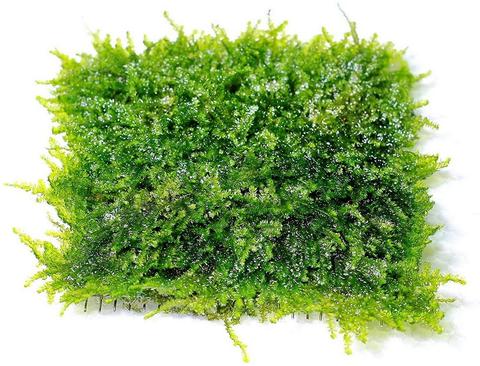
Flame moss is purchased locally at specialty fish stores. However, if you do not have access to a reputable store, consider purchasing them online. They are available in tissue culture, which makes them pest and disease free as these are grow in labs. You purchase them from our suggested online provider below.
Flame Moss
Flame moss is a creeping plant that does well in shrimp tanks. An easy to grow plant that is slow growing and low maintenance
Is the Flame Moss Right for You?
Before you add a Flame Moss to your tank, here is an honest assessment of what you’re signing up for. I’d rather you know exactly what to expect now than find out the hard way after you’ve already bought one.
- Experience level: Flame Mosss are best for keepers with at least some experience maintaining stable water parameters.
- Tank size commitment: You’ll need at least 5 gallons, though bigger is always better. Make sure you have room for the tank before buying.
- Tank mate planning: Flame Mosss is territorial, so plan your community carefully. Not every fish will work as a tank mate.
- Maintenance routine: Weekly water changes and regular filter maintenance are the baseline. Consistency matters more than perfection.
- Cost to keep: Flame Mosss are reasonably affordable. Standard equipment and quality food cover most needs.
- Time investment: Beyond daily feeding and weekly maintenance, regular observation is the best way to catch health issues early.
- Long-term commitment: These are living animals that depend entirely on you. Make sure you’re ready for the ongoing responsibility.
Frequently Asked Questions
What is flame moss good for?
Flame moss is a great option for an aquarium inhabited by fish and shrimp. It adds shade and hiding spaces while providing potential food sources, such as infusoria or biofilm. This makes it a fantastic component when creating your tank’s scenery, perfect to create that natural look!
Is flame moss fast growing?
Flame Moss needs some essentials in order to flourish: carbon dioxide low-to-medium lighting. This helps speed up its growth rate even though it is still not a particularly fast growing moss type. With proper attention given, One can ensure that the flame moss grows as much as possible over time.
Will flame moss spread?
In order to increase its coverage, flame moss must be trimmed and secured in new places, as it does not naturally spread on its own.
How do you take care of a flame moss plant?
Take care of a flame moss plant by keeping it in a tank with low to moderate lighting, water temperature of 70 – 80 °F, and moderate flow, as well as regular trimming and avoiding drastic fluctuations in pH or temperature.
Attach the moss to rocks with string or fishing line and propagate it by snipping off pieces and planting them. Low to medium lighting of about 8 hours daily is recommended to avoid excessive algae growth.
What is the ideal water temperature for flame moss?
Flame moss requires a water temperature between 70 – 80 °F to develop optimally.
How the Flame Moss Compares to Similar Species
If you’re considering a Flame Moss, you’ve probably also looked at the Java Moss. Both fill similar roles, but the differences matter when planning your tank. The Flame Moss has its own distinct personality and care needs. In my experience, the choice often comes down to the specific community you’re building and whether your water parameters favor one over the other.
The Christmas Moss is worth considering as well. While the Flame Moss and the Christmas Moss share some overlap in care, they bring different energy to a tank. If you have the space, keeping both in separate setups gives you a great chance to compare their behavior firsthand.
Closing Thoughts
Flame moss is the plant that actually looks like something you designed. The upward curl is built in – you just have to provide the right conditions and wait. Tie it to driftwood or rock, keep the lighting moderate, skip the CO2 overdrive, and let it fill in slowly. When it does, it changes the whole feel of the tank.
- About the Author
- Latest Posts

I’m Mark Valderrama, founder of Aquarium Store Depot and a fishkeeper with over 25 years of hands-on experience. I started in the hobby at age 11, worked at local fish stores, and have kept freshwater tanks, ponds, and reef tanks ever since. I’ve been featured in two best-selling aquarium books on Amazon and built this site to share practical, experience-based fish keeping knowledge.
Leave a Reply