Generic selectors

Exact matches only

Search in title

Search in content

Post Type Selectors

Tag: Pond Equipment Reviews

  • The Best Koi Fish – These 8 Will Impress Your Guests!

    The Best Koi Fish – These 8 Will Impress Your Guests!

    Most people who buy koi think they’re getting a colorful pond fish. They are. But koi are also a 20-to-30-year commitment, a serious infrastructure project, and the quickest way to drain your bank account if you aren’t prepared for what they actually need.

    Koi will outlive your car, your dog, and most of your houseplants. Your pond has to be ready for that before your fish are.

    I’ve kept fish for over 25 years, worked the floor at fish stores, and watched more koi die in undersized or underfiltrated ponds than I can count. The fish weren’t the problem. The setup was. This guide is about matching the right koi variety to your experience level, your pond size, and your long-term commitment so you don’t make the same mistakes.

    What People Get Wrong About Buying Koi

    New koi keepers almost universally make the same mistake: they choose a fish based on looks, then build around it. The right approach is the opposite. Build the pond first, stock conservatively, and let the fish grow into their environment.

    The second mistake is underestimating growth. Most domestic koi reach 12 to 24 inches (30 to 61 cm). Japanese-grade koi can hit 30 inches (76 cm) or more. A fish that fits in your 500-gallon pond today will outgrow it. That’s not a might. That’s a certainty.

    The third mistake is skipping quarantine. You buy a gorgeous new Gosanke, drop it in the pond with your existing fish, and three weeks later everything is sick. Koi carry pathogens that don’t show until stress hits. Quarantine every new fish for at least 3 to 4 weeks before introduction. No exceptions.

    The Biggest Mistake Koi Keepers Make

    Buying koi before the pond is cycled and stabilized. A brand-new pond has zero biological filtration. Your beneficial bacteria don’t exist yet. Add koi immediately and ammonia spikes. Ammonia burns their gills. They start gasping, hanging at the surface, or just dying without obvious cause. The fix is simple: cycle your pond first, then add fish slowly. But most beginners skip this step entirely because they’re excited to see fish in the water. Don’t be that person.

    Should You Get Koi?

    Good Fit If:

    • You have or can build a pond of at least 1,000 gallons (3,785 liters), ideally 2,000+ gallons for multiple fish
    • You’re committed to a decade-plus relationship with these fish
    • You have the budget for quality filtration, not just a starter kit pump
    • You enjoy the maintenance side of pond keeping, not just the aesthetic
    • You’re patient enough to cycle your pond before stocking

    Avoid If:

    • You want a low-maintenance water feature
    • Your pond is under 500 gallons
    • You travel frequently and have no one to manage feeding and monitoring
    • You’re not prepared to deal with disease, predators, and seasonal temperature shifts
    • You think “easy pond fish” means koi

    Our Candidates: A Quick Overview

    Below is a quick table of the best koi varieties you can purchase today. I’ll go through each one and explain what makes it distinct, who it’s for, and where it fits in a collection.

    In a hurry? I recommend purchasing all Koi Fish from Next Day Koi, a What You See Is What You Get (WYSIWYG) online seller. Use coupon code ASDEPOT to get 10% off your order!

    Picture Name Colors Link
    Editor’s Choice!

    Gosanke

    Gosanke
    • Various Colors
    Click For Best Price
    Hikarimuji Hikarimuji
    • White, Yellow, Gold
    Click For Best Price
    Utsurimono Utsurimono
    • White, Black, Gold
    Click For Best Price
    Kawarimono Kawarimono
    • Various Colors
    Click For Best Price
    Koromo Koromo
    • Red, Orange, Yellow
    Click For Best Price
    Bekko Bekko
    • White, Black, Yellow, Orange
    Click For Best Price
    Asagi Asagi
    • White, Black, Orange
    Click For Best Price
    Shusui Shusui
    • White, Black, Orange
    Click For Best Price

    EXPERT TAKE | MARK VALDERRAMA

    After 25 years in this hobby, the #1 thing I tell new koi keepers is this: start with Kohaku. Plain white and red, easy to judge condition, easy to find at any reputable dealer. Once you understand how to read a healthy koi, then you graduate to the fancy varieties. Jumping straight to Ki Utsuri or rare Asagi before you’ve kept a single koi is how expensive fish die quickly.

    The 8 Best Koi Fish For Ponds

    There are over 100 types of koi, classified by body shape, color pattern, scale type, and lineage, not by scientific taxonomy like most fish. The 8 varieties below represent the most widely available, most meaningful to own, and most visually distinct options for pond keepers at any level.

    WHY THIS RANKING

    These 8 varieties are ranked on a combination of beginner accessibility, visual impact, availability from quality dealers, and how forgiving they are as first koi purchases. Gosanke leads because Kohaku within that group is the gold standard for any koi collection. Ranking drops as care complexity or sourcing difficulty increases.

    1. Gosanke

    Editor’s Choice!


    Gosanke

    Editor’s Choice!

    The most popular Koi Fish on the market. Comes in a variety of colors and hardy.


    Click For Best Price

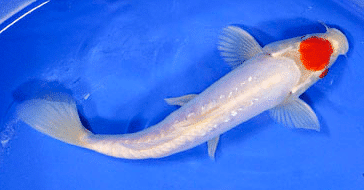
    Gosanke is the “Big Three” of koi keeping: Kohaku, Sanke, and Showa. These are the varieties that define koi culture worldwide, the ones you see dominating koi shows, and the ones that hold value as fish quality improves. If you’re only going to keep one type of koi, it should be from this group.

    Kohaku is white with red (hi) markings. Clean white skin with bold, well-defined red is what judges and experienced keepers look for. Sanke adds black (sumi) accents to the Kohaku pattern. Showa is more black-dominant, with red and white patterning over a black base. The difference matters more to experienced keepers than beginners, but knowing it helps you communicate what you’re looking for at a dealer.

    For first-time koi keepers, Kohaku is the right starting point. Hardy, widely available, and easy to evaluate for health and quality. You’ll know immediately if something is wrong because the color clarity drops fast under stress.

    2. Hikarimuji

    Best Sheen
    Hikarimuji

    Best Sheen Of All Koi

    This variety features metallic scales that reflect light beautifully across the pond surface.

    Click For Best Price

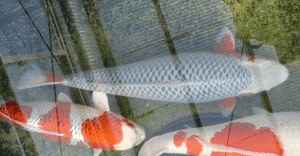
    Hikarimuji are single-colored koi with metallic scales. They catch sunlight in a way the matte varieties don’t, and in a well-planted or darker-bottomed pond, a single Yamabuki Ogon (solid metallic yellow-gold) is visible from across the yard. That visibility is the point.

    These are an excellent choice as accent fish in a group of multi-colored Gosanke. The solid metallic sheen creates contrast and draws the eye. Hikarimuji breaks down into Ogon (metallic solid), Yamabuki (bright yellow-gold), and Matsuba (pinecone scale pattern). When selecting one, look for even, consistent color across the entire body. Any patchiness in the metallic sheen is a quality defect.

    3. Utsurimono

    Utsurimono

    Black-based koi with bold color patches. Placement of sumi patterns determines rarity and value.

    Click For Best Price

    Utsurimono is built on a black base (sumi) with color patterns laid over it. The three main types are Hi Utsuri (red over black), Shiro Utsuri (white over black), and Ki Utsuri (yellow over black). Ki Utsuri is the rarest and most difficult to find in quality specimens.

    The sumi in Utsurimono matters enormously. Ideally it covers the body well, with the Ichimatsu (checkered pattern) covering the tail and a multi-colored face representing the rarest and most valuable examples. One thing newer keepers don’t realize: sumi on young koi shifts as they mature. A fish with incomplete sumi development at 6 inches might look completely different at 18 inches. Buying Utsurimono as young fish is a gamble. Paying more for a mature specimen where the sumi has settled is almost always worth it.

    4. Kawarimono

    The Most Friendly Koi
    Kawarimono

    A non-metallic koi group that includes Chagoi, known as the friendliest koi in the hobby.

    Click For Best Price

    Kawarimono is the “doesn’t fit anywhere else” category of non-metallic koi. What makes this group interesting is its breadth: it includes solid single-colored fish, black koi like Karasu and Kumonryu, and unusual varieties like Matsuba and Midorigoi.

    The fish most people come to this category for is Chagoi, the solid brown-tea colored koi known for being the most human-interactive variety in the entire koi world. Chagoi are genuinely friendly. They eat from your hand faster than any other koi, and they have a documented effect of calming other fish in the pond. Add a Chagoi and your entire pond becomes easier to hand-train. They also grow fast and large, which means your pond sizing matters even more if you’re adding one.

    MARK’S TOP PICK

    For first-time koi keepers, Kohaku (within the Gosanke group) is the right fish. It’s the most available, easiest to evaluate for health, and teaches you how to read a koi before you invest in rarer varieties. Once you know what a healthy, thriving koi looks like, then you earn the right to start chasing Ki Utsuri and Asagi.

    5. Koromo

    Koromo

    A red and white koi with a distinctive blue-outlined scale overlay. Name translates to “Robe” in Japanese.

    Click For Best Price

    Koromo means “robe” or “garment” in Japanese, and the name fits. This variety carries a blue-scaled veil overlay on top of its base pattern, most visible in the Ai Goromo (indigo blue) variant. Ai Goromo shows crystal white skin with deep crimson hi (red), each scale edged in dark blue lining. On a mature fish in good water, it looks like the pattern has been embroidered onto the fish.

    The blue lining intensifies with age, which is unusual. Most koi pattern features drift or fade as the fish matures. Koromo does the opposite. A young Koromo with subtle blue edging becomes a striking adult. That aging quality makes them a worthwhile long-term investment for serious keepers.

    6. Bekko

    Bekko

    One of the oldest domesticated koi. Two-toned with bold sumi (black) on a solid colored base. Rare and striking.

    Click For Best Price

    Bekko is two-toned: a solid colored base with black sumi markings. Shiro Bekko is white with black. Aka Bekko is red with black. Ki Bekko is the rarest, yellow-gold with black, and it doesn’t arise from dedicated breeding. Ki Bekko appears from crosses between Shiro Bekko, Kigoi, or snake crosses, which is why finding a quality specimen takes patience and a good relationship with a knowledgeable dealer.

    Doitsu Bekko is a completely scaleless variant worth knowing about. The absence of scales changes the entire visual texture of the fish. In clear water it’s genuinely striking and a good conversation piece for guests who don’t know koi.

    7. Asagi

    Asagi

    A historic variety with pale blue reticulated scales on the back and vivid red on the belly. One of the most recognizable patterns in koi keeping.

    Click For Best Price

    Asagi is one of the oldest koi varieties. The pattern doesn’t look like anything else in the koi world: pale blue-to-light blue reticulated scales on the upper body, with vivid red or orange extending up from the belly and lateral line. The reticulation, where dark scale edges create a net-like pattern over the blue ground, is the defining trait.

    The most impressive Asagi specimens have pale blue scales on the surface with dark blue edges creating strong contrast. When a quality Asagi swims below you, the reticulated pattern catches light differently than the side view. It’s genuinely impressive. This is a fish worth waiting for and buying from a reputable WYSIWYG dealer rather than taking whatever your local shop has in stock.

    8. Shusui

    Shusui

    A Doitsu (scaleless) version of Asagi. A German mirror carp x Asagi cross with a distinctive dorsal scale row. Unique look that stands apart from every other variety.

    Click For Best Price

    Shusui is the Doitsu (scaleless) form of Asagi, created by crossing Japanese Asagi with German mirror carp. That cross gave it one of the most distinctive scale patterns in all of koi keeping: a single line of large, mirror-like scales running neatly along the dorsal line, with mostly bare skin on the sides. The color pattern mirrors Asagi, with blue tones on the back and red-orange on the belly.

    One thing to watch: as Shusui age, some develop black spots around the head. A clean, white or pale-headed Shusui with no spotting is the most valued form. If you’re buying a young Shusui, ask the dealer whether the parents showed head spotting. It’s not guaranteed to predict, but it’s a reasonable question that tells you something about the dealer’s knowledge.

    WHAT MOST PEOPLE MISS

    Kawarimono doesn’t get the attention it deserves. Most buyers skip straight to Gosanke and the flashier varieties. But Chagoi within this group is the single best fish for making your whole pond more interactive. One Chagoi trains the rest of your koi to eat from your hand faster than anything else you can do. It’s not glamorous, but it’s genuinely effective and underappreciated.

    Selecting Koi: How to Choose One Without Getting Burned

    Every experienced koi keeper has at least one story about buying a fish that looked fine at the shop and died two weeks later. Here’s how to avoid being that person.

    • Use a WYSIWYG dealer for online purchases. What You See Is What You Get means you’re buying the specific fish in the photo, not a fish from that batch. For any koi over $50, this matters enormously. Next Day Koi operates this way, which is why I recommend them. Use code ASDEPOT for 10% off.
    • Watch how the fish swims before you commit. Healthy koi move with purpose. No jerk movements, no side-leaning, no gasping near the surface. Any of those behaviors means something is wrong.
    • Check the gills. Uneven gill movement, one gill working harder than the other, or any redness at the gill edges is a red flag for respiratory infection or parasites.
    • Don’t buy a lone koi. A fish kept alone in a tank is either sick and isolated or has outlived its tankmates. Either way, not a fish you want to bring home.
    • Quarantine everything. Four weeks minimum. Yes, every time. Even fish from a dealer you trust.

    Hand Feeding Your Koi: The Realistic Timeline

    Koi can absolutely be hand-trained. It takes time and consistency, not tricks.

    1. Feed 2-3 times daily at the same location. Koi learn routines faster than most people expect.
    2. Add a Chagoi to the pond if you want the process to go faster. They approach first, which signals safety to the other fish.
    3. Start by placing food at the water’s edge, not dropping it in. Let the fish get used to your hand near the water before it’s in it.
    4. Patience. Some koi take weeks, some take months. Don’t crowd the pond. Don’t rush the fish. It happens when it happens.

    For a more detailed hand-training breakdown, check out our full Koi Fish Care guide.

    FAQs

    Which is the best koi for beginners?

    Kohaku, from the Gosanke group. White with red markings, widely available, and easy to evaluate for health. When color clarity drops, you know something’s wrong. That feedback loop is valuable when you’re still learning to read a koi.

    Which is the rarest koi?

    Ki Utsuri is consistently cited as one of the rarest. Yellow patterns over a jet-black body, and quality specimens are genuinely difficult to find. Ki Bekko is another rare variety that doesn’t arise from dedicated breeding programs. If rarity is your goal, work with a specialist dealer who can source specific fish.

    Why are koi so expensive?

    Quality koi are expensive because breeding for specific patterns, color clarity, and body conformation takes years of selective work. Top Japanese-grade koi from established breeders can sell for thousands, sometimes tens of thousands, for a single fish. For most hobbyists, the $50 to $300 range gets you excellent, healthy fish from reputable domestic dealers. The price tracks with the quality of the lineage and the specificity of the pattern.

    How big do koi get?

    Domestic koi typically reach 12 to 24 inches (30 to 61 cm). Japanese-grade koi often hit 24 to 30 inches (61 to 76 cm). Jumbo koi can reach 34 to 36 inches (86 to 91 cm). Growth rate depends heavily on water temperature, feeding frequency, pond size, and water quality. A koi in a well-maintained large pond grows significantly faster and larger than the same fish in a cramped or poorly filtered pond.

    Where is the best place to buy koi?

    For online purchases, use a WYSIWYG (What You See Is What You Get) dealer. Next Day Koi is my recommendation. They show you the actual fish you’re buying, not a representative fish from the batch. Use code ASDEPOT for 10% off your order. For local purchases, tour the dealer’s holding ponds before buying anything. A clean, well-maintained facility with knowledgeable staff tells you everything you need to know about how they treat their fish.

    Do koi recognize their owners?

    Yes, in a practical sense. They associate you with feeding. Koi that are regularly hand-fed learn to approach their keeper at the pond edge, respond to visual cues, and behave differently around familiar people than strangers. It’s not abstract recognition the way a dog would show it, but it’s real behavioral conditioning. The Chagoi variety is particularly fast to develop this kind of interaction and helps train other koi in the same pond.

    Closing Thoughts

    Koi are genuinely one of the most rewarding pond fish you can keep. They’re long-lived, interactive, visually impressive, and they improve with age in ways most fish don’t. But they are not forgiving of bad infrastructure. The pond has to be right before the fish go in.

    If you’re just getting started, buy Kohaku from a WYSIWYG dealer, get your pond cycled and stable, and don’t rush to add more fish. Give yourself a season with your first koi before you start chasing Ki Utsuri and rare Asagi. Once you understand how to read the fish and manage the water, the rest becomes much more enjoyable.

    Ready to get started? Next Day Koi carries quality WYSIWYG koi with fast shipping. Use code ASDEPOT for 10% off. For live foods and pond essentials, check out Flip Aquatics and Dan’s Fish.

    BUY OR SKIP?

    Buy koi if you have a pond of at least 1,000 gallons, a quality filtration setup, and a 20-plus year mindset for the commitment. Skip koi if you want low-maintenance, if your pond is under 500 gallons, or if you’re not prepared for the infrastructure investment. These are not starter fish. They are a lifestyle choice.
  • Best Pond Heater and De-Icer – What Actually Works in Winter

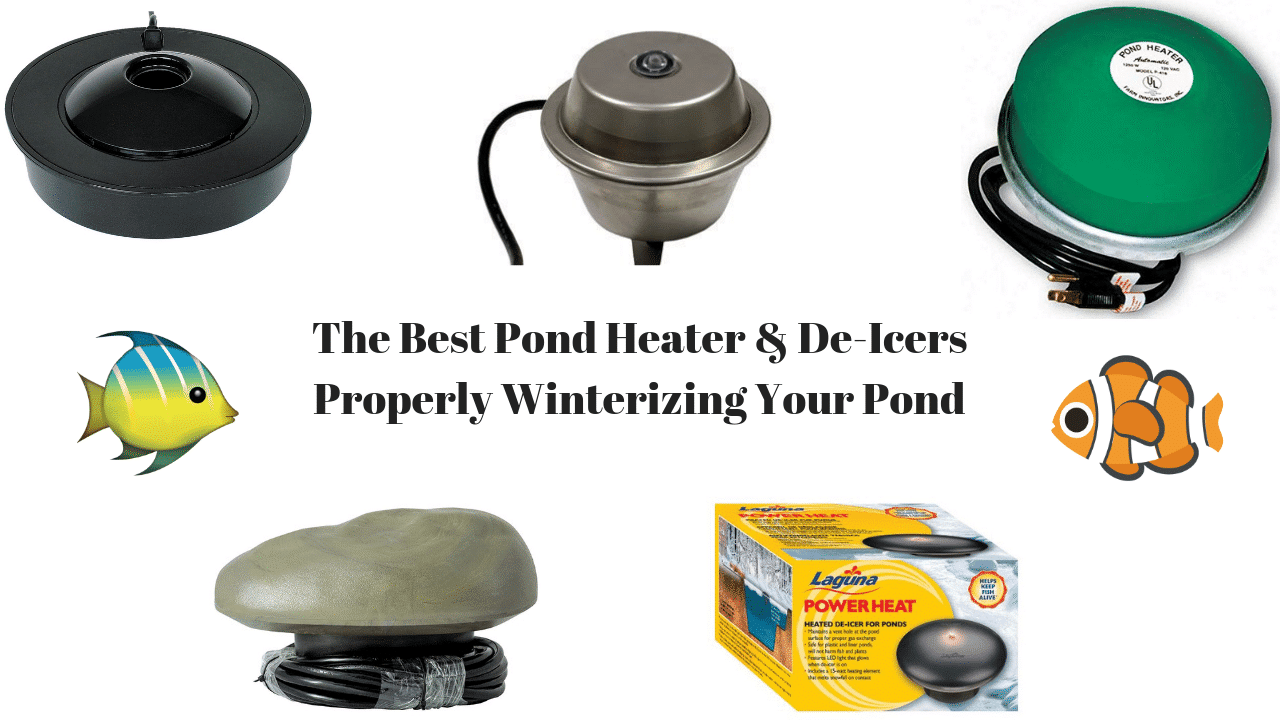
    Best Pond Heater and De-Icer – What Actually Works in Winter

    An iced-over pond is not a waiting game. It is a death sentence for your fish if you let it go too long. I have been in this hobby for over 25 years and I have seen koi keepers lose entire collections because they waited until November to think about winter prep. The good news: you do not need to spend a fortune. You need the right tool for your situation, and that decision is simpler than the market makes it look.

    A de-icer is not the same thing as a heater. Getting this wrong is the most expensive mistake pond keepers make every winter.

    EXPERT TAKE | MARK VALDERRAMA

    After 25 years in this hobby and managing fish stores through multiple winters, the pattern I keep seeing is the same: people either skip winter gear entirely and lose fish, or they buy the wrong wattage for their pond size. A 300-watt de-icer is the right tool for most backyard ponds up to about 1,000 gallons in a moderate climate. If you are in USDA Zone 5 or colder, or your pond runs over 1,000 gallons, you need to step up to 1,000 watts or more. The Aquascape unit is what I point people to first. The 3-year warranty and stainless steel build are exactly what you want in a product that sits in water all winter.

    If you keep koi or goldfish in a pond in a cold climate, winter management is not optional. Koi do hibernate during the winter months, and that hibernation cycle actually extends their lifespan when it goes properly. The problem comes when the pond freezes over completely. A sealed surface traps toxic gases, cuts off oxygen, and can kill your fish within days. For people with smaller ponds, bringing fish inside is an option. For the rest of us with larger ponds, we need a plan before the first freeze hits.

    Heater vs. De-Icer: What Is the Difference?

    This is where most people go wrong. A pond heater and a pond de-icer are two different products that do two different jobs.

    A pond heater is a submersible unit designed to raise or hold water temperature. It works well in small ponds under 100 gallons in climates that get cold but do not freeze hard. If your pond water dips toward 40F (4C) but never gets to a sustained freeze, a submersible heater placed in the deepest area of the pond can keep conditions stable enough for fish to winter safely.

    A pond de-icer is a floating unit designed specifically to maintain an opening in the ice. It does not heat the whole pond. It keeps a hole in the surface so that toxic gases can escape and oxygen can enter. This is what you need for any pond in a hard-freeze climate. Most de-icers run between 100 and 1,500 watts depending on pond size and how cold your winters get.

    For most koi and goldfish pond keepers in the US, a floating de-icer is the right tool. The heater is for milder climates or very small setups.

    Frozen Koi Pond

    What People Get Wrong About Pond Heaters and De-Icers

    The biggest misconception I encounter is that any de-icer will work for any pond. It will not. Wattage is matched to pond volume and climate zone. Running a 100-watt de-icer in a 2,000-gallon pond during a Zone 5 winter is like putting a space heater in a warehouse. It will run all day and still lose the battle.

    The second mistake is waiting until the pond is already frozen to install the unit. Most de-icers, including the Aquascape, are not designed to thaw a completely frozen surface on their own. You place them before the freeze. If your pond is already solid, you need to first create an opening using a pot of boiling water placed on the ice surface. Never use impact force to break the ice. The concussive shockwave travels through the water and can kill fish.

    Third mistake: people forget gas exchange is the actual goal. They focus on keeping fish warm. Koi do not need warmth in winter. They need gas exchange. A hole in the ice is the mission. Temperature is secondary.

    The Biggest Mistake Pond Keepers Make

    Underestimating wattage. Every season I talk to hobbyists who bought the cheapest de-icer available, placed it in their pond, and came out one morning to a pond that was frozen solid around the unit. The de-icer was running but it was overwhelmed. In hard freeze conditions below 20F (-7C), a 100-watt unit in a 500-gallon pond is not enough. The K&H chart below gives you a concrete starting point. Use it.

    Pond De-Icer Recommendations by US Zone

    WHY THIS RANKING

    These products are ranked on four criteria: build material (stainless steel and aluminum last; plastic fails), warranty length (3 years is the benchmark in this category), wattage appropriateness for the intended pond size, and thermostat reliability. A de-icer that cycles off at the wrong temperature is as dangerous as no de-icer at all. Every unit on this list has an integrated thermostat and is rated for outdoor pond use. Products without those basics were excluded.

    Quick Comparison

    In a hurry? I recommend The Aquascape Pond Heater and De-Icer!

    Picture Name Type Link
    Editor’s Choice

    Aquascape Pond Heater and De-Icer

    Aquascape Pond Heater and De-Icer
    • De-Icer
    • Auto-Shut Off
    Buy On Amazon
    Best Value

    Laguna PowerHeat De-Icer

    Laguna PowerHeat De-Icer
    • Brand Name
    • European Made
    Buy On Amazon
    Budget Option

    Tetra Pond De-Icer

    Tetra Pond De-Icer
    • Blends Well
    • 3 Year Warranty
    Buy On PetcoBuy On Amazon
    Farm Innovators Pond De-Icer Farm Innovators Pond De-Icer
    • Large Ponds
    Buy On Amazon
    Finnex Heaters Finnex Heaters
    • Small Ponds
    Buy On Amazon
    K&H Pet Products Pond De-Icer K&H Pet Products Pond De-Icer
    • Up to 1500 watts
    Buy On Amazon

    The Top Picks: Full Reviews

    MARK’S TOP PICK

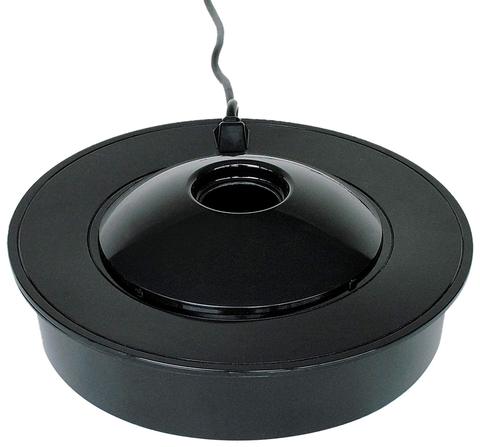
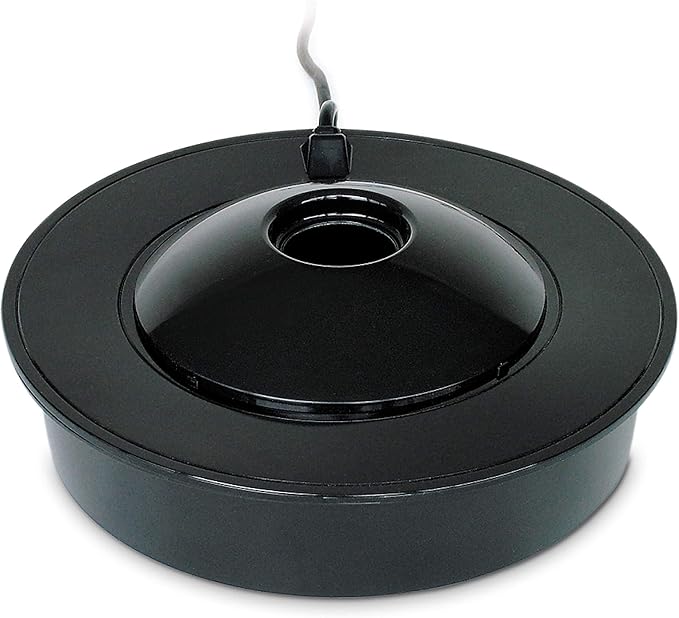
    The Aquascape Pond Heater and De-Icer is my top pick for most pond keepers. Stainless steel construction, a built-in LED indicator you can see from your window, auto-shutoff protection, and a 3-year warranty put it above everything else in this price range. For larger ponds in cold climates, pair it with the Farm Innovators 1250-watt unit and you are covered.

    1. Aquascape Pond Heater and De-Icer

    Editor’s Choice


    Aquascape Pond Heater and De-Icer

    Editor’s Choice

    Stainless steel construction, built-in LED indicator, auto-shutoff, and a 3-year warranty. The benchmark for pond de-icers.


    Buy On Amazon

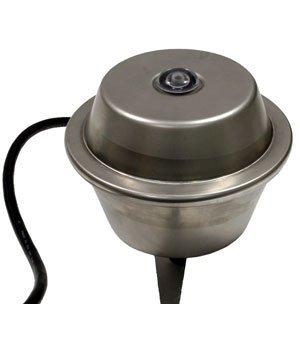
    Aquascape is not a generic pond brand. They are founded by professional pond builders, and it shows in how they engineer their equipment. I’m a fan of anything they make, and this de-icer is a perfect example of why. Stainless steel construction resists corrosion, handles freeze-thaw cycles without cracking, and holds up through multiple winters. Plastic units do not. The built-in LED at the top lets you check from your back window whether the unit is operating. That matters on a cold January morning when the last thing you want to do is go outside to check on your pond.

    The auto-shutoff kicks in if the unit is lifted out of water, protecting the heating element. That is a safety feature worth paying for. And the 3-year warranty is about as strong as you will find in this product category. The downside is it runs 300 watts, which is sized for ponds up to around 600-800 gallons in a moderate climate. Large ponds in Zone 5 or colder need something bigger.

    Choose this if: You have a mid-sized pond (under 1,000 gallons), want a build-quality unit with a real warranty, and are in a zone with occasional hard freezes. This is the unit I recommend to most pond keepers.

    Pros

    • Stainless steel construction: lasts through multiple winters
    • 3-year warranty: best on the list
    • LED indicator: visible from indoors
    • Auto-shutoff: prevents element burn-out

    Cons

    • 300 watts: not enough for large ponds in hard-freeze climates
    • Higher price point

    2. Laguna PowerHeat De-Icer (Best Value)

    Best Value


    Laguna PowerHeat Heated De-Icer

    Best Value

    Hagen quality with a 22-foot cord and built-in heating element. Solid option if you’re comfortable with the shorter warranty.


    Buy On Amazon

    Laguna is a Hagen brand. If you have been in the hobby any length of time, you know what that means: European-engineered equipment with a track record for durability. The Laguna PowerHeat stands out for two things: the 22-foot cord (longest on this list by a significant margin) and the integrated 15-watt heating element. That heating element means you can deploy it in a pond that is already partially frozen. It will melt its own entry point into the ice, which is something most de-icers cannot do on their own.

    The honest drawback: only a 1-year warranty. That is unusual for Hagen, and it bothers me given the price point. But if you need reach and the ability to handle a partially-frozen pond, this is the unit that solves that problem.

    Choose this if: You need a long cord to reach an awkward panel location, or your pond sometimes freezes before you can get equipment in place. The heating element is what separates it from the competition in a frozen-pond scenario.

    Choose the Aquascape instead if: Warranty is a priority for you. Three years versus one year is a meaningful difference for a unit that sits in water all winter.

    Pros

    • Longest cord on the list (22 feet)
    • Heating element handles already-frozen ponds
    • Hagen build quality

    Cons

    • Only 1-year warranty (unusual for Hagen)
    • Not stainless steel or aluminum construction

    3. Tetra Pond De-Icer (Budget Option)

    Budget Option


    Tetra Pond De-Icer

    Budget Option

    Rock-shaped design blends into your pond. 3-year warranty is a surprise for the price. Plastic build is the tradeoff.


    Buy On Petco


    Buy On Amazon

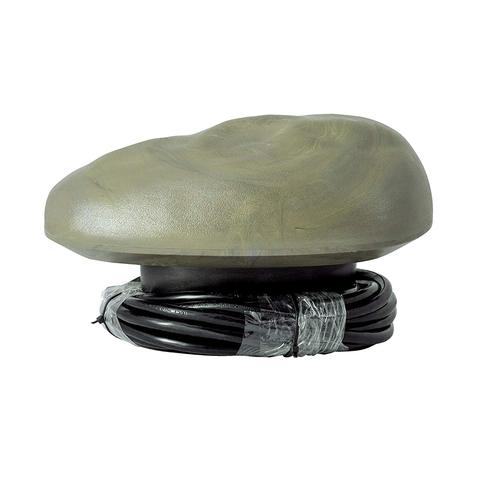
    Tetra is not my first recommendation for serious pond gear. Their aquarium equipment tends to run entry-level, and their quality control is inconsistent in my experience. That said, the Tetra Pond De-Icer earns a spot on this list because it is styled to look like a rock. It blends into your pond naturally, which matters to keepers who care about how their setup looks. It runs 300 watts with a thermostatically controlled element, and it carries a 3-year warranty, which honestly surprised me given the brand. Plastic construction is the real trade-off here. In extreme cold, plastic can become brittle over time.

    Choose this if: Budget is the primary concern and you want a unit that disappears visually into your pond. Acceptable for moderate climates where temperatures stay above 20F (-7C) for most of the winter.

    Pros

    • Rock-shaped design blends into the pond
    • Price is hard to beat
    • 3-year warranty (better than expected for Tetra)

    Cons

    • Plastic construction: less durable in extreme cold
    • No LED indicator

    4. Farm Innovators Pond De-Icer (Best for Large Ponds)


    Farm Innovators Pond De-Icer

    Cast aluminum, 1,250 watts, 3-year warranty. The right tool for large ponds in hard-freeze climates. Know your breaker load before you buy.


    Buy On Amazon

    For larger ponds in Zone 5 or colder, the Farm Innovators units are what you need. Cast aluminum construction is corrosion-proof and handles the physical stress of freeze-thaw cycles better than plastic. They come in multiple sizes, with the base unit drawing 1,250 watts. That power is a feature, not a flaw, when you are fighting serious cold.

    The warning that comes with this unit: 1,250 watts is a significant electrical load. It can trip GFCI breakers and stress older electrical setups. Before you buy, check your breaker capacity and make sure your outdoor outlets are rated for continuous high-load use. That is a practical reality of large-pond winter management, not a flaw with the product specifically. The 3-year warranty matches the Aquascape unit.

    Choose this if: Your pond is over 1,000 gallons, you are in Zone 5 or colder, and you are prepared for the electrical load. This is the correct tool for serious winter conditions.

    Pros

    • Cast aluminum: built for multi-season outdoor use
    • Multiple sizes available for larger applications
    • 3-year warranty

    Cons

    • High wattage (1,250W base): check your breaker capacity first
    • Higher operating cost

    5. Finnex Digital Titanium Heater (Small Ponds)


    Finnex Digital Heaters

    Titanium submersible heater with digital controller. Best suited for small ponds under 100 gallons in moderate climates where temperatures dip but rarely freeze hard.


    Buy On Amazon


    Click For Best Price

    When it comes to a submersible heater for a small pond, titanium is the right material. The Finnex titanium heater handles outdoor conditions, resists corrosion, and the digital controller gives you precise temperature management. This is a heater, not a de-icer. It is designed for ponds under 100 gallons in moderate climates where temperatures dip near freezing but do not sustain a hard freeze. The controller needs weather protection in exposed setups.

    Choose this if: You have a small water feature or tub pond in a climate that gets cold but not brutally so. For anything over 100 gallons or in a Zone 5 or colder climate, go with a floating de-icer instead.

    Pros

    • Titanium construction: built for outdoor use
    • Digital controller for precise temperature management

    Cons

    • Not suited for large ponds
    • Controller needs protection from the elements

    6. K&H Pet Products Pond De-Icer


    K&H Pet Products De-Icer

    Plug-and-play 100-watt de-icer rated for ponds up to 1,000 gallons. MET certified for outdoor use. Entry-level build at an entry-level price.


    Buy On Amazon

    The K&H 100-watt unit is a simple plug-and-play de-icer rated for ponds up to 1,000 gallons. The internal thermostat controls operation automatically, and the MET certification means it is safety-rated for outdoor pond use. It is designed to maintain a 12-inch hole in ice, which is enough for gas exchange in most scenarios. K&H also makes larger units going up to 1,500 watts, so there is an upgrade path if you need it. The 1-year warranty and plastic construction are the drawbacks. I want stainless or aluminum on a unit that lives in a pond through winter. Plastic works, but it is not what I would choose first.

    Choose this if: You want the lowest possible entry price, have a moderate climate, and plan to upgrade if it fails after the first season. The K&H 1,500-watt Deluxe version is the better choice for anyone with a serious winter climate.

    Pros

    • Internal thermostat controls operation automatically
    • Low 100-watt draw: energy-efficient for moderate climates
    • MET certified for outdoor safety

    Cons

    • Only 1-year warranty
    • Plastic construction

    Frequently Asked Questions

    Below are the questions I get most often about pond heaters and de-icers. If yours is not here, drop it in the comments.

    Is There a Minimum Depth Required for These Units?

    Yes. Your pond should be at least 18 inches deep, and you should place the de-icer at or near the deepest area of the pond. This keeps the unit in water even as ice forms on the surface and gives your fish space to settle at the bottom where temperatures are more stable.

    Will My Fish Be Safe While the Unit Is Running?

    Yes, as long as you follow the depth rule and place it correctly. De-icers are not hot to the touch when submerged in water. They are thermally managed by an integrated thermostat. Fish will not be harmed if they brush against the unit. The danger to your fish is a fully sealed ice surface, not the de-icer itself.

    My Pond Is Already Frozen. What Do I Do?

    Do not break the ice with force. The shockwave from hammering or cracking ice travels through the water and can stun or kill fish. Instead, place a pot of boiling water on the frozen surface over the deepest part of the pond and let it melt through. Once you have an opening, lower the de-icer in and let it maintain that hole going forward. The Laguna unit with its built-in heating element is the best option here because it can help melt its own entry point.

    Should I Add a Pond Aerator Too?

    Yes, highly recommended. A pond aerator combined with a de-icer gives you optimal gas exchange through the winter. The de-icer maintains the hole, and the aerator keeps water moving and oxygenated beneath the ice. It is an inexpensive addition that pays for itself in fish survival. I also recommend adding a thermostatically controlled outlet as a failsafe for the de-icer in case the internal thermostat fails.

    What Wattage Do I Need? (By US Zone)

    Use the K&H chart as your starting point for wattage selection based on your climate zone. Colder zones need more wattage.

    Pond De-Icer Recommendations by US Zone

    Should You Buy a Pond De-Icer?

    BUY OR SKIP?

    Buy if: You keep koi or goldfish in an outdoor pond in USDA Zone 6 or colder. Your pond is too large to bring fish indoors. You have had ice form on your pond surface in a previous winter. You want peace of mind that your fish will survive until spring.

    Skip if (for now): You are in Zone 8 or warmer where hard freezes are rare and brief. You have a small container pond under 20 gallons that can be moved indoors easily. You do not keep fish in your pond and it is a purely ornamental water feature with no live fish.

    What Most People Miss About Winter Pond Management

    WHAT MOST PEOPLE MISS

    Most pond keepers focus on keeping fish warm in winter. That is the wrong goal. Koi and goldfish are built for cold. They slow their metabolism, stop eating, and wait it out at the bottom of the pond. What kills them is not cold water. It is a sealed ice surface that traps ammonia and carbon dioxide and cuts off oxygen. Your only job is to keep a hole in the ice. A 300-watt de-icer does that job for a fraction of what it would cost to lose your koi collection.

    Closing Thoughts

    After 25 years in this hobby, the pattern I see every spring is the same: the pond keepers who lost fish over winter either skipped winter prep entirely or bought the wrong wattage unit for their pond and climate. Both are avoidable mistakes.

    For most pond setups, the Aquascape Pond Heater and De-Icer is the right answer. Stainless steel, 3-year warranty, auto-shutoff, LED indicator. It checks every box for a mid-sized pond in a moderate winter climate. If you are in a serious cold climate with a large pond, the Farm Innovators 1,250-watt unit is what you need. Just check your breaker first.

    If you want to shop for koi, check out Flip Aquatics and Dan’s Fish for healthy, quality fish from suppliers who know what they are doing.

    Your fish made it through summer. Make sure they make it through winter too.


    🔧 Want to learn more? This article is part of our complete Aquarium Equipment & Gear Guide. your ultimate resource for filters, heaters, lights, pumps, tanks, and more.

  • Half Off Ponds Review: Honest Assessment of Their Pond Kits

    Half Off Ponds Review: Honest Assessment of Their Pond Kits

    Half Off Ponds is one of those brands that comes up regularly when pond keepers are shopping for kits and pond supplies on a budget. I approach every vendor review the same way after 25 years in this hobby. what’s the actual product quality, how does customer service hold up when something goes wrong, and is the value proposition real? Here’s my honest assessment.

    Half Off Ponds is one of those brands that comes up regularly when pond keepers are looking to get more value out of their setup. I don’t take sponsorships or affiliate money from equipment brands, so when I review something like this I’m only looking at one thing: does it actually deliver for the pond keeper? Pond kits are appealing because they bundle everything you need into one purchase, and Half Off Ponds has built a reputation around competitive pricing on complete setups. Here’s my honest breakdown of what they offer and whether it’s worth your money.

    As you may have read in my Best Pond Kit round up article, a pond kit is a efficient and cost-effective way of creating a great outdoor pond or koi pond. Half Ponds became the clear winner in the round up post, however, I didn’t have the space in the article to go really in depth about what makes these pond kits are so stellar.

    My reviews are fairly structured. I’m going to be reviewing the following with the categories with these kits:

    • Features
    • Craftsmanship
    • Ease of Use
    • Value For Money
    • Product Support
    • Price

    In a hurry? I recommend purchasing the Half Off Ponds Savio Signature Series With UV Kits!

    Features

    Half Off Ponds offers high quality pond kits and water feature sets at incredible prices. All their pond kits are a complete package, focused on getting you all the essential components necessary to have a high quality pond. These components would be:

    • Pond Skimmer
    • Pond Pump
    • Waterfall Spillway
    • Pond Liner
    • Underlayment
    • Vinyl Tubing
    • Patriot Pond Lighting
    • Black Pond Foam
    • Beneficial Bacteria

    Each one of these components have been carefully selected by the Half Off team. They do not skip out on quality by using generic or imported brands. Many of the kits they sell come with name brand like Savio and they also use their own private label components. The private label components are comparable in quality.

    Savio Skimmer

    Their pond kits come with EPDM liners that offer a lifetime warranty. They offer EPDM or PVC liners. The PVC liners are about .40 cents less per square feet. You only get a 5 year warranty with the lifeguard liners. You get a lifetime warranty by purchasing their EPDM liner kits. I would recommend you pay extra for the EPDM. No one wants to be repairing a pond liner. They should last a lifetime and they can be a pain to repair.

    Craftsmanship

    A good way to measure craftsmanship is to see what the brand offers in terms of warranty. Half Off Ponds offers a lifetime warranty on their pond liners, a 25 year warranty on their tubing, a 5 year warranty on their waterfall, 5 year warranty on their pond skimmer, and 2 years on their pond and lighting. Overall, that’s pretty solid and you have one source of contact for their warranty claims.

    The EPDM liner is a 45mm pond liner. This liner is the same brand (Anjon), that is installed in 1000’s of water features worldwide. It resists UV deterioration and is virtually indestructible by the natural elements of mildew, rot, and freeze damage.

    The major components of the kits, namely the skimmer box and waterfall feature are made in the USA. The EDPM liner, Anjon is a family owned Company based in Missouri. There is a lot of home grown feel in these kits, something that is rare to see in a value priced pond kit. The Half Off team did an amazing job putting these components together in a single package.

    Ease Of Use (Installation)

    This is the biggest knock on these kits and it’s not entirely their fault. Pond kits in general require labor to be installed and the install process can be an art form to pull off an amazing water feature. There are some YouTube videos online that will give you an overview on how to install these kits, but resources a bit limited and there are not many videos out there on installing these specific kits. There are a lot of inspiring videos and photos on their instagram account though.

    My recommendation is to watch a few videos to see what you are getting yourself into and if you feel that you need professional help, look into it. You save a lot getting a kit from Half Off. Find a friend who know how to dig and make a level ditch or hire some professional help if needed. I also know I do get contractors from time to time visiting my site to scope out pond kits for their projects. These pond kits the best value for completing a job and maximizing your project profits. They are easy to install in the hands of a professional and the install is a repeatable and trainable process.

    Pond Kit Value For Money

    Value for the money is off the charts with these pond kits. They have a great combo of quality brands, high quality components, and solid customer support. Their selection of sizes and price ranges are amazing.

    Models – For All Budgets and Projects!

    Below is a list of all the Half Off Ponds models and sizes. I’m only listing the models with EPDM liners as I do not recommend PVC liners for a pond install. As you can see from the chart below, Half Off makes kits from 350 gallons all the way up to 80,000 gallons.

    FeatureCompactSmallMediumLargeX-LargeMega
    PictureHalf Off Ponds 2000Half Off Ponds 3000Half Off Ponds 4000Half Off Ponds 5200Half Off Ponds 6100Half Off Ponds 10000
    Price$$$$$$$$$$$$$$$$$$$$$
    Models1200, 2000300040005200610010000
    Gallons350 – 2,000350 – 2,0001,400 – 7,5001,900 – 6,7002,800 – 11,0008,000 – 80,000
    Link

    Product Support

    Of all the pond kits sellers, Half Off has the best customer support. This is because they cater to DIYers versus other companies like Aquascape that prefer a network of contractors and professionals to support their product. Because Half Off Ponds knows that they work with consumers directly they are happy to work with you on support. They are also easily reached as their phone number is right on their manufacture website. The only complaint I’ve heard about this Company was regarding install, which I stated earlier is not entirely their fault

    Price

    There is not a pond kit on the market that matches the mix of quality components and price that Half Off Ponds offers. You may find cheaper because they skip out on components or they use poor quality liners. I haven’t found anything similar at better prices. These are by far the best value priced water feature kits on the market today!

    Closing Thoughts

    These are the best pond kit for the money you can buy today. Great components, great support, and great prices. You can see the ratings below from me and my editor’s choice badge that the Half Off Ponds brand of kits earns. Since I’m open to all reviews, you can leave your own reviews below. This provides the community with an unfiltered source of reviews. If you have any questions, please leave them in the comments below. Thanks for reading!

    References

  • Best Solar Powered Pond Pump – Reviewed & Compared

    Best Solar Powered Pond Pump – Reviewed & Compared

    Solar pond pumps are genuinely useful products. For the right application. That last part is where most buyers get into trouble.

    A solar pump is not a replacement for a traditional pond pump. It never will be. If your fish need 24/7 water movement to survive, solar is the wrong answer.

    I have been covering pond equipment for over 25 years and the number of disappointed buyers I have talked to who expected a solar pump to run their koi pond like a plug-in unit is significant. Once you understand what solar pumps are actually designed for, the category makes a lot more sense. They are accent pumps: fountains, small water features, garden ponds where an ornamental spray is the goal and the pump shutting off at night is acceptable.

    EXPERT TAKE | MARK VALDERRAMA

    After 25 years in this hobby and managing fish stores where we fielded questions about pond pumps constantly, my honest take on solar pumps is this: they are excellent for what they are, and terrible for what people assume they are. If you want a fountain in a decorative garden pond with no fish, or a small water feature in an area without electrical access, solar pumps are a smart, low-cost, low-maintenance solution. If you are running a koi pond with real fish that need oxygenated water 24 hours a day, solar is not your answer without a serious battery backup investment that often costs more than just running an electrical line.

    A common question I get about pond keeping is whether you can run a pond entirely on solar power. The concept is appealing. No electrical bill, no running lines, a fully green setup. Here is the honest breakdown of when it works and when it does not.

    What Solar Pond Pumps Actually Do Well

    The core benefit is simple: no wiring, no monthly electricity cost, and a setup you can place anywhere the sun reaches. Solar pumps are quiet, often smaller than traditional pond pumps, and powerful enough to run a decorative fountain or keep a small water feature moving during daylight hours.

    They work well as a backup in situations like summer rolling blackouts where the sun is out and the pump can run off panel power while your electrical supply is down. That is a legitimate use case.

    But the power ceiling is real. The most capable solar pond pump tops out around 800-900 GPH. A traditional pond pump for a medium koi pond runs 2,000-3,000 GPH or more. You are not replacing one with the other.

    The Real Limitations (Read This Before You Buy)

    No sun, no pump. That is the fundamental reality of solar pond pumps without battery backup. Overcast days reduce output significantly. Night time means zero output. If you have fish in your pond that require consistent oxygenation and water movement, a solar pump running only during daylight in clear weather is not adequate life support.

    Battery backup kits exist, but here is the catch: a battery capable of running a solar pond pump through the night and through an overcast day costs more than many of the pump kits themselves. When you add that cost in, you are often better off just running an electrical line.

    The second limitation is panel placement. You need strong, direct sun from roughly 11 AM to 3 PM for peak output. Shaded ponds, north-facing yards, and tree-canopy setups make solar pond pumps significantly less effective.

    What People Get Wrong About Solar Pond Pumps

    The biggest misconception is that solar means self-sustaining. It does not. Solar means the pump runs when the sun is shining. That is a meaningfully different product than a 24/7 pond pump.

    The second misconception is about GPH ratings. Solar pump GPH specs are peak numbers measured under ideal conditions: full sun, direct panel angle, no head pressure. Real-world output in a garden setting with partial shade and a fountain head restricting flow is lower. Expect 60-70% of the rated GPH as a realistic operating figure.

    Third: people assume any solar pump handles winter. Most do not. In cold climates, solar pond pumps are a fair-weather accessory. Remove them before frost. They are not de-icers and they are not designed for winter pond management. For winter pond care, see our pond heater and de-icer guide.

    The Biggest Mistake Solar Pump Buyers Make

    Buying a solar pump for a koi pond with no battery backup and expecting it to keep fish alive. When the pump stops at night, water movement stops. Oxygen levels drop. In warm summer weather, that drop can stress or kill fish within hours. I have heard this story more times than I want to count. If your pond has fish, solar only works with a battery backup solution that is adequate to run the pump overnight.

    WHY THIS RANKING

    These solar pumps are ranked on: solar panel wattage relative to pump GPH (a larger panel means more consistent output in variable sun conditions), pump durability (auto dry-run cutoff is a must-have feature), cord length for flexible panel placement, and overall value for the intended use case. Products without an auto dry-run protection feature were excluded from consideration as a safety baseline.

    A Quick Glance

    Picture Name Features Link
    Editor’s Choice!

    Aquaplancton Solar Powered Water Fountain Pump Kit

    Aquaplancton Solar Powered Water Fountain Pump Kit
    • 898 GPH
    • 50W Panel
    Buy On Amazon
    Eco-Worthy Solar Fountain Water Pump Kit Eco-Worthy Solar Fountain Water Pump Kit
    • 160-360 GPH
    • 5W-20W Panel
    Buy On Amazon
    Lewisia Solar Fountain Pump Kit Lewisia Solar Fountain Pump Kit
    • 165-300 GPH
    • 5W Panel
    Buy On Amazon
    Solariver Solar Powered Water Pump Kit Solariver Solar Powered Water Pump Kit
    • 160-360 GPH
    • Up to 20W
    Buy On Amazon

    Top Models: Full Reviews

    MARK’S TOP PICK

    The Aquaplancton Kit is my top pick for anyone who wants a serious solar fountain pump. The 50-watt panel paired with an 898 GPH pump is the most capable combination in this category at a consumer price point. Auto dry-run cutoff protects the pump if water levels drop. If you want a fountain feature that actually moves water at scale during daylight hours, this is it. For decorative-only or casual water features on a budget, the Eco-Worthy kit in the 10W or 20W configuration delivers enough flow at a much lower price.

    1. Aquaplancton Kit (800+ GPH Power)

    Editor’s Choice


    Aquaplancton Solar Powered Pump

    Editor’s Choice

    898 GPH pump mated to a 50W panel. Auto dry-run cutoff. 16-foot cord. The most capable solar pond pump at a consumer price point.


    Buy On Amazon

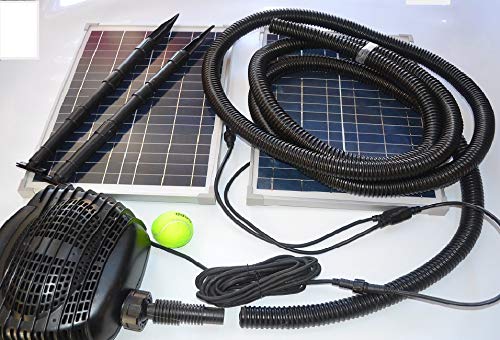
    The Aquaplancton Solar Water Pump Kit pairs an 898 GPH pump with a 50-watt solar panel. That panel-to-pump ratio matters: a larger panel means more consistent output when sun conditions are less than ideal. This is the most powerful consumer-grade solar pond pump kit I have reviewed. The auto dry-run cutoff is a critical safety feature that shuts the pump down automatically if water levels drop too low, protecting the impeller from burning out. The 16-foot cord gives you flexibility to position the panel where it gets the best sun exposure without compromising where the pump sits in your pond.

    The price is the highest on this list, and like all solar pump kits, there is no battery backup included. It will not run at night.

    Choose this if: You want maximum solar-powered flow for a larger decorative pond or water feature with full sun exposure. This is the choice for someone who wants the most capable solar option available without building a custom battery system.

    Choose a smaller kit instead if: You are running a small bird bath fountain or compact garden water feature where 200-300 GPH is more than adequate and the price difference is not justified.

    • Most powerful solar pond pump kit available at consumer price
    • 50W panel provides more consistent output in variable sun
    • Auto dry-run cutoff protects the pump
    • 16-foot cord for flexible panel positioning

    Cons: Highest price on the list. No battery backup (none of these kits include one).

    2. Eco-Worthy Fountain Kit (Best Entry-Level Value)


    ECO-WORTHY Solar Fountain Water Pump

    Three size options (5W, 10W, 20W), two fountain head styles, plug-and-play setup. The go-to for decorative ponds and garden water features on a budget.


    Buy On Amazon

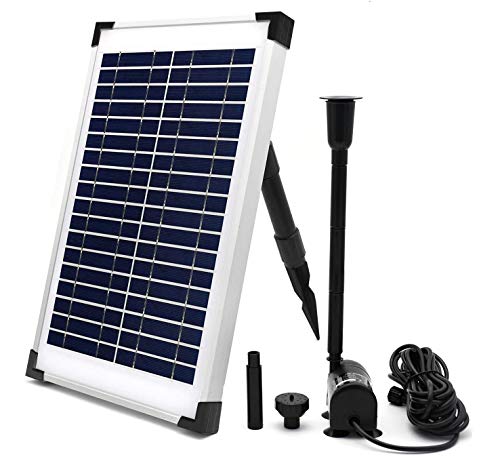
    The Eco-Worthy kit is the right starting point for most casual users. Three panel sizes (5W, 10W, or 20W) let you match the kit to your water feature size, and two fountain head styles give you basic customization over spray pattern. Setup is plug-and-play: no wiring, no tools. The 10W and 20W models provide adequate output for a small decorative pond or birdbath fountain during clear daylight hours.

    No battery backup means it stops at night. That is fine for purely decorative features. It is not fine if you have fish that depend on consistent aeration.

    Choose this if: You want a simple, low-cost fountain for a decorative garden pond or water feature with no fish. The 20W model offers the best price-to-output balance in this kit range.

    Choose the Aquaplancton instead if: You need real GPH capacity and a larger panel for more consistent output in your climate.

    • Three size options to match your water feature
    • Easy plug-and-play installation
    • Low price point

    Cons: No battery backup. Smaller panels mean significant output drop in partial shade or overcast conditions.

    3. Lewisia Fountain Kit (Compact Option for Small Areas)


    Lewisia Solar Fountain Pump Kit

    Tiny 5W kit with 4 fountain head options. Fits in your hand. Right for birdbaths, container ponds, and very small features. The 10W upgrade is worth it for anything larger.


    Buy On Amazon

    The Lewisia Solar Fountain Pump is genuinely small. The pump fits in your hand. With a 5W panel and four fountain head options, it is designed for a birdbath, a small container pond, or any compact water feature where you just want a bit of movement and spray during daylight. It shoots water up to two feet, which is enough for a visual effect in a small space.

    There is also a 10W model for anyone who needs a bit more output. I would take the 10W over the 5W in most cases.

    Choose this if: You have a very small setup: a birdbath, a container water garden, a small decorative pot fountain. If your feature is larger than about 50 gallons, step up to the Eco-Worthy or Solariver kit instead.

    • Genuinely compact: fits any small space
    • 4 fountain head options
    • Easy to install

    Cons: Limited output for anything beyond small containers. No battery backup.

    4. Solariver Kit (Stronger Pump, Better Components)


    Solariver Solar Water Pump Kit

    Up to 20W panel, 360 GPH pump with 3-foot lift capacity, 16-foot cord. A real DC pump, not a toy. Better quality components than most kits at this price.


    Buy On Amazon

    The Solariver Kit stands out in the mid-range because it uses a real DC pond pump, not a miniaturized toy motor. The 360 GPH pump lifts water up to three feet, which gives you actual fountain height for a mid-sized water feature. The 16-foot cord means you have flexibility in panel placement, and the overall build quality of the pump is noticeably better than what you get in cheaper kits. Up to 20 watts of panel capacity balances well against the pump’s power requirements.

    Like all of these kits, no battery backup means no night operation. That is the same story across the whole category at this price point.

    Choose this if: You want better build quality and a real pump in the mid-range price bracket. This is the step between the entry-level Eco-Worthy and the premium Aquaplancton, and it earns that positioning.

    • Real DC pump: noticeably better quality than budget kit motors
    • Up to 3-foot water lift for proper fountain height
    • 16-foot cord for flexible panel placement

    Cons: No battery backup. Not suitable for large ponds or fish-keeping without an add-on battery solution.

    Battery Backup: The Honest Reality

    None of the kits above include adequate battery backup for overnight operation. That is not an oversight by the manufacturers. It is economics. A deep-cycle battery with enough capacity to run a 360 GPH pump through an eight-hour night costs more than most of these pump kits themselves.

    The one option that works is connecting your solar panel to a deep-cycle AGM battery. The solar panel charges the battery during the day, and the battery runs the pump at night. This works, and it is the right solution for fish ponds that need 24/7 operation. Just factor in the battery cost when you are budgeting. Once you add a real deep-cycle battery to the equation, you are looking at a meaningful total investment.

    Should You Buy a Solar Pond Pump?

    BUY OR SKIP?

    Buy if: You want a decorative fountain in a garden pond or water feature and do not mind it running only during daylight. You want an eco-friendly, wiring-free solution for a feature with no live fish. You live in a high-sun climate with strong daylight hours and have an area with full sun exposure for panel placement. You want a low-cost backup pump for power outages during clear weather.

    Skip if: Your pond has koi, goldfish, or any fish that need 24/7 water movement and oxygenation. Your yard has significant shade. You live in a cloudy climate with frequent overcast days. You need the pump to run continuously regardless of weather or time of day. In those cases, invest in a reliable plug-in pond pump and look at solar as a supplemental add-on only.

    What Most People Miss About Solar Pond Pumps

    WHAT MOST PEOPLE MISS

    Solar pond pumps are often sold alongside koi and fish pond supplies, which misleads buyers into thinking they are a direct swap for a traditional pump. They are not. The real use case is decorative: fountains, garden features, birdbaths, and accent pumps where intermittent daytime operation is perfectly fine. If you are serious about fish keeping, solar is at best a supplemental tool, not a primary life-support system. The buyers who are happiest with solar pumps are the ones who went in knowing exactly what the product does and does not do.

    Closing Thoughts

    Solar pond pumps have earned a legitimate place in the pond hobby. They are not the pond pump revolution that some marketing makes them out to be, but for decorative features, garden ponds without fish, and supplemental fountain use, they are a clean, low-maintenance, zero-operating-cost solution.

    The Aquaplancton kit is the right pick if you want the most capable solar pump available. The Eco-Worthy 20W kit is the right pick if budget is the priority and your feature is small. The Solariver sits squarely between them in both price and capability.

    If you have koi or goldfish that need reliable 24/7 water movement, pair any solar pump with a deep-cycle battery solution, or go with a plug-in pump as your primary and use the solar unit for accent and backup only.

    For quality pond fish to stock your feature, check out Flip Aquatics and Dan’s Fish. Both carry healthy stock and know their way around pond fish.


    🔧 Want to learn more? This article is part of our complete Aquarium Equipment & Gear Guide. your ultimate resource for filters, heaters, lights, pumps, tanks, and more.

  • The 7 Best Koi Pond Kits Of 2026 [Tested & Reviewed]

    The 7 Best Koi Pond Kits Of 2026 [Tested & Reviewed]

    Building a koi pond is one of the most rewarding projects in this hobby. It’s also one of the easiest ways to spend a lot of money and end up with a pond that doesn’t work. I’ve talked with enough pond keepers who jumped into a kit without thinking through filtration capacity, liner quality, or pump sizing to know that the planning stage is where most people get into trouble.

    The kit that looks complete on Amazon often isn’t. What it includes matters less than what it leaves out.

    I’ve been in this hobby for over 25 years and worked with pond systems from backyard DIY builds all the way up to commercial installations. This guide cuts through the marketing and tells you what each kit actually delivers, what you’ll still need to buy, and which one gives you the best starting point for a real koi pond that can handle actual koi loads.

    What People Get Wrong About Koi Pond Kits

    The biggest misconception is that a kit is a complete solution. It isn’t. Every kit on this list gives you the core components: liner, skimmer, waterfall filter, and pump. What no kit includes is adequate filtration for a heavily stocked koi pond. The filtration specs on these kits are calculated for light stocking. If you plan to keep 6 to 10 adult koi in a 1,500-gallon pond, every filter on this list will be undersized for that bioload.

    The second thing people get wrong is depth. Many kits are specced and advertised at 1.5 to 2 feet deep. That’s the minimum, not the target. Koi need depth for temperature regulation, predator protection, and stress reduction. Build deeper than the kit specs wherever you can. 2.5 feet is a reasonable real-world target for most DIY installations, and going to 3 feet gives significantly better protection and stability.

    Third: the pump ratings on kits assume ideal conditions with no head loss. Every foot of pipe, every elbow, every filter adds resistance. The pump that moves 3,000 gallons per hour in a tank test moves considerably less in your actual pond installation. Factor that into your planning.

    The Biggest Mistake Koi Pond Kit Buyers Make

    Buying a kit designed for goldfish and expecting it to work for koi. These are not the same animal. Koi grow to 2 feet or more, produce enormous amounts of waste relative to their body size, and require significantly more dissolved oxygen and filtration capacity than goldfish at the same stocking density. A kit rated for a 1,000-gallon pond with goldfish will be overwhelmed by 4 adult koi producing full bioload in summer. Ammonia spikes. Fish get sick. You spend a summer doing emergency water changes instead of enjoying your pond.

    Plan your filtration for more koi than you intend to stock. Stock fewer fish than your maximum. Your pond will run cleaner, your water quality will be better, and your fish will grow faster and healthier.

    Should You Buy a Koi Pond Kit?

    Good Fit If:

    • You want to build a koi pond without hiring a commercial installer
    • You’re comfortable with a DIY project that takes a weekend or more
    • Your budget is in the $500 to $2,000 range for the initial build
    • You understand the kit gets you started, not finished
    • You’re planning a pond of 1,000 to 2,000 gallons with modest koi stocking

    Avoid If:

    • You want a zero-maintenance pond
    • You’re planning to heavily stock with large koi from day one
    • You expect the kit to include everything you’ll ever need
    • Your site has difficult drainage or soil conditions that require heavy equipment
    • Your budget doesn’t allow for the additional equipment you’ll likely add later (UV sterilizer, additional filtration, predator protection)

    What Makes an Ideal Koi Pond

    Before we get into the kits, it’s worth understanding what commercial koi pond installers aim for, because it clarifies why these kits are a reasonable compromise and where their limitations are.

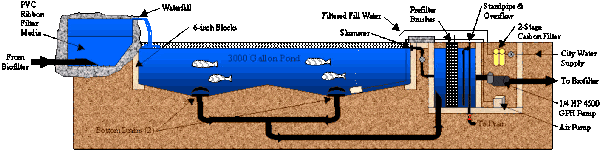
    A commercial koi installation is built around a bottom drain system. The pond is shaped like a bowl so fish waste and detritus flows down into central drains, removing waste continuously from the water column. This setup uses a waterfall filter for biological filtration, a pond skimmer for surface debris removal, and a bare concrete or liner bottom with no rocks or gravel where waste can accumulate.

    Bottom Drain Koi Pond

    That’s the ideal. It’s also expensive, requires heavy equipment and permits, and costs $15,000 or more for a professional install. The kits in this guide give you the biological filtration and mechanical filtration components from that system, in a DIY-installable package, at a fraction of the cost. The tradeoff is that waste management is less efficient and maintenance is higher. That’s the deal you’re making.

    How big should my koi pond be?

    1,000 gallons is the absolute minimum for koi. 1,500 gallons is more realistic for a collection of 4 to 6 fish. If you want to keep more koi or larger koi without constant water quality battles, build at 2,000 gallons or more. The single most common regret in koi pond building is building too small. Build bigger than you think you need.

    Understanding the Key Equipment in These Kits

    Pond Skimmer

    A pond skimmer is mechanical filtration. It pulls surface debris, floating leaves, and surface film into a basket before it sinks and becomes a water quality problem. Think of it as the physical pre-filter for your biological system. Every kit on this list includes one. Quality matters here: a cheap skimmer with a small basket requires daily cleaning in heavy leaf fall. A quality skimmer like Savio’s design manages a larger volume with less frequent intervention.

    Waterfall Filter

    The waterfall filter is your biological filter. It houses the beneficial bacteria that convert ammonia to nitrite to nitrate, which is the nitrogen cycle that keeps your fish alive. Water is pumped up to the waterfall, passes through filter media inside the housing where bacteria colonize it, and flows back into the pond as a waterfall. The waterfall also aerates the water, which is critical for koi in warm weather when oxygen demand spikes.

    The biological filter is where kits are most frequently undersized. If you stock more koi than the kit is rated for, this is the component that fails first. When it fails, ammonia rises, and koi die. Know the capacity rating and respect it.

    Pond Pump

    All kits include a properly matched pump for the included filter components. This removes the guesswork of head-loss calculations that trip up many DIY builders. The pump sizing is calculated to move enough water through the biological filter for adequate colonization time while maintaining waterfall flow. Don’t substitute a different pump without recalculating the head-loss math for your specific installation depth and pipe run.

    Liner and Underlayment

    These kits use EPDM rubber liner, typically 45mm thick. EPDM is the industry standard for residential pond builds. It’s UV resistant, flexible, and durable. A quality EPDM liner from a reputable brand carries a 20-year warranty. The underlayment goes under the liner to protect it from rocks and roots. Don’t skip the underlayment. A punctured liner means draining the pond and starting over.

    The Candidates

    All of these kits can be installed with hand tools and are DIY-capable. Here are my top picks.

    In a hurry? I recommend the Half Off Ponds Savio Signature Kit with UV

    Picture Name Features Link
    Editor’s Choice!

    Half Off Ponds Savio Signature with UV Kit

    Half Off Ponds Savio Signature with UV Kit
    • 15 x 20 x 1.5ft
    • 1900 Gallons
    Buy On Amazon
    Aquascape Complete Pond Kit Aquascape Complete Pond Kit
    • 8 x 11 x 2 ft
    • 1320 Gallons
    Buy On Amazon
    Savio EPDM Pond Kit Savio EPDM Pond Kit
    • 15 x 20 x 2ft
    • 1900 Gallons
    Buy On Amazon
    Simply Ponds 2100 Simply Ponds 2100
    • 15 x 15 x 2ft
    • 1500 Gallons
    Buy On Amazon

    EXPERT TAKE | MARK VALDERRAMA

    I’ve recommended these kits to a lot of pond keepers over the years and the feedback is consistent: the people who are happiest are the ones who built slightly bigger than they planned and stocked conservatively. The ones who are frustrated are the ones who maxed out capacity immediately. The kit gives you a solid foundation. Your stocking discipline is what determines whether that foundation holds up. Start with fewer fish than you think you want. You can always add more.

    The Best Koi Pond Kits: Reviews

    WHY THIS RANKING

    Ranked on: filtration component quality, liner warranty, UV inclusion, value for money, and what you’ll still need to buy to complete the pond. The Savio Signature with UV tops the list because the UV sterilizer inclusion addresses the single biggest summer maintenance headache (green water algae blooms) and the Savio components are proven in the industry. Price drops as either component quality or feature set decreases.

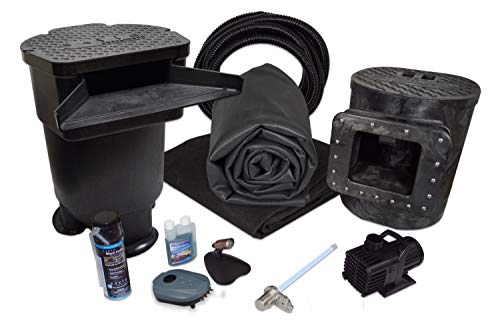
    1. Half Off Ponds Savio Signature with UV

    Editor’s Choice!
    Half Off Ponds Savio Signature

    Editor’s Choice!

    Premium Savio components with a UV sterilizer included. Everything you need to start a 1,900-gallon koi pond with green water prevention built in.

    Buy On Amazon

    The Half Off Ponds Savio Signature with UV is my top pick for one specific reason: the UV sterilizer is included in the box. Most kits don’t include UV, and most koi pond keepers end up adding one anyway once they experience their first green water bloom in summer. Including it in the kit saves you the cost and effort of sourcing and integrating it later.

    Savio is a well-established pond equipment brand. Their skimmer and waterfall filter components are built to last and are well-supported with installation documentation and video guides. The accent lighting included adds an aesthetic bonus, especially if you want to view the pond after dark.

    The limitation is depth. This kit is specced at 1.5 feet maximum depth using the included liner dimensions. That’s too shallow for koi without additional predator protection measures. You can build deeper, but it reduces your pond footprint. Plan your dig with 2 to 2.5 feet as the target depth and accept that your surface area will be smaller than the maximum spec. For koi, that’s the right tradeoff.

    Pros: Savio components, UV sterilizer included, accent lighting, reliable brand support

    Cons: 1.5-foot spec depth requires careful planning for koi depth needs

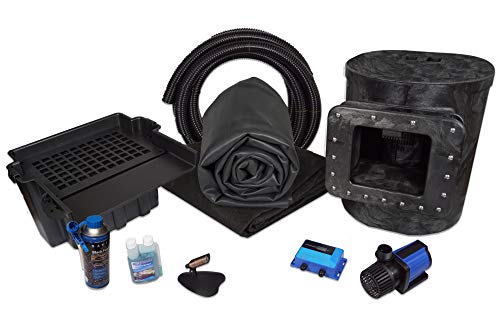
    2. Aquascape Complete Pond Kit

    Aquascape Complete Pond Kit

    High-quality equipment, 20-year liner warranty, dosing system included, contractor network support. The premium option for serious long-term builds.

    Buy On Amazon

    Aquascape is the premium option on this list. The filter components, both the skimmer and the waterfall filter, are among the best designed for this style of installation. They’ve been refined over many years of commercial and residential use, and Aquascape backs them with a lifetime warranty on the filtration components and a 20-year warranty on the 45mm EPDM liner.

    The dosing system is a practical inclusion that many keepers overlook. It allows you to add beneficial bacteria, water conditioners, and supplements through a consistent delivery mechanism rather than manually pouring product into the pond. For a keeper who wants precision in their maintenance routine, it’s a meaningful feature.

    Aquascape also maintains a network of certified installers if you want professional help. If you’re investing in high-quality koi and want the build done right the first time, hiring from their network is worth considering. But the kit can absolutely be built by a motivated DIYer with detailed attention to their instructions.

    The downside is price. This is the most expensive kit on the list by a significant margin. If you’re building a serious koi pond with high-value fish, it’s worth the investment. If you’re testing the waters with a starter pond, the Savio options deliver better value.

    Pros: Highest quality components, lifetime filtration warranty, 20-year liner warranty, dosing system, contractor network

    Cons: Most expensive kit on this list

    3. Savio EPDM Pond Kit

    Savio EPDM Kit

    Same high-quality Savio components as the Signature kit, without the UV. The best value option from a trusted brand.

    Buy On Amazon

    The Savio EPDM kit is the same quality Savio components as the Editor’s Choice, without the UV sterilizer. That’s the only meaningful difference. If you’re building in a shaded location where green water algae is less of an issue, or if you plan to add a UV unit from another source, this kit saves you money without sacrificing component quality.

    Same depth limitation applies: 1.5-foot spec, build deeper. Build to 2 to 2.5 feet and account for the reduced footprint in your dig plan. The footprint can go slightly smaller if you increase depth, which is the right trade for koi.

    Pros: Savio quality, better price than the UV version

    Cons: No UV (you’ll likely want to add one), 1.5-foot spec depth

    4. Simply Ponds 2100

    Simply Ponds 2100

    Budget-friendly kit with a Savio waterfall filter and a lifetime liner warranty. Uses a generic skimmer to keep costs down. Best for strict budgets who still want some brand-name filtration quality.

    Buy On Amazon

    The Simply Ponds 2100 is the budget option. It mixes a quality Savio waterfall filter with a generic skimmer and pump to bring the price down. The practical impact is that the skimmer requires more frequent cleaning than the Savio skimmer in the kits above. For a low-stocking pond in a relatively clean environment, that’s manageable. For a heavily stocked koi pond in a tree-heavy yard, it becomes a daily chore in fall.

    The lifetime liner warranty is a legitimate plus. The fact that you’re purchasing from Half Off Ponds means all components come from one source for warranty claims, which simplifies any issues you run into.

    Choose this if budget is genuinely tight and you’re committed to light stocking. Choose the Savio Signature with UV if you can stretch the budget, because the UV and better skimmer design will save you time and headaches over the life of the pond.

    Pros: Best price, Savio waterfall filter, lifetime liner warranty, single warranty source

    Cons: Generic skimmer and pump require more maintenance attention

    Protecting Your Koi From Predators

    These kits are designed at 2 feet of depth as a maximum spec, which is marginal for predator protection. Here’s how to compensate.

    Predator Decoy

    Deters Heron
    Alligator Head Decoy

    Effective Against Heron

    A floating predator decoy that deters herons from landing and fishing your pond.

    Buy On Amazon

    Herons are the single biggest koi predator threat in most regions. An alligator head decoy floating in the pond deters them from landing. Move it every few days so the heron doesn’t habituate to it. A stationary decoy loses effectiveness within a week.

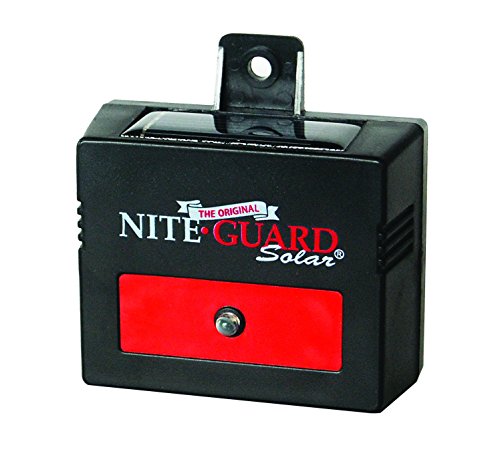
    Nite Guard Solar

    Deters Raccoons
    Nite Guard Solar

    Great Against Raccoons

    Solar-powered predator deterrent that flashes at night to scare raccoons and other nighttime visitors away from your pond.

    Buy On Amazon

    Raccoons are nocturnal and persistent. The Nite Guard uses solar-powered flashing lights that activate at dusk and scare off raccoons without any maintenance. Place multiple units around the pond perimeter for full coverage. This is the most practical low-effort nighttime predator control available for a DIY pond build.

    Pond Design for Predator Deterrence

    Build steep declines into your pond walls rather than gradual slopes. Steep sides discourage raccoons from wading in. Koi also naturally avoid shallow areas when they feel threatened, and steep walls give them nowhere shallow to be cornered.

    Step Declines in Ponds Setups

    Building to 2.5 feet at the deepest point gives koi a refuge zone. Don’t exceed 3 feet with these kits: going too deep affects the skimmer’s surface draw and reduces filtration effectiveness.

    WHAT MOST PEOPLE MISS

    The UV sterilizer. It’s not included in most kits and it’s rarely talked about as a necessity, but in summer when water temperatures climb and green water algae blooms hit, it’s the difference between a clear, beautiful pond and a pea-soup green disaster you can’t see your fish through. The Savio Signature with UV includes it. If you buy any other kit on this list, budget an additional $100 to $200 for a standalone UV unit. You’ll use it.

    My Recommendation

    Of all the koi pond kits on this list, the Half Off Ponds Savio Signature with UV is the right starting point for most koi keepers. The UV sterilizer inclusion is genuinely valuable. The Savio components are proven. The price is reasonable for what you get. Build it deeper than the spec, stock conservatively, and this system runs well.

    If budget is not a constraint and you’re building a serious long-term koi collection, the Aquascape Complete Pond Kit is worth the premium for the component quality and warranty backing.

    Livestock Selection

    Looking for quality koi to stock your new pond? Check out our best koi fish guide for a breakdown of varieties by beginner accessibility, visual impact, and where to buy. NextDayKoi is the recommended WYSIWYG source. Use coupon code ASDEPOT to get 10% off.

    MARK’S TOP PICK

    Half Off Ponds Savio Signature with UV. No other kit at this price point includes a UV sterilizer, and no other brand at this price point has Savio’s component quality. That combination makes it the clear starting point for the overwhelming majority of DIY koi pond builds.

    Closing Thoughts

    A koi pond kit is a great starting point, but understanding its limitations before you buy is what separates a pond that works from one you’re constantly fighting. Know that filtration will be your constraint, not your liner. Know that depth matters more than surface area for koi. Know that you’ll likely add a UV unit, predator deterrents, and additional filtration over time as your pond matures and your stocking increases.

    The Half Off Ponds Savio Signature with UV gives you the best foundation on this list. Start there. Stock lightly. Let the biological filter mature before pushing capacity. A koi pond that runs clean in year one becomes a joy to keep in year three and beyond.

    For koi food, water treatments, and pond supplies, check out Flip Aquatics and Dan’s Fish for quality products to keep your pond running at its best.

    BUY OR SKIP?

    Buy a kit if you want to build a quality DIY koi pond without the cost and complexity of a commercial install, and you understand that the kit is a foundation, not a finished solution. Skip and hire a contractor if you’re planning a serious high-density koi collection, have a difficult site, or want a bottom-drain system that runs with minimal maintenance. The kits on this list are for motivated DIYers who want a real koi pond at a reasonable cost.

  • The Ultimate DIY Garden Pond Guide – 4 Types and how to build, & maintain

    The Ultimate DIY Garden Pond Guide – 4 Types and how to build, & maintain

    Garden ponds are something I’ve helped dozens of hobbyists build over the years. and the projects that fail almost always do so for the same reasons: wrong liner, undersized pump, or skipping the biological filtration stage. I built my first backyard pond in the early 2000s and have been refining the process ever since. This guide covers the four main pond types and what it actually takes to build and maintain each one successfully.

    Ponds or waterscapes add a lot of serenity and visual appeal to your landscaping. Just stepping out of home to view your own backyard paradise is a great way to reduce stress, relax, and enjoy your home. The pleasant sound of water and the added wildlife that comes with the pond turns your home into an oasis, adds home value, and visual appeal for you and your guest.

    The DIY Garden Pond and waterscapes can be a really intimating to first to think about. Most of us think of massive Koi Ponds we see at restaurants and garden magazines. While they are great inspirational works of water art, they are unrealistic for most of us. There is also the discussion of costs and maintenance. You will find out in this article that there are a variety of garden ponds and some of them can be done for low costs and some of them are relatively maintenance free.

    Just a quick note that this post will include affiliate links for which I may make a small commission at no extra cost to you should you make a purchase. With that disclosure out of the way, let’s talk about ponds!

    The DIY Garden Ponds (The Types)

    There are many type of garden ponds that you can build and several of them have kits that make it easy for yourself or your contractor to build for you. The more research you do about it, the better you will be aware of what your options are and how to get the best looking pond possible. There are several types of garden ponds that you can build:

    • The Koi Pond
    • The Goldfish Pond
    • The Planted Water Garden
    • The Patio Pond
    • The Pondless Waterfall

    The Koi Pool

    The Koi Pond

    When I refer to the Koi Pond, I’m referring to a Koi aficionado pond. These ponds are typically large. They are usually going to be over 1,200 gallons and around 3 feet in depth. These ponds are usually fish only, due to the fact that Koi are known for eating pond plants, the added sensitivity of Koi over hardier pond fish like goldfish, and ease of medicating fish if there is a disease outbreak. The key concept with the Koi pond is to have a bottom drain.

    This is either done with a bottom drain installed on a concentrate pond or a pond liner kit that has a Pond Skimmer opposite of a waterfall filter where the water flow goes into the skimmer.

    Bottom drains installed on a concentrate pond is out of the scope of this post and is the most expensive type of pond you can purchase. They require a licensed contractor, lots of planning, may require permits, and are very expensive. Koi Pond Kits made of pond liner, can be purchased and be installed either by yourself or with the assistance of a contractor for a much lower cost. The kits are made so you have all the major parts that you need to do the install.

    The main extras you will need are tools, rocks, and landscaping to decorate around the pond. The pond liner is made of high quality EPDM rubber and last for many years. Plants with Koi ponds are usually going to be placed outside of the pond. Some of the best outside of pond plants for Koi ponds are going to be plants such as ferns.

    The Goldfish Pool

    The Goldfish Pond

    The goldfish pond is ideal for those who are building smaller ponds and want an easier to take care of the pond in the long-term vs Koi Fish. Goldfish ponds are an ideal backyard pond due to the smaller footprint. Because goldfish come in a variety of sizes, you can fit them in virtually any pond kit you can purchase. Pond Goldfish have incredible resiliency compared to Koi.

    They are extremely hardy and more tolerant of temperature signs. Their smaller size makes them easier to hide in shallower ponds over Koi and they are much cheaper than Koi. Nearly all goldfish ponds are going to be made of EPDM liners or even a Rigid Pond Liner.

    Goldfish can also be placed in patio ponds as long as you stay on top of maintenance and water water changes. Goldfish can also be mixed with Koi so a larger pond can have a mix of both, which is a good compromise if you are on the lower end of the gallon size minimum for Koi. Goldfish in general are going to be less destructive with plants so they also make a better candidate for water gardens over Koi. Some Goldfsh like the Shubunkin Goldfish, are sometimes labeled as a poor man’s goldfish due to their colorful varieties and fancy fins.

    The Planted Pool

    Planted Water Garden

    The Planted Water Garden is a pond that has aquatic plants inside the pond. These are what most people think of when they image a pond. Aquatic plants are great for nutrient reduction, filtration, shelter, and food but there are multiple considerations to keep in mind if you want plants in your pond. Having plants in your garden will hamper your ability to manage diseases in your pond if an outbreak occurs as many medications will kill off plants.

    There are also fish that are not great with plants, such as Koi. You will have to consider plants more appropriate for Koi or think about better fish for plants such as goldfish, mollies, guppies, paradise fish, and white cloud minnows.

    Most planted water gardens can be installed with a planted water garden kit and are made of EPM pond liner. They will require a pond skimmer and a filter waterfall. Most the kits available will have everything you need to get started. A well maintained setup makes a great and enjoyable backyard pond.

    The Patio Pool

    The Patio Pond

    The Patio Pond is very popular among those who live in apartments, small homes, or want to accent their outdoor patio with a water feature. They can contain fish or just be a true water garden. Some of them won’t even have fish and are simply there for the water sounds and effect. They are compact and very painless to install.

    All you need to do is find a place for it and fill with water (don’t forget water declorinator if you are adding aquatic inhabitants or plants) and you are good to go. Ideal fish for these small ponds are going to be small fish like white cloud minnow and guppies.

    You can add goldfish like feeder goldfish and fancy gold fish in the short-term, but most of these kits are going to be too small long-term. Example of plants for patio ponds would be water lettuce, creeping jenny, and anacharis. Patio ponds are also ideal setups for solar powered pond pumps where the pond can power the entire setup and not use electricity from the grid.

    The Pondless Waterfall

    Pondless Waterfall

    The pondless waterfall is a water-feature that is beautiful, yet extremely low maintenance for the owner. It brings all the benefits of a water feature to your home with the additional wildlife and the sounds of water, the added aesthetics, but without the major task of maintenance. If you have ever owned a pond before, you are well aware that having fish in your pond adds a lot of the maintenance. You have to maintain the bioscape you have created, watch out for predators, and need to feed and care for your fish if they ever get sick or injured.

    The pondless waterfall is all about aesthetics, which honestly is what a lot of folks who want a pond look for. It is one of the most popular waterscapes installed today for good reason. They can also be installed indoors.

    The best pondless waterfalls are going to be complete kits with everything you need. They will be made of EPM liner, a waterfall spillway, and a waterfall vault that will catch the water from the waterfall. They are easier to install and cheaper then other ponds since they have less parts. They can be installed by yourself with just hand tools. Waterfall kits will give you a backyard pond without the added maintenance of sustaining aquatic animals.

    Building Instructions

    Installing Backyard Pond

    As you have seen when discussing the types of ponds, many ponds these days can be installed with pond kits. These kits give you all the major parts you need in order to do your install can can be installed with hand tools. Here are a few tips you keep in mind when installing a garden pond:

    • Call before you dig – call your local utility company and get your gas lines, water lines, etc marked in your yard before you get started. This will prevent you from hitting a major line when installing your garden pond
    • Choose a level site – This will make your install easier and keep additional expenses from happening like having to build up a retaining wall
    • Avoid trees that can cause damage – Pine trees are the worst trees to have near a pond as the needles will clog and damage your filters. You will also want to watch out for large trees that have invasive roots that could damage your liner over time.
    • Get proper tools – while these pond kits can be installed with hand tools, there are a few tools you will want handy in order to complete your install

    How To Install

    Installing a garden pond isn’t as difficult as you think with all the kits available these days. The main trick is keeping everything level, the set up of the stones, and evacuating the dig site for filter and the skimmer. The video below from Savio, one of the best pond equipment manufacturers, illustrates how to install your Garden Pond.

    If you aren’t planning on installing your pond or water feature yourself, keep these tips in mind when selecting a contractor:

    • Make sure your contractor specializes in water features. Waterscapes are a work of art and requires a lot of creatively and taste to pull off a great looking finished work. If this is what they do for a living, they likely know about aesthetics and the biology of a pond
    • Make sure you look at the contractor’s past work. They should be able to supply you a sample of the waterscapes they have done, and they should have references and reviews on their business profile or web page
    • Make sure you work with a licensed contractor. If you are going to hire someone, having a licensed contractor protects you and gives you resource in the event something goes wrong
    • Lean on kits over custom equipment. It’s easier to maintain kits and to find replacement parts for these over custom packages. Custom filters and high end equipment is mostly something for the Koi aficionado. High end koi ponds are a small percentage of pond installs that are done in the industry – especially for residential installs

    Maintenance

    DIY Garden Pond Maintenance

    Here are a few quick tips on maintaining your water garden pond

    • Clean your pond regularly – pond-less waterfalls will have the least maintenance, but you should inspect your pumps regularly
    • Manage plants near your pond – Prune plants near your pond
    • Manage ice with a deicer – Pond De-Icers keep a small hole in the ice during the winter months and keep your fish alive throughout the winter.
    • Control Algae Growth – Maintaining lower nutrient level and getting a UV Sterilizer will keep algae outbreaks at bay
    • Maintain your filters and pumps – A broken piece of equipment can be disastrous for your pond inhabitants. Always keep up on maintenance
    • Maintain your water level – Water evaporation is a major issue in the summer. Make sure you check your water levels and top off your level with chlorinated water
    • Test your water – Pond Test Kits can be purchased so you can regularly check your levels. Test frequently (at least once a week) to ensure your levels stay consistent.

    Closing Thoughts

    A pond is a great centerpiece to have in your yard. They are very enjoyable to own and with so DIY kits available now, the prospect of building your own pond or waterscape is easier than ever to do. Hopefully this article help narrow down what you are looking for. As I release more content over the weeks, I will add supporting links to each section so you can see what equipment is available and what is recommended to use. Happy building!