Tag: Aquarium Clubs

  • The Complete List of 150 Aquarium Hobbyist Clubs and Societies

    The Complete List of 150 Aquarium Hobbyist Clubs and Societies

    Aquarium Hobbyist Clubs and Societies: The Complete Directory

    aquarium hobbyist clubs and societies worldwide

    Local aquarium hobbyist clubs and societies are one of the most underrated resources in this hobby, and I say that after 25+ years of keeping fish. The knowledge inside a good local club. from breeders who’ve been at it for decades, to members willing to share cuttings, fry, or equipment at cost. is genuinely hard to find anywhere else. I’ve made some of my best hobby connections through club events and auctions. If you haven’t looked into your local club yet, I strongly encourage it. Below is a comprehensive list of aquarium hobbyist clubs and societies organized by region to help you find one near you.

    Aquarium hobbyist clubs and societies can provide incredible learning experiences with the vast number of hobbyist veterans willing to help you out. Many are closer to you can you think. We encourage anyone who keeps freshwater or saltwater aquariums to join an aquarium club. They can provide many learning opportunities, mentorships, and a great way to make new friends. The tank tours alone are worth stopping by!

    Since many of these clubs do not market themselves, Aquarium Store Depot  has provided a list so that you can find the closest one to you. There are aquarium clubs popping up throughout the States all the time so if you have one that we have not listed, please e-mail us at info@aquariumstoredepot.com or contact us and we will get the list updated:

    One underappreciated benefit of joining local clubs is access to a mentorship network. Most experienced hobbyists in these groups are genuinely happy to answer questions, do tank visits, or help troubleshoot a problem. You also get early access to members-only auctions, where locally bred fish, home-grown plants, and coral frags often go for a fraction of what you’d pay online. For beginners especially, this community knowledge base shortens the learning curve dramatically and makes the hobby far more enjoyable from day one.

    What to Expect From Aquarium Hobbyist Clubs

    Most aquarium hobbyist clubs operate on a simple model: members pay a small annual fee to fund events, speakers, and a shared library of books and equipment. Monthly meetings typically include a program segment (a speaker or demonstration), a Q&A, and an auction where members bring in frags, fry, cuttings, or equipment to sell or trade. This is one of the best ways to get rare or locally bred species that you’d never find at a big box store.

    Freshwater aquarium hobbyist clubs tend to focus on planted tanks, cichlids, bettas, native fish, and general community fish. Marine and reef aquarium hobbyist clubs (often called reef clubs or SCMAS) center on coral propagation, SPS and LPS care, equipment reviews, and tank tours. Many clubs now have hybrid memberships that welcome both freshwater and saltwater hobbyists.

    StateCityNameWebsite
    AlabamaMobileMobile Bay Reef Keepersmbrk.com
    ArizonaPhoenixArizona Frag Clubarizonafrag.com
    ArizonaPhoenixDrywash Aquarium Societydrywashaquarium.com
    ArizonaPhoenix/TucsonArizona Aquatic Plant Enthusiastsazaquaticplants.com
    ArizonaTucsonDesert Aquarist Societydesertaquaristsociety.com
    ArkansasLittle RockRazorback Reef Marine Aquarium Society (RRMAS)razorbackreef.com
    CaliforniaCosa MesaCoast Fish Clubcoastfishclub.com
    CaliforniaFresnoCentral Valley Reeferscvreefers.org
    CaliforniaHaywardBay Area Reefersbareefers.org
    CaliforniaHollisterCentral Coast Aquarium Clubkidjacobmartin.wix.com
    CaliforniaLos AngelesLos Angeles Reef Societylareefsociety.org
    CaliforniaNorthern CaliforniaCalifornia Betta Societycbsbettas.org
    CaliforniaRiversidePan Pacific Guppy Associationppga.tripod.com
    CaliforniaSacramentoSacramento Aquarium Societysacramentoaquariumsociety.info
    CaliforniaSan DiegoSan Diego Tropical Fish Societysandiegotropicalfish.com
    CaliforniaSan DiegoSan Diego Marine Aquarium Societysdmas.com
    CaliforniaSan FranciscoSan Francisco Aquarium SocietySanFranciscoAquariumSociety.org
    CaliforniaSan FranciscoSan Francisco Bay Area Aquatic Plant Societysfbaaps.org
    CaliforniaSan JosePacific Coast Cichlid Associationcichlidworld.com
    CaliforniaSanta AnaSouthern California Marine Aquarium Societyofficalscmas.org
    CaliforniaSouthern CaliforniaSouthern California Aquatic Plant Societyscapeclub.org
    ColoradoArvadaColorado Aquarium Societycoloradoaquarium.org
    ColoradoColoradoMarine Aquarium Society of Coloradocoloradoaquarium.org
    ColoradoDenverRocky Mountain Cichlid Associationmarinecolorado.org
    ColoradoSouthern ColoradoSouthern Colorado Marine Aquarium Societythescmas.com
    ConnecticutConnecticutConnecticut Area Reef Societyctars.org
    ConnecticutHudson ValleyDanbury Area Aquarium Societynortheastcouncil.org
    ConnecticutNorwalkNorwalk Aquarium Societynorwalkas.org
    DelawareDelawareChesapeake Area Killifish Clubchesapeakekillifish.org
    DelawareNew CastleDelaware Reef Clubdalreefclub.com
    District of ColumbiaDCCapital Cichlid Associationcapitalcichlids.org
    District of ColumbiaDCPotomac Valley Aquarium Societypvas.com
    District of ColumbiaDCWashington DC Area Marine Aquarist Society (WAMAS)wamas.org
    FloridaBrevardBrevard Area Reef Societybrevardareareefsociety.com
    FloridaMiamiFlorida Marine Aquarium Societyfmas1995.org
    FloridaOrlandoOrlando Reef Caretakers Associationo-r-c-a.com
    FloridaPalm BeachPalm Beach Marine Aquarium Societypbmas.org
    FloridaSaratosaCoastal Aquarium Societycoastalaquariumsociety.com
    FloridaSouth FloridaGold Coast Aquarium Society of South Floridagcaquarium.org
    FloridaTampa BayTampa Bay Aquarium Societytbas1.com
    FloridaVariousFlorida Reef Aquarium Group (FRAG)floridareefaquariumgroup.com
    GeorgiaAtlantaAtlanta Area Aquarium Societyatlantaaquarium.com
    GeorgiaAtlantaAtlanta Reef Clubatlantareefclub.org
    GeorgiaAtlantaAtlanta Southeastern Marine Aquarium Societyatlanta-smas.org
    HawaiiHonoluluHonolulu Aquarium Societyhonoluluaquariumsociety.org
    IllinoisBloomingtonCentral Illinois Tropical Aquarium Clubcitac-il.org
    IllinoisChicagoChicagoland Marine Aquarium Societycmas.net
    IllinoisChicagoGreater Chicago Cichlid Associationgcca.net
    IllinoisRockfordRockford Reefersrockfordreefersaquariumclub.org
    IndianaIndianaIndiana Marine Aquarium Societyindmas.org
    IndianaIndianapolisCircle City Aquarium Clubcirclecityaqclub.org
    IndianaNorth Central IndianaNorthwest Indiana Marine Aquarium Clubmichianaaquariumsociety.org
    IndianaNorthwest IndianaNorthwest Indiana Marine Aquarium Clubnwimac.org
    IowaIowaGreater Iowa Reef Societygreateriowareefsociety.org
    IowaMarionEastern Iowa Aquarium Associationfinflap.com
    KansasKansasSalt Citysalt-city.org
    KansasKansas CityHeart of America Aquarium Societykcfishclub.org
    KentuckyLouisvilleLouisville Marine Aquarium Societylmas.org
    LouisianaLouisianaLouisiana Reef Clublareefclub.com
    LouisianaSoutheast LouisianaSoutheast Louisiana Aquarium Societyselas.us
    MarylandChesapeakeChesapeake Marine Aquarium Societycmas-md.org
    MarylandMarylandChesapeake Guppy Clubchesapeakeguppyclub.org
    MarylandSouthern MarylandSouthern Maryland Marine Aquarium Societysmmas.org
    MassachusettsBostonBoston Aquarium Societybostonaquariumsociety.org
    MassachusettsBostonBoston Reefersbostonreefers.org
    MassachusettsNew EnglandNew England Fancy Guppy Associationnewenglandguppies.org
    MassachusettsSpringfieldPioneer Valley Aquarium Societypvas.net
    MassachusettsWorcesterWorcester Aquarium Societysites.google.com/site/worcesteraquariumsociety
    MichiganDetroitMichigan Guppy Breedersmichiganguppybreeders.com
    MichiganDetroitMotor City Aquarium Clubmotorcityaquariumsociety.com
    MichiganLansingMid-Michigan Marine Clubmidmichiganmarineclub.org
    MichiganMichiganMarinelife Aquarium Society of Michiganmasm.org
    MichiganMichiganMichigan Reefersmichiganreefers.com
    MichiganNorthern MichiganUpper Peninsula of Michigan Marine Aquarium Societyupmmas.com
    MichiganSouthwest MichiganSouthwest Michigan Aquarium Societyswmas.org
    MinnesotaNorthern MinnesotaNorthern Minnesota Reef Clubfrozenocean.org
    MinnesotaRosevilleMinnesota Aquarium Societyaquarium.mn
    MinnesotaSt. PaulTwin Cities Marine Aquarium Societytcmas.org
    MissouriMaryland HeightsMissouri Aquarium Societymissouriaquariumsociety.com
    MissouriSpringfieldSaltwater Enthusiasts Association of Springfieldtheseas.org
    MissouriSt. LouisSaltwater Enthusiasts Association of St. Louisseasl.org
    MissouriSt. LouisSt. Louis Area Saltwater Hobbyistsslashclub.org
    NevadaLas VegasLas Vegas Marine Aquarium Societylvmas.com
    New HampshireNew HampshireNew Hampshire Aquarium Societynhaquariumsociety.com
    New JerseyFreeholdJersey Shore Aquarium Societyjerseyshoreas.org
    New JerseyNew JerseyNew Jersey Reefers Clubnjreefers.org
    New JerseyNew JerseyNew Jersey Aquarium Societynjas.net
    New YorkAlbanyCapital District Marine Aquarist’s Societycdmas.org
    New YorkBrooklynBrooklyn Aquarium Societybasny.org
    New YorkBuffaloUpstate Reef Societyupstatereef.com
    New YorkCentral New YorkCentral New York Aquarium Societycnyas.org
    New YorkHudson ValleyHudson Valley Reefkeepershvreef.org
    New YorkLong IslandLong Island Aquarium Societyliasonline.org
    New YorkLong IslandLong Island Reef Associationlongislandreef.org
    New YorkManhattanManhattan Reefsmanhattanreefs.com
    New YorkNassau CountyNassau County Aquarium Societyncasweb.org
    New YorkOleanAllegheny River Valley Aquarium Societyorgsites.com/ny/arvas
    New YorkQueensGreater City Aquarium Societygreatercity.org
    North CarolinaCharlotteReef Aquarium Society of Charlotterasoc.org
    North CarolinaRaleighTriangle Reef Aquarium Clubtrianglereefaquariumclub.tripod.com
    OhioAkronGreater Akron Aquarium Societygaas-fish.net
    OhioCentral OhioCentral Ohio Reef Aquaristscorareef.org
    OhioCincinnatiCincinnati Reefkeepers Societycincyreef.com
    OhioClevelandGuppy Association of Greater Clevelandangelfire.com/hi5/gagc
    OhioClevelandCleveland Saltwater Enthusiasts Associationc-sea.org
    OhioColumbusColumbus Area Fish Enthusiastscolumbusfishclub.org
    OhioLorain CountyLorain County Aquarium Societylcas-fish.net
    OhioMedina CoutyMedina County Aquarium Societymcas-fish.net
    OhioMiddleburg HeightsOhio Cichlid Associationohiocichlid.com
    OhioYoungstownYoungstown Area Tropical Fish Societyyatfs.com
    OklahomaOklahoma CityCentral Oklahoma Marine Aquarium Societyoklahomaocean.tripod.com
    OregonOregonPacific Northwest Marine Aquarium Societypnwmass.org
    OregonEugeneWillamette Valley Aquarium Societywvaquariumsociety.com
    PennsylvaniaChurchvilleBucks County Aquarium Societybcasonline.com
    PennsylvaniaDelaware ValleyDelaware County Aquarium Societydcas.us
    PennsylvaniaDelaware ValleyDelaware Vallery Reef Clubdelvalreefclub.org
    PennsylvaniaLancaster CountyAquarium Club of Lancaster Countyaclcpa.org
    PennsylvaniaNorthern MarylandMason Dixon Reef Clubmdreefclub.com
    PennsylvaniaPittsburgGreater Pittsburgh Aquarium Societygpasi.org
    PennsylvaniaPittsburghPittsburgh Marine Aquarium Societypmasi.org
    PennsylvaniaPittsburghPittsburgh Area Killifish Associationsheneskillies.com/paka/paka.htm
    Rhode IslandCranstonOcean State Reef Aquarium Societyosras.com
    Rhode IslandCranstonOcean State Reef Aquarium Societyosras.com
    South CarolinaCharlestonCharleston Reefers Clubcharlestonreefers.org
    South CarolinaColumbiaColumbia Marine Aquarium Clubcolumbiamac.org
    South DakoaSioux FallsSioux Fallas Area Aquarium Societysfaas.org
    TennesseeKnoxvilleMiddle Tennesse Reef Clubmtrc.org
    TexasAustinAustin Reef Clubaustinreefclub.com
    TexasDallasDallas Marine Aquarium Societydallasmas.org
    TexasDallas/Fort WorthDallas Fort Worth Marine Aquarium Societydfwmas.org
    TexasDallas/Fort WorthNorth Texas Reef Fanaticsnorthtexasreeffanatics.org
    TexasHoustonGreater Houston Aquarium Clubhoustonfishbox.com
    TexasHoustonMarine Aquarium and Reef Society of Houstonmarsh-reef.org
    TexasLubbockLubbock Reef Clublubbockreefclub.com
    TexasSan AntonioHill Country Cichlid Clubhillcountrycichlidclub.com
    TexasSouthern TexasMarine Aquarists Association of South Texasmaast.org
    TexasWacoSaltwater Club of Central Texasmyscct.com
    UtahSalt Lake CityGreat Salt Lake Aquarium Societygslas.com
    UtahSalt Lake CityWasatch Marine Aquarium Societyutahreefs.com
    VermontVermontVermont Marine Aquaristssaltwatervt.org
    VirginiaRichmondRichmond Reefersrichmondreefers.com
    WashingtonSeattleGreater Seattle Aquarium Societygsas.org
    WashingtonSpokaneSpokane Reef Societyicehouse.net
    WashingtonWashingtonPacific Sound Aquarium Societypnwmas.org
    WashingtonYakimaYakima Salt Water Clubyswc.forumotion.net
    WisconsinMadisonMadison Area Reef Societymadisonreef.com
    WisconsinMadisonMadison Area Aquatic Hobbyistsmadisonaquatichobby.com
    WisconsinMilwaukeeThe Milwaukee Aquarium Societymilwaukeeaquariumsociety.com
    WisconsinWisconsinWisconsin Reef Societywireefsociety.com

    Starting a freshwater tank? Check out our freshwater aquarium words of wisdom

    Starting a saltwater tank? Check out our saltwater reef tank words of wisdom

    Looking to buy livestock? Check out this link for the best place to buy fish online

    Why Join Aquarium Hobbyist Clubs and Societies

    Whether you’re new to the hobby or decades in, aquarium hobbyist clubs and societies remain one of the most underrated resources in fishkeeping. Most aquarium hobbyist clubs host monthly meetings, livestock auctions, and equipment swaps where you can find rare species at a fraction of retail prices. Many aquarium hobbyist clubs also maintain active online communities if in-person attendance isn’t possible. If you’ve been considering joining, this grand list of aquarium hobbyist clubs and societies is a great place to start.

    aquarium hobbyist clubs meeting
    Join local aquarium hobbyist clubs to meet fellow fishkeepers.

    References

  • Freshwater Aquarium – Words of Wisdom I Wish I Knew Before I Started

    Freshwater Aquarium – Words of Wisdom I Wish I Knew Before I Started

    Hello again fellow readers. Over the past few years, I have gone through a full dive into the freshwater aquarium hobby. As many of my friends and hobbyists know, I started in the hobby straight into saltwater aquariums and then into reef tanks. A couple of years ago, I posted a big piece of content titled words of wisdom I wish I knew before I started. As I got more into the freshwater side of the hobby, I thought to myself I should do the same with freshwater aquariums.

    Today’s post is going to be a long. Each one of these points can be a post on its own. My purpose is to place all these words of wisdom into a single post so you can reference it to anyone starting out in the freshwater aquarium hobby. I got a video below as well you can check out from our YouTube Channel.

    Key Takeaways

    • Education is the number one factor to have success. Research and trust authoritative blogs and experts in the field
    • Don’t cheap out on your setup, invest in quality equipment
    • Be careful with your livestock choices
    • Be patient with your setup and keep calm when things go wrong
    • Maintain your aquarium and avoid getting multiple fish tanks

    Freshwater Aquarium Words Of Wisdom – What I Wish I Knew Before I Started

    #1 – Educate Yourself

    Educate Yourself

    The freshwater hobby is very broad. I would say it is about 3-4 times more broad than the saltwater aquarium hobby. A saltwater hobbyist goes to corals at the ultimate goal while a freshwater aquarist can have many goals. You can go with a large predator tank, a planted tank, a small betta fish tank, or even a pond. This means that the hobby is always evolving. There are new breakthroughs every day and new subsets of the hobby. Such as in life, dedicate yourself to never stop learning about this hobby if you are passionate about it. Seek blogs like this one, videos, authoritative figures, etc.

    #2 – Patience Is Your Virtue

    Patience with Aquariums

    Read the image above and understand what it comes. Freshwater aquariums is all about doing everything you can to set yourself for success then letting go. You have to be patient about the results after you have taking the actions or setup the proper routines. Impatience will wreck you in this hobby.

    #3 – Know The Nitrogen Cycle

    The nitrogen cycle is the cornerstone piece of knowledge you must have to succeed in the fish hobby. The nitrogen cycle is a 5 stage process:

    1. Nitrogen is introduced with fish food
    2. Ammonia is excreted either by fish or decaying material
    3. Nitrosomas bacteria convert Ammonia to Nitrite
    4. Nitrobactor bacteria converts Nitrite to Nitrate
    5. Plants use Nitrates and Ammonium as fertilizer

    Your aquarium is a closed biosystem. Your biosystem needs to have a balance of enough bacteria to keep levels in check. Knowing your balance will keep you from overstocking and overwhelming your biosystem. You can check out the video below by Girl Talks Fish for a more detailed explanation.


    It is important to know that most stock filtration equipment will not offer you a full nitrogen cycle out of the box. There are two ways to resolve this. Either get live plants or invest in the best nitrate removers for freshwater aquariums. I recommend Biohome Ultimate for permanent solution or Purigen as a disposable solution.

    #4 – Involve Your Family

    Child Fish Tank

    Freshwater Aquariums offer a greater opportunity to get your family or loved ones involved in your hobby. The hobby is easier to understand and perform compared to saltwater aquariums and anyone with proper guidance and training can have fun and get involved. Do not isolate yourself in your hobby or passion. Invite your children if you have them or your loved one into your hobby. You can have reliable tank sitters when you are away and not panic when things go wrong and you are not present to fix them. A family that keeps fish together, stays together.

    #5 – Watch Out For Multiple Tank Syndrome

    Multiple Tank Syndrome

    Freshwater aquariums are more approachable and far easier to get lost in multiple tank syndrome than with saltwater tanks. For one, it’s way easier to handle water changes and multiple tanks since the you do not need a RODI system for the vast majority of setups. The other thing is that the freshwater hobby is so broad. It’s better to have specialty tanks then to attempt mixed community aquariums not to mention the various aquascaping styles with planted tanks.

    Avoid stretching yourself too thin as well as your wallet. Take your time to enjoy your current aquarium and learn from it. When you are ready for the next steps, consider an upgrade and not an additional fish tank.

    #6 – Join A Local Club

    Aquarium Society Meeting

    A local aquarium club or society can be transformation in journey in this hobby. You can meet many people of different backgrounds and experience. One of the biggest benefits to joining a club is the mentorships you can obtain if you are looking for advanced techniques and freshwater fish keeping methods. You can check out a list of local aquarium clubs in our prior blog post.

    #7 – Don’t Take LFS Advice at Full Value

    There is a higher likelihood that you will get a knowledgeable employee at a local fish store (AKA LFS) when it comes to freshwater aquariums. However, remember that the freshwater hobby is vast. It’s very possible that the employee can be an expert on say Discus Tanks and be completely clueless on how to dry start an Iwagumi aquascape. Always do your research, be prepared, and have a plan before you walk into your local fish store.

    #8 – Everyone On A Forum Has An Opinion

    There are many great forums online that you can join to learn more about the hobby. Be careful of bad information and people trying to give you an answer to help but may not know the best answer.

    When it comes to freshwater aquariums I would look at social proof. Is the person giving you advice have the type of tank that you want? Does this person have proven knowledge in the hobby.

    To provide you a good example, there are many blogs on the internet about tank equipment. Some of them are written with bad advice to sell you a product rather than educate you. Others I would have serious doubts if author bio on the bottom is a real person.

    This blog and site was founded by me, Mark Valderrama. I have been featured on NBCNews, Slate, Buzzfeed, and Huffington post regarding care about our hobby. I am the peer adviser of two books written about aquariums, Freshwater Aquariums for Dummies 3rd edition and Saltwater Aquariums for Dummies 3rd edition. I have owned both freshwater fish and saltwater aquariums.

    There are many influencers in the freshwater space, more so than the reefing hobby. Many are true experts in the field versus entertainers. Take your time to do your due diligence.

    #9 – Don’t Overstock

    Overstocked Aquarium

    The general rule you hear in the freshwater hobby is the 1 inch of fish per gallon. I cringe when I hear this rule, because it’s way too broad. Some freshwater fish, like goldfish, are big and bulky, and are hard on a bioload. Other fish, like Cichlids, are territorial and need shelter and space. The 1 inch of fish per gallon is okay for schooling fish like Tetras, but it fails on just about everything else. Too many fish can also lead to poor quality water and a cloudy fish tank.

    If you want to look up stocking levels, I would highly suggest using AqAdvisor as a tool. It will provide a comprehensive calculation for your stock, and allow you to plan correctly for your aquarium.

    #10 – Betta Fish Do Not Belong In A Bowl

    Betta Fish Bowl

    You see Betta all the time at local pet stores in bowls. You also probably see a bunch of Betta Fish Tank sets available at the same said stores. I will tell you right now that this is not healthy long-term for a Betta. Bettas are best served in at least a 5 gallon aquarium. Give your pet Betta a better life by giving it an environment that it would enjoy. Check out our Betta Fish Care guide for more info on these wonderful fish.

    #11 – Goldfish Do Not Belong In A Bowl

    Goldfish Bowl

    This is another soapbox moment for me. Goldfish get large and need a lot of space to get to their full size. A goldfish bowl is not healthy for them long term. They are also freshwater fish that are very hard on a bioload since they eat so much and produce a ton of waste. Treat your pet goldfish to a proper aquarium setup so they can reach their full size and potential. Check out our Goldfish Tank care guide for more info on these popular fish.

    #12 – Leave Large Aggressive Fish For The Vets

    Large Aggressive Fish

    You may walk into this hobby wanting to get large aggressive freshwater fish. After all, many like Arowanas, Oscars, Jewel Cichlids, and Jack Dempsey are very beautiful large fish. The problem with these fish are multiple. They get very large and require very large aquariums. This means you have to invest a lot in getting the proper sized tank for them. They are very aggressive and so you have to be very careful who you house with them. Some of these fish are so aggressive that they have no issues with trying to go after your hands when feeding them! Worse yet, some of these fish are large and powerful enough to crack aquariums that are too small for them. The wolf cichlid is notorious for their super aggressive nature as an example.

    Large fish also require a ton of food. Due to their aggression, they are known for getting wounds from fighting or just thrashing about in your tank. These wounds can lead to infections. Keep large aggressive fish for the experts or those with the budgets you can handle them.

    #13 – Filtration Matters

    Hagen Aquaclear

    It can be really tempting to just buy a cheap filter to get you started on your freshwater aquarium. The hobby makes it very easy to get into with entry level filters or cheap filters made in China. The problem is not all filters are created the same and as your tank matures, you need better filtration. I would recommend at minimum an Aquarium Power Filter for most freshwater aquarium setups and a Canister Filter for planted tanks. Save the sponge filters for specialized tanks like Freshwater Shrimp Tanks or fry raising. There are very good brand names in the freshwater hobby make quality equipment like Hagen and Eheim. Their equipment is built to last for many years.

    #14 – Start Bigger Than Necessary

    Bigger is Better

    If you are starting out in the hobby, the best advice is to buy the biggest tank for your setup that you can afford. The bigger the tank, the more stability you would have. If you are going for a smaller aquarium like a 5 gallon or 10 gallon aquarium, I would suggest going with an all in one aquarium so you have everything setup and ready to go for you. The main issue with smaller tanks is it is hard to grow with them and often times you outgrow the tank quickly or get overzealous and overpopulate the tank.

    #15 – Get A Good Test Kit

    Keeping a successful aquarium means you are in tune with your tank and its water quality parameters. You want to get in the habit of regularly testing your water so you can spot changes in your biosystem before its too late. Not all test kits are created equal. See our post on the Best Freshwater Aquarium Test Kits for our picks. Don’t have time to read that post? No problem, I would recommend the API Freshwater Master Test Kit for most freshwater setups.

    #16 – Get A Good Gravel Vacuum

    Python Cleaner

    The Python is a mainstay in the fish hobby. Easily clean your aquarium by connecting this to your sink!

    Buy On Amazon

    If you have an aquarium substrate, a gravel vacuum is a critical tool. A quality gravel vacuum can pull out all sorts of junk out of your substrate. There are lots of waste that accumulates in your gravel bed and without vacuuming you run of having waste decay and cause nutrient spikes down the road. The best gravel vacuum in my experience is the Python gravel vacuum. It connects directly to your sink and is very convenient to use.

    #17 – Set A Maintenance Schedule

    Set A Schedule

    Setting a maintenance schedule and sticking to it is a long-term habit in our hobby. There are a lot of things to consider when keeping a fish tank, so it’s best to write things down as set reminders for yourself in order to keep up with your tank. Here are suggestions I would have of maintenance tasks to keep track of:

    • Daily
      • Dose fertilizer
      • Check bubble counter and drop checker color
      • Check water level – top off if needed
      • Observe your fish for any obvious signs of disease or stress
    • Weekly
      • Water change 15-20%
      • Check all your equipment to ensure working order
      • Clean glass, hardscape, and plant leaves
      • Trim your live plants if you have them
      • Check CO2 canister – refill as needed
      • Test your water
    • Monthly
      • Clean out your filters – wash down after cleaning with aquarium water
      • Clean pipes and strainers

    Some setups are easier to maintain then others. You can always look into a self cleaning fish tank, if you want something less maintenance heavy. Most will be powered by natural filtration.

    #18 – Have Backup Equipment

    Backup Aquarium Equipment

    The harsh reality of our aquarium equipment is that they are subjected to being in hard conditions being underwater with our livestock. Eventually, equipment does break and they can be expensive to replace. The unfortunate fact is our equipment tends to go down at the worst times. The best way to prevent a disaster is to have a back up plan. Having back up equipment is the best step we can make. Here is backup equipment we want to have in for our freshwater aquarium.

    #19 – Have A Plan When The Power Goes Out

    Power Outage Aquarium

    Fish Tank Power outages are one of the most common cause of tank crashes in our hobby. It is a really helpless feeling when the power is out and you watch all your livestock slowly die because you have no backup plan. Don’t let this be you! Be proactive and develop a plan of action when it happens (because it will!).

    The great thing about freshwater aquariums is that many can get by with a couple of battery powered air pumps. For others with larger aquariums we can consider a battery backup air pump. For those with large investments in their aquariums, you may want to consider a mobile generator or a whole home generator.

    #20 – CO2 Matters (It’s Easier Than You Think!)

    CO2 Aquarium

    As we have learned in our Best CO2 System for Planted Aquarium post, the golden ticket to fast grow in plants is CO2. 50% of your plants dry mass is carbon. A live plant will use 10 times more carbon than any other macro or micro nutrient. Knowing these fact, many hobbyists are still intimated by CO2. Sometimes it’s the cost to setup and other times it’s being intimated by the complexity.

    CO2 systems are much easier to setup and dial than you think. One you have one setup and running, it’s mostly just reading your drop checker and adjusting your inject levels to stay within level. Many hobbyists I talked to post install usually tell me they wish they did it earlier. Take the plunge and get some killer growth in your plants!

    #21 – No CO2? Go Low Tech!

    Low Tech Planted Tank

    Is a CO2 setup out of your budget? If so, pivoting to a low tech planted tank is a great alternative. A low tech tank is a freshwater aquarium with live plants that do not use CO2 injection. Building a thriving low tech tank requires proper selection of live plants. You want to work with plants that do well under low light, will generally feed in the water column, and are hardy. Check out our best low light aquarium plants and best beginner aquarium plants post for a full list of plants that are ideal for low tech. For those who don’t have the time to read, my go to for low tech are Java Fern and Anubias.

    #22 – Not All Fertilizers Are Created Equal

    Editor’s Choice!
    APT Complete

    Editor’s Choice

    Made by an aquascaper for aquascapers. This is the best all around aquarium plant fertilizer on the market. Marco and micronutrients in one bottle!

    Use Coupon Code ASDComplete for 10% off your order!

    Click For Best Price Buy On Amazon

    We learned in our Best Aquarium Plant Fertilizers post that fertilization is one of the 3 cornerstones of planted tank success. Unfortunately, we also learned that fertilizers are not all created equal. The most popular fertilizers sold in planted tanks are usually designed for low tech planted tanks. Those with full planted tanks or high need better fertilizers. In addition, many fertilizers do not have guaranteed analysis info and hide behind their brand names. We swear by APT Complete for our fertilization needs.

    #23 – Red Plants Are Harder To Grow Than Green Plants

    Red Aquarium Plant

    Red plants are typically harder to care for than green plants. This is due to their stronger light requirements, more specific spectrum requirements, and nitrate needs.

    They generally should be avoided by beginners. If you want to try out a red plants, consider an easier to care for species like Cyptocoryne ‘flamingo’ or Red Amazon Swords.

    #24 – A Quality Light Matters For Planted Tanks

    Best Value
    Serene RGB Pro LED

    Current USA’s offering into aquascaping is an incredible value. Spectrum, spread, easy to program and great PAR output.

    Click For Best Price Buy On Amazon

    We learned in our Best LED Lights for Planted Tanks post that lighting is one of the 3 cornerstones of planted tank success. Lighting is broken down into three elements that we need to know are adequate in the lighting fixture we purchase:

    • Spectrum
    • PAR
    • Spread

    We learned that there is an ideal plant spectrum and that different plants have different PAR requirements. Shading can also be problematic with taller plants so spread is a major factor in our decision for our fixture.

    The Serene Pro RGB LED we feel is the best comprehensive planted tank light in the industry. It excels in all 3 elements and will work with most planted tank setups.

    #25 – Dip Your Plants

    Dipping your plants should be something all planted aquarium owners should do before introducing plants in their aquarium. Plants can introduce pests and disease such as snails and parasites like ich and planaria. By using this method by Lifewithpets above, you can eliminate pest hitchikers from your plants. For parasites, you can consider a quarantine period for your plants in a separate tank. You can do even better by select lab grown plants, which tend to be pest and disease free for extra safety.

    #26 – Aquascaping Tools Are Amazing!

    Stainless Steel Aquascaping Tools

    Look cool and get the job done right with these stainless steel aquascaping tools. For for fine detailing on your scape!

    Buy On Amazon

    Proper Aquascaping tools are amazing when it comes to maintaining your planted tank. Curve scissors make it easy to cut down ground cover and smaller plants while prune shares will cut your taller plants. The tweezers are great for moving plants around and handling new arrivals. The substrate spatula is excellent for keeping your substrate tidy and even. I can’t imagine handling a planted tank without one. It’s a must purchase in my mind if you are serious about keeping a planted tank.


    #27 – Not All Substrates Are Created Equal

    Editor’s Choice!
    ADA Aqua Soil

    The Best Planted Tank Substrate

    The world’s standard in active substrates for planted tanks. Created by brand that founded modern aquascaping

    Buy On Amazon

    In our best aquarium substrate for planted tank post, we talked about active vs inactive substrates. Active substrates are ones that alter our water chemistry and break down over time. As this substrate breaks down, they fertilize our aquarium plants. This means active substrate amazing for rooted plants and ground cover. They are also preferred for dry starts as you can grow some plants in the substrate before you flood your tank. This results in healthy plant growth from the start, a short/nearly instant cycle, and less algae problems.

    In contrast, an inactive substrate will not alter your water chemistry. It will not breakdown. However, some inactive substrates are designed to absorb nutrients and still work well for rooted plants. If you are going with a traditional gravel bed, you may want to consider column feeding live plants since it will be more difficult to support root plants in gravel.

    #28 – Driftwood Can Leach Tannins

    In our Best Driftwood for Aquariums post, we talked about tannins and how to prevent your aquarium for getting that unappealing tea color. The best two ways to prevent this are:

    • Select a driftwood with a low tannin count
    • Prep your driftwood properly

    We learned from our post that Manzanita, Spider wood, and Tiger wood have a low amount of tannins and are the preferred driftwood types to work with.

    Prepping your driftwood will also save you a world of headache getting that tea color out. Boil your driftwood until the tea color is gone and use carbon media to get rid of any discoloration that comes from the leftover tannins.

    #29 – Not All Rocks Are Safe For Usage

    Traditional Seiryu Stone

    A go to classic. Highly recommended for Iwagumi aquascapes

    Buy On Buce Plant Buy On Glass Aqua

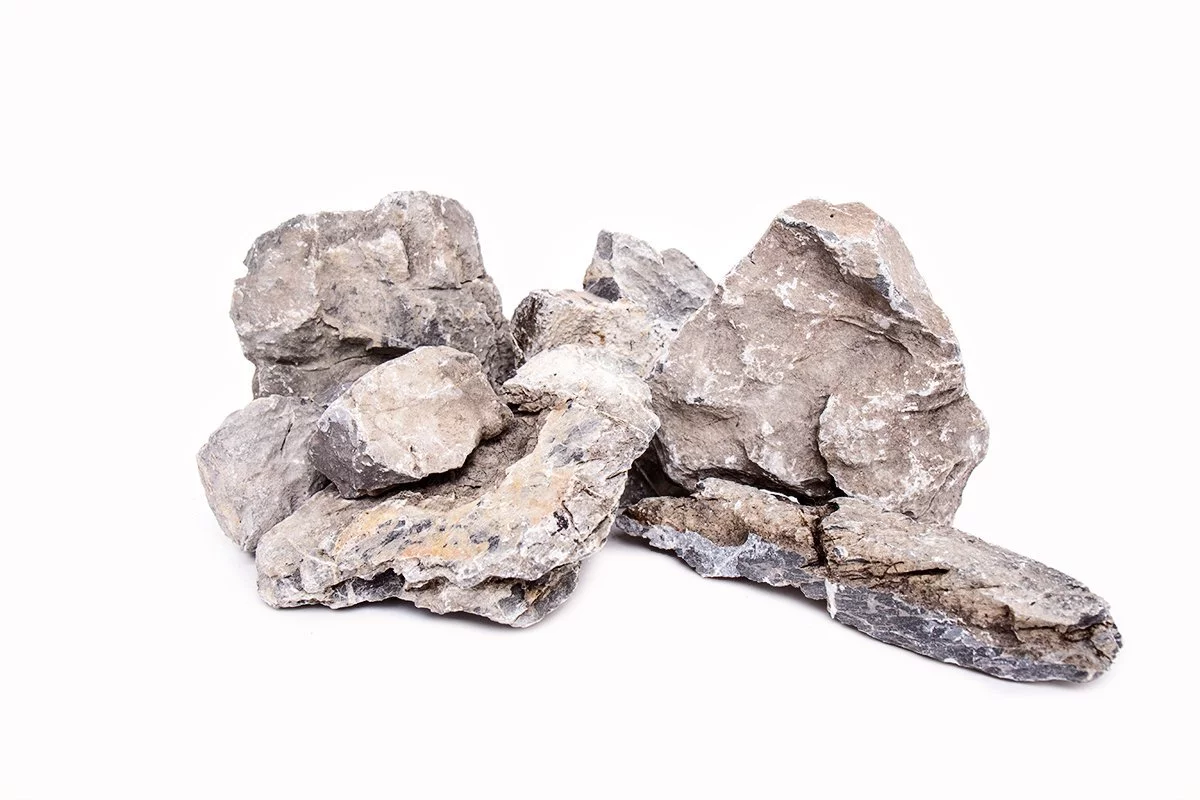
    In our best rocks for freshwater aquarium post, we learned that not all rocks are safe for aquariums. Some rocks can alter our water chemistry. Some like limestone will raise the pH and hardness, which is great for an African Cichlid Tank, but bad for the majority of tropical freshwater fish. Other rocks, like the ones you can pick up at your local river could contain harmful chemicals or bacteria that can wipe our your tank.The preferred rock for freshwater aquarium is granite and there are many types of available in our hobby. I would recommend Seiryu Rock for most aquarium projects.

    #30 – Learn To Aquascape

    Learning the types of freshwater aquascape styles and how to design them will take your tanks to the next level. If you want to have stunning award winning looking tanks, it all starts with learning how to aquascape. Start by learning the various type of styles and design concepts like the rule of two thirds and tension vs harmony. What makes aquascaping amazing in this hobby is it is all derived from art, photo techniques, and garden scape designs. It is a true art form that is very rewarding when you create a major work of art. You can get started by learning about a few of the aquascape styles below

    Final Thoughts

    That was a long post wasn’t it :). Well, I hope you enjoyed reading and took away some words of wisdom. As always, please share and subscribe to our newsletter. If you have any tips you would like to share, please leave us a comment below. Thanks for reading and see you next time!


    ๐Ÿ“˜ Want to learn more? This article is part of our complete Freshwater Fish Guide. your ultimate resource for freshwater species, care tips, tank setup, and more.

  • 5 Real Benefits of Keeping a Fish Tank at Home (Backed by Science)

    5 Real Benefits of Keeping a Fish Tank at Home (Backed by Science)

    I’ve had aquariums at home my entire adult life. and I genuinely believe keeping fish has made me calmer, more patient, and more observant. That’s not just anecdote. There’s real research backing up what hobbyists have known for decades: there are measurable mental and physical health benefits to keeping a home aquarium. After 25+ years in this hobby, here are the five benefits I’ve seen hold up consistently, both in the science and in my own experience.

    Thinking of keeping a fish tank at home? Not only is a home aquarium enjoyable, entertaining and a good hobby for any family member, it is also a proven benefit to your health. In a time where stress is at an all time high with pandemics, high work stress, and increased anxiety an aquarium can really help alleviate stress.

    And that’s not just me being bias about my 25 years in the hobby. My statements are backed up by various medical studies made over the years. It’s not secret that keeping a pet is great for your health, and aquarium fish are no exception. Let’s good though the various benefits in this post.

    An overview on the hobby

    According to a study made by the 2021 American Pet Products Association (APPA), fish are the third most popular pet behind dogs and cats and ahead from birds

    PetNumber (in Millions)
    Dog69.0
    Cat45.3
    Freshwater Fish11.8
    Bird9.9
    Small Animal6.2
    Reptile5.7
    Horse3.5
    Saltwater Fish2.9
    Source: American Pet Products Association’s 2021-2022 National Pet Owners Survey1

    Freshwater and saltwater fish are separated into two separate categories on this survey. Adding them both up, that is nearly 15 million aquarium owners in the US!

    The Top 5 Health Benefits of Home Aquariums

    1. Reduced levels of stress

    Do you have a stressful life, high blood pressure, insomnia? Studies have shown that aquarium may provide significant health benefits to you. Studies go back as far as the 80โ€™s have shown that gazing at aquarium fish reduces stress and subsequently lowers blood pressure.  It’s no wonder why it is a common site to see aquariums in doctors and dentist lobbies – they have known about the stress reliving benefits for years!

    The recent study by the University of Exeter Medical School showed that exposure to natural environments and highly managed settings can have calming and stress relieving effects.

    Furthermore, the study found that there was an increased stress relieving and calming effect on fish, in particular tropical and marine fish.  There was a strong correlation between more biodiversity (fish and aquatic plants/corals) and reduced levels of stress and blood pressure.

    Reduced stress and blood pressure are great benefits, but it goes much further than that. According to the Women’s Heart Foundation, a number of aliments have been associated with with high stress levels in daily life including heart attacks, sleep disorders, and some ulcers.

    2. Improvements in Sleep Quality

    According to a survey conducted by the American Pet Products Associate, 66 percent of stated that their aquarium help relieve them of stress. Lower blood pressure and lower stress contributes to better sleep. After all, there is a sleep condition linked to high blood pressure and stress called Obstructive Sleep Apnea (OCA).

    We see even greater evidence in the hobby itself. I know of two such examples. The first is Travis from Fish of Hex. He was an ex-vet serving in the US Army who got deployed to Afghanistan from 2007-2008. He was diagnosed with PTSD after returning home and has stated on his about us page that keeping reef tanks has helped him cope ever since. He is so passionate about this, he created a Reef Tank for Veterans program where he builds reef tanks for sufferers of PTSD.

    3. Lowered blood pressure and heart rate

    Research has shown that keeping an aquarium can help lower blood pressure and heart rates. A study found that the presence of an aquarium reduced blood pressure and increased relaxation among patients of specialized dementia units.2

    4. Decreased pain and anxiety

    Ever wonder why so many dental offices have aquariums? It’s because the dentist know there are studies that show that dental patients viewing the aquariums in the waiting room experience less anxiety and need less pain medication3.

    In the linked study, the key factor was the living fish. Something about viewing fish swimming in an aquarium calms are minds down. It’s no wonder we see them everywhere at Dental offices.

    5. Calming effect for children and Alzheimer’s patients

    Another study made by Purdue University found that display tanks of brightly colored fish may curtail disruptive behaviors and improve the eating habits of those with Alzheimer’s disease. The study also revealed that the fish tanks stimulated cognitive thoughts in Alzheimer’s patients.

    Costs Of An Aquarium

    One of the biggest fears for beginners is the cost of keeping an aquarium. This fear comes from advanced hobbyists like reef tank owners or people who have made many mistakes in the past from their fish-keeping journey. Aquariums are not that expensive, especially if you go with a freshwater aquarium.

    Let’s compare the cost of keeping a fish to the two most popular pets in the US – cats and dogs. If we go to the ASPCA website, there is an article about annual costs for dogs and cats. According to their post, the annual cost of a dog is $1,391 while a cat is $1,149. Your initial one-time costs are $1,030 for dogs, and $455 for cats. This is before looking at grooming for a dog and dental for both pets. We total out to over $3,000 for the first year of ownership for a dog. See the summarized table below:

    TypeDogCatFreshwater Fish
    Annual Costs$1,391$1,149$100
    One-Time Cost$1,030$455$250
    Special Costs$800$300$25
    Total$3,221$1,904$375
    Source: ASPCA.org

    In the chart above, I’m comparing the cost of keeping a Dog or Cat vs. a 5-gallon freshwater fish tank. Here we can see that keeping a small freshwater fish tank can be nearly 10 times less than the cost of a Dog. Why did I pick a 5-gallon fish tank? Because in the freshwater hobby, the perfect fish for a 5-gallon fish tank is a betta fish. Betta fish are great individual pets, are highly rewarding, and you can bond with them as they are a single fish versus a community of fish.

    This setup listed is on the higher end, using a premium Fluval Spec V and accounting for a quality diet and a fancier Betta Type variety.

    Why Keep An Aquarium At Home?

    Betta in Planted Aquarium

    Now that we know the health benefits and the cost, let’s go into further detail why purchasing a fish tank and keeping is a good idea. Sure the health benefits are great, but what about the other reasons? They are a pet after all that requires responsibility. Let’s see what else they have to offer.

    Peace and Quiet

    One of the biggest downsides to keeping a dog that I have personally experienced is the noise factor. Some dogs can be loud with barking or particularly needy at times. Fish tanks can be noisy as well if you invest in cheap equipment.

    With the moderation of better filtration systems like canister filters, all-in-one fish tanks, and high-quality power filters an aquarium can be virtually silent.

    Education Opportunities for Kids

    it’s quite common in schools to have science projects involving aquatic animals. This is because a child can learn a lot about ecosystems, the nitrogen cycle, and identifying and treating aliments. It also can unfortunately a way to introduce kids to the concept of death.

    Perhaps I’m sounding morbid here, but I did remember the first time my youngest son Rhys had to see a yellow tang I quarantined that ended up passed away due to marine velvet. I did the right thing quarantining the fish since that disease didn’t go into my display tank. Still, I had to explain to my son what death was.

    Fish die in our hobby. Some fish live shorter lives than other pets and they can die for various reasons. The fact that I had to explain this to a pet first instead of a family member I felt was really helping in him understanding how the cycle of life worked.

    Small Footprint

    While it is true that aquariums can get very large and showy from shows like Tanked, we also know that smaller aquariums can fit on a desktop or countertop. With homes getting smaller from increased cost of living, it’s nice to have a pet option that doesn’t require a large backyard, a litter box, or a large bird cage.

    Most aquariums that people purchase in this hobby are going to be 2 feet in length or shorter. It’s when you jump into 3 foot + fish tanks where space can be an issue in the home. Stick to smaller fish tanks and you won’t have a space issue.

    Low Maintenance

    Dogs require a lot of attention. Larger breeds require to be walked several miles a day. Cat need a little box cleaned, which can get unslightly if not regularly kept up.

    I actually see a lot of similarities with cats and fish as both in general will be okay with an autonomous existence. The main difference is fish are in their own little world. They will be happy to see you feed them and are perfectly happy if you leave them alone. Many advanced hobbyist who perform aquascaping look at aquariums like living works of art.

    The maintenance of a simple setup is low with a smaller tank and sticking to freshwater systems. Water changes are fairly painless and cleaning the tank is less work than cleaning a little box.

    The Community

    The aquarium hobby is a huge community. There are regular tradeshows like Aquashella that celebrate the diversity of the hobby and local fish clubs are great for getting mentored and getting pro tips on advanced topics like fish breeding.

    Clubs are a great place to find friends and connect with other aquarium keepers. You can take the hobby further and enter competitions or learn to make money in the hobby by selling plants, baby fish, or even corals. The opportunities are endless in this hobby!

    Aesthetics

    If you are going for a large aquarium or more premium setup, the aesthetics of an aquarium have big benefits in a house. Large well designed home aquarium setups are centerpieces in rooms. Rimless aquariums really show well in homes. They can become a focal point, even a point of envy by some of your quests. Both the outside and inside of the aquarium can be show stoppers. Even the equipment is starting to look fancy!

    I’ve seen happy owners show off their aquariums to guest. They pop up their cabinet and show off their decked out sumps with an IPad display. It’s pretty crazy how some of the tools of our trade resemble tech toys now and as our hobby advances in technology we will see more smart tools being integrated in our aquariums.

    FAQs

    Do fish like being in tanks?

    In general, yes. In the freshwater side of the hobby, fish living in aquariums oftentimes live longer and healthier lives than their wild counterparts. Fish do not have the mental capacity like birds or dogs to like or dislike their situation, however, they will get stressed out of they are uncomfortable. If the fish are kept with a responsible owner, they have the potential to live long and healthy lives!

    Why is it good to have fish as a pet?

    Fish can be great to have as pets. Not only are they long-term cheaper than owning a cat and a dog, but they have also been proven in studies to reduce stress, improve sleep quality, lower blood pressure, reduce anxiety, improve focus, and have a calming effect.

    Is it good to have an aquarium in the house?

    It is a good idea to have an aquarium in the house. Studies from the University of Exeter Medical school showed that there was stress relief and a calming effect with keeping fish.

    Is it okay to have an aquarium in your bedroom?

    Yes, it is okay to have a fish tank in your bedroom. However, there are a few things to note. Having an aquarium will increase the humidity. There is also a noise factor if you have equipment that is loud. For bedroom or study areas, using higher-end equipment like canister filters will keep noise levels down.

    Closing Thoughts

    If you are looking for a stress management activity, you might consider maintaining a home aquarium or an aquarium in your workplace. Many people maintain a home aquarium as a stress management hobby.  Check out our blog about setting up a saltwater tank or check out our store and shop around for aquarium supplies and equipment.