Tag: Aquarium Plant Profiles

  • Pearl Weed Care Guide: Tips for Growing This Versatile Carpet Plant

    Pearl Weed Care Guide: Tips for Growing This Versatile Carpet Plant

    This plant will grow in almost anything. But if you want it to actually look good, you need to understand what it wants. The gap between alive and thriving is lighting, nutrients, and consistency.

    Any plant stays alive. Making it look good takes understanding.

    Table of Contents

    Pearl weed (Micranthemum umbrosum) is one of those plants I keep coming back to when I want something that carpets beautifully without the extreme demands of something like HC Cuba. I’ve grown it in both CO2 and low-tech setups. It performs differently in each, and I’ll tell you exactly what to expect from both approaches. If you’re setting up a planted tank and want dense, bright-green carpeting stems without losing your mind over precision dosing, this guide covers everything I’ve learned firsthand.

    What Most Care Guides Get Wrong About Pearl Weed

    Most guides give you a cookie-cutter care sheet for Pearl Weed without mentioning the nuances. After 25+ years in this hobby, I have seen how small details in tank setup and maintenance make a real difference in long-term health. Another thing guides gloss over is temperament. Pearl Weed are often described with a single label, but their behavior shifts depending on tank size, tank mates, and territory. You need to plan for the worst-case scenario, not the best. Group size is another area where most guides fall short. Saying ‘keep them in groups’ is not enough. The difference between keeping 3 and keeping 8 or more is night and day when it comes to coloration, confidence, and natural behavior.

    Key Takeaways

    • Pearl weed does best with CO2 if your goal is to create a carpet
    • It is best as a foreground plant due to its small height
    • It does well in a nutrient-rich environment and requires moderate to intense lighting

    A Brief Overview of Pearl Weed

    Scientific NameHemianthus micranthemoides
    Common NamesPearl weed, Baby tears, Pearl grass, Amano pearl grass
    FamilyScrophulariaceae
    OriginNorth America
    Skill LevelEasy
    LightingModerate to high
    Tank PlacementForeground, midground
    Flow RateModerate
    Temperature Range66 Fยฐ – 82 Fยฐ
    Height2 to 5 inches
    pH Range6.5 – 7.5
    Growth RateModerate
    Feed TypeWater column feeder
    Co2 RequirementRecommended

    Classification

    DivisionMagnoliophyta
    ClassMagnoliopsida
    OrderLamiales
    FamilyLinderniaceae
    GenusMicranthemum
    SpeciesM. Micranthemoides (Nuttall) Wettstein

    Introduction

    Pearl weed is popular around the world for its bright green color, high coverage growth, and ability to decorate your tank in different ways.

    It scientifically goes as Hemianthus Micranthemoides, commonly known as Pearl Weed, Baby Tears, or Pearl Grass.

    It belongs to the Scrophulariaceae family from the genus Hemianthus. When left on its own, it can create a dense carpet for the base of your tank.

    Origin And Habitat

    Pearl Weed originates from Florida and is found growing in damp areas in its natural habitat. They are used to thrive in moving waters where the substrate is either made up of gravel or sand.

    They were found by an English botanist and zoologist, Thomas Nuttal, almost 2 centuries ago. They are pretty old plant species compared to other aquatic plants.

    They are often mistaken for Hemianthus Callitrichoides due to their slightly similar appearance. We will go over what sets Pearl Weed apart from the other species later.

    What Does It Look Like?

    Apart from being easy to care for, Pearl Weed lives up to your expectations of making your plant beautiful to look at. 

    Pearl Weed

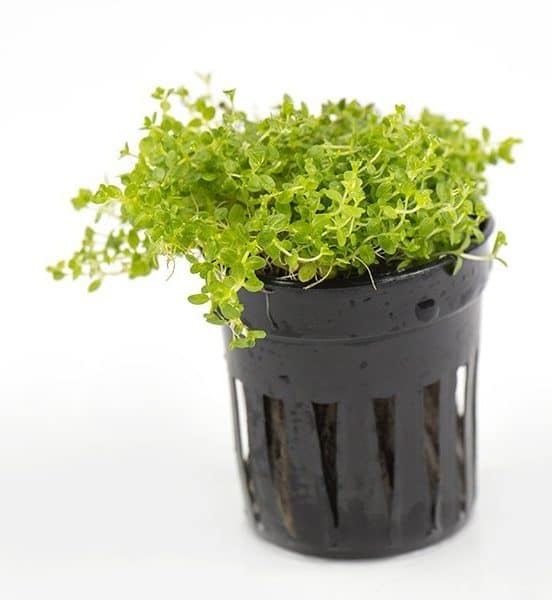
    Pearl weed looks bright green in color. This looks amazing in contrast with red or deep backgrounds and plants in aquariums.

    It grows thin green stems and is used for different spots of the tank. The stems are delicate so make sure you are careful while planting them into the substrate.

    The leaves are small and narrow and have a compact setting. They are 1 cm to only 0.4 inches long that grow in whorls of at least 3.

    In suitable conditions, it forms dense bushes and produces side shoots. These shoots are horizontal, but you can see them growing vertically with larger gaps or internodes between the leaves under low lighting.

    Pearl weed is an extremely fragile plant with thin green-colored stems. If you want to carpet it, increase the light, and it will turn into a dense carpet. Other than that, frequent trimmings are necessary so it can branch out new sheets more frequently.

    One of the good things about getting a Pearl weed is that it can tolerate substantial pruning. You can make arrangements depending on how you want to see it in your tank. You can make regular trimmings to prevent it from growing vertically. But if you want to use it as a background plant, leave Pearl Weed on its own to grow. Also, if you trim it on a regular basis, it will encourage the spread of runners horizontally.

    Since Pearl Weed is pretty easy to manage, you can use it for foreground coverage, too.

    Aquarists who are always on the hunt for finding plants that provide fish with thick coverage during breeding seasons can use Pearl weed completely risk-free.

    Difference Between This and Monte Carlo

    When your goal is finding a carpeting plant, both Pearl Weed and Monte Carlo are good to go with.

    Since both plants are pretty popular as carpeting plants in the hobby, they are often mistaken for each other.

    Both plants can form a dense carpet for the bottom of your tank and are easy to maintain. They also need proper conditions for optimal growth, but there’s a difference between them. Pearl weed has very delicate roots, while Monte Carlo stays on the stronger side in the hobby. The strong root system of Monte Carlo allows it to avoid getting easily uprooted.

    Also, you will see Pearl weed growing very rapidly vertically. And even if you trim it on time, maintaining it as a carpet is slightly challenging compared to Monte Carlo. Overall, Monte Carlo is an easier plant to grow and care for.

    Placement And Lighting

    The high adaptability of a Pearl weed helps you decide where and how to place it in your aquarium.

    You can grow it as a background plant, use it for the mid-ground area, and even place it with other small plants in the foreground section of your tank. The growth will entirely depend on how often you trim it, which will also influence its position in the tank.

    If you have carpet in your mind, pruning it will help with creating a lush green carpet in the foreground of your aquarium.

    Pearl Weed grows nicely when attached to driftwood. If you want to use it as a background plant, you can use CO2 injection that will trigger its bushier growth.

    Though growing it as a carpet is tough for beginners and intermediate tank owners since it naturally grows vertically. You can take out one stem and carefully place it horizontally into the substrate so spread across and create a beautiful carpet.

    And as for lighting, the plant grows best when you keep it under sufficient lighting. A weaker access to proper lighting can disturb its growth rate, resulting in internodes between the leaves, more delicate roots, and discoloration.

    What Are Good Tank Mates For Them?

    Pearl weed can get along with a wide range of fish species.

    Even though it has delicate roots, Pearl Weed acts like a hunter when it comes to absorbing excess nutrients. It is also a good option to consider for providing your fish with a safe place to hide.

    Oxygenating water and functioning as a buffet of biofilm for the newly hatched fry and shrimplets are some other benefits you can get from a Pearl Weed.

    Ideal Tank Mates

    Pearl weed plants are compatible with the following fish:

    If you want snails to introduce to your planted tank, ramshorn snails, nerite snails, black devil snails, and japanese trapdoor snails are some of the best options to consider.

    For shrimps, you get a variety to choose from. Red Cherry Shrimp, Snowball Shrimp, Blue Velvet Shrimp, and Green Jade are some of my recommendations. Amano shrimp and Crystal Red Shrimp can also be great to pair up with a Pearl weed. In fact, the presence of Pearl weed will encourage most shrimp species to inhabit your tank.

    Since this light plant grows a thick green carpet, most small fish will love to have them in their tank. It can work well as a cover for your small pet against intense lighting and aggressive fish species when grown as a background plant.

    Fish Species To Avoid

    Pearl Weed can nicely withstand minor attacks of fish. But some species are too aggressive to put in planted tanks.

    Avoid species like Goldfish, Jack Dempsey, Clown Loaches, Koi fish, and African Cichlids.

    Most species from this list will hungrily attack the plant unless you use it as a floating plant.

    Feeding And Fertilization

    Pearl weed is known for growing incredibly fast in its natural habitat. And when kept in optimal conditions in a home aquarium, these plants grow large and strong on their own.

    , Pearl weed is a water column feeder. It needs a protein or nutrient-rich substrate to thrive. This makes it a great choice for aquarists who want to make the underwater environment safe for their pet. Since this stem plant doesn’t have any strong root system, it mostly absorbs nutrients through its leaves. Therefore, I will recommend using liquid fertilizers instead of root tabs.

    Editor’s Choice!
    APT Complete

    Editor’s Choice

    Made by an aquascaper for aquascapers. This is the best all around aquarium plant fertilizer on the market. Marco and micronutrients in one bottle!

    Use Coupon Code ASDComplete for 10% off your order!

    Click For Best Price Buy On Amazon

    As I mentioned earlier, because of the frail root system, a Pearl weed’s growth and survival depend on regular doses of liquid fertilizers. The occasional addition of fertilizers will ensure that the plant stays safe from suffering from turning yellow and malnutrition. It can help encourage the plant’s super-dense growth as long as they are fed plenty of fertilizers.

    How Much And How Often to Feed?

    The cycle of feeding your plants mostly revolves around how dense your planted tank is. And with each plant having its own individual needs, you need to make a routine that suits all of them.

    As a general rule of thumb, you should feed your plants twice a day in a small amount. The frequency might alter if you perform frequent water changes and dose CO2.

    You can also get a nutrient-rich substrate. Pearl weed will grow best in the dirt since it has lots of nutrients. Apart from that, it fits the needs of the plants related to when and how much they want to consume.

    CO2 Injection

    Apart from being one of the most uncomplicated plants for novice planted tank owners, Pearl weed has a high chance of growing without CO2 in low-tech tanks, as well as high-tech tanks.

    But supplementing it with CO2 can improve the growth, help it grow faster, and facilitate pearling. Still, that’s totally optional. Pearl weed can already go big faster than other aquarium plants even with its delicate roots.

    The Ultimate CO2 Kit
    CO2Art Pro Elite Series Bundle

    Use Offer Code ASD10%Off

    The highest end offering by CO2Art. This package includes everything you need to perform consistent and the highest quality CO2 injection in the industry!

    Click For Best Price

    Specific Care

    Knowing what works best for your plants helps in the long run. You can always make arrangements for your plants and take precautions to ensure they stay healthy and thrive, even if there are minor water fluctuations.

    Pearl weed can adapt to a range of conditions, given you feed it on time and keep it with compatible fish species. However, it has a high chance of overrunning your tank if you don’t trim the foliage on time. Without constant pruning, the plant can turn into a thick bush. To prevent it from overrunning your tank, all you need is occasional trimmings.

    If you’re using it as a foreground plant, you will need to work harder to keep the growth under control. Intense trimmings will also encourage dense growth and proper formation of side shoots. And compared to other carpeting plants, this one will be easier to maintain.

    Also, its growth rate and capability to survive solely depend on the availability of nutrients, the intensity of light, and CO2 supplementation. Apart from these, maintaining proper water temperature is also beneficial for the plant.

    Pro Tip: Trim it only when it's at least 2.5 inches or 6 cm so you can create a beautiful carpet.

    Planted Tank Parameters

    Even though Pearl weed is a low-maintenance plant, maintaining its bright green leaves and dense growth with a delicate root system is possible. You need to know how many fluctuations in water it can withstand.

    It can grow a dense mat in stagnant waters in the wild.

    Pearl weed needs a 10-gallon tank to grow. Apart from exposing it to intense lighting, set water parameters that align with its needs. Keep the water temperature between 66 Fยฐ to 82 Fยฐ, water hardness around 1 to 15 dGH, and pH range 6.5 to 7.5.

    Filtration

    Keeping water clean is essential when you have a pearl weed in the tank. Apart from making regular water changes, you should invest in getting a good-quality filter to weed out toxins before they pile up in the tank.

    I recommend getting a canister filter to control ammonia, nitrate, and nitrite levels.

    Flow

    Despite its frail roots, the plant prefers water with enough movement. 

    Keeping it in water that is still or has a very rapid flow will stress out the plant. In fact, if you keep it in water with a stronger flow, you might damage the delicate stems.

    So make sure you keep the flow moderate.

    How To Propagate

    You can boost the population of this stem plant through vegetative propagation.

    Start propagating by trimming the ends of the stems. Be careful while trimming the stems since they are quite weak and prone to damage. After that, make several bundles and place them into the substrate.

    The adult plant will regrow, while the new plants will root in the substrate and sprout new shoots under good aquarium conditions.

    Pro tip: While burying the stems into the substrate, make sure that the foliage doesn't cover them

    Health And Disease

    There are a few problems associated with Pearl weed. If you understand how to protect your plant by taking proper measurements on time, you can minimize the potential of running into adverse situations.

    Melting is one of the biggest problems with Pearl weed. It happens when you shift it from an emersed to a submersed environment.

    This environmental transition triggers a negative response from this species. The first thing you will notice is the shedding of leaves. This will last a few weeks before you see your plant adjusting to the new environment. This is more common with stem plants, so it’s okay to see them going through this temporary phase.

    Another common problem with a Pearl weed is the difficulty plant. The fragile root system of Pearl weed often makes it a hard species to plant. If you try too hard, you are very likely to damage the stems. But if you are too light on the plantation, it will begin floating.

    Yellowing leaves are yet another common disease in them. In dim lighting, it will have upward growth. And if the pH levels are too high or they are low on nutrients, the leaves can turn yellow.

    Signs Of Good Health

    A healthy Pearlweed will display fuller green leaves without too many internodes.

    The stems will stay the same, though.

    Where To Buy?

    Pearlweed is a pretty old and famous species in the hobby. There are plenty of online stores that offer competitive prices.

    Pearl Weed

    A carpet growing plant that is fast growing and will do well in low light

    Click For Best Price Buy On Amazon

    It shouldn’t cost more than 6$ per lead bunch.

    FAQs

    Does This Type of Fish Grow Fast?

    This species does not grow rapidly, at least until it takes hold. Though it is adaptable, you need to give it some time and provide it with intense lighting, a healthy fish colony, a nutrient-rich substrate, and sometimes CO2 to improve its growth rate. Once the species gets used to the new environment, you will have to make regular pruning every week.

    Is This A Carpeting Plant?

    It’s not difficult for a versatile species like Pearlweed to grow as a carpet and sit in the mid-ground or background. It takes it 2 to 3 months to turn into a carpet for a small tank.

    Are They Low Tech?

    Pearl is ideal to grow in a low-tech tank with proper trimming, light, water parameters, and nutrients. It is a low-maintenance alternative to other aquarium plants for beginners who don’t want any hassle.

    How the Pearl Weed Compares to Similar Species

    The most common alternative to the Pearl Weed is the Monte Carlo, another popular carpeting plant. Monte Carlo creates a denser, more manicured carpet but needs CO2 and high light to look its best. Pearl Weed carpets without CO2 and grows faster, making it the better low-tech option.

    Closing Thoughts

    Pearl Weed is a beautiful and unique addition to any freshwater aquarium. With the right care, it can carpet the bottom of your tank in no time! Although Pearl Weed require some extra attention at first, regular grooming, good lighting, and CO2 will help this plant thrive. Do you have experience keeping Pearl Weed? Let us know in the comments below!

  • Hornwort Plant Care Guide: Growing the Hobby’s Best Beginner Plant

    Hornwort Plant Care Guide: Growing the Hobby’s Best Beginner Plant

    This plant will grow in almost anything. But if you want it to actually look good, you need to understand what it wants. The gap between alive and thriving is lighting, nutrients, and consistency.

    Any plant stays alive. Making it look good takes understanding.

    Table of Contents

    The Hornwort Plant is sold as an easy plant, but easy does not mean neglect-proof. Wrong lighting, wrong substrate, or wrong CO2 approach will turn this plant into a melting mess. After growing aquarium plants for 25 years, I have learned what actually works and what the packaging never tells you.

    Healthy plants grow. If yours is not growing, something fundamental is off.

    This plant thrives when given consistent conditions over weeks and months. Quick fixes do not work in planted tanks. Patience and consistency are the real requirements.

    A well-grown aquarium plant does more for water quality than any filter media you can buy.

    What Most Care Guides Get Wrong About Hornwort Plant

    Most guides give you a cookie-cutter care sheet for Hornwort Plant without mentioning the nuances. After 25+ years in this hobby, I have seen how small details in tank setup and maintenance make a real difference in long-term health. Another thing guides gloss over is temperament. Hornwort Plant are often described with a single label, but their behavior shifts depending on tank size, tank mates, and territory. You need to plan for the worst-case scenario, not the best. Group size is another area where most guides fall short. Saying ‘keep them in groups’ is not enough. The difference between keeping 3 and keeping 8 or more is night and day when it comes to coloration, confidence, and natural behavior.

    The Reality of Growing Hornwort Plant

    Melting after purchase is normal. Most aquarium plants go through a transition period where emersed-grown leaves die off and submersed growth takes over. This is not a sign of failure. It is the plant adapting. Do not pull it out or move it during this phase.

    Lighting is not one-size-fits-all. Too little light and the plant grows leggy or stops entirely. Too much light without CO2 supplementation causes algae explosions. Match your lighting to your CO2 and fertilization strategy.

    Nutrient deficiencies show up in the leaves. Yellow leaves mean iron or nitrogen deficiency. Holes mean potassium deficiency. Black spots mean phosphate issues. Learning to read your plants saves you from guessing.

    Biggest Mistake New Owners Make

    Cranking up the light intensity without adding CO2 or fertilizers. High light without nutrients does not grow plants faster. It grows algae faster. Balance your light, CO2, and nutrients together or keep all three low.

    Expert Take

    If your plant is not growing, check your lighting duration and nutrient levels before changing anything else. Nine times out of ten, the problem is one of those two factors.

    Key Takeaways

    • Hornwort is a low-maintenance, beginner-friendly, and pretty hardy plant to grow in a home aquarium
    • They are invasive plant species because of their high versatility rate and allelopathic qualities
    • They grow best as floating plants and can control algae growth

    A Brief Overview Of Hornwort Plant

    Scientific NameAnthocerotophyta
    Common NamesHornwort, Foxtail
    FamilyCeratophyllaceae
    OriginNorth America
    Skill LevelEasy
    LightingModerate
    Tank PlacementBackground
    Flow RateModerate
    Temperature Range59 Fยฐ to 86 Fยฐ
    Height120 inches
    pH Range6.0 – 7.5
    Growth RateFast
    Feed TypeWater column feeder
    Co2 RequirementNo

    Classification

    DivisionMagnoliophyta
    ClassMagnoliopsida
    OrderCeratophyllales
    FamilyCeratophyllaceae
    GenusCeratophyllum
    SpeciesC. Demersum (Linnaeus, 1753)

    Hornwort Introduction

    Hornwort is a well-known and one of the oldest aquatic plants that you still find in home aquariums and in the wild around the world.

    They are scientifically recognized as Ceratophyllum Demersum while commonly known as either Hornwort or Foxtail. They belong to the Ceratophyllaceae family from the genus Ceratophyllum.

    This hardy plant makes an ideal candidate for most aquariums, especially those that are run by beginners. Since Hornwort is highly skilled when it comes to adaptability, it can easily spread to new regions as an invasive species.

    But that happens mostly in the wild so there’s nothing to worry about. Instead, we will focus on how this plant is an exceptional addition to your aquarium due to its appearance and resilience.

    Origin And Habitat

    Hornwort plants are native to South America though they are now available in every continent except Antarctica.

    They were first introduced to the world by a Swedish botanist named Carl Linnaeus. There are only 100 to 150 species available, although you can find 300 species names published due to misidentification.

    In the wild, this hardy plant grows on damp soil and can put up with a diverse range of conditions. This includes growing in tropical waters, as well as cold water temperatures, low lighting conditions, and even polluted environments.

    Is This An Invasive Species?

    Due to its versatility, ability to grow under various conditions, and easy propagation, the Hornwort can quickly turn into an invasive species.

    But this is not the only reason they have a high potential to spread to other zones. Hornwort has allelopathic qualities, which is a phenomenon where plants with these biochemicals slow down or entirely prevent the growth and survival of other plants.

    What Do They Look Like?

    Apart from displaying qualities that help you maintain a healthy tank environment for your fish, Hornwort looks incredible in almost every aquarium setting.

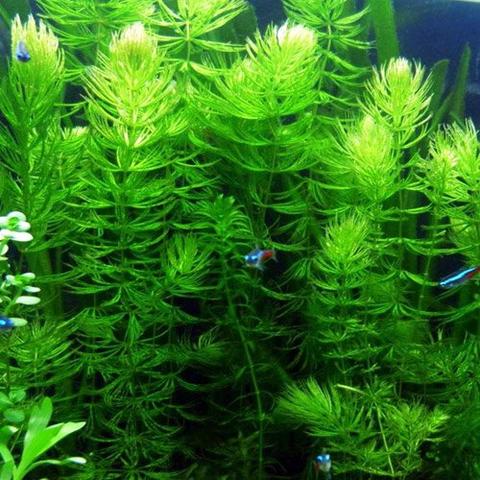
    Hornwort

    , Hornwort looks dark green to yellow depending on the light intensity and water temperature. If the temperature is warmer, the plant will appear yellowish-green. But if it is kept under its preferred condition, you will see a dark green shade.

    Hornwort doesn’t have true roots. It grows rhizoid (hair-like roots) which acts and functions like roots so the plant can stay intact in the substrate. Some people feel like the main stem grows multiple plants. But when you observe it, you notice that one plant grows multiple side shoots, creating the look of many plants.

    When it comes to Hornwort leaves, they look dark green and are not completely smooth. The texture is somewhat bumpy. The leaves are tiny and are produced around the stem in a set of 6 to up to 12. The base comprises loosely packed and larger leaves, while the end has shorter and tightly attached leaves.

    Stems are 2 inches in diameter, but they can go as tall as 2 feet. To prevent Hornwort from running over your tank, keep it properly maintained.

    It is essential for Hornwort to produce flowers for reproduction. Hence the flowering plant will feature different colored flowers that are deep red, pink, or brown. The shades can vary depending on how strong or low the light is. These flowers bear an ovoid fruit that is 0.16 inches in size.

    Placement And Lighting

    Hornwort is placed in two different ways, each with its benefits.

    This fast growing plant is commonly used as a background plant because of its huge size. But if you have a larger tank, you can also use it as a mid-ground plant.

    Since Hornwort is a floating plant that can also survive when planted in the substrate, I will recommend you consider what types of fish you have in your tank. Small fish love floating plants because they create a dense mate overhead.

    These mats block out light and keep the fish safe and make them comfortable. The surface dwelling fish will also love to see Hornwort floating on the water surface because they get to interact with them by weaving from stems to leaves and back.

    As far as lighting goes, Hornwort doesn’t need too much light to grow. The plant already grows rapidly, making it challenging for planted tank owners to prevent it from growing to new locations. If you keep it under intense lighting, the plant might start growing even faster.

    You can go for LED lights to give them medium lighting conditions. Keep the duration under 12 hours per day. But do not deprive the plant of proper lighting as it will impact the color of the plant.

    Can They Grow Floating?

    Even though with a versatile plant like Hornwort, you get plenty of freedom to decide its placement, the best way to grow Hornwort is as a floating plant. Because this way, this great plant gets finer access to light and carbon dioxide from the air. Also, you don’t have to make arrangements for it to float on the surface since the plant can float naturally.

    It is possible to grow it by rooting it in the substrate or attaching it to a hardscape. But since Hornwort doesn’t have a strong root system, it will likely decompose.

    What Are Good Tank Mates?

    Compatibility is never an issue with Ceratophyllum Demersum since it is hardy and good to pair up with a wide range of fish and plants.

    It has a high potential to survive nibbling even in a goldfish tank and become a source of food for adult and baby fish.

    It’s still better to know what species make good tank mates in Hornwort planted tanks.

    Ideal Tank Mates

    Hornwort is surprisingly compatible with herbivorous fish because its leaves don’t appeal to them. The rough texture will prevent the fish from nibbling on it.

    You can pair them up with fish like:

    Snails like Nerite snails, Japanese Trapdoor snails, and Mystery snails are also good options to consider for Hornwort plants.

    If you want to introduce shrimp in a fish tank inhabited by Hornwort, you can go for Red Cherry Shrimp, Black Rose, Blue Velvet, Green Jade, and Rill Shrimp.

    The floating Hornwort plant will function as a refuge for most livebearers whenever they are mating. They will also provide small fish with shade and block out light that disturbs the day-to-day activities of fish species.

    You can feel free to choose snails and shrimp from my suggestions to get help with cleaning up any plant debris. Hornwort sheds leaves, as a result of getting nibbed by aggressive and hungry fish. Snails and shrimp will clear up the bottom, preventing decomposing plant matter from polluting the tank environment.

    Compatibility with Plants

    If you want to grow plants alongside Hornwort, make sure you know about its allelopathy nature.

    Hornwort grows fairly fast by readily devouring nutrients from the water. This helps prevent algae growth. But since Hornwort can outcompete new plants as well as those that don’t quickly devour nutrients, it is very likely that your other plants will suffer from the lack of nutrients. This will not kill the plants, but it can surely slow down their growth rate.

    Another essential thing to consider is what plants will be under this great floating plant. Hornwort blocks out light, which is an issue for those plants that need intense lighting.

    You can choose Java Fern, Anubias, Java Moss, Sagittaria, and American Water Weed for Hornwort planted tanks. These plants don’t need intense lighting to survive and can withstand Hornwort.

    But avoid planting Duckweed as it has a faster rate of consuming nutrients.

    Fish Species to Avoid

    Like fish that get along well with Hornwort, there are some species that will damage the plant when they are hungry.

    Fish species like African Cichlids, and Goldfish are not recommended to put in a fish tank where you have planted Hornwort.

    As long as you feed your aggressive fish on time, the plant will sustain minor attacks on the leaves. But if your Goldfish is too hungry or your African Cichlid isn’t in a good mood, they will likely attack it too aggressively, resulting in serious plant damage.

    Feeding (Fertilization)

    The plant doesn’t need additional fertilizers to grow though occasional doses will make it fuller and healthier. You can go for Nitrogen and iron-based fertilizers for Hornwort to develop strong and fuller leaves and optimal coloration.

    Hornwort grows incredibly fast by soaking up nutrients. If you choose to add fertilizers, other plants in your aquarium tank will highly appreciate it.

    Editor’s Choice!
    APT Complete

    Editor’s Choice

    Made by an aquascaper for aquascapers. This is the best all around aquarium plant fertilizer on the market. Marco and micronutrients in one bottle!

    Use Coupon Code ASDComplete for 10% off your order!

    Click For Best Price Buy On Amazon

    But since it has a reputation for eating up nutrients faster than other plants, you need liquid fertilizers for your tank so that other plants don’t starve to death. Add fertilizers at least once a week to make up for the loss of nutrients.

    Pro Tip: Keep an eye out for nutrient deficiencies in your plants. The signs include leaves turning yellow, shortened internodes, and abnormal leaf coloration, such as bronze or purple leaves.

    How Much and How Often to Feed?

    The quantity and frequency of feeding depend on the number of plants and their individual needs. If your tank is heavily planted, then feed your plants accordingly. Keep factors like CO2, lighting, filtration, and maintenance in mind.

    A planted tank should have higher numbers of nitrates so that the plants don’t have to compromise on the number of nutrients. And it becomes more essential when you have Hornwort.

    Author's Note: If you have shrimp, make sure you don't overdo fertilizers and CO2. Some fertilizers have copper, which makes them lethal for shrimp and even Hornwort. Do your research!

    CO2 Injection

    As I mentioned above, you don’t need to add extra CO2. Medium access to carbon dioxide is enough for the plant to grow.

    If you have a heavily planted tank, go for a higher dose of CO2. But in a small tank with limited plants, CO2 can trigger the already fast growth rate of Hornwort, which is extremely challenging to handle.

    The Ultimate CO2 Kit
    CO2Art Pro Elite Series Bundle

    Use Offer Code ASD10%Off

    The highest end offering by CO2Art. This package includes everything you need to perform consistent and the highest quality CO2 injection in the industry!

    Click For Best Price

    Care

    Managing Ceratophyllum Demersum is easier than you think. It doesn’t matter whether you have any prior experience or you are a total beginner. You can take care of the plant fairly well.

    First thing first, always do occasional trimmings and pruning. It ensures the plant doesn’t have massive growth and stays out of the lane of other plants.

    How your plant grows will depend on how and where you trim it. For example, if you trim it from the main stem, it is likely that Hornwort will grow more from the sides. This will eventually lead it to have its branches out. But if you trim the sides, Hornwort will grow straight and stronger.

    It can grow under medium to strong lighting. However, it is better to expose it to bright lighting so it can have optimal growth.

    Planted Tank Parameters

    Thanks to the hardy nature of Hornwort, these species can tolerate a wide variety of tank setups and temperatures.

    In the wild, Hornwort grows in lakes, ponds, rivers, and marshes. They get to deal with different environments where water parameters vary.

    Also, their versatility makes it easier for aquarium owners to grow them in small and large planted aquariums. When pruned regularly, Hornwort will fit in your small tank. But if you don’t trim it on time in a large tank, that will also be completely fine.

    Hornwort needs at least a 15-gallon tank to thrive. Water temperature is one of the most important factors for proper growth. Expect it to grow 0.4 to 0.8 inches a day under its preferred temperature.
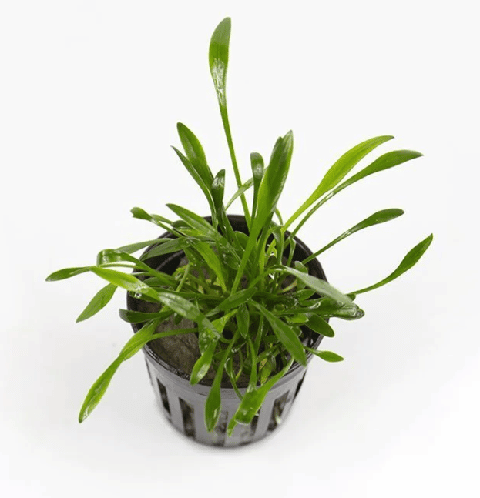
    Keep water temperature 59 Fยฐ-86 Fยฐ, water hardness 5 to 15 dGH, and pH 6.0 to 7.5 to keep your plant healthy.

    Filtration

    Hornwort doesn’t need a strong filtration system as a natural oxygen booster.

    But keeping water quality up to the mark is recommended. You should make water changes once a week and remove plant matter from the tank whenever Hornwort sheds leaves.

    Other than that, I recommend getting a sponge filter, hang-on-back filter, or canister filter to weed out unnecessary toxins like ammonia, nitrates, and nitrites from the tank.

    Pro Tip: Don't plant it close to a filter inlet so that it can stay safe from getting blocked by plant debris.

    Flow

    Hornwort prefers a gentle flow. While planting, make sure the needles don’t get stuck in the filter intake and disturb the water flow.

    If the flow is too light, the fish that love medium flow will likely get stressed. Low flow will also influence your plant’s growth, making it appear bushier. But if it’s too strong, your plant will likely grow tighter together, while the fish that prefer medium water flow will also get disturbed.

    Is the Hornwort Plant Right for You?

    Before you buy a Hornwort Plant, take an honest look at whether your setup and experience level are a good match. This is not about gatekeeping. It is about setting both you and the fish up for success.

    • Experience level: Hornwort Plant are a solid choice for beginners. They tolerate a range of conditions and bounce back from minor mistakes. If you are new to fishkeeping, this is a forgiving species to start with.
    • Tank size commitment: A 20-gallon tank works as a minimum. This is a manageable size for most hobbyists, which is part of what makes this species accessible.
    • Temperament considerations: Hornwort Plant is territorial or aggressive. You need to plan tank mates carefully and provide enough space and cover to reduce conflict. They are not a good fit for peaceful community tanks with small, shy fish.
    • Feeding requirements: Hornwort Plant are omnivores that accept a wide range of foods. A quality pellet or flake as a staple, supplemented with frozen or live foods, keeps them healthy and shows off their best coloration.
    • Group requirements: These are schooling fish that need to be kept in groups of 6 or more. Keeping fewer leads to stress, dull coloration, and abnormal behavior. Budget for the full group, not just one or two.
    • Long-term commitment: Make sure you are ready for the full lifespan of this species. Fish are not disposable pets. Research their needs thoroughly before buying, and make sure you can provide consistent care for years to come.

    How to Propagate

    Producing new plants is not a big deal for Hornwort.

    The propagation happens through vegetative fragmentation. This method is widely used for invasive species. All you need to do is stop trimming for a few weeks.

    Only separate one part of the plant from the rest and take the cuttings (video source) where the flow is low to moderate. After that, let it grow on its own. You don’t have to plant it; free-floating is the best way to propagate Hornwort.

    You can either get a whole stem or only a small part from the main stem. The main stem grows multiple side shoots or, in autumn, buds. In their natural habitat, they form buds that sit on the ground when the weather is cold. Once the temperature gets warm, the buds start sprouting. These buds then turn into a new plant.

    Another way to get multiple Hornwort plants is by cutting off the new growths of the plant and letting it grow. If you donโ€™t have extra trimmings, you can ask around.

    Health And Disease

    There are countless benefits of introducing Hornwort to your fish tanks. But sometimes, the plant can become a hassle for those who don’t meet their basic needs.

    Hornwort is famous for shedding needles or its needle-like leaves. It happens when there are huge water fluctuations or environmental changes. It can also happen due to a lack of nutrients or feeding it chemicals like liquid carbon.

    The plant will go through normal shedding when you first introduce Hornwort to your tank. Once it gets used to the new environment, it will recover. But if the shedding doesn’t stop, you need to maintain the number of nutrients in the water or allow the plant to sit under intense lighting.

    Another disease is Hornwort turning bronze. Even though the plant does well when the lighting is high, extreme lighting can influence the leaf coloration, causing it to turn brown from the tips. Sometimes warmer temperatures can also alter the color of the leaves.

    Signs Of Health

    A healthy Hornwort plant should be bushy, with its stems covered by thick needles. The color should be deep green, with the exception of the nips. Nips can take on a lighter shade of green. The needles are thin and stiff.

    Apart from this, a healthy Hornwort will display long branches or side stems.

    Where To Buy?

    Hornwort is really famous and, therefore, widely available. You can purchase them online or get them from any pet store or fish store.

    The plant is sold in bunches. A bunch of 3 shouldnโ€™t cost more than 8$. Finding new trimmings online is tough since they don’t survive shipment well.

    What It Is Actually Like Growing Hornwort Plant

    The first two weeks after planting are ugly. Emersed-grown leaves melt, new growth starts slow, and your tank looks worse before it looks better. This is normal. Do not rip out the plant and start over.

    Once established, this plant grows. You will be trimming it regularly, replanting cuttings, and giving away excess. The transition from fragile newcomer to aggressive grower happens faster than you expect.

    Algae will try to grow on the leaves. Healthy, fast-growing plants outcompete algae naturally. Slow-growing or struggling plants get covered in it. The plant’s health and algae presence are directly related.

    In the right conditions, aquarium plants produce visible oxygen bubbles called pearling. Watching tiny bubbles stream from the leaves during peak lighting is one of the most rewarding sights in planted tanks.

    FAQs

    How the Hornwort Plant Compares to Similar Species

    Want the easiest plant? Get java fern or anubias. Want a carpet? Get dwarf sagittaria. Want the best balance of easy and impressive? This plant delivers.

    The most common alternative to the Hornwort Plant is the Anacharis, another floating stem plant that grows fast and absorbs nutrients. Anacharis has smoother leaves and is slightly less messy, but Hornwort grows faster and tolerates a wider range of conditions. For pure nutrient absorption and ease, Hornwort has the edge.

    Closing Thoughts

    While itโ€™s true that not all fast-growing plants are easy to care for, hornwort is a great example of a fast-growing plant that is appropriate for beginners. If youโ€™re looking to add some greenery to your home but donโ€™t have a lot of time or experience with plant care, hornwort may be the perfect option for you. Have you kept Hornwort before? Let us know in the comments how it went for you or if you have any other beginner-friendly recommendations.

  • Fast Growing Aquarium Plants: 10 Great Picks for Algae Control

    Fast Growing Aquarium Plants: 10 Great Picks for Algae Control

    Fast-growing plants are one of the best tools in a planted tank. they out-compete algae for nutrients, fill in a new setup quickly, and give you immediate results while slower species establish. After years of planted tank work, I know which species grow fastest and where each fits best in a layout.

    Fast-growing plants are the best natural algae control you can add to an aquarium. and I say that after 25 years of trying every chemical solution on the market. The principle is simple: fast growers outcompete algae for the same nutrients, especially nitrates and phosphates. In my early reef-keeping days I used chaeto in the sump for exactly this reason. In freshwater, I lean on hornwort, water sprite, and guppy grass for the same effect. The plants on this list grow fast enough to make a visible difference within days, which is exactly what a tank struggling with algae or a new cycle needs. The bonus is that most of them are nearly indestructible for beginners.

    In this article, Iโ€™ll walk you through the 10 types of the fastest growing plants with all the basics you need to know.

    Key Takeaways

    • The best thing about fast-growing aquarium plants is that they don’t leave nutrients for algae to feed on
    • You can use most of these fast-growing plants regardless of your experience
    • Most fast-growing plants are very easy to maintain and pretty hardy in nature

    What Are Fast Growing Aquarium Plants?

    Fast-growing aquarium plants are those plant species that help you keep algae at bay without any specific needs or requirements. Since they have a rapid growth rate, they don’t let nutrients stay in the water column for algae to consume for a long time.

    In addition to that, most of these plants grow swiftly which makes them slightly demanding to manage in small aquariums. But if you know your way around them, these plants will be one of the best decisions you can make as an impatient aquarist.

    Depending on the size of your aquarium, you can use them as background plants, mid-ground plants, and even as foreground plants.

    The Benefits Of Fast Growing Plants

    Listing down all the advantages of fast-growing plants can be challenging. But to help you understand some of the most important ones, I’ve put down these benefits you can surely get by planting them in your aquarium. I’ve also included a video from our YouTube channel so you can follow along as well. The blog post goes into further detail so check out both and subscribe if you like our content.

    Algae Control

    Excessive algae growth results from a high number of nutrients present in the water column. Apart from nutrients, algae thrive on light. Even though not all algae is harmful, the rapid growth of algae can be dangerous for your fish and plants.

    Aquarium fish and plants can’t obviously go without water and light so you have to find ways to fight this overgrowth. In this case, the fast-growing aquarium plants are your solution.

    Under their preferred conditions, these plants grow quickly by absorbing nutrients and light. When you observe how algae grow, you will notice that it, too, needs access to both.

    While planting fast-growing aquarium plants, these fast-growing aquatic plants will compete for nutrients and light that will make algae starve, restraining the overgrowth and sometimes causing it to die altogether.

    Food and Oxygen

    Live aquatic plants make a good round diet for aquarium fish, shrimp, and fry and provide oxygen to the inhabitants of home aquariums. Plants are known to absorb carbon dioxide and promote a well-oxygenated environment that is beneficial for the fish.

    A fast-growing aquatic plant helps better with oxygenating water and producing food since it doesn’t take too long to grow.

    Shade

    Aside from making otherwise drab aquariums beautiful to look at, fast-growing aquatic plants are popular for providing fish species with shade.

    While smaller fish use them to stay away from getting nagged, these plants are perfect during the spawning season.

    10 Of The Fastest Growing

    Now I am going to walk you through 10 of the fastest-growing plants suitable for beginners, intermediate, and experienced aquarium owners.

    You will read about their specific needs, and qualities, and how to keep them without any risks.

    Let’s get started!

    1. Elodea

    • Scientific Name: Elodea Canadensis
    • Skill Level: Easy
    • Lighting: Low lighting
    • Size: 4 inches to up 3 feet
    • Tank placement: Mid-ground and background
    • Growth Rate: Fast
    • CO2 Requirement: Recommended

    Perfect for controlling algae growth, Elodea is a fast-growing plant popular in the aquarium hobby for its hardy nature and ability to withstand a range of aquatic conditions. The plant goes by different names such as Brazilian waterweed, Anacharis, and Elodea Densa.

    Since it has a rapid growth rate, it can absorb nutrients from the water column faster than algae.

    Apart from that, the plant looks absolutely stunning in home aquariums and does well in a water temperature that stays between 65 to 75 degrees Fahrenheit. Elodea is also perfect for young fish and invertebrates if you want to give them a nursery habitat.

    Although the plant stays underwater, it can shoot white flowers above the water’s surface to produce seeds. Almost all species feature deep green stems and light green leaf blades. Some can vary slightly in colors, though.

    To feed these plants, consider liquid fertilizers so that they can get enough minerals to survive. Also, iron deficiency is common among these plant species, usually visible when the leaves turn yellowish or when the edges become yellow or brown.

    Author's note: Elodea can grow well if it freely floats, but for proper growth, it should be rooted in the substrate.

    2. Hornwort

    • Scientific Name: Ceratophyllum demersum
    • Skill Level: Easy
    • Lighting: Medium to high
    • Size: 40 to 140 inches
    • Tank placement: Background
    • Growth Rate: Fast
    • CO2 Requirement: No

    In addition to tolerating a wide range of water temperatures and higher levels of pH, Hornwort is an excellent choice for a number of reasons.

    This background plant is highly adaptive, with the ability to reduce unwanted nutrients from the water column. This hardy plant is found in freshwater ponds, steady streams, and lakes, making it resilient when it comes to environmental changes.

    It does best as a floating plant, but you can consider loosely attaching it to the substrate. One of the best things about Hornwort is that it gives fish a strong cover to use as a hideout and helps control algae by absorbing a large number of nutrients.

    Hornwort doesn’t grow roots to soak up nutrients. Instead, the plant uses its stems and leaves to access nutrients in the water.

    The main downside to Hornwort is that it grows very rapidly which can lead it to cover most of your aquarium. You have to make occasional trimmings once or twice a month to prevent them from blocking out lighting and becoming a hassle for other plants and fish species living in the aquarium.

    Hornwort doesn’t require strong lighting as well as carbon dioxide injection. Keep the water temperature above 60 and below 80 degrees Fahrenheit. 

    Pro Tip: Since Hornwort grows quickly, it can use up all nutrients present in the water column. To ensure that the other live plants get enough nutrients, use liquid fertilizers.

    3. Water Wisteria

    Water Wisteria

    An easy to grow and great beginner floating plant to try!

    Click For Best Price Buy Tissue Culture
    • Scientific Name: Hygrophila difformis
    • Skill Level: Easy
    • Lighting: Moderate to high
    • Size: Up to 20 inches
    • Tank placement: Midground and background
    • Growth Rate: Moderate
    • CO2 Requirement: No

    Water wisteria is a highly recognized plant species due to its relatively low maintenance and high adaptability qualities. Like other plants, water wisteria brings plenty of benefits to your planted tank.

    You can always count on it for cleaning aquarium water, as well as providing your fish with a strong shelter and making your aquarium aesthetic to look at.

    Water wisteria features dark green leaves that add a unique accent to aquariums. And just like other fast-growing plant species, it also grows rapidly and makes algae starve to death even before you notice it.

    Coming back to its appearance, the dark green leaves form tight protrusions along the length. These leaves take on various forms, mainly influenced by the environment.

    The leaves are large, while the roots are thin and white. The roots are usually buried underneath the substrate, making them a strong source of support for the plant to stay in place.

    Depending on genetics and how you plant them, the leaves can slightly alter their shape. Since water wisteria is known for growing quickly, it’s always better to perform regular pruning unless you want it to cover your entire aquarium with its dark and heavy leaves.

    Although it is pretty hardy, sudden environmental changes can highly influence the overall stability of the plant. You have to learn about how to avoid going through the melting phase before purchasing it.

    Also, water wisteria does best when kept in its ideal water temperature range which is above 68 and below 86 degrees Fahrenheit.

    4. Duckweed

    Goldfish Love It!
    Duckweed

    An easy to care for plant that Goldfish love to eat!

    Buy On Amazon
    • Scientific Name: Lemnoideae
    • Skill Level: Easy
    • Lighting: Low to high
    • Size: 7 mm
    • Tank placement: foreground
    • Growth Rate: Moderate
    • CO2 Requirement: Recommended

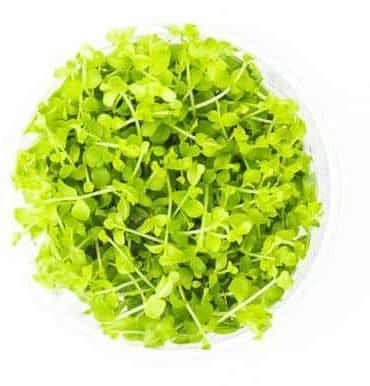
    Not all fast-growing plant species have to be large. Some can be small and still save you time and absorb nutrients from the water to kill excess algae.

    Duckweed is one of those few plants on earth that grows to a very small size. But don’t let its diminutive size stops you from buying it.

    The plant has wonderful qualities. Duckweed is a very hardy plant that can easily withstand shifting water parameters and even a range of tank setups. Another irresistible feature is its quality of devouring ammonia and nitrates in the tank, which can help with keeping the water pure.

    Despite the small size that makes it almost impossible to see, Duckweed grows through budding. When it flowers, you can see small green-colored blooms.

    Duckweed floats above the water’s surface and helps you protect underwater creatures. Not only that, it can grow on top of ponds regardless of the cold temperature of winter. To improve its short lifespan, make sure you get plenty of light so it can thrive.
    5. Ludwigia Repens

    My Pick
    Ludwigia Repens

    Buceplant offers both stem and tissue culture Ludwigia Repens at great prices. A great beginner red plant to try!

    Buy Stem Plants Buy Tissue Culture
    • Scientific Name: Ludwigia Repens
    • Skill Level: Easy
    • Lighting: Moderate
    • Size: 8 to 20 inches
    • Tank placement: Mid-ground and background
    • Growth Rate: Fast
    • CO2 Requirement: No

    Ludwigia Repens is not a rare plant in the aquarium hobby. In fact, many beginners and experts use this plant on a very large scale because of how versatile, easy to grow, and beautiful it is.

    The beautiful color combination of vibrant red and deep green adds to the beauty and uniqueness of the plant. Make sure you expose it to bright lighting to get that mesmerizing red and green shades.

    Ludwigia Repens can tolerate a wide range of water fluctuations, given you understand other contributing factors to their well-being. Generally, the plant does best in warm water temperatures, ranging from 75 Fยฐ to 79 Fยฐ. And apart from growing underwater, Ludwigia Repens can grow out of the water, making it an amphibious plant.

    Like other fast-growing aquarium plant species, Ludwigia Repens also grows pretty fast and consumes nutrients from the water column, making avoiding algae growth easy.

    Some of the most common advantages this plant brings to your aquarium are enhancing water conditions, helping the anxious fish stay away from aggressive fish species using the plant, and adding to the beauty of your tank with its red-pigmented olive green leaves.

    The plant will grow out of the aquarium if the water column is not deep. Even though the roots are already strong, you have to get them a nutrient rich substrate for optimal growth.

    Author's Note: Ludwigia Repens is extremely sensitive to environmental transitions. Once the plant gets used to a particular temperature including pH levels, avoid disturbing the water parameters as much as possible.

    6. Vallisneria

    • Scientific Name: Vallisneria sp.
    • Skill Level: Easy
    • Lighting: Medium
    • Size: 8 to 18 inches
    • Tank placement: Background
    • Growth Rate: Fast
    • CO2 Requirement: No

    For those aquarists who want to give a classic look to their aquariums, Vallisneria is for you! It is one of the most popular and earliest plants used in home aquariums. It’s easy to grow and adds up to the beauty of your aquarium’s background.

    The growth rate of Vallisneria is somewhat faster than those discussed above. This can make it hard for you to keep it in a small aquarium.

    And even if you have a large one, you need to make frequent trimmings to control the growth. You can trim the leaves to the length you like so that the plant doesn’t cover the entire top of the tank.

    Being a very undemanding plant and one that grows swiftly, Vallisneria allows you to enjoy your time without stressing over how to avoid algae from intruding on your tank.

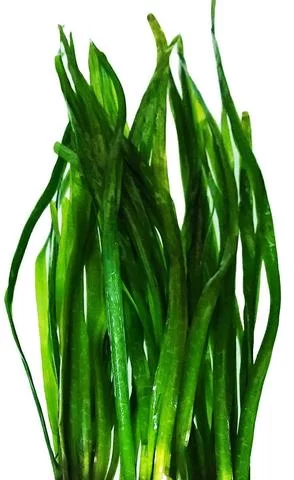
    The plant looks like grass. When you observe their light green leaves, you see spines visible on them. The leaves can be highly variable in shape. Some are straight, while others can go twisted or spiraled.

    Before sending out roots, the plant throws runners to the top of the substrate. Once they grow out of the water, they develop flowering and production of seeds.

    Vallisneria doesn’t do well in soft waters. You have to keep acidic levels between 6.5 to 8.0 and water temperature above 68 Fยฐ and below 82 Fยฐ.

    7. Pearl Weed

    Pearl Weed

    A carpet growing plant that is fast growing and will do well in low light

    Click For Best Price Buy On Amazon
    • Scientific Name: Hemianthus micranthemoides
    • Skill Level: Easy
    • Lighting: Medium
    • Size: 2 to 6 inches
    • Tank placement: Foreground and mid-ground
    • Growth Rate: Moderate to high
    • CO2 Requirement: Recommended

    Pearlweed is another great option for those aquarists who don’t want to spend days and nights waiting for their plant to grow.

    This plant is an extremely versatile, simple, and adaptable carpeting plant. It features a bright green-colored stem that is usually delicate. Depending on how you want to use it, you can use this plant to decorate your foreground, mid-ground, and background.

    The plant grows small leaves that are also green in coloration. Contrary to the delicate stems, the leaves grow pretty thick, forming beautiful vegetation.

    Since the plant has good adaptability, you can keep it under low lighting as well as intense lighting conditions.

    The only difference between these two conditions is that low lighting will encourage thin stems with upward growth and longer gaps between the leaf nodes. While under intense lighting, Pearlweed will grow dense mats and dark green leaves.

    You can give it CO2 for a better growth rate. And as far as water parameters go, keep the temperature under 66 Fยฐ – 82 Fยฐ and acidity level 6.5 to 7.5.

    Pearlweed is a water column feeder because of its weak roots. The plant will get nutrients through the leaves most of the time. So, you have to dose them a liquid fertilizer instead of root tabs.

    8. Bacopa Carolinana

    • Scientific Name: Bacopa caroliniana
    • Skill Level: Easy
    • Lighting: Moderate
    • Size: 20 to 39 inches
    • Tank placement: Background
    • Growth Rate: Moderate
    • CO2 Requirement: No

    As a hardy plant, Bacopa Caroliniana is a considerably easier species for beginners to try out.

    Even though the growth rate of this plant is slow compared to other aquatic plants, but this is a great plant for those who want to oxygenate water for their fish and provide them a healthy environment. Since the plant doesnโ€™t grow that fast, you can inject CO2 to improve the growth rate.

    Bacopa Caroliniana can tolerate different water parameters as well as minor environmental changes. This makes it a perfect choice for those aquarists who want a hassle-free experience.

    When it comes to offering your tank a beautiful and pleasing look, this plant is no less. The surface of the leaves look glossy green while the lower surface appears pubescent.

    Flowers can be either deep blue or light blue. Depending on the lighting conditions, the shoots take on bronze or copper colors which can sometimes appear pink.

    To enhance their chances of getting a richer shade of classic green and red, put the plant under strong lighting.

    Apart from this, you can grow it in soil, and sand. It can while floating on the surface as well. This can help you provide your fish with appropriate shade.

    9. Giant Ambulia

    • Scientific Name: Limnophila sessiliflora
    • Skill Level: Moderate
    • Lighting: High
    • Size: 16 inches
    • Tank placement: Background
    • Growth Rate: High
    • CO2 Requirement: Recommended

    Some people consider Ambulia (video from Tropica Aquarium Plants) as one of the finest plants for maintaining the beauty standards of aquariums. And while they are absolutely right, there are other advantages to bringing them home.

    The plant is laced with intense shades of green. If you take care of what the plant prefers, you will paint the leaves emerald.

    The plant has another feature that is loved by almost every aquarist. It is the topmost area of the stem. The stem features a set of leaves that never stops growing.

    The stem is divided into multiple internodes that sit one centimeter apart. The leaves can be seen emerging from each one. The leaves are designed in a way that resembles a palm tree. This adds up their ornamental value even more.

    You don’t have to worry about cultivation and maintenance because this plant will be one of the easiest plant species to care for.

    Ambulia has a good growth rate that you can increase with CO2 injections. This will discourage the presence of algae as well. Keep the water temperature around 60 Fยฐ to 82 Fยฐ.

    10. Amazon Frogbit

    Floating Amazon Frogbit
    • Scientific Name: Limnobium laevigatum
    • Skill Level: Easy
    • Lighting: High
    • Size: 3 to 20 inches
    • Tank placement: Surface
    • Growth Rate: High
    • CO2 Requirement: No

    Capable of withstanding various water conditions as well as providing a smooth planting experience to beginners, Amazon Frogbit is one of the most commonly used plants in the aquarium world.

    The plant is famous for different qualities, such as its ornamental nature, versatility, adaptability, and simplicity.

    The structure looks round, and the plant consists of bright green leaves that have a smooth texture. Upon hitting maturity, they get laced with white color. You don’t have to wait for the plant to get mature to cover the top of the tank with its leaves. Amazon Frogbits can do it while still being young.

    As for roots, the roots are long with neat hairs. The flowers, however, look very tiny but extremely appealing to the eyes.

    The growth rate is high, so don’t need to use CO2 injections. As far as size is concerned, it can go anywhere between 3 to 20 inches, depending on how well you take care of them. If you keep water parameters consistent, the plant will not fall prey to anything. Keep the water temperature above 60 and below 80 degrees Fahrenheit and pH level between 6.0 to 7.5.

    Pro Tip: Amazon Frogbits are prone to rot if the surface is wet. Make sure you keep the surface dry at all times.

    Tank Setup For The Fastest Growing

    Fast-growing plants don’t take too much time to grow. If you understand and take care of their basic needs, they can thrive and make your aquarium environment beautiful and healthy for the inhabitants.

    But there are certain things you should never ignore. For most species discussed above, lighting acts as a contributing factor to their maintenance. Aside from this, most plants will take nutrients from the water so you don’t have to worry about a thing when it comes to algae.

    Make sure you use water fertilizers to keep things stable. Let’s have a look at how to successfully run an aquarium that has fast-growing plants.

    Lighting

    Most aquatic plants that grow fast need high lighting. You can consider planted tank LEDs. Using T5 fluorescent bulbs can be another great option. Current USA’s Serene RGB Pro is a great all-around LED light that works for virtually all plants.

    Best Value
    Serene RGB Pro LED

    Current USA’s offering into aquascaping is an incredible value. Spectrum, spread, easy to program and great PAR output.

    Click For Best Price Buy On Amazon

    Filter

    Filtration is as important as lighting for these plants. Even though they can get nutrients from the water and improve your aquarium’s water conditions, you still need to get a good quality filter.

    You have to be careful with the currents since some plants still need water to thrive, while others can tolerate subtle currents.

    You can use a canister or sponge filter for your planted tank.

    How to Care for Fast Growing Tank Plants

    Caring for these plants is pretty straightforward. Being a novice might hold you back but with proper guidance, you can ensure that the plants are doing fine.

    Feeding

    Most fast-growing plants are aggressive when it comes to taking nutrients from the water. They can also fulfill their needs through fish waste and leftovers of food.

    In case you are just setting up the tank, get liquid fertilizers as soon as possible so the plants don’t have to go through anything rough because of the absence of nutrients in the water.

    Editor’s Choice!
    APT Complete

    Editor’s Choice

    Made by an aquascaper for aquascapers. This is the best all around aquarium plant fertilizer on the market. Marco and micronutrients in one bottle!

    Use Coupon Code ASDComplete for 10% off your order!

    Click For Best Price Buy On Amazon

    CO2 Injection

    Some plants need CO2 to grow faster, while others don’t. With some plants, using CO2 will trigger their already high growth rate even further, which can be seriously challenging for an aquarist.

    Plants that grow out of the water don’t need Carbon Dioxide injection. You can also use Carbon Dioxide for Giant Ambulia, Pearl Weed, and Duckweed.

    Propagation

    Most plants are easy to propagate. Some plants produce seeds, while others can be grown by division. Some plants will grow on their own once you separate the plantlets produced by the mother plant.

    Tank Maintenance

    It doesn’t matter whether you run a small fish tank or one with lots of fish and plants or your own species of floating plants or submerged ones. Tank maintenance is extremely essential and beneficial.

    Most species that grow fast use all the nutrients they can get. This helps with keeping algae at bay. Moreover, you don’t have to worry about nitrates as the plants will use them. But I highly recommend making partial water changes and using a liquid test kit to maintain proper water parameters.

    You should also consider cleaning the substrate and the tank walls.

    Tank Mates

    Choosing the right tank mates is always one of the most important things to consider before turning your traditional tank into a heavily planted tank.

    Some animals can get along with different plants, while other aquarium plants are prone to get nipped. Other than that, you can add animals to a heavily planted tank to reduce the chances of algae attacking your tank.

    You can choose animals like:

    FAQs

    What Is The Fastest Growing?

    One of the fastest-growing plants that you can get is Hornwort. The stem plant does wonders to your aquarium and has been a part of home aquariums for a long time. Plants like Ludwigia Repens, Vallisneria, Giant Ambulia, and Amazon Frogbit are some other great choices.

    Do They Grow Faster In Warm Water?

    Aquarium plants have a higher chance of growing faster in warm water temperatures as compared to cold water.ย Aquarium plants have a higher chance of growing faster in warm water temperatures as compared to cold water.ย 

    Do Tank Stem Plants Need Substrate?

    Some plants absorb nutrients through their leaves, and they can survive without any substrate. However, plants that take nutrients through their roots need soil to thrive.

    You can plant these versatile plants in any substrate. It can be soil, gravel or sand. Just make sure you know what plants are best for growing in soil and what plants can go without any substrate.

    Closing Thoughts

    If you’re looking for some new plants to grow in your aquarium, why not try one of these fast-growing varieties? They’re easy to care for and will add a splash of color to your tank in no time. Plus, they’ll give you the satisfaction of seeing results quickly. So what are you waiting for? Give them a try and let us know how it goes in the comments below.

  • 11 Aquarium Plants That Flower: What to Grow and How to Get Them to Bloom

    11 Aquarium Plants That Flower: What to Grow and How to Get Them to Bloom

    Aquarium plants that actually flower are one of those things in this hobby that catch people off guard. most keepers don’t realize it’s possible until it happens in their own tank. I’ve had Anubias send up flower spikes above the waterline and Amazon swords push out blooms from emerged leaves, and it genuinely never gets old. It’s a sign the plant is healthy and conditions are right.

    Most of these species flower when grown emersed or when a stem reaches the surface. it’s the plant’s natural reproduction strategy. Here are 11 species that will flower under the right conditions, with honest notes on what it actually takes to get them there.

    Key Takeaways

    • Many common aquarium plants produce flowers when given some extra care and attention to lighting, water parameters, and nutrient levels.
    • Some of the most popular species of live plant can be kept underwater in submersed conditions while others do best above the surface of the water in emersed conditions.
    • Many of the flowers produced by flowering aquarium plant species are small and easy to miss but can be an exciting challenge to achieve for the experienced plant keeper.

    Introduction to Flowering Aquarium Plants

    There are hundreds of different fish species we can keep in our aquariums, but many forget about the dozens of aquatic plants available that keep our systems healthy and beautiful. Live plants help export nutrients in the aquarium, stabilize the substrate, and provide food and shelter for fish and invertebrates. Too few are taking advantage of these benefits!

    Many of the species available in the aquarium hobby are undemanding in terms of lighting and carbon dioxide requirements. By meeting their basic needs, happy and healthy aquarium plants will return the favor in color, growth, and even a flower or two.

    There is little difference between underwater plants and terrestrial plants. The main difference lies in where the stomata, or pores that facilitate gas exchange are on the leaves of the plant. Terrestrial plants typically have stomata on the underside of their leaves, while aquatic plants have stomata on the top of their leaves; some may lack stomata entirely.

    Both terrestrial plants and aquarium plants can be angiosperms, or flowering plants that produce seeds within a fruit. This is in contrast to gymnosperms, like conifers, that have exposed seeds. As of now, there are no known underwater flowering plants that are gymnosperms.

    Can Flowers Grow In A Fish Tank?

    Yes! If your plant is an angiosperm, then it has the ability to produce a flower. However, flowers can be difficult to produce in the aquarium setting and greatly vary in appearance; even if you experience your aquarium plants flowering, there’s a chance you might miss them due to them being so small and sudden.

    The truth is that flowering aquarium plants don’t produce the most magnificent flowers ever. The most apparent flowers are usually those of water lilies and lily pads. Even then, flowers are short-lasting and easy to miss.

    Many aquarium plants grow white, off-white, or pink flowers. These are often very small, forming around the tip of a singular stem. Some species grow best fully emersed or out of the water, while others will bloom while underwater. Some may reach toward the water’s surface, so only their flowers are dry while the rest of the plant stays submerged.

    While keeping flowering plants is easy, getting them to bloom can be challenging. No matter how perfect your fish tank might test, there is a chance that your flower never blooms. There are a few ways to increase the odds of your aquarium plants blooming:

    1. Keeping stable and ideal planted tank parameters. Some live plants can be sensitive, but some live plants that are in the process of blooming can be even more sensitive. While terrestrial plants rely on other insects and wind to pollinate, plants need good water parameters and ideal water conditions to germinate; many aquarium plants reproduce via rhizomes where new plants stem from the main plant and create clones.

    Creating flowers and reproducing takes a lot of energy. Plants need to ensure that conditions are favorable for success. This means stable water parameters with available light and nutrients. A healthy plant will transfer its energy from the growing process into the flowering process, resulting in reproduction through tiny flowers. In some cases, dosing dry or liquid fertilizer and injecting carbon dioxide might be necessary to create ideal conditions.

    The Ultimate CO2 Kit
    CO2Art Pro Elite Series Bundle

    Use Offer Code ASD10%Off

    The highest end offering by CO2Art. This package includes everything you need to perform consistent and the highest quality CO2 injection in the industry!

    Click For Best Price

    2. Pruning. Many flowering aquarium plants grow too tall or too wide to our liking. In response, hobbyists trim their plants so that they fit the aquascape or don’t suffocate other species. In the wild, plants compete with each other for space, light, nutrients, and other resources. Once successful, they begin to flower so that this competition may continue.

    In the aquarium, these conditions should be replicated and the plant should be left to grow freely. At the same time, pruning can actually influence some species to germinate. This is because the resources that would have been attributed to new leaves now go into forming new flowers. However, this does not work all the time and pruning can lead to exponential leaf growth instead.

    Which Aquatic Plants Can Grow Out Of Water?

    Apart from aquariums that feature tropical plants and fish, many hobbyists set up semi-aquatic systems in paludariums or entirely terrestrial biomes. These different setups have become increasingly popular over the past few years and are a great alternative for people looking to bring nature into their homes without the worry of caring for fish.

    Luckily, many flowering aquarium plants can grow in semi-aquatic or terrestrial setups as long as humidity requirements are met.

    Here are some of the best flowering aquarium plants for a semi-aquatic setup:

    • Anubias spp.
    • Bucephalandra spp.
    • Aponogeton spp.
    • Red tiger lotus (Nymphaea zenkeri)
    • Giant hygro (Hygrophila corymbosa)

    Here are some of the most popular terrestrial plants available:

    • Echinodorus muricatus
    • Labisia spp.
    • Ardisia spp.

    Keep in mind that terrestrial plants can drown if they’re placed fully underwater. Many of the plant species listed as terrestrial live in wet and humid conditions where the soil is constantly damp. This is best recreated in a closed paludarium or terrarium where moisture cannot easily escape.

    The 11 Best Tank Plants That Blossom

    Not many hobbyists are aware that the plants they buy are actually flowering plant species.

    The simple fact is that it is rare to ever witness a freshwater live plant flowering. Instead, hobbyists heavily rely on the shapes and colors of their leaves for design and aquascaping purposes. But if you’re looking for a challenge above keeping a heavily planted aquarium, getting your flowering plant to bloom might be your next big accomplishment.

    Here are some of the best and most popular flowering aquarium plants readily available at local fish stores and online!

    1. Anubias barteri

    Best Value
    Anubias Barteri

    Best Value

    A forgiving low light aquarium plant that will not be eaten by most fish

    Click For Best Price Buy On Amazon
    • Scientific Name: Anubias barteri
    • Skill Level: Easy
    • Size: 4-6 inches
    • Lighting: Low to moderate
    • pH: 6.0-8.0
    • Growth Rate: Slow to moderate
    • CO2 Requirement: Not required

    Anubias barteri, known by its scientific name or as a general species of Anubias, is one of the most popular species of Anubias available to freshwater enthusiasts. While many hobbyists use these underwater plants as a submersed foreground plant or as coverage for decorations, these plants can also be grown–and actually grow better–out of the water.

    Anubias members are very hardy plant species. They do not require additional carbon dioxide and can thrive in low light settings. Anubias barteri is one of the smaller species available from this genus, and have broad, dark green leaves attached to a center rhizome. Unlike most other freshwater plants, Anubias plants grow best when their rhizome is uncovered and attached to a hard surface. This can be done with glue or fishing line.

    Does Anubias Blossom Underwater?

    Yes, Anubias plants produce a noticeable flower with an extra long flower stalk from the center of the rhizome. The actual flower emerges from a small cupped leaf and has a yellow-white scaly appearance.

    2. Echinodorus muricatus

    Echinodorus Muricatus

    With its short stems and long, bright green leaves, this plant is sure to add some beautiful coverage to your background or mid-ground area.

    Click For Best Price
    • Scientific Name: Echinodorus muricatus
    • Skill Level: Easy
    • Size: 12-20 inches
    • Lighting: Moderate to high
    • pH: 6.0-8.0
    • Growth Rate: Fast
    • CO2 Requirement: Not required

    Echinodorus muricatus is a fast-growing freshwater plant. It is not the most common species of Echinodorus to find due to the popularity of its close relative, the Amazon sword (Echinodorus grisebachii/Echinodorus amazonicus). Echinodorus muricatus is also commonly confused with Echinodorus cordifolius.

    Both these species of Echinodorus are regularly referred to as the radican sword plant.

    Echinodorus muricatus is used as a midground or background plant. It has long stems attached to skinny, oval leaves. These leaves are light green with prominent veins. They are relatively hardy and don’t require carbon dioxide dosing, but will grow fastest under moderate to high lighting. They are heavy root feeders and need a good supply of nutrients available in the aquarium substrate; many hobbyists find success through the use of root tab fertilizers.

    The radican sword plant can grow emersed and is most likely to produce flowers when done so. These flowers grow along a long stem in clusters of three. The flowers are white with yellow centers and are moderately sized.

    3. Ardisia

    Ardisia Plant

    Ardisia plants are known for their ability to thrive in a wide range of climates and environments. They can be found in tropical, subtropical, and temperate regions around the world.

    Click For Best Price
    • Scientific Name: Ardisia spp.
    • Skill Level: Easy
    • Size: <10 inches
    • Lighting: Partial shade
    • pH: N/A
    • Growth Rate: Slow
    • CO2 Requirement: N/A

    Ardisia species are normally regarded as an uncommon houseplant, but they’re slowly making their way into the terrarium and aquarium keeping hobby as well. There are over 500 species of Ardisia available, but only a few species are familiar to aquatic hobbyists:

    • Ardisia dino
    • Ardisia silver
    • Ardisia blue
    • Other tricolor and pink line varieties

    These flowering plants greatly vary between species. Some species, like Ardisia dino, have circular broad leaves with many ruffles and a reddish-brown stem. Other species, like Ardisia silver and Ardisia blue, are named after the respective hints of color in their skinny and tapered leaves.

    Ardisia does best when grown in constantly moist soil with bright yet indirect moderate lighting. When happy, these plants produce small white flowers that may turn into red berries.

    4. Hydrocotyle verticillata

    Hydrocotyle Verticillata

    A versatile, easy-to-grow plant that can add a splash of green to your aquarium. Also known as whorled pennywort.

    Click For Best Price
    • Scientific Name: Hydrocotyle verticillata
    • Skill Level: Easy to moderate
    • Size: 5-20 inches
    • Lighting: Moderate to high
    • pH: 6.0-8.0
    • Growth Rate: Fast
    • CO2 Requirement: Recommended

    Hydrocotyle verticillata goes by a few names, including whorled pennywort, whorled marshpennywort, and shield pennywort. Hydrocotyle is some of the most recognizable semi-aquatic plants in the botany world and make perfect foreground, midground, or background additions to the freshwater aquarium.

    This aquatic plant has large half-dollar leaves that grow upwards along a singular stem. Together, these stems make a very bushy appearance that can become overwhelming if left uncontrolled. Providing higher light and carbon dioxide can help keep growth compact, but the plant will still need to be regularly trimmed.

    Whorled pennywort grows best when its leaves are allowed to grow emersed. This flowering plant has small, delicate white flowers that emerge from the top of a long stem. They open to create a radial cluster at the top.

    5. Anubias Glabra

    Anubias Glabra

    The Anubias Barteri Glabra is a beautiful and hardy plant that is perfect for any aquarium. This plant is known for its narrow, wavy leaves and vibrant green color. 

    Click For Best Price
    • Scientific Name: Anubias glabra
    • Skill Level: Easy
    • Size: 8-16 inches
    • Lighting: Low to moderate
    • pH: 6.0-8.0
    • Growth Rate: Slow
    • CO2 Requirement: Not required

    Another species of Anubias, Anubias glabra is much larger than Anubias barteri and is best used as a midground plant species. These flowering plants come in many variations but have thick stems that give way to individual, long, narrow, and tapered leaves.

    This aquatic plant has the same requirements as most species of Anubias, and will thrive under low light and with minimal nutrients. Again, Anubias glabra will grow best when left to grow out of the water and has the possibility to produce small and scaly whitish-yellow flowers.

    6. Bucephalandra

    Bucephalandra

    Bucephalandra is a slow-growing plant that’s perfect for anyone looking to grow their first aquatic plant. They are great for attaching to hardscape

    Click For Best Price Shop Tissue Culture
    • Scientific Name: Bucephalandra spp.
    • Skill Level: Moderate
    • Size: <10 inches
    • Lighting: Low to moderate
    • pH: 6.0-8.0
    • Growth Rate: Slow
    • CO2 Requirement: Recommended

    Members of the Bucephalandra genus are a relatively new addition to the freshwater planted tank hobby. These aquatic plants are regularly added to the submersed aquarium but are especially popular among paludarium and terrarium keepers.

    Bucephalandra are very slow growing but offer thick, blue, red, and dark green foliage that can’t be achieved with other species. These flowering aquarium plants can be difficult to transition between emersed and submersed conditions, so it’s best to buy it growing in the way that it will be used.

    The flowers of Bucephalandra are very similar to those of Anubias. These flowers have a scaly white or pink stalk in the middle of a white or pink veil of petals. This flower emerges from a long, oftentimes lighter-colored stem.

    7. Labisia

    Labisia Musim

    Labisia Musim is a flowering aquarium plant that is relatively rare to find available in pet stores. However, they are commonly sold online.

    Click For Best Price
    • Scientific Name: Labisia spp.
    • Skill Level: Moderate
    • Size: 8-10 inches
    • Lighting: Partial shade
    • pH: N/A
    • Growth Rate: Slow
    • CO2 Requirement: N/A
    • Humidity: 70%

    These flowering aquarium plants are relatively rare to find available in pet stores but are commonly sold online on general houseplant sites. Labisia are unique terrestrial plants that thrive in humid conditions, making them a perfect addition to a paludarium or terrarium setup. Submerging these plants will kill them.

    Labisia have thick leaves, oftentimes with apparent venation patterning with alternating light and dark green. One of the most unique species of this aquatic plant is Labisia sp. ‘Turtle Back’, which has the most apparent venation.

    Little is known about these plants. They produce flowers that can either be white or purple along the length of the stem. If left to bloom until the end, these flowers will turn into red berries.

    8. Aponogeton

    • Scientific Name: Aponogeton spp.
    • Skill Level: Easy to advanced
    • Size: <20 inches
    • Lighting: Low to high
    • pH: 6.0-7.5
    • Growth Rate: Moderate
    • CO2 Requirement: Recommended

    The Aponogeton genus has some of the most interesting-looking species of flowering aquarium plants due to their waves and ruffles (video source). One of the most notable species is Aponogeton madagascariensis, commonly known as the Madagascar lace plant. While relatively new to the hobby, other popular species of Aponogeton include:

    • Aponogeton boivinianus
    • Aponogeton longiplumulosus
    • Aponogeton ulvaceus

    These plants range in color from dark green to light green. They are most identifiable by their ruffled-leaf appearance, which can bring a lot of texture to the midground or background of the aquarium. Each species of Aponogeton has different care requirements fit for hobbyists of different experience levels.

    While species of the Aponogeton genus prefer to be planted under the water, their flowers do not. These are underwater flowering plants and will not grow emersed. While the leaves won’t grow out of the water, the flowers float at the water’s surface. These flowers can be white, pink, or purple and have an octopus-like appearance. Four stems reach out of the water, covered in frilly, small purple flowers.

    These flowering aquarium plants are more demanding than some of the others on this list and require good water flow, moderate to high lighting, a nutrient-rich substrate, and carbon dioxide dosing. Good maintenance and stable water parameters will lead to large, bright green leaves and flowers. Unlike most other aquatic plants, this is a bulb plant.

    Sadly, the Madagascar lace plant is endangered in the wild.

    10. Red Tiger Lotus

    Nymphaea Tiger Lotus

    The Nymphaea Tiger Lotus is a beautiful flowering plant perfect for any aquarium. This plant is easy to care for and will thrive in most aquariums.

    Click For Best Price
    • Scientific Name: Nymphaea zenkeri
    • Skill Level: Easy
    • Size: 4-6 inches
    • Lighting: Moderate
    • pH: 6.0-7.5
    • Growth Rate: Moderate
    • CO2 Requirement: Not required

    No pond is complete without lily pads. The red tiger lotus is a beautiful addition to the home aquarium or the pond setup.

    These pond plants bring a burst of color to both the water column and the surface of the water. Their leaves turn brownish-red while reaching for the surface where they turn into large lily pad-like leaves. Eventually, they give way to a beautiful flower during late spring and early summer. These flowers can be white or purple. They have many thin petals that radiate from the bright yellow center.

    While the red tiger lotus grows tall outdoors, many aquarium hobbyists also successfully keep them indoors. Even in the aquarium, these flowering plants will reach the surface of the water and bloom if left untrimmed.

    11. Giant Hygro

    • Scientific Name: Hygrophila corymbosa
    • Skill Level: Easy
    • Size: <24 inches
    • Lighting: Moderate
    • pH: 6.0-7.5
    • Growth Rate: Fast
    • CO2 Requirement: Not required

    As its common name suggests, the giant hydro (video source) is a large flowering plant that can quickly fill up the backdrop of freshwater fish tanks. This plant is also known as the temple plant or starhorn plant.

    There are several variations of giant hygro, including a red variety and a compact variety. This species can grow up to 2 feet tall under moderate lighting without carbon dioxide, but can easily be maintained at smaller sizes through pruning. If overgrowth is a potential problem, then choosing the compact variety might be better for your personal system as this is a very fast growing plant.

    The giant hygro has a simple yet effective appearance. This flowering plant has long and skinny bright green leaves that radiate from the center, leaving the stems buried under foliage. The colors of the leaves may vary and contain red depending on the variety.

    This flowering plant doesn’t bloom often but has some of the most beautiful, tiny flowers. Due to the massive natural size of the plant, giant hygro flowers prefer to bloom above water. They produce small purple flowers that have some fragrance.

    Final Thoughts

    Many hobbyists keep popular flowering aquarium plants without even knowing it! Some of the species on this list are very common plants that can be found in most aquarium setups but aren’t given a chance to bloom. By providing stable water parameters, plenty of nutrients, adequate lighting, and careful pruning, there is a chance that your mundane aquarium plant might just flower!


    ๐ŸŒฟ Want to learn more? This article is part of our complete Planted Tank & Aquascaping Guide. your ultimate resource for aquarium plants, aquascaping styles, substrates, and more.

  • Aquarium Plants in Gravel: 10 Species That Actually Thrive

    Aquarium Plants in Gravel: 10 Species That Actually Thrive

    Most of my tanks over the years have used gravel, and I’ve grown all kinds of plants successfully in it. once I understood which species actually work and which ones need something richer to thrive. The short answer is that column-feeding plants are your best bet in gravel, while heavy root feeders need either root tabs or a nutrient-rich substrate. Here’s what I’ve learned actually grows well without a lot of fuss.
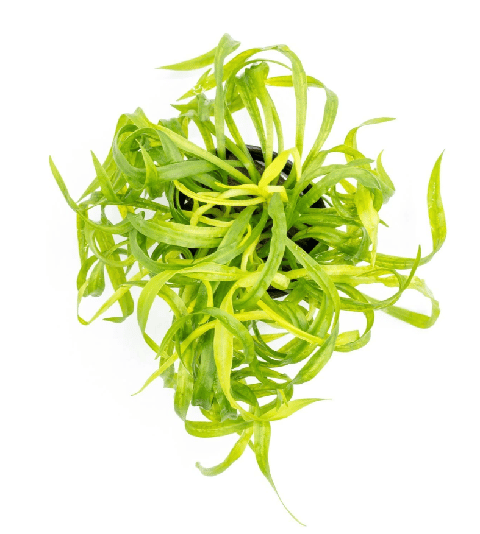
    Gravel is the default substrate in most beginner aquariums, and the good news is that plenty of plants grow in it just fine. if you understand why some plants struggle and others don’t. The key distinction is between root-feeding plants and column-feeding plants. Root feeders like swords and crypts pull nutrients from the substrate, so in bare gravel they need root tabs to thrive. Column feeders like hornwort and water sprite get nutrients from the water column and will grow in gravel, sand, or even just floating. Then there are epiphytes like anubias and java fern that don’t use substrate for nutrient uptake at all. you tie them to driftwood or rock and they’re perfectly happy. Once I understood these three categories, planting in gravel got a lot simpler. Here are 10 plants that consistently work well in gravel setups.

    Not all plants can grow in gravel, and that’s why it’s essential to know what plant species can flourish in gravel substrate exactly how you want.

    Key Takeaways

    • The best aquarium plants in gravel are going to be plants that feed on the water column
    • You can use rooted plants if you use root tabs as fertilizer
    • Most plants that can grow in gravel are going to very hardy and easy to grow

    Is Growing Plants In Gravel Worth It?

    Growing plants in gravel can be a new experience for many aquarists. It requires time and dedication to see your efforts finally yield great results.

    As long as you stick to the proper guideline for maintaining plants in gravel, you will never come across any issues.

    Plants need proper maintenance to grow. This can include fertilization, proper lighting, CO2, and your choice of substrate. We will discuss that in detail later on.

    10 Best Aquarium Plants For Gravel Substrate

    It doesn’t matter whether you are a beginner or someone with extensive aquarium knowledge, you can make mistakes when it comes to picking plant species for gravel.

    Apart from knowing what plants are best, you need to know other important information to avoid any mishaps.

    Including different plant varieties, I’ll cover these stats so can you go ahead and buy whatever plant species you like.

    • Scientific Name
    • Skill Level
    • Size
    • Lighting
    • pH
    • Growth Rate
    • CO2 Requirement

    1. Java Fern

    • Scientific Name: Microsorum pteropus
    • Skill Level: Easy
    • Size: 10 to 12 inches
    • Lighting: Low to moderate, 40-125 PAR (Umols)
    • pH: 6.0 – 8.0
    • Growth Rate: Slow
    • CO2 Requirement: No

    Java Fern is a great option for beginners because of its low maintenance and high environmental adaptability quality.

    Depending on the species, these aquatic plants can vary in shape and size. You will usually see these plants taking on colors like a deep brown color with dark green roots.

    Java Fern requires low levels of fertilizers, making it one of the best aquarium plants to grow in gravel. You can keep these plants in low light with a temperature ranging from 64 Fยฐ to 82 Fยฐ.

    While placing the plant, make sure you don’t put the plant roots too deep in the substrate since this can kill the plant. Like other plants that need nutrients to grow, Java Fern also needs a small amount of nutrients produced from fish waste to grow. Apart from this, you can consider good quality supplements to support their growth and lifespan.

    Propagation

    Propagating Java Fern is pretty easy. The first step is to carefully cut off plantlets with sterile scissors. After that, attach the fresh rhizomes to the surface and leave them for a few weeks.

    2. Anubias

    • Scientific Name: Anubias Barteri Var. Nana
    • Skill Level: Easy
    • Size: 6 inches
    • Lighting: Low to moderate, 50-125 PAR (Umols)
    • pH: 6.0 – 7.5
    • Growth Rate: Slow
    • CO2 Requirement: No

    Anubias Nana is a highly popular aquarium plant ideal for almost every planted aquarium. Aside from being a pretty easy plant to care for, Anubias Nana is one of the most beautiful aquarium plants used for freshwater aquariums.

    This plant grows from a thick and horizontal rhizome and has a moderate growth rate. These aquatic plants take on darker shades of green and have rounded and compact leaves designed horizontally.

    The best thing about Anubias Nana is that these plants can develop flowers completely submerged in water. And as far as lighting condition goes, you can keep these plants in low to moderate to high lighting completely risk-free.

    When it comes to placing, avoid covering its thick rhizome with aquarium gravel. You can place plant roots in the substrate though. This hardy plant is also a pretty versatile plant that can grow fairly well without too many liquid fertilizers. The water temperature should be between 72 Fยฐ to 82 Fยฐ.

    Propagation

    To propagate Anubias, cut the rhizome of the mother plant. Use a sharp blade and cut the rhizome into 2 or more pieces with care. Make sure there are at least 4 leaves on each section of the rhizome.

    3. Cryptocoryne Wendtii

    Low Tech Plant!
    Cryptocoryne Wendtii

    A great low tech plant for multiple aquascape types and setups. Forgiving and hardy, the Cyrptocoryne Wendtii is a great introduction to rooted plants!

    Buy Tissue Culture Buy Potted
    • Scientific Name: Cryptocoryne wendtii
    • Skill Level: Easy
    • Size: 4 to 14 inches
    • Lighting: Low, 50-200 PAR (Umols)
    • pH: 6.8 – 7.2
    • Growth Rate: Slow to moderate
    • CO2 Requirement: No

    Cryptocoryne Wendtii is another great choice for a planted tank. The plant is attractive and has simple needs that you can easily fulfill by following the right guide.

    Like Java Fern, this aquatic plant can also have different sizes and shapes based on its variety and tank conditions.

    Typically, the leaves have a compressed texture to an undulating appearance with a huge variety of colors. Apart from deep green to dark brown shades, you can see the leaves of a Cryptocoryne Wendtii featuring golden, bright yellow, white, and moderate red shades. This allows you to diversify your taste and not curtail yourself to only green plants.

    When placing the plant, you can expose it to bright lighting for better growth. Even though these plants already have a large and strong system of roots, you won’t see them above the substrate level.

    Cryptocoryne Wendtii feeds through their roots, making it essential to place them in a nutrient rich substrate. These plants can grow in gravel substrate they also do well in sand substrate.

    Since the plants grow a large root system, you have to root them down as early as possible in a 3 inches-deep gravel.

    Propagation

    There are different ways to propagate this plant. You can start by cutting off the root with a stem and then plant it into the substrate.

    You can also split apart the larger plant into clumps of plantlets. After that, replant them a few inches apart to support proper growth.

    Cryptocoryne Wendtii can also reproduce through runners. The young plants growing from runners often appear separated from the main plant which makes it easy to remove and replant them.

    4. Bucephalandra

    Bucephalandra

    Bucephalandra is a slow-growing plant that’s perfect for anyone looking to grow their first aquatic plant. They are great for attaching to hardscape

    Click For Best Price Shop Tissue Culture
    • Scientific Name: Bucephalandra
    • Skill Level: Moderate
    • Size: 1 to 10 inches
    • Lighting: Low, 40 PAR (Umols)
    • pH: 6.0 – 8.0
    • Growth Rate: Slow
    • CO2 Requirement: No, but recommended

    Despite being new to the aquarium hobby, Bucephalandra has become a highly recognized plant because of its unique colors, and straightforward requirements for growing in a home aquarium.

    The plant features different sets of colors, ranging from dark green to a whole spectrum of shades. The upper parts of the plants look slightly glossy with under-parts of the leaves painted in bright red, white, or yellow colors.

    This plant does well when given a good nutrient supply. Although water parameters have to be according to what they prefer to thrive, make sure the temperature stays between 71 Fยฐ to 79 Fยฐ.

    While placing, cover the roots of the plant with gravel but make sure you don’t plant them in the aquarium substrate.

    Apart from other advantages of planting them, Bucy Plants give a wide surface for shrimp shade to small fish species.

    Propagation

    To propagate Bucephalandra, cut off the rhizome into multiple little plants like Anubias. Use scissors to successfully get it done without harming the plant. The individual rhizomes should be moderate in size, and at least 1.5 inches long.

    5. Dwarf Sagittaria

    • Scientific Name: Sagittaria subulata
    • Skill Level: Easy
    • Size: 4 to 12 inches
    • Lighting: Moderate to high, 60-150 PAR (Umols)
    • pH: 6.0 – 8.0
    • Growth Rate: Moderate to fast
    • CO2 Requirement: No, but recommended

    Dwarf Sagittaria is another great plant to consider for growing in gravel. This aquarium plant grows beautiful little while-colored flowers and a long white root system in the substrate based on how well you take care of them.

    Luckily, this plant is quite adaptable to environmental transitions and can be used both in the foreground area and middle area.

    Dwarf Sagittaria does well when kept under moderate lighting. You can see scarlet hues on their leaves as a result of proper maintenance.

    Like other plants, a Dwarf Sagittaria also needs nutrients in the gravel to grow and make your aquarium beautiful. Though the plant is pretty hardy, the absence of fertilizers and iron can cause the death of the plant. Also, make sure you remain between 70 Fยฐ to 82 Fยฐ while setting up water parameters.

    Propagation

    Dwarf Sagittaria propagates by producing runners. You can cut them off and plant them into the substrate.

    6. Vallisneria

    • Scientific Name: Vallisneria spiralis
    • Skill Level: Easy
    • Size: 12 to 72 inches
    • Lighting: Low, 40-200 PAR (Umols)
    • pH: 6.5 – 8.6
    • Growth Rate: Fast
    • CO2 Requirement: Optional

    Vallisneria is one of those few aquarium plants that will never disappoint you.

    If you already have a fish tank with different plants and looking for something new and unique, go for Vallisneria since it can blend well with other plants.

    This fast-growing and undemanding plant need moderate lighting to grow and stay healthy.

    If the tank conditions match their preference, you will see the plant growing fairly fast. The fresh leaves look bright green, making your tank appealing.

    Since Vallisneria is a submerged plant, it spreads by runners and forms long roots underwater. The good thing about this plant is that it can withstand water shifting much more easily than most aquatic plants.

    Propagation

    Vallisneria propagates through producing runners.

    7. Amazon Sword

    Amazon Sword

    A classic background aquarium plant. Grows large and will be a centerpiece in your aquarium

    Click For Best Price Buy On Amazon
    • Scientific Name: Echinodorus amazonicus
    • Skill Level: Easy
    • Size: 4 to 20 inches
    • Lighting: Low, 40-250 PAR (Umols)
    • pH: 6.6 – 7.5
    • Growth Rate: Moderate
    • CO2 Requirement: No

    If you have prior aquarium experience then you know how well-recognized Amazon Sword is. With its large leaves sitting on a short stem, Amazon Sword makes a wonderful addition to planted aquariums.

    The leaves comprise a pretty prominent mid-vein and secondary veins running alongside the margin.

    Amazon Sword is a relatively easy plant to manage. It does well both as a background and mid-ground plant in planted aquariums.

    While placing Amazon Sword in planted tanks, don’t forget to keep gravel at least 3 inches deep. They need plenty of gravel to root and it’s better to pack the gravel moderately.

    Another essential thing to know is their extensive root systems. The plant can grow on its own. Hence, avoid planting the plant roots too deep so that you don’t have to do frequent trimmings.

    As far as lighting goes, exposure to bright lighting or access to low is never an issue. They can withstand different lighting conditions and a variety of water temperatures.

    Propagation

    Amazon Sword can be grown in two ways. One is through developing small blossoms, and the other is through producing runners.

    8. Anacharis

    • Scientific Name: Egeria densa
    • Skill Level: Easy
    • Size: 6 to 8 inches
    • Lighting: Moderate to high, 100-250 PAR (Umols)
    • pH: 7.0 – 8.0
    • Growth Rate: Fast
    • CO2 Requirement: No

    Anacharis is a large aquarium plant that can grow fairly well in gravel. Aquarium plants that grow up to 6 feet can be slightly demanding to place, but consider the benefits this specific plant can bring to your home aquarium.

    These plants feature extensive green stems and grow in the substrate as well as floating plants.

    When you observe the pattern of the leaves, you see them arranged compactly like a coil.

    You have to make water parameters consistent with Anacharis since these plants grow a beautiful deep green color when kept in an ideal environment. Plants that are kept in different conditions might look light green in appearance.

    When it comes to the root system, Anacharis have two different types of roots which are white. Both roots can grow from the stem and then into the substrate. The longer stems grow into the water but these stems don’t grow from the bottom of the stem. Rather, they project along the stem.

    Longer stems can absorb nutrients from the water column, and make these plants a pretty fast species to grow.

    Including gauging the right water parameters, you have to keep these plants in moderate lighting so that this fast-growing plant can take on a deep green shade.

    Propagation

    To propagate Anacharis, cut the stems that are at least 5 inches long and then insert them into the substrate.

    9. Dwarf Hairgrass

    Easy To Grow Carpet!
    Dwarf Hairgrass

    Dwarf hairgrass is an easy to grow carpet that is great for beginners. Purchase tissue culture plants to ensure pest free plants!

    Click For Best Price Buy On Glass Aqua
    • Scientific Name: Eleocharis acicularis
    • Skill Level: Easy
    • Size: 6 inches
    • Lighting: Low, 35-50 PAR (Umols)
    • pH: 6.5 – 7.5
    • Growth Rate: Fast
    • CO2 Requirement: Yes

    Dwarf Hairgrass is not a new plant in the aquarium hobby. With its striking green color and beautifully shaped leaves, this plant is irresistible.

    Since you’re looking for plants that grow in gravel, compromising on the appearance of the bottom is not possible. And that’s why I added this species to the list.  Dwarf Hairgrass gives a soft and lush green texture to the foot of the bottom. This carpeting plant has lightly twisted leaves with blades that make it more appealing.

    Like Anacharis, Dwarf Hairgrass has to be kept in proper water conditions so that it can grow to the fullest. Water conditions will also determine whether or not your plant will produce white roots. Even though these roots stay hidden in the substrate, the plant will grow to the glass of the tank and will look incredible.

    You can use these plants to create a thick lawn in your aquarium. When planted properly, these plants tend to spread widely by runners.

    Lighting is another contributing factor in their proper growth. In their natural habitat, Dwarf Hairgrass grows in moderate natural lighting. You will only get a beautiful carpet once you get a stronger lighting setup. Also, the intensity of light should be in consideration since this is a slow-growing plant. For the substrate, gravel or sand is not an issue, but it’s better to get something finer. Normal gravel will also do but sand is ideal for the frail roots of the plant.

    Propagation

    Propagating Dwarf Hairgrass is also pretty easy. Just grab the roots using tweezers and make small clumps. Place each gently into the substrate an inch apart.

    10. Christmas Moss

    • Scientific Name: Vesicularia montagnei
    • Skill Level: Easy
    • Size: 4 inches
    • Lighting:
    • pH: 5.0 – 7.5
    • Growth Rate: Moderate
    • CO2 Requirement: Yes

    The last plant on this list is Christmas Moss which is beginner-friendly and is used around the world by beginners, intermediate-level aquarists, and fish keepers who are fairly experienced.

    Christmas Moss grows slowly, but it can create a magnificent carpet across your aquarium. With its long and dangling branches that overlap each other, the plant resembles a Christmas tree.

    Unlike other aquarium mosses, Christmas Moss is the most beautiful moss you will ever see. It’s hardy and can grow in aquariums if you keep water parameters and the overall aquarium environment matching its natural habitat.

    When placing it, don’t let the plant get covered with any shade since it grows well only when there’s enough light.

    The plant can grow with or without CO2, but using liquid fertilizer is highly recommended.

    Propagation

    To propagate Christmas Moss, take the parent plant and cut it into small pieces. After the division, simply attach the new pieces to the new site.

    How To Grow Plants In Gravel Substrate

    Growing and keeping aquarium plants in gravel need a little bit of proper guidance, patience and focus. In this part of the article, Iโ€™m gonna show you how to successfully grow plants in gravel. So, let’s dive straight into that. If you want to see a video breaking down the subject, check out the video below from Palmer Fish Talk.

    There are three routes to grow plants in gravel substrate. The first one is putting organic soil so that the plants can absorb nutrients from it. The second one is using those plants that are hardy like the ones I discussed above. And the third route is to use root tabs.

    Some people don’t like to use pots in their aquariums, and they prefer using sand. Sand is a good option to consider but gravel isn’t any less either. In fact, if you use thick sand, it can prevent water flow and encourage substrate compaction.

    A proper amount of water should always flow through the substrate to ensure the plant roots are getting enough oxygen and CO2. Even if you use fertilizers, it might be hard for them to get to the roots and provide nutrients to the plants.

    Before you venture out and purchase gravel, make sure you get fine gravel that won’t be harsh on the roots.

    Now letโ€™s focus on the root tabs route. The root tab route is basically a pretty easy method. All you have to do is get these little gel capsules and dip them into the substrate.
    Root tabs are filled with nutrients that help the plants grow and survive. They are usually filled with potassium, iron, and sometimes just dirt. Plants love dirt because they get nutrients and a system of water through it. The best way to dip these capsules into gravel is to get tweezers or use your hands. Just put them below the surface but avoid going too deep.

    Fertilization

    For plants that grow in gravel, fertilization becomes important more than ever. Some plants can get nutrients from fish waste but sometimes that’s just not enough.

    You need to get them good fertilizers to fulfill their basic demands.

    Editor’s Choice!
    APT Complete

    Editor’s Choice

    Made by an aquascaper for aquascapers. This is the best all around aquarium plant fertilizer on the market. Marco and micronutrients in one bottle!

    Use Coupon Code ASDComplete for 10% off your order!

    Click For Best Price Buy On Amazon

    Gravel can provide them with beneficial bacteria that help keep a biological balance within the tank. The plants usually absorb nutrients from the gravel while some plants access nutrients present in the water column.

    Trimming

    Most stem plants grow really fast. Such plants have to get frequent trimmings so that they don’t consume the whole aquarium. Also, you have to keep your plants clean and in shape which is possible by trimming them.

    While cutting off bits of plants, make sure you use high-quality aqua-scaping scissors.

    Tank Maintenance

    Tank maintenance holds intrinsic value to the overall fitness of your plants.

    There are many issues related to plants that can influence your aquarium environment. For example, if a plant melts, or there is plant material sitting at the bottom for too long, the water can become toxic for your fish. It can even kill your plants.

    Apart from keeping water parameters consistent, make regular water changes and clean the tank.

    Filtration And Water Quality

    When you have live plants, as well as fish living in an aquarium, filtering out toxins from the water becomes extremely essential and unavoidable.

    Not only a fish tank, but a planted tank also needs a quality filtration system. For a planted tank, you can go for a canister filter to weed out toxins from the tank.

    Tank Mates

    For a planted tank, you have to be careful while choosing what fish species the plants are going to be with.

    Here are a few fish species you should avoid housing with plants in freshwater fish tanks. While you can keep plants with them it’s a challenge.

    FAQs

    Can Plants Grow In Rocks?

    You can grow aquarium plants in gravel, given you take care of their basic needs to grow and thrive. While some plants are ideal for gravel substrate, some species can’t withstand gravel. You need to choose those species that are hardy and can absorb nutrients from the gravel.

    While some plants are ideal for gravel substrate, some species can’t withstand gravel. You need to choose those species that are hardy and can absorb nutrients from the gravel.

    Do They Grow Better In Sand Or Gravel?

    Growing plants in the sand is common but it can hold back water flow that is necessary for the plants. Gravel doesn’t do that. But generally, both mediums are good for plants to grow. But since each has a few drawbacks when it comes to providing plants with proper nutrients, you need capsules filled with nutrients to help the plants grow properly.

    Which Tank Gravel Is Best?

    Choosing the right aquarium gravel is one of the best things you can do. Whatever gravel you go for, make sure it doesn’t have sharp ends or dust but access plant roots to grow.

    Some plants have delicate roots that rough gravel can irritate. Also, the shape and size, and texture of the gravel should be even.

    Closing Thoughts

    Many people think that they can only grow plants in soil, but there are actually many plants that can thrive in gravel. These types of plants are typically water column feeders and are easy to grow. If you’re looking for a new type of plant to try growing, consider one that can prosper in gravel. Do you have any experience growing plants in gravel? Let us know in the comments below!

  • 11 Best Plants for Small Aquariums (Nano Tank Guide)

    11 Best Plants for Small Aquariums (Nano Tank Guide)

    Nano tanks are where I’ve seen the most plant-related mistakes. people pick plants based on looks alone and end up with something that doubles in size every two weeks and needs to be ripped out constantly. I’ve planted a lot of small aquariums over the years, and the species that actually work long-term are the ones that stay compact, tolerate lower light, and don’t need CO2 injection to look good. These are my go-to picks for tanks under 20 gallons.

    Small tanks are where plant selection really matters. In a 5 or 10-gallon setup, one species that grows too aggressively can take over in a matter of weeks. I’ve set up several nano planted tanks using a soil substrate with a sand cap, and what I’ve learned is that the plant choices are just as important as the equipment. You want slow-to-medium growers that respond well to trimming and don’t require high-pressure CO2 to look their best. These 11 are the ones I keep coming back to.

    What Are They?

    Aquarium plants are can be aquatic or live out of the water. They can be used as natural filters in an aquarium and when planted correctly, can create incredible aquascapes that look like underwater gardens.

    It doesn’t matter whether you run a nano tank or keep a community aquarium, toxins are faster at blowing up in the tank than you imagine. To connect your fish to a healthy environment, devoid of toxins and stress resulting from debris, you need some good aquarium plants and regular maintainance.

    Aquarium plants are also used to prevent excessive algae growth. But it’s quite fascinating to know that there are more advantages to getting plants than the ones you’ve heard and read about.

    Pro Tip: To determine what looks best in what place, use the shortest plants in the foreground with the largest aquarium plants used as the background plants

    The Benefits

    The benefits live aquarium plants bring are great. Aquarium plants are perfect to boost oxygen, consumer nutrients toxins like nitrate, and manage the dietary needs of fish.

    They can also help with controlling algae growth and maintain an overall well-balanced ecosystem. But these are not the only advantages which they bring along. You get a long list of benefits of using freshwater aquarium plants I’m going to chalk out right away.

    Cleaning Water

    By producing oxygen and absorbing CO2, freshwater aquarium plants are perfect to introduce throughout aquarium tanks.

    Fish waste can be extremely toxic for your freshwater fish species, but there are nutrients found in the fish debris that the plants use to control algae growth and complete the nitrogen cycle.

    Shade

    If you have a small aquarium and using too many caves can be challenging, aquarium plants are for you.

    Depending on the size of your aquarium, some plants can work as a shield against stress and aggressive fish species. Since some fish species tend to shy away from social gatherings and prefer living in hideouts, you can use aquarium plants so your pet can feel comfortable and safe under their shade.

    Source Of Food

    A planted aquarium can be a great source of healthy food for your pet. Instead of looking constantly for expensive and new variations in their diet, you can supplement their menu with live plants.

    Aquarium Beauty

    Aquarium plants make your tank much more appealing and maintained. They can lace it with a natural look for both you and your fish to enjoy.

    Betta Tank Setup

    Other than that, planted tanks are one of the best assets to fish during the spawning seasons. Most fish species will always go for plants to establish spawning sites and create a wonderful refuge for newly hatched fry.

    11 Best Plants For Small Aquariums

    It’s time to dive into the 11 best types of aquarium plants you can get for your small, risk-free aquarium. You can check out the video below from our YouTube channel to follow along. We go over in more detail in the blog post below. Please subscribe to our channel if you like our content!

    I will pen down the following information for each type so you can learn everything in detail.

    • Scientific Name
    • Common Name
    • Origin
    • Skill level
    • Lighting
    • Temperature Range
    • Flow Rate
    • CO2 requirement

    Let’s go over our list…

    1. Anubias Nana Petite

    • Scientific Name: Anรบbias bรกrteri var. nรกna (Engler) Crusio
    • Common Name: Anubias Nana Petite
    • Origin: West Africa
    • Skill level: Easy
    • Lighting: Medium
    • Temperature Range: 72 Fยฐ to 82 Fยฐ
    • Flow Rate: Low to moderate
    • CO2 requirement: Not necessary

    As a beginner aquatic with a small tank, Anubias Nana Petite can be one of the best choices you can make. The plant does well in freshwater aquariums and can easily withstand environmental changes.

    Since it’s essential to make your aquarium look natural, the green-colored and tiny leaves of this plant can help you achieve that goal.

    Anubias Nana Petite is one of the best foreground plants that should be attached to the base of the hardscape around the mid-ground area. You can refer to this plant as a carpeting plant that ranks as one of the smallest Anubias Plants in the aquarium hobby.

    The low maintenance of Anubias Nana Petite makes it perfect for novices, but make sure you pay attention to its rhizome. The rhizome should stay above the substrate, and the plant should be exposed to low light to grow. It usually grows slowly so don’t lose your patience.

    2. Cryptocoryne Parva

    Cryptocoryne Parva

    Parva is one of the smallest Cypt plants available in the aquarium trade. A slow grower

    Click For Best Price
    • Scientific Name: Cryptocoryne parva
    • Common Name: Dwarf Water Trumpet
    • Origin: Sri Lanka
    • Skill level: Easy
    • Lighting: Low
    • Temperature Range: 73 Fยฐ to 82 Fยฐ
    • Flow Rate: Low to moderate
    • CO2 requirement: Not necessary

    Originating from Sri Lanka, Cryptocoryne Parva is now known as one of the best aquatic plants around the world.

    Depending on cultivation, Cryptocoryne Parva stays the same in coloration. A good thing about this plant is that it is small and worth your investment.

    Compared to other Cryptocoryne plants, this one needs more lighting to grow leaves underwater. The plant can shed leaves as a natural process called Crypt Melt when placed in freshwater home aquariums, but that’s natural. Once the plant gets familiar with the new environment and is placed under bright natural lighting, you will see it regrowing leaves in no time!

    Like Anubias Nana Petite, this is another great foreground plant on the list. The leaves of a Cryptocoryne Parva look similar to grass and grow wide above the water but narrow underwater.

    3. Dwarf Hairgrass

    Easy To Grow Carpet!
    Dwarf Hairgrass

    Dwarf hairgrass is an easy to grow carpet that is great for beginners. Purchase tissue culture plants to ensure pest free plants!

    Click For Best Price Buy On Glass Aqua
    • Scientific Name: Eleocharis parvula
    • Common Name: Dwarf Spikerush, Small Spikerush, Dwarf Spike Rush
    • Origin: North America
    • Skill level: Easy
    • Lighting: Moderate
    • Temperature Range: 70 Fยฐ to 83 Fยฐ
    • Flow Rate: Moderate to fast
    • CO2 requirement: Yes

    Dwarf Hairgrass is pretty easy to manage given you take care of water parameters and other important elements of their basic care sheet. It is another foreground plant that you can include in some of the best carpet plants suitable for a small fish tank.

    This plant grows like aquatic grass across freshwater tanks with slim stalks looking like roots. The stalks grow horizontally and can give your tank a natural look.

    Dwarf Hairgrass can help you provide shelter to your bottom dwelling fish and spread out to make great ground cover. The hardy nature of a Dwarf Hairgrass makes it perfect for beginners.

    4. Bucephalandra

    Bucephalandra

    Bucephalandra is a slow-growing plant that’s perfect for anyone looking to grow their first aquatic plant. They are great for attaching to hardscape

    Click For Best Price Shop Tissue Culture
    • Scientific Name: Bucephalandra spp.
    • Common Name: Buce Plant, Buceps
    • Origin: Borneo, Southeast Asia
    • Skill level: Easy
    • Lighting: Low
    • Temperature Range: 71 Fยฐ to 79 Fยฐ
    • Flow Rate: Moderate to high
    • CO2 requirement: No, but recommended

    With different variates, Bucephalandra is another great option to consider.

    Similar to Anubias and Cryptocoryne discussed above, Bucephalandra is also found in rapidly moving waters. With almost 150 years old, a Bucephalandra is considered now a top choice of small aquariums. The plant goes through climate change throughout the year. To give you a good estimate of its temperature tolerance, keep the plant water that’s between 71 F to 79 F.

    This plant can be relatively hard to find in a local fish store as compared to other plants. The plant displays vivid colored leaves and rhizomes that appear more in line.

    Here are two varieties of Bucyphalandra I’ll discuss in this article.

    1. Bucyphalandra Mini Coin

    Buce Mini Coin is another aquarium plant that is pretty simple to care for. The plant grows tiny green leaves and sits perfectly as a foreground plant. But It takes the plant a considerable time to grow. And due to slow growth, you might find it demanding to stay patient and see the magic of it.

    Bucephalandra plants are unique to find, and on top of that, this variation is even harder to get your hands on. But since you have a small tank, this plant can is perfect for you.

    2. Bucyphalandra Arrogant Blue

    This aquarium plant is another beautiful variation of Bucephalandra plants. Perfect for new aquarium owners, the plant leaves look round with a prominent center vein.  Even though the mature leaves are deep green, you can see shades of blue on the new leaves. Another thing that might strike your attention is the white dots visibly scattered across the new leaves.

    This beautiful plant is good to place in a nano aquarium or a layout that comprises small details.

    5. Christmas Moss

    • Scientific Name: Vesicularia montagnei
    • Common Name: Christmas Moss, Brazillian Willow Moss, Xmas Moss
    • Origin: Southeast Asia
    • Skill level: Easy
    • Lighting: Moderate
    • Temperature Range: 72 Fยฐ to 82 Fยฐ
    • Flow Rate: Low to moderate
    • CO2 requirement: No, but recommended

    Since we are covering plants that can grow in a small aquarium, here’s another plant on the list called Christmas Moss that can make your planted tank sufficient for your fish.

    Christmas Moss is one of the most commonly used plants in the aquarium hobby. Despite having a slow growth rate, it creates a field across your tank and can be used as moss by your fish during spawning. You can also use this plant to provide a valuable hiding place for your fish and a source of food for small fish species and invertebrates.

    The plant resembles the shape of a Christmas tree because of its branches that droop and overlap each other. Christmas Moss might also look similar to Java Moss but there’s a considerable difference between the plants.

    Author's Note: Christmas Moss grows well when put completely under water. Due to its versatility, the moss can grow on land as well as on rocks and branches. It will grow faster out of water!

    6. Micranthemum ‘Monte Carlo’

    Monte Carlo Tissue Culture – UNS

    Tissue culture plants are grown in labs and are completely pest free and have great shelf lives

    Click For Best Price Buy On Amazon
    • Scientific Name: Micranthemum tweediei
    • Common Name: Monte Carlo
    • Origin: Argentina
    • Skill level: Easy to moderate
    • Lighting: Medium
    • Temperature Range: 68 Fยฐ to 77 Fยฐ
    • Flow Rate: Moderate
    • CO2 requirement: Yes

    The Monte Carlo, scientifically classified as Micranthemum, is a magnificent carpeting plant that gives a velvety touch to the base of your aquarium.

    Found in streams and lakes, the plant is now a popular plant around the world.

    The plant has a moderate growth rate, and if managed properly, it can spread quickly, creating a silky mat across your planted tank. Since it grows laterally, you can see small bright green-colored leaves popping out.

    The unique trait of Monte Carlo is that it can grow along the bottom but you can also use cuttings to create a cascade over the rocks.

    7. Staurogyne Repens

    • Scientific Name: Staurogyne rรฉpens (Nees) Kuntze
    • Common Name: Staurogyne Repens
    • Origin: South America
    • Skill level: Moderate
    • Lighting: Moderate to high
    • Temperature Range: 68 Fยฐ to 86 Fยฐ
    • Flow Rate: Moderate
    • CO2 requirement: Yes

    best aquarium plants dense carpet water column beautiful plants ground cover enriched substrate baby tears leaf shapes baby shrimp breeding tank liquid fertilizer stem plant Amano shrimp tanks nano plants marimo moss ball background plant stem plants

    Staurogyne repens is one of the best foreground plants for a nano aquarium. This is not a difficult plant to care for. In fact, this is quite a hardy plant that you can easily manage as a beginner.

    Staurogyne repens gives a fresh greenish look to the aquariums. Under bright light, the plant can grow long and upright shoots. It’s better to place this aquarium plant under low light and let it grow gradually and colonize the gravel at its own pace. This plant, like other mid ground plants, can be placed in the middle ground of the aquarium.

    Staurogyne repens grow horizontal shoots as soon as you cut the upright and longest shoots. And due to the fast growth of the plant, it’s recommended to maintain low density. You can do this by letting the emergent leaves die under the water.

    8. Helanthium Vesuvius

    • Scientific Name: Helรกnthium boliviรกnum (Rusby) Lehtonen & Myllys
    • Common Name: Echinodorus Vesuvius
    • Origin: Singapore
    • Skill level: Easy
    • Lighting: Medium
    • Temperature Range: 50 Fยฐ to 86 Fยฐ
    • Flow Rate: Moderate to fast
    • CO2 requirement: Not necessary

    Helanthium Vesuvius or famously known as Vesuvius Sword Plant is a relatively new plant to the aquarium hobby. With its usual ability to grow leaves in a way that makes them appear projecting from the plant base like a spiral sword, this plant is a perfect fit for a nano aquarium.

    The plant typically grows above the water, hence, it can grow wider leaves above the water level. Apart from this, you can also see flower buds appearing out of nowhere. For a beginner, this plant is a good option to consider. Due to the large size, you can use Helanthium Vesuvius as a background plant for your nano tank.

    9. Sagittaria Subulata

    • Scientific Name: Sagittaria Subulata L.
    • Common Name: Arrowhead, Awl-leaf, Narrow-leaved Arrowhead, Dwarf Sagittaria
    • Origin: South America
    • Skill level: Easy
    • Lighting: Low
    • Temperature Range: 59 Fยฐ to 84 Fยฐ
    • Flow Rate: Moderate to high
    • CO2 requirement: Yes

    Sagittaria Subulata is a pretty easy-to-care and one of the best beginner aquarium plants that you can place with one of your foreground plants in your tank.

    The reason I put this one on the list is the beautiful and uniquely designed leaves of this plant that look like a ribbon. Despite getting taller with time, the plant is still a good species for beginners to try out. It can withstand shifting water parameters, given you provide it with good natural lighting.

    Observing its appearance, you will see the plant resembles grass. It is not a slow-growing plant. In fact, under certain conditions, it can grow up to 50cm long. Apart from this, Sagittaria Subulata can grow a long flower stem to the water surface and sometimes above that with tiny flowers appearing right above the waterline.

    One of the unique traits of this plant is that it can also grow thick clusters which can be slightly demanding to handle. To control the plant from growing thick groups and to keep the carpet to a moderate length, remove runners with longer leaves now and again.

    Pro tip: Sagittaria Subulata is already a fast-growing plant. Use of Carbon Dioxide since it can trigger growth that can make this plant highly demanding to handle.

    10. Alternanthera Reineckii ‘Mini

    • Scientific Name: Alternanthera Reineckii
    • Common Name: Rosaefolia minor, AR mini
    • Origin: South America
    • Skill level: Moderate
    • Lighting: Moderate
    • Temperature Range: 73 Fยฐ to 80 Fยฐ
    • Flow Rate: Low
    • CO2 requirement: Yes

    If you’re looking for something unique in appearance, then give AR Mini a try.

    This is a dwarf variant of the well-known plant species Alternanthera Reineckii. It is a perfect fit for nano aquariums but you can also use it for a large tank.

    Since it’s a stem plant, you have to give it a good amount of light to properly grow. Giving CO2 can also help it hit the optimum growth mark.

    The plant has poor tolerance for disturbed water parameters so it’s recommended to avoid drastic changes.

    It’s one of the very few foreground plants that has a bright red appearance. You can create a dense carpet by making partial trimmings.

    11. Moss Balls

    Budget Option
    Marimo Moss Ball

    Budget Option

    A cheap and easy to care for aquarium plant. Thrives in low light and very low maintenance

    Click For Best Price
    • Scientific Name: Aegagropila linnaei
    • Common Name: Moss balls, Lake balls, Cladophora ball
    • Origin: Northern Europe and Japan
    • Skill level: Easy
    • Lighting: Low to medium
    • Temperature Range: 72 Fยฐ to 78 Fยฐ
    • Flow Rate: Low
    • CO2 requirement: Yes

    These little green balls are not moss, but algae that look incredible in small tanks. The fascinating thing about the marimo moss ball is that the action of waves helps it keep its round shape intact. In the wild, these moss balls thrive in cold water, making it slightly endangered species to house in home aquariums.

    To get the best out of them, get those moss balls that were cultivated using environment-friendly methods. For a beginner, Moss balls are pretty easy to care for. But you have to consider a few things to ensure they survive.

    Unlike other more resilient plants, Moss balls have to be placed in cool water so that they can live longer.

    You should always keep them in an area where the sunlight doesn’t fall directly on them. Too much light or inadequate lighting are both dangerous to this species. They can turn brown if the light is too bright or too low. Things like going out of shape can happen as a result. You have to make the water move so it can melt back to its original shape.

    Apart from this, these algae balls need fertilizers for proper growth. They grow slowly but once they get their preferred conditions in a home tank, these moss balls can grow up to 12 inches.

    FAQS

    How do you grow plants in a small fish tank?

    There are a lot of factors that determine the potential of growing plants in a home aquarium. Probably the most contributing factor is proper lighting. Plants need at least 8 hours of sunlight to grow into strong plants.

    Things like deep filtration, water temperature, acidity levels, substrate, Carbon Dioxide, and how well you plant them also matter. You should also consider fertilizer for carpet plants since plants gather nutrients from it.

    How can I keep my fish tank plants short?

    Ground-covering plants can sometimes grow too big to manage in a small tank. To prevent unnecessary growth, trim your plants regularly. Make sure you cut the upper shoots a few centimeters using Wave Cutters. You can also use Spring Scissors designed specifically for trimming plants.

    What is a plant only fish tank called?

    Planted tanks are the type of aquarium setup that allows you to buy, arrange and take care of your favorite plants in a single setting. Like a fish tank that can combine different plants, a planted tank can also have fish, but the main focus remains on plant life.

    What are foreground fish tank plants?

    Choosing the right plants according to your aquarium size, type and setting are important.

    If you are looking for a plant that you can place at the base then foreground plants are perfect for you. Foreground plants are those aquarium plants that you can place at the foot of a hardscape layout or around the middle ground area.

    These plants are also known as carpeting plants that grow a field across the aquarium ground and are always pretty small.

    Is Anubias a foreground plant?

    There are at least 8 different species from the genus Anubias. Some plants are background plants while others are foreground plants. You can also see Anubias plants used for the midground.

    Closing Thoughts

    While most people think of plants as needing a lot of space, there are actually plenty of varieties that do very well in small aquariums. Many of these plants are also easy to care for and require little to moderate maintenance, making them perfect for beginner aquarists or those who donโ€™t have a lot of time to dedicate to their hobby. If you have any experience keeping small plants in your aquarium, let us know in the comments!


    ๐ŸŒฟ Want to learn more? This article is part of our complete Planted Tank & Aquascaping Guide. your ultimate resource for aquarium plants, aquascaping styles, substrates, and more.

  • Water Wisteria: Complete Care Guide (Best Beginner Plant?)

    Water Wisteria: Complete Care Guide (Best Beginner Plant?)

    This plant will grow in almost anything. But if you want it to actually look good, you need to understand what it wants. The gap between alive and thriving is lighting, nutrients, and consistency.

    Any plant stays alive. Making it look good takes understanding.

    What It Is Actually Like Growing Water Wisteria

    The first two weeks after planting are ugly. Emersed-grown leaves melt, new growth starts slow, and your tank looks worse before it looks better. This is normal. Do not rip out the plant and start over.

    Once established, this plant grows. You will be trimming it regularly, replanting cuttings, and giving away excess. The transition from fragile newcomer to aggressive grower happens faster than you expect.

    Algae will try to grow on the leaves. Healthy, fast-growing plants outcompete algae naturally. Slow-growing or struggling plants get covered in it. The plant’s health and algae presence are directly related.

    In the right conditions, aquarium plants produce visible oxygen bubbles called pearling. Watching tiny bubbles stream from the leaves during peak lighting is one of the most rewarding sights in planted tanks.

    Table of Contents

    The Water Wisteria is sold as an easy plant, but easy does not mean neglect-proof. Wrong lighting, wrong substrate, or wrong CO2 approach will turn this plant into a melting mess. After growing aquarium plants for 25 years, I have learned what actually works and what the packaging never tells you.

    Healthy plants grow. If yours is not growing, something fundamental is off.

    This plant thrives when given consistent conditions over weeks and months. Quick fixes do not work in planted tanks. Patience and consistency are the real requirements.

    A well-grown aquarium plant does more for water quality than any filter media you can buy.

    What Most Care Guides Get Wrong About Water Wisteria

    Want the easiest plant? Get java fern or anubias. Want a carpet? Get dwarf sagittaria. Want the best balance of easy and impressive? This plant delivers.

    Most guides give you a cookie-cutter care sheet for Water Wisteria without mentioning the nuances. After 25+ years in this hobby, I have seen how small details in tank setup and maintenance make a real difference in long-term health. Another thing guides gloss over is temperament. Water Wisteria are often described with a single label, but their behavior shifts depending on tank size, tank mates, and territory. You need to plan for the worst-case scenario, not the best. Group size is another area where most guides fall short. Saying ‘keep them in groups’ is not enough. The difference between keeping 3 and keeping 8 or more is night and day when it comes to coloration, confidence, and natural behavior.

    The Reality of Growing Water Wisteria

    Melting after purchase is normal. Most aquarium plants go through a transition period where emersed-grown leaves die off and submersed growth takes over. This is not a sign of failure. It is the plant adapting. Do not pull it out or move it during this phase.

    Lighting is not one-size-fits-all. Too little light and the plant grows leggy or stops entirely. Too much light without CO2 supplementation causes algae explosions. Match your lighting to your CO2 and fertilization strategy.

    Nutrient deficiencies show up in the leaves. Yellow leaves mean iron or nitrogen deficiency. Holes mean potassium deficiency. Black spots mean phosphate issues. Learning to read your plants saves you from guessing.

    Biggest Mistake New Owners Make

    Cranking up the light intensity without adding CO2 or fertilizers. High light without nutrients does not grow plants faster. It grows algae faster. Balance your light, CO2, and nutrients together or keep all three low.

    Expert Take

    If your plant is not growing, check your lighting duration and nutrient levels before changing anything else. Nine times out of ten, the problem is one of those two factors.

    Key Takeaways

    • Water Wisteria is a great naturally filtering plant that will remove nutrients
    • They are hardy and very easy to grow
    • They do not require CO2 and do well in low-light environments
    • They are water column feeders and do not require to be planted in the substrate

    Introduction

    One of the most common live aquarium plants to come across at local fish stores is water wisteria. This freshwater plant is scientifically known as Hygrophila difformis and belongs to the Acanthaceae family, which includes many other aquatic and terrestrial plant species.

    Though these aquarium plants are known as wisteria, they are not related to the magnificent purple blossoms made by flowering plants in the Wisteria genus under the Fabaceae family.

    Instead, the water wisteria plant can add dynamic to the freshwater aquarium with its bushy, lettuce-like appearance and little to no extra care requirements.

    A Brief Overview

    Scientific NameHygrophila difformis
    Common NamesWater wisteria
    FamilyAcanthaceae
    OriginIndia, Nepal, Bangladesh, Bhutan
    Skill LevelVery easy
    LightingLow-high, 40-200PAR (Umols)
    Tank PlacementMidground and background
    Flow RateModerate
    Temperature Range70-85 ยฐF
    Height24 inches
    pH Range6.0-7.5
    Growth RateVery fast
    Feed TypeWater column feeder
    Co2 RequirementNo

    Classification

    DivisionMagnoliophyta
    ClassMagnoliopsida
    OrderLamiales
    FamilyAcanthaceae
    GenusHygrophila
    SpeciesH. Difformis (Linnaeus f.) Blume

    Origins And Habitat

    Water wisteria is native to Southeast Asia, namely throughout parts of India, Nepal, Bangladesh, and Bhutan. It grows in many water and lighting conditions but has been found in abundance in bog-like environments. In some cultures, water wisteria is regularly used for its medicinal properties, though the true effects have been poorly studied.

    In the aquarium, water wisteria will thrive in nearly all environmental conditions as long as nutrients are made available.

    Is it Invasive?

    Water wisteria is an extremely hardy plant that will thrive in tropical climates. It has a very high potential to become an invasive species but has been limited in its worldwide distribution thus far. That being said, water wisteria has been introduced to non-native countries, such as Taiwan, Hungary, and the United Kingdom.

    All aquarium hobbyists are strongly encouraged to properly dispose of plant cuttings to prevent propagation in local waterways.

    What Does it Look Like?

    Water wisteria is named Hygrophila difformis due to this plant species growing different leaf morphologies. Interestingly, no two water wisteria look the same (video source).

    , this is a case of different lighting or temperature conditions, but differing morphologies are within wisteria’s DNA. This can make identifying water wisteria slightly more challenging than other plants.

    Water wisteria can look small and bushy or tall and bundled. In most aquarium setups, water wisteria is tall and bundled with a lacey appearance. Plants may be made up of one or more thick stems with either lace-like leaves or broad leaves; lace-like leaves will have many thin edges while broad leaves are solid and round in appearance.

    The appearance of your water wisteria may change over time depending on aquarium conditions. If allowed to grow above the water line, wisteria will grow broad leaves.

    It is believed that temperature and lighting can also cause wisteria plants to develop one leaf type or another, but appearance is largely due to genetics and maturity. Pruning can also have an effect and trimming broad-leafed water wisteria has resulted in a lacier appearance for some hobbyists.

    In general, water wisteria is a bright green color that has the potential to grow to a maximum height of 24 inches if left uncontrolled. This freshwater plant has an extremely fast growth rate which can either be a nuisance to hobbyists looking to eradicate it from their tanks or a blessing for beginners who are struggling with keeping nutrient levels down.

    Water wisteria is commonly confused with water sprite (Ceratopteris thalictroides) another unrelated aquatic plant.

    Water Wisteria vs. Water Sprite

    Want the easiest plant? Get java fern or anubias. Want a carpet? Get dwarf sagittaria. Want the best balance of easy and impressive? This plant delivers.

    Water wisteria and water sprite, also known as Indian fern or fine leaf Indian fern, are not related but is very similar in appearance. These plants have very similar care requirements and appearances. Telling them apart is pretty tricky.

    The main difference between these two bright green species of plants is that water wisteria has separated stems for individual plants while water sprite has several stems and leaves that originate from the center of the singular bundle. Water sprite also has much finer and more lace-looking leaves and stems. All of this combined makes water sprite much bushier and more delicate in appearance than water wisteria.

    Water Sprite

    Readily available and easy to grow. This fast growing plant will soak up nutrients and thrive in low light

    Click For Best Price Buy On Amazon

    Another major difference between these two plants is that water sprite is a type of fern and will not flower when grown above the surface.

    Placement And Lighting

    Water wisteria is most commonly kept as a background plant. It does not need much light or flow but will do best with at least moderate settings.

    Like other aquatic plants, more light will cause the plant to grow shorter and bushier. Limiting light will cause the plant to reach for the light, causing a leggy, sparse appearance. That being said, some hobbyists have successfully grown water wisteria under fluorescent lighting.

    Can they Grow Floating?

    Water wisteria is primarily a water column feeder. This means that it gets most of the nutrients it needs from the surrounding water column instead of from the substrate. This makes growing this plant at the surface of the water preferable.

    However, wisteria will quickly take over any space that is available to grow. This can quickly block out light from plants below and minimize surface agitation. Floating water wisteria is still one of the best natural coverages for fish fry and shrimp, though.

    What Are Good Tank Mates For them?

    Water wisteria is kept with almost all freshwater fish tank mates. This plant is extremely hardy and resilient and will grow back bigger and stronger if uprooted or eaten.

    Ideal Tank Mates

    Because of its thick stem, some hobbyists have successfully kept water wisteria with goldfish. By the time goldfish are able to uproot the plant or eat all its leaves, chances are that the plant has already started regrowing itself. In fact, this might even help the wisteria plant propagate as lateral root shoots detach from the main stem and replant themselves elsewhere in the tank.

    Water wisteria is especially popular among breeding tanks. The uptake of nutrients and bushy appearance help keep water parameters in check while providing fish and fry with places to hide. For the same reasons, freshwater shrimp will also love this plant.

    If using water wisteria in a pond setting, make sure that it cannot travel to local waterways to prevent it from becoming an invasive species.

    Fish Species To Avoid

    There aren’t many tank mates that can’t be kept with water wisteria. Even if your fish is prone to eating or uprooting plants, water wisteria will persevere. However, this is an extremely fast-growing plant that should not be kept in smaller tanks under 30 gallons.

    Water wisteria is very efficient at taking up nutrients and will display its best colors and form in return. Once nutrients are depleted, the plant will struggle to survive. Nano tanks have limited nutrients available due to smaller bioloads, which can make keeping this plant species in small tanks more challenging than you would expect.

    Feeding (Fertilization)

    Water wisteria does not need additional fertilization and adding fertilizers could actually cause more of a problem than would be beneficial.

    This plant species is an incredibly fast-growing plant as it is and added nutrients could cause it to become unruly. This would make for additional removal and maintenance when the wisteria grows like a weed.

    If the aquarium is heavily stocked with live plants, then fertilizers is necessary to keep water wisteria happy. These aquatic plants are water column feeders and will do best when given liquid fertilizers as opposed to root tabs; root tabs may be supplemented for other plants, but wisteria will not benefit as much.

    Editor’s Choice!
    APT Complete

    Editor’s Choice

    Made by an aquascaper for aquascapers. This is the best all around aquarium plant fertilizer on the market. Marco and micronutrients in one bottle!

    Use Coupon Code ASDComplete for 10% off your order!

    Click For Best Price Buy On Amazon

    How Much And How Often To Feed

    If you are going to dose your aquarium with fertilizers, then you will need to know how much is enough. The exact amount will depend on the import and export of nutrients in the system, including bioload, lighting, filtration, carbon dioxide, and maintenance. One thing is for certain though, water wisteria will definitely take all the nutrients it can get.

    As we’ll discuss, it is best to keep nitrates higher than normal in planted aquariums. This ensures that there is never a shortage of nutrients, which could lead to decreased growth rates and even plant death.

    Most hobbyists find that they need to dose fertilizers at least once a week.

    CO2 Injection

    Similarly, wisteria does not need CO2 and dosing can actually be harmful if used in excess.

    Carbon dioxide should only be dosed in large, heavily planted systems. Dosing carbon dioxide in a small aquarium with wisteria can cause massive overgrowth that could suffocate the system.

    Care

    Want the easiest plant? Get java fern or anubias. Want a carpet? Get dwarf sagittaria. Want the best balance of easy and impressive? This plant delivers.

    All in all, water wisteria doesn’t require much additional care. Put it in your tank and it’s sure to grow. The only factors that will limit this plant’s growth rate are lighting and nutrient availability.

    As long as those needs are met, you will be struggling to keep up with prunings.

    Planted Tank Parameters

    Water wisteria is a heavy water column feeder. These plants need plenty of available nutrients from fish waste, uneaten food, and sometimes fertilizers.

    Though hardy, water wisteria does best when a tropical water temperature is maintained between 70-85 ยฐF. This makes them different from other beginner-friendly plants that are more forgiving of cooler water temperatures.

    That being said, water wisteria is a great plant to help facilitate the water cycle. They can survive moderate levels of ammonia and nitrite and will help stabilize a new system. They do require available nitrates for constant growth, though.

    Filtration 

    Water wisteria does not require filtration and can act as a form of filtration in itself. This plant is so efficient at uptaking nutrients that many hobbyists use it in aquariums that do not have filtration, relying on live plants and other organisms to convert nitrogen.

    Still, we recommend using a sponge filter, hang on the back filter, or canister filter whenever keeping fish and invertebrates.

    Flow

    Water wisteria can tolerate low to high water flow. Keep in mind that environmental factors, such as flow, will influence how the plant grows and develops. A higher flow may cause your plant to grow more tightly together while a slower flow might let it take on a bushier appearance.

    The main objective for flow in a planted aquarium is to prevent algae growth and to deliver nutrients. As long as these needs are met, your water wisteria will adapt to the rate of flow.

    Is the Water Wisteria Right for You?

    Before you buy a Water Wisteria, take an honest look at whether your setup and experience level are a good match. This is not about gatekeeping. It is about setting both you and the fish up for success.

    • Experience level: Water Wisteria are a solid choice for beginners. They tolerate a range of conditions and bounce back from minor mistakes. If you are new to fishkeeping, this is a forgiving species to start with.
    • Tank size commitment: A 30-gallon tank is the starting point. This is a mid-size commitment that fits in most homes, but make sure you can handle the water changes and filtration a tank this size requires.
    • Temperament considerations: Water Wisteria is territorial or aggressive. You need to plan tank mates carefully and provide enough space and cover to reduce conflict. They are not a good fit for peaceful community tanks with small, shy fish.
    • Feeding requirements: Water Wisteria are omnivores that accept a wide range of foods. A quality pellet or flake as a staple, supplemented with frozen or live foods, keeps them healthy and shows off their best coloration.
    • Group requirements: These are schooling fish that need to be kept in groups of 6 or more. Keeping fewer leads to stress, dull coloration, and abnormal behavior. Budget for the full group, not just one or two.
    • Long-term commitment: Make sure you are ready for the full lifespan of this species. Fish are not disposable pets. Research their needs thoroughly before buying, and make sure you can provide consistent care for years to come.

    How To Propagate it

    Few hobbyists ever need to manually propagate wisteria, but it’s not difficult to do so if you ever need extra of this plant.

    Water wisteria is extremely easy to propagate from plants, leaves, or roots. As the plant grows, lateral roots will start to grow from the stem. The plant is cut in between the leaf nodes and replanted straight into the substrate. If you don’t want to wait for your stem to develop roots, then you can simply cut in between the leaf nodes or take a single leaf and replant it.

    It is very difficult to kill water wisteria during the propagation process, so don’t worry about being too aggressive!

    Health And Disease

    Though rare to happen, water wisteria can die due to unfavorable conditions. This is the result of inadequate nutrients or lighting.

    Signs Of Health

    Healthy water wisteria will have bright green leaves and a bushy appearance. An unhappy wisteria plant may appear yellow or brown, have stunted growth, and may start to wilt. By the time water wisteria is affected by an external factor, other aquatic plants will have probably died. These plants are resilient and will be the last ones to fall into a failing system.

    But what could possibly kill water wisteria?

    The main cause of water wisteria melting is insufficient nutrients. These plants need a constant supply of nutrients and a deficiency will cause plant growth to suffer and eventually stop. If you notice discoloration on the stem or leaves of the plant, check the water parameters. Fertilizers or heavier feedings may help to keep your plant fed.

    Another factor that is a problem is lighting. Water wisteria can tolerate high lighting with no problem, but not if they’re not given enough time to acclimate. The truth is that this is an easy plant that’s commonly found. It’s kept under low to medium lighting in stores, making it necessary to acclimate to higher lighting once in your home aquarium.

    Keep in mind that it is also very common for new plants to melt during the acclimation process. Over the first few weeks of owning a new plant, the plant will shed all of its leaves to grow better and stronger.

    Where To Buy

    Water wisteria is widely available in in-person and online pet stores and fish stores. It may be sold submersed or emersed; emersed plants may initially melt more than submersed plants, but do not carry the risk of introducing pest snails into the freshwater aquarium.

    This plant is easy to find and highly prolific. It should never cost more than $5. In fact, many hobbyists are willing to give a free piece to fellow planted tank keepers due to its high growth rate.

    Final Thoughts

    Water wisteria is a weed for freshwater aquariums. This plant has a very high growth rate and can adapt to almost all water and tank conditions. Water wisteria is very efficient at uptaking nutrients, which can help stabilize newer systems. In return, it will also grow into a fluffy–yet unpredictable–shape that can provide shelter for fish and shrimp fry.

  • 10 Best Red Aquarium Plants โ€“ Care Tips From a Planted Tank Keeper

    10 Best Red Aquarium Plants โ€“ Care Tips From a Planted Tank Keeper

    Red aquarium plants have always been one of my favorite ways to add contrast and depth to a planted tank. When I set up my 65-gallon community planted tank, I made sure to include reds throughout to create that pop against the greens. The challenge with red plants is that they demand more light and often stronger nutrients than green plants, and I’ve learned through trial and error exactly what they need to thrive. This guide covers my top picks and the key things you need to know to actually keep them vibrant. not just alive.

    Why Grow Red Aquarium Plants?

    We got a video for you from our YouTube Channel you can check out all about Red Plants. We go into more detail in the blog post below. Sub to our YouTube channel for more content as we post new videos every week.

    If you’ve ever seen an aquascape aquarium with bright and colorful red plants in it, you’ll know what all the fuss is about. Of course, bright green plants are beautiful too, but there’s something special about dramatic rosy foliage that really catches the eye.

    Growing healthy red plants can be a little bit challenging for beginners, but with the right equipment and know-how, it is a fascinating side of the planted tank hobby that any aquarist can succeed at!

    10 Best Red Aquarium Plants

    In a hurry? Check out red plants sold at Buce Plant!

    Here we go folks, it’s time to introduce 10 amazing red aquarium plants that you can use in your own aquascape! For each plant, I’ll be providing important information like:

    • The plant’s average size
    • The recommended placement in the tank
    • pH
    • Care level
    • Light requirements
    • CO2 requirement
    • Method for propagating new plants

    1. Ludwigia natans ‘Super Red’

    • Size: 6-20 inches
    • Tank Placement: Mid ground, Background
    • Origin: North America
    • pH: 6-7
    • Care level: Easy
    • Lighting: Medium
    • CO2 requirement: No, recommended
    • Propagation: Rooted cuttings

    Ludwigia natans ‘Super Red’ is a great plant to start out with. This fast-growing stem plant for freshwater aquariums is an easy plant to care for but will develop its best color with proper lighting and CO2 injection.

    It is a tall, narrow plant when grown singly, but being soft and delicate, it shows great movement when a few stems are planted together in groups.

    2. Alternanthera reineckii ‘Mini’

    Alternanthera Reineckii

    A challenging, but rewarding red aquarium plant. Grows in all placements

    Click For Best Price Buy On Glass Aqua
    • Size: 3-12 inches
    • Tank Placement: Foreground, Mid ground, Background
    • Origin: South America
    • pH: 5-7
    • Care level: Moderate
    • Lighting: Medium-High
    • CO2 requirement: Yes
    • Propagation: Rooted cuttings

    Alternanthera reineckii is a very popular aquarium plant that is commonly referred to as AR for short. It is a beautiful but fragile plant that is available in many amazing varieties. AR ‘Mini’ is a relatively compact and slow-growing stem plant with amazing color.

    Being a slow-growing plant, it can be prone to algae growth on its broad leaf surfaces. Give this plant stable water parameters and regular tank maintenance and it will provide you with incredible foliage and color.

    3. Alternanthera reineckii ‘Rosanervig’

    • Size: 4-12 inches
    • Tank Placement: Mid ground, Background
    • Origin: South & Central America
    • pH: 6.5-7.5
    • Care level: Moderate
    • Lighting: Medium-high
    • CO2 requirement: Yes
    • Propagation: Rooted cuttings

    AR ‘Rosanervig’ is a taller variety that makes a great midground plant for larger aquariums. It can even be used as an effective background in small tanks. This gorgeous plant has reddish-green foliage with brilliant pink veins.

    4. Rotala rotundifolia ‘Red’

    • Size: 8+ inches
    • Tank Placement: Background
    • Origin: Southeast Asia
    • pH: 6.5-7.5
    • Care level: Easy
    • Lighting: High
    • CO2 requirement: Yes
    • Propagation: Rooted cuttings

    Rotala rotundifolia ‘Red’is an easy-to-grow stem plant that can add amazing color to your aquarium. This fast-growing aquatic plant produces its best colors when nitrogen is limited in the tank. It is easy to trim and propagate, which makes it an excellent choice for aquascaping.

    5. Rotala macrandra ‘Mini’

    • Size: 8-11 inches
    • Tank Placement: Background, Mid ground
    • Origin: India
    • pH: 5-7.5
    • Care level: Advanced
    • Lighting: High
    • CO2 requirement: Yes
    • Propagation: Root cut side shoots in substrate

    Rotala macranda ‘Mini’ is a spectacular but challenging aquatic plant for more experienced aquarists. These stem plants grow quickly with the right care, but need intense lighting and the correct nutrient balance to thrive.

    This plant also needs limited nitrates to develop its red coloration, just like the previous species. Furthermore, it also needs acidic, soft water and increased carbon dioxide (CO2) levels. Are you ready for the challenge of growing this striking plant?

    6. Nymphaea zenkeri – Tiger Lotus

    • Size: 4-30 inches
    • Tank Placement: Floating plant, midground
    • Origin: Africa
    • pH: 6-7.5
    • Care level: Easy
    • Lighting: Moderate
    • CO2 requirement: Recommended
    • Propagation: Root side shoots

    The red tiger lotus (video source from Tropica) is a bold aquatic aquarium plant that can be used as a centerpiece plant for the mid-ground. This hardy plant species is almost a combination of a stem plant and a floating plant in that it grow its root system in the substrate while producing large, flat, floating leaves on the water surface.

    The Red tiger lotus plant is easy to grow but will show its best red color if provided with high-intensity lighting system, additional carbon dioxide, and enough nutrients.

    7. Ludwigia peruensis

    • Size: 18 inches
    • Tank Placement: Midground, Background
    • Origin: North America
    • pH: 6.5-7.5
    • Care level: Moderate
    • Lighting: High
    • CO2 requirement: Yes
    • Propagation: Rooted cuttings

    This Ludwigia species is very popular for its two-tone foliage. Each amazing leaf is green above and red below. It makes a fine background plant for small aquariums or can be used in the midground of larger tanks.

    8. Alternanthera Lilacina

    • Size: 4-12+ inches
    • Tank Placement: Midground, Background
    • Origin: South America
    • pH: 6.5-7.5
    • Care level: Easy-Moderate
    • Lighting: Medium-high
    • CO2 requirement: Yes
    • Propagation: Rooted cuttings

    This colorful AR variety is popular for its deep red stems and pink to red young growth. The undersides of the leaves are often a striking purple color.

    It is a pretty undemanding plant that has a moderate growth rate under bright lighting. This is an excellent plant for dutch style planted aquarium, providing intense color.

    9. Alternanthera reineckii ‘Rosaefolia Mini’

    • Size: 8 inches
    • Tank Placement: Midground
    • Origin: South America
    • pH: 5-7
    • Care level: Moderate
    • Lighting: Medium-High
    • CO2 requirement: Yes
    • Propagation: Rooted cuttings

    AR ‘Roseafolia Mini’ is a small plant that has a big presence in any planted fish tank. Its stems and foliage can be seen in a variety of reddish hues from pink, through red, to purple with intense lighting.

    This versatile plant is a great size for the midground of most aquaria, and can even be trimmed down to create a lush red carpet effect in a large aquarium.

    10. Phyllanthus fluitans – Red Root Floater

    • Size: 1 inch
    • Tank Placement: Floating plant
    • Origin: South America
    • pH: 6.5-7.5
    • Care level: Easy
    • Lighting: Medium-High
    • CO2 requirement: No
    • Propagation: Side-shoot division

    Unlike the other plants in this list, the red root floater is not rooted in the substrate. In fact, these stunning plants float at the water’s surface just like water lilies. Their tiny roots trail down into the water creating an enchanting underwater scene.

    As the name suggests, these popular floating aquarium plants are best known for their bright red roots. The leaves themselves will also be a beautiful red shade if grown under bright light.

    Tank setup

    Now that you’ve learned about ten great plants that you can grow in your fish tank, let’s take a closer look at what you’ll need to grow healthy red aquarium plants.

    Substrate

    You should select a nutrient rich substrate for most popular aquatic plants that are rooted. The exceptions, of course, are floating plants like the red root floater and some epiphytes.

    Aquasoils are a soil-based nutrient rich substrate designed specifically for planted tanks. There are many great options on the market, including popular varieties like:

    Editor’s Choice!
    ADA Aqua Soil

    The Best Planted Tank Substrate

    The world’s standard in active substrates for planted tanks. Created by brand that founded modern aquascaping

    Buy On Amazon

    Lighting

    Providing strong enough light intensity is the number one requirement for vibrant red aquarium plants. Many plants will grow quite happily in low light but remain green or just lack that wow factor that we want from the red plant species.

    It is important to remember that light intensity diminishes quickly with depth. This means that low-growing plants will be getting a lot less light than taller plants. For this reason, deeper aquariums will also need stronger lighting, even if they hold the same volume of water.

    A PAR level of about 100 umols measured at the bottom of the tank is a good value to aim for. This will bring out great color in most of the red aquatic plants

    The Light Spectrum

    When considering the needs of an aquatic plant, not just any bright light will do.

    Lighting that is turned up in the blue and red spectrum is ideal, but only so much as to maintain a natural and visually pleasing look. The red spectrum not only makes red aquarium plants appear redder but also helps them develop their color.

    Editor’s Choice
    Twinstar LED

    The Best LED for Planted Tanks

    Twinstar nails the spectrum, has the proper spread and comes with a sleek design. Perfect for aquascapers

    Buy On Buce Plant Buy On Glass Aqua

    Filtration

    When selecting a filtration system, opt for a model that provides a good flow and a high water turnover. A turnover rate of 5 times the volume of your aquarium per hour is a good place to start.

    You can use an internal power filter or a hang-on back design to filter your aquarium, but external filters are best for creating beautiful display tanks. This is because canister filters are housed outside of the aquarium, so you won’t have to hide any hardware. OASE makes the best canister filters on the market. They are the top choice for planted aquarium owners today.

    How To Grow These Tank Plants

    Maintaining healthy aquatic plants of any color requires an understanding of the basics of plant care. Put simply, plants need:

    • Light
    • Water
    • Carbon dioxide
    • Nutrients

    That’s not all that aquatic plants need, however. You should also provide the following:

    • A suitable rich substrate
    • The correct temperature range
    • Suitable parameters like water hardness and pH
    • Healthy water flow
    • Good plant spacing and trimming

    With this in mind, let’s take a look at the specifics you need to know for growing red plants in particular.

    Growing With CO2 Supplementation

    Carbon dioxide is absolutely necessary for healthy plant growth, and red plants species are no exception. Although this gas is present in all aquariums, you will need to provide an increased concentration to really see your plants flourish.

    The fact is, your aquarium plants simply can’t make use of bright light without elevated CO2 levels. In fact, intense light without CO2 will probably just grow you a whole lot of algae!

    CO2 Injection Systems

    CO2 supplementation might be the secret ingredient for amazing plant growth, but this gas has a dark side too. It is lethal in high concentrations (above 30ppm), which is a huge problem if you keep any fish or live animals in your aquarium.

    Fortunately, there are some amazing products and systems available to the modern hobbyist that make running CO2 safely pretty simple. An example of a great CO2 system includes the following components:

    • Pressurized CO2 canister
    • Co2 regulator
    • Diffuser
    • Bubble counter
    • Drop checker and solution
    • Timer
    The Ultimate CO2 Kit
    CO2Art Pro Elite Series Bundle

    Use Offer Code ASD10%Off

    The highest end offering by CO2Art. This package includes everything you need to perform consistent and the highest quality CO2 injection in the industry!

    Click For Best Price

    Using this kind of setup, you can set your injection system to provide dissolved carbon dioxide levels between 15 and 30ppm exactly when the plants need it.

    Since plants need light to use CO2, you’ll want to set your timer to fire up an hour or two before the lights go on, and then switch off at the same time as the lights go out.

    Maintaining Good Water Quality

    Creating an amazing underwater garden requires regular maintenance. Here’s what you’ll need to do to keep your red plants healthy and looking great:

    • Vacuum your gravel and carpet plants with a gravel vacuum to remove physical waste and uneaten fish food
    • Keep your glass clean with an algae scraper
    • Trim plants that are growing too large and shading out other plants. Use a sharp pair of aquascaping scissors for this task
    • Remove all trimmings and dead plant material from the tank
    • Rinse out your filter media or replace cartridges when necessary
    • Perform a weekly water changes. Start with about 25%, but measure your nitrate levels to fine-tune your routine

    Testing

    A good test kit is an essential tool for maintaining a healthy aquarium and one of the best purchases you will ever make. A test kit allows you to determine whether your tank is cycled, measure the parameters of your tap water, and monitor the nitrate levels in your aquarium.

    Supplements And Feeding

    Your aquarium plants require regular feeding of aquarium fertilizers to keep up with the demands of growth under high light and increased CO2 levels.

    A product like APT Zero from the 2Hr Aquarist is an ideal all-in-one solution for amazing growth for a planted fish tank. This formula lacks nitrate, which is great for keeping nitrogen levels down and boosting red colors while minimizing algae growth.

    Nitrogen Limitation

    Many red plants look their best and develop their most intense coloration in a low nitrogen environment. That’s why reducing the nitrates in the water through regular water changes can be so important.

    This technique does not work for all red plants, however, but species like Rotala rotundifolia certainly do respond best to low nitrate levels. It is not realistic to maintain zero nitrates in the long term, especially if you keep fish. Of course, plants need some nitrogen to grow, so a prolonged absence of this important element will stunt and even kill plants.

    It is feasible to aim for nitrate levels below 5ppm, however, especially as a temporary method to bring out the best colors for a photo shoot for example.

    Pests and other problems

    The most common issues with red plants are poor color, and we know this is often a result of incorrect light, CO2 supplementation, and nutrient levels. Let’s take a look at some of the problems you may encounter.

    Unwelcome Guests

    Pests like snails and planaria are often introduced to aquariums as stow-aways on new aquarium plants. These animals don’t typically affect the plants themselves, but can be a major headache for other reasons. The best way to avoid introducing these pests is to grow tissue culture plants that are produced in sterile conditions.

    Hungry Herbivores

    Some common aquarium fish will feast on your red plants too. The following species are the usual suspects:

    Instability And Melting

    Aquarium plants can die back pretty alarmingly when they are moved into different environments. This phenomenon is known as melting, and it is very common.

    Often, the plants you buy were grown emersed (out of water), and being submerged underwater is a huge shock. The plant responds by getting rid of its old air-loving leaves and replacing them with new ones that are ready for life underwater. Most plants will bounce back pretty quickly, and all you need to do is remove all the dead, brown or dying leaves before it rots in your fish tank.

    Another potential cause for melt is unstable parameters and poor water quality. Keeping up with regular aquarium maintenance is the best way to avoid this problem.

    Algae

    Algae often thrive under the intense lighting needed to create a vibrant red aquarium plant. Balancing your light, nutrients, and carbon dioxide (CO2) is the best way to manage this problem, but there are some other options too.

    One of the best ways to combat algae is to have plenty of healthy, fast-growing plants to outcompete this common aquarium villain. If your planted aquarium is still young and growing, there are some other options too.

    Algae-eating aquarium animals can do an awesome job of keeping your tank clean, and what’s more, they are amazing creatures in their own right! Fish like Otocinclus catfish, and inverts like Amano shrimp and nerite snails are the first species that come to mind, but check out my article on aquarium algae eaters for even more great options.

    If you prefer to keep plants only, there are some great products available for managing the algae in your tank. The APT Fix algae treatment is ideal for spot treating any algae in the tank before it can grow into a headache.

    Great For Planted Tanks!
    APT Fix

    Use Coupon Code ASDComplete

    APT Fix is a spot dosage treatment that works great for planted tanks. Effective and easy to use. Won’t hurt plants or livestock

    Click For Best Price

    Where To Buy

    Your local fish store is always worth checking out for aquarium plants. Always make certain, however, that the plants are correctly labeled.

    For the most part, the best place to shop for a wide variety of red plants is online. Buceplant.com is one of the most trusted online aquarium plant retailers, and they stock an amazing range of the best red aquarium plants for your fish tank.

    FAQs

    Do you need CO2 for these types of Tank plants?

    Not all red aquarium plants need injected CO2 to grow in the home aquarium. However, all of them will benefit from increased carbon dioxide, with faster and more robust growth.

    Do they need more light?

    Yes, most red aquarium plants need high lighting to look their best. There are always exceptions, but most species will require high, or at least moderate light to look their best.

    How do you keep these a vibrant color?

    To keep red aquarium plants red you will need to provide them sufficient light, nutrients, and carbon dioxide. Some plants also respond to very low nitrate levels by turning red.

    What does red-light do for Tank greenery?

    Red light can make red plants look even redder. The red part of the light spectrum helps plants grow tall and even is also known to stimulate flowering. On the other hand, too much red light can look unnatural, and even cause increased algae growth.

    Do they need iron?

    Red aquatic plants certainly need iron to grow healthy. Iron is one of the trace elements that all plants need, however, and it does not increase the red color in plants.

    Final Thoughts

    Red aquatic plants are often that X-factor that makes a good aquascape greatSure, they are an eye catching plant and can be a little needier than a green plant, but the results are worth it!

    Do you love red plants as much as I do? If so, share your favorite red plant below. Happy aquascaping!


    ๐ŸŒฟ Want to learn more? This article is part of our complete Planted Tank & Aquascaping Guide. your ultimate resource for aquarium plants, aquascaping styles, substrates, and more.

  • 7 Best Plants For Goldfish Tanks โ€“ Species That Actually Survive

    7 Best Plants For Goldfish Tanks โ€“ Species That Actually Survive

    Goldfish are not easy. They produce more waste than fish three times their price and need more space than most people realize. A single goldfish needs 20 gallons minimum and heavy filtration. Most goldfish deaths come from undersized tanks and inadequate filtration.

    A goldfish kept properly is more impressive than most tropical fish. The problem is almost nobody keeps them properly.

    The Challenge

    Keeping aquarium plants in your goldfish tank is quite challenging. Goldfish are very destructive towards most aquatic plants. If you still want to try your luck, you’ll need to consider the following points.

    Temperature

    Goldfish need the water temperature to be in the range of 68 to 74ยฐ Fahrenheit (20-23ยฐC). It is a bit challenging to find plants that will tolerate this coldwater fish environment. Tropical plants that require heaters may struggle quite a bit and grow very slowly under these conditions.

    If you want to keep aquarium plants in your goldfish tank, it’s best to select plants that will tolerate or even prefer lower water temperatures. The perfect plants for goldfish are those that also grow quite quickly in low temperatures. Goldfish have a tendency to uproot and destroy live plants, so quick recovery is a preferred quality.

    Plant Placement

    It’s very important to think of plant placement. Goldfish have this nasty habit to dig up plants that require substrate. It’s best to avoid any of these heavy root feeders that require the substrate to grow.

    If you want growing plants in your aquarium, try finding those that will thrive while floating or that prefers to root themselves on ornaments like driftwood. There are multiple varieties of aquarium plants that do just that.

    High Nutrient Loads

    Another thing to keep in mind is the high nutrient load of the water. Goldfish are large and extremely messy fish. They produce a lot of fish waste that leads to large amounts of nitrates in the water. Live plants will help to manage the high nutrient load of the water, but some might grow completely out of control.

    The trick is to find the right plants for your goldfish tank. These will be plants that can grow without being rooted in the substrate and that prefer lots of nutrients, but won’t explode and take over., they will also be fast-growing plants, but you should be able to control them.

    While doing your research, make sure to check the size of the mature plant, how fast it grows, and how well it will absorb nitrates. The more nitrates it can absorb from the aquarium water in a small amount of time, the better.

    They Will Eat Most Plants

    Goldfish are nuisances in a planted aquarium. They are very destructive and will quickly destroy sensitive species of plants, especially those rooted in the substrate. The best plants for goldfish aquariums are those that are hardy or unpalatable to these fish. If you want to see a visual example of a planted goldfish tank, check out an example below by FlameGourami.

    A tough plant will be able to handle some mutilation and still manage to recover where more sensitive plants will simply perish. If you can’t find a plant your goldfish will leave alone, at least choose one that can handle the destruction and grow stronger because of it.

    Many goldfish keepers opt to go for fake aquarium plants. These plants won’t be eaten by the goldfish, but they also don’t benefit the tank except for maybe looking nice. Some even grow terrestrial plants like peace lilies to make up for not having fully aquatic plants in the tank.

    Keep in mind that peace lilies is poisonous if eaten by your goldfish, so make sure there are other plants or lots of food for your fish to nip at instead.

    Another terrestrial plant you can try is the pothos plant. Pothos plants will improve the water quality in your goldfish tank, but like peace lilies, should never be fully submerged. This plant cannot survive underwater. Allow the root system to dangle in the water while keeping the rest of the plant dry.

    The root system of terrestrial plants offers hiding spots for most fish and is sometimes better at keeping the water parameters stable than most plants that grow submerged are. Keep them in mind as a backup if other aquarium plants just can’t keep up with the amount of waste your fish produce.

    The 7 Best Plants For Goldfish

    Let’s go into detail of the 7 plants I am recommending for goldfish. For visual learners, I have my video below for reference. My blog content has more details so keeping. Make sure to subscribe to my YouTube channel if you like the content.

    1. Java Fern

    Editor’s Choice
    Java Fern

    Editor’s Choice

    Hardy, easy to care for, and requires only basic lighting to grow. This is the perfect aquarium plant for beginners!

    Buy On Buce Plant Buy On Glass Aqua
    • Scientific Name: Microsorum pteropus
    • Skill Level: Beginner
    • Size: 13.5 inches (34.3cm)
    • Lighting: Low to high (40-200PAR)
    • Tank Placement: Mid to background
    • Growth Rate: Slow to moderate
    • CO2 Requirement: Low

    Java fern is a very hardy plant that grows quite easily without any expensive aquarium equipment. They do just fine in low-light environments without any added carbon dioxide. They are also excellent additions to goldfish tanks since these fish won’t bother nipping at the hard, fibrous leaves.

    Java fern plants also don’t appreciate being planted in the substrate. Rather attach them to ornaments or other decorations with some fishing line and watch them thrive. This ability to grow outside the substrate means your java fern won’t get dug up and you can even keep a bare bottom tank if you like.

    2. Java Moss

    • Scientific Name: Taxiphyllum barbieri
    • Skill Level: Beginner
    • Size: 3-10 inches (7.6-25.4cm)
    • Lighting: Low to high (40-200PAR)
    • Tank Placement: Foreground to midground (Good carpeting plant)
    • Growth Rate: Slow to moderate
    • CO2 Requirement: Low to medium, recommended for increased growth rate

    Java moss is an interesting aquarium plant that doesn’t have roots. Instead, this plant has sticky ends called rhizoids that they use to stick to just about any surface. For this reason, java moss is very versatile and is used anywhere in a fish tank. It is most often used as a carpeting plant, however.

    Java moss, like java fern and anubias, doesn’t require any special equipment. They do perfectly fine in a tank with low lighting. More light will make the strands more compact, however.

    Goldfish will mess with this plant, but, it can outgrow the damage. Some fish keepers say goldfish avoid it, but this isn’t really true. Java moss just recovers very quickly so fish keepers might not notice any damage to the moss.

    3. Anubias

    Best Value
    Anubias Barteri

    Best Value

    A forgiving low light aquarium plant that will not be eaten by most fish

    Click For Best Price Buy On Amazon
    • Scientific Name: Anubias species
    • Skill Level: Beginner
    • Size: 4-15.7 inches (10-40cm) depending on species
    • Lighting: Low to high (40-200PAR) depending on species
    • Tank Placement: Foreground to background depending on species
    • Growth Rate: Slow
    • CO2 Requirement: Low

    Anubias plants are ideal for goldfish tanks since they prefer to grow outside of the substrate. Their root systems are adapted to take nutrients directly from the water column and will rot if buried in the substrate. It’s best to tie them to other ornaments like rocks and driftwood to keep them growing.

    This plant is extremely hardy, but it grows slowly. This makes it vulnerable to algae growth on the leaves. Fortunately, the tough, rubbery leaves aren’t favored by goldfish.

    Anubias is a rhizome plant. This is the structure where the roots and leaves grow from. It’s very important to keep the rhizome exposed to the water column at all times to avoid problems such as rot and eventually death.

    Anubias plants, like java fern and moss, are great for low-tech setups due to their preference for low light conditions. When combined with other plants, make sure they all have the same light requirements. Anubias plants will do well in medium lighting as well but will suffer in high light conditions.

    4. Marimo Moss Ball

    Budget Option
    Marimo Moss Ball

    Budget Option

    A cheap and easy to care for aquarium plant. Thrives in low light and very low maintenance

    Click For Best Price
    • Scientific Name: Aegagropila linnaei
    • Skill Level: Beginner
    • Size: 2.3-12 inches (5.8-30.5cm)
    • Lighting: Low to moderate (40-125PAR)
    • Tank Placement: Foreground to midground
    • Growth Rate: Very Slow
    • CO2 Requirement: Low

    The marimo moss ball is actually algae and not a true plant. These moss balls are super easy to care for, prefer low light, and are left alone by most goldfish. Some goldfish may become curious and try to eat it, however.

    Despite being a very slow grower, this ball of algae will help to keep your goldfish tank clean. It is really good at removing nitrates from the water and harbors a host of beneficial bacteria. Moss balls also help to prevent other less desirable algae from growing. This makes it ideal in tanks that contain slow growers like anubias and java fern.

    Rotate your moss balls to keep them round and just forget about them for a while. Once in a while during a water change, simply rinse the ball to remove any fish waste or other debris that might have gotten stuck in the fibers.

    5. Crinum calamistratum (African Onion Plant)

    Crinum Calamistratumn

    A bulb plant that does well against plant eaters due to its odd shape and hard leaves

    Click For Best Price
    • Scientific Name: Crinum calamistratum
    • Skill Level: Beginner to intermediate
    • Size: 36-48 inches (91.4-122 cm)
    • Lighting: Moderate to high (100-200PAR)
    • Tank Placement: Background
    • Growth Rate: Slow
    • CO2 Requirement: Low

    Crinum calamistratum, commonly known as the African onion plant, is a bulb that can grow fully submerged in fresh or brackish water. It is most often used as a background plant in the aquarium hobby. This plant prefers moderate to high light to grow optimally in an aquarium.

    The onion plant works in goldfish tanks since the leaves are hard and oddly shaped which makes it more difficult to damage than most other aquatic plants. If you’re considering new plants for your goldfish tank, this one can definitely be added to the list.

    Keep in mind that Crinum calamistratum aren’t tiny plants. They can take up quite a bit of space in a fish tank. For this reason, avoid planting them in nano aquariums. Some goldfish keepers find that keeping this plant in a pot or vase with root tabs instead of rooted in the substrate is more convenient. Goldfish tend to uproot plants quite frequently if planted in the substrate.

    6. Water Sprite

    Water Sprite

    Readily available and easy to grow. This fast growing plant will soak up nutrients and thrive in low light

    Click For Best Price Buy On Amazon
    • Scientific Name: Ceratopteris thalictroides
    • Skill Level: Beginner to intermediate
    • Size: 6-11.8 inches (15-30cm)
    • Lighting: Moderate to high (100-200PAR)
    • Tank Placement: Midground, background, or floating
    • Growth Rate: Fast
    • CO2 Requirement: Low, recommended for improved growth rate

    Water sprite is a beautiful plant that is grown either in the middle of your tank, in the back, or left floating. When rooted in the background of your tank, you can leave it to grow out of the water. As floating plants, water sprite will grow faster than the rooted version. This is because of the high light exposure at the top of the tank.

    Water sprite is one of the best aquatic plants for consuming excess nutrients in the water. This makes it one of the best plants for goldfish tanks. With high light exposure, this plant should grow quite rapidly. You might need to use some CO2 if the growth rate isn’t what you want it to be.

    7. Elodea (Anacharis)

    • Scientific Name: Elodea species
    • Skill Level: Beginner
    • Size: 4 – 36 inches (10.2 – 91.4cm) depending on species
    • Lighting: Moderate to very high (100-250PAR)
    • Tank Placement: Background or floating
    • Growth Rate: Very fast
    • CO2 Requirement: Low to high, will improve growth rate

    Elodea is a very popular stem plant in goldfish tanks. There’s no need to try and prevent goldfish from eating it, this fast-growing plant can keep up with the demand.

    This plant isn’t just one species, however, the word ‘elodea’ refers to many plants. While choosing plants from this group, you will need to keep in mind the size of your goldfish aquarium. Some Elodea plants can get very big and will take over quickly.

    Elodea is placed in the background of your tank or you can use them as floating plants. If grown planted, these aquarium plants will grow slower than the floating versions. The reason for this is that more of the plant will be exposed to light while floating.

    Live Plant Alternatives For Tanks

    Aren’t willing to maintain a live plant or two in your goldfish tank? Consider the following decorations instead.

    Fake Plants

    If you can’t find any goldfish plants that can keep up with your ferocious eaters, consider getting a fake plant or two. Fake aquatic foliage is an excellent alternative to living greens. They don’t need any special care like aquarium fertilizers and specialized planted aquarium lights to look good. Most goldfish won’t even know the difference.

    Unfortunately, care must be taken when selecting the fake plant you like. Some fake plant makes are made from plastic that has sharp edges. This is a problem if you have a clumsy swimmer like a fancy goldfish. It’s best to stick to silk plants where possible. These are made of a soft material that won’t damage your fish’s fins. The product below from Marina is a great silk plant product.

    Great For Delicate Fins!
    Marina Naturals Plants

    Silk plants that are designed to be gentle on fish with fancy fins like Bettas and Fancy Goldfish

    Buy On Amazon

    If the plant isn’t real, it also won’t contribute anything besides looks and shelter to the tank. A real plant will at least absorb some nutrients out of the water column. This keeps the water parameters stable for longer. Without the real thing, you will need to do more tank maintenance since goldfish are very messy critters.

    Bare Tanks

    Some goldfish keepers opt to go for a bare-bottom tank. These tanks are easier to clean and maintain. Just because you have a bare tank, however, doesn’t mean you can’t have any live plants.

    If you have other aquarium ornaments in your tank, you can still grow an aquarium plant or two on it. You will have to pick a plant that can live outside the substrate to survive in this goldfish aquarium.

    Fortunately, there are a few goldfish plants that will get the job done. An aquarium plant like anubias for instance prefers to grow on other ornaments instead of in substrate.

    Other Decor Options

    If you don’t like the look of fake greens, consider creating a tank with only ornaments in it. You can choose something like driftwood, stacked rocks, or even ceramic decorations to decorate your tank. A great artifical driftwood to use is offer by Current USA.

    Driftwood comes in all shapes and sizes and can look great used on its own. It can also be used to create some hiding spots for your fish.

    Rocks is stacked to create caves and tunnels for your fish to swim through. These can serve as endless entertainment and cant be destroyed by your overly curious goldfish.

    Ceramic decorations come in many shapes, colors, designs, and sizes. You will need to decide what you want to do before buying any of these decorations. If you’re creating a tank for kids, you might want to add SpongeBob or another child-themed decoration to the tank to make it more exciting.

    Fake VS Real Plants – What Is Better?

    Goldfish like an aquarium plant or two in their tanks. They use these to hide under and in the case of live plants, they’ll also snack on them. These fish are very curious creatures. You will notice them investigating any new plants added to the tank, no matter if they are fake or real.

    Now you may be wondering if live or fake plants are better for goldfish. Let’s take a look.

    Living Plants

    Living plants are great for goldfish tanks if you choose the correct plants for the job. These plants offer a range of benefits to the tank. Here are the pros and cons of keeping a living plant in a goldfish tank.

    Pros

    • Removes nitrates from the water
    • Provides oxygen to the fish
    • Source of entertainment for goldfish
    • Contribute to a healthy goldfish diet
    • Looks great in the tank
    • Offers a place to hide in
    • Offers a place to lay eggs in

    Cons

    • A plant that requires substrate will be uprooted frequently
    • Goldfish have a nasty habit of eating just about anything green in their tanks
    • A slow-growing plant may be destroyed and killed

    Fake Plants

    Fake plants are a good option for very destructive goldfish. They can also look good if care is taken when choosing the right designs. Here are the pros and cons of using plant imitations in your tank.

    Pros

    • Looks great
    • Goldfish can’t destroy them
    • Offers shelter for your fish
    • Offers a place to lay eggs in

    Cons

    • Offers a great surface for algae to grow on
    • There are no benefits to the tank besides contributing to the aesthetics
    • Fancy goldfish’s fins may get damaged by the sharp plastic edges

    FAQS

    Are real plants good for them?

    Live plants are great for goldfish. These fish love to nibble on anything green, therefore any plants used must be goldfish safe. The best goldfish plants are those that grow really fast or aren’t very tasty.

    Do they need plants in their tank?

    No, but live plants will definitely help to improve the water quality in your goldfish aquarium. They will remove some of the nitrates from the water while releasing oxygen for your fish to use. Fake plants look great, but they don’t contribute in any other way to the tank.

    Which plants are beneficial?

    Any live plants will benefit your tank but the best are those that grow very quickly. These include plants such as Java fern, Java moss, Anubias, Onion plant, Elodia, Water sprite, and Cryptocorynes.

    Final Thoughts

    Goldfish keeping isn’t the easiest thing when it comes to keeping your aquarium foliage alive. These fish are voracious eaters that will nibble on just about anything. Fortunately, as you now know, there is a plant or two that can survive them.

    Now all you have to do is select your favorite, buy them and introduce them into your tank. Most importantly, remember to have fun.

    Happy fish keeping!


    ๐Ÿ“˜ Want to learn more? This article is part of our complete Freshwater Fish Guide. Your ultimate resource for freshwater species, care tips, tank setup, and more.


    ๐ŸŒฟ Want to learn more? This article is part of our complete Planted Tank & Aquascaping Guide. Your ultimate resource for aquarium plants, aquascaping styles, substrates, and more.

  • Aquascape Aquarium โ€“ What It Is and How To Get Started (Full Guide)

    Aquascape Aquarium โ€“ What It Is and How To Get Started (Full Guide)

    Aquascaping is one of the most creatively rewarding things you can do in this hobby. it’s where fishkeeping meets art. I’ve been setting up planted tanks for over 25 years, and I still find the aquascaping side endlessly compelling. Whether you want a lush Nature Aquarium layout, a minimal Iwagumi, or a dramatic Dutch style, the fundamentals are the same: understanding how to work with hardscape, plants, light, and flow to create something that looks like a slice of nature. This guide is your starting point for getting into aquascaping the right way.

    What Is An Aquascape Aquarium?

    Aquascaping is an art, a passion, and a science all rolled into one fascinating pastime. Essentially aquascaping is a form of gardening and fishkeeping, in 3 dimensions, all within the four walls of the aquarium!

    It involves designing beautiful and aesthetically pleasing environments that mimic natural landscapes. The hobby has come a long way, and innovative pioneers have constantly experimented and worked towards the goal of more beautiful and awe-inspiring planted aquariums.

    Why Start Aquascaping?

    Aquascaping is a challenging and rewarding activity that many of us find completely addictive. There are no limits to how far you can go with this hobby.

    Many people start fishkeeping and move on to aquascaping. It calls for creativity and an artistic eye, as well as an understanding of biology.

    Aquascaping is a really absorbing hobby. You will learn through trial and error. It helps you to destress and forget all about life’s challenges, providing real serenity and relaxation.

    Amazingly, aquascaping also provides a connection with nature, even if your tank is in the living room of your apartment, high above the ground in a busy city. These are the reasons we aquascape!

    The History

    No discussion on the topic of aquascaping would be complete without explaining how it all started. For this, we have to pay tribute to the most important contributor to the hobby, Mr. Takashi Amano from Japan1.

    Takashi is legendary for popularizing the nature-style aquarium and making the hobby accessible with his books on aquascaping, and by displaying his tanks. He was a pioneer in our history and brought the zen like nature to aquascapes that you see today. He created incredible scapes. You can see an example of these scapes at the ADA Museum in Japan. Above is a video of Takashi and the ADA Museum (Video Source).

    He founded ADA (Aqua Design Amano) way back in 1984 and the innovative, high-quality products they developed are still produced and extremely popular in the hobby today.

    Design Concepts

    Designing the layout of your aquascape is all about following clues from nature, harnessing your creativity, and finding what suits your own eye. There are a few proven tips that help to create a space with a truly aesthetic appeal, however.

    I’ll run you through a brief introduction on some of these techniques that you can incorporate into your planning process.

    The Rule of Thirds

    The rule of thirds is a visual technique used in composing paintings, photography, and other art forms. Here’s a pro tip, it works amazing for aquascaping too!

    It works on the principle that the human eye finds features in a scene that are located slightly off-center the most appealing. The focal point positions that really catch our attention are combinations of the upper and lower, and left and right thirds of the scene. Here is a video below by Julian Discovers explaining the concept.

    Video Source

    If you have a smartphone, the grid mode in the camera settings is very useful for finding these areas of interest. Where the lines of the grid intersect is where you should create a focal point with things like dominant hardscape features, or interesting specimen plants.

    The Golden Ratio

    If you’re interested in the rule of thirds and want to look deeper into this visual technique, you need to understand the golden ratio. The golden ratio, or Fibonacci spiral, is a mathematical concept that can be expressed as 1:1.618. Here is a video below by Mark Denny explaining how the golden ratio works in photography.

    The rule of thirds is roughly based on this ratio. In a scene that follows this ratio, the form follows a smooth curve, similar to a rolling wave on the ocean, with the focal point being in the center of the wave, located near one of the intersections of the grid described above.

    Use Of Depth

    The aquascape is a 3-dimensional space, which means it is possible to create a sense of depth in the tank. A simple and effective way to enhance the feeling of depth is to slope the substrate from the front to the back.

    By sloping the bottom of the tank, and planting creatively, it is possible to make the tank look almost infinitely deep. Using low-growing aquarium plants in the front of the tank and progressing to taller plants in the middle ground and then tall plants in the background is another very effective way to create a sense of depth.

    Styles

    Although there are no rules or limits to the type of aquascapes you can create, there are a few popular freshwater aquascaping styles that are proven winners. If you’re new to aquascaping, basing your tank on one of these styles is a great way to start.

    Let’s take a quick look at these styles:

    • Dutch Aquarium
    • Jungle Style
    • Biotope
    • Nature Aquarium
    • Iwagumi
    • Ryoboku

    The Dutch Style

    Dutch Aquascape

    The Dutch aquarium is a very ordered style that appeals to more formal aquatic gardeners. Dutch-style aquascapes are all about the plants. This planted aquarium design focuses on the beauty of the plants and their arrangement, rather than trying to recreate nature.

    Hardscape features are less important in this aquascape style and often are not very visible at all. Dutch tanks are very heavily planted, with the different species arranged and grouped carefully to contrast and complement each other with different textures, colors, and shapes.

    The Biotope

    Video Source

    Biotope aquascapes are basically a way of recreating a scene from nature as accurately as possible. This could be a local pond or river bank near your house or a few square feet of the mighty Amazon river!

    Biotopes don’t only look like a tiny portion of a wild aquatic scene, they should also have the same kind of substrates, species of plants, and fish that would be found there.

    Some examples of popular biotopes include:

    • Hillstream
    • Amazon River
    • West African
    • Malaysian
    • Blackwater

    Jungle Style

    This type of aquascape is styled in the wild and chaotic manner of the jungle. It’s a lively design that needs plenty of planning but involves less maintenance in the long run since the plants are allowed the freedom to grow out in their natural way.

    Jungle-style aquascapes are full, busy tanks with tall, large-leaved plants and limited visible hardscape, mostly in the form of driftwood.

    The Nature Style

    Nature Style Aquarium Example

    The nature aquarium is the style popularized by Takashi Amano. It does not seek to mirror a natural scene quite as accurately as a biotope aquascape but rather to create a harmonious underwater world that is visually pleasing to the human eye.

    A key concept in the nature aquarium is the principle of Wabi-Sabi, which translates from Japanese as ‘perfection in imperfection’. The nature style aims to create an aesthetically pleasing aquascape that lies somewhere between the order of the Dutch-style planted tank and the untamed appearance of the Jungle aquascape.

    Iwagumi And Ryoboku

    The Iwagumi and Ryoboku style aquascapes are minimalist designs that have plenty of open space and place the most emphasis on the hardscape. In the case of the Iwagumi aquascape, the hardscape is made up of a carefully arranged rock formation.

    Usually, an odd number of main stones and smaller stones are used and each has its own significance and name. Carpeting plants are the most important plant component used in Iwagumi style aquascapes.

    The Ryoboku is similar to the Iwagumi style but uses wooden elements like driftwood as the central focus that the aquascape is built around.

    How To Set Up

    Aquascaping is a long-term hobby, and the most important part of setting up an aquascape is planning! Try not to be tempted to rush the planning and jump into setting up too quickly.

    When it comes to aquascaping, the planning process is actually fascinating and loads of fun, so take your time with it!

    Let’s take a look at the basic elements of any aquascaped aquarium:

    The Tank

    Many aquascape aquariums will use a rimless tank these days. These tanks have low iron aquarium glass that has better clarity than traditional glass. In an aquarium where looks are everything, a well designed rimless tank really helps with the look. Standard braced tanks can look old fashioned and tuned down with the hue on the glass. If you are getting really serious about aquascaping, consider a rimless with iron low glass. UNS aquariums is one of the best out there.

    Editor’s Choice!
    UNS Ultra Clear Tanks

    Editor’s Choice!

    A world class rimless aquarium. Available in many sizes and shipped direct to your door

    Click For Best Price

    Hardscape

    The hardscape is the cornerstone of any beautiful aquascape. It is the foundation and the backbone of your layout, so make sure you spend plenty of time experimenting with different materials and arrangements.

    As the name suggests, the hardscape is made out of hard materials. These are usually either wood or rock. You can also use aquarium ornaments as part of your aquascape, but be careful to keep the tank looking as natural as possible for a really great aquascape.

    You can collect your own materials, but not just any rocks or wood will work in an aquarium. To start out, I would suggest using these materials:

    • Dragon stone
    • Lava rock
    • Seiryu stone
    • Petrified wood
    • Spider wood
    • Pacific wood
    • Amazon wood

    Online retailers can stock an awesome range of hardscape materials that you can check out. One of the bigger frustrations for me personally is the lack of aquascaping specialized stores in the US. Online is the way to go!

    Editor’s Choice!
    Ohko Dragon Stone

    Editor’s Choice

    Ohko is the premier aquascaping rock today. Granite based with amazing shapes and selection

    Buy on Buce Plant Buy on Glass Aqua

    Substrate

    The substrate is another essential part of any aquascape. For the purpose of this article, the term substrate means the gravel/soil/sand at the bottom of the tank.

    Now, not all substrates are suitable for aquascaping, and the different varieties have different properties and uses. You should definitely avoid unnatural-looking substrates like multi-colored gravel, as this will not be aesthetically pleasing.

    The most simple way to categorize aquascape substrates would be between materials that contain nutrients and those that don’t. Let’s take a closer look at what this means:

    Active Soils

    Active soils are usually clay-based and contain the essential nutrients that plants need to grow. They can be expensive, but I would definitely recommend going this route if you want to be successful from the start. There are many great products on the market, including:

    Editor’s Choice!
    ADA Aqua Soil

    The Best Planted Tank Substrate

    The world’s standard in active substrates for planted tanks. Created by brand that founded modern aquascaping

    Buy On Amazon

    Inert Substrates

    Inert substrates are materials that do not interact with the water by changing the pH or releasing minerals and nutrients. Plants will not get any nutrients from this kind of substrate so dosing a fertilizer, or using root tabs will be very important.

    Sand and gravel with varying grain sizes are the best examples of inert substrates. One of the best ways to use inert substrates is as a cap over the top of active soils. You can also use them as a decorative layer. Sand is a really good aesthetic enhancer in aquascapes to create trails and contrast.

    Great For Bottom Feeders
    Fine Natural Sand

    Natural sand is excellent for bottom feeder fish to forage around in.

    Click For Best Price Buy On Amazon

    Lighting

    Lighting in the aquascape serves two different functions. It makes the viewing experience better, and most importantly, it allows your plants to photosynthesize. The needs of your plants are definitely the first priority when choosing aquarium lighting.

    Not just any kind of light will work, so make sure you set up lighting specifically designed for growing aquatic plants. It needs to have the right strength and frequency for the size of your tank and the kinds of plants you want to grow. I find the Serene RGB as the most beginner friendly LED light on the market. You can grow just about anything with it and the price is very reasonable.

    Best Value
    Serene RGB Pro LED

    Current USA’s offering into aquascaping is an incredible value. Spectrum, spread, easy to program and great PAR output.

    Click For Best Price Buy On Amazon

    A good tip for beginners is to choose lighting that covers the minimum needs of your plants, rather than going overboard with very high lighting. Remember, with too much light, algae can easily get out of control, but without enough light, your plants will not grow to their full potential.

    Your lights will need to run on a timer that comes on automatically at the same time each day. Aquarists usually run 6-10 hours of light, with 8 hours being pretty ideal.

    The Importance of CO2

    CO2 (carbon dioxide) is the gas that plants use during photosynthesis. Without this gas, your plants simply can’t live and grow.

    CO2 is all around us and occurs naturally in your aquarium water. The natural concentration is enough for some plants to grow, but pretty much all plants will benefit from increased levels, and many types of plants won’t grow well at all without running a pressurized CO2 system.

    Pretty much all of the incredible and jaw-dropping aquascapes you will see run with injected CO2. Unfortunately, pressurized CO2 systems are expensive, but if you want to get serious about the hobby, start out in the right way with this investment. If are are shopping for an option, you can’t go wrong with CO2art. Check out my offer code ASD10%Off for an extra discount.

    The Ultimate CO2 Kit
    CO2Art Pro Elite Series Bundle

    Use Offer Code ASD10%Off

    The highest end offering by CO2Art. This package includes everything you need to perform consistent and the highest quality CO2 injection in the industry!

    Click For Best Price

    These systems allow you to run a stable and measured level of carbon dioxide. Levels of up to 30 ppm will promote incredible plant health and growth, while not affecting your fish and other livestock.

    That being said, there are many aquatic plants that you can grow without running CO2 in your tank, so with some careful planning and research, you can easily start out with a low-tech fish tank.

    Filtration

    Good filtration is hugely important in any aquarium. Planted aquascapes need very good filtration because both fish waste and rotting plant material can foul the water and cause dangerous ammonia spikes. There are a few different types of filters available in the hobby, and just about any style can be used.

    The best filter types for aquascapes are external filters because you really want to minimize the amount of hardware visible in the aquarium. The most popular styles are external hang-on back (HOB) filters and canister filters.

    Canister filters tend to be more expensive but allow the aquarist much greater control over the filter media selection, and most importantly, they can be kept out of sight in the cabinet below the aquarium.

    Plants

    Live plants are what really make an aquascape. Sure, you can create some beautiful hardscape layouts, but healthy plants are what bring the scene to life.

    Pretty much any kind of aquarium plant can be used in the aquascape. The texture of the foliage can have a big impact on the feel of the aquascape though. A nano aquarium with only large leaf plants can look even smaller than it is, so these plants should ideally be used in a larger aquarium.

    Small plants with fine leaves can be used to create a space that feels a lot larger, especially when the hardscape and substrate are arranged in ways that enhance this perception.

    There are an amazing variety of plants available in the hobby and I recommend a solid online retailer like BucePlant for buying new plants because they offer such a comprehensive range of healthy, high-quality stock.

    Let’s take a look at some of the most important types of plants for aquascapers.

    Stem Plants

    Stem plants are usually taller, fast-growing plants that take nutrients from the substrate and the water column. Stem plants are a very important component of Dutch aquascapes and usually work well as background plants. Some great examples include:

    Epiphytes And Mosses

    Epiphytes are plants that do not grow rooted in the substrate but are grown attached to the hardscape instead. Epiphytes tend to be slow-growing, and are great plants to start out with as they can be very easy to maintain.

    Mosses also grow attached to hardscape. Mosses like Java moss can also be left to float around the tank, although floating plants can look a little untidy in a carefully scaped aquarium.

    These kinds of plants work excellent in nature and jungle-style aquascapes. Great examples of this type of plant include:

    Grass/Carpet Plants

    Plants that cover the bottom of the tank like a lawn are usually known as carpeting plants in the hobby. These plants are characteristic of Iwagumi and Ryoboku style aquascapes, although they are also used in the foreground of Dutch aquascapes and nature aquariums.

    Growing an amazing carpet usually requires good light and CO2 injection. Some popular examples of these plants include:

    Fertilization

    All aquatic plants need nutrients to grow. Because aquariums are basically closed systems (apart from the fish food that you add) you will need to supply nutrients and trace elements to your plants in order for them to grow. These are added via aquarium fertilizers.

    Aquarium plants fall into two broad categories. They can be either root feeders, which gather the nutrients they need from the substrate or water column feeders that get everything they need from the water. Many plants species can also gather nutrients in both of these ways.

    Root feeders require an active aquarium soil to grow well. They can also be grown in inert substrates, but only if you use root tabs to provide nutrients to the root zone.

    Active aquarium soils don’t last forever either, and will eventually be completely leached out of nutrients. This kind of substrate is great at reabsorbing nutrients though so inserting a few root tabs will revive them.

    Water column feeders rely on the nutrients suspended in the water to feed. Fish food and waste do actually supply some of what these plants need, but you will also need to dose a high-quality aquarium fertilizer supplement like APT Complete to keep them growing at their best.

    Editor’s Choice!
    APT Complete

    Editor’s Choice

    Made by an aquascaper for aquascapers. This is the best all around aquarium plant fertilizer on the market. Marco and micronutrients in one bottle!

    Use Coupon Code ASDComplete for 10% off your order!

    Click For Best Price Buy On Amazon

    Dosage will depend on the product you use but generally, feeding at least once a day to once a week is recommended. When starting out, it’s best to follow the directions on the bottle and gauge from there. There are more advanced methods like the estimative index you can look into as you get more experience.

    Fish Selection

    Although fish are usually not the main attraction in amazing aquascapes, they will complete the package and add a sense of liveliness and activity to your underwater garden. Many aquascapers choose small fish which improves the sense of scale in the aquarium, making the scape look bigger.

    Choosing fish species that prefer cooler water of around 74ยฐF is recommended when starting out because higher temperatures tend to cause faster algae growth. The fish you choose to stock must, of course, be suited to the same parameters as the plants you grow. The best fish for most aquascapes are going to be nano fish. If you are in the market for nano fish, check out Flipaquatics for a great selection of fish for your aquascape, they quarantine all their livestock.

    Some popular species include:

    It is also a good idea to stock some species that can help with natural algae control like:

    Vegetarian or destructive fish should obviously be avoided because you don’t want your fish to rearrange your aquascape! The following species generally do not work well in aquascapes:

    Maintenance

    A lot of planning and work goes into setting up an amazing aquascape, but it doesn’t end there. Tank maintenance is hugely important to keep your carefully created aquascape looking amazing.

    Without going into too much detail, The following maintenance procedures should all be part of your regular schedule:

    • Water Changes- Aim for a 50% water change every week to start out. Make sure you dechlorinate the water before adding it to your tank. If you have water that is hard, you might want to considering buffering or investing in an RO system.
    • Glass Cleaning- Use an algae scraper or an old credit card to clean your glass. Be careful not to get any sand between the scraper and the glass as this will scratch the tank.
    • Plant Trimming- Trim your plants carefully with aquascaping scissors and remove all of the trimmings with a small fish net or siphon them out.
    • Test Water Parameters- Use a liquid test kit to monitor your water parameters.
    • Fertilizing- Feed your plants regularly to keep them healthy and growing.

    FAQS

    What is the meaning of it?

    Aquascaping involves creating and maintaining a living underwater environment. You can think of the word as a combination of aqua (water) and landscape.

    What plants are good for it?

    Almost all aquarium plants have a place in one aquascaping style or another. It really depends on your vision for the aquarium. Check out my care guides for more information on some of the best plants for planted tanks. I also have articles on beginner plants and low light plants.

    What is the function?

    Aquascaping has many functions. It is an incredible hobby that creates beauty in any space and provides a healthy living environment for the fish. Many aquascapers find the connection with nature that this hobby provides very fulfilling.

    How do you care for it?

    Aquascaping is not only about the creative process and the actual putting together of the aquarium. Maintenance is also a huge part of this hobby. Maintenance includes feeding and trimming the plants, keeping the tank and hardscape clean, and managing the water quality in the aquarium.

    Final Thoughts

    Aquascaping is one of the most fascinating and absorbing hobbies out there. If you’re only just beginning your aquascaping journey, the information in this article will get you started in the right direction towards creating your very own beautiful underwater world. Have fun and feel free to ask any questions or comment below!


    ๐ŸŒฟ Want to learn more? This article is part of our complete Planted Tank & Aquascaping Guide. your ultimate resource for aquarium plants, aquascaping styles, substrates, and more.

  • 10 Best Aquarium Grass Species โ€“ Carpet & Foreground Plant Guide

    10 Best Aquarium Grass Species โ€“ Carpet & Foreground Plant Guide

    This plant will grow in almost anything. But if you want it to actually look good, you need to understand what it wants. The gap between alive and thriving is lighting, nutrients, and consistency.

    Any plant stays alive. Making it look good takes understanding.

    Any plant stays alive. Making it look good takes understanding.

    A lush grass carpet is one of the most striking things you can achieve in a planted aquarium. I’ve attempted it multiple times over my 25 years in the hobby and I can tell you the species choice and setup make all the difference. Some aquarium grasses are genuinely beginner-friendly, while others demand CO2, high light, and careful trimming to stay dense. This guide covers the best grass species I’ve grown and the honest care requirements for each so you can pick the right one for your setup.

    The Benefits

    Like all aquatic plants, aquarium grass plants provide a huge range of benefits to your aquarium pets. Firstly, carpeting plants create an awesome habitat that bottom-dwelling fish love to explore and hide in.

    Aquarium plants also oxygenate the water and use up excess nutrients and nitrates from uneaten food and fish waste. In this way, they can prevent algae growth by out-competing the algae for nutrients.

    Apart from the benefits for the health of your tropical fish, a green bushy carpet at the bottom of the tank just looks amazing and adds that wow factor to any aquarium layout.

    Aquascaping With Them

    Aquarium grass and carpeting plants form the cornerstone of many of the most incredible freshwater aquascapes. You’ll find these plants in everything from picturesque, minimalist Iwagumi style layouts to wild-looking nature aquariums, and even carefully ordered Dutch-style planted tanks.

    Carpeting plants are super useful for the foreground of your tank because they tend to stay low and is gradually replaced by taller plants towards the back of the layout. Some species grow taller and make interesting specimen plants for the midground of your tank, especially when grown in tight clumps.

    Other plants like the Vallisneria grow really tall and make awesome background plants. These plants create that densely planted jungle feel and is very handy for hiding hardware like heaters and airlines.

    10 Best Aquarium Grass Species

    With the huge range of aquatic plants available in the hobby, picking out the right aquarium plant species for your tank is pretty tricky. That’s why I’ve put together this list of my top 10 favorite aquarium grass plants to make your life a lot easier. For each species, I’ll provide vital information like:

    • Scientific Name
    • Skill Level
    • Size
    • Lighting
    • Tank Placement
    • Growth Rate
    • CO2 Requirement

    Check out the video below from our YouTube Channel. We go over this in more detail in our blog post below. If you like our content, be sure to subscribe, as we have new videos we publish every week.

    So let’s get started!

    1. Dwarf Hairgrass

    Easy To Grow Carpet!
    Dwarf Hairgrass

    Dwarf hairgrass is an easy to grow carpet that is great for beginners. Purchase tissue culture plants to ensure pest free plants!

    Click For Best Price Buy On Glass Aqua
    • Scientific Name: Eleocharis pusilla
    • Skill Level: Easy
    • Size: 2-3 Inches
    • Lighting: Moderate
    • Tank Placement: Carpet, Foreground, Midground
    • Growth Rate: Moderate
    • CO2 Requirement: Yes

    Dwarf Hairgrass is the first plant that comes to mind when discussing aquarium grass plants and that’s why it’s the first species on my list! This Australasian plant is easy to grow under moderate light and looks amazing as a carpet in minimalistic aquascapes like Iwagumi.

    Dwarf Hairgrass grows best in an aquarium soil substrate but can also work great in fine gravel or sand substrate enriched with root tabs. It is possible to plant Dwarf Hairgrass in a low-tech setup without CO2 but to achieve a dense carpet, you’re going to want a controlled supply of this important gas.

    2. Dwarf Sagittaria

    • Scientific Name: Sagittaria subulata
    • Skill Level: Easy
    • Size: 4-12 Inches
    • Lighting: Moderate-high
    • Tank Placement: Carpet, Foreground, Midground, Background
    • Growth Rate: Moderate/Fast
    • CO2 Requirement: No, recommended

    Dwarf sag is a marsh plant from the Americas that looks amazing in freshwater aquariums. It is not a true grass but with its long narrow leaves, this plant makes a fantastic specimen plant or even a lush carpet option.

    , this popular aquarium plant grows to about 6 inches and is perfect for the midground in most tanks. Dwarf Sagittaria likes high lighting and will grow best with added CO2.

    3. Vals Nana

    • Scientific Name: Vallisneria nana
    • Skill Level: Moderate
    • Size: 12-20 inches
    • Lighting: Moderate-High
    • Tank Placement: Background
    • Growth Rate: Fast
    • CO2 Requirement: Recommended

    Vals Nana is a great grass plant for the background of your aquarium. This plant grows fast, and is not suitable for trimming into a lawn, but should rather be used to get a tall, wild grass-type look.

    Vals nana looks similar to Hairgrass will grow taller and can make a very effective green backdrop to a nature-style aquascape.

    4. Eleocharis Belem

    Eleocharis Belem

    Shorter than dwarf grass and with a curly shape, this aquarium grass offers good looks with less maintenance than other grass

    Click For Best Price Buy On Glass Aqua
    • Scientific Name: Eleocharis sp.
    • Skill Level: Easy
    • Size: 2-3 inches
    • Lighting: Moderate
    • Tank Placement: Carpet, Foreground
    • Growth Rate: Moderate
    • CO2 Requirement: Recommended

    This popular Hairgrass form is similar to the well-known Dwarf Hairgrass. This aquatic plant differs in its slightly more curly leaf shape and smaller size. Eleocharis Belem makes a wonderful carpet, especially if you provide it with good light and added CO2.

    5. Narrow-leaf Micro Sword

    Micro Amazon Sword

    A mid-ground plant that is fast growing and easy to grow

    Click For Best Price Buy On Amazon
    • Scientific Name: Lilaeopsis mauritiana
    • Skill Level: Easy
    • Size: 1-2.5 inches
    • Lighting: Moderate-High
    • Tank Placement: Foreground
    • Growth Rate: Slow
    • CO2 Requirement: Recommended

    Narrow-leaf Micro Sword is a tropical aquarium plant from the island of Mauritius. This aquatic plant grows slowly and stays small, between 2 and 4 inches in height.

    This makes it a great low-maintenance carpet plant. Good quality light and injected CO2 will help these plants grow faster.

    6. Pygmy Chain Sword

    Pygmy Chain Sword

    A low growing grass light that produces red hues in CO2 and fertilizer powered tanks.

    Click For Best Price Buy On Glass Aqua
    • Scientific Name: Helanthium tenellum
    • Skill Level: Easy
    • Size: 3-4 inches
    • Lighting: Moderate
    • Tank Placement: Carpet, Foreground, Midground
    • Growth Rate: Moderate
    • CO2 Requirement: No

    This low-growing, easy plant from the Americas was previously thought to be a species of Echinodorus. The narrow-leaf variety looks very much like a grass plant, and there is a slightly larger broad-leaved variety available as well.

    Under high light, with fertilizer and CO2, the grass-like narrow-leaved form can take on a unique deep red tone that really stands out. These plants are also known as Dwarf Chain Swords.

    7. Dwarf Four-leaf Clover

    Marsilea Hirsuta

    A round leaf plant that can grow as a carpeting plant. Best grown with CO2 and stronger lighting

    Click For Best Price Buy On Glass Aqua
    • Scientific Name: Marsilea hirsuta
    • Skill Level: Easy
    • Size: 1 inch
    • Lighting: Moderate-High
    • Tank Placement: Carpet, Midground, Foreground
    • Growth Rate: Slow-Moderate
    • CO2 Requirement: No, recommended

    Dwarf water clover has round leaves and might not look much like grass when you take a close look at it. It makes an awesome bright green carpet for the floor of the planted tank though. This plant is easy to grow and works well in a smaller tank.

    If you want that really short, lawn look, however, you’re going to need good light and injected CO2. Under lower light, this aquatic plant grow a bit tall and thin.

    8. Glosso

    Glossostigma Elatinoideas

    A beautiful carpeting plant that is best suited for advanced aquascapers. Grows fast and requires CO2

    Click For Best Price Buy On Glass Aqua
    • Scientific Name: Glossostigma elatinoides
    • Skill Level: Moderate-Advanced
    • Size: 1-2 inches
    • Lighting: High
    • Tank Placement: Carpet, Foreground
    • Growth Rate: Fast
    • CO2 Requirement: Yes

    This beautiful lawn plant from New Zealand is quite a challenge to grow but is an awesome plant for experienced aquarists. It needs a lot of light and access to CO2 to keep it growing low and tight. In the wrong conditions, Glossostima plants tend to grow tall and thin, which isn’t a great look.

    9. Dwarf Baby Tears

    Baby Tears

    One of the easier carpeting plants available for planted tanks.

    Click For Best Price Buy On Amazon
    • Scientific Name: Hemianthus callitrichoides
    • Skill Level: Moderate-Advanced
    • Size: 1-2 inches
    • Lighting: High
    • Tank Placement: Carpet, Foreground, Midground
    • Growth Rate: Moderate-Fast
    • CO2 Requirement: Yes

    Dwarf Baby Tears is a Cuban plant that is very popular with experienced aquarists who want a very short, tight carpet. Dwarf Baby Tears is tricky for beginners because they need high lighting, CO2, good nutrients, and water flow to stay healthy.

    Regular trimming is also necessary to keep the lower parts of the plant healthy. Dwarf Baby Tears is probably the ultimate carpet plant, are you ready for the challenge?

    10. Monte Carlo

    Monte Carlo Tissue Culture – UNS

    Tissue culture plants are grown in labs and are completely pest free and have great shelf lives

    Click For Best Price Buy On Amazon
    • Scientific Name: Micranthemum tweediei
    • Skill Level: Easy-Moderate
    • Size: 1-2 inches
    • Lighting: Moderate
    • Tank Placement: Carpet, Foreground, Midground
    • Growth Rate: Moderate-Fast
    • CO2 Requirement: Yes

    MicranthemumMonte Carlo’ is a popular Argentinian aquarium plant that looks similar to the previous species, but is a more hardy plant. These bright green carpet plants stay low and spread into a lovely green lawn if you provide them with enough light and CO2.

    It is even possible to grow Monte Carlo plants over rocks and other features in the aquarium as their root system doesn’t necessarily need access to soil.

    Tank Setup

    If you want to grow grass carpet plants in your aquarium, you’ll want to make sure you’re set up for success from the start. Let’s take a look at what you’ll need!

    Lighting

    A good light source is one of the most important keys to success when it comes to growing aquarium grass plants. Although most of the species on this list could technically survive under low light, they will not thrive in these conditions. If you want to grow a dense, short carpet of living plants, high light is the best way to go.

    Medium light is also a good option for many plants, especially if you are OK with taller, thinner plants with a slower growth rate. LED and fluorescent lamps are both great options, but whatever light intensity you choose to run, make sure you pick one with a Kelvin rating of 5500-6500.

    Substrate

    Almost all aquarium grass and carpet plants need substrate to grow. Some plants like Java Moss and Monte Carlo is grown to look like grass if attached to the hardscape though.

    A nutrient-rich plant substrate is the best way to go. I would advise starting out with a good-quality aquarium soil. If you prefer to use an inert substrate like pool filter sand, it is possible to feed the plant’s roots with fertilizer tabs.

    CO2 Injection

    Along with light, water, and nutrients, Carbon dioxide is essential for all plants to live and grow. This gas occurs naturally in your aquarium water, but for many plants, the levels are just too low for healthy growth.

    Pretty much all aquarium plants grow best with increases CO2 levels, so if you want to get more serious about growing aquatic carpet plants, I would definitely suggest setting up a pressurized CO2 injection system.

    It’s not that you can’t grow a carpet without CO2, it just gets very difficult to get good results because the plants will not spread and cover the bottom in the way you want.

    Carbon dioxide is poisonous to your livestock at concentrations of over 30 ppm so make sure you set up a bubble counter and a drop checker to get your levels right and keep them running stable every day. If you are in the market for a quality CO2 system, I recommend the CO2Art brand.

    The Ultimate CO2 Kit
    CO2Art Pro Elite Series Bundle

    Use Offer Code ASD10%Off

    The highest end offering by CO2Art. This package includes everything you need to perform consistent and the highest quality CO2 injection in the industry!

    Click For Best Price

    Your aquarium plant will only be able to use Carbon dioxide while the lights are on, so make sure to set your injection system on a timer that starts up about 2 hours before your lights go on, and then shuts off again at the same time as your lights go off. The early start is to allow the gas to build up to the right concentrations so the plants are ready to grow as soon as the lights come on.

    Filtration & Water Quality

    A good quality filter is one of the most important pieces of hardware in any type of aquarium. Not only do filters keep the water in your tank looking great, but they are also vital for maintaining great water quality.

    The filter media in a mature cycled aquarium houses special beneficial bacteria that turn the harmful toxins in fish waste into nitrates. This keeps your fish healthy and creates an excellent natural source of nutrients for your plants!

    For a tank with a serious grass carpet, I recommend a top quality canister filter. Canister filters have the media capacity to handle the increase bioload of plant waste for large planted tanks and aquascapes.

    Tank Mates

    Grass and carpet plants provide a great natural habitat that bottom-dwelling fish love to explore. Most tropical fish make perfect tankmates for these plants, as long as they enjoy the same water temperature and parameters. There are a few types of fish that will not get along peacefully with your plants though, so here’s a short list of fish to avoid:

    • Silver Dollars
    • Goldfish
    • Oscars and other large cichlids
    • Buenos Aires Tetras

    The best fish for grass and really any type of planted tank are going to be nano fish. These small fish do well in planted tanks because they like to school, they are peaceful, and will not eat your plants. Several examples of these fish would be:

    How To Grow

    Turning a small pot full of aquarium grass plants into a dense carpet at the bottom of the tank is difficult if you don’t know a few tricks. Read on how to learn the secrets to success!

    The Dry Start Method

    Some of the small aquarium grass plants will be much easier to grow using the dry start method, especially if you plan on growing a carpet. The dry start method involves setting up your aquarium, complete with substrate and hardscape, but then only adding enough water to saturate the soil.

    The plants are then planted and allowed to grow and develop healthy root systems until they are firmly attached rooted in the substrate. This can make life a whole lot easier because tiny plants tend to wash loose and drift around in tanks that are already filled with water. Here is a video by JJ Aquariums for a visual.

    This technique is recommended for growing beautiful carpets and works really well with tiny plants like Dwarf Baby Tears, Monte Carlo, Dwarf Four-leaf Clover, and Dwarf Hair Grass. One very important point to remember is that not all plants will survive a dry start. Some aquarium plants like Vallisneria can only be grown submerged under the water.

    Spacing & Propagation

    Planting on a grid is the best way to grow a carpet of aquarium grass plants, without spending a ton of money on enough plants to cover up the bottom of the tank. To do this, separate your tissue culture plants into as many sections as possible. Each section should be a complete plant with some healthy leaves and roots.

    Plant each one out at equal distances from its neighbor. A distance of about 0.5-1 inches will work, but obviously, the closer the spacing, the faster the plants will fill in. Use your aquascaping tweezers or pincettes to gently push each plant into the substrate, leaving a little bit above the soil surface.

    Aquarium grass plants are very easy to propagate because they spread laterally. Trimming the plants often speeds up their spread, and with the right light, access to nutrients, and CO2, you can get really good results. You can take cuttings at any time to replant elsewhere in your tank, just make sure they have some roots and leaves.

    Fertilization

    Fertilizer is a big deal when it comes to growing aquarium grasses. Because of their faster growing nature, they tend to consume nutrients fast and will need supplementation.. You will want an aquarium fertilizer designed for planted tanks. Not all fertilizers are designed for planted tanks and aquascapes as some tend to be newbie friendly.

    If you are attempting a carpet, you will want to go with a fertilizer like APT Complete. This fertilizer is designed for aquascapers and serious planted tank enthusiasts. It’s an all-in-one fertilizer, so the guesswork is taken out for you.

    Editor’s Choice!
    APT Complete

    Editor’s Choice

    Made by an aquascaper for aquascapers. This is the best all around aquarium plant fertilizer on the market. Marco and micronutrients in one bottle!

    Use Coupon Code ASDComplete for 10% off your order!

    Click For Best Price Buy On Amazon

    Trimming

    Regular trimming is very important for maintaining a neat and even carpet at the bottom of the tank. Some plants that stay compact won’t need much attention, apart from keeping them to the areas where you want them.

    Taller plants like dwarf hair grass can benefit from trimming especially while it is still spreading to cover the floor. Trimming these plants actually stimulates them to put their energy into spreading out laterally, rather than growing tall.

    Trimming aquarium grass plants evenly is pretty tricky with a regular pair of scissors. I recommend a sharp pair of curved or double-curved aquascaping scissors for the evenest results.

    Be sure to turn off your filter while trimming and allow the trimmings to float to the surface where you can collect them with a small fine mesh net. You can also siphon out any trimmings that may be drifting in the water.

    Tank Maintenance

    Regular aquarium maintenance is vital for growing healthy aquarium grass and carpeting plants. This means performing regular partial water changes, testing your water parameters, and removing algae when necessary.

    Vacuuming is one part of tank maintenance that is especially important when growing this kind of plant. Unfortunately, uneaten food and waste tend to fall and settle around the root zone of carpeting plants.

    If this kind of waste collects and causes nutrient levels to rise too high, ammonia spikes can occur, creating a dangerous situation for your pets. To prevent this, make sure you suck up as much waste from the plants as possible with your gravel vacuum when removing water for a water change.

    Pests And Other Problems

    Pests like snails often find their way into home aquariums on new plants. The best way to avoid introducing pests to your aquarium is definitely to use tissue culture plants.

    One of the most common problems we see with grass carpet plants is tall, thin growth, and a stubborn refusal to spread! This is typical of light and carbon dioxide deficiency, so consider upgrading to a more high-tech setup, or choose a plant species with lower light needs to get more bushy growth.

    Hair algae is an issue in planted tanks with too much light and nutrients, but not enough CO2. Sometimes a simple fix is to decrease your photoperiod (day length) or add a clean-up crew like Amano shrimp and Otocinclus catfish.

    Where To Buy

    Aquarium grass plants are popular and pretty easy to find at most good fish stores and through online fish stores. When it comes to buying aquarium grass plants, I definitely suggest starting out with tissue culture specimens that are produced by a sterile process.

    FAQS

    Which is good for a tank?

    Choosing a grass plant for your aquarium is all about your goals for the look of your aquascape, and the kind of equipment you have. Any of the 10 species in this list will work great in your planted tank.

    Can I grow it in my fish tank?

    Absolutely you can grow grass in your fish tank. Not just any old grass will do though, you will need to plant an aquatic plant like one of the species described in this article.

    How long does it take to grow?

    Growing speed varies depending on which type of water plants you grow. Regardless of the species though, each type will have a ‘sweet spot’ where the lighting, CO2 levels, and nutrients are perfect for optimum growth.

    Can you put fake plants in a tank?

    Plastic plants are a quick and easy way to green up aquariums. There are pros and cons to this option, but whatever ornament you choose to use in your fish tank, always be sure that it is aquarium safe.

    How do I grow it in my fish tank?

    To grow aquatic grass plants, you will need light, nutrients, substrate, and water with the right temperature and parameters. Read through this article to learn everything you need to know about how to grow your own aquarium grass plants.

    Final Thoughts

    A beautiful aquascape is not complete without some grass and carpet plants. Apart from the obvious aesthetic benefits, these plants are also great for your fish and really satisfying to grow. Use the information in this guide to start growing your very own underwater grass plants. Happy growing!


    ๐ŸŒฟ Want to learn more? This article is part of our complete Planted Tank & Aquascaping Guide. Your ultimate resource for aquarium plants, aquascaping styles, substrates, and more.

  • Vallisneria Care – A Complete Guide

    Vallisneria Care – A Complete Guide

    This plant will grow in almost anything. But if you want it to actually look good, you need to understand what it wants. The gap between alive and thriving is lighting, nutrients, and consistency.

    Any plant stays alive. Making it look good takes understanding.

    Any plant stays alive. Making it look good takes understanding.

    Table of Contents

    The Vallisneria Care to A Complete Guide is sold as an easy plant, but easy does not mean neglect-proof. Wrong lighting, wrong substrate, or wrong CO2 approach will turn this plant into a melting mess. After growing aquarium plants for 25 years, I have learned what actually works and what the packaging never tells you.

    Healthy plants grow. If yours is not growing, something fundamental is off.

    This plant thrives when given consistent conditions over weeks and months. Quick fixes do not work in planted tanks. Patience and consistency are the real requirements.

    A well-grown aquarium plant does more for water quality than any filter media you can buy.

    If you like plants that grow fast and look great, Vallisneria deserves your attention. These plants look fantastic in the background, and sometimes even the midground of planted tanks. If they have one weakness, it is that they grow a little too fast and too big for some tanks.

    Read on to learn about Vallisneria care, and find out if this is the right plant for you!

    What Most Care Guides Get Wrong About Vallisneria Care. A

    Want the easiest plant? Get java fern or anubias. Want a carpet? Get dwarf sagittaria. Want the best balance of easy and impressive? This plant delivers.

    Most guides treat the vallisneria care. A like a plug-and-play plant. Just drop it in and it grows. In my experience, that oversimplification leads to a lot of failed attempts. Lighting and nutrient balance matter more than people think. Another common issue is placement. I see people burying rhizome plants or planting stem plants too shallow. Getting the basics of placement right from the start saves you weeks of watching your vallisneria care. A slowly melt away. The biggest myth is that “low tech” means zero effort. Even easy plants need consistent water changes and some baseline nutrition. I’ve watched vallisneria care. A thrive in simple setups and die in expensive ones because the fundamentals were ignored.

    The Reality of Growing Vallisneria Care to A Complete Guide

    Melting after purchase is normal. Most aquarium plants go through a transition period where emersed-grown leaves die off and submersed growth takes over. This is not a sign of failure. It is the plant adapting. Do not pull it out or move it during this phase.

    Lighting is not one-size-fits-all. Too little light and the plant grows leggy or stops entirely. Too much light without CO2 supplementation causes algae explosions. Match your lighting to your CO2 and fertilization strategy.

    Nutrient deficiencies show up in the leaves. Yellow leaves mean iron or nitrogen deficiency. Holes mean potassium deficiency. Black spots mean phosphate issues. Learning to read your plants saves you from guessing.

    Biggest Mistake New Owners Make

    Cranking up the light intensity without adding CO2 or fertilizers. High light without nutrients does not grow plants faster. It grows algae faster. Balance your light, CO2, and nutrients together or keep all three low.

    Expert Take

    If your plant is not growing, check your lighting duration and nutrient levels before changing anything else. Nine times out of ten, the problem is one of those two factors.

    Species Overview

    Scientific NameVallisneria spiralis, V. Americana, V. Nana
    Common NamesVal, Eelgrass, Tape Grass, Jungle Val
    FamilyHydrocharitaceae
    OriginAfrica, North America, South America, Asia, Australia, Europe
    Skill LevelEasy
    Lightinglow-high, 40-200PAR (Umols)
    Tank PlacementBackground
    Flow RateModerate, High
    Temperature Range59. 86ยฐF
    Height12. 72+ inches
    pH Range6.5. 8.5
    ProprogationRunners from main plant
    Growth RateFast
    Feed TypeRoot Feeder
    Co2 RequirementOptional

    Classification

    DivisionMagnoliophyta
    ClassLiliopsida
    OrderAlismatales
    FamilyHydrocharitaceae
    GenusVallisneria
    SpeciesV. Spiralis (Linnaeus, 1753)

    Origins And Habitat

    The Vallisneria plant takes its name from Italian scientist Antonio Vallisneri from the 18th century1. They are really widespread aquatic plants, and one species or another is found growing on every continent of the world except Antarctica.

    These are fully aquatic plants that cannot be grown emersed. In nature, they grow in a wide range of habitats, from still waters to fast-flowing river environments and at depths of as much as 20 feet.

    Like many other aquatic species, Vallisneria plants have been spread to many different parts of the world. Always take care to not let your aquarium plant trimmings get into local waterways.

    What Does Vallisneria Look Like?

    Vallisneria Plant

    Vals are tall rosette aquatic plants that have a very grass-like appearance. The leaf margins have small spines, and the shape of the leaves is pretty variable, being either straight, twisted, or spiraled.

    The leaf width also varies and is strap-like up to an inch across or very narrow, almost like Hairgrass (Eleocharis). Vallisneria leaves are light green and grow upwards, reaching as long as 7 feet in some types.

    These plants grow from green runners or stolons, which they send out over the top of the substrate before sending out roots. When they grow out of the water they will have flowering and seed production

    Placement And Lighting

    Vallisneria is most often grown as a background plant. Another interesting way to use this plant in the aquascape is to grow it on one end of a long planted tank, with the current pushing the leaf tips towards the center of the aquarium.

    Smaller forms with twisted and spiral leaves is very effective if grown in bunches in the mid-ground of aquariums.  An important factor to consider before adding this plant to any aquascape is just how fast it can spread.

    If you’re looking for a low-maintenance aquascape that doesn’t need any trimming, Vallisneria might not be the plant for you. These plants have a habit of sending runners out and popping up all over the place.

    It is one of the best aquatic plants for really tall tanks, however, and jungle vals, in particular, are one of the few good options available. If you like the idea of a densely planted aquarium, this one is for you.

    Vallisneria plants don’t need especially strong planted tank lighting. They will grow best under moderate to high lighting.

    Corkscrew Vallisneria in particular prefer brighter light than other forms. Although they is grown under the same moderate lighting, stronger light will encourage better leaf color and twisting in this form.

    What Are Good Tank Mates?

    The leaves of Vallisneria spiralis and the other vals are hard and difficult to digest. This makes them pretty unattractive to hungry herbivorous fish.

    This is great news because it means they are one of the few plants that is kept with plant-eaters.

    Good Tank Mates

    Guppy Fish

    Vals make great tank mates for most tropical and cool water freshwater fish, including African cichlids, which is great because these fish is pretty destructive when kept with many other aquarium plants. Some other great options include:

    Fish Species To Avoid

    Although goldfish are known to feed on this plant, vals are fast-growing and can probably keep up with the demand. This is still a plant that should be used with caution in goldfish tanks though. Avoid fish that prefer lower pH like:

    Feeding and Fertilization

    Vallisneria plants are root feeders which means they gain almost all the nutrients they need to live and grow from the substrate. Vals are not particularly heavy feeders and do well with just the excess nutrients from fish waste and food in the system.

    For improved plant growth, however, using root tabs as an aquarium fertilizer is advised, especially if you are growing your vals in an inert material like aquarium sand or gravel. They also do better with an iron rich fertilizer.

    How Much And How Often To Feed

    Seachem Flourish or Tropical Tabs root tabs are a great, long-lasting source of nutrition for your plants that only need to be replaced after 3 or 4 months in most situations.

    These dry tablets should be spaced at a distance of 4-6 inches from each other for the evenest spread, but you can also place them near the root zones of each plant.

    CO2 Injection

    Vals don’t need added carbon dioxide injection for good plant growth in the aquarium but they will definitely look and grow better in a high-tech setup. If you do run CO2 in your tank, just make sure to keep your levels to 30 ppm or less for the safety of your livestock.

    It is best to have the system switch off at the same time as your lights since your Vallisnerias won’t be able to use the CO2 in the absence of light.  

    Types

    There are a few different species of Vallisneria available in the aquarium hobby, but telling them apart to a species level is very tricky. This is mostly because the plants can grow in different forms depending on the water conditions they are in.

    •  Vallisneria americana is a common species in the hobby, that be larger and have straighter leaves.
    • Vallisneria spiralis is a great species for small to medium size aquariums because it grows to about 20 inches or so in height.
    • Vallisneria nana- This Australian species grows slightly less vigorously than the others. It is popular for its very narrow leaves, which give it the appearance of a taller hairgrass.
    • Jungle Val- This large eelgrass is also known as ‘Gigantea’. Jungle Val is actually a form of V. americana and is known for its extra-long leaves that can grow to over an inch across. This is a great plant for aquarists with large, tall aquariums.

    Care

    Vallisneria spiralis and the other vals are very easy aquatic plants to care for if they are planted in a suitable environment. In fact, happy vals grow shoots and spread so fast that they can really keep the aquarist busy, especially if they are trying to keep it in just one part of the aquarium.

    One important piece of equipment that you’re going to want to invest in is a decent pair of aquascaping scissors for trimming and removing unwanted stolons from the plant. Although you can get by with just one pair, a straight set is most useful for cutting the runners while a curved pair will work best for trimming the leaf blades.

    Fortunately, these scissors is picked up pretty cheap and often come as part of neat aquascaping combo kits. When it comes to Vallisneria, they are undemanding in care, but is demanding for maintenance due to their growth.

    Planted Tank Parameters

    Vallisneria is a pretty easy-going plant that does well in a variety of parameters. They do prefer harder alkaline water and can even survive in slightly brackish conditions.  A GH of 4-18 and a pH of 6.5-8.5 is ideal. In terms of water temperature, anything between 59-86 ยฐF is acceptable. Due to their wide range, they do not need an aquarium heater. You only need on if you have tropical fish like a Betta Fish.

    Water Quality

    Vallisneria is not a plant that is particularly sensitive to water quality. Nevertheless, the aquarist should always strive to maintain a healthy aquatic environment by performing regular partial water changes and routine aquarium maintenance.  

    Filtration 

    You do not need any particular type of filter to successfully grow Vallisneria in your aquarium. Power filters that create good water movement are a good choice, however, because these aquatic plants do well in a bit of current.

    Whichever type of filter you choose, a good rule of thumb is to select a model that can process the total volume of your aquarium 4 to 6 times every hour.

    Flow

    Depending on the species, Vallisneria can grow in anything from still water to surprisingly strong-flowing rivers. This makes them adaptable to just about any flow conditions that you might have.

    Vallisneria looks great with a bit of movement and a tall Jungle Val with its leaves all bent over in the same direction at the top of the tank can make for a very attractive and interesting display. You can distribute flow really well with the use of a Lily Pipe. This will give the plant more natural movement in the planted aquarium.

    Aquarium Maintenance

    Aquarium maintenance is a crucial side of keeping a healthy planted aquarium. Apart from performing your regular water change, you should also keep your substrate vacuumed and your glass clean of algae.

    A common mistake that beginners make is to clean out their filters or replace the filter media cartridges too often. While it may seem like a great idea to keep your filter sponge squeaky clean, the fact is that your filter is home to vast numbers of pretty sensitive bacteria.

    These bacteria are absolutely vital for converting harmful chemicals in the water into safe ones. For this reason, rinse out your filter media rather than replacing it when it becomes clogged up.

    Use the old water from a water change to rinse the sponge because chemicals in tap water can kill the bacteria.

    Testing Water Conditions

    The best way to know if you have a healthy colony of beneficial bacteria in your filter and if you’re performing frequent and big enough water changes, is to test your water regularly with test kits.

    Keep a close eye on your levels of ammonia and nitrites in particular because these are the most dangerous for your fish and animals.

    Apart from these biological parameters, your test kit should be used to measure your parameters before stocking new plants or fish. Test kits are inexpensive but a very valuable addition to your aquarium equipment.  

    How To Set Up Your Aquarium Tank

    Vallisneria is a large aquarium plant that grows from a well-developed root system. Use a sandy substrate of 3 or 4 inches deep.  Plain, washed gravel or aquarium sand works well, or you can use special enriched aquarium soils for improved growth.

    Vals look amazing when they grow tall and sweep over the surface of the tank, but they will shade out any other plants growing below, and leaves that grow out of the water and dry out die. For this reason, Vallisneria (especially Jungle Val) is best grown in tall tanks.

    Although the smaller types like spriralis and tortifolia is grown in smaller tanks, 15 gallons or so is probably the bottom limit in terms of tank size. Any smaller and the leaves are likely to grow too long and the plants can easily take over the floor space.

    Here is a great video by TheGreenMachine on how to prep Vallisneria for planting.

    How To Propagate

    Vallisneria is such an easy plant to propagate that it propagate itself without any help at all!

    Vallisneria sends out long stolons that grow new plantlets, before continuing their journey across the top of the substrate and repeating the process. You can let nature take its course or cut the stolons and replant the daughter plants where you like.

    Vals grow roots fast, and if you have a capped substrate, or a dirted tank, pulling the plantlets out can get pretty messy. For this reason, you should time it to pull them out once they have a few good roots, but before they grow too large.

    Health And Disease

    Signs Of Health

    Healthy Vallisneria has a bright green color and leaves that are firm but flexible. They will produce fast-growing runners and a strong root system.

    Signs Of Ill Health

    Vallisneria leaves that are yellow, brown, or transparent are in poor health.

    Common Health Issues And Treatment

    One common problem that first-time Vallisneria growers have is planting them too deep. Covering the crown of the plant with soil or gravel will result in rotting and melting. The best way to solve this problem is to gently lift the plant up until its crown is exposed and allow it time to recover.

    If your light and nutrients are out of balance, hair algae can grow from the leaves of your Vallisneria plant. Although you will have to address the cause of the algae problem, you can trim off the affected leaves with your aquascaping scissors.

    Apart from the usual melt that many aquatic plants go through when first adjusting to the new water parameters in your aquarium, trimming can also cause this common problem.

    There is always a chance that trimmed leaves will die back, but your best chance of avoiding this is to use a sharp pair of scissors. Dull blades tend to tear, rather than slice, and this causes significant damage that the plants may not be able to repair.

    Plant Pests

    Sometimes when you bring a new Vallisneria home, you get more than you bargained for. Aquatic invertebrates like worms and aquarium snails is very common in the facilities where the plants are grown and will often hide amongst the leaves of your plant, before making themselves at home in your tank.

    Inspect new live plants carefully and remove any eggs or invertebrates that you find before planting them in your tank.

    Where To Buy

    Vals are very common plants in the freshwater aquarium trade and are very affordable. You should have no problem picking up a few plants at your local fishkeeping shop or pet store.

    Buying this aquarium plant is a bit of a gamble, however, because sometimes the plants are mislabeled and you might not be getting quite what you bargained for. Chat with the salesman a bit to make sure they know their stuff if you shop locally.

    Alternatively, buy from a trusted online store who sells a variety of high quality plants. Check out their website for correctly labeled Vallsineria plants of many interesting species and varieties. Shopping online takes the guess work since they will be properly label the plant when you order.  

    What It Is Actually Like Growing Vallisneria Care to A Complete Guide

    The first two weeks after planting are ugly. Emersed-grown leaves melt, new growth starts slow, and your tank looks worse before it looks better. This is normal. Do not rip out the plant and start over.

    Once established, this plant grows. You will be trimming it regularly, replanting cuttings, and giving away excess. The transition from fragile newcomer to aggressive grower happens faster than you expect.

    Algae will try to grow on the leaves. Healthy, fast-growing plants outcompete algae naturally. Slow-growing or struggling plants get covered in it. The plant’s health and algae presence are directly related.

    In the right conditions, aquarium plants produce visible oxygen bubbles called pearling. Watching tiny bubbles stream from the leaves during peak lighting is one of the most rewarding sights in planted tanks.

    FAQS

    Are they easy to grow?

    Vallisneria is a very easy freshwater plant to grow which is why it is so popular with both beginners and more advanced growers. Vallisneria can actually be too easy to grow sometimes, and it will keep you quite busy to keep it from taking over.

    Does they need fertilizer?

    Vallisneria is a very easy freshwater plant to grow which is why it is so popular with both beginners and more advanced growers. Vallisneria can actually be too easy to grow sometimes, and it will keep you quite busy to keep it from taking over.

    Does they need CO2?

    Vallisneria spiralis, like the other Vallisneria species, does not need CO 2 to grow well but it will certainly be appreciated by these aquarium plants and improve their rate of growth.

    How do I grow them in my aquarium?

    To grow Vallisneria, simply set the plant’s roots in the substrate. A 3-inch layer of sand, gravel, or aquarium soil is recommended.

    Vallisneria is a fast-growing plant once it becomes established in the aquarium. The plants might go through a period of melt that could last a few days or weeks before bouncing back and starting to grow at their usual speed.

    Is the Vallisneria Care. A Right for You?

    Before you add a vallisneria care. A to your tank, it’s worth asking whether this species actually fits your setup and your goals. Here’s a quick breakdown to help you decide.

    This species is a good fit if:

    • You want a relatively low-maintenance plant that adds natural texture to your aquascape.
    • Your lighting is at least moderate. Even easy plants need consistent light to grow well.
    • You’re willing to provide basic nutrients, whether through root tabs, liquid fertilizer, or a nutrient-rich substrate.
    • You have a stable tank. Newly cycled tanks with fluctuating parameters can cause melting and die-off.
    • You’re not relying on this plant to solve an algae problem. Plants help with algae over time, but they’re not a quick fix.
    • You’re prepared to trim and maintain. Most aquarium plants grow continuously and need periodic pruning to stay healthy and looking good.

    If most of those points line up with your setup, the vallisneria care. A is worth serious consideration. If several don’t, it’s better to choose a species that matches your tank now rather than trying to make it work.

    How the Vallisneria Care. A Compares to Similar Species

    Want the easiest plant? Get java fern or anubias. Want a carpet? Get dwarf sagittaria. Want the best balance of easy and impressive? This plant delivers.

    Choosing between similar species is tricky. Here’s how the vallisneria care. A stacks up against some common alternatives.

    The vallisneria care. A occupies a specific niche in the aquarium hobby, and direct comparisons really depend on what you’re looking for. In my experience, the most common question people ask is whether they should choose the vallisneria care. A or something similar that’s more widely available. The answer comes down to three things: tank size, water parameters, and what other fish you’re keeping. If your setup matches what the vallisneria care. A needs, it’s hard to beat. If not, there are alternatives worth exploring.

    Closing Thoughts

    Vallisneria is a really fun plant to grow because of its growth rate and ease of propagation. It’s a great-looking plant that greens up the environment really quickly, creating an underwater jungle that your fish and animals will thrive in.

    If you’re looking for a tall, fast-growing background plant, look no further! Got any questions? Leave a comment below and join the conversation!