
Last Updated: June 25, 2026
Thank you for visiting! By the way… any links on this page that lead to products on Amazon and other stores/partners are affiliate links Aquarium Store Depot earns a commission if you make a purchase.
Guppies have been in my tanks at various points over 25 years and they’re one of the few fish that rewards genuinely attentive care with noticeably longer, healthier lives. The difference between guppies in poor conditions versus optimal conditions is dramatic. and it starts with understanding what their natural lifespan actually looks like.
Everyone loves a colorful, vivid freshwater aquarium with fun and exciting fish. Sure, guppies are entertaining and beautiful, but they come with a large responsibility.
Raising guppy fish is easy and hard. Easy because they are hardy fish and live for a good few years. Hard because they breed very quickly and give birth to free swimming fry that might get eaten by their own parents. So, you need to be careful if you seriously want to raise guppy fish properly.
Today, I’m going to answer one of the most frequently asked questions, “How long do guppies live?”
Also, I will discuss everything that shortens the lifespan of guppies and ways to increase their overall lifespan.
Stick with me!
Expert Take (Mark Valderrama, AquariumStoreDepot)
The most common question I get about guppies isn’t how to breed them — they handle that themselves — it’s why they keep dying. After 25 years, the answer is almost always the same: water quality. Guppies are marketed as hardy starter fish, and they are, but they’re still fish. Ammonia kills them, temperature swings stress them, and an overstocked tank will crash a colony within weeks. The fish is not the problem. The husbandry usually is.
Key Takeaways
- Guppies are undeniably the rabbits of water. That’s because they breed very quickly and give birth to free swimming fry.
- Because of their outstanding ability to reproduce quickly, they are also known as millions fish.
- Female guppies are larger than male guppies, but male guppies tend to be more colorful than females.
- Their ideal aquarium setup should include plants, rocks, and branches.
- They feed on mosquito larvae. Therefore, in areas that experience malaria outbreaks, guppy fish is an amazing mosquito control method.
Introduction
Wild guppies, scientifically known as Poecilia Reticulata originated from the fresh and salty waters of Central and South America1.
Guppies are ideal for novice aquarists because it is a hardy, non-aggressive fish and easy to care of. What many aquarium owners love about guppies is the variety in this breed. The female guppies are larger than males, measuring approximately 1.5 to 2.5 inches long. However, male guppies are more colorful than females.
Also, they are community fish, so if you fancy an aquarium with other fish species that exist peacefully with one another, guppy fish is an excellent choice for you.
How Long Do They Live
Quick Answer
Guppies live 2 to 3 years under good conditions, occasionally up to 5 years with excellent water quality and low stress. Wild guppies average about 2 years. Most guppies in home aquariums die earlier due to water quality issues, disease, or stress from overstocking and overbreeding, not natural lifespan limits.
The average guppies lifespan is around 2 to 3 years max. But, it has been noted that with proper care, tank maintenance, and a balanced diet, guppies live for over 4 years. Female guppies live longer also.
The ideal factors in maintaining to increase the lifespan of guppies are:
- Water parameters
- Water quality
- Food and nutrition
- Tank size
- Tank mates
- Proper filtration and aeration
8 Conditions That Shorten Guppy Lifespan

Here are 8 obvious conditions that can shorten guppies lifespan.
1. Genetics
Let’s be honest. nothing can beat nature and the genetic makeup of a living being. Guppies, being tropical freshwater fish species exhibit genetic variations that can affect their life expectancy in a number of ways. Guppy genetics can be better if you seek out more established breed of fancy guppies.
2. Disease Susceptibility
There are genetic characteristics that make guppy fish and other fish species more vulnerable to specific diseases or illnesses. Due to this, the life expectancy of guppy fish may considerably be decreased.
3. Poor immune system
Under some genetic variations, the immune system of guppy fish can be easily compromised. A poor immune system can easily make them more prone to infections, parasites, and other health diseases that may shorten the lifespan of guppies.
4. Genetic disorders
Since guppy fish reproduces rapidly, they may show genetic disorders that affect their overall health and life span. The genetic disorders may range from congenital defects to metabolic abnormalities and further.
5. Poor Water Quality
Poor tank conditions and water quality are detrimental to the overall health of guppies, resulting in a shorter life span. Tropical fish, including guppies, need a well-oxygenated fish tank to avoid stress, suffocation, and sudden death. Therefore, poor tank conditions and water quality can lead to polluted tanks with improper aeration, negatively impacting guppies’ health and longevity.
The ammonia spikes and accumulation of other toxic substances in water are one of the leading reasons for poor water quality and lead to organ damage, ultimately reducing the lifespan of guppy fish.
Therefore, it is imperative to maintain water parameters and establish a well-nourished, well-maintained tank ecosystem for keeping happy and healthy fish.
6. Incompatible Tankmates
Tank mates play a pivotal role in keeping your fish healthy and happy. Therefore, choosing the right tank mates can significantly improve the quality of life of your guppies.
For example, guppy fish do not do well with other aggressive fish or territorial fish that bring more stress to their environment. Stress and aggression are two things guppy fish don’t respond well to. Thus, in all cases, avoid putting aggressive tank mates with your guppies.
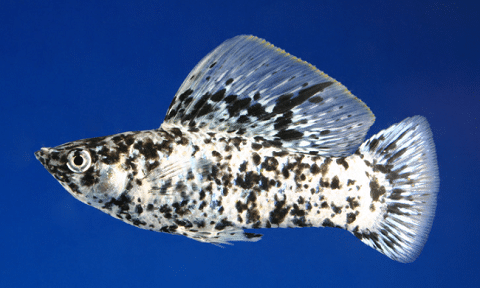
Since guppy fish are considerably small, many larger fish might treat them as their prey. Therefore, placing predatory, larger fish with guppies is not a good idea.
Some great tank mates for guppy fish are:
7. Lack of hiding spots
Guppies, like many freshwater fish, appreciate hiding places and spots to reduce stress levels and feel secure. If there’s a lack of hiding spots or poor shelters, your guppy fish may feel constantly exposed, resulting in increased stress that can eventually weaken their immune system. Therefore, hiding places are essential to keeping your guppy fish healthy, happy, and thriving.
Hiding places also allow your fish to hide from aggressive tank mates without any physical injuries or stress. Above all, guppy fish are prolific breeders and require sheltered places for successful reproduction. With no or poor hiding spots, your guppy will most likely go under stress, reducing its lifespan. Consider using aquarium rocks, driftwood, and aquatic plants for shelter.
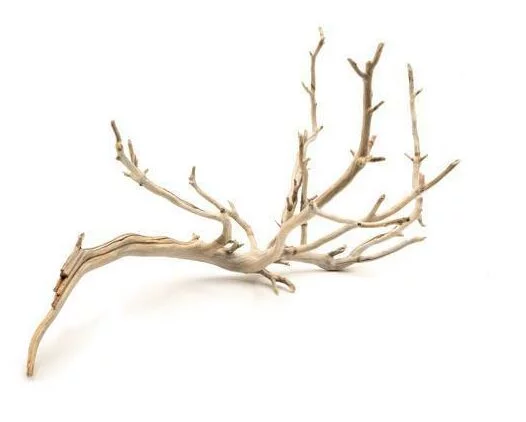
Editor’s Choice
Manzanita offers it all. Great shape, low tannins, quick to water log and reasonably priced. It’s the ultimate driftwood!
8. Overcrowding
One of the many reasons why your guppy fish dies so young is because your fish tank is overcrowded. That’s because an overcrowded tank is short on space and full of competition for food, shelter, and other resources. This results in stress and aggression in the form of chasing, fin-nipping, and physical injuries.
Additionally, an overcrowded tank means lots and lots of fish with leftover food, fish waste, and debris. In short, poor water quality may eventually compromise overall health.
Therefore, to maintain a healthy environment, it’s crucial to avoid overcrowding and allow 2 to 3 gallons of water per adult guppy for their better survival.
What Can I Do To Prolong Life Expectancy?
We talked so much about what reduces your Guppy’s lifespan, lets talk about how to extend it.
1. Proper Diet
Guppies appreciate and love varied diets, like most fish. A balanced diet ensures good health and vibrant colors. High-quality food, such as pellets are good. However, I don’t like feeding my guppies pellets because they can be too big to swallow completely. So, I personally use only 20% of the pellets in their diet.
Guppies love fish flakes. You can either crush them finely to feed guppy fry, or give them as is. Nowadays, fish flakes come in many varieties and target different concerns such as color enhancement. If you want to improve the reproductive health of your guppies, earthworm flakes are an ideal option.

A flake version of Fluval’s amazing pellet bug bits products. Great for all tropical fish and high in protein.
Freeze-dried foods are other common options. You can feed the pureed beef heart and other food to maintain a nutritious diet for your guppies. Just pop it out of the freezer, chip a little, and feed your fish. Additionally, always remove leftover uneaten food to prevent water contamination.
Live food such as daphnia, mosquito larvae, and bloodworms are also excellent for Guppy’s diet. Furthermore, as occasional treats, you can feed them sliced and blanched cucumber or other vegetables like lettuce and orange peels to improve their life span and keep your fish healthy. Guppy fry should be fed baby guppies brine shrimp and crushed fish flake food.
2. Ideal Tankmates
Guppies are social, peaceful fish that usually thrive in a community tank. However, the choice of tank mates should be made wisely to contribute to the well-being of guppies.
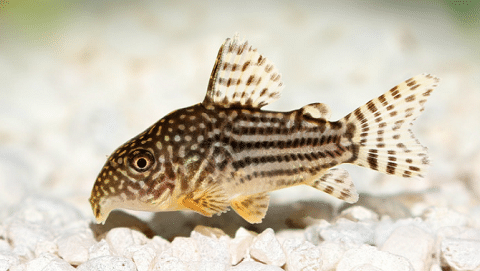
Ideal tank mates, such as Tetras Corydoras, Swordtail, Mollies, Platies, Rasboras, and Dwarf gouramis can play a crucial role in keeping your fish healthy and happy. Social interaction helps reduce stress and promote overall eel-being, ultimately improving the quality of life.
While choosing tank mates, it’s also important to consider the natural behavior of guppies. Danios and other active fish can go along pretty well with guppies. They all can swim freely and explore activities in a fish tank, which also improves mental stimulation.
Since guppy fish are active and opportunistic feeders, you might want some tank mates that clean up their mess. Algae-eating shrimps, such as cherry shrimp and Amano shrimp can be wonderful and exotic additions to your aquarium.
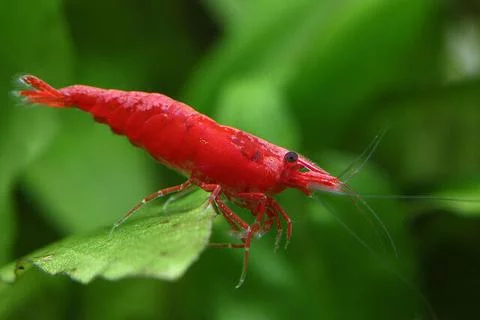
Great red color and very hardy. Cherry shrimp are the best beginner shrimp for shrimp tanks
All in all, choose tank mates that are ideally compatible with guppy fish in terms of size, temperament, water parameters requirements, and social behavior. At all costs, avoid placing aggressive, fin-nipping fish species to support the well-being of your fish and improve their life span.
3. A Good Sized Tank
A fish tank is your fish’s home. Choose it as you would choose a room for your children. The ideal tank size for a group of 5 adult fish is 10 gallons. However, the larger; the better.

Your standard 10 gallon tank. Goes on sale at local Petcos for cheap
It is because guppies are active and ardent swimmers. A large tank would provide them ample free swimming space and a stress-free environment, which is ideal for improving your fish’s quality of life and health. A larger tank also helps maintain water quality while keeping other parameters, ultimately reducing the likelihood of stress-related diseases.
Most importantly, if you’re planning to keep male and female guppies with more than one male, the chances of aggression remain high. A large fish tank provides more territories in the form of more hiding places, reducing aggressive and territorial behavior, and promoting a peaceful environment.
What is the minimum tank size for guppy fish?
The bare minimum tank size for a group of 5 guppies is around 10 gallons or 38 liters. However, for a group of 6 or more, a tank size of ideally 20 gallons or more would be appropriate to accommodate their needs.
4. Proper Tank Parameters
Though guppies are hardy freshwater fish that do not require special care, neither are they too demanding, but water parameters should be maintained to keep your fish calm, stress-free, happy, and living to their fullest.
The ideal water parameters for guppy fish are:
- Water temperature: 72-82 °F (22-28 °C )
- Water pH: 6.8-7.8
- Water hardness (dGH): 8-12
- 0 ppm ammonia, 0 ppm nitrites, maximum 40 ppm nitrates
Even though Guppy prefers hard water, most community fish do not like it. Fortunately, guppy fish are highly adaptable and will accustom themselves to softer water conditions that other schooling fish and social fish require.
5. Tank Maintenance
It is recommended to perform 25% water changes weekly. Also, I advise adding 1 to 1.25 teaspoons of aquarium salt per gallon if you mostly keep livebearers, as they prefer harder water and some salinity. Remember, also do water changes based off your parameters. If your nitrate levels are low when it comes time for a water change, you can forgo doing it.
Replace salted water with salted water when changing water, but don’t add more salt while changing evaporated water. When topping up evaporated water, there is no need to add additional salt because the salts from the evaporated water will be left behind.
Life Cycle
To describe the entire lifecycle of a guppy could be a post within itself. As such, I included this video below from Fish4Ever so you can see it in video form. To summarize it briefly, it is as follows:
- Newborn (fry)
- Juvenile
- Young Adult
- Adult
Common Signs Of Stress
Here are some of the common signs of stress in your guppies.
Discoloration
If you notice any form of discoloration in your guppy fish, chances are it’s highly stressed. Some of the most common causes of discoloration in guppies include:
- Poor water quality
- Small tank
- Aggressive or incompatible tank mates
- Poor diet
- Fish diseases
Whatever the cause may be, the underlying reason why discoloration happens is stress. Therefore, it is important to choose tank mates that are compatible with balanced food and other basic requirements.
Swimming At The Top Of The Surface
If your fish is swimming at the top of the surface of your tank, it is stressed and needs some serious assistance and intense care. Therefore symptoms like gill movement, gasping for air, and low oxygen should be monitored closely to improve the lifespan of guppies.
Injuries
Fish that are stressed frequently exhibit injuries. Stress can cause changes in fish behavior and physiology, which could result in harm. For fancy guppy varieties, avoid hard plastic plants and opt for silk plants. This will protect their delicate fins.
Lack Of Appetite
Guppies’ lack of appetite is frequently an indication of stress. Fish, particularly guppies, can exhibit altered eating habits while under stress. So, if your fish is lethargic and not eating anything at all, it’s time to ask an aquarist or post on a forum. While vets can consult on fish, they typically will not see a small fish like a guppy.
Properly Sexing And Properly Populating Your Aquarium
As a rule of thumb, it is recommended to keep more female guppies than males in the aquarium The male-to-female ratio for a guppy tank is 1:3 to reduce the likelihood of male aggression and harassment.
Sexing guppies is fairly easy. Male guppies are smaller and more colorful with beautiful tails and fins. Whereas a female guppies are larger and less colorful with rounded fan-shaped anal fins. The male guppy has an external structure called a gonopodium, which is clearly visible near the belly of the fish.
Choosing To Keep Only Female Or Males
Yes, you can keep only male guppies or only female guppies if you wish to no longer breed your fish or want a stress-free environment for your fish. Keep in mind that some female guppies can be either pregnant or storing sperm from another male when they are purchased from pet stores.
FAQs
How long do feeder guppies live?
With the proper care, feeder guppies may survive for two to five years. Poor water quality and general neglect severely reduce their lives to a few days or weeks.
Is it hard to keep guppies alive?
Guppies are fantastic fish for folks with fish keepers since they are reasonably simple to care for. However, low-quality water can cause a number of diseases that might kill your guppies. A minimum of once per month should be spent cleaning the tank and making sure the pH and temperature of the water are within the approved levels
How many guppies should be together?
Ideally, it is advised to keep at least five guppies together to maintain a positive social atmosphere. On the other hand, overpopulation can cause stress, illness, and even death in guppies.
How long can a guppy live without food?
Guppies can go without nourishment for 14 days. This does not, however, imply that the situation is optimal; you should always try to provide your fish food on a regular basis. Given that guppies are little fish that require regular feeding, this time frame is frequently too lengthy for them.
How long do guppies live in a tank?
The average guppy lifespan is around 2 to 3 years. However, with proper care, they may live for up to 5 years or longer.
How many guppies can you have in a 10-gallon tank?
You can easily place a group of 5 guppies in a 10-gallon tank. However, keep in mind if they do breed, they can easily overpopulate your tank. Be prepared if you have a mix of males and females.
How often do guppies have babies?
Guppies normally breed every 30 days, giving birth to 20 litters during the course of their lifetime. The scientists discovered that female guppies stopped reproducing beyond a particular age as they started to skip litter or even stopped reproducing for lengthy periods.
Final Thoughts
Guppies are beautiful, vibrant fish species that add life to your rather still aquarium. On average, guppies live for around 2 to 3 years in captivity. Under rare consequences, they may live for up to 5 years or longer.
Have any questions about guppy fish? Ask us in the comments below, and let’s start a conversation! We love talking to other fish owners. Thanks for reading, and see you next time!
- About the Author
- Latest Posts

I’m Mark Valderrama, founder of Aquarium Store Depot and a fishkeeper with over 25 years of hands-on experience. I started in the hobby at age 11, worked at local fish stores, and have kept freshwater tanks, ponds, and reef tanks ever since. I’ve been featured in two best-selling aquarium books on Amazon and built this site to share practical, experience-based fish keeping knowledge.

Leave a Reply