
Last Updated: June 25, 2026
Thank you for visiting! By the way… any links on this page that lead to products on Amazon and other stores/partners are affiliate links Aquarium Store Depot earns a commission if you make a purchase.
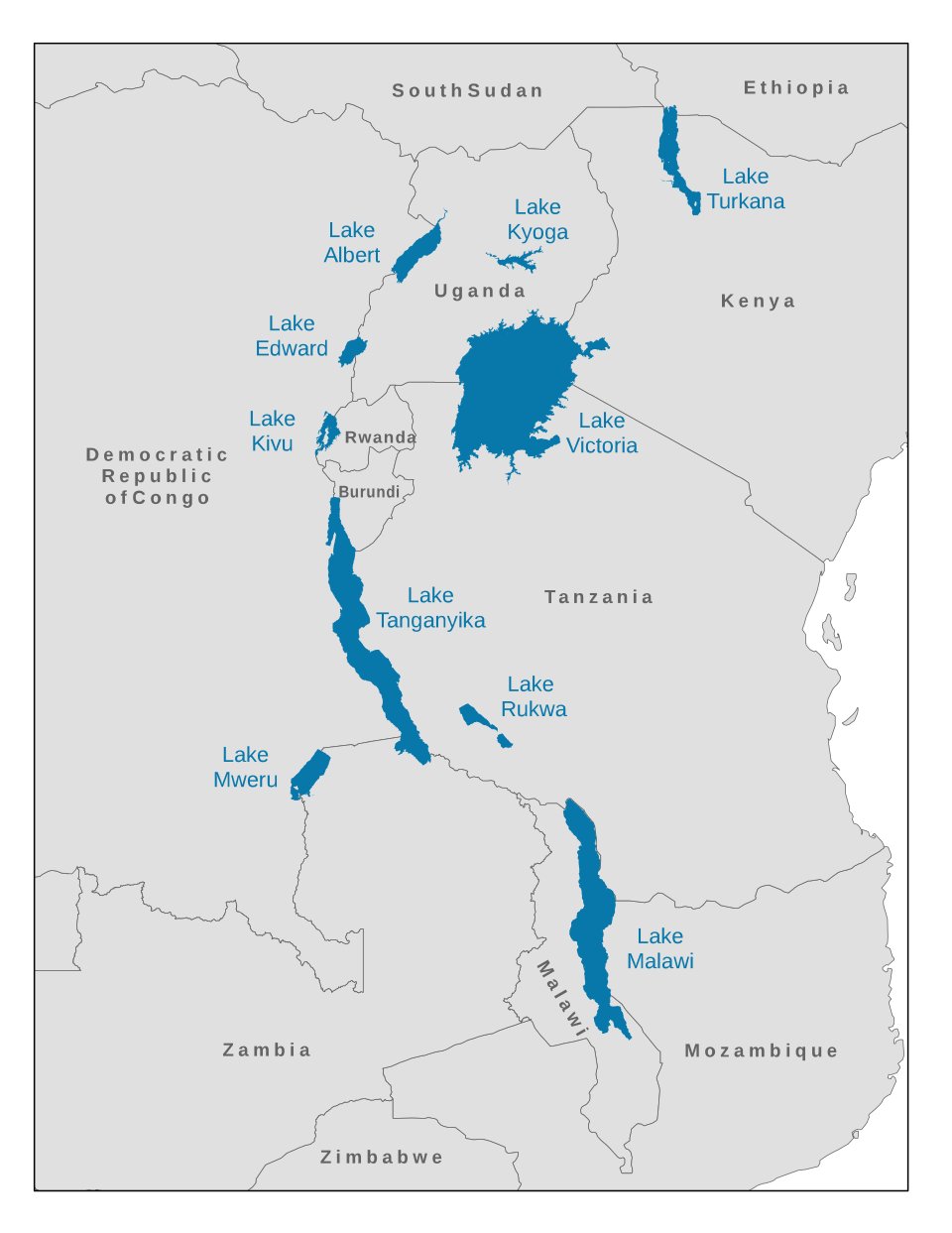
Lake Malawi cichlids are the fish that turned me from a casual hobbyist into someone who needed a dedicated fish room. After 25+ years in this hobby, I still think no other group of freshwater fish can match the sheer explosion of color and personality you get from Malawi cichlids. These fish come from a single lake in East Africa, and yet they have evolved into hundreds of distinct species that look and behave nothing alike. It is one of the most impressive examples of evolution you can keep in a glass box in your living room.
The hobby generally splits Lake Malawi cichlids into three major groups, and understanding the differences matters a lot for stocking. Mbuna are the rock-dwellers. They are compact, aggressive, herbivorous, and constantly defending territory among the rocks. Haps (short for Haplochromis, though most have been reclassified) are open-water swimmers that tend to be larger, more predatory, and generally less aggressive than mbuna. Peacocks (Aulonocara) are the showstoppers. They are the most peaceful group, with males displaying some of the most intense coloration in the freshwater world. Each group has its own care requirements, and mixing them without understanding those differences is the fastest way to end up with stressed or dead fish.
What makes Lake Malawi cichlids so appealing is that they give you saltwater-level color without the saltwater price tag or complexity. A well-stocked Malawi tank with the right lighting can genuinely rival a reef tank for visual impact. The fish are hardy, most are easy to breed, and the community around African cichlid keeping is one of the most passionate in the hobby. The tradeoff is aggression. These are not peaceful community fish. You need to understand territorial behavior, stocking ratios, and species compatibility to make it work, but once you do, it is incredibly rewarding.
At Aquarium Store Depot, we have put together this A-Z species directory covering 28 of the most popular Lake Malawi cichlids in the hobby. Each entry includes a quick overview of size, temperament, and minimum tank requirements. Click any linked name to jump to the full care guide, and check back as we continue adding new species profiles.
A | B | C | D | E | F | G | H | I | J | K | L | M | N | O | P | Q | R | S | T | U | V | W | X | Y | Z
A
- Acei Cichlid (Pseudotropheus acei) — Peaceful mbuna with a unique yellow tail-bar pattern that schools in open water. Size: 6 inches (15 cm) | Temperament: Semi-Aggressive | Min Tank: 55 gallons
- Auratus (Melanochromis auratus) — One of the most aggressive mbuna in the hobby, with dramatic color reversal between sexes. Size: 4 inches (11 cm) | Temperament: Aggressive | Min Tank: 55 gallons
C
- Cobalt Blue Mbuna (Cynotilapia zebroides) — Small, active mbuna that adds bold blue color to rocky setups. Size: 4 inches (10 cm) | Temperament: Semi-Aggressive | Min Tank: 40 gallons
- Cobalt Blue Zebra (Metriaclima callainos) — Solid electric blue mbuna, a staple in all-male tanks. Size: 5 inches (13 cm) | Temperament: Aggressive | Min Tank: 55 gallons
D
- Deep Water Hap (Placidochromis electra) — Peaceful open-water hap with shimmering blue coloration from deeper lake zones. Size: 7 inches (18 cm) | Temperament: Semi-Aggressive | Min Tank: 75 gallons
- Demasoni (Pseudotropheus demasoni) — Tiny but fierce dwarf mbuna that needs large groups to spread aggression. Size: 3 inches (8 cm) | Temperament: Aggressive | Min Tank: 55 gallons
E
- Electric Blue Hap (Sciaenochromis fryeri) — Stunning metallic blue predator and one of the most popular haps in the hobby. Size: 7 inches (18 cm) | Temperament: Semi-Aggressive | Min Tank: 75 gallons
- Emperor Cichlid (Aulonocara nyassae) — The original peacock cichlid, with deep blue coloring and a regal presence. Size: 6 inches (15 cm) | Temperament: Peaceful | Min Tank: 55 gallons
- Eureka Red Peacock (Aulonocara jacobfreibergi) — Vibrant red and blue peacock that is a centerpiece in any Malawi display. Size: 6 inches (15 cm) | Temperament: Peaceful | Min Tank: 55 gallons
F
- Flavescent Peacock (Aulonocara stuartgranti) — The most popular and widely available peacock species with dozens of geographic color variants. Size: 6 inches (15 cm) | Temperament: Peaceful | Min Tank: 55 gallons
L
- Livingstonii (Nimbochromis livingstonii) — A large predatory hap famous for playing dead on the substrate to ambush smaller fish. Size: 10 inches (25 cm) | Temperament: Semi-Aggressive | Min Tank: 125 gallons
M
- Maingano (Melanochromis cyaneorhabdos) — Electric blue barred mbuna often confused with Melanochromis johanni. Size: 4 inches (10 cm) | Temperament: Aggressive | Min Tank: 55 gallons
- Malawi Eye-Biter (Dimidiochromis compressiceps) — Laterally compressed predator named for its unusual feeding behavior in the wild. Size: 10 inches (25 cm) | Temperament: Aggressive | Min Tank: 125 gallons
- Malawi Hawk (Aristochromis christyi) — Large open-water predator that needs serious tank space and experienced keepers. Size: 12 inches (30 cm) | Temperament: Aggressive | Min Tank: 150 gallons
P
- Powder Blue Cichlid (Pseudotropheus socolofi) — Hardy, attractive beginner mbuna with consistent powder blue coloring in both sexes. Size: 5 inches (13 cm) | Temperament: Semi-Aggressive | Min Tank: 55 gallons
R
- Red Empress (Protomelas taeniolatus) — One of the most colorful haps, with males showing red, blue, and orange across their entire body. Size: 7 inches (18 cm) | Temperament: Semi-Aggressive | Min Tank: 75 gallons
- Red Kadango (Copadichromis borleyi) — Peaceful schooling hap with a brilliant red body and blue head in dominant males. Size: 7 inches (18 cm) | Temperament: Peaceful | Min Tank: 75 gallons
- Red Zebra (Metriaclima estherae) — Classic orange-red mbuna and one of the most recognizable fish in the African cichlid hobby. Size: 5 inches (13 cm) | Temperament: Aggressive | Min Tank: 55 gallons
- Rusty Cichlid (Iodotropheus sprengerae) — Widely considered the most peaceful mbuna, making it a solid choice for beginners. Size: 4 inches (10 cm) | Temperament: Semi-Aggressive | Min Tank: 40 gallons
S
- Saulosi Cichlid (Chindongo saulosi) — Sexually dimorphic dwarf mbuna where males turn blue and females stay bright yellow. Size: 3.5 inches (9 cm) | Temperament: Semi-Aggressive | Min Tank: 40 gallons
- Scrapermouth Mbuna (Labeotropheus trewavasae) — Algae-grazing specialist with a distinctive underslung mouth built for scraping rocks. Size: 5 inches (13 cm) | Temperament: Aggressive | Min Tank: 55 gallons
- Sulfur Head Peacock (Aulonocara maylandi) — Distinctive peacock with a bright yellow blaze across the head and dorsal. Size: 5 inches (13 cm) | Temperament: Peaceful | Min Tank: 55 gallons
- Sulphur Crest (Otopharynx lithobates) — Peaceful cave-dwelling hap with a striking yellow head blaze against a dark blue body. Size: 7 inches (18 cm) | Temperament: Semi-Aggressive | Min Tank: 75 gallons
- Sunshine Peacock (Aulonocara baenschi) — Bright yellow peacock that is one of the most sought-after Aulonocara in the hobby. Size: 5 inches (13 cm) | Temperament: Peaceful | Min Tank: 55 gallons
T
- Big Blue Hap (Tyrannochromis nigriventer) — Massive open-water predator that needs a very large tank and experienced keeper. Size: 12 inches (30 cm) | Temperament: Aggressive | Min Tank: 150 gallons
V
- Venustus (Nimbochromis venustus) — Giraffe-patterned predator that develops stunning blue and yellow coloring as it matures. Size: 10 inches (25 cm) | Temperament: Semi-Aggressive | Min Tank: 125 gallons
Y
- Yellow Lab Cichlid (Labidochromis caeruleus) — The most popular beginner mbuna, known for bright yellow coloring and a calm temperament rare among rock-dwellers. Size: 4 inches (10 cm) | Temperament: Peaceful | Min Tank: 30 gallons
Species Coming Soon
Lake Malawi is home to hundreds of cichlid species, and the hobby-available list grows every year as new collection points are discovered and breeders work with rarer varieties. We are actively building care guides for additional Malawi species beyond the 28 listed here. Check back regularly as we expand this directory with detailed profiles covering tank setup, feeding, breeding, and compatible tankmates for each species.
Frequently Asked Questions
Are Lake Malawi cichlids aggressive?
Aggression varies significantly across the three major groups. Mbuna are the most aggressive overall. They are territorial rock-dwellers that will chase, lip-lock, and harass tankmates constantly. Haps are moderately aggressive, with most species being semi-aggressive open-water swimmers that do well in mixed hap and peacock setups. Peacocks are the most peaceful group, though males will still spar with each other over territory. The key to managing aggression in any Malawi tank is overstocking to spread it out, providing plenty of rockwork for line-of-sight breaks, and avoiding species that look too similar in color or pattern.
What size tank do I need for Malawi cichlids?
A 55-gallon tank is the practical minimum for most mbuna and peacock setups, though a 75-gallon gives you much more room to work with stocking and aggression management. Smaller mbuna like Yellow Labs, Saulosi, and Rusty Cichlids can work in a 40-gallon, but you will have less flexibility. Haps and larger predatory species like Venustus, Livingstonii, and Malawi Hawks need 125 to 150 gallons minimum because of their adult size and swimming requirements. Bigger is always better with Malawi cichlids because overstocking is a common aggression management strategy, and that demands extra filtration and water volume.
Can you mix Mbuna and Haps in the same tank?
It is generally not recommended, and experienced Malawi keepers almost always advise against it. Mbuna are hyper-territorial herbivores that will harass the more laid-back haps and peacocks. Mbuna also need a different diet (high in spirulina and vegetable matter), while haps and peacocks are omnivores or predators that need more protein. If you mix them, the mbuna will usually dominate feeding time and stress out the haps and peacocks. The one common exception is keeping a few of the more peaceful mbuna like Yellow Labs or Acei Cichlids in a hap and peacock tank, but even that requires careful monitoring. The safest approach is to keep mbuna with mbuna, and haps with peacocks.
What do Malawi cichlids eat?
Diet depends on the group. Mbuna are primarily herbivores and algae grazers in the wild, so they need a diet high in spirulina and vegetable-based foods. Feeding mbuna high-protein foods like bloodworms regularly can cause a potentially fatal condition called Malawi bloat. Haps and peacocks are omnivores to carnivores and do well on quality cichlid pellets supplemented with frozen foods like mysis shrimp, brine shrimp, and krill. Predatory haps like the Malawi Hawk and Eye-Biter need larger protein-rich foods. A quality cichlid-specific pellet should be the staple for all groups, with supplemental feeding adjusted to the species.
What water parameters do Malawi cichlids need?
Lake Malawi is an alkaline, hard-water lake, so these cichlids need a pH between 7.8 and 8.6 and moderate to high water hardness (10 to 20 dGH). Temperature should be kept between 76 and 82 degrees Fahrenheit (24 to 28 degrees Celsius). If your tap water is naturally soft or acidic, you can buffer it with crushed coral, aragonite sand, or a commercial cichlid buffer. The good news is that most municipal tap water in the US is already close to what Malawi cichlids need, making them easier to keep than many soft-water species that demand RO water or peat filtration.
Can Malawi cichlids live with other fish?
Lake Malawi cichlids are best kept with other Malawi cichlids. Their alkaline water requirements, territorial behavior, and aggression levels make them poor candidates for traditional community tanks. That said, some keepers successfully house them with Synodontis catfish (particularly Synodontis multipunctatus, which is also from the East African rift lakes), large Plecos, and sometimes large, fast-moving species that can hold their own. Avoid keeping them with slow-moving, long-finned fish, small tetras, or anything that cannot handle the constant activity and territorial disputes that are normal in a Malawi tank.
Closing Thoughts
Lake Malawi cichlids are the gateway to a completely different side of the freshwater hobby. Once you set up your first Malawi tank and watch a male Peacock display his colors or a group of mbuna battle over a cave, you understand why so many people end up with multiple tanks dedicated to these fish. The combination of color, personality, and hardiness makes them one of the most satisfying groups to keep, even if the aggression management takes some learning.
This directory will continue to grow as we publish more care guides. If there is a Lake Malawi species you want us to cover next, let us know in the comments below.
Recommended Video
References
- Cichlidae Species List — FishBase
- Lake Malawi Species Profiles — Seriously Fish
- Malawi Cichlid Articles — Practical Fishkeeping
- About the Author
- Latest Posts

I’m Mark Valderrama, founder of Aquarium Store Depot and a fishkeeper with over 25 years of hands-on experience. I started in the hobby at age 11, worked at local fish stores, and have kept freshwater tanks, ponds, and reef tanks ever since. I’ve been featured in two best-selling aquarium books on Amazon and built this site to share practical, experience-based fish keeping knowledge.
Leave a Reply