
Last Updated: June 25, 2026
Thank you for visiting! By the way… any links on this page that lead to products on Amazon and other stores/partners are affiliate links Aquarium Store Depot earns a commission if you make a purchase.
Table of Contents
- What Most Care Guides Get Wrong
- The Reality of Keeping Phoenix Tetra
- Key Takeaways
- Species Overview
- Classification
- Origin & Natural Habitat
- Appearance & Identification
- Average Size & Lifespan
- Care Guide
- Is This Fish Right for You?
- What People Get Wrong
- Tank Mates
- Food & Diet
- Breeding & Reproduction
- Common Health Issues
- Common Mistakes to Avoid
- Where to Buy
- Frequently Asked Questions
- What It Is Actually Like Living With Phoenix Tetra
- How It Compares to Similar Species
- Closing Thoughts
- Recommended Video
- References
The phoenix tetra is an African species that punches above its weight in the right setup. Proper lighting, dark substrate, and a school of 8+ in a 15-gallon minimum. Skip any of these and you get a washed-out fish that does not justify the price. Nail the setup and it rivals South American species twice its size.
The tetra that is named for what it becomes, not what it starts as.
The phoenix tetra in the wrong setup looks like a waste of money. In the right setup, it is one of the best nano fish available.
The Reality of Keeping Phoenix Tetra
Group size is not a suggestion. The minimum school size for phoenix tetra is not just a guideline. In small groups, these fish lose color, become stressed, and display abnormal behavior. A proper group of 6 to 8+ is where you start to see natural schooling behavior, full color expression, and the confidence that makes them worth keeping.
Tank mate selection requires thought. The phoenix tetra is not aggressive in the traditional sense, but it is assertive enough to cause problems with the wrong companions. Slow-moving, long-finned species are targets. Fast, short-finned fish of similar size are fine. Plan your community around this reality.
Hardy does not mean indestructible. The phoenix tetra tolerates a range of conditions, but it still needs basic care. Ammonia spikes, dramatic temperature swings, and neglected water changes will catch up to even the toughest species. The difference is margin of error, not immunity.
Store appearance is not home appearance. Fish in store tanks are stressed, crowded, and under inappropriate lighting. The phoenix tetra almost always looks better in a properly set up home aquarium than it does at the store. Dark substrate, live plants, and appropriate lighting bring out colors and behaviors you will never see in a retail environment.
Biggest Mistake New Owners Make
Adding them to a peaceful community tank without researching compatibility. The nipping and chasing will stress your existing fish, and by the time you realize the problem, fin damage is already done.
In my 25+ years in the hobby, I have consistently found that the hardiest species are the most underrated. The phoenix tetra is a perfect example. It is easy to keep, rewarding to watch, and it does not demand the kind of obsessive maintenance that more sensitive species require.
Key Takeaways
- Peaceful community fish with warm orange-red coloration that looks stunning in planted setups
- Males develop extended dorsal fin filaments, making them one of the more visually interesting small tetras
- Minimum group of 6, but 8 to 10 brings out better color and natural behavior
- 15 gallons minimum for a small school, 20+ gallons is ideal
- Easy to moderate care level with a wide range of acceptable water parameters (pH 5.5 to 7.5)
- Not the same as the Flame Tetra (Hyphessobrycon flammeus), despite similar common names
Species Overview
| Field | Details |
|---|---|
| Scientific Name | Hemigrammus filamentosus |
| Common Names | Phoenix Tetra, Flame Tetra (not to be confused with Hyphessobrycon flammeus) |
| Family | Acestrorhamphidae |
| Origin | Rio Araguaia basin, Brazil |
| Care Level | Easy to Moderate |
| Temperament | Peaceful |
| Diet | Omnivore |
| Tank Level | Mid |
| Maximum Size | 1.4 inches (3.5 cm) |
| Minimum Tank Size | 15 gallons (57 liters) |
| Temperature | 72-82°F (22-28°C) |
| pH | 5.5-7.5 |
| Hardness | 2-15 dGH |
| Lifespan | 3-5 years in captivity |
| Breeding | Egg scatterer |
| Breeding Difficulty | Moderate |
| Compatibility | Community |
| OK for Planted Tanks? | Yes |
Classification
| Taxonomic Level | Classification |
|---|---|
| Order | Characiformes |
| Family | Acestrorhamphidae (reclassified from Characidae, Melo et al. 2024) |
| Subfamily | Pristellinae |
| Genus | Hemigrammus |
| Species | H. Filamentosus (Faria & Melo, 2006) |
Phoenix tetras are a specialist find that reward patient hobbyists. They need soft, slightly acidic water and a planted tank to settle in and show their best coloration. Not a beginner fish, but manageable for intermediate keepers who do their homework.
The Phoenix Tetra was formally described in 2006 by Faria and Melo, making it a relatively recent addition to science and the aquarium hobby. The species name “filamentosus” refers to the elongated dorsal fin filaments that develop in mature males.
Note on reclassification: In 2024, a major phylogenomic study (Melo et al.) reorganized the traditional family Characidae into four separate families. The genus Hemigrammus was moved into the newly established family Acestrorhamphidae under the subfamily Pristellinae. Some older references and databases may still list this species under Characidae.
Origin & Natural Habitat
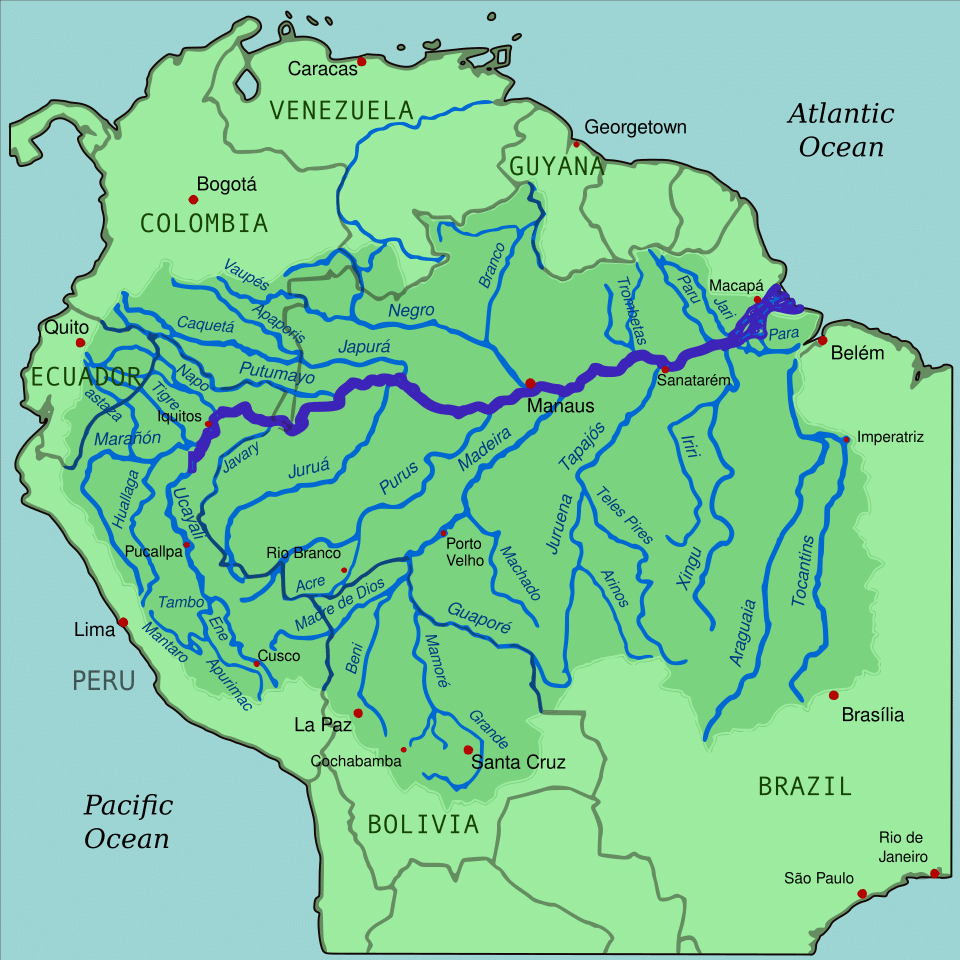
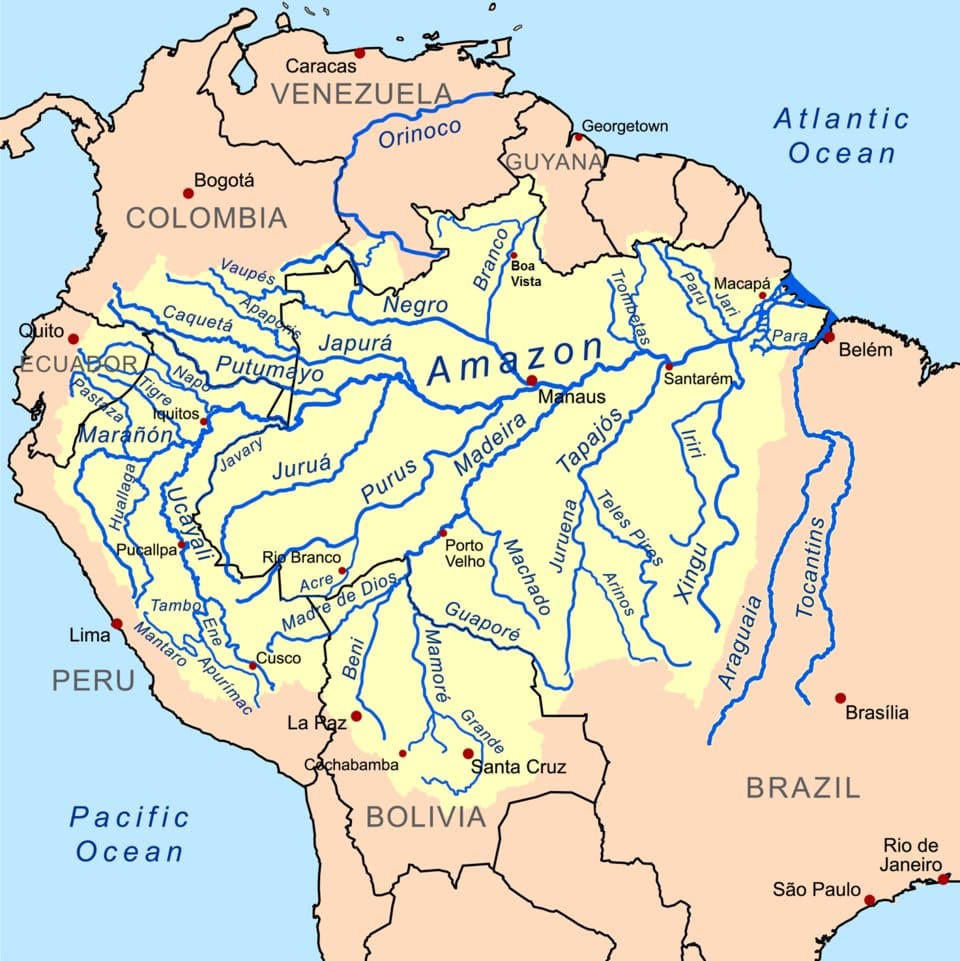
The Phoenix Tetra is native to the Rio Araguaia basin in Brazil, part of the larger Tocantins-Araguaia drainage system within the Amazon basin. This is a region of slow-moving tributaries, flooded forest margins, and seasonal wetlands where the water ranges from clear to tannin-stained depending on the time of year.
In its natural habitat, this species is found in areas with soft, slightly acidic water, dense aquatic vegetation, and a substrate covered in leaf litter and organic debris. The relatively wide parameter tolerance (pH 5.5 to 7.5) reflects the seasonal variability of these Amazonian waterways. Understanding this environment helps explain why the Phoenix Tetra adapts well to planted aquariums with moderate lighting and some tannin presence.
Appearance & Identification
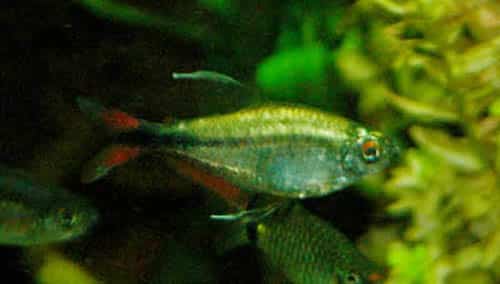
The Phoenix Tetra is a compact, nicely proportioned little fish with a warm orange to reddish body color that intensifies in well-maintained conditions. The fins pick up this same warm tone, and in prime condition the overall effect is a soft, glowing warmth that really stands out against green plants and dark substrates.
The defining feature of this species is the extended dorsal fin filament that mature males develop. This elongated dorsal ray trails behind the body and gives the fish a refined, almost ornamental look. It’s the trait that inspired both the species name (“filamentosus”) and the common name “Phoenix Tetra,” as the flowing filament and fiery coloration together evoke the image of a mythical phoenix.
Body coloration ranges from a translucent amber to deep orange-red, with males typically showing more intensity. The scales may have a subtle iridescent quality under good lighting. The fins are warm-toned, and the caudal fin may show hints of red.
Male vs. Female
Sexual dimorphism is noticeable in mature Phoenix Tetras, which is helpful for hobbyists interested in breeding:
- Males: Slimmer body, more intense orange-red coloration, and the distinctive elongated dorsal fin filament. The extended dorsal ray is the easiest way to identify males.
- Females: Fuller-bodied (especially when carrying eggs), slightly more subdued coloration, and a standard-length dorsal fin without the trailing filament.
The differences become more obvious as the fish mature. Juvenile Phoenix Tetras is difficult to sex, but once males start developing those filaments, there’s no mistaking them.
Average Size & Lifespan
Phoenix Tetras are a small species, reaching a maximum size of about 1.4 inches (3.5 cm) in total length. They’re on the smaller end of the tetra spectrum, similar in size to ember tetras and slightly smaller than neons.
With proper care, stable water conditions, and a varied diet, expect a lifespan of 3 to 5 years. This is typical for small characins. Consistent water quality and a stress-free environment (proper group size, appropriate tankmates) are the biggest factors in reaching the upper end of that range.
Care Guide
Tank Size
A 15-gallon tank is the minimum for a school of 6 to 8 Phoenix Tetras. For a larger group of 10 or more (which is when they really look their best), go with 20 gallons or bigger. These are mid-level swimmers that appreciate having room to school and display, even though they’re not particularly fast or active compared to some tetra species.
Water Parameters
| Parameter | Ideal Range |
|---|---|
| Temperature | 72-82°F (22-28°C) |
| pH | 5.5-7.5 |
| General Hardness | 2-15 dGH |
| KH | 1-10 dKH |
| Ammonia / Nitrite | 0 ppm |
| Nitrate | Below 30 ppm |
One of the nice things about the Phoenix Tetra is its relatively wide parameter tolerance. It handles a pH range from 5.5 up to 7.5, which means it can work in soft acidic setups as well as more neutral community tanks. That said, the best coloration will show in softer, slightly acidic water with some tannin presence.
Weekly water changes of 20 to 25 percent keep things stable. Avoid sudden parameter swings, especially with temperature. Consistency matters more than hitting a perfect number.
Filtration & Water Flow
Standard sponge or hang-on-back filtration works well for Phoenix Tetras. They come from slower-moving waters, so avoid creating a strong current in the tank. If your filter output is too powerful, use a spray bar or baffle to diffuse the flow. A gentle current is fine and helps with oxygenation, but these aren’t fish that enjoy swimming against heavy water movement.
Lighting
Moderate lighting works best. The Phoenix Tetra’s warm orange coloration actually looks more vivid under subdued light than under intense illumination. If you’re running strong plant lights, floating plants helps create shaded areas where these fish feel more comfortable and show their best colors.
Plants & Decorations
This is a species that looks fantastic in a planted tank, and it’s also completely plant-safe. Use a mix of background stems, midground plants like crypts or anubias, and floating plants to create a natural, layered look. Driftwood and dried leaf litter add tannins that bring out the fish’s warm tones while providing visual cover.
Leave open swimming space in the center and front of the tank. A well-planted perimeter with an open swimming lane is the classic layout that works perfectly for small schooling tetras like this one.
Substrate
A dark substrate is the way to go with Phoenix Tetras. Black sand or fine dark gravel will make that warm orange coloration pop. Light-colored substrates will wash out the color on most tetra species, and Phoenix Tetras are no exception. If you’re running a planted tank, a quality aquasoil doubles as both a plant-friendly substrate and an attractive dark background for the fish.
Is the Phoenix Tetra Right for You?
The phoenix tetra is a great pick for hobbyists who want something a little different without stepping into advanced territory. Here’s how to know if they’re the right fit for your setup:
- You want a less common tetra that stands out from the usual neons and cardinals
- You’re running a planted tank with moderate flow. They thrive in those conditions
- You enjoy watching active, mid-water schooling behavior throughout the day
- You’re comfortable keeping groups of 10 or more for proper social dynamics
- You want a hardy tetra that tolerates a range of water conditions without fuss
- You should think twice if your tank is heavily stocked with boisterous species. Phoenix tetras can get outcompeted at feeding time
What People Get Wrong
Phoenix tetras are a rare species that most hobbyists can’t find at local stores, so they research them online and then buy whatever looks similar at their LFS. The problem is that there are several similar-looking tetras, and mislabeling is common in this genus. Knowing exactly what species you’re buying before purchase prevents a lot of confusion.
Water chemistry is where care usually falls short. Phoenix tetras come from soft, slightly acidic Amazonian waters and their best color comes out in those conditions. Hard tap water doesn’t kill them, but it keeps them pale and unimpressive. If the fish look dull, try adjusting water chemistry before anything else.
Group size expectations are consistently too low. Four fish is not a school for this species — it’s a stress condition. Eight is the working minimum. The schooling behavior and full color display that make phoenix tetras worth keeping don’t appear until there are enough fish to trigger natural group dynamics.
Tank Mates
Phoenix Tetras are peaceful and easygoing, making them a solid choice for community tanks. They won’t bother other fish and generally keep to themselves, schooling in the mid-level of the tank. The key is pairing them with species that share the same calm temperament.
Best Tank Mates
- Other small, peaceful tetras (ember tetras, cardinal tetras, pristella tetras)
- Rasboras (harlequin rasboras, chili rasboras, lambchop rasboras)
- Corydoras catfish (any species)
- Otocinclus and small bristlenose plecos
- Dwarf cichlids (Apistogramma, German blue rams)
- Small gouramis (honey gouramis, sparkling gouramis)
- Cherry shrimp and amano shrimp
- Nerite snails, mystery snails
Tank Mates to Avoid
- Large or aggressive cichlids (oscars, Jack Dempseys, African cichlids)
- Fast, nippy species like tiger barbs or serpae tetras
- Any fish large enough to view them as food
- Highly territorial bottom dwellers in small tanks
Because of their small size (1.4 inches), be thoughtful about what you pair them with. Even semi-aggressive species can push Phoenix Tetras around and cause chronic stress.
Food & Diet
Feeding Phoenix Tetras is simple and straightforward. They’re omnivores that accept a wide range of foods without any fuss. In the wild, their diet consists of small invertebrates, insect larvae, algae, and plant matter.
In the aquarium, provide a varied diet for the best health and color development:
- Staple: High-quality micro pellets or crushed flakes
- Frozen foods: Bloodworms, daphnia, brine shrimp, cyclops
- Live foods: Baby brine shrimp, microworms, daphnia (excellent for color enhancement)
- Supplements: Spirulina-based flakes, freeze-dried tubifex
Feed small amounts two to three times per day. These are small fish with small mouths, so make sure food particles are appropriately sized. Crushed flakes and micro pellets work better than standard-size pellets. Live and frozen foods fed a few times per week will noticeably improve coloration, especially in males.
Breeding & Reproduction
Phoenix Tetras are egg scatterers that is bred in captivity with some planning. The difficulty level is moderate, in line with most Hemigrammus species. It’s not as simple as livebearers, but experienced hobbyists shouldn’t have much trouble.
Breeding Difficulty
Moderate. You’ll need a dedicated breeding setup and some patience, but it’s very achievable for hobbyists with basic breeding experience. The biggest challenge is raising the tiny fry through the first couple of weeks.
Spawning Tank Setup
- Breeding tank: 10 gallons is sufficient
- Decor: Fine-leaved plants (java moss, spawning mops) to catch scattered eggs
- Substrate: Bare bottom or a mesh grid raised above the bottom to protect eggs from being eaten
- Filtration: Gentle sponge filter only
- Lighting: Very dim, or cover the tank sides to reduce light
Water Conditions for Breeding
- Temperature: 78-82°F (26-28°C), slightly warmer than normal
- pH: 5.5-6.5 (soft and acidic is best for triggering spawning)
- Hardness: 2-5 dGH (soft water)
Using RO or very soft water mixed with a bit of peat extract or Indian almond leaves helps create the right conditions. A gradual drop in pH and increase in temperature helps trigger spawning behavior.
Conditioning & Spawning
Condition a pair or small group with high-protein foods (live or frozen brine shrimp, daphnia, bloodworms) for one to two weeks before moving them to the breeding tank. Introduce the conditioned fish in the evening. Spawning typically occurs in the early morning hours, with the female scattering adhesive eggs among fine-leaved plants or spawning mops.
Egg & Fry Care
Remove the adults immediately after spawning. Like most egg-scattering tetras, Phoenix Tetras will readily eat their own eggs if given the chance. The eggs are light-sensitive, so keep the breeding tank dim or covered.
Eggs typically hatch within 24 to 36 hours. The fry become free-swimming 3 to 4 days after hatching. Initial feeding should be infusoria or liquid fry food, transitioning to freshly hatched baby brine shrimp once the fry are large enough to take them (usually around day 7 to 10). Growth is slow at first, but steady once they start accepting brine shrimp.
Common Health Issues
Phoenix Tetras are reasonably hardy fish, but like all small characins, they’re vulnerable to a handful of common diseases. Most health problems are preventable with proper care.
Ich (White Spot Disease)
The most common ailment in freshwater fish, period. It usually shows up after temperature swings or the stress of shipping and acclimation. Look for white spots resembling grains of salt on the body and fins. Raise the temperature to 86°F (30°C) gradually and treat with a quality ich medication.
Fin Rot
Bacterial infection that causes the edges of the fins to become ragged and discolored. It’s almost always a water quality problem. Increase water change frequency and treat with an antibacterial medication if it doesn’t improve on its own.
Neon Tetra Disease
Despite the name, this affects many small tetra species, not just neons. It’s caused by the parasite Pleistophora hyphessobryconis and is unfortunately incurable. Symptoms include loss of coloration, difficulty swimming, and a wasting appearance. Quarantining all new arrivals for 2 to 4 weeks is the best prevention.
Stress-Related Illness
Keeping Phoenix Tetras in groups that are too small, with overly aggressive tankmates, or in unstable water conditions will lead to chronic stress. Stressed fish are far more susceptible to disease. Maintain a proper school size (6+), stable parameters, and calm tankmates.
Common Mistakes to Avoid
- Keeping too few: A group of 3 or 4 won’t school properly, won’t display well, and will be stressed. Get at least 6, ideally 8 to 10.
- Confusing with the Flame Tetra: The Phoenix Tetra (Hemigrammus filamentosus) and the Flame Tetra (Hyphessobrycon flammeus) are completely different species. Make sure you know what you’re buying.
- Bright lighting with no cover: These fish show better color and feel more secure with moderate to subdued lighting. Floating plants help if you need strong light for other plants.
- Overpowering filtration: They prefer gentle water flow. A canister filter blasting current across the tank will stress them out.
- Skipping quarantine: Small tetras are notorious for carrying diseases into established tanks. Always quarantine new arrivals for at least 2 weeks.
- Light-colored substrate: You’ll lose half the visual impact. A dark substrate makes a world of difference with this species.
Where to Buy
The Phoenix Tetra is still relatively uncommon in the mainstream hobby, so you will not find it at your local big-box pet store. Specialty retailers and online fish stores are your best bet. Check these trusted sources:
Since availability is hit or miss, it’s worth signing up for stock notifications if they don’t have them when you check. When you do find them, buy the full group you need at once rather than adding individuals over time. A single purchase means less acclimation stress and a group that settles in together.
Frequently Asked Questions
Is the Phoenix Tetra the same as the Flame Tetra?
No, they are completely different species. The Phoenix Tetra is Hemigrammus filamentosus, while the Flame Tetra is Hyphessobrycon flammeus. They belong to different genera and come from different regions of South America. The Flame Tetra has been in the hobby much longer (described in 1924), while the Phoenix Tetra was only formally described in 2006. The confusion comes from overlapping common names, so always check the scientific name when purchasing.
Are Phoenix Tetras good for beginners?
Yes, with some caveats. They’re peaceful, hardy, and accept a wide range of water parameters. The “easy to moderate” care level comes from the fact that they do best in soft to neutral water, and getting the best coloration requires some attention to diet and tank setup. But they’re not demanding fish by any stretch. A beginner with a properly cycled tank and stable parameters should have no issues.
How many Phoenix Tetras should I keep?
A minimum of 6, but 8 to 10 is better. Larger groups are more confident, display more natural schooling behavior, and you’ll see more intense coloration from the males as they compete for attention. In a group of 10+, watching the males flash their dorsal filaments is one of the highlights of keeping this species.
Do Phoenix Tetras nip fins?
No. Phoenix Tetras are among the more peaceful tetra species and are not known for fin nipping. They’re safe to keep with long-finned species like bettas, fancy guppies, and angelfish (though angelfish may pose a predation risk due to size difference).
What makes the Phoenix Tetra’s dorsal fin so distinctive?
Mature males develop an elongated dorsal fin ray that extends well beyond the normal fin margin, creating a trailing filament. This is the trait that gives the species its scientific name (“filamentosus”). It’s used in courtship displays and is one of the most eye-catching features of this fish. Females do not develop this filament, which makes sexing adult Phoenix Tetras relatively straightforward.
Can Phoenix Tetras live with shrimp?
Yes. Adult cherry shrimp and amano shrimp are safe with Phoenix Tetras. However, like most small tetras, they may eat tiny shrimplets if they find them. If you’re trying to breed shrimp in the same tank, provide plenty of moss and dense plant cover where shrimplets can hide.
What It Is Actually Like Living With Phoenix Tetra
In a proper school, phoenix tetra display natural movement patterns that are genuinely engaging to watch. The fish interact with each other, establish subtle hierarchies, and move through the tank with purpose.
They occupy the middle water column during active hours, creating movement and visual interest in the zone where most fishkeepers want action.
Feeding time is when their personality comes out. In a proper school of ten or more, you will see them rise together toward the surface the moment food hits the water. Smaller groups feed much more tentatively and tend to hang back — which is one more reason the group size recommendation in this guide is not optional.
Their color and behavior improve over time as they settle into a stable environment. Fish that have been in the same tank for months look noticeably better than recently added stock.
How the Phoenix Tetra Compares to Similar Species
Phoenix Tetra vs. Ember Tetra
The ember tetra is the closest comparison in terms of warm coloration, but these are two very different fish in practice. Ember tetras top out at about 0.8 inches and are perfectly happy in a 10-gallon nano tank. Phoenix tetras get noticeably larger and need more swimming room. Embers are also calmer and more reserved. They hover in loose groups near plants. Phoenix tetras are more active swimmers that use the full water column. If you want warm tones in a nano setup, go with embers. If you have a 20-gallon or larger with some flow, the phoenix tetra is the better choice for visual impact. Check out our Ember Tetra care guide for more details.
Phoenix Tetra vs. Flame Tetra
Flame tetras share a similar reddish-orange palette but are stockier and less streamlined. They’re also one of the hardiest tetras in the hobby. Arguably tougher than phoenix tetras in terms of water parameter tolerance. Where the phoenix tetra shines is in its more refined appearance and tighter schooling behavior. Flame tetras will scatter more loosely in the tank. Both are excellent community fish, but the phoenix tetra looks more elegant in an aquascaped setup while the flame tetra is the better “set it and forget it” option. Check out our Flame Tetra care guide for more details.
Closing Thoughts
The Phoenix Tetra is the kind of fish that rewards patience and attention. It might not grab your attention the way a flashy neon or cardinal does on a store shelf, but give a school of these time to settle into a well-planted tank with dark substrate and moderate lighting, and you’ll see why it has a growing fanbase. Those warm orange tones and the trailing dorsal filaments on the males create a display that’s hard to beat at this size.
It’s also just an easy fish to live with. Peaceful, adaptable, and undemanding about food. If you’ve been looking for something that’s a step off the beaten path without requiring specialized care, the Phoenix Tetra is well worth tracking down. With over 25 years in this hobby, I can tell you that the species you have to hunt for a little are often the ones you end up appreciating the most.
The tetra that is named for what it becomes, not what it starts as.
Recommended Video
Check out our tetra tier list video where we rank the most popular tetras in the hobby, including the Phoenix Tetra:
References
- Froese, R. And D. Pauly, Eds. FishBase. Hemigrammus filamentosus. Accessed 2025.
- SeriouslyFish. Hemigrammus filamentosus species profile. Accessed 2025.
- Faria, T.C. And F.A.G. Melo (2006). Description of Hemigrammus filamentosus sp. N. From the Rio Araguaia basin, Brazil. Zootaxa, 1286, 55-68.
- Melo, B.F, et al. (2024). Phylogenomics of Characidae. Zoological Journal of the Linnean Society, 202(1), 1-37.
- About the Author
- Latest Posts

I’m Mark Valderrama, founder of Aquarium Store Depot and a fishkeeper with over 25 years of hands-on experience. I started in the hobby at age 11, worked at local fish stores, and have kept freshwater tanks, ponds, and reef tanks ever since. I’ve been featured in two best-selling aquarium books on Amazon and built this site to share practical, experience-based fish keeping knowledge.
Leave a Reply