
Last Updated: June 25, 2026
Thank you for visiting! By the way… any links on this page that lead to products on Amazon and other stores/partners are affiliate links Aquarium Store Depot earns a commission if you make a purchase.
Table of Contents
- What Most Care Guides Get Wrong
- The Reality of Keeping Flameback Bleeding Heart Tetra
- Key Takeaways
- Species Overview
- Classification
- Origin & Natural Habitat
- Appearance & Identification
- Average Size & Lifespan
- Care Guide
- Is This Fish Right for You?
- What People Get Wrong
- Tank Mates
- Food & Diet
- Breeding & Reproduction
- Common Health Issues
- Common Mistakes to Avoid
- Where to Buy
- Frequently Asked Questions
- What It Is Actually Like Living With Flameback Bleeding Heart Tetra
- How It Compares to Similar Species
- Closing Thoughts
- Recommended Video
- References
The flameback bleeding heart tetra is a color variant that needs the same care as the standard bleeding heart, with one addition. The flameback coloration only develops fully in soft, slightly acidic water with quality food. Hard water kills the color. Poor diet kills the color. This fish rewards excellent care and punishes shortcuts.
The bleeding heart that traded subtlety for a lit match on its back.
The flameback bleeding heart tetra’s color is earned. Bad water and cheap food and the flameback turns into a regular bleeding heart.
The Reality of Keeping Flameback Bleeding Heart Tetra
Group size is not a suggestion. The minimum school size for flameback bleeding heart tetra is not just a guideline. In small groups, these fish lose color, become stressed, and display abnormal behavior. A proper group of 6 to 8+ is where you start to see natural schooling behavior, full color expression, and the confidence that makes them worth keeping.
Hardy does not mean indestructible. The flameback bleeding heart tetra tolerates a range of conditions, but it still needs basic care. Ammonia spikes, dramatic temperature swings, and neglected water changes will catch up to even the toughest species. The difference is margin of error, not immunity.
Store appearance is not home appearance. Fish in store tanks are stressed, crowded, and under inappropriate lighting. The flameback bleeding heart tetra almost always looks better in a properly set up home aquarium than it does at the store. Dark substrate, live plants, and appropriate lighting bring out colors and behaviors you will never see in a retail environment.
Biggest Mistake New Owners Make
Buying too few. Three or four fish is not a school. It is a stress group. Get 6 to 8 minimum from the start and you will see a completely different fish than someone keeping a pair.
In my 25+ years in the hobby, I have consistently found that the hardiest species are the most underrated. The flameback bleeding heart tetra is a perfect example. It is easy to keep, rewarding to watch, and it does not demand the kind of obsessive maintenance that more sensitive species require.
Key Takeaways
- Blackwater specialist that requires soft, acidic water (pH 4.5-6.5, 1-5 dGH) to thrive
- Distinctive flame-red dorsal stripe and bleeding heart marking make it one of the most striking tetras available
- Rarely available in the hobby, typically sourced through specialist importers rather than chain pet stores
- Peaceful schooling fish that does best in groups of 8 or more in a 20-gallon minimum tank
- Not the same as the common bleeding heart tetra (H. Erythrostigma), though they share the characteristic red body spot
Species Overview
| Field | Details |
|---|---|
| Scientific Name | Hyphessobrycon pyrrhonotus |
| Common Names | Flameback Bleeding Heart Tetra, Cherry-Spot Tetra |
| Family | Acestrorhamphidae |
| Origin | Rio Negro and Rio Uatumã basins, Brazil |
| Care Level | Moderate |
| Temperament | Peaceful |
| Diet | Omnivore |
| Tank Level | Mid |
| Maximum Size | 2 inches (5 cm) |
| Minimum Tank Size | 20 gallons (76 liters) |
| Temperature | 75-84°F (24-29°C) |
| pH | 4.5-6.5 |
| Hardness | 1-5 dGH |
| Lifespan | 4-6 years |
| Breeding | Egg scatterer |
| Breeding Difficulty | Difficult (rarely bred in captivity) |
| Compatibility | Blackwater community |
| OK for Planted Tanks? | Yes |
Classification
| Taxonomic Level | Classification |
|---|---|
| Order | Characiformes |
| Family | Acestrorhamphidae (reclassified from Characidae, Melo et al. 2024) |
| Genus | Hyphessobrycon |
| Species | H. Pyrrhonotus (Burgess, 1993) |
Flameback bleeding heart tetras are a spectacular display fish that need space, proper schooling numbers, and stable soft acidic water. They’re not beginner fish, but intermediate hobbyists with the right setup will find them rewarding and relatively hardy.
This species was described by Warren Burgess in 1993 based on specimens collected from the Rio Negro basin in Brazil. The name pyrrhonotus comes from the Greek pyrrhos (flame-colored) and notos (back), a direct reference to the distinctive red dorsal stripe that makes this species instantly recognizable.
Note on reclassification: The 2024 phylogenomic study by Melo et al. Moved Hyphessobrycon into the newly erected family Acestrorhamphidae, separate from the traditional Characidae. Some older references and databases may still list this species under Characidae. The genus Hyphessobrycon remains the accepted placement for this species.
Origin & Natural Habitat
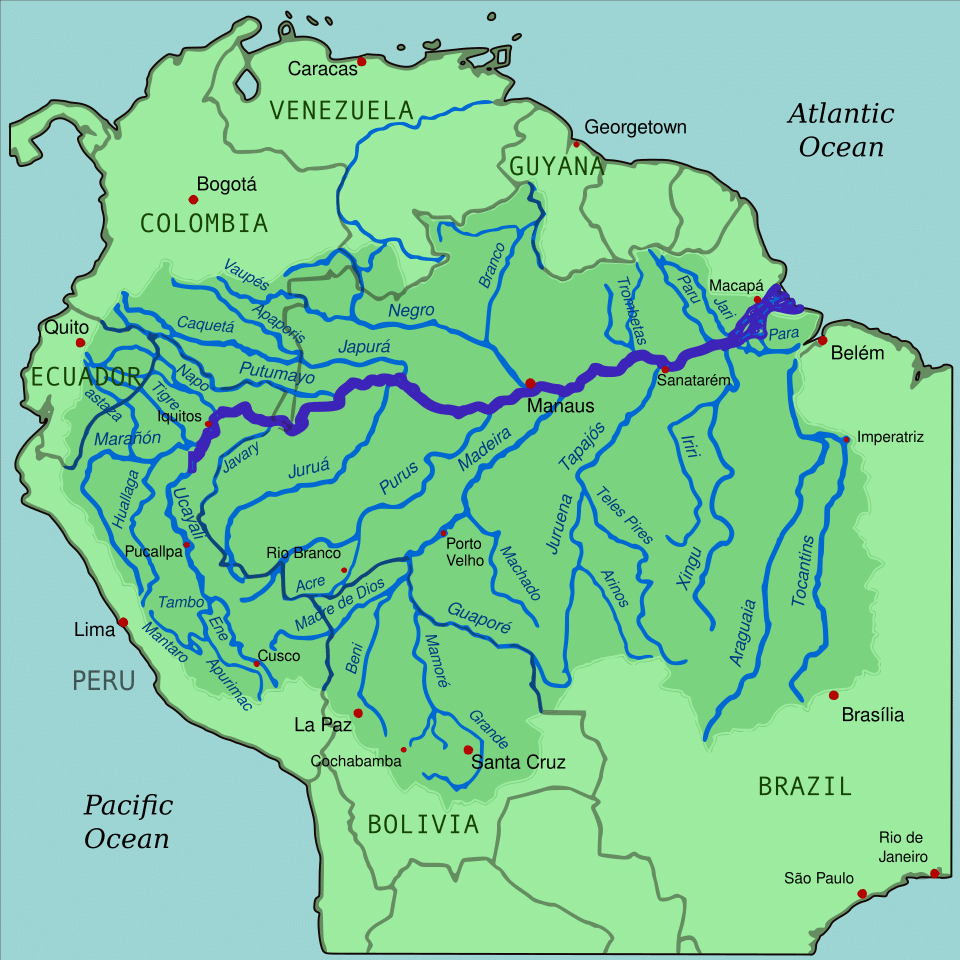
The flameback bleeding heart tetra is native to the Rio Negro and Rio Uatumã basins in Brazil, both part of the greater Amazon drainage. The Rio Negro is one of the most famous blackwater river systems in the world, and for good reason. Its waters are stained dark brown by dissolved tannins and humic acids from decomposing leaves and plant matter on the forest floor.
In the wild, these fish inhabit slow-moving tributaries, flooded forest areas, and shaded side channels where the water is extremely soft and acidic. We’re talking pH values that can drop below 4.5 in some locations, with almost no measurable mineral hardness. The substrate is typically covered in leaf litter, and the canopy above limits light reaching the water. It’s a dim, tea-colored environment that looks nothing like a brightly lit display tank.
Understanding these natural conditions is critical for keeping this species successfully. Unlike some tetras that will adapt to a wide range of water chemistry, the flameback bleeding heart is genuinely dependent on soft, acidic conditions. This isn’t a fish that will do well in hard, alkaline tap water no matter how clean you keep the tank.
Appearance & Identification
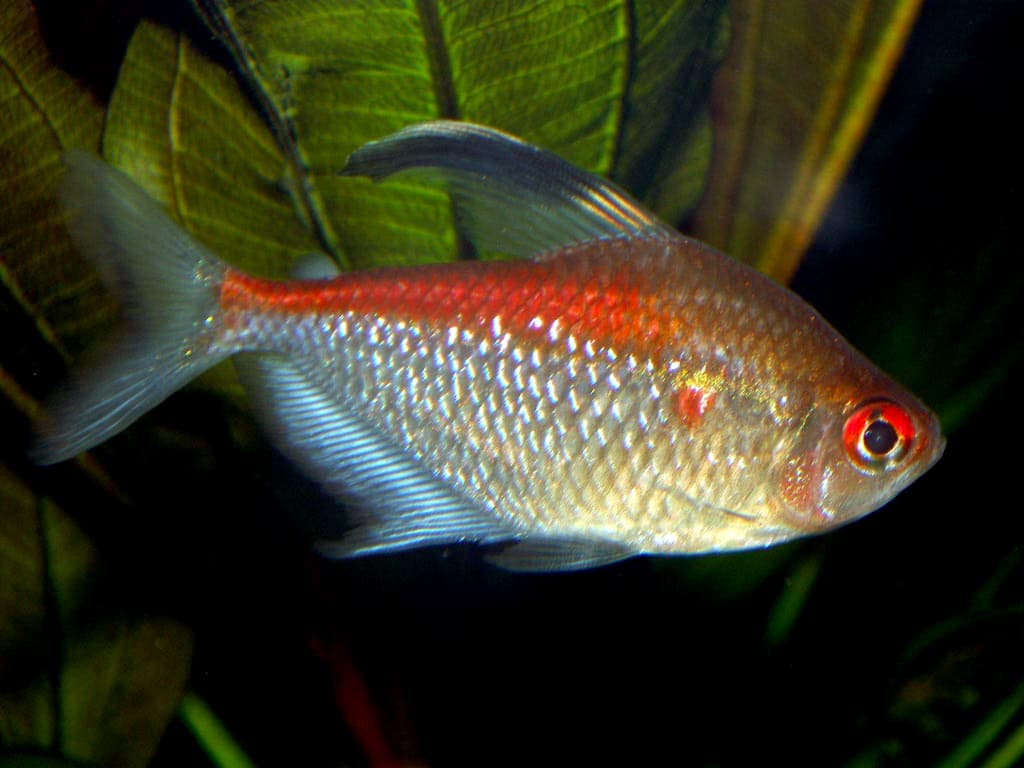
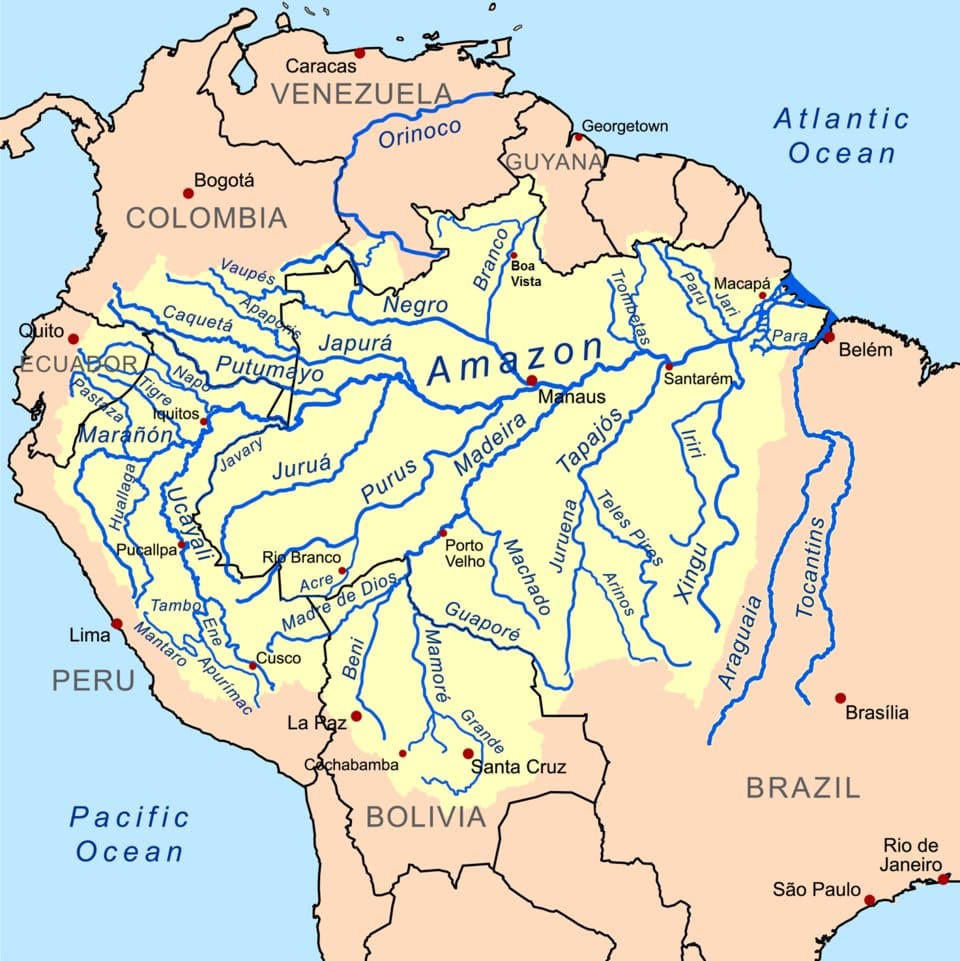
The flameback bleeding heart tetra is a genuinely beautiful fish, and it has a combination of features you won’t find on any other common tetra species. The body is moderately deep and laterally compressed, typical of the deep-bodied Hyphessobrycon group. The base body color is an iridescent silver that catches light beautifully, especially in blackwater conditions where the dark water makes the scales really pop.
The feature that gives this fish its common name is the flame-red to orange dorsal stripe that runs along the back from behind the head to the dorsal fin. In good health and proper water conditions, this stripe is vivid and eye-catching. It’s the first thing you notice when you see this fish in a tank.
Like its more common cousin, the flameback also carries a reddish-pink spot on the body, the “bleeding heart” marking. It’s similar in placement to the spot on H. Erythrostigma, but typically a bit smaller and sometimes more pinkish than deep red. The eyes are a striking red or reddish-orange, which adds to the overall warm-toned appearance of this fish.
Male vs. Female
Sexual dimorphism in this species is subtle compared to the common bleeding heart tetra. Males are slightly slimmer and may show more intense coloration, particularly in the dorsal stripe and fin edges. Females are fuller-bodied, especially when carrying eggs, with slightly less vivid coloring overall. The differences become more apparent in mature, well-conditioned adults.
Average Size & Lifespan
The flameback bleeding heart tetra reaches a maximum size of about 2 inches (5 cm) in standard length. This puts it in the same general size range as many popular tetra species, and it’s slightly smaller than its cousin the common bleeding heart tetra (H. Erythrostigma), which reaches closer to 2.5 inches.
With proper care in appropriate water conditions, expect a lifespan of 4 to 6 years. The key factors for longevity are maintaining soft, acidic water, providing a varied diet, and keeping them in a group large enough to feel secure. Fish kept in hard, alkaline water or in groups that are too small are more stressed and may have shortened lifespans.
Care Guide
Tank Size
A 20-gallon tank is the minimum for a school of flameback bleeding heart tetras. These are active mid-level swimmers that need room to move, and keeping them in anything smaller leads to stress and lackluster coloring. For a mixed blackwater community, 30 gallons or more gives everyone enough space to coexist comfortably.
A longer tank footprint is better than a tall one. Aim for at least 24 inches of horizontal swimming space, and ideally 36 inches if you’re building a community around this species.
Water Parameters
| Parameter | Ideal Range |
|---|---|
| Temperature | 75-84°F (24-29°C) |
| pH | 4.5-6.5 |
| General Hardness | 1-5 dGH |
| KH | 0-2 dKH |
| Ammonia / Nitrite | 0 ppm |
| Nitrate | Below 20 ppm |
This is where the flameback bleeding heart separates itself from most community tetras. It requires soft, acidic water. This is not optional and it’s not a preference. If your tap water is hard and alkaline, you’ll need to use RO/DI water remineralized to the appropriate softness, or invest in a serious water softening setup.
The good news is that achieving these conditions is straightforward if you’re already running a blackwater tank. Indian almond leaves, driftwood, and peat filtration all help lower pH and add the tannins that these fish evolved to live in. A blackwater extract can supplement if needed. Just don’t try to force this fish into water chemistry it wasn’t built for.
Filtration & Water Flow
Gentle filtration is the way to go. A sponge filter or a hang-on-back filter with a reduced flow rate works well. These fish come from slow-moving tributaries and flooded forest areas, so they don’t appreciate a strong current. A canister filter on a larger tank is fine as long as you baffle the output or use a spray bar to diffuse the flow.
Peat filtration (adding peat to a filter media bag) serves double duty by providing gentle biological filtration and naturally softening and acidifying the water.
Lighting
Subdued lighting is strongly recommended. In the wild, these fish live under dense canopy cover in tannin-stained water where very little light penetrates. Bright aquarium lighting will wash out their colors and stress them. Floating plants are an easy way to cut down light intensity while also making the fish feel more secure.
Plants & Decorations
A blackwater-themed setup is ideal. Think driftwood, botanicals, and leaf litter as the primary hardscape. Indian almond leaves, oak leaves, and alder cones all work well and contribute tannins to the water as they decompose.
For live plants, stick with species that tolerate low light and acidic conditions. Java fern, Anubias, Bucephalandra, and Java moss are all excellent choices. These is attached to driftwood rather than planted in substrate, which fits the natural look perfectly. Floating plants like Amazon frogbit, Salvinia, or red root floaters help dim the tank and give the fish a sense of overhead cover.
Substrate
A dark, fine-grained substrate works best. Dark sand or fine gravel mimics the natural leaf-litter bottom of their habitat and makes the fish’s coloring stand out. Avoid substrates that buffer pH upward, like crushed coral or aragonite, as these will work against the soft, acidic conditions this species needs.
Is the Flameback Bleeding Heart Tetra Right for You?
The flameback bleeding heart tetra is a premium tetra that rewards the right setup with jaw-dropping color. Here’s who should be considering them:
- You want a showpiece tetra with real color depth. Not just a single stripe or dot
- You’re running a soft water setup with pH below 7.0. That’s where their colors explode
- You have at least a 30-gallon tank to give them proper swimming space
- You enjoy watching semi-assertive fish with real personality in the tank
- You’re patient enough to wait for juveniles to color up over several months
- You should avoid these if your tank is full of timid species. Flamebacks can be pushy during feeding
What People Get Wrong
The flameback bleeding heart tetra is closely related to the standard bleeding heart tetra (Hyphessobrycon erythrostigma) and the two are often confused. The flameback variant has a more intense orange-red flush along the dorsal area — the “flameback” — that distinguishes it. If you’re buying online, confirm you’re getting the right species before purchase.
Male aggression is frequently underestimated. Males will display intensely and occasionally chase each other. In a small tank with only a few fish, this behavior concentrates and causes stress. In a 30+ gallon tank with a proper school, the same behavior becomes a spectacular territorial display that defines the tank.
Water chemistry matters more than most casual hobbyists realize. These fish come from soft, slightly acidic South American waters. In hard, neutral tap water they can survive but won’t show their best coloration. The flameback red flush is most vivid in softer, more acidic water — that’s where the visual payoff comes from.
Tank Mates
The key consideration with tank mates for the flameback bleeding heart tetra is shared water chemistry requirements. Any fish you pair with this species needs to tolerate (or ideally prefer) soft, acidic water. That narrows the field compared to a standard community tank, but there are still plenty of great options.
Best Tank Mates
- Cardinal tetras (another Rio Negro native, ideal match)
- Bleeding heart tetras (H. Erythrostigma)
- Green neon tetras (Paracheirodon simulans)
- Pencilfish (Nannostomus species)
- Corydoras catfish (species that prefer softer water, like C. Adolfoi or C. Sterbai)
- Otocinclus catfish
- Dwarf cichlids (Apistogramma species thrive in the same conditions)
- Hatchetfish (marbled or silver)
- Small plecos (clown pleco, bristlenose)
Tank Mates to Avoid
- African cichlids or Central American cichlids (completely different water needs)
- Livebearers like guppies, mollies, and platies (they need harder, more alkaline water)
- Large or aggressive species that would bully or eat them
- Any fish that requires hard, alkaline conditions
Food & Diet
In the wild, flameback bleeding heart tetras are opportunistic omnivores that feed on small invertebrates, insect larvae, microcrustaceans, and organic matter in the water column. They’re not picky eaters in the aquarium, which is one of the easier aspects of keeping this species.
A varied diet brings out the best coloring and keeps them healthy:
- Staple: High-quality micro pellets or crushed flakes
- Frozen foods: Bloodworms, daphnia, brine shrimp, cyclops
- Live foods: Baby brine shrimp, daphnia, grindal worms, microworms
- Occasional treats: Freeze-dried tubifex, spirulina-based foods
Feed two to three times daily in small amounts that is consumed within a couple of minutes. Regular frozen and live food offerings are especially important for maintaining the intensity of the red dorsal stripe and bleeding heart marking. A fish fed exclusively on dry food will never look as good as one getting a varied diet.
Breeding & Reproduction
The flameback bleeding heart tetra is rarely bred in captivity, and most specimens in the hobby are wild-caught. This is one of the more challenging tetras to spawn, and successful breeding reports are few and far between.
Breeding Difficulty
Difficult. The combination of very specific water chemistry requirements and the general reluctance of many deep-bodied Hyphessobrycon species to spawn in captivity makes this a project for experienced breeders only.
Spawning Tank Setup
- Breeding tank: 10 to 15 gallons with very dim lighting
- Decor: Fine-leaved plants like Java moss, spawning mops, or a layer of mesh to protect eggs
- Filtration: Gentle air-driven sponge filter only
- Substrate: Bare bottom or thin layer of dark sand
Water Conditions for Breeding
- Temperature: 79-82°F (26-28°C)
- pH: 5.0-5.5
- Hardness: Below 2 dGH, ideally near zero
- Use RO/DI water with minimal remineralization
- Tannins from Indian almond leaves or peat extract recommended
Conditioning & Spawning
Condition a well-matched pair with high-quality live and frozen foods for at least two to three weeks before attempting to breed. Females carrying eggs will appear noticeably rounder when viewed from above. Introduce the pair to the spawning tank in the evening, as spawning (if it occurs) typically happens in the early morning hours.
Egg & Fry Care
Like other Hyphessobrycon species, the flameback is an egg scatterer with no parental care. Adults will eat the eggs if given the opportunity, so remove them immediately after spawning. Eggs are light-sensitive, so keep the breeding tank dark or very dimly lit.
Eggs typically hatch within 24 to 36 hours, and fry become free-swimming in about 4 to 5 days. Start feeding with infusoria or commercial liquid fry food, then graduate to freshly hatched baby brine shrimp as the fry grow large enough to take them. Maintain pristine water quality throughout, as the extremely soft water required leaves very little buffering capacity.
Common Health Issues
Ich (White Spot Disease)
Stress from shipping, sudden temperature swings, or poor water conditions can trigger ich. Because this species needs warm water, gradually raising the temperature to 84-86°F for treatment works well and is often preferable to chemical treatments in soft, acidic water where medication dosing is tricky.
Bacterial Infections
Columnaris and other bacterial infections can occur in stressed fish. Maintain clean water and avoid sudden changes in parameters. Quarantine all new arrivals for at least two weeks before adding them to your main display.
Stress-Related Issues
This species is more prone to stress than many common tetras, largely because of its specific water chemistry needs. Fish kept in hard, alkaline water may show faded coloring, loss of appetite, lethargy, and a weakened immune system that makes them vulnerable to opportunistic infections. If your flameback bleeding hearts are looking washed out and acting sluggish, check your water parameters before reaching for medication.
Neon Tetra Disease
This parasitic disease (caused by Pleistophora hyphessobryconis) can affect various tetra species, including Hyphessobrycon. There is no effective cure, so prevention through quarantine is essential. Avoid purchasing fish from tanks where any individuals show faded patches, unusual body shape, or erratic swimming.
Common Mistakes to Avoid
- Keeping them in hard, alkaline water: This is the number one mistake. The flameback bleeding heart tetra is a genuine blackwater species. It will not adapt to hard tap water like some more forgiving tetras will. You need soft, acidic conditions, period.
- Not using RO/DI water when needed: If your tap water has a pH above 7.0 or hardness above 8 dGH, you need to be using reverse osmosis or deionized water. There’s no shortcut around this.
- Too small a group: Like all schooling tetras, keeping fewer than 6 leads to stress and shy behavior. Aim for 8 or more for natural schooling and the best color display.
- Bright lighting without cover: These are forest-floor, blackwater fish. Blasting them with intense aquarium lighting all day will stress them out. Use floating plants or dim your lights.
- Mixing with hard-water species: Livebearers, African cichlids, and other hard-water fish need completely different conditions. You can’t compromise your way to parameters that work for both.
- Skipping quarantine: Since most specimens are wild-caught, quarantine is especially important. Wild fish can carry parasites and pathogens that captive-bred fish typically don’t.
Where to Buy
The flameback bleeding heart tetra is not a commonly stocked species. You won’t typically find it at chain pet stores, and even most independent fish stores don’t carry it regularly. It shows up in specialty imports from South American collectors, usually as wild-caught specimens from the Rio Negro region.
Your best bet for sourcing this species is through online retailers that specialize in rare and unusual freshwater fish. Check availability at:
When ordering wild-caught specimens, expect to pay a premium compared to common tetras. The limited availability and specialized collection logistics drive the price up. It’s also worth asking your local fish store if they can special-order them through their wholesaler.
Frequently Asked Questions
What’s the difference between the flameback bleeding heart tetra and the regular bleeding heart tetra?
They’re related but distinct species. The regular bleeding heart tetra (H. Erythrostigma) is larger (up to 2.5 inches), more widely available, and much more adaptable to a range of water conditions. The flameback (H. Pyrrhonotus) is smaller (about 2 inches), has the distinctive flame-red dorsal stripe that the common species lacks, and is far more demanding in terms of water chemistry. The flameback needs genuinely soft, acidic water, while the common bleeding heart can adapt to moderately hard water. Both have the red body spot, but the overall look and care requirements are quite different.
Can flameback bleeding heart tetras live in regular tap water?
It depends entirely on your tap water. If you happen to have naturally soft, acidic tap water (pH below 6.5 and hardness under 5 dGH), you may be fine. But most municipal tap water in North America is harder and more alkaline than what this species needs. In that case, you’ll need to use RO/DI water remineralized to the appropriate parameters. This is not a fish that adapts to whatever you give it.
How many flameback bleeding heart tetras should I keep together?
A minimum of 6, but 8 to 10 is better. Like most schooling tetras, they’re more confident, more colorful, and less stressed in a proper group. In a small group, they will hide and their colors fade. A good-sized school in a blackwater tank is a genuinely impressive display.
Are flameback bleeding heart tetras hard to keep?
They’re moderate in difficulty. The fish themselves are not delicate once established in proper conditions. The challenge is providing and maintaining the soft, acidic water they require. If you’re already running a blackwater setup or you’re comfortable working with RO/DI water, they’re straightforward. If you’ve never dealt with blackwater parameters before, there’s a learning curve, but it’s very manageable with the right equipment.
Can I keep flameback bleeding heart tetras with cardinal tetras?
Yes, this is actually one of the best pairings you can make. Cardinal tetras are also Rio Negro natives that thrive in the same soft, acidic conditions. The size difference is minimal, and both species are peaceful. The warm reds and blues of the cardinals complement the flameback’s fiery dorsal stripe beautifully.
Do flameback bleeding heart tetras need tannins in the water?
They don’t strictly require tannin-stained water, but they do much better with it. Tannins from Indian almond leaves, driftwood, and other botanicals help maintain the low pH and soft conditions these fish need. They also provide antifungal and antibacterial benefits. And honestly, a blackwater tank with tannin-stained water just looks right with these fish. It’s closer to their natural habitat and brings out their best colors.
What It Is Actually Like Living With Flameback Bleeding Heart Tetra
In a proper school, flameback bleeding heart tetra display natural movement patterns that are genuinely engaging to watch. The fish interact with each other, establish subtle hierarchies, and move through the tank with purpose.
They occupy the middle water column during active hours, creating movement and visual interest in the zone where most fishkeepers want action.
Feeding time is when their personality comes out. They learn your routine quickly and will anticipate feeding before you even open the lid.
Their color and behavior improve over time as they settle into a stable environment. Fish that have been in the same tank for months look noticeably better than recently added stock.
They coexist peacefully with virtually every other appropriately-sized community fish. This compatibility makes tank planning straightforward.
How the Flameback Bleeding Heart Tetra Compares to Similar Species
Flameback Bleeding Heart Tetra vs. Bleeding Heart Tetra
The standard bleeding heart tetra is the obvious comparison. Both share that distinctive red spot on the flanks, but the flameback adds an intense red-orange dorsal coloration that the regular variety lacks. Regular bleeding hearts are more laid-back and a touch easier to keep. They’re less demanding about water chemistry for color development. The flameback needs softer, more acidic water to really shine. Size-wise they’re comparable, but I’d give the edge to flamebacks in a well-maintained planted tank where their extra color really pops against green foliage. Check out our Bleeding Heart Tetra care guide for more details.
Flameback Bleeding Heart Tetra vs. Rosy Tetra
Rosy tetras are another warm-toned option, but they’re smaller and significantly less demanding. A rosy tetra will color up nicely in almost any community tank, while the flameback bleeding heart needs specific conditions. Rosys are also more peaceful and work better in heavily stocked communities. If you want warm colors without the extra effort, the rosy tetra is the safer bet. But if you want a real centerpiece tetra that makes visitors ask “what IS that?”. The flameback is in another league. Check out our Rosy Tetra care guide for more details.
Closing Thoughts
The flameback bleeding heart tetra is not for everyone, and that’s part of its appeal. This is a species for fishkeepers who are willing to provide specific conditions and seek out a fish that most hobbyists have never seen in person. The payoff is a tetra that’s genuinely unlike anything else in the hobby. That flame-red dorsal stripe against an iridescent silver body in a properly set up blackwater tank is something special.
If you’re already keeping a Rio Negro biotope or any soft, acidic community setup, the flameback bleeding heart deserves a spot on your stocking list. Pair it with cardinal tetras, some Apistogramma, a group of pencilfish, and a bed of Indian almond leaves, and you’ve got a tank that looks like a slice of the Amazon. It takes a bit more effort than throwing neons in a standard community, but the results speak for themselves.
Recommended Video
Check out our tetra tier list video where we rank the most popular tetras in the hobby, including the Flameback Bleeding Heart Tetra:
References
- Froese, R. And D. Pauly, Eds. FishBase. Hyphessobrycon pyrrhonotus. Accessed 2025.
- SeriouslyFish. Hyphessobrycon pyrrhonotus species profile. Accessed 2025.
- Burgess, W.E. (1993). Three new species of tetras from Brazil. Tropical Fish Hobbyist, 41(12), 30-39.
- Melo, B.F, et al. (2024). Phylogenomics of Characidae. Zoological Journal of the Linnean Society, 202(1), 1-37.
- About the Author
- Latest Posts

I’m Mark Valderrama, founder of Aquarium Store Depot and a fishkeeper with over 25 years of hands-on experience. I started in the hobby at age 11, worked at local fish stores, and have kept freshwater tanks, ponds, and reef tanks ever since. I’ve been featured in two best-selling aquarium books on Amazon and built this site to share practical, experience-based fish keeping knowledge.
Leave a Reply