
Last Updated: June 25, 2026
Thank you for visiting! By the way… any links on this page that lead to products on Amazon and other stores/partners are affiliate links Aquarium Store Depot earns a commission if you make a purchase.
Table of Contents
- What Most Care Guides Get Wrong
- The Reality of Keeping Bleeding Heart Tetra
- Key Takeaways
- Species Overview
- Classification
- Origin & Natural Habitat
- Appearance & Identification
- Average Size & Lifespan
- Care Guide
- Is This Fish Right for You?
- Tank Mates
- Food & Diet
- Breeding & Reproduction
- Common Health Issues
- Common Mistakes to Avoid
- Where to Buy
- Frequently Asked Questions
- What It Is Actually Like Living With Bleeding Heart Tetra
- How It Compares to Similar Species
- Closing Thoughts
- Recommended Video
- References
The bleeding heart tetra needs space. This is a larger tetra that develops serious attitude problems in small tanks. A 30-gallon minimum for a school. Stable, soft water. And no slow-moving tank mates with flowing fins. Get these basics wrong and you get a stressed, aggressive fish that looks nothing like the photos.
Bleeding heart tetras in a small tank are aggressive and pale. In a proper setup, they are one of the best tetras in the hobby.
The Reality of Keeping Bleeding Heart Tetra
They are bigger than most people expect. Bleeding heart tetras reach about 3 inches, making them significantly larger than most popular community tetras. A school of 6 in a 20-gallon feels cramped. They need a 30-gallon or larger tank to swim comfortably and display properly.
Males develop impressive fin extensions. Mature males grow elongated dorsal and anal fins that flow beautifully when the fish is swimming in open water. In cramped tanks or with fin nippers, these extensions get damaged and never fully develop. Give males space and the right tank mates.
The red spot fades with stress. The signature bleeding heart marking is a reliable stress indicator. A vivid red spot means the fish is healthy and comfortable. A faded or pale spot means something in the environment needs attention. Water quality, temperature, or social stress are the usual causes.
Biggest Mistake New Owners Make
Keeping them in a tank that is too small. At 3 inches, these are not nano fish. They need space to swim, display, and develop their fin extensions. A cramped tank produces stressed, pale fish with damaged fins.
Bleeding heart tetras need more space and softer water than most beginner-tier tetras. They reach 3 inches (7.5 cm), prefer soft and slightly acidic water, and show their best color only in well-planted setups with subdued lighting.
Expert Take (Mark Valderrama, AquariumStoreDepot)
The bleeding heart tetra is the best large tetra for a standard community tank. It has the size, the color, and the visual drama to serve as the centerpiece species in a 30 to 55-gallon planted setup.
Key Takeaways
- Minimum tank size is 20 gallons (75 liters), but 30+ gallons gives them proper room to school and display
- One of the larger common tetras – adults reach 2.5 inches (6+ cm), making them more substantial than neons or embers
- Males develop spectacular extended dorsal fins – among the most dramatic finnage of any tetra species
- Keep in groups of 8. 10 to distribute male aggression and see the best social behavior
- Extremely difficult to breed in home aquariums, though commercially bred stock is widely available
Species Overview
| Field | Details |
|---|---|
| Scientific Name | Megalamphodus erythrostigma (formerly Hyphessobrycon erythrostigma) |
| Common Names | Bleeding Heart Tetra, Punto Rojo |
| Family | Acestrorhamphidae |
| Origin | Upper Amazon basin (Peru, Colombia, Brazil) |
| Care Level | Easy to Moderate |
| Temperament | Peaceful (males mildly territorial) |
| Diet | Omnivore |
| Tank Level | Mid |
| Maximum Size | 2.5 inches (6 cm) |
| Minimum Tank Size | 20 gallons (75 liters) |
| Temperature | 72. 82°F (22. 28°C) |
| pH | 5.5. 7.5 |
| Hardness | 2. 12 dGH |
| Lifespan | 3. 5 years in captivity |
| Breeding | Egg scatterer |
| Breeding Difficulty | Very Difficult |
| Compatibility | Community |
| OK for Planted Tanks? | Yes |
Classification
| Taxonomic Level | Classification |
|---|---|
| Order | Characiformes |
| Family | Acestrorhamphidae (reclassified from Characidae, Melo et al. 2024) |
| Subfamily | Megalamphodinae |
| Genus | Megalamphodus |
| Species | M. Erythrostigma (Fowler, 1943) |
This species has had quite a taxonomic journey. It was originally described as Hemigrammus erythrostigma by Fowler in 1943, then moved to Hyphessobrycon – the name most hobbyists still know it by. The species name erythrostigma means “red mark” in Greek, referring to that unmistakable crimson spot on the flank.
Note on reclassification: In 2024, a major phylogenomic study (Melo et al.) reorganized the tetra family tree. The bleeding heart tetra was moved into the revalidated genus Megalamphodus (originally erected by Eigenmann in 1915) within the new family Acestrorhamphidae, subfamily Megalamphodinae. This same move affected other “rosy tetra clade” species. Most aquarium sources still use the old name Hyphessobrycon erythrostigma, but FishBase and scientific literature now use Megalamphodus erythrostigma.
Origin & Natural Habitat
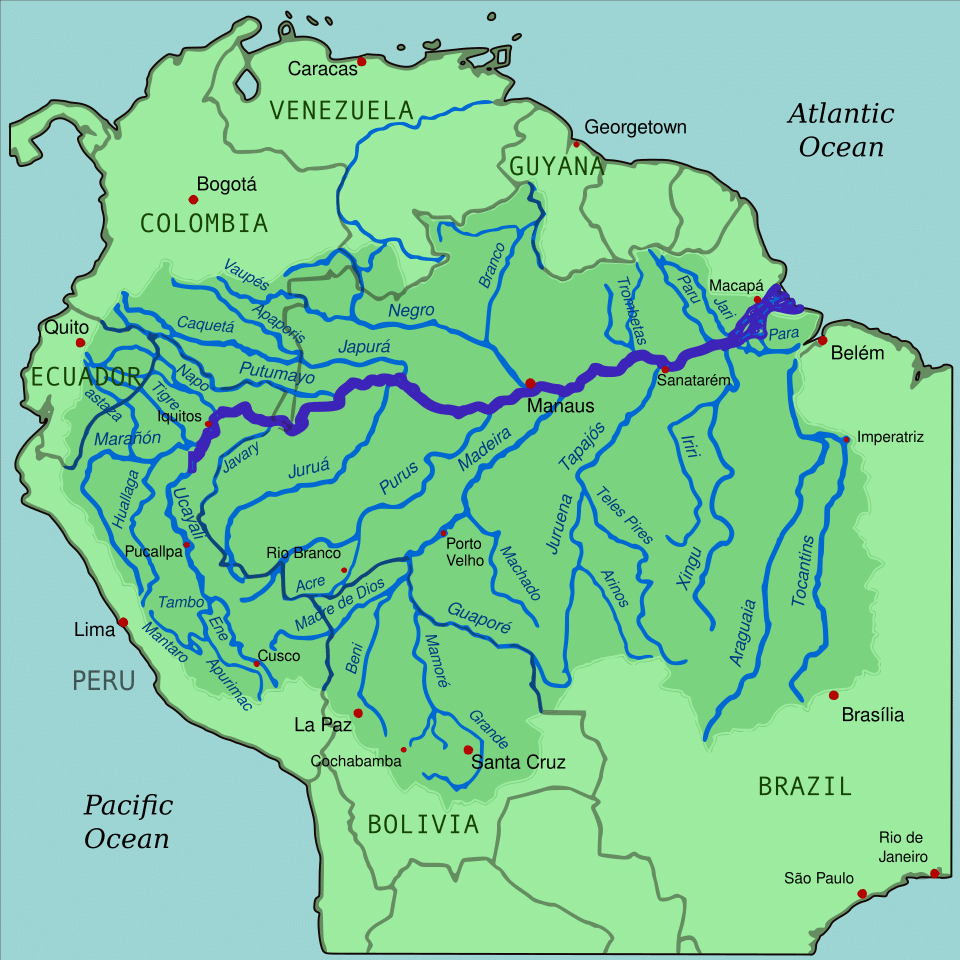
The bleeding heart tetra comes from the upper Amazon basin, in the “Tres Fronteras” region where the borders of Peru, Colombia, and Brazil converge. Its range extends from the Rio Purus in Brazil upstream to the Nanay watershed near Iquitos, Peru.
In the wild, these fish inhabit sluggish tributaries, side channels, and forest lakes. They’re typically found in small streams (igarapés) just 5. 7 meters wide, shaded by dense riparian vegetation, with sandy substrates and plenty of submerged woody structure – fallen branches, tree roots, and leaf litter. They will hang out in the boundary zones between shallow and deeper water.
The water in these habitats is extremely soft and acidic – field measurements have recorded pH values as low as 3.8 and dissolved oxygen levels that most fish couldn’t survive. The water is stained brown by tannins from decomposing organic matter. While you don’t need to replicate these extreme conditions in an aquarium, understanding the natural habitat explains why bleeding hearts appreciate soft, slightly acidic water and dim lighting.
Appearance & Identification
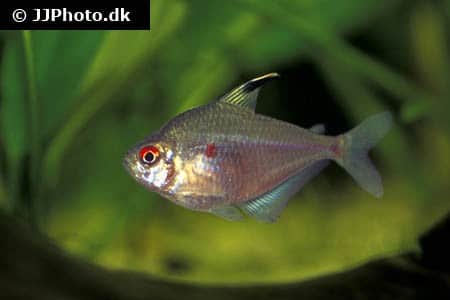
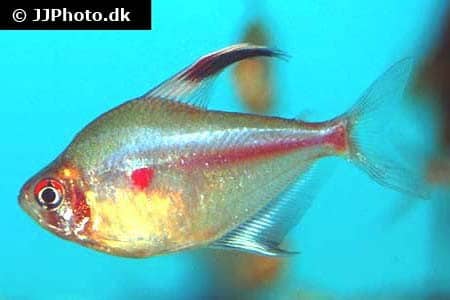
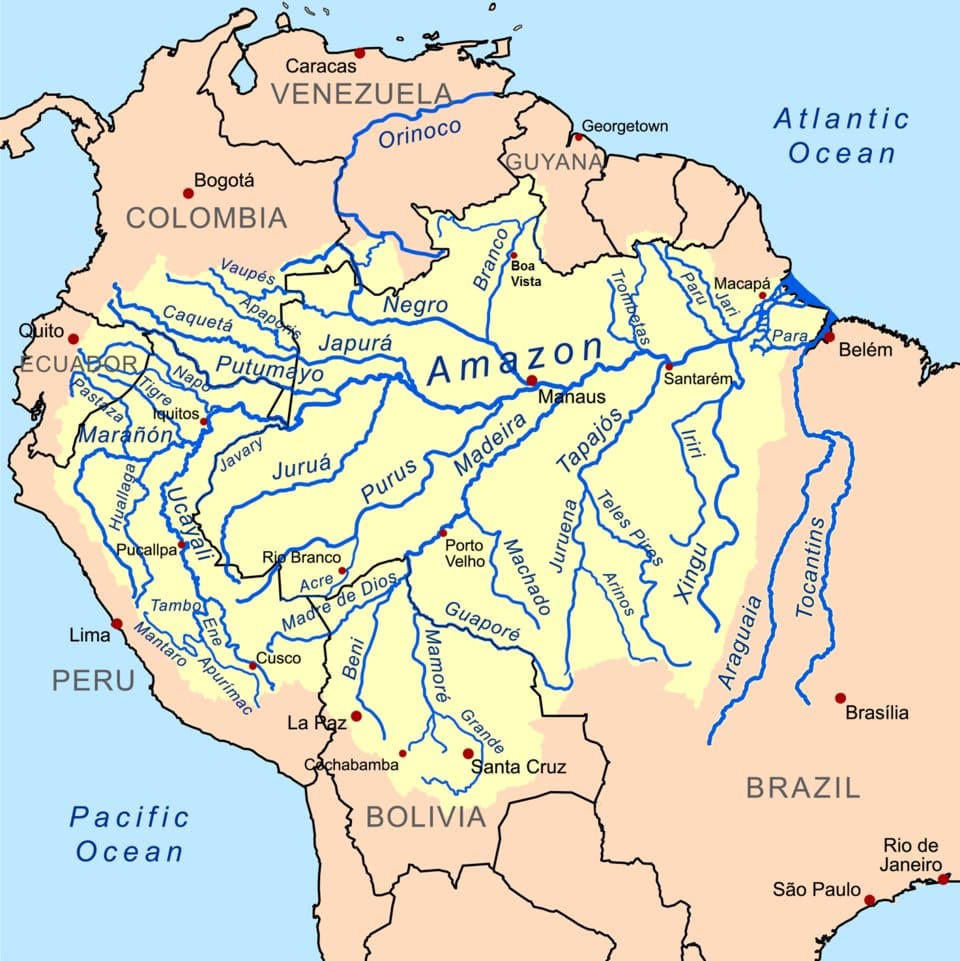
The bleeding heart tetra has a deep, laterally compressed body that’s noticeably taller and more robust than most popular tetras. The body color ranges from silvery beige to a soft pinkish-orange hue, and the standout feature is the vivid crimson spot on the flank near the shoulder – the “bleeding heart” that gives this fish its name. It’s a striking mark that catches the light and draws attention immediately.
The fins are translucent with hints of red and pink coloration. Under good conditions, the overall color intensifies and the fins develop a beautiful warm tone. A faint dark lateral line may be visible depending on the fish’s mood and the lighting.
Male vs. Female
Bleeding hearts are one of the easier tetras to sex, especially once mature. Males are larger and more intensely colored, but the real giveaway is the fins – mature males develop dramatically elongated, sickle-shaped dorsal fins that are among the most impressive finnage you’ll see on any tetra species. Males also have bony hooks on the anal and pelvic fins and darker fin tips. Females are rounder and deeper-bodied (especially when carrying eggs), with shorter, more rounded fins.
Average Size & Lifespan
Adult bleeding heart tetras reach about 2 to 2.5 inches (5. 6 cm) in standard length, making them one of the larger commonly available tetra species. They have a noticeably heavier build than most tetras, which gives them a commanding presence in a community tank.
In captivity, expect a lifespan of 3 to 5 years with proper care. Some individuals can push past 5 years under optimal conditions. Their larger size compared to smaller tetras will come with slightly more longevity.
Care Guide
Tank Size
A 20-gallon tank is the minimum for a group of 6 bleeding heart tetras, but I’d recommend 30 gallons or more if you want a proper school of 8. 10. These fish are more active and larger than many popular tetras, and they need the horizontal swimming space to school comfortably and for males to establish their territories without constantly clashing.
Water Parameters
| Parameter | Ideal Range |
|---|---|
| Temperature | 72. 82°F (22. 28°C) |
| pH | 5.5. 7.5 |
| Hardness | 2. 12 dGH |
| KH | 1. 8 dKH |
Bleeding hearts come from extremely soft, acidic water in the wild, but captive-bred specimens adapt well to a broader range of conditions. They’ll do fine in moderately hard water around neutral pH, though they show their best coloration and behavior in softer, slightly acidic conditions. Indian almond leaves or driftwood can naturally soften the water and add tannins.
One thing to watch: bleeding hearts are sensitive to accumulated organic waste. Keep up with regular water changes and make sure your biological filtration is mature before adding them.
Filtration & Water Flow
Moderate flow works best. These fish come from slow-moving waters, so they don’t need a strong current, but they can handle a bit more flow than some of the smaller delicate tetras. A quality hang-on-back or canister filter turning over the tank volume 4. 5 times per hour is ideal. Weekly water changes of 25. 30% are essential to keep organic waste levels down.
Lighting
Subdued to moderate lighting brings out the best in bleeding heart tetras. In the wild, their habitat is heavily shaded by overhanging vegetation, and they respond well to similar conditions in the aquarium. Floating plants are your best friend here – they soften the light, create shaded areas the fish naturally gravitate to, and help reduce stress. Under harsh, bright lighting, bleeding hearts can look washed out and nervous.
Plants & Decorations
A well-planted tank with plenty of structure is ideal. Use a mix of background plants, midground varieties, and floating plants to create layers. Driftwood and branching root structures mimic their natural habitat and give males natural territory boundaries – this actually helps reduce aggression by breaking sight lines.
Dried leaf litter on the substrate is a great addition for a biotope-style setup. The leaves release tannins, promote beneficial microorganisms, and give the tank a natural blackwater feel that these fish evolved in.
Substrate
A soft sandy substrate is preferred – it’s closest to their natural habitat and won’t damage their barbels or fins if they forage near the bottom. Dark sand or substrate enhances their coloration significantly, making the reds and pinks pop against the background.
Is the Bleeding Heart Tetra Right for You?
Bleeding heart tetras are bold, beautiful, and bigger than most people expect. Here’s who should keep them:
- You have a 30-gallon or larger tank. These are bigger tetras that need real space
- You want a bold, visible species that’s always front and center during feeding
- You appreciate the iconic red heart spot. It’s one of the most recognizable markings in the tetra world
- You keep similarly assertive tank mates that can compete at feeding time
- You want a long-lived tetra. Bleeding hearts regularly exceed 5 years with good care
- Not the best choice for tanks full of shy, slow-feeding species. They’ll dominate meal time
Tank Mates
Best Tank Mates
Bleeding heart tetras are peaceful community fish, though they’re slightly more assertive than smaller tetra species. They do best with similarly sized or slightly larger tank mates:
- Rummy-nose tetras – similar size, tight schoolers that complement bleeding hearts well
- Emperor tetras – another larger tetra with similar care requirements
- Congo tetras – peaceful, similarly sized, beautiful contrast
- Corydoras catfish – ideal bottom-dwelling companions that stay out of the way
- Hatchetfish – top-dwelling fish that fill a different zone in the tank
- Pencilfish – gentle mid-level fish from similar habitats
- Dwarf cichlids (rams, Apistogramma) – a natural South American biotope pairing
- Gouramis (peaceful species) – honey or pearl gouramis work well as centerpiece fish
- Bristlenose plecos – peaceful algae eaters that ignore tetras entirely
Tank Mates to Avoid
- Long-finned species (angelfish, bettas) – bleeding hearts may nip at trailing fins
- Large aggressive cichlids – any fish that would bully or eat them
- Very small tetras (embers, green neons) – may be intimidated by the bleeding hearts’ larger size and activity level
- Slow-moving long-finned fish – the temptation to nip is real, especially in small groups
Food & Diet
Bleeding heart tetras are opportunistic omnivores with a surprising dietary quirk – in the wild, stomach analyses have shown that up to 98.5% of their diet consists of fruit remains. They’re predominantly frugivorous, which is unusual for a tetra. They also eat aquatic insects and their larvae.
In the aquarium, they’re unfussy eaters. A high-quality flake or micro pellet makes a good daily staple. Supplement with frozen or live foods like bloodworms, daphnia, and brine shrimp several times per week to maintain good coloration and health. They’ll also accept spirulina flakes and plant-based foods – and interestingly, in my experience, hobbyists report they’ll even nibble on small pieces of fresh fruit placed in the tank.
Feeding frequency: Once or twice daily, only what the school can finish in about 2. 3 minutes. Their larger size means they eat more than small tetras, so adjust portions accordingly.
Breeding & Reproduction
Fair warning: bleeding heart tetras are notoriously difficult to breed in home aquariums. This is one of the few common tetras where hobbyist breeding success is genuinely rare. Females frequently reject male advances, and getting the conditions just right is a challenge.
Breeding Difficulty
Very difficult. Despite being commercially bred on farms (which is where virtually all aquarium stock comes from), replicating those results at home has proven extremely challenging for most hobbyists.
Spawning Tank Setup
If you want to attempt breeding, set up a dedicated 20. 40 gallon spawning tank with very dim lighting. Use fine-leaved plants like Java moss or spawning mops, and cover the bottom with mesh or marbles to prevent the parents from eating fallen eggs. Very soft, acidic water is critical – use RO water or peat-filtered water to achieve pH 6.0. 6.5 and minimal hardness.
Conditioning & Spawning
Group breeding (3 males and 3 females) will yield better results than pairing, as it lets the fish choose their own mates. Condition the group with plenty of live foods – bloodworms, brine shrimp, and daphnia – for several weeks. Weekly water changes with slightly cooler water helps simulate rainy season conditions and trigger spawning behavior. Spawning typically occurs after dark.
Egg & Fry Care
Remove adults immediately after spawning – they will eat eggs and fry aggressively. Eggs hatch in approximately 36 hours. Once fry become free-swimming, feed infusoria or liquid fry food initially, then graduate to baby brine shrimp. Keep the rearing tank dimly lit and maintain excellent water quality with small daily water changes.
Common Health Issues
Bleeding heart tetras are robust fish, but like all tetras, they’re susceptible to several common ailments:
Ich (White Spot Disease)
The most common tropical fish disease. Small white cysts appear on the body and fins, usually triggered by temperature fluctuations or stress. Raise the temperature gradually to 82°F (28°C) and treat with a standard ich medication. Bleeding hearts generally tolerate treatment well.
Metallic Gold Scale Condition
A distinctive condition where some or all body scales develop a metallic gold appearance. The cause isn’t well understood (possibly parasitic), but affected fish show no signs of discomfort and lifespan appears unaffected. It’s relatively common in small characins and is considered cosmetic rather than dangerous.
General Prevention
Quarantine all new fish for at least two weeks. Bleeding hearts are intolerant of poor water quality and accumulated organic waste, so staying on top of water changes is your best defense. Maintain stable parameters – sudden swings in temperature or pH cause more problems than slightly imperfect numbers.
Common Mistakes to Avoid
- Keeping too few – This is the single biggest mistake with bleeding hearts. In small groups (under 6), they become stressed and may resort to fin-nipping tank mates. Keep 8. 10 to distribute aggression and see proper schooling behavior.
- Too small a tank – These are larger, more active tetras. A 10-gallon tank is far too small. Give them at least 20 gallons, preferably 30+.
- Pairing with long-finned fish – Bleeding hearts have a tendency to nip flowing fins, especially in undersized groups. Avoid angelfish, bettas, and fancy guppies.
- Neglecting water changes – They’re sensitive to organic waste buildup. Skipping water changes will show up as faded colors, stress, and eventually disease.
- Expecting easy breeding – Unlike most common tetras, bleeding hearts are very difficult to breed at home. Don’t set up a breeding project expecting quick results.
Where to Buy
Bleeding heart tetras are readily available at most local fish stores and some chain pet retailers. They’re typically priced between $5. 10 per fish, depending on size and source. Wild-caught specimens from the Rio Nanay in Peru are occasionally available and will show more intense coloration than farm-bred stock.
Never add them to an uncycled tank. Bleeding hearts are sensitive to ammonia and nitrite, and a new tank that has not finished cycling will stress them into disease quickly.
For quality stock, check Flip Aquatics and Dan’s Fish. Dan’s Fish occasionally carries wild-caught “Rio Nanay” bleeding hearts that are particularly impressive. Both retailers ship healthy, well-acclimated fish with live arrival guarantees.
Frequently Asked Questions
How many bleeding heart tetras should be kept together?
A minimum of 6, but 8. 10 is strongly recommended. In smaller groups, males become territorial and may nip at other fish. Larger groups distribute aggression and let you see their natural social dynamics – including the entertaining male displays and sparring that are a highlight of keeping this species.
Are bleeding heart tetras aggressive?
Not truly aggressive, but they’re more assertive than smaller tetras. Males will display and spar with each other – flaring their fins and posturing – but this rarely results in actual injury. The main risk is fin-nipping if they’re kept in too-small groups or housed with long-finned species. In a proper school of 8+, aggression is distributed and manageable.
Can you breed bleeding heart tetras at home?
It’s possible but very difficult. Bleeding hearts are notoriously reluctant to spawn in home aquariums, even when conditions seem ideal. Commercial breeding farms have success, but hobbyist breeding is rare. If you want to try, use very soft, acidic water, dim lighting, and group spawning (3 males, 3 females) rather than pairs.
What size tank do bleeding heart tetras need?
At least 20 gallons for a minimum group of 6. A 30-gallon or larger tank is recommended for a proper school of 8. 10, especially if you’re keeping them in a community setup with other species.
Do bleeding heart tetras nip fins?
They can, especially in undersized groups. Bleeding hearts are more prone to fin-nipping than most tetras, which is why keeping them in groups of 8+ is so important. In large groups, they focus their social behavior on each other rather than on tank mates. Avoid pairing them with slow-moving, long-finned species.
What do bleeding heart tetras eat in the wild?
Surprisingly, they’re predominantly fruit-eaters. Stomach analyses of wild specimens have shown up to 98.5% fruit remains, supplemented by aquatic insects and larvae. In the aquarium, they accept standard flake and pellet foods, but supplementing with live and frozen foods brings out the best coloration.
What It Is Actually Like Living With Bleeding Heart Tetra
In a proper school, bleeding heart tetra display natural movement patterns that are genuinely engaging to watch. The fish interact with each other, establish subtle hierarchies, and move through the tank with purpose.
They spend most of their time near the surface, which fills a level of the tank that many other species ignore. This makes them excellent complements to mid-water and bottom-dwelling fish.
Feeding time is when their personality comes out. They learn your routine quickly and will anticipate feeding before you even open the lid.
Their color and behavior improve over time as they settle into a stable environment. Fish that have been in the same tank for months look noticeably better than recently added stock.
They coexist peacefully with virtually every other appropriately-sized community fish. This compatibility makes tank planning straightforward.
How the Bleeding Heart Tetra Compares to Similar Species
Bleeding Heart Tetra vs. Flameback Bleeding Heart Tetra
The flameback variety adds intense red-orange dorsal coloration on top of the standard bleeding heart’s already-attractive design. Flamebacks are slightly more demanding about water chemistry. They need softer, more acidic water to develop that signature dorsal color. Regular bleeding hearts are hardier and more forgiving. If you want maximum visual impact and are willing to dial in water parameters, the flameback is the premium option. For reliability and ease of care, the standard bleeding heart is the smarter starting point. Check out our Flameback Bleeding Heart Tetra care guide for more details.
Bleeding Heart Tetra vs. Rosy Tetra
Rosy tetras share warm pink tones with bleeding hearts but stay significantly smaller and are much more peaceful at feeding time. If you love the bleeding heart aesthetic but have a smaller tank or more timid tank mates, rosy tetras deliver a similar warm color palette in a gentler, more compact package. Bleeding hearts are the bold, assertive option for larger setups. Rosy tetras are the diplomatic option that works in almost any community. Check out our Rosy Tetra care guide for more details.
Closing Thoughts
The bleeding heart tetra is one of the most visually striking tetras you can keep, and it brings a level of personality and presence that smaller species can’t match. Those extended dorsal fins on the males, the vivid crimson heart mark, and the active social dynamics make this a fish that’s genuinely fun to watch – not just pretty background movement.
The key to success is simple: keep them in a proper group of 8. 10, give them enough space, maintain clean water, and provide some dim lighting with a dark substrate. Do that, and you’ll have one of the best-looking tetra displays in the hobby.
If you’re looking for other larger tetras to keep alongside your bleeding hearts, check out our care guides for Congo tetras, rummy-nose tetras, and black skirt tetras.
Recommended Video
Check out our tetra tier list video where we rank the most popular tetras in the hobby, including the bleeding heart tetra:
References
- Hyphessobrycon erythrostigma Profile – Seriously Fish
- Megalamphodus erythrostigma (Fowler, 1943) – FishBase
- Bleeding-heart tetra – Wikipedia
- Phylogenomics of Characidae – Melo et al, 2024
- About the Author
- Latest Posts

I’m Mark Valderrama, founder of Aquarium Store Depot and a fishkeeper with over 25 years of hands-on experience. I started in the hobby at age 11, worked at local fish stores, and have kept freshwater tanks, ponds, and reef tanks ever since. I’ve been featured in two best-selling aquarium books on Amazon and built this site to share practical, experience-based fish keeping knowledge.
Leave a Reply