
Last Updated: June 25, 2026
Thank you for visiting! By the way… any links on this page that lead to products on Amazon and other stores/partners are affiliate links Aquarium Store Depot earns a commission if you make a purchase.
Table of Contents
- What Most Care Guides Get Wrong
- The Reality of Keeping Diamond Tetra
- Key Takeaways
- Species Overview
- Classification
- Origin & Natural Habitat
- Appearance & Identification
- Average Size & Lifespan
- Care Guide
- Is This Fish Right for You?
- Tank Mates
- Food & Diet
- Breeding & Reproduction
- Common Health Issues
- Common Mistakes to Avoid
- Where to Buy
- Frequently Asked Questions
- What It Is Actually Like Living With Diamond Tetra
- How It Compares to Similar Species
- Closing Thoughts
- Recommended Video
- References
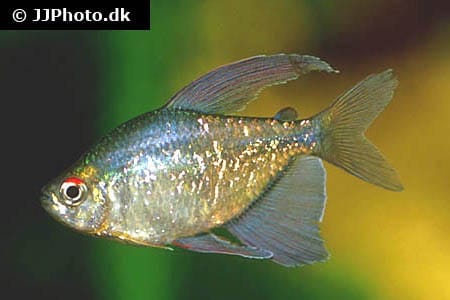
The diamond tetra is one of the most visually stunning tetras in the hobby when mature. The problem is that juvenile specimens at the store look like nothing. It takes 6 to 12 months of stable conditions for the scales to develop that full diamond sparkle. This fish rewards patience and punishes impulse buyers.
A mature diamond tetra in the right light is one of the most beautiful freshwater fish alive. But you have to wait for it.
The Reality of Keeping Diamond Tetra
Juveniles look nothing like adults. This is the biggest barrier to diamond tetra adoption. At the store, they are plain, grayish fish that nobody looks twice at. The reflective scales and flowing fins develop gradually over months. You are buying the potential, not the finished product.
Lighting determines the sparkle intensity. Under flat overhead lighting, the reflective scales look muted. Under angled or diffused lighting with a dark background, each scale catches light individually, creating a sparkling effect across the entire body. The right lighting setup transforms this fish.
Males grow long, flowing fins. Mature male diamond tetras develop extended dorsal and anal fins that rival some of the most popular long-finned aquarium fish. These extensions take months to fully develop and are easily damaged by fin nippers or rough decorations.
Biggest Mistake New Owners Make
Judging them by their juvenile appearance at the store. Every diamond tetra keeper went through the same process. Buy plain-looking juveniles, wait a few months, and then wonder why everyone does not keep this fish. The payoff is worth the patience.
Diamond tetras are relatively easy to keep but need a larger group and good water quality to display their full iridescent shimmer. Poor conditions dim their color noticeably and quickly.
Expert Take (Mark Valderrama, AquariumStoreDepot)
The diamond tetra is the most visually underrated tetra in the hobby. No photo or video captures what the sparkle looks like in person. If you have the patience to wait for the transformation, this is one of the most rewarding species you will ever keep.
Key Takeaways
- Patience is key – juveniles look plain, but mature adults develop an incredible iridescent shimmer that rivals any tetra in the hobby
- Minimum tank size is 20 gallons, but 30+ gallons lets a proper school of 8. 10 really shine
- Subdued lighting is critical – bright lights wash them out, but dim conditions make the diamond scales sparkle
- Endangered in the wild – listed as EN by the IUCN, but widely available as captive-bred stock in the hobby
- Males develop elongated dorsal fins with violet iridescence, making them easy to sex and impressive to watch
Species Overview
| Field | Details |
|---|---|
| Scientific Name | Makunaima pittieri (formerly Moenkhausia pittieri) |
| Common Names | Diamond Tetra, Pittier’s Tetra |
| Family | Acestrorhamphidae |
| Origin | Lake Valencia basin, Venezuela |
| Care Level | Easy |
| Temperament | Peaceful |
| Diet | Omnivore |
| Tank Level | Mid |
| Maximum Size | 2.4 inches (6 cm) |
| Minimum Tank Size | 20 gallons (75 liters) |
| Temperature | 75. 82°F (24. 28°C) |
| pH | 5.5. 7.0 |
| Hardness | 5. 12 dGH |
| Lifespan | 3. 5 years in captivity |
| Breeding | Egg scatterer |
| Breeding Difficulty | Moderate |
| Compatibility | Community |
| OK for Planted Tanks? | Yes |
Classification
| Taxonomic Level | Classification |
|---|---|
| Order | Characiformes |
| Family | Acestrorhamphidae (reclassified from Characidae, Melo et al. 2024) |
| Genus | Makunaima (Terán, Benítez & Mirande, 2020) |
| Species | M. Pittieri (Eigenmann, 1920) |
This species was originally described as Moenkhausia pittieri by Carl H. Eigenmann in 1920. The genus Makunaima was erected by Terán, Benítez, and Mirande in 2020 based on phylogenetic analyses, and the diamond tetra was transferred to it from Moenkhausia. Most aquarium sources still use the old name, but scientific literature and FishBase now recognize Makunaima pittieri.
Note on reclassification: The 2024 Melo et al. Phylogenomic study further reorganized the tetra family tree, confirming the placement of Makunaima within the new family Acestrorhamphidae (formerly part of Characidae). The genus name Makunaima references an indigenous Venezuelan mythological figure – fitting for a species endemic to Venezuela.
Origin & Natural Habitat
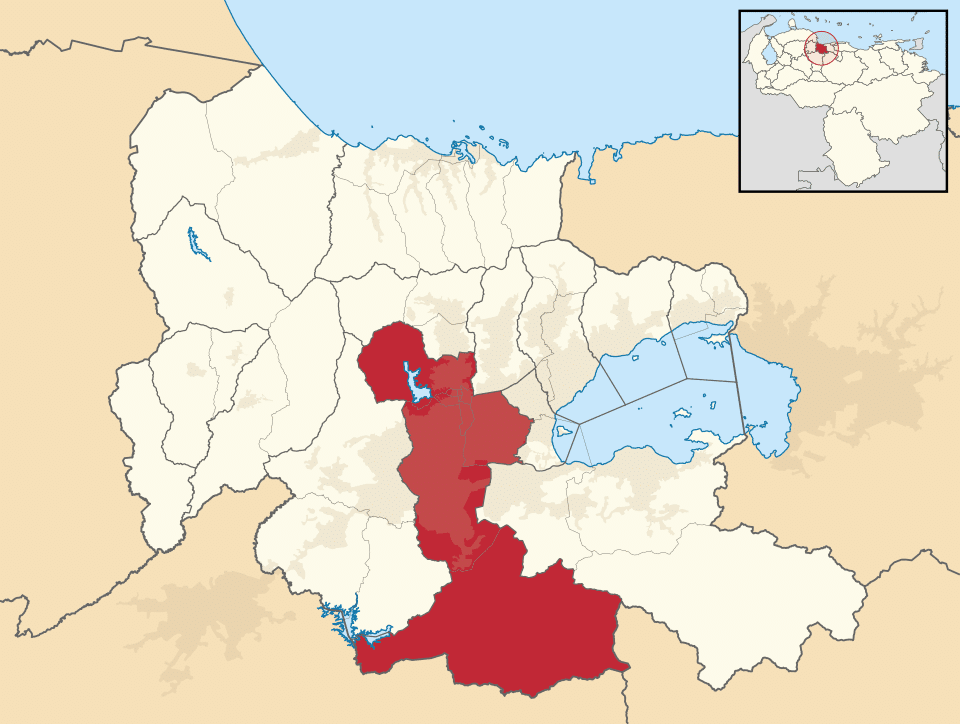
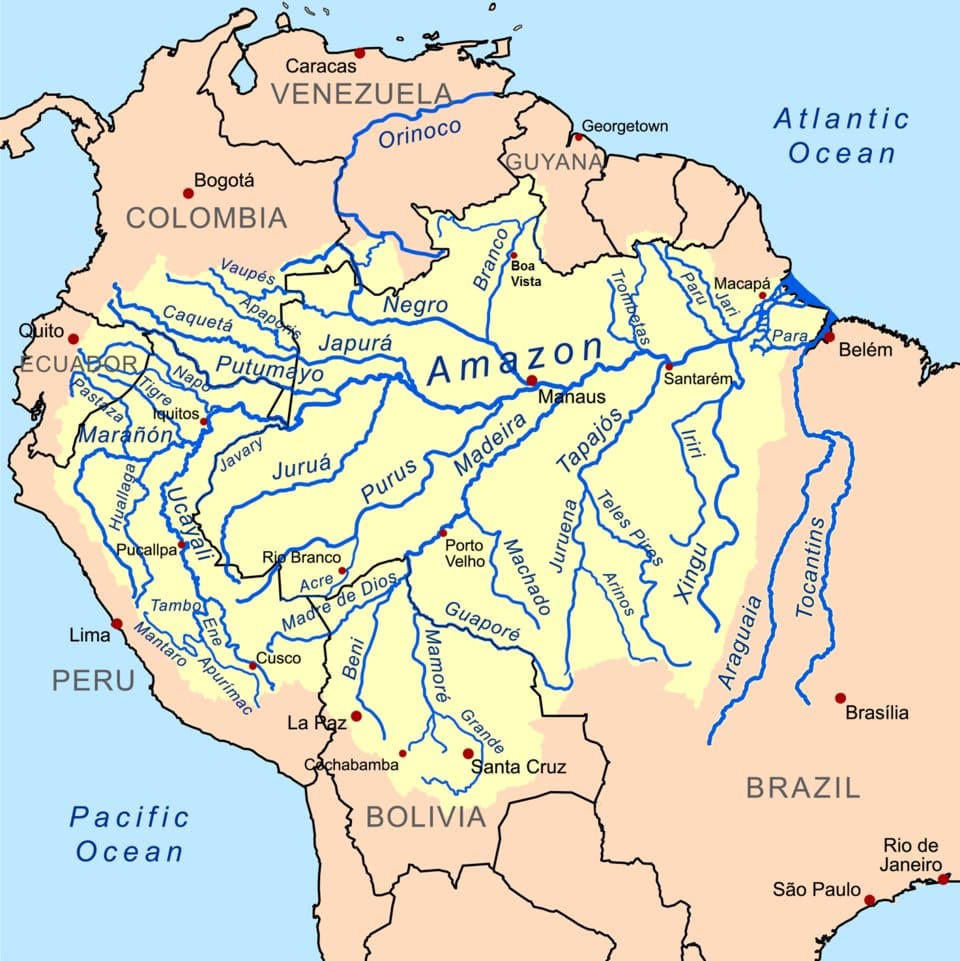
The diamond tetra is endemic to the Lake Valencia basin in northern Venezuela, specifically within the states of Carabobo and Aragua. This is one of the most geographically restricted ranges of any common aquarium tetra – the entire wild population exists in a single lake basin.
In the wild, diamond tetras inhabit slow-moving, vegetation-rich tributary streams and backwater areas around Lake Valencia. These are shallow, leaf-littered environments with overhanging tree cover that keeps the water shaded. The substrate is typically sandy, with plenty of submerged branches and decomposing organic matter that stains the water a tea-brown color.
Conservation note: The diamond tetra is listed as Endangered (EN) by the IUCN due to habitat loss and degradation in the Lake Valencia basin. However, virtually all fish in the aquarium trade are captive-bred, so keeping them in your tank doesn’t impact wild populations.
Appearance & Identification
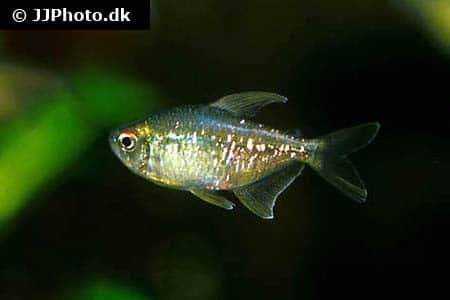
The diamond tetra earns its name from the dazzling, diamond-like iridescence that covers its body when the light catches it at the right angle. Each scale reflects light individually, creating a shimmering, sparkly effect that’s completely unique among commonly available tetras. The base body color is silver to grey-green, overlaid with this iridescent coating that can flash gold, green, blue, and violet depending on the lighting.
Here’s the thing most people don’t expect: juvenile diamond tetras look incredibly plain. They’re basically just silver fish with no personality. The iridescence develops as they mature, typically becoming truly impressive around 6. 12 months of age. A dark substrate and dim lighting dramatically enhances the shimmer effect.
Male vs. Female
Sexing diamond tetras is straightforward once they’re mature. Males are slimmer and develop noticeably longer dorsal and anal fins with a beautiful violet iridescence. The dorsal fin extension in males is quite dramatic and becomes a key display feature during social interactions. Females are deeper-bodied (especially when full of eggs) with shorter, nearly transparent fins.
Average Size & Lifespan
Adult diamond tetras reach about 2 to 2.4 inches (5. 6 cm) in standard length. They’re a mid-sized tetra – not as small as neons or embers, but not as large as bleeding hearts or congos. Their laterally compressed body and extended fins give them a slightly larger visual presence than their measurements might suggest.
With proper care, expect 3 to 5 years in captivity. Good water quality, a varied diet, and low-stress conditions are the main factors in reaching the upper end of that range.
Care Guide
Tank Size
A 20-gallon tank works for a small group of 6. 8, but I’d recommend 30 gallons or more for a school of 10+ in a community setting. Diamond tetras are active swimmers and the extra horizontal space lets them school properly. A longer tank (at least 24 inches) is more important than a tall one.
Water Parameters
| Parameter | Ideal Range |
|---|---|
| Temperature | 75. 82°F (24. 28°C) |
| pH | 5.5. 7.0 |
| Hardness | 5. 12 dGH |
| KH | 1. 8 dKH |
Diamond tetras prefer soft, slightly acidic water but captive-bred specimens are quite adaptable to a range of conditions. They’ll tolerate moderately hard water fine, though the best coloration and iridescence develops in softer water. Stability matters more than hitting an exact number – avoid sudden parameter swings.
Lighting
This is where diamond tetras are a bit different from many fish. They look their absolute best under subdued, indirect lighting. In bright light, they actually look washed out and lose much of their sparkle. Floating plants are essential – they diffuse the light and create the dappled, shaded conditions where the iridescence really pops. If you want the “diamond” effect, low lighting is non-negotiable.
Plants & Decorations
A densely planted tank is ideal and is where diamond tetras truly come into their own. Use a combination of background plants, midground varieties, and especially floating plants. Driftwood branches and leaf litter on the substrate complete the natural biotope look and release beneficial tannins that enhance coloration. A dark substrate is strongly recommended – it brings out the shimmer dramatically compared to light-colored substrates.
Filtration & Water Flow
Gentle to moderate water flow. These fish come from slow-moving streams, so they don’t need strong currents. A quality hang-on-back or canister filter turning over 4. 5 times the tank volume per hour is perfect. Keep nitrates very low – diamond tetras don’t tolerate accumulated organic waste well. Weekly water changes of 25. 30% are essential.
Is the Diamond Tetra Right for You?
Diamond tetras are one of the most rewarding long-term tetra investments in the hobby. Here’s who should commit to them:
- You’re incredibly patient. Diamond tetras need 6+ months to show their true beauty
- You can provide moderate, angled lighting rather than harsh overhead illumination
- You have at least a 20-gallon tank to let males develop their full finnage
- You want a species that genuinely gets better with age. Peak diamond tetras are show-quality fish
- You appreciate iridescent, light-catching qualities over solid color
- Not for the impatient. If you want instant beauty, look at red phantoms or bleeding hearts instead
Tank Mates
Best Tank Mates
Diamond tetras are peaceful community fish that pair well with a wide range of species:
- Other peaceful tetras – neons, cardinals, embers, rummy-nose, bleeding hearts
- Rasboras – harlequins, chili rasboras, lambchop rasboras
- Danios – celestial pearl danios, zebra danios
- Livebearers – platies, endlers (avoid fancy guppies – see below)
- Corydoras catfish – ideal bottom-dwelling companions
- Dwarf cichlids – rams, Apistogramma
- Peaceful gouramis – honey gouramis, pearl gouramis
- Otocinclus – gentle algae eaters that won’t compete
Tank Mates to Avoid
- Long-finned species – diamond tetras have a reputation for fin-nipping, especially in small groups. Avoid fancy guppies, angelfish, and bettas.
- Large aggressive cichlids – anything that would bully or eat them
- Slow-moving, elaborately finned fish – the temptation to nip is too strong
Important note on fin-nipping: Diamond tetras get a bad reputation as fin nippers, but this behavior is almost always caused by keeping them in groups that are too small. In a proper school of 8. 10, they focus their social energy on each other. In groups under 6, they redirect that energy toward other fish’s fins.
Food & Diet
Diamond tetras are unfussy omnivores that accept a wide range of foods. A high-quality flake or micro pellet serves well as a daily staple. Supplement several times per week with frozen or live foods – bloodworms, daphnia, brine shrimp, and cyclops are all eagerly accepted.
A varied diet is the key to developing and maintaining the iridescent coloration this species is known for. Fish fed only dried food will never look as good as those getting regular live and frozen supplementation. A little spirulina or vegetable-based food also benefits overall health.
Feeding frequency: Once or twice daily, only what the school can finish in 2. 3 minutes. Overfeeding is a bigger risk than underfeeding with diamond tetras, as they’re sensitive to the water quality decline that comes with excess food.
Breeding & Reproduction
Diamond tetras are egg scatterers that is bred in the home aquarium with some preparation. They’re moderately difficult – easier than bleeding hearts, but requiring more attention to water conditions than some other tetras.
Spawning Tank Setup
Set up a dedicated spawning tank of at least 10 gallons with very dim lighting. Use fine-leaved plants like Java moss, spawning mops, or mesh on the bottom to protect fallen eggs from hungry parents. The water should be soft and acidic – pH 5.5. 6.5, hardness 1. 5 dGH, temperature around 80. 84°F (27. 29°C).
Conditioning & Spawning
Condition a breeding pair or small group with plenty of high-quality live foods – brine shrimp, bloodworms, and daphnia – for 1. 2 weeks. Spawning typically occurs in the morning when light first hits the tank. The female scatters eggs among fine-leaved vegetation while the male fertilizes them.
Egg & Fry Care
Remove adults immediately after spawning – they will eat the eggs without hesitation. Eggs hatch in 24. 36 hours, and fry become free-swimming 3. 4 days later. Feed infusoria or liquid fry food for the first few days, then graduate to microworms and baby brine shrimp as they grow. Keep the rearing tank dimly lit and maintain excellent water quality with small daily water changes.
Common Health Issues
Diamond tetras are hardy fish that rarely develop problems in well-maintained tanks. Like all tetras, they’re susceptible to the standard tropical fish ailments:
Ich (White Spot Disease)
The most common issue, usually triggered by temperature fluctuations or stress from transport. Small white cysts appear on the body and fins. Raise temperature gradually to 82°F and treat with a standard ich medication. Diamond tetras generally respond well to treatment.
Fin Rot
Bacterial infection that causes fin deterioration, typically a sign of poor water quality. Address the underlying water conditions, perform extra water changes, and treat with an antibacterial medication if it doesn’t resolve.
General Prevention
Quarantine all new fish for at least two weeks before adding them to your display tank. Diamond tetras are sensitive to organic waste buildup, so consistent water changes and good filtration are your primary defense against disease. Maintain stable parameters – gradual changes are tolerated, but sudden swings cause stress and lower immunity.
Common Mistakes to Avoid
- Judging them as juveniles – The number one reason people pass on diamond tetras is because they look plain in store tanks. Give them time and good conditions, and they’ll transform.
- Bright lighting – Nothing kills the diamond shimmer faster than blasting them with bright aquarium lights. Use floating plants and subdued lighting.
- Light substrate – A pale or white substrate washes out their coloration. Dark sand or gravel makes an enormous difference.
- Too few fish – Small groups lead to fin-nipping and stressed behavior. Keep at least 8, ideally 10+.
- Poor diet variety – Diamond tetras on a flake-only diet never develop their full iridescence. Supplement with live and frozen foods regularly.
Where to Buy
Diamond tetras are widely available at local fish stores and specialty retailers. They’re typically priced between $5. 10 per fish. Because virtually all stock is captive-bred, quality can vary – look for active specimens with clear eyes and intact fins, even if the coloration looks plain (it will develop later).
Only add them to a fully cycled tank. Diamond tetras need stable water to develop their full shimmer, and ammonia or nitrite from an uncycled tank will stress them and dull their coloring permanently.
For quality stock, check Dan’s Fish, which regularly carries diamond tetras. Flip Aquatics does not currently carry this species but is worth checking for availability updates. Both retailers ship healthy, well-acclimated fish with live arrival guarantees.
Frequently Asked Questions
Why does my diamond tetra look plain?
Almost certainly because it’s still young. Diamond tetras are famously plain as juveniles and only develop their signature iridescent shimmer as they mature – typically around 6. 12 months of age. Also check your lighting: bright lights wash out their colors. Use floating plants for subdued lighting and a dark substrate to maximize the shimmer effect.
Are diamond tetras fin nippers?
They is, but it’s almost always a group size problem. In groups of 8 or more, diamond tetras focus their social behavior on each other and leave tank mates alone. In small groups (under 6), they redirect that energy toward other fish’s fins. Keep them in a proper school and avoid pairing with long-finned species.
How many diamond tetras should be kept together?
A minimum of 6, but 8. 10 is strongly recommended. Larger groups reduce fin-nipping, encourage natural schooling behavior, and let you see the impressive male fin displays and social interactions that make this species so rewarding to keep.
Are diamond tetras endangered?
Yes, the wild population in Venezuela’s Lake Valencia basin is listed as Endangered by the IUCN due to habitat loss. However, virtually all diamond tetras in the aquarium trade are captive-bred, so keeping them in your tank has no impact on wild populations.
What brings out the best color in diamond tetras?
Three things: subdued lighting (floating plants are essential), a dark substrate, and a varied diet that includes live and frozen foods. Tannin-stained water from driftwood or Indian almond leaves also enhances the iridescent effect. The best diamond tetras are kept in heavily planted, dimly lit tanks with regular feeding of high-quality live foods.
What It Is Actually Like Living With Diamond Tetra
Mature diamond tetras in a properly lit tank are mesmerizing. The reflective scales create a shimmering, sparkling effect that changes with every movement and every shift in light angle.
Males display to each other with spread fins, and the combination of flowing fins and sparkling scales during these interactions is one of the most beautiful displays in freshwater fishkeeping.
They are mid-water swimmers that need open space to be appreciated. Dense plant cover is fine along the edges, but leave the center open for swimming and displaying.
They are peaceful and hardy, making them suitable for any community with similarly-sized, non-aggressive fish.
How the Diamond Tetra Compares to Similar Species
Diamond Tetra vs. Emperor Tetra
Emperor tetras and diamond tetras are the two premier “elegant finnage” tetras, and choosing between them often comes down to color preference. Emperors offer deep purple-blue; diamonds offer iridescent silver-gold sparkle. Both need time to mature and space for males to develop. Emperors are slightly more colorful overall; diamonds are more light-reactive and sparkly. In a large planted tank, keeping both species together creates one of the most visually sophisticated tetra displays possible. Dark elegance meets light-catching shimmer. Check out our Emperor Tetra care guide for more details.
Diamond Tetra vs. Silver Tetra
Silver tetras share metallic qualities with diamond tetras but achieve the effect differently. Silver tetras are uniformly reflective like polished metal, while diamond tetras scatter light from individual iridescent scales. Silver tetras also reach their full appearance much faster. They look good within weeks, not months. For immediate impact, silver tetras deliver. For long-term payoff with more complex visual textures, diamond tetras are the premium choice. Check out our Silver Tetra care guide for more details.
Closing Thoughts
The diamond tetra is a perfect example of why patience matters in this hobby. What starts as an unremarkable silver fish transforms into something genuinely breathtaking when you give it the right conditions and time to mature. The iridescent shimmer, the elongated male fins, the tight schooling behavior – it all comes together into one of the most visually rewarding tetra species you can keep.
The recipe for success is simple: a well-planted tank, dim lighting, dark substrate, a proper group size of 8+, and a varied diet. Do those things and you’ll have a centerpiece school that draws every visitor’s eye.
Looking for other stunning tetra species to pair with your diamonds? Check out our care guides for bleeding heart tetras, ember tetras, and cardinal tetras.
Recommended Video
Check out our tetra tier list video where we rank the most popular tetras in the hobby, including the diamond tetra:
References
- Moenkhausia pittieri (Diamond Tetra) – Seriously Fish
- Makunaima pittieri (Eigenmann, 1920) – FishBase
- Diamond tetra – Wikipedia
- Phylogenomics of Characidae – Melo et al, 2024
- About the Author
- Latest Posts

I’m Mark Valderrama, founder of Aquarium Store Depot and a fishkeeper with over 25 years of hands-on experience. I started in the hobby at age 11, worked at local fish stores, and have kept freshwater tanks, ponds, and reef tanks ever since. I’ve been featured in two best-selling aquarium books on Amazon and built this site to share practical, experience-based fish keeping knowledge.
Leave a Reply