
Last Updated: June 25, 2026
Thank you for visiting! By the way… any links on this page that lead to products on Amazon and other stores/partners are affiliate links Aquarium Store Depot earns a commission if you make a purchase.
Table of Contents
- What Care Guides Get Wrong
- The Reality of Keeping Golden Dwarf Barb
- Key Takeaways
- Species Overview
- Classification
- Origin & Natural Habitat
- Appearance & Identification
- Average Size & Lifespan
- Care Guide
- Is It Right for You?
- Tank Mates
- Food & Diet
- Breeding & Reproduction
- Common Health Issues
- Common Mistakes to Avoid
- Where to Buy
- Frequently Asked Questions
- Species Comparison
- Closing Thoughts
- Recommended Video
- References
The golden dwarf barb stays tiny, barely reaching an inch, and needs everything that implies: mature water, gentle filtration, no aggressive tank mates, and a group large enough to feel secure. It is not a beginner nano fish. It is a specialist species that rewards experienced keepers who can provide stable conditions in a small tank.
In the right setup, golden dwarf barbs display a warm golden shimmer with dark markings that are genuinely beautiful at close range. In the wrong setup, they stress, fade, and die quickly. This guide covers the narrow window of conditions they need, because the golden dwarf barb is not a beginner fish that happens to be small. It is a small fish that happens to be fragile.
If your nano tank is not fully cycled and stable, the golden dwarf barb will not give you a second chance.
The Reality of Keeping Golden Dwarf Barb
The golden dwarf barb is a tiny species that stays under 1.5 inches, making it one of the smallest barbs in the hobby. It belongs in nano tanks with other small, peaceful species. Standard community fish are too large and too active for it.
Water quality is critical at this size. Every parameter fluctuation hits harder on a 1-inch fish than a 4-inch fish. Stable, mature tanks only.
The golden coloration is subtle but warm, showing best on dark substrate with moderate lighting.
Biggest Mistake New Owners Make
Putting them in a standard community tank with medium-sized fish. Golden dwarf barbs are intimidated by anything over 2 inches. They need nano-appropriate tankmates like small rasboras, ember tetras, and shrimp.
Golden dwarf barbs (Pethia gelius) are a tiny, peaceful barb species reaching about 1.5 inches (4 cm). They are suitable for planted nano tanks with calm, similarly sized tank mates.
Expert Take (Mark Valderrama, AquariumStoreDepot)
The golden dwarf barb is the nano barb option for keepers who want barb behavior in a tiny package. A group of ten in a 10-gallon with fine sand, live plants, and gentle filtration gives you schooling behavior and warm golden color at a scale that fits apartment tanks.
Key Takeaways
- One of the smallest barbs available at just 1.5 inches (4 cm), making it a perfect candidate for planted nano tanks as small as 10 gallons (38 liters)
- Cool water species that thrives between 64 and 75°F (18 and 24°C), which sets it apart from most tropical community fish and pairs well with other subtropical species
- Peaceful and schooling. Keep in groups of at least 8 to 10 for best behavior and coloring. Small groups lead to shy, stressed fish that hide constantly
- Semi-transparent golden body with dark blotches gives this fish a unique, delicate appearance that looks stunning against dark substrates and dense plantings
- Micropredator in the wild. Needs small, high-quality foods like baby brine shrimp, daphnia, and micro pellets to thrive
- Often confused with Pethia aurea, a closely related species sometimes sold under the same common name
Species Overview
| Field | Details |
|---|---|
| Scientific Name | Pethia gelius (Hamilton, 1822) |
| Common Names | Golden Dwarf Barb, Golden Barb |
| Family | Cyprinidae |
| Origin | India, Bangladesh, Nepal |
| Care Level | Moderate |
| Temperament | Peaceful |
| Diet | Omnivore / Micropredator |
| Tank Level | Middle |
| Maximum Size | 1.5 inches (4 cm) |
| Minimum Tank Size | 10 gallons (38 liters) |
| Temperature | 64 to 75°F (18 to 24°C) |
| pH | 6.0 to 7.0 |
| Hardness | 2 to 10 dGH |
| Lifespan | 3 to 5 years |
| Breeding | Egg scatterer |
| Breeding Difficulty | Moderate |
| Compatibility | Community (nano) |
| OK for Planted Tanks? | Yes |
A note on common names: The name “Golden Barb” is also used for Barbodes semifasciolatus (sometimes listed as Puntius semifasciolatus), which is a completely different and much larger fish. If you’re shopping for Golden Dwarf Barbs, always confirm the scientific name Pethia gelius to make sure you’re getting the right species.
Classification
| Taxonomic Level | Classification |
|---|---|
| Order | Cypriniformes |
| Family | Cyprinidae |
| Subfamily | Barbinae |
| Genus | Pethia |
| Species | P. Gelius (Hamilton, 1822) |
The Golden Dwarf Barb was originally described by Francis Hamilton in 1822 as Cyprinus gelius. It later moved through Barbus and Puntius before being placed in Pethia in 2012 when Pethiyagoda and colleagues revised the small South Asian barbs. You’ll still see it listed as Puntius gelius in older references, but Pethia gelius is the currently accepted name. There’s also ongoing confusion with Pethia aurea, a closely related species that looks very similar. If your “Golden Dwarf Barbs” have fewer, more defined dark blotches rather than scattered irregular spots, they may be P. Aurea. Both species require essentially the same care.
Origin & Natural Habitat
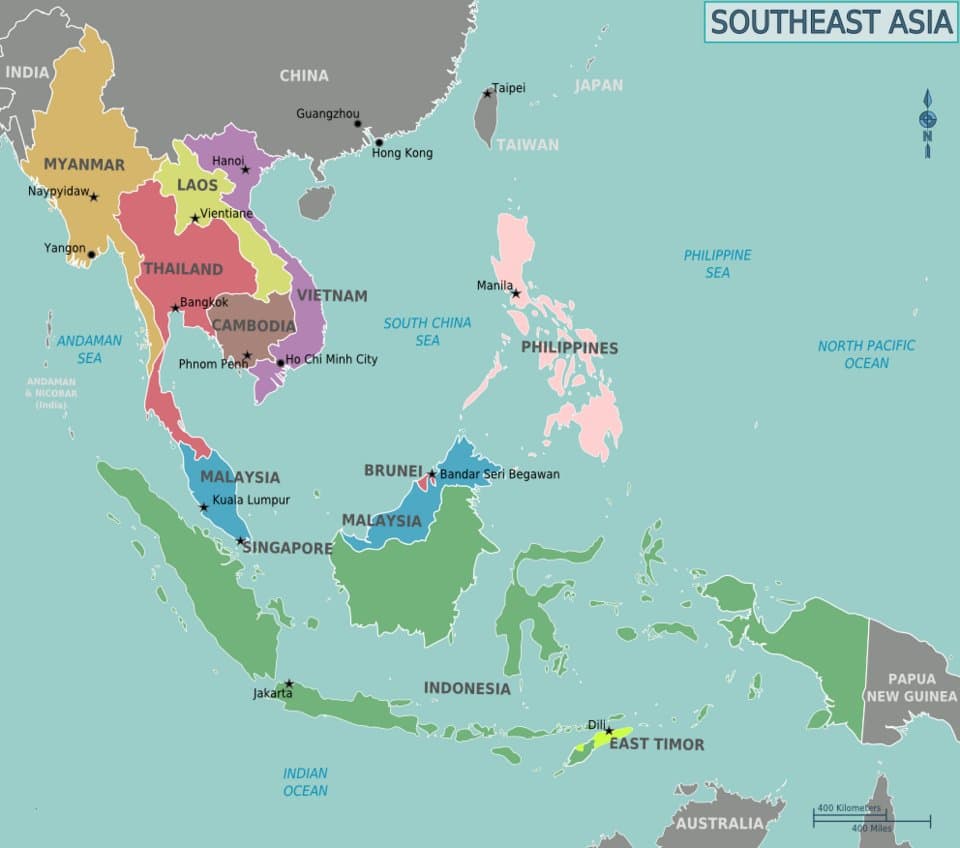
The Golden Dwarf Barb is native to the Indian subcontinent, with its range spanning across India, Bangladesh, and Nepal. It’s found primarily in the Ganges and Brahmaputra river drainages, as well as smaller river systems in eastern India and Bangladesh. In the wild, Pethia gelius lives in sluggish streams, ponds, ditches, and the quiet margins of larger rivers. Typically shallow, heavily vegetated habitats with soft, silty substrates and lots of submerged plant growth.
The water in these habitats is usually soft and slightly acidic to neutral, stained by tannins from decaying vegetation. Light levels are subdued, filtered through dense marginal vegetation and floating plants. What’s particularly notable is the temperature range. The northern parts of this species’ range experience significant seasonal variation, with winter temperatures dropping well below what most hobbyists would consider “tropical.” This is why the Golden Dwarf Barb does so well in cooler aquarium conditions and why the elevated temperatures common in many community tanks are actually counterproductive.
Appearance & Identification
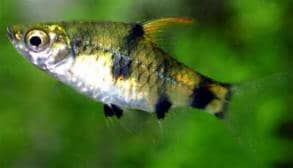
The Golden Dwarf Barb is a small, somewhat laterally compressed fish with a delicate, subtle appearance. The base coloration is a pale, semi-transparent golden to yellowish tone, and when the light catches them at the right angle in a planted tank, they have an almost glowing quality. The most distinctive feature is the pattern of dark blotches on the flanks. Irregular dark markings scattered along the lateral line and toward the caudal peduncle. Some specimens show two or three distinct blotches, while others have more scattered spotting. The fins are largely transparent to faintly yellowish, and healthy fish have a subtle iridescent shimmer to their scales.
This is a fish that reveals its beauty gradually. In a store tank under harsh lighting with a bare bottom, Golden Dwarf Barbs look like nothing special. Put them in a planted tank with dark substrate and some tannin-stained water, and they transform. The golden tones warm up, the dark markings provide contrast, and their active schooling behavior adds life to the midwater zone.
Male vs. Female
Sexing Golden Dwarf Barbs is possible once the fish are mature. Males are slimmer and more streamlined, with more intense golden coloration and slightly warmer, more orange-tinted tones when in breeding condition. Females are noticeably rounder and deeper-bodied, especially when full of eggs. A gravid female looks distinctly plump compared to the sleeker males. The body shape difference is the most reliable way to distinguish the sexes.
Average Size & Lifespan
Golden Dwarf Barbs max out at about 1.5 inches (4 cm), making them one of the smallest barb species in the hobby. Most specimens you see in aquariums will be in the 1 to 1.3 inch (2.5 to 3.3 cm) range. With proper care, they typically live 3 to 5 years. The keys to longevity are stable water conditions, cool temperatures, a varied diet with plenty of live or frozen foods, and keeping them in a large enough group that they feel secure.
Care Guide
Tank Size
A 10-gallon (38-liter) tank is the minimum for a school of Golden Dwarf Barbs. I’d recommend starting with at least 8 to 10 fish, and a 10-gallon can handle that comfortably as long as it’s well filtered and planted. If you want to add tank mates, step up to a 15 or 20-gallon (57 to 76-liter) tank. A longer tank is always preferable to a taller one, as these fish are active horizontal swimmers.
Water Parameters
| Parameter | Ideal Range |
|---|---|
| Temperature | 64 to 75°F (18 to 24°C) |
| pH | 6.0 to 7.0 |
| Hardness (GH) | 2 to 10 dGH |
| Ammonia | 0 ppm |
| Nitrite | 0 ppm |
| Nitrate | Below 20 ppm |
The temperature range is the most important thing to get right with this species. Golden Dwarf Barbs genuinely prefer cooler water than most tropical fish. The sweet spot is around 68 to 72°F (20 to 22°C) for long-term keeping. If your home stays in the high 60s to low 70s°F, you may not even need a heater. The water should be soft to moderately soft, with a slightly acidic to neutral pH. If you have harder water, consider blending with RO water or using botanicals like Indian almond leaves to soften it. Stability matters more than hitting an exact number, so avoid chasing a perfect pH at the expense of fluctuating conditions.
Filtration & Water Flow
Golden Dwarf Barbs come from slow-moving or still waters, so keep the flow gentle. A sponge filter is an excellent choice. It provides biological filtration without strong current and won’t suck up tiny fry if your barbs spawn. For larger tanks, a small hang-on-back filter with an adjustable flow rate works well. Just baffle the output if the current is too strong.
Lighting
Moderate lighting works best. In the wild, their habitats are shaded by vegetation, so strong lighting makes them feel exposed and stressed. If you’re running higher light for plant growth, floating plants like water lettuce, duckweed, or Amazon frogbit will create dappled shade zones where the barbs can feel comfortable. The contrast of light and shadow actually makes their golden coloration look its best.
Plants & Decorations
This species absolutely thrives in a planted tank. Dense vegetation is essential, both for security and for bringing out their best behavior. Good plant choices include Java moss, Java fern, Cryptocorynes, Anubias, and various stem plants. Driftwood and leaf litter are excellent additions. Decaying Indian almond leaves release tannins that soften the water and mimic their natural habitat, while also providing surfaces for biofilm growth that the barbs will pick at throughout the day.
Substrate
A dark, fine-grained substrate is the way to go. Dark sand or fine gravel brings out the golden tones in these fish dramatically compared to a light-colored substrate. Their natural habitats have soft, silty bottoms, so a fine substrate that supports rooted plants is ideal. Aqua soil designed for planted tanks works perfectly. Avoid large, coarse gravel that traps debris and doesn’t suit the aesthetic or practical needs of a nano setup.
Is the Golden Dwarf Barb Right for You?
Before you buy, run through this honest checklist. The Golden Dwarf Barb is a great fish for the right keeper, but it is not for everyone.
- You have a nano tank (10-15 gallons) or a calm planted community
- You want a tiny, warm-colored barb that complements live plants beautifully
- You can keep a group of 8+ for confident, active behavior
- Your tank does not include fast-moving or aggressive species
- You keep soft to moderately hard water with a neutral to slightly acidic pH
- You want a beginner-friendly species that still looks impressive in the right setup
Tank Mates
Choosing tank mates for Golden Dwarf Barbs requires some thought because of their tiny size and preference for cooler water. Any fish large enough to eat them is out, and species that require temperatures above 76°F (24°C) aren’t compatible. The good news is there’s a solid selection of peaceful, cool-tolerant nano fish that work beautifully alongside them.
Best Tank Mates
- White Cloud Mountain Minnows. A classic pairing. Both species love cooler water and are peaceful.
- Celestial Pearl Danios. Small, peaceful, and does well in the same temperature range.
- Pygmy Corydoras. Tiny, peaceful bottom-dwellers that add activity to the lower levels.
- Ember Tetras. Can overlap at the upper end of the barb’s range around 72 to 75°F (22 to 24°C).
- Dwarf Rasboras (Boraras species). Peaceful and appropriately sized.
- Amano Shrimp and Cherry Shrimp. Adults are safe; barbs may eat the occasional baby shrimp.
- Nerite Snails. Excellent algae cleaners that won’t interact with the barbs.
Tank Mates to Avoid
- Tiger Barbs. Too large and boisterous for these tiny fish.
- Cichlids. Even dwarf cichlids can be territorial and may view them as food.
- Large gouramis. Any gourami big enough to eat them will eventually try.
- Aggressive feeders. Fast-moving fish will outcompete these timid barbs for food.
- High-temperature species. Fish needing 78°F and above (discus, angelfish) aren’t compatible.
Food & Diet
In the wild, Golden Dwarf Barbs are micropredators that feed on tiny invertebrates, insect larvae, zooplankton, and small worms. They also graze on algae and biofilm. The most important thing to get right in captivity is food size. Standard flakes and pellets are often too large for their tiny mouths. Crushed flakes or micro pellets designed for nano fish should be a staple.
Live and frozen foods make a significant difference with this species. Baby brine shrimp, daphnia, micro worms, grindal worms, and cyclops are all excellent choices. I’d recommend offering live or frozen foods at least 3 to 4 times per week, with high-quality micro pellets or crushed flakes filling in the gaps. A well-fed Golden Dwarf Barb shows noticeably better coloration than one living on dry food alone. Feed small amounts two to three times daily rather than one large feeding. These tiny fish have fast metabolisms but can’t eat much at once.
Breeding & Reproduction
Golden Dwarf Barbs are egg scatterers that can be bred in captivity with some preparation. The challenge isn’t so much triggering spawning. It’s protecting the eggs and raising the tiny fry.
Breeding Difficulty
Moderate. Getting them to spawn isn’t particularly hard, but raising the fry requires small foods and clean water conditions. The biggest challenge is preventing the adults from eating their own eggs immediately after spawning.
Spawning Tank Setup
Set up a separate breeding tank of 5 to 10 gallons (19 to 38 liters) with gentle sponge filtration. The bottom should be covered with fine-leaved plants like Java moss, spawning mops, or a mesh grid that allows eggs to fall through but keeps the adults from reaching them. This egg protection is critical. Without it, the parents will consume the eggs almost immediately after spawning.
Water Conditions for Breeding
Breeding water should be soft and slightly acidic: aim for a pH around 6.0 to 6.5 and a GH of 2 to 5 dGH. Temperature should be at the warmer end of their range, around 72 to 75°F (22 to 24°C). A slight temperature increase of a few degrees combined with increased feeding of live foods often triggers spawning behavior.
Conditioning & Spawning
Condition a group of adults with heavy feedings of live foods for one to two weeks before transferring them to the breeding tank. Females should be visibly plump with eggs. Spawning typically occurs in the morning with the first light. The male will chase and display to the female, and she’ll scatter small, semi-adhesive eggs among the fine-leaved plants or moss. A single female may produce 50 to 100 eggs per spawning. Remove the adults immediately after spawning to prevent egg predation.
Egg & Fry Care
The eggs hatch in approximately 24 to 36 hours depending on temperature. The fry are extremely small and will absorb their yolk sacs for a couple of days before becoming free-swimming. First foods should be infusoria, paramecium, or liquid fry food for the first week, then transition to newly hatched baby brine shrimp. Keep the fry tank extremely clean with gentle sponge filtration and small, frequent water changes. Growth is slow compared to larger barb species, and it takes several months for the young fish to reach community-safe size.
Common Health Issues
Golden Dwarf Barbs are reasonably hardy when kept in appropriate conditions, but their small size makes them vulnerable to environmental stress. Most health problems trace back to water quality issues, temperature mismatches, or dietary deficiencies.
Ich (White Spot Disease)
Ich is the most common freshwater parasite, and Golden Dwarf Barbs can be susceptible when stressed by temperature fluctuations or recent shipping. Treatment with a commercial ich medication at half dose combined with a gradual temperature increase to around 78°F (26°C) is the standard approach. Be cautious with copper-based treatments, as small fish can be more sensitive to these medications.
Fin Rot
Ragged, deteriorating fins typically indicate a bacterial infection driven by poor water quality. Prevention through regular water changes and proper filtration is the best medicine. Mild cases often clear up on their own once water quality improves. More severe cases requires antibiotic treatment, but always try improving conditions first before reaching for medications with these small, sensitive fish.
Columnaris
This bacterial infection presents as white or grayish patches on the body, often starting around the mouth area. It can progress rapidly and is often fatal if not caught early. Columnaris thrives in warmer water, which is another reason to keep Golden Dwarf Barbs at the cooler end of their range. Treatment typically involves antibiotic medications and lowering the water temperature.
Stress-Related Issues
Many health problems trace back to chronic stress from water that’s too warm, groups that are too small, aggressive tank mates, or lack of plant cover. A stressed barb shows faded colors, clamped fins, and reduced appetite. Addressing the root cause is always more effective than treating symptoms.
Common Mistakes to Avoid
- Keeping them too warm. Golden Dwarf Barbs do best between 64 and 75°F (18 and 24°C). Keeping them at 78 to 82°F stresses them and shortens their lifespan.
- Too few in the group. A group of 3 or 4 will be shy and spend most of their time hiding. You need at least 8 to 10 for natural schooling behavior.
- Food too large. Standard flakes and pellets are too big for their tiny mouths. Crush flakes or use micro pellets designed for nano fish.
- Confusing them with the larger “Golden Barb.” Barbodes semifasciolatus reaches 3 inches (7.5 cm) and has different care requirements. Always verify the scientific name.
- Bare tanks with no plant cover. Dense vegetation is not optional. It’s essential for their wellbeing.
- Housing with large tank mates. Anything that can fit them in its mouth will cause serious problems.
Where to Buy
Golden Dwarf Barbs aren’t as commonly stocked as Cherry Barbs or Tiger Barbs, but they’re not rare either. You’re more likely to find them at specialty shops that cater to planted tank and nano hobbyists than at big box pet stores. For healthy specimens shipped directly to your door, I recommend these trusted online retailers:
Both are reputable sellers who ship responsibly. Availability of less common species like the Golden Dwarf Barb can vary, so check their sites regularly if the species isn’t currently listed.
Frequently Asked Questions
How many Golden Dwarf Barbs should I keep?
A minimum of 8, with 10 to 12 being even better. These are social, schooling fish that need numbers to feel secure. In small groups, they become reclusive and stressed, hiding among the plants instead of swimming actively in the open. Larger groups produce much bolder, more interesting behavior and better coloration.
Do Golden Dwarf Barbs need a heater?
It depends on your room temperature. If your home stays consistently above 64°F (18°C), you may not need a heater at all. Many hobbyists keep these fish successfully in unheated tanks year-round. In cooler climates or during winter, a low-wattage heater set to around 68°F (20°C) provides a safety net against dangerous temperature drops. These fish actually prefer cooler conditions, so don’t heat their water to the standard 78°F tropical range.
Are Golden Dwarf Barbs the same as Gold Barbs?
No, and this is a very common source of confusion. The Golden Dwarf Barb (Pethia gelius) is a tiny species maxing out at 1.5 inches (4 cm). The Gold Barb or Golden Barb (Barbodes semifasciolatus) is a larger species reaching about 3 inches (7.5 cm) with different care requirements and a much bolder, more solid gold coloration. Always check the scientific name when purchasing.
Can Golden Dwarf Barbs live with shrimp?
Yes, adult Cherry Shrimp and Amano Shrimp are safe with Golden Dwarf Barbs. The barbs may eat very small baby shrimp, but adults are too large to be bothered. If you’re breeding shrimp in the same tank, dense Java moss and other hiding spots will help shrimplets survive. This is one of the more shrimp-safe fish species available due to their tiny mouth size.
What’s the difference between Pethia gelius and Pethia aurea?
Pethia aurea is a closely related species that was formerly included within P. Gelius. The two look very similar and are often sold interchangeably. P. Aurea will have fewer, more well-defined dark blotches compared to the more scattered irregular markings on P. Gelius. From a care standpoint, both species have essentially identical requirements, so the distinction mainly matters to taxonomists and purists.
Are Golden Dwarf Barbs good for beginners?
They’re rated as moderate care. Not the best first fish, but suitable for anyone with basic fishkeeping experience. The main considerations are their need for cooler water, soft water parameters, small food sizes, and a properly planted environment. A 10-gallon (38-liter) planted tank is the minimum. If you’ve successfully maintained a planted tank before, you should have no trouble with them.
How the Golden Dwarf Barb Compares to Similar Species
Golden Dwarf Barb vs. Checker Barb
The Checker Barb is slightly larger and more confident, making it better for tanks with moderate activity. The Golden Dwarf Barb is smaller and shyer, making it better for dedicated nano setups. Both are peaceful and community-safe.
Golden Dwarf Barb vs. Emerald Dwarf Rasbora
Despite being different families, both fill the same nano tank role. The Emerald Dwarf Rasbora has more intense coloring with blue and orange tones, while the Golden Dwarf Barb has warmer golden tones. Both need groups and calm tank mates. They can actually be combined in a nano setup.
What It Is Actually Like Living With Golden Dwarf Barb
Golden dwarf barbs are the warm-toned option for nano tanks dominated by cool-colored fish. The golden body adds a different light quality than the silvers and blues of most nano species.
They school tightly when nervous and loosely when comfortable. Watching the transition from tight school to relaxed drift tells you your tank is working.
Feeding requires small foods. Crushed flake and micro pellets are the staples. Live baby brine shrimp brings out the best color.
Closing Thoughts
At barely an inch, the golden dwarf barb is the nano barb that proves you do not need size to have schooling behavior worth watching.
The Golden Dwarf Barb rewards patience. It won’t wow you the moment you drop it in a tank, but give it time in a planted setup with dark substrate, soft water, cool temperatures, and a proper-sized group, and it becomes something genuinely special. That semi-transparent golden shimmer, the active schooling behavior, the way they pick through moss and leaf litter. There’s a quiet elegance to these fish that flashier species can’t replicate.
If you’re looking for a cool water schooling fish with real character, the Golden Dwarf Barb deserves a spot on your shortlist. They pair beautifully with White Cloud Mountain Minnows, they won’t bother your shrimp, and they bring life to the midwater zone of a small planted tank. Just remember: keep them cool, keep them in numbers, and give them plenty of plants. Do that, and these little barbs will reward you with years of subtle, shimmering beauty.
Recommended Video
References
- Froese, R. And D. Pauly, Editors. FishBase. Pethia gelius (Hamilton, 1822). https://www.fishbase.se/summary/Pethia-gelius.html
- Seriously Fish. Pethia gelius. Golden Dwarf Barb. https://www.seriouslyfish.com/species/pethia-gelius/
- Pethiyagoda, R., Meegaskumbura, M., & Maduwage, K. (2012). A synopsis of the South Asian fishes referred to Puntius. Ichthyological Exploration of Freshwaters, 23(1), 69-95.
- Practical Fishkeeping. Golden Dwarf Barb species profile. https://www.practicalfishkeeping.co.uk
- About the Author
- Latest Posts

I’m Mark Valderrama, founder of Aquarium Store Depot and a fishkeeper with over 25 years of hands-on experience. I started in the hobby at age 11, worked at local fish stores, and have kept freshwater tanks, ponds, and reef tanks ever since. I’ve been featured in two best-selling aquarium books on Amazon and built this site to share practical, experience-based fish keeping knowledge.
Leave a Reply