
Last Updated: June 25, 2026
Thank you for visiting! By the way… any links on this page that lead to products on Amazon and other stores/partners are affiliate links Aquarium Store Depot earns a commission if you make a purchase.
Every now and then you come across a tetra that makes you wonder why it isn’t more popular. The Dash-Dot tetra (Hemigrammus bellottii) is exactly that kind of fish. It’s small, peaceful, easy to keep, and has a clean, understated look that grows on you the more you watch it. A golden stripe runs the length of the body, a distinctive dark dash sits at the base of the tail followed by a lighter spot, and a flash of red lights up the upper eye. It’s not the flashiest fish in the store, but in a planted tank with a dark background, a school of these looks absolutely fantastic.
The tetra that earns respect through behavior, not color.
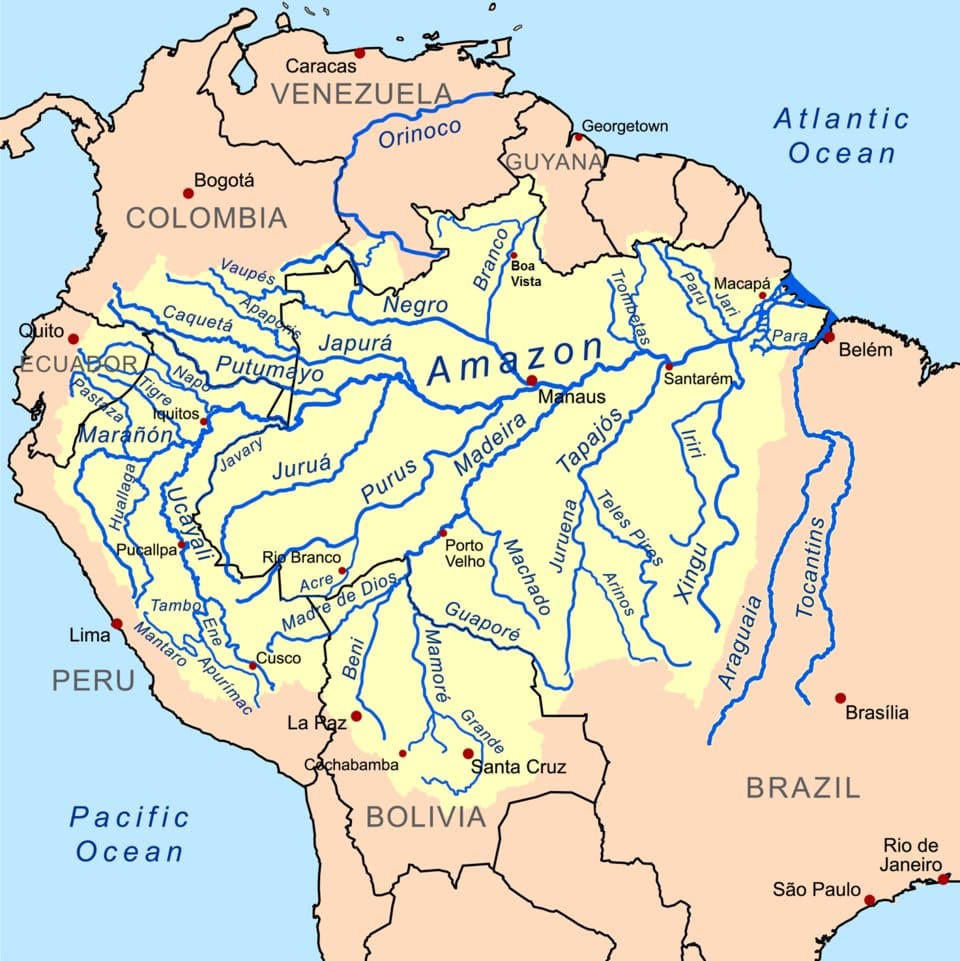
What really sets the Dash-Dot tetra apart is how adaptable it is. This species has one of the widest natural distributions of any small tetra, found across the Amazon basin, the Rio Negro, the Orinoco drainage, and numerous tributaries throughout South America. That broad range translates directly into hardiness in the aquarium. They handle a wide range of water parameters without complaint, making them a genuinely great option for beginners and experienced fishkeepers alike.
If you’re looking for a hardy, peaceful nano tetra that won’t break the bank or your patience, let’s take a closer look at what makes this little fish worth your attention.
What Most Care Guides Get Wrong About the Dash-Dot Tetra
Most care guides treat the dash-dot tetra as interchangeable with any other small characin, and that’s a disservice to this fish. The biggest misconception I see is about their activity level. Guides call them “peaceful and calm,” but in reality, dash-dot tetras are surprisingly active swimmers that need horizontal swimming space more than most tetras their size. They’re not hyperactive, but they definitely cover ground. The other thing guides miss is that these fish look absolutely washed out in bright, open tanks. Their subtle markings. That dash and dot pattern. Only become distinct under moderate lighting with plenty of plant cover. Without that contrast, they just look like generic silver fish.
The Reality of Keeping Dash-Dot Tetra
Group size is not a suggestion. The minimum school size for dash-dot tetra is not just a guideline. In small groups, these fish lose color, become stressed, and display abnormal behavior. A proper group of 6 to 8+ is where you start to see natural schooling behavior, full color expression, and the confidence that makes them worth keeping.
Tank mate selection requires thought. The dash-dot tetra is not aggressive in the traditional sense, but it is assertive enough to cause problems with the wrong companions. Slow-moving, long-finned species are targets. Fast, short-finned fish of similar size are fine. Plan your community around this reality.
Hardy does not mean indestructible. The dash-dot tetra tolerates a range of conditions, but it still needs basic care. Ammonia spikes, dramatic temperature swings, and neglected water changes will catch up to even the toughest species. The difference is margin of error, not immunity.
Store appearance is not home appearance. Fish in store tanks are stressed, crowded, and under inappropriate lighting. The dash-dot tetra almost always looks better in a properly set up home aquarium than it does at the store. Dark substrate, live plants, and appropriate lighting bring out colors and behaviors you will never see in a retail environment.
Biggest Mistake New Owners Make
Keeping them with fish small enough to eat. This is a predator. It will eat anything it can fit in its mouth. If you stock smaller fish with a dash-dot tetra, you are feeding it expensive live food.
Dash-dot tetras are a peaceful schooling fish that reward hobbyists who dial in soft, slightly acidic water. Their distinctive pattern is the payoff — but only in the right conditions. Standard hard tap water keeps them alive but washes out the markings. Soft water, a planted tank, and a school of 8 or more is where this species actually performs.
Key Takeaways
- Named for its distinctive marking pattern, a dark dash on the caudal peduncle followed by a lighter spot, giving it the “dash-dot” common name
- One of the hardiest small tetras available, tolerating a wide pH range from 5.0 to 7.5 and adapting easily to most community setups
- Stays small at around 1.2 inches (3 cm), making it well-suited for 15-gallon and larger planted aquariums
- Widely distributed across the Amazon and Orinoco basins, which contributes to its genetic hardiness and adaptability in captivity
- Recently reclassified from Characidae to Acestrorhamphidae under the 2024 Melo et al. Phylogenetic revision
The dash-dot tetra is a peaceful, mid-size schooler that works in most community setups. It is hardy, easy to feed, and does not cause problems with tank mates. The distinctive dash-and-dot pattern on the body gives it more visual interest than most generic silver tetras.
The dash-dot tetra is the definition of a reliable community fish. Nothing flashy, nothing complicated, just works.
Species Overview
| Common Names | Dash-Dot Tetra, Gold Line Tetra, Bellotti’s Tetra |
| Scientific Name | Hemigrammus bellottii |
| Family | Acestrorhamphidae |
| Origin | Amazon basin, Rio Negro, Orinoco drainage, South America |
| Temperament | Peaceful, schooling |
| Size | 1.2 inches (3 cm) |
| Minimum Tank Size | 15 gallons (57 liters) |
| Diet | Omnivore |
| Tank Level | Mid |
| Temperature | 73-82°F (23-28°C) |
| pH | 5.0-7.5 |
| Hardness | 1-12 dGH |
| Lifespan | 3-5 years |
| Care Level | Easy |
Contents
- Key Takeaways
- Species Overview
- Classification
- Origin & Natural Habitat
- Appearance & Identification
- Average Size & Lifespan
- Care Guide
- What People Get Wrong
- Tank Mates
- Food & Diet
- Breeding & Reproduction
- Common Health Issues
- Common Mistakes to Avoid
- Where to Buy
- Frequently Asked Questions
- Closing Thoughts
- Recommended Video
- References
Classification
| Order | Characiformes |
| Family | Acestrorhamphidae (reclassified from Characidae per Melo et al. 2024) |
| Subfamily | Pristellinae |
| Genus | Hemigrammus |
| Species | H. Bellottii (Steindachner, 1882) |
Dash-dot tetras (Aphyocharax paraguayensis) need soft, acidic water and stable conditions to display their best color. They’re not overly difficult, but they’re not a beginner fish — they reward hobbyists who pay attention to water chemistry.
The Dash-Dot tetra was first described by Franz Steindachner in 1882 and named in honor of the Italian ichthyologist Cristoforo Bellotti. For most of its history, this species sat comfortably within the family Characidae, the enormous catch-all family that housed the majority of small South American tetras.
That classification changed in 2024 when Melo et al. Published their comprehensive phylogenetic revision of the Characidae. Based on molecular analysis, Hemigrammus was moved into the newly established family Acestrorhamphidae, subfamily Pristellinae. Most hobby references and retailer listings still show Characidae, and it will likely take years for the change to filter through every database. But the reclassification is well-supported by the genetic data and represents the current scientific consensus.
Origin & Natural Habitat
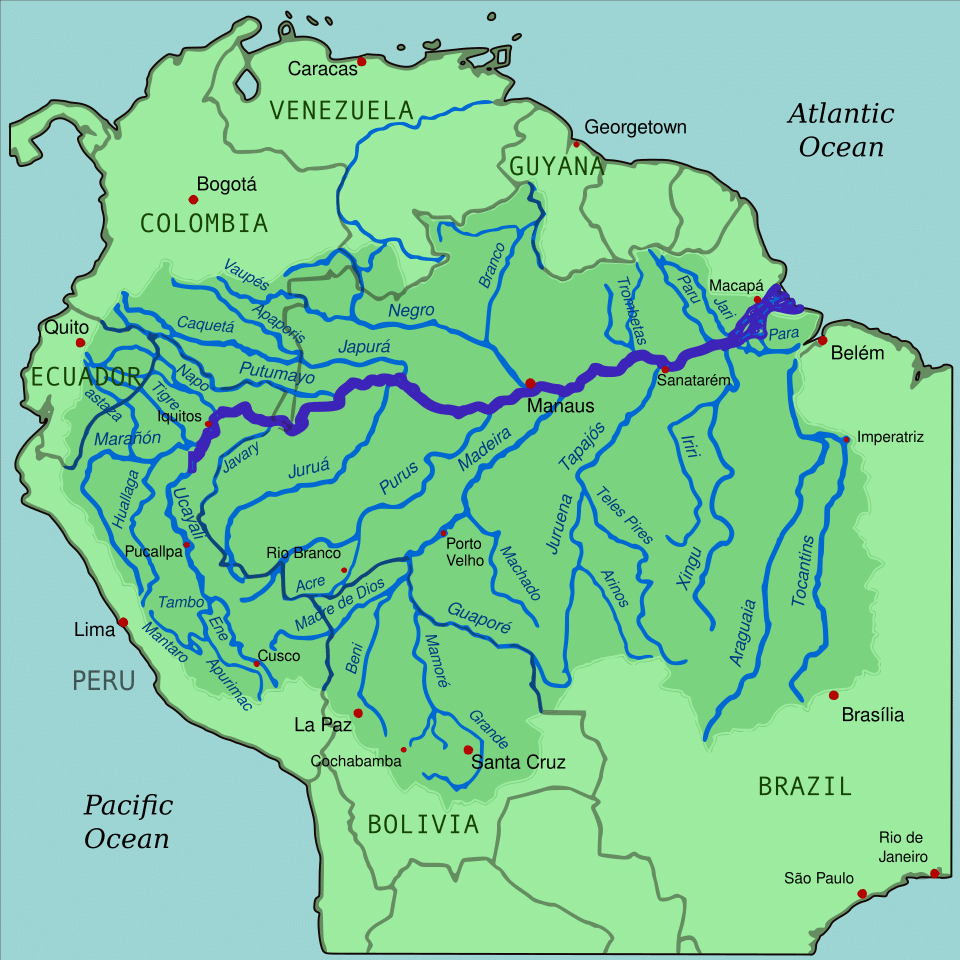
One of the most interesting things about Hemigrammus bellottii is just how widespread it is. Unlike many tetras that are restricted to a single river system or tributary, the Dash-Dot tetra is found throughout the Amazon basin, the Rio Negro, the Orinoco drainage in Venezuela and Colombia, and numerous other tributaries and waterways across northern South America. This exceptionally broad distribution is part of what makes the species so hardy in captivity. A fish that thrives across such a wide geographic range has, by nature, evolved to handle a variety of water conditions.
In the wild, Dash-Dot tetras typically inhabit slow-moving streams, tributaries, and flooded forest areas. Many populations are found in blackwater or clearwater environments where tannin-stained water, fallen leaves, and dense root structures create a dimly lit, complex habitat. The water in these areas is soft and acidic, though populations in different drainages experience a range of conditions, which explains the species’ adaptability.
Understanding this natural background helps you set up the right aquarium environment. While they don’t require blackwater conditions in captivity, providing some tannin sources like driftwood or leaf litter, subdued lighting, and plenty of cover will bring out their best coloration and most natural behavior.
Appearance & Identification
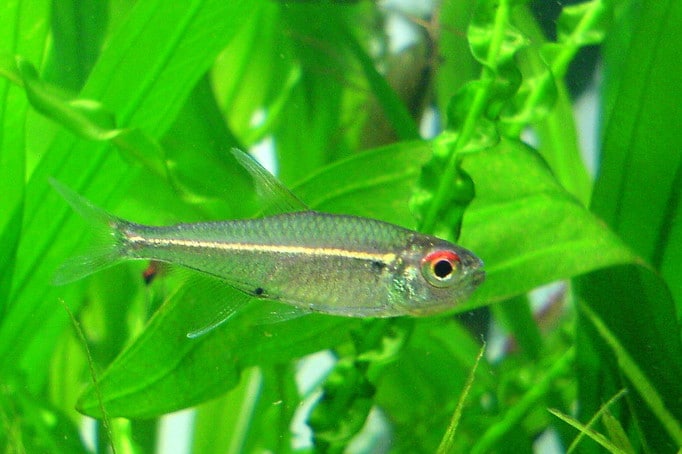
The Dash-Dot tetra gets its common name from the distinctive marking at the base of its tail. A dark horizontal dash sits on the caudal peduncle, followed immediately by a lighter spot. This dash-dot pattern is the most reliable visual identifier for the species and separates it from several similar-looking tetras. Once you know what to look for, it’s easy to pick them out.
Running along the midline of the body is a gold to copper-colored lateral stripe that catches the light beautifully under aquarium conditions. The body itself is translucent and silvery with a slight olive tone on the dorsal surface. One of the more charming details is a small red spot on the upper portion of the iris, a trait this species shares with several other Hemigrammus species like the head-and-tail-light tetra. The fins are mostly clear and hyaline, giving the fish a clean, streamlined look.
The Dash-Dot tetra is sometimes confused with the head-and-tail-light tetra (Hemigrammus ocellifer), and the two species do share certain features like the red eye spot and a caudal marking. However, the Dash-Dot tetra is noticeably smaller, has a more prominent gold lateral stripe, and displays that specific dash-dot pattern rather than the round light-reflecting spot seen on H. Ocellifer.
Male vs. Female
Sexing Dash-Dot tetras is tricky outside of breeding condition. Females are slightly fuller-bodied and rounder through the midsection, particularly when carrying eggs. Males are a bit slimmer and may show slightly more intense coloration along the lateral stripe during courtship. Viewing the fish from above is often the easiest way to spot gravid females, as they’ll be visibly wider than males of the same size.
Average Size & Lifespan
The Dash-Dot tetra is a true nano species, maxing out at about 1.2 inches (3 cm) in total length. Most specimens in the aquarium settle in right around that size. This makes them one of the smaller Hemigrammus species and a great fit for modestly-sized planted tanks.
With proper care, expect a lifespan of 3 to 5 years. Good water quality, a varied diet, and appropriate school sizes are the biggest factors in pushing toward that upper range. Stressed or poorly-kept fish will show a significantly shorter lifespan, so consistency in maintenance matters more than anything else.
Care Guide
The Dash-Dot tetra is one of the easier small tetras to keep. Its wide natural distribution has produced a fish that’s genuinely adaptable, tolerating a broad range of water parameters without complaint. If you can maintain stable water conditions and keep up with regular maintenance, this species will thrive for you.
Tank Size
A 15-gallon (57 liter) tank is the minimum for a school of 6 Dash-Dot tetras. Given their small size, they don’t need a huge tank, but they are active mid-water swimmers that appreciate horizontal swimming room. A 20-gallon long is an ideal setup for a school of 10 to 12, and the extra length lets you really appreciate their schooling behavior. If you’re building a larger community tank, these fish scale up beautifully. A school of 15 to 20 in a 40-gallon breeder is a sight to see.
Water Parameters
| Temperature | 73-82°F (23-28°C) |
| pH | 5.0-7.5 |
| Hardness | 1-12 dGH |
| Ammonia/Nitrite | 0 ppm |
| Nitrate | Below 20 ppm |
That pH range of 5.0 to 7.5 is notably wide for a small tetra, and it reflects the species’ broad geographic distribution. Whether your tap water runs soft and acidic or moderately hard and neutral, the Dash-Dot tetra will likely handle it just fine. Soft, slightly acidic water will bring out the best coloration, but this is a fish that won’t punish you for imperfect parameters. Stability is always more important than hitting a specific number.
Filtration & Water Flow
Any standard aquarium filter rated for your tank size will work well. Hang-on-back filters and sponge filters are both excellent options. Since Dash-Dot tetras come from slow-moving and still water environments, keep the flow gentle to moderate. A powerful canister filter with an unrestricted output can create too much current for these small fish, pushing them around and disrupting natural schooling patterns. If you’re using a filter with a strong output, baffle it with a sponge or spray bar to diffuse the flow.
Lighting
Moderate to subdued lighting works best. In their natural habitat, Dash-Dot tetras live under a canopy of vegetation and overhanging trees that filter the light significantly. Bright, direct overhead lighting will wash out their colors and make them feel exposed. Floating plants are one of the easiest ways to create the dappled light effect these fish prefer while still giving your rooted plants enough energy to grow. Frogbit, water sprite, or red root floaters all work well for this purpose.
Plants & Decorations
A planted tank is the ideal setup for Dash-Dot tetras. They feel most secure and display the most natural behavior when surrounded by live plants, driftwood, and leaf litter. Java fern, anubias, and cryptocorynes are low-maintenance options that do well in the subdued lighting these fish prefer. Stem plants like rotala or hygrophila can fill in the background while leaving open swimming space in the center and front of the tank.
Adding Indian almond leaves or other botanical materials provides tannins that mimic their natural blackwater habitat and can bring out richer coloration. Driftwood serves double duty as decoration and a natural tannin source. The key is to balance plant cover and open water so the school has room to swim together while having places to retreat to when they want shelter.
Substrate
A dark substrate will make the biggest visual impact with this species. The gold lateral stripe and the warm body tones pop dramatically against dark sand or fine gravel compared to a lighter-colored substrate. Any inert sand or gravel works fine, though if you’re keeping live plants, a nutrient-rich planted substrate like a commercial aquasoil will support both the plants and the overall biotope look. Avoid large, sharp-edged gravel, as these fish occasionally forage near the bottom and rough substrates can cause damage.
Is the Dash-Dot Tetra Right for You?
The dash-dot tetra is a fish for hobbyists who appreciate nuance over flash. Here’s how to decide if they belong in your tank:
- You appreciate subtle, understated beauty over flashy neon colors
- You have a well-planted tank with moderate lighting. That’s where they shine
- You want a hardy community fish that won’t cause problems with any tank mate
- You enjoy keeping less common species that most hobbyists overlook
- You have a tank that’s at least 20 gallons long to give them swimming room
- Skip these if you want a tetra that pops from across the room. Their beauty is up-close and personal
What People Get Wrong
Dash-dot tetras are often purchased without a clear understanding of their water requirements. They come from South American rivers with soft, acidic conditions — not the neutral or hard water found in most home aquariums. Keeping them in the wrong water chemistry dulls their color and shortens their lifespan. This is not a fish for the default community tank setup.
The distinctive “dash-dot” pattern is the defining feature of this species, and it fades in suboptimal conditions. If your fish look plain and washed out, check water hardness and pH first. The pattern comes alive in the right environment.
Group size is the other consistent mistake. People buy 4 or 5 because they’re small fish and assume that’s fine. It’s not. Dash-dot tetras in small groups are skittish and spend their time hiding. Eight or more is where the confident, active schooling behavior begins.
Tank Mates
The Dash-Dot tetra is a genuinely peaceful species with no fin-nipping tendencies. It slots into virtually any community tank without causing problems. The only real concern is its small size, so avoid housing them with anything large enough to see a 1.2-inch (3 cm) fish as a snack.
Best Tank Mates
- Other tetras: Neon tetras, cardinal tetras, ember tetras, rummy nose tetras, glowlight tetras, head-and-tail-light tetras
- Rasboras: Harlequin rasboras, chili rasboras, lambchop rasboras
- Corydoras catfish: Any species, including bronze, panda, pygmy, and julii corys
- Dwarf cichlids: Apistogramma species, ram cichlids
- Gouramis: Honey gouramis, sparkling gouramis
- Livebearers: Guppies, endlers, platies
- Invertebrates: Amano shrimp, cherry shrimp, nerite snails, mystery snails
- Plecos and algae eaters: Bristlenose pleco, otocinclus
The Dash-Dot tetra pairs especially well with the head-and-tail-light tetra, which is a close relative in the same genus. Keeping both species together creates an interesting comparison, as they share certain features like the red eye spot but differ in size and marking patterns. It’s a nice way to showcase the diversity within Hemigrammus.
Tank Mates to Avoid
- Large cichlids: Oscars, Jack Dempseys, green terrors, and other predatory cichlids will eat them
- Aggressive species: Red devil cichlids, large aggressive barbs
- Large predatory fish: Arowana, pike cichlids, large catfish
- Fin nippers in large numbers: Tiger barbs can occasionally harass smaller, slower-moving tank mates
Food & Diet
Dash-Dot tetras are easy to feed and will accept just about anything you put in the water. In the wild, they feed on small insects, insect larvae, zooplankton, and bits of plant matter. Replicating a varied diet in the aquarium is simple and goes a long way toward keeping them healthy and colorful.
A high-quality micro pellet or crushed flake food should serve as the daily staple. Supplement this with frozen or freeze-dried foods like brine shrimp, daphnia, cyclops, and bloodworms two to three times per week. These protein-rich supplements help maintain vibrant coloration and keep the fish in good condition. Live foods like baby brine shrimp or micro worms are also excellent if you have access to them and are especially useful for conditioning breeding pairs.
Because of their small mouth size, pay attention to food particle size. Standard-sized pellets may be too large. Crush flakes between your fingers and opt for micro pellets designed for nano fish. Feed small amounts twice daily and remove any uneaten food after a few minutes to keep water quality in check.
Breeding & Reproduction
Breeding Dash-Dot tetras follows the same general pattern as most Hemigrammus species. They are egg scatterers with no parental care, and the adults will eagerly eat their own eggs and fry if given the chance. A dedicated breeding setup is necessary for any real success.
Breeding Difficulty
Moderate. The Dash-Dot tetra is not particularly difficult to spawn compared to some other small tetras, but raising the fry requires attention. The main challenges are triggering spawning with the right water conditions and protecting the eggs from the parents.
Spawning Tank Setup
Set up a small breeding tank of 5 to 10 gallons. Keep it dimly lit, as the eggs are sensitive to light. Cover the bottom with a layer of java moss or a fine mesh spawning grid that allows eggs to fall through but prevents the adults from reaching them. A spawning mop made of dark yarn works well too. An air-powered sponge filter provides gentle filtration without creating enough suction to pull in eggs or tiny fry.
Water Conditions for Breeding
Soft, acidic water is important for triggering spawning and ensuring good egg viability. Aim for a pH of 5.5 to 6.5 and a hardness below 4 dGH. Temperature should be slightly elevated, around 78-80°F (26-27°C). RO water mixed with a small amount of tap water works well for achieving these conditions. Adding peat extract or Indian almond leaves helps lower the pH naturally while tinting the water, which helps protect the light-sensitive eggs.
Conditioning & Spawning
Condition a breeding pair or small group with protein-rich live and frozen foods for 1 to 2 weeks before introducing them to the spawning tank. Brine shrimp, daphnia, and bloodworms are ideal conditioning foods. Females that are ready to spawn will appear noticeably plumper through the belly as they fill with eggs.
Introduce the conditioned pair to the breeding tank in the evening. Spawning typically occurs the following morning during the first hours of light. The female scatters adhesive eggs among the plants or spawning medium while the male follows closely to fertilize them. A single spawning event can produce anywhere from 50 to 150 eggs depending on the size and condition of the female.
Egg & Fry Care
Remove the adults immediately after spawning is complete. The eggs are small, semi-transparent, and will hatch in approximately 24 to 36 hours at the recommended temperature. Keep the tank dark or very dimly lit during this period to protect the developing eggs.
The fry become free-swimming about 3 to 4 days after hatching. Initial foods should be infusoria, liquid fry food, or powdered spirulina. After roughly a week, the fry will be large enough to accept freshly hatched baby brine shrimp, which will accelerate their growth significantly. Maintain pristine water quality with small, frequent water changes, and avoid any sudden parameter swings during this fragile stage.
Common Health Issues
The Dash-Dot tetra is a hardy species that rarely gets sick when kept in well-maintained conditions. Most health problems trace back to poor water quality, sudden parameter changes, or the introduction of diseased fish without quarantine. Here are the most common issues to watch for.
Ich (White Spot Disease)
Ich is the most common disease in freshwater aquariums, and no tetra is completely immune. Look for small white spots on the body and fins, flashing (rubbing against objects), and clamped fins. Temperature fluctuations and stress from new introductions are the most common triggers. Treatment involves gradually raising the temperature to 82-86°F (28-30°C) over 24 hours combined with a commercial ich medication. Aquarium salt is added at 1 tablespoon per 5 gallons, but use the lower end of recommended dosages since tetras are more sensitive to salt than some other freshwater fish.
Neon Tetra Disease
Despite its name, neon tetra disease affects many small tetra species, including Hemigrammus members. Caused by the microsporidian parasite Pleistophora hyphessobryconis, symptoms include fading coloration, loss of the lateral stripe, difficulty swimming, and a curved spine. Unfortunately, there is no reliable cure. Affected fish should be removed immediately to prevent transmission to the rest of the school.
Fin Rot
Fin rot presents as ragged, frayed, or discolored fin edges and is almost always caused by bacterial infection secondary to poor water quality. The first and most important step is improving water quality through increased water changes. In mild cases, clean water alone resolves the issue within a week or two. More advanced cases require antibiotic treatment with medications containing erythromycin or similar compounds.
Common Mistakes to Avoid
- Keeping too few. A group of 3 or 4 is not a school. Dash-Dot tetras need a minimum of 6, and they’re noticeably more confident and active in groups of 10 or more. Small groups lead to stressed, skittish fish that hide constantly.
- Using overly bright lighting. Harsh overhead lighting washes out the gold lateral stripe and makes the fish feel exposed. Use floating plants or dial back the intensity to bring out their best colors.
- Skipping quarantine. Always quarantine new arrivals for 2 to 4 weeks before introducing them to an established community tank. This is the single best way to prevent disease outbreaks.
- Confusing them with head-and-tail-light tetras. They’re related but different species. The Dash-Dot tetra is smaller with a distinct dash-dot caudal marking rather than the round reflective spot of H. Ocellifer. Verify what you’re buying at the store.
- Neglecting water changes. Even though this species is hardy, consistent 25-30% weekly water changes are essential for long-term health. Don’t let their toughness become an excuse for lax maintenance.
- Feeding oversized foods. Their mouths are tiny. Standard pellets and large flake pieces is difficult for them to eat. Crush flakes and use micro pellets designed for nano fish.
Where to Buy
The Dash-Dot tetra is not a fish you’ll find at every chain pet store, but it does show up regularly through specialty online retailers. Two reliable sources to check are Flip Aquatics and Dan’s Fish. Both are reputable online fish stores that stock a wide variety of tetra species and ship directly to your door.
You also find them at local fish stores that specialize in South American species or stock a broader variety of tetras beyond the usual neons and cardinals. They sometimes appear under the name “Gold Line Tetra” or “Bellotti’s Tetra,” so be aware of the alternate names when searching. If your local store doesn’t carry them, ask if they can add the species to their next wholesale order.
Pricing is typically reasonable, in the range of $3 to $5 per fish depending on the retailer. As with all schooling fish, buy a group of at least 6 at once. When selecting fish, look for active individuals with clear eyes, intact fins, and a visible gold lateral stripe. Avoid any fish showing clamped fins, white spots, or faded coloration.
Frequently Asked Questions
What is the difference between a Dash-Dot Tetra and a Head-and-Tail-Light Tetra?
Both are Hemigrammus species with a red eye spot and a marking at the base of the tail, but they are distinct species. The Dash-Dot tetra (H. Bellottii) is smaller, reaching about 1.2 inches (3 cm) versus 2 inches (5 cm) for the head-and-tail-light tetra (H. Ocellifer). The Dash-Dot tetra also has a more prominent gold lateral stripe and a dash-dot caudal marking rather than the round, light-reflecting caudal spot seen on the head-and-tail-light tetra.
How many Dash-Dot Tetras should I keep together?
A minimum of 6, with 10 or more being strongly recommended. Larger groups display tighter schooling behavior, reduced stress, and more vibrant coloration. In a properly-sized tank, there’s no downside to keeping a bigger group. A school of 12 to 15 in a 20-gallon long or 30-gallon planted tank makes for a beautiful display.
Are Dash-Dot Tetras good for beginners?
Absolutely. This is one of the better beginner tetras available thanks to its wide tolerance of water parameters, peaceful temperament, and general hardiness. As long as the tank is properly cycled and you’re performing regular water changes, Dash-Dot tetras are very forgiving. If you can keep neon tetras alive, you’ll have no trouble with this species.
Can Dash-Dot Tetras live with shrimp?
Yes. They are safe with adult shrimp of all common species, including cherry shrimp, Amano shrimp, and other dwarf shrimp. However, like most small fish, they may eat very young shrimplets if they encounter them in the open. If you’re breeding shrimp in the same tank, provide dense moss and plant cover where baby shrimp can hide until they grow large enough to be left alone.
Do Dash-Dot Tetras need a heater?
In most homes, yes. They need stable temperatures between 73-82°F (23-28°C), and room temperature fluctuations, especially overnight drops, can stress them. A reliable aquarium heater set to 76-78°F (24-26°C) is the simplest way to maintain the consistent warmth they need. Temperature instability is one of the primary triggers for ich in tetras.
Why is my Dash-Dot Tetra losing color?
Color loss in tetras is almost always a sign of stress or illness. Common causes include poor water quality, overly bright lighting, too few schooling companions, aggressive tank mates, or an underlying disease like neon tetra disease. Test your water parameters first, then evaluate the tank environment. In many cases, improving water quality, adding floating plants, and ensuring the school size is adequate will restore their coloration within a week or two.
What It Is Actually Like Living With Dash-Dot Tetra
In a proper school, dash-dot tetra display natural movement patterns that are genuinely engaging to watch. The fish interact with each other, establish subtle hierarchies, and move through the tank with purpose.
They spend most of their time near the surface, which fills a level of the tank that many other species ignore. This makes them excellent complements to mid-water and bottom-dwelling fish.
Feeding time is when their personality comes out. They learn your routine quickly and will anticipate feeding before you even open the lid.
Their color and behavior improve over time as they settle into a stable environment. Fish that have been in the same tank for months look noticeably better than recently added stock.
They coexist peacefully with virtually every other appropriately-sized community fish. This compatibility makes tank planning straightforward.
How the Dash-Dot Tetra Compares to Similar Species
Dash-Dot Tetra vs. Pristella Tetra
Pristella tetras share that “subtle but pretty” aesthetic with dash-dot tetras, but pristellas are more widely available and slightly hardier in varied water conditions. Both are excellent community citizens. The pristella has more visible fin markings. Those yellow, black, and white dorsal and anal fins give it more pop. Dash-dot tetras are more uniform in appearance but have a cleaner, more streamlined look. If availability is a concern, pristellas are far easier to find. If you want something different that visitors won’t immediately recognize, go with the dash-dot. Check out our Pristella Tetra care guide for more details.
Dash-Dot Tetra vs. Head and Tail Light Tetra
Head and tail light tetras are another understated species, but they have distinct reflective spots near the eye and tail base that catch light beautifully. Dash-dot tetras rely on their lateral line markings for visual interest instead. In terms of care, both are beginner-friendly and very forgiving. Head and tail lights are slightly more outgoing and will school more visibly in the open water, while dash-dot tetras prefer weaving through plants. For a more visible display, head and tail lights edge ahead. Check out our Head and Tail Light Tetra care guide for more details.
Closing Thoughts
The Dash-Dot tetra is the kind of fish that rewards patience and attention. It’s not going to grab your eye in a dealer tank the way a cardinal tetra or a German blue ram will. But bring a school of these home, set them up in a planted tank with a dark substrate and some floating plants, and give them a week to settle in. That gold lateral stripe starts catching the light, the red eye spots flash as they turn, and the dash-dot caudal markings become a subtle signature you learn to appreciate. It’s a fish with real character once you know what you’re looking at.
For beginners, the Dash-Dot tetra offers an easy entry point into the world of less common tetras. For experienced fishkeepers, it’s a satisfying species that adds variety to a South American biotope without adding any difficulty. Either way, it’s a fish that deserves a lot more attention than it currently gets in the hobby.
Recommended Video
Check out our tetra tier list video where we rank the most popular tetras in the hobby, including the Dash-Dot tetra:
References
- Melo, B.F, et al. (2024). Phylogenomics of Characidae. Molecular Phylogenetics and Evolution.
- Steindachner, F. (1882). Original description of Hemigrammus bellottii.
- Seriously Fish. Hemigrammus bellottii species profile. seriouslyfish.com
- FishBase. Hemigrammus bellottii. fishbase.org
- Planquette, P, Keith, P. & Le Bail, P.-Y. (1996). Atlas des poissons d’eau douce de Guyane. Tome 1.
- About the Author
- Latest Posts

I’m Mark Valderrama, founder of Aquarium Store Depot and a fishkeeper with over 25 years of hands-on experience. I started in the hobby at age 11, worked at local fish stores, and have kept freshwater tanks, ponds, and reef tanks ever since. I’ve been featured in two best-selling aquarium books on Amazon and built this site to share practical, experience-based fish keeping knowledge.
Leave a Reply