
Last Updated: June 25, 2026
Thank you for visiting! By the way… any links on this page that lead to products on Amazon and other stores/partners are affiliate links Aquarium Store Depot earns a commission if you make a purchase.
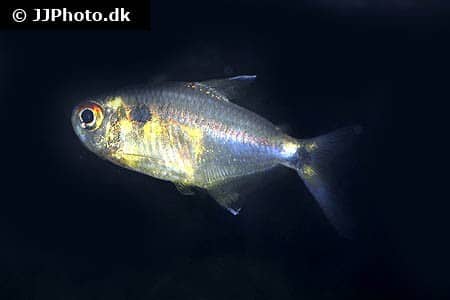
If you’ve been in the hobby for a while, you’ve walked past head and tail light tetras at your local fish store without giving them a second look. They’re always there, tucked in a corner tank, priced at a couple of dollars. And that’s exactly why they get overlooked – they’re so common that people assume they’re boring. But set up a school of ten or more in a properly aquascaped tank with dim lighting, and those twin copper beacons start doing their thing. The reflective spots near the eye and at the tail base catch every bit of ambient light and throw it back like tiny lanterns. There’s a reason one of their common names is the beacon tetra.
I’ve recommended this species to countless beginners over the years, and it rarely disappoints. They’re hardy, peaceful, undemanding, and they school tightly – everything you want in a community tetra. Let me walk you through what it actually takes to keep them at their best.
What Most Care Guides Get Wrong About the Head and Tail Light Tetra
The Head and Tail Light Tetra gets overlooked because its beauty is subtle and conditional. The two copper-gold reflective spots at the eye and tail base only truly shine under specific lighting conditions. In a brightly lit store tank, they look like plain silver fish. Under angled or moderate lighting in a home tank, the spots catch light like tiny headlights and taillights, which is where the name comes from. The misconception is that what you see at the store is what you get. It is not. This is a fish that transforms in the right home setup.
The Reality of Keeping Head and Tail Light Tetra
Lighting position matters more than lighting intensity. The reflective spots on this species only “glow” when light hits them at the right angle. Overhead lighting at full power creates a flat, washed-out look. Angled lighting, moderate intensity, and a dark background allow the copper-gold spots to catch and reflect light naturally.
They are one of the hardiest classic tetras. This species has been in the hobby for decades and it survives because it is genuinely tough. It tolerates a wide range of water parameters and rarely gets sick. For a fish with such a specific visual appeal, the care requirements are remarkably forgiving.
They are underrated for a reason. Most fishkeepers have never seen a head and tail light tetra at its best because most tanks do not have the lighting setup to show the reflective spots. In the right setup, this fish stops people and makes them ask what it is.
Biggest Mistake New Owners Make
Keeping them under standard bright overhead lighting on light gravel. In this setup, the signature headlight and taillight effect is invisible, and you are left with a plain silver fish. The entire appeal depends on lighting and background.
ASD Difficulty Rating
Beginner | 3/10
One of the most beginner-friendly tetras in the hobby. Wide tolerance for water parameters, accepts all common foods, and causes zero compatibility problems. The only thing that requires attention is setup: dark substrate and moderate lighting are the difference between a forgettable fish and a genuinely impressive one.
Expert Take (Mark Valderrama, AquariumStoreDepot)
At the stores I managed, I used beacon tetras as a demonstration fish for setup lighting. I had a corner 20-gallon with black sand, floating salvinia, and one angled lamp positioned to catch the mid-water column. The fish in that tank looked completely different from the same species in the standard overhead-lit store displays. Customers who had kept head and tail light tetras before would stop in front of that tank and say “what are those?” I would tell them, and they would go quiet. The fish hadn’t changed. The setup had. That is the lesson this species teaches. It is not a flash fish. It is a response fish. Get the light angle right, get the school size right, and those copper spots light up like something that costs ten times as much. Most people who dismiss this species have never seen it set up properly.
Hard Rule: Minimum 8 fish. The spots only activate on a relaxed, schooling group.
A group of 4 or 5 head and tail light tetras stays stressed, stays pale, and stays near the back of the tank. The copper beacon spots that define the species only “turn on” when the fish are relaxed and schooling confidently. You cannot see what this species actually looks like in a small stressed group. Eight is the minimum to see the real fish. Ten or more is where it becomes impressive.
Key Takeaways
- Minimum tank size is 20 gallons (76 liters) for a school of 6, though 10+ fish in a 30-gallon tank looks spectacular
- One of the hardiest tetras available – tolerant of a wide range of water conditions, making it ideal for beginners
- Named for its two reflective copper spots – one near the top of the eye and one at the base of the tail, which glow under aquarium lighting
- Very peaceful community fish – safe with virtually all common community species including shrimp
- Easy to breed – one of the simpler egg-scattering tetras to spawn in a home aquarium
- Recently reclassified from Hemigrammus ocellifer to Holopristis ocellifera under the 2024 Melo et al. Revision
The head and tail light tetra is one of the most reliable community fish that nobody talks about. It schools well, eats everything, tolerates a wide range of conditions, and almost never causes problems. It does not have the flash of a neon, but it also does not have the problems.
The head and tail light tetra is the fish that just works. No drama, no special requirements, no surprises.
Species Overview
| Common Names | Head and tail light tetra, beacon tetra, head-and-taillight tetra |
| Scientific Name | Holopristis ocellifera (formerly Hemigrammus ocellifer) |
| Family | Acestrorhamphidae |
| Origin | Amazon basin, Guyana, Suriname, French Guiana (South America) |
| Temperament | Peaceful, schooling |
| Size | 1.75–2 inches (4.5–5 cm) |
| Minimum Tank Size | 20 gallons (76 liters) |
| Diet | Omnivore |
| Temperature | 72–80°F (22–27°C) |
| pH | 5.5–7.5 |
| Hardness | 2–20 dGH |
| Lifespan | 3–5 years |
| Care Level | Easy |
Contents
- What Most Care Guides Get Wrong
- The Reality of Keeping
- Key Takeaways
- Species Overview
- Classification
- Origin & Natural Habitat
- Appearance & Identification
- Average Size & Lifespan
- Care Guide
- Is the Head and Tail Light Tetra Right for You?
- Tank Mates
- Food & Diet
- Breeding & Reproduction
- Common Health Issues
- Common Mistakes to Avoid
- Where to Buy
- Frequently Asked Questions
- What It Is Actually Like
- Species Comparison
- Closing Thoughts
- Recommended Video
- References
Classification
The head and tail light tetra has an interesting taxonomic history. It was originally described as Tetragonopterus ocellifer by Franz Steindachner in 1882. Just a year later, Carl H. Eigenmann created a new genus Holopristis specifically for this species. However, for most of the 20th century, the fish was reclassified under Hemigrammus and widely known as Hemigrammus ocellifer – the name you’ll still find in most aquarium books and websites.
Under the 2024 Melo et al. Phylogenetic revision of the Characidae, this species was moved back to Holopristis and placed in the family Acestrorhamphidae, subfamily Thayeriinae. The genus name Holopristis comes from the Greek holo (whole) and pristis (saw), referring to the toothed maxilla. Because Holopristis is a feminine genus, the species epithet changes from ocellifer to ocellifera.
You also encounter references to a subspecies, Hemigrammus ocellifer falsus, which lacks the dark humeral (shoulder) spot found in the typical form. Most aquarium specimens are the standard form with the shoulder spot present.
Origin & Natural Habitat
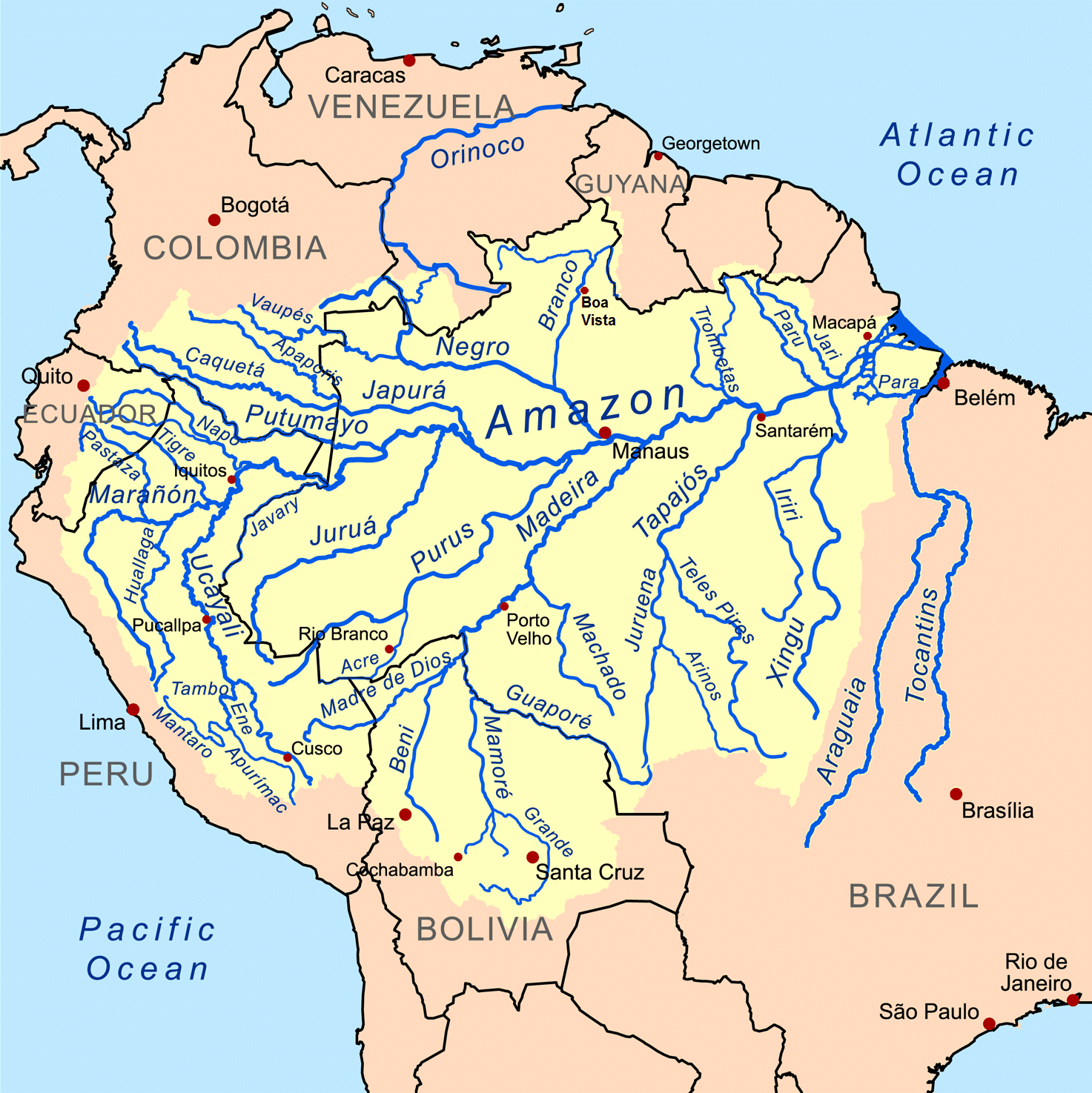
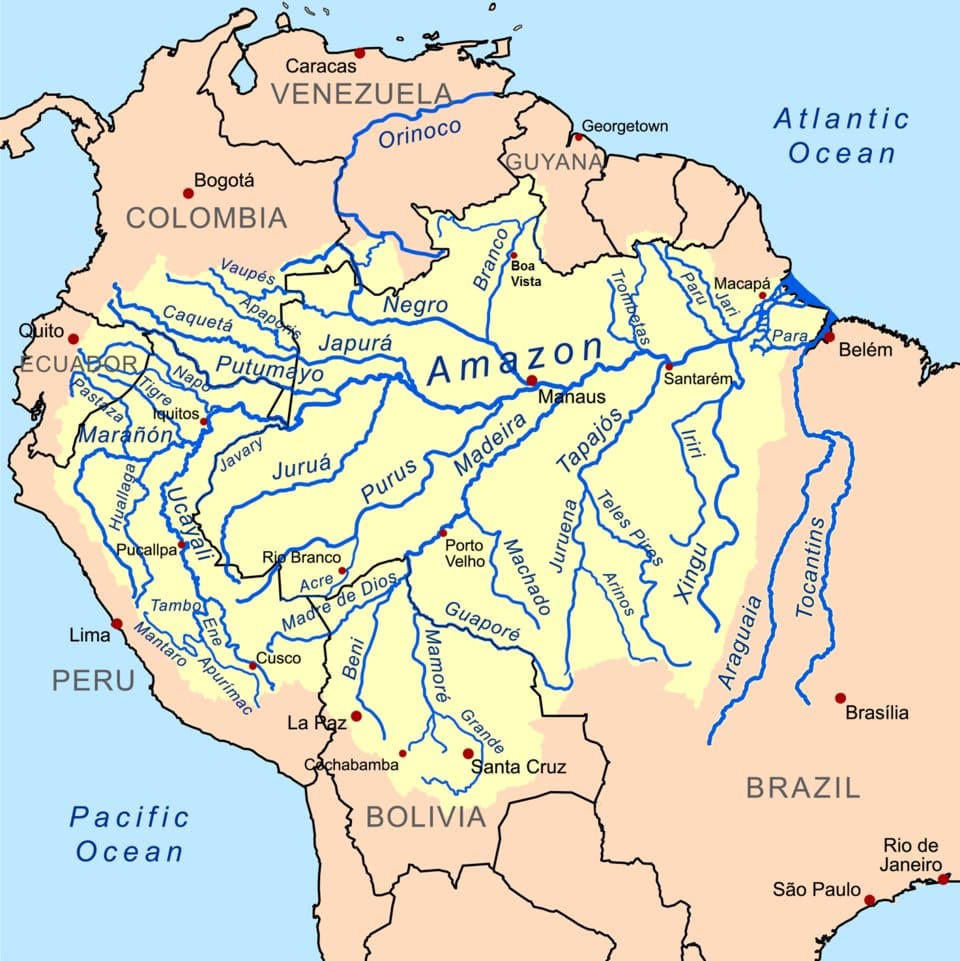
The head and tail light tetra has one of the broadest distributions of any tetra in the hobby. It’s found across the Amazon basin in Brazil and Peru, as well as the coastal rivers of Guyana, Suriname, and French Guiana. This wide range partly explains why it’s so adaptable in captivity – the species has evolved to handle a range of water conditions across different river systems.
In the wild, these tetras inhabit slow-moving tributaries, creeks, and floodplain lakes rather than the main channels of major rivers. Their preferred habitats feature soft, slightly acidic water with plenty of overhead vegetation that filters sunlight. The substrate is typically sandy or muddy, and the bottom is littered with fallen leaves, branches, and other organic debris that tints the water with tannins.
The species’ ability to thrive across such varied habitats – from clear forest streams to tannin-stained blackwater environments – is a big part of what makes it such a forgiving aquarium fish. It doesn’t need precise water parameters to do well, which is exactly what you want in a beginner-friendly species.
Appearance & Identification
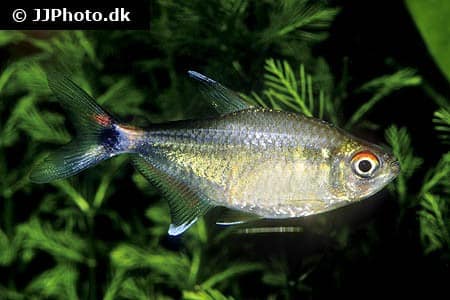
The head and tail light tetra gets its common name from two distinctive reflective spots that act like tiny copper-gold lanterns. The first spot sits on the upper part of the iris, right above the eye, creating a bright “headlight” effect. The second, equally eye-catching spot is located at the base of the tail (caudal peduncle), forming the “taillight.” Both spots are ocelli – eye-like markings – which is reflected in the species name ocellifera, meaning “bearing small eyes.”
Beyond the signature spots, the body is a somewhat translucent silvery-olive color with a faint iridescent sheen that shifts between green and gold depending on the light angle. Most specimens also have a small dark humeral spot (shoulder blotch) just behind the gill plate, though this can vary in intensity. The fins are mostly transparent with a slight yellowish tinge.
The overall body shape is typical of small Hemigrammus-type tetras – laterally compressed, slightly elongated, and built for agile swimming. They have an adipose fin, which is a small fleshy fin between the dorsal fin and the tail.
Sexing head and tail light tetras is straightforward once you know what to look for. Females are noticeably rounder and deeper-bodied when viewed from above or the side, especially when carrying eggs. Males are slightly slimmer with a more streamlined profile. The swim bladder is also visible through the translucent body and is more pointed in males and rounder in females – a useful trick for sexing that works with several transparent tetra species.
Average Size & Lifespan
Head and tail light tetras reach an adult size of about 1.75 to 2 inches (4.5 to 5 cm) in total length. They’re a compact species that won’t outgrow a standard community tank.
With proper care, you can expect a lifespan of 3 to 5 years. Some well-maintained specimens have been reported to live even longer, but 4 years is a reasonable average in a well-kept aquarium. Consistent water quality, a varied diet, and low stress from proper schooling numbers are the biggest factors in maximizing their lifespan.
Care Guide
This is one of the easiest tetras to keep, and that’s not an exaggeration. Head and tail light tetras are tolerant of a wide range of water parameters, accepting of virtually any aquarium food, and rarely prone to behavioral issues. Here’s what you need to know to set them up for success.
Tank Size
A 20-gallon (76 liter) tank is the recommended minimum for a school of 6 head and tail light tetras. If you want a larger school of 10 or more – which I’d strongly recommend for the best visual impact and the most natural behavior – aim for 30 gallons or larger. These are active swimmers that appreciate horizontal swimming space, so a longer tank footprint is preferable to a tall, narrow one.
Water Parameters
- Temperature: 72–80°F (22–27°C)
- pH: 5.5. 7.5
- Hardness: 2–20 dGH
- Ammonia/Nitrite: 0 ppm
- Nitrate: Below 20 ppm
The standout feature here is the wide tolerance range. While they prefer slightly acidic to neutral water, they’ll adapt to mildly alkaline conditions without issue. This flexibility makes them suitable for most tap water situations without needing to chase specific parameters. Just keep the water clean and stable, and they’ll be fine.
Tank Setup
Replicate their natural habitat with a dark substrate (sand or fine gravel), plenty of live or artificial plants, and some driftwood or bogwood pieces. Floating plants are a nice touch – they diffuse the lighting and create the kind of dappled shade that really makes those copper spots pop.
Leave plenty of open swimming space in the center and front of the tank. These fish are active mid-water swimmers that will use every inch of horizontal space you give them. A few scattered Indian almond leaves or dried oak leaves on the substrate will add beneficial tannins and complete the natural look.
Filtration & Maintenance
Any standard aquarium filter rated for your tank size will work. A hang-on-back filter or sponge filter is perfectly adequate. They don’t need strong flow – in fact, they come from slow-moving water, so moderate to gentle current is ideal.
Perform 25–30% water changes weekly or biweekly. As with any tetra, consistent water quality matters more than hitting exact parameter targets. A good maintenance routine is the single most important factor in keeping these fish healthy long-term.
Is the Head and Tail Light Tetra Right for You?
Straightforward assessment before you buy.
Good fit if:
- You want a reliable, peaceful community tetra that causes zero compatibility problems
- You can keep a school of 8–10 or more – the copper spot effect only activates in a relaxed, confident group
- You have a tank with dark substrate and moderate or angled lighting – setup determines whether you see the beacon effect or just a plain silver fish
- You want a beginner-friendly species that tolerates a wide range of water parameters without requiring precision chemistry
- You appreciate subtle, setup-dependent beauty over constant flash – this species rewards the keeper who gets the environment right
- You want a species with historical depth in the hobby – captive bred continuously since the early 20th century, originally described in 1882
Think twice if:
- You want a fish that looks impressive in any setup without adjustment – under bright overhead lighting on light substrate, these look like plain silver fish
- You are planning to keep 4 or 5 to start – you will not see the beacon effect in a small, stressed group; you will wonder what the appeal is
- You want constant, high-saturation color like neon or cardinal tetras – the head and tail light tetra has a different kind of beauty that is conditional and subtle
- You want a showpiece centerpiece species – this is a schooling community fish, not a solo display fish
Tank Mates
The head and tail light tetra is one of the safest community fish you can choose. It’s genuinely peaceful – no fin nipping tendencies, no territorial behavior, and no aggression toward smaller tank mates. This makes it compatible with a very wide range of species.
Good Tank Mates
- Other tetras: Neon tetras, cardinal tetras, ember tetras, rummy nose tetras, glowlight tetras, pristella tetras
- Rasboras: Harlequin rasboras, chili rasboras, lambchop rasboras
- Livebearers: Guppies, endlers, platies
- Corydoras catfish: Any species – bronze, panda, julii, pygmy
- Dwarf cichlids: Apistogramma, ram cichlids, kribensis
- Gouramis: Honey gouramis, sparkling gouramis, pearl gouramis
- Invertebrates: Amano shrimp, cherry shrimp, nerite snails, mystery snails
- Plecos: Bristlenose pleco, clown pleco, otocinclus
Tank Mates to Avoid
- Large cichlids: Oscars, Jack Dempseys, green terrors – they’ll eat them
- Aggressive species: Red devil cichlids, aggressive barbs in large groups
- Large predatory fish: Arowana, large catfish, pike cichlids
Honestly, if a fish is commonly sold as a community species, it’s almost certainly safe with head and tail light tetras. They’re one of the most universally compatible tetras in the hobby.
Food & Diet
Head and tail light tetras are undemanding omnivores that will eat virtually anything offered. In the wild, they feed on small insects, insect larvae, worms, crustaceans, and plant matter. In the aquarium, replicating this dietary variety is easy.
Recommended Foods
- Staple diet: High-quality micro pellets or flake food formulated for tropical fish
- Frozen foods: Bloodworms, brine shrimp, daphnia, cyclops (2–3 times per week)
- Live foods: Baby brine shrimp, daphnia, microworms, grindal worms
- Freeze-dried: Bloodworms, tubifex worms (occasional treat)
Feed small amounts twice daily – only what the school can consume within 2–3 minutes. These are small fish with small stomachs, so frequent small feedings beat occasional large ones. The frozen and live foods aren’t strictly necessary, but they noticeably improve coloring and overall vitality. Those copper beacon spots really intensify when the fish are well-fed on a varied diet.
Breeding & Reproduction
Head and tail light tetras are one of the easier egg-scattering tetras to breed, making them a good species for hobbyists looking to try their hand at breeding for the first time. Here’s the process:
Breeding Setup
Set up a separate breeding tank of 10–15 gallons with soft, slightly acidic water (pH 6.0–6.5, temperature around 77°F/25°C). Keep the lighting dim – the eggs and fry are sensitive to bright light. Add fine-leaved plants like java moss, spawning mops, or a mesh grid at the bottom to catch eggs and prevent the parents from eating them.
Conditioning & Spawning
Condition a breeding pair (or a small group of 3 males and 3 females) with plenty of live and frozen foods for 1–2 weeks before moving them to the breeding tank. Spawning typically occurs in the morning hours. The female scatters adhesive eggs among the plants or spawning media while the male fertilizes them. A productive pair can produce 100–200 eggs per spawning event.
Egg & Fry Care
Remove the parents immediately after spawning, as they will readily eat their own eggs. The eggs hatch in approximately 24–36 hours, and the fry become free-swimming 3–4 days after hatching. Feed the fry infusoria or commercially available liquid fry food for the first week, then graduate to baby brine shrimp and microworms as they grow. Keep the fry tank dimly lit during the early stages.
Common Health Issues
Head and tail light tetras are hardy fish, and disease issues are uncommon when water quality is maintained. However, like all freshwater fish, they are affected by certain conditions:
- Ich (white spot disease): The most common ailment in freshwater fish. Look for small white spots on the body and fins. Treat by raising the temperature to 86°F (30°C) and using an ich medication.
- Fin rot: Usually caused by poor water quality or stress. Ragged, deteriorating fins are the main symptom. Improve water quality and treat with antibacterial medication if needed.
- Neon tetra disease: Despite the name, this parasitic infection can affect many tetra species. Symptoms include loss of color, cysts, and erratic swimming. There is no reliable cure, so quarantine new fish and maintain good water quality for prevention.
- Internal parasites: Can cause weight loss despite normal eating. Treat with anti-parasitic medicated food.
The best prevention is simply good husbandry: regular water changes, proper filtration, quarantine new fish for 2–4 weeks before adding them to your main tank, and avoid overfeeding. Stress from inadequate school sizes can also suppress their immune system, so keeping them in proper groups of 6+ is important for their health as well as their behavior.
Common Mistakes to Avoid
- Keeping too few: A single head and tail light tetra or a pair will be stressed and hide constantly. Always keep at least 6, ideally 10+.
- Too much lighting: These fish look washed out under intense lighting. Subdued or diffused lighting (floating plants help) brings out their best colors and makes those copper spots shine.
- Skipping the quarantine: They’re hardy, but introducing disease to an established tank is always a risk. A simple 2-week quarantine period saves a lot of headaches.
- Ignoring water changes: Their tolerance of varied parameters doesn’t mean they can handle dirty water. Consistency and cleanliness matter.
- Overlooking them as “boring”: This is the biggest mistake of all. In the right setup, a large school of beacon tetras is genuinely impressive. Don’t write them off because they’re inexpensive.
Where to Buy
Head and tail light tetras are one of the most widely available tetras in the hobby. You’ll find them at virtually every local fish store, big-box pet stores like Petco and PetSmart, and most online fish retailers. They’re typically very affordable – usually $2–4 per fish, with discounts for buying groups.
When shopping, look for active fish with clear eyes, intact fins, and visible copper beacon spots. Avoid any fish that are lethargic, have clamped fins, or show signs of disease like white spots or faded coloring. Since virtually all specimens in the trade are commercially bred (wild-caught fish are essentially nonexistent), quality is consistent regardless of where you purchase them.
Frequently Asked Questions
How many head and tail light tetras should I keep together?
A minimum of 6, but 10 or more is ideal. Larger schools display tighter schooling behavior, more natural interactions, and reduced stress. In a group of 10+, you’ll see them moving in coordinated formations that are really impressive to watch.
Can head and tail light tetras live with bettas?
Yes, they generally make good betta tank mates in a 20-gallon or larger tank. They’re not fin nippers and they will stay in the mid-water column, giving the betta space. As always with bettas, monitor for aggression during the first few days of introduction.
Why are my head and tail light tetras hiding?
The most common reasons are: too few in the school (under 6), too much bright lighting, recent introduction to a new tank (give them a few days to settle in), or aggressive tank mates causing stress. Address these factors and they should start swimming openly.
Are head and tail light tetras the same as beacon tetras?
Yes – “beacon tetra” and “head-and-taillight tetra” are different common names for the same species, Holopristis ocellifera. The “beacon” name refers to the way the reflective copper spots resemble beacon lights in dim aquarium lighting.
What’s the difference between head and tail light tetras and glowlight tetras?
Despite both having “light” in their names, they’re quite different species. The glowlight tetra (Hemigrammus erythrozonus) has a continuous orange-red stripe along its body, while the head and tail light tetra has two distinct reflective spots – one near the eye and one at the tail base. Both are excellent community fish, but they look nothing alike.
What It Is Actually Like Living With Head and Tail Light Tetras
Here is what the parameter guides skip.
The spot activation is sudden and surprising. Most of the time, a head and tail light tetra is a compact, quiet silver fish moving steadily through the mid-column. Then the light angle shifts – the school turns in unison, every fish at the same angle – and twenty copper-gold points light up simultaneously. It is not a continuous glow. It is a flash, repeated as the school moves and turns. In a school of twelve in a properly lit tank, the combined effect looks like someone scattered coins in the water. You spend time looking at them waiting for it to happen again.
A large school behaves differently from a small one. Five head and tail light tetras stay near the plants, move cautiously, and show almost nothing in terms of schooling behavior. Ten or more form a real unit – they move together, they turn together, and they hold formation across the tank rather than drifting in loose clusters. The difference between a school of six and a school of twelve is not just visual scale. It is a behavioral shift. The fish in the larger group are visibly more relaxed, more exploratory, and more likely to be in the open water where the lighting actually reaches them.
They are the easiest fish in the tank to ignore. No aggression to manage. No special diet. No territorial claims. No fin damage to neighboring fish. On a normal day, the head and tail light tetras just exist in your tank, moving calmly, eating reliably, and staying out of trouble. This is not an insult – it is what you want in a community species. The fish that causes you zero problems and occasionally stops you in front of the tank when the light hits right is doing exactly what it is supposed to do.
Morning feeding is their most active moment. Before the first feeding of the day, a settled school will patrol the mid-column actively, rising slightly when they see movement near the glass. That morning energy – the whole group alert and moving – is when the spot effect shows up most consistently, because they are facing the glass and the light catches them directly.
How the Head and Tail Light Tetra Compares to Similar Species
Head and Tail Light Tetra vs. Pristella Tetra
Both are classic, underrated tetras with subtle visual appeal that depends on a good setup. The Pristella Tetra’s fin banding – yellow-black-white on the dorsal and anal fins – is visible under any lighting conditions, giving it more consistent visual impact across different setups. The head and tail light tetra’s copper spot effect is setup-dependent but more dramatically striking when the conditions are right. Both are equally peaceful and beginner-friendly. Choose the Pristella Tetra if you want a setup-forgiving species whose visual appeal shows in any reasonable lighting. Choose the Head and Tail Light Tetra if you want to build a tank specifically around the lighting effect and get the maximum payoff when the school turns in front of you.
Head and Tail Light Tetra vs. Glowlight Tetra
The Glowlight Tetra has a continuous warm-orange stripe along the lateral line that glows consistently under almost any aquarium lighting – it is always “on.” The head and tail light tetra has two point-source spots that flash dramatically when the angle is right and disappear when it is not. Both are equally hardy and peaceful. Choose the Glowlight Tetra if you want reliable, consistent warm-glow coloring in any tank setup and don’t want to think about lighting angles. Choose the Head and Tail Light Tetra if you want the more dramatic optical event – the spot flash when a school of ten turns in unison – and are willing to set up the tank to make it happen.
Closing Thoughts
The head and tail light tetra is the kind of fish that rewards patience and proper setup. In a bare, brightly lit dealer tank, it looks like just another small silver tetra. But put a school of 12 in a dimly lit, well-planted tank with a dark substrate and some tannin-stained water, and those twin copper beacons transform the entire aquarium. They’re hardy, peaceful, easy to breed, and tolerant of beginner mistakes – a combination that’s hard to beat.
If you’re looking for a reliable schooling tetra that won’t cause problems in a community setup and offers a subtle, elegant beauty that grows on you over time, the beacon tetra deserves a serious look. Don’t let the low price tag fool you – this is a genuinely great aquarium fish.
Recommended Video
Check out our tetra tier list video where we rank the most popular tetras in the hobby:
References
- Melo, B.F, et al. (2024). Phylogenomics of Characidae. Molecular Phylogenetics and Evolution.
- Steindachner, F. (1882). Original description of Tetragonopterus ocellifer.
- Seriously Fish. Hemigrammus ocellifer species profile. seriouslyfish.com
- FishBase. Holopristis ocellifera. fishbase.org
- About the Author
- Latest Posts

I’m Mark Valderrama, founder of Aquarium Store Depot and a fishkeeper with over 25 years of hands-on experience. I started in the hobby at age 11, worked at local fish stores, and have kept freshwater tanks, ponds, and reef tanks ever since. I’ve been featured in two best-selling aquarium books on Amazon and built this site to share practical, experience-based fish keeping knowledge.
Leave a Reply