
Last Updated: June 25, 2026
Thank you for visiting! By the way… any links on this page that lead to products on Amazon and other stores/partners are affiliate links Aquarium Store Depot earns a commission if you make a purchase.
Table of Contents
- What Most Care Guides Get Wrong
- The Reality of Keeping Red Empress Cichlid
- Key Takeaways
- Species Overview
- Classification
- Origin & Natural Habitat
- Appearance & Identification
- Average Size & Lifespan
- Care Guide
- Is This Species Right for You?
- Tank Mates
- Food & Diet
- Breeding & Reproduction
- Common Health Issues
- Common Mistakes to Avoid
- Where to Buy
- FAQ
- What It Is Actually Like Living With Red Empress Cichlid
- Species Comparison
- Closing Thoughts
Red empress cichlids are one of the most colorful haps in Lake Malawi, and the males in full color rival anything in the freshwater hobby. But that color takes time, stable conditions, and proper diet to develop. I have kept protomelas taeniolatus for years and the biggest frustration new keepers face is buying a juvenile and waiting months for color that never comes because the setup is wrong. This fish rewards patience and punishes shortcuts. The hap that shows you what Lake Malawi color actually looks like when the setup is right.
Eighteen months of patience for a fish that makes you forget saltwater exists.
What Most Care Guides Get Wrong About Red Empress Cichlid
The biggest misconception about Red Empress Cichlids is that both males and females are colorful. Only males develop the spectacular red and blue coloring. Females are a plain silver brown, which disappoints hobbyists who buy a group expecting a tank full of red fish. The second mistake is keeping them in too small a tank. Red Empress reach 6 inches and need at least 75 gallons. I frequently see them crammed into 55 gallon tanks where they cannot reach their full color potential because stress from tight quarters suppresses their pigmentation.
The Reality of Keeping Red Empress Cichlid
Mbuna keeping is a different discipline from regular fishkeeping. The Red Empress Cichlid is no exception. Here is what you need to prepare for.
Hard, alkaline water is mandatory. Lake Malawi chemistry means pH between 7.8 and 8.6, high GH, and high KH. There is no faking this. If your tap water is soft and acidic, you need to buffer every water change without exception.
Overstocking is the strategy. Keeping 3 or 4 Red Empress Cichlids leads to one bully and victims. You need groups of 12 or more to spread aggression. But overstocking only works with heavy filtration and consistent water changes.
Diet is critical. Spirulina and veggie-based foods are essential. High-protein diets cause Malawi Bloat, which is often fatal.
Rockwork defines territories. Mbuna need piles of rocks with caves and passageways. Without proper rockwork, dominant fish have nowhere to establish boundaries and subordinates have nowhere to hide. Stack rocks from substrate to near the waterline.
Biggest Mistake New Red Empress Cichlid Owners Make
Understocking. Keeping a small group of Red Empress Cichlids means the dominant fish picks off the weak ones. You need a large group to distribute aggression. Twelve is the minimum for most mbuna species.
Expert Take
Start with a group of 12 or more in a 55 gallon minimum. Use aragonite or crushed coral substrate to buffer pH naturally. Feed spirulina-based food as the staple. Stack rocks to create territories. This formula works for Red Empress Cichlids and most other mbuna.
Key Takeaways
- Rainbow-like coloration. Males develop a blue head that transitions into a red-orange body, making them one of the most colorful Malawi Haps
- Relatively peaceful. One of the more docile Haps; works well in mixed Hap and Peacock communities
- 75-gallon minimum. Moderate-sized Hap that reaches about 6 inches; needs room but doesn’t require a massive tank
- Omnivorous diet. Unlike most Haps, Red Empress are aufwuchs grazers that need both plant matter and protein in their diet
- Keep only one male. Males become territorial during breeding; maintain a ratio of 1 male to 3. 4 females
- Maternal mouthbrooder. Females carry eggs for 3. 4 weeks; breeding is straightforward in captivity
Species Overview
| Common Name | Red Empress, Spindle Hap, Red Empress Cichlid |
| Scientific Name | Protomelas taeniolatus |
| Care Level | Beginner to Intermediate |
| Temperament | Semi-Aggressive (relatively peaceful for a Hap) |
| Max Size | 6 inches (15 cm) |
| Min Tank Size | 75 gallons (284 liters) |
| Diet | Omnivore |
| Lifespan | 7. 10 years |
| Water Temp | 76. 82°F (24. 28°C) |
| pH | 7.8. 8.6 |
| Origin | Lake Malawi, Africa |
Classification
| Kingdom | Animalia |
| Phylum | Chordata |
| Class | Actinopterygii |
| Order | Cichliformes |
| Family | Cichlidae |
| Genus | Protomelas |
| Species | P. Taeniolatus (Trewavas, 1935) |
Origin & Natural Habitat
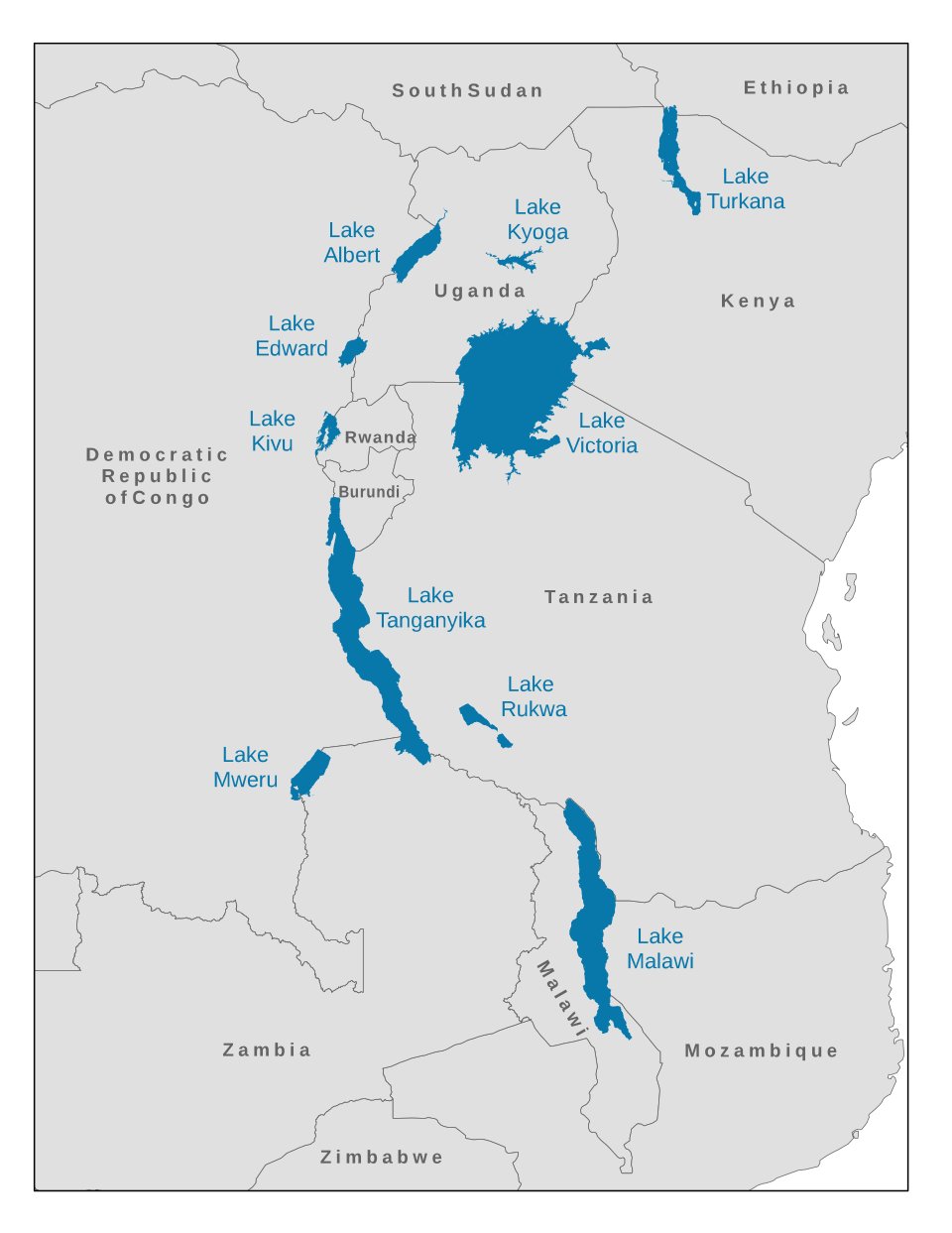
The Red Empress is endemic to Lake Malawi, where it’s found along rocky coastlines throughout the lake. Unlike the open-water Haps or the deep-sand ambush predators, P. Taeniolatus is a rock-dweller that spends its time foraging for aufwuchs. The thin film of algae, microorganisms, and tiny invertebrates that coats submerged rock surfaces.
This foraging behavior is important to understand because it directly influences how you should feed this species. While many Haps are dedicated carnivores or piscivores, the Red Empress is an omnivore that gets a significant portion of its nutrition from plant-based material in the wild.
They’re found at moderate depths along rocky reefs, where they move methodically across rock surfaces scraping off the biofilm. Males establish territories among the rocks for breeding purposes, while females and juveniles move more freely.
Appearance & Identification
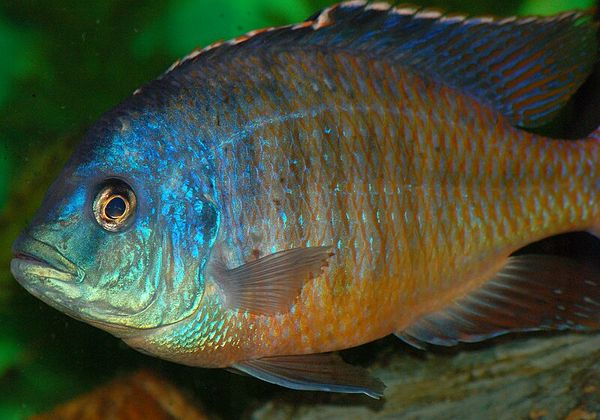
Male Red Empress Cichlids are, without exaggeration, some of the most beautifully colored freshwater fish available in the hobby. The head and face develop a rich metallic blue that gradually transitions into the reddish-orange coloration of the body. The fins pick up both colors. Blue edging with red-orange highlights. Creating a genuinely multi-colored, rainbow-like effect that’s hard to find in any other species.
Females, as with most Malawi cichlids, are much more subdued. They display a silvery-gray body with subtle vertical barring and little to no bright coloration. This dramatic dimorphism makes sexing mature fish straightforward, though juveniles of both sexes look essentially identical to the females.
The body shape is typical of a rock-dwelling Hap. Moderately deep, slightly elongated, with a relatively small mouth suited to scraping surfaces rather than engulfing prey.
Male vs. Female
Once males color up, the difference is unmistakable. But until they do (usually at 2. 3 inches), you’ll need to rely on subtle cues like slight size differences and fin shape.
| Feature | Male | Female |
|---|---|---|
| Body Color | Blue head, red-orange body, multi-colored fins | Silver-gray with subtle barring |
| Size | Up to 6 inches (15 cm) | Up to 4.5 inches (11 cm) |
| Fins | Longer, more elaborate with blue and red coloring | Shorter, clear to slightly tinted |
| Egg Spots | Present on anal fin | Absent or very faint |
| Behavior | Territorial when breeding; displays actively | More social, less territorial |
Average Size & Lifespan
Red Empress are on the smaller side for Haps, which is actually one of their advantages. Males max out around 6 inches (15 cm), with females staying smaller at about 4. 4.5 inches (10. 11 cm). This more moderate size means they don’t require the massive tanks that larger Haps like Venustus or Livingstonii demand.
With proper care, Red Empress live 7. 10 years in captivity. As with all cichlids, longevity depends on water quality, diet, and stress levels. A well-maintained tank with good nutrition will consistently produce fish at the upper end of that range.
Care Guide
Tank Size
A 75-gallon (284-liter) tank is the minimum for a small Red Empress group. If you’re building a mixed Hap and Peacock community. Which this species is ideal for. Push into the 100-gallon (379-liter) range or larger. While Red Empress aren’t as demanding of space as the big predatory Haps, they’re active fish that use every inch of the tank, so don’t shortchange them.
Tank length is more important than height. A standard 4-foot tank works, but a longer setup provides more room for territories and reduces territorial conflicts during breeding.
Water Parameters
| Temperature | 76. 82°F (24. 28°C) |
| pH | 7.8. 8.6 |
| General Hardness (dGH) | 10. 20 dGH |
| Carbonate Hardness (dKH) | 10. 15 dKH |
| Ammonia | 0 ppm |
| Nitrite | 0 ppm |
| Nitrate | <20 ppm |
Standard Lake Malawi parameters apply. Warm, hard, and alkaline water with rock-solid stability. Buffer soft water with crushed coral, aragonite, or a cichlid-specific buffer. Weekly water changes of 25. 40% keep parameters consistent and nitrates low.
Filtration & Water Flow
A quality canister filter rated for 1.5. 2x your tank volume handles the bioload well. Red Empress aren’t as messy as the larger predatory Haps, but good filtration is still essential for maintaining the water quality these fish require. Moderate flow is ideal. Enough for good circulation and oxygenation without creating a strong current.
Lighting
Standard aquarium LED lighting showcases the Red Empress’s stunning coloration beautifully. Moderate lighting is ideal, and a little algae growth on rocks is actually beneficial. It gives these natural grazers something to pick at between feedings, replicating their wild foraging behavior. Keep the photoperiod to 8. 10 hours daily.
Plants & Decorations
Recreate the rocky habitat these fish call home in the wild. Stack rocks to form caves, overhangs, and crevices for territories and hiding spots. Leave open swimming areas as well. Red Empress use the full water column and appreciate open space for cruising.
Hardy plants like Anubias and Java Fern attached to rocks work nicely in a Red Empress tank. Vallisneria along the back wall is another good addition. These fish won’t destroy plants, so you have more flexibility with greenery than you would with mbuna.
Substrate
Fine sand is the best substrate choice. Red Empress will sift through sand looking for food particles, which is a natural behavior you want to encourage. Aragonite sand provides both a natural look and helpful pH buffering. A dark substrate brings out the best coloration in the males.
Is the Red Empress Cichlid Right for You?
Red Empress Cichlids are regularly called the most colorful hap in Lake Malawi. A fully colored male is genuinely breathtaking. Here is whether they are right for your tank.
- Great fit if you want one of the most colorful freshwater fish available, period
- Great fit if you have a 75 gallon or larger hap and Peacock community tank
- Great fit if you want a relatively peaceful hap that gets along with most non aggressive species
- Not ideal if you expect every fish in the group to be colorful. Only males color up. Females are plain
- Not ideal if you keep mbuna or other aggressive cichlids. Red Empress need a calmer tank to show their best color
- Not ideal if your tank is under 75 gallons. They need space to grow and color up properly
A male Red Empress in full color is one of those fish that stops people in their tracks. Give them proper space and peaceful tankmates, and they will deliver color that rivals any saltwater fish.
Tank Mates
Best Tank Mates
Red Empress are one of the best Haps for community tanks because of their relatively peaceful nature. They work well with a wide range of similarly tempered Malawi species:
- Peacock cichlids (Aulonocara spp.). An excellent pairing; similar size and temperament, different color profiles
- Blue Dolphin (Cyrtocara moorii). Gentle giant that coexists beautifully with Red Empress
- Red Kadango (Copadichromis borleyi). Peaceful Hap with complementary coloration
- Electric Blue Hap (Sciaenochromis fryeri). Good size match with different niche
- Yellow Lab (Labidochromis caeruleus). One of the few mbuna peaceful enough to coexist with Haps
- Synodontis catfish. Reliable bottom dwellers for any Malawi setup
Tank Mates to Avoid
- Aggressive mbuna. Species like Auratus, Kenyi, and aggressive Metriaclima will bully and stress Red Empress
- Large predatory Haps. Venustus, Livingstonii, and other big piscivores may view smaller Red Empress as potential prey
- Other red/orange colored fish. May trigger aggression from the male; diversify your color palette
- Very small fish. While Red Empress aren’t aggressive predators, they may still eat very small tank mates
Food & Diet
Red Empress are omnivores with an important twist. In the wild, they spend most of their time grazing on aufwuchs (the algae and biofilm coating rocks), not chasing prey. This means their diet needs both plant matter and protein, which sets them apart from the strictly carnivorous Haps.
A high-quality omnivore cichlid pellet should be the dietary staple. Supplement with spirulina flakes or wafers for plant-based nutrition, and offer frozen foods like brine shrimp, daphnia, mysis shrimp, and krill 2. 3 times per week for protein variety. Blanched vegetables like zucchini and spinach are also excellent additions.
Feed 3. 4 small meals per day rather than one or two large ones. This more closely replicates their natural grazing behavior and helps reduce food competition and aggression at feeding time. Each meal should be a small amount they can finish in about 30 seconds.
Breeding & Reproduction
Red Empress are maternal mouthbrooders, and breeding them in captivity is relatively straightforward compared to many other Malawi cichlids. They’re a solid choice if you’re interested in experiencing cichlid breeding for the first time.
Spawning Behavior
Keep only one male with 3. 4 females in your breeding group. Males become quite territorial and aggressive during spawning, which is a notable departure from their normally peaceful demeanor. Having multiple females distributes the male’s attention and prevents any single female from being harassed to exhaustion.
The male selects a spawning site. A flat rock or cleared area of substrate. And displays intensely to attract females. His colors become even more vivid during this time, with the blue and red intensifying dramatically. Spawning follows the typical Malawi pattern, with the female laying eggs, picking them up, and being attracted to the male’s egg spots for fertilization.
Mouthbrooding & Fry Care
The female carries fertilized eggs for 3. 4 weeks, during which she won’t eat. Her jaw will be visibly swollen, and she’ll seek out sheltered areas away from the rest of the group. Provide plenty of hiding spots so holding females have options for seclusion.
Once released, the fry are free-swimming and can accept baby brine shrimp, crushed flake food, and other finely sized foods immediately. For maximum survival, separate the fry from adults. Either by moving the holding female to a grow-out tank before release or by collecting fry from the main tank.
Red Empress fry grow at a reasonable pace, though males take significantly longer than females to develop their trademark coloration.
Common Health Issues
Malawi Bloat
Malawi Bloat is the biggest health concern for Red Empress, as it is for all Malawi cichlids. Because Red Empress are omnivores rather than strict carnivores, their digestive system benefits from regular plant-based food. Excess protein and fat without adequate vegetable matter increases bloat risk. Symptoms include swollen abdomen, white stringy feces, loss of appetite, and labored breathing.
Keep nitrates low, maintain regular water changes, and ensure the diet includes adequate plant matter. Treat early cases with Metronidazole in a quarantine tank.
Ich (White Spot Disease)
Ich can appear after stressful events like transport, temperature changes, or aggressive tank mate interactions. The white spots are easy to identify. Gradually raise temperature to 82°F (28°C) and treat with ich medication. Red Empress are hardy fish that bounce back quickly with prompt treatment.
Stress-Related Color Loss
Males will lose their brilliant coloration when stressed, either from poor water quality, bullying by tank mates, or illness. This is actually a useful early warning system. If your male Red Empress looks dull, something in the environment needs attention. Address the stressor and the color returns within days.
Common Mistakes to Avoid
- Keeping multiple males. Males become aggressively territorial during breeding; one male per tank unless you have a very large setup
- Feeding only protein. Red Empress are omnivores that need plant matter; a protein-only diet increases bloat risk
- Mixing with aggressive mbuna. Red Empress are too peaceful for a rowdy mbuna tank; they’ll be stressed and their color will suffer
- Ignoring the male-to-female ratio. A lone female with a breeding male will be harassed relentlessly; keep at least 3. 4 females per male
- Too small a tank. While they’re medium-sized, Red Empress are active and need the full 75 gallons minimum
- Mixing with large predators. At 6 inches, Red Empress can be prey for big Haps like Venustus or Livingstonii
Where to Buy
Red Empress are widely available and one of the more popular Malawi Haps in the hobby. You’ll find them at most stores that carry African cichlids, priced at $8. $15 for juveniles. For the best color genetics and healthiest stock, consider these reputable online breeders:
- Flip Aquatics. Excellent selection of Malawi Haps including quality Red Empress stock
- Dan’s Fish. Regularly carries Red Empress alongside other popular Hap species
Buy a group of at least 5. 6 juveniles and grow them together. Remove extra males as they start coloring up. You’ll want to end up with one dominant male and 3. 4 females for the ideal group dynamic.
FAQ
Are Red Empress Cichlids good for beginners?
They’re one of the better Hap choices for someone with basic fishkeeping experience. While I wouldn’t call them a true beginner fish. You still need to understand Malawi water chemistry and cichlid behavior. They’re forgiving, hardy, and less aggressive than many alternatives. If you’ve kept other tropical fish successfully and want to try Malawi cichlids, Red Empress are a great starting point.
Can Red Empress live with Peacock cichlids?
Absolutely. This is one of the best pairings in the Malawi hobby. Red Empress and Peacocks have similar temperaments and size ranges, and their different color profiles minimize territorial conflicts. Just ensure the tank is large enough (75+ gallons) and that you’re not mixing species with very similar coloration.
Why isn’t my Red Empress showing color?
If your fish is female, she won’t develop the trademark blue-and-red coloration. Females stay silver-gray throughout their lives. If it’s a young male, coloration develops gradually and may not fully appear until the fish is 3. 4 inches. Poor diet, stress, subdominant status, or suboptimal water quality can all suppress male coloring. Improve conditions and the color follows.
What do Red Empress eat?
Red Empress are omnivores. Feed a balanced diet of quality omnivore cichlid pellets, spirulina flakes, and blanched vegetables for plant-based nutrition, supplemented with frozen brine shrimp, daphnia, mysis, and krill for protein. Feed 3. 4 small meals daily to replicate their natural grazing behavior.
How many Red Empress should I keep together?
Keep one male with at least 3. 4 females in a 75-gallon or larger tank. Multiple males will fight, especially during breeding. Start with a group of 5. 6 juveniles and remove extra males as they mature and begin showing color.
What It Is Actually Like Living With Red Empress Cichlid
This is the part no other care guide gives you. Forget water parameters for a minute. Here is what it is actually like to share your tank with this species.
They have more personality than you expect. The Red Empress Cichlid is not a fish that just sits in the background. Once settled in, they become interactive, curious, and responsive to your presence.
Feeding time reveals their character. Watch how the Red Empress Cichlid approaches food and you will see real personality. Some are bold, some are cautious, and their feeding behavior tells you a lot about their mood and health.
They establish routines. After a few weeks, your Red Empress Cichlid will have favorite spots, preferred paths through the tank, and predictable patterns. Learning these routines makes you a better keeper.
Color is a health indicator. The Red Empress Cichlid’s coloration is a real-time report card on your husbandry. Vibrant color means happy fish. Faded color means something is wrong. Pay attention.
How the Red Empress Cichlid Compares to Similar Species
Choosing the right Malawi cichlid means understanding how similar species compare. Here is how the Red Empress Cichlid stacks up against species you will also be considering.
Red Empress Cichlid vs. Electric Blue Hap
Red Empress and Electric Blue Haps are the two most popular colorful haps in the hobby, and they make a spectacular pairing. The Red Empress brings warm reds and oranges while the Electric Blue delivers intense metallic blue. Together in a 75 gallon or larger tank, they create arguably the best color combination in the Malawi hobby. The Electric Blue is slightly more assertive, so make sure the tank has enough space for both to claim territory. You can learn more in our Electric Blue Hap Care Guide.
Red Empress Cichlid vs. Red Kadango
Both the Red Empress and Red Kadango offer red coloring, but they are very different fish. Red Kadango (Copadichromis borleyi) are schooling haps that do best in groups, while Red Empress are more solitary. Red Kadango have a more orange red tone concentrated along the body, while Red Empress display a complex blend of red, blue, and orange across the entire fish. Both are peaceful and can share a tank in 75 gallons or more. You can learn more in our Red Kadango Care Guide.
Closing Thoughts
Red empress males in full color are breathtaking. Getting there takes time, not shortcuts.
The Red Empress earns its reputation as one of the most rewarding Malawi Haps in the hobby. The coloration on a mature male is genuinely breathtaking. That blue-to-red rainbow effect is something you don’t find in many freshwater species. Combine that with a manageable temperament and moderate size, and you’ve got a fish that works in a variety of community setups.
The key things to remember are the omnivorous diet (don’t skip the plant matter), the male-to-female ratio (one male to several females), and avoiding overly aggressive tank mates. Get those fundamentals right, and Protomelas taeniolatus will reward you with years of stunning color and genuinely engaging behavior.
This article is part of our Lake Malawi Cichlid Species Directory: Complete A-Z Care Guide List. Visit the hub page to explore care guides for all 28 Lake Malawi cichlid species we cover.
Recommended Video
References
- Seriously Fish. (n.d.). Protomelas taeniolatus. https://www.seriouslyfish.com/species/protomelas-taeniolatus/
- FishBase. (n.d.). Protomelas taeniolatus. https://www.fishbase.se/summary/Protomelas-taeniolatus.html
- Practical Fishkeeping. (n.d.). Red Empress Cichlid profile. https://www.practicalfishkeeping.co.uk
- The Aquarium Wiki. (n.d.). Protomelas taeniolatus. https://www.theaquariumwiki.com/wiki/Protomelas_taeniolatus
- About the Author
- Latest Posts

I’m Mark Valderrama, founder of Aquarium Store Depot and a fishkeeper with over 25 years of hands-on experience. I started in the hobby at age 11, worked at local fish stores, and have kept freshwater tanks, ponds, and reef tanks ever since. I’ve been featured in two best-selling aquarium books on Amazon and built this site to share practical, experience-based fish keeping knowledge.
Leave a Reply