
Last Updated: June 25, 2026
Thank you for visiting! By the way… any links on this page that lead to products on Amazon and other stores/partners are affiliate links Aquarium Store Depot earns a commission if you make a purchase.
Table of Contents
- What Care Guides Get Wrong
- The Reality of Keeping Striped Barb
- Species Summary
- Origin & Natural Habitat
- Appearance & Size
- Behavior & Temperament
- Tank Requirements
- Diet & Feeding
- Is It Right for You?
- Tank Mates
- Breeding
- Common Health Issues
- Common Mistakes to Avoid
- Where to Buy
- Frequently Asked Questions
- Species Comparison
- Closing Thoughts
- Recommended Video
- References
The striped barb is a quiet, unassuming species that does well in community tanks and never demands attention. It reaches about 3 inches, gets along with everything, and adds subtle horizontal striping that complements a planted setup without overpowering it. It is not a centerpiece fish. It is a supporting cast member that makes the whole tank look better.
This guide covers the straightforward care this species needs, because the striped barb will not make anyone stop and stare. But it will make your tank work, and that matters more than most people realize.
Not every fish needs to be the star. Sometimes you need the fish that lets everything else shine.
The barb you wanted for your planted tank has been in the hobby the whole time. You just never heard of it.
What Most Care Guides Get Wrong About the Striped Barb
The Striped Barb is one of the most overlooked barbs in the trade, and most care guides give it the bare minimum treatment. The misconception is that it is generic and uninteresting. In a planted tank with a group of 8+, the subtle horizontal striping and active schooling behavior make it a genuinely attractive fish. The real mistake is keeping it in hard, alkaline water. This is a soft-water species from Southeast Asia that does best in acidic to neutral conditions.
The Reality of Keeping Striped Barb
The striped barb is a small, peaceful species with horizontal stripes that make it easy to identify. At 2 to 3 inches, it fits tanks starting at 20 gallons.
It is an uncommon species in the trade, usually found at specialty retailers rather than chain stores.
Hardy and adaptable, the striped barb tolerates a range of conditions and works in most community setups.
Biggest Mistake New Owners Make
Overlooking it because it is not flashy. The striped barb’s clean, linear pattern is actually distinctive in a hobby dominated by spotted and blotched fish. Sometimes simplicity is the statement.
Striped barbs (Desmopuntius johorensis) are a medium-sized barb from Southeast Asia with attractive striping. They are active and bold, needing similarly active tank mates that can match their energy level.
Expert Take (Mark Valderrama, AquariumStoreDepot)
The striped barb is the linear contrast fish. In a tank full of spotted, blotched, and solid-colored fish, the clean horizontal stripes add a geometric element that ties the display together. A group of six in a 20-gallon is a subtle but effective addition.
Species Summary
| Scientific Name | Desmopuntius johorensis (Duncker, 1904) |
| Common Names | Striped Barb, Zebra Barb, Lined Barb |
| Family | Cyprinidae |
| Order | Cypriniformes |
| Origin | Borneo, Malay Peninsula, Sumatra, southern Thailand, Singapore |
| Care Level | Moderate |
| Temperament | Peaceful |
| Diet | Omnivore |
| Tank Level | Middle |
| Maximum Size | 5 inches (13 cm) |
| Minimum Tank Size | 40 gallons (151 liters) |
| Temperature | 73-79°F (23-26°C) |
| pH | 5.0-7.0 |
| Hardness | 1-8 dGH |
| Lifespan | 5-7 years |
Origin & Natural Habitat
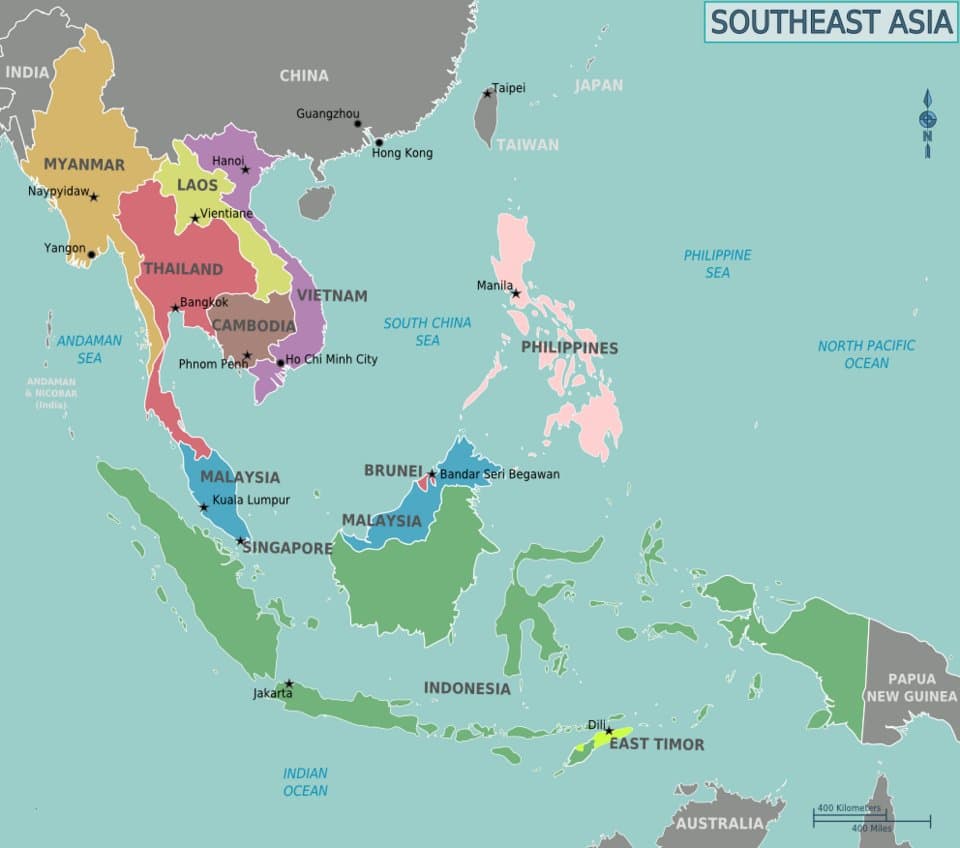
The Striped Barb hails from Southeast Asia, with a distribution that covers the Malay Peninsula, Borneo, Sumatra, southern Thailand, and Singapore. The species was originally described from Johor in Malaysia, which is where the scientific name johorensis comes from. It’s a fish of the lowland forest, and understanding that natural environment is key to keeping it well in captivity.
In the wild, Striped Barbs inhabit peat swamp forests, blackwater streams, and slow-moving forest rivers. These are shallow, heavily shaded waterways where the substrate is soft sand, peat, and decomposing leaf litter. Fallen branches, tree roots, and dense vegetation line the banks, creating a dim, tannin-rich environment. The water is often stained dark brown from decaying organic material, extremely soft and acidic, with pH sometimes dipping as low as 4.0.
You don’t need to recreate a full blackwater biotope, but understanding that the Striped Barb evolved in quiet, acidic, heavily vegetated waters will help you set up a tank that brings out their best behavior and coloration.
Appearance & Size
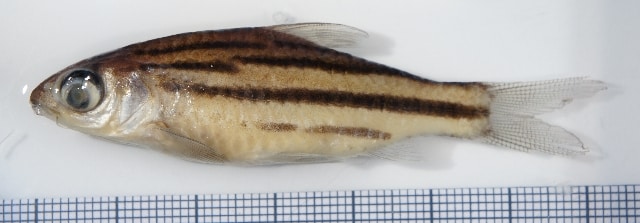
The Striped Barb is an attractive fish with a look that’s immediately recognizable. The body shape is elongated and laterally compressed, typical of active mid-water swimmers. The base coloration is silvery with a pinkish or peachy undertone that becomes more noticeable under good lighting and in well-conditioned specimens.
The defining feature is the pattern of 5 to 6 bold, dark blue-black horizontal stripes that run along the length of the body. These stripes are crisp and well-defined, giving the fish that “striped” or “zebra” appearance that earned its common names. All fins are transparent to slightly yellowish, and the dorsal fin rays have a serrated edge.
Adults reach a maximum size of about 5 inches (13 cm), making Desmopuntius johorensis one of the larger species in its genus. Most aquarium specimens settle around 4 to 4.5 inches (10-11 cm), but given enough space and good nutrition, they can push closer to that 5-inch mark.
One interesting note about juveniles: young Striped Barbs actually display a pattern of vertical bars rather than horizontal stripes. As the fish matures, those vertical bars gradually transition into the characteristic horizontal lines. It’s a fun transformation to watch if you raise them from a young age, and it’s also worth knowing so you don’t accidentally misidentify a juvenile.
Male vs. Female
Sexing Striped Barbs isn’t too difficult once the fish are mature. Males are slightly smaller and more slender than females, and they often display darker, more vivid striping with more intense coloration overall. Females are larger and heavier-bodied, especially when full of eggs, and their stripes may appear slightly less defined compared to the males. During breeding condition, the differences become more pronounced, with males showing their best colors and females developing a noticeably rounder belly profile.
Behavior & Temperament
Striped Barbs are peaceful, social fish that do their best work in a group. They’re schooling fish by nature, and they need the company of their own kind to feel secure and display natural behavior. When kept in adequate numbers, they spend their time actively cruising through the middle portion of the water column, often moving together in a loose formation that tightens up when they feel comfortable.
One thing worth noting is that they is shy and skittish when first introduced or when kept in small numbers. A pair or trio will hide, dart at sudden movements, and generally look stressed. But put together a group of 8 to 10 and the dynamic changes completely. They become bolder, more active, and far more interesting to watch.
Despite their size, Striped Barbs are not aggressive fish. They don’t nip fins or bully tank mates, which makes them a genuinely good community species. Any minor chasing you see will typically stay within the group as part of normal social interaction. They’re not boisterous like Tiger Barbs. Think of them as the more laid-back cousin in the barb family.
Tank Requirements
Tank Size
A minimum of 40 gallons (151 liters) is what you need for a school of Striped Barbs. Given their 5-inch (13 cm) size and active swimming habits, a 40-gallon breeder gives them enough room to move comfortably. For a larger group of 8 to 10, step up to a 55-gallon (208 liters) or 75-gallon (284 liters). The length of the tank matters more than height, so aim for at least 36 inches (91 cm) long, with 48 inches (122 cm) being ideal.
Water Parameters
| Temperature | 73-79°F (23-26°C) |
| pH | 5.0-7.0 |
| Hardness | 1-8 dGH |
| Ammonia/Nitrite | 0 ppm |
| Nitrate | Below 20 ppm |
The water chemistry here is the most important thing to get right with Striped Barbs. These are soft, acidic water fish. Coming from peat swamps and blackwater streams, they’re adapted to water with very little dissolved mineral content. A pH in the 5.0 to 7.0 range is ideal, with the sweet spot being around 6.0 to 6.5. Hardness should be kept low, between 1 and 8 dGH. If your tap water runs hard and alkaline, you’ll either need to use RO (reverse osmosis) water or blend your tap water down to hit these targets.
Temperature-wise, they’re comfortable in the typical tropical range of 73-79°F (23-26°C). They’re not as demanding as some blackwater specialists in this regard, but keeping the temperature stable within this range is important. Sudden swings can stress them out and invite disease.
Filtration & Water Flow
Unlike some barb species that come from fast-flowing streams, the Striped Barb is a still to slow-water species. Heavy current isn’t what they’re looking for. A standard hang-on-back filter or canister filter that provides gentle to moderate flow is ideal. You want enough filtration to keep the water clean and well-oxygenated without creating a strong current that pushes the fish around. If your filter output is too powerful, consider adding a spray bar or directing the flow against the glass to diffuse it.
Good biological filtration is essential, especially since these fish prefer acidic, low-mineral water. Mature filter media with an established bacterial colony is important. Make sure your filter has adequate capacity for your tank size and don’t skimp on biological media.
Lighting
Subdued lighting is the way to go. In the wild, Striped Barbs live under dense forest canopy where very little direct sunlight reaches the water. Bright, harsh lighting will make them skittish and washed out. Dim to moderate lighting brings out their best coloration and most natural behavior. Floating plants like Water Lettuce, Amazon Frogbit, or Salvinia work well for creating dappled light conditions that mimic their natural habitat.
Substrate & Decor
A soft, dark substrate is the best choice. Fine sand or a dark-colored fine gravel mimics the natural peat and leaf litter substrate of their habitat. Darker substrates also help the fish’s coloration pop and make them feel more secure compared to bright white or light-colored substrates.
Driftwood is almost a must-have for this species. It provides cover, creates visual barriers, and releases tannins into the water that naturally lower the pH. Dried Indian Almond leaves (Catappa leaves) scattered across the bottom add to the natural look, release beneficial compounds, and encourage the growth of biofilm and microorganisms that the fish will graze on.
For plants, choose species that thrive in soft, acidic conditions and lower light. Cryptocoryne species are an excellent match, as are Java Fern, Java Moss, and Anubias. These plants are hardy, do well in subdued lighting, and won’t be bothered by the fish. Leave open swimming space in the center and front of the tank, with plantings and hardscape concentrated along the sides and back.
Is the Striped Barb Right for You?
Before you buy, run through this honest checklist. The Striped Barb is a great fish for the right keeper, but it is not for everyone.
- You want a peaceful, active schooling barb for a planted community tank
- You have soft to moderately hard water with a neutral to slightly acidic pH
- You can keep a group of 8+ in a 20-gallon or larger tank
- You enjoy watching tight schooling behavior
- You want a species that is easy to care for and widely adaptable
- Your tank includes other small, peaceful community species
Diet & Feeding
Striped Barbs are omnivores, and feeding them well isn’t complicated. In the wild, they forage on small invertebrates, insect larvae, algae, and decomposing plant material. In captivity, they’re unfussy eaters that readily accept just about anything you offer.
Start with a high-quality flake or micro-pellet as the daily staple. Look for formulas that include some plant or spirulina content. Supplement 2-3 times per week with frozen or live foods like bloodworms, brine shrimp, daphnia, and mosquito larvae. These protein-rich offerings keep the fish in top condition and promote better coloration.
One thing that works really well with this species is blanched vegetables. Small pieces of blanched zucchini, cucumber, or spinach will be picked at throughout the day. It’s a good way to add dietary variety and mimic the plant-based portion of their natural diet.
Feed once or twice daily, offering only as much as the group can finish in about 2-3 minutes. In a well-established tank with driftwood and leaf litter, the fish will also graze on biofilm between feedings. Overfeeding is always a bigger risk than underfeeding, especially in soft, acidic water where excess organic waste can cause pH swings.
Tank Mates
The Striped Barb’s peaceful temperament makes it a solid community fish, but the key consideration is water chemistry. You want companions that share similar soft, acidic water requirements. Fortunately, there are plenty of great options.
Best Tank Mates
- Other peaceful barbs (Cherry Barbs, Pentazone Barbs, other Desmopuntius species)
- Rasboras (Harlequin Rasboras, Lambchop Rasboras, Scissortail Rasboras)
- Small to mid-sized tetras (Cardinal Tetras, Rummy Nose Tetras, Emperor Tetras)
- Corydoras catfish (Sterbai, Bronze, Panda. Bottom dwellers that share similar water preferences)
- Peaceful gouramis (Pearl Gouramis, Honey Gouramis, Chocolate Gouramis)
- Loaches (Kuhli Loaches, Dwarf Chain Loaches)
- Otocinclus (gentle algae eaters that do well in soft water)
- Small plecos (Bristlenose Plecos)
Tank Mates to Avoid
- Aggressive cichlids that will bully or stress the barbs
- Large, predatory fish that could view them as food
- Hard water species (African cichlids, Livebearers like Mollies and Platies) that require alkaline, mineral-rich water incompatible with the Striped Barb’s needs
- Very small nano fish (Ember Tetras, Celestial Pearl Danios) that is intimidated by the barbs’ size and activity level
- Slow-moving, long-finned fish (Bettas, fancy Guppies) that could become stressed by the barbs’ active swimming
Breeding
Breeding Striped Barbs is achievable with the right setup, though it does require some planning. Like other Desmopuntius species, they are egg-scattering free spawners that show no parental care. In a well-maintained aquarium with a large group, you may even see spontaneous spawning events, though the eggs and fry are unlikely to survive in a community tank. For a more controlled approach, you’ll want to set up a dedicated breeding tank.
Breeding Difficulty
Moderate. While not as challenging as some species, successful breeding does require attention to water chemistry and a proper spawning setup. The eggs and fry are sensitive to water quality, which adds a layer of difficulty in raising the young.
Spawning Tank Setup
Set up a separate breeding tank of at least 10-15 gallons (38-57 liters) with dim lighting. The bottom should be covered with a mesh or grate that allows eggs to fall through but prevents the adults from reaching them. Alternatively, you can use a thick layer of Java Moss, spawning mops, or a substrate of glass marbles to protect the eggs. An air-powered sponge filter provides gentle water movement and biological filtration without creating strong currents that could damage the eggs.
Water Conditions for Breeding
Use very soft, acidic water for the breeding tank. A pH below 6.0 and hardness under 8 dGH is recommended, with some breeders filtering the water through peat to achieve the right chemistry. Raise the temperature slightly to around 77-79°F (25-26°C) to help trigger spawning behavior. The water should be mature and well-conditioned.
Conditioning & Spawning
Condition the breeding pair (or small group) with plenty of high-protein live and frozen foods for 1-2 weeks prior to spawning. Bloodworms, brine shrimp, and daphnia are all excellent choices. Well-conditioned females will become noticeably rounder, and males will display more vivid coloration. Introduce the conditioned fish to the breeding tank in the evening and spawning often occurs the following morning. The female scatters adhesive eggs among the plants or over the substrate, and the male fertilizes them as they’re released.
Remove the adults immediately after spawning is complete, as they will eat the eggs if given the opportunity.
Egg & Fry Care
The eggs typically hatch within 24-36 hours, and the fry become free-swimming after an additional 3-4 days. During this initial period, keep the lighting very low and avoid disturbing the tank. Once the fry are free-swimming, feed them infusoria or liquid fry food for the first week, then gradually transition to freshly hatched baby brine shrimp as they grow large enough to accept it.
Fry are particularly sensitive to water quality deterioration, so small, frequent water changes (using water matched to the tank’s parameters) are essential. One fascinating detail about Striped Barb fry: they hatch with a pattern of vertical bars that gradually transition into the characteristic horizontal stripes as they mature. It’s a neat transformation to observe if you’re raising a batch from spawn to adulthood.
Common Health Issues
Striped Barbs are reasonably hardy when kept in appropriate water conditions, but like all aquarium fish, they have their vulnerabilities. Most health problems trace back to water quality or parameter mismatches, so keeping their environment stable and clean is your best preventive measure.
Ich (White Spot Disease)
Ich is the most common disease in freshwater fishkeeping, and Striped Barbs are susceptible, especially when stressed from transport or sudden temperature changes. Symptoms include small white spots on the body and fins, flashing (rubbing against objects), and rapid gill movement. Treat with a copper-based or malachite green medication and gradually raise the temperature to 82°F (28°C) to speed up the parasite’s lifecycle.
Fin Rot
Fin rot shows up as frayed, discolored, or deteriorating fin edges. It’s almost always caused by poor water quality or stress. The fix starts with a large water change and a check of your parameters. If it doesn’t improve with clean water alone, treat with a broad-spectrum antibiotic.
Fungal Infections
Look for white, cotton-like growths on the body or fins, particularly on damaged skin or after injuries. Anti-fungal medications are effective, but prevention is key. Maintain stable water chemistry, avoid overcrowding, and quarantine new fish before adding them to an established tank.
Stress-Related Issues
Striped Barbs kept in groups that are too small, in water that’s too hard, or under harsh lighting will show chronic stress. Symptoms include faded coloration, hiding, loss of appetite, and clamped fins. The solution is always environmental: bigger group, correct water parameters, dim lighting, and adequate cover.
Common Mistakes to Avoid
- Keeping too few. A pair or trio will be stressed and hide constantly. Always keep at least 6, with 8-10 being the sweet spot for natural schooling behavior.
- Wrong water chemistry. This is a soft, acidic water species. Keeping them in hard, alkaline tap water will lead to chronic stress, faded colors, and a shortened lifespan. Test your water and adjust accordingly.
- Too much light. Bright lighting makes Striped Barbs washed out and nervous. Use dim to moderate lighting and add floating plants to create shaded areas.
- Ignoring the acclimation. Because these fish are sensitive to water parameter differences, proper drip acclimation is important when introducing them to a new tank. Don’t just float the bag and dump them in.
- Mixing with hard water species. African cichlids, Mollies, and other alkaline-loving fish have incompatible water requirements. Choose tank mates that share the Striped Barb’s preference for soft, acidic conditions.
- Overly strong current. Unlike many river barbs, this is a still to slow-water species. Too much flow will stress them out and keep them hiding behind decorations.
Where to Buy
Striped Barbs are less commonly available than mainstream barb species like Tigers or Cherries, but they do show up regularly through specialty retailers. I always recommend purchasing from reputable online sources that quarantine their fish before shipping. Here are two trusted options:
- Flip Aquatics – Known for healthy, well-conditioned fish and thorough quarantine procedures before shipping. Great customer service and a solid selection of barbs and other community species.
- Dan’s Fish – Another reliable source with a strong reputation for quality freshwater fish. They regularly carry a variety of barb species and ship nationwide.
When buying Striped Barbs, try to purchase your entire school at once from the same source. Fish from the same batch will integrate and school together more quickly than individuals added at different times. Look for active, alert fish with crisp, well-defined striping and clear eyes. Avoid any that appear pale, lethargic, or are hiding in a corner with clamped fins.
Frequently Asked Questions
How many Striped Barbs should I keep together?
A minimum of 6, but 8-10 is ideal. Larger groups reduce skittishness, promote natural schooling behavior, and distribute any social interactions across the group so no individual is singled out. Keeping fewer than 6 almost always results in stressed, hiding fish.
Are Striped Barbs fin nippers?
No. Unlike some barb species (Tiger Barbs being the classic example), Striped Barbs are not known for fin nipping. They’re genuinely peaceful community fish that keep their interactions within their own school. That said, I’d still avoid pairing them with very slow-moving, long-finned fish just to be safe.
Can Striped Barbs live in hard water?
They can survive in moderately hard water short-term, but they won’t thrive. Keeping them in hard, alkaline water long-term will cause chronic stress, faded coloration, and susceptibility to disease. If your tap water is hard, consider using RO water or a peat filtration system to bring the parameters in line.
What size tank do Striped Barbs need?
A minimum of 40 gallons (151 liters) for a group of 6. For a larger school of 8-10, step up to a 55-gallon (208 liters) or 75-gallon (284 liters) tank. Length matters more than height, so prioritize a longer tank that gives them room to swim.
Do Striped Barbs eat plants?
Generally no. While they’re omnivores that graze on algae and plant debris, they don’t typically damage healthy aquarium plants. Hardy species like Java Fern, Anubias, and Cryptocorynes are safe choices that also suit the Striped Barb’s preferred water conditions.
How long do Striped Barbs live?
With proper care, Striped Barbs typically live 5-7 years in captivity. Good water quality, appropriate soft and acidic water parameters, a varied diet, and a proper school size are the keys to reaching the upper end of that range.
Are Striped Barbs the same as Pentazone Barbs?
No, though they’re closely related. The Pentazone Barb (Desmopuntius pentazona) is a smaller species in the same genus, reaching only about 2 inches (5 cm). Both have horizontal stripes, but the Striped Barb is significantly larger with different stripe count and proportions. They share similar care requirements and can be kept together.
How the Striped Barb Compares to Similar Species
Striped Barb vs. Greenstripe Barb
Both are striped barbs with similar care needs, but the Greenstripe Barb has a more distinct green iridescence along its lateral line. The Striped Barb is typically cheaper and more widely available. For most community setups, either will work well.
Striped Barb vs. Five-Banded Barb
The Five-Banded Barb has vertical bars instead of horizontal stripes, giving it a different visual appeal. Both are peaceful and easy to keep. The Striped Barb schools more tightly; the Five-Banded Barb is slightly more independent.
What It Is Actually Like Living With Striped Barb
Striped barbs are reliable schoolers. The horizontal lines create a visual rhythm when the group moves together, like a barcode in motion.
They are middle-of-the-road in every way. Medium activity, medium size, medium care requirements. That consistency is the value proposition.
Breeding occurs occasionally in well-maintained tanks without any special setup.
Closing Thoughts
The Striped Barb is an underrated gem in the freshwater hobby. It’s got the looks, the personality, and the manageable care requirements to be a standout addition to a soft water community tank. Yes, you need to pay attention to water chemistry, and yes, you need to keep them in a proper group, but those aren’t unusual demands. What you get in return is an active, attractive, peaceful schooling fish that brings real character to your aquarium. If you’re looking for something beyond the usual barb suspects, the Striped Barb is well worth your attention.
Recommended Video
For a closer look at barbs and everything you need to know about keeping them in your aquarium, check out this video:
References
- Froese, R. And D. Pauly, Editors. “Desmopuntius johorensis.” FishBase. https://www.fishbase.se/summary/Desmopuntius-johorensis.html
- “Desmopuntius johorensis. Striped Barb.” Seriously Fish. https://www.seriouslyfish.com/species/desmopuntius-johorensis/
- “Desmopuntius johorensis.” The Aquarium Wiki. https://www.theaquariumwiki.com/wiki/Desmopuntius_johorensis
- Kottelat, M. “The fishes of the inland waters of southeast Asia: a catalogue and core bibliography of the fishes known to occur in freshwaters, mangroves and estuaries.” Raffles Bulletin of Zoology, 2013.
- About the Author
- Latest Posts

I’m Mark Valderrama, founder of Aquarium Store Depot and a fishkeeper with over 25 years of hands-on experience. I started in the hobby at age 11, worked at local fish stores, and have kept freshwater tanks, ponds, and reef tanks ever since. I’ve been featured in two best-selling aquarium books on Amazon and built this site to share practical, experience-based fish keeping knowledge.
Leave a Reply