
Last Updated: June 25, 2026
Thank you for visiting! By the way… any links on this page that lead to products on Amazon and other stores/partners are affiliate links Aquarium Store Depot earns a commission if you make a purchase.
Table of Contents
- What Most Care Guides Get Wrong
- The Reality of Keeping Colombian Tetra
- Key Takeaways
- Species Overview
- Classification
- Origin & Natural Habitat
- Appearance & Identification
- Average Size & Lifespan
- Care Guide
- Is This Fish Right for You?
- What People Get Wrong
- Tank Mates
- Food & Diet
- Breeding & Reproduction
- Common Health Issues
- Common Mistakes to Avoid
- Where to Buy
- Frequently Asked Questions
- What It Is Actually Like Living With Colombian Tetra
- How It Compares to Similar Species
- Closing Thoughts
- Recommended Video
- References
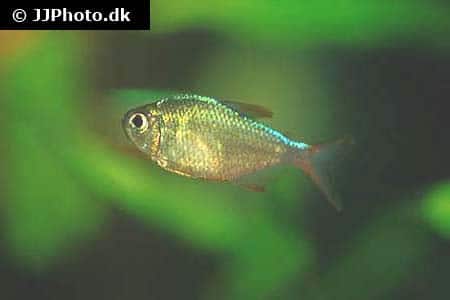
The Colombian tetra is a large, hardy tetra that most people underestimate. It gets bigger than expected, schools aggressively, and needs a 30-gallon minimum to show natural behavior. This fish is not delicate. It is a bruiser in a tetra’s body that thrives in conditions that stress most tetras.
The Colombian tetra is built like a tank. Treat it like one.
The Reality of Keeping Colombian Tetra
They get bigger than most tetras. Colombian tetras reach about 3 inches, putting them in the same size class as bleeding heart tetras and Congo tetras. A small group in a 20-gallon is too cramped. Give them a 30-gallon or larger.
The iridescence is the selling point. Under the right lighting, Colombian tetras shimmer with a blue-green iridescence across the body. Combined with the red-orange fin accents, the color combination is genuinely impressive. This effect is strongest under moderate, warm-toned lighting.
They are hardier than Congo tetras. If you want the large, iridescent tetra experience but do not want to deal with the Congo tetra’s higher maintenance requirements, the Colombian tetra is the practical alternative.
Biggest Mistake New Owners Make
Not giving them enough space. At 3 inches with an active swimming style, these fish need room. A cramped tank dulls their color and restricts the schooling behavior that makes them impressive.
The Colombian tetra is one of the best-kept secrets in the mid-sized tetra category. It delivers impressive color, solid hardiness, and active schooling behavior at a reasonable price point.
Key Takeaways
- Stunning blue-and-red coloration – iridescent blue body with vivid red-orange fins that rivals many cichlids
- Larger than most common tetras at about 2.5 inches, giving them real presence in a community tank
- Hardy and adaptable – tolerates a wide range of water conditions including moderately hard water
- Keep in groups of 8-10+ to manage occasional fin-nipping tendencies
- 30-gallon minimum recommended due to their size and active swimming habits
Species Overview
| Field | Details |
|---|---|
| Scientific Name | Hyphessobrycon columbianus |
| Common Names | Colombian Tetra, Red-Blue Colombian Tetra, Colombian Redfin Tetra |
| Family | Acestrorhamphidae |
| Origin | Rio Acandi, Choco Department, Colombia |
| Care Level | Easy |
| Temperament | Peaceful (occasional fin nipper) |
| Diet | Omnivore |
| Tank Level | Mid to Upper |
| Maximum Size | 2.75 inches (7 cm) |
| Minimum Tank Size | 30 gallons (115 liters) |
| Temperature | 68-82°F (20-28°C) |
| pH | 5.0-7.5 |
| Hardness | 1-10 dGH |
| Lifespan | 3-5 years in captivity |
| Breeding | Egg scatterer |
| Breeding Difficulty | Moderate |
| Compatibility | Community (with similar-sized fish) |
| OK for Planted Tanks? | Yes |
Classification
| Taxonomic Level | Classification |
|---|---|
| Order | Characiformes |
| Family | Acestrorhamphidae (reclassified from Characidae, Melo et al. 2024) |
| Subfamily | Hyphessobryconinae |
| Genus | Hyphessobrycon |
| Species | H. Columbianus (Zarske & Gery, 2002) |
Colombian tetras are hardy and adaptable but can be nippy and grow larger than most community tetras. Tank mate selection is the primary challenge.
The Colombian tetra was formally described by Zarske and Gery in 2002, but it had been floating around the hobby for several years before that as the unnamed “blue-red Colombian tetra.” Before its official description, it was sometimes misidentified as Hyphessobrycon ecuadorensis. The genus name Hyphessobrycon comes from Greek, meaning roughly “small biter.”
Note on reclassification: The 2024 phylogenomic study by Melo et al. Moved the Colombian tetra from the old catch-all family Characidae into the new family Acestrorhamphidae, placed within the subfamily Hyphessobryconinae. FishBase has already updated to reflect this new classification.
Origin & Natural Habitat
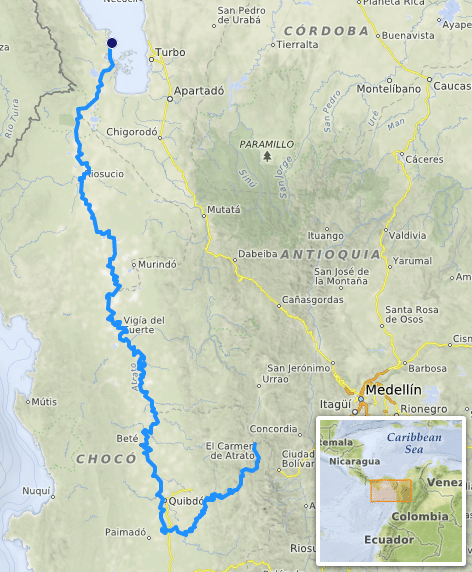
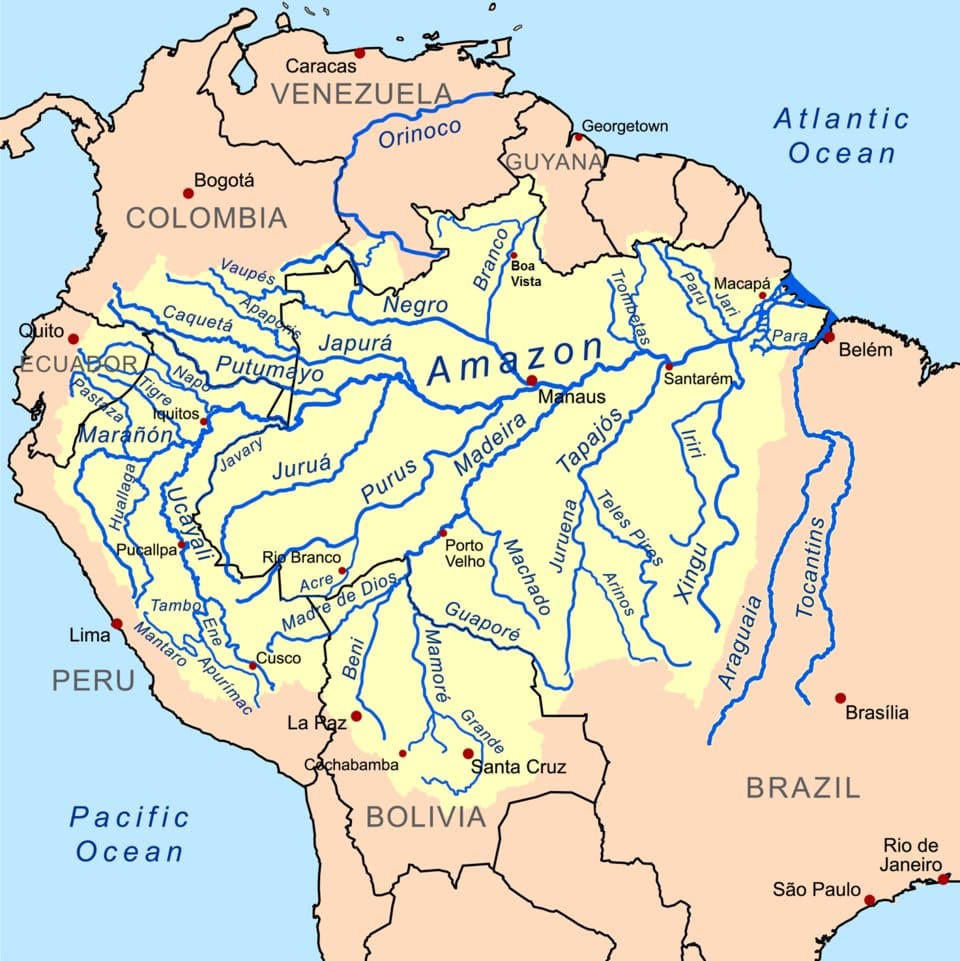
The Colombian tetra has one of the most restricted natural ranges of any common aquarium fish. It’s known only from the Rio Acandi in the Choco Department of northwestern Colombia, very close to the Panama border in the Darien region. The type locality is described as a small stream about 6 kilometers downstream from the town of Acandi on Colombia’s Atlantic coast.
In the wild, these fish inhabit slow-flowing creeks and tributaries with dense marginal vegetation. The water is soft and slightly acidic, sometimes taking on blackwater characteristics from decomposing organic matter. Substrates are sandy, and the fish are typically found in shallow areas with aquatic and marsh plants providing cover.
Despite this extremely narrow native range, the Colombian tetra is widely available in the aquarium trade because virtually all specimens sold today are farm-raised. The species’ IUCN status is listed as Data Deficient, which means there hasn’t been enough field research to determine whether wild populations are threatened.
Appearance & Identification
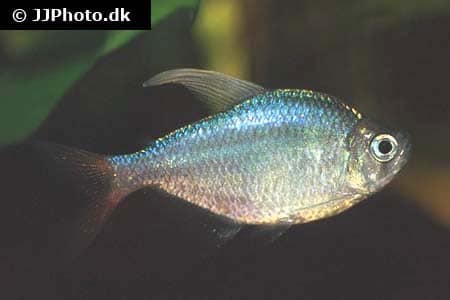
The Colombian tetra has a deep, laterally compressed body that’s noticeably stockier than most small tetras. The base color is silver-grey, but the real show starts with the intense turquoise-blue iridescence that washes across the upper body from the lateral line upward. Under good conditions, this blue can extend across nearly the entire flank, creating a metallic sheen that shifts and changes as the fish moves.
The fins are the other showstopper. The anal, dorsal, and caudal fins display vivid scarlet-red to orange coloration, often edged with darker borders. The dorsal and caudal fins also show whitish tips. It’s this combination of electric blue body and blood-red fins that earned the species its original trade name of “blue-red Colombian tetra.”
Male vs. Female
Sexing Colombian tetras becomes straightforward once the fish mature:
- Dorsal fin – Males develop an elongated dorsal fin with extended front rays that give it a pointed, flag-like appearance. Females have a more rounded dorsal fin.
- Coloration – Males display more intense blue iridescence and brighter red fins. Colors become especially vivid when males are displaying to each other.
- Body shape – Females are rounder and deeper-bodied, particularly when carrying eggs. Males are slimmer and more streamlined.
- Size – Males are slightly larger overall.
Average Size & Lifespan
Colombian tetras reach about 2.5 to 2.75 inches (6.5-7 cm), making them one of the larger commonly available tetra species. They’re bigger than cardinals, neons, and most Hyphessobrycon species, and comparable in size to Buenos Aires tetras. Their stocky body shape makes them appear even more substantial than their length suggests.
With proper care, expect a lifespan of 3 to 5 years. A varied diet, stable water conditions, and a well-maintained planted tank go a long way toward reaching the upper end of that range.
Care Guide
Tank Size
A 30-gallon tank is the recommended minimum for a group of 8-10 Colombian tetras. They’re larger and more active than most small tetras, so they need more swimming room. A standard 20-gallon can technically work for a small group, but you’ll see better behavior and less fin nipping in a roomier setup. For a mixed community with other species, consider 40 gallons or larger.
Water Parameters
| Parameter | Ideal Range |
|---|---|
| Temperature | 72-80°F (22-27°C) |
| pH | 5.0-7.5 |
| Hardness | 1-10 dGH |
| KH | 1-8 dKH |
Colombian tetras are adaptable and do well across a broad range of conditions. They’ll look their best in soft, slightly acidic water (pH 6.0-7.0), which brings out the most intense blue iridescence. But they’ll also do fine in moderately hard, neutral water. What matters most is consistency – avoid sudden swings in parameters, and they’ll reward you with great color.
Filtration & Water Flow
Moderate filtration with 4-5 times the tank volume turnover per hour is ideal. They can handle a bit more current than the more delicate small tetras. A canister or hang-on-back filter works well. Keep up with weekly 20-25% water changes to maintain water quality.
Lighting
Moderate lighting is the sweet spot. Too bright and the fish can look washed out; too dim and you’ll miss the iridescent blue effect. Standard planted tank lighting with some floating plants for shade creates ideal viewing conditions. The blue iridescence is most visible under slightly angled or diffused lighting rather than direct overhead blasts.
Plants & Decorations
A well-planted tank with dark substrate is the way to go. The dark background makes the blue body and red fins pop dramatically. Dense planting along the back and sides gives the fish retreat areas and helps manage territorial displays between males. Open swimming space in the front and center is important since these are active fish. Driftwood, dried leaf litter, and floating plants add that natural South American stream feel. Amazon swords, Vallisneria, Java fern, and Anubias all work well.
Is the Colombian Tetra Right for You?
Colombian tetras are bold, assertive fish for keepers who can match their energy. Here’s who they’re right for:
- You want a robust, active tetra that dominates the mid-water column with confidence
- You keep semi-assertive tank mates. Barbs, rainbowfish, or larger tetras
- You have a 30-gallon or larger tank to accommodate their size and activity level
- You want a tetra that’s always visible and active. Colombians don’t hide
- You appreciate blue iridescence combined with red fin accents
- Not suitable for peaceful nano communities. They’ll bully smaller, gentler species
What People Get Wrong
The biggest mistake is buying Colombian tetras for a peaceful planted community tank with bettas, angelfish, or slow fancy guppies. Colombian tetras are active, assertive fish — not aggressive enough to be classified as a problem species, but assertive enough to harass slow tank mates consistently. Fin nipping is a real risk with the wrong companions.
Second mistake: underestimating their size. Colombian tetras grow to 2.5 inches (6 cm), which is significantly larger than neons, cardinals, or most small community tetras. They are mid-sized fish that need mid-sized tank mates and a tank large enough for a proper school to develop.
Third: keeping too few. A school of 4 or 5 Colombian tetras is a restless, nippy group that stresses tank mates. A group of 8 or more in a tank with appropriate companions channels their energy into schooling rather than harassment.
Tank Mates
Best Tank Mates
- Other robust tetras (Buenos Aires tetras, emperor tetras, bleeding heart tetras)
- Corydoras catfish – perfect peaceful bottom dwellers
- Bristlenose plecos – hardy, non-competitive algae eaters
- Dwarf cichlids (rams, Apistogramma) – great South American pairing
- Hatchetfish – stay at the surface, out of the way
- Danios and rasboras – fast-moving, able to hold their own
- Medium barbs – cherry barbs and similar peaceful species
Tank Mates to Avoid
- Long-finned species – bettas, fancy guppies, and angelfish can become targets for fin nipping
- Very small, delicate fish – tiny species like microrasboras may be intimidated or outcompeted
- Slow-moving, passive fish – Colombian tetras are active and can stress out timid tank mates
Food & Diet
Colombian tetras are omnivorous foragers that accept a wide variety of foods. They’re not picky eaters, which is one of their many beginner-friendly traits.
A high-quality flake or pellet food makes a solid daily staple. Supplement regularly with live or frozen foods like bloodworms, daphnia, baby brine shrimp, and cyclops. Including some plant-based foods or algae wafers rounds out the diet. A varied diet directly affects coloration – fish fed a mix of live and frozen foods alongside quality dry food will show noticeably more intense blues and reds.
Feeding tip: Feed once or twice daily in small portions. Colombian tetras are eager, active feeders that can dominate mealtimes. If you’re keeping them with slower-eating species, feed at multiple spots in the tank to make sure everyone gets their share.
Breeding & Reproduction
Colombian tetras are egg scatterers that is bred in captivity with a bit of preparation. They’re not as easy to spawn as some of the smaller tetras, but a well-conditioned pair will usually cooperate.
Spawning Tank Setup
Set up a separate 10-15 gallon breeding tank with dim lighting and fine-leaved plants like Java moss for egg deposition. A mesh layer on the bottom helps protect eggs. Water should be soft and slightly acidic – pH around 6.0-6.5, temperature 78-80°F. A sponge filter provides gentle filtration without sucking up fry.
Conditioning & Spawning
Condition a breeding pair or small group with generous live and frozen food for 1-2 weeks. Males will display intensely, showing off their extended dorsal fins and iridescent coloration. A well-conditioned female can scatter up to 2,000 eggs during a spawning session that may last 2-4 hours.
Egg & Fry Care
Remove adults immediately after spawning – they will eat the eggs. Eggs hatch in 24-36 hours, and fry become free-swimming 3-5 days later. Start with infusoria or liquid fry food, then transition to microworms and baby brine shrimp as they grow. Colombian tetra fry grow at a moderate pace and will begin showing hints of adult coloration at around 2-3 months.
Common Health Issues
Colombian tetras are robust fish that rarely get sick when kept in clean, stable conditions. That said, they can fall victim to the standard tropical fish ailments:
Ich (White Spot Disease)
White spots on the body and fins, usually triggered by temperature fluctuations or stress. Raise the temperature gradually to 82°F and treat with a standard ich medication. Colombian tetras generally recover well.
Fin Rot
Bacterial deterioration of the fins, typically caused by poor water quality. Since Colombian tetras have those beautiful red fins, fin rot is especially noticeable and worth catching early. Extra water changes and antibacterial treatment will usually resolve it.
General Prevention
Quarantine all new additions for 2-4 weeks. Maintain stable water parameters, perform regular water changes, and provide a varied diet. These are tough fish that bounce back quickly when the underlying issue is corrected.
Common Mistakes to Avoid
- Keeping too few – Small groups of 3-4 fish almost always lead to fin nipping problems. The minimum should be 8, and 10-12 is better. Larger groups distribute aggression and reduce nipping dramatically.
- Pairing with long-finned fish – This is the most common compatibility mistake. Colombian tetras in small groups can become persistent fin nippers, especially toward slow-moving, long-finned species. If you want to keep them with angelfish or similar species, make sure the tetra group is large enough.
- Tank too small – These aren’t tiny tetras. Cramming them into a 10-gallon tank leads to stress, aggression, and washed-out colors. Give them room to swim.
- Expecting color from juveniles – Young Colombian tetras look plain and silvery. The electric blue and red coloration develops as they mature. Give them 3-4 months of good care and you’ll be rewarded.
- Harsh lighting – Bright overhead lights wash out the iridescent blue. Diffused or moderate lighting shows off their best colors.
Where to Buy
Colombian tetras are widely available both at local fish stores and through online retailers. Most specimens in the trade are farm-raised, making them consistently available and affordable. Pricing typically runs $4-8 per fish depending on size and retailer.
Make sure your tank is fully cycled before adding them. Colombians are hardy once established, but ammonia and nitrite in a new tank will cause problems even with tough fish.
For quality stock with live arrival guarantees, check Flip Aquatics and Dan’s Fish. Dan’s Fish regularly lists them as “Red Blue Colombian Tetra.”
Frequently Asked Questions
Are Colombian tetras aggressive?
Not truly aggressive, but they have a reputation for occasional fin nipping. This behavior is strongly tied to group size. In schools of 8 or fewer, nipping becomes more likely because the fish redirect their energy toward tank mates. In groups of 10-12 or more, the social dynamics within the school keep them occupied, and fin nipping is rarely an issue.
Why aren’t my Colombian tetras showing color?
Several factors affect coloration. Young fish haven’t developed full colors yet – give them a few months. Stress from small groups, poor water quality, or harsh lighting can also suppress coloration. Soft, slightly acidic water with a dark substrate and moderate lighting brings out the most intense blue and red. A diet that includes regular live or frozen foods also makes a significant difference.
Can Colombian tetras live with angelfish?
It can work, but it’s not guaranteed. The concern is fin nipping of the angelfish’s long flowing fins. Your best bet is keeping a large group (10+) of Colombian tetras to minimize nipping behavior, and providing a tank of at least 55 gallons so everyone has space. In my experience, hobbyists keep this combination successfully, while others report nipping problems. It depends on the individual fish and the tank setup.
How big do Colombian tetras get?
About 2.5 to 2.75 inches (6.5-7 cm) total length. This makes them significantly larger than neon tetras (1.5 inches) and similar in size to Buenos Aires tetras. Their stocky body shape makes them appear even bulkier than their measurement suggests.
What is the difference between Colombian tetra and red-blue Colombian tetra?
They’re the same species. “Colombian tetra,” “red-blue Colombian tetra,” “Colombian redfin tetra,” and “blue-red Colombian tetra” are all common names for Hyphessobrycon columbianus. Different retailers use different names, but they all refer to the same fish.
What It Is Actually Like Living With Colombian Tetra
Colombian tetras are confident, active swimmers that occupy the middle of the tank and create a dynamic, colorful display.
The iridescence shifts as they move, creating a shimmering effect that catches the eye constantly.
They are social feeders that eat enthusiastically and compete confidently at the surface.
In a school of 6 to 8, the combined iridescence and movement creates a display that rivals tanks with much more expensive fish.
How the Colombian Tetra Compares to Similar Species
Colombian Tetra vs. Blue Tetra
Blue tetras are the other assertive blue-toned tetra, and both species attract similar hobbyists. Colombian tetras add distinct red tail accents that blue tetras lack, making them the more colorful option. Behavior-wise, both are semi-aggressive and need robust tank mates. Blue tetras are slightly more confrontational in my experience, while Colombians are more about speed and dominance at feeding time. If you have to choose one, Colombians offer more color variety and are slightly easier to manage in a community. Check out our Blue Tetra care guide for more details.
Colombian Tetra vs. Silver Tetra
Silver tetras share the Colombian tetra’s metallic body type but are noticeably less aggressive. If you want that silvery, reflective school effect but in a peaceful community, silver tetras are the safer option. Colombians add more color with their red tails and blue sheen, but they bring more attitude too. Silver tetras are the “look but don’t touch” option, while Colombians are the “own the tank” option. Tank mate selection should drive your choice here. Check out our Silver Tetra care guide for more details.
Closing Thoughts
The Colombian tetra is a seriously underrated community fish. When you see a group of 12 or more in a planted tank with dark substrate, the combination of shimmering blue bodies and bright red fins is hard to beat. It’s one of the few tetras that can genuinely compete with cichlids in the visual department.
The key is keeping them in a large enough group. Do that, and you’ll have a hardy, colorful, active schooling fish that brings life and beauty to any mid-sized community tank. They pair especially well with emperor tetras for a Colombian biotope theme, or alongside bleeding heart tetras for a stunning multi-species South American display.
Recommended Video
Check out our tetra tier list video where we rank the most popular tetras in the hobby, including the Colombian tetra:
References
- Hyphessobrycon columbianus Profile – Seriously Fish
- Hyphessobrycon columbianus (Zarske & Gery, 2002) – FishBase
- Hyphessobrycon columbianus – TFH Magazine
- Phylogenomics of Characidae – Melo et al, 2024
- About the Author
- Latest Posts

I’m Mark Valderrama, founder of Aquarium Store Depot and a fishkeeper with over 25 years of hands-on experience. I started in the hobby at age 11, worked at local fish stores, and have kept freshwater tanks, ponds, and reef tanks ever since. I’ve been featured in two best-selling aquarium books on Amazon and built this site to share practical, experience-based fish keeping knowledge.
Leave a Reply