
Last Updated: June 25, 2026
Thank you for visiting! By the way… any links on this page that lead to products on Amazon and other stores/partners are affiliate links Aquarium Store Depot earns a commission if you make a purchase.
Table of Contents
- What Most Care Guides Get Wrong
- The Reality of Keeping Blue Tetra
- Key Takeaways
- Species Overview
- Classification
- Origin & Natural Habitat
- Appearance & Identification
- Average Size & Lifespan
- Care Guide
- Is This Fish Right for You?
- What People Get Wrong
- Tank Mates
- Food & Diet
- Breeding & Reproduction
- Common Health Issues
- Common Mistakes to Avoid
- Where to Buy
- Frequently Asked Questions
- What It Is Actually Like Living With Blue Tetra
- How It Compares to Similar Species
- Closing Thoughts
- Recommended Video
- References
The blue tetra is one of the most nippy schooling tetras in the hobby. Keep fewer than 8 and they terrorize every other fish in the tank. Keep 10+ and they mostly fight among themselves. This is not a peaceful community fish. It is a beautiful bully that only works in the right setup.
The blue tetra is gorgeous. It is also a bully. Stock accordingly or pay the price.
The Reality of Keeping Blue Tetra
Group size is not a suggestion. The minimum school size for blue tetra is not just a guideline. In small groups, these fish lose color, become stressed, and display abnormal behavior. A proper group of 6 to 8+ is where you start to see natural schooling behavior, full color expression, and the confidence that makes them worth keeping.
Tank mate selection requires thought. The blue tetra is not aggressive in the traditional sense, but it is assertive enough to cause problems with the wrong companions. Slow-moving, long-finned species are targets. Fast, short-finned fish of similar size are fine. Plan your community around this reality.
Hardy does not mean indestructible. The blue tetra tolerates a range of conditions, but it still needs basic care. Ammonia spikes, dramatic temperature swings, and neglected water changes will catch up to even the toughest species. The difference is margin of error, not immunity.
Store appearance is not home appearance. Fish in store tanks are stressed, crowded, and under inappropriate lighting. The blue tetra almost always looks better in a properly set up home aquarium than it does at the store. Dark substrate, live plants, and appropriate lighting bring out colors and behaviors you will never see in a retail environment.
Biggest Mistake New Owners Make
Adding them to a peaceful community tank without researching compatibility. The nipping and chasing will stress your existing fish, and by the time you realize the problem, fin damage is already done.
In my 25+ years in the hobby, I have consistently found that the hardiest species are the most underrated. The blue tetra is a perfect example. It is easy to keep, rewarding to watch, and it does not demand the kind of obsessive maintenance that more sensitive species require.
Key Takeaways
- One of the few truly blue freshwater fish available in the hobby, with a striking electric blue-violet iridescence along the body
- More nippy than most tetras – they need careful tank mate selection and should not be kept with long-finned or slow species
- Active swimmers that need space – a 20-gallon minimum with plenty of open swimming room
- Keep in groups of 8+ to reduce aggression and spread out any fin-nipping behavior within the school
- Best in a dimly lit, planted tank – their blue coloration really pops against darker backgrounds and under subdued lighting
Species Overview
| Field | Details |
|---|---|
| Scientific Name | Boehlkea fredcochui |
| Common Names | Blue Tetra, Cochu’s Blue Tetra, Blue King Tetra |
| Family | Stevardiidae |
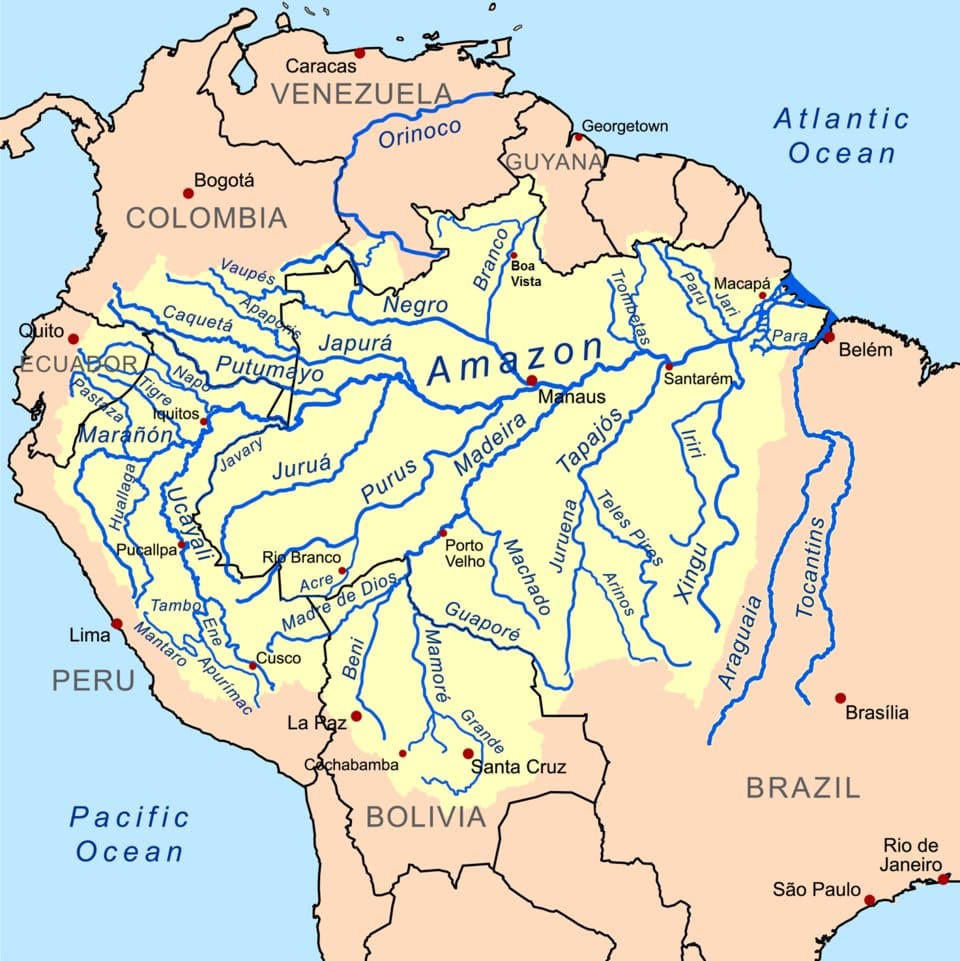
| Origin | Amazon River basin, Peru |
| Care Level | Easy to Moderate |
| Temperament | Semi-aggressive (nippy) |
| Diet | Omnivore |
| Tank Level | Mid to Top |
| Maximum Size | 2 inches (5 cm) |
| Minimum Tank Size | 20 gallons (75 liters) |
| Temperature | 73-82°F (23-28°C) |
| pH | 6.0-7.5 |
| Hardness | 5-12 dGH |
| Lifespan | 3-5 years in captivity |
| Breeding | Egg scatterer |
| Breeding Difficulty | Moderate to Difficult |
| Compatibility | Community (with caveats) |
| OK for Planted Tanks? | Yes |
Classification
| Rank | Name |
|---|---|
| Kingdom | Animalia |
| Phylum | Chordata |
| Class | Actinopterygii |
| Order | Characiformes |
| Family | Stevardiidae (formerly Characidae) |
| Subfamily | Diapominae |
| Genus | Boehlkea |
| Species | B. Fredcochui |
Blue tetras are hardy and forgiving, but they can be nippy in small groups. Group size and tank mate selection matter more than water parameters.
Boehlkea fredcochui was originally described by Jacques Géry in 1966 and placed in the family Characidae. The genus was named in honor of Dr. James Böhlke, an ichthyologist at the Academy of Natural Sciences of Philadelphia. The species name honors Fred Cochu, a prominent aquarium fish importer. Following the 2024 phylogenomic revision by Melo et al, the genus Boehlkea has been reclassified into the family Stevardiidae under the subfamily Diapominae. This revision split the former Characidae into four distinct families based on molecular evidence from ultraconserved elements (UCEs).
Origin & Natural Habitat
Blue tetras come from the upper Amazon River basin in Peru, where they inhabit tributaries and smaller river systems. They occupy areas with moderate to fast-flowing current, which explains their active swimming behavior in aquariums. The water in their native habitat is typically warm, soft, and slightly acidic, stained brown with tannins from decomposing leaf litter and fallen wood.
Their natural environment features sandy or muddy substrates with plenty of submerged vegetation, overhanging branches, and leaf debris on the bottom. The forest canopy overhead creates a dimly lit underwater world, which is why blue tetras will show their best colors in subdued lighting conditions.

Appearance & Identification
The blue tetra is one of the few genuinely blue freshwater fish available in the hobby, and that alone makes it stand out. The body has an elongated, torpedo-shaped profile that gives it an athletic look, and it carries a brilliant electric blue to blue-violet iridescence that runs along the flanks from the gill plate to the caudal peduncle. Under certain lighting angles, the color can shift from a steel blue to an almost purple shimmer.
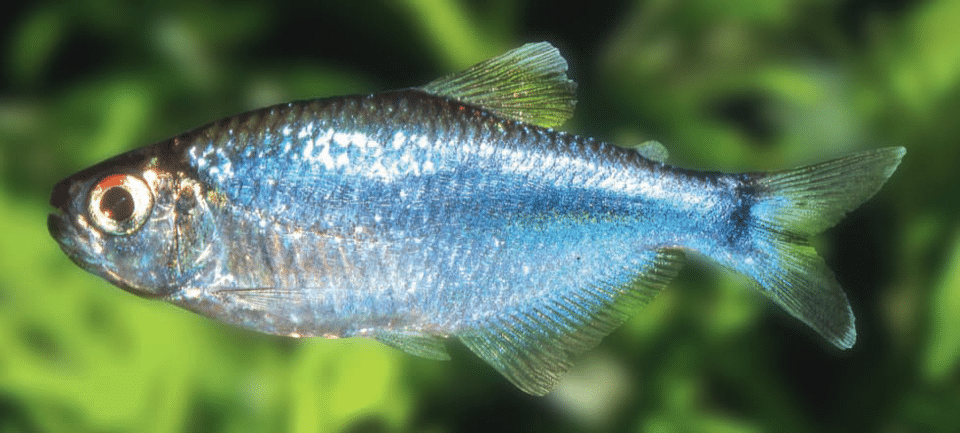
The fins are mostly transparent to slightly yellowish, and the tail fin has a subtle reddish or pinkish tint at the base. There’s a faint dark lateral stripe that runs through the body, though the blue iridescence often overpowers it visually. The eyes are relatively large with a silver to gold ring around the iris.
Sexing blue tetras isn’t too difficult once they’re mature. Males are slimmer and more streamlined with a more intense blue coloration. Females are slightly plumper through the belly (especially when carrying eggs) and may appear a touch less vivid in color, though both sexes share the same basic blue shimmer.
Average Size & Lifespan
Blue tetras reach a maximum size of about 2 inches (5 cm) in aquarium conditions. Most individuals will settle around 1.5 to 1.8 inches. They’re a mid-sized tetra, larger than neons but smaller than congos.
In terms of lifespan, expect 3 to 5 years with proper care. The usual factors apply here: clean water, good nutrition, and low stress from appropriate tank mates and school sizes all contribute to reaching the upper end of that range. Fish kept in understocked schools or in tanks that are too small will live shorter, more stressed lives.
Care Guide
Tank Size
A 20-gallon tank is the minimum for a school of blue tetras. Given how active they are, bigger is always better. These are not the kind of tetras that hover in one spot. They cruise the mid and upper water levels constantly, and they need horizontal swimming space to burn off that energy. A 30 to 40-gallon tank will give a group of 8-10 much more room to spread out, which also helps reduce any nipping behavior.
Water Parameters
- Temperature: 73-82°F (23-28°C)
- pH: 6.0-7.5
- General Hardness (GH): 5-12 dGH
- Carbonate Hardness (KH): 1-8 dKH
Blue tetras are fairly adaptable when it comes to water chemistry, especially tank-bred specimens. Wild-caught fish prefer softer, more acidic water, but most blue tetras in the trade today have been bred in captivity and can handle a wider range of parameters. That said, they do best in soft to moderately hard water with a slightly acidic to neutral pH. Consistent parameters matter more than hitting exact numbers.
Tank Setup
The ideal blue tetra setup balances open swimming space with planted areas and cover. Use a dark substrate (black sand or fine dark gravel) to really make their blue coloration pop. Add driftwood and some broad-leaved plants to create shaded areas, and include some floating plants to diffuse the overhead lighting. Blue tetras look washed out under bright lights but absolutely glow under subdued conditions.
Leave the center and front of the tank relatively open for swimming, with denser planting along the sides and back. A gentle to moderate current from the filter output is appreciated since they come from flowing water habitats. Indian almond leaves or other botanicals are a nice addition to create a more natural blackwater-style environment and help keep the pH naturally stable.
Filtration & Maintenance
Standard filtration is fine for blue tetras. A hang-on-back or canister filter that provides gentle to moderate flow works well. They’re not particularly messy fish, but they do appreciate clean, well-oxygenated water. Weekly water changes of 25-30% will keep conditions optimal. Like most tetras, they’re sensitive to ammonia and nitrite spikes, so make sure your tank is fully cycled before adding them.
Is the Blue Tetra Right for You?
Blue tetras are for hobbyists who can handle a tetra with attitude. Here’s the honest assessment:
- You want a tetra with real attitude and presence. These are not wallflowers
- You keep robust, active tank mates that can hold their own. Barbs, larger tetras, or medium cichlids
- You have a 30-gallon or larger tank with plenty of space to diffuse territorial behavior
- You enjoy watching bold, interactive fish behavior rather than passive schooling
- You keep groups of 8+ to spread aggression and prevent any single fish from being targeted
- Do NOT get these for a peaceful nano community. They will dominate and stress smaller fish
What People Get Wrong
The most common mistake is dismissing blue tetras as plain because they lack fluorescent colors. Under store lighting, the electric blue iridescence is easy to miss. In a planted tank with warm lighting, the metallic blue flash that moves through the body when light catches it at the right angle is genuinely striking — subtle but distinctive in a way that rewards closer attention.
Second mistake: underestimating the nipping tendency. Blue tetras have a peaceful reputation but are more nippy than that reputation suggests, especially in small groups. Keep them in proper school size of 8 or more, choose fast-moving short-finned tank mates, and the nipping is minimal. Under-school them or add long-finned companions and you will see the problem.
Third: they are hardier than their appearance suggests. Blue tetras tolerate a wide range of water parameters and temperature ranges that would stress more sensitive community fish. If you want a visually interesting tetra that will thrive in typical aquarium conditions without obsessive water management, blue tetras deliver reliably.
Tank Mates
This is where blue tetras require some extra thought. They have a reputation for nipping, and it’s well deserved. They’re not outright aggressive like some cichlids, but they will chase and nip at slow-moving or long-finned tank mates. The key is choosing companions that are quick, similarly sized, and lack flowing fins that might tempt a blue tetra.
Good Tank Mates
- Other robust tetras – serpae tetras, black skirt tetras, bleeding heart tetras, lemon tetras
- Barbs – cherry barbs, tiger barbs (similar energy level)
- Rasboras – harlequin rasboras, lambchop rasboras
- Corydoras catfish – they stay out of the blue tetras’ territory on the bottom
- Bristlenose plecos – armored and won’t be bothered
- Loaches – kuhli loaches, yoyo loaches
Tank Mates to Avoid
- Bettas – those flowing fins are a magnet for nipping
- Guppies – their long tails make them targets
- Angelfish – their trailing fins will get shredded
- Dwarf shrimp – blue tetras may eat smaller shrimp
- Very small fish – anything small enough to fit in their mouths becomes a snack
- Slow-moving species – anything that can’t keep up will get harassed
The single most effective way to reduce nipping is to keep a large school. In groups of 8 or more, blue tetras will focus their energy on each other rather than bothering tank mates. Smaller groups (under 6) almost always lead to problems.
Food & Diet
Blue tetras are unfussy omnivores that will accept just about anything offered. A high-quality micro pellet or flake food should form the base of their diet. Supplement this with regular offerings of frozen or live foods like brine shrimp, daphnia, and bloodworms. These protein-rich foods help bring out the best coloration and keep the fish in peak condition.
They’re mid-water feeders by preference but will take food from the surface as well. Feed small amounts two to three times per day rather than one large feeding. Their fast metabolism and active lifestyle mean they do better with frequent small meals than infrequent large ones.
Breeding & Reproduction
Breeding blue tetras in captivity is possible but considered moderately difficult. Like most characins, they’re egg scatterers with no parental care. To attempt breeding, set up a separate spawning tank (10-15 gallons) with very soft, acidic water (pH around 5.5-6.5, GH under 5) and a temperature around 78-80°F.
Use fine-leaved plants like java moss or spawning mops to give the eggs something to land on. Dim the lighting significantly or keep the tank dark. Condition a pair with plenty of live and frozen foods for a week or two before introducing them to the breeding tank.
Spawning typically happens in the morning hours. The female scatters eggs among the plants, and the male fertilizes them. Remove the adults immediately after spawning because they will eat every egg they can find. The eggs hatch in about 24-36 hours, and the fry become free-swimming roughly 3-4 days later. Feed the fry infusoria initially, then move to freshly hatched baby brine shrimp as they grow.
Common Health Issues
Blue tetras are reasonably hardy but is susceptible to the usual freshwater diseases if water quality slips. Ich (white spot disease) is the most common issue, typically triggered by temperature fluctuations or stress from transport. Neon tetra disease (Pleistophora) can also affect them, showing up as patchy loss of coloration, cysts, and erratic swimming. Unfortunately, there’s no cure for neon tetra disease, so quarantining new fish for 2-3 weeks is the best prevention strategy.
Fin rot can occur, especially in tanks with poor water quality. Regular water changes and maintaining proper filtration go a long way toward preventing most health problems. Watch for any signs of lethargy, loss of appetite, or unusual spots on the body. These fish are normally very active, so a blue tetra sitting still is often the first sign that something is wrong.
Common Mistakes to Avoid
- Keeping them in small groups. A school of 3-4 blue tetras almost guarantees fin nipping problems. Always keep at least 8, preferably 10+.
- Pairing them with long-finned fish. Bettas, fancy guppies, and angelfish are asking for trouble. Stick with short-finned, active species.
- Using bright, harsh lighting. Blue tetras look pale and stressed under intense lighting. Use floating plants and dimmer settings to bring out their best color.
- Tank too small. These are active fish that need room to swim. Don’t try to cram them into a 10-gallon tank.
- Adding them to an uncycled tank. Like all tetras, they’re sensitive to ammonia and nitrite. Make sure the tank is fully cycled before adding them.
Where to Buy
Blue tetras are moderately available in the hobby. They’re not as commonly stocked as neons or cardinals, but specialty stores and online retailers usually have them. Check out Flip Aquatics for tank-bred specimens, or look at Dan’s Fish for healthy, well-conditioned stock. Expect to pay around $4-6 per fish, with discounts for larger groups.
When selecting fish at a store, look for active individuals with vibrant blue coloration and no signs of fin damage or white spots. Avoid any fish from tanks where other specimens look sick or lethargic. A healthy blue tetra should be constantly on the move and display a strong iridescent sheen.
Frequently Asked Questions
Are blue tetras fin nippers?
Yes, blue tetras have a well-known tendency to nip fins. This behavior is most pronounced in small groups or when kept with slow-moving, long-finned tank mates. Keeping them in larger schools (8+) significantly reduces nipping because they focus their chasing behavior within the school instead of targeting other species.
Can blue tetras live with bettas?
No. This is one of the worst possible combinations. Blue tetras will nip at a betta’s flowing fins relentlessly, causing stress, fin damage, and potential infection. Choose short-finned, fast-moving tank mates instead.
How many blue tetras should I keep together?
A minimum of 8 is recommended, with 10-12 being ideal. Larger groups result in more natural schooling behavior and significantly less aggression toward tank mates. In groups under 6, blue tetras become noticeably more nippy and stressed.
Why do my blue tetras look pale?
The most common reason is lighting that’s too bright. Blue tetras show their best color under subdued, angled lighting. Adding floating plants, using a dark substrate, and dimming overhead lights can make a dramatic difference. Stress from small group sizes, poor water quality, or incompatible tank mates can also cause color loss.
Are blue tetras good community fish?
They is, but with caveats. They work well in communities with other similarly active, short-finned species. Avoid mixing them with anything slow, long-finned, or significantly smaller. When properly schooled and paired with compatible tank mates, they’re a lively addition to a community tank.
What It Is Actually Like Living With Blue Tetra
In a proper school, blue tetra display natural movement patterns that are genuinely engaging to watch. The fish interact with each other, establish subtle hierarchies, and move through the tank with purpose.
They spend most of their time near the surface, which fills a level of the tank that many other species ignore. This makes them excellent complements to mid-water and bottom-dwelling fish.
Feeding time is when their personality comes out. They learn your routine quickly and will anticipate feeding before you even open the lid.
Their color and behavior improve over time as they settle into a stable environment. Fish that have been in the same tank for months look noticeably better than recently added stock.
How the Blue Tetra Compares to Similar Species
Blue Tetra vs. Blue Emperor Tetra
Blue emperor tetras deliver blue coloration in a much more community-friendly package. They’re smaller, less aggressive, and work in a wider range of setups. Blue tetras are larger and significantly more assertive. They need tank mates that can handle the pressure. If you want blue and have a peaceful community, blue emperors are the clear choice. If you have a semi-aggressive setup with robust fish and want maximum visual impact, blue tetras fill that niche better. Check out our Blue Emperor Tetra care guide for more details.
Blue Tetra vs. Colombian Tetra
Colombian tetras share the blue tetra’s assertive personality and silvery-blue coloration, with the addition of red tail accents. Both species are semi-aggressive and need similar management. Large groups, spacious tanks, and robust tank mates. Colombian tetras are slightly more predictable in behavior and easier to source. Blue tetras have a more pronounced blue sheen when conditions are right. Both are excellent choices for keepers who want a tetra that behaves more like a barb in terms of energy and assertiveness. Check out our Colombian Tetra care guide for more details.
Closing Thoughts
The blue tetra is a genuinely special fish if you go into it with realistic expectations. That electric blue coloration is hard to find in freshwater species, and a school of 10+ cruising through a planted tank is a sight that draws attention from across the room. Just respect their nippier nature, give them plenty of space, keep them in good-sized groups, and choose tank mates that can handle a little attitude. Do those things, and you’ll have a stunning, active school that’s hard to beat for sheer visual impact.
Recommended Video
Check out our Tetra Tier List video where we rank different tetra species and discuss their pros and cons for the home aquarium.
References
- Géry, J. (1966). A review of certain Tetragonopterinae (Characoidei), with the description of two new genera. Ichthyologica, The Aquarium Journal, 37(5), 211-236.
- Melo, B.F, Ota, R.P, et al. (2024). Phylogenomics of Characidae, a hyper-diverse Neotropical freshwater fish lineage, with a phylogenetic classification including four families. Zoological Journal of the Linnean Society, 202(1).
- Froese, R. And D. Pauly, Editors. (2024). Boehlkea fredcochui. FishBase. fishbase.se
- IUCN Red List of Threatened Species. (2022). Boehlkea fredcochui. Status: Least Concern.
- About the Author
- Latest Posts

I’m Mark Valderrama, founder of Aquarium Store Depot and a fishkeeper with over 25 years of hands-on experience. I started in the hobby at age 11, worked at local fish stores, and have kept freshwater tanks, ponds, and reef tanks ever since. I’ve been featured in two best-selling aquarium books on Amazon and built this site to share practical, experience-based fish keeping knowledge.
Leave a Reply