
Last Updated: June 25, 2026
Thank you for visiting! By the way… any links on this page that lead to products on Amazon and other stores/partners are affiliate links Aquarium Store Depot earns a commission if you make a purchase.
Table of Contents
- What Most Care Guides Get Wrong
- The Reality of Keeping Penguin Tetra
- Key Takeaways
- Species Overview
- Classification
- Origin & Natural Habitat
- Appearance & Identification
- Average Size & Lifespan
- Care Guide
- Is This Fish Right for You?
- What People Get Wrong
- Tank Mates
- Food & Diet
- Breeding & Reproduction
- Common Health Issues
- Common Mistakes to Avoid
- Where to Buy
- Frequently Asked Questions
- What It Is Actually Like Living With Penguin Tetra
- How It Compares to Similar Species
- Closing Thoughts
- Recommended Video
- References
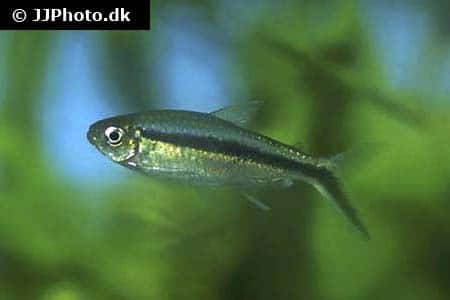
The penguin tetra is a mid-size schooler that swims at a distinctive 45-degree angle. Keep a school of 8+ and the synchronized angled swimming is one of the most unique displays in the hobby. Keep fewer and they scatter, lose the behavior, and turn into generic silver fish.
A proper school of penguin tetras swimming at an angle is unlike anything else in the freshwater hobby.
The Reality of Keeping Penguin Tetra
They are more active than most mid-sized tetras. Penguin tetras are energetic swimmers that cover the entire tank. They are not the calm, drifting type. If you want constant movement and activity in your community, this species delivers.
The oblique stripe is the defining feature. The black stripe that extends diagonally from the body into the lower tail lobe is unique among common tetras. It creates a bold, graphic pattern that is immediately recognizable. No other common tetra has this look.
They are slightly nippy in small groups. In groups of less than 6, penguin tetras become persistent nippers. A proper school of 6 to 8 keeps the nipping within the group and manageable.
Biggest Mistake New Owners Make
Keeping too few. A group of 3 or 4 penguin tetras is nippy, stressed, and visually unimpressive. Six to eight fish transforms them into an active, cohesive school with the signature stripe creating a striking visual pattern.
The penguin tetra is an excellent mid-sized community tetra that combines a unique visual pattern with hardy care requirements. It deserves more popularity than it gets.
Key Takeaways
- Distinctive oblique swimming posture – penguin tetras naturally hover at a slight angle with the head tilted upward
- Bold black stripe runs from the gill cover through the lower caudal lobe, making them instantly recognizable
- Extremely hardy and adaptable – tolerates pH from 5.5 to 8.0 and hardness up to 20 dGH
- Keep in groups of 8-10+ for the best schooling behavior and reduced fin nipping
- 20-gallon minimum with plenty of plants and swimming space at the mid to upper water column
Species Overview
| Field | Details |
|---|---|
| Scientific Name | Thayeria boehlkei |
| Common Names | Penguin Tetra, Hockey Stick Tetra, Blackline Penguinfish |
| Family | Acestrorhamphidae |
| Origin | Upper Amazon basin (Peru) and Rio Araguaia (Brazil) |
| Care Level | Easy |
| Temperament | Peaceful |
| Diet | Omnivore |
| Tank Level | Mid to Upper |
| Maximum Size | 2.4 inches (6 cm) |
| Minimum Tank Size | 20 gallons (75 liters) |
| Temperature | 73-82°F (22-28°C) |
| pH | 5.5-8.0 |
| Hardness | 1-20 dGH |
| Lifespan | 3-5 years in captivity |
| Breeding | Egg scatterer |
| Breeding Difficulty | Easy to Moderate |
| Compatibility | Community |
| OK for Planted Tanks? | Yes |
Classification
| Taxonomic Level | Classification |
|---|---|
| Order | Characiformes |
| Family | Acestrorhamphidae (reclassified from Characidae, Melo et al. 2024) |
| Subfamily | Thayeriinae |
| Genus | Thayeria |
| Species | T. Boehlkei (Weitzman, 1957) |
Penguin tetras are hardy, adaptable, and easy to keep. Their distinctive oblique swimming posture is natural behavior, not a sign of disease.
The penguin tetra was described by Stanley Weitzman in 1957. The genus Thayeria contains only four species: T. Boehlkei, T. Obliqua (the true penguin tetra, rarely seen in the hobby), T. Ifati, and T. Tapajonica (described in 2017).
A note on naming: There’s long-standing confusion in the hobby between T. Boehlkei and T. Obliqua. The species you see in virtually every fish store labeled “penguin tetra” is actually T. Boehlkei. The true T. Obliqua is rarely imported. The easiest way to tell them apart is the stripe – in T. Boehlkei, the dark stripe extends the full length of the body from the gill cover to the tail. In T. Obliqua, the stripe fades out before reaching the head.
Note on reclassification: The 2024 phylogenomic study by Melo et al. Moved the penguin tetra from the old catch-all family Characidae into the new family Acestrorhamphidae, placed within the subfamily Thayeriinae. FishBase has already updated to reflect this new classification.
Origin & Natural Habitat
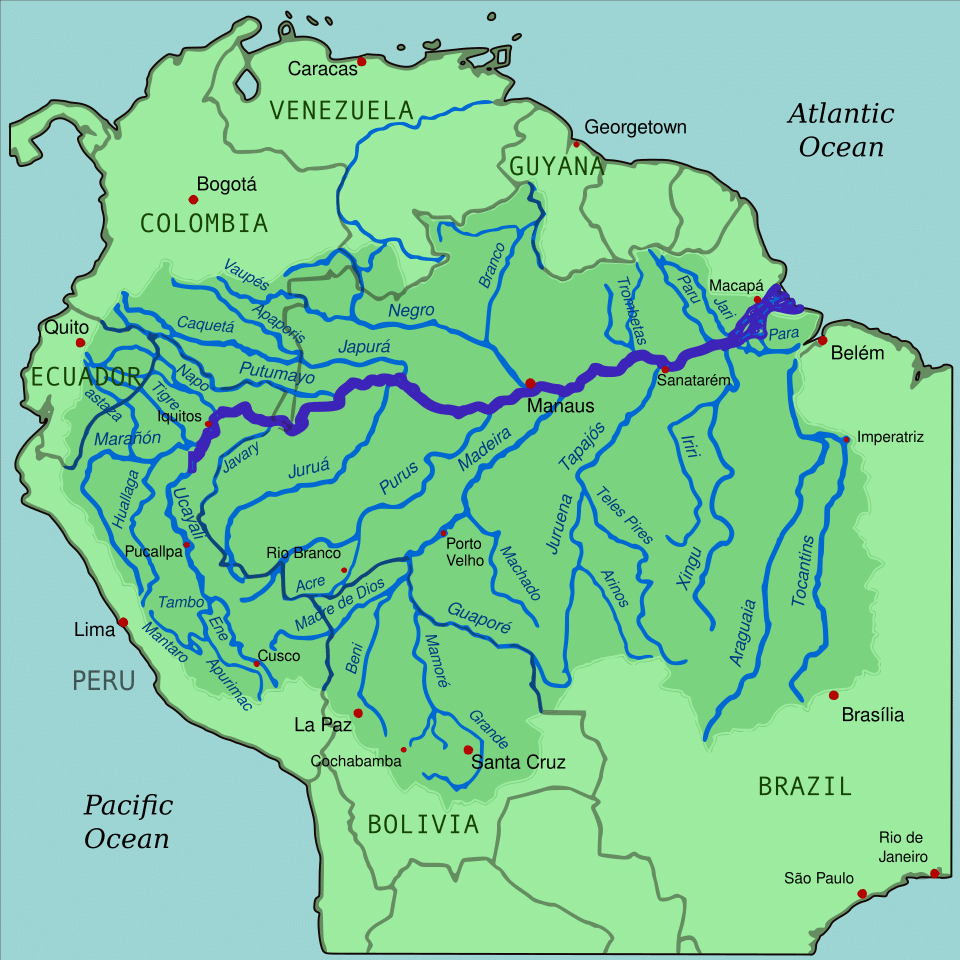
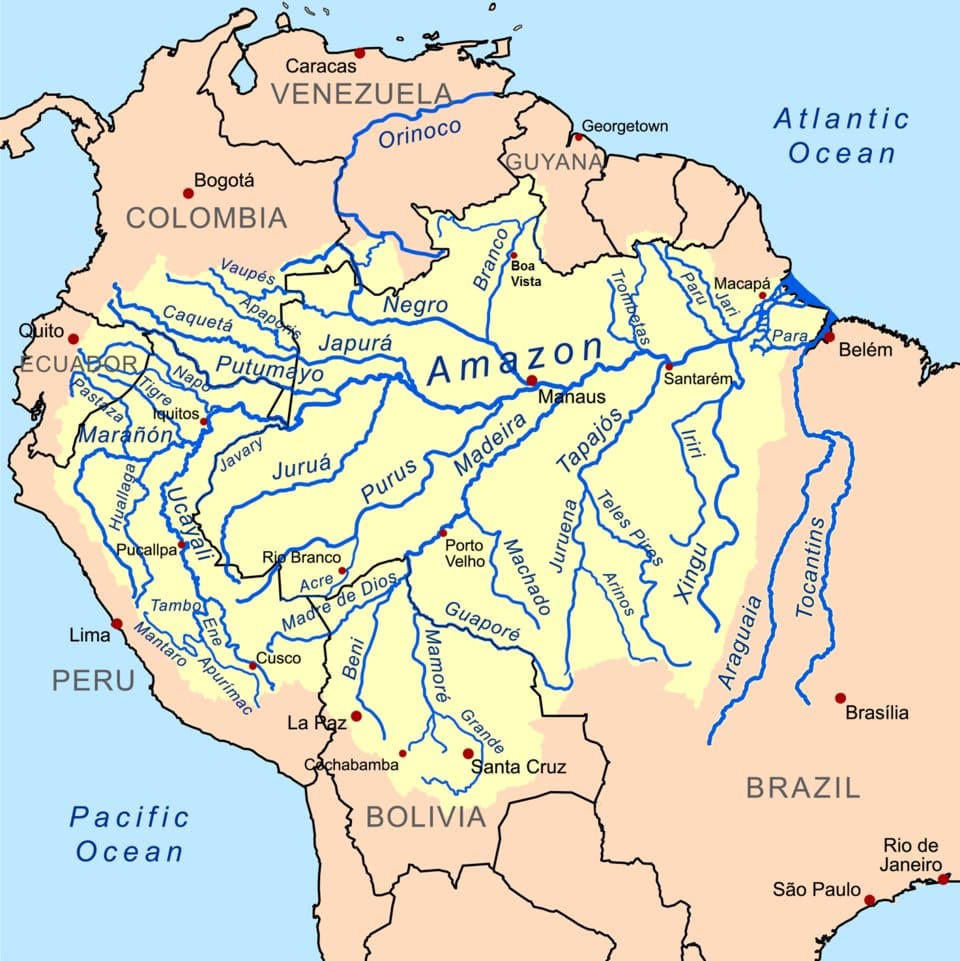
The penguin tetra is found across a wide range in South America, primarily in the upper Amazon basin in Peru and the Rio Araguaia system in Brazil. These are two distinct drainage systems, which speaks to the species’ adaptability and why it does so well in a range of aquarium conditions.
In the wild, penguin tetras inhabit a variety of habitat types. They’re found in slow-moving tributaries, wetland areas with dense submerged vegetation, and jungle streams shaded by thick marginal plants. Water conditions vary depending on location, from soft and acidic blackwater environments to moderately hard, neutral water. Substrates range from sandy bottoms covered in leaf litter to areas with more vegetation.
This habitat diversity is a big part of why penguin tetras are so tolerant in captivity. They’ve evolved to handle a range of conditions, making them one of the more forgiving tetras when it comes to water parameters.
Appearance & Identification
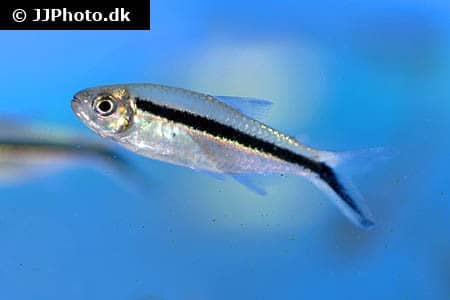
The penguin tetra has a torpedo-shaped, laterally compressed body with a silvery base color that takes on a warm golden-olive tone along the back. The defining feature is the bold black lateral stripe that starts at the gill cover, runs along the lower half of the body, and extends directly into the lower lobe of the caudal fin. This creates that distinctive “hockey stick” pattern that earned the fish one of its common names.
Above the black stripe, there’s often a thin golden or iridescent line that catches the light nicely. Fins are mostly transparent with a slight yellowish tinge. The overall look is clean and graphic, and a school of 10 or more moving together with their angled swimming posture is genuinely eye-catching.
The Oblique Swimming Posture
The most unique behavioral trait of the penguin tetra is its natural oblique swimming posture. These fish rest and hover at a roughly 20-25 degree angle with the head slightly elevated. When startled, they’ll dart horizontally like any other fish, but at rest they return to their signature tilted position. This is completely normal and is what gives them the “penguin” common name – the posture is reminiscent of a penguin standing upright.
Male vs. Female
Sexing penguin tetras isn’t as straightforward as some other species, but there are a few clues:
- Body shape – Females are noticeably rounder and deeper-bodied, especially when carrying eggs.
- Size – Females are slightly larger overall.
- Coloration – Males may show slightly more intense coloring, but the difference is subtle.
- Fin shape – Males can have slightly more pointed anal fins.
Average Size & Lifespan
Penguin tetras reach about 2 to 2.4 inches (5-6 cm) in standard length. They’re a medium-sized tetra, noticeably larger than neons or embers but smaller than Congo tetras. Their elongated body shape makes them appear a bit larger than their measurement suggests.
With proper care, expect a lifespan of 3 to 5 years. In my experience, hobbyists report keeping them beyond 5 years in well-maintained tanks, though 4 years is a good average to aim for.
Care Guide
Tank Size
A 20-gallon tank is the recommended minimum for a group of 8-10 penguin tetras. These are active swimmers that use the mid to upper water column, so they appreciate horizontal swimming space more than height. A standard 20-gallon long is a better choice than a tall tank. For larger groups or community setups, a 30-gallon or bigger gives everyone room to move without feeling crowded.
Water Parameters
| Parameter | Ideal Range |
|---|---|
| Temperature | 73-82°F (22-28°C) |
| pH | 5.5-8.0 |
| Hardness | 1-20 dGH |
| KH | 2-10 dKH |
This is where penguin tetras really shine. Their tolerance range is one of the widest of any popular tetra. A pH from 5.5 all the way up to 8.0 is workable, which means they’ll thrive in soft acidic setups and in moderately hard, alkaline tap water alike. That said, they’ll show their best coloration and be most comfortable in slightly soft, slightly acidic conditions. Stability matters more than hitting a perfect number.
Filtration & Water Flow
Moderate flow is ideal. Penguin tetras come from varied habitats including some with gentle currents, so they handle flow well without being strong swimmers that need a powerhead. A standard hang-on-back or canister filter turning over 4-5 times the tank volume per hour works perfectly. Stick with 20-25% weekly water changes.
Lighting
Moderate lighting works well. Penguin tetras aren’t as light-sensitive as some of the more deeply forested species like emperor tetras, but they do appreciate some shaded areas created by floating plants. Their silvery coloration and the golden iridescent line above the stripe look great under standard planted tank lighting.
Plants & Decorations
A planted tank with open swimming space in the middle and upper areas is the best setup. Dense planting along the back and sides with an open front gives the school room to display while providing retreat areas when they want to rest. Driftwood, some floating plants, and dried leaf litter create a natural Amazonian feel. Java fern, Vallisneria, Amazon swords, and Anubias are all great choices. Just make sure you leave enough open water for swimming – these are more active than many tetras.
Is the Penguin Tetra Right for You?
Penguin tetras are one of the hobby’s most distinctive and underappreciated species. Here’s who should keep them:
- You enjoy watching unique swimming behavior. Their angled posture is fascinating, not a flaw
- You have a 20-gallon long or equivalent with plenty of horizontal swimming room
- You want a hardy, forgiving tetra that tolerates a wide range of water conditions
- You appreciate a species with real character that stands out from the typical tetra swimming pattern
- You keep a peaceful community and want a mid-tank species that adds visual interest
- These aren’t for you if the angled swimming bothers you. It’s permanent and non-negotiable
What People Get Wrong
The most common misconception is thinking something is wrong when the fish swims at a 45-degree angle, head up and tail down. This is completely normal for penguin tetras. It is a characteristic resting and schooling posture for the species. A group of penguin tetras schooling in unison at this oblique angle is one of the more distinctive visual effects in a freshwater aquarium.
Second mistake: keeping too few. A group of 4 or 5 penguin tetras spends most of its time hiding and shows no schooling behavior. A group of 8 or more actively schools, shows the oblique posture confidently, and occupies the mid-water column the way this species is supposed to.
Third: not appreciating how hardy this fish is. Penguin tetras tolerate a wider range of water parameters than most tetras. They are a genuinely forgiving beginner fish that tends to get overlooked because their appearance is more subtle than neons or cardinals.
Tank Mates
Best Tank Mates
- Other peaceful tetras (cardinal, flame, rummy-nose, ember tetras)
- Corydoras catfish – classic bottom-dwelling companion
- Hatchetfish – share the upper column and come from similar habitats
- Rasboras – peaceful mid-level schooling fish
- Dwarf cichlids (rams, Apistogramma) – great South American biotope pairing
- Bristlenose plecos – peaceful algae eaters that stay out of their way
- Otocinclus – small, gentle bottom feeders
- Honey gouramis – calm surface dwellers
Tank Mates to Avoid
- Large aggressive cichlids – anything big enough to view them as food
- Long-finned species in small groups – penguin tetras can occasionally nip flowing fins if kept in too-small groups
- Very slow or timid species – penguin tetras are active and can outcompete shyer fish at feeding time
Food & Diet
Penguin tetras are micropredators in the wild, feeding on small insects, worms, crustaceans, and invertebrates. In the aquarium, they’re enthusiastic eaters that accept just about anything offered.
A high-quality flake or micro-pellet works well as a daily staple. Supplement regularly with live or frozen foods like daphnia, baby brine shrimp, cyclops, and bloodworms for optimal health and coloration. They’re active feeders that will take food at the surface and in the mid-water column.
Feeding tip: Feed small portions once or twice daily. Penguin tetras are eager feeders and can outcompete slower tank mates at mealtimes. If you’re keeping them in a community, consider feeding at multiple spots in the tank so everyone gets a share.
Breeding & Reproduction
Penguin tetras are among the easier tetras to breed, making them a good choice for hobbyists looking to try spawning egg-scattering characins.
Spawning Tank Setup
Set up a separate 10-15 gallon breeding tank with dim lighting, fine-leaved plants like Java moss or spawning mops, and gentle filtration (a sponge filter works well). Use a mesh layer or marbles on the bottom to protect the eggs from being eaten. Water should be soft and slightly acidic – pH around 6.0-6.5, temperature 78-80°F.
Conditioning & Spawning
Condition breeding pairs or small groups with plenty of live foods for 1-2 weeks. A well-conditioned female can scatter an impressive number of eggs – some reports suggest females can produce over 1,000 eggs in a single spawning event. Spawning typically happens in the morning.
Egg & Fry Care
Remove adults immediately after spawning, as they will eat the eggs if given the chance. Eggs hatch in about 20-24 hours, and fry become free-swimming 3-4 days later. Feed infusoria or liquid fry food initially, then transition to microworms and baby brine shrimp as the fry grow. Fry growth is relatively fast compared to some other tetra species.
Common Health Issues
Penguin tetras are hardy, but they’re susceptible to the standard tropical fish diseases:
Ich (White Spot Disease)
The most common ailment in any tetra. Look for small white spots on the body and fins, usually triggered by temperature swings or stress from poor water quality. Raise temperature gradually to 82°F and treat with a standard ich medication.
Neon Tetra Disease
Despite the name, this parasitic disease (caused by Pleistophora hyphessobryconis) can affect many tetra species including penguin tetras. Symptoms include loss of color, cysts or lumps under the skin, and erratic swimming. Unfortunately, there is no effective treatment. Affected fish should be removed immediately to prevent spread.
Fin Rot
Bacterial deterioration of the fins caused by poor water quality. Improve conditions with extra water changes and treat with antibacterial medication if it doesn’t resolve on its own.
General Prevention
Quarantine all new fish for 2-4 weeks before adding them to your main tank. Maintain stable water parameters, keep up with regular water changes, and provide a varied diet. Penguin tetras are tough fish when given consistent, clean conditions.
Common Mistakes to Avoid
- Keeping too few – Groups smaller than 6 can lead to fin nipping and stressed fish. Aim for 8-10 or more for natural schooling behavior.
- Thinking the angle is a health problem – New penguin tetra owners sometimes panic about the oblique swimming posture. This is completely normal. Only worry if a fish that was previously swimming at an angle suddenly swims horizontally and appears lethargic.
- Not enough swimming space – These are more active than many tetras. Tanks that are too heavily decorated without open mid-water areas will frustrate them. Leave open swimming lanes.
- Mixing with very slow feeders – Penguin tetras are enthusiastic eaters that can dominate feeding time. If you keep them with timid species, make sure food reaches everyone.
- Confusing species – Make sure you’re getting T. Boehlkei (stripe extends to the gill cover) and not T. Obliqua (shorter stripe). In practice, nearly everything sold as “penguin tetra” is T. Boehlkei, but it’s worth checking.
Where to Buy
Penguin tetras are widely available at local fish stores and online retailers. They’re one of the more common tetras in the hobby, so finding them shouldn’t be difficult. Pricing typically runs $3-8 per fish depending on size and source.
Always add them to a fully cycled tank. Penguin tetras are hardy once settled, but ammonia and nitrite in an uncycled tank will stress them into disease before they ever settle in.
For quality stock with live arrival guarantees, check Flip Aquatics and Dan’s Fish. Both retailers regularly carry penguin tetras and ship healthy specimens.
Frequently Asked Questions
Why does my penguin tetra swim at an angle?
This is completely normal and healthy behavior. Penguin tetras naturally hover at a 20-25 degree angle with the head slightly elevated. All species in the genus Thayeria share this trait. It’s actually what earned them the “penguin” common name, since the posture resembles a penguin standing upright. If a penguin tetra suddenly stops swimming at an angle and becomes lethargic, that would actually be a cause for concern.
What is the difference between penguin tetra and hockey stick tetra?
They’re the same fish. “Penguin tetra” and “hockey stick tetra” are both common names for Thayeria boehlkei. The “hockey stick” name comes from the shape of the black stripe, which runs horizontally along the body then angles down into the lower caudal lobe, forming an L-shape that resembles a hockey stick.
Are penguin tetras fin nippers?
They is occasional fin nippers, particularly when kept in small groups. In schools of 8-10 or more, this behavior is greatly reduced because the fish focus their social energy within the group rather than on tank mates. Avoid keeping them with very long-finned species like fancy guppies or betta fish if your school is on the smaller side.
How many penguin tetras should I keep together?
A minimum of 6, but 8-10 or more is strongly recommended. Larger groups produce better schooling behavior, reduce fin nipping tendencies, and create a much more impressive visual display. In a 30-gallon or larger tank, a school of 12-15 penguin tetras is stunning.
Can penguin tetras live in hard water?
Yes. Penguin tetras tolerate hardness up to 20 dGH, which is much higher than most tetras. While they prefer softer water, they’ll do just fine in moderately hard tap water. This makes them an excellent tetra option for hobbyists whose tap water isn’t naturally soft.
What It Is Actually Like Living With Penguin Tetra
A school of penguin tetras in motion is visually engaging because the oblique stripes create a repeating pattern that moves through the tank. It is graphic and distinctive.
They are active at all levels of the tank, which makes them more dynamic than tetras that stick to one zone.
Feeding time brings out their assertive side. They hit the surface hard and compete confidently for food.
They are hardy and adaptable, making them suitable for a wide range of community setups.
How the Penguin Tetra Compares to Similar Species
Penguin Tetra vs. Short-stripe Penguin Tetra
The short-stripe penguin tetra is the more delicate sibling. Same general body shape and swimming angle, but with a shorter marking and higher sensitivity to water quality. Regular penguin tetras are hardier, more forgiving, and better for beginners. Short-stripe penguins need tighter water quality management. If you’re new to penguin tetras, start with the standard variety. If you’ve kept regular penguins successfully and want a more refined challenge, the short-stripe is the natural progression. Check out our Short-stripe Penguin Tetra care guide for more details.
Penguin Tetra vs. Emperor Tetra
Emperor tetras share the penguin tetra’s dignified swimming presence but in a completely different style. Emperors swim horizontally with flowing fins, while penguins hover at their signature angle. Both are medium-sized, peaceful, and work well in the same types of community tanks. Emperors are the flashier option with more dramatic coloring and finnage. Penguins are the more behaviorally interesting option. In a tank big enough, keeping both species together creates a fascinating contrast in swimming styles. Check out our Emperor Tetra care guide for more details.
Closing Thoughts
The penguin tetra doesn’t get nearly enough credit. It’s hardy enough for beginners, interesting enough for experienced fishkeepers, and has a look and behavior pattern that no other common tetra can match. That angled swimming posture never gets old, and a proper school of 10 or more hovering together in a planted tank is one of those sights that always stops visitors in their tracks.
If you want a bulletproof tetra that works in a wide range of water conditions and adds genuine character to your community tank, the penguin tetra deserves a spot on your shortlist. They pair beautifully with cardinal tetras or rummy-nose tetras for a multi-species South American community.
Recommended Video
Check out our tetra tier list video where we rank the most popular tetras in the hobby, including the penguin tetra:
References
- Thayeria boehlkei Profile – Seriously Fish
- Thayeria boehlkei (Weitzman, 1957) – FishBase
- Thayeria (genus) – Wikipedia
- Phylogenomics of Characidae – Melo et al, 2024
- About the Author
- Latest Posts

I’m Mark Valderrama, founder of Aquarium Store Depot and a fishkeeper with over 25 years of hands-on experience. I started in the hobby at age 11, worked at local fish stores, and have kept freshwater tanks, ponds, and reef tanks ever since. I’ve been featured in two best-selling aquarium books on Amazon and built this site to share practical, experience-based fish keeping knowledge.
Leave a Reply