
Last Updated: June 25, 2026
Thank you for visiting! By the way… any links on this page that lead to products on Amazon and other stores/partners are affiliate links Aquarium Store Depot earns a commission if you make a purchase.
Table of Contents
- What Most Care Guides Get Wrong
- The Reality of Keeping Short-stripe Penguin Tetra
- Key Takeaways
- Species Overview
- Classification
- Origin & Natural Habitat
- Appearance & Identification
- Average Size & Lifespan
- Care Guide
- Is This Fish Right for You?
- What People Get Wrong
- Tank Mates
- Food & Diet
- Breeding & Reproduction
- Common Health Issues
- Common Mistakes to Avoid
- Where to Buy
- Frequently Asked Questions
- What It Is Actually Like Living With Short-stripe Penguin Tetra
- How It Compares to Similar Species
- Closing Thoughts
- Recommended Video
- References
The short-stripe penguin tetra is a smaller, less aggressive version of the standard penguin tetra. It has the same distinctive angled swimming behavior but in a smaller package that works in 20-gallon tanks. Keep 8+ for the full display. Fewer and the behavior disappears.
Short-stripe penguin tetras in a proper school deliver the same unique display as standard penguins but in half the space.
The Reality of Keeping Short-stripe Penguin Tetra
Group size is not a suggestion. The minimum school size for short-stripe penguin tetra is not just a guideline. In small groups, these fish lose color, become stressed, and display abnormal behavior. A proper group of 6 to 8+ is where you start to see natural schooling behavior, full color expression, and the confidence that makes them worth keeping.
Tank mate selection requires thought. The short-stripe penguin tetra is not aggressive in the traditional sense, but it is assertive enough to cause problems with the wrong companions. Slow-moving, long-finned species are targets. Fast, short-finned fish of similar size are fine. Plan your community around this reality.
Hardy does not mean indestructible. The short-stripe penguin tetra tolerates a range of conditions, but it still needs basic care. Ammonia spikes, dramatic temperature swings, and neglected water changes will catch up to even the toughest species. The difference is margin of error, not immunity.
Store appearance is not home appearance. Fish in store tanks are stressed, crowded, and under inappropriate lighting. The short-stripe penguin tetra almost always looks better in a properly set up home aquarium than it does at the store. Dark substrate, live plants, and appropriate lighting bring out colors and behaviors you will never see in a retail environment.
Biggest Mistake New Owners Make
Keeping them with fish small enough to eat. This is a predator. It will eat anything it can fit in its mouth. If you stock smaller fish with a short-stripe penguin tetra, you are feeding it expensive live food.
Short-stripe penguin tetras are one of the best options if you love the distinctive angled swimming display of standard penguin tetras but don’t have the space for a larger setup. They fit comfortably in a 20-gallon tank, they’re hardy once conditions are stable, and a proper school of 8 or more delivers genuinely striking behavior. The key is group size — this fish is average in a group of four and impressive in a group of ten.
Key Takeaways
- Rarely seen in the hobby – often confused with the more common T. Boehlkei, but identifiable by its shorter black stripe that starts at mid-body
- Larger than the regular penguin tetra – reaches up to 3 inches (7.5 cm), so plan for a 30-gallon minimum
- Same signature oblique swimming posture – head tilted slightly upward at rest, completely normal and healthy
- Hardy and easy to care for – tolerates a wide range of water conditions from soft acidic to moderately hard
- Keep in groups of 8-10+ for the best schooling behavior and most natural display
Species Overview
| Field | Details |
|---|---|
| Scientific Name | Thayeria obliqua |
| Common Names | Short-stripe Penguin Tetra, Short-lined Penguin Tetra |
| Family | Characidae |
| Origin | Amazon basin (Peru, Brazil) |
| Care Level | Easy |
| Temperament | Peaceful, Active |
| Diet | Omnivore |
| Tank Level | Mid to Upper |
| Maximum Size | 3 inches (7.5 cm) |
| Minimum Tank Size | 30 gallons (113 liters) |
| Temperature | 72-82°F (22-28°C) |
| pH | 5.5-7.5 |
| Hardness | 2-15 dGH |
| Lifespan | 5-8 years in captivity |
| Breeding | Egg scatterer |
| Breeding Difficulty | Moderate |
| Compatibility | Community |
| OK for Planted Tanks? | Yes |
Classification
| Taxonomic Level | Classification |
|---|---|
| Order | Characiformes |
| Family | Characidae (retained after 2024 Melo et al. Revision) |
| Genus | Thayeria |
| Species | T. Obliqua (Eigenmann, 1908) |
Short-stripe penguin tetras are hardy and adaptable, making them more forgiving than many specialty tetras. The main requirement is group size — keep 8 or more and they thrive in a standard community setup. Water parameters are flexible within a reasonable range.
The short-stripe penguin tetra was described by Carl Eigenmann in 1908, making it the first Thayeria species to be scientifically described. The genus currently contains four species: T. Obliqua, T. Boehlkei (the common penguin tetra), T. Ifati, and T. Tapajonica (described in 2017).
A note on identification: The hobby has a long history of mixing up T. Obliqua and T. Boehlkei. For decades, most fish labeled “penguin tetra” were actually T. Boehlkei, not T. Obliqua. The key difference is the stripe. In T. Boehlkei, the dark stripe runs the full length of the body starting from the gill cover. In T. Obliqua, the stripe is shorter, beginning around mid-body and extending into the lower caudal lobe. T. Obliqua is also the larger species.
Note on taxonomy: While the 2024 phylogenomic revision by Melo et al. Reclassified T. Boehlkei into the new family Acestrorhamphidae, T. Obliqua remained within Characidae. This is an interesting taxonomic split within the same genus that may be revised further as more molecular data becomes available.
Origin & Natural Habitat
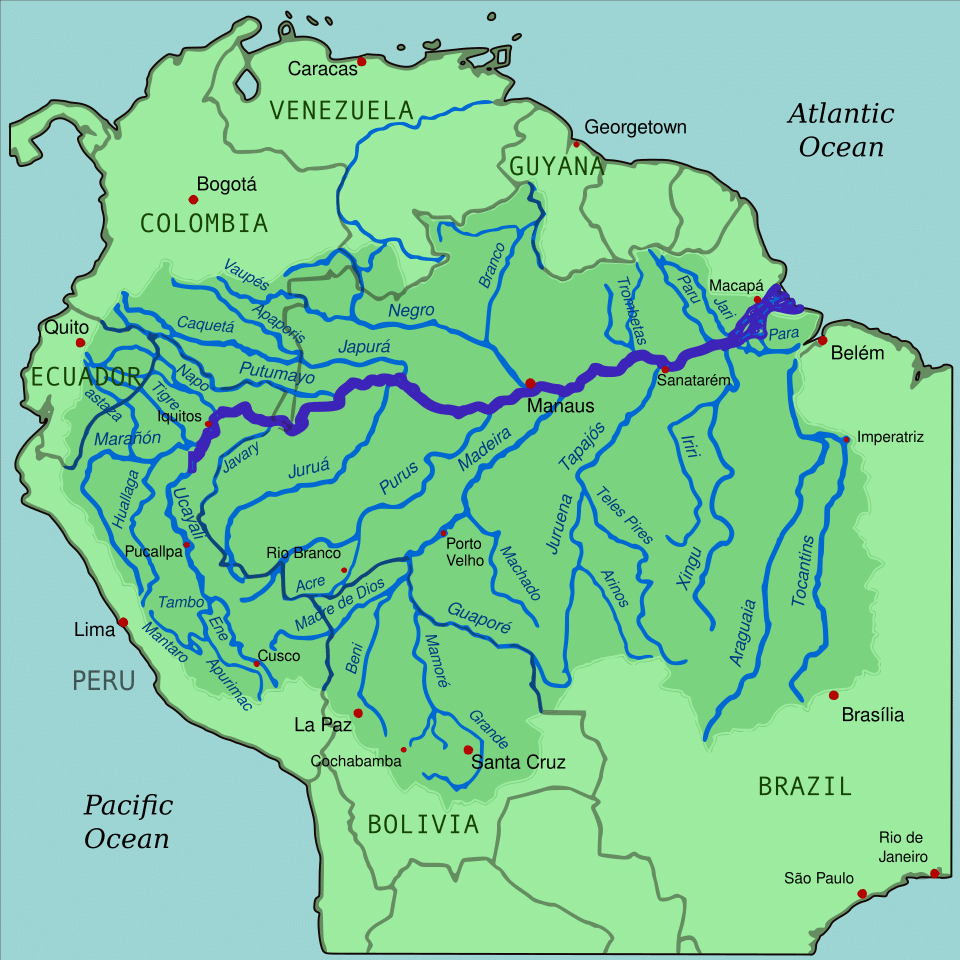
The short-stripe penguin tetra is native to the Amazon basin, found across a range of habitats in Peru and Brazil. It inhabits slow-moving tributaries, flooded forest areas, and quiet backwaters where the current is gentle and vegetation is abundant.
In the wild, these fish are typically found in areas with dense submerged and marginal vegetation, often in tannin-stained blackwater or clearwater streams with sandy or leaf-littered substrates. The canopy overhead filters much of the direct sunlight, creating the dim, diffuse lighting conditions these fish prefer. Water conditions in these habitats tend toward the soft and acidic side, though they occupy a range of environments across their distribution.
This natural habitat diversity is part of what makes the short-stripe penguin tetra so adaptable in aquarium conditions. It’s used to fluctuating water levels, varying chemistry, and seasonal changes in food availability.
Appearance & Identification
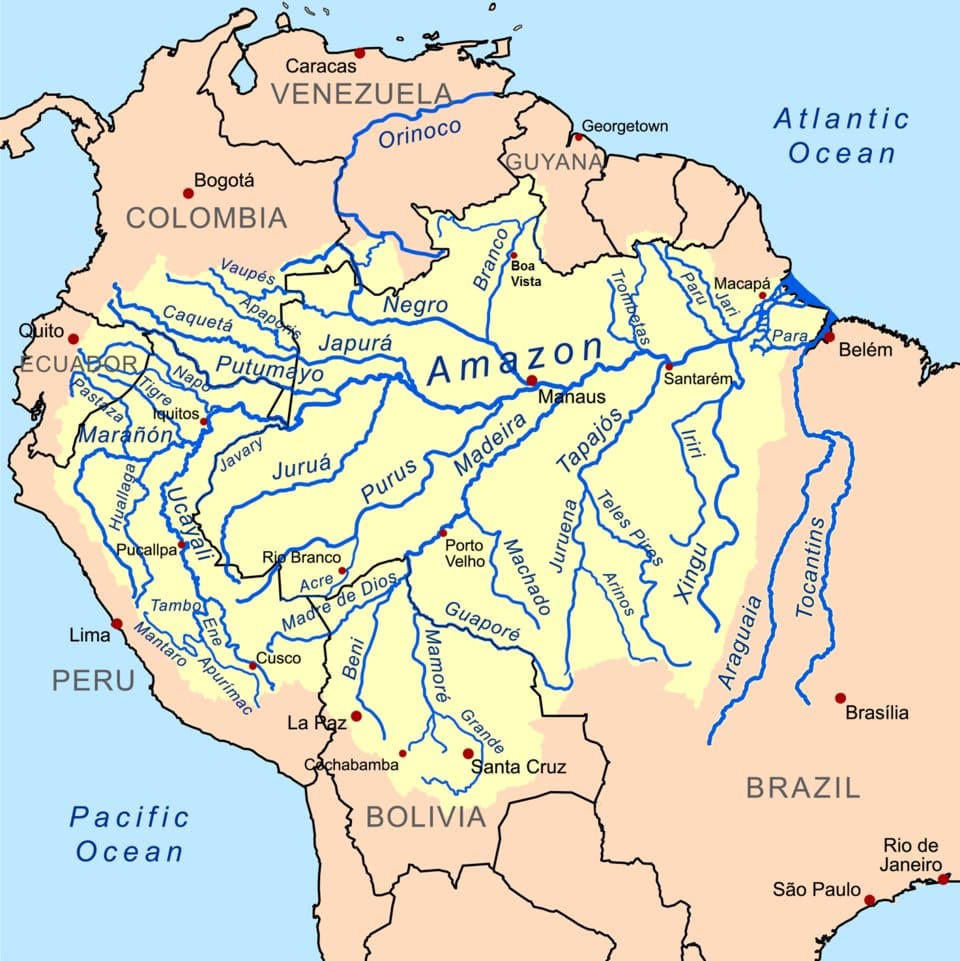
The short-stripe penguin tetra has an elongated, laterally compressed body with a silvery base color and a subtle olive-green or golden tone along the back. The belly is lighter, often with a slight yellowish or white hue. Fins are mostly transparent to slightly yellowish.
The defining feature is the oblique black stripe that runs from approximately mid-body down into the lower lobe of the caudal fin. This is what gives the fish both its common name and its scientific name (obliqua refers to the angled stripe). Unlike T. Boehlkei, where the stripe starts at the gill cover and runs the full length of the body, the short-stripe version has a notably shorter marking that fades out before reaching the head. A thin golden or iridescent line often borders the stripe above, catching the light nicely under good aquarium lighting.
At 3 inches (7.5 cm), this is the largest species in the Thayeria genus and has a heavier, more robust build than T. Boehlkei. In a school, their size and the characteristic head-up resting posture make for an impressive display.
The Oblique Swimming Posture
Like all Thayeria species, the short-stripe penguin tetra naturally rests and hovers at an oblique angle with the head tilted slightly upward. This is not a sign of illness or swim bladder problems. It’s the species’ normal resting position and the trait that inspired the “penguin” common name, since it resembles a penguin standing upright. When startled or actively feeding, they’ll swim horizontally like any other fish before returning to their characteristic tilt.
Male vs. Female
Sexing short-stripe penguin tetras is moderately difficult, but there are a few reliable indicators in mature fish:
- Body shape – Females are fuller and deeper-bodied, especially when carrying eggs. Males are slimmer and more streamlined.
- Size – Females are often slightly larger overall.
- Coloration – Males may show slightly more intensity in the stripe contrast and any iridescent highlights, though the difference is subtle.
- Anal fin – Males may have a slightly more pointed anal fin compared to the rounder profile in females.
Average Size & Lifespan
The short-stripe penguin tetra reaches a maximum size of about 3 inches (7.5 cm), making it one of the larger tetras commonly kept in the hobby and noticeably bigger than its cousin T. Boehlkei, which tops out around 2.4 inches (6 cm). Their elongated body shape gives them a presence in the tank that belies their tetra classification.
With consistent care and stable water conditions, expect a lifespan of 5 to 8 years. That’s a very respectable run for a tetra. Clean water, a varied diet, and a stress-free environment with a proper school are the biggest factors in pushing toward the upper end of that range.
Care Guide
Tank Size
A 30-gallon tank is the recommended minimum for a group of 8-10 short-stripe penguin tetras. Because these fish are larger and more active than typical small tetras, they need the extra swimming space. A 30-gallon long or standard is a good starting point. If you’re building a community tank with multiple species, consider stepping up to 40 gallons or more. These fish use the mid to upper water column extensively, so horizontal swimming space matters more than tank height.
Water Parameters
| Parameter | Ideal Range |
|---|---|
| Temperature | 72-82°F (22-28°C) |
| pH | 5.5-7.5 |
| Hardness | 2-15 dGH |
| KH | 1-8 dKH |
The short-stripe penguin tetra handles a solid range of water conditions, though it’s a bit more oriented toward soft, acidic water compared to the ultra-tolerant T. Boehlkei. It does best in soft to moderately hard water with a slightly acidic to neutral pH. If your tap water is within these ranges, you’re in good shape without needing to chase specific numbers. Stability is always more important than hitting an exact target.
If you’re running a blackwater setup with driftwood and botanicals, these fish will feel right at home and show their best coloration. They’ll also do perfectly well in a standard planted community tank with neutral parameters.
Filtration & Water Flow
Moderate flow works best. These fish come from relatively calm waters, so you don’t need a powerhead or heavy current. A hang-on-back filter or canister filter turning over the tank volume about 4-5 times per hour is ideal. Stick with 20-25% weekly water changes to keep nitrate levels low and water quality consistent. A sponge filter is also a fine option for smaller setups, though it won’t provide as much mechanical filtration.
Lighting
Moderate to subdued lighting is ideal. The short-stripe penguin tetra naturally lives under forest canopy, so harsh overhead light isn’t what they’re used to. Floating plants like Amazon frogbit, water lettuce, or red root floaters help diffuse light and create the dappled conditions these fish prefer. Under the right lighting, the iridescent line along the stripe really catches the eye.
Plants & Decorations
Go with a planted tank layout that balances cover with open swimming space. Dense planting along the back and sides provides shelter and a sense of security, while an open area through the center and front lets the school move freely. Driftwood, dried leaf litter, and some floating plants add a natural Amazonian feel and help tint the water slightly.
Good plant choices include Java fern, Vallisneria, Amazon swords, Anubias, and Cryptocoryne species. Just avoid packing the tank so tightly that there’s no open water for swimming. These are active fish that need room to cruise.
Substrate
A dark sand or fine gravel substrate works well. Dark substrates bring out the best coloration in these fish and mimic the sandy, leaf-covered bottoms of their natural habitat. Any inert aquarium sand or smooth gravel will do the job. If you’re running a planted tank, an aquasoil works fine too, though it’s not necessary just for the fish.
Is the Short-stripe Penguin Tetra Right for You?
The short-stripe penguin tetra is a specialized choice that rewards attentive keepers. Here’s who should consider them:
- You already like penguin tetras but want a less common, more refined variant
- You maintain excellent water quality with nitrates consistently below 20 ppm
- You find their unique angled swimming posture charming rather than concerning
- You have a mature planted tank with gentle filtration. Strong current stresses them
- You want an interesting conversation piece. Visitors always notice their swimming angle
- Pass on these if you’re looking for a low-maintenance, set-it-and-forget-it tetra
What People Get Wrong
The most common mistake is buying too few. Short-stripe penguin tetras in groups of 4 or 5 are completely different fish than a proper group of 8 to 10. Small groups are shy, pale, and spend most of their time near the bottom. A full school fills the midwater column and shows the characteristic 45-degree angled swimming that makes this species worth keeping.
They also get confused with standard penguin tetras (Thayeria boehlkei). The short-stripe variant is smaller and slightly less assertive, but both share the same distinctive oblique swimming posture. If you’re shopping for one, confirm which species you’re actually getting before you buy.
Tank mate selection trips people up. Short-stripe penguin tetras are not aggressive, but they’re active and fast enough to stress slow-moving or long-finned fish. Avoid angelfish, bettas, or any fish that can’t hold its own against an energetic midwater schooler.
Tank Mates
Best Tank Mates
- Other peaceful tetras (cardinal, rummy-nose, ember, flame tetras)
- Penguin tetras (T. Boehlkei) – a great same-genus pairing that highlights the differences between the two species
- Corydoras catfish – classic peaceful bottom dwellers
- Hatchetfish – share the upper water column and come from similar Amazonian habitats
- Rasboras – peaceful mid-level schoolers
- Dwarf cichlids (rams, Apistogramma) – excellent South American biotope companions
- Bristlenose plecos – peaceful algae eaters that occupy different tank space
- Otocinclus – small, gentle bottom feeders
- Pencilfish – calm mid-to-upper column fish from similar habitats
Tank Mates to Avoid
- Large or aggressive cichlids – anything big enough to view them as food or bully them
- Very long-finned species – while not known as persistent nippers, keeping them in too-small groups can occasionally lead to fin-nipping behavior toward slow-moving, long-finned fish
- Highly aggressive or territorial species – fast-moving predators will stress them out
- Very small shrimp – adult short-stripe penguin tetras may snack on cherry shrimp or small neocaridina, especially juveniles
Food & Diet
In the wild, short-stripe penguin tetras are micropredators that feed on small insects, insect larvae, crustaceans, and other invertebrates that drift through the water column or fall from overhanging vegetation. In the aquarium, they’re enthusiastic and easy-to-feed omnivores.
A good quality flake food or micro-pellet serves as a solid daily staple. Supplement regularly with live or frozen foods like daphnia, baby brine shrimp, bloodworms, cyclops, and mosquito larvae. This variety keeps them healthy, supports strong coloration, and helps condition them for breeding. They’ll feed readily at the surface and throughout the mid-water column.
Feeding tip: Feed small amounts once or twice daily. These are active feeders that won’t be shy at mealtimes. In a community tank, they can outpace slower eaters, so consider feeding at multiple spots to make sure everyone gets their share.
Breeding & Reproduction
Breeding the short-stripe penguin tetra is possible in a home aquarium, though it’s considered moderately difficult compared to the more prolific T. Boehlkei. Like most tetras, they are egg scatterers with no parental care.
Breeding Difficulty
Moderate. Conditioning the adults and triggering spawning is achievable, but raising the fry requires attention to water quality and food size. The species is less commonly bred in captivity than the regular penguin tetra, partly because it’s harder to source and partly because getting the water conditions just right takes a bit more effort.
Spawning Tank Setup
Set up a dedicated 10-15 gallon breeding tank with dim lighting, gentle sponge filtration, and fine-leaved plants like Java moss or spawning mops. Cover the bottom with a mesh or layer of marbles to prevent the adults from eating the eggs once they’re scattered. Keep the tank covered, as these fish can jump when excited during spawning.
Water Conditions for Breeding
Soft, acidic water is key. Drop the pH to around 5.5-6.5 and keep the hardness very low, around 1-4 dGH. Temperature should be on the warmer side of their range, around 78-80°F (25-27°C). A slight temperature drop followed by a gradual increase will sometimes help trigger spawning, mimicking the seasonal rain cycles in their natural habitat.
Conditioning & Spawning
Condition breeding pairs or a small group with plenty of protein-rich live and frozen foods for 1-2 weeks before introducing them to the spawning tank. Well-conditioned females will appear noticeably rounder. Spawning typically occurs in the morning hours. The female scatters eggs among the plants and substrate, and the male fertilizes them as they fall.
Egg & Fry Care
Remove the adults immediately after spawning. They will eat the eggs if left in the tank. Keep the breeding tank dimly lit, as the eggs are light-sensitive. Eggs typically hatch within 24-36 hours, and the fry become free-swimming about 3-4 days after that.
Start feeding infusoria or a liquid fry food for the first few days, then transition to microworms and freshly hatched baby brine shrimp as the fry grow. Maintain excellent water quality with small, frequent water changes. Growth is steady but takes patience. The distinctive stripe pattern develops as the juveniles mature.
Common Health Issues
Short-stripe penguin tetras are hardy fish, but they’re susceptible to the same common diseases that affect most tropical freshwater species:
Ich (White Spot Disease)
The most common ailment you’ll encounter with any tropical fish. Small white spots appear on the body and fins, usually triggered by temperature fluctuations or stress from poor water quality. Raise the temperature gradually to 82°F and treat with a standard ich medication. Caught early, it’s very treatable.
Neon Tetra Disease
Despite the name, this parasitic infection (caused by Pleistophora hyphessobryconis) can affect many characin species, including penguin tetras. Symptoms include faded or patchy coloration, cysts under the skin, and erratic swimming behavior. There is no effective treatment. Remove affected fish immediately to prevent the disease from spreading to the rest of the school.
Fin Rot
Bacterial degradation of the fins, typically caused by poor water conditions. You’ll notice ragged, fraying fin edges that progressively worsen. The best first step is improving water quality with extra water changes. If it doesn’t resolve within a week, treat with an antibacterial medication.
General Prevention
Quarantine all new fish for 2-4 weeks before adding them to your main tank. This single habit prevents the vast majority of disease introductions. Beyond that, maintain stable water parameters, keep up with weekly water changes, and feed a varied diet with emphasis on small frozen foods. They will ignore large pellets and do best with foods sized for their small mouths. Short-stripe penguin tetras are tough fish when given consistent, clean conditions.
Common Mistakes to Avoid
- Keeping too few – A group of 3-4 will be stressed and may display fin-nipping behavior. Aim for 8-10 or more to see natural schooling and the best coloration.
- Undersizing the tank – At 3 inches (7.5 cm), these are bigger than the typical penguin tetra. A 20-gallon tank that works for T. Boehlkei is too cramped for a school of T. Obliqua. Start at 30 gallons.
- Panicking about the tilted posture – New owners sometimes assume the angled swimming position is a sign of swim bladder disease. It’s not. This is completely normal behavior for all Thayeria species. Only worry if a fish that was previously swimming at an angle suddenly swims flat and becomes lethargic.
- Confusing species – Make sure you’re actually getting T. Obliqua (short stripe starting at mid-body) and not T. Boehlkei (full-length stripe from gill cover to tail). Check the stripe length before purchasing.
- Not enough open swimming space – These are active mid-water swimmers. A tank packed wall-to-wall with decorations and no open lanes will frustrate them. Balance planted areas with clear swimming corridors.
- Skipping the quarantine – Because this species is uncommon and often wild-caught, quarantining new arrivals for 2-4 weeks is especially important to catch any parasites or diseases before they reach your main tank.
Where to Buy
The short-stripe penguin tetra is significantly less common in the hobby than T. Boehlkei. You’re unlikely to find it at chain pet stores. Your best bet is specialty online retailers who carry uncommon or wild-caught species. When purchasing, double-check the stripe pattern to confirm you’re getting the real T. Obliqua and not the more common T. Boehlkei.
Check these trusted online retailers for availability:
Frequently Asked Questions
What is the difference between Thayeria obliqua and Thayeria boehlkei?
The main visual difference is the stripe. In T. Obliqua (the short-stripe penguin tetra), the black lateral stripe starts around mid-body and runs into the lower caudal lobe. In T. Boehlkei (the common penguin tetra), the stripe extends the full length of the body, starting from the gill cover. T. Obliqua is also larger, reaching 3 inches (7.5 cm) compared to T. Boehlkei‘s 2.4 inches (6 cm). Both share the characteristic oblique swimming posture.
Why does my short-stripe penguin tetra swim at an angle?
This is completely normal. All species in the genus Thayeria naturally hover at an angle with the head tilted slightly upward. It’s the behavior that gave them the “penguin” common name, since it resembles a penguin standing upright. If a fish that was previously swimming at an angle suddenly swims flat and appears lethargic, that would be a reason to investigate.
How big do short-stripe penguin tetras get?
They reach a maximum size of about 3 inches (7.5 cm), which is noticeably larger than the more common penguin tetra (T. Boehlkei). This larger size is one of the reasons a 30-gallon minimum is recommended instead of the 20-gallon minimum that works for regular penguin tetras.
How many short-stripe penguin tetras should I keep?
A minimum of 6, but 8-10 or more is strongly recommended. Larger groups produce more natural schooling behavior, reduce any potential for fin nipping, and create a much more visually impressive display. In a 40-gallon or larger tank, a group of 12-15 is well worth considering.
Are short-stripe penguin tetras good for beginners?
Yes. They’re hardy, easy to feed, peaceful, and tolerant of a range of water conditions. The only caveat is finding them in the first place, since they’re much less common than the standard penguin tetra. If you can source them, they’re a great choice for someone with a properly cycled tank and basic fishkeeping knowledge.
Can I keep short-stripe penguin tetras with regular penguin tetras?
Absolutely. Keeping T. Obliqua and T. Boehlkei together in the same tank actually makes for an interesting display. You can observe the differences in stripe length and body size side by side. Both species share similar care requirements and temperament, so they coexist without issues. Just make sure each species has a proper school of at least 6.
What It Is Actually Like Living With Short-stripe Penguin Tetra
In a proper school, short-stripe penguin tetra display natural movement patterns that are genuinely engaging to watch. The fish interact with each other, establish subtle hierarchies, and move through the tank with purpose.
They spend most of their time near the surface, which fills a level of the tank that many other species ignore. This makes them excellent complements to mid-water and bottom-dwelling fish.
Feeding time is when their personality comes out. They learn your routine quickly and will anticipate feeding before you even open the lid.
Their color and behavior improve over time as they settle into a stable environment. Fish that have been in the same tank for months look noticeably better than recently added stock.
They coexist peacefully with virtually every other appropriately-sized community fish. This compatibility makes tank planning straightforward.
How the Short-stripe Penguin Tetra Compares to Similar Species
Short-stripe Penguin Tetra vs. Penguin Tetra
The regular penguin tetra is the obvious comparison point. Standard penguin tetras are hardier, more widely available, and less demanding about water quality. Their black stripe extends further along the body, creating a bolder visual pattern. Short-stripe penguin tetras are more refined in appearance with a shorter, more distinct marking. In terms of keeping difficulty, regular penguin tetras are firmly beginner-friendly while short-stripes sit more in the intermediate range. If you’re new to the hobby, start with regular penguin tetras and graduate to the short-stripe variety once you have experience maintaining stable water parameters. Check out our Penguin Tetra care guide for more details.
Short-stripe Penguin Tetra vs. Emperor Tetra
Emperor tetras share that dignified, elegant presence in the tank but with completely different coloration. Deep purple-blue with flashes of iridescence versus the penguin tetra’s black-and-silver pattern. Both species look their best in mature, well-maintained tanks. Emperors are slightly more robust and forgiving of parameter swings. If you want that stately mid-tank presence but need something hardier, the emperor tetra is the more practical choice. Check out our Emperor Tetra care guide for more details.
Closing Thoughts
The short-stripe penguin tetra is one of those species that most hobbyists have never heard of, and that’s a shame. It shares all the best qualities of the common penguin tetra: hardiness, peaceful temperament, that unforgettable angled swimming posture, and easy feeding habits. But it brings a bit more to the table with its larger size and the subtle elegance of that shorter, mid-body stripe.
Finding T. Obliqua takes a bit more effort than picking up a school of T. Boehlkei at your local fish store. But if you’re the kind of fishkeeper who appreciates something a little different and likes having a species in your tank that sparks a conversation, this is a fish worth tracking down. A school of 10 or more in a well-planted Amazonian setup is genuinely one of the more rewarding community tank experiences you can put together.
Recommended Video
Check out our tetra tier list video where we rank the most popular tetras in the hobby, including the short-stripe penguin tetra:
References
- Thayeria obliqua Profile – Seriously Fish
- Thayeria obliqua (Eigenmann, 1908) – FishBase
- Thayeria (genus) – Wikipedia
- Phylogenomics of Characidae – Melo et al, 2024
- About the Author
- Latest Posts

I’m Mark Valderrama, founder of Aquarium Store Depot and a fishkeeper with over 25 years of hands-on experience. I started in the hobby at age 11, worked at local fish stores, and have kept freshwater tanks, ponds, and reef tanks ever since. I’ve been featured in two best-selling aquarium books on Amazon and built this site to share practical, experience-based fish keeping knowledge.
Leave a Reply