
Last Updated: June 25, 2026
Thank you for visiting! By the way… any links on this page that lead to products on Amazon and other stores/partners are affiliate links Aquarium Store Depot earns a commission if you make a purchase.
Table of Contents
- What Most Care Guides Get Wrong
- The Reality of Keeping Deep Water Hap
- Key Takeaways
- Species Overview
- Classification
- Origin & Natural Habitat
- Appearance & Identification
- Average Size & Lifespan
- Care Guide
- Is This Species Right for You?
- Tank Mates
- Food & Diet
- Breeding & Reproduction
- Common Health Issues
- Common Mistakes to Avoid
- Where to Buy
- FAQ
- What It Is Actually Like Living With Deep Water Hap
- Species Comparison
- Closing Thoughts
Deep water haps are the open water swimmers of Lake Malawi, and they need tank space that reflects that lifestyle. These are not fish that sit on rocks or hide in caves. They cruise, and a tank that is too short or too cramped for cruising creates stress that shows in faded color and erratic behavior. I have kept placidochromis electra and the key is horizontal swimming space. A tall, narrow tank is the wrong choice for this species. The Lake Malawi hap that needs dimmer lights and more swimming room than everything else in your setup.
The Malawi hap that proves not everything from the lake is aggressive.
What Most Care Guides Get Wrong About Deep Water Hap
The name “Deep Water Hap” leads people to think these fish need unusual water conditions or special pressure considerations. They do not. Placidochromis electra adapts perfectly to standard Lake Malawi parameters in a home aquarium. The name simply refers to their natural habitat deeper in the lake. The real care mistake is not providing enough open swimming space. Deep Water Haps are active midwater swimmers that get stressed in tanks cluttered with too much rockwork. They need open lanes to cruise through.
The Reality of Keeping Deep Water Hap
Mbuna keeping is a different discipline from regular fishkeeping. The Deep Water Hap is no exception. Here is what you need to prepare for.
Hard, alkaline water is mandatory. Lake Malawi chemistry means pH between 7.8 and 8.6, high GH, and high KH. There is no faking this. If your tap water is soft and acidic, you need to buffer every water change without exception.
Overstocking is the strategy. Keeping 3 or 4 Deep Water Haps leads to one bully and victims. You need groups of 12 or more to spread aggression. But overstocking only works with heavy filtration and consistent water changes.
Diet is critical. Spirulina and veggie-based foods are essential. High-protein diets cause Malawi Bloat, which is often fatal.
Rockwork defines territories. Mbuna need piles of rocks with caves and passageways. Without proper rockwork, dominant fish have nowhere to establish boundaries and subordinates have nowhere to hide. Stack rocks from substrate to near the waterline.
Biggest Mistake New Deep Water Hap Owners Make
Understocking. Keeping a small group of Deep Water Haps means the dominant fish picks off the weak ones. You need a large group to distribute aggression. Twelve is the minimum for most mbuna species.
Expert Take
Start with a group of 12 or more in a 55 gallon minimum. Use aragonite or crushed coral substrate to buffer pH naturally. Feed spirulina-based food as the staple. Stack rocks to create territories. This formula works for Deep Water Haps and most other mbuna.
Key Takeaways
- Elegant steel-blue coloration. Males develop a refined metallic blue sheen; females are also colorful compared to most Malawi species
- Exceptionally peaceful. One of the gentlest Malawi Haps; not suited for boisterous community tanks
- 75-gallon minimum. Reaches about 8 inches; needs moderate space with open sandy areas
- Opportunistic omnivore. Forages for invertebrates in sand; feed a varied diet of pellets and frozen foods
- Multiple color variants. Several geographic variants exist, each with slightly different coloration
- Maternal mouthbrooder. Females carry up to 50 eggs for about 3 weeks; keep 1 male to 3. 4 females
Species Overview
| Common Name | Deep Water Hap, Deepwater Hap |
| Scientific Name | Placidochromis electra |
| Care Level | Beginner to Intermediate |
| Temperament | Peaceful |
| Max Size | 8 inches (20 cm) |
| Min Tank Size | 75 gallons (284 liters) |
| Diet | Omnivore |
| Lifespan | 7. 10 years |
| Water Temp | 76. 82°F (24. 28°C) |
| pH | 7.8. 8.6 |
| Origin | Lake Malawi, Africa |
Classification
| Kingdom | Animalia |
| Phylum | Chordata |
| Class | Actinopterygii |
| Order | Cichliformes |
| Family | Cichlidae |
| Genus | Placidochromis |
| Species | P. Electra (Burgess, 1979) |
Origin & Natural Habitat
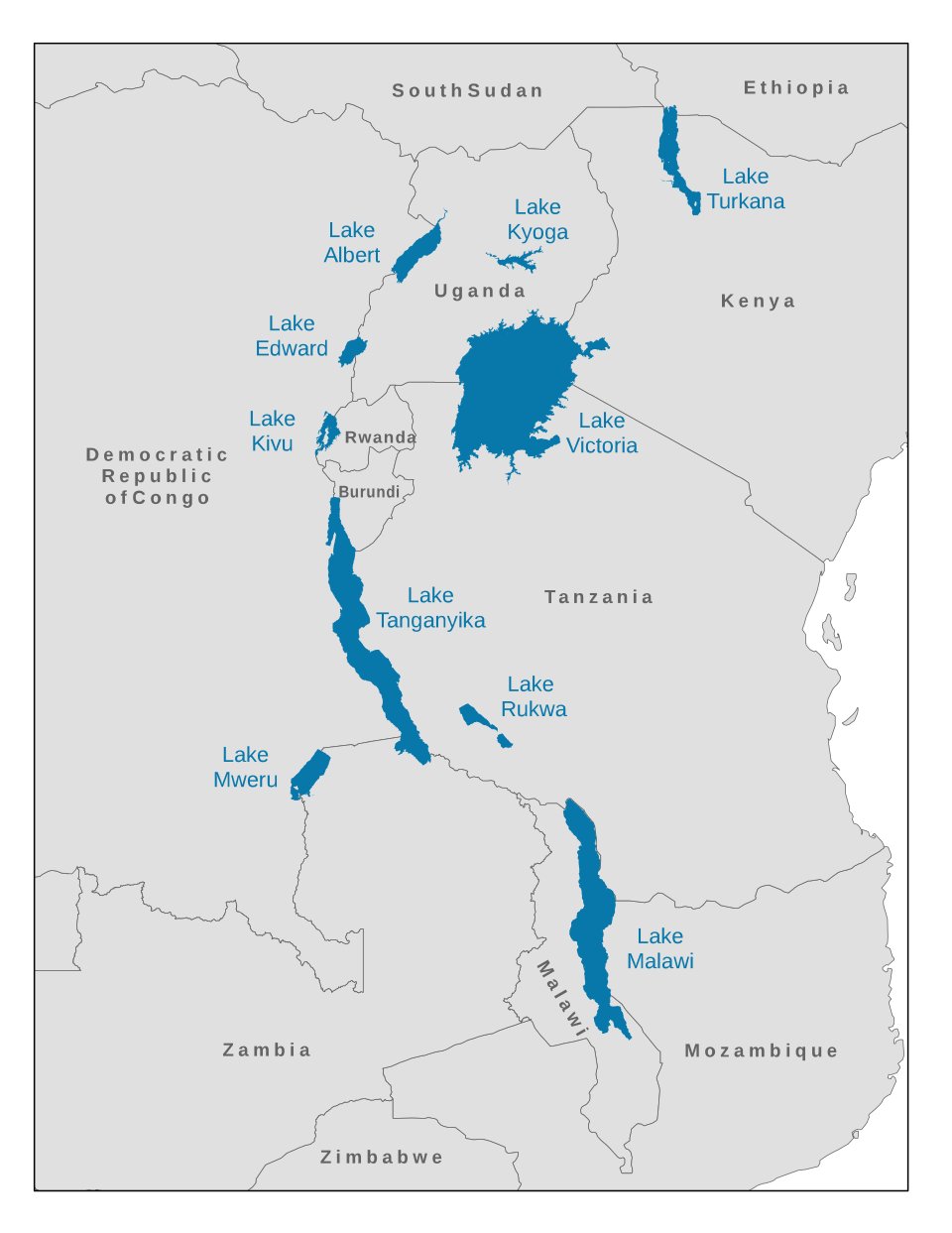
Placidochromis electra is endemic to Lake Malawi, primarily found around Likoma Island, Mara Point, and along the Malawian coast. Despite the “Deep Water” common name, the species actually inhabits areas starting from about 7 meters (23 feet) deep over sandy bottoms adjacent to rocky zones. Not the extreme depths the name will suggest.
In their natural habitat, Deep Water Haps are opportunistic sand-foragers. They follow other larger fish. Particularly sand-sifting species. And feed on invertebrates and organic material disturbed by those fish as they forage. It’s a clever feeding strategy that maximizes calorie intake with minimal effort.
Several geographical color variants exist, including ‘Blue Otter,’ ‘Gome,’ ‘Londo,’ ‘Mandalawi,’ and ‘Undu.’ Each has slightly different coloration, though the general body shape and temperament remain consistent across all forms.
Appearance & Identification
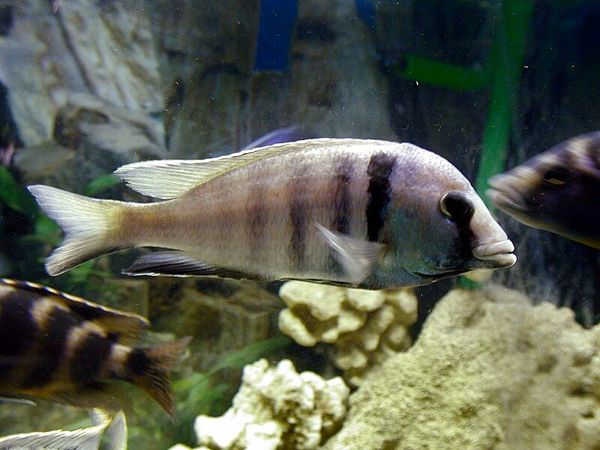
Males develop a clean, metallic steel-blue coloration across the body. The blue isn’t as electric or intense as Sciaenochromis fryeri, but it has an understated elegance that’s very appealing. More like polished metal than glowing neon. Some variants show additional highlights, depending on their geographical origin.
One notable feature of the Deep Water Hap is that females are actually quite colorful compared to females of other Malawi species. While they don’t match the males, female P. Electra have a pleasant silvery-blue hue with darker barring that’s more attractive than the drab gray typical of most female Haps.
The body shape is moderately elongated and streamlined, built for cruising over sandy substrates rather than maneuvering through tight rock crevices.
Male vs. Female
Sexing is straightforward once males develop coloration. Both sexes are more colorful than many other Malawi species, but the difference is still clear.
| Feature | Male | Female |
|---|---|---|
| Body Color | Metallic steel-blue across entire body | Silvery-blue with darker vertical barring |
| Size | Up to 8 inches (20 cm) | Up to 6 inches (15 cm) |
| Fins | Longer, more developed with blue coloring | Shorter but still notably colorful |
| Egg Spots | Present on anal fin | Absent or faint |
| Behavior | Mildly territorial during breeding only | Social, stays in loose groups |
Average Size & Lifespan
Males reach about 8 inches (20 cm) in captivity, with females topping out around 6 inches (15 cm). They’re a medium-sized Hap. Substantial enough to be impressive but not so large that they demand a massive tank.
With proper care, Deep Water Haps live approximately 7. 10 years. Good water quality and a varied diet are the main factors in reaching the upper end of that lifespan range.
Care Guide
Tank Size
A 75-gallon (284-liter) tank is the minimum for a small group of Deep Water Haps. For a community setup with multiple species, 90. 125 gallons (340. 475 liters) provides better flexibility. Tank length is important. These are cruisers that need swimming space over wide, sandy areas.
Focus on providing open floor space rather than packing the tank with rockwork. Deep Water Haps spend most of their time over sand, not in caves.
Water Parameters
| Temperature | 76. 82°F (24. 28°C) |
| pH | 7.8. 8.6 |
| General Hardness (dGH) | 10. 20 dGH |
| Carbonate Hardness (dKH) | 10. 15 dKH |
| Ammonia | 0 ppm |
| Nitrite | 0 ppm |
| Nitrate | <20 ppm |
Standard Lake Malawi parameters with the usual emphasis on stability. Invest in quality filtration to keep water consistently clean, and maintain a regular water change schedule. Deep Water Haps are particularly sensitive to declining water quality. Poor conditions quickly lead to stress and color loss.
Filtration & Water Flow
A canister filter rated for 1.5. 2x your tank volume handles the job well. Moderate water flow is appropriate. Enough for circulation and oxygenation without strong currents. Weekly water changes of 25. 35% keep parameters stable.
Lighting
Moderate lighting is best, consistent with their natural habitat at deeper depths. Very bright lighting can stress Deep Water Haps. Standard LED lighting at moderate intensity showcases their metallic coloration nicely. Keep the photoperiod to 8. 10 hours.
Plants & Decorations
Design the tank with large open sandy areas and some scattered rock piles for shelter and breeding sites. Don’t create wall-to-wall rockwork. Deep Water Haps need open floor space for their foraging behavior. A few rock “islands” along the back provide enough structure without overwhelming the open areas.
Plants aren’t required but won’t be damaged if included. Vallisneria, Anubias, and Java Fern all work well as accent pieces.
Substrate
A sandy substrate is essential. Deep Water Haps are sand-foragers that sift through the substrate looking for invertebrates and food particles. Fine pool filter sand or play sand works well. Aragonite sand is a good choice if you need pH buffering.
Is the Deep Water Hap Right for You?
Deep Water Haps are a peaceful, metallic blue species that adds elegance to any Malawi community. They are one of the most underrated haps available.
- Great fit if you want a peaceful hap that does not dominate or stress other species
- Great fit if you have a tank layout with plenty of open swimming space for midwater cruising
- Great fit if you enjoy the metallic blue coloring that develops as males mature
- Not ideal if your tank is heavily rock scaped with little open water. Deep Water Haps need room to swim
- Not ideal if you keep aggressive species that will chase and harass this peaceful fish
- Not ideal if you want instant color impact. Males take time to develop their full metallic blue sheen
Deep Water Haps are one of my favorite haps for community tanks. They are peaceful, beautiful when mature, and add a calm, elegant presence that balances out more active species.
Tank Mates
Best Tank Mates
Deep Water Haps are among the gentlest Malawi cichlids, which means tank mate selection needs to focus on equally peaceful species. Boisterous companions will stress them out and suppress their behavior and coloration:
- Peacock cichlids (Aulonocara spp.). Excellent match in temperament and size
- Red Kadango (Copadichromis borleyi). Fellow peaceful Hap with complementary behavior
- Sulphur Crest (Otopharynx lithobates). Another gentle Hap; great community pairing
- Red Empress (Protomelas taeniolatus). Peaceful and appropriately sized
- Blue Dolphin (Cyrtocara moorii). Fellow sand-sifter with compatible temperament
- Synodontis catfish. Non-competitive bottom dwellers
Tank Mates to Avoid
- All mbuna species. The constant aggression and harassment of mbuna tanks will overwhelm Deep Water Haps
- Large predatory Haps. Big piscivores may view them as prey
- Any boisterous or aggressive species. Deep Water Haps need a calm environment to thrive
- Similarly colored blue Haps. May trigger mild territorial responses from the male
Food & Diet
In the wild, Deep Water Haps are opportunistic omnivores that feed by sifting through sand for invertebrates, algae, and organic material. They also follow larger foraging fish, picking up food disturbed from the substrate. A behavior that’s occasionally visible in aquarium settings when they shadow other cichlids around the tank.
Feed a high-quality omnivore cichlid pellet or granule as the staple diet. Supplement with frozen foods like mysis shrimp, brine shrimp, daphnia, and krill 2. 3 times per week. Some spirulina or vegetable content in the diet aids digestion and overall health.
Feed 2. 3 small meals per day. These fish aren’t particularly prone to overeating, but portion control is still important for preventing bloat. Avoid bloodworms and mammalian meat products.
Breeding & Reproduction
Deep Water Haps are maternal mouthbrooders that breed well in captivity, though for the best results, a species-specific breeding tank is recommended.
Spawning Behavior
Maintain a ratio of 1 male to 3. 4 females. The male prepares a spawning site by either digging a pit in the sand or clearing a flat rock surface. He courts females with intensified coloration and active displays. Deep Water Haps become only mildly territorial during breeding. A far cry from the intense aggression of many other Malawi species.
Spawning follows the standard Malawi mouthbrooder pattern with egg-spot fertilization. To encourage breeding, perform regular water changes and maintain slightly cooler water temperatures. A stress-free environment with plenty of hiding spaces supports the female during the incubation period.
Mouthbrooding & Fry Care
Females carry a brood of up to 50 eggs for approximately 3 weeks. During this time, she won’t eat and her jaw will be visibly distended. Handle holding females carefully. Stress can cause premature spitting or brood consumption.
Newly released fry can eat baby brine shrimp and microworms immediately. Grow them out separately for the best survival rate. Note that adult P. Electra is expensive to purchase, so starting with a group of 6. 8 juveniles and growing them out is often the most practical approach for establishing a breeding colony.
Common Health Issues
Malawi Bloat
Bloat remains the top health concern for all Malawi cichlids. Deep Water Haps are susceptible, particularly when stressed or fed an unbalanced diet. Symptoms include abdominal swelling, white stringy feces, loss of appetite, and labored breathing. Maintain pristine water conditions and balanced nutrition to prevent it. Treat with Metronidazole at the first sign of symptoms.
Ich (White Spot Disease)
Stress from aggressive tank mates or environmental changes can trigger ich outbreaks. White spots on fins and body are the telltale sign. Raise temperature gradually to 82°F (28°C) and apply ich medication. Deep Water Haps are hardy fish that respond well to treatment when addressed promptly.
Stress-Related Disorders
Because Deep Water Haps are so peaceful, they’re particularly vulnerable to stress from aggressive tank mates. Chronic stress leads to faded coloration, reduced appetite, weakened immunity, and susceptibility to secondary infections. The best prevention is choosing calm, compatible tank mates and providing a well-structured environment with adequate hiding spots.
Common Mistakes to Avoid
- Keeping with aggressive species. Deep Water Haps are too gentle for mbuna tanks or communities with boisterous Haps
- Too much rockwork, not enough sand. These are sand-foragers; they need open sandy areas to display natural behavior
- Bright, intense lighting. They come from deeper water and prefer subdued to moderate lighting
- Ignoring stress signs. Color fading is an early warning; investigate and address the cause immediately
- Overfeeding. Moderate portions prevent bloat; these fish don’t need large meals
- Keeping only one pair. A harem ratio of 1 male to 3. 4 females produces better social dynamics and breeding results
Where to Buy
Deep Water Haps are available in the specialty cichlid market, though they’re not as widely stocked as the more popular Haps. Adult specimens can command premium prices. Expect $12. $25 for juveniles. Look for specific locale variants if you have a color preference:
- Flip Aquatics. Stocks a range of Malawi Haps including Placidochromis species
- Dan’s Fish. Good source for Deep Water Haps and other specialty Hap species
Starting with a group of 6. 8 juveniles is the most economical approach and gives you the best chance of establishing a proper breeding colony.
FAQ
Are Deep Water Haps aggressive?
No. They’re one of the most peaceful Malawi cichlids you can keep. Males become only mildly territorial during breeding, but overall, they’re gentle fish that do best in calm communities. They’re definitely not suited for a tank with aggressive species.
Do Deep Water Haps actually come from deep water?
The name is somewhat misleading. While they were originally thought to inhabit very deep water, we now know they’re found starting at about 7 meters (23 feet). Deeper than many species but not extreme. The common name has persisted despite this correction in scientific understanding.
Can Deep Water Haps live with Peacock cichlids?
Absolutely. This is one of the best combinations in the Malawi hobby. Both are similarly sized, similarly tempered, and complementary in coloration and behavior. A mixed Deep Water Hap and Peacock community is about as harmonious as Malawi keeping gets.
What color variants of Deep Water Haps are available?
Several geographic variants exist, including ‘Blue Otter,’ ‘Gome,’ ‘Londo,’ ‘Mandalawi,’ and ‘Undu.’ Each has slightly different blue tones and accent coloration. When purchasing, ask the seller which locale the fish originate from so you know what the adult coloration will look like.
What do Deep Water Haps eat?
They’re omnivorous sand-foragers in the wild. Feed a quality omnivore cichlid pellet as the staple, supplemented with frozen foods like mysis shrimp, brine shrimp, daphnia, and krill. Include some spirulina or vegetable content for digestive health. Feed 2. 3 small meals daily.
What It Is Actually Like Living With Deep Water Hap
This is the part no other care guide gives you. Forget water parameters for a minute. Here is what it is actually like to share your tank with this species.
They have more personality than you expect. The Deep Water Hap is not a fish that just sits in the background. Once settled in, they become interactive, curious, and responsive to your presence.
Feeding time reveals their character. Watch how the Deep Water Hap approaches food and you will see real personality. Some are bold, some are cautious, and their feeding behavior tells you a lot about their mood and health.
They establish routines. After a few weeks, your Deep Water Hap will have favorite spots, preferred paths through the tank, and predictable patterns. Learning these routines makes you a better keeper.
Color is a health indicator. The Deep Water Hap’s coloration is a real-time report card on your husbandry. Vibrant color means happy fish. Faded color means something is wrong. Pay attention.
How the Deep Water Hap Compares to Similar Species
Choosing the right Malawi cichlid means understanding how similar species compare. Here is how the Deep Water Hap stacks up against species you will also be considering.
Deep Water Hap vs. Electric Blue Hap
Both species offer blue coloring, but the effect is very different. Electric Blue Haps have intense, vivid metallic blue that demands attention, while Deep Water Haps display a subtler, more iridescent blue. The Electric Blue Hap is also more assertive and predatory. If you want a bold centerpiece, go with the Electric Blue. If you want a calmer, more peaceful blue hap that plays well with others, the Deep Water Hap is the better fit. You can learn more in our Electric Blue Hap Care Guide.
Deep Water Hap vs. Red Kadango
Deep Water Haps and Red Kadango are both peaceful, open water haps that make excellent tankmates. The blue of the Deep Water Hap against the red orange of the Kadango creates one of the best color contrasts available in a Malawi community. Both prefer groups and plenty of swimming space. In a 75 gallon or larger tank, this combination is highly recommended. You can learn more in our Red Kadango Care Guide.
Closing Thoughts
Deep water haps need room to swim. A cramped tank turns a cruiser into a nervous wreck.
The Deep Water Hap is an underrated gem in the Malawi cichlid world. While it will not have the screaming neon coloration of some other Haps, that refined metallic steel-blue, combined with genuinely peaceful behavior and interesting foraging habits, makes it a fantastic community fish. The fact that even the females are relatively colorful is a bonus that most other Malawi species can’t match.
Give them a calm community, open sandy areas to forage, moderate lighting, and clean water, and Placidochromis electra will quietly become one of the most appreciated fish in your collection.
This article is part of our Lake Malawi Cichlid Species Directory: Complete A-Z Care Guide List. Visit the hub page to explore care guides for all 28 Lake Malawi cichlid species we cover.
Recommended Video
References
- Seriously Fish. (n.d.). Placidochromis electra. https://www.seriouslyfish.com/species/placidochromis-electra/
- FishBase. (n.d.). Placidochromis electra. https://www.fishbase.se/summary/Placidochromis-electra.html
- Practical Fishkeeping. (n.d.). Placidochromis electra. https://www.practicalfishkeeping.co.uk
- The Aquarium Wiki. (n.d.). Placidochromis electra. https://www.theaquariumwiki.com/wiki/Placidochromis_electra
- About the Author
- Latest Posts

I’m Mark Valderrama, founder of Aquarium Store Depot and a fishkeeper with over 25 years of hands-on experience. I started in the hobby at age 11, worked at local fish stores, and have kept freshwater tanks, ponds, and reef tanks ever since. I’ve been featured in two best-selling aquarium books on Amazon and built this site to share practical, experience-based fish keeping knowledge.
Leave a Reply