
Last Updated: June 25, 2026
Thank you for visiting! By the way… any links on this page that lead to products on Amazon and other stores/partners are affiliate links Aquarium Store Depot earns a commission if you make a purchase.
Table of Contents
- What Most Care Guides Get Wrong
- The Reality of Keeping Red Phantom Tetra
- Key Takeaways
- Species Overview
- Classification
- Origin & Natural Habitat
- Appearance & Identification
- Average Size & Lifespan
- Care Guide
- Is This Fish Right for You?
- Tank Mates
- Food & Diet
- Breeding & Reproduction
- Common Health Issues
- Common Mistakes to Avoid
- Where to Buy
- Frequently Asked Questions
- What It Is Actually Like Living With Red Phantom Tetra
- How It Compares to Similar Species
- Closing Thoughts
- Recommended Video
- References
The red phantom tetra is the overlooked sibling of the black phantom. It has the same great schooling behavior and dorsal fin displays but in deep red instead of black. Keep fewer than 8 and they fade to nothing. Keep them in soft, slightly acidic water with a dark substrate and they become one of the most striking mid-level schoolers available.
The red phantom tetra is the black phantom’s better-looking sibling. But it needs soft water to prove it.
The Reality of Keeping Red Phantom Tetra
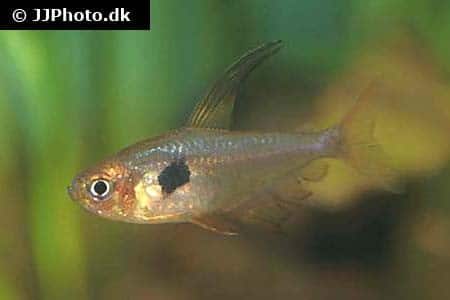
Color varies dramatically between sources. Wild-caught red phantom tetras from specific locations show deeper, more intense red than tank-bred specimens. The color also varies with diet, water chemistry, and lighting. Expect variation and be prepared to work for the best color expression.
They share the sparring behavior of black phantoms. Males display to each other with spread fins just like black phantom tetras, but the visual effect is different because the fins are translucent red rather than dark. The combination of red coloring and fin displays is stunning.
They need softer water than most common tetras. Red phantom tetras show their best color in soft, slightly acidic water. In hard, alkaline water, the red fades to a washed-out pink. If your tap water is hard, consider RO water or a dedicated setup for this species.
Biggest Mistake New Owners Make
Keeping them in hard, alkaline water where the red color fades. The entire visual appeal of this fish depends on maintaining appropriate water chemistry. If you cannot provide soft water, choose a different tetra.
Red phantom tetras are peaceful and attractive but show their best color only in soft, slightly acidic water. In hard tap water, the red washes out even in otherwise healthy and well-fed fish.
Expert Take (Mark Valderrama, AquariumStoreDepot)
The red phantom tetra is one of the most beautiful small tetras available when properly maintained. The combination of translucent red coloring, phantom-style sparring displays, and an elegant body shape makes it a standout in any planted tank.
Key Takeaways
- Vibrant red-orange coloration that intensifies in soft, slightly acidic water with dim lighting
- Perfect pairing with black phantom tetras for a striking dark-and-red contrast in the same tank
- Keep in groups of 8-10 for the best behavior and coloration
- Hardy and beginner-friendly, adaptable to a wide range of water conditions
- Small size (1.2 inches) makes them ideal for nano and planted aquariums
Species Overview
| Field | Details |
|---|---|
| Scientific Name | Megalamphodus sweglesi (formerly Hyphessobrycon sweglesi) |
| Common Names | Red Phantom Tetra, Sweglesi Tetra |
| Family | Acestrorhamphidae |
| Origin | Orinoco River basin (Colombia, Venezuela) |
| Care Level | Easy |
| Temperament | Peaceful |
| Diet | Omnivore |
| Tank Level | Mid |
| Maximum Size | 1.2 inches (3 cm) |
| Minimum Tank Size | 15 gallons (57 liters) |
| Temperature | 68-82°F (20-28°C) |
| pH | 4.5-7.5 |
| Hardness | 1-12 dGH |
| Lifespan | 3-5 years in captivity |
| Breeding | Egg scatterer |
| Breeding Difficulty | Moderate |
| Compatibility | Community |
| OK for Planted Tanks? | Yes |
Classification
| Taxonomic Level | Classification |
|---|---|
| Order | Characiformes |
| Family | Acestrorhamphidae (reclassified from Characidae, Melo et al. 2024) |
| Subfamily | Megalamphodinae |
| Genus | Megalamphodus |
| Species | M. Sweglesi (Géry, 1961) |
The red phantom tetra was described by Jacques Géry in 1961 and originally placed in Megalamphodus before being moved to the catch-all genus Hyphessobrycon. The species is named after Kyle Swegler, a tropical fish collector who discovered the species.
Note on reclassification: The 2024 phylogenomic study by Melo et al. Returned this species to Megalamphodus within the new family Acestrorhamphidae, subfamily Megalamphodinae. This puts it in the same genus as its close relative, the black phantom tetra (M. Megalopterus), and the bleeding heart tetra (M. Erythrostigma). Most hobby sources still use Hyphessobrycon sweglesi, but the scientific literature now uses Megalamphodus sweglesi.
Origin & Natural Habitat
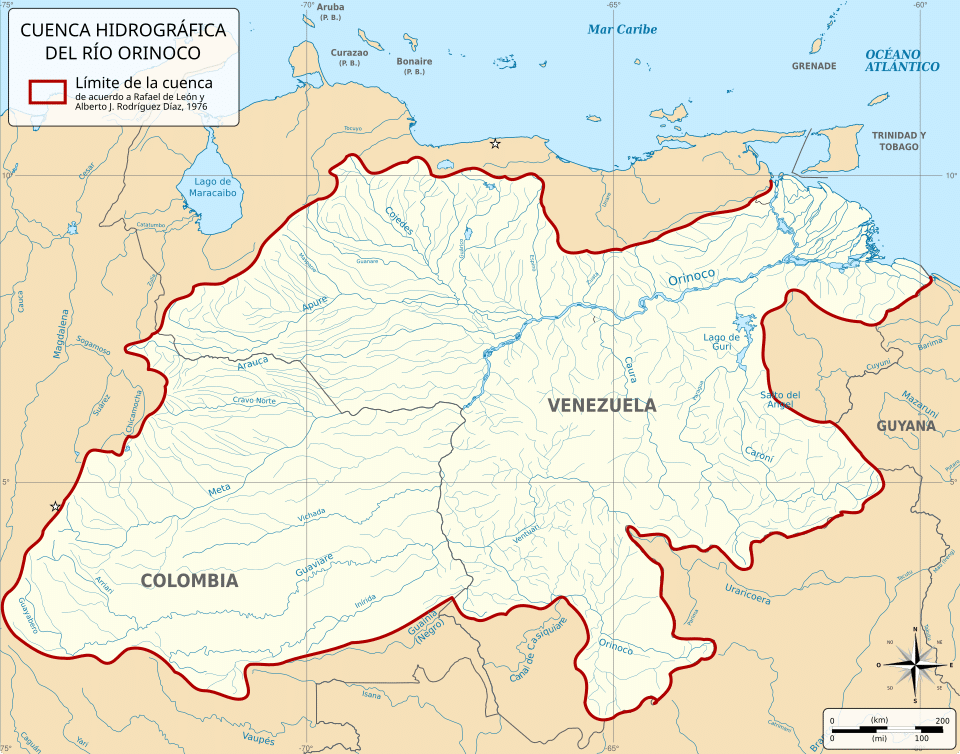
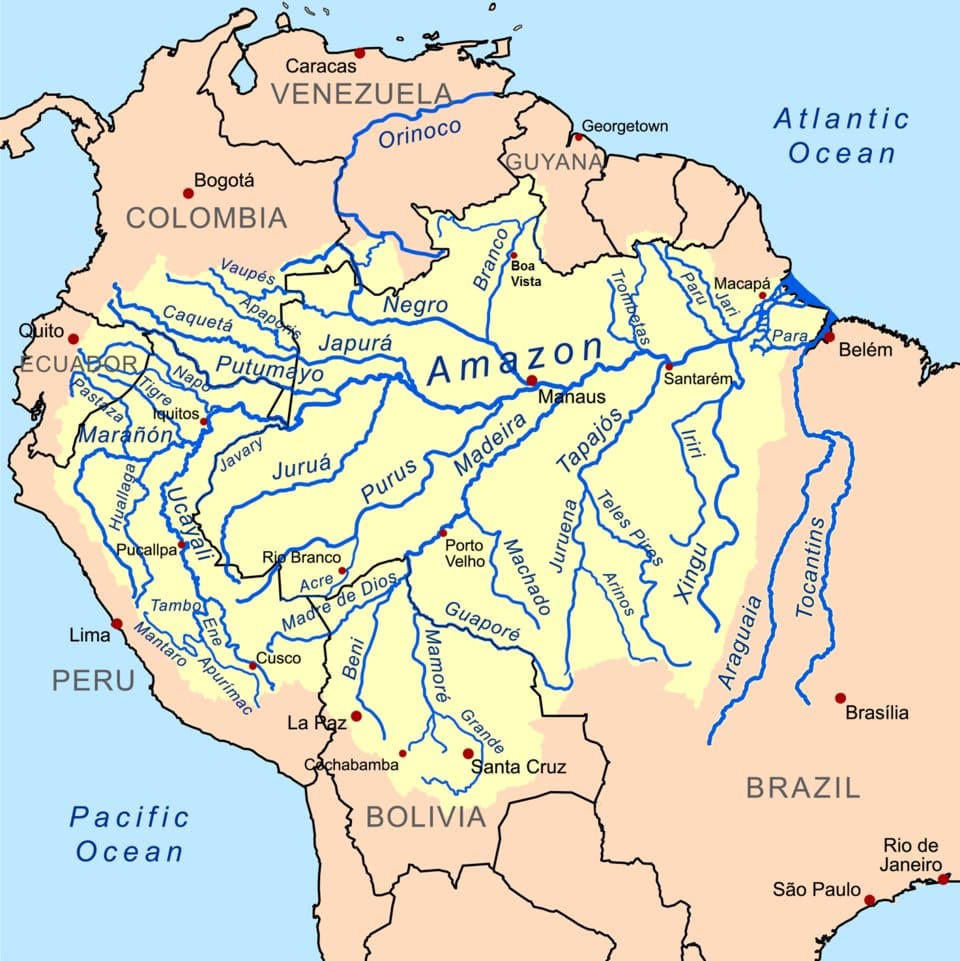
The red phantom tetra is native to the upper and middle Orinoco River watershed in Colombia and Venezuela. It inhabits minor tributaries, smaller rivers, oxbow lakes, and seasonally flooded forests across the llanos (grassland plains) and morichal (palm swamp) habitats of the region.
In the wild, these fish live in both blackwater and clearwater environments. The water is typically soft, acidic, and stained with tannins from decomposing leaves and wood. Substrates are sandy, and the habitat features dense aquatic vegetation, overhanging riparian plants, and submerged root structures that provide shelter and foraging opportunities.
Understanding their natural habitat explains why red phantoms show their best colors in aquariums with soft water, dim lighting, and plenty of botanicals like driftwood and leaf litter.
Appearance & Identification
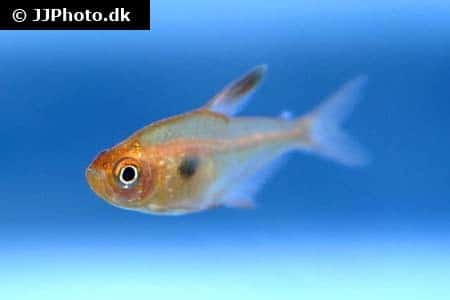
The red phantom tetra has a laterally compressed, somewhat deep body with a beautiful translucent red-orange coloration that does glow from within. A prominent dark shoulder spot (humeral blotch) sits just behind the gill cover, which is shared with other phantom tetras and is one of the genus’s defining features.
The fins are translucent with red tinting, and a dark blotch on the dorsal fin adds a nice accent. Under good conditions in soft, slightly acidic water, the red coloration intensifies to a deep, warm crimson. There are at least two color forms in the trade, including a particularly vivid red variant that’s especially sought after.
Male vs. Female
Like its black phantom cousin, the red phantom shows clear sexual dimorphism:
- Males are slimmer with extended dorsal and anal fins. They will show more intense coloration, especially when displaying.
- Females have deeper, rounder bodies (particularly when carrying eggs) with shorter fins.
The differences are less dramatic than in the black phantom tetra, where males and females look almost like different species. In red phantoms, both sexes share the same warm red-orange coloration.
Average Size & Lifespan
Red phantom tetras are on the smaller side, reaching about 1 to 1.2 inches (2.5-3 cm) in standard length. This makes them smaller than black phantoms and considerably smaller than bleeding heart tetras, so they’re a great choice for smaller aquariums and nano setups.
With proper care, expect a lifespan of 3 to 5 years. Clean, stable water conditions and a varied diet are the keys to longevity.
Care Guide
Tank Size
A 15-gallon tank works as a minimum for a school of 8-10 red phantom tetras, though 20 gallons gives them more room and makes it easier to maintain stable water conditions. Their smaller size compared to black phantoms means they don’t need quite as much space, making them well-suited for moderately sized planted tanks.
Water Parameters
| Parameter | Ideal Range |
|---|---|
| Temperature | 68-82°F (20-28°C) |
| pH | 5.5-7.0 |
| Hardness | 1-12 dGH |
| KH | 1-8 dKH |
Red phantoms tolerate a fairly wide range of conditions, but they show their best coloration in soft, slightly acidic water. Tannin-stained water from driftwood or Indian almond leaves brings out deeper reds. They can handle temperatures down to 68°F, which gives you more flexibility than many tropical tetras.
Filtration & Water Flow
Gentle to moderate flow is best. These fish come from slow-moving tributaries and flooded forest environments, so a strong current will stress them. A sponge filter is ideal for smaller setups, while a hang-on-back filter with a baffle works well in larger tanks. Weekly water changes of 20-25% keep water quality high.
Lighting
Subdued lighting is the way to go with red phantom tetras. Under bright lights, they look washed out and will hide. Add floating plants to diffuse the light, and you’ll see their red coloration deepen significantly. This is one of those species where the lighting setup makes a huge difference in how impressive they look.
Plants & Decorations
A well-planted tank with driftwood and a dark substrate is the ideal setup. Live plants provide security and territory boundaries, while driftwood releases tannins that soften the water and bring out the fish’s best colors. Dried leaf litter on the substrate mimics their natural habitat and promotes beneficial microorganism growth. Java fern, Anubias, Cryptocoryne, and floating plants all work well.
Is the Red Phantom Tetra Right for You?
Red phantom tetras are one of the hobby’s best-kept secrets for peaceful color. Here’s who should be keeping them:
- You want vibrant red coloration in a genuinely peaceful species. Red phantoms are not serpaes
- You appreciate the combination of transparent body and deep red that creates a glowing effect
- You have a planted tank with soft water. Their red intensifies dramatically in the right conditions
- You want a tetra that’s confident enough to stay visible but never causes problems
- You keep a group of 8+ for the best schooling display and color development
- These are an excellent choice for almost any peaceful community. Very few situations where they don’t work
Tank Mates
Best Tank Mates
- Black phantom tetras – the classic pairing for stunning visual contrast
- Other small tetras (neon tetras, ember tetras, cardinal tetras, green neon tetras)
- Corydoras catfish – peaceful bottom dwellers that stay out of the way
- Pencilfish – gentle nano fish from similar South American habitats
- Otocinclus – tiny peaceful algae eaters
- Honey gouramis – a peaceful, complementary centerpiece fish
- Dwarf cichlids (rams, Apistogramma) – natural biotope pairing
- Small rasboras (chili rasboras, harlequin rasboras)
Tank Mates to Avoid
- Large or aggressive fish – anything that could eat or intimidate them
- Fast, boisterous species (giant danios, large barbs) – will outcompete them for food and stress them
- Breeding shrimp colonies – baby shrimp will be eaten, though adult shrimp are safe
Food & Diet
Red phantom tetras are omnivores that accept a wide range of foods. In the wild, they feed on small insects, larvae, and organic matter in the water column. In the aquarium, high-quality micro-flakes or crushed pellets make a good daily staple.
Supplement with live or frozen foods 2-3 times per week for optimal coloration and health. Daphnia, baby brine shrimp, cyclops, and bloodworms (in moderation) are all excellent choices. Their small mouths mean food should be appropriately sized – crushed flakes and micro-foods work best.
Feeding tip: Feed small amounts once or twice daily. Overfeeding leads to water quality issues, which shows up quickly as faded coloration and stressed behavior.
Breeding & Reproduction
Red phantom tetras are egg scatterers that show no parental care. They’re considered moderately easy to breed and will sometimes spawn spontaneously in a well-maintained, mature aquarium.
Spawning Tank Setup
For controlled breeding, set up a separate 10-gallon tank with very dim lighting. Use fine-leaved plants like Java moss or spawning mops to catch eggs, and place mesh or marbles on the bottom to protect fallen eggs from the parents. Water should be very soft and acidic – pH 6.0-6.5 with minimal hardness.
Conditioning & Spawning
Condition a breeding pair or small group with plenty of live foods for 1-2 weeks. Males will display intensely for females, showing off their extended dorsal fins. Spawning usually occurs in the early morning. The female scatters eggs among the plants while the male fertilizes them.
Egg & Fry Care
Remove adults immediately after spawning because they will eat the eggs. Keep the tank dimly lit since the eggs are light-sensitive. Hatching occurs in about 24-36 hours, and fry become free-swimming 3-4 days later. Feed Paramecium or liquid fry food initially, then graduate to baby brine shrimp (Artemia nauplii) as the fry grow.
Common Health Issues
Red phantom tetras are hardy fish, but they’re susceptible to the standard tropical fish diseases:
Ich (White Spot Disease)
The most common ailment. Small white spots appear on the body and fins, usually triggered by temperature swings or stress. Raise the temperature gradually to 82°F and treat with a standard ich medication.
Neon Tetra Disease
Caused by the parasite Pleistophora hyphessobryconis. Symptoms include fading color, irregular swimming, and a curved spine. Unfortunately, there’s no cure. Prevention through quarantine of new fish and maintaining excellent water quality is the only defense.
General Prevention
Quarantine all new fish for 2-3 weeks before adding them to your main tank. Maintain stable water parameters and keep up with regular water changes. A varied diet helps support a strong immune system.
Common Mistakes to Avoid
- Keeping too few – In small groups, red phantoms are shy and barely show any color. Keep 8-10 minimum to see their natural schooling behavior and full coloration.
- Bright lighting – These fish wash out under intense light. Use floating plants and subdued lighting to bring out the deep red tones.
- Hard, alkaline water – While they’ll survive in it, hard water mutes their coloration significantly. Soft, slightly acidic water makes a dramatic difference.
- Mixing with large or aggressive fish – Red phantoms are small and peaceful. Boisterous tank mates will stress them and they’ll spend all their time hiding.
- Expecting instant color – Pet store specimens often look pale. Give them a few weeks in a well-set-up tank and their true colors will develop.
Where to Buy
Red phantom tetras are moderately available at local fish stores and widely available online. Pricing is typically $4-8 per fish, depending on the source and color quality. Some retailers offer a particularly vivid “super red” variant that commands slightly higher prices.
Only add them to a fully cycled, mature tank. Red phantoms are sensitive to water quality, and ammonia or nitrite from an uncycled setup will cause stress and disease quickly.
For quality stock with live arrival guarantees, check Flip Aquatics and Dan’s Fish. Both retailers ship healthy, well-acclimated fish directly to your door.
Frequently Asked Questions
Can you keep red and black phantom tetras together?
Absolutely. It’s one of the best combinations in the hobby. The warm red-orange of the red phantoms alongside the dark, smoky black phantoms creates a stunning visual contrast. They have nearly identical care requirements and coexist peacefully. This is a combination I recommend to anyone looking for a visually striking tetra community.
How many red phantom tetras should I keep?
A minimum of 6, but 8-10 is strongly recommended. In larger groups, they establish natural dominance hierarchies, display more confidently, and show significantly better coloration. A school of 10+ in a planted tank is genuinely impressive.
Are red phantom tetras the same as rosy tetras?
No. The “rosy tetra” (Hyphessobrycon rosaceus) is a different species, though both belong to the broader “rosy tetra clade” of related species. Red phantoms (M. Sweglesi) are smaller, more intensely colored, and have the characteristic shoulder spot that defines the phantom tetras.
Why are my red phantom tetras pale?
The most common causes are stress (from too-small groups, aggressive tank mates, or new surroundings), bright lighting, hard water, or poor water quality. Fix these factors and give them 2-3 weeks to settle in. Well-conditioned red phantoms in soft water with dim lighting are dramatically more colorful than stressed specimens.
What size tank do red phantom tetras need?
A 15-gallon tank works for a group of 8-10 red phantom tetras. Their small adult size (about 1.2 inches) makes them suitable for smaller aquariums compared to larger tetra species. A 20-gallon tank provides even more comfort and flexibility for a community setup.
What It Is Actually Like Living With Red Phantom Tetra
Red phantom tetras glow under moderate lighting in a way that photographs fail to capture. The translucent red body catches light from within, creating a warm ruby luminescence.
Male sparring displays are enhanced by the red coloring. When two males face off with spread fins, the red intensifies noticeably.
They are peaceful with other species and make excellent companions for other calm, small tetras, corydoras, and shrimp.
In a school of 6 to 8 against a dark background, the combined effect of multiple translucent red bodies moving together creates one of the warmest, most inviting displays in nano fishkeeping.
How the Red Phantom Tetra Compares to Similar Species
Red Phantom Tetra vs. Black Phantom Tetra
Black phantom tetras are the cool-toned sibling. Smoky grey-black where red phantoms are warm red. Both share the same peaceful temperament and the distinctive dorsal fin spot. Males in both species display to each other by flaring their fins, but neither species is actually aggressive during these displays. Keeping both species together creates a stunning warm-and-cool contrast. If you can only pick one, red phantoms offer more color impact, while black phantoms have more dramatic male display behavior. Check out our Black Phantom Tetra care guide for more details.
Red Phantom Tetra vs. Flame Tetra
Flame tetras are another red-orange option, but they’re more solidly opaque where red phantoms have that characteristic translucency. Flame tetras are hardier and more forgiving of varied water conditions. Red phantoms need softer water for peak coloration. In terms of pure visual impact, red phantoms in the right setup are the more striking fish. Flame tetras are the more practical, low-maintenance choice that still delivers warm tones reliably. Check out our Flame Tetra care guide for more details.
Closing Thoughts
The red phantom tetra is one of those fish that rewards you for doing things right. In a bare, brightly lit tank, they look average at best. But put them in a well-planted aquarium with soft water, dim lighting, driftwood, and a dark substrate, and the transformation is remarkable. The warm red-orange glow, the confident schooling behavior, and the subtle fin displays make them one of the most satisfying tetras to keep.
If you’re looking for one recommendation, pair them with black phantom tetras. The dark-and-red combination is hard to beat, and both species have identical care requirements. Add some ember tetras to fill out the warm color palette, throw in a school of rummy-nose tetras for the tight schooling contrast, and you’ve got one of the best tetra community tanks possible.
Recommended Video
Check out our tetra tier list video where we rank the most popular tetras in the hobby, including the red phantom tetra:
References
- Hyphessobrycon sweglesi Profile – Seriously Fish
- Megalamphodus sweglesi (Géry, 1961) – FishBase
- Red phantom tetra – Wikipedia
- Phylogenomics of Characidae – Melo et al, 2024
- About the Author
- Latest Posts

I’m Mark Valderrama, founder of Aquarium Store Depot and a fishkeeper with over 25 years of hands-on experience. I started in the hobby at age 11, worked at local fish stores, and have kept freshwater tanks, ponds, and reef tanks ever since. I’ve been featured in two best-selling aquarium books on Amazon and built this site to share practical, experience-based fish keeping knowledge.
Leave a Reply