
Last Updated: June 25, 2026
Thank you for visiting! By the way… any links on this page that lead to products on Amazon and other stores/partners are affiliate links Aquarium Store Depot earns a commission if you make a purchase.
Table of Contents
- What Most Care Guides Get Wrong
- The Reality of Keeping Sulphur Crest Cichlid
- Key Takeaways
- Species Overview
- Classification
- Origin & Natural Habitat
- Appearance & Identification
- Average Size & Lifespan
- Care Guide
- Is This Species Right for You?
- Tank Mates
- Food & Diet
- Breeding & Reproduction
- Common Health Issues
- Common Mistakes to Avoid
- Where to Buy
- FAQ
- What It Is Actually Like Living With Sulphur Crest Cichlid
- Species Comparison
- Closing Thoughts
Sulphur crest cichlids are the peaceful cave dwellers of Lake Malawi, and their calm temperament makes them one of the easiest haps to keep. But peaceful does not mean passive. They still need proper water chemistry, adequate hiding spots, and tank mates that will not bully them out of their caves. I have kept otopharynx lithobates for years and the biggest issue is keeping them with aggressive haps that monopolize the best cave structures. The calm cave dweller that rewards patience with a yellow crest you will not find on any other hap.
The hap that chose peace and a cave over territory and a fight.
What Most Care Guides Get Wrong About Sulphur Crest Cichlid
The biggest misconception about Sulphur Crest Cichlids is that they need the same setup as other haps. Otopharynx lithobates is a cave dwelling species that requires specific rockwork with overhangs and caverns. Keeping them in an open water setup with minimal rockwork will leave them stressed and hiding constantly. The second mistake is overlooking them because they are not as flashy as Electric Blue Haps or Red Empress. A mature male Sulphur Crest in breeding dress, with its vivid yellow blaze and metallic blue body, is genuinely stunning.
The Reality of Keeping Sulphur Crest Cichlid
Mbuna keeping is a different discipline from regular fishkeeping. The Sulphur Crest Cichlid is no exception. Here is what you need to prepare for.
Hard, alkaline water is mandatory. Lake Malawi chemistry means pH between 7.8 and 8.6, high GH, and high KH. There is no faking this. If your tap water is soft and acidic, you need to buffer every water change without exception.
Overstocking is the strategy. Keeping 3 or 4 Sulphur Crest Cichlids leads to one bully and victims. You need groups of 12 or more to spread aggression. But overstocking only works with heavy filtration and consistent water changes.
Diet is critical. Spirulina and veggie-based foods are essential. High-protein diets cause Malawi Bloat, which is often fatal.
Rockwork defines territories. Mbuna need piles of rocks with caves and passageways. Without proper rockwork, dominant fish have nowhere to establish boundaries and subordinates have nowhere to hide. Stack rocks from substrate to near the waterline.
Biggest Mistake New Sulphur Crest Cichlid Owners Make
Understocking. Keeping a small group of Sulphur Crest Cichlids means the dominant fish picks off the weak ones. You need a large group to distribute aggression. Twelve is the minimum for most mbuna species.
Expert Take
Start with a group of 12 or more in a 55 gallon minimum. Use aragonite or crushed coral substrate to buffer pH naturally. Feed spirulina-based food as the staple. Stack rocks to create territories. This formula works for Sulphur Crest Cichlids and most other mbuna.
Key Takeaways
- Stunning blue and yellow coloration. Males develop deep metallic blue with a bright yellow “sulphur” blaze across the head and dorsal fin
- Peaceful cave-dweller. One of the most docile Malawi Haps; spends time foraging in rock crevices rather than fighting
- 75-gallon minimum. Moderate size at 6 inches; fits comfortably in properly set-up Hap and Peacock communities
- Carnivorous/insectivorous. Feed a protein-rich diet of pellets, frozen shrimp, and invertebrate-based foods
- IUCN Vulnerable. Wild populations are threatened; buying captive-bred specimens supports conservation
- Maternal mouthbrooder. Females carry 25. 50 eggs for 3. 4 weeks; breed in a harem of 1 male to 3+ females
Species Overview
| Common Name | Sulphur Crest Cichlid, Sulphur-Headed Hap, Yellow Blaze Lithobates |
| Scientific Name | Otopharynx lithobates |
| Care Level | Intermediate |
| Temperament | Peaceful |
| Max Size | 6 inches (15. 16 cm) |
| Min Tank Size | 75 gallons (284 liters) |
| Diet | Carnivore (Insectivore) |
| Lifespan | 8. 10 years |
| Water Temp | 76. 82°F (24. 28°C) |
| pH | 7.8. 8.6 |
| Origin | Lake Malawi, Africa |
Classification
| Kingdom | Animalia |
| Phylum | Chordata |
| Class | Actinopterygii |
| Order | Cichliformes |
| Family | Cichlidae |
| Genus | Otopharynx |
| Species | O. Lithobates (Oliver, 1989) |
Origin & Natural Habitat
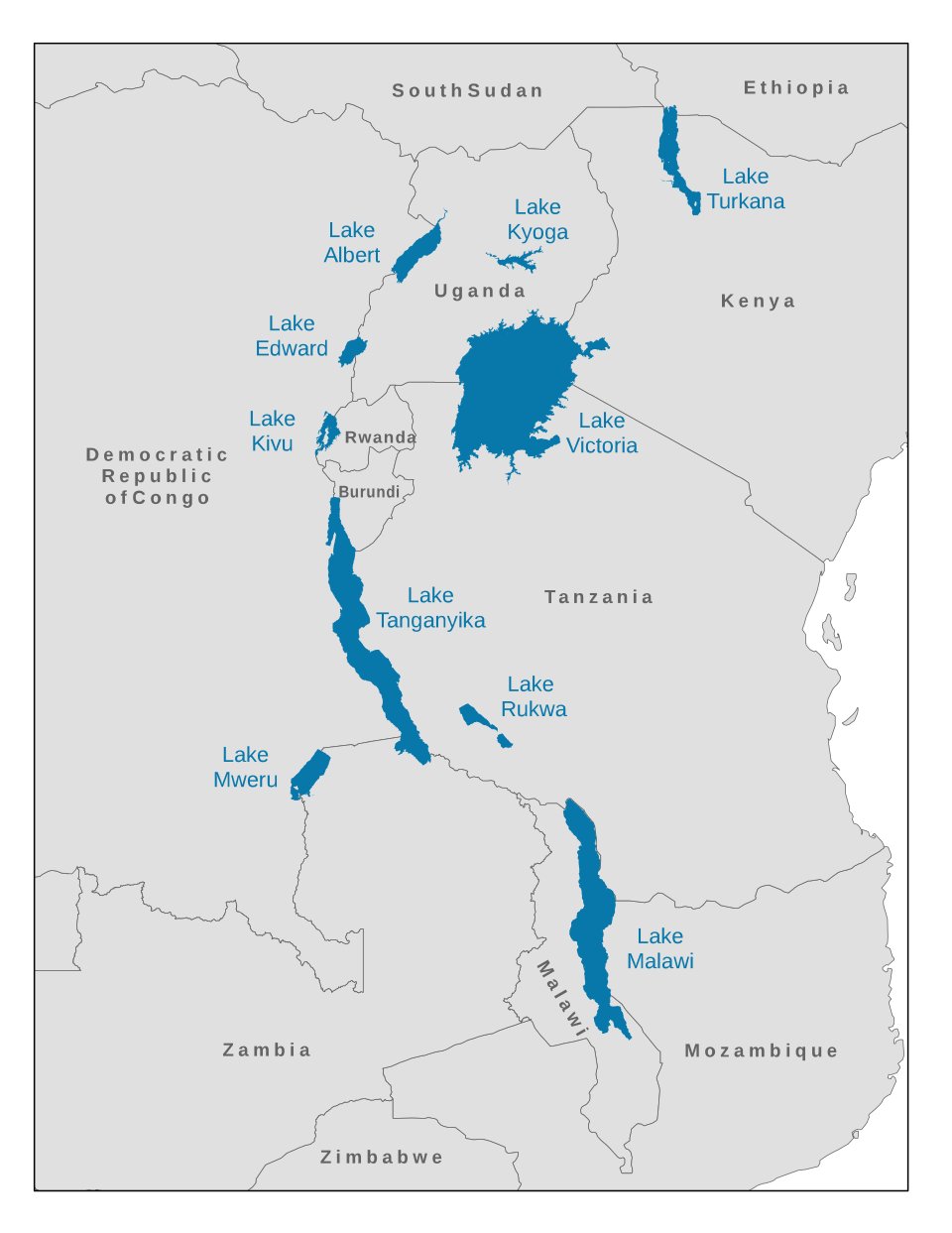
Otopharynx lithobates is endemic to Lake Malawi, where it inhabits rocky reef areas at depths of 10. 25 meters (33. 82 feet). The name “lithobates” translates to rock-dweller, which perfectly describes this species’ lifestyle. It spends its time foraging in and around caves, crevices, and rocky overhangs, searching for invertebrates and other food items.
This preference for deeper rocky habitats is one reason the species is relatively uncommon in the wild. Harvesting from these depths is more difficult, and combined with limited wild populations, O. Lithobates has been listed as Vulnerable on the IUCN Red List. This makes captive breeding programs and responsible hobbyist breeding all the more important for the long-term survival of the species.
In their natural environment, Sulphur Crests are found as solitary individuals or in small groups around cave-rich rocky areas. Males establish territories centered on caves or overhangs that they defend for breeding purposes.
Appearance & Identification
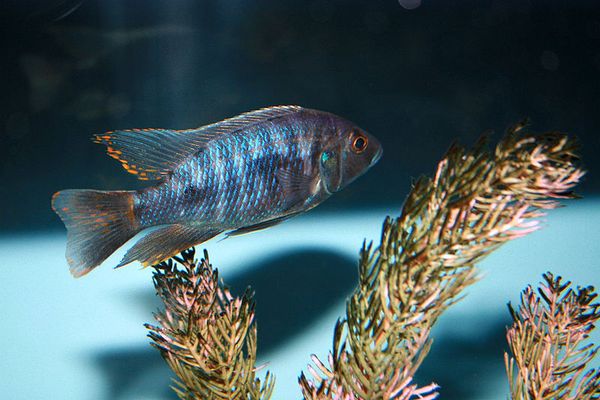
The male Sulphur Crest in full color is a study in contrasts. The body develops a deep, rich metallic blue, while a vivid yellow-gold stripe runs from the snout across the top of the head and continues along the dorsal fin. The “sulphur crest” that gives the fish its common name. The effect is striking and immediately identifies this species.
Females and juveniles are much less dramatic. Grey-beige to brownish body color with three dark spots on the flank (one near the tail base, one under the shoulder, and one midway between). These spots can actually help with sexing, as they’re very prominent in females and juveniles but become nearly invisible as males develop their adult coloration.
The body shape is moderately deep and slightly elongated, typical of cave-foraging Haps. The mouth is adapted for probing crevices and picking invertebrates from rock surfaces rather than engulfing large prey.
Male vs. Female
Sexing juveniles is tricky. Look for the three dark flank spots, which are more prominent in females. Once males develop adult coloration, the difference is dramatic.
| Feature | Male | Female |
|---|---|---|
| Body Color | Deep metallic blue with yellow dorsal blaze | Grey-beige to brownish |
| Size | Up to 6 inches (15. 16 cm) | Up to 5 inches (12. 13 cm) |
| Flank Spots | Nearly invisible in fully colored males | Three prominent dark spots on flank |
| Egg Spots | Present on anal fin | Absent or very faint |
| Dorsal Fin | Yellow blaze extending along dorsal | Shorter, no yellow coloration |
Average Size & Lifespan
Sulphur Crests are a moderate-sized Hap, with males reaching about 6 inches (15. 16 cm) and females staying slightly smaller. They’re not huge fish, which is part of what makes them so versatile for community setups. They’re large enough to hold their own but small enough to work in a 75-gallon tank.
With proper care, expect a lifespan of 8. 10 years. Consistent water quality and a proper diet are the biggest factors in reaching the upper end of that range.
Care Guide
Tank Size
A 75-gallon (284-liter) tank is the minimum for a small group of Sulphur Crests. For a pair or harem with other community members, 100 gallons (379 liters) or larger is ideal. These fish aren’t the open-water marathon swimmers that some Haps are, but they still need adequate space for territories and cave access.
Tank design matters more than raw volume for this species. Focus on creating a layout with plenty of caves, crevices, and overhangs. This is what Sulphur Crests care about most.
Water Parameters
| Temperature | 76. 82°F (24. 28°C) |
| pH | 7.8. 8.6 |
| General Hardness (dGH) | 10. 20 dGH |
| Carbonate Hardness (dKH) | 10. 15 dKH |
| Ammonia | 0 ppm |
| Nitrite | 0 ppm |
| Nitrate | <20 ppm |
Standard Lake Malawi parameters. Hard, alkaline, warm, and stable. Like all Malawi cichlids, consistency is more important than hitting exact numbers. Buffer soft water with aragonite or crushed coral, and maintain a regular water change schedule of 25. 35% weekly.
Filtration & Water Flow
A quality canister filter rated for 1.5. 2x your tank volume works well. Sulphur Crests produce a moderate bioload. Less than the big predatory Haps but still enough to require solid filtration. Moderate flow is appropriate; these cave-dwellers don’t need or want strong currents.
Lighting
Moderate lighting is ideal. Coming from deeper rocky habitats, Sulphur Crests prefer slightly subdued light levels over intense illumination. That said, standard LED lighting is perfectly fine. Just avoid blasting them with maximum intensity. The yellow blaze shows up beautifully under moderate light. Keep the photoperiod to 8. 10 hours.
Plants & Decorations
Rocks are the star of the show for Sulphur Crests. Stack them to create caves, overhangs, tunnels, and crevices. The more complex the rockwork, the happier these fish will be. They spend their time actively foraging through and around these structures, which is part of what makes them so fun to watch.
Unlike many cichlids, Sulphur Crests won’t dig up or eat live plants. Anubias and Java Fern attached to rocks blend seamlessly into the rocky aquascape. Leave some open areas for swimming, but prioritize the cave structures.
Substrate
Fine sand is preferred. Sulphur Crests don’t dig aggressively, so substrate choice is more about aesthetics and water chemistry than behavioral needs. Aragonite sand provides helpful buffering, or use dark sand for a more dramatic contrast against the fish’s coloration.
Is the Sulphur Crest Cichlid Right for You?
Sulphur Crest Cichlids are one of the most underappreciated haps in the hobby. Their unique cave dwelling behavior and striking breeding colors make them a hidden gem for the right keeper.
- Great fit if you enjoy setting up elaborate rockwork with caves and overhangs
- Great fit if you want a peaceful hap that adds variety to a community without adding aggression
- Great fit if you appreciate species that reward patience. Males develop their best color over time in a stress free environment
- Not ideal if your tank setup is primarily open water with minimal rock structures
- Not ideal if you want a fish that is constantly visible. Cave dwellers spend significant time in their chosen retreat
- Not ideal if you keep aggressive species that will deny the Sulphur Crest access to cave territories
Sulphur Crest Cichlids are a fantastic choice for hobbyists who enjoy building detailed aquascapes and appreciate subtle, natural beauty. A male defending his cave in full color is one of the most rewarding sights in the hap hobby.
Tank Mates
Best Tank Mates
Sulphur Crests are among the most peaceful Malawi Haps, making them compatible with a wide range of similarly tempered species:
- Peacock cichlids (Aulonocara spp.). Ideal companions; similar size and peaceful temperament
- Red Empress (Protomelas taeniolatus). Another peaceful Hap with complementary coloring
- Red Kadango (Copadichromis borleyi). Peaceful open-water Hap; different niche avoids competition
- Deep Water Hap (Placidochromis electra). Gentle species that pairs well with Sulphur Crests
- Electric Blue Hap (Sciaenochromis fryeri). Manageable aggression, different niche
- Synodontis catfish. Reliable bottom dwellers for any peaceful Malawi community
Tank Mates to Avoid
- Aggressive mbuna. Sulphur Crests are too gentle for the mbuna aggression game; they’ll be bullied and stressed
- Large predatory Haps. At 6 inches, Sulphur Crests can be prey for big piscivores like Venustus or Eye-Biters
- Any boisterous or belligerent species. These fish need a calm community to thrive and show their best colors
- Very small fish. While not aggressive predators, Sulphur Crests may eat very small tank mates opportunistically
Food & Diet
Sulphur Crests are primarily carnivorous with an insectivorous bent. In the wild, they forage through rock crevices for invertebrates. Small crustaceans, insect larvae, and other tiny animals living in the rocky substrate. This feeding behavior is fascinating to watch in the aquarium as the fish systematically investigates every crack and gap in the rockwork.
A high-quality carnivore cichlid pellet or stick makes a good staple. Supplement with frozen foods like mysis shrimp, brine shrimp, daphnia, krill, and chopped prawns. A small amount of spirulina or algae-based food aids digestion, but the diet should lean heavily toward protein.
Feed 1. 2 modest meals per day. Avoid overfeeding. Keep portions small to maintain water quality and prevent bloat. Skip bloodworms and mammalian meat products.
Breeding & Reproduction
Sulphur Crests are maternal mouthbrooders best bred in a species-specific tank. While they can breed in community settings, a dedicated breeding setup produces much better results.
Spawning Behavior
Maintain a harem of 1 male to at least 3 females. If multiple males are present, only the dominant male will develop full breeding colors and spawn with the females. Subordinate males remain drab and won’t breed.
The male establishes a territory centered around a cave or overhang. Fitting for a rock-dwelling species. He displays his vivid blue and yellow coloration to attract females. When a female is receptive, spawning follows the standard Malawi mouthbrooder pattern with egg-spot fertilization.
Mouthbrooding & Fry Care
Females carry 25. 50 eggs for 3. 4 weeks before releasing the free-swimming fry. During this time, she won’t eat and should not be disturbed. Stressed females may spit out or consume the brood. Handle with extreme care if relocation is necessary.
A consideration unique to this species. If a female is removed from the colony for too long, she may lose her place in the social hierarchy when returned. Time your interventions carefully.
Newly released fry are large enough to accept baby brine shrimp immediately. Raise them separately from adults. Given the species’ IUCN Vulnerable status, successful captive breeding is a meaningful contribution to the hobby and conservation alike.
Common Health Issues
Malawi Bloat
Malawi Bloat is the primary health threat for Sulphur Crests, as with all Malawi cichlids. Stress, poor water quality, and overfeeding are the usual triggers. Watch for abdominal swelling, stringy white feces, appetite loss, and rapid breathing. Act immediately if symptoms appear. Bloat kills fast.
Maintain excellent water quality, feed appropriate portions, and minimize stress through proper tank mates and adequate hiding spots. Treat early with Metronidazole.
Ich (White Spot Disease)
Ich can occur after stress events or temperature fluctuations. The white spots are easily identified. Raise temperature gradually to 82°F (28°C) and treat with ich medication. Sulphur Crests are hardy and recover well with prompt treatment.
Hole-in-the-Head Disease (HITH)
HITH can affect Sulphur Crests, particularly in tanks with poor water quality or vitamin-deficient diets. Small pits or lesions on the head and lateral line are the telltale signs. Improving water quality and diet variety halts progression and allows healing.
Common Mistakes to Avoid
- Keeping with aggressive species. Sulphur Crests are too peaceful for mbuna tanks; they need calm, similarly tempered companions
- Not enough caves and rock structures. These are cave-dwelling fish; without adequate rockwork, they’ll be stressed and won’t display natural behavior
- Keeping multiple males in small tanks. Only the dominant male breeds; subordinates remain drab and stressed. One male per tank unless you have 150+ gallons
- Ignoring their IUCN status. Buy captive-bred specimens, not wild-caught; supporting responsible breeding helps the species
- Pairing with large predators. At 6 inches, Sulphur Crests are vulnerable to piscivorous Haps; choose appropriately sized tank mates
- Overfeeding. Their moderate size means smaller portions; don’t feed like you would for larger Haps
Where to Buy
Sulphur Crest Cichlids are available in the specialty cichlid market, though they’re not as commonly stocked as Electric Blue Haps or Red Empress. You need to order from online breeders rather than finding them at a local store. Expect to pay $10. $20 for juveniles. Look for captive-bred stock whenever possible:
- Flip Aquatics. Carries a range of Malawi Hap species including less common varieties
- Dan’s Fish. Good source for Otopharynx species and other specialty Haps
Buy a group of 6. 8 juveniles if you can find them. Growing them out together gives you the best chance of establishing a proper harem with good social dynamics.
FAQ
Are Sulphur Crest Cichlids aggressive?
Not at all. They’re among the most peaceful Malawi Haps. They’re far more interested in exploring caves and foraging for food than fighting. Males will become mildly territorial during breeding, but their aggression is modest compared to most Malawi cichlids. They’re ideal for peaceful Hap and Peacock communities.
Can Sulphur Crests live with Peacock cichlids?
Yes. This is an excellent pairing. Both genera are similarly sized, similarly tempered, and occupy slightly different niches (Sulphur Crests are cave-focused while many Peacocks prefer open areas). The different coloration patterns minimize territorial triggers. One of the better combinations for a mixed Malawi community.
Are Sulphur Crest Cichlids endangered?
Otopharynx lithobates is listed as Vulnerable on the IUCN Red List, meaning wild populations face significant threats. Collection for the aquarium trade is one factor, along with habitat degradation. Buying captive-bred specimens. Rather than wild-caught. Is the responsible choice and helps reduce pressure on wild populations.
What do Sulphur Crests eat?
They’re carnivores with an insectivorous focus. In the wild, they forage for small invertebrates in rock crevices. In the aquarium, feed quality carnivore pellets as the staple, supplemented with frozen mysis shrimp, brine shrimp, daphnia, krill, and chopped prawns. A small amount of spirulina aids digestion. Feed 1. 2 modest meals daily.
How do I sex Sulphur Crest Cichlids?
Juvenile sexing is difficult. Look for the three dark flank spots. They’re more prominent in females and juveniles but nearly invisible in mature males. Once males develop their blue body and yellow dorsal blaze, sexing becomes obvious. Males are also slightly larger and have more pronounced fins.
What It Is Actually Like Living With Sulphur Crest Cichlid
This is the part no other care guide gives you. Forget water parameters for a minute. Here is what it is actually like to share your tank with this species.
They have more personality than you expect. The Sulphur Crest Cichlid is not a fish that just sits in the background. Once settled in, they become interactive, curious, and responsive to your presence.
Feeding time reveals their character. Watch how the Sulphur Crest Cichlid approaches food and you will see real personality. Some are bold, some are cautious, and their feeding behavior tells you a lot about their mood and health.
They establish routines. After a few weeks, your Sulphur Crest Cichlid will have favorite spots, preferred paths through the tank, and predictable patterns. Learning these routines makes you a better keeper.
Color is a health indicator. The Sulphur Crest Cichlid’s coloration is a real-time report card on your husbandry. Vibrant color means happy fish. Faded color means something is wrong. Pay attention.
How the Sulphur Crest Cichlid Compares to Similar Species
Choosing the right Malawi cichlid means understanding how similar species compare. Here is how the Sulphur Crest Cichlid stacks up against species you will also be considering.
Sulphur Crest Cichlid vs. Deep Water Hap
Sulphur Crests and Deep Water Haps are both peaceful species that work well in community tanks, but they occupy completely different zones. Deep Water Haps are open water swimmers, while Sulphur Crests stay close to their caves and rock structures. This difference makes them excellent tankmates. They will not compete for territory since they prefer different areas of the tank. Together, they create activity at multiple levels in your aquarium. You can learn more in our Deep Water Hap Care Guide.
Closing Thoughts
Sulphur crests are the calmest hap in the lake. That only works if their tank mates are calm too.
The Sulphur Crest Cichlid is a hidden gem in the Malawi Hap world. That blue-and-yellow color combination is genuinely elegant, and their peaceful cave-foraging behavior makes them endlessly interesting to watch. In a hobby where aggression often dominates the conversation, Otopharynx lithobates proves that you can have stunning color without the chaos.
The fact that this species is Vulnerable in the wild makes keeping and breeding captive specimens even more rewarding. You’re not just enjoying a beautiful fish. You’re contributing to the preservation of a species. Give them proper caves, clean water, and peaceful companions, and the Sulphur Crest will be one of the most satisfying fish you’ve ever kept.
This article is part of our Lake Malawi Cichlid Species Directory: Complete A-Z Care Guide List. Visit the hub page to explore care guides for all 28 Lake Malawi cichlid species we cover.
Recommended Video
References
- Seriously Fish. (n.d.). Otopharynx lithobates. https://www.seriouslyfish.com/species/otopharynx-lithobates/
- FishBase. (n.d.). Otopharynx lithobates. https://www.fishbase.se/summary/Otopharynx-lithobates.html
- Cichlid Room Companion. (n.d.). Otopharynx lithobates (Oliver, 1989). https://cichlidae.com/article.php?id=247
- The Aquarium Wiki. (n.d.). Otopharynx lithobates. https://www.theaquariumwiki.com/wiki/Otopharynx_lithobates
- About the Author
- Latest Posts

I’m Mark Valderrama, founder of Aquarium Store Depot and a fishkeeper with over 25 years of hands-on experience. I started in the hobby at age 11, worked at local fish stores, and have kept freshwater tanks, ponds, and reef tanks ever since. I’ve been featured in two best-selling aquarium books on Amazon and built this site to share practical, experience-based fish keeping knowledge.
Leave a Reply