Last Updated: June 25, 2026
Thank you for visiting! By the way… any links on this page that lead to products on Amazon and other stores/partners are affiliate links Aquarium Store Depot earns a commission if you make a purchase.
Table of Contents
- What Most Care Guides Get Wrong
- The Reality of Keeping Coral Red Pencilfish
- Key Takeaways
- Species Overview
- Classification
- Origin & Natural Habitat
- Appearance & Identification
- Average Size & Lifespan
- Care Guide
- Is This Fish Right for You?
- What People Get Wrong
- Tank Mates
- Food & Diet
- Breeding & Reproduction
- Common Health Issues
- Common Mistakes to Avoid
- Where to Buy
- Frequently Asked Questions
- What It Is Actually Like Living With Coral Red Pencilfish
- How It Compares to Similar Species
- Closing Thoughts
- Recommended Video
- References
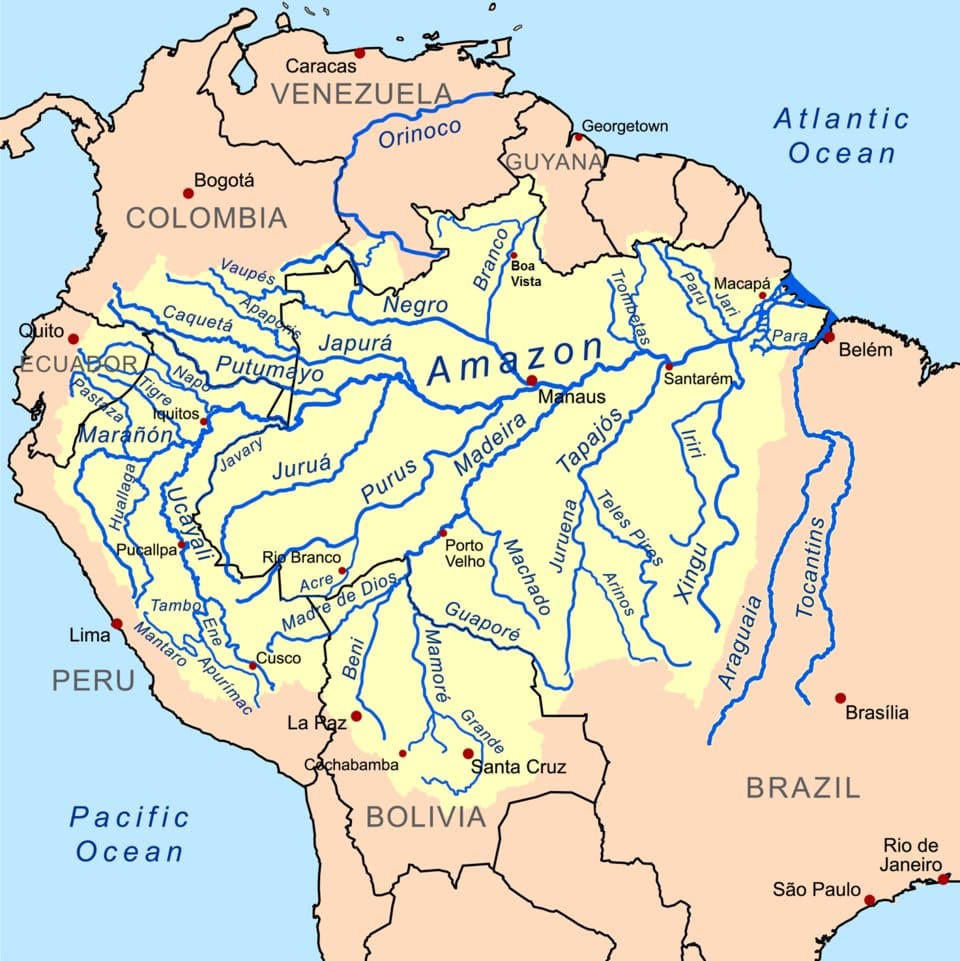
The coral red pencilfish is one of the most visually striking micro fish in the hobby. Males in breeding color display an intense red that rivals any fish three times their size. But that color only shows in soft, acidic water with dim lighting and a dark substrate. Hard water, bright lights, and the red disappears entirely.
Coral red pencilfish in the wrong water are brown. In the right water, they are the most vivid micro fish you will ever see.
The Reality of Keeping Coral Red Pencilfish
Males are the colorful ones. Female coral red pencilfish are significantly less colorful than males. The intense coral-red coloring is primarily a male trait. A mixed group with more males shows the most color.
They need calm conditions. Like all pencilfish, the coral red needs gentle flow and calm tank mates. Active, boisterous fish stress them into hiding and the color fades. Build the tank around their needs.
Night colors are completely different. Like all Nannostomus species, coral red pencilfish change their color pattern at night. The daytime red fades and is replaced by dark bars. This is normal and one of the most interesting aspects of keeping pencilfish.
Biggest Mistake New Owners Make
Keeping them with active, aggressive tank mates. The coral red pencilfish shows its best color when it feels secure. In a hectic tank, it hides and the red fades to a pale shadow of its potential.
The coral red pencilfish is the best entry point into pencilfish keeping for hobbyists who want both the unique pencilfish behavior and genuine color impact. It delivers both in a way that no other pencilfish does.
Key Takeaways
- Arguably the most colorful pencilfish species with striking red and black bands
- Males are territorial and display constantly, making them fascinating to watch
- Soft, acidic water is essential for health and coloration
- Small species (1.2 inches max) suitable for nano tanks of 10+ gallons
- Micropredator that prefers live and frozen foods over dry food
Species Overview
| Field | Details |
|---|---|
| Scientific Name | Nannostomus mortenthaleri |
| Common Names | Coral Red Pencilfish, Red Arc Pencilfish, Mortenthal’s Pencilfish |
| Family | Lebiasinidae |
| Origin | Rio Nanay basin, Loreto, Peru |
| Care Level | Moderate |
| Temperament | Peaceful but territorial among males |
| Diet | Omnivore (micropredator) |
| Tank Level | Mid to Top |
| Maximum Size | 1.2 inches (3 cm) |
| Minimum Tank Size | 10 gallons (38 liters) |
| Temperature | 75-82°F (24-28°C) |
| pH | 4.0-7.0 |
| Hardness | 0-8 dGH |
| Lifespan | 3-5 years in captivity |
| Breeding | Egg scatterer |
| Breeding Difficulty | Moderate to Difficult |
| Compatibility | Specialist community |
| OK for Planted Tanks? | Yes |
Classification
| Taxonomic Level | Classification |
|---|---|
| Order | Characiformes |
| Family | Lebiasinidae |
| Subfamily | Pyrrhulininae |
| Genus | Nannostomus |
| Species | N. mortenthaleri (Paepke & Arendt, 2001) |
Coral red pencilfish need soft, slightly acidic water and peaceful tank mates. The care is straightforward once the setup is right, but wrong companions or wrong parameters undermine their health and color.
This species was described by Hans-Joachim Paepke and Klaus Arendt in 2001, making it one of the most recently described pencilfish species. It was named after Martin Mortenthaler, a Peruvian aquarium fish exporter who first collected and brought the species to scientific attention.
Note on family placement: Pencilfish belong to Lebiasinidae, which is separate from Characidae. This family was not affected by the 2024 Melo et al. revision. Lebiasinidae has been taxonomically stable, and Nannostomus is universally recognized as the pencilfish genus.
Origin & Natural Habitat
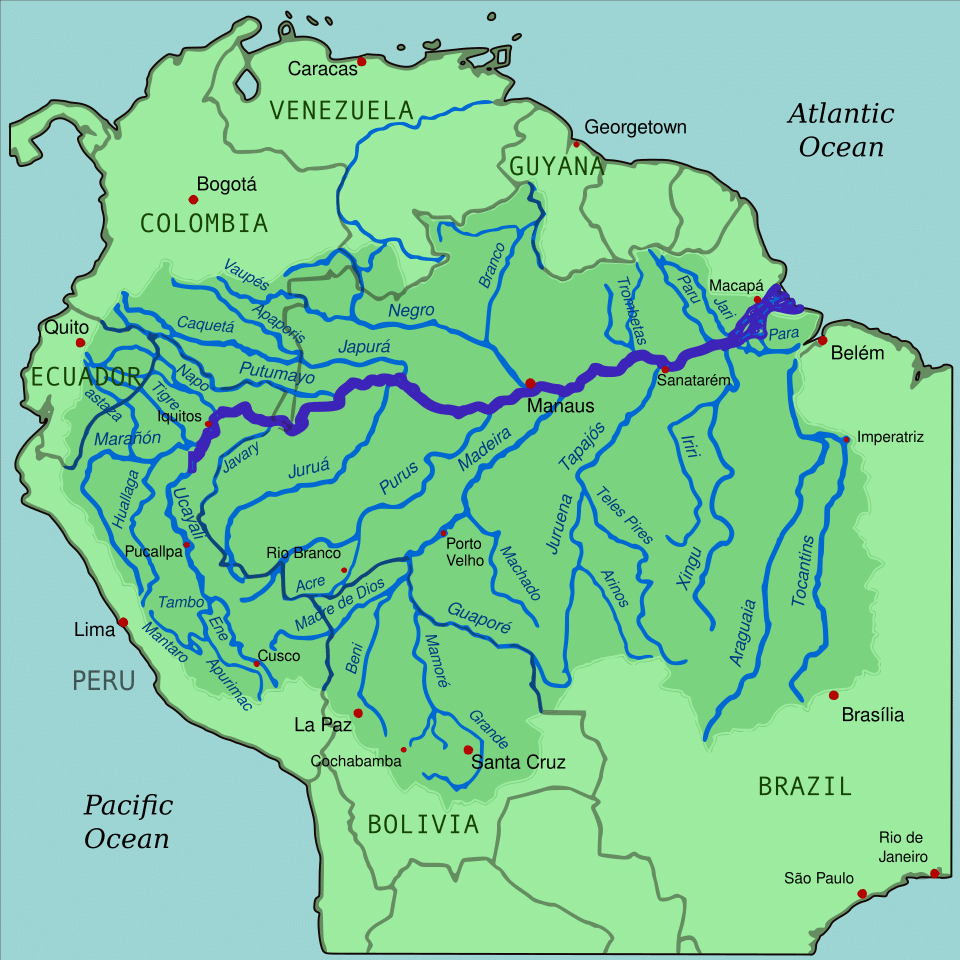
The coral red pencilfish has an extremely limited natural range. It’s found only in the Rio Nanay drainage near Iquitos in Loreto, Peru, within the upper Amazon basin. This restricted distribution makes it one of the more geographically limited aquarium species.
In the wild, they inhabit small, slow-moving forest streams and pools with dense aquatic and riparian vegetation. The water is typically very soft, acidic, and stained with tannins from decomposing plant matter. The substrate is covered in leaf litter, and fallen branches provide additional structure and territories for the fish.
The limited range of this species means wild populations is vulnerable to habitat destruction. Most fish in the aquarium trade are now captive-bred, which is both good for wild populations and beneficial for aquarists since captive-bred fish adapt more readily to aquarium conditions.
Appearance & Identification
The coral red pencilfish is widely regarded as the most colorful member of the Nannostomus genus. Males display three bold horizontal bands: broad red stripes alternating with black stripes, running the length of the body. The red is an intense coral to crimson that deepens with the fish’s mood and condition. When males are displaying to each other, the coloration reaches its peak intensity.
The body shape is typical of pencilfish: elongated, cylindrical, and streamlined. Like other Nannostomus species, they often hover at an oblique angle in the water, which is a characteristic pencilfish behavior rather than a sign of illness.
Sexual dimorphism is easy to see in this species. Males are brilliantly colored with the full red and black pattern, while females are considerably more subdued. Females show a brownish-olive body with faint striping and lack the intense red coloring. Males also develop slightly more elongated body proportions.
Like all pencilfish, N. mortenthaleri displays a nocturnal color pattern that appears when the lights go off. The bold stripes fade and are replaced by a pattern of vertical bars. This is normal and not a cause for concern.
Average Size & Lifespan
This is a small species, reaching a maximum of about 1.2 inches (3 cm). Their small size makes them suitable for nano and small community tanks, though their water chemistry requirements add complexity to the setup.
With proper care in appropriate water conditions, expect a lifespan of 3 to 5 years. Soft, acidic water, a varied diet, and a well-structured tank are the keys to longevity.
Care Guide
Tank Size
A 10-gallon tank is the minimum for a small group. For a group of 8 to 12 with other small tank mates, a 20-gallon long is ideal. These fish don’t need a lot of swimming space, but territorial males need enough room to establish their own small domains without constant conflict.
Water Parameters
| Parameter | Ideal Range |
|---|---|
| Temperature | 75-82°F (24-28°C) |
| pH | 4.0-7.0 (prefers acidic) |
| General Hardness | 0-8 dGH |
| KH | 0-4 dKH |
| Ammonia / Nitrite | 0 ppm |
| Nitrate | Below 15 ppm |
Soft, acidic water brings out the best coloration and supports long-term health. RO/DI water remineralized to target parameters is the most reliable approach. Indian almond leaves, alder cones, and driftwood help naturally acidify the water and release beneficial tannins. The darker and softer the water, the more vivid the reds become.
Water quality must be excellent. These fish are not tolerant of elevated nitrates or organic waste. Small, frequent water changes (15 to 20 percent twice weekly) work better than large weekly changes for maintaining stability.
Tank Setup
A well-planted tank with lots of visual barriers is ideal. Use driftwood branches, dense plants, and leaf litter to create separate micro-territories for males. Without adequate structure, dominant males will relentlessly harass subordinates.
Keep the lighting subdued. Floating plants are highly recommended to diffuse light and add security. Low-light plants like Java fern, Anubias, Cryptocoryne, and mosses work well in these conditions.
A dark substrate brings out the best coloring. Black sand is a popular choice that provides excellent contrast with the fish’s red and black pattern.
Is the Coral Red Pencilfish Right for You?
Coral red pencilfish are a premium species that demand premium care. Here’s who should attempt them:
- You can provide consistently pristine water quality. weekly water changes are mandatory, not optional
- You have a calm, heavily planted nano tank with minimal current
- You’re willing to invest in the specific conditions these fish need. soft, acidic water with tannins
- You appreciate the unique hovering behavior that sets pencilfish apart from all other small fish
- You have experience keeping sensitive species and understand drip acclimation
- Don’t get these as your first pencilfish. start with a hardier species like the three-lined pencilfish
What People Get Wrong
The biggest mistake is housing coral red pencilfish with incompatible tank mates. Their slow, deliberate swimming style and elongated fins are a target for any nippy or aggressive species. The peaceful reputation of pencilfish makes people underestimate this risk. Put them with the wrong companions and you will see fading color, hiding behavior, and damaged fins within days.
Second mistake: wrong water chemistry. Coral red pencilfish develop their most intense red coloration in soft, slightly acidic water with pH 5.5 to 7.0 and low hardness. In harder, more alkaline water they remain healthy enough but the color stays muted. The red that makes this species striking requires the right environment to express fully.
Third: keeping too small a group. Pencilfish in groups under 6 are timid and stay near cover. A group of 10 or more shows the active hovering and displaying behavior that makes pencilfish so interesting to watch — males extend their fins, position themselves in mid-water, and interact in ways that small groups never produce.
Tank Mates
Coral red pencilfish is kept in a specialist community with carefully selected tank mates. They’re peaceful toward other species but males are territorial toward each other.
Good Tank Mates
- Small, peaceful tetras (ember tetras, green neons, cardinal tetras)
- Other Nannostomus species (though avoid similar-looking species to prevent hybridization)
- Pygmy corydoras, habrosus corydoras
- Otocinclus
- Dwarf Apistogramma species
- Small rasboras
- Cherry shrimp (adults are safe)
Tank Mates to Avoid
- Active, boisterous species that would stress them or outcompete for food
- Large or aggressive fish
- Species requiring hard, alkaline water
Food & Diet
Coral red pencilfish are micropredators in the wild, feeding on tiny invertebrates, insect larvae, and zooplankton. They have small mouths and prefer small food items.
- Best foods: Live baby brine shrimp, daphnia, grindal worms, microworms
- Frozen foods: Cyclops, baby brine shrimp, daphnia
- Dry foods: High-quality micro pellets or crushed flakes (some individuals accept these, many prefer live/frozen)
Feed small amounts two to three times daily. A diet heavy in live foods brings out the most intense coloration, especially in males. If you want to see these fish at their absolute best, a regular supply of live baby brine shrimp is the way to go.
Breeding & Reproduction
Coral red pencilfish is bred in captivity, though it requires some effort and attention to water conditions.
Breeding Setup
- Breeding tank: 5 to 10 gallons with very dim lighting
- Water: Very soft, acidic (pH 5.0 to 6.0, near-zero hardness)
- Temperature: 79 to 82°F (26 to 28°C)
- Decor: Fine-leaved plants like Java moss, or spawning mops
- Filtration: Gentle sponge filter
Males court females with intense color displays and body posturing. Eggs are deposited among fine-leaved plants, typically a few at a time over the course of several days. Adults will eat eggs if they find them, so dense plant cover is essential to protect some of the spawn. Eggs hatch in approximately 24 to 36 hours, and fry are extremely tiny, requiring infusoria or paramecium as first food.
Common Health Issues
- Water chemistry stress: Keeping them in hard, alkaline water leads to washed-out coloring, stress, and increased disease susceptibility.
- Ich and velvet: Can occur during acclimation or after temperature swings.
- Starvation: Their small mouths mean they can’t eat large food items. Make sure food is appropriately sized.
- Male aggression: Dominant males can harass subordinates in tanks without adequate structure. Provide plenty of visual breaks.
Common Mistakes to Avoid
- Hard, neutral water: The most common mistake. These fish need soft, acidic conditions to show their true colors and stay healthy.
- Food too large: They have tiny mouths. Standard-sized bloodworms and pellets may be too big. Use micro-sized foods.
- Not enough cover: Males need visual barriers to establish territories. Without them, one male will dominate and stress the rest.
- Keeping only males: While the males are more colorful, an all-male group leads to constant aggression. Include females to diffuse tension.
- Bright lighting: Washes out their coloration and makes them shy. Subdued lighting is essential.
Where to Buy
Coral red pencilfish are a specialty species available from dedicated online retailers and importers. They’re not common at chain pet stores but is found through these trusted sources:
Never add them to a tank that has not fully cycled. Coral red pencilfish are sensitive to water quality swings, and ammonia or nitrite in a new setup is a death sentence for fish this small.
Frequently Asked Questions
Why do my coral red pencilfish look dull?
The most common reason is water that’s too hard or alkaline. These fish need soft, acidic water to display their best coloration. Other factors include bright lighting, stress from aggressive tank mates, and a diet lacking in live foods. Fix the water chemistry first, and the color should improve dramatically.
Are coral red pencilfish aggressive?
Males are territorial toward each other, but they’re peaceful toward other species. The territorial displays between males are actually one of the most entertaining aspects of keeping this species. Provide enough structure for each male to claim a small territory, and the aggression stays at the level of displaying and posturing rather than real damage.
Can I keep coral red pencilfish in a nano tank?
Yes. A 10-gallon tank is suitable for a small group of 6 to 8 fish. The main challenge isn’t space but rather maintaining stable, soft, acidic water chemistry in a small volume. Larger tanks are actually easier to manage from a water quality perspective.
What It Is Actually Like Living With Coral Red Pencilfish
Males in full color are genuinely stunning. The coral-red body glowing against green plants and dark substrate creates a display that rivals much more expensive species.
They hover motionless in the water column like all pencilfish, but the intense red coloring makes them much easier to spot and appreciate than subtler Nannostomus species.
The night-time color change is dramatic. Lights-on reveals bright red fish. Lights-off reveals barred, dark-patterned fish. It is like having two species in one.
They pair beautifully with other calm nano fish, small rasboras, and corydoras.
How the Coral Red Pencilfish Compares to Similar Species
Coral Red Pencilfish vs. Three-Lined Pencilfish
Three-lined pencilfish are the gateway into pencilfish keeping. They’re notably hardier than coral reds and more forgiving of less-than-perfect water conditions. The color difference is significant. coral reds offer vivid red coloration that three-lined pencilfish can’t match with their more subdued striped pattern. If you’re new to pencilfish, start with three-lined and learn the unique behavioral patterns and feeding requirements before investing in the more demanding (and more expensive) coral reds. Check out our Three-Lined Pencilfish care guide for more details.
Coral Red Pencilfish vs. Ruby Tetra
Ruby tetras share that deep red coloration and small size, but their behavior is completely different. Ruby tetras school actively while coral red pencilfish hover. Care requirements overlap. both want soft, acidic water. but ruby tetras are notably hardier and more forgiving. If you want red nano fish without the headaches, ruby tetras are the practical choice. Coral red pencilfish are for the hobbyist who specifically wants that unique pencilfish aesthetic and has the skills to maintain it. Check out our Ruby Tetra care guide for more details.
Closing Thoughts
The coral red pencilfish is a tiny fish that delivers an outsized visual impact. A group of males displaying to each other in a dimly lit blackwater tank, with their reds blazing against a dark background, is one of the most beautiful sights in freshwater fishkeeping. It’s the kind of fish that makes you lean in and stare.
The care requirements are specific but not complicated. Soft water, acidic pH, small foods, dim lighting, and plenty of plant cover. If you’re already running a blackwater setup or willing to invest in RO filtration, adding coral red pencilfish is one of the best decisions you can make. They’re small, but they’re absolutely unforgettable.
Recommended Video
Check out our Tetra Tier List video where we rank popular tetra species for the home aquarium:
References
- Froese, R. and D. Pauly, Eds. FishBase. Nannostomus mortenthaleri. Accessed 2025.
- SeriouslyFish. Nannostomus mortenthaleri species profile. Accessed 2025.
- Paepke, H.-J. and K. Arendt (2001). Description of a new species of the genus Nannostomus from Peru. Zoologische Abhandlungen, 51(3), 33-38.
- About the Author
- Latest Posts

I’m Mark Valderrama, founder of Aquarium Store Depot and a fishkeeper with over 25 years of hands-on experience. I started in the hobby at age 11, worked at local fish stores, and have kept freshwater tanks, ponds, and reef tanks ever since. I’ve been featured in two best-selling aquarium books on Amazon and built this site to share practical, experience-based fish keeping knowledge.
Leave a Reply