
Last Updated: June 25, 2026
Thank you for visiting! By the way… any links on this page that lead to products on Amazon and other stores/partners are affiliate links Aquarium Store Depot earns a commission if you make a purchase.
Table of Contents
- What Care Guides Get Wrong
- The Reality of Keeping Hovering Zebra Loach
- Key Takeaways
- Species Overview
- Classification
- Origin & Natural Habitat
- Appearance & Identification
- Average Size & Lifespan
- Care Guide
- Is It Right for You?
- Tank Mates
- Food & Diet
- Breeding & Reproduction
- Common Health Issues
- Common Mistakes to Avoid
- Where to Buy
- Frequently Asked Questions
- Species Comparison
- Closing Thoughts
- Recommended Video
- References
The hovering zebra loach is unlike any loach most people have kept. It does not sit on the substrate. It hovers in the mid-water column, swimming with a distinctive bobbing motion that looks nothing like typical loach behavior. It stays tiny, around 2 to 3 inches, and needs a group to display its natural schooling behavior.
In the right setup, a group of these fish is genuinely mesmerizing. They hover together, drift in formation, and create a visual effect you will not get from any other species. This guide covers how to keep them properly, because the hovering zebra loach does not act like a loach, does not sit on the bottom like a loach, and needs different care than what most loach keepers expect.
If you want a loach that actually swims in the open, this is the only one that does it full time. Plan the tank around that.
The Reality of Keeping Hovering Zebra Loach
The hovering zebra loach breaks the loach mold by spending most of its time suspended in mid-water rather than on the substrate. It hovers, drifts, and perches on plant leaves in a way that resembles a tiny helicopter more than a bottom-dwelling fish. This behavior surprises everyone who buys it expecting a typical loach.
At under 2 inches, it is one of the smallest loaches available. That size makes it suitable for nano tanks starting at 15 gallons, but it also makes it vulnerable to larger tankmates and strong filtration intakes.
It is scaleless and requires half-dose medications like all loaches. The small size makes it even more sensitive to chemical treatments than larger loach species. Prevention is especially important with this fish.
Biggest Mistake New Owners Make
Expecting it to stay on the bottom. The hovering zebra loach is a mid-water fish that happens to be a loach. If you want a bottom dweller, get a kuhli or a corydoras. If you want a unique nano fish that defies expectations, the hovering zebra is exactly that.
Hovering zebra loaches (Yunnanilus cruciatus) are a small, peaceful loach species that midwater-swim more than most loaches. They are social and need to be kept in groups of 6 or more.
Expert Take (Mark Valderrama, AquariumStoreDepot)
The hovering zebra loach is the most unusual small loach in the hobby. A group of six in a well-planted 15-gallon nano tank with gentle flow creates a display that no other loach species can replicate. They hover between plant stems, perch on leaves, and drift in loose schools mid-tank. It is one of those fish that makes visitors ask what it is. That reaction alone makes it worth keeping.
Key Takeaways
- Not your typical bottom dweller. This loach hovers in midwater and swims at a 45-degree angle, making it one of the most behaviorally unique loaches in the hobby
- Tiny adult size of 1.5 inches (3.8 cm) makes it suitable for nano tanks of 15 gallons (57 liters) or more
- Must be kept in groups of 8 to 10 or more. They’re highly social fish that become stressed and reclusive when kept in small numbers
- Needs a mature, densely planted tank with stable water chemistry. Do not add them to a newly cycled aquarium
- Peaceful and community-safe but best paired with other small, calm species like microrasboras, small tetras, and dwarf corydoras
- Known jumpers. A tight-fitting lid or lowered water level is essential
Species Overview
| Field | Details |
|---|---|
| Scientific Name | Yunnanilus cruciatus (also Micronemacheilus cruciatus) |
| Common Names | Hovering Zebra Loach, Vietnamese Multi Banded Zebra Loach |
| Family | Nemacheilidae |
| Origin | Coastal rivers of central Vietnam |
| Care Level | Easy to Moderate |
| Temperament | Peaceful |
| Diet | Omnivore (micropredator) |
| Tank Level | Middle to Bottom |
| Maximum Size | 1.5 inches (3.8 cm) |
| Minimum Tank Size | 15 gallons (57 liters) |
| Temperature | 64 to 79°F (18 to 26°C) |
| pH | 6.0 to 7.5 |
| Hardness | 2 to 12 dGH |
| Lifespan | 3 to 5 years |
| Breeding | Egg scatterer |
| Breeding Difficulty | Difficult (rarely bred in captivity) |
| Compatibility | Peaceful community |
| OK for Planted Tanks? | Yes. Excellent choice |
Classification
| Taxonomic Level | Classification |
|---|---|
| Order | Cypriniformes |
| Family | Nemacheilidae (Stone loaches) |
| Subfamily | . |
| Genus | Yunnanilus (sometimes placed in Micronemacheilus) |
| Species | Y. Cruciatus (Rendahl, 1944) |
This species was first described by Hialmar Rendahl in 1944. The species name cruciatus comes from the Latin word crux, meaning “cross,” which refers to the fish’s color pattern of a dark lateral stripe crossed by numerous vertical bars. There’s been some taxonomic back-and-forth on the genus placement. Kottelat (2012) proposed moving this species into its own genus, Micronemacheilus, as the sole representative. You’ll see both Yunnanilus cruciatus and Micronemacheilus cruciatus used in the hobby and in scientific literature, and both refer to the same fish.
Origin & Natural Habitat
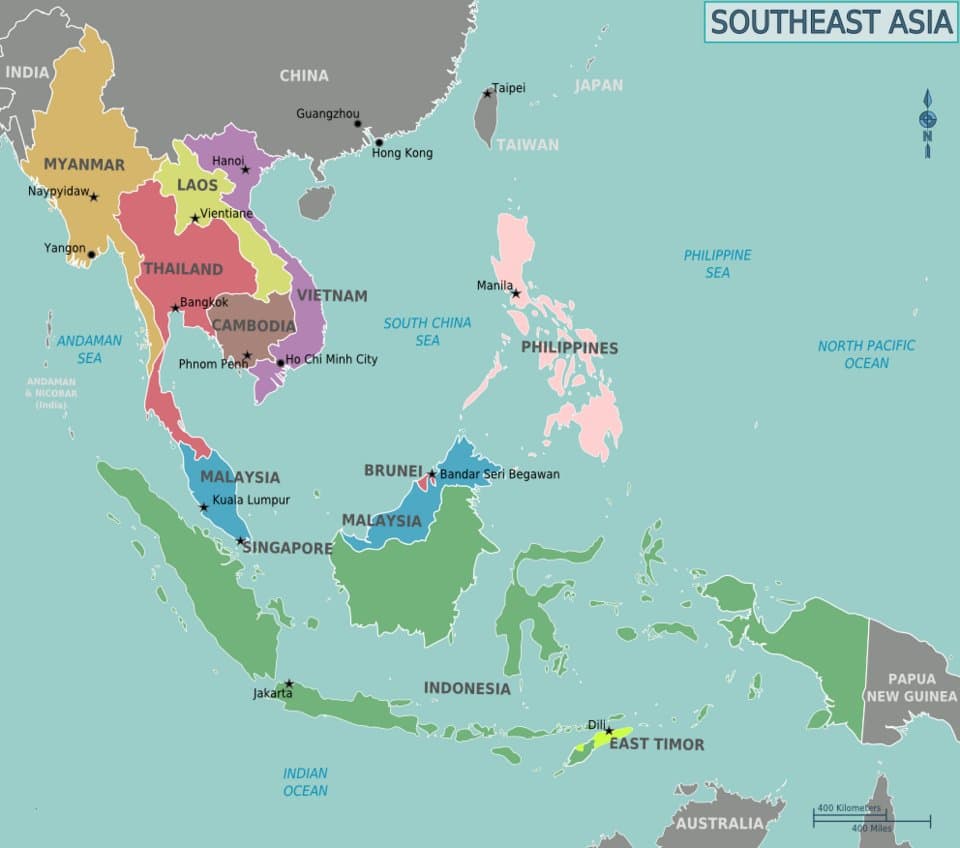
The hovering zebra loach is endemic to Vietnam, specifically the coastal rivers of central Vietnam. Its range extends from the An Lao River in Binh Dinh Province northward to the Phong Nha River in Quang Binh Province. The type specimen was collected at Thua Luu, approximately 50 kilometers south of the city of Hue.
In its native habitat, this species inhabits shallow, slow-moving sections of rivers and streams with dense aquatic vegetation. The riverbeds are predominantly sandy and muddy, with floating plants overhead creating dappled, diffused lighting conditions. These are not fast-flowing mountain streams. The hovering zebra loach prefers calm, well-vegetated areas where it can drift through the water column picking off tiny invertebrates. This calm-water preference is a big part of why they hover rather than cling to rocks like many other nemacheilid loaches.
Understanding this habitat is key to success with these fish. They come from warm, soft, slightly acidic to neutral water that’s rich in organic matter and biological diversity. A mature, well-planted aquarium mimics these conditions far better than a bare, freshly cycled tank ever could.
Appearance & Identification
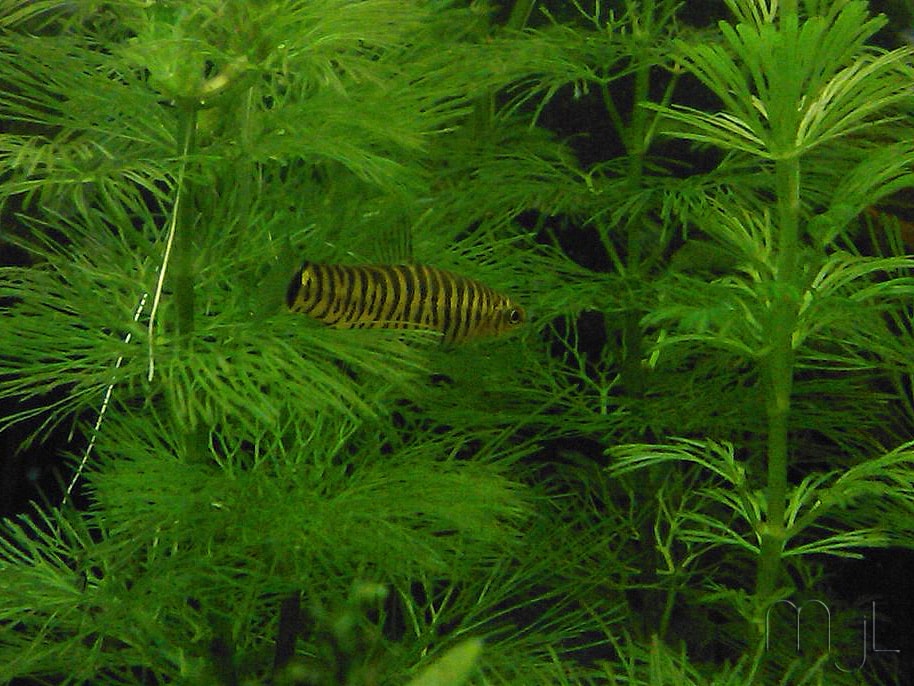
The hovering zebra loach has a slender, elongated body with a translucent base color that ranges from silvery pink to a subtle yellow iridescence depending on lighting and mood. Running along the body are 14 to 18 dark black vertical bars that start between the eyes and extend back through the caudal peduncle. These bars give the fish its “zebra” common name, and they’re strikingly defined against the lighter body.
The belly is pearlescent white, and all the fins are transparent. Which adds to the hovering effect since you mostly notice the striped body floating in the water column. They have the typical loach body plan with a slightly flattened underside, small barbels around the mouth, and a subtly rounded caudal fin. When healthy and settled in, the contrast between the dark bars and translucent body is eye-catching, especially in a group.
One behavioral note worth mentioning here: these fish commonly orient themselves at a 45-degree angle, head pointed downward, as they scan the substrate and water column for food. This is completely normal and not a sign of distress. It’s actually one of their most distinctive traits.
Male vs. Female
| Feature | Male | Female |
|---|---|---|
| Body Shape | Slimmer, more streamlined | Rounder, fuller belly (especially when mature) |
| Size | Slightly smaller | Slightly larger |
| Coloration | Generally similar | Generally similar |
| Best Way to ID | Lean body profile viewed from above | Noticeably plumper when gravid |
Sexing hovering zebra loaches is not easy, especially in younger fish. The most reliable method is comparing body shape in mature specimens. Females are visibly rounder when viewed from above, particularly when carrying eggs. Outside of breeding condition, the differences are subtle enough that buying a group of 8 to 10 and letting nature sort things out is the most practical approach.
Average Size & Lifespan
The hovering zebra loach maxes out at approximately 1.3 to 1.5 inches (3.4 to 3.8 cm) in standard length. This makes it one of the smallest loaches commercially available in the hobby. Most specimens you’ll find for sale are even smaller, usually around 0.75 to 1 inch (2 to 2.5 cm).
In a well-maintained aquarium with stable water quality and a proper diet, hovering zebra loaches typically live 3 to 5 years. Reaching the upper end of that range requires consistent care. Clean water, varied food, and a stress-free environment with plenty of companions. There isn’t reliable data on wild lifespan, but captive longevity in this range is typical for small nemacheilid loaches.
Care Guide
Tank Size
A minimum tank size of 15 gallons (57 liters) works for a group of 8 to 10 hovering zebra loaches. If you’re planning a community setup with other small species, bump that up to 20 gallons (76 liters) or more. The footprint of the tank matters more than height since these fish use the middle and lower portions of the water column. A standard 20 gallon long is an excellent choice because it provides plenty of horizontal swimming space.
Despite their small size, these loaches are active swimmers and appreciate room to move. Cramped tanks often lead to increased hiding behavior and stress, which defeats the purpose of keeping a fish known for its open-water hovering.
Water Parameters
| Parameter | Recommended Range |
|---|---|
| Temperature | 64 to 79°F (18 to 26°C) |
| pH | 6.0 to 7.5 |
| Hardness (GH) | 2 to 12 dGH |
| KH | 1 to 10 dKH |
| Ammonia / Nitrite | 0 ppm |
| Nitrate | Below 20 ppm |
The temperature range on these fish is broader than many people expect. They can handle conditions from the low 60s to the upper 70s Fahrenheit, which makes them surprisingly versatile. That said, the sweet spot is around 72 to 76°F (22 to 24°C). They prefer soft to moderately hard water on the slightly acidic to neutral side.
The single most important factor is stability. Hovering zebra loaches are known to be sensitive to sudden swings in water chemistry, particularly when newly imported. This is why a mature aquarium with an established biological filter is non-negotiable. Regular partial water changes of 20 to 25% weekly will keep parameters stable and nitrates in check.
Filtration & Water Flow
Good filtration and well-oxygenated water are important, but strong current is not what these fish want. In their native habitat, they live in slow-moving, heavily vegetated sections of rivers. A hang-on-back filter or a gentle sponge filter works well. If you’re using a canister filter, consider adding a spray bar or lily pipe to diffuse the output and reduce direct flow.
Sponge filters are actually an excellent choice for a hovering zebra loach tank. They provide gentle water movement, biological filtration, and a surface for biofilm growth. Which is a supplemental food source these fish will graze on throughout the day.
Lighting
Moderate to low lighting suits this species best. In the wild, they live under the shade of floating plants and dense vegetation. Bright, unshaded lighting can make them feel exposed and encourage hiding behavior. If you’re running a planted tank with stronger lights for plant growth, floating plants like water lettuce, Amazon frogbit, or red root floaters will create shaded areas that help these loaches feel secure enough to come out and hover.
Plants & Decorations
Dense planting is strongly recommended. This species is one of the best loaches for a planted aquarium because they won’t uproot or damage plants. Java fern, anubias, crypts, and various stem plants all work well. Driftwood and leaf litter add additional natural cover and contribute to the slightly acidic, tannin-rich conditions these fish appreciate.
The key is creating zones. You want open swimming areas in the middle of the tank where the loaches can hover and display their natural behavior, surrounded by dense plantings and cover where they can retreat when they want to. A tank that’s all open space or all dense jungle won’t bring out the best behavior.
Substrate
Fine sand is the ideal substrate for hovering zebra loaches. They have delicate sensory barbels around their mouths that can be damaged by sharp or coarse gravel. A soft sand substrate also supports their natural foraging behavior. You’ll see them sifting through it head-down, searching for tiny food particles.
Pool filter sand, play sand (thoroughly rinsed), or commercial aquarium sands all work well. Dark-colored substrates will bring out better coloration in these fish and make their striped pattern pop visually.
Is the Hovering Zebra Loach Right for You?
Before you buy, run through this honest checklist. The Hovering Zebra Loach is a great fish for the right keeper, but it is not for everyone.
- You want a loach that actually swims in the open rather than hiding under rocks all day
- You have a 20-gallon long or larger tank with good water flow
- You can commit to a group of at least 6 for natural schooling behavior
- Your tank has a mix of open swimming space and planted cover
- You keep peaceful community fish that will not outcompete them for food
- You enjoy watching unique swimming behavior. This species genuinely hovers in place
Tank Mates
The hovering zebra loach is a peaceful, non-aggressive fish that does best with equally calm tank mates. Because of their small size, you want to avoid anything large enough to view them as food or boisterous enough to outcompete them at feeding time. Think small and peaceful.
Best Tank Mates
- Boraras species (chili rasboras, phoenix rasboras). Similarly sized, peaceful, and occupy the same calm water niche
- Microdevario and Microrasbora species. Tiny, gentle fish that won’t compete aggressively for food
- Celestial pearl danios. Great match in size and temperament for planted setups
- Ember tetras. Peaceful, small, and colorful enough to create a visually balanced community
- Pygmy corydoras (Corydoras pygmaeus, C. Hastatus). Another small schooler that stays near the bottom and lower midwater
- Otocinclus catfish. Gentle algae eaters that mind their own business
- Small peaceful shrimp (cherry shrimp, amano shrimp). Safe companions, though very young shrimplets will be picked at
- Nerite or small mystery snails. Completely ignored by the loaches
Tank Mates to Avoid
- Cichlids (even small ones like rams can be too pushy during feeding)
- Large barbs (tiger barbs, tinfoil barbs). Too aggressive and fast
- Betta fish. The hovering behavior and striped pattern can trigger aggression in bettas
- Large loaches (clown loaches, yoyo loaches). Far too large and active
- Aggressive or territorial species of any kind
- Any fish large enough to eat them. At 1.5 inches, that’s a surprisingly long list
Food & Diet
In the wild, hovering zebra loaches are micropredators that feed primarily on small insects, worms, crustaceans, and other tiny invertebrates. In the aquarium, they accept a range of foods but do best with a varied diet that includes both live or frozen options and high-quality prepared foods.
Best foods for hovering zebra loaches:
- Frozen foods: Baby brine shrimp, daphnia, cyclops, bloodworms (chopped small), and microworms
- Live foods: Baby brine shrimp, vinegar eels, microworms, grindal worms. These really bring out natural foraging behavior
- Prepared foods: High-quality sinking pellets and granules designed for small bottom feeders, crushed flakes, and small algae wafers
Feed small amounts two to three times daily rather than one large feeding. These are small fish with small stomachs, and they do better with frequent, modest meals. Make sure food reaches the middle and lower portions of the water column where they feed. Surface-only foods won’t work well. Sinking granules and frozen foods that disperse through the water are your best bet.
Breeding & Reproduction
Breeding Difficulty
Breeding hovering zebra loaches in the home aquarium is considered difficult, and documented successful spawnings are rare. This isn’t a fish you buy specifically to breed. That said, there are reports of fry appearing spontaneously in mature, densely planted tanks where a healthy group is being kept long-term. The fish are egg scatterers that show no parental care, so it’s possible for spawning to happen without the keeper even noticing.
Spawning Tank Setup
If you want to give breeding a shot, start with a mature, densely planted tank with fine-leaved plants like java moss, riccia, or subwassertang. These provide surfaces for eggs to land on and cover for newly hatched fry. The tank should be well-established with a healthy biofilm layer and microfauna population, as newly hatched fry will need access to infusoria-sized food immediately.
Water Conditions for Breeding
Slightly softer, more acidic water may encourage spawning behavior. Aim for a pH around 6.0 to 6.5, temperature around 75 to 77°F (24 to 25°C), and GH under 6. Some breeders report that simulating a rainy season trigger. A cooler water change followed by a gradual temperature increase. Can help induce spawning in loach species, though this isn’t well documented for this particular species.
Conditioning & Spawning
Condition the fish with frequent feedings of live and frozen foods for several weeks before attempting to breed. Well-fed females will become visibly plumper as they fill with eggs. The fish are egg scatterers, so spawning events are brief and easy to miss. Eggs are deposited among plants and receive no further attention from the parents.
Egg & Fry Care
If spawning occurs, the adults will eat any eggs they find, so dense plant coverage is essential for egg survival. Alternatively, you can remove the adults after spawning is suspected. Eggs are tiny and hatch within a few days. The fry are extremely small and will initially feed on biofilm, infusoria, and microorganisms present in a mature tank. Once they’re large enough, introduce vinegar eels and freshly hatched baby brine shrimp. Growth is slow, and losses can be high without excellent water quality and abundant microscopic food sources.
Common Health Issues
Skinny Disease (Wasting)
Newly imported hovering zebra loaches are particularly susceptible to wasting or “skinny disease,” where they gradually lose weight despite eating. This is often caused by internal parasites picked up during the wild collection and import process. Quarantining new arrivals and treating with a broad-spectrum antiparasitic medication is a good preventive measure. Look for sunken bellies and loss of body mass as early signs.
Ich (White Spot Disease)
Like all freshwater fish, hovering zebra loaches are vulnerable to ich, especially when stressed by shipping, poor water quality, or sudden temperature changes. Because these fish are scaleless (or have very reduced scales), they can be more sensitive to certain medications. When treating ich, use half-strength doses of copper-based medications, or better yet, opt for heat treatment (gradually raising the temperature to 82 to 86°F / 28 to 30°C for 10 to 14 days) combined with increased aeration.
Sensitivity to New Tank Syndrome
This is probably the single biggest issue keepers run into with hovering zebra loaches. Adding them to a newly cycled or immature aquarium is a recipe for problems. They’re sensitive to ammonia spikes, nitrite, and unstable water chemistry. Always add them to a tank that has been running and stable for at least two to three months.
Common Mistakes to Avoid
- Keeping too few. A pair or trio will hide constantly and stress out. These are highly social fish that need a group of at least 8 to 10 to feel secure and display natural behavior.
- Adding them to a new tank. A freshly cycled tank lacks the biological maturity these loaches need. Wait at least 2 to 3 months after cycling before adding them.
- No lid on the tank. Hovering zebra loaches are surprisingly good jumpers. A tight-fitting lid or lowered water level is essential. Gaps around filter intakes and cords are common escape routes.
- Using sharp gravel substrate. Coarse or jagged substrate will damage their delicate barbels over time. Stick with fine sand.
- Pairing with aggressive or large tank mates. Their tiny size and peaceful nature make them easy targets. Keep them with similarly sized, gentle species.
- Overfeeding in one big meal. Small fish, small stomachs. Multiple small feedings per day work much better than dumping a bunch of food in once.
- Expecting them to clean the bottom. Despite being loaches, these fish aren’t dedicated bottom feeders. They hover and pick at food throughout the water column. You still need to maintain the substrate.
Where to Buy
Hovering zebra loaches aren’t as commonly stocked as kuhli loaches or yoyo loaches, but they show up regularly at specialty retailers and online fish stores. Because they’re wild-caught from Vietnam, availability can be seasonal. Here are some reliable places to look:
- Flip Aquatics. Carries a great selection of nano fish and loaches, with reliable shipping and healthy stock
- Dan’s Fish. Another excellent source for less common species, known for quality and fair pricing
- Local fish stores (LFS). Ask your local shop to special order them if they don’t carry them regularly. Many wholesalers stock them
When purchasing, look for active fish with full, rounded bellies. Avoid individuals that appear thin or lethargic, as these may already be dealing with internal parasites or stress from shipping. Buying a group of 8 to 10 at once from the same source is ideal so they’ve already established social dynamics before hitting your tank.
Frequently Asked Questions
How many hovering zebra loaches should I keep together?
A minimum of 8 to 10 is strongly recommended. These are highly gregarious fish that become stressed, shy, and reclusive when kept in small numbers. In a proper group, they’re far more active and spend much more time hovering in the open where you can actually see them. More is always better with this species.
Are hovering zebra loaches good for nano tanks?
Yes, with a caveat. Their tiny adult size makes them physically suited for nano setups, but you still need enough space for a proper group. A 15 gallon (57 liter) tank is the practical minimum for a species-only group. Anything smaller won’t provide adequate swimming room for 8 to 10 fish. They’re one of the few loaches where a nano tank is actually appropriate, though.
Do hovering zebra loaches eat shrimp?
Adult cherry shrimp and amano shrimp are safe with hovering zebra loaches. However, very young shrimplets can be eaten, as these loaches are micropredators that naturally feed on tiny invertebrates. If breeding shrimp is a priority, providing dense moss and plant cover will help shrimplets survive.
Why is my hovering zebra loach hiding all the time?
The most common reasons are keeping too few of them, an immature tank environment, overly bright lighting, or aggressive tank mates. Start by increasing the group size to at least 8, adding more plants and floating cover, and dimming the lights. Also note that older individuals naturally become more reclusive. Juveniles are far more active and outgoing than mature adults.
Can hovering zebra loaches live with bettas?
This combination is risky and generally not recommended. The hovering behavior and striped pattern of the loaches can trigger territorial aggression in bettas. The loaches’ small size also puts them at a physical disadvantage. While some people have made it work with a particularly mellow betta, there are better tank mate options for both species.
Why do hovering zebra loaches swim at an angle?
Swimming at a 45-degree angle with the head pointed downward is completely normal behavior for this species. They do this while scanning for food in the water column and along the substrate. It’s not a sign of illness or swim bladder problems. This quirky posture is actually one of the species’ most charming traits and part of what makes them so entertaining to watch.
How the Hovering Zebra Loach Compares to Similar Species
Hovering Zebra Loach vs. Dwarf Chain Loach
Both are small, social loaches that need groups, but they occupy very different parts of the tank. The Hovering Zebra Loach swims mid-water and hovers in the current, while the Dwarf Chain Loach is more of a classic bottom dweller that explores the substrate. If you want a loach that adds activity to the middle of your tank, the Hovering Zebra Loach is the clear winner. For substrate-level activity and snail control, the Dwarf Chain Loach is the better pick.
Hovering Zebra Loach vs. Java Loach
The Java Loach is another peaceful small loach, but it is a true bottom dweller that prefers to hide during the day. The Hovering Zebra Loach is far more visible and active, making it a much better choice if you actually want to see your fish. The Java Loach is hardier and more forgiving of beginner mistakes, but you will spend a lot of time wondering where it went.
What It Is Actually Like Living With Hovering Zebra Loach
Hovering zebra loaches float. That is the first thing you notice and the thing that never gets old. They hang motionless in mid-water, tail slightly lower than head, maintaining position with imperceptible fin movements. It is hypnotic.
They perch on everything. Anubias leaves, driftwood edges, filter intake sponges. Any horizontal surface at mid-tank level becomes a resting spot. This behavior is unique among loaches and adds vertical interest to planted tanks.
Group dynamics are subtle. There is no obvious chasing or hierarchy like in larger loach species. Instead, hovering zebras maintain loose proximity to each other, drifting together and apart in a pattern that resembles a murmuration more than a school.
Closing Thoughts
Most loaches hide on the bottom. This one hovers in the open and dares you to explain how it is a loach at all.
The hovering zebra loach is one of those fish that genuinely surprises people. A loach that hovers in midwater, stays tiny, works in planted tanks, and plays well with other nano fish? It checks a lot of boxes that most loaches don’t. They’re not the flashiest fish in the hobby, but watching a group of them drift through a planted aquarium, tilting and hovering in that distinctive 45-degree angle, is genuinely captivating.
The keys to success are simple: keep them in a proper group, give them a mature tank with stable water, and pair them with similarly peaceful species. Get those fundamentals right, and hovering zebra loaches are hardy, engaging fish that you’ll enjoy watching for years. They’re proof that sometimes the most interesting fish come in the smallest packages.
Recommended Video
Check out this video to learn more about keeping loaches and other fascinating bottom-dwelling species:
References
- Seriously Fish. Micronemacheilus cruciatus species profile. seriouslyfish.com
- FishBase. Yunnanilus cruciatus summary page. fishbase.se
- Freyhof, J. And D.V. Serov, 2001. Nemacheiline loaches from Central Vietnam with descriptions of a new genus and 14 new species. Ichthyological Exploration of Freshwaters, 12(2):133-191.
- Loaches Online. Yunnanilus cruciatus species index. loaches.com
- Kottelat, M., 2012. Conspectus cobitidum: an inventory of the loaches of the world. Raffles Bulletin of Zoology, Supplement 26:1-199.
- About the Author
- Latest Posts

I’m Mark Valderrama, founder of Aquarium Store Depot and a fishkeeper with over 25 years of hands-on experience. I started in the hobby at age 11, worked at local fish stores, and have kept freshwater tanks, ponds, and reef tanks ever since. I’ve been featured in two best-selling aquarium books on Amazon and built this site to share practical, experience-based fish keeping knowledge.
Leave a Reply