Last Updated: June 25, 2026
Thank you for visiting! By the way… any links on this page that lead to products on Amazon and other stores/partners are affiliate links Aquarium Store Depot earns a commission if you make a purchase.
Table of Contents
- What Most Care Guides Get Wrong
- The Reality of Keeping Three-Lined Pencilfish
- Key Takeaways
- Species Overview
- Classification
- Origin & Natural Habitat
- Appearance & Identification
- Average Size & Lifespan
- Care Guide
- Is This Fish Right for You?
- What People Get Wrong
- Tank Mates
- Food & Diet
- Breeding & Reproduction
- Common Health Issues
- Common Mistakes to Avoid
- Where to Buy
- Frequently Asked Questions
- What It Is Actually Like Living With Three-Lined Pencilfish
- How It Compares to Similar Species
- Closing Thoughts
- Recommended Video
- References
The three-lined pencilfish is a micro predator that needs a calm, well-planted tank with minimal current. It picks food off surfaces and from the water column with precision. Throw it in a tank with strong flow or aggressive feeders and it will starve. This is a fish that demands a specific environment.
Three-lined pencilfish do not compete for food. If your tank has aggressive eaters, pencilfish starve.
The Reality of Keeping Three-Lined Pencilfish
Group size is not a suggestion. The minimum school size for three-lined pencilfish is not just a guideline. In small groups, these fish lose color, become stressed, and display abnormal behavior. A proper group of 6 to 8+ is where you start to see natural schooling behavior, full color expression, and the confidence that makes them worth keeping.
Hardy does not mean indestructible. The three-lined pencilfish tolerates a range of conditions, but it still needs basic care. Ammonia spikes, dramatic temperature swings, and neglected water changes will catch up to even the toughest species. The difference is margin of error, not immunity.
Store appearance is not home appearance. Fish in store tanks are stressed, crowded, and under inappropriate lighting. The three-lined pencilfish almost always looks better in a properly set up home aquarium than it does at the store. Dark substrate, live plants, and appropriate lighting bring out colors and behaviors you will never see in a retail environment.
Biggest Mistake New Owners Make
Keeping them with fish small enough to eat. This is a predator. It will eat anything it can fit in its mouth. If you stock smaller fish with a three-lined pencilfish, you are feeding it expensive live food.
Three-lined pencilfish are a peaceful nano species that thrive in planted blackwater setups. They are not demanding once water chemistry is dialed in — soft, acidic water and a school of 8 or more is what unlocks their behavior and color. A great choice for the intermediate hobbyist who wants something unusual in a well-planted tank.
Key Takeaways
- One of the most commonly available pencilfish species in the hobby
- Beautiful striped pattern with red and gold accents between the black bands
- Small species (1.5 inches max), ideal for nano and planted tanks
- Prefers soft, acidic water for best coloration
- Peaceful and calm, best kept in groups of 8 or more
Species Overview
| Field | Details |
|---|---|
| Scientific Name | Nannostomus trifasciatus |
| Common Names | Three-Lined Pencilfish, Three-Striped Pencilfish, Three-Banded Pencilfish |
| Family | Lebiasinidae |
| Origin | Amazon basin, Rio Negro, Guyana |
| Care Level | Moderate |
| Temperament | Peaceful |
| Diet | Omnivore (micropredator) |
| Tank Level | Mid to Top |
| Maximum Size | 1.5 inches (4 cm) |
| Minimum Tank Size | 10 gallons (38 liters) |
| Temperature | 75-82°F (24-28°C) |
| pH | 5.0-7.0 |
| Hardness | 1-10 dGH |
| Lifespan | 3-5 years in captivity |
| Breeding | Egg scatterer |
| Breeding Difficulty | Moderate |
| Compatibility | Peaceful community / specialist |
| OK for Planted Tanks? | Yes |
Classification
| Taxonomic Level | Classification |
|---|---|
| Order | Characiformes |
| Family | Lebiasinidae |
| Subfamily | Pyrrhulininae |
| Genus | Nannostomus |
| Species | N. trifasciatus (Steindachner, 1876) |
Three-lined pencilfish require stable, slightly acidic water and a well-planted tank to show their best colors and behavior. They’re not beginner fish, but intermediate hobbyists with a mature setup will find them rewarding and relatively straightforward to keep.
Nannostomus trifasciatus was described by Franz Steindachner in 1876. The species name translates to “three-banded,” referring to the three horizontal stripes that give this fish its common name. There are several regional color variants that differ in the intensity and extent of their red and gold markings.
Note on family placement: Pencilfish belong to Lebiasinidae, which is separate from Characidae. This family was not affected by the 2024 Melo et al. revision. Nannostomus has been taxonomically stable for decades.
Origin & Natural Habitat
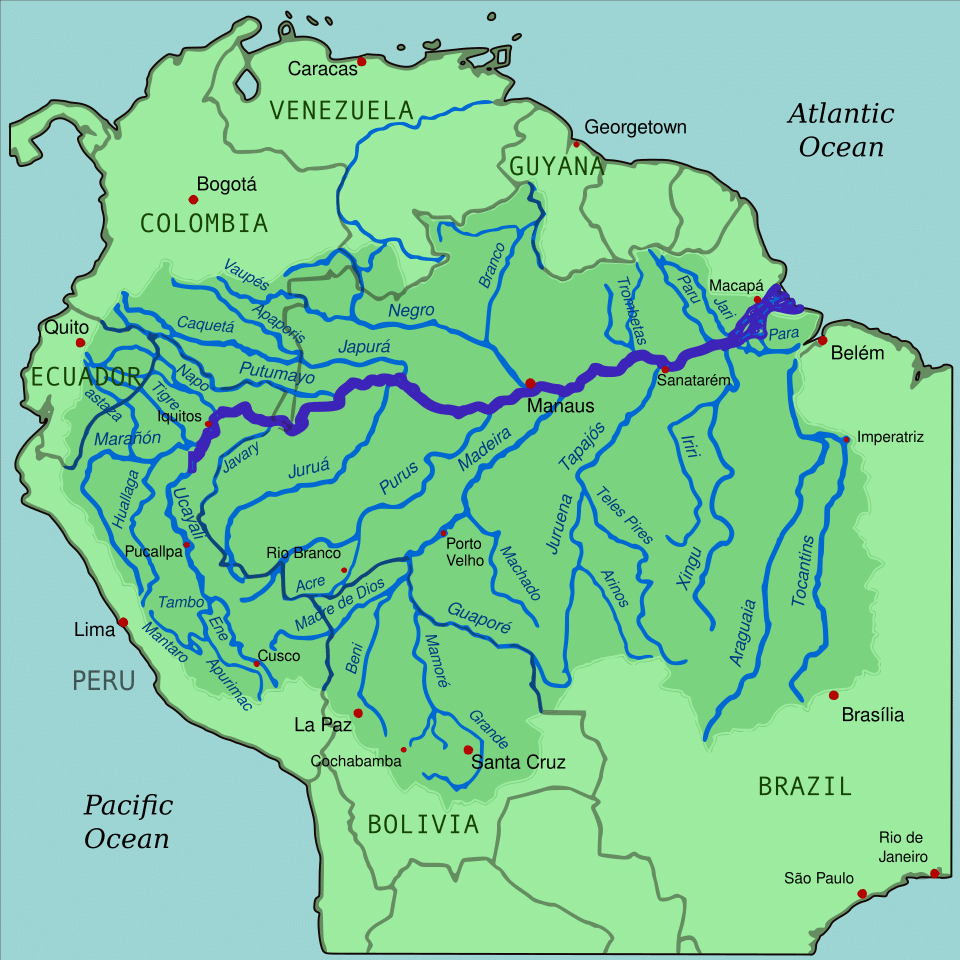
The three-lined pencilfish has a broad range across the Amazon basin in Brazil, with populations in the Rio Negro, Rio Madeira, and other major tributaries, as well as in Guyana. Different collection points produce fish with varying amounts of red and gold coloring, leading to some sought-after locality variants.
In the wild, they inhabit slow-moving blackwater streams and flooded forest margins with soft, acidic water stained dark with tannins. They’re found in areas with dense aquatic vegetation, submerged roots, and leaf litter. These are typically shaded, low-flow habitats where the fish hover among the vegetation.
Most fish in the trade today are captive-bred, though wild-caught specimens from specific localities are sometimes available from specialty importers.
Appearance & Identification
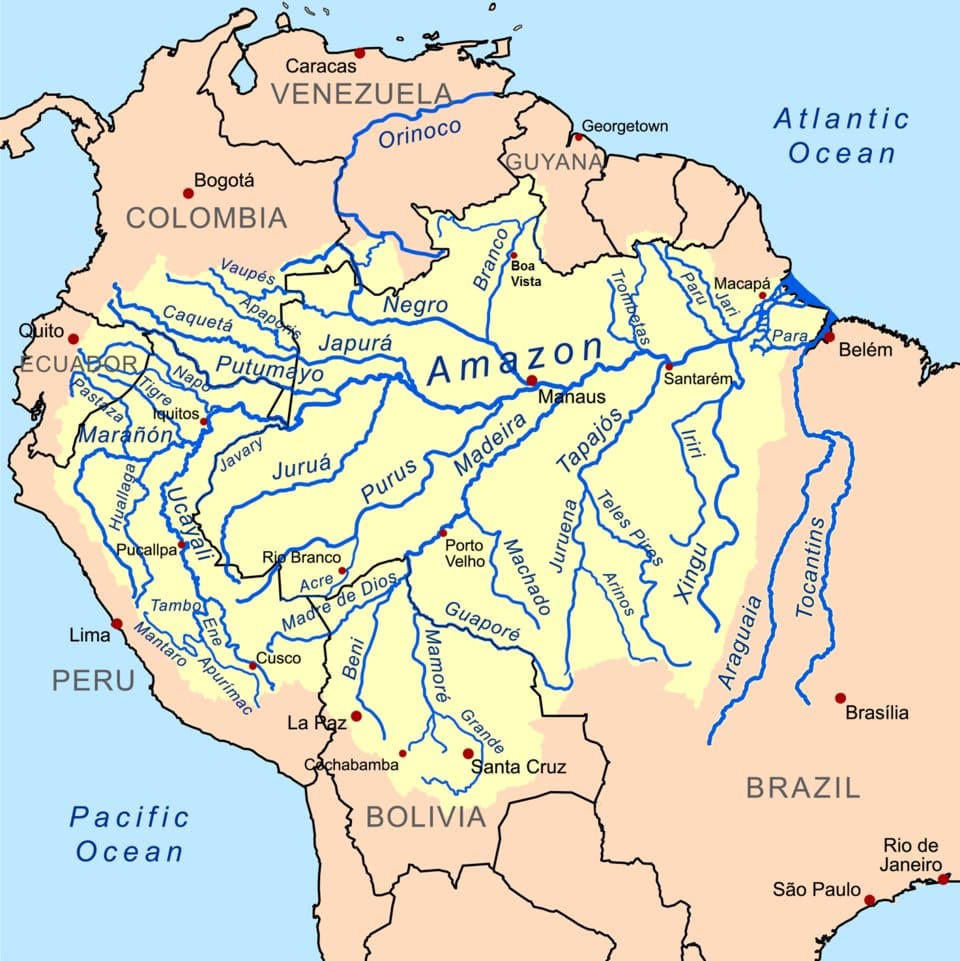
The three-lined pencilfish features three bold, dark horizontal stripes running from the snout to the caudal fin. Between these dark bands, the body shows bright patches of gold, cream, and red. The intensity of the red varies between populations and individuals, with some fish showing vivid crimson patches and others displaying more subdued coloring.
The body shape is typical of pencilfish: elongated, slender, and torpedo-shaped. Like all Nannostomus species, three-lined pencilfish often hover at an oblique angle in the water, which is perfectly normal behavior.
Like other pencilfish, this species displays a nocturnal color pattern. When the lights go off, the horizontal stripes fade and are replaced by a series of faint vertical bars. This is normal and the daytime pattern returns when lights come back on.
Sexual dimorphism is subtle. Males are slightly slimmer and more intensely colored, particularly in the red areas. The anal fin of males often has a slightly different shape with a more rounded edge. Females are fuller-bodied when mature.
Average Size & Lifespan
Three-lined pencilfish reach about 1.5 inches (4 cm), making them well-suited for nano tanks and smaller planted setups. They’re slightly larger than some other pencilfish species like N. marginatus.
With proper care, expect a lifespan of 3 to 5 years. Soft, acidic water and a varied diet are the biggest factors in longevity.
Care Guide
Tank Size
A 10-gallon tank is the minimum for a small group. For a school of 10 to 12 with additional tank mates, a 20-gallon long provides more swimming room and easier maintenance. These are not demanding in terms of space, but they benefit from a longer tank footprint over a taller one.
Water Parameters
| Parameter | Ideal Range |
|---|---|
| Temperature | 75-82°F (24-28°C) |
| pH | 5.0-7.0 |
| General Hardness | 1-10 dGH |
| KH | 0-4 dKH |
| Ammonia / Nitrite | 0 ppm |
| Nitrate | Below 15 ppm |
Soft, acidic water is recommended for this species, though the three-lined pencilfish is somewhat more tolerant of moderate water conditions than some of its relatives like N. mortenthaleri. The best coloration comes out in soft, tannin-stained water. Indian almond leaves, driftwood, and peat filtration all help achieve these conditions.
Water quality should be excellent. These are clean-water fish that don’t tolerate organic waste buildup. Small, frequent water changes (15 to 20 percent twice weekly) work well for maintaining stable conditions.
Tank Setup
A densely planted tank with subdued lighting brings out the best in this species. Floating plants are highly recommended to diffuse light and provide security. Dense vegetation along the sides and back gives the fish places to retreat, while leaving some open areas for them to hover and display.
A dark substrate enhances the color contrast of their striped pattern. Leaf litter on the bottom adds a natural touch and provides tannins. Low-light plants like Java fern, Cryptocoryne, Anubias, and mosses thrive in the same conditions these fish prefer.
Keep water flow gentle. Pencilfish are not strong swimmers and prefer calm water.
Is the Three-Lined Pencilfish Right for You?
Three-lined pencilfish are specialist fish that thrive under specific conditions. Here’s who should consider them:
- You enjoy watching unique, hovering behavior. pencilfish are unlike any standard schooling tetra
- You have a low-flow, heavily planted tank with subdued lighting
- You’re willing to target-feed to ensure they get enough food alongside faster tank mates
- You keep other calm species. boisterous tank mates will stress them into hiding
- You want a species that looks incredible in blackwater biotope setups
- These aren’t for you if you want active, constantly-moving fish. pencilfish hover and glide
What People Get Wrong
The biggest mistake is treating three-lined pencilfish like a standard community tetra. They need softer, more acidic water than most tetras — neutral tap water with a pH of 7.5 is not going to give you the colors you see in photos. Aim for pH 6.0 to 6.8 and soft water. That’s where they thrive.
Group size is where most hobbyists fall short. Six fish is the minimum — eight or more is where the horizontal schooling and posturing displays actually happen. People buy four and wonder why the fish are dull and hiding. The behavior is group-dependent.
They also get confused with other pencilfish species, especially the dwarf pencilfish and coral-red pencilfish. Three-lined pencilfish have a distinct three-line stripe pattern. Know what you’re buying before you bring them home — mislabeling at fish stores is common with this genus.
Tank Mates
Three-lined pencilfish are among the most peaceful fish in the hobby. They rarely interact with other species and spend most of their time hovering quietly in the mid to upper water column.
Good Tank Mates
- Other pencilfish species
- Small, peaceful tetras (ember, green neon, cardinal)
- Pygmy corydoras, habrosus corydoras
- Otocinclus
- Small rasboras (chili, espei)
- Dwarf Apistogramma species
- Cherry shrimp, Amano shrimp
- Small snails
Tank Mates to Avoid
- Active, boisterous species that would outcompete them for food
- Large or aggressive fish
- Fast-moving species that would stress them
Food & Diet
Three-lined pencilfish are micropredators with small mouths. They feed best on small, appropriately sized food items.
- Best foods: Live baby brine shrimp, daphnia, microworms, grindal worms
- Frozen foods: Cyclops, baby brine shrimp, daphnia
- Dry foods: Crushed high-quality flakes or micro pellets (most individuals accept these readily)
The three-lined pencilfish is somewhat more willing to accept dry foods than some of its relatives, making it one of the easier pencilfish species to feed. Still, regular offerings of live or frozen foods promote the best coloration and condition. Feed small amounts two to three times daily.
Breeding & Reproduction
Three-lined pencilfish is bred in captivity with some effort and attention to water conditions.
Breeding Setup
- Breeding tank: 5 to 10 gallons with dim lighting
- Water: Very soft (1-3 dGH), acidic (pH 5.0-6.0), temperature 79-82°F
- Decor: Java moss, fine-leaved plants, or spawning mops
- Filtration: Gentle sponge filter
Spawning occurs among fine-leaved plants, with eggs deposited individually on plant surfaces. Clutch sizes are typically small (20 to 50 eggs). Adults will eat eggs, so dense plant cover is essential or remove adults after spawning is observed.
Eggs hatch in approximately 24 to 36 hours. Fry are very small and require infusoria or liquid fry food as a first food, transitioning to baby brine shrimp nauplii after a week or so. Growth is slow, as is typical for pencilfish.
Common Health Issues
- Water chemistry stress: While more tolerant than some pencilfish, they still do best in soft, acidic water. Hard, alkaline conditions lead to dull coloring and increased disease susceptibility.
- Ich and velvet: Can occur during acclimation. Slow, gradual introduction to new water conditions is important.
- Starvation in community tanks: Their calm, deliberate feeding style means they can lose out to faster fish. Make sure food is reaching them.
- Stress from boisterous tank mates: These are quiet fish that stress easily around active, fast-moving species.
Common Mistakes to Avoid
- Hard, alkaline water: They’ll survive but won’t show their best coloration. Soft, acidic conditions make a visible difference.
- Bright lighting: Washes out their colors and makes them shy. Subdued lighting with floating plants is essential.
- Food too large: Their mouths are small. Standard flakes should be crushed, and pellets should be micro-sized.
- Groups too small: Pencilfish are more confident and display better behavior in groups of 8 or more.
- Mixing with fast feeders: They’re deliberate, slow feeders that get outcompeted by aggressive eaters like barbs or larger tetras.
Where to Buy
Three-lined pencilfish are one of the more commonly available pencilfish species and is found through many online retailers. Check these trusted sources:
Frequently Asked Questions
Why does my three-lined pencilfish change color at night?
All pencilfish species display a nocturnal color pattern. When the lights go off, the bold horizontal stripes fade and are replaced by faint vertical bars. This is completely normal and not a sign of illness. The daytime pattern returns when the lights come back on.
Why does my pencilfish swim at an angle?
This is characteristic behavior for all Nannostomus species. Pencilfish naturally hover at an oblique, slightly head-up angle. It’s normal and not a sign of swim bladder problems or illness. If a pencilfish suddenly starts swimming normally (horizontally), that might actually be a cause for concern.
Can three-lined pencilfish be kept with other pencilfish species?
Yes, different Nannostomus species is kept together in the same tank. They generally don’t interact with or show aggression toward other pencilfish species. A mixed pencilfish community in a planted blackwater tank is a beautiful setup.
What It Is Actually Like Living With Three-Lined Pencilfish
In a proper school, three-lined pencilfish display natural movement patterns that are genuinely engaging to watch. The fish interact with each other, establish subtle hierarchies, and move through the tank with purpose.
They spend most of their time near the surface, which fills a level of the tank that many other species ignore. This makes them excellent complements to mid-water and bottom-dwelling fish.
Feeding time is when their personality comes out. They learn your routine quickly and will anticipate feeding before you even open the lid.
Their color and behavior improve over time as they settle into a stable environment. Fish that have been in the same tank for months look noticeably better than recently added stock.
They coexist peacefully with virtually every other appropriately-sized community fish. This compatibility makes tank planning straightforward.
How the Three-Lined Pencilfish Compares to Similar Species
Three-Lined Pencilfish vs. Coral Red Pencilfish
Coral red pencilfish are the showier cousin, with vivid red coloration that makes them more immediately eye-catching. Three-lined pencilfish have subtler striped patterning that appeals to a more discerning eye. Care requirements are similar for both, though coral reds are even more demanding about water quality. Three-lined pencilfish are slightly hardier and a better starting point if you’re new to pencilfish. Once you’ve mastered their care, the coral red is a beautiful next step. Check out our Coral Red Pencilfish care guide for more details.
Three-Lined Pencilfish vs. Green Neon Tetra
Green neon tetras share the three-lined pencilfish’s preference for soft, acidic water and subdued conditions, but their behavior is completely different. Green neons school actively and move through the water column in coordinated groups. Pencilfish hover individually or in loose associations. Both are excellent blackwater species, but green neons give you that classic schooling display while pencilfish offer a unique, contemplative presence. They actually make excellent tank mates together in a larger blackwater setup. Check out our Green Neon Tetra care guide for more details.
Closing Thoughts
The three-lined pencilfish is a great entry point into the world of pencilfish. It’s more widely available and slightly more forgiving than some of the rarer species, while still offering the elegant appearance and fascinating behavior that makes this group so appealing. A school of these fish hovering at angles among the plants in a dimly lit blackwater tank is one of the most peaceful and attractive sights in the nano fish hobby.
If you’ve never kept pencilfish before, the three-lined is a great place to start. If you’re already a fan, it’s a species you already appreciate. Either way, it’s a fish that earns its place in any peaceful community or specialist setup.
Recommended Video
Check out our Tetra Tier List video where we rank popular tetra species for the home aquarium:
References
- Froese, R. and D. Pauly, Eds. FishBase. Nannostomus trifasciatus. Accessed 2025.
- SeriouslyFish. Nannostomus trifasciatus species profile. Accessed 2025.
- About the Author
- Latest Posts

I’m Mark Valderrama, founder of Aquarium Store Depot and a fishkeeper with over 25 years of hands-on experience. I started in the hobby at age 11, worked at local fish stores, and have kept freshwater tanks, ponds, and reef tanks ever since. I’ve been featured in two best-selling aquarium books on Amazon and built this site to share practical, experience-based fish keeping knowledge.
Leave a Reply