Tag: Turtles

  • 21 Types of Tortoise Species: A Guide to Finding the Right One

    21 Types of Tortoise Species: A Guide to Finding the Right One

    Tortoises aren’t my primary focus — fish are — but I get questions about reptile keeping from my audience regularly, and tortoises in particular attract a lot of first-time reptile keepers who underestimate what’s involved. The biggest thing to understand upfront: tortoises are a decades-long commitment. Some species live 50–100 years. That’s not a pet, that’s a life decision. If you’re serious about it, this guide covers 21 species and what differentiates them so you can figure out which one actually fits your situation.

    Key Takeaways

    • Tortoises are not the same as turtles. Tortoises are terrestrial animals, which means they live on the land.
    • Keeping a tortoise is a very long-term commitment, so spend a few weeks on research because this pet might live over 100 years!
    • Wild tortoises are in trouble all over the world. Most of the popular pet tortoises are threatened in their natural habitat due to collection for trade and habitat destruction.
    • Never buy or keep a wild-caught tortoise. There are plenty of captive breeding animals already in the pet trade so there’s no reason to be removing them from the wild.

    What Are They?

    Tortoises are amazing four-legged reptiles from the Testudinidae family that have elephant-like feet and a solid shell that covers their back and belly.

    These animals are often confused with turtles, although tortoises are terrestrial, which means they live on land and not in the water.

    Tortoises are native to North and South America, Asia, Africa, and Europe, where they live in all sorts of different habitats from deserts to forests. There are about 50 different species of tortoise in the world, and they range in size from just 4 inches to monsters like the Galapagos tortoise that weigh over 500 pounds!

    Most tortoises are herbivores, but many will include insects and other meaty foods in their diet sometimes. Like all reptiles, they are cold-blooded, so these animals rely on the heat of the sun to stay warm and active. Many of them become inactive in the winter and shelter underground or in crevices until the spring.

    One of the most amazing things about tortoises is their longevity. These creatures have a similar lifespan to humans, and some species may even live for over 200 years!

    Do They Make Good Pets?

    Tortoises are adorable and fascinating creatures, but they are not your typical pet animal. They can be pretty active, and many species will come walking up to you to beg for a snack. However, some species stay shy, and none of them like to be handled.

    Depending on where you live, you may be able to keep these animals outdoors in a secure enclosure with plenty of natural vegetation for food, as well as shelter, fresh water, and protection from predators. However, some will require large indoor habitats with temperature and humidity controls.

    Keeping a pet tortoise is a huge commitment too, because of their lengthy lifespan. There’s a good chance your pet tortoise will live longer than you, so you need to make sure there will be someone to take good care of him or her.

    21 Types Of Tortoise Species

    Now that you know a little more about tortoises, let’s meet 21 beautiful species from around the world!

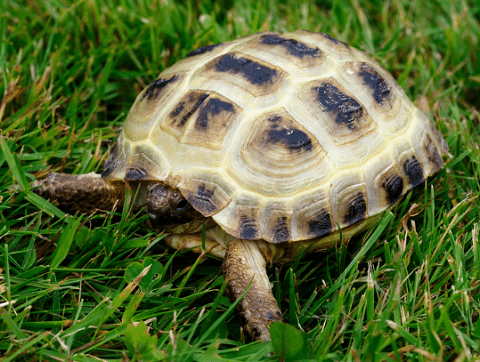
    1. Russian

    Russian-Tortoise
    • Scientific Name: Testudo horsfieldii
    • Common Names: Russian tortoise, Afghan tortoise, Central Asian tortoise
    • Family: Testudinidae
    • Origin: Central Asia and the Middle East
    • Diet: Herbivore
    • Care Level: Easy
    • Lifespan: 40 – 50 years
    • Color: pale brown with darker spots
    • Size: 5 – 10 inches or 13 – 25 cm

    The Russian tortoise is one of the most common species available and a great option for your first pet tortoise. This temperature-tolerant species digs a burrow and spends the winter underground to escape the cold. This makes them an excellent choice for outdoor care in cooler climates as long as they have the option to dig in their enclosure.

    Unfortunately, the Russian tortoise is listed as vulnerable on the IUCN Red List1 and is still collected in the wild, so please, do the right thing and insist on captive-bred animals only.

    2. Marginated
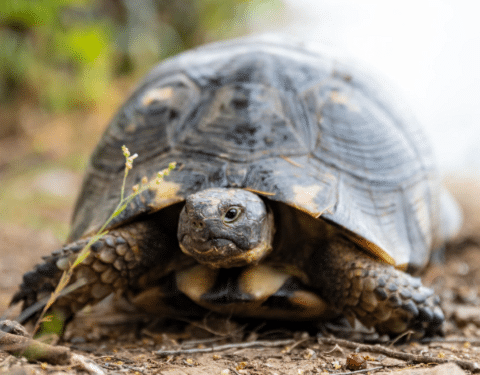
    Marginated-Tortoise
    • Scientific Name: Testudo marginata
    • Common Names: Marginated tortoise
    • Family: Testudinidae
    • Origin: Italy and Greece
    • Diet: Herbivore
    • Care Level: Moderate
    • Lifespan: 100+ years
    • Color: Mostly dark when adult
    • Size: up to 14 inches or 36 cm

    This large, elongated tortoise species has a really cool shape, with the rear scutes of their shell flaring out almost like a skirt. They make a great pet because they have a very friendly personality, and they are a perfect choice for outdoor care year-round if you have a large enclosure.

    This is a very long-lived species of tortoise, so think about the long-term care of your animal or consider adopting a captive-bred adult.

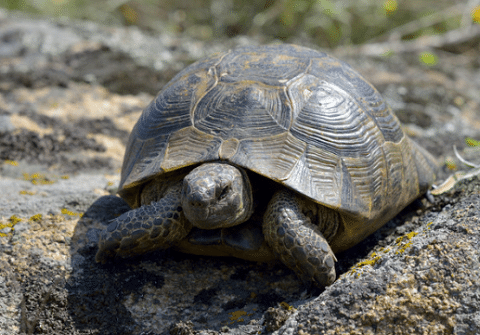
    3. Asia Minor

    Asia-Minor-Tortoise
    • Scientific Name: Testudo graeca ibera
    • Common Names: Asia Minor tortoise, Ibera Greek tortoise
    • Family: Testudinidae
    • Origin: Turkey
    • Diet: Herbivore
    • Care Level: Moderate
    • Lifespan: potentially 100+ years
    • Color: Black/ dark brown and yellow
    • Size: can reach 11 inches or 27 cm

    The Asia Minor tortoise is a large and popular subspecies of the Greek tortoise. These large tortoises are pretty aggressive toward each other, but very inquisitive around people. They will do best in a large outdoor enclosure but they can be kept indoors on a well-constructed ‘tortoise table’.

    4. Eastern Hermann’s

    Eastern-Hermann
    • Scientific Name: Testudo hermanni boettgeri
    • Common Names: Eastern Hermann’s tortoise
    • Family: Testudinidae
    • Origin: Southeastern Europe
    • Diet: Vegetarian
    • Care Level: Moderate
    • Lifespan: 30 – 50+ years
    • Color: Black and tan
    • Size: 6 – 11 inches or 15 – 27 cm

    A common favorite, the Eastern subspecies of Hermann’s tortoise is the largest and makes a great outdoor pet. These tortoises have it all, great looks, personality, ease of care, and they can survive outside during all months of the year. They are also easy to breed and readily available, so there’s no reason to buy wild-caught specimens.

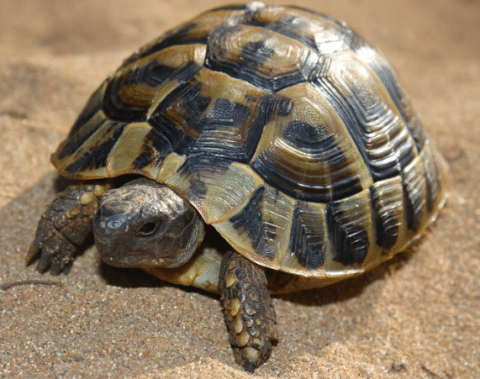
    5. Western Hermann’s
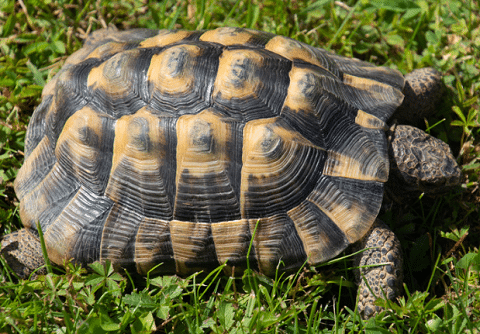
    Western-Hermann
    • Scientific Name: Testudo hermanni hermanni
    • Common Names: Western Hermann’s tortoise
    • Family: Testudinidae
    • Origin: France, Italy, Spain
    • Diet: Herbivore
    • Care Level: Moderate
    • Lifespan: 30 – 50+ years
    • Color: Black and yellow
    • Size: 4 – 8 inches or 10 – 20 cm

    The western subspecies of Hermann’s tortoise is smaller, rarer, and more colorful than the eastern form. These beautifully colored tortoises stay at a manageable size and are easy to care for, making them a wonderful pet for dedicated tortoise keepers.

    Depending on where you live, there’s a good chance that you can keep these animals outdoors all through the year.

    6. Dalmatian Hermann’s

    Dalmatian-Hermann
    • Scientific Name: Testudo hermanni hercegovinensis
    • Common Names: Dalmatian Hermann’s tortoise
    • Family: Testudinidae
    • Origin: Southern Europe
    • Diet: Herbivore
    • Care Level: Moderate
    • Lifespan: 30 – 50+ years
    • Color: Black and tan
    • Size: 5 – 6 inches or 12.5 – 15 cm

    The Dalmatian Hermann’s Tortoise is a small form of the Hermann’s tortoise species. They are intermediate between the larger eastern form and the colorful western form, and their care is very similar.

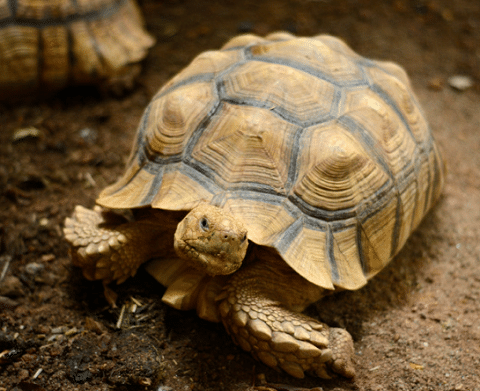
    7. Sulcata

    Sulcata-Tortoise
    • Scientific Name: Centrochelys sulcata
    • Common Names: Sulcata tortoise, African spurred tortoise
    • Family: Testudinidae
    • Origin: Southern Sahara Desert in Africa
    • Diet: Herbivore
    • Care Level: Moderate
    • Lifespan: 70+ years
    • Color: Adults are brown
    • Size: 25 – 30 inches or 64 – 89 cm

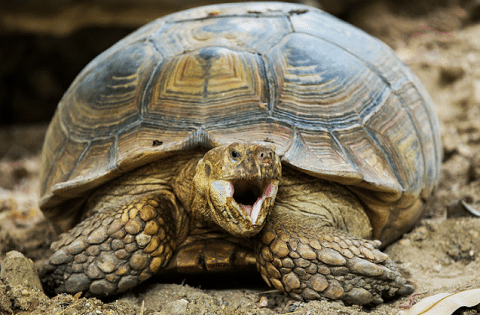
    The sulcata tortoise is the world’s third-largest tortoise species, so this is one species you probably can’t keep in your living room! These giant reptiles should be kept outdoors, ideally in a warm, dry climate that matches their natural environment.

    Sulcata tortoises are herbivores that graze on grass and other vegetation. They require a low-protein, high-fiber diet of grass and leaves and adults will eat some types of hay. These animals also need everyday access to water for drinking and soaking.

    8. Greek

    Spur-Thighed-Tortoise
    • Scientific Name: Testudo graeca
    • Common Names: Spur-thighed tortoise
    • Family: Testudinidae
    • Origin: Southwest Asia to Southern Europe and North Africa
    • Diet: Herbivore
    • Care Level: Moderate
    • Lifespan: 50+ years
    • Color: Yellowish and black
    • Size: 5 – 8 inches or 12 – 20 cm

    The Greek tortoise is a popular species that can make an excellent pet if given the right housing and care. These small tortoises reach a manageable maximum size of just 8 inches or so, making them a good choice for indoor care in a temperature-controlled environment with UVB lighting.

    9. Indian Star

    Indian-Star
    • Scientific Name: Geochelone elegans
    • Common Names: Indian star tortoise
    • Family: Testudinidae
    • Origin: India, Pakistan, & Sri Lanka
    • Diet: Herbivore
    • Care Level: Difficult
    • Lifespan: 30 – 55 years
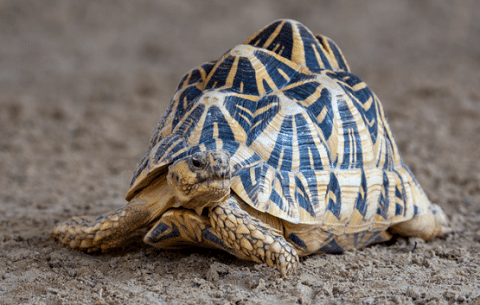
    • Color: Black and yellow
    • Size: 7 – 15 inches or 18 – 38 cm

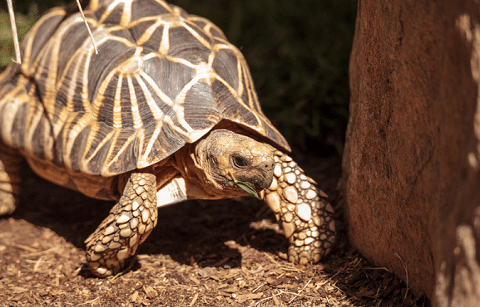
    The Indian star tortoise is a boldly marked species with a spectacular shell pattern. This species can be kept outdoors, but it will not survive freezing temperatures, so many keepers house them indoors during the winter.

    Unfortunately, Indian star tortoises are vulnerable and particularly threatened by illegal trade, so always insist on captive-bred specimens.

    10. Red Footed
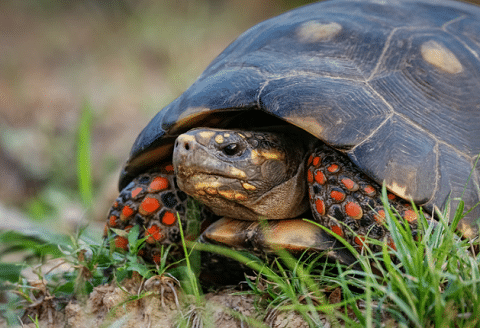
    Red-Footed-Tortoise
    • Scientific Name: Chelonoidis carbonarius
    • Common Names: Red-footed tortoise
    • Family: Testudinidae
    • Origin: South America
    • Diet: Omnivorous
    • Care Level: Intermediate
    • Lifespan: 30+ years
    • Color: Dark shell with pale spots, red markings on legs and face
    • Size: up to 15 inches or 38 cm

    Named for the colorful spots on their skin, the red-footed tortoise is a beautiful and popular species that does well in captivity. This interesting species grows to a medium size and features a dark shell with three rows of yellow spots.

    Interestingly, these tortoises are considered omnivorous, so they need the occasional meaty treat like insects or even cat or dog food.

    11. Aldabra Giant

    Aldabra-Tortoise
    • Scientific Name: Aldabrachelys gigantea
    • Common Names: Aldabra giant tortoise, Seychelles giant tortoise
    • Family: Testudinidae
    • Origin: Aldabra Island
    • Diet: Mostly herbivorous
    • Care Level: Moderate
    • Lifespan: may live for over 200 years
    • Color: Dark brown
    • Size: 48 inches or 120 cm

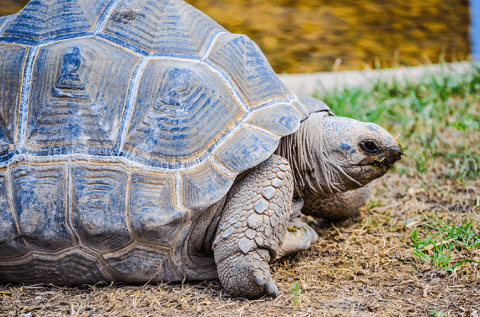
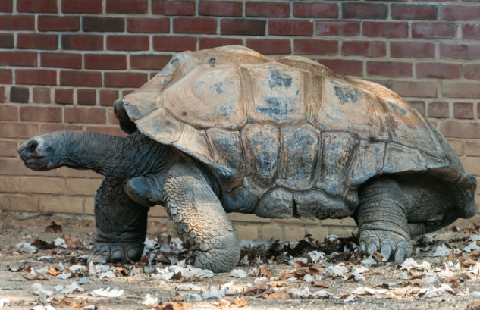
    The Aldabra giant tortoise is the world’s second-largest species, beaten only by the incredible Galapagos tortoise. This massive reptile can live for two centuries and reach weights of well over 500 pounds, so they need plenty of space for long-term care. You may be able to keep a hatchling indoors, but after a year or two you’ll want to move these giant tortoises outdoors.

    12. Burmese Star

    Burmese-Star-Tortoise
    • Scientific Name: Geochelone platynota
    • Common Names: Burmese star tortoise
    • Family: Testudinidae
    • Origin: Myanmar
    • Diet: Herbivore
    • Care Level: Moderate
    • Lifespan: 50+ years
    • Color: Dark brown and yellow
    • Size: up to 14 inches or 35 cm

    The Burmese star tortoise is a beautiful reptile species that can be housed outdoors in summer, although they do not survive temperatures below freezing. Sadly, this critically endangered species of tortoise from Myanmar is now more common in captivity than out in its natural habitat. While captive breeding may one day save the species, continued poaching has made them functionally extinct in the wild.

    13. Desert

    Desert-Tortoise
    • Scientific Name: Gopherus agassizzi
    • Common Names: Desert tortoise
    • Family: Testudinidae
    • Origin: Southwestern United States and Mexico
    • Diet: Herbivore
    • Care Level: Moderate
    • Lifespan: 50 – 80 years
    • Color: Brown
    • Size: 10 – 14 inches or 25 – 35 cm

    Desert tortoises live in the extreme conditions of the Mojave and Sonoran deserts. These fascinating creatures do great outdoors in similar climates but need extra care in colder, more humid areas. Unfortunately, this species is critically endangered in the wild and is illegal to keep in various southwestern States in the US.

    14. Leopard

    Leopard-Tortoise
    • Scientific Name: Stigmochelys pardalis
    • Common Names: Leopard Tortoise
    • Family: Testudinidae
    • Origin: Southern & East Africa
    • Diet: Herbivore
    • Care Level: Advanced
    • Lifespan: 80 – 100 years
    • Color: Speckled or pale brown
    • Size: Usually 10 – 20 inches or 25 – 50 cm

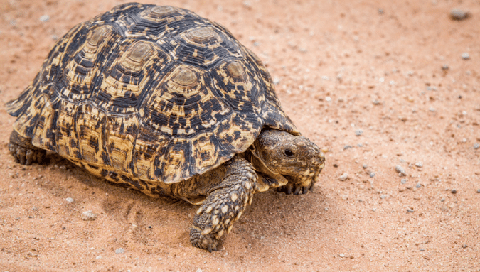
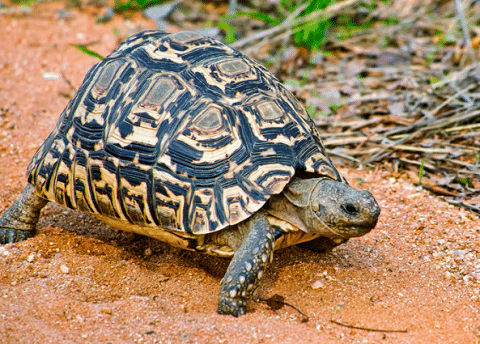
    The leopard tortoise is a large and widespread African species from semi-arid grasslands and savannas. The largest specimens can reach up to 30 inches and 80 pounds, although most will max out at less than half that size. Leopard tortoises do best outdoors but will need a temperature-controlled indoor habitat if you live in a cold area.

    Like all tortoise species, the leopard tortoise does not enjoy being handled. However, this species is relatively peaceful towards other tortoises, so you can keep them in a group in a large enough enclosure.

    15. Egyptian

    • Scientific Name: Testudo kleinmanni
    • Common Names: Egyptian tortoise, Kleinmann’s tortoise, Leith’s tortoise
    • Family: Testudinidae
    • Origin: Libya to Palestine
    • Diet: Herbivore
    • Care Level: Moderate
    • Lifespan: 20+ years
    • Color: Pale tan with darker markings
    • Size: 4 inches or 10 cm

    The Egyptian tortoise (video source) is one of the world’s smallest tortoise species. These tiny tortoises are native to the coastal areas of North Africa, where sadly, they are nearly extinct in the wild. These desert dwellers should be housed indoors in a temperature and humidity-controlled environment.

    16. Pancake

    Pancake-Tortoise
    • Scientific Name: Malacochersus tornieri
    • Common Names: Pancake tortoise
    • Family: Testudinidae
    • Origin: East Africa
    • Diet: Herbivore
    • Care Level: Moderate
    • Lifespan: 20+ years
    • Color: Dark brown with paler markings
    • Size: up to 7 inches or 17 cm

    The Pancake tortoise gets its name from its strange, flattened shell shape which allows them to shelter in rock cracks and crevices. Although it can be kept outdoors in suitable climates, this species also does well in a large (40-gallon+) terrarium with UVB light and heating.

    Unfortunately, this critically endangered species is a slow breeder, and wild populations have collapsed due to collection for the pet trade.

    17. Gopher
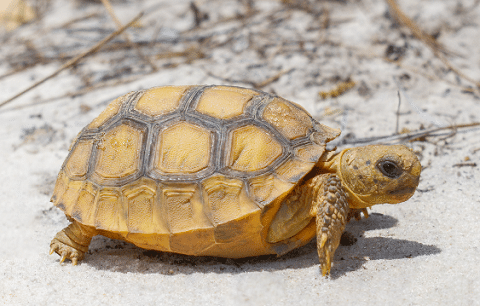
    Gopher-Tortoise
    • Scientific Name: Gopherus polyphemus
    • Common Names: Gopher tortoise
    • Family: Testudinidae
    • Origin: Southeastern United States
    • Diet: Herbivore
    • Care Level: Moderate
    • Lifespan: 40+ years
    • Color: Dark brown when fully grown
    • Size: 10 – 16 inches or 25 – 40 cm

    The Gopher tortoise is a burrowing reptile from North America that spends most of its time underground. This herbivorous species feeds mainly on grasses, although it needs a balanced diet of various plants to stay healthy. It is illegal to keep this protected species in most states, although permits may be granted in Florida under certain conditions.

    18. Hingeback

    Hingeback-Tortoise
    • Scientific Name: Kinixys spp.
    • Common Names: Hingeback tortoises
    • Family: Testudinidae
    • Origin: Africa
    • Diet: Omnivorous
    • Care Level: Advanced
    • Lifespan: years
    • Color: Brown
    • Size: 6 – 11 inches or 15 – 22 cm

    Hingeback tortoises are interesting creatures from the Kinixys genus that can partially close their shell. There are many species, although the Home’s hinge-back tortoise is the most common in captivity.

    Unfortunately, many of the hinge backs sold in the United States are wild caught and arrive in bad shape after being shipped from Africa, a practice that should not be supported. Unless you’re certain the animal is captive-bred, choose a different species.

    19. Elongated

    Elogated-Tortoise
    • Scientific Name: Indotestudo elongata
    • Common Names: Elongated tortoise
    • Family: Testudinidae
    • Origin: Southern and Southeast Asia
    • Diet: Omnivore
    • Care Level: Moderate
    • Lifespan: 40 – 50 years
    • Color: Yellowish to dark brown
    • Size: 12 inches or 30 cm

    The elongated tortoise is an omnivorous land tortoise species found in Asian forest habitats. These creatures usually hide out below the leaf litter and become most active in the mornings and evenings. They can be shy, but after a while, they might come out to meet you hoping for a tasty snack.

    This small tortoise makes a great pet if you can provide them with the warm environment they need to survive. However, it is not adapted to cold winters and requires a large enclosure with dry and humid areas.

    20. Yellow-footed

    Yellow-Footed-Tortoise
    • Scientific Name: Chelonoidis denticulatus
    • Common Names: Yellow-footed tortoise, Brazilian giant tortoise
    • Family: Testudinidae
    • Origin: Amazon Basin
    • Diet: Omnivore
    • Care Level: Moderate
    • Lifespan: 50+ years
    • Color: Dark brown with pale yellowish spots
    • Size: 14 – 30 inches or 36 – 76 cm

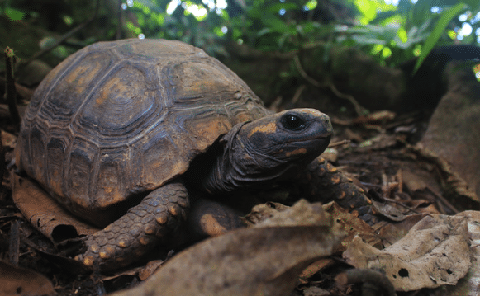
    The Yellow-footed tortoise is a large South American species with yellowish markings on their legs and the sides of their face. Older adults turn pretty dark, but the adorable youngsters can be really colorful.

    This species needs a shady environment but should have access to some natural sunlight or a UVB lamp every day. Yellow-footed Tortoises also love to bathe, so they will appreciate a shallow tub of fresh water where they can take a dip.

    21. Galapagos

    Galapagos-Tortoise
    • Scientific Name: Chelonoidis niger
    • Common Names: Galapagos tortoise
    • Family: Testudinidae
    • Origin: Galapagos Islands
    • Diet: Herbivore
    • Care Level: Difficult
    • Lifespan: up to 175 years
    • Color: Black
    • Size: 6 feet or 1.8 meters

    The Galapagos tortoise is the world’s largest species, sometimes reaching nearly 900 pounds! These huge black tortoises are occasionally available for sale, although they are extremely expensive pets and may require a special permit depending on your state. These massive reptiles require a large space with warm temperatures, plenty of greenery, and a nice water hole.

    Basic Care

    Extensive research is required before buying any tortoise because each species has slightly different care requirements, depending on where it lives in nature. Of course, a species that lives in evergreen forests is not going to feel at home in the same habitat as a Sonoran desert tortoise!

    However, there are some basic principles that apply to all tortoise breeds and species. Let’s take a look at the basics of tortoise care.

    Housing

    Tortoises can be kept in a variety of enclosures, ranging from a large terrarium for some small species to large outdoor enclosures the size of your average backyard. Where you keep your tortoise depends on its species and the climate where you live.

    Across much of North America, tortoises can be kept outdoors for most of the year, and some Mediterranean species will be happy outside all year. Many tortoise breeds will bury themselves underground or hide away in deep shelter to wait out the winter, so it’s normal for them to disappear when it gets cold and then reappear in the spring.

    If you live in an area with very cold winters or if you keep a tropical species, you’re going to need to keep your tortoise indoors or at least move your pet to an indoor enclosure for the coldest months of the year.

    No matter what kind of enclosure you choose, the following basic rules apply:

    Security

    Your enclosure must be safe from dogs, and other predators like birds of prey. People also steal pets, so make sure the area is secure. You’ll want a mesh cover over any enclosure that holds small tortoises.

    Substrate

    Your enclosure needs a deep substrate that can hold onto moisture and allow your tortoise to burrow. Do not keep tortoises on hot asphalt or paved surfaces.

    Safety

    Your enclosure must be surrounded by a wall high enough to prevent your turtle from escaping or falling and injuring itself.

    Comfort

    Your tortoise’s enclosure must have areas of sunlight or UVB light and areas of shade. There should be plenty of shelters available such as caves, hollow logs, or anything snug and insulated where your tortoise can hide out. Some species shelter in rock crevices while others crawl under leaf litter.

    Handling

    Some tortoises will become confident in time, and many will come up to you whenever you get near their enclosure. However, they are not social and affectionate pets like dogs, so this is one animal you should avoid handling as much as possible.

    Diet

    Most tortoise species are herbivores that graze on grass, weeds, and other plants. Some species, like the yellow-footed and red-footed tortoises, are omnivores that will include insects and animal carcasses in their diet.

    Most tortoises can be fed a balanced diet of fresh greens, weeds, flowers, and other fresh plant material. Fruits are high in sugar and should only be offered as a rare treat. However, it’s extremely important to research the specific diet of your particular tortoise species.

    Water

    Tortoises must have access to clean, fresh water at all times. They will drink from a shallow bowl, and many species love to crawl into water to cool off and soak up some moisture. Make sure your water container will not tip over and that it has shallow sloping sides so that your pet does not become trapped and drown.

    Lighting

    Tortoises, require UVB light to maintain healthy vitamin D3 levels. The best source is always natural sunlight out in nature, and normal artificial light sources will not keep them healthy. Tortoises kept indoors need a special UVB light source in their enclosure.

    UVB light strips or bulbs can be used, but make sure you suspend bulbs 10 to 12 inches above the animal. These bulbs should be replaced after 4 to 6 months at the most as they become less effective over time.

    Humidity

    Despite living in many dry parts of the world, tortoises naturally seek out moist areas to stay hydrated. Captive tortoises should have access to both dry and moist areas in their enclosure so that they can decide when to seek humidity.

    A healthy tortoise should have a smooth domed shell. Without enough humidity, tortoises often develop a condition known as pyramiding which causes raised scutes on their shell.

    Heating

    Tortoises that are kept indoors need heating during the day to simulate the conditions in their natural environment. Use a heat lamp and not a heating pad for this purpose, and make sure there is a warm basking spot and a cooler area so your tortoise can choose where it wants to be.

    Make sure to turn off the heat each night because your pet needs to cool off just like it would in nature. Running your heat lamp and UVB source on a timer is a safe and convenient option.

    Which Types Of Tortoise Should You Keep?

    Once you’ve done all your research and you’re absolutely sure you have the dedication to keep such a long-lived pet, your next decision is to choose which pet tortoise species is right for you.

    Choose a healthy, captive-bred tortoise from a reputable breeder who knows these animals well and can provide detailed information and advice on their care.

    Wild tortoises taken from their rightful home are often in very poor health when they get to your home, and many die because they can’t adjust to the new environment.

    Conservation

    Almost every one of the tortoise species mentioned in this guide is threatened in its natural habitat, and some are practically extinct in the wild.

    The reasons for their decline vary depending on the species, but habitat destruction, hunting, and legal and illegal collection for the pet trade are the most common causes.

    There is no excuse to support the illegal trade in wildlife, so never buy a tortoise that wasn’t legally bred in captivity.

    FAQs

    What is the best tortoise as a pet?

    Captive-bred Mediterranean species like Hermann’s tortoises and Greek tortoises are some of the best pet tortoise species. These animals stay at a manageable size and can be kept both indoors or outdoors depending on where you live.

    What is the most common type of tortoise?

    The Greek tortoise is one of the most common species in the pet trade. Greek tortoises make wonderful and extremely long-lived pets for dedicated keepers.

    What kind of tortoise doesn’t get big?

    Russian tortoises, Greek tortoises, and Hermann’s tortoises are small to medium-sized species ideal for captive care. Common species like the leopard tortoise and the sulcata tortoise get really, really big, so make sure you know the true identity of a tortoise species before buying it.

    How many tortoise species are there?

    Depending on who you ask, there are between 49 and 54 known tortoise species in the world. Southern Africa is home to the greatest diversity of species on the planet, although you can find these captivating animals on five different continents.

    Are there any tortoises native to North America?

    North America is home to several native tortoise species, including the desert tortoise, the gopher tortoise, the Texas tortoise, and the bolson tortoise.

    Final Thoughts

    Tortoises are not for everyone. These special creatures need the right habitat and care to survive to their full potential. However, for the dedicated keeper, tortoise ownership can be a wonderful lifelong hobby.

    Thanks for reading along, I hope the information in this guide has helped you learn more about tortoises and whether they are the right pet for you!

    Do you keep a pet tortoise? Tell us about your favorite species in the comments below!

  • Aquatic Turtles: Types, Tank Setup, and What They Actually Need

    Aquatic Turtles: Types, Tank Setup, and What They Actually Need

    Aquatic turtles appeal to a lot of people who come from a fishkeeping background — you already have the tank, the filtration knowledge, and the water maintenance habits. But turtles are a different challenge entirely. They’re messy, they need basking areas and UVB lighting, and they will eat fish tankmates given the chance. The care requirements are well-documented but consistently underestimated by first-time keepers. If you’re coming in with realistic expectations, this guide covers the main species and what each one actually needs.

    In this in-depth guide, we’ll introduce 15 of these amazing creatures, and learn more about how to care for them the right way. Read along to learn about their diet, habitat requirements, health precautions, conservation, and so much more.

    Key Takeaways

    • Aquatic turtles kept indoors need a temperature-controlled environment with access to a dry basking spot and UVB light.
    • Turtles need plenty of swimming space and strong filtration system to keep their water quality high.
    • Turtles can be pretty messy, so regular weekly water changes are important in aquariums and other small turtle tanks.
    • Most turtles are omnivorous. Commercial turtle foods are a great staple diet, but your pet will love supplements like live insects and vegetables.

    15 Popular Aquatic Turtle Species

    Are you ready to dive in and learn about 15 awesome aquatic turtle species (check out the video above from our YouTube Channel)? Whether you’re a beginner looking for an adorable musk turtle or an experienced enthusiast hoping to keep an impressive snapping turtle, there’s something here for everyone!

    Each species has different characteristics and care needs to stay healthy in captivity. That’s why I’ve included important stats like their temperament, diet requirements, tank size specifications, and other necessary information like ambient temperature and basking spot requirements.

    1. African Sideneck

    African Sideneck
    • Scientific Name: Pelusios spp.
    • Common Names: West African mud turtle
    • Family: Pelemodusidae
    • Origin: Africa
    • Diet: Omnivorous
    • Care level: Moderate
    • Lifespan: 25 to 50 years
    • Temperament: Calm but shy
    • Minimum Habitat Size: 100 gallons
    • Ambient Temperature Range: 75 – 85 °F or 24 – 29°C
    • Basking Spot: 95 °F or 35 °C
    • Water Temperature: 75 – 80 °F or 24 – 27 °C

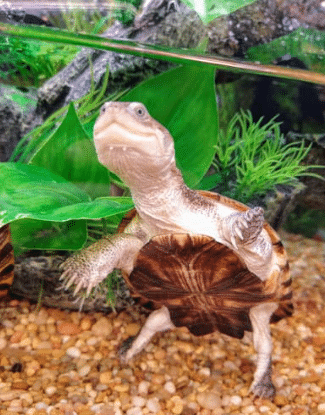
    African sideneck turtles are one of the most adorable species in the hobby. These fascinating aquatic reptiles come from rivers, lakes, and ponds in Africa. Like false map turtles, these inquisitive creatures do not fully retract their heads into their shells.

    The diet for this long-lived omnivorous species should include meaty foods like cooked chicken, beef heart, and fish, which can be supplemented occasionally with vegetables and fruit to provide a balanced diet.

    2. Red Eared Slider

    Red Eared Slider
    • Scientific Name: Trachemys scripta elegans
    • Common Names: Red-eared terrapin
    • Family: Emydidae
    • Origin: Southeast USA
    • Diet: Omnivore
    • Care level: Moderate
    • Lifespan: 20 – 40 years
    • Temperament: Does not enjoy handling
    • Minimum Habitat Size: 50+ gallons
    • Ambient Temperature Range: 70 – 85 °F or 21 – 29 °C
    • Basking Spot: 85 – 90 °F or 29 – 32 °C
    • Water Temperature: 75 – 85 °F or 24 – 29 °C

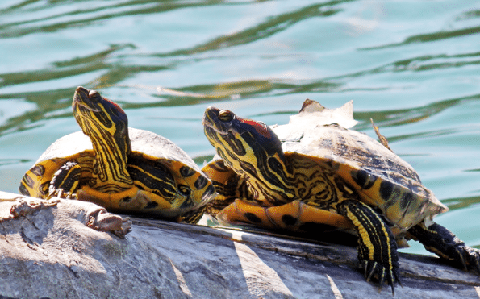
    The Red Eared Slider is widespread in the southeast of the United States and has become one the most popular pet turtle species. These social creatures need plenty of space, UV lighting, and a quality water filtration system in their habitat to live to their full potential lifespan.

    They are omnivorous creatures that will thrive on a balanced diet of commercial turtle foods supplemented with vegetables and meaty foods like crickets and minnows. You could keep a young pair in a tank of thirty gallons or so but the minimum tank size for two adults would be about 100 gallons, along with enough basking sites.

    3. Caspian Pond

    Caspian-Turtle
    • Scientific Name: Mauremys caspica
    • Common Names: Caspian turtle
    • Family: Geoemydidae
    • Origin: Mediterranean, Middle-east, Russia
    • Diet: Omnivore
    • Care level: Easy
    • Lifespan: 20 – 40+ years
    • Temperament: Peaceful but does not enjoy being handled
    • Minimum Habitat Size: 50 gallons for a single specimen
    • Ambient Temperature Range: 60 – 80 °F or 16 – 27 °C
    • Basking Spot: 100 °F or 37 °C
    • Water Temperature: 60 – 82 °F or 16 – 28 °C

    Caspian pond turtles might not be the most colorful species, but their interesting tan markings and long tails still make them great aquatic display animals. Unfortunately, these reptiles have experienced a decrease in numbers out in nature1, so please ensure that your specimens are captive-bred and not wild-caught.

    4. River Cooter

    River Cooter
    • Scientific Name: Psuedemys concinna
    • Common Names: River cooter turtle
    • Family: Emydidae
    • Origin: Central & eastern USA
    • Diet: Omnivorous, mostly herbivorous as adults
    • Care level: Easy
    • Lifespan: 25 – 40+ years
    • Temperament: Peaceful
    • Minimum Habitat Size: 300 gallons for adults of 5 ft x 5ft
    • Ambient Temperature Range: 72 – 95°F or 22 – 35°C
    • Basking Spot: 85°F or 29°C
    • Water Temperature: 75°F or 24 °C

    Several cooter turtle species are native to North America, although the river cooter is one of the most popular pet species in the hobby.

    These large turtles can reach 16 inches and over ten pounds, so they need a big habitat and great filtration to keep their water clean. This aquatic species can live for over thirty years, and they will switch to a mostly vegetarian diet as they mature.

    5. Map

    Missippi Map
    • Scientific Name: Graptemys spp.
    • Common Names: Mississippi map turtle, northern map turtle, Ouachita map turtle, false map turtle
    • Family: Emydidae
    • Origin: North America
    • Diet: Omnivore
    • Care level: Moderate
    • Lifespan: 20 – 30 years
    • Temperament: Timid
    • Minimum Habitat Size: 3 ft or 75 gallons for males, 5 ft or 125 gallons for females
    • Ambient Temperature Range: 80 °F or 27 °C
    • Basking Spot: 86 – 90 °F or 30 – 32 °C
    • Water Temperature: 72 – 77 °F or 22 – 25 °C

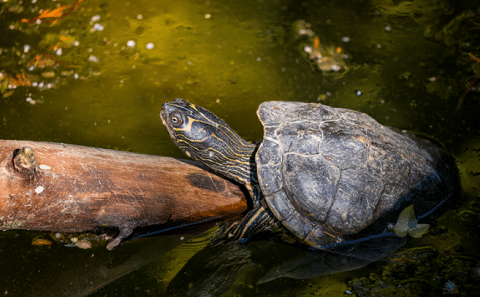
    The Mississippi map turtle is a beautiful American species that makes a wonderful pet for more experienced keepers. These stunning reptiles have a unique pattern on their skin and shell that looks like the topographic lines on a map.

    Female map turtles grow larger than males, but both need plenty of swimming space and a land portion where they can hang out and bask. This species is easy to feed and will thrive on a diet of turtle pellets supplemented with some meaty insect foods and greens.

    6. Painted

    Painted-Turtle
    • Scientific Name: Chrysemys picta
    • Common Names: Painted turtle, Western painted turtle, eastern painted turtle, southern painted turtles
    • Family: Emydidae
    • Origin: Widespread in North America
    • Diet: Omnivorous
    • Care level: Easy
    • Lifespan: 25 – 50 years
    • Temperament: Tame & peaceful
    • Minimum Habitat Size: 100 gallons for an adult
    • Ambient Temperature Range: 80 – 85 °F or 27 – 29 °C
    • Basking Spot: 85 – 95 °F or 29 – 35 °C
    • Water Temperature: 75 – 80 °F or 24 – 27 °C

    Painted Turtles are an excellent choice for beginner turtle keepers, but only if you are ready for a long-term commitment. These colorful pet turtles are active and fascinating to observe if you keep them in a large enough habitat.

    The painted turtle is a great species for keepers who want to keep more than one turtle because they are so peaceful with other species.

    7. Snapping

    Snapping-Turtle
    • Scientific Name: Chelydra serpentina
    • Common Names: Common snapping turtle
    • Family: Chelydridae
    • Origin: Widespread in North America
    • Diet: Omnivorous
    • Care level: Expert
    • Lifespan: 30 – 40 years
    • Temperament: Aggressive
    • Minimum Habitat Size: 120 gallons +
    • Ambient Temperature Range: 75 – 85 °F or 24 – 29 °C
    • Basking Spot: 90 °F or 32 °C
    • Water Temperature: 75 – 78 °F or 24 – 26 °C

    Snapping Turtles are amazing creatures with a truly prehistoric look! However, these omnivorous turtles are probably best left in the wild unless you’re an experienced and dedicated reptile keeper.

    They might be cute when they are babies, but these reptiles grow huge and quickly outgrow most turtle habitats. Oh, and these turtles can give a nasty bite too!

    8. Razor-Backed Musk

    Razor Back Musk
    • Scientific Name: Sternotherus carinatus
    • Common Names: Razor-backed musk turtle, musk turtle
    • Family: Kinosternidae
    • Origin: Southeastern United States
    • Diet: Omnivore
    • Care level: Beginner
    • Lifespan: 20 – 50 years
    • Temperament: Shy
    • Minimum Habitat Size: 20 gallons
    • Ambient Temperature Range: 75 – 82 °F or 24 – 28 °C
    • Basking Spot: 82 – 90 °F or 28 – 32 °C
    • Water Temperature: 74 – 79 °F or 23 – 26 °C

    The razor-backed musk turtle is an ideal species to keep in a fish tank because it does not need much dry land. However, they will certainly appreciate a warm, dry rock where they can bask and soak up some UVB.

    These aquatic turtles spend most of their time down at the bottom and rise to the surface to breathe. They have a deep shell shape, with a distinctive ridge or keel that runs along the top of their carapace.

    These small pet turtles grow to just 6 inches, so they are suitable for smaller habitats with good-quality filtration. However, they need plenty of floor space and aquatic plants to really feel at home.

    9. Reeves

    Reeves Or Chinese Pond
    • Scientific Name: Mauremys reevesii
    • Common Names: Reeves turtle, Chinese pond turtle, Chinese three-keeled pond turtle
    • Family: Geoemydidae
    • Origin: East Asia
    • Diet: Omnivorous
    • Care level: Easy
    • Lifespan: 10 – 20 years
    • Temperament: Peaceful, can co-habit
    • Minimum Habitat Size: 55 gallons
    • Ambient Temperature Range: 75 – 85 °F °C
    • Basking Spot: 85 – 95 °F °C
    • Water Temperature: 70 – 80 °F or °C

    Chinese Pond Turtles, also known as Reeves turtles, are a small species that makes a wonderful pet. This hardy and adaptable turtle can be kept in a variety of turtle tanks, from glass aquariums to plastic containers, both indoors and outdoors.

    One of the great benefits of this species is its small adult size. With a maximum length of about 6 inches, most specimens will thrive in a standard 55-gallon aquarium with good filtration and a dry basking spot. Like all freshwater turtles, reeves turtle requires access to UVB light and heat to stay happy and healthy.

    10. Stinkpot Musk

    Stinkpot Musk
    • Scientific Name: Sternotherus odoratus
    • Common Names: Common musk turtle, stinkpot turtle
    • Family: Kinosternidae
    • Origin: Southeastern Canada and Eastern USA
    • Diet: Mostly carnivorous
    • Care level: Moderate
    • Lifespan: 30 – 50 years
    • Temperament: Semi-aggressive, may bite and scratch
    • Minimum Habitat Size: 30 gallons
    • Ambient Temperature Range: 83 – 86 °F or 28 – 30°C
    • Basking Spot: 90 °F or 32 °C
    • Water Temperature: 72 – 78 °F or 22 – 26 °C

    The stinkpot musk is one of the smallest turtle species, reaching just four inches in length. A full-grown adult should ideally have at least 40 gallons, although you can house this species in a 20-gallon at first.

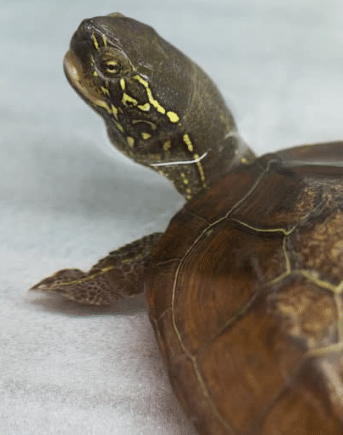
    This is a highly aquatic species that spends most of its time in the water. However, you should still provide a small basking area in case your pet wants to catch some rays. Stinkpot musk turtles can excrete a nasty scent when handled, although they only do this if they feel threatened.

    11. Striped Mud

    Striped-Mud-Turtle
    • Scientific Name: Kinosternon baurii
    • Common Names: Striped mud turtle
    • Family: Kinosternidae
    • Origin: Southeastern United States
    • Diet: Omnivorous
    • Care level: Moderate
    • Lifespan: Up to 50 years
    • Temperament: Semi-aggressive, may bite and scratch
    • Minimum Habitat Size: 30 gallons
    • Ambient Temperature Range: 80 – 85 °F °C
    • Basking Spot: 87 – 92 °F °C
    • Water Temperature: 75 – 80 °F or 24 – 27 °C

    Striped mud turtles are a miniature species with yellow stripes that grow to just four inches or so. These adorable creatures are not the strongest swimmers and prefer to crawl around at the bottom of their tank. However, these tiny also turtles need a decent land section where they can crawl out to bask and warm up.

    Striped mud turtles are an excellent choice for keepers who want a fascinating pet that won’t need a big habitat. This makes them a better choice for indoor turtle care than some common species like red-eared sliders, which can grow surprisingly large.

    12. Spiny Softshell

    Spiny Softshell
    • Scientific Name: Apalone spinifera
    • Common Names: Spiny Softshell turtle
    • Family: Trionychidae
    • Origin: United States, Mexico, & Canada
    • Diet: Mostly carnivorous
    • Care level: Moderate to Advanced
    • Lifespan: up to 50 years
    • Temperament: Aggressive if handled
    • Minimum Habitat Size: 90 gallons for a male only. Females should be kept in ponds
    • Ambient Temperature Range: 80 – 85 °F or 27 – 29 °C
    • Basking Spot: 85 – 90 °F or 29 – 32 °C
    • Water Temperature: 75 °F or 24 °C

    The Softshell turtle is a unique aquatic reptile with a flat shell and long, pointed nose. Despite their goofy look, these large turtles can and will bite, so they are not pets that you should handle.

    Spiny softshells need loads of swimming space in their turtle tank, and since males stay much smaller, they are the better option for most keepers. These soft shell turtles are only suitable for more experienced turtle keepers.

    13. Wood

    Wood-Turtle
    • Scientific Name: Glyptemys insculpta/ Clemmys insculpta
    • Common Names: North American wood turtle
    • Family: Emydidae
    • Origin: Northeastern United States
    • Diet: Omnivorous
    • Care level: Easy
    • Lifespan: 40 to 58 years
    • Temperament: Peaceful & tame
    • Minimum Habitat Size: 5 ft x 5ft with 2 ft water depth
    • Ambient Temperature Range: 70 – 80 °F or 21 – 27 °C
    • Basking Spot: 85 °F or 29 °C
    • Water Temperature: 60 – 70 °F or 16 – 21 °C

    The wood turtle is an excellent choice for turtle keepers who live in cooler areas because this species needs cool water between 60 and 70 degrees Fahrenheit to survive.

    This medium-sized turtle can reach about 9 inches, so they need plenty of swimming space. An outdoor enclosure is usually the best choice, but only if you live in a cool climate. North American wood turtles are an endangered species, so insist on keeping captive-bred specimens that are legally sold.

    14. Spotted

    Spotted-Turtle
    • Scientific Name: Clemmys guttata
    • Common Names: Spotted turtle
    • Family: Emydidiae
    • Origin: Eastern United States
    • Diet: Omnivorous
    • Care level: Moderate
    • Lifespan: 30 – 50 years
    • Temperament: Active but shy
    • Minimum Habitat Size: 50 gallons
    • Ambient Temperature Range: 80 – 85 °F or 27 – 29 °C
    • Basking Spot: 95 °F or 35 °C
    • Water Temperature: 70 – 75 °F or 21 – 24 °C

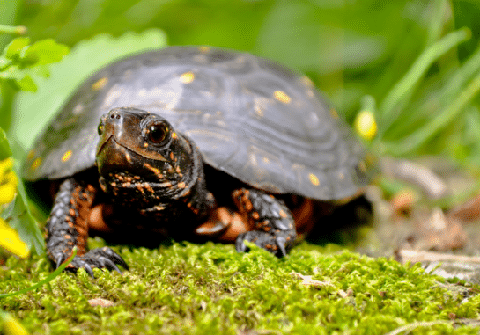
    The spotted turtle is one of the most beautiful species, which explains its great popularity among reptile keepers. With a maximum size of just 5 inches, they are also a great option for medium to large fish tanks.

    Unfortunately, spotted turtles have become an endangered species in the wild, so you should only keep legal, captive-bred specimens or choose one of the other amazing species on this list.

    15. Snake Necked

    Snake-Necked-Turtle
    • Scientific Name: Chelodina longicollis
    • Common Names: Eastern snake-necked turtle, common snake-necked turtle
    • Family: Chelidae
    • Origin: Eastern Australia
    • Diet: Carnivorous
    • Care level: Moderate
    • Lifespan: 30 – 40 years
    • Temperament: Docile & peaceful
    • Minimum Habitat Size: 4ft x 4ft or 150 gallons
    • Ambient Temperature Range: 80 – 85 °F or 26 – 29 °C
    • Basking Spot: 85 °F or 29 °C
    • Water Temperature: 70 – 75 °F or 21 – 24°C

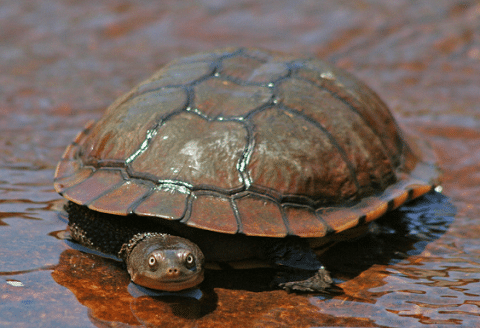
    Snake-necked turtles are a fascinating Australian species known for their strange, long necks. These are large and active turtles that can hit shell lengths of 12 inches, so full-grown adults will need a large habitat with plenty of swimming space and a dry spot under a UVB lamp where they can warm up and bask.

    Snake-necked turtles are fully carnivorous so feed your pet a commercial pellet food supplemented with meaty foods like insects. These turtles can emit a potent smell to deter predators, but fortunately, they tame up fairly quickly. Nevertheless, these animals should not be handled too often.

    Choosing Your Aquatic Turtle

    Before buying your first turtle, make sure you have the budget, space, and time available to care for your pet. Most turtles will easily live for over 25 years, making them a life-long pet! You will need to dedicate time to feeding your turtle and cleaning its habitat for all those years too, so buying a turtle is not something you should rush into.

    Be sure to study the care needs of your favorite species and start off with an easy species to ensure a fun relationship. It’s also important to consider the conservation status of your pet and avoid keeping wild-caught threatened species. Bear in mind that the legal status of each turtle species differs by state and country.

    Choose a healthy specimen from a reliable pet store or reputable breeder that only sells turtles bred in captivity. This will improve your chance of success, reduce the chance of illness, and ensure ethical practices and stamp out illegal poaching.

    Creating The Ideal Habitat

    Setting up a great turtle habitat from the start is the best way to go. Remember to take your time in planning your turtle tank and always buy the best quality equipment you can afford. Let’s take a closer look at how to create the perfect home for your pet turtle.

    Tank Setup

    The turtle’s shell length will determine the size and depth of your turtle’s tank. A great rule of thumb is go with a guideline of 10 gallons per inch of the turtle’s body measurement.

    The aquarium also needs to be two to two and a half times as deep as the length of your turtle’s shell in order for them to swim and bask comfortably. It’s very important to keep your tank deep enough for the turtle to right itself safely if it gets flipped over.

    In nature, turtles climb out of the water to bask in the sun. In captivity, your pet turtle will also need a dry basking spot above the water with a heat and UV light spot. This area should be large enough for the turtle to rest comfortably but can be as small as a single rock for the more aquatic species.

    Water Quality And Filtration

    Turtles are very messy creatures, so keeping their water clean and safe requires good equipment and some hard work. If you’re using tap water in your turtle habitat, make sure to dechlorinate it with a regular aquarium water conditioner.

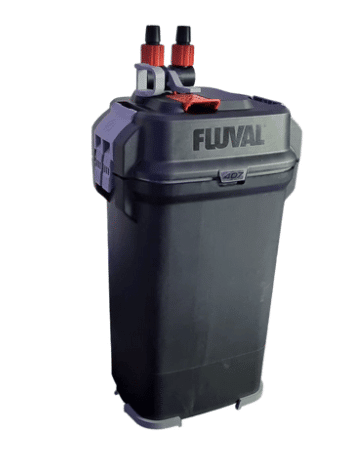
    A powerful filter is essential for your turtle tank, although the type and size will vary depending on your setup. Canister and internal power filters are both good options, but make sure the model you choose can process the volume of water in your tank at least three times every hour.

    Best Value
    Fluval Canister Filters

    Our Subscriber’s Choice

    Top name brand, Italian made, and updated design. The next gen Fluval Canisters are a best buy!

    Buy On Amazon Buy On Petco

    You’ll also need to perform a weekly water change on your turtle tank to remove the excess waste and improve the general water quality in your tank. A weekly 50% water change is a good starting point, but you may need to perform more frequent maintenance if you notice the water turning cloudy.

    Temperature, Basking, And UV Lighting

    Aquatic turtles must have basking areas and UV lighting to stay healthy. They need this light to synthesize Vitamin D3, which is essential for bone growth and good health. Without it, they will die a slow and painful death, so please, do not skip this step!

    Aquatic turtles need a special UVB (2.5, 3, or 5%) light above their basking spot. It should not be more than 12 inches or 30 centimeters above the ground.

    Turtles are cold-blooded creatures, so they also need external heat to keep their body temperature in a comfortable range. You will need an aquarium water heater to keep their water warm and a heat lamp to keep the temperature at their preferred range on the basking spot.

    While all turtle species are cold-blooded, different types of turtles have different needs. Be sure to set your temperature to suit your pet.

    Diet & Feeding Requirements

    Feeding your aquatic turtle a healthy and balanced diet is critical for their health and happiness. Provide a well-rounded diet that includes staples, treats, and supplements to ensure that they are getting all of the essential nutrients they need. A varied diet will prevent any health deficiencies while also keeping your beloved pet vibrant and energetic!

    Staple Foods

    Specially formulated turtle pellets are a great staple diet for your pet. However, you should include natural foods like insects, fish, fruits, and leafy greens for a well-rounded diet. Remember that each species has a slightly different natural diet, so do your research when designing a healthy meal plan.

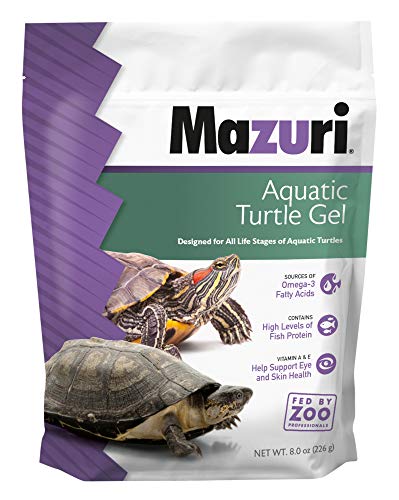
    Mazuri Turtle Food

    Mazuri is a brand of food started by Zoo professionals. This gel food is a great food staple for aquatic turtles

    Buy On Amazon Buy On Petco

    Treats And Supplements

    Aquatic turtles need various essential nutrients to keep them healthy, and you can provide these using treats as well as supplements.

    Fruits such as apple, cantaloupe, bananas, blueberries, and mango are great treats for omnivorous species, while non-toxic aquatic plants like water hyacinth or duckweed can also offer variety. Terrestrial plants like romaine lettuce will work too. Cooked meats like beef and chicken are also great if provided as an occasional treat.

    Providing supplements like calcium, Vitamin A, and Vitamin D3, are also helpful, but it’s worth consulting a veterinarian or experienced professional about what dosage suits your particular species.

    Feeding Schedule

    A regular feeding schedule is recommended for keeping your pet turtle well-fed. Remember, overfeeding can be just as unhealthy as underfeeding in the long run!

    Young turtles less than a year old should be fed every day, and you can provide them with as much food as they can eat in about 5 minutes. Older turtles should eat every two or three days, and you can provide about 75% as much food as they can finish in about 15 minutes. Remember to adjust their pellet and portion size as they grow.

    Health And Wellness

    Preventative Care

    Poor water quality, incorrect temperatures, lack of UVB light, and overfeeding are the major causes of poor health in aquatic turtles. If you have set up your turtle tank correctly and are keeping up with regular maintenance and a healthy feeding schedule, all you really need to do is monitor your pet’s health.

    Signs Of Illness

    The best way to monitor your pet turtle’s health is to observe its condition and behavior on a daily basis. It is important to be aware of any signs that your aquatic turtle may not be feeling their best. Look out for the following ‘red flags’ when observing your turtle:

    • Sluggishness
    • Lack of appetite
    • Difficulty swimming or staying afloat in the water
    • A discolored or darkened shell – A evidence of shell rot
    • Keratin shedding out of the ordinary pattern
    • Bleeding spots on its carapace, with a softer texture, and foul smell
    • Respiratory symptoms like struggling to breathe or excessive mucus production from mouth, nose, and eye areas

    Contact an experienced exotic pet or reptile veterinarian immediately if you notice any of these symptoms. Be sure to remove your turtle from the water if they are having trouble swimming because turtles can drown. Recognizing these warning signs early on will definitely improve your pet’s chance of survival.

    Turtles Vs Tortoises

    There is a difference between both of these species, namely that Turtles can go in water, while Tortoises are land based creatures. Tortoises also have more rounded and dome shaped shells, while the turtle’s body is shaped better for swimming. The feet are also difference with Tortoises having stumpy or scaly toes while the turtles have webbed feet or long claws used for swimming.

    Turtles are made to be in water while turtles are designed to be in water most of the time.

    Legal Considerations And Conservation

    It’s important to be aware of the legal matters as well as conservation efforts regarding turtles because many species are threatened by illegal collection, and some can be invasive when released outside of their natural range.

    Examples of endangered turtle species include:

    • Asian yellow pond turtles
    • Spotted turtle
    • Wood turtle

    Only buy turtles from legal sources, and avoid collecting wild animals or supporting the illegal trade in wildlife. As much as you might want that rare or endangered turtle, these animals are much better off left in the wild!

    FAQs

    What is the best type of aquatic turtle?

    The red-eared slider turtle is one of the most popular choices for its ease of care and amazing looks. These colorful turtles can be kept in a tank of about 60 gallons where they will keep you entertained with their active nature. They are long-lived too, so this is one pet you could call a life-long companion!

    Are there any fully aquatic turtles?

    The musk turtles of the genus Sternotherus are practically fully aquatic and spend almost all of their time in the water. These tiny turtles grow to just a few inches long, making them a great choice for a fish tank of about 30 gallons.

    How long do aquatic turtles live for?

    Most captive aquatic turtles have a life expectancy of 20 to 30 years, although some may live for over 50 years with good care! With such an impressive lifespan, it’s important to plan carefully before getting a pet turtle.

    What is the ideal tank size for an aquatic turtle?

    A 55-gallon tank is a good size for most small to medium-sized aquatic turtles, although some species are more active than others. As a general rule, allow 10 gallons of tank space per inch of your turtle’s shell length.

    How often should I change the water in my turtle’s tank?

    Change the water in your turtle’s tank at least once a week to keep it healthy and happy. If your turtle’s water is turning cloudy or smelly before the week is up, go ahead and change the water sooner.

    Final Thoughts

    Turtles are wonderful pets, but they need special care, equipment, and plenty of maintenance. Think carefully before staring out with a turtle, but be prepared for a fascinating and beautiful long-lived companion. This guide is a great starting point, but please research each species carefully before making the commitment, we support happy pets and happy pet owners here at Aquarium Store Depot!

    Do you keep freshwater turtles? Tell us about your favorite species in the comments below!