

Last Updated: May 13, 2026
Thank you for visiting! By the way… any links on this page that lead to products on Amazon and other stores/partners are affiliate links Aquarium Store Depot earns a commission if you make a purchase.
Most hobbyists pick aquarium decorations based on how they look. That’s backwards. After 25 years in this hobby and managing fish stores, I’ve watched fish pace, hide compulsively, and fight constantly in tanks that looked great on Instagram but were functionally empty. Decorations aren’t just aesthetics. They’re behavioral infrastructure. The right decoration reduces stress, establishes territory, enables breeding behavior, and gives your fish something to actually do. The wrong ones just take up swimming space.
A bare tank is stressful for fish, but an overcrowded one is worse.
EXPERT TAKE | MARK VALDERRAMA
In my tanks, driftwood, rocks, and caves always come before novelty decorations. I’ve set up hundreds of tanks over the years and the pattern is consistent: fish with proper hiding spots are less skittish, eat better, and show more natural behavior. Caves matter for cichlids and bettas especially. I’ve seen male bettas display properly only after a cave or dense plant cover gave them a home base to defend. The plastic castle might look fun, but if it has sharp molding seams and no functional hiding chamber, it’s doing nothing for the fish. What I actually put in most of my tanks: driftwood or cork bark for structure, a cave or terracotta pot for territory, and soft plants (live or silk) for cover. That combination works for almost every community setup I’ve built.
What People Get Wrong About Aquarium Decorations
The number one mistake I see in customer tanks: decorations chosen entirely for looks, with zero thought given to what the fish actually needs. Plastic castles and skull ornaments show up constantly. They photograph well. But many have sharp molding seams along the interior edges that tear fins on bettas and other slow-moving fish. I’ve pulled decorations out of customer tanks and found shredded fins within a week of installation. If you run your finger along the inside of a decoration and feel resistance or roughness, so does your fish.
The second mistake: overcrowding. A tank stuffed with decorations leaves no open swimming lanes. Fish that need to swim in groups, like tetras and danios, get compressed into corners. Territorial fish have nowhere to establish boundaries, so aggression escalates. My rule for every new hobbyist: fill no more than 40% of your tank volume with hardscape and decorations. The other 60% belongs to the fish.
Third mistake: buying painted decorations from unknown brands. Cheap painted resin leaches dye into the water, especially as the paint fades from light exposure. Fish-safe resin is cured and non-leaching. If the product listing doesn’t specifically say “fish safe” or “aquarium grade resin,” skip it.
The Biggest Mistake Decoration Buyers Make
Prioritizing appearance over function. I’ve seen it hundreds of times: someone spends $80 decorating their tank with colorful novelty pieces and the fish are stressed and hiding constantly because there are no real territories, no hiding spots fish actually want to use, and no visual breaks in the open water. The fish needs the decoration more than you need the visual. When you finally add one good cave or a piece of real structure and watch a territorial fish calm down immediately, claim it, and start acting normal, the lesson hits. Decorations that look good but don’t function are a waste of space and money.
WHY THIS RANKING
I ranked these on five factors: (1) functional value for fish behavior, (2) fish safety with no sharp edges or toxic materials, (3) visual quality that looks natural or high-quality, (4) durability without fading or leaching, and (5) value relative to behavioral and visual benefit. Aesthetic appeal alone is not a ranking criterion. These decorations earn their spot because fish actually benefit from them.
BUY OR SKIP?
Good fit if: You want decorations that actually benefit your fish, not just your photos. You keep territorial species (cichlids, bettas, gobies) that need caves and boundary markers. You want a natural-looking scape without the chemistry complications of real driftwood.
Skip the novelty items if: You keep schooling fish that need open water, you have delicate-finned fish like bettas or angelfish that can’t afford sharp edges, or you’re building a serious biotope where authenticity matters. In those cases, invest in real hardscape, live plants, or species-specific decor rather than novelty ornaments.
Finding Great Aquarium Decorations
Below is a table of the candidates. I’ve looked at both artificial and natural aquarium decorations. This list focuses primarily on artificial decorations. If you’re looking for real aquarium stones, plants, or driftwood, check the links below:
In a hurry? I recommend Current USA Manzanita or their Aquascaping bundle line! Use Coupon Code ASD15 At Checkout!
| Picture | Name | Features | Link |
|---|---|---|---|
|
Editor’s Choice
|
|
Click For Best PriceBuy On SWA | |
|
Best Value
|
|
Click For Best PriceBuy On Amazon | |
|
Budget Option
|
|
Click For Best PriceBuy On Amazon | |
 |
|
Buy On PetcoBuy On Amazon | |
 |
|
Buy On Amazon | |
 |
|
Buy On Amazon | |
 |
|
Buy On Amazon | |
 |
|
Buy On Amazon | |
 |
|
Buy On Amazon |
The 8 Best Aquarium Decorations (Reviewed)
Let’s get into the details on each decoration. I’ll break down what works, what doesn’t, and who each one is actually for.
1. Current USA Manzanita Wood
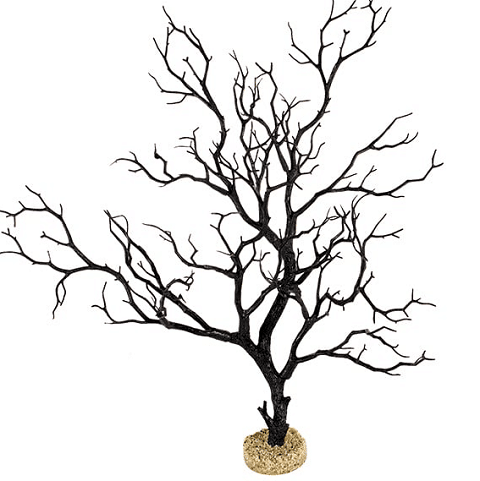
Current USA Black Manzanita
An artificial Manzanita branch designed by aquascapers. A worry-free way to create a natural-looking aquascape!
Click For Best Price
Buy On Amazon
This is the decoration I recommend most often for hobbyists who want a natural-looking scape without the headaches of real driftwood. The Black Manzanita is 100% artificial but looks so convincing that it works in planted tanks and display setups where you’d normally use real wood. The branching structure gives fish actual navigation space: they swim through, around, and behind it, which is what you want from any piece of hardscape.
The real advantage over actual driftwood comes in water chemistry. This piece releases zero tannins, doesn’t affect pH, and doesn’t require a week of soaking before use. That makes it the right choice for African cichlid tanks or any setup where you need higher pH or harder water. Real driftwood would tank your chemistry. This one won’t.
Current USA built this line consulting with aquascapers and provides templates and videos to help you design with it. Ready to go out of the box. No soaking. No floating. No chemistry effects.
Pros and Cons
- Unique, natural-looking structure with real navigational value for fish
- No tannins, no water chemistry effects
- Works in high-pH setups where real driftwood can’t go
- Ready to use out of the box
- Limited variety compared to real wood
2. Current USA Seiryu Stones

Current USA Seiryu Stones
Artificial stones created by Current USA. Lightweight and easier to handle than the real thing. Excellent stones, easy to care for.
I used to be a strong advocate for natural stones over artificial. Then Current USA’s Seiryu Stones changed my mind. These artificial rocks have the same exotic porous look that makes real Seiryu stone popular in aquascaping and bonsai displays. The resemblance is good enough that you can’t tell them apart in a tank photo. The real win is weight: real Seiryu stone is heavy enough to crack aquarium glass if it falls. These won’t.
Pre-washed and ready to go. No alteration to water chemistry. If you want to put Seiryu stones in an African cichlid tank where real rock would raise your pH, now you can. The aquascaping bundles from Current USA make it easy for beginners to get a coherent scape without guessing at layout.
The only real limitation is variety. Real rocks come in unpredictable, interesting shapes. These are templated. For beginners that’s actually a benefit, since templated pieces make layout easier. For advanced aquascapers who want the organic randomness of real stone, you might want both.
Pros and Cons
- Life-like appearance, indistinguishable in photos
- Lightweight with no glass-cracking risk
- No water chemistry effects
- Limited variety compared to real stone
3. Current USA Fountain Head Grass
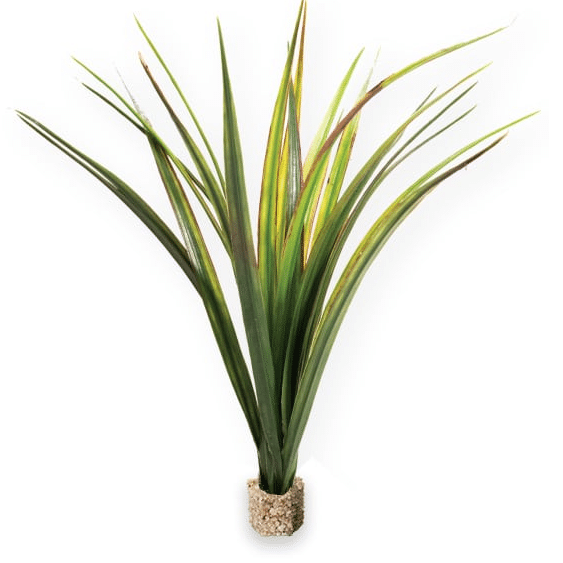
Current USA Fountain Grass
Use Coupon Code ASD15 At Checkout!
Current USA offers budget-conscious, life-like artificial plants that deliver the aquascaper look without the maintenance.
Click For Best Price
Buy On Amazon
Most artificial plants look obviously fake. Current USA solved this problem. Their Fountain Grass line looks like taller background plants such as Vallisneria, without requiring any of the maintenance. No trimming. No fertilizer. No CO2. For hobbyists who want background plant coverage without a planted tank setup, this is the answer.
Affordable, non-toxic, made in the USA. The catch: artificial plants provide cover but don’t compete with algae the way live plants do. If algae control is a priority, live plants or a dedicated algae management approach is still necessary. But for pure visual impact and fish cover at a budget price, these are hard to beat.
Pros and Cons
- Life-like appearance unlike most artificial plants
- Easy to maintain, works in any tank
- Made in the USA
- Won’t compete with algae like live plants
- Can get expensive if you need large quantities
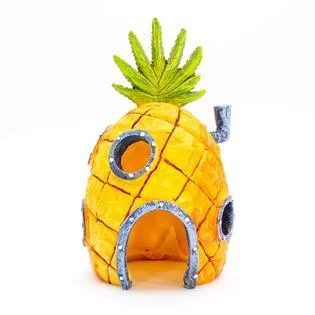
4. Penn-Plax SpongeBob Ornament
SpongeBob Aquarium Ornament
Budget Option
A well-priced, charming, and functional shelter for small fish
This one is for the kids’ tanks and the aquarists who want something fun. It’s officially licensed, made from 100% water-safe resin, and actually functions as a shelter with multiple openings for fish to explore. At 5 inches tall, it fits without overwhelming smaller tanks. The door opening is large enough for most small-to-medium fish.
The word of caution: check the interior edges when it arrives. Some edges can be sharp, and that matters for bettas and fancy goldfish. Run your finger through the opening before it goes in the tank. If you feel roughness, give it a light sanding. Otherwise, this is a solid novelty ornament that also provides actual hiding value for small fish.
Pros and Cons
- Durable, water-safe resin
- Multiple entrances for fish to explore
- Officially licensed, fun aesthetic
- Too small for larger fish
- Some interior edges need checking before use
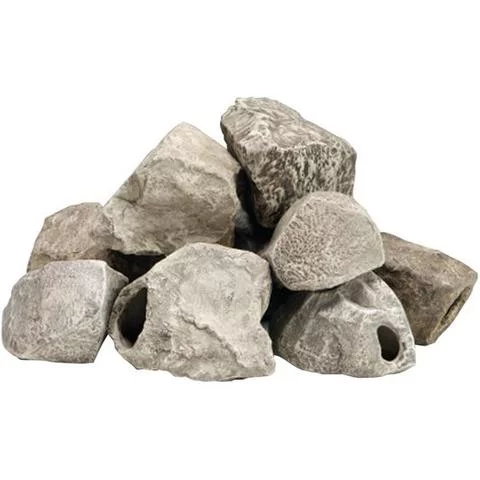
5. Underwater Galleries Cichlid Stones

Underwater Galleries Cichlid Stones
A practical decoration for cichlids and bettas. Provides private territory for aggressive or shy fish.
These are the decoration I recommend for anyone keeping cichlids or bettas who need structured territory. The hollow ceramic chambers give territorial fish a real home to claim and defend. That matters more than most people realize: cichlids without territory escalate aggression toward tankmates. A fish with a cave it has claimed is a calmer fish.
Made from natural treated ceramic with a pre-coated gravel base so they don’t slide around. Lightweight enough that they won’t crack your glass if repositioned. Each set comes with both small and large stones. Not every species will use them immediately, but for the fish that need this kind of structure, they make a visible difference in behavior within days of introduction.
Pros and Cons
- Functional caves that territorial fish actually use
- Lightweight ceramic, won’t scratch glass
- Precoated gravel base prevents sliding
- Not all species will use them
- Color can fade over time
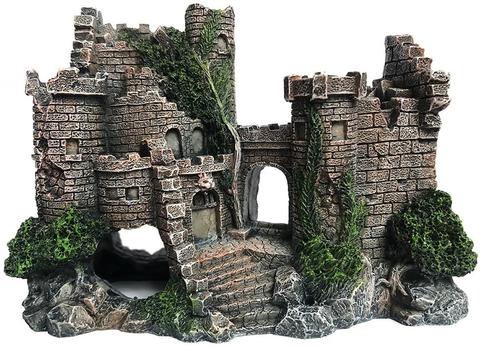
6. SLOCME Resin Castle Decoration

SLOCME Aquarium Ornaments
Made of water-safe resin. Won’t fade over time and provides nooks and crannies for fish to explore.
A classic novelty castle ornament done right. The SLOCME castle is made from 100% water-safe, eco-friendly resin that won’t fade or leach into the water over time. At 8″ x 3″ x 5.8″, it provides multiple openings for fish to explore. The detailing is solid, with precision-etched stonework that looks genuinely decorative rather than cheap.
The bottom edge can have some sharp spots, so check it before installation. It works best in tanks 20 gallons and larger where it won’t dominate the space. For a kids’ tank or a family aquarium where fun aesthetic is the goal alongside fish wellbeing, this gets the job done without compromising safety.
Pros and Cons
- Detailed, sophisticated design
- Sturdy eco-friendly resin
- Multiple openings for fish exploration
- Check bottom edges before use
- Too small for larger fish species
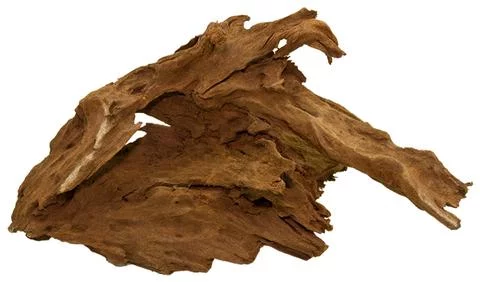
7. Estes Gravel Malaysian Driftwood
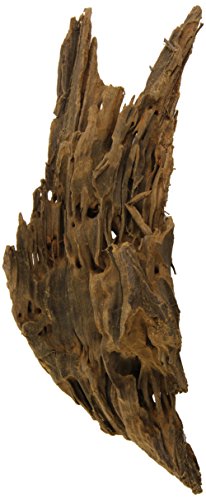
Estes Gravel Malaysian Driftwood
A budget-friendly real driftwood option that comes in multiple size ranges.
Real driftwood is the best structural decoration available for most freshwater tanks, and Malaysian driftwood from Estes is the budget-accessible entry point. The natural brown coloring works in any community or biotope setup, and it comes in small, medium, and large sizes so you can match it to your tank properly.
This wood releases tannins that lower pH and tint the water a natural tea-brown color. For soft-water fish like tetras, discus, and South American dwarf cichlids, that chemistry shift is actually beneficial. For hard-water fish or pristine display tanks where water clarity is a priority, use the artificial options instead.
Soak it thoroughly in warm water before adding to the tank to remove surface dust. Individual pieces vary in shape from product photos, which is the nature of real wood. If you need predictable shapes, use the artificial options. If you want genuine biological and behavioral value for your fish, real driftwood delivers.
Pros and Cons
- Natural wood that fish genuinely interact with
- Tannins benefit soft-water species
- Available in multiple sizes
- Tints water brown (a deal-breaker for some setups)
- Individual pieces differ from product photos
8. Marimo Moss Balls
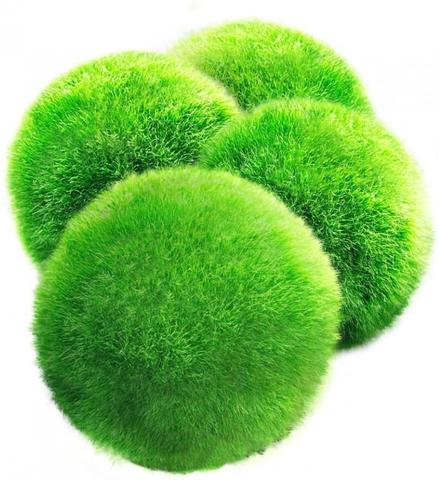
Marimo Moss Balls are one of the most underrated decorations in the hobby. They’re technically live plants (a type of algae), but they require no special Planted Tank Light, no Aquarium Fertilizer, and no CO2 System to thrive. Drop them in any freshwater tank and they work. They absorb nitrogen and phosphates from the water, provide grazing for shrimp and snails, and add a natural, calming visual element that works with almost any aquascape style.
They grow slowly and can live for years. You can roll them around periodically to maintain their round shape. The main issues are quality control from some sellers and the potential for moss fragments to clog filters. Get them from a reputable source and give them a quick rinse before adding to the tank.
Pros and Cons
- No special lighting, fertilizer, or CO2 needed
- Absorbs nitrogen and phosphates from the water
- Food source for shrimp and snails
- Quality varies by seller
- Moss fragments can clog filters
My Recommendation
MARK’S TOP PICK
The Current USA Black Manzanita is my top recommendation for most freshwater setups. I’ve used it in multiple display tanks and it holds up better than real wood in one specific situation: tanks that need higher pH or harder water, like African cichlid setups, where real driftwood would tank your chemistry. It’s also ready to go out of the box with no soaking, no tannin leach, and no floating issues. For the average hobbyist who wants the look of a natural scape without the hassle, this is the one I’d buy first.
WHAT MOST PEOPLE MISS
Most decoration reviews skip the safety check entirely. Before any new decoration goes in your tank, run your finger along the interior edges. If you feel roughness or resistance, so does your fish’s fin tissue. Cheap painted resin is another overlooked hazard: the paint can leach color into the water as it fades under aquarium lighting, especially in tanks with strong UV output. Always verify the product specifically says “aquarium safe resin” or “fish safe.” And watch scale: a decoration that photographs well at 8 inches may overwhelm a 20-gallon or disappear completely in a 75-gallon. Measure before you buy.
Buying Guide
Aquarium decorations come in all shapes, sizes, and materials. When you’re shopping, keep these factors in mind.
Tank Size
Cramming too many decorations into a small tank looks cluttered and robs your fish of swimming space. Fish need room to move. My rule: no more than 40% of tank volume occupied by hardscape and decorations. For a small tank (10-20 gallons), one or two meaningful pieces is enough. Spread decoration evenly rather than clustering everything in one area.
For height balance: aim for a rough 2:3 ratio of tall to mid-height structures. Two tall structures balanced with two or three medium pieces keeps the scape from feeling top-heavy or unnatural.
Natural vs Non-natural
Natural decorations (real driftwood, stones, live plants) serve double duty as fish habitat. They look more credible in a display tank and often benefit water chemistry or fish behavior directly. Non-natural decorations (novelty ornaments, bright plastic plants) are easier to maintain and can be fine in kids’ tanks or setups where function is already covered by other hardscape.
The choice doesn’t have to be either/or. Many great tanks mix natural structure with one novelty piece for personality. What you’re avoiding is a tank built entirely of novelty items with nothing that actually serves the fish.
Plants
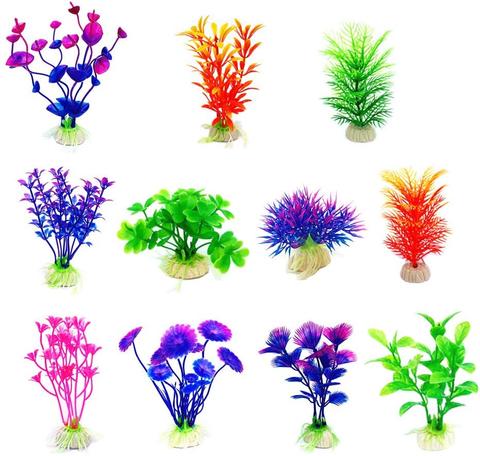
Live plants are the best decoration for most freshwater setups. They oxygenate the water, remove ammonia, compete with algae, and give fish cover that feels natural to them. The tradeoff is maintenance: trimming, fertilizing, light management. Artificial plants skip the maintenance but lose those biological benefits. Silk plants are the best compromise: soft enough to be safe for fin-delicate fish, look better than plastic, and require nothing from you. Avoid stiff plastic plants with hard or pointed leaf edges, especially in betta tanks.
Lighting
Aquarium lighting affects how your decorations look and how your tank functions. Match your light spectrum to your fish and plants. Most freshwater setups do well with a 6,500K “daylight” spectrum. Deeper saltwater setups use higher Kelvin ratings to simulate depth. LED technology has made this easier than ever: most quality aquarium LEDs let you adjust spectrum and intensity. Don’t overpower the tank with light intensity. Too much light drives algae growth and stresses fish that prefer dimmer conditions.
FAQ
Can I use any rock in my tank?
No. The right rock depends on your water chemistry goals. For freshwater, shale, slate, basalt, quartz, and lava rocks are safe choices. Avoid calcium-rich rocks like limestone: they harden the water and raise pH, which is wrong for most soft-water species. For saltwater tanks, reef rock or man-made “Real Reef Rock” is the standard. Whatever you use, wash it thoroughly before adding to the tank.
Is resin safe for fish tanks?
Fully cured aquarium-grade resin is safe. It won’t leach chemicals or toxins into the water. The key word is “aquarium grade” or “fish safe.” Generic or cheaply painted resin products are a different story: if the product listing doesn’t specifically confirm fish-safe materials, skip it. Painted decorations from unknown brands can leach dye as the paint fades under aquarium lighting over months.
Can you put any wood in a fish tank?
No. Untreated wood rots in water, degrades water chemistry, and can harm fish. Only use wood that is prepared specifically for aquarium use. Driftwood is the standard choice. Malaysian driftwood, spiderwood, and mopani are all commonly used and safe. If you collect wood from outside, it needs extensive drying, cleaning, and boiling before it goes anywhere near your tank.
How can I make tank decorations at home?
You can use clay, ceramics, and certain food-safe plastics. Nothing painted, nothing with chemical coatings, nothing that hasn’t been thoroughly cleaned. Terra cotta pots are one of the best DIY options: cheap, widely available, safe, and loved by cave-dwelling fish like cichlids and bettas. Clean everything thoroughly before adding it to the tank.
Can you put regular toys in a fish tank?
Sometimes. Non-toxic, food-safe plastics are generally safe in aquariums. Avoid anything painted, adhesive-covered, or made of degradable materials. Legos are a common example of something that works fine. When in doubt, coat with aquarium-safe silicone before adding to the tank. And run your finger over any toy before adding it: if you feel sharp edges, your fish will too.
How can I make my fish tank look better?
Start with function. A tank that gives your fish proper hiding spots, territory, and cover looks natural because it is natural. The best-looking aquariums I’ve built in 25 years are the most functionally designed ones. Get the structure right first: a piece of driftwood or hardscape, some plant cover, a cave if you have territorial species. The aesthetics follow from the function.
Closing Thoughts
Here’s the truth about aquarium decorations that most reviews skip: function comes before form. Every piece of hardscape, every cave, every plant should earn its place in the tank by doing something for the fish. Hiding spots reduce stress. Territory markers reduce aggression. Open swimming lanes let schooling fish behave naturally. A decoration that doesn’t do at least one of those things is visual noise that’s taking up space your fish need.
That doesn’t mean your tank can’t look great. It absolutely can. The best-looking tanks I’ve built over 25 years are also the most functionally designed ones. Natural hardscape that also functions as territory, cover, and behavioral enrichment. That’s the goal.
A decoration that looks great but stresses your fish isn’t a decoration. It’s a liability.
The Current USA Manzanita and Seiryu Stone line are my go-to picks because they nail both sides of that equation. Beautiful enough for a display tank, functional enough to benefit the fish. Underwater Galleries Cichlid Stones are the best choice for territorial species that need structured hiding spots. And if you’re just starting out, a simple piece of driftwood and a few silk plants will do more for your fish’s wellbeing than a shelf full of novelty ornaments.
When you’re ready to add quality fish to a well-decorated tank, check out Flip Aquatics (flipaquatics.com) and Dan’s Fish (dansfish.com). Two sources I trust for healthy livestock. Start with function. The aesthetics will follow.
🔧 Want to learn more? This article is part of our complete Aquarium Equipment & Gear Guide, your ultimate resource for filters, heaters, lights, pumps, tanks, and more.
- About the Author
- Latest Posts

I’m Mark Valderrama, founder of Aquarium Store Depot and a fishkeeper with over 25 years of hands-on experience. I started in the hobby at age 11, worked at local fish stores, and have kept freshwater tanks, ponds, and reef tanks ever since. I’ve been featured in two best-selling aquarium books on Amazon and built this site to share practical, experience-based fish keeping knowledge.

Leave a Reply to Mark Cancel reply