
Last Updated: June 25, 2026
Thank you for visiting! By the way… any links on this page that lead to products on Amazon and other stores/partners are affiliate links Aquarium Store Depot earns a commission if you make a purchase.
Table of Contents
- Key Takeaways
- Species Overview
- Classification
- Origin & Natural Habitat
- Appearance & Identification
- Average Size & Lifespan
- Care Guide
- Tank Mates
- Food & Diet
- Breeding & Reproduction
- Common Health Issues
- Common Mistakes to Avoid
- What Most Keepers Get Wrong
- The Reality of Keeping Pike Characin
- Should You Get This Fish?
- Species Comparison
- Where to Buy
- Frequently Asked Questions
- Closing Thoughts
- Recommended Video
- References
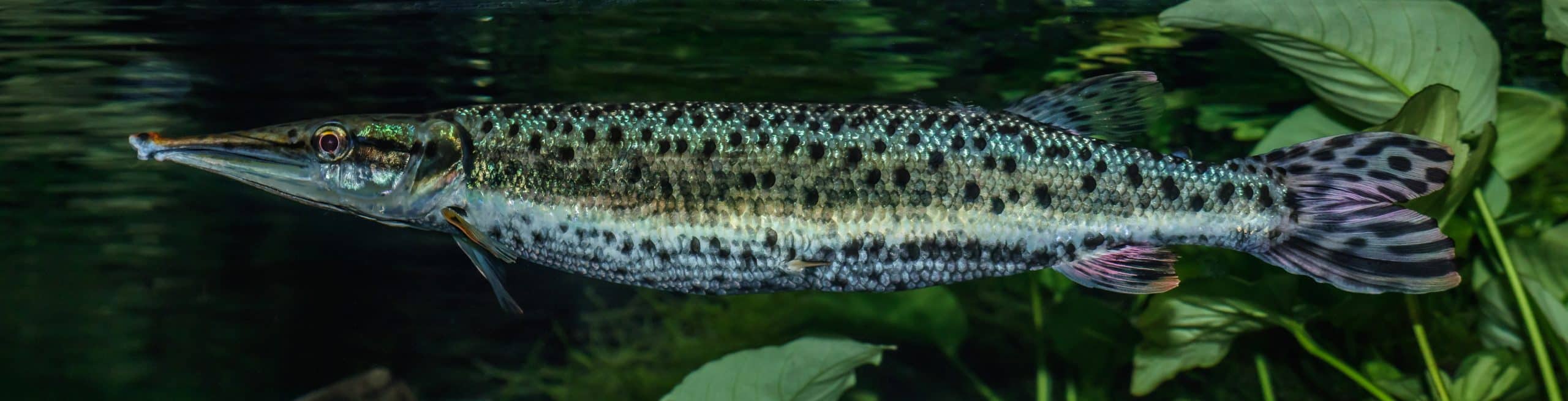
The pike characin is an ambush predator that will eat any fish it can fit in its mouth. This is not a community fish. This is not a fish that “might” eat tank mates. It will eat them. The only question is how fast.
Pike characins eat fish. Not sometimes, not occasionally. Always. Plan your tank with this as a certainty.
But here’s what surprises most people who actually keep one: outside of feeding, the pike characin is one of the calmer large predators you can own. It doesn’t bully tank mates it can’t eat. It doesn’t pace. It hovers, motionless near the surface, waiting. And then, when a feeder swims into range, it’s gone in a fraction of a second. That ambush behavior, in a fish that reaches 14 inches (35 cm), is something you don’t forget the first time you see it.
This guide covers everything you need to know before you buy: tank requirements, feeding, compatible species, and the one safety feature you absolutely cannot skip.
Key Takeaways
- Serious predator, will eat any fish small enough to fit in its mouth, but ignores tank mates it can’t swallow
- 125-gallon minimum, and that’s for a single specimen; a long tank footprint is essential over height
- Tight-fitting lid is non-negotiable, pike characins are notorious jumpers that will exploit any gap
- Surface-oriented ambush hunter, needs dim lighting and minimal disturbance to stay calm
- Groups of 3+ recommended, reduces skittishness and produces more natural behavior than solo keeping
- Live food weaning required, nearly all specimens are wild-caught and arrive eating live fish only
Species Overview
| Field | Details |
|---|---|
| Scientific Name | Boulengerella maculata |
| Common Names | Pike Characin, Spotted Pike Characin |
| Family | Ctenoluciidae |
| Origin | Amazon basin, Brazil, Peru, Colombia, Venezuela, Guyana |
| Care Level | Advanced |
| Temperament | Predatory; peaceful toward fish it cannot eat |
| Diet | Piscivore, live fish required initially, trainable to frozen |
| Tank Level | Top to Mid (surface-oriented) |
| Max Size | 14 inches (35 cm) |
| Min Tank Size | 125 gallons (473 L) |
| Temperature | 73–82°F (23–28°C) |
| pH | 5.5–7.5 |
| Hardness | 2–15 dGH |
| Lifespan | 8–12 years in captivity |
ASD Difficulty Rating: Advanced
The pike characin earns its Advanced rating on three fronts: tank size (125 gallons minimum), live food weaning (takes patience and isn’t always fully successful), and jump prevention (any gap in the lid is a death sentence). This is not a beginner fish under any framing. Experience with large predatory fish is a real prerequisite.
Classification
| Taxonomic Level | Classification |
|---|---|
| Order | Characiformes |
| Family | Ctenoluciidae |
| Subfamily | None (no formal subfamilies recognized) |
| Genus | Boulengerella |
| Species | B. maculata (Valenciennes, 1850) |
The family Ctenoluciidae, commonly called the pike-characins, is a small family containing just two genera: Boulengerella (five species) and Ctenolucius (two species). These fish are not related to true pikes (family Esocidae) but have evolved a nearly identical body plan through convergent evolution. The genus Boulengerella was named in honor of the Belgian-British zoologist George Albert Boulenger.
The species was first formally described by Valenciennes in 1850. Vari’s (1995) comprehensive revision of Ctenoluciidae in the Smithsonian Contributions to Zoology confirmed the family’s placement within Characiformes and established the relationships between genera. A 2024 phylogenomic study by Melo et al. reclassified several characiform families, but Ctenoluciidae was unaffected, it remains a consistently recognized distinct lineage.
Origin & Natural Habitat
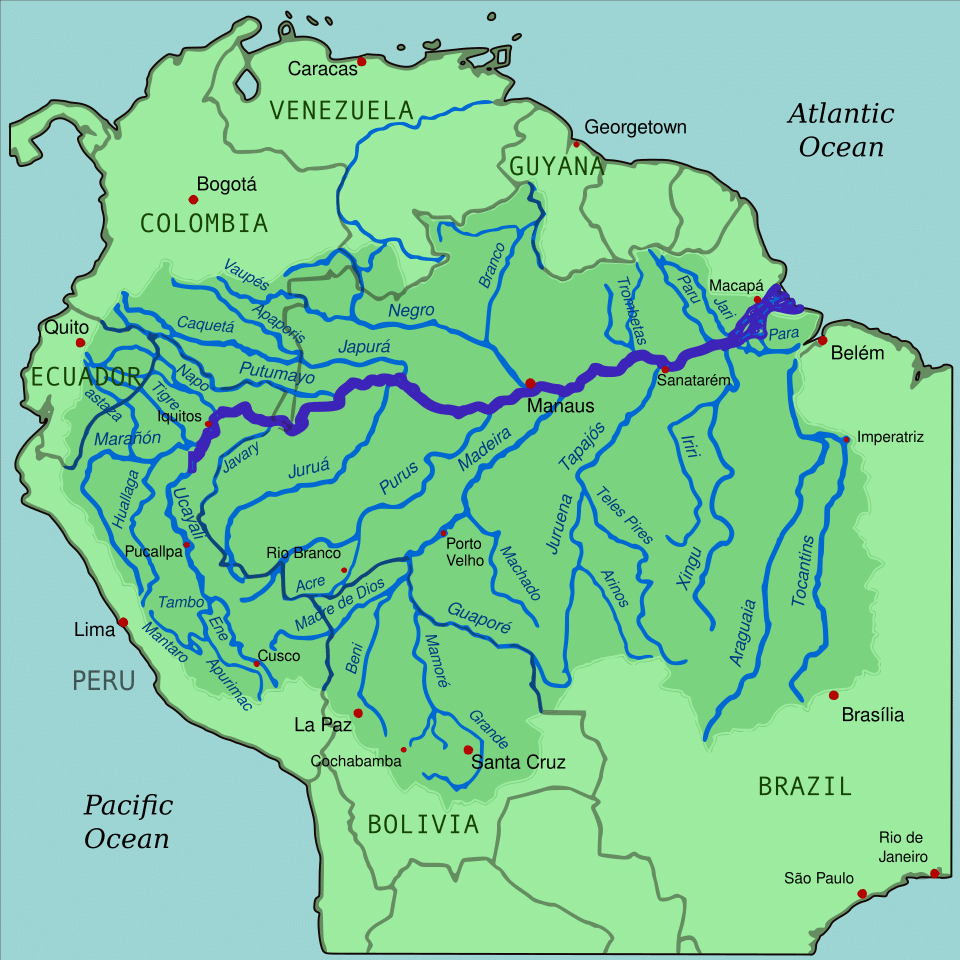
The pike characin has a wide distribution across the Amazon basin, Brazil, Peru, Colombia, Venezuela, and Guyana. That broad range reflects real adaptability in water chemistry, which is good news for keepers. You don’t need perfect Amazonian blackwater to keep these fish.
In the wild, they inhabit slow-moving rivers, tributaries, and flooded forest areas. They’re surface-oriented predators that spend most of their time hovering just below the waterline, often near overhanging vegetation or fallen branches, using these structures as cover while waiting to ambush smaller fish.
The waters they come from are warm, soft, and slightly acidic, many populations are found in blackwater or clearwater habitats where tannins stain the water amber and canopy cover keeps light levels low. That natural dim environment is the single most important habitat detail to replicate in captivity. Bright aquarium lights stress these fish out, and a stressed pike characin bolts into the glass.
Appearance & Identification
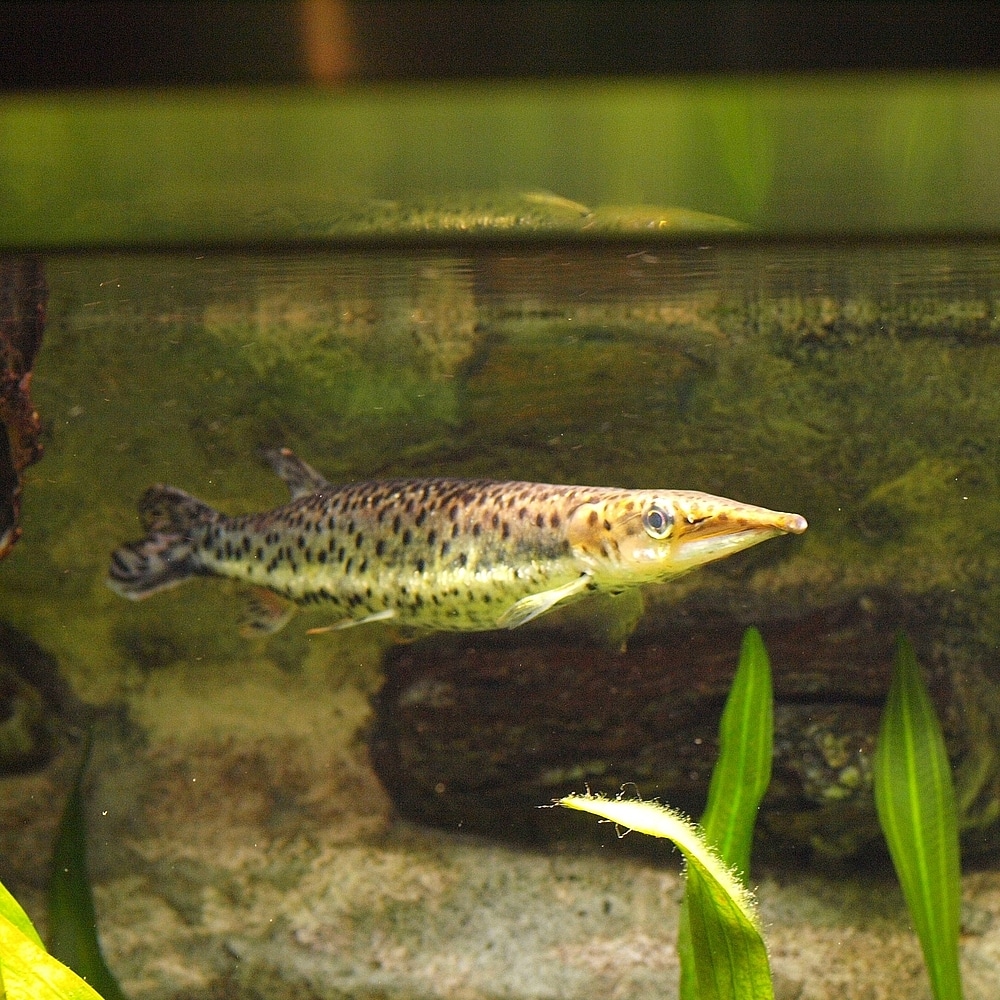
The pike characin is built for one thing: ambush predation. The body is extremely elongated and cylindrical, tapering to a narrow caudal peduncle with a deeply forked tail. The head is long and pointed, with an extended snout and a mouth full of small, sharp teeth designed for grabbing fish. The overall silhouette is strikingly similar to a northern pike, which is exactly how it got its name.
Base coloration runs silvery to olive-brown, covered with a distinctive spotted or mottled pattern along the flanks. These dark blotches give the species its scientific name, maculata means “spotted”, and serve as camouflage in dappled light filtering through overhanging vegetation. The fins are mostly transparent with a slight yellowish or reddish tinge in some individuals. The dorsal fin sits far back on the body, close to the tail, another feature shared with true pikes.
Male vs. Female
Sexual dimorphism in pike characins is minimal and unreliable. Mature females may appear slightly deeper-bodied when gravid, but there are no consistent color or fin differences between the sexes. Unless you’re looking at a group of fully mature adults side by side, telling males from females is nearly impossible.
Average Size & Lifespan
Pike characins reach up to 14 inches (35 cm) in captivity, though most aquarium specimens settle around 10 to 12 inches (25–30 cm). That length, combined with an elongated body, means they need substantial horizontal swimming space, a 125-gallon cube is not the same as a 125-gallon long.
With proper care, expect a lifespan of 8 to 12 years. Reaching the upper end requires excellent water quality, a varied diet, and a low-stress environment. The biggest killer in captivity isn’t disease, it’s physical trauma from jumping or glass-darting when startled. Stress management isn’t a soft concern here; it’s directly tied to longevity.
Care Guide
Tank Size
The minimum tank size for a pike characin is 125 gallons (473 L), and a long tank is strongly preferred over a tall one. These are powerful, fast-moving fish that cruise at the surface and need room to accelerate. A standard 125-gallon (72 inches / 183 cm long) gives a single specimen adequate horizontal space.
If you plan to keep a group of 3 or more, which is recommended, a 180-gallon or larger is the better choice. A 6-foot (183 cm) tank is the starting point. An 8-foot (244 cm) tank is ideal. These fish can hit 14 inches and are built for straight-line speed. A cramped tank leads to nose injuries from hitting the glass, and those injuries open the door to bacterial infection.
Hard Rule: A completely sealed lid with zero gaps, not negotiable, not “mostly covered.” Pike characins are among the most committed jumpers in the hobby. They will find every gap around a filter intake, heater cord, or airline tube. Block every opening with foam or mesh. A fish that costs $40–$80 and lives 12 years deserves better than dying on the floor because of a gap the size of a quarter.
Water Parameters
| Parameter | Ideal Range |
|---|---|
| Temperature | 73–82°F (23–28°C) |
| pH | 5.5–7.5 |
| General Hardness | 2–15 dGH |
| KH | 1–10 dKH |
| Ammonia / Nitrite | 0 ppm |
| Nitrate | Below 20 ppm |
Pike characins prefer soft, slightly acidic water but tolerate a reasonable range. The key is stability. Sudden shifts in pH or temperature stress them, and a stressed pike characin bolts into the glass. Weekly water changes of 25 to 30 percent are essential, these are messy predators on a high-protein diet. Keep nitrates under 20 ppm.
Filtration & Water Flow
Strong, efficient filtration is a must. A canister filter rated for your tank size or slightly above is the standard choice. Position the outlet to create a gentle current across the top of the tank, these fish don’t need torrential flow, but some surface movement mimics their natural river habitat. A sump works even better for the biological filtration capacity, and the extra water volume helps buffer against parameter swings.
Lighting
Pike characins need dim lighting. In the wild they live under forest canopy where light levels are low. Bright aquarium lighting makes them nervous, and a nervous pike characin will dart around the tank and injure itself. Use floating plants, Amazon frogbit, water lettuce, red root floaters, to diffuse light from above. If you’re running LED fixtures, dim them down or run a gradual sunrise/sunset schedule. The calmer the lighting, the more confident and visible your fish will be.
Plants & Decorations
Driftwood branches, large bogwood pieces, and tall plants along the back and sides create the kind of structure pike characins use as ambush cover. They hover near these structures, that’s where you’ll find them. Java fern, Anubias, and Vallisneria are all good choices; the fish won’t damage plants.
Leave the center and top of the tank relatively open for swimming. Avoid anything with sharp edges, when these fish spook, they move fast, and jagged rock or rough resin ornaments become serious injury hazards. Use smooth, rounded driftwood and rounded stones only.
Substrate
Sand is the best substrate choice. It’s natural-looking, easy to clean, and won’t scratch the fish if they dart toward the bottom when startled. Dark-colored sand reduces light reflection from below and contributes to a calmer overall environment, which directly benefits these fish.
Tank Mates
Pike characins are predators, but not mindlessly aggressive ones. They won’t attack a fish that’s too large to swallow. The rule is simple: if it fits in the mouth, it gets eaten. Anything too large to eat is ignored. Tankmate selection is about size, not temperament.
Best Tank Mates
- Other pike characins, keeping a group of 3 or more reduces skittishness and spreads any minor competition between individuals
- Silver dollar fish, excellent dither fish that are too deep-bodied to swallow and help pike characins feel more confident in open water
- Large peaceful cichlids, geophagus, severums, and uaru are good options occupying different tank levels
- Large catfish, plecos, large Synodontis species, and large corydoras work well as bottom-dwelling companions
- Larger characins, headstanders and robust mid-size tetras that are clearly too big to swallow
Tank Mates to Avoid
- Any small fish, neon tetras, rasboras, guppies, anything under about 4 inches (10 cm) is food, not a tank mate
- Slow-moving fish, angelfish, discus, and gouramis move too slowly and are too tempting as targets
- Aggressive cichlids, oscars, jack dempseys, and territorial cichlids will harass pike characins, causing panicking and glass-darting
- Fin nippers, tiger barbs and serpae tetras will stress them, triggering bolt behavior
- Arowana, size and surface territory competition creates an incompatible dynamic
Food & Diet
In the wild, pike characins are strictly piscivorous. They eat fish. That’s essentially their entire diet. They hover motionless near the surface, then strike with explosive speed when smaller fish pass within range.
The biggest challenge in the aquarium is transitioning from live food to prepared foods. Newly imported pike characins will almost always refuse anything that isn’t alive and swimming. The typical weaning progression:
- Step 1, Live fish: Start with appropriately sized feeders. Avoid goldfish, they’re nutritionally poor and carry disease. Guppies, mollies, or small shiners are better options.
- Step 2, Live to dead transition: Offer freshly killed fish using feeding tongs or a turkey baster to create movement. Many pike characins will strike at a dead fish if it’s moving through the water.
- Step 3, Frozen foods: Silversides, smelt, prawns, and lance fish are excellent staples. Thaw them first and use tongs to wiggle them near the surface.
- Step 4, Pellets (optional): Some individuals can eventually be trained to accept high-protein carnivore pellets. This takes patience and is not always achievable.
Feed juveniles daily. Adults do well on every other day or three times per week. Overfeeding creates water quality problems fast on a high-protein diet. Vary the diet as much as possible to prevent nutritional deficiencies.
Expert Take (Mark Valderrama, AquariumStoreDepot) In 25+ years in the hobby and time managing fish stores, I’ve seen the live food weaning process go both ways. Some pike characins transition to frozen silversides within a few weeks. Others resist for months and a few never fully make the switch. When I was buying stock for stores, a pike characin already eating frozen food was worth paying a premium for, it removes the hardest variable in keeping this species successfully. If you’re ordering online, ask specifically whether the fish is eating frozen. That single question tells you a lot.
Breeding & Reproduction
Pike characins have not been successfully bred with regularity in home aquariums. There are scattered reports of spawning events, but documented, repeatable captive breeding is essentially nonexistent for this species. Nearly all specimens in the hobby are wild-caught.
Breeding Difficulty
Very difficult. The combination of large adult size, specialized diet, and apparent need for seasonal environmental triggers makes captive breeding a major challenge. This is not a project for casual hobbyists.
Spawning Tank Setup
Any serious breeding attempt requires an extremely large tank (300+ gallons / 1,136 L), a well-conditioned group of adults, and the ability to simulate seasonal flooding conditions. Soft, acidic water with gradually increasing temperatures is the starting point for triggering spawning behavior.
Water Conditions for Breeding
- Temperature: 78–82°F (26–28°C), with gradual increase to simulate wet season
- pH: 5.5–6.5
- Hardness: Very soft, 1–5 dGH
- Large water changes with slightly cooler, very soft water to mimic seasonal rains
Conditioning & Spawning
Conditioning adults on a varied diet of live and fresh fish for several weeks would be the starting point. In the wild, pike characins likely spawn during the wet season when rivers flood into surrounding forest, creating temporary shallow habitats with abundant food for fry.
Egg & Fry Care
Given the lack of documented captive breeding, specific details about egg development and fry care are largely unknown for Boulengerella maculata. Based on related species, eggs are likely adhesive and deposited among vegetation or submerged roots. Fry would require tiny live foods from the start, and rearing them in the same setup as adult pike characins would be impossible, the adults would eat the fry.
Common Health Issues
Pike characins are reasonably hardy once established, but they’re susceptible to a few specific problems that tend to blindside new keepers.
Physical Injuries
By far the most common health issue. When startled, pike characins bolt at high speed and slam into glass, crash into decorations, and launch themselves out of the water. Nose injuries, split lips, and damaged jaws are all common. Prevention is the only real approach: dim lighting, no sudden movements near the tank, smooth decorations only. Minor injuries usually heal in clean water, but severe damage leads to secondary bacterial infections that are much harder to manage.
Ich (White Spot Disease)
Like most freshwater fish, pike characins can develop ich, particularly after shipping or introduction to a new tank. Gradually raising the temperature to 86°F (30°C) and using a standard ich treatment usually resolves it. Be cautious with medications: pike characins are sensitive to some chemical treatments, especially copper-based ones. Always dose conservatively and monitor closely.
Internal Parasites
Since virtually all pike characins in the hobby are wild-caught, internal parasites are a real concern. Quarantine all new arrivals for at least two to four weeks and consider prophylactic deworming with praziquantel. Watch for weight loss despite eating, white stringy feces, or a sunken belly, all signs of internal parasite load.
Bacterial Infections
These typically occur secondary to physical injuries. A pike characin that’s cracked its snout on the glass is vulnerable to bacterial infection at the wound site. Keep water quality pristine and monitor any injuries closely. If you see redness, swelling, or fuzzy growth around a wound, treat with a broad-spectrum antibacterial medication promptly.
Common Mistakes to Avoid
- No lid or gaps in the lid: This is the number one mistake. Pike characins are notorious jumpers. They will find any gap, no matter how small, and launch themselves through it. Every opening in the top of the tank needs to be sealed. This is not optional.
- Bright lighting: These are fish that live under forest canopy in the wild. Full-intensity LED lighting makes them panicky and leads to glass-darting injuries. Use floating plants and dim the lights.
- Keeping a single specimen: While possible, pike characins do better in groups of 3 or more. A solitary individual is more nervous, spends more time hiding, and is more prone to panicking. A small group produces calmer, more natural behavior.
- Choosing a tall tank over a long one: A 125-gallon cube is not the same as a 125-gallon long. These fish need horizontal swimming space. Always choose the longest tank footprint available.
- Keeping with small fish: Anything that fits in a pike characin’s mouth is food. Neon tetras, rasboras, and small corydoras will disappear. This is not speculation.
- Staying on live feeders indefinitely: Many keepers default to live feeders and never attempt the weaning process. This is nutritionally limited and carries disease risk. Take the time to transition them to frozen silversides. It’s worth the effort.
- Sharp decorations: When a pike characin bolts, it hits things. Jagged rock, rough resin ornaments, and sharp driftwood all become hazards. Use smooth, rounded decor only.
What Most Keepers Get Wrong
“Less aggressive than payara” does not mean community safe. This is the most common misunderstanding. The pike characin is genuinely calmer than a payara toward same-sized tank mates, it doesn’t harass or chase. But every fish that fits in its mouth is food. “Less aggressive” describes its behavior toward large fish it can’t eat. It doesn’t change what happens to anything small.
The 75-gallon rationalization. “I’ll start it in a 75 and upgrade later.” You won’t, or not as soon as you think. By the time you’re ready to upgrade, the fish has glass-darted enough times to damage its snout, and it’s been living in a space that makes it chronically nervous. The 125-gallon minimum is the starting point, not a goal to work toward.
Dismissing the jumping risk as exaggerated. It isn’t. Pike characins jump with purpose and they will find gaps you didn’t know existed. Every experienced keeper of this species has a story about a close call or a fish they lost. A fully enclosed lid isn’t an overreaction, it’s table stakes.
The Reality of Keeping Pike Characin
The sit-and-wait behavior is the actual attraction. Pike characins spend most of their time motionless, hovering in plant cover or near driftwood. They look inert until prey comes within striking range, then they explode forward with remarkable speed. This ambush behavior, in a 12-inch fish in your living room, is genuinely impressive. It’s not a fish that swims laps for you. It’s a fish you watch because it’s doing something real.
Feeding time is the highlight of the week. Whether you’re dropping in live fish or wiggling thawed silversides on tongs, the strike response is instant and forceful. These fish learn your feeding routine quickly and will be waiting at the surface before you open the lid. And trust me, watching a 14-inch ambush predator fire on a silverside is an event, not background noise.
Patience during setup pays off. Pike characins that settle into a well-lit-down, properly decorated tank with a group of companions become noticeably calmer over weeks. Fish that look washed out and panicky in the first month are often confident and displaying full color by month three. The investment in setup quality shows up in the animal’s long-term health and visibility.
They fill the surface level elegantly. Most community fish work at mid-water or the bottom. Pike characins cruise the top with a purposeful stillness that draws the eye. They complement rather than compete with bottom-dwelling catfish or mid-water cichlids. In a large tank with appropriate companions, they create a genuinely complete, layered display.
Should You Get This Fish?
Good Fit If:
- You have a 125-gallon or larger long tank already running and cycled
- You want a surface-level predator with genuine, visible hunting behavior
- You’re experienced with wild-caught fish and understand quarantine protocols
- You’re keeping it with other large fish, silver dollars, large cichlids, big catfish
- You’re comfortable sourcing frozen silversides and other meaty foods long-term
- You can fully seal the lid, every gap, every cord, every intake opening
Avoid If:
- You have a community tank with any fish under 4 to 5 inches (10–13 cm)
- Your largest tank is under 100 gallons, don’t plan around “upgrading later”
- You’re not comfortable with the live food weaning process and want a fish that eats pellets immediately
- Your household has regular activity near the tank, children, pets, or frequent disturbances that will trigger bolting behavior
- You’re looking for a fish that’s busy and active all day, pike characins spend most of their time perfectly still
Species Comparison
If you’re considering a pike characin, you’ve likely also looked at the Payara Vampire Tetra and the Red-Bellied Piranha. Here’s an honest comparison:
Pike Characin vs. Payara Vampire Tetra (Hydrolycus scomberoides): Payara are significantly more aggressive, they will harass tank mates of the same size and are much harder to keep in groups. They also need even larger tanks (180+ gallons / 681 L minimum) and are more difficult to wean off live food. Choose pike characin if you want a surface predator with better tank mate tolerance and a more manageable setup. Choose payara if you want the most dramatic large predatory characin and have the tank and experience to match.
Pike Characin vs. Red-Bellied Piranha (Pygocentrus nattereri): Piranha are group fish that work best in a species-only setup of 4 or more. They’re shorter and deeper-bodied with much more aggressive group feeding behavior. Choose piranha if you want a dedicated species-only display in a large tank that you can fill with fish of the same species. Choose pike characin if you want flexibility to keep compatible large fish alongside your predator.
Pike Characin vs. Wolffish (Hoplias malabaricus): Wolffish are bottom-oriented, more territorial, and more aggressively predatory, they’ll actively pursue and attack fish that aren’t prey. Pike characins are surface-oriented and far less territorial. Choose wolffish if you want a true solo predator that commands its territory. Choose pike characin if you want a calmer predator that coexists with appropriate large companions.
Where to Buy
Pike characins are a specialty fish you won’t find at most chain pet stores. They show up periodically through importers and specialty online retailers. Since they’re wild-caught, availability is seasonal. Try to purchase a group of 3 if possible. If you’re ordering online, ask specifically whether the fish is currently eating frozen food, a specimen that’s been weaned off live fish is worth a premium.
Frequently Asked Questions
Will a pike characin jump out of my tank?
Yes. This is not a theoretical risk. Pike characins jump, and they’ll find every gap around filter intakes, heater cords, and airline tubes. Many experienced keepers have lost pike characins to jumping, often within the first few weeks. A fully enclosed lid with every opening sealed isn’t optional, it’s the difference between keeping the fish and finding it on the floor.
Can I keep a pike characin with smaller fish?
No. A pike characin will eat any fish small enough to fit in its mouth, and that mouth is larger than it looks thanks to the elongated jaw. Neon tetras, guppies, rasboras, and most community fish are all fair game. Stick to tank mates that are at least 4 to 5 inches (10–13 cm) and too deep-bodied to swallow.
How big do pike characins get?
Pike characins (Boulengerella maculata) reach up to 14 inches (35 cm), though most aquarium specimens top out around 10 to 12 inches (25–30 cm). They grow quickly in the first year and slow down after that. Plan your tank size based on the full adult size, not the juvenile you’re bringing home.
Can pike characins eat pellets?
Some can, but it takes time. Most arrive only accepting live fish. The typical progression is live fish → freshly killed fish → frozen silversides → eventually some individuals will accept high-protein carnivore pellets. Not every specimen completes this transition, so plan to maintain a frozen food supply as a long-term staple regardless.
Are pike characins aggressive?
They’re predatory rather than territorial. They don’t chase or harass fish they can’t eat. If a tank mate is too large to swallow, the pike characin will ignore it. They’re actually less aggressive toward similar-sized fish than payara or wolffish. The concern is their predatory instinct toward smaller fish, not territorial aggression toward everything in the tank.
Do pike characins need to be kept in groups?
They don’t strictly require groups, but they do meaningfully better with companions. A group of 3 or more is calmer, less skittish, and more visible in the tank. Solitary individuals often hide constantly and are more prone to panicking when disturbed. If your tank size allows it, keep a small group.
Are pike characins good for beginners?
No. The 125-gallon tank requirement, live food weaning process, jumping risk management, and need for wild-caught quarantine protocols put this species firmly in the intermediate-to-advanced category. It’s a rewarding fish for the right keeper, but the right keeper isn’t keeping their first aquarium.
Closing Thoughts
The pike characin is a fish for aquarists who want something genuinely different. It’s not colorful. It’s not flashy. What it is is real, an elongated predator hovering motionlessly at the surface, then firing at a silverside faster than you can track it. It’s one of those fish that reminds you these animals are wild creatures with actual hunting instincts, not decorations for a glass box.
The keys to success are straightforward: a large long tank, a fully sealed lid (this cannot be overstated), dim lighting, and the patience to wean them off live food. Get those things right, and a pike characin is a rewarding species that lives for a decade or more. Just don’t put anything in the tank you can’t afford to lose.
Recommended Video
Check out our tetra tier list video where Mark ranks the most popular tetras and characins in the hobby:
References
- Froese, R. and D. Pauly, Eds. FishBase. Boulengerella maculata. Accessed 2025.
- SeriouslyFish. Boulengerella maculata species profile. Accessed 2025.
- Vari, R.P. (1995). The Neotropical fish family Ctenoluciidae (Teleostei: Ostariophysi: Characiformes): supra and intrafamilial phylogenetic relationships, with a revisionary study. Smithsonian Contributions to Zoology, 564, 1–97.
- Planquette, P., Keith, P. & Le Bail, P.-Y. (1996). Atlas des poissons d’eau douce de Guyane (tome 1). Collection du Patrimoine Naturel, vol. 22.
The pike characin is one of the large characins we cover in our complete species directory. If you’re exploring other tetras, rasboras, and characins, from peaceful schooling fish to large predatory species, our full guide covers them all. Tetras & Characins: Complete A-Z Species Directory →
- About the Author
- Latest Posts

I’m Mark Valderrama, founder of Aquarium Store Depot and a fishkeeper with over 25 years of hands-on experience. I started in the hobby at age 11, worked at local fish stores, and have kept freshwater tanks, ponds, and reef tanks ever since. I’ve been featured in two best-selling aquarium books on Amazon and built this site to share practical, experience-based fish keeping knowledge.
Leave a Reply