Tag: Freshwater

  • 5 Modern Aquascaping Styles: What They Are and What They Actually Require

    5 Modern Aquascaping Styles: What They Are and What They Actually Require

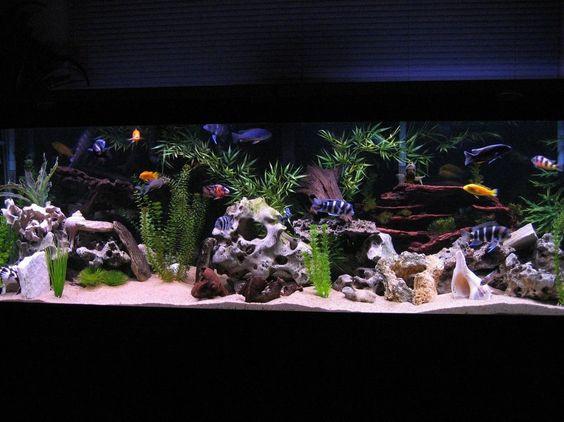
    Aquascaping is one of those areas of the hobby that I find genuinely compelling. it’s where fishkeeping meets landscape art. I’ve built planted tanks using both high-tech approaches (CO2 injection, quality lighting, liquid fertilizers) and the low-tech Walstead/natural planted tank method, and both can produce stunning results when the design fundamentals are right. The style you choose shapes everything: the plants, hardscape, fish selection, even the maintenance schedule. Here’s a breakdown of the five modern aquascaping styles worth knowing, with honest notes on what each one actually demands.

    Top 5 Modern Aquascaping Designs for Your Fish Aquarium

    For many aquarium enthusiasts, it’s as much about creating an amazing underwater landscape as it is about the fish and the art of aquascaping – or creating an underwater garden effectively . is growing in popularity.

    Aquascaping involves arranging aquatic plants, wood, rocks and stones, within the aquarium, to create an underwater garden for the fish to live in. or some people are so focused on the garden side they concentrate solely on aquascaping and don’t have fish.

    It does involve giving consideration to all of the technical aspects of tank maintenance such as lighting, temperature, filtration and cleanliness, to help maintain the garden and keep the plants thriving.

    There are a number of distinct aquascaping design styles which have developed from this craft, which you can try at home for your own fish aquarium, here are the Top Five:

    Dutch Style

    This style of aquascaping stems back to the 1930s and reflects a traditional flower garden by using many different types of plants with varied colours, leaves and textures, planted together at different height levels.

    This garden uses many styles of plants, but does tend to see them planted in groups, often in straight lines, and rarely includes anything else so no rocks or driftwood would be used in this style of aquascaping.

    Traditionally, tall plants would be placed at the back to hide any filtration systems from view, and around 80% of the tank floor would be covered with foliage, so no substrate would be visible in this Dutch style underwater garden.

    When choosing the plants for Dutch Style, you need to pick ones which fit in with the style, particularly for covering the substrate and floor. Some of the best plants to use for this style of aquascaping include: Saurus Cernuus and Lobelia Cardinalis.

    Other plants commonly used for Dutch style aquascaping aquariums are: Hygrofilia Corymbosa, Limnophila Aquatica, Java Moss, Tiger Lotus, Cryptocoryne, Ammania, Alternanthera Reineckii, and Rotala.

    Natural Style

    Natural style is also known as Japanese style and aims to mimic a natural landscape using plants and stones. The aim is to create a miniature underwater garden, using carefully arranged stones, with a clear focal point, and using only a few different species of plants together.

    This style tends to use colourful plants with small leaves and moss, to create a minimalist look, and it doesn’t completely cover the floor of the tank. This is a style of aquascaping which would traditionally include fish in the tank to add to the aesthetic, but with a limited number of different species.

    When choosing plants for natural style, you can look at examples like:   hair grass (Eleocharis parvula), Riccia, Staurogyne repens, Glossostigma elatinoides and Echinodorus tenellus.

    Other species which work well in this style of tank design are the shade loving plants like mosses, and ferns. The Cryotocoryne family of plants is the ones most commonly used to plant in the shade among the rocks and wood.

    Jungle Style

    With this style, the plants are left to grow more naturally and more wild than the first two styles we have looked at, which are more designed. The jungle look generally fills the whole tank, with no space and no stones or rocks.

    To achieve this look, bolder and coarser plants are used with varying leaf shapes, to create a wild appearance. Often tall plants can be used to create a jungle canopy effect on the surface, along with floating plants, which block out the light. There are various plants which can be used to create this more wild landscape.

    For example, you could look at using any number of these plants to create a really effective jungle aquascape: Microsorum pteropus, Aponogeton boevinianus, Bolbitis heudelotii, Crinum calimistratum, Vallasneria americana gingantea, Echinodorus ‘Ozelot’, Echinodorus ‘Rubin’, Crinum natans, Aponogeton crispus ‘Red’, Echinodorus quadricostatus and Sagittaria.

    Biotopes Style

    If you want to recreate an exact aquatic landscape or habitat which appears in nature then you need to go for a biotope style aquascape. These aquariums are not designed to look pretty but to recreate exactly, a particular habitat, which may or may not include plants or fish.

    The aim with this style is to replicate as closely as possible, down to the correct gravel, rocks and water composition, an existing natural habitat. These are often used to help study what would happen in a natural setting but could also create a great talking point in your own home aquarium.

    Paludarium Style

    This final style is the combination of land and water within the same aquarium and can be used to create habitats such as riverbanks, bogs or the beach. The aim is to have part of the aquarium under water, but part above the water by building up the substrate in some areas.

    The tank would only be partly filled, allowing some of the substrate to rise out of the water as a land mass. This then allows for plants who like their roots in the water but tops to be in the air, to become a feature within the aquarium, as well as aquatic plants.

    This type of aquascaping design makes a great tank for keeping amphibians rather than fish, and can be used to display floating plants perfectly.

    Examples of plants which grow really well in a Paludarium include:  Cyperus alternifolius or Spathiphyllum wallisii. Some types of Anubias and Bromeliads also grow well with their roots in the water but their leaves in the air. Plants which float include Eichhornia crassipes, or Pistia stratiotes and these work really well in this type of configuration.

    Which type of fish should I use in Fresh-water Aquariums?

    While your initial focus in creating an aquascape design will be on the plants and the appearance, choosing the right fish to complement your design and thrive in your chosen tank environment is also a key factor.

    Many aquarists struggle with this decision, trying to find the right species to thrive with plants and which should be avoided. In general, smaller fish help to create the illusion of a deeper aquarium. Fish to avoid are larger herbivore fish such as silver sharks and pacu, as well as fish which are very sensitive to pH swings.

    The best small fish which you should choose to go with your aquascape design include: Ember Tetras; Neon Tetras, Harlequin Tetras and Cardinal Tetras. Outside of the Tetra family, you could look at featuring Angel Fish, Rainbows or Guppys. Discus and Dwarf Gourami also thrive well in aquascape environments, as does the Chili or Mosquito Rasbora species.

    Conclusion

    So if you are looking to make your aquarium stand out and you love gardening, then why not combine both hobbies to create an amazing aquascaping design within your fish aquarium. From a stone and rock minimalist look, to a completely wild jungle landscape, the choices and looks you can create are endless.

    Hopefully, these top five design ideas will have fired your imagination to start aquascaping in your own fish aquarium at home. Whether you try natural style or Dutch style, remember, you still need all the technical skills connected to running an aquarium, to make this underwater garden thrive.

  • 10 Exotic Freshwater Fish Worth Keeping (My Honest Picks)

    10 Exotic Freshwater Fish Worth Keeping (My Honest Picks)

    After 25 years in this hobby, I still get excited by freshwater species that most people overlook. The assumption that you need a saltwater tank for exotic fish is flat-out wrong. some of the most unusual, beautiful animals I’ve kept have been freshwater. These are the ten I’d recommend to anyone ready to go beyond the basics.

    Most people assume you need a saltwater tank to keep truly exotic fish. I’d push back on that hard. In 25+ years I’ve come across freshwater species that stop people cold when they see them for the first time. The issue is that many of these fish are genuinely challenging: some are hyper-aggressive, some need massive tanks, and a few are outright scary to feed. That’s part of what makes them interesting. Here are my top 10 picks that I’ve either kept personally or studied closely enough to give you real guidance on.

    10 Most Exotic Freshwater Fish

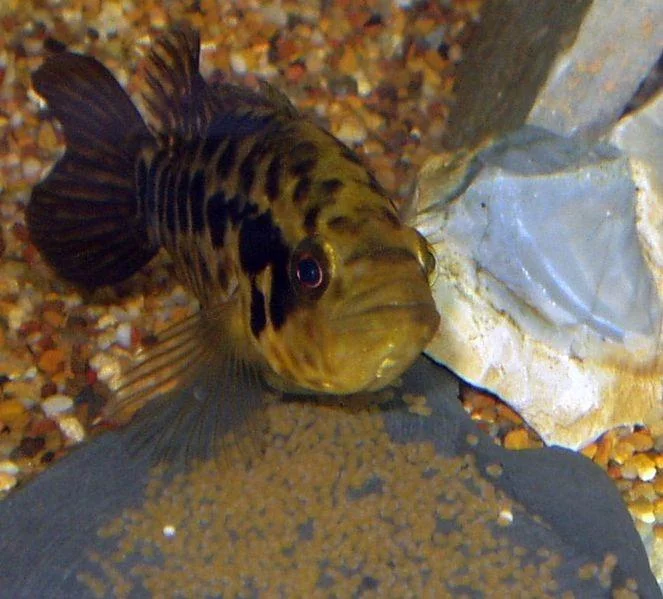
    1. Wolf Cichlid

    Wolf Cichlid

    Stats:

    • Minimum Tank Size – 75 gallons 
    • Max Size – Around 28 inches
    • Temperament – VERY Aggressive
    • Lifespan – 30 years
    • Price – $20

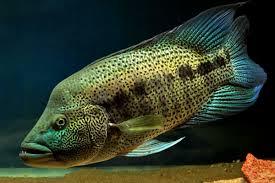
    A relatively plain-looking fish as an adult so you may be wondering why this Cichlid makes our most exotic freshwater fish list. Well, it’s because this fish is hyper-aggressive. It is easily the most aggressive cichlid you can buy and arguably the most aggressive freshwater fish commonly available. 

    They are a total handful, they are usually best kept alone in a tank as they will harass any other fish in the aquarium and they are scary to feed. Just look at this video by Mbuna Marcus of his Wolf Cichlid. Several times in this video his Wolf Cichlid went right for his fingers while eating and splashes water over his floors! These fish do not mess around! 

    9. Vampire Tetra

    Vampire Tetra

    Stats:

    • Minimum Tank Size – 75 gallons 
    • Max Size – Around 12 inches
    • Temperament – Aggressive
    • Lifespan – 2 years in captivity
    • Price – $75+

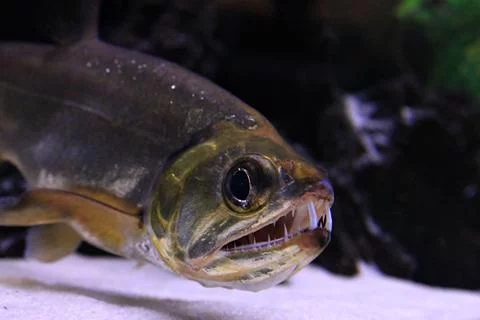
    This is one crazy-looking exotic freshwater fish. They have giant front teeth which are where the name vampire comes from. They are very aggressive fish that require expert-level maintenance. Most of these fish usually will not live very long in captivity, unfortunately. They usually only eat live fish and will rarely accept frozen foods. They are best suited for a species-only aquarium with most aquarists who keep them only having a single fish in the tank.  

    8. Red Texas Cichlid

    Texas Red Cichlid

    Stats:

    • Minimum Tank Size – 75 gallons 
    • Max Size – Around 12 inches
    • Temperament – Aggressive
    • Lifespan – Around 5-10 years
    • Price – Usually around $150-200 at 6 inches

    This hybrid cichlid was created by breeding a Texas Cichlid and a Flowerhorn Cichlid. They are difficult to find and usually available seasonally from breeders. They command a high price tag since they are hard to find. 

    7. African Cichlids

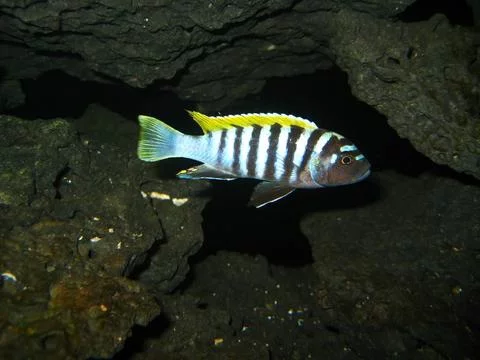
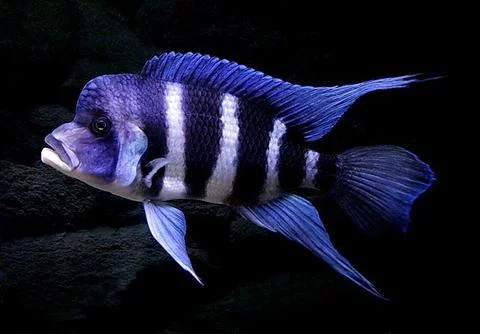
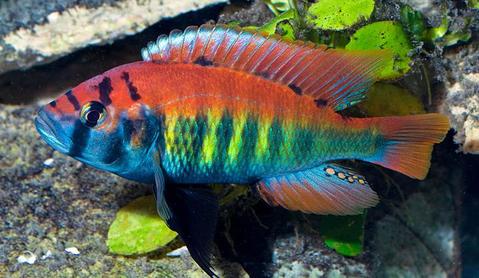
    African Cichlid

    Stats:

    • Minimum Tank Size – 40 gallons 
    • Max Size – Up to 24 inches though usually 6-7 inches
    • Temperament – Semi-Aggressive to Aggressive
    • Lifespan – Around 5-10 years
    • Most Expensive – Showcase African Varieties usually $120+

    There are so many African cichlid types we could list here. Since many of them are often confused as saltwater fish by many people who see them for the first time, I felt that it was best to include most of the African lake cichlids in one group. There are some Africans that you can get for cheap like assorted Mbunas from a local fish store. However, there are specific varieties of Africans that can command prices over $100. If you are interested in learning more about African Cichlid tanks and care, please be sure to check our earlier blog post.  

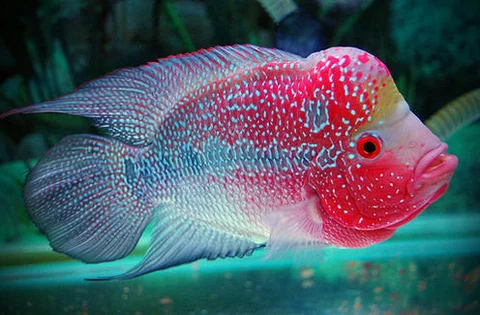
    6. Flowerhorn Cichlid

    Flowerhorn Cichlid

    Stats:

    • Minimum Tank Size – 70 gallons 
    • Max Size – 15 inches
    • Temperament – Aggressive
    • Lifespan – Around 7 years
    • Most Expensive – Breeder Showcase Varieties $500+

    A very beautiful exotic freshwater fish that originates from Malaysia. In Asia, they are considered a bringer of good luck. Flowerhorn Cichlids come in a variety of colors including reds, blues, pinks, yellows, and oranges. They are an aggressive Cichlid species and prefer large tanks all to themselves.  

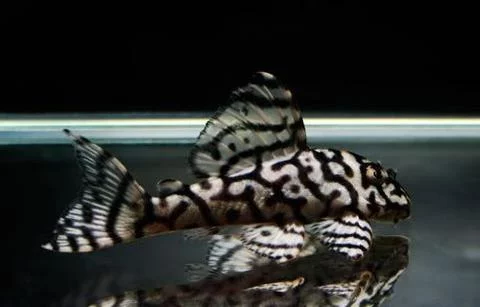
    5. Pleco

    L250 Pleco

    Stats:

    • Minimum Tank Size – 70 gallons 
    • Max Size – 18 inches
    • Temperament – Peaceful
    • Lifespan – Around 20 years
    • Most Expensive – L250 Pleco $10,000+

    While most hobbyists will think a Pleco is a common freshwater fish, they really are a unique exotic freshwater fish. Many varieties like Snowball, Zebra, Golden Nugget and Royal Plecos are examples on how exotic-looking Plecos can be. There are common plecos which can get fairly large typically around 12-18 inches in length and there are smaller varieties like Bristle Nose Plecos which are suitable for smaller aquariums.  

    The most expensive Pleco to date was the L250 Pleco sold back in 2004 for over $10,000 in Japan; however, most Plecos do not sell anywhere near that. There are several types of Plecos that will sell for over $100 though.

    4. Discus

    Discus Fish

    Stats:

    • Minimum Tank Size – 75 gallons 
    • Max Size – 8 – 10 inches
    • Temperament – Peaceful
    • Lifespan – Around 10 years
    • Most Expensive – Mated Pair Discus $1,000+

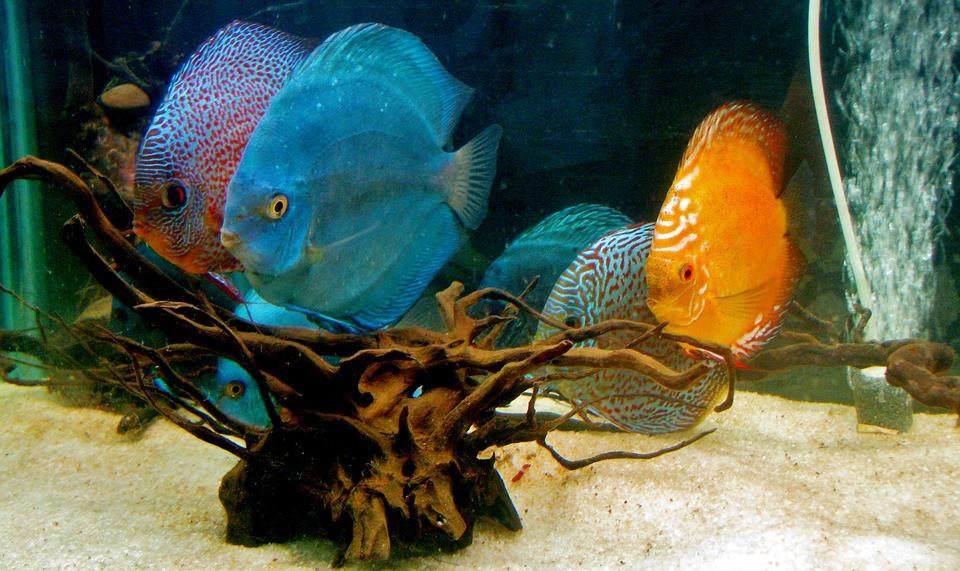
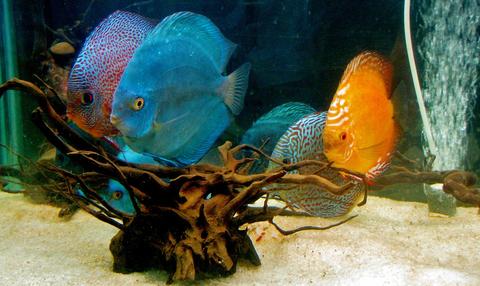
    When one thinks of exotic freshwater fish, this is usually the fish most people think of. They can be expensive, have a variety of colors, are very delicate, and require excellent water parameters. Discus belong to the Cichlid genus and originate from South America. They are very social with members of their own species. They will also breed in the aquarium, which has created an industry of cichlid breeders where some top strains will sell for several hundred to thousands of dollars.

    They are considered very challenging where they even intimate advanced aquarium keepers! If you are considering Discus and are new to keeping them, starting with an easier to keep discus breeder varieties like Stendker Discus or purchasing only domestically breed discuss will increase your chances to succeed.

    3. Freshwater Stingrays

    Freshwater Stingray

    Stats:

    • Minimum Tank Size – 180 gallons 
    • Max Size – Up to 3 feet
    • Temperament – Semi-Aggressive
    • Lifespan – Around 10 years
    • Most Expensive – Polka Dot Stingray $100,000

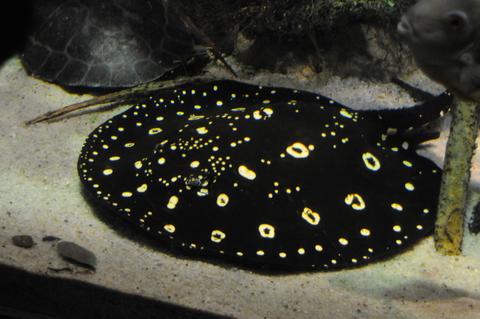
    When most of us think about stingrays, we think about the saltwater variety. There are freshwater varieties that originate from the Amazon. Beautiful, bold, and unique looking they are difficult to resist if you have a big enough aquarium. This exotic fresh fish is also venomous. While there are no known cases of a freshwater stingray causing a human fatality, they have been cases where the sting has caused numbness at the wound site several years later!

    The rarest stingrays also command high price tags. One such stingray at the Taiwan Expo featured a Polka Dot Stingray with an asking price of $100,000!

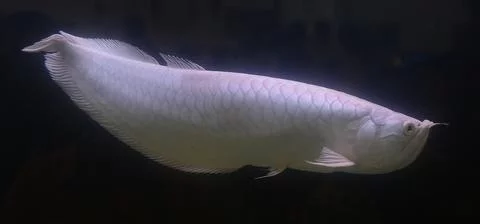
    2. Arowana

    Arowana

    Stats:

    • Minimum Tank Size – 125 gallons
    • Max Size – 3 Feet
    • Temperament – Aggressive
    • Lifespan – Up to 50 years
    • Most Expensive – Platinum Arowana $300,000

    An extremely popular freshwater fish due to its prehistoric cosmetic appearance, the Arowana is well known exotic freshwater fish. They are known for jumping as high as 6 feet in the air for prey in the wild and have been known to jump out of aquariums. They get very large and are usually housed in an aquarium at least 125 gallons or larger. A common Arowana can be purchased for around $50 to a few hundred dollars.

    However, certain Arowanas can fetch extreme price tags. Prized Arowana like the Platinum Arowana can sell for over $300,000!. These Arowanas are considered so valuable that they have microchips implanted into them before they reach sexual maturity to help identify and authenticate it. 

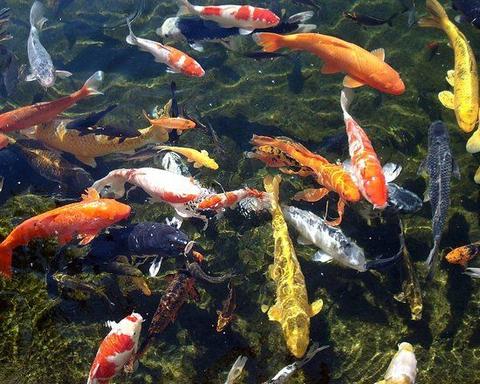
    1. Japanese Koi

    Exotic Freshwater Fish - Japanese Koi

    Stats:

    • Minimum Tank Size – 1000 gallons
    • Max Size – 3 Feet
    • Temperament – Peaceful
    • Lifespan – Around to 30 years
    • Most Expensive – Golden Carp $2,000,000+

    In Japanese culture, the Koi fish is celebrated as a noble creature. It is said that Japanese Koi are able to climb large waterfalls bravely, which symbolizes that incredible achievement is possible with hard work. It is also said in Koi lore that if a Koi fish is caught, it will lie on the cutting board awaiting its death without fear, similar to the Samurai warriors. There are also legends stating that if a Koi climbed the waterfall on the Yellow River, it would be transformed to a Koi Dragon.

    With such great history, lore, long life spans, and respect for these fish, there is no question for this fish to be #1 on our most exotic freshwater fish list. In fact, the most expensive koi on the list demands a staggering price tag of over $2,000,000! You can see the prized fish in the video below: 

    What Has Been Your Experience With These Exotic Freshwater Fish?

    Have you kept any of these fish on this list? If so, share your experiences in the comments below. We would love you hear about your experiences. 

  • 5 Real Benefits of Keeping a Fish Tank at Home (Backed by Science)

    5 Real Benefits of Keeping a Fish Tank at Home (Backed by Science)

    I’ve had aquariums at home my entire adult life. and I genuinely believe keeping fish has made me calmer, more patient, and more observant. That’s not just anecdote. There’s real research backing up what hobbyists have known for decades: there are measurable mental and physical health benefits to keeping a home aquarium. After 25+ years in this hobby, here are the five benefits I’ve seen hold up consistently, both in the science and in my own experience.

    Thinking of keeping a fish tank at home? Not only is a home aquarium enjoyable, entertaining and a good hobby for any family member, it is also a proven benefit to your health. In a time where stress is at an all time high with pandemics, high work stress, and increased anxiety an aquarium can really help alleviate stress.

    And that’s not just me being bias about my 25 years in the hobby. My statements are backed up by various medical studies made over the years. It’s not secret that keeping a pet is great for your health, and aquarium fish are no exception. Let’s good though the various benefits in this post.

    An overview on the hobby

    According to a study made by the 2021 American Pet Products Association (APPA), fish are the third most popular pet behind dogs and cats and ahead from birds

    PetNumber (in Millions)
    Dog69.0
    Cat45.3
    Freshwater Fish11.8
    Bird9.9
    Small Animal6.2
    Reptile5.7
    Horse3.5
    Saltwater Fish2.9
    Source: American Pet Products Association’s 2021-2022 National Pet Owners Survey1

    Freshwater and saltwater fish are separated into two separate categories on this survey. Adding them both up, that is nearly 15 million aquarium owners in the US!

    The Top 5 Health Benefits of Home Aquariums

    1. Reduced levels of stress

    Do you have a stressful life, high blood pressure, insomnia? Studies have shown that aquarium may provide significant health benefits to you. Studies go back as far as the 80’s have shown that gazing at aquarium fish reduces stress and subsequently lowers blood pressure.  It’s no wonder why it is a common site to see aquariums in doctors and dentist lobbies – they have known about the stress reliving benefits for years!

    The recent study by the University of Exeter Medical School showed that exposure to natural environments and highly managed settings can have calming and stress relieving effects.

    Furthermore, the study found that there was an increased stress relieving and calming effect on fish, in particular tropical and marine fish.  There was a strong correlation between more biodiversity (fish and aquatic plants/corals) and reduced levels of stress and blood pressure.

    Reduced stress and blood pressure are great benefits, but it goes much further than that. According to the Women’s Heart Foundation, a number of aliments have been associated with with high stress levels in daily life including heart attacks, sleep disorders, and some ulcers.

    2. Improvements in Sleep Quality

    According to a survey conducted by the American Pet Products Associate, 66 percent of stated that their aquarium help relieve them of stress. Lower blood pressure and lower stress contributes to better sleep. After all, there is a sleep condition linked to high blood pressure and stress called Obstructive Sleep Apnea (OCA).

    We see even greater evidence in the hobby itself. I know of two such examples. The first is Travis from Fish of Hex. He was an ex-vet serving in the US Army who got deployed to Afghanistan from 2007-2008. He was diagnosed with PTSD after returning home and has stated on his about us page that keeping reef tanks has helped him cope ever since. He is so passionate about this, he created a Reef Tank for Veterans program where he builds reef tanks for sufferers of PTSD.

    3. Lowered blood pressure and heart rate

    Research has shown that keeping an aquarium can help lower blood pressure and heart rates. A study found that the presence of an aquarium reduced blood pressure and increased relaxation among patients of specialized dementia units.2

    4. Decreased pain and anxiety

    Ever wonder why so many dental offices have aquariums? It’s because the dentist know there are studies that show that dental patients viewing the aquariums in the waiting room experience less anxiety and need less pain medication3.

    In the linked study, the key factor was the living fish. Something about viewing fish swimming in an aquarium calms are minds down. It’s no wonder we see them everywhere at Dental offices.

    5. Calming effect for children and Alzheimer’s patients

    Another study made by Purdue University found that display tanks of brightly colored fish may curtail disruptive behaviors and improve the eating habits of those with Alzheimer’s disease. The study also revealed that the fish tanks stimulated cognitive thoughts in Alzheimer’s patients.

    Costs Of An Aquarium

    One of the biggest fears for beginners is the cost of keeping an aquarium. This fear comes from advanced hobbyists like reef tank owners or people who have made many mistakes in the past from their fish-keeping journey. Aquariums are not that expensive, especially if you go with a freshwater aquarium.

    Let’s compare the cost of keeping a fish to the two most popular pets in the US – cats and dogs. If we go to the ASPCA website, there is an article about annual costs for dogs and cats. According to their post, the annual cost of a dog is $1,391 while a cat is $1,149. Your initial one-time costs are $1,030 for dogs, and $455 for cats. This is before looking at grooming for a dog and dental for both pets. We total out to over $3,000 for the first year of ownership for a dog. See the summarized table below:

    TypeDogCatFreshwater Fish
    Annual Costs$1,391$1,149$100
    One-Time Cost$1,030$455$250
    Special Costs$800$300$25
    Total$3,221$1,904$375
    Source: ASPCA.org

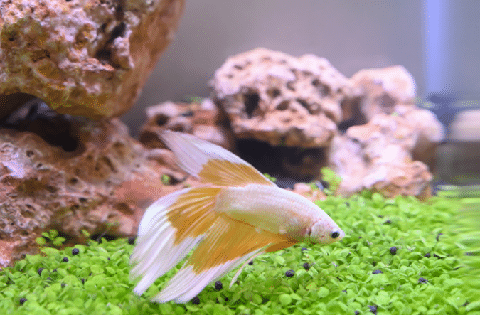
    In the chart above, I’m comparing the cost of keeping a Dog or Cat vs. a 5-gallon freshwater fish tank. Here we can see that keeping a small freshwater fish tank can be nearly 10 times less than the cost of a Dog. Why did I pick a 5-gallon fish tank? Because in the freshwater hobby, the perfect fish for a 5-gallon fish tank is a betta fish. Betta fish are great individual pets, are highly rewarding, and you can bond with them as they are a single fish versus a community of fish.

    This setup listed is on the higher end, using a premium Fluval Spec V and accounting for a quality diet and a fancier Betta Type variety.

    Why Keep An Aquarium At Home?

    Betta in Planted Aquarium

    Now that we know the health benefits and the cost, let’s go into further detail why purchasing a fish tank and keeping is a good idea. Sure the health benefits are great, but what about the other reasons? They are a pet after all that requires responsibility. Let’s see what else they have to offer.

    Peace and Quiet

    One of the biggest downsides to keeping a dog that I have personally experienced is the noise factor. Some dogs can be loud with barking or particularly needy at times. Fish tanks can be noisy as well if you invest in cheap equipment.

    With the moderation of better filtration systems like canister filters, all-in-one fish tanks, and high-quality power filters an aquarium can be virtually silent.

    Education Opportunities for Kids

    it’s quite common in schools to have science projects involving aquatic animals. This is because a child can learn a lot about ecosystems, the nitrogen cycle, and identifying and treating aliments. It also can unfortunately a way to introduce kids to the concept of death.

    Perhaps I’m sounding morbid here, but I did remember the first time my youngest son Rhys had to see a yellow tang I quarantined that ended up passed away due to marine velvet. I did the right thing quarantining the fish since that disease didn’t go into my display tank. Still, I had to explain to my son what death was.

    Fish die in our hobby. Some fish live shorter lives than other pets and they can die for various reasons. The fact that I had to explain this to a pet first instead of a family member I felt was really helping in him understanding how the cycle of life worked.

    Small Footprint

    While it is true that aquariums can get very large and showy from shows like Tanked, we also know that smaller aquariums can fit on a desktop or countertop. With homes getting smaller from increased cost of living, it’s nice to have a pet option that doesn’t require a large backyard, a litter box, or a large bird cage.

    Most aquariums that people purchase in this hobby are going to be 2 feet in length or shorter. It’s when you jump into 3 foot + fish tanks where space can be an issue in the home. Stick to smaller fish tanks and you won’t have a space issue.

    Low Maintenance

    Dogs require a lot of attention. Larger breeds require to be walked several miles a day. Cat need a little box cleaned, which can get unslightly if not regularly kept up.

    I actually see a lot of similarities with cats and fish as both in general will be okay with an autonomous existence. The main difference is fish are in their own little world. They will be happy to see you feed them and are perfectly happy if you leave them alone. Many advanced hobbyist who perform aquascaping look at aquariums like living works of art.

    The maintenance of a simple setup is low with a smaller tank and sticking to freshwater systems. Water changes are fairly painless and cleaning the tank is less work than cleaning a little box.

    The Community

    The aquarium hobby is a huge community. There are regular tradeshows like Aquashella that celebrate the diversity of the hobby and local fish clubs are great for getting mentored and getting pro tips on advanced topics like fish breeding.

    Clubs are a great place to find friends and connect with other aquarium keepers. You can take the hobby further and enter competitions or learn to make money in the hobby by selling plants, baby fish, or even corals. The opportunities are endless in this hobby!

    Aesthetics

    If you are going for a large aquarium or more premium setup, the aesthetics of an aquarium have big benefits in a house. Large well designed home aquarium setups are centerpieces in rooms. Rimless aquariums really show well in homes. They can become a focal point, even a point of envy by some of your quests. Both the outside and inside of the aquarium can be show stoppers. Even the equipment is starting to look fancy!

    I’ve seen happy owners show off their aquariums to guest. They pop up their cabinet and show off their decked out sumps with an IPad display. It’s pretty crazy how some of the tools of our trade resemble tech toys now and as our hobby advances in technology we will see more smart tools being integrated in our aquariums.

    FAQs

    Do fish like being in tanks?

    In general, yes. In the freshwater side of the hobby, fish living in aquariums oftentimes live longer and healthier lives than their wild counterparts. Fish do not have the mental capacity like birds or dogs to like or dislike their situation, however, they will get stressed out of they are uncomfortable. If the fish are kept with a responsible owner, they have the potential to live long and healthy lives!

    Why is it good to have fish as a pet?

    Fish can be great to have as pets. Not only are they long-term cheaper than owning a cat and a dog, but they have also been proven in studies to reduce stress, improve sleep quality, lower blood pressure, reduce anxiety, improve focus, and have a calming effect.

    Is it good to have an aquarium in the house?

    It is a good idea to have an aquarium in the house. Studies from the University of Exeter Medical school showed that there was stress relief and a calming effect with keeping fish.

    Is it okay to have an aquarium in your bedroom?

    Yes, it is okay to have a fish tank in your bedroom. However, there are a few things to note. Having an aquarium will increase the humidity. There is also a noise factor if you have equipment that is loud. For bedroom or study areas, using higher-end equipment like canister filters will keep noise levels down.

    Closing Thoughts

    If you are looking for a stress management activity, you might consider maintaining a home aquarium or an aquarium in your workplace. Many people maintain a home aquarium as a stress management hobby.  Check out our blog about setting up a saltwater tank or check out our store and shop around for aquarium supplies and equipment.