Author: Mark Valderrama

  • Freshwater Fish: The Ultimate Guide to Species, Care & Tank Setup

    Freshwater Fish: The Ultimate Guide to Species, Care & Tank Setup

    Freshwater aquarium fish offer an incredible diversity of colors, shapes, behaviors, and personalities. Whether you’re setting up your very first tank or you’re a seasoned aquarist building a complex community, there’s a freshwater species perfect for you.

    This mega guide is your central hub for everything freshwater fish. We’ve organized our 200+ in-depth articles into species groups so you can quickly find care guides, tank mate recommendations, and expert tips for any freshwater fish. Each section links to our detailed articles where you can dive deeper.

    Table of Contents


    Getting Started with Freshwater Fish

    New to the hobby? Start here. These guides cover the best beginner-friendly species, community tank stocking, and how to choose the right fish for your tank size.

    Best Fish by Tank Size


    Cichlids

    Cichlids are among the most colorful and personality-rich freshwater fish. From the vibrant African cichlids of Lake Malawi to the majestic South American species, this family offers something for every experience level.

    African Cichlids

    South American & Central American Cichlids

    Dwarf Cichlids


    Goldfish

    Goldfish are one of the most iconic and beloved freshwater fish. From fancy varieties to hardy comets, they come in a stunning range of shapes and colors. Proper goldfish care starts with understanding their unique needs.

    Goldfish Varieties


    Tetras

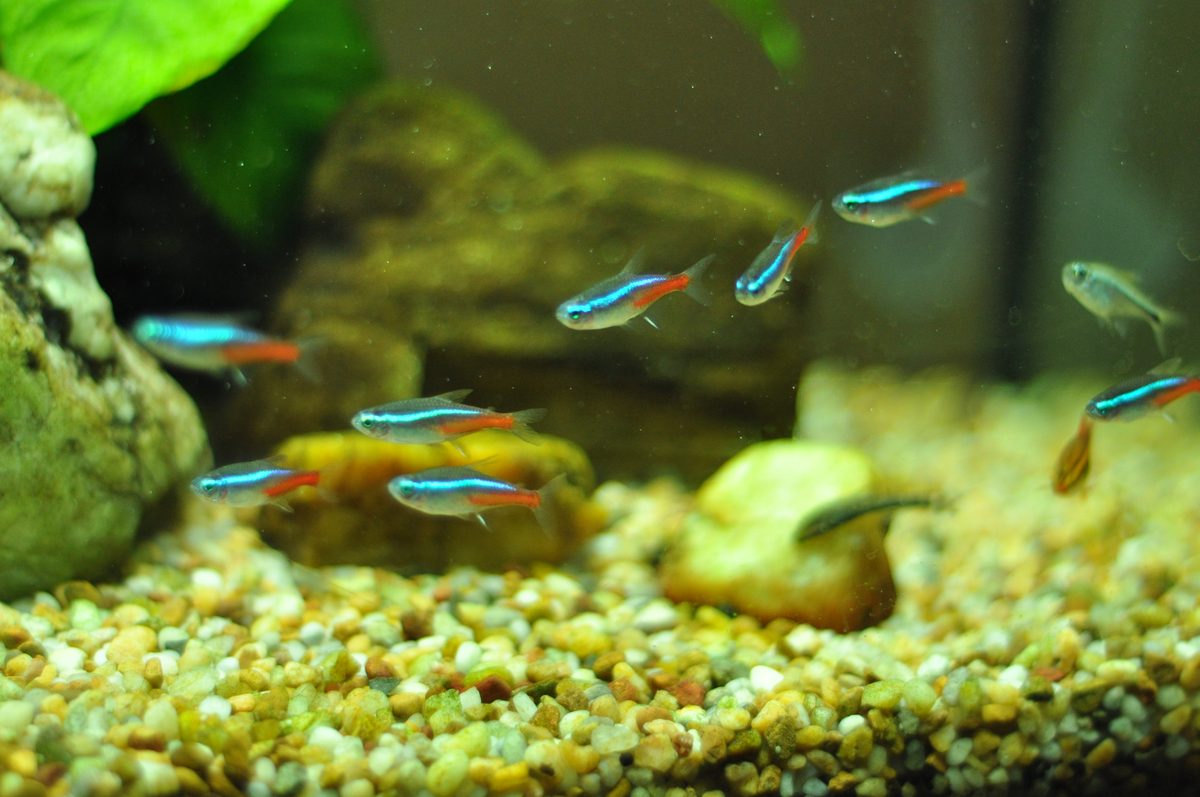
    Tetras are the backbone of countless community tanks. These small, colorful schooling fish are peaceful and look stunning in planted aquariums. Here are our guides to the most popular species.


    Livebearers

    Livebearers are beginner-friendly fish that give birth to free-swimming fry instead of laying eggs. Guppies, mollies, platies, and swordtails are the most popular species in this group.


    Gouramis

    Gouramis are labyrinth fish known for their vibrant colors and unique ability to breathe atmospheric air. They range from peaceful dwarf varieties to more assertive species, making great centerpiece fish.


    Barbs

    Barbs are active, hardy schooling fish that bring energy and movement to any tank. From the popular tiger barb to the peaceful cherry barb, this group includes species for every community setup.


    Catfish & Plecos

    Catfish and plecos are the workhorses of the freshwater tank. Many species help control algae while adding interesting bottom-dwelling behavior. From tiny otos to impressive plecos, there’s a catfish for every setup.


    Loaches

    Loaches are fascinating bottom-dwellers known for their unique behaviors and ability to control pest snails. Many species are social and should be kept in groups.


    Rasboras & Danios

    Rasboras and danios are small, peaceful schooling fish perfect for nano tanks and community setups. Many species display stunning colors and are incredibly hardy.


    Angelfish

    Freshwater angelfish are elegant, graceful fish that serve as stunning centerpieces in medium to large tanks. Their tall body shape and flowing fins make them unmistakable.


    Killifish & Rainbow Fish

    Killifish and rainbow fish are some of the most brilliantly colored freshwater species available. Often overlooked by beginners, these fish reward experienced keepers with dazzling displays.


    Large & Exotic Species

    For aquarists ready for a challenge, these large and exotic freshwater species offer truly unique fishkeeping experiences. Many require spacious tanks and specialized care.

    Sharks & Large Fish

    Oddball & Specialty Fish

    Nano & Micro Specialty Species


    Freshwater Invertebrates

    Freshwater invertebrates add diversity and utility to your tank. Shrimp help with algae control, snails clean up waste, and crabs bring unique personality. Many make excellent additions to community and planted tanks.

    Shrimp

    Snails

    Crabs & Crayfish

    Related Articles

  • Betta Fish: The Complete Guide to Care, Types, Tank Mates & More

    Betta Fish: The Complete Guide to Care, Types, Tank Mates & More

    Bettas are the fish that pull more people into the hobby than almost anything else โ€” and they’re far more complex than their reputation as “beginner bowl fish” suggests. I’ve kept bettas for over 25 years alongside everything from community freshwater setups to a 125-gallon reef, and bettas remain one of my favorite species to recommend because the ceiling on what you can learn from them is surprisingly high. The right setup, the right tank mates, proper nutrition, and understanding their behavior transforms keeping a betta from a novelty into a genuinely rewarding experience. This guide covers everything: care, types, tank mates, common health issues, and the setup mistakes that shorten their lives. Use the sections below to find exactly what you need.

    Video: Betta Fish Care Guide

    Table of Contents


    Getting Started with Betta Fish

    Betta fish (Betta splendens), also known as Siamese Fighting Fish, originate from the rice paddies and shallow waters of Southeast Asia. They are labyrinth fish, meaning they can breathe air from the surface โ€” which is why they can survive in lower-oxygen environments. However, “surviving” and “thriving” are very different things. Proper care is essential for a healthy, vibrant betta.

    A betta’s minimum tank size should be 5 gallons, they require warm water (76-81ยฐF), and they need a gentle filter and regular water changes. With the right setup, bettas can live 3-5 years and will reward you with incredible personality and interaction.

    Dive Deeper:


    Betta Fish Types & Varieties

    One of the most exciting aspects of betta keeping is the incredible diversity of tail types and color patterns available. From the elegant flowing fins of Halfmoon bettas to the spiky crown-like rays of Crowntails, and from solid colors to stunning marble and galaxy patterns โ€” there’s a betta for every taste. Some rare varieties can cost hundreds or even thousands of dollars.

    Understanding the different varieties helps you choose the right betta for your setup and know what to expect in terms of care requirements, as some varieties like Dragon Scale bettas are more prone to certain health issues.

    Dive Deeper:

    • Halfmoon Betta โ€” The stunning 180-degree tail spread that makes this variety a showstopper
    • Crowntail Betta โ€” Recognizable by their spiky, crown-like fin rays
    • Plakat Betta โ€” Short-finned bettas that are closer to wild betta fish
    • Veiltail Betta Fish โ€” The most common and classic betta variety
    • Koi Betta โ€” Stunning marble-patterned bettas that resemble koi fish
    • Dragon Scale Betta โ€” Thick, metallic scales that create an armored appearance
    • Female Betta Fish โ€” Understanding female bettas โ€” appearance, behavior, and care differences
    • Most Expensive Betta Fish โ€” The rarest and most valuable betta varieties in the hobby

    Tank Setup & Equipment

    Setting up a proper betta tank goes beyond just filling a container with water. Bettas are tropical fish that need consistent warm temperatures, clean filtered water, and an enriching environment with plants and hiding spots. The right equipment makes the difference between a betta that merely survives and one that truly thrives with vibrant colors and active behavior.

    Key equipment includes a reliable heater (bettas need 76-81ยฐF), a gentle filter (bettas prefer low flow), appropriate lighting, and live or silk plants. Regular maintenance including water changes and tank cleaning is essential for long-term health.

    Dive Deeper:


    Feeding & Nutrition

    Betta fish are carnivores in the wild, feeding primarily on insects and insect larvae. In captivity, they need a protein-rich diet to maintain their health and color. A quality betta-specific pellet should form the base of their diet, supplemented with frozen or freeze-dried foods like bloodworms, brine shrimp, and daphnia.

    Overfeeding is one of the most common mistakes betta keepers make. A betta’s stomach is roughly the size of its eye, so 2-3 pellets twice daily is typically sufficient. Fasting one day per week can help prevent bloating and digestive issues.

    Dive Deeper:


    Tank Mates & Compatibility

    Contrary to popular belief, betta fish don’t have to live alone. While male bettas are aggressive toward other male bettas (and often toward fish with similar flowing fins), many species can coexist peacefully with bettas in a properly sized community tank. The key is choosing the right tank mates โ€” peaceful, non-nippy species that won’t compete with your betta or trigger aggression.

    Popular compatible tank mates include Corydoras catfish, certain tetras, snails, and shrimp. A minimum 10-gallon tank is recommended for any betta community setup, and always have a backup plan in case your particular betta doesn’t tolerate tank mates.

    Dive Deeper:


    Betta Fish Behavior

    Betta fish are among the most personable freshwater fish you can keep. They recognize their owners, can be trained to do simple tricks, and display a wide range of interesting behaviors. Understanding these behaviors helps you identify when your betta is happy, stressed, or potentially ill.

    Common behaviors include flaring (spreading their gills to appear larger), building bubble nests (a sign of a healthy, content male), glass surfing (which can indicate stress), and resting near the bottom or on leaves. Learning to read your betta’s body language is one of the most rewarding parts of keeping these incredible fish.

    Dive Deeper:


    Health & Disease

    Even with excellent care, betta fish can sometimes fall ill. The most common betta diseases include ich (white spot disease), fin rot, velvet, swim bladder disorder, and dropsy. Early detection is critical โ€” the sooner you notice symptoms and begin treatment, the better your betta’s chances of recovery.

    Prevention is always better than cure. Maintaining clean water with proper parameters, avoiding overfeeding, minimizing stress, and quarantining new tank mates are the best ways to keep your betta healthy. When disease does strike, understanding the specific condition helps you choose the right treatment.

    Dive Deeper:


    Breeding Betta Fish

    Breeding betta fish is a rewarding but challenging endeavor that requires careful planning, dedicated equipment, and patience. The process involves conditioning a pair, introducing them carefully, monitoring the male’s bubble nest building and the spawning embrace, and then raising potentially hundreds of tiny fry.

    You’ll need a separate breeding tank, a conditioning period with high-protein foods, and a plan for raising and rehoming the fry. It’s not a casual undertaking โ€” but for dedicated hobbyists, breeding bettas offers a fascinating window into their natural reproductive behavior.

    Dive Deeper:

    • Breeding Betta Fish โ€” Complete step-by-step breeding guide from conditioning to raising fry

    Your Betta Fish Journey Starts Here

    Whether you’re setting up your first betta tank or looking to level up your betta keeping skills, the resources above will help you provide the best possible care for your fish. Betta fish are incredibly rewarding pets โ€” with the right knowledge and setup, your betta will thrive and bring you joy for years to come.

    Have questions? Drop a comment below and our team will be happy to help. And be sure to check out our YouTube channel for video guides on betta fish care and more.

  • Floating Aquarium Plants: My 16 Picks After 25 Years in the Hobby

    Floating Aquarium Plants: My 16 Picks After 25 Years in the Hobby

    I’ve been keeping aquariums for over 25 years, and floating plants are still one of my favorite things to add to any freshwater setup. I started working at local fish stores early in my hobby journey, and it was there that I really fell in love with what a good canopy of floating plants can do for a tank โ€” they make everything look more natural, more alive, and honestly more like a slice of a real river or jungle stream.

    In this guide, I’ll walk you through the 16 best floating aquarium plants based on my hands-on experience โ€” including my personal top picks, the ones I use in my own setups, and a few honest warnings about the plants that can turn into a real nightmare if you’re not careful. Let’s get into it.

    What Are Floating Aquarium Plants?

    Floating aquarium plants come in many different shapes and sizes. When we talk about floating plants in the aquarium hobby, we don’t only mean aquatic plants that literally float on the water surface, with parts of the plant sticking out of the top of the water.

    In addition, aquatic plants that are not rooted to the substrate, but drift freely in the water column are also included in this category. Most species are green overall, but some like the Red Root Floater have a bit more color.

    The Benefits Of Floating Plants For Your Tank

    Let’s face it, a lidless set up with floating aquarium plants looks amazing. This kind of setup creates such a fascinating and natural appeal that it’s almost impossible to walk past without staring.

    Unfortunately in most tanks, the surface is covered by a hood, but of course, there are often practical reasons for having a lid! Many freshwater aquarium fish are strong jumpers and will end up on the floor if they are kept in a topless aquarium, so you need to think carefully for the safety of your livestock.

    Floating plants look great from whichever side you’re looking at them, and those types that grow on the surface of the water usually have great root systems that hang down into the water, which looks really cool.

    Oxygen & Food

    Floating plants are very popular in smaller aquariums like betta fish tanks, shrimp tanks, and other nano setups. This is because they’re really helpful in keeping conditions stable and safe in the freshwater aquarium.

    One of the benefits these aquatic plants provide is oxygen! Plants use carbon dioxide and give off oxygen, which is what your fish need to breathe. Since most floating plants are fast-growing, they are able to produce plenty of oxygen.

    In addition, micro-organisms and other life forms grow on the roots and other plant surfaces. These provide a great food source, particularly for shrimp and fry.

    Cover For Your Fish

    Apart from good looks, floating plants have loads of benefits for your fish and inverts. Floating plants that create a lot of structure in the water column make great places for fish to lay their eggs, and for fish fry and baby shrimps to hide in, safely away from hungry mouths.

    Species that have leaves that cover the water surface really help to bring out the best in many fish species. Fish feel safer and have lower stress levels under aquatic plant cover. This is because small fish have many predators that hunt them from above out in nature.

    Nutrient And Algae Control

    Most floating aquarium plants grow without rooting themselves in the substrate. This means they are very good at getting all the nutrients they need from the water column. This is good news because high nutrient levels in the water can be very harmful to your livestock, and also tends to result in loads of algae!

    Beneficial bacteria are able to colonize the surfaces of the plant and this really helps with the aquarium cycling process. These bacteria convert harmful toxins in fish waste into nitrates that the plants use as food. In fact, when plants are soaking up the nitrates, the need for water changes is reduced a whole lot! That doesn’t mean you don’t need good aquarium filtration of course.

    Removing nitrates from the water isn’t the only way that floating plants help to control algae. Floating plants that cover the water’s surface also block out light from above, and without light and nutrients, algae won’t grow.

    Other freshwater aquarium plants that grow below your floating plants also need nutrients and light of course. This competition can be a big problem if you add floating plants after planting other plants in the tank, especially types that need a lot of light.

    Now that you know more about the pros and cons of floating aquarium plants, it’s time for me to introduce you to the list of amazing species for your home aquarium!

    The 16 Best For Freshwater Tanks

    I’ve put together this amazing list of the most popular and effective floating plants that you can grow in your aquarium to make your choice a lot easier. I’ve included surface floaters like Amazon Frogbit that can cover the surface of your aquarium, as well as submerged plants like Water Sprite, that grow in the water column.

    So let’s get started with our list and get to know the top 16! Check out our YouTube video from our channel above. We got you covered in more detail from our blog below!

    In A Hurry? Check All The Best Floating Plants at BucePlant!

    1. Red Root Floater

    • Scientific Name: Phyllanthus fluitans
    • Skill Level: Easy
    • Lighting: Low-High
    • Tank Placement: Surface
    • Growth Rate: Fast
    • CO2 Requirement: No

    Red Root Floater is an amazing floating plant from South America that does well in just about any freshwater aquarium. The leaves of this plant are green if grown under low light, but turn a deep red with high lighting. These floating plants have awesome red roots, no matter what sort of lighting you use.

    Red Root Floaters grow fast and will quickly cover the water surface of your fish tank. Controlling its growth is easy โ€” just pull out a handful every week or so. This is my personal #1 recommendation for most aquariums. I’ve grown Red Root Floaters in multiple setups over the years, and the color transformation under high light is genuinely stunning. You go from green to deep crimson in just a few weeks. If you want one plant that immediately makes your aquarium look like something from a nature documentary, this is it.

    2. Fern

    Salvinia Natans (Floating Fern)

    A floating plant that tolerates cold water. Does best in low flow tanks

    Click For Best Price Buy From Glass Aqua
    • Scientific Name: Salvinia natans
    • Skill Level: Easy
    • Lighting: Low-High
    • Tank Placement: Surface
    • Growth Rate: Fast
    • CO2 Requirement: No

    Salvinia natans is a really cool floating freshwater plant option for aquariums with lower water temperatures. This low-maintenance plant species has green, air-filled leaves with interesting, hair-like structures on their top surface.

    The leaves of this plant can measure a little over an inch in size but are usually smaller in the home aquarium. These aquatic plants don’t have a very large root system and will grow best in low-flow tanks.

    3. Dwarf Water Lettuce

    Water Lettuce

    A popular floating plant that is used in ponds and aquariums!

    Click For Best Price Buy On Glass Aqua
    • Scientific Name: Pistia stratiotes
    • Skill Level: Easy
    • Lighting: Low-High
    • Tank Placement: Surface
    • Growth Rate: Fast
    • CO2 Requirement: No

    Dwarf Water Lettuce is a green floating plant that is native to Lake Victoria in East Africa. The leaves of the Dwarf Water Lettuce plant grow about 1.5 inches long and are soft and velvety in texture.

    Dwarf Water lettuce plants grow dense roots that trail down into the fish tank, providing great places for shrimp and small fish to hide. Its well-developed roots also make Dwarf Water Lettuce a great aquatic plant for reducing nitrate levels in fish tanks.

    One thing worth noting that often gets overlooked: Dwarf Water Lettuce works just as well in outdoor pond setups as it does in aquariums, making it one of the more versatile plants on this list. It’s also worth comparing directly to Amazon Frogbit โ€” Water Lettuce has noticeably bigger leaves, meaning more surface coverage per plant and a bolder visual impact. For nutrient control in a larger or outdoor setup, it’s one of my top recommendations.

    4. Salvinia cucullata

    Salvinia Cucullata

    A unique and unknown floating plant in the aquarium hobby. Well worth looking into!

    Click For Best Price Click For Best Price
    • Scientific Name: Salvinia cucullata
    • Skill Level: Easy
    • Lighting: Low-High
    • Tank Placement: Surface
    • Growth Rate: Fast
    • CO2 Requirement: No

    This interesting floating plant is native to the tropical regions of Asia. It is a floating fern that is not very well known in the hobby but makes an excellent addition to the planted fish tank.

    The leaves of this aquarium plant are less than half an inch in size and, under ideal conditions, curl upwards to form an interesting bag shape. Achieving this form in the planted aquarium, however, requires good light, plenty of nutrients, and still water conditions.

    5. Subwassertang

    • Scientific Name: Lomariopsis lineata
    • Skill Level: Moderate
    • Lighting: Low-Medium
    • Tank Placement: Submerged Floating
    • Growth Rate: Low-Moderate
    • CO2 Requirement: Recommended

    Subwassertang (or Susswassertang) is a German name that translates to English as ‘freshwater seaweed’. This is a really interesting species of plant that not that much is known about. In fact, the leaves of this floating plant are just one cell thick!

    Subwassertang floats freely in the aquarium and does not produce roots or need any substrate to grow. This is a plant that is very popular with shrimp keepers.

    6. Crystalwort Riccia

    • Scientific Name: Riccia fluitans
    • Skill Level: Easy
    • Lighting: Low-Moderate
    • Tank Placement: Submerged Floating, Attached To Hardscape
    • Growth Rate: Moderate
    • CO2 Requirement: Recommended

    If left to grow naturally, Riccia fluitans will form a mat at the surface of the aquarium. It is a versatile floating plant that can also be grown attached to hardscape features or attached to mesh though.

    This beautiful species of plant can be found growing all over the world. It provides great habitat for small fry and shrimps in your aquarium.

    7. Banana Plant

    Banana Plant

    A unique looking plant that can be used floating or attached to hardscape.

    Click For Best Price Buy On Glass Aqua
    • Scientific Name: Nymphoides aquatica
    • Skill Level: Easy
    • Lighting: Moderate-High
    • Tank Placement: Midground or Foreground
    • Growth Rate: Moderate
    • CO2 Requirement: No

    The Banana Plant is native to the Southeastern United States. This low maintenance aquatic plant does send roots into the substrate, and can be rooted and allowed to grow to the surface, or left to float and send roots down. These are beautiful and interesting water lily-type plants that can flower if given good light and left to grow mature.

    8. Mosaic Plant

    • Scientific Name: Ludwigia sedioides
    • Skill Level: Advanced
    • Lighting: High
    • Tank Placement: Midground
    • Growth Rate: Slow-Moderate
    • CO2 Requirement: No

    The Mosaic plant is a truly spectacular floating plant. The leaves of this plant are dark green with red edges and close up each night before reopening when the sun rises.

    Unfortunately, this plant requires some space and needs to be planted in ponds or larger freshwater aquariums to grow to its full size and glory. This plant produces plenty of beautiful yellow flowers when it is growing well.

    9. Duckweed

    Goldfish Love It!
    Duckweed

    An easy to care for plant that Goldfish love to eat!

    Buy On Amazon
    • Scientific Name: Lemna minor
    • Skill Level: Easy
    • Lighting: Moderate-High
    • Tank Placement: Surface
    • Growth Rate: Fast
    • CO2 Requirement: No

    Duckweed is a very small floating plant that reproduces quickly in the aquarium. This tough floating plant is very efficient for removing nitrates from the water.

    Each plant is bright green and floats above the water surface with small hanging roots. I’ll be straight with you from my years working in fish stores: Duckweed is a nightmare once it gets established. Every microscopic piece left behind becomes a new colony. I’ve seen tanks take months to clear after a Duckweed infestation. If you want nutrient control and surface cover, you’re almost always better off with Amazon Frogbit or Red Root Floaters โ€” plants you can actually manage. If you still want Duckweed, just know exactly what you’re signing up for.

    10. Amazon Frogbit

    Amazon Frogbit

    A fast growing floating plant. Known to be invasive in North America. Handle with care!

    Buy On Amazon
    • Scientific Name: Limnobium Laeviatum
    • Skill Level: Easy
    • Lighting: Moderate
    • Tank Placement: Surface
    • Growth Rate: Fast
    • CO2 Requirement: No

    Amazon Frogbit is a very popular South and Central American floating plant option that can be grown on the water surface of the planted aquarium. The spongy leaves of this plant can be left to cover the surface of your aquarium and the hanging roots provide great habitat for your fish and livestock.

    Fortunately, Amazon Frogbit is low maintenance and pretty easy to control because the plants are not super small. This plant has become an invasive weed in parts of North America, so be careful about disposing of it outdoors. Amazon Frogbit is my other go-to recommendation, especially for beginners. In my experience, fish absolutely love hovering under a Frogbit canopy โ€” I’ve watched bettas build bubble nests right underneath it. It’s fast-growing, easy to scoop out, and the hanging roots create a habitat that fish genuinely thrive in.

    11. Hornwort

    Hornwort

    Easy to maintain and grows large. Invasive in North America.

    Buy On Amazon Click For Best Price
    • Scientific Name: Ceratophyllum demersum
    • Skill Level: Easy
    • Lighting: Moderate-High
    • Tank Placement: Submerged Floating
    • Growth Rate: Moderate-Fast
    • CO2 Requirement: No

    Hornwort is a very popular and very easy-to-grow aquarium plant. This stem plant lacks true roots and is not rooted in the substrate.

    It will float in the aquarium, providing great cover for small fish and shrimps. This makes the Hornwort plant a popular choice for breeders who keep grow-out tanks without substrate.

    My honest caveat with Hornwort: it sheds. A lot. If you’re the type of aquarist who likes a pristine-looking tank, be aware that Hornwort constantly drops needles as it grows, and those needles get everywhere โ€” into your filter, across your substrate, floating around the tank. It’s not a dealbreaker, but it’s the one thing I always warned customers about before they added it to a display tank they cared about.

    12. Java Moss

    • Scientific Name: Vesicularia dubyana
    • Skill Level: Easy
    • Lighting: Low-Moderate
    • Tank Placement: Submerged Floating, Attached, Carpet, Walls
    • Growth Rate: Moderate
    • CO2 Requirement: Recommended

    Java Moss is one of the most versatile, and popular aquatic plants in the hobby. These low-maintenance plants do not require any special lighting or equipment and can be used in all sorts of different ways.

    Like most floating plants, Java Moss is really useful for protecting eggs and creating a hiding place for small fry, and shrimps from hungry bigger fish.

    In my experience, Java Moss is about as bulletproof as freshwater plants get โ€” I’d recommend it to any beginner without hesitation. My personal preference leans toward plants with a more dramatic look, but Java Moss has a practical advantage that’s hard to overlook: fish notorious for picking apart plants will usually leave it completely alone. It’s also a column feeder, meaning you can attach it to rocks and driftwood and it’ll grab on and grow in place beautifully.

    13. Water Wisteria

    Water Wisteria

    An easy to grow and great beginner floating plant to try!

    Click For Best Price Buy Tissue Culture
    • Scientific Name: Hygrophila difformis
    • Skill Level: Easy
    • Lighting: Low-Moderate
    • Tank Placement: Submerged Floating, Rooted In Midground/Background
    • Growth Rate: Fast
    • CO2 Requirement: No

    Water Wisteria is a very easy and fast-growing plant that is a great choice for beginners because it does not need CO2 or strong light. It is quite similar to the Water Sprite and the two plants are sometimes confused.

    The leaves of this plant look quite different in their emersed form and really change shape when grown underwater. The Water Wisteria plant can be rooted in the substrate, or simply floated in the aquarium.

    14. Anacharis

    • Scientific Name: Egeria densa
    • Skill Level: Easy
    • Lighting: Low-Moderate
    • Tank Placement: Submerged Floating, Rooted In Midground/Background
    • Growth Rate: Moderate-Fast
    • CO2 Requirement: No

    Anacharis is another easy stem plant for beginners that can be grown floating in the aquarium, or rooted in the substrate. The Anacharis plant grows very well in cool water and cooler tropical aquariums.

    Anacharis is a fairly fast-growing and hardy plant, that can grow to a large size. It is best to grow this plant in medium to large aquariums so that it doesn’t take over a nano aquarium. It is one of the best floating aquarium plants for beginners.

    15. Water Sprite

    Water Sprite

    Readily available and easy to grow. This fast growing plant will soak up nutrients and thrive in low light

    Click For Best Price Buy On Amazon
    • Scientific Name: Ceratopteris thalictroides
    • Skill Level: Easy
    • Lighting: Moderate
    • Tank Placement: Submerged Floating, Rooted In Midground/Background
    • Growth Rate: Fast
    • CO2 Requirement: No

    Water Sprite is a great floating stem plant that grows wild in tropical areas all around the world. It is suitable for beginners and is easy to grow, providing many great benefits in the home aquarium. This aquarium plant can be left to float in the water or grow rooted in the substrate.

    Honestly, Water Sprite is one of the most underrated plants in the hobby. It gets a bad reputation as an aggressive grower, but that fast growth rate is actually one of its biggest advantages โ€” it’s a godsend for nutrient control. I’ve used it in setups where I needed to rapidly bring nitrates under control, and it delivers every time. If you’re a beginner who wants a floating plant that genuinely works hard for your tank, Water Sprite belongs on your shortlist.

    16. Brazilian Pennywort

    Brazilian Pennywort

    A floating plant that can also grow rooted. Easy to grow and maintain

    Click For Best Price Buy On Glass Aqua
    • Scientific Name: Hydrocotyle leucocephala
    • Skill Level: Moderate
    • Lighting: Medium
    • Tank Placement: Foreground, Midground, Background, Submerged Floating
    • Growth Rate: Moderate-fast
    • CO2 Requirement: Yes

    Brazilian Pennywort is a great South and Central American plant that is easy to grow and doesn’t need much maintenance. Although this plant will grow best under moderate lighting, it can adapt to low light conditions and a wide range of temperatures. This floating stem plant can be grown rooted or allowed to float freely in the fish tank.

    The Biggest Mistake I See With Floating Plants

    After 25 years in this hobby and time spent at multiple fish stores, the number one issue I see beginners run into with floating plants is lighting โ€” specifically, floating plants shading out everything below them.

    We’d regularly have customers come in frustrated that their stem plants or carpeting plants had melted or stopped growing. Nine times out of ten, they had a surface covered in Frogbit or Duckweed blocking nearly all the light from reaching lower plants. The fix is simple: use floating rings to section off part of the surface, or be selective about how much coverage you allow based on what else you’re growing. If you’re running high-light carpeting plants, be very conservative with your floating plant coverage.

    Tank Setup

    Floating plants are easy to grow, but do have a few special needs. For most of the species in this list, a substrate is not necessary, and that means these plants are ideal for aquarists who want the benefits of a planted fish tank, without substrate and hardscape.

    Let’s take a closer look at how to set up your aquarium for these awesome aquatic plants.

    Going Lidless/Hoodless

    Plants that grow above the top of the water usually don’t do very well in the extreme humidity that occurs above the surface if you keep a hood on your tank. It is possible to grow a surface floating plant type with a hood but to really appreciate these plants, you’ll want to view them from above anyway.

    This means you’ll want to set up your tank without a lid (aka Rimless Tank). You’ll need to be very careful about the kinds of fish you keep in a lidless aquarium of course because many fish will jump right out.

    If you already have active fish and still want to grow floating plants without a lid, you may have to consider fitting some sort of screen over the top.

    Lighting

    Without a hood over your aquarium, you will need an alternative way to set up your lighting. Fortunately, there are plenty of different lighting options that can be used.

    Clip-on lights are one of the best systems, but hanging fixtures, LED strips, and even desk lamp-style options will work.

    Selecting The Right Filter

    Even though floating plants are amazing for soaking up nutrients and improving water quality, a good quality filter is still essential. Most floating plants grow best in still water conditions so a fish tank with a low flow is definitely recommended. This means choosing the right filter can be very important.

    Surface skimming filters are definitely not recommended for surface-growing plants. Choosing the right kind of filter is also very important when growing unrooted plants that drift in the water.

    This is because these plants are delicate and the leaves and stems tend to break up and get sucked into filters, causing a blockage. The best way to avoid this is to use a sponge filter or to cover the intake of your power filter with a pre-filter sponge. If you are running a power filter, try using hardscape features like rocks and driftwood to break up the current.

    Care and Instructions

    Growing floating plants in your freshwater tank is very easy, and something that any aquarist can do. Let’s take a look at the most important aspects of floating plant care:

    Feeding

    Floating plants are water column feeders, and they can get most or all of the nutrients they need from fish waste and uneaten food in the fish tank. If you don’t have fish, or just want to get the best growth rate out of your plants, providing a liquid supplement, like APT Complete is definitely recommended.

    CO2 Injection

    Most floating plants don’t need high-tech conditions. A plant like Amazon Frogbit that floats on the surface of the aquarium has unlimited access to CO2 from the atmosphere around it. Floating plant species like Java Moss that grow beneath the surface are not so lucky, and many of them will benefit from added carbon dioxide.

    Propagation

    Floating plants are some of the easiest plants to propagate in the home aquarium. Although the flowering species can reproduce by seed, most species are very easy to grow by division.

    The mother plant will often produce small plantlets that can be separated or allowed to detach themselves and continue to grow. Stem plants and mosses can simply be divided and allowed to float.

    Tank Maintenance

    Tank maintenance is a very important part of keeping a healthy aquarium. Many species of floating plant will thrive in high nutrient systems and can be very helpful in improving water conditions.

    In heavily planted tanks, almost all of the nitrates in the water can be used by the plants, but I would still recommend you make regular partial water changes. It is important to test your water regularly to keep an eye on these parameters, so make sure you pick up a liquid test kit and test for nitrates when you’re changing water.

    Heavily planted tanks will usually have very little algae growth, but keeping the substrate or floor of the tank clean with your gravel vac is still very important.

    Keeping Them In Check

    In many cases, these aquarium plants grow really fast and multiply quickly in a fish tank. This means they can fill up your aquarium, or completely cover up the water surface in no time at all.

    Small floating plants that multiply can be pulled out of the tank very easily, but you might have to do this a few times a month. Some species, like Duckweed, can multiply incredibly fast, and this will keep you quite busy.

    Many aquarists use floating rings to keep surface-growing plants from covering certain areas. This is a great way to keep your plants from shading out the other plants below.

    Tank Mates

    Floating plants can be so effective in controlling algae in the planted aquarium, that they cut out the food source for algae-eating animals. Fortunately, algae wafers can be used to feed your algae eaters, but generally speaking, you should avoid growing a lot of floating aquarium plants if you keep animals like:

    If you plan on keeping your tank without a hood, you’re going to need to consider the safety of your fish, and avoid keeping species that are known for jumping. Unfortunately, most freshwater fish can easily jump out of lidless tanks so this is always a risk.

    Pests and other problems

    Being such fast-growing plants, it’s really important that you dispose of unwanted plants very carefully. Many floating plants will turn into an invasive weed and really take off if they get into your local waterways, posing a real threat to native plants and animals.

    Small species like the water fern and duckweed can be pretty messy and will tend to stick to your arms and equipment during tank maintenance.

    Snails and other organisms very often hitch a ride into your fish tank when adding new floating plants. For this reason, I would definitely advise you to buy tissue culture specimens wherever possible because they are grown under sterile lab conditions. You can learn more about tissue culture plants from the video by Utah State University below.

    Where To Buy Floating Plants

    Floating plants are very popular in the hobby and can usually be picked up from your local fish-keeping store. I prefer to buy from trusted online retailers because they tend to have the best range of species and tissue cultures.

    FAQS

    Do they oxygenate the water?

    Floating plants work great to oxygenate the water in your aquarium. This is important for keeping your livestock healthy and active.

    Do they stop algae?

    One of the greatest benefits of floating plants is their ability to soak up excess nutrients in the aquarium water. This, coupled with the shading they provide, makes them a great way of reducing algae in your aquarium!

    Do they plants need CO2?

    Most of the popular floating plants for aquariums can grow fine without injected CO2. Increasing CO2 levels (to 30 ppm) will improve growth rates though.

    Will floating plants block light?

    Floating plants are often fast-growing and can block out light to other plants growing below them. Low-light plants will grow just fine below floating plants but high-light species will be difficult to care for.

    Can you have too many in an aquarium?

    Allowing floating plants to cover the surface of your tank can look great and create an excellent habitat for your fish and livestock. It can cause some problems, however, like making tank maintenance and feeding fish more difficult, and blocking out light to submerged plants

    Final Thoughts

    After 25+ years in this hobby, floating plants remain one of my favorite additions to any freshwater setup. They’re one of the few things that simultaneously improve your tank’s looks, water quality, and the wellbeing of your livestock.

    My personal recommendation if you’re just getting started: pick up some Red Root Floaters or Amazon Frogbit. Both are easy to control, look incredible under good lighting, and will immediately elevate any aquarium. Just stay away from Duckweed until you really know what you’re getting into โ€” trust me on that one.


    ๐ŸŒฟ Want to learn more? This article is part of our complete Planted Tank & Aquascaping Guide โ€” your ultimate resource for aquarium plants, aquascaping styles, substrates, and more.

  • 21 Coolest Freshwater Aquarium Fish: My Picks After 25 Years in the Hobby

    21 Coolest Freshwater Aquarium Fish: My Picks After 25 Years in the Hobby

    I’ve spent 25 years in this hobby โ€” keeping bettas, angelfish, pea puffers, neon tetras, guppies, and dozens of others. I also worked in local fish stores, which gave me hands-on time with nearly every freshwater species you can imagine. This list is my personal take on 21 of the coolest freshwater fish you can actually keep โ€” not just a pretty list, but what makes each one genuinely special, and where beginners sometimes get caught off guard.

    If you’re newer to the hobby, I’ve also included everything you need to know before you buy: tank size, temperament, water parameters, and the honest warnings you won’t always find in a basic care guide.

    Key Takeaways

    • Research your favorite fish’s needs before adding them to your tank- each species is different.
    • Choose peaceful community fish if you want more than one species in your tank. Your tank will be a much more harmonious place if you avoid aggressive fish.
    • Use the best equipment you can afford and keep up with regular maintenance to keep your fish healthy.

    How To Choose

    One of the biggest challenges when picking out new aquarium fish is selecting the perfect fit for your tank. Walking into a big fish store and being surrounded by all the beautiful exotic fish can be pretty overwhelming, especially when you don’t know exactly how big they will grow and how much space they need.

    I recommend doing your research at home before you go out and buy fish, and that’s what this article is all about!

    Tank Size

    Size matters when you’re choosing a freshwater fish tank. It’s important to consider how much space you have for an aquarium. If you already have a tank set up at home, you also need to consider what kind of fish can live in your aquarium.

    Read up on the adult size of the fish you like as well as the minimum tank size that they need. Starting with a big enough tank can save you a lot of trouble in the future!

    Larger aquariums will need a dedicated stand or cabinet to stand on, remember, fish tanks are heavy. Your aquarium should also have a tight-fitting hood because most fish are surprisingly strong jumpers!

    Care Level

    Factoring in the physical space needed to keep your fish is a good starting point, but take your time to research their care too. Some aquarium fish are much easier to keep than others, and beginners should always choose fish with easy care requirements.

    So what makes some fish easier to keep than others? Care level depends on factors like:

    • Diet– Some fish have very specific diets or need live foods only. Fish that can feed on prepared foods like flakes and pellets are easier to care for.
    • Water Quality– Some fish need very high water quality and are not likely to survive beginners’ mistakes. Hardy fish are the best choice for first-time fish keepers.
    • Tank Environment– Some fish need specific substrates, water flow, and other specialized setups. Fish that are happy in general tank conditions are the easiest to care for.

    Temperament

    Temperament is very important when choosing an aquarium fish species. Some semi-aggressive species like betta fish can actually make great beginner fish, it is just important to keep them alone or choose their tank mates carefully. Peaceful fish are always the safest bet when putting together a community tank.

    Water Parameters

    Water parameters are the chemical conditions in your aquarium water. Different fish prefer different parameters, although some fish have more specific needs.

    It is best to test your water before you buy your fish. That way you can choose fish that will be comfortable in the water that you can provide.

    21 Of The Coolest Freshwater Aquarium Fish

    Now that you know what to look for when choosing aquarium fish, it’s time to meet 21 awesome freshwater aquarium fish that you can choose from!

    Some fish just have that wow factor, and each of the species in this list will impress you. For each species in the list, I’ll cover some of the most important care requirements and some cool facts about what makes them unique.

    We have a video below from our YouTube channel. If you like it, be sure to subscribe as we post new ones every week. We go into more detail in our blog below.

    There’s also a list of information about each fish that you should keep in mind:

    • Scientific Name
    • Origin
    • Care Level
    • Adult Size
    • Minimum Tank Size
    • Temperament
    • Swimming Level
    • Diet
    • Water Temperature
    • pH

    Let’s get started!

    1. Betta

    WYSIWYG Available!
    Betta Fish

    Use Coupon Code ASDFISH at Checkout

    Betta Fish are one of the most beautiful varieties of freshwater fish available in the hobby. Easy to care for with plenty of varieties!

    Buy Premium Varieties Buy On Petco Online
    • Scientific Name: Betta splendens
    • Origin: Southeast Asia
    • Care Level: Moderate
    • Adult Size: 2.5-3 inches
    • Minimum Tank Size: 5 gallons
    • Temperament: Aggressive
    • Swimming Level: Mid/top levels
    • Diet: Carnivorous. Provide flakes/pellets, live/ frozen foods
    • Water Temperature: 75-80ยฐF
    • pH: 6.5-8

    The betta fish is hands down one of the coolest freshwater aquarium fish in the hobby. These beautiful fish are full of color and full of attitude.

    In fact, betta fish are also known as Siamese fighting fish because they were originally bred to fight for sport. Today we prefer to enjoy these wonderful pets for their beauty and personality, so it’s important to keep just one betta fish in the same tank.

    Betta fish are a great option for new fish keepers because they can be kept in just a 5-gallon tank, although they need a filter and a heater. These colorful freshwater fish can also be kept with some other species of peaceful freshwater tropical fish if they have plenty of space in a community aquarium.

    Bettas are my #1 pick on this entire list โ€” and I don’t say that lightly. I’ve kept many fish over the years, but bettas have a personality that’s truly hard to match. They recognize you, they respond to you, and in a properly sized community tank they thrive in ways you just don’t see when they’re crammed into a tiny bowl. The variety of color forms and fin types available today is also incredible โ€” if you haven’t explored bettas beyond the basic pet store crowntail, you’re really missing out.

    2. Freshwater Angelfish

    Freshwater Angelfish
    • Scientific Name: Pterophyllum scalare
    • Origin: Tropical South America
    • Care Level: Easy
    • Max Size: 6 inches
    • Minimum Tank Size: 30 gallons
    • Temperament: Peaceful, semi-aggressive when breeding
    • Swimming Level: Top/ mid-levels
    • Diet: Omnivorous. provide flakes/pellets, live/ frozen foods
    • Water Temperature: 78-84ยฐF
    • pH: 6.5-7.2

    Angelfish are unique cichlids from South America that are available in many different breeds with awesome colors and patterns. These tropical fish have very tall, flat bodies with really long fins. In fact, their bodies are taller than they are long!

    Angelfish are easy to care for, but they need a pretty big tank. 29 gallons is the minimum tank size, but a 55 gallon would be a better bet in the long term. Angelfish are pretty peaceful for cichlids, but they will eat smaller fish, so choose their tank mates carefully.

    I’ve kept angelfish for years and think of them as the perfect centerpiece fish that doesn’t come with the care drama of discus. They look spectacular in a tall planted tank. One thing often missing from care guides: angelfish can turn territorial and surprisingly aggressive when they pair up and breed โ€” even mild-mannered fish will get pushy during spawning. If you’re running a community setup, make sure your tank is roomy enough and plan for that possibility.

    3. Dwarf Gourami

    Dwarf Gourami in Aquarium
    • Scientific Name: Trichogaster lalius
    • Origin: Pakistan, Bangladesh, India
    • Care Level: Moderate
    • Max Size: 2.5-3 inches
    • Minimum Tank Size: 10 gallons
    • Temperament: Semi-aggressive
    • Swimming Level: Mid/top levels
    • Diet: Omnivorous. Provide dried, frozen, and live foods
    • Water Temperature: 72-82ยฐF
    • pH: 6-7.5

    The dwarf gourami is a beautiful freshwater aquarium fish that is great for smaller aquariums. These cool labyrinth fish come from the same family as the betta fish, although they are not nearly as aggressive. In fact, dwarf gouramis can be kept in a pair or small group if they have enough space.

    There are many different dwarf gourami breeds, including the beautiful powder blue gourami and the colorful flame gourami.

    โš ๏ธ Honest warning: dwarf gouramis have become increasingly fragile in recent years. There’s a disease called Dwarf Gourami Iridovirus (DGIV) that has spread widely through the hobby and is notoriously difficult to treat. Buy from a reputable source, quarantine new arrivals, and watch them closely. A healthy dwarf gourami is a beautiful fish โ€” but they’re no longer the bulletproof beginner fish they once were.

    4. Rainbow

    Boesemani Rainbowfish
    • Scientific Name: Various
    • Origin: Australia, Southeast Asia, etc.
    • Care Level: Easy-moderate
    • Max Size: 1.5 – 6 inches
    • Minimum Tank Size: 30 – 55 gallons
    • Temperament: Peaceful
    • Swimming Level: Mid/ top levels
    • Diet: Omnivorous. Feed dried, frozen/live foods, and vegetable matter
    • Water Temperature: Various
    • pH: Various

    Rainbowfish are not a single species but rather a group of fish from the Melanotaeniidae family. Most of these fish come from Australia and Southeast Asia but they are common in the aquarium trade today.

    These colorful freshwater fish are active swimmers that need plenty of swimming space to stay healthy. Most rainbowfish make excellent community fish that are easy to care for.

    Each species grows to a different size and has different care needs, so be sure to research the specific needs of your rainbow fish before bringing them home.

    5. Dwarf Cichlids

    Golden Ram Cichlid
    • Scientific Name: Various
    • Origin: Africa, Asia
    • Care Level: Easy to advanced
    • Max Size: 1-5 inches
    • Minimum Tank Size: 10 – 20 gallons
    • Temperament: Peaceful- semi-aggressive
    • Swimming Level: Bottom/mid-levels
    • Diet: Various
    • Water Temperature: Various
    • pH: Various

    Dwarf cichlids are the smaller fish species in the cichlid family. These tropical freshwater fish are amazing fish for aquarists who don’t have the space to keep the larger species.

    There are many different species, and each needs a slightly different setup and slightly different care. Dwarf cichlids tend to be less aggressive than their larger relatives too, which makes them really cool fish for carefully planned community tanks.

    Some beautiful species like the German blue ram can actually be pretty shy and need plenty of hiding places to feel secure. Make sure you read up on the individual care needs of any dwarf cichlid species before adding it to your aquarium.

    6. Pea Puffer

    • Scientific Name: Carinotetradon travancoricus
    • Origin: India
    • Care Level: Moderate
    • Adult Size: 1 inch
    • Minimum Tank Size: 10 gallons
    • Temperament: Aggressive
    • Swimming Level: Top/ mid-levels
    • Diet: Carnivorous. Provide live and frozen foods
    • Water Temperature: 72-82ยฐF
    • pH: 7-8

    The Pea puffer ( AKA Dwarf puffer fish) is a super-cool nano fish with loads of personality. They are adorable freshwater aquarium fish, but they can be pretty aggressive and they don’t always get along great with other fish species (video source).

    Pea puffers are perfect for fish keepers looking for a small species that doesn’t need a lot of space. These curious fish are an excellent choice for a small, heavily planted aquarium.

    Thes dwarf puffers eat small snails, which they will hunt for themselves if you add some to the tank. They should also be fed live and frozen foods like brine shrimp, mosquito larvae, and blood worms.

    Pea puffers are one of my personal favorites on this list. They are genuinely unhinged little characters โ€” tiny fish with absolutely enormous personalities. Every one I’ve kept has had its own quirks, and they are endlessly entertaining to watch. Just don’t let the small size fool you: they will fin-nip and harass fish much larger than themselves. Best kept in a species-only tank or with very fast, short-finned tankmates.

    7. Honey Gourami

    • Scientific Name: Colisa chuna/ Trichogaster chuna
    • Origin: Bangladesh, Nepal, India
    • Care Level: Easy
    • Adult Size: 2 inches
    • Minimum Tank Size: 15 gallons
    • Temperament: Peaceful
    • Swimming Level: mid/ top levels
    • Diet: Omnivorous. Provide flakes/pellets, live/ frozen foods
    • Water Temperature: 72-81ยฐF
    • pH: 6-7.5

    The honey gourami is another cool fish with a peaceful nature. These interesting little fish have beautiful colors and make great additions to community tanks with similar-sized fish.

    Honey gouramis are tropical freshwater fish from Asia. They are relatively hardy and make a good choice for new fish keepers. These colorful fish look great too and are available in many different breeds including yellow and red color morphs.

    8. Wagtail Platies

    Golden Wagtail Platy
    • Scientific Name: Xiphophorus maculatus
    • Origin: Central America
    • Care Level: Easy
    • Adult Size: 2-3 inches
    • Minimum Tank Size: 15 gallons
    • Temperament: Peaceful
    • Swimming Level: Mid/ top levels
    • Diet: Omnivorous. Provide pellets, flakes, dried and frozen foods
    • Water Temperature: 64-78ยฐF
    • pH: 7-8

    The Wagtail platy is one of the coolest platy breeds in the aquarium hobby. These unique fish have bright red bodies with black fins and a black tail.

    These peaceful community fish are very easy to care for and breed, which makes them ideal for beginners who want a really colorful fish.

    9. Sailfin Mollies

    How Do Molly Fish Look Like
    • Scientific Name: Poecilia latipinna
    • Origin: Southern United States and Mexico
    • Care Level: Easy
    • Adult Size: 5 inches
    • Minimum Tank Size: 30 gallons
    • Temperament: Peaceful
    • Swimming Level: Mid/ top levels
    • Diet: Omnivorous. Provide pellets, flakes, dried and frozen foods.
    • Water Temperature: 70-79ยฐF
    • pH: 7-8.5

    Sailfin mollies are cool fish from the guppy family. These large livebearers have huge dorsal fins on their backs, which is where they get their interesting name. Sailfin molly fish grow pretty large, so it’s important to give them a tank of at least 29 gallons.

    Sailfin mollies come from the same family as guppies and platy fish. These fish are called livebearers because they give birth to live babies instead of laying eggs. This makes them super easy to breed, even for beginners!

    10. Chili Rasboras

    • Scientific Name: Boraras brigittae
    • Origin: Southeast Asia
    • Care Level: Easy
    • Adult Size: 0.8 inches
    • Minimum Tank Size: 5 gallons
    • Temperament: Peaceful
    • Swimming Level: Top/ mid-levels
    • Diet: Carnivorous. Provide flakes, live, and frozen foods.
    • Water Temperature: 68-82ยฐF
    • pH: 4-7

    Chili Rasboras are a tiny schooling species of freshwater fish. In fact, these cool black and orange rasboras are one of the smallest fish in the aquarium trade!

    Chili rasboras are tropical fish that are perfect for a small, heavily planted aquarium. They can be pretty shy around larger species, however, so keep them in a species-only tank or with other very small fish.

    11. Glass Catfish

    Glass Catfish in Aquarium
    • Scientific Name: Kryptopterus vitreolus
    • Origin: Thailand
    • Care Level: Moderate
    • Adult Size: 4 inches
    • Minimum Tank Size: 30 gallons
    • Temperament: Peaceful
    • Swimming Level: Mid-level
    • Diet: Carnivorous. Provide dried, frozen and live foods
    • Water Temperature: 72-82ยฐF
    • pH: 6.5-7.5

    Glass catfish are cool freshwater fish with a really strange look. These peaceful community fish are transparent, which means you can see right through them and even see their bones!

    Glass catfish are very social animals and it’s important to keep them in a group of at least 6. These unique freshwater fish can also be kept with other peaceful tropical fish that enjoy the same water parameters.

    12. African Cichlids

    African Cichlids in a Rock Aquarium
    • Scientific Name: Varied
    • Origin: Africa
    • Care Level: Moderate – advanced
    • Adult Size: 2 -12+ inches
    • Minimum Tank Size: 30 gallons
    • Temperament: Semi-aggressive – Aggressive
    • Swimming Level: All levels
    • Diet: Varied. Including pellets, live/ frozen foods, vegetables, and algae
    • Water Temperature: 74-80ยฐF
    • pH: Varied. Usually 7+

    African cichlids are some of the most colorful freshwater fish in the aquarium hobby. In fact, a tank full of African cichlids can look just like a saltwater reef tank!

    There is a huge number of different African cichlid species in the hobby, and each one needs to be researched carefully before adding them to your tank. It’s better to be cautious because African cichlids can be aggressive fish and often have pretty specific care needs.

    I have a real soft spot for African cichlids from my time working in fish stores. They are absolute characters โ€” always active, always doing something interesting, and they’d come right up to the glass. When you set up a proper African cichlid tank with the right rockwork and compatible tankmates from the same lake region, they are some of the most rewarding fish you can keep. In my experience, they were consistently among the healthiest, most resilient fish we had in the store.

    13. Celestial Pearl Danio

    • Scientific Name: Celestichthys margaritatus
    • Origin: Myanmar and Thailand, Southeast Asia
    • Care Level: Moderate
    • Adult Size: 0.75 inches
    • Minimum Tank Size: 10 gallons
    • Temperament: Peaceful
    • Swimming Level: Mid-level
    • Diet: Omnivorous. Provide dried and frozen/live foods
    • Water Temperature: 68-78ยฐF
    • pH: 6.5-7.5

    The celestial pearl danio is also known as a galaxy rasbora or CPD. These peaceful community fish are a social species, so you’ll need to buy a small group of them.

    Celestial pearl danios have beautiful colors, and the males in particular are very attractive. These shoaling fish are ideal for aquarists who would like to put together a small aquarium with live plants.

    14. Discus

    Exotic Freshwater Fish - Top 10
    • Scientific Name: Symphysodon aequifasciatus
    • Origin: South America
    • Care Level: Advanced
    • Adult Size: 6-9 inches
    • Minimum Tank Size: 75 gallons
    • Temperament: Peaceful
    • Swimming Level: Mid-level
    • Diet: Omnivorous. Provide pellets, flakes, vegetables, and live/frozen foods
    • Water Temperature: 82-89 ยฐF
    • pH: 6-6.5

    The discus cichlid is a magnificent freshwater tropical fish from South America. Discus fish prefer slightly warmer water than most other fish, so keep that in mind if you’re setting up a community tank.

    The discus fish is one of the most sought-after home aquarium fish in the world because they have such bright colorful patterns and such a unique body shape. These beautiful fish are a good choice for more experienced aquarists.

    15. Neon Tetra

    • Scientific Name: Paracheirodon innesi
    • Origin: South America
    • Care Level: Easy
    • Adult Size: 1 inch
    • Minimum Tank Size: 10 gallons
    • Temperament: Peaceful
    • Swimming Level: Mid-level
    • Diet: Carnivorous. Provide dried and frozen/live foods
    • Water Temperature: 70-79 ยฐF
    • pH: 6-7

    If you’re looking for a small exotic fish for a community tank, look no further than the neon tetra! These peaceful schooling fish are easy to find at most fish stores and just as easy to care for.

    Neon tetras get along really well with other species of small fish, so you don’t have to worry about any conflict with your other cool fish. These tropical fish are highly social, so pick up a group of at least 6. You’ll love watching a school of neon tetras hang out in your freshwater tank! They the smaller cousin of the Cardinal Tetra.

    16. Archer

    Archer Fish in Aquarium
    • Scientific Name: Toxotes spp.
    • Origin: Asia & Australia
    • Care Level: Advanced
    • Adult Size: up to 12 inches
    • Minimum Tank Size: 110 gallons
    • Temperament: Aggressive
    • Swimming Level: Top level
    • Diet: Carnivorous
    • Water Temperature: 77-88ยฐF
    • pH: 6-8

    Archer fish are one of the most interesting tropical fish that you can keep in a freshwater aquarium. These exotic freshwater aquarium fish actually hunt for bugs above the water by spitting water at them!

    Most archerfish are actually brackish water fish, so you’ll need to look for freshwater species like the small-scale archerfish if you have a freshwater tank. Archer fish are carnivores, so they are not safe to keep with smaller fish.

    17. Gold Barbs

    Gold Barbs Profile
    • Scientific Name: Barbodes semifasciolatus
    • Origin: Vietnam, Laos, Taiwan, China
    • Care Level: Easy
    • Adult Size: 2.5-3 inches
    • Minimum Tank Size: 20 gallons
    • Temperament: Peaceful
    • Swimming Level: Mid/bottom levels
    • Diet: Omnivorous. Provide dried frozen/live foods and algae
    • Water Temperature: 61-75ยฐF
    • pH: 6-8

    The gold barb is a stunning little schooling fish that should be kept in groups of 5 or more. These fish are naturally green but they have been bred to have a bright golden color with amazing shining scales. Breeding males also develop bright red fins which really adds color to your aquarium!

    These peaceful community fish can be kept in an unheated aquarium, although they will need good filtration and plenty of swimming space to stay healthy.

    18. Fancy Guppies

    • Scientific Name: Poecilia reticulata
    • Origin: South America
    • Care Level: Easy
    • Adult Size: 1-2.5 inches
    • Minimum Tank Size: 10 gallons
    • Temperament: Peaceful
    • Swimming Level: All levels
    • Diet: Omnivorous. Provide dried and frozen/live foods
    • Water Temperature: 63-82ยฐF
    • pH: 7-8.5

    Guppies are one of the coolest freshwater fish and an amazing choice for everyone from beginners to experienced fish keepers. Fancy guppies are just regular guppies that have been bred to show certain colors, patterns, or fin types.

    Fancy guppies are hardy fish with bright, colorful patterns. They are very easy to care for and they will happily breed in most freshwater aquariums.

    19. Fancy Goldfish

    What is a fancy goldfish
    • Scientific Name: Carassius auratus
    • Origin: East Asia
    • Care Level: Moderate
    • Adult Size: 6-8 inches
    • Minimum Tank Size: 20-30 gallons
    • Temperament: Semi-aggressive
    • Swimming Level: All levels
    • Diet: Omnivorous. Provide dried foods, live/frozen foods, vegetables
    • Water Temperature: 68-74ยฐF
    • pH: 7-8

    Fancy goldfish are classic aquarium fish that make amazing pets. There are many amazing goldfish breeds to choose from ranging from types with long fins to those with strange, bulging eyes!

    Fancy goldfish are not as easy to care for as you might think, however, and they definitely won’t be happy in a bowl. These freshwater fish need a tank of at least 20 gallons to stay healthy.

    20. Flowerhorn Cichlid

    Flowerhorn Cichlid At Local Fish Store
    • Scientific Name: Hybrid
    • Origin: Hybrid
    • Care Level: Moderate
    • Adult Size: 12-15 inches
    • Minimum Tank Size: 75 gallons
    • Temperament: Aggressive
    • Swimming Level: All levels
    • Diet: Omnivorous. Provide pellets, live/frozen foods, vegetables
    • Water Temperature: 75-86ยฐF
    • pH: 6.5-8

    The flowerhorn cichlid, is an awesome fish that makes a great pet for more experienced fish keepers. These fascinating fish are not a natural species but rather a hybrid that was bred for the aquarium trade from more than one wild cichlid.

    Flowerhorn cichlids have amazing colors and their most distinctive feature is the large bump on the top of their heads. These fish grow really large (up to 15 inches) so they need a large tank to stay healthy.

    โš ๏ธ Be very clear-eyed about this: flowerhorns are not community fish. They are genuinely aggressive โ€” territorial to the point where you almost always need to keep them alone. I’ve seen people try to add tankmates and it rarely ends well for the other fish. They’re a solo showpiece fish, and a spectacular one. Just go in knowing they own their tank โ€” every inch of it.

    21. Glofish

    Glofish in Aquarium
    • Scientific Name: Various
    • Origin: Various
    • Care Level: Easy-moderate
    • Adult Size: 2 – 6 inches
    • Minimum Tank Size: 5 – 55 gallons
    • Temperament: Peaceful – aggressive
    • Swimming Level: Mid/top levels
    • Diet: Omnivorous. Provide flakes, pellets, live and frozen foods
    • Water Temperature: Various
    • pH: Various

    Glofish are fascinating freshwater fish with amazing colors. These fish come in awesome shades like cosmic blue, electric green, galactic purple, moonrise pink, Starfire red, and sunburst orange. Their bright colors are actually the result of artificial genetic modification, so you won’t find any of these neon fish in the wild.

    There are many cool freshwater fish in the Glofish lineup, including tetras, danios, bettas, barbs, and freshwater sharks. The danios and tetras are very peaceful fish, but the others can be more aggressive.

    Each Glofish species has different needs, so be sure to research your favorite species before you add them to your fish tank.

    Preparing For Your Freshwater Fish

    Have you chosen your favorite freshwater aquarium fish? Before you go ahead and buy them, you’ll need a great tank for them to call home.

    Tank Setup Checklist

    If you already have a tank setup at home, you can go ahead and skip this section. If you’re just starting out, go through this list carefully and get to know each item.

    Let’s get started and run through the basics of what you’ll need!

    Hardware Essentials:

    • Aquarium with hood
    • Filter
    • Heater
    • Substrate
    • Decorations like rocks, driftwood, and aquarium-safe ornaments
    • Aquarium lighting

    Water Chemistry and Maintenance Essentials:

    • A water test kit
    • Water conditioner/dechlorinator
    • Gravel vacuum or other water change system

    Other Recommended Items and Optional Extras:

    • Small quarantine tank, complete with heater and filter
    • Aquarium background
    • Thermometer
    • small, fine mesh net
    • Airstone and pump
    • Live plants

    Cycling a New Tank

    Once you have everything you need, the next step is to set up and cycle your aquarium. It can take a few weeks for a healthy colony of beneficial bacteria to build up in your filter media, so take this time to do as much research as possible into the needs of the fish you’re going to buy.

    It can be tough to wait out your aquarium cycle. If you’ve already brought your fish home without cycling your tank, you can ask a friend with an established aquarium for help. By adding a little filtration media from an established tank, you can jump-start the cycle in your own tank.

    Another great alternative is to use a liquid bacteria product like Turbo Start 700 and do a fish-in cycle. Just be sure to keep a close eye on your water parameters if you go this route.

    My Pick For Freshwater Bacteria
    Fritz Turbo Start 700 Freshwater

    Fritz Turbo Start is known in the industry as the fastest acting nitrifying bacteria you can purchase. This 700 version is specialized for freshwater tank and has my highest recommendation

    Buy On Amazon Click For Best Price

    Quarantining New Fishes

    Quarantining new fish is very important, especially if you are adding new fish to an existing tank. You never know if the new fish you bought is sick, and of course, you don’t want to introduce any illness to your existing aquarium.

    I recommend putting new fish into a small quarantine tank for about 4 weeks before adding them to your main display tank. You can keep an eye on their health during this time and treat them individually if they show any signs of illness.

    You can skip this step if you’re starting out with a single fish like a betta or a school of the same species.

    Acclimating Your Fishes

    Shipping and moving fish from tank to tank can be pretty stressful for your pets. The biggest shock often comes when they are moved from one source of water to the other. The problem is that the water conditions at your local fish store might be pretty different from the water in your tank, so how do you put fish into new water without causing shock?

    The best way to add new fish to a tank is to acclimate them slowly. You can do this by floating the bag your fish came in at the surface of your aquarium. Leave the bag for a few minutes to slowly adjust to the water temperature of your tank.

    Next, you can add a small amount of your aquarium water to the bag. Wait 10 to 15 minutes and repeat this process until you think all of the water in the bag is now your tank water. You’ll need to remove some water from the bag as you go to prevent it from spilling out into your tank.

    Net the fish out of the bag and add them to your tank when the acclimation is complete. The water in the bag should be drained away outside of the tank to avoid introducing any unwanted organisms or parasites.

    Caring

    Once your aquarium is set up and you’ve introduced your new pets, you can sit back and enjoy the fascination of watching these beautiful creatures. But how do you keep them happy and healthy in their new home? Read on to learn how to care for your fish.

    Feeding

    Different fish species have different diets. Most aquarium fish can be fed with commercially made dried foods like flakes, pellets, granules, and wafers. Some products are made for specific species while other fish foods are great for most tropical fish.

    Best Tropical Fish Flake Food
    Cobalt Aquatics Tropical Flake

    Best Tropical Fish Flake Food

    Cobalt offers a premium level flake food with probiotics. A color enhancing formula that works great for all tropical fish

    Buy On Amazon Buy On Chewy

    What to Feed

    I recommend choosing a regular dried food for your fish that you can provide on a daily basis, and then supplementing their diet once or twice a week for a more balanced diet.

    Great supplements include live or frozen animals like bloodworms and brine shrimp, as well as vegetables like peas and zucchini.

    How To Feed

    Feed your fish once or twice a day. You should provide just enough food for the fish to finish in a minute or two.

    Uneaten food will sink to the bottom of the tank where it can spoil and cause water quality issues. If you add too much food by accident, go ahead and remove as many of the leftovers as possible.

    Maintaining Your Tank

    Keeping your fish tank clean and healthy requires regular maintenance and water testing. Use your aquarium test kit to monitor your water quality and parameters each week to work out the perfect schedule for your tank.

    You’ll need to perform a partial water change regularly to keep your nitrate levels down, and this is a great time to clean your glass, suck up waste from the bottom of the tank, and perform any other maintenance tasks.

    Caring For The Sick Fishes

    Fish can be affected by quite a wide variety of illnesses, just like us. Unfortunately, this is something that all fish keepers have to deal with at one stage or another. Being prepared can make all the difference, although you can never be sure about what kind of illness might occur.

    Hospital Tank

    I recommend keeping a small quarantine tank that can also be used as a hospital tank for treating sick fish. This way you can separate sick fish from healthy ones, just in case the illness is contagious. It will also make treating and monitoring a sick fish much easier.

    Find the Cause and Treat the Problem

    The biggest cause of illness in freshwater fish is stress from poor water quality, incorrect parameters, and injuries from other fish. Identifying the cause of the problem is your first priority, that way you can treat it more effectively.

    Keeping some basic supplies on hand like aquarium salt and Ich-X is a good idea because they can treat many common fish illnesses.

    Where To Buy

    Most of the fish in this post are common species that you’ll find by visiting your local fish store. Many fish keepers do not have a decent, aquarium supply store nearby, but that’s no reason not to get started in this wonderful hobby. These days you can get your freshwater aquarium fish (and everything else you need) delivered to your door! I highly recommend Flip Aquatics if you are looking for smaller fish.

    FAQs

    How do you keep a nonsaline tank cool?

    Some fish like their water on the cooler side. This can be difficult if the temperature in your house gets really high in the summer. The best way to solve this problem is to keep your fish tank in a cool, air-conditioned room or to use an aquarium chiller or cooling fan.

    Which are the smartest nonsaline fishes?

    We don’t know exactly which freshwater fish is the smartest, but goldfish are probably close to the top of the list! Cichlids like Oscars can be pretty smart too, and even the good old betta or Siamese fighting fish can be trained to do some fun tricks.

    Which are the most exotic nonsaline fishes?

    There are so many amazing freshwater fish in the hobby that it’s impossible to pick just one! It’s hard to look past the amazing discus fish though. These gorgeous fish come in so many amazing colors and patterns, and their disk-shaped body is really unique. If you venue to all freshwater fish, Koi Fish definitely take the crown as the most expensive freshwater fish in the hobby!

    Final Thoughts

    The incredible variety of fish in the aquarium trade is what makes this hobby so much fun. Don’t be intimidated by all the options though, there’s a fish species on this page for any fish keeper!

    If you’re looking for more information, go ahead and explore the rest of the Aquariumstoredepot website – We have loads of in-depth articles and educational resources for you to explore. If you are looking for saltwater fish check out our beginner saltwater fish guide.

    Which fish do you think is the coolest of them all? Tell us about your favorite cool fish in the comments below!


    ๐Ÿ“˜ Want to learn more? This article is part of our complete Freshwater Fish Guide โ€” your ultimate resource for freshwater species, care tips, tank setup, and more.

  • Aquarium Background Plants: My Top 15+ Picks After 25 Years of Planted Tanks

    Aquarium Background Plants: My Top 15+ Picks After 25 Years of Planted Tanks

    Background plants are where a planted tank really comes alive โ€” they create the wall of green (or red) that frames everything else and gives your fish a sense of depth and security. After 25 years keeping planted tanks and working in fish stores, Iโ€™ve grown most of the plants on this list and learned which ones truly deliver and which ones are more trouble than theyโ€™re worth.

    This guide covers 15+ of my go-to background plants with honest takes on each โ€” including which ones actually need CO2 (fewer than youโ€™d think) and the one tip that makes red plants actually turn red.

    Key Takeaways

    • Background plants are best in the back of your aquarium
    • They typically represent stem plants, which have a fast growth rate and require lots of pruning
    • Hornwort, Water Sprite, and Anacharis are some fo the easiest background plants to care for

    The Benefits For Your Tank

    Live aquarium plants have so many great benefits that it’s tough to know where to start! Aquatic plants are an important part of most freshwater ecosystems, so they make your fish feel right at home. Your fish will love exploring and hiding in tall aquarium plants, and some species will even lay their eggs in them!

    Living plants take in carbon dioxide and breathe out oxygen, which is what your fish need to stay active and healthy. Plants also soak up excess nutrients in the water, which would otherwise cause water quality issues and even excessive algae growth.

    Aquascaping

    Plants benefit our tank environment in many ways that we can’t see, but there are also obvious aesthetic benefits to growing live aquarium plants!

    A simple but effective aquascape concept for planted tanks is to plant tall aquarium plants (background plants) at the back of the tank, medium-sized plants in the middle, and low-growing plants in the front.

    Tall plants at the back of the tank can also be used to cover up hardware like filters and heaters in the tank, and cables and other stuff behind your aquarium.

    Best Aquarium Background Plants

    Now that you know what background plants are, you’re probably wondering how to choose the best species for your tank!

    You can use more than one individual plant species in the background, or use a single type. Whichever route you choose to go, it’s important to choose background plants that have suitable care needs and that grow to the right size.

    We have a video below from our YouTube channel. We go into more detail in our blog post below. If you like our content, be sure to subscribe. We post new videos every week!

    I’ve included the following important information for each species so you can be sure you’re picking the right plants:

    • Scientific Name
    • Skill Level
    • Size
    • Lighting
    • pH
    • Growth Rate
    • CO2 Requirement

    Now let’s get started!

    1. Amazon Sword

    Amazon Sword

    A classic background aquarium plant. Grows large and will be a centerpiece in your aquarium

    Click For Best Price Buy On Amazon
    • Scientific Name: Echinodorus bleheri
    • Skill Level: Easy
    • Size: 4-20 inches
    • Lighting: Moderate
    • pH: 6.5- 7.5
    • Growth Rate: Fast
    • CO2 Requirement: No, recommended

    The Amazon sword is a classic aquarium plant, and the perfect species to start our list! This large rosette plant is great for beginners because it does well under moderate light and does not need injected CO2 to thrive.

    The Amazon sword plant has large, bright green leaves. They can be used to create a green wall of lush growth at the back of a medium to large aquarium.

    2. Water Wisteria

    Water Wisteria

    An easy to grow and great beginner floating plant to try!

    Click For Best Price Buy Tissue Culture
    • Scientific Name: Hygrophila difformis
    • Skill Level: Easy
    • Size: 10 – 20 inches
    • Lighting: Low-Moderate
    • pH: 6-7.5
    • Growth Rate: Fast
    • CO2 Requirement: No

    Water wisteria is a very easy background plant for planted aquariums. The leaves of this beautiful stem plant change shape as they grow larger. On young, emersed plants, the leaves are solid and broad, but on mature submerged plants, the leaves are finely textured and compound.

    3. Moneywort

    Moneywort Plant
    • Scientific Name: Bacopa monnieri
    • Skill Level: Easy
    • Size: 4- 12 inches
    • Lighting: Moderate – high light
    • pH: 6-7.5
    • Growth Rate: Slow
    • CO2 Requirement: No

    Moneywort is a bright green stem plant that does great in the background of planted aquariums. This slow-growing plant is easy to care for and does not need increased CO2, although it does prefer a nutrient-rich substrate.

    4. Ludwigia Natans Super Red

    • Scientific Name: Ludwigia natans
    • Skill Level: Easy
    • Size: 6-20 inches
    • Lighting: Moderate
    • pH: 6-7
    • Growth Rate: Fast
    • CO2 Requirement: No

    Ludwigia Natans Super Red is an excellent red aquarium background plant. This tall stem plant should be planted in clumps to create a dense background screen.

    It is very easy to propagate by cuttings. Despite its name, this plant will be green if grown under lower lighting conditions.

    Ludwigia Natans Super Red is my go-to if you want red in your background. Hereโ€™s the key thing most guides leave out: red plants need iron. Without iron supplementation, theyโ€™ll stay green or wash out. Use a quality liquid fertilizer that includes iron and dose regularly โ€” thatโ€™s what actually unlocks the deep red color. Itโ€™s not about CO2, itโ€™s about iron.

    5. Cryptocoryne Balansae

    • Scientific Name: Cryptocoryne crispatula var. balansae
    • Skill Level: Moderate
    • Size: 24-36 inches
    • Lighting: Moderate-High light
    • pH: 6.5 – 7.5
    • Growth Rate: Moderate
    • CO2 Requirement: Yes

    Cryptocoryne balansae is a beautiful, long-leaved aquarium plant that can make an effective background species for your planted tank.

    These tall aquarium plants do not grow as fast as some of the traditional stem plants but the texture and movement of their leaves make this plant an interesting focal point.

    6. Vallisneria

    • Scientific Name: Vallisneria americana, V. spiralis, etc.
    • Skill Level: Moderate
    • Size: 8-20 inches
    • Lighting: moderate to high light
    • pH: 6-7.5
    • Growth Rate: Moderate-fast
    • CO2 Requirement: Recommended

    There are a few great varieties of Vallisneria in the aquarium hobby, and most of them make amazing background plants. These tall, grass-like plants show amazing movement in a tank with some flow.

    Vals grow by sending out runners and rooting themselves into the substrate. When they are growing well, you’ll need to control their growth by cutting the shoot and replanting the new plant where you want it.

    Vallisneria is one of my personal favorites for the background. Itโ€™s not flashy, but itโ€™s reliable โ€” easy to grow, no CO2 required, and unlike a lot of stem plants, the pruning is actually manageable. Vals spread by runners, so once you plant a few, theyโ€™ll naturally fill in the background over time. If youโ€™re setting up your first planted tank, this is one of the first plants Iโ€™d recommend.

    7. Ludwigia Repens

    My Pick
    Ludwigia Repens

    Buceplant offers both stem and tissue culture Ludwigia Repens at great prices. A great beginner red plant to try!

    Buy Stem Plants Buy Tissue Culture
    • Scientific Name: Ludwigia repens
    • Skill Level: Easy
    • Size: 4-8 inches
    • Lighting: Moderate
    • pH: 6-7
    • Growth Rate: Fast
    • CO2 Requirement: No

    Ludwigia repens can make an amazing background plant for smaller aquariums. They are one of my favorite background plants because they can provide so much color without requiring too much care. This easy stem plant stays pretty low and has awesome red color if grown in good light.

    8. Rotala Rotundifolia Red

    • Scientific Name: Rotala rotundifolia
    • Skill Level: Moderate
    • Size: 4-8 inches
    • Lighting: High light
    • pH: 6.5-7.5
    • Growth Rate: Fast
    • CO2 Requirement: Yes

    Rotala Rotundifolia red is the perfect choice for aquarists who want good color in the background. With good light, nutrients, and enough iron, this plant develops a brilliant red coloration.

    This stem plant looks a little thin if planted in a single row so plant it in nice clumps for a dazzling display.

    9. Egeria Densa (Anacharis)

    • Scientific Name: Egeria densa
    • Skill Level: Easy
    • Size: 4 – 12 inches
    • Lighting: Low – Moderate
    • pH: 6.5-7.5
    • Growth Rate: Moderate
    • CO2 Requirement: No

    Egeria densa is a great beginner plant for the background. It has a moderate growth rate and is very easy to propagate from stem cuttings. This dense leafy stem plant does not need bright light or CO2 to thrive and is an ideal choice for a cold water aquarium.

    10. Cryptocoryne Retrospiralis

    • Scientific Name: Cryptocoryne retrospiralis
    • Skill Level: Easy
    • Size: 10-24 inches
    • Lighting: Moderate
    • pH: 6.5-7.5
    • Growth Rate: Moderate
    • CO2 Requirement: No

    The best features of Cryptocoryne Retrospiralis are its awesome wavy leaf texture and subtle bronzy colors. This tall aquarium plant has a moderate growth rate so it does not require frequent trimming and maintenance.

    11. Alternanthera Rosanervig

    • Scientific Name: Alternanthera reineckii
    • Skill Level: Moderate
    • Size: 4-12 inches
    • Lighting: Moderate – high light
    • pH: 6.5 – 7.5
    • Growth Rate: Moderate – fast
    • CO2 Requirement: Yes

    Alternanthera Rosanervig, or just AR, is one of the most colorful and vibrant background plants for freshwater aquariums. Its leaves are bright pink below and greenish above with pink veins and even its stems burst with color. For the best display, AR needs bright light and stable injected CO2.

    12. Hornwort

    • Scientific Name: Ceratophyllum demersum
    • Skill Level: Easy
    • Size: 6-15 inches
    • Lighting: Moderate
    • pH: 6.5-7.5
    • Growth Rate: Moderate – fast
    • CO2 Requirement: No

    Hornwort is an easy, fast-growing plant that does not grow roots. It can make an effective background plant in tanks without substrate if you attach it to something like a rock or a plant weight.

    Worth knowing: hornwort is incredibly flexible โ€” it works just as well floating at the surface as it does in the background. If you want to explore that option, check out my floating aquarium plants guide. One honest note: hornwort sheds needles constantly, which can clog your filter intake if youโ€™re not on top of maintenance. Great plant, just keep an eye on your filter.

    13. Guppy Grass

    Guppy Grass (Najas indica)

    Guppy Grass is a great plant for breeders and beginners. It is stress free, grows fast, and helps remove nutrients in an aquarium

    Click For Best Price
    • Scientific Name: Najas indica
    • Skill Level: Easy
    • Size: 4-12 inches
    • Lighting: Low-moderate
    • pH: 6-7.5
    • Growth Rate: Fast
    • CO2 Requirement: No

    Guppy grass is another extremely easy plant to grow. This hardy plant can be grown as a stem plant by securing it in the substrate or you can simply leave it to float in the aquarium. It is a very fast-growing plant under good conditions.

    14. African Water Fern

    • Scientific Name: Bolbitis heudelotii
    • Skill Level: Easy
    • Size: 6 – 16 inches
    • Lighting: Low
    • pH: 6-7.5
    • Growth Rate: Slow
    • CO2 Requirement: No

    The African water fern is an excellent choice for the background of tanks without substrate. It is an epiphyte which means it should not be planted but rather attached to hardscape features like rocks or driftwood.

    15. Water Sprite

    Water Sprite

    Readily available and easy to grow. This fast growing plant will soak up nutrients and thrive in low light

    Click For Best Price Buy On Amazon
    • Scientific Name: Ceratopteris thalictroides
    • Skill Level: Easy
    • Size: 6 – 15 inches
    • Lighting: Moderate
    • pH: 6-7.5
    • Growth Rate: Fast
    • CO2 Requirement: Yes, recommended

    Water sprite is a tall, fast-growing stem plant that is great for beginners. This beautiful green plant is very easy to care for and can grow pretty tall, so it is best for the background of medium to large aquariums.

    Water sprite is one of those flexible plants that works in both roles โ€” rooted in the background or floating freely at the surface. I cover it in depth in my floating aquarium plants guide as well. Either way, itโ€™s a fast grower thatโ€™s excellent for nutrient control and keeping algae in check.

    16. Lucky Bamboo

    • Scientific Name: Dracaena sanderiana
    • Skill Level: Easy
    • Size: Up to 39 inches
    • Lighting: Low
    • pH: 6.0 – 7.5
    • Growth Rate: Slow to Moderate
    • CO2 Requirement: Optional

    Lucky bamboo is a lesser known background plant but has been made more popular by recent tiktok videos. These plants can make a great background section in your aquarium for your fish to swim in and out of. They are hardy and easy to care for. Just make sure that you keep the leaves above water.

    My take: think of lucky bamboo as an accent plant rather than a primary background plant. It works well in certain setups โ€” especially if youโ€™re going for a natural or Asian-inspired aesthetic โ€” but itโ€™s not something Iโ€™d build an aquascape around. A fun, low-maintenance addition; just let it play a supporting role.

    Tank Setup

    Creating a beautiful planted tank can be simple if you start out in the right way. Here’s what you’ll need:

    Lighting

    All background aquarium plants need light to grow, but some plants need more light than others. As a general rule, plants develop the best colors and a denser growth form under bright lighting.

    Most of the plants in this article will grow well under moderate lighting conditions and it is better to provide medium light if you do not have injected CO2. Whichever light strength you choose, make sure you use a full spectrum light that is specifically designed for growing aquarium plants.

    Substrate

    The substrate is the layer of gravel or sand at the bottom of a fish tank. This layer can do two things for your plants. Firstly, the substrate provides an anchor point where your plants can attach themselves and grow from. The substrate also provides nutrients to the root zone of aquatic plants.

    There are two basic categories of aquarium substrates:

    Inert Substrates

    Inert substrates do not provide your plants with nutrients. They provide your plant with a place to root and grow from, and they also create a more natural look in your aquarium. A gravel substrate is a great example of this type of growing medium.

    Active Substrates

    This type of growing medium is a nutrient-rich substrate that ensures healthy plant root growth. Use this type of substrate in heavily planted aquariums with loads of root-feeding plants. Not all aquarium plants need to take nutrients from the substrate, however, so avoid this type of soil if you are only growing column-feeding stem plants, epiphytes, or floating plants.

    Editor’s Choice!
    ADA Aqua Soil

    The Best Planted Tank Substrate

    The world’s standard in active substrates for planted tanks. Created by brand that founded modern aquascaping

    Buy On Amazon

    CO2 Injection

    The next plant requirement you need to consider is carbon dioxide (CO2). This gas is what plants breathe in. Carbon dioxide occurs all around us, and it is naturally dissolved in our aquariums at low levels.

    These natural levels are enough to sustain many aquarium plants, but if you want to see the best results, you’re going to want to increase the concentration. Many amazing aquarium plants just won’t grow well without injecting carbon dioxide into your aquarium. So how do you increase your CO2 levels?

    Pressurized carbon dioxide systems are available as kits, which is probably the easiest route to go. These awesome systems are designed to allow you complete control over the amount of CO2 you dissolve into the water.

    If CO2 sounds intimidating, hereโ€™s the good news: many of the best plants on this list donโ€™t need it at all. Amazon Sword, Water Wisteria, Crypts, Vallisneria, Hornwort, Guppy Grass, Water Sprite, and Lucky Bamboo all grow well without CO2 injection. The plants that benefit most are faster-growing stem plants and especially red plants like Ludwigia and Rotala. My advice: start with the no-CO2 plants, build confidence, and add a CO2 system later if you want to push things further.

    The Ultimate CO2 Kit
    CO2Art Pro Elite Series Bundle

    Use Offer Code ASD10%Off

    The highest end offering by CO2Art. This package includes everything you need to perform consistent and the highest quality CO2 injection in the industry!

    Click For Best Price

    Filtration & Water Quality

    All aquariums need quality filtration, including planted tanks. This essential piece of aquarium hardware filters out visible particles and also plays a vital role in regulating your tank water chemistry.

    Aquarium filters come in all shapes and sizes, and many types will work well in a planted aquarium with background plants. I recommend canister filters for planted display tanks because they hold a lot of filtration media and can be housed outside of your tank, so you won’t see too much unnatural equipment when gazing at your beautiful plants and fish.

    How To Grow Them In Your Tank

    Read this section to learn the basics of growing and caring for live plants in the background of your aquarium.

    Planting & Spacing

    Planting background plants in your fish tank is very easy. Most background plants must be grown submerged, which means you’ll need to have your tank set up with your substrate in place and at least partially filled with water before you plant them out.

    Stem plants are usually sold in bunches. You’ll need to separate the stems before planting them into the substrate individually. These plants will look a little thin when spread out in a row across the background of your tank, but they are usually very easy to propagate, so with a little patience, you can fill up the background in a few months. A more natural-looking option is to buy a few bundles of stem plants and plant them in bunches.

    Rosette plants like Amazon swords and crypts are usually sold individually in pots. These plants grow more slowly, so it is best to buy as many as you need. They should not be moved around after being planted in the substrate, so take the time to plan your layout carefully.

    Fertilization

    Plants need access to nutrients to stay healthy and grow. Some plants will thrive without any added fertilizer because they get enough nutrients from fish waste, but if you plan on growing healthy background plants in a beautiful planted tank, regular dosing with a quality aquarium fertilizer is usually the way to go.

    Editor’s Choice!
    APT Complete

    Editor’s Choice

    Made by an aquascaper for aquascapers. This is the best all around aquarium plant fertilizer on the market. Marco and micronutrients in one bottle!

    Use Coupon Code ASDComplete for 10% off your order!

    Click For Best Price Buy On Amazon

    Different plants access nutrients in different ways. Root feeding plants, like Amazon sword, get most of their nutrients from the substrate. An active aquarium soil will provide them with most of what they need to grow. These plants can also be grown in inert substrates but will need to be fed with root tabs to sustain their growth in the long run.

    Many stem plants like hornwort access nutrients that are dissolved in the water column and do not need a nutrient-rich substrate. These plants are known as column feeders and they will require regular doses of liquid fertilizer to grow their best.

    Trimming

    Most stem plants are fast growing under good conditions and will need regular pruning and trimming to stay neat and tidy. A good-quality pair of stainless aquascaping scissors will make this job much easier and more fun.

    You’ll need to collect all the little bits of plant that you have cut and remove them from your tank before they begin to rot (video source). The best way to do this is to use a small aquarium net with fine mesh, but you can also siphon them out with a hose or your gravel vacuum.

    Tank Maintenance

    Growing live aquarium plants can have amazing benefits for water quality, but with poor maintenance, the opposite can also be true.

    Melting plants and trimmings left to spoil in your water can even create toxic conditions for your fish. It’s important to remove all your plant trimming and any melting/dying growth as soon as possible.

    As with any aquarium, a regular maintenance schedule will keep your tank healthy and looking beautiful in the long run. Use your aquarium test kit to keep an eye on your parameters.

    Regular partial water changes will reset the nutrient levels in your tank and keep your water safe for your fish and plants.

    Pests & Other Problems

    Most of the popular freshwater fish can be kept in planted tanks without any problems, but some species are notorious for destroying live aquarium plants. These are some of the fish that you should avoid:

    Algae growth is the most common problem in planted tanks. Solving algae outbreaks can be tough, but you’ll almost always be able to succeed by making a few changes to the following:

    • Tank maintenance schedule
    • Lighting
    • Carbon dioxide levels
    • Fertilizer use
    • Plant numbers
    • Water temperatures

    Where To Buy Them

    Many of the background plants in this article can be found at your local fish store. Another great way to buy your plants is to order them online from trusted experts in the field. Where it is rare to find tissue culture plants when it comes to backgrounds plants, if you can find them buy them as they are pest free.

    My Pick
    Buce Plant

    Buce Plant offers a wide variety of aquatic plants for sale. With one of the largest selections in the US, you will find what you need here. They are also a great source for freshwater shrimp!

    Click For More Info

    FAQs

    Which background is good for planted aquarium?

    A healthy wall of living plants is my favorite kind of fish tank background, although you can use solid black, white, or even backlight backgrounds while your plants grow in.

    What is a background plant?

    A background plant is usually a tall plant that is used to cover the back wall of the aquarium. These are mostly stem plants, although tall, long-leaved rosette plants can also make a great choice.

    How big do aquarium plants get?

    Each different species of aquarium plant can grow to a different size. They range in size from foreground plants that reach an inch or less to tall species that can grow to several feet. Their ultimate size also depends on their growing conditions, however. Expect your plants to grow larger and healthier with good light, injected carbon dioxide, and regular doses of fertilizer.

    Do Bettas need tall plants?

    Betta fish love planted aquariums. They will benefit from just about any kind of aquarium plant, although they definitely enjoy hanging out in taller plants with large leaves.

    What is the fastest-growing aquarium plant?

    Hornwort is one of the fastest-growing aquarium plants in the hobby. This species can make a great background, but it will require regular trimming and maintenance to keep it under control.

    Final Thoughts

    Aquarists have long known that live plants can be used to create a beautiful and healthy aquarium. Deciding which plants to grow can be tough, but the 15 species highlighted in this guide are all amazing options. If you haven’t started growing live plants in your fish tank, why not start today?

    Do you grow live plants in the background of your fish tank? Tell us about your favorite plants in the comments below!


    ๐ŸŒฟ Want to learn more? This article is part of our complete Planted Tank & Aquascaping Guide โ€” your ultimate resource for aquarium plants, aquascaping styles, substrates, and more.

  • Community Fish: My 21 Best Picks for a Peaceful Freshwater Tank

    Community Fish: My 21 Best Picks for a Peaceful Freshwater Tank

    Building a community tank is one of the most rewarding things you can do in this hobby โ€” and also where beginners make the most mistakes. After 25 years keeping and working with freshwater fish, Iโ€™ve found that a great community tank always comes down to one thing: doing your homework before you buy. This list covers 21 of my go-to community fish, with honest takes on which ones are truly peaceful, which ones come with caveats, and how to think about compatibility before you stock your tank.

    Iโ€™ve also included a matching guide covering water parameters, size, swimming level, and temperament โ€” read it before you head to the fish store.

    What Are Community Fish?

    Good community fish are species that can live peacefully with other types of fish. They are not aggressive or dangerous to their fish tank mates in any way. The ideal community tank fish species are:

    • Peaceful fish
    • Compatible with other species
    • Interesting and attractive to observe
    • Hardy and adaptable

    How To Match

    The first rule when matching fish for your community tank is to stock them together with other peaceful aquarium fish. You can check out the fish compatibility chart I have posted for an easy-to-reference guide.

    There are also a few less obvious factors to consider, however. Here’s what you need to know:

    Water Parameters

    All the species in your freshwater tank should be comfortable in the same water parameters. That means they should be comfortable with the same, water temperature, pH, and water hardness. As a rule of thumb, many tropical aquarium fish will prefer softer and slightly acidic water. It’s really easy to buffer your system with natural decorations like driftwood.

    Size

    In most cases, you should aim to stock your aquarium with similarly sized fish. This is useful for planning how many fish you can keep in your tank and for preventing predation.

    Remember, almost all carnivorous or omnivorous species will eat other fish that are small enough to fit in their mouths!

    Swimming Level

    A healthy mix of bottom dwellers, mid-water, and top-water swimming species will prevent overcrowding in the aquarium. Having fish that swim on all levels of the tank will also create a busier, more lively display tank.

    Biotopes

    Mixing fish breeds from different parts of the world can be very in interesting, but you can also keep things more natural. Many aquarists enjoy matching species that live together naturally in the same region or natural habitat to create biotope tanks.

    For example, a South American river biotope could include species like corydoras catfish, neon tetras, and blue rams. An Asian stream biotope would be another great option and could include fish like the honey gourami and cherry barb.

    Beyond biotopes, the two most important compatibility rules Iโ€™d give any beginner: first, match sizes โ€” donโ€™t put fish small enough to fit in another fishโ€™s mouth. It sounds obvious, but itโ€™s the most common stocking mistake I see. Second, understand aggression across the full life cycle. A fish thatโ€™s peaceful as a juvenile can become territorial when it breeds โ€” angelfish are the perfect example. Research behavior at maturity, not just how they look in the store tank.

    21 Of The Best Community Fish Species

    Now that you know what community species are and how to match them, it’s time to get to know some of the best species of fish for your freshwater aquarium. Pay attention to the following information when considering each species:

    • Scientific Name
    • Difficulty Level
    • Temperament
    • Adult Size
    • Minimum Tank Size
    • Origin
    • Diet
    • pH
    • Temperature
    • Planted Tank Suitability
    • Difficulty to breed

    Here’s a video from our YouTube Channel for those who are visual learners. I’ll go into further detail in our blog post. Please subscribe to our YouTube channel if you find our content helpful.

    Let’s get started!

    1. Cory Catfish

    Corydoras trilineatus
    • Scientific Name: Corydoras spp.
    • Difficulty Level: Easy
    • Temperament: Peaceful
    • Adult Size: 1-4 inches
    • Minimum Tank Size: 10-30 gallons (depending on species)
    • Origin: South American
    • Diet: Omnivorous
    • pH: 5.5-7.8 (depending on species)
    • Water Temperature: 72-82ยฐF (depending on species)
    • Planted Tank Suitability: Yes
    • Simming Level: Bottom

    There are more than 160 known species of these wonderful aquarium fish. Although Corydoras catfish spend most of their time on the bottom, these funny little fish will shoot up to the surface every now and then to take a breath of air. Corydoras catfish should be kept in groups of 6 or more to see them at their most playful and comfortable.

    Cory catfish are genuinely one of my favorite community fish. Theyโ€™re endlessly entertaining โ€” always busy sifting through the substrate, and theyโ€™ll make you laugh when they dart up to the surface for a breath of air. With 160+ species, thereโ€™s a cory for almost any tank size, and theyโ€™re incredibly peaceful. Iโ€™d include them in almost any freshwater community setup.

    2. Rasboras

    School of Rasboras
    • Scientific Name: Rasbora spp., Boraras spp., etc
    • Difficulty Level: Easy
    • Temperament: Peaceful
    • Adult Size: 0.75-6 inches
    • Minimum Tank Size: 5-55 gallons (depending on species)
    • Origin: Asia
    • Diet: Omnivorous/carnivorous
    • pH: 4-8 (depending on species)
    • Water Temperature: 68-82ยฐF (depending on species)
    • Planted Tank Suitability: Yes
    • Swimming Level: Midwater, topwater

    There are many different rasbora species in the hobby, ranging from tiny fish like the chili rasbora up to the much larger scissortail species. These Asian schooling fish tend to be very peaceful and make wonderful peaceful community fish. Rasboras are some of the smallest fish in the hobby too, so they are a great choice for nano fish community setups.

    3. Guppy

    • Scientific Name: Poecilia reticulata
    • Difficulty Level: Easy
    • Temperament: Peaceful
    • Adult Size: 2 inches
    • Minimum Tank Size: 10 gallons
    • Origin: South American
    • Diet: Omnivorous
    • pH: 7-8
    • Water Temperature: 72-82ยฐF
    • Planted Tank Suitability: Yes
    • Swimming Level: All

    Guppy fish are the perfect community species for tropical aquariums with a water pH of over 7. These popular fish come in a wide range of different colors and often have big flowing fins.

    Guppies are great beginners fish because they are very adaptable and easy to care for. They are livebearers, so if you keep males and females together you can expect to see loads of little fry in your tank!

    4. Platies

    Platies in Aquarium
    • Scientific Name: Xiphophorus spp.
    • Difficulty Level: Easy
    • Temperament: Peaceful
    • Adult Size: 2-3 inches
    • Minimum Tank Size: 15 gallons
    • Origin: North & South America
    • Diet: Omnivorous
    • pH: 6.8-8.5
    • Water Temperature: 70-82ยฐF
    • Planted Tank Suitability: Yes
    • Swimming Level: Midwater, topwater

    Like guppies, platy fish are peaceful livebearers that are available in some awesome breeds. They will make an ideal small community fish for your freshwater aquarium and have the added benefit of helping out with algae control.

    5. Molly

    Black Molly
    • Scientific Name: Poecilia sphenops & P. latipinna
    • Difficulty Level: Moderate
    • Temperament: Peaceful
    • Adult Size: 3-5 inches
    • Minimum Tank Size: 30 gallons
    • Origin: North & South American
    • Diet: Omnivore
    • pH: 7-7.8
    • Water Temperature: 68-82ยฐF
    • Planted Tank Suitability: Yes
    • Swimming Level: Midwater, top

    Molly fish are excellent peaceful aquarium fish for fish keepers with naturally hard water. Like other livebearers, these fish breed freely in the aquarium. These larger livebearers are available in many different colors and fin shapes.

    6. Sword Tails

    Swordtail Fish in Planted Tank
    • Scientific Name: Xiphophorus helleri
    • Difficulty Level: Easy
    • Temperament: Peaceful
    • Adult Size:3-6 inches
    • Minimum Tank Size: 20 gallons
    • Origin: Central America
    • Diet: Omnivorous
    • pH: 7-8.5
    • Water Temperature: 64-82ยฐF
    • Planted Tank Suitability: Yes
    • Swimming Level: Midwater, top

    Swordtails are yet another highly popular livebearer that is available in a huge variety of colors and breeds. What sets swordtails apart is their distinctive long tail fins! They are great community fish for beginners and will do best if kept in a group of one male and a few females.

    7. Cherry Barbs

    • Scientific Name: Puntius titteya
    • Difficulty Level: Easy
    • Temperament: Peaceful
    • Adult Size: 1.75- 2 inches
    • Minimum Tank Size: 15 gallons
    • Origin: Asia
    • Diet: Omnivorous
    • pH: 6-8
    • Water Temperature: 68-80ยฐF
    • Planted Tank Suitability: Yes
    • Swimming Level: All levels

    Cherry barbs are beautiful and peaceful aquarium fish from the goldfish family. These active and colorful fish add rich orange-red color to your aquarium. The cherry barb fish is a social species that should be kept in groups of 6 or more fish to see them at their best.

    8. Dwarf Gouramis

    Dwarf Gourami in Aquarium
    • Scientific Name: Trichogaster lalius
    • Difficulty Level: Moderate
    • Temperament: Peaceful
    • Adult Size: 3 inches
    • Minimum Tank Size: 10 gallons
    • Origin: South Asia
    • Diet: Omnivorous
    • pH: 6-7.5
    • Water Temperature:72-82ยฐF
    • Planted Tank Suitability: Yes
    • Swimming Level: Midwater, top

    A pair of dwarf gouramis make a wonderful addition to a peaceful community aquarium. These graceful labyrinth fish are both beautiful and peaceful. Dwarf gouramis are available in many different breeds such as the flame,neon blue dwarf, and honey gouramis for example.

    โš ๏ธ Honest warning: dwarf gouramis have become increasingly fragile in recent years due to Dwarf Gourami Iridovirus (DGIV), which is widespread in the hobby and notoriously difficult to treat. Theyโ€™re still beautiful community fish when healthy โ€” just buy from a reputable source, quarantine new arrivals, and watch them closely.

    9. Zebra Danio

    What Does A Zebra Danio Look Like
    • Scientific Name: Danio rerio
    • Difficulty Level: Easy
    • Temperament: Peaceful
    • Adult Size: 3 inches
    • Minimum Tank Size: 10 gallons
    • Origin: India
    • Diet: Omnivorous
    • pH: 6.5-7.5
    • Water Temperature: 64-75ยฐF
    • Planted Tank Suitability: Possible
    • Swimming Level: All levels

    Zebra danios are active fish that love darting around the aquarium. These peaceful freshwater community fish can thrive in relatively low water temperatures, making them a great choice for unheated aquariums, and they also get along with lots of fish. These hardy fish are available in long-finned, golden, and Glofish varieties.

    10. Celestial Pearl Danio

    • Scientific Name: Celestichthys margaritatus
    • Difficulty Level: Moderate
    • Temperament: Peaceful
    • Adult Size: 0.75 inches
    • Minimum Tank Size: 10 gallons
    • Origin: Myanmar & Thailand
    • Diet: omnivorous
    • pH: 6.5-7.5
    • Water Temperature: 68-79ยฐF
    • Planted Tank Suitability: Yes
    • Swimming Level: All levels

    These colorful little danio fish are also known as the galaxy rasbora. They are an excellent choice for planted nano community tanks.

    Celestial pearl danios are very peaceful creatures although males may display and spar with each other. These shy little fish will do best if kept with other peaceful nano fish.

    11. Bristle Nose Pleco

    • Scientific Name: Ancistrus spp.
    • Difficulty Level: Easy
    • Temperament: Peaceful
    • Adult Size: 5 inches
    • Minimum Tank Size: 15 gallons
    • Origin: South American
    • Diet: Herbivorous
    • pH: 5.5-7.5
    • Water Temperature: 70-79ยฐF
    • Planted Tank Suitability: Yes
    • Swimming Level: Bottom

    The bristlenose pleco is a very strange and interesting-looking suckerfish. These bottom-dwelling catfish are very peaceful towards their tankmates, but should not be kept in groups with their own species. Bristle nose plecos love grazing on driftwood and they are very helpful in cleaning some kinds of soft algae.

    12. Neon Tetras

    • Scientific Name: Paracheirodon innesi
    • Difficulty Level: Easy
    • Temperament: Peaceful
    • Adult Size: 1 inch
    • Minimum Tank Size: 15 gallons
    • Origin: South American
    • Diet: Omnivorous
    • pH: 4-7.5
    • Water Temperature: 70-77ยฐF
    • Planted Tank Suitability: Yes
    • Swimming Level: Mid-water

    Neon tetras are a stunning fish! These south American beauties are one of the most popular community species in the hobby because of their great color and easy care. Neon tetras are peaceful schooling fish that are perfect for everyone from beginners to experts.

    13. Cardinal Tetra

    • Scientific Name: Paracheirodon axelrodi
    • Difficulty Level: Easy
    • Temperament: Peaceful
    • Adult Size: 1-1.25 inches
    • Minimum Tank Size: 15 gallons
    • Origin: South American
    • Diet: Omnivorous
    • pH: 3.5-7.5
    • Water Temperature: 73-84ยฐF
    • Planted Tank Suitability: Yes
    • Swimming Level: Midwater

    The cardinal tetra is very similar to the neon tetra but is even more colorful! The main difference between the two species of tetras is the red stripe on the cardinal tetra which extends the whole length of the fish’s body. Cardinals are also slightly larger than neons, but at just over an inch long, they’re still very small fish.

    14. Congo Tetra

    Congo-Tetra
    • Scientific Name: Phenacogrammus interruptus
    • Difficulty Level: Moderate
    • Temperament: Peaceful
    • Adult Size: 3 inches
    • Minimum Tank Size: 20 gallons
    • Origin: Central Africa
    • Diet: Carnivorous
    • pH: 4-8
    • Water Temperature: 75-81ยฐF
    • Planted Tank Suitability: Yes
    • Swimming Level: Midwater, top

    The Congo tetra is one of the most beautiful tetras in the hobby. Congo tetras are native to Africa, unlike most other species which occur in South America. They are very peaceful but can be pretty shy if kept with larger or very active fish.

    Worth noting: Congo tetras do best in larger tanks. Theyโ€™re on the bigger side for tetras and can get stressed or outcompeted in smaller, busier setups. Iโ€™d give them at minimum a 40-gallon โ€” they really shine in a 55 or 75-gallon where they can school properly and their colors fully develop.

    15. Black Skirt Tetra

    What Does Black Shirt Tetra Look Like
    • Scientific Name: Gymnocorymbus ternetzi
    • Difficulty Level: Easy
    • Temperament: Peaceful
    • Adult Size: 2.4 inches
    • Minimum Tank Size: 15 gallons
    • Origin: South American
    • Diet: Omnivorous
    • pH: 6-7.5
    • Water Temperature: 70-82ยฐF
    • Planted Tank Suitability: Possible
    • Swimming Level: Midwater, top

    The black skirt or black widow tetra is a really cool schooling tetra for community tanks. They might not be the most colorful tetras but their bold black markings and curios fin and body shape make up for that. These interesting-looking fish are very peaceful if kept in schools of at least 6 fish or so.

    โš ๏ธ Honest note: black skirt tetras are hit or miss as community fish. They can be nippy โ€” especially in smaller, more crowded tanks. They do much better with plenty of space. Green Aqua has a fantastic YouTube video showing angelfish and black skirts coexisting peacefully in a 4-foot tank โ€” it can absolutely work, but tank size matters a lot here.

    16. Otocinclus

    • Scientific Name: Otocinclus spp.
    • Difficulty Level: Easy
    • Temperament: Peaceful
    • Adult Size: 2 inches
    • Minimum Tank Size: 10 gallons
    • Origin: South America
    • Diet: Algae
    • pH: 6-7.5
    • Water Temperature: 74-79ยฐF
    • Planted Tank Suitability: Yes
    • Swimming Level: All levels

    These tiny sucker fish feed on algae, which helps to keep the glass, plants, and other surfaces in your tank clean. It’s fascinating to watch them feed as they stick to the glass, but they will also swim around in the midwater of the tank if kept in a school of at least 6 fish or so. Otos are great fish for the planted aquarium but should not be added to tanks that do not produce any algae.

    17. Ram Cichlids

    • Scientific Name: Mikrogeophagus ramirezi & M. altispinosa
    • Difficulty Level: Moderate
    • Temperament: Peaceful
    • Adult Size: 1.5 inches
    • Minimum Tank Size: 15 gallons
    • Origin: South America
    • Diet: Omnivorous
    • pH: 4-7
    • Water Temperature: 81-86ยฐF
    • Planted Tank Suitability: Yes
    • Swimming Level: Midwater, bottom

    If you thought all cichlids were big and mean, think again! Rams are small, shy fish that can be kept in community tanks with the right tankmates. It is best to keep just a pair of these stunning cichlids unless you have a tank of 40 gallons or more. Ram cichlids (video source) are tropical fish that need high water temperatures, so make sure their tank mates are compatible.

    18. Glass Catfish

    Glass Catfish in Aquarium
    • Scientific Name: Kryptopterus vitreolus
    • Difficulty Level: Moderate
    • Temperament: Peaceful
    • Adult Size: 2.5 inches
    • Minimum Tank Size: 30 gallons
    • Origin: Southeast Asia
    • Diet: Carnivorous
    • pH: 4-7
    • Water Temperature: 68-79ยฐF
    • Planted Tank Suitability: Yes
    • Swimming Level: Midwater, top

    The glass catfish is perfect for aquarists who want something a little more unusual in their tank. These Asian catfish are translucent, and you can see practically every bone in their bodies! They are very calm fish that prefer to school together, so make sure you keep at least 5 of them in the same tank.

    19. Dojo Loach

    • Scientific Name: Misgurnus anguillicaudatus
    • Difficulty Level: Moderate
    • Temperament: Peaceful
    • Adult Size: 6-10 inches
    • Minimum Tank Size: 50 gallons
    • Origin: Asia
    • Diet: Carnivorous
    • pH: 6.5-8
    • Water Temperature: 50-82ยฐF
    • Planted Tank Suitability: Yes
    • Swimming Level: Bottom

    Dojo loaches are an awesome addition to a larger peaceful community tank. They are also known as weather loaches because they seem to know when the weather will change! These eel-like bottom feeders are very hardy and make a great choice for unheated aquariums. If this loach is too large for your aquarium, you can look at these other loaches in this post.

    20. White Cloud Mountain Minnows

    • Scientific Name: Tanichthys albonubes
    • Difficulty Level: Easy
    • Temperament: Peaceful
    • Adult Size: 1.5 inches
    • Minimum Tank Size: 10 gallons
    • Origin: China
    • Diet: Carnivorous
    • pH: 6-8.5
    • Water Temperature: 57-72ยฐF
    • Planted Tank Suitability: Yes
    • Swimming Level: Midwater, top

    White cloud mountain minnows are another beautiful fish that can be kept in unheated aquariums. These colorful schoolers prefer cooler water than most tropical fish. They are available in beautiful golden and long-finned forms, although the wild type looks just as good if you ask me!

    21. Glofish Tetras & Danios

    Glofish in Aquarium
    • Scientific Name: Gymnocorymbus ternetzi & Danio rerio
    • Difficulty Level: Easy
    • Temperament: Peaceful
    • Adult Size: 2.4-3 inches
    • Minimum Tank Size: 15 gallons
    • Origin: Captive
    • Diet: Omnivorous
    • pH: 6.5-7.5
    • Water Temperature: 70-75ยฐF
    • Planted Tank Suitability: Possible
    • Swimming Level: Midwater, top

    The Glofish are a collection of several genetically modified fish species that just burst with color! For a really amazing display, try keeping these fish in a tank with blue LED lighting.

    Not all of the Glofish species are peaceful aquarium fish, but the glofish tetras and zebra danios are perfect! The glofish barbs, betta fish, and sharks are more aggressive fish that should not be added to a community.

    Freshwater Tank Setup

    When choosing a freshwater tank for a community, bigger is generally better. Most of the species in this list will be happiest if kept in a group of 6 or more individuals, so the numbers add up quickly as you introduce new species to the tank.

    Luckily, that doesn’t mean you need a huge aquarium to put together an awesome community! A 30-gallon tank or larger would be an awesome place to start, but you can have great success with a tank of half this size too.

    Once you’ve chosen your tank size, it’s time to get it set up for your fish. Read on to learn how.

    Substrate & Decorations

    Adding substrate and decorations to your aquarium can do more than just make it look pretty.

    The substrate also provides a place for your fish to forage and for plants to root themselves. Decorations and hardscape features like lava rock and driftwood also create structure and hiding places where your fish can explore and relax.

    Editor’s Choice
    Manzanita Driftwood

    Editor’s Choice

    Manzanita offers it all. Great shape, low tannins, quick to water log and reasonably priced. It’s the ultimate driftwood!

    Click For Best Price Click For Branch Pieces

    You can get creative with your choice of substrate color, although fish tend to be most comfortable over darker natural colors. Make sure your substrate, hardscape, and ornaments are aquarium-safe and thoroughly washed before adding them to the tank.

    Filtration

    Apart from the tank itself, there are a few important pieces of hardware that you will need to put together a great fish community. The most important of these is the filter. We run into several filter types in freshwater aquariums. From easiest to most high end they are:

    Your choice will depend on factors like your budget and stocking rate, but be sure to select a model that is designed for your aquarium size or larger. Canister filters are often considered the pinnacle in filtration systems with freshwater tanks. A model like the OASE Biomaster will get you professional level filtration that will last for years.

    Lighting

    Lighting is one of the pieces of gear we run into if we are looking into planted tanks. You want a light that is full spectrum and will support plant growth. An easy to use moderately powered light like the Current USA Serene RGB is great for someone who want to venture into keeping many plants. Plants are great for your community fish as it makes them feel safer.

    Best Value
    Serene RGB Pro LED

    Current USA’s offering into aquascaping is an incredible value. Spectrum, spread, easy to program and great PAR output.

    Click For Best Price Buy On Amazon

    Providing a natural period of daylight is important for your fish’s health. Run your freshwater aquarium lighting on a timer so that it switches on and off automatically at the same time each day. 8 hours of lighting per day is recommended.

    Heating

    Most of the popular freshwater aquarium fish are tropical species that require consistently warm water temperatures. For most of us, that means an aquarium heater is an essential piece of equipment. Choose a model designed for your tank size that has an adjustable temperature range.

    Editor’s Choice
    BRS Titanium Heater Element

    Best Aquarium Heater

    The ultimate in heater reliability today. It is the holy grail of high end aquarium heaters. A must for anyone with prized livestock.

    Click For Best Price

    If you do not want to run a heater, you can opt to house coldwater fish. There are many peaceful community fish that will tolerate room temperature or lower water

    Live Plants

    A planted aquarium has many amazing benefits for your fish. Aquarium plants help to clean and oxygenate the water, and floating plants can help your fish feel safer and more confident.

    You don’t need to rush into growing a high-tech, heavily planted tank, however. Low light and beginner plants are great to try. Here would be a few examples:

    How to Care For Your Pets

    Now that you know how to set up a great environment for your freshwater aquarium community, it’s time to learn about care and maintenance!

    Maintaining beautiful fish tanks and healthy fish is all about consistency. Once you settle into the right routine and habits, your tank will really thrive.

    Community Tank Maintenance

    Cleaning and maintaining your freshwater community aquarium regularly will keep your fish healthy and your tank looking great. You’ll need an aquarium test kit to monitor your water quality. This will help you determine your water parameters and whether you’re performing enough maintenance on your tank.

    Set aside a little time every week or two to perform a partial water change. This will reduce the concentrations of nitrate (a by-product of fish waste, decaying plant matter, and uneaten fish food) to keep the water safe and healthy.

    This is the perfect time to suck up any dirt that has collected on the substrate and to clean algae off the glass. Inspect your filter media and rinse it out with the water you have removed from the tank. The new water you put in should be treated with a water conditioner and brought up to the same temperature as the rest of your tank before being added.

    Feeding

    Feeding aquarium fish a healthy, balanced diet is essential for their long-term care. Different fish have different diets, but most freshwater community species will thrive on a high-quality pellet or flake food as their regular food source. Frozen food is great to try if you can get your fish to eat it. Bottom dwellers can miss out on fish flakes and floating foods, so provide them with sinking tablets or pellets.

    Supplementing their diet with unprocessed food sources will help to bring out the best in their colors and behaviors. The following supplementary treats are recommended:

    • Brine shrimp
    • Insect larvae like bloodworms
    • Vegetables

    Algae eaters like otocinclus catfish need a healthy source of algae to feed on. They should not be introduced to new, algae-free tanks for this reason. If your algae eaters have depleted the algae in your tank, their diet should be supplemented with blanched vegetables, algae wafers, and gel foods.

    Overfeeding fish is one of the biggest causes of poor water quality and ammonia spikes in home aquariums. To prevent this, feed your fish once or twice a day and provide only as much food as they can finish in a minute or two. It’s also a good idea to observe your fish and make sure that all of them can access enough food.

    Breeding

    Different species of fish have different breeding strategies. As a general rule, however, the community aquarium is not a good place for breeding fish.

    This is because most fish love eating the eggs and fry of their tank mates! If you plan on breeding your fish, your best bet is to set up a small, dedicated breeding tank and carefully research the best method for your specific species.

    Where To Buy

    All of the species in this list are common and easy to find. Your local fish store is usually a great place to shop for community species, and they will usually have most (or even all) of these fish in stock.

    If you’re looking for a safe and convenient alternative, consider buying from a reputable online dealer!

    FAQs

    What varieties can live together?

    With enough space and compatible water parameters, just about any similarly sized and peaceful fish can live together. Remember to keep each species in a big enough group to keep them peaceful and confident.

    What big fish can live in a community tank?

    Although the species in this list are all relatively small fish, there’s nothing to stop you from putting together a large fish community tank. The same rules apply, only you’ll need a much bigger tank! The rubber lip pleco, angelfish, and clown loaches are all great examples of larger freshwater fish for a community tank.

    What is the most peaceful fish?

    Otocinclus catfish are probably the most peaceful community fish in the hobby. These tiny algae eaters are great for the established planted community tank and they’re even safe to keep with shrimp and most snails.

    What tropical fish are like these?

    There is a large number of tropical community fish in the hobby. Most of the tetras, rasboras, and livebearers are great examples. It is very important to research the needs and behavior of any fish breed before adding it to a community tank.

    What fish are generally known as this type?

    Fish species that are calm and peaceful with other fish are generally referred to as community species. These fish can live together in harmony without causing their other tank mates any harm. Most tend to be small and won’t display aggression to other fish or attempt to eat them.

    Final Thoughts

    Setting up your first freshwater community tank is an awesome experience that we aquarists never forget. Choosing the right fish for your freshwater aquarium can be a little daunting at first, but if you choose from this list, you’ll have nothing to worry about. Just remember to take your time, do your research, and have fun!

    Do you have your own aquarium with community fish? Let us know about your favorite community species in the comments below!


    ๐Ÿ“˜ Want to learn more? This article is part of our complete Freshwater Fish Guide โ€” your ultimate resource for freshwater species, care tips, tank setup, and more.


    ๐ŸŸ Want to learn more? This article is part of our complete Aquarium Care Guide โ€” your ultimate resource for water chemistry, maintenance, feeding, disease prevention, and everything you need for a healthy tank.

  • Aquarium Sizes: My Complete Guide After Owning Tanks from 5 to 125 Gallons

    Aquarium Sizes: My Complete Guide After Owning Tanks from 5 to 125 Gallons

    Choosing the right aquarium size is one of the most important decisions youโ€™ll make as a fish keeper โ€” and one where I see beginners go wrong most often. Iโ€™ve personally owned and run 5-gallon, 10-gallon, 20-gallon, 29-gallon, 40-gallon, 65-gallon, and 125-gallon tanks over my 25 years in the hobby, across both freshwater and saltwater setups. Trust me when I say: bigger is almost always easier.

    This guide covers every standard aquarium size with real specs, honest pros and cons, and my personal recommendations for each โ€” so you can pick the right tank the first time.

    Key Takeaways

    • Bigger is always better for your fish.
    • Weight is important when choosing fish tank sizes. Each gallon of water already weighs 8.3 pounds, but empty weight, substrate, and hardscape all add up.
    • Consider your available space, budget, and the kind of fish you want to keep before choosing your tank size.
    • Large tanks require less frequent maintenance than small fish tanks.

    Choosing A Tank – What To Consider

    Setting up a fish tank is a long-term commitment, so it’s not something you want to jump into without considering all the facts. Let’s take a look at the most important factors when choosing aquarium dimensions.

    Size

    The length, depth, and height of your aquarium determine which kind of fish you can keep. Different species grow to different sizes and have different activity levels and territorial behaviors.

    If you are setting up an aquarium for a specific species, you’ll need to research its minimum tank size first.

    Weight

    Water is surprisingly heavy, and so is glass and aquarium substrate. The weight of your aquarium is usually more important to think about than its size. Aquariums in the 5 to 15-gallon size range can often be kept on sturdy furniture, but anything bigger is going to require a proper stand.

    Consider both the empty and full weight of a tank, and remember, it’s not only the stand that you need to consider but also what’s underneath it.

    There are definite limits to the amount of weight your floor can handle, and that depends on a bunch of factors, like which floor you’re on and how your building was built.

    Power

    Aquariums need electricity to run, and the larger your tank, the larger your power bill. Most aquariums require heating, and all need filtration. Modern aquarium hardware is very energy efficient, but keeping a large tank warm in a cold environment is going to need energy. Some older homes, especially with reef tanks, make not have the breakers to handle a larger setup.

    20 amps circuits are ideal for larger high-powered setups.

    Cost

    Generally speaking, aquarium prices increase with size. The same rule applies to hardware, lighting, decor, substrate, stands, and pretty much everything else.

    Permission

    You’ll need to consult your landlord/lady about permission to keep an aquarium if you’re renting, and size might well be an issue. There might also be weight limits in your building, so do your homework before you buy something too big.

    Maintenance

    Aquarium maintenance is one factor that actually decreases with aquarium size. Basically, the larger a tank, the more stable its water quality and the less maintenance it needs per gallon. Of course, this one’s really going to depend on how many fish you keep, how big they are, and what they eat.

    Standard Aquarium Sizes

    Aquariums come in all shapes and sizes, including cylinders, bow front, and hexagons (see our video above from our YouTube Channel). Their designs vary slightly depending on the manufacturer, and even the material they are made of varies, with glass aquariums and acrylic aquariums being the most popular options.

    Choosing odd aquarium shapes and sizes takes careful planning, but fortunately, most fish tanks come in standard rectangular sizes. Standard-size glass tanks are also easy to find in kits that may include a hood, lighting, and sometimes other equipment like stands, heaters, and filters.

    Even though standard fish tank sizes are, well, standard, there may be a slight difference in actual aquarium dimensions between different manufacturers and by trim type. I recommend you confirm the exact dimensions with a tape measure before you buy the wrong box!

    Keep reading as we look at standard fish tank size options and the pros and cons of each one.

    Small Fish Tanks

    Small aquariums vary from less than a gallon up to 15 gallons. The major benefits of a small aquarium tank are low cost, and low space requirements, although they are not necessarily easier to maintain. Small tanks are recommended for small freshwater fish and invertebrates.

    Let’s take a look at some popular small aquarium tank size options.

    5-Gallon Tank

    The 5-gallon aquarium is the smallest size you should consider for keeping fish. This is a great tank size for your desk at home, at work, or even at your bedside.

    However, your options are very limited when it comes to choosing fish, and maintaining good water quality can be tricky. This aquarium size is best if you want a single betta or inverts in a compact freshwater tank.

    Iโ€™ve kept a 5-gallon and Iโ€™ll be honest: small tanks are actually harder to maintain than larger ones, not easier. Parameters can shift fast โ€” a missed water change, a temperature swing in summer or winter, or forgetting to top off evaporated water can cause real trouble quickly. A 5-gallon is a perfectly fine betta home if youโ€™re diligent, but it doesnโ€™t forgive neglect the way a larger tank does.

    Editor’s Choice!
    Fluval Spec V

    The Best 5 Gallon Fish Tank

    The best filtration, best light, and perfect size. Everything you need to get started. It’s the perfect small tank!

    Buy On Petco Buy On Amazon

    Dimensions: (L x W x H): 16 x 8 x 10 inches or 41 x 20 x 25 centimeters

    Dry Weight: 7 pounds or 3.2 kilograms

    Wet Weight: 62 pounds or 28 kilograms

    Pros

    • Lightweight
    • Low cost

    Cons

    • Limited choices of fish
    • High maintenance needs

    Stocking options

    10-Gallon Tank

    A ten-gallon fish tank is still considered a nano aquarium, although it provides more options when choosing aquatic pets. Ten-gallon tanks are cheap to set up, and a little easier to maintain than the 5-gallon size. These tanks are also easy to find as complete kits.

    Dimensions: (L x W x H): 20 x 10 x 12 inches or 51 x 25 x 30 centimeters

    Dry Weight: 11 pounds or 5 kilograms

    Wet Weight: 111 pounds or 50 kilograms

    Pros

    • Affordable aquarium and hardware
    • Does not require an aquarium stand

    Cons

    • Still too small for a community tank
    • Needs careful maintenance

    Stocking Options

    Medium Fish Tanks

    Medium fish tanks are the ideal choice for beginners who want a wide choice of fish species. The water volume in these tanks allows a little more room for error than in a small tank, although their filled weight makes them too heavy for most home furniture.

    Read on to learn about the most popular medium-sized fish tanks.

    20-Gallon Tanks

    The 20-gallon aquarium size opens up a whole lot more options for fish keepers because these fish tanks are great for small, peaceful communities. This is also the minimum recommended size for saltwater fish like clownfish.

    The 20-gallon capacity aquarium is available in two standard sizes with the same capacity. The long option is generally preferred, although the 20-gallon high is also a great choice, particularly if you want to grow taller plants or don’t have a lot of floor space for your aquarium.

    For freshwater fish keeping, my personal recommendation for beginners is the 20-gallon long. It gives you enough water volume to keep parameters stable, opens up your stocking options significantly, and is still very manageable. I also strongly believe in running one tank at a time โ€” especially when starting out. Get one 20-gallon running well before thinking about adding more. Donโ€™t spread yourself thin.

    Dimensions: (L x W x H):

    • Long 30 x 12 x 12 inches or 76 x 30 x 30 centimeters
    • High 24 x 12 x 16 inches or 61 x 30 x 41 centimeters

    Dry Weight: 25 pounds or 11 kilograms

    Wet Weight: 225 pounds or 102 kilograms

    Pros

    • Great tank size for a small community
    • Easier to maintain than smaller tanks but still light and compact

    Cons

    • May require a stand
    • Still too small for many popular tropical fish species

    Stocking options

    29-Gallon Tank

    The 29-gallon aquarium is one of the best all-round choices, particularly for beginner fish keepers. This is the minimum tank size for many medium-sized freshwater fish like goldfish and angelfish, although it is also an excellent size for a busy community of small fish.

    Apistos Cichlid

    The 29-gallon fish tank is also a step up in height, which is great for growing a variety of aquarium plants. This aquarium size is also great as a hospital or quarantine tank for medium and larger fish.

    Dimensions: (L x W x H): 30 x 12 x 18 inches or 76 x 30 x 46 centimeters

    Dry Weight: 40 pounds or 18 kilograms

    Wet Weight: 330 pounds or 150 kilograms

    Pros

    • Stable water parameters
    • Enough room for a variety of different fish
    • Available in kit form

    Cons

    • At over 300 pounds, this fish tank usually requires a well-built aquarium stand

    Stocking options

    • A varied community, including centerpiece fish, bottom dwellers, and schooling fish
    • Angelfish
    • Fancy goldfish

    40-Gallon Tanks

    The 40-gallon aquarium allows you to keep ‘wet pets’ like the blood parrot cichlid or even younger specimens of larger species like oscars and flowerhorns.

    Pearscale Goldfish

    This is a great tank size for three or four fancy goldfish with good filtration or even a cool water setup with a slow-swimming fancy goldfish and some white cloud minnows or ricefish.

    40-gallon tanks are available in a ‘breeder’ tank or a standard long shape, which is longer and narrower but has the same depth. The longer option is a great size for more active swimming fish like giant danios.

    Dimensions (L x W x H):

    • Breeder 36 x 18 x 16 inches or 91 x 46 x 41 centimeters
    • Long 48 x 12 x 16 inches or 122 x 30 x 41 centimeters

    Dry Weight: 58 pounds or 26 kilograms

    Wet Weight: 458 pounds or 207 kilograms

    Pros

    • Big enough for larger, single fish
    • Great size for a planted community tank
    • Available in two shapes

    Cons

    • Requires a dedicated stand

    Stocking options

    Large Fish Tanks

    Large aquariums are necessary to provide a healthy home for medium to large salt and freshwater fish. Aquarium weight becomes more important than aquarium dimensions when setting up these tanks, especially if you live above the ground floor.

    Let’s take a look at some popular options and what you can keep in them.

    55-Gallon Tank

    The 55-gallon aquarium size is entering the category of large aquariums. This is the minimum tank size for an African cichlid community, although your options are limited to a few species.

    You can also keep some of the larger Central American cichlids in this aquarium tank size, including oscars and severums. Of course, all the fish mentioned for smaller tanks will also be happy in this larger tank size.

    The 55-gallon is where Iโ€™d point anyone serious about African cichlids or saltwater fish. For African cichlids, itโ€™s the realistic starting point โ€” though Iโ€™d lean toward a 75-gallon if your space and budget allow. For saltwater, a 55-gallon gives you enough water volume to keep parameters stable for most fish. Itโ€™s a serious tank that rewards serious hobbyists.

    Dimensions: (L x W x H): 48 x 13 x 21 inches or 122 x 33 x 53 centimeters

    Dry Weight: 78 pounds or 35 kilograms

    Wet Weight: 628 pounds or 285 kilograms

    Pros

    • Stable water conditions
    • Variety of stocking options, including saltwater fish

    Cons

    • Increased depth makes reaching the substrate more difficult during maintenance
    • Too large for sponge filtration

    Stocking options

    • Varied community tank with angelfish school
    • Small African cichlid community

    75-Gallon Tank

    The 75-gallon aquarium is 4 feet long, just like the 55-gallon, but the extra width just increases the amount of floor space in the tank, allowing you to create a more diverse aquascape and keep even more fish or larger species.

    Budget Option
    Aqueon 75 Gallon Aquarium

    Your standard 75 gallon aquarium. 4 foot dimensions and fits most stands available at fish stores

    Click For Best Price

    This is a great size to create a healthy long-term home for large Central American cichlids like Jack Dempseys and Flowerhorns.

    The 75-gallon is my sweet spot for serious freshwater setups and a solid entry point for a saltwater reef. For African cichlids specifically, this is where they really have room to establish territories without constant aggression from overcrowding. On the saltwater side, this is the size Iโ€™d recommend to most reefers who want to keep corals long-term. More water volume = more stability = more margin for error.

    Dimensions: (L x W x H): 48 x 18 x 21 inches or 122 x 46 x 53 centimeters

    Dry Weight: 140 pounds or 64 kilograms

    Wet Weight: 850 pounds or 386 kilograms

    Pros

    • Ideal long-term home for wet pets like full-grown Oscar cichlids

    Cons

    • Does not offer many benefits over the 55-gallon but is significantly heavier

    Stocking options

    • Large cichlids like oscars or flowerhorns
    • a small group of discus
    • Medium-sized community fish like silver dollars and rainbowfish
    • Saltwater reef tank

    125-gallon Tank

    The 125-gallon tank is an excellent 6-foot option for serious fish keepers. Setting up a large aquarium takes time, but the results can be amazing!

    I ran a 125-gallon reef tank and it was one of the most rewarding setups Iโ€™ve had. The scale โ€” the fish, the corals, the whole living ecosystem โ€” is something you simply canโ€™t replicate in smaller tanks. But I want to be real: the maintenance commitment goes up significantly. Water changes take real prep work. Lighting for a 6-foot tank, especially for corals, gets expensive fast. Go in with eyes open, and itโ€™s absolutely worth it.

    Editor’s Choice
    Red Sea Reefer 425 XL

    The newest generation Red Sea Reefers offer a great all in one system for anyone looking for a saltwater aquarium

    Click For Best Price

    There’s almost no limit to the variety of fish you can keep in a tank of this size, and they are pretty easy to find. In fact, 6-foot tanks are often available in kit form.

    Dimensions: (L x W x H): 72 x 18 x 21 inches or 183 x 46 x 53 centimeters

    Dry Weight: 206 pounds or 93 kilograms

    Wet Weight: 1400 pounds or 635 kilograms

    Pros

    • Big enough for most popular salt and freshwater aquarium fish in the hobby
    • Makes a real statement in any room

    Cons

    • A large investment of time and money

    Stocking options

    150-gallon Tank

    The 150-gallon has all the same benefits as the 125 but has that little bit of extra volume for added water stability. It has the same dimensions at the bottom, which means you don’t need to spend more on substrate and hardscape, which really adds up to the cost of a tank setup.

    Dimensions: (L x W x H): 72 x 18 x 28 inches or 183 x 46 x 71 centimeters

    Dry Weight: 338 pounds or 153 kilograms

    Wet Weight: 1800 pounds or 816 kilograms

    Pros

    • This aquarium tank has the same floor space as the 125 but even more water volume
    • The extra height of a 150 allows more complex aquascaping options

    Cons

    • Complete 150-gallon tanks are extremely heavy and often unsuitable for upper floors
    • Extra depth makes maintenance more difficult

    Stocking options

    • Almost all the well-known freshwater aquarium fish and most large variety of reef species
    • Huge schools of tetras and other small fish
    • Large cichlids
    • Various catfish

    Larger Tanks

    When it comes to fishkeeping, bigger is almost always better. Fish live out in rivers, lakes, and oceans where they have huge amounts of space to swim and explore. This means that aquariums are never too big for fish, but they are often too small.

    If you have the space, budget, and floor strength for a larger aquarium, why not go all out and build your dream setup? Your fish will thank you for it!

    What people consistently underestimate about very large tanks is the ongoing maintenance. Water changes donโ€™t just take more water โ€” they take more time, more prep, and more equipment. Lighting becomes a real investment once you go beyond a 2-foot tank, especially for reef or high-tech planted setups. My advice: only go as big as you can realistically maintain. A well-maintained 75-gallon will always outperform a neglected 200-gallon.

    Quick Tank Chart

    For those who prefer a quick list to reference, here is a chart with all the aquarium sizes we discussed. Happy shopping!

    GallonsDimensions (Imperial) – LxWxHDimensions (Metric) – LxWxHEstimated Filled Weight
    5 Gallon16 x 8 x 10 inches41 x 20 x 25 centimeters62 lbs (28 KG)
    10 Gallon20 x 10 x 12 inches51 x 25 x 30 centimeters111 lbs (50 KG)
    20 Gallon Long30 x 12 x 12 inches76 x 30 x 30 centimeters225 lbs (102 KG)
    20 Gallon High24 x 12 x 16 inches61 x 30 x 41 centimeters225 lbs (102KG)
    29 Gallon30 x 12 x 18 inches76 x 30 x 46 centimeters330 lbs (150 KG)
    40 Gallon Breeder36 x 18 x 16 inches91 x 46 x 41 centimeters458 lbs (207 KG)
    40 Gallon Long48 x 12 x 16 inches122 x 30 x 41 centimeters458 lbs (207 KG)
    55 Gallon48 x 13 x 21 inches122 x 33 x 53 centimeters628 lbs (295 KG)
    75 Gallon48 x 18 x 21 inches122 x 46 x 53 centimeters850 lbs (385 KG)
    125 Gallon72 x 18 x 21 inches183 x 46 x 53 centimeters1400 lbs (635 KG)
    150 Gallon72 x 18 x 28 inches183 x 46 x 71 centimeters1800 lbs (816 KG)

    FAQs

    What is a good fish tank choice?

    All fish tank sizes have their place, it really depends on the kind of fish you wish to keep. Standard-size aquariums tend to be the most affordable and easiest to find. If you’re just starting out and want a small and affordable tank that can hold plenty of beautiful community fish, consider a 29-gallon capacity tank.

    Larger pet fish like oscars usually need 55 gallons or more, but you can scale down to a betta tank of just 5 gallons if you want a wonderful small pet fish.

    How big is a 24x12x12 tank?

    A 24 x 12 x 12-inch tank is a standard 15-gallon or 2-foot aquarium. This is an excellent size for a nano community aquarium or a basic planted tank with small schooling tetras. There are many stocking options available for this tank size, although the small volume of water makes frequent maintenance important.

    What are the dimensions of a standard tank?

    Standard tank dimensions vary depending on the volume of water they hold. Popular small aquarium sizes include 2-foot, 3-foot, and 4-foot tanks.

    Is Taller Or Wider Better?

    Wider tanks are better than taller tanks in most situations. A bigger surface area or ‘footprint’ provides more space for swimming, territories, and aquascaping. However, there are some cases where a tall tank is ideal. Tall fish species like angelfish require deeper water and many of the taller stem plants will not fit in shallow planted aquariums.

    Final Thoughts

    Choosing your aquarium’s dimensions takes careful planning, but that doesn’t mean it can’t be fun! Use this guide to help make an informed decision; just remember to factor in how much space you have and the water weight on your tank before making a purchase.

    What is your favorite tank size? Let us know in the comments below! Also check out our YouTube channel for more videos.


    ๐Ÿ”ง Want to learn more? This article is part of our complete Aquarium Equipment & Gear Guide โ€” your ultimate resource for filters, heaters, lights, pumps, tanks, and more.

  • Aquarium Carpet Plants: My 11 Best Picks and How to Actually Grow Them

    Aquarium Carpet Plants: My 11 Best Picks and How to Actually Grow Them

    An aquarium carpet is one of the most stunning things you can create in this hobby โ€” but itโ€™s also one of the most misunderstood. After years working with planted tanks, I want to give you an honest picture of what it actually takes to grow a carpet, which plants are achievable for your setup, and where beginners go wrong.

    My personal go-to carpet plant is Monte Carlo โ€” itโ€™s what I reach for when I want a reliable, beautiful result. But not every plant on this list has the same requirements, and that CO2 question needs a straight answer before you buy anything. Letโ€™s get into it.

    What Are Carpeting Plants?

    Have you ever seen an aquascaped aquarium that has a floor covered in dense green foliage? The plants used to create this effect are known as carpeting plants, and there are many species available in the aquarium trade.

    The best plants for this are low-growing and spread laterally to cover the floor. Most aquarium plants are grown rooted in the substrate, but epiphytes and mosses can be grown to cover hardscape features and in other creative ways.

    These carpet plants are used in a number of different aquascape styles including various nature-style and biotope setups. Carpet plants are also very important in Iwagumi and other minimalist aquascapes.

    The Benefits

    A carpet of plants looks great, but these plants offer a number of other great benefits to your aquarium too. These include:

    • Nitrate assimilation- Plants use harmful nitrogen compounds like nitrates and ammonia to grow, effectively removing them from your aquarium by turning them into healthy green growth.
    • Oxygenation- Plants release oxygen molecules in the water which live animals like fish need to survive.
    • Habitat creation- Carpet plants create the ideal environment for small animals like shrimp to hide and also create the perfect spawning grounds where fish eggs can be deposited.

    11 Best Aquarium Carpet Plants

    Now that you have a better idea of what a carpeting plant is, it’s time to learn more about the 11 best aquarium plant plant species for beautiful planted tanks.

    For each type, I’ll be listing the following information to make your choice easier:

    • Scientific Name
    • Common Name
    • Origin
    • Skill Level
    • Lighting
    • Temperature Range
    • Flow Rate
    • CO2 Requirement

    If you are a visual learner, check out our YouTube video above. We publish new videos every week. We go over more details in the blog post below. So let’s get started!

    1. Micranthemum ‘Monte Carlo’

    Monte Carlo Tissue Culture – UNS

    Tissue culture plants are grown in labs and are completely pest free and have great shelf lives

    Click For Best Price Buy On Amazon
    • Scientific Name: Micranthemum tweediei
    • Common Name: Monte Carlo
    • Origin: Argentina
    • Skill Level: Easy-Moderate
    • Lighting: Medium
    • Temperature Range: 68-77ยฐF
    • Flow Rate: Low – Moderate
    • CO2 Requirement: Yes

    Micranthemum ‘Monte Carlo’ is one of the best aquarium carpet plants because it stays low and is effective for forming a dense carpet. This all-green aquatic plant has small, rounded leaves that create a soft and lush look in the foreground of the aquarium.

    It has a fast growth rate if given enough light and performs best with increased CO2 levels. Micranthemum ‘Monte Carlo’ is such a versatile plant that it can even be grown as an epiphyte attached to hardscape features.

    Monte Carlo is my personal go-to carpet plant โ€” the one I reach for when I want a reliable, beautiful result. Iโ€™ve worked with it directly and it delivers that dense, lush look that makes an aquascape. It grows well under good light with CO2, and itโ€™s versatile enough to attach to hardscape as well. If youโ€™re only going to try one carpet plant, this is the one Iโ€™d point you to.

    2. Dwarf Hairgrass

    Easy To Grow Carpet!
    Dwarf Hairgrass

    Dwarf hairgrass is an easy to grow carpet that is great for beginners. Purchase tissue culture plants to ensure pest free plants!

    Click For Best Price Buy On Glass Aqua
    • Scientific Name: Eleocharis parvula
    • Common Name: Dwarf hairgrass, dwarf spike rush
    • Origin: Australia
    • Skill Level: Moderate
    • Lighting: Medium
    • Temperature Range: 50-85ยฐF
    • Flow Rate: Moderate
    • CO2 Requirement: Yes

    Dwarf hairgrass is one of the favorite carpeting plants in the aquascaping hobby because it has amazing color and texture. In fact, a dwarf hairgrass carpet can really look just like a grass lawn!

    This aquatic plant spreads by runners, so it can cover the bottom of the tank with horizontal growth. Growing a very dense carpet of dwarf hairgrass will require more intense lighting levels, injected CO2, and a rich substrate.

    3. Dwarf Baby Tears (Hemianthus Callitrichoides ‘Cuba’)

    Pearl Weed

    A carpet growing plant that is fast growing and will do well in low light

    Click For Best Price Buy On Amazon
    • Scientific Name: Hemianthus callitrichoides
    • Common Name: Dwarf baby tears
    • Origin: Cuba
    • Skill Level: Moderate-advanced
    • Lighting: Medium-high
    • Temperature Range: 68-75ยฐF
    • Flow Rate: Moderate
    • CO2 Requirement: Yes

    Dwarf baby tears (or pearl weed) is an amazing aquarium carpet plant for the more experienced aquarist. I say experienced because this aquarium plant requires great water quality, high quality lighting, and most importantly, stable co2 injection levels to thrive.

    The reward is an amazing carpet plant with finer texture and smaller leaves than the similar ‘Monte Carlo’. This is the right aquarium carpet plant for nano planted aquariums that need a fine-textured ground cover.

    4. Dwarf Sagittaria

    Dwarf Sagittaria

    A great first time beginner plant. Hardy and thrives in low light. Provides a natural looking ground cover

    Click For Best Price Buy On Amazon
    • Scientific Name: Sagittaria subulata
    • Common Name: Dwarf sagittaria, dwaf sag
    • Origin: North & South America
    • Skill Level: Easy
    • Lighting: Medium
    • Temperature Range: 72-82ยฐF
    • Flow Rate: Low
    • CO2 Requirement: Recommended

    Dwarf sagittaria is a great beginners plant that can be grown as a carpet or mid-ground aquarium plant. It has a coarser texture, resembling a broadleaf grass plant. This plant thrives in coastal regions and it is one of the best carpet plants for aquarists who have harder water.

    Dwarf sagittaria is easy to propagate and can be grown in a low-tech planted tank. For a dense carpet, however, this swarf sagittaria will perform best with high light and CO2.

    5. Java Moss

    • Scientific Name: Vesicularia dubyana
    • Common Name: Java moss
    • Origin: South East Asia
    • Skill Level: Easy
    • Lighting: Low-medium
    • Temperature Range: 60-86ยฐF
    • Flow Rate: Moderate
    • CO2 Requirement: Recommended

    Java moss is a favorite in planted tanks because it is just so versatile! It can be used to create a healthy carpet over the substrate, hardscape, and even walls of the aquarium.

    The important thing to understand about Java moss is that it does not grow rooted in the substrate. This means it must be attached to the surface by tying it, gluing it, or sandwiching it between aquarium-safe mesh.

    Java Moss is a perfectly acceptable beginner carpet โ€” bulletproof, easy to attach, and grows without CO2. But Iโ€™ll be honest: it wonโ€™t give you that showstopping, high-end carpet look that more experienced hobbyists are after. Think of it as a gateway carpet plant. Itโ€™ll get you the feel for how carpeting works, and you can level up from there.

    6. Christmas Moss

    • Scientific Name: Vesicularia montagnei
    • Common Name: Christmas moss, Xmas moss
    • Origin: South America
    • Skill Level: Easy
    • Lighting: Low-medium
    • Temperature Range: 72-82ยฐF
    • Flow Rate: Moderate
    • CO2 Requirement: Recommended

    This aquarium plant makes a fantastic carpet over hardscape features like driftwood and lava stone, but it can also be grown over a fiber mat and positioned anywhere in the aquarium. Like Java moss, this species is adaptable to low lighting and can be grown in a low tech tank.

    Christmas Moss is my recommendation if you want a beautiful carpet effect without a CO2 system. Iโ€™ve worked with it and love the flexibility of being able to attach it to rocks, driftwood, or any hardscape โ€” you get a lot of creative options. Itโ€™s much more forgiving than the high-tech carpet options and a great choice for low-tech planted tanks.

    7. Elatine hydropiper

    • Scientific Name: Elatine hydropiper
    • Common Name: Eight-stamen Waterwort
    • Origin: Widespread in Europe & Asia
    • Skill Level: Moderate
    • Lighting: Moderate-high
    • Temperature Range: 39-79ยฐF
    • Flow Rate: Moderate
    • CO2 Requirement: Yes

    Elatine hydropiper is still a relatively rare carpeting plant for planted aquariums. This species has tiny leaves and this makes it a great choice for nano aquariums!

    Like most carpeting plants, Elatine hydropiper requires good light and stable CO2 levels to stay low and healthy. Many growers choose to begin this aquatic carpet plant with a dry start to allow good root development.

    8. Four Leaf Clover

    • Scientific Name: Marsilea hirsuta & Marsilea quadrifolia
    • Common Name: Dwarf four-leaf clover, four-leaf clover
    • Origin: Australia
    • Skill Level: Easy
    • Lighting: Medium-high
    • Temperature Range: 68-84ยฐF
    • Flow Rate: low-moderate
    • CO2 Requirement: Recommended

    The Marsilea species are great foreground carpeting plants when grown under medium to high light. You probably know the four leaf clover as a good luck charm, but this aquatic plant makes a really great aquarium carpet too! These plants are actually tiny ferns and they can be grown in medium light, although more light will be preferred.

    9. Micro Sword (Liaeopsis Brasiliensis)

    Micro Amazon Sword

    A mid-ground plant that is fast growing and easy to grow

    Click For Best Price Buy On Amazon
    • Scientific Name: Liaeopsis brasiliensis
    • Common Name: Micro Sword, Micro sword grass
    • Origin: South America
    • Skill Level: Moderate
    • Lighting: Medium-high
    • Temperature Range: 70-83ยฐF
    • Flow Rate: Moderate
    • CO2 Requirement: Yes

    The micro sword is a great foreground plant that loves nutrient-rich growing conditions. This grass-like plant has a medium blade width, somewhere between that of the dwarf hair grass and dwarf sagittaria. Micro sword can stay compact and form a great carpet if grown under high light and planted close together.

    10. Glossostigma (Glossostigma Elatinoides)

    • Scientific Name: Glossostigma elatinoides
    • Common Name: Glosso
    • Origin: New Zealand
    • Skill Level: Moderate-advanced
    • Lighting: Medium-high
    • Temperature Range: 40-86ยฐF
    • Flow Rate: Moderate
    • CO2 Requirement: Yes

    Glossostigma, or glosso for short, is a beautiful carpeting species that is best for more experienced aquascapers. Glosso might not be the easiest aquarium carpet plant to grow, but it is a hardy species with a very wide temperature tolerance.

    Its light green leaves can form a thick carpet if given high light and access to good carbon dioxide levels. Under these conditions, glasso will grow fast and takes very well to trimming.

    11. Anubias Nana Petite

    • Scientific Name: Anubias barteri var. nana
    • Common Name: Anubias Nana Petite
    • Origin: West Africa
    • Skill Level: Easy
    • Lighting: Low
    • Temperature Range: 72-82ยฐF
    • Flow Rate: low-moderate
    • CO2 Requirement: No, recommended

    The last aquarium plant in this list is not a traditional carpeting species, but it can make a wonderful aquarium carpet plant for small areas. Anubias Nana Petite is a slow-growing species, so you will need plenty of patience if you plan on propagating it from just a few plants.

    On the plus side, this hardy plant will thrive in a low tech tank. It can be used to form a carpet over hardscape features, and because of its slow growth rate, it requires very little maintenance.

    One of the few plants on this list that genuinely doesnโ€™t need CO2. Anubias Nana Petite grows slowly, so once itโ€™s established you wonโ€™t be trimming it constantly โ€” but patience is required getting there. Best used for smaller carpeted areas or accent patches rather than trying to fill an entire tank floor.

    How To Grow

    Anyone can grow a beautiful carpet of aquatic plants with the right knowledge and equipment. Read this section to learn everything you need to know to get started!

    Planting

    Being smart about how you position your carpeting plants can save you both time and money. Plants like dwarf hairgrass that grow rooted in the soil should be separated into small sections and planted in a grid pattern. In time, the plants will spread to cover up the area if growing conditions are good.

    You can plant each section using your fingers, but a long pair of stainless aquarium tweezers can make the task much easier and more precise.

    Epiphytes like the mosses and anubias do not grow rooted in the substrate and will need to be attached to your hardscape. There are many ways to do this, including gluing the plants down or simply attaching them with fine thread or fishing line.

    The Dry Start Method

    The dry start method (DSM) is a fast and reliable way of starting a carpeted aquascape. This method works by placing the substrate and hardscape into an empty tank and moistening the soil only. The plants are placed in their positions and allowed to grow emersed until they have established strong and healthy root systems.

    Placing a clear layer of saran wrap/cling film over the top of the tank will lock in the moisture and create the high humidity levels the plants experience in their natural habitat. Your lighting needs to be in place and you can set the timer for 12 hours a day or even more because algae will not be a problem. There will be enough CO2 in the air while the plants are growing emersed to promote fast growth.

    This is the approach I recommend for anyone serious about growing a carpet. The Dry Start Method gives your plants time to establish a strong root system before you flood the tank, which dramatically reduces the chance of the carpet floating loose or dying out in patches. If youโ€™re committed to growing a carpet, start dry โ€” donโ€™t skip this step.

    Unfortunately, there are some downsides to the dry start method that must be considered:

    • This method is only possible for starting a new planted tank
    • The tank will still need to be cycled when it is filled before you can add any fish
    • You can expect some melting as the plants transition from emersed to submerged growth

    Only plants that can be grown emersed should be started with this method. Here are some ideal species that you can use:

    • Java moss
    • Dwarf hairgrass
    • Micranthemum ‘Monte Carlo’
    • Dwarf baby tears

    Not all plant species are suitable for the dry start method. The following types of plants should be avoided:

    Check out the video above from my buddy Aaron. He highlights dry start and the planting methodl.

    Substrate

    Knowing how to plant your carpeting plants is an important first step, but where you plant them is just as crucial. Most species will need a nutrient-rich environment in which to anchor themselves and absorb the nutrients they need. Some potential carpeting plants like anubias and Christmas moss do not need any substrate at all.

    There are many excellent substrate products on the market today that can be reliably used to grow incredible carpets. Some aquarists prepare their own ‘dirt’ mediums, but I would recommend starting out with a quality premade substrate like ADA Aqua Soil or Tropica. Aquarium soils are designed to include the nutrients plants need while providing the ideal structure for rooting and water flow.

    Editor’s Choice!
    ADA Aqua Soil

    The Best Planted Tank Substrate

    The world’s standard in active substrates for planted tanks. Created by brand that founded modern aquascaping

    Buy On Amazon

    Filtration

    Filtration is just as important for your plants as it is for fish. Decaying plant material is a major cause of elevated ammonia levels.

    The beneficial bacteria involved in biological filtration are essential for breaking this down into nitrates which is a less harmful compound. Fortunately, plants use nitrates as a source of nutrients, so live plants can work hand in hand to maintain great water quality!

    Of course, filters also trap physical waste particles, taking them out of suspension and making a cleaner, better-looking aquarium. Water flow is a factor that should not be overlooked when maintaining a planted aquarium. Plants need good water flow to access carbon dioxide and nutrients in the water column.

    There are many different types of filters available on the market, but I suggest buying the best quality unit you can afford. An external filter is the best option because it is able to house large amounts of filtration media with plenty of surface area for bacterial colonization.

    Internal filters can be used for smaller nano aquariums, but the downside is that they tend to take up a large amount of space inside the tank.

    Lighting

    You’re going to need a good light source to maintain a healthy carpet of live plants. Different plants have different light requirements, but all species need light to grow.

    As a general rule, plants grow shorter, denser, and more compact under intense lighting levels. In low light, plants will stretch themselves up to get closer to the light source above them, and that’s no good when growing a carpet!

    Lighting technology has come a long way, and the modern aquarist can choose between excellent LED and fluorescent lighting designed specifically to maximize plant growth. The strength and spectrum of the light produced do vary between products, so choose a model that suits your goals. The height of the aquarium also needs to be considered because light intensity diminishes quickly with depth.

    Of course, timing is important too. Your lighting should be set on a timer to start up and switch off automatically. Six to eight hours per day is the ideal photoperiod, and going longer than that can cause some algae issues.

    Carbon Dioxide

    All plants need carbon dioxide (CO2) in order to live and grow. CO2 is all around us and occurs naturally in your aquarium. Unfortunately, the levels are not high enough to promote the kind of dense, lush grow aquarists seek.

    A lack of CO2 can result in a low growth rate, smaller leaves, and vertical rather than spreading growth. Many carpeting plants will survive in low CO2 environments, but will not grow low and dense, but rather tall and thin.

    To maintain the perfect CO2 concentrations in your planted aquarium, you will need to set up a pressurized system. These systems are great for maintaining CO2 levels within a safe range and creating optimum plant growth in the aquarium.

    The Ultimate CO2 Kit
    CO2Art Pro Elite Series Bundle

    Use Offer Code ASD10%Off

    The highest end offering by CO2Art. This package includes everything you need to perform consistent and the highest quality CO2 injection in the industry!

    Click For Best Price

    A typical CO2 system (like the one linked above) will include:

    • Pressurized CO2 canister
    • CO2 regulator
    • Diffuser
    • Bubble counter
    • Drop checker

    An injection system like this should be run on a timer that starts it up an hour or two before the lights go on and then shuts it down when the lights go out. Using this equipment allows you to maintain stable, ideal concentrations of CO2 while the lights are on, the time when the plants need it the most.

    Maintaining

    Getting your plants to grow and thrive is the first goal, but maintaining that growth rate and keeping them looking at their best is just as important in the long run.

    Regular aquarium maintenance is very important, so don’t forget to perform regular partial water changes and bring out your water test kit to test your parameters. Read on for more useful information on caring for carpeting plants.

    Fertilizer

    Aquarium carpet plants do not only gather the nutrients they need from the soil. These plants also need nutrients in the water column for the most rapid growth.

    Root feeding plants gain the majority of the nutrients they need from the soil around their roots and they will thrive in a rich aquarium soil. Aquarium soils do become leached in time, but this doesn’t mean you have to uproot everything and start over!

    Root tabs are small, slow-release fertilizer capsules that can be inserted into the soil around the roots of your plant. They are a long-lasting solution that delivers the nutrients directly to the root zone.

    Aquarium carpet plants will also benefit from liquid plant food dosing. I recommend a product like APT Complete that contains both the macro and micro-nutrients that plants need.

    Editor’s Choice!
    APT Complete

    Editor’s Choice

    Made by an aquascaper for aquascapers. This is the best all around aquarium plant fertilizer on the market. Marco and micronutrients in one bottle!

    Use Coupon Code ASDComplete for 10% off your order!

    Click For Best Price Buy On Amazon

    Trimming

    Trimming and shaping your aquarium carpet plants is very important to keep your aquascape looking its best. Whether you’re looking for a low, tight covering of plants, or a progression towards larger plants that creates depth, you’re going to need to stay on top of trimming.

    Trimming your plants will also encourage lateral growth and the development of a healthy root system. A curved pair of aquascaping scissors make this job a breeze. Straight scissors have a place too, especially when it comes to creating neat edges.

    Before we move on, here’s a very important trimming tip! Remember to net out all your plant trimmings when you’re done. This will prevent them from spoiling in the tank and affecting your water quality.

    Algae and Pest Management

    Not all things that grow in aquariums are welcome! Algae growth is probably the biggest challenge that you will face when maintaining any planted aquarium.

    This can be a very temporary problem that resolves itself as your plants become established and begin to outcompete the algae for nutrients. There are also ways to use nature to fight algae for you.

    Some fish and invertebrates feed specifically on algae, and these aquatic friends will be more than happy to do their bit! The following species make great clean-up crew members:

    Check out this complete guide for more detailed information on aquarium algae.

    Common aquarium pests like snails often hitch a ride into aquariums on live plants. To avoid this, I definitely suggest growing tissue culture plants. Plants in a tissue culture cup have been grown under sterile lab conditions, so sterilizing and quarantining aren’t essential.

    Where To Buy

    Growing live aquatic plants has become increasingly popular, and more and more fishkeeping stores have begun stocking a range of live plants. I prefer to grow tissue cultured plants because it prevents any unwanted pests from being introduced. These aren’t always easy to find, but trusted online retailers stock great product ranges at great prices!

    FAQS

    What is the best carpet plant for aquariums?

    Micranthemum ‘Monte Carlo’ is one of the best all-around carpet plants for aquariums. These plants can create a full, bushy carpet if given good light, and they can even grow without CO2 under certain conditions.

    How do you take care of a carpet plant?

    Carpet plants need to be fertilized and trimmed from time to time. They also require good water quality, so regular aquarium maintenance and water changes are very important too.

    Do carpeting plants need CO2?

    All plants need CO2, but some need more of this gas than others. All carpeting plants will grow better with a pressurized CO2 system, and some species like dwarf baby tears should not be attempted without it.

    What is the easiest aquarium carpeting plant?

    Java moss is one of the easiest carpet plants to grow because it is so versatile. When it comes to achieving a perfect green cover at the bottom of the aquarium, however, Micranthemum ‘Monte Carlo’ is probably the easiest.

    Final Thoughts

    If you ask me, there’s nothing better than a heavily planted tank with a beautiful green carpet. You can use the species and tips in this article to grow your own amazing aquarium carpet. Happy growing!

    Do you love growing aquarium plants? Let us know about your favorite species in the comments below!


    ๐ŸŒฟ Want to learn more? This article is part of our complete Planted Tank & Aquascaping Guide โ€” your ultimate resource for aquarium plants, aquascaping styles, substrates, and more.

  • 21 Popular Types of Saltwater Fish: My Personal Guide After 25+ Years of Reef Keeping

    21 Popular Types of Saltwater Fish: My Personal Guide After 25+ Years of Reef Keeping

    Saltwater fish keeping has been my passion since I was 11 years old โ€” itโ€™s where I started in this hobby and itโ€™s never left me. Over the decades Iโ€™ve kept marine angelfish, basslets, blennies, gobies, butterflyfish, cardinalfish, clownfish, tangs, rabbitfish, triggers, lionfish, groupers, wrasses, and eels. I also co-authored Saltwater Aquarium For Dummies and have appeared on NBC Nightly News as a reef fish expert. This is my personal guide to 21 of the most popular saltwater fish โ€” with honest picks, personal favorites, and the warnings that donโ€™t always make it into care guides.

    Key Takeaways

    • The average price of a saltwater fish is typical $15 to $100 depending on the species
    • Examples of peaceful saltwater are clownfish and goies
    • Examples of aggressive would be Pufferfish and non-reef safe Triggerfish
    • Research the compatibility of any species you want to keep together
    • Examples of popular saltwater would be Marine Angelfish and Basslets

    Introduction To Saltwater Fish

    There are believed to be more than 20,000 species of saltwater fish on this planet1. The marine aquarium hobby has taken some of the biggest and brightest fish and adapted them to the community settings found in the home aquarium with large success.

    Unfortunately, most marine fish species cannot adapt to aquarium conditions. This may be due to space requirements, migratory dependency, specialized diet, or water quality. Over time, more and more species have been introduced into the hobby and optimized for the best chances at survival.

    As a result, a few special ones have become favorites, like the clownfish that is the staple of every new saltwater aquarium setup. Though stocking lists may change every year based on what’s popular, there are a few species that will forever be in the home reef tank.

    How Much Do They Cost?

    In general, the most popular saltwater fish bred in captivity will start at about $15 with most staying under $100. Wild-caught fish tend to be at least $10 more expensive per individual, though it depends on the fish.

    Because some species of saltwater fish are more popular than others, there is usually a large difference in price. This is mainly due to the most common saltwater fish being successfully captive-bred. This greatly reduces risk and yields more healthy fish, ultimately lowering prices.

    Other fish that are not as common might be much more expensive than captive-bred fish. This is due to demand as well as the risks involved with obtaining and quarantining the fish. As a result, prices are higher.

    In general, there are not many differences between captive-bred and wild-caught fish, though some fish, like wild clownfish, are believed to host anemones more naturally. Captive-bred fish are also usually hardier and healthier than their wild counterparts. Otherwise, the only difference can be seen in price.

    It should be noted that some captive-bred fish are more expensive. This can be due to the fish species being recently bred for the first time, where supply is short but hardiness is improved.

    In recent years, prices have generally risen across all fish, invertebrates, and corals. This is mainly due to various laws and fishing regulations being put into place for specimen collection and trade, like the Hawaiin ban greatly limiting the number of tangs that become available in the hobby.

    To put this in perspective: saltwater fish keeping typically runs 2โ€“3x more expensive than freshwater, from equipment to livestock. What rarely gets mentioned though: a well-established reef tank with quality live rock and simpler corals can become largely self-sustaining over time. Most of my long-term reef tanks eventually reached that point โ€” stable, thriving, and requiring much less daily intervention. The initial investment is real, but so is the long-term payoff.

    Stocking A Salt Tank

    Now that you have a good idea as to how much a new saltwater fish will cost you, you need to think about what kind of tank you want to set up and understand fish compatibility.

    In general, there are community saltwater tanks and predatory tanks. A community tank can be stocked around a reef setting with many peaceful and semi-aggressive fish. A predatory tank will often have fewer fish stocked, with larger and more aggressive individuals.

    What Is The Most Peaceful?

    If you’re wanting to start a community reef tank, then you will want peaceful species that can be kept together without any problems.

    Here are some of the most popular saltwater fish available that won’t attack other fish:

    • Clownfish (Amphiprion sp. and Premnas sp.)
    • Banggai cardinalfish (Pterapogon kauderni)
    • Firefish goby (Nemateleotris magnifica)
    • Yellow watchman goby (Cryptocentrus cinctus)
    • Tangs

    While most of these fish will live harmoniously with one another, there is always the possibility that your individual fish becomes the bully of the tank.

    For instance, many hobbyists have difficulty keeping yellow tangs away from their other fish. As long as the tank is big enough, then aggression should be able to resolve itself over time, though sometimes intervention is necessary.

    What Is The Most Aggressive?

    Aggressive saltwater fish are some of the coolest fish available in the entirety of the hobby. These fish are often large, colorful, and full of personality.

    Unfortunately, due to size and aggression, only a couple of these beautiful fish can be kept in the same tank together, but there are plenty of options to choose from.

    Here are some of the most popular saltwater fish available that are not good fits for the community reef tank:

    • Damselfish (most – some will be okay check here for good ones)
    • Non reef safe Triggerfish
    • Pufferfish
    • Large angelfish

    One of the most important things to remember about marine fish is that their size does not determine their aggression. For example, most species of damselfish stay under a couple of inches at maturity but they can quickly dominate a tank and terrorize other fish.

    The 21 Most Popular Types For Aquariums

    The first time shopping for saltwater fish at an aquarium store can be overwhelming. These are expensive and beautiful fish that you want to make sure you research before bringing them home to your own tank!

    The secret to having a successful saltwater aquarium is stocking. While some fish might be right for how your tank is set up, they might not be right for the corals or other fish that you already have. When in doubt, it’s best to go with tried and true combinations.

    Above is a video from our YouTube channel you can follow along. We go over more detail in our blog post below! If you like our content give us a sub. We post new videos every week!

    Here is a full list of the 21 most popular saltwater fish species available!

    1. Marine Angelfish

    Emperor Angelfish

    Marine Angelfish are one of the most popular saltwater fish to have in the marine aquarium. However, not many hobbyists can actually comfortably house these beautiful fish due to size, aggression, or coral concerns.

    In general, both large and small angelfish are not considered to be reef-safe, though some hobbyists have luck with the smaller speices. Large angelfish can also be very aggressive, which limits them to aquariums that are only 200 gallons or more.

    Large Angelfish

    • Family: Pomacanthidae
    • Popular Species Types: Pomacanthus, Holacanthus
    • Popular Varieties: Emperor angelfish, blueface angelfish, koran angelfish, queen angelfish
    • Size Range: 15-18 inches
    • Origins: Atlantic, Indian, and Pacific Oceans
    • Tank Size Range: 200+ gallons
    • Reef Safe: No
    • Available As Tank Bred: No

    Large angelfish are statement fish that can be seen gliding along the perimeters of the reef, picking at algae and other sessile invertebrates they come across on the rockwork. These fish are some of the most colorful and impressive with bold markings and personalities.

    However, these beautiful saltwater fish grow to extreme sizes and need large tanks. They are largely not reef-compatible, which further limits their access to most aquarium hobbyists.

    Small Angelfish

    Flameback Angelfish in Reef
    • Family: Pomacanthidae
    • Popular Species Types: Centropyge, Chaetodontoplus, Genicanthus, Pygoplites
    • Popular Varieties: Flame angelfish, coral beauty angelfish, flameback angelfish, Lamarckโ€™s angelfish, rock beauty angelfish
    • Size Range: 3-15 inches
    • Origins: Atlantic, Indian, and Pacific Oceans
    • Tank Size Range: 55+ gallons
    • Reef Safe: With caution
    • Available As Tank Bred: Yes

    Small angelfish are some of the most popular types of angel to have in the aquarium, especially dwarf species like the coral beauty angelfish (Centropyge bispinosa) and the flame angelfish (Centropyge loricula).

    These small fish can be just as colorful and aggressive as their larger counterparts but are much more manageable for the average hobbyist. Some species of small angelfish have even been successfully kept in reef settings; members of the Genicanthus are considered to be the most reef-safe.

    2. Anthias

    Anithias Fish Species
    • Family: Serranidae
    • Popular Species Types: Pseudanthias
    • Popular Varieties: Lyretail anthias, dispay anthias, sunset anthias, squareback anthias
    • Size Range: 3-8 inches
    • Origins: Indo-Pacific
    • Tank Size Range: 70+ gallons
    • Reef Safe: With caution
    • Available As Tank Bred: Uncommon

    Contrary to popular belief, many of the anthias species available in the aquarium hobby are not true members of the Anthias genus. Instead, most of these schooling fish belong to Pseudanthias, feeding mainly on zooplankton and forming harems.

    Anthias are fun and brilliantly colored fish in the aquarium because they can be kept in group settings. They are also reef-safe, making them an attractive addition for full reef setups. However, they heavily rely on food always being present in the water column, which can make them a little more challenging to own.

    3. Basslets

    Royal Gamma
    • Family: Grammatidae
    • Popular Species Types: Gramma, Lipogramma
    • Popular Varieties: Royal gramma, black cap basslet
    • Size Range: 3-6 inches
    • Origins: Caribbean, Atlantic, Indian, and Pacific Oceans
    • Tank Size Range: 30+ gallons
    • Reef Safe: Yes
    • Available As Tank Bred: Uncommon

    The royal gramma (Gramma loreto) is one of the most popular saltwater fish due to its small size and contrasting colors. However, these fish can be aggressive and aren’t always the best addition to smaller saltwater tanks.

    Basslets from the Lipogramma genus are rarer to come across, though a few species become available every now and then: L. trilineatum, L. klayi, L. evides, and L. robinsi. These small fish differ from those in the Gramma genus as they originate mainly from deep reefs in the Atlantic Ocean as opposed to the tropical climate of the Indo-Pacific.

    These aquarium fish may be confused with similar-looking fish from the Pictichromis genus.

    My beginner pick from this group is the Chalk Bass โ€” one of the most underrated starter saltwater fish out there. Hardy, peaceful, and beautiful. The Royal Gramma is another excellent choice Iโ€™d confidently recommend to any new reefer looking for a striking splash of color.

    4. Blennies

    Saltwater Blenny In Reef Tank
    • Order: Blenniiformes
    • Popular Species Types: Salarias, Meiacanthus, Ecsenius, Synchiropus
    • Popular Varieties: Algae blenny (lawnmower blenny), tailspot blenny, bicolor blenny, Midas blenny
    • Size Range: 3-6 inches
    • Origins: Coastal waters worldwide
    • Tank Size Range: 10+ gallons
    • Reef Safe: Yes
    • Available As Tank Bred: Uncommon

    Blennies are some of the most diverse fish in the aquarium trade. These peaceful fish come in all shapes and sizes, but always remain perfect for the small community tank.

    These are good beginner fish for hobbyists as they are very hardy, inexpensive, and easy to find. Aquarists should know that some of these aquarium fish are venomous, mainly those in the Meiacanthus genus.

    Also, note that some other fish labeled as blenny are not scientifically true blennies, like the unrelated scooter blenny (Neosynchiropus ocellatus) that is in a different taxonomic order altogether.

    5. Gobies

    Firefish
    • Order: Gobiidae
    • Popular Species Types: Elacatinus, Valenciennea, Cryptocentrus, Gobiodon, Amblyeleotris
    • Popular Varieties: Yellow watchman goby, diamond watchman goby, clown goby, hi fin red banded goby, firefish goby, neon goby
    • Size Range: 1-5 inches
    • Origins: Coastal/tidal waters worldwide
    • Tank Size Range: 5+ gallons
    • Reef Safe: Yes
    • Available As Tank Bred: Uncommon

    There are many species of goby that may look very similar to one another but are not closely related. This results in many different shapes, colors, and temperaments between individual gobies. In fact, gobies can be found in freshwater, brackish water, and saltwater ecosystems all around the world.

    Gobies are very similar to blennies but are typically smaller and more slender. Many of these small reef fish burrow into the substrate and depend on organics caught in the substrate for food, making them good members of the cleanup crew.

    6. Butterflyfish

    Copper Band Butterfly in Tank
    • Order: Chaetodontidae
    • Popular Species Types: Chaetodon, Forcipiger, Prognathodes, Heniochus, Chelmon
    • Popular Varieties: Yellow longnose butterfly, Pakistan butterfly, copperband butterfly, Heniochus black and white butterflyfish, racoon butterflyfish
    • Size Range: 5-12 inches
    • Origins: Atlantic, Indian, and Pacific Oceans
    • Tank Size Range: 75+ gallons
    • Reef Safe: With caution
    • Available As Tank Bred: Uncommon

    Butterflyfish are beautiful additions to the fish only or fish only with live rock (FOWLR) setup. These aquarium fish are big, colorful, and relatively peaceful. However, most species of butterflyfish have been known to nip at corals, making them incompatible with corals and other sessile invertebrates.

    At the same time, some species, like the copperband butterfly (Chelmon rostratus), are some of the best saltwater fish to help with pest anemone problems.

    7. Cardinalfish

    Banggai Cardinal
    • Family: Apogonidae
    • Popular Species Types: Sphaeramia, Pterapogon
    • Popular Varieties: Pajama cardinalfish, Banggai cardinalfish
    • Size Range: 3-4 inches
    • Origins: Atlantic, Indian, and Pacific Oceans
    • Tank Size Range: 20+ gallons
    • Reef Safe: Yes
    • Available As Tank Bred: Yes

    There are only two species of cardinalfish available in the saltwater aquarium hobby: pajama cardinalfish (Sphaeramia nematoptera) and Banggai cardinalfish (Pterapogon kauderni). These mouthbrooding saltwater fish are unique with their small rounded bodies and large eyes. They are not the most colorful fish available, but their hardiness and ease of breeding make them a favorite.

    It is important to note that the Banggai cardinal is a threatened species due to limited ecosystems and overharvesting. For these popular aquarium fish, in particular, try to find captive-bred individuals instead of wild-caught ones.

    8. Clownfish

    Editor’s Choice
    Tank Raised Clownfish

    Best Choice For Reef Tanks!

    Clownfish are hardy, full of personality, and are safe for all corals. They are an icon for any saltwater tank

    Click For Best Price Purchase ORA Clownfish
    • Family: Pomacentridae
    • Popular Species Types: Amphiprion, Premnas
    • Popular Varieties: False percula clownfish/ocellaris clownfish, percula clownfish, tomato clownfish, maroon clownfish, Clarkii clownfish, skunk clownfish
    • Size Range: 3-6 inches
    • Origins: Indo-Pacific
    • Tank Size Range: 10+ gallons
    • Reef Safe: Yes
    • Available As Tank Bred: Yes

    Every day, there are more and more new varieties of clownfish discovered with different markings and temperaments. These small and colorful fish rose to stardom after their starring in the Pixar animated film, Finding Nemo. Their unmistakable orange, black, and white stripes have become a staple for the home reef aquarium.

    Though ocellaris clownfish (Amphiprion ocellaris) are the most popular variety of clownfish, you can find clowns with long fins or short fins, yellow or maroon coloration, and community and aggressive temperaments. No matter which species you choose, clownfish are one of the best choices for the beginner’s saltwater aquarium.

    Clownfish are my #1 recommendation for anyone starting saltwater โ€” theyโ€™re iconic for a reason. Iโ€™ve kept a clown harem and theyโ€™re hardy, personable, and fascinating to watch. One important warning: avoid designer clownfish morphs. The aggressive overbreeding behind these fish produces specimens that are significantly less robust than the original varieties. Stick with classic ocellaris or percula clownfish and youโ€™ll have fish that thrive for years.

    9. Damselfish

    Yellow Tail Damsel
    • Family: Pomacentridae
    • Popular Species Types: Dascyllus, Pomacentrus, Chrysiptera, Chromis, Microspathodon
    • Popular Varieties: Azure damsel, Starckโ€™s damsel, yellowtail damsel, Springerโ€™s damsel, three stripe damsel, Fiji blue devil damsel
    • Size Range: 2-4 inches
    • Origins: Atlantic, Indian, and Pacific Oceans
    • Tank Size Range: 10+ gallons
    • Reef Safe: Yes
    • Available As Tank Bred: Yes

    At the beginning of this article, we listed the damselfish as one of the most aggressive fish species you could get for your saltwater aquarium. Though their size might not seem like they could be aggressive, these small reef fish have been known to overrun a saltwater tank without mercy.

    The most aggressive species of damsel is the Fiji blue devil damsel (Chrysiptera taupou) while the most community tank friendly one is the Springer’s damsel (Chrysiptera springeri). Though hobbyists have had luck keeping a Springer’s damsel in a community tank, there is always the possibility that your individual fish ends up aggressive. You lower your chances by introducing them last, having plenty of space, housing larger fish that can push back like angelfish and tangs, and lots of rockwork.

    10. Tangs

    Tang in Fish Tank
    • Family: Acanthuridae
    • Popular Species Types: Zebrasoma, Ctenchaetus, Acanthurus, Naso
    • Popular Varieties: Yellow tang, purple tang, sailfin tang, naso tang, unicorn tang, clown tang
    • Size Range: 6-24 inches
    • Origins: Indo-Pacific
    • Tank Size Range: 70+ gallons
    • Reef Safe: Yes
    • Available As Tank Bred: Uncommon

    Tangs are bright, active, and fun to watch in the reef aquarium. They are also constantly looking to eat algae and will continuously pick the rock clean of any food that they happen to find. However, most hobbyists can’t have tangs due to their potential size and high activity level. Some tangs, like the yellow tang (Zebrasoma flavescens) can also be unexpectedly aggressive.

    In the past couple of years, the price of tangs has risen dramatically. This is in direct response to Hawaiian bans that limit how tangs are collected and exported. This is an effort to help save some currently collapsing ecosystems.

    11. Rabbitfish

    Foxface
    • Family: Siganidae
    • Popular Species Types: Siganus
    • Popular Varieties: Foxface lo rabbitfish, gold spotted rabbitfish, magnificent foxface rabbitfish, two barred rabbitfish
    • Size Range: 6-9 inches
    • Origins: Indo-Pacific
    • Tank Size Range: 125+ gallons
    • Reef Safe: With caution
    • Available As Tank Bred: Yes

    Rabbitfish are not the most popular saltwater fish to come across, but there are some benefits they can bring to the home aquarium.

    Rabbitfish, especially the foxface lo (Siganus vulpinus), are excellent algae eaters that will spend most of their time picking at the live rock. One of the main attractions to this aquarium fish is their diet for bubble algae, which can be near-impossible to manage and remove otherwise.

    At the same time, these hardy fish may pick at corals and have venomous spines. Caution should be used when introducing them into a reef tank setting and when putting your hands into the tank.

    I kept two-barred rabbitfish and named them Usagi โ€” they were some of my all-time favorite fish Iโ€™ve ever owned. Enormous personality and they really made themselves at home in my reef. The venomous spine warning is genuinely real though: be careful during tank maintenance. Getting stung isnโ€™t life-threatening, but it is painful and very memorable.

    12. Pufferfish

    Golden Pufferfish in Aquarium
    • Family: Tetraodontidae
    • Popular Species Types: Canthigaster, Diodon, Arthron, Chilomycterus
    • Popular Varieties: Saddle pufferfish, saddle valentini pufferfish, porcupine pufferfish, spotted puffer
    • Size Range: 10-30 inches
    • Origins: Atlantic, Indian, and Pacific Oceans
    • Tank Size Range: 55+ gallons
    • Reef Safe: With caution
    • Available As Tank Bred: No

    Most species of pufferfish are not reef-safe. There is a big difference between some of the largest species and the smallest ones regarding diet, temperament, and space requirements; owning a small and manageable saddle puffer (Canthigaster coronata) is much different from having a starry puffer (Arothron stellatus) that needs a 300 gallon specialized setup.

    That being said, one thing is true for most of these large fish and that is that they have a toxin in their skin and internal organs called tetrodotoxin. Hobbyists don’t need to worry as this is only harmful when ingested.

    โš ๏ธ Most puffer species are highly aggressive tank-mates and will destroy any inverts in the tank. Theyโ€™re best kept species-only or with very large, robust fish. They are also highly intelligent with real personalities, which makes them fascinating to keep โ€” just go in knowing they are not community fish.

    13. Triggerfish

    Sargassum Triggerfish
    • Family: Balistidae
    • Popular Species Types: Xanthichthys, Rhinecanthus, Balistoides, Melichthys
    • Popular Varieties: Niger triggerfish, undulate triggerfish, humu Picasso triggerfish, blue throat triggerfish
    • Size Range: 9-20 inches
    • Origins: Caribbean, Indo-Pacific
    • Tank Size Range: 125+ gallons
    • Reef Safe: With caution
    • Available As Tank Bred: Uncommon

    Triggerfish are named after their unique ability to wedge themselves into the rock, only being released once their dorsal fin spine has been relaxed. In the saltwater tank setting, this rarely happens and these popular saltwater fish remain excited and active, though aggressive towards other fish.

    There are several species of triggerfish commonly available in the aquarium trade. Many of these saltwater fish require large tank setups, with some being fully reef-safe and others not so much.

    I kept a bluethroat trigger and it was one of my favorite reef fish Iโ€™ve ever owned. Triggers have extraordinary personalities โ€” interactive, intelligent, and they genuinely recognize you. The bluethroat is one of the more reef-compatible species, but always research your specific species carefully. Many triggers will rearrange your rockwork and make short work of any inverts in the tank.

    14. Lionfish

    Lionfish in Aquarium
    • Family: Scorpaenidae
    • Popular Species Types: Dendrochirus, Pterois
    • Popular Varieties: Volitan lionfish, dwarf/zebra lionfish, miles lionfish
    • Size Range: 7-15 inches
    • Origins: Atlantic, Indian, and Pacific Oceans
    • Tank Size Range: 55+ gallons
    • Reef Safe: With caution
    • Available As Tank Bred: Uncommon

    There is some controversy about lionfish being available as pets in the saltwater aquarium hobby. The problem is that these fish are a highly invasive species in some ecosystems throughout the world and aquarists believe that shouldn’t be capitalized on. Regardless, there are several larger species available with a convenient dwarf type that fits into smaller saltwater aquariums.

    Lionfish are venomous and will inflict injury if stung by their spines. Care is needed when handling. They have a cousin named Frogfin which is a unique poisonous fish that has leg like appendages.

    โš ๏ธ Strong warning: lionfish are one of the most destructive invasive species in Atlantic and Gulf of Mexico ecosystems, and keeping them as pets drives demand. They are also genuinely venomous โ€” the spines cause serious pain. If you do keep one, they are spectacular display fish. But please, never under any circumstances release one into open water. The ecological damage is severe and irreversible.

    15. Groupers

    Panther Grouper with Cleaner Wrasse
    • Family: Serranidae
    • Popular Species Types: Cephalopholis, Gonioplectrus, Pogonoperca, Cromileptes
    • Popular Varieties: Panther grouper, miniatus grouper, red flag grouper, blue line grouper
    • Size Range: 12+ inches
    • Origins: Atlantic, Indian, and Pacific Oceans
    • Tank Size Range: 125+ gallons
    • Reef Safe: With caution
    • Available As Tank Bred: No

    Groupers are very important and popular game fish in aquaculture. These great saltwater fish eat anything they can fit into their mouth and grow to extreme sizes. One of the most notable fish in this family is the critically endangered goliath grouper (Epinephelus itajara) that can reach 8 feet in length and weigh over 800 pounds.

    Even smaller aquarium grouper species, like the panther grouper (Cromileptes altivelis), need to be kept in an extremely large tank to accommodate waste output and potential size.

    โš ๏ธ Groupers are one of the most commonly misrepresented fish in the hobby. People buy adorable juveniles without realizing they can grow to 12โ€“24 inches and produce enormous bioloads. Research the adult size of any grouper species carefully before you buy โ€” not the juvenile size in the store tank.

    16. Hawkfish

    Longnose Hawkfish on Coral
    • Family: Cirrhitidae
    • Popular Species Types: Neocirrhites, Neocirrhites, Oxycirrhites
    • Popular Varieties: Longnose hawkfish, flame hawkfish, spotted hawkfish
    • Size Range: 3-5 inches
    • Origins: Indo-Pacific
    • Tank Size Range: 30+ gallons
    • Reef Safe: With caution
    • Available As Tank Bred: No

    Hawkfish are one of the less popular bottom-dwelling fish for the saltwater aquarium. These small fish earn their name from their unique behavior of perching on the rocks, diligently waiting for live food to swim past.

    Though hawkfish are considered a community fish and can be reef-safe, they are very active and won’t hesitate to eat smaller invertebrates like cleaner shrimp or fish.

    17. Wrasses

    Yellow Coris Wrasse in aquarium
    • Family: Labridae
    • Popular Species Types: Anampses, Cirrhilabrus, Wetmorella, Halichoeres, Pseudocheilinus, Paracheilinus, Labroides, Thalassoma 
    • Popular Varieties: Sixline wrasse, Carpenter’s wrasse, cleaner wrasse, melanus wrasse, possum wrasse, yellow coris wrasse, fairy wrasse, cleaner wrasse
    • Size Range: 3-7 inches though some species grow to be much larger
    • Origins: Atlantic, Indian, and Pacific Oceans
    • Tank Size Range: 20+ gallons
    • Reef Safe: With caution
    • Available As Tank Bred: Uncommon

    With so many different species to choose from, there is a saltwater wrasse for every enthusiast. These fish come in every color imaginable, though some are reef-safe while others are not.

    Some of the most notable species of wrasse are the sixline wrasse (Pseudocheilinus hexataenia), Carpenterโ€™s wrasse (Paracheilinus carpenteri), and melanurus wrasse (Halichoeres melanurus).

    Some species of wrasse can help monitor pest populations, like marine worms, in the reef aquarium, while others will heavily depend on microorganisms that already live in and around the rock.

    My personal favorite wrasse is the melanurus wrasse โ€” beautiful, active, and genuinely useful in a reef for keeping pests in check. Wrasses as a group are some of the most underappreciated fish in the hobby. Many species serve real functional roles while adding incredible color and movement to your tank. Iโ€™d recommend adding at least one to almost any reef setup.

    18. Eels

    Snowflake Eel in Aquarium
    • Family: Muraenidae
    • Popular Species Types: Echidna, Gymnothorax, Enchelycore, Rhinomuraena, Muraena
    • Popular Varieties: Snowflake eel, blue ribbon eel, tessalata eel, jeweled moray eel
    • Size Range: 12+ inches
    • Origins: Atlantic, Indian, and Pacific Oceans
    • Tank Size Range: 55+ gallons
    • Reef Safe: With caution
    • Available As Tank Bred: No

    Eels aren’t the first thing you think of when you imagine a saltwater aquarium, but they can actually make a great addition to the minimal reef or predatory tank. Most species of eel get to be several feet long, but there are a few, like the dwarf moray eel (Gymnothorax melatemus cf.), that stay under a foot long.

    Still, eels are incredible escape artists with a messy appetite. They need a specialized set up with lots of hiding spot, tight-fitting lid, and varied diet. Feedings need to be regularly supplemented with larger live and frozen foods.

    19. Dragonets

    Mandarin Goby Fish
    • Family: Callionymidae
    • Popular Species Types: Synchiropus
    • Popular Varieties: Scooter blenny, green mandarin, ruby red dragonet, red scooter dragonet
    • Size Range: 3-4 inches
    • Origins: Indo-Pacific
    • Tank Size Range: 30+ gallons
    • Reef Safe: Yes
    • Available As Tank Bred: Yes

    Dragonets are similar to gobies and blennies, but more demanding in regard to diet. Most species of dragonet available in the aquarium hobby, namely the scooter blenny (Synchiropus ocellatus) and green mandarin (Synchiropus splendidus), heavily rely on copepods as their main source of food.

    In order to successfully keep a dragonet, the tank must be mature and regularly seeded with copepods. It may also be necessary to harvest copepods in the sump or in another aquarium to keep up with their dietary needs. Though some dragonets have successfully been moved to a frozen food diet, this isn’t guaranteed.

    20. Squirrelfish

    Squirrel Fish In Aquarium
    • Family: Holocentridae
    • Popular Species Types: Myripristis, Sargocentron, Neoniphon, Heteropriacanthus
    • Popular Varieties: Striped squirrelfish, scarlet fin soldier, big eye black bar soldierfish, glass eye squirrelfish
    • Size Range: 6-14 inches
    • Origins: Atlantic, Indian, and Pacific Oceans
    • Tank Size Range: 70+ gallons
    • Reef Safe: With caution
    • Available As Tank Bred: Yes

    Squirrelfish are a unique addition to the saltwater aquarium. These fish are generally peaceful, though relatively active at night since they are nocturnal; they have been known to pick at small invertebrates but are generally reef-safe. Squirrelfish are very abundant on the natural reef, which can help bring a piece of nature into the home aquarium.

    Some species of this shy reef fish are venomous, but there is little to no threat to humans.

    FAQS

    What is the Most Common?

    Clownfish are the most common saltwater fish in the marine aquarium trade. They come in many varieties, nearly all are tank bred now, and are hardy fish that get along with most fish.

    What is the Prettiest?

    Overall, Marine angelfish and butterflyfish are considered the prettiest saltwater fish in the aquarium trade. There are individual beauties among other species.

    Final Thoughts

    With so many saltwater fish to choose from, it can be difficult picking the right ones for your own mini-ecosystem. You can go with the more popular species of fish, like clownfish and tangs, or venture into the less commonly-kept fish, like eels and squirrelfish.

    As long as these popular saltwater fish are compatible tank mates with each other, then you won’t have any problems! If you have any questions, leave a comment. Thanks for reading!

  • The 11 Best Beginner Aquarium Plants: Grown and Reviewed After 25 Years

    The 11 Best Beginner Aquarium Plants: Grown and Reviewed After 25 Years

    I’ve been growing aquarium plants for over 25 years, and the number one question I get from beginners is simple: which plants actually survive? After testing hundreds of plant species across freshwater setups ranging from 5-gallon betta tanks to my 125-gallon community tank, I’ve narrowed it down to 11 plants that genuinely thrive without high-end equipment, demanding CO2 systems, or a green thumb.

    With over 25 years of experience in the aquarium hobby, I’ve assisted countless clients, hobbyists, and readers like you in overcoming their brown thumb woes. I’ve personally grown many of these plants in real world scenarios to determine the best beginner aquarium plants to buy.

    One of the biggest beginner mistakes I see constantly: buying too few plants at once. Aquatic plants work as a systemโ€”the more you have, the less algae takes hold because there’s more competition for nutrients. Buy in bulk from day one, and have patience. Plants often look rough for the first two weeks as they transition from emersed (above water) to submersed growth. Don’t pull them out early.

    The Top Picks

    Background Plant
    Java Fern
    • Column feeder
    • Adaptable
    • Easy to find
    Midground Plant
    Anubias Barteri
    • Mid-ground
    • Column feeder
    • Slow grower
    Foreground
    Java Moss
    • Foreground
    • Column feeder
    • Adaptable

    This was a tough pick because there are so many good easy to care aquarium plants on our list. Below are the recommended aquarium plant picks by background placement:

    The Candidates – A Quick Comparision

    Below is a list of the easy care for aquarium plants for beginners. You can purchase them easily online. I have hand-selected reputable vendors and will discuss the pros, cons, and specs of each plant below. 

    PictureNameFeaturesLink
    Editor’s Choice
    Java Fern
    Java Fern
    • Background Placement
    • Colum Feeder
    Click For Best PriceBuy On Amazon
    Best Value
    Anubias Barteri
    Anubias Barteri
    • Mid-Ground Placement
    • Column Feeder
    Click For Best PriceBuy On Amazon
    Budget Option
    Marimo Moss Ball
    Marimo Moss Ball
    • Foreground Background
    • Column Feeder
    Click For Best PriceBuy On Amazon
    Vallisneria Vallisneria
    • Background Placement
    • Root Feeder
    Click For Best PriceBuy On Amazon
    Java Moss Java Moss
    • Foregound Placement
    • Column Feeder
    Click For Best PriceBuy On Amazon
    Amazon Sword Amazon Sword
    • Backgound Placement
    • Root Feeder
    Click For Best PriceBuy On Amazon
    Monte Carlo Monte Carlo
    • Forground Placement
    • Root Feeder
    Click For Best PriceBuy On Amazon
    Cryptocoryne Lutea Cryptocoryne Lutea
    • Mid-Ground Placement
    • Root Feeder
    Click For Best PriceBuy On Amazon
    Dwarf Sagittaria Dwarf Sagittaria
    • Foregound Placement
    • Root Feeder
    Click For Best PriceBuy On Amazon
    Micro Amazon Sword Micro Amazon Sword
    • Mid-Ground Placement
    • Root Feeder
    Click For Best PriceBuy On Amazon
    Christmas Moss Christmas Moss
    • Foregound Placement
    • Column Feeder
    Click For Best PriceBuy On Amazon

    The 11 Best Beginner Aquarium Plants

    Let’s go into further detail about each different plant and why they are so great for beginners. I also left a video I created for you visual learners. If you like this video, share it with your friends and subscribe to my YouTube channel.

    1. Java Fern – Great For Low Tech Tanks

    Editor’s Choice
    Java Fern

    Editor’s Choice

    Hardy, easy to care for, and requires only basic lighting to grow. This is the perfect aquarium plant for beginners!

    Buy On Buce Plant Buy On Glass Aqua

    Java Fern is the staple plant for any low-tech planted tank. It is very hardy and straightforward to take care of. Java Fern does not have many requirements and feeds off your water column. It has the added benefit of not being liked by most fish. This means they can be used in aquariums with fish that eat aquarium plants. It can be attached to rocks or driftwood. There are no substrate requirements for Java Fern, giving you freedom on how you create your aquascape.

    This Java Fern offered online is a rooted specimen 4″ in size. You can build a sizable plant for a reasonable price.

    The only downfall to Java Fern is its look. Java fern has a Jurassic look due to its unique shaped green leaves. Because of that look, many aquascapers tend not to like it as its shape stands out among more classical plants and groundcover. 

    Pros

    • Very easy to grow
    • Many fish won’t eat it

    Cons

    • Unique looks make it not suitable for some aquascapes

    Java Fern Specs

    • Light Requirements – Low to Moderate
    • Growth Rate – Moderate to Fast
    • Water Parameters – 72 to 82 degrees F, pH 6.0-8.0, soft to moderately hard 
    • Best Location – Mid-Ground
    • Feed Type – Column Feeding

    2. Anubias Barteri – Hardy Mid-Ground Greenery

    Anubias is the ultimate easy to care for mid-ground plant. It will grow in any condition and is very attractive when fully mature. It is a very forgivable plant, and since it is column feeding, it can be placed anywhere. Many aquarists will attach this plant to driftwood or aquarium rocks since the rhizomes are best left in the open to prevent rot. Most fish will not eat it. It is one of the few plants that will work with Goldfish and African Cichlids. Like Java Fern, Anubias does not require a specialized substrate and will happily grow even in bare bottom tanks.

    This Anubias Barteri by UNS is one of the highest quality plant deals online. This Barteri variant is known as the “Board Leave” type. It is a tissue culture plant grown in-vitro in laboratories specializing in propagating aquatic plants. This method of growing plants ensures the plant is free from any pets. It ensures you get the highest quality plant available. If you are looking for a small plant, check out Anubias Nana.

    Anubias is my personal number one pick for any beginner. I have Anubias growing in tanks that get almost no direct light, attached to driftwood and rocks throughout my setups. It grows slowlyโ€”which actually works in your favor because it never overtakes the tankโ€”and I’ve never had one melt even in neglected conditions. One rule: never bury the rhizome in substrate or it will rot.

    Pros

    • Most fish won’t eat it
    • Very hardy and forgivable
    • Elegant looking

    Cons

    • Grows slow
    • Rhizomes should be left above substrate when planted 

    Anubias Barteri Specs

    • Lighting Requirements – Low
    • Growth Rate – Slow
    • Water Parameters – 74 to 82 degrees F, pH 6.5-7.5, soft to moderately hard 
    • Best Location – Mid-Ground
    • Feed Type – Column Feeder

    3. Marimo Moss Balls – The World’s Easiest

    Budget Option
    Marimo Moss Ball

    Budget Option

    Grows anywhere, cheap, and soaks up nurients. An excellent beginner plant

    Click For Best Price

    The Marimo Moss ball is known to many as the world’s more accessible aquarium plant in the industry. It is bulletproof and requires very little care. Its cute round shape makes them perfect for small Betta Fish and Freshwater Shrimp Tanks. In mass quantities, they are known for reducing nutrient levels. They are sold at such low prices that most people purchase them in bulk and drop them into their tanks. They are native to colder waters, making them good candidates for coldwater tanks.

    โš ๏ธ Important 2021 Update: Marimo Moss Balls were flagged by the U.S. Fish and Wildlife Service after zebra mussel (Dreissena polymorpha) larvae were discovered inside imported specimens. Zebra mussels are a federally listed invasive species that can devastate native waterways. Before purchasing Marimo, verify legality in your state, and never dispose of them in any natural water source. If you bought Marimo before 2021, follow USFWS decontamination guidelines before discarding.

    These Marimo Moss balls are sold at a jaw-dropping price. Marimo Moss balls only have one con that I can think of. They collect detritus in your aquarium, and as a result, they will darken and look ugly in your tank over time. This is addressed by washing the ball in your aquarium water. 

    Pros

    • Small enough for nano tanks
    • Great for nutrient reduction

    Cons

    • Small
    • Look ugly as detritus collects off it

    Marimo Moss Ball Specs

    • Light Requirements – Low
    • Growth Rate – Moderate
    • Water Parameters – 60 to 80 degrees F, pH 6.0-8.0, soft to moderately hard 
    • Best Location – Foreground
    • Feed Type – Column Feeder

    4. Vallisneria – Easy To Grow Background

    If you want the ultimate easy to care for background aquarium plant, Vallisneria is the plant. It is super easy to care for and not demanding. It gets very tall, usually over 18″ if left to grow, and will quickly turn a background into a jungle-like backdrop. It supplies a lot of shelter for your fish and looks fantastic as its long green leaves wave through your tank’s current. It is a centerpiece plant that can thrive in a low-tech setup. 

    Vallisneria is a fantastic buy. They are reasonably priced, grow fast, and get tall. My recommended seller (BucePlant) offers the best specimens you can purchase online.

    The drawback with this beautiful plant is that it gets very tall and needs to be fed Aquarium Fertilizer to thrive. Aside from that, it’s worry-free!

    Pros

    • Very easy to grow
    • Many fish won’t eat it

    Cons

    • Gets very tall
    • It needs to be fed to thrive

    Vallisneria Specs

    • Light Requirements – Low to Moderate
    • Growth Rate – Fast
    • Water Parameters – 72 to 82 degrees F, pH 6.0-8.0, soft to moderately hard 
    • Best Location – Background
    • Feed Type – Root Feeder

    5. Java Moss

    Java Moss is the moss version of Java Fern. It is a plant that many fish will not bother with, and it will grow in just about any condition. It is a forgivable plant that can easily be planted in your foreground or attached to driftwood or aquarium rocks. Java moss is an ideal plant for low-tech tanks as it will thrive without fertilizers or CO2. It feeds on your water column, making this a very worry-free plant. Java moss is an excellent plant for fish and shrimp fry. This plant will provide biofilm, hiding places, and security for young aquatic animals in a breeding tank.

    This Java Moss offered in the link I provided comes in a golf-sized ball. This makes it easy for you to attach to anything you want. I like this loose version of java moss over something that is attached. Having it loose makes it easier to do whatever you want with it. Given the applications for java moss are many, this makes things easy for you when purchasing a specimen.

    There are two downfalls with java moss. Due to its form, java moss tends to get dirty from detritus and may need to be clean off with a powerhead. It also grows sporadically, making java moss not look as pretty as other groundcover aquarium plants.

    Pros

    • Most fish won’t eat it
    • Fast grower

    Cons

    • It can grow too fast for some
    • Not as pretty as other mosses

    Java Moss Specs

    • Light Requirements – Low to Moderate
    • Growth Rate – Moderate
    • Water Parameters – 74 to 82 degrees F, pH 6.5-7.5, soft to moderately hard 
    • Best Location – Foreground
    • Feed Type – Column Feeder

    6. Amazon Sword – Easy To Care for Rooted Foliage

    Amazon Sword

    A classic background aquarium plant. Grows large and will be a centerpiece in your aquarium

    Click For Best Price Buy On Amazon

    If you want a tall, rooted easy-to-care plant, the Amazon Sword is one of the best to buy. It is one of the classic aquarium plants in our hobby that can grow very large and tank over your fish tank with its giant green leaves. It will require feedings through root tabs or liquid fertilizers as it grows and matures. An active substrate will also keep it fed in the beginning. It requires the most light of all the plants on this list, though that isn’t saying much since all of these plants can grow in a low light low-tech environment.

    This Amazon Sword offered in the link is the only source of tissue cultured Amazon Swords I could find online. The plants are shipped in a good size. Tissue culture plants ensure that the plant is pest-free, hitchhiker free (e.g., snails), and easy to introduce to your aquarium.

    Remember that Amazon Swords are known to have leaves die off after planting. The plants do this to reabsorb nutrients to make longer, narrower leaves. This is very common if you purchase an Amazon Sword that has been grown outside of water. Amazon Sword requires the most light of all the plants on this list. I would recommend a quality planted tank LED if you plan on keeping one. It also needs a quality substrate to anchor, given its root-feeding nature and size.

    Fair warning: the Amazon Sword gets massive. I’m talking leaves that can reach 20+ inches in a 55-gallon tank. It’s a great fill plant and very hardy, but if you’re planning an aquascaped layout, it will eventually dominate the background and block out everything behind it. Root tabs matter more than liquid fertilizer with this oneโ€”it feeds almost entirely through its roots.

    Pros

    • Tall
    • Forgivable for a rooted plant

    Cons

    • Requires feeding
    • It needs more light than others on this list

    Amazon Sword Specs

    • Light Requirements – Moderate
    • Growth Rate – Moderate
    • Water Parameters – 72 to 82 degrees F, pH 6.5-7.5, soft to moderately hard 
    • Best Location – Background
    • Feed Type – Root Feeder 

    7. Monte Carlo – Easy To Care For Ground Cover For Aquascapers

    Monte Carlo Tissue Culture – UNS

    Tissue culture plants are grown in labs and are completely pest free and have great shelf lives

    Click For Best Price Buy On Amazon

    If you are looking to do an aquascape style that requires a carpeting plant and want something easy to grow, Baby Tears is the plant to buy. It grows fast and,, once established, it is an easy grower. It requires medium light, which means you will want a planted aquarium LED since the light will need to penetrate down to the bottom of the tank. Its small leaves will offer an excellent contrast to other plants in your aquarium and give you that grass-like carpet that makes aquascapes look amazing.   

    Monte Carlo is grown as a tissue culture plant. These are lab-grown plants that are provided with clean environments. This means that you are going to receive a pest and disease-free plant. It also means this plant is easy to divide when you first plant them, saving you money.

    Monte Carlos is not an actual low-tech plant. If you are looking to do a mass carpet, it is recommended that you consider CO2 injection. If you are using it as an accent to your other easy to care for aquarium plants, then you should not. Make sure to keep this in mind when you are buying this plant. 

    Pros

    • Grows fast
    • Easy to grow ground cover
    • Good looking as a carpet

    Cons

    • Not an actual low tech plant
    • Easy to get uprooted when first planted

    Monte Carlo Specs

    • Light Requirements – Moderate
    • Growth Rate – Fast
    • Water Parameters – 74 to 82 degrees F, pH 6.5-7.5, soft to moderately hard 
    • Best Location – Foreground
    • Feed Type – Root Feeder

    8. Cryptocoryne Lutea – Easy To Care For Ground Cover For Aquascapers

    Cryptocoryne Lutea is an excellent mid-ground,, easy-to-care-for aquarium plant. It is slow-growing, so it will not require much pruning and will save you a lot of them with maintenance when it hits maturity. It is a very hardy plant and will grow in low light conditions. It is also one of the few plants on this list that can tolerate lower pHs. 

    Cryptocoryne plants will sometimes lose their leaves after being planted and regrow them afterward. This is done by the plant in order to absorb nutrients and grow new leaves appropriate for being submerged in water.

    It is an excellent mid-ground plant with only one drawback. It does require fertilizer to thrive.

    Pros

    • It does not require much pruning
    • Cheap

    Cons

    • Slow Grower
    • Needs fertilizer

    Cryptocoryne Lutea Specs

    • Light Requirements – Moderate
    • Growth Rate – Slow
    • Water Parameters – 72 to 82 degrees F, pH 5.5-8.0, soft to moderately hard 
    • Best Location – Mid-Ground
    • Feed Type – Root Feeder

    9. Dwarf Sagittaria – Ground Cover For Non-CO2 Setups

    If you are looking for a ground cover aquarium plant that does not need CO2 to thrive, Dwarf Sagittaria is the plant to buy. It is very hardy and grows very fast. You can see an example of a Dwarf Sagittaria ground cover below on this Discus Tank

    To control the height of the plant, you can increase your light intensity. The more intense the light, the shorter Drawf Sagittaria will grow. They spread through runners similar to terrestrial grass-like St. Augustine or Bermuda grass. If they grow in an area you don’t want them to be, just pull the runners out.

    The Dwarf Sagittaria offered in the link is a tissue culture plant. It is one of the more difficult plants to find tissue culture due to how the plant grows. At the rate these plants spread, you should have good coverage on your aquarium floor within a few months of planting.

    Dwarf Sagittaria may be able to thrive without CO2 but does require fertilizer given its root-feeding nature.

    Dwarf Sagittaria is one I’ve personally grown for years and consistently recommend. It spreads via runnersโ€”once established, it fills in on its own without replanting. It’s one of the few true carpeting plants that actually works without CO2, though it grows faster with it. I’ve had it thrive under standard 6500K lighting with just root tabs, which makes it genuinely beginner-friendly.

    Pros

    • Grows fast
    • Cheap
    • Can control the size with light intensity

    Cons

    • Needs fertilizer

    Dwarf Sagittaria Specs

    • Light Requirements – Low
    • Growth Rate – Fast
    • Water Parameters – 72 to 82 degrees F, pH 6.5-7.5, soft to moderately hard 
    • Best Location – Foreground
    • Feed Type – Root Feeder

    10. Micro Amazon Swords – Fast Spreading Mid-Ground Cover

    Micro Amazon Sword

    A mid-ground plant that is fast growing and easy to grow

    Click For Best Price Buy On Amazon

    Mid-ground plants that are fast-growing and easy to grow are hard to find on this list. Micro Swords are the best candidate for this list. They are usually labeled as foreground plants, but given their size of 4-6 inches, they can be used as mid-ground plants in shorter tanks. It will grow well without CO2 and does fine in a low-light tank.

    Micro Swords are available in either pots or tissue culture. Both options are quickly split up and spread around your tank, given that the plant grows. Its splitting ability can give you more plants to start with since the plant reproduces with runners.

    As with all rooted plants on this list, make sure to fertilize them at a minimum to keep them healthy.

    Pros

    • Grows fast
    • It doesn’t need CO2

    Cons

    • Needs fertilizer

    Micro Sword Specs

    • Light Requirements – Low
    • Growth Rate – Fast
    • Water Parameters – 70 to 82 degrees F, pH 6.8-7.5, soft to moderately hard 
    • Best Location – Mid-Ground
    • Feed Type – Root Feeder

    11. Christmas Moss – Perfect Ground Cover for Shrimp Tanks!

    Christmas moss is an excellent live aquarium plant for freshwater shrimp tanks. They are fluffy, which makes them excellent for baby shrimp and it’s really easy to attach them to rocks or driftwood. They grow very fast and will get tall if you do not prune them.

    This Christmas moss comes in a mesh pad or dish that is ready to plant or attach to driftwood or rocks. As with all root-feeding aquarium plants on this list, it will require fertilizing feeding to thrive. It also gets a bit dirty with detritus. An Amano shrimp will help with clean-up. I have a separate article about Christmas moss here.

    Pros

    • Grows fast
    • It doesn’t need CO2
    • Great for shrimp tanks

    Cons

    • Needs fertilizer

    Christmas Moss Specs

    • Light Requirements – Low
    • Growth Rate – Moderate to Fast
    • Water Parameters – 70 to 82 degrees F, pH 6.8-7.5, soft to moderately hard 
    • Best Location – Foreground
    • Feed Type – Root Feeder

    My Criteria For Ease Of Care

    I need to explain what our selection criteria are for an easy to care for plant. What makes a plant easy to care for? Our criteria would be:

    • Hardiness
    • Can thrive without CO2 injection
    • Can thrive without fertilization
    • Can thrive without intense lighting

    The list of plants that are recommended beginner plants were selected in the round up above based on these criteria.

    How To Choose

    Many beginners start out with freshwater aquarium plants by going to their local fish store and picking out random plants that look nice. Usually,, getting what looks nice can be problematic because aquarium plant requirements vary. It will also lead to having a mixed planted tank that doesn’t flow well in your aquarium. All aquarium plants have a type that we should know when picking them out. I’ll explain further.

    Why Do You Want Greenery?

    Let’s talk about why you want aquarium plants in the first place. Plants offer many benefits in your aquarium. They come with added maintenance, so we want to ensure you are getting plants for the right reasons. Below are the benefits live plants can provide to your fish tank:

    • Aquarium plants complete the nitrogen cycle by consuming nitrates in your aquarium
    • They provide added oxygen in your aquarium by converting CO2 to oxygen
    • Provide places to hide for your fish decreasing stress and mitigating aggression for territory
    • It can be used to hide aquarium equipment and accent aquarium rocks and driftwood

    Many of these benefits can be done by equipment or media. Keep this in mind when deciding on whether you want plants or not. If you are reading here, I imagine you have decided the benefits of keeping aquarium plants outweigh the additional maintenance,, so let’s continue. 

    The Different Types

    All freshwater aquarium plants are broken down into three plant types. They are:

    • Foreground plants
    • Mid-ground plants
    • Background plants

    Foreground

    Foreground plants are best placed in the front of your tank. They are shorter plants. Some of these plants are carpeted plants as they will grow fast and spread across your substrate. Foreground plants can be great accents to driftwood as they can be attached to it and grow on the wood. 

    Mid-Ground

    These taller plants are best placed on the sides or middle of your aquarium. They add beauty to your aquarium without taking away swimming space. In shallow tanks, they can be used as background plants.

    Background

    These tall plants are best placed in the back of your aquarium. They will be rooted plants and need a substrate to anchor to. They provide a pretty backdrop to your aquarium and offer the most shelter for your fish.

    One you know what type of plant you are selecting, it makes placement planning much more straightforward.

    How They Feed

    Each aquarium plant has two ways of absorbing nutrients in your aquarium; these are:

    • From your water column
    • From its roots through your substrate

    Plants that can feed on your water column will be some of the better aquarium plants for beginners. You will not need an active substrate, and you can place them anywhere in the aquarium,, including on rocks and driftwood. Some water column feeding plants can also feed through roots.

    Root feeding plants,, in general are more difficult to grow than water column feeding plants. They feed through your substrate, which means your substrate needs to have nutrients available. This will mean you will need to be more selective about the Aquarium Substrate you choose. Active substrates are best for them,, along with regular feedings. There are root-feeding aquarium plants that do not require frequent feedings and will grow. 

    FAQs

    Which Is The Easiest To Grow In A Fish Tank?

    The Marimo Moss ball, while not a plant (it’s algae!), is arguably the easiest plant you can grow in a fish tank. It will grow in practical neglect and do well in cold water and tropical aquariums. It can be unrolled and glued down on driftwood and rocks to replicate a mossy look.

    Which Are Great For A Freshwater Tank?

    The best plants for freshwater aquariums do not need CO2 injection to survive, will do well in a variety of conditions, aren’t eaten by many fish, and get their nutrients from the water column. This makes the Anubias plant species the best all-around plant for a freshwater aquarium.

    Can You Root Them In Gravel?

    Yes, you can plant aquarium plants in gravel. However, gravel is considered an inert substrate, and many plants that are meant to be planted will need an active substrate or need to be supplemented regularly. You can place column feeders like Java Fern or Anubias on the substrate, but the roots cannot be buried, or they will rot away.

    Conclusion

    Getting started with aquarium plants is easier than you think when selecting good hardy plants. Every aquarium plant on our list is pretty forgivable for beginner mistakes and will do well without expensive CO2 systems. If you are ready to dive into the world of planted tanks, I recommend you get started with one of the plants on the list. They are sourced from proven and reputable vendors online. If you have any questions, please feel free to comment below. Thanks for reading, and see you next time!


    ๐ŸŒฟ Want to learn more? This article is part of our complete Planted Tank & Aquascaping Guide โ€” your ultimate resource for aquarium plants, aquascaping styles, substrates, and more.

  • Can Mollies Live With Bettas (It Depends…)

    Can Mollies Live With Bettas (It Depends…)

    Mollies and bettas are both popular beginner fish so the question of whether they can share a tank makes sense. I’ve kept both species extensively and my honest answer isn’t simple โ€” it depends heavily on the individual betta’s temperament and the tank setup. Here’s what I’ve learned from actually trying this combination.

    Can Mollies Live With Bettas? Well, it depends.

    This is one of the top questions discussed in the aquarium hobby and there is no straightforward answer. Some hobbyists have had success keeping bettas with other tropical species, like molly fish, while other aquarists have failed miserably. If you find that your betta is accepting of other fish, then you might consider a molly fish pairing.

    Keep reading to find out everything you need to know about mollies and bettas, and keep these two species together!

    Key Takeaways

    • Molly fish and betta fish can live in the same aquarium with some special considerations.
    • Mollies can be kept with female or male bettas depending on their temperament.
    • Tank size, tank setup, personality, and acclimation methods all need to be considered to make this pairing successful.
    • Even then, molly fish might not be able to live with a betta.

    Intro to Molly Fish

    Black-Molly

    Molly fish may be beginner tropical fish but they’re highly adaptable and can be kept in freshwater, saltwater, or brackish water conditions. They’re active, colorful fish that are very tolerant of imperfect or volatile water parameters. That being said, their preferred tank conditions align with those of bettas.

    Molly fish (Poecilia spp.) are native to North America, with a natural range from the southern United States to Mexico, though they’ve been introduced worldwide. These fish are commonly found in brackish conditions near the coastline and prefer heavily-planted areas with some water flow.

    Nowadays, it is rare to find wild-caught molly fish available for purchase. In fact, you might not even recognize a wild molly as they have large fins and naturally bright colors. This is very different from the selectively bred colors and varieties available today. Some of these include:

    These fish grow to be about 3-5 inches at mature size, and feature mostly black, white, yellow, and orange solid color and patterning.

    Behavior

    Molly fish are active fish that like to be kept in small groups of at least 3 or more. They are not tight schoolers and will loosely move around the top portions of the tank in a shoal.

    While not aggressive, these fish are bold. They are always present in the aquarium and might nip at long fins. During feeding time, they can be overly ambitious and might outcompete other small and slower species.

    Tank Requirements

    Mollies are one of the hardest fish available period. These fish can adapt to freshwater, brackish, and saltwater conditions and withstand imperfect water parameters. That being said, they should never be subjected to improper care, like being used to cycle an aquarium.

    These are relatively large and active fish, which means they need a decent-sized tank. The minimum tank size recommended for a group of molly fish is 15 gallons with a 20 gallon tank leaving more room for open swimming. As we’ll see, tank size will play an important role in making these fish suitable tank mates for bettas.

    Like in their natural habitat, mollies love dense vegetation with plenty of live plants and driftwood that they can hide in and interact with. These do not need to be high-tech plants, but quantity is important.

    How Can Mollies Live With Bettas?

    Now that we know a little bit about mollies, we can start to understand how they can be compatible tank mates with bettas.

    Red-Betta

    In contrast to the peaceful yet active molly, betta fish are slow-moving and aggressive. Betta fish are very territorial and will nip at and possibly kill any fish that enters their territory. This is especially true for more colorful male betta fish, but female bettas can be just as aggressive. While both male and female betta fish are known to attack, mollies can also be fin nippers which can damage delicate fins.

    Another problem is that molly fish and betta fish like to occupy the same areas of the tank. Both freshwater fish prefer the upper portions of the water column, where their personalities will clash the most. This is especially important to consider during feeding times when mollies are eager and determined, while betta fish are much more docile feeders. This could lead to a betta getting outcompeted and injured by a more ambitious group of mollies.

    It might seem like these two fish are completely incompatible, but believe it or not, many hobbyists have had this pairing work. First, we need to consider the variety of molly fish best suited for a betta tank setup.

    Balloon Mollies

    Balloon Molly in Fish Tank

    Balloon mollies are easily identifiable by their inflated bellies. They share all other molly characteristics but are more unique in stature. Unfortunately, this uniqueness has some downsides.

    There is some discussion in the aquarium hobby about how selective breeding has affected the livelihood of these fish. Some hobbyists find that balloon mollies deform over time and are more susceptible to aquarium diseases, leading to a shorter lifespan.

    When trying to make a difficult tank mate pairing work, you want the healthiest fish possible that can guarantee long-term success. Sadly, the balloon molly is better off in their own separate tank.

    Lyretail Mollies

    poecilia-velifera

    Lyretail mollies1 are more similar to their wild ancestors but are ultimately incompatible with betta fish. These are beautiful fish with long flowing fins, especially seen in the male mollies. However, there are a few problems to consider when trying to keep these fish in betta tanks.

    Lyretail mollies have long tails. Betta fish have long tails. Mollies are fin nippers. Betta fish are fin nippers. While mollies usually nip to establish a pecking order, betta fish do this to defend their territory. It is not unheard of for mollies to start nipping the fins of other fish though, and this is where the problem is.

    Believe it or not, a docile betta fish can become susceptible to molly bullying. This can lead to fin rot and unnecessary stress for the betta. In return, an overly aggressive betta could destroy a lyretail’s fins and even kill the fish. In worst-case scenarios, the betta fish might mistake the lyretail molly for another betta.

    Because of the possible bullying and aggression that can arise between lyretail molly fish and bettas, this variety does make a good betta tank mate.

    Sailfin Mollies

    poecilia-velifera2

    For the same reasons as lyretails, sailfin mollies are also incompatible betta tank mates. Even more similar to wild mollies, sailfin mollies have extended dorsal and tail fins that are easily nipped at. These fish also tend to have more iridescent colors that could cause a betta fish to misidentify them.

    Both of these factors could lead to bullying and aggression between the two species, making them best kept separately.

    Regular Mollies

    It might seem boring or plain, but regular mollies (Poecilia sphenops) are the best variety available for a betta fish tank pairing. These are sometimes called shortfin mollies, with solid black being the most predominant color option available.

    These fish can look a lot like platies, but their bodies are slightly more streamlined and pointed. In other words, their appearance is unremarkable–which is exactly the kind of fish you want to pair with a betta!

    Regular mollies are often compatible with betta fish as the temptation of a betta fin nipping or attacking because of color is eliminated. However, there is still the chance that a molly will fin nip at a betta, so there are a few more steps that need to be taken to increase the chances of success.

    How To Pair

    With possible aggression in mind, how can you increase the chances of a successful pairing between regular mollies and a betta fish? There are many ways to help both your molly and betta feel at home together in the same tank, from the first steps of acclimation to being able to deal with problems when they arise. Still, there are some times when the pairing is simply incompatible.

    Here’s how to successfully keep shortfin mollies with a betta fish!

    Male vs Female Bettas

    Contrary to popular belief, female betta fish are much more similar to their male counterparts than people give them credit for. These are Siamese fighting fish that have earned their name by fighting each other and other fish to death.

    While males show their aggression more colorfully, females can be just as aggressive towards other fish. If anything, male betta fish might actually be slowed down during attacks compared to females due to their excessive finnage, though both are capable of delivering deadly blows.

    So which is better for a betta and molly fish tank?

    In general, female bettas are still considered to be safer to keep with mollies than males, but careful attention is still needed. It should be noted that many hobbyists have had equal success keeping male betta fish with mollies as well.

    Male vs Female Molly Fish

    Another factor to consider is the male-to-female ratio of molly fish. Luckily, male and female mollies are pretty easy to tell apart. In most cases, you should only keep female mollies in a betta fish pairing.

    The most successful pairing of these two fish comes from calm and controlled environments. While not aggressive, male mollies can definitely become determined and overly dominant during breeding periods. Having both male and female mollies in the aquarium would only lead to more aggression that could feed otherwise docile fish. In addition, male mollies are typically more ornate than their female counterparts, possibly confusing betta fish.

    Fry

    Another factor to consider is that having both male and female molles could lead to excess breeding. These fish are prolific livebearers and will continue to reproduce indefinitely. Both female and male bettas will eagerly eat any fry they come across in the aquarium.

    Tank Size

    Both bettas and mollies are small fish, but adding this aggressive and active pairing together increases the minimum tank size needed. For a small group of mollies, a 20 gallon aquarium should comfortably hold these two species together. However, a 25 or 30 gallon aquarium would allow much more room for separate territories and spaces to be established.

    Remember that even though the tank might look sparse with such few fish, the tank is fully stocked and other fish cannot be added.

    Tank Setup

    Another way to increase chances of success is by setting up the tank so that each fish can comfortably stay in its own space. Both bettas and mollies love live plants, and filling the aquarium with vegetation will help improve water quality while providing plenty of hiding places. If enough plants and decorations are added, it’s possible that these fish won’t even encounter each other often in the tank, which is the ideal scenario.

    Feeding

    Betta fish are greedy, but they’re not ambitious eaters. Molly fish are active and ambitious, so special attention needs to be given during feeding times.

    Betta fish love eating from the surface of the water, right where mollies spend most of their time. While a large enough tank should help disperse the two fish, it might be necessary to target feed.

    Betta Fish For Sale

    First, find out which food your betta fish prefers to eat: floating or sinking. Then, feed your mollies the opposite. In general, betta fish are more picky about eating than mollies, so you should always try to accommodate them first.

    To further help decrease aggression during feeding times, feed small amounts several times throughout the day. This should help make food less eventful, lowering the overall excitement in the tank. Adding additional enrichment through live food can also help both fish from getting bored while providing exercise.

    Individual Personality

    Last but not least, you need to understand the personalities of your fish. Betta fish have very present personalities that can range from timid and shy to attacking their own reflections. Molly fish are much more predictable, but you might get an especially aggressive one within the group.

    As we’ll see, it’s best to introduce the molly fish first into the aquarium. Watch how the fish behave among themselves. If there’s a lot of fin nipping, then you might need to add more individuals or remove the problematic ones. Adding more hiding spots can also help make fish more comfortable in their environment.

    Then, observe your betta fish. Go to your pet store and see how they act. Ask to see them be fed. Though this isn’t a true indicator of how they’ll acclimate to your own tank, you can usually tell if they’re more feisty or laidback. During acclimation, you may also get the first sight of how your betta fish reacts to other tank mates.

    Acclimation

    Once you’ve decided on a female or male betta fish and a group of female mollies, it’s time to think about how you’ll safely add them to the aquarium.

    For a dangerous pairing like this, don’t introduce fish directly in the same tank at the same time. Instead, use a clear breeding box to introduce the fish to each other, examining their behaviors and determining if they’re compatible. For the best chances of success, the molly fish should be added before the betta so that they are familiar with the aquarium and establish their own preferred space.

    If the fish seem uninterested in each other while separated by the breeding box and there are no signs of aggression, like gill flaring, then the fish may be added.

    Recovery

    Successful acclimation is the first step. At any given time and for no apparent reason, a male or female betta fish may start to become aggressive towards their tank mates. In return, a molly fish might start to nip at a more submissive betta fish.

    Because of this, the tank should be checked every day. Watch how the tank mates interact with each other and intervene at the first signs of behavior change. Be ready to provide a temporary and permanent home for either fish if needed.

    Alternative Tank Mates

    If you have the room, molly fish are not the only tank mates that could be kept in your betta aquarium. Again, you will need to consider all the factors on this list, especially the personality of your female or male betta fish. With a large enough tank, appropriate tank setup, and careful observation, some possible fish you could add to a betta aquarium are:

    FAQs

    Can I keep a betta with mollies?

    Betta fish can sometimes be kept with mollies. Some conditions, like tank size, tank setup, and compatibility need to be met before successfully keeping these fish together. Even then, this pairing might not be successful.

    What fish can mollies not live with?

    Molly fish can be kept with many fish available in the aquarium hobby, including freshwater, brackish, and saltwater species. They are successfully kept with many fish that are both bigger and smaller than them, ranging in aggression from completely peaceful to fully aggressive. However, mollies are active fish that can overwhelm small and docile fish. They are also a good-sized snack for fish with especially large mouths.

    Will betta fish kill guppies?

    It’s always a possibility that a betta fish will kill any fish it’s kept with. Many steps need to be taken to pair female and male bettas with any other fish, accommodating tank size and tank setup. For many hobbyists, pairing bettas with guppies is challenging.

    What fish can live with molly fish?

    Most tropical community fish can be kept with mollies, but some hobbyists have had success keeping them with betta fish as well. These fish can live in freshwater, brackish, and saltwater conditions, so there are many tank mate options!

    Conclusion

    Bettas and mollies are two beginner fish that hobbyists will likely have at some point throughout their aquarium-keeping careers. But can they have them at the same time, together? While mollies and bettas can be successfully kept together in the same aquarium with careful consideration, this pairing can be difficult. Betta fish are slow and aggressive while mollies are active and peaceful. With the right setup though, these two fish can live together.

  • 9 Types of Geophagus: My Guide to Earth Eaters After Years in the Aquarium Trade

    9 Types of Geophagus: My Guide to Earth Eaters After Years in the Aquarium Trade

    I’ve spent years working in local fish stores, and Geophagus are some of the most fascinating cichlids I’ve had the pleasure of caring for. What sets them apart is their feeding behaviorโ€”they scoop up mouthfuls of sand and sift it through their gills, extracting food particles before expelling the substrate. It’s mesmerizing to watch, and one of the main reasons hobbyists fall in love with this group. In this guide, I cover 9 of the most commonly available Geophagus species and everything you need to keep them healthy and thriving.

    Key Takeaways

    • Geophagus are large to medium-sized South American cichlid fishes
    • These fish are relatively peaceful and can be kept with a variety of tank mates. However, they may become aggressive when spawning
    • Earth eaters require a relatively large aquarium (75 gallons+) and should be kept on a sandy substrate
    • Identifying Geophagus can be tricky, so it’s best to buy from reputable breeders and sellers who can provide accurate information

    Types Of Geophagus – 9 Beautiful Species

    1. Altifrons

    geophagus-altifrons
    All photos courtesy of aquariumphoto.dk with their permission
    • Origin: Amazon River Basin in Brazil
    • Maximum size: Can reach over 10 inches
    • Recommended temperature range: 79-89ยฐF
    • pH: 5-7

    Characterized by the lack of vertical bars on its colorful body, Geophagus altifrons often have a pair of small spots on each flank. This species has a deep body shape with a steeply sloping forehead and develops long trailing tips on each fin, including paired caudal extensions.

    G. altifrons are among the most popular eartheater species in the aquarium hobby, although they require a relatively large aquarium for long-term care. This species is one of the larger South American eartheaters and a small group will need a tank of over 100 gallons.

    2. Brasiliensis

    geophagus-brasiliensis
    • Common name: Pearl cichlid
    • Origin: Southeastern Brazil, Paraguay, and Uruguay
    • Maximum size: Males up to about 11 inches and females up to 6 inches
    • Recommended temperature range: 65-82ยฐF
    • pH: 6-8

    Also known as the pearl cichlid, Geophagus brasiliensis is a beautiful freshwater fish characterized by an oval body shape and a dark vertical stripe through each eye. This species also has reddish fins, bright blue spots, and dark markings on its sides.

    Geophagus brasiliensis has similar colors to other members of its genus although its body shape and habits are rather different. They will feed from the bottom, although they do not filter the substrate as often as other earth-eating cichlids.

    3. Winemilleri

    geophagus-winemilleri
    • Origin: Venezuela
    • Maximum size: 8 inches
    • Recommended temperature range: 65-82ยฐF
    • pH: 4-7

    Geophagus winemilleri is a rare but particularly colorful species that can be identified by a dark spot on the lower jaw and long trailing tips and white edges to their red fins.

    They have a series of broad and pale vertical bands on each side and the neon blue markings on their flanks are arranged in horizontal stripes rather than speckles, making this species particularly striking.

    4. Sveni

    geophagus-sveni
    • Origin: Brazil
    • Maximum size: 7 inches
    • Recommended temperature range: 76-84ยฐF
    • pH: 6-7.5

    Geophagus sveni really pops with neon blue and can be distinguished from other earth-eating cichlid fish by the five pale vertical bars on its side and the lack of face markings. This colorful species also has a large blue spot on either side of its body and its tail is covered in glowing blue speckles often arranged in vertical columns.

    G. sveni is a common species, that is suitable for moderately experienced aquarists.

    5. Pellegrini

    geophagus-pellegrini
    • Common name: Yellowhump eartheater
    • Origin: Colombia
    • Maximum size: 6 inches
    • Recommended temperature range: 77-86ยฐF
    • pH: 5-6

    G. pellegrini stands out with its yellowish coloration with dark vertical bars, shallow body shape, and pointed face. Males also develop a prominent hump on the top of the head, which explains why the species is commonly known as the yellowhump eartheater.

    This species is at home in shallow, fast-flowing streams with various substrate types, although it will do well over a sandy substrate in the home aquarium.

    6. Surinamensis

    geophagus-surinamensis
    • Common name: Red striped eartheater
    • Origin: Suriname and French Guiana
    • Maximum size: 12 inches
    • Recommended temperature range: 72-77ยฐF
    • pH: 6-8

    Geophagus surinamensis is a large eartheater with a very restricted distribution range in the northeast of South America.

    Many mislabeled eartheaters are sold as Geophagus surinamensis, although this species is actually pretty rare in the hobby and rarely imported. Many of these fish are likely to be other species like Geophagus abalios or similar species.

    I saw this constantly working in fish storesโ€”fish labeled as Geophagus surinamensis that were almost certainly a different species entirely. True surinamensis are genuinely rare in the trade. If you’re specifically trying to source this species, buy from a reputable breeder who can confirm the collection locality rather than trusting a general store label.

    7. ‘Pindare’

    geophagus-pindare
    • Origin: Brazil
    • Maximum size: 6 inches
    • Recommended temperature range: 79-84ยฐF
    • pH: 6-7

    Geophagus sp. ‘Pindare’ is a relatively small eartheater that reaches about 6 inches in length. This species is identified by its large eye, short and deep body, and a large spot on either flank.

    Geophagus sp. ‘Pindare’ is a relatively peaceful species, although it can become rather aggressive when spawning like other cichlid fishes from the genus Geophagus. The species is known from rivers and can be housed in a tank with moderate water flow and a fine sandy substrate that matches its natural habitat.

    8. Redhead Tapajos

    geophagus-pyrocephalus
    • Origin: Rio Tapajos, Brazil
    • Maximum size: 8 inches
    • Recommended temperature range: 79-86ยฐF
    • pH: 4.5-7.5

    Properly known as Geophagus pyrocephalus, the Geophagus sp ‘Tapajos Red Head’ is a small, peaceful eartheater from the Rio Tapajos, a tributary of the Amazon River.

    It is one of the most colorful and popular eartheaters, and as its name suggests, this fish has a bright red/orange forehead. The species also has neon-striped pelvic, anal, and caudal fins. The red head tapajos is a good first species for Geophagus beginners.

    This is my personal pick for anyone new to Geophagus. The Redhead Tapajos is smaller and more manageable than many of the larger species in this genus, its bright red forehead makes it one of the most visually striking earth eaters available, and it tends to be more forgiving of typical hobbyist conditions. If you’re looking for a starting point with this group, start here.

    9. Acarichthys heckelii

    acarichthys-heckelii
    • Common name: Threadfin Acara
    • Origin: Peru, Colombia, and Brazil
    • Maximum size: 8 inches
    • Recommended temperature range: 76-86ยฐF
    • pH: 6-8

    Despite the obvious similarities, the threadfin acara is not classified as a true Geophagus species. They may belong to distinct lineages, but these earth-eating cichlids share the same habit of digging through the substrate and should ideally be kept over a bed of fine sand.

    Threadfins have a beautiful pearly color and blueish fins with long trailing fin extensions in adult specimens. An albino form is also available in the aquarium trade for fish keepers who want a really striking specimen.

    These fish are generally peaceful towards other fish species, although they can be aggressive toward their own kind or other cichlids with a similar appearance.

    Other Popular Earth Eater Species

    satanoperca-jurupari

    The following earth-eating cichlid species are also known from the aquarium trade:

    • Geophagus dicrozoster – Dichrozoster eartheater
    • G steindachneri – Redhump eartheater
    • Satanoperca jurupari – Demon eartheater
    • Biotodoma cupido – Cupid cichlid
    • Guianacara sp. – Bandit cichlid
    • Gymnogeophagus balzani – Paraguay eartheater

    What Are They?

    Geophagus is a genus of over 30 South American fish species in the Cichlidae family. These fish are commonly known as ‘eartheaters’, although various other genera are typically included in the eartheater group1.

    Geophagus are medium to large freshwater fish that inhabit a wide variety of habitats ranging from relatively still tropical waters to cool, fast-flowing rivers and tributaries. They are restricted to South America where they occur in many countries, including Brazil, Colombia, Venezuela, and Paraguay.

    What’s in a Name?

    The word geophagus means earth-eater and it’s a pretty accurate description of their feeding technique. These fish take mouthfuls of the substrate to sift out food particles before spitting all the sand and inedible material back out or passing it out through their gills. Pretty interesting!

    Identifying Geos

    These fish are pretty difficult to identify to a species level if you don’t know exactly which river system they were collected from. However, you can identify them by careful examination of the spots on their gill plates, markings on their flanks, and spots/stripes on their fins.

    I’ve added some key identifying features in each species profile to help you tell them apart, but it’s a good idea to buy these fish from knowledgeable sellers if you want to be sure.

    Keeping Eartheaters – Tank Setup

    Tank Size

    Geophagus are popular aquarium species that are fairly easy to maintain in captivity. However, their requirements vary from species to species, so it’s important to tailor your tank to the needs of each type.

    These are medium to large freshwater fish, ranging from about 6 to 12 inches in length. While some species can be housed in tanks as small as 55 gallons, most will do better in tanks in the 6-foot range.

    From my experience, a 4-foot tank is the absolute minimum I’d recommend for most Geophagus species. These fish need room to establish loose territories without constant conflict, and footprint matters far more than tank height. If you can manage a 6-foot tank for a small group, you’ll see much more natural behavior and far less stress.

    Great Beginner SW Tank
    Aqueon 60 Gallon Breeder

    This new 60 gallon breeder by Aqueon has the length and width of a 75 gallon tank, but at a shorter height. This is the most economical and effective 4 foot gallon tank for the saltwater hobby now.

    Buy on Petco

    Tank Layout

    When it comes to decor, a simple scape, including some decorative driftwood and a sandy substrate, is considered ideal. Fishkeepers who plan to breed these fish should include some flat rocks to encourage spawning.

    This is non-negotiable. The biggest mistake I see with Geophagus is the wrong substrateโ€”gravel or coarse rock will damage their delicate gill rakers over time as they try to sift it. This is a fish that has evolved specifically to move fine sand. Without it, Geophagus can’t express their natural feeding behavior, and their health will suffer. Fine-grained sand first, everything else second.

    Live plants are not essential, although epiphytes and robust plants like Amazon sword will create a natural habitat and help to improve water quality by reducing nitrates.

    Unfortunately, the sand-sifting feeding behavior of Geophagus cichlids makes them unsuitable for more heavily planted aquariums or tanks with carefully arranged hardscapes.

    Heating and Filtration

    Most species from the Geophagus genus prefer warm, tropical temperatures, often exceeding 80 degrees Fahrenheit. Most aquarists will require a heater to maintain these temperatures.

    Excellent filtration and regular maintenance are necessary to provide the high water quality these fish require. Their habit of stirring up the substrate while feeding will release particles into the water column, so good mechanical filtration is vital.

    Many species inhabit flowing water, so good water flow and aeration are important. A powerful filter may be adequate or you can look at adding a powerhead and an airstone to create a more suitable environment.

    Maintenance and Care

    Water Quality and Maintenance

    High water quality is essential for keeping healthy eartheaters, so be prepared to perform regular maintenance every week. Ideally, you should perform large water changes of at least 50% each week, especially in smaller or more heavily stocked aquariums.

    Feeding

    Geophagus have evolved to sift through sand to find their food, although you will need to feed them regularly in the home aquarium.

    It’s best to feed these cichlids a quality sinking pellet, although acclimated specimens may learn to take flake food. You can also supplement their diet with frozen foods like bloodworm and brine shrimp or plant matter like blanched vegetables and spirulina.

    Great For Bottom Feeders!
    Hikari Algae Wafers

    Algae wafers are a great way to directly feed your bottom feeding fish. They are especially effective for larger fish like plecos

    Buy On Amazon Buy On Petco

    Tank Mates

    Geophagus temperaments vary depending on species and individual personalities. Generally speaking, they are social fish that do best when kept with their own kind, so pick up a group instead of a single fish.

    Geos can be kept with a variety of tank mates, although their companions should enjoy the same conditions and water parameters. Popular options include other South American cichlids like electric blue acaras and smaller community fish like corydoras catfish and larger tetras.

    Geophagus cichlids do not usually eat other fish, although it does happen from time to time. Avoid any very small, slow-moving tank mates that your eartheaters may be able to catch and swallow whole.

    Breeding Earth Eaters

    Geophagus can be bred in the home aquarium, although it is best to keep a breeding pair in their own tank to avoid aggression and protect the fry from predation.

    These fish are mouthbrooding cichlids that make great parents. Some species incubate their eggs in their mouths while others collect the newly hatched fry. In both cases, the parents protect the young until they are old enough to fend for themselves.

    The breeding tank should have gentle filtration, a thick layer of sand, and a few flat rocks where the female will lay her eggs. Once the fry have absorbed their yolk sacs, they can be fed a suitable micro food like baby brine shrimp and finely crushed flake foods.

    How many Geophagus species are there?

    There are about 32 described species of freshwater fishes in the genus Geophagus. These fish are separated into the following three species groups according to their distribution in the wild:

    Geophagus steindachneri group
    Geophagus brasiliensis group
    Geophagus sensu stricto group

    What is the most beautiful Geophagus?

    Geophagus cichlids are among the most colorful and attractive freshwater fish in the aquarium hobby. Opinions differ between fishkeepers, although the red head Tapajos and Geophagus altifrons are strong contenders!

    What is the largest Geophagus?

    The largest eartheater cichlids grow to about 12 inches (30cm) in length and have a pretty fast growth rate. Geophagus altifrons, G. brasiliensis, and G surinamensis are among the largest species in the genus.

    What is the smaller species of Geophagus?

    Geophagus sp. ‘Pindare’ and G. parnaibae are among the smallest species in the genus. These small cichlids reach a maximum size of approximately 6 inches (15cm). The red head tapajos is also relatively small at up to 8 inches (20cm).

    What is the most peaceful Geophagus?

    Most Geophagus cichlids are relatively peaceful fish, although they can be aggressive when breeding. G sveni and G. pyrocephalus (red head Tapajos) are among the most peaceful species, although it’s important to note that each fish has its own personality, and some will behave more aggressively than others.

    How many Geophagus should be kept together?

    Most Geophagus cichlids are shoaling fish that should be kept in groups of 5 or more. However, G. brasiliensis tends to be more aggressive so it is suggested to keep just one specimen and avoid similar-looking fish.

    Final Thoughts

    The earth-eating cichlids from the Geophagus genus are some of the most stunning aquarium fish in the hobby and a great choice for any aquarist with enough space to house a small group. These fish bring amazing colors and interesting antics to any display tank, although they do require excellent water quality and plenty of open sandy substrate to perform their natural feeding behaviors.

    Do you keep Geophagus cichlids in your tanks? Share your favorite species in the comment section!


    ๐Ÿ“˜ Want to learn more? This article is part of our complete Freshwater Fish Guide โ€” your ultimate resource for freshwater species, care tips, tank setup, and more.