
Last Updated: June 25, 2026
Thank you for visiting! By the way… any links on this page that lead to products on Amazon and other stores/partners are affiliate links Aquarium Store Depot earns a commission if you make a purchase.
Table of Contents
- What Care Guides Get Wrong
- The Reality of Keeping Drape Fin Barb
- Key Takeaways
- Species Overview
- Classification
- Origin & Natural Habitat
- Appearance & Identification
- Average Size & Lifespan
- Care Guide
- Is It Right for You?
- Tank Mates
- Food & Diet
- Breeding & Reproduction
- Common Health Issues
- Common Mistakes to Avoid
- Where to Buy
- Frequently Asked Questions
- Species Comparison
- Closing Thoughts
- Recommended Video
- References
The drape fin barb is a nano species that develops fin extensions completely disproportionate to its body size. Males grow dramatic, elongated dorsal fins that drape down like a cape, creating one of the most striking displays in the nano fish world. It stays under 2 inches but commands attention like a fish five times bigger.
It needs soft, slightly acidic water, a mature tank, and a group to trigger the full display behavior between males. Skip those conditions and you get a plain-looking micro fish that never shows you what it can do. This guide covers how to bring out the display, because the drape fin barb is proof that tiny fish can have more presence than anything ten times their size.
If you have never seen a male drape fin barb in full display, you do not know what nano fishkeeping is capable of.
The fins that sold you on this fish won’t appear unless you build the tank around them.
The Reality of Keeping Drape Fin Barb
The drape fin barb is a small, rare species with elongated dorsal and anal fins that drape gracefully when the fish is at rest. Males in display mode spread these fins like a peacock tail, creating a visual effect disproportionate to the fish’s 2-inch body.
Availability is very limited. This is a specialist species that appears in the trade sporadically. When they are available, expect premium pricing.
They need soft, acidic water and a mature tank. This is not a beginner fish despite its small size.
Biggest Mistake New Owners Make
Keeping them in hard, alkaline water. Drape fin barbs are soft-water specialists that lose color and fin condition in water above 8 dGH. If your tap water is hard, you need RO water or a different species.
Drape-fin barbs (Oreichthys crenuchoides) are a rare nano barb prized for the distinctive sail-like dorsal fin in adult males. They prefer slow-moving, soft water and planted nano setups.
Expert Take (Mark Valderrama, AquariumStoreDepot)
The drape fin barb is a collector’s jewel. A group of six in a blackwater nano tank with tannin-stained water, Indian almond leaves, and dim lighting creates a display that no other barb can replicate. The draped fins in soft-water conditions are genuinely beautiful. This fish rewards keepers who take water chemistry seriously.
Key Takeaways
- Males sport a dramatically elongated dorsal fin that drapes like a flag, making this one of the most visually unique barb species in the freshwater hobby
- A true nano-friendly barb that tops out at just 2 inches (5 cm) and can be kept in tanks as small as 15 gallons (57 liters)
- Prefers cooler, soft, acidic water at 68 to 77°F (20 to 25°C), pH 6.0 to 7.0, and 2 to 10 dGH, mimicking its native forest stream habitat
- Peaceful and shy, best kept in groups of 6 or more with calm, similarly-sized tank mates
- A micropredator in the wild that thrives on a varied diet of small live and frozen foods supplemented with quality dry foods
Species Overview
| Field | Details |
|---|---|
| Scientific Name | Oreichthys crenuchoides (Schaefer, 2009) |
| Common Names | Drape Fin Barb |
| Family | Cyprinidae |
| Origin | India (West Bengal, Meghalaya) |
| Care Level | Moderate |
| Temperament | Peaceful |
| Diet | Omnivore / Micropredator |
| Tank Level | Middle to Bottom |
| Maximum Size | 2 inches (5 cm) |
| Minimum Tank Size | 15 gallons (57 liters) |
| Temperature | 68 to 77°F (20 to 25°C) |
| pH | 6.0 to 7.0 |
| Hardness | 2 to 10 dGH |
| Lifespan | 3 to 5 years |
| Breeding | Egg scatterer |
| Breeding Difficulty | Moderate |
| Compatibility | Community (peaceful species only) |
| OK for Planted Tanks? | Yes |
Classification
| Taxonomic Level | Classification |
|---|---|
| Order | Cypriniformes |
| Family | Cyprinidae |
| Subfamily | Smiliogastrinae |
| Genus | Oreichthys |
| Species | O. Crenuchoides (Schaefer, 2009) |
The genus Oreichthys is a small group of cyprinid fishes native to South and Southeast Asia. It was originally established by Smith in 1933, and the drape fin barb was added to it relatively recently when Schaefer described it in 2009. The species name “crenuchoides” refers to its superficial resemblance to the South American family Crenuchidae, which includes the sailfin characins. This is a case of convergent evolution at work. Two completely unrelated fish on different continents independently developed the same dramatic dorsal fin structure.
Within the broader barb family tree, Oreichthys sits in the subfamily Smiliogastrinae alongside other small Asian barb genera like Pethia and Puntius. It’s a relatively obscure genus compared to those more familiar names, but the drape fin barb is by far its most well-known representative in the aquarium trade.
Origin & Natural Habitat
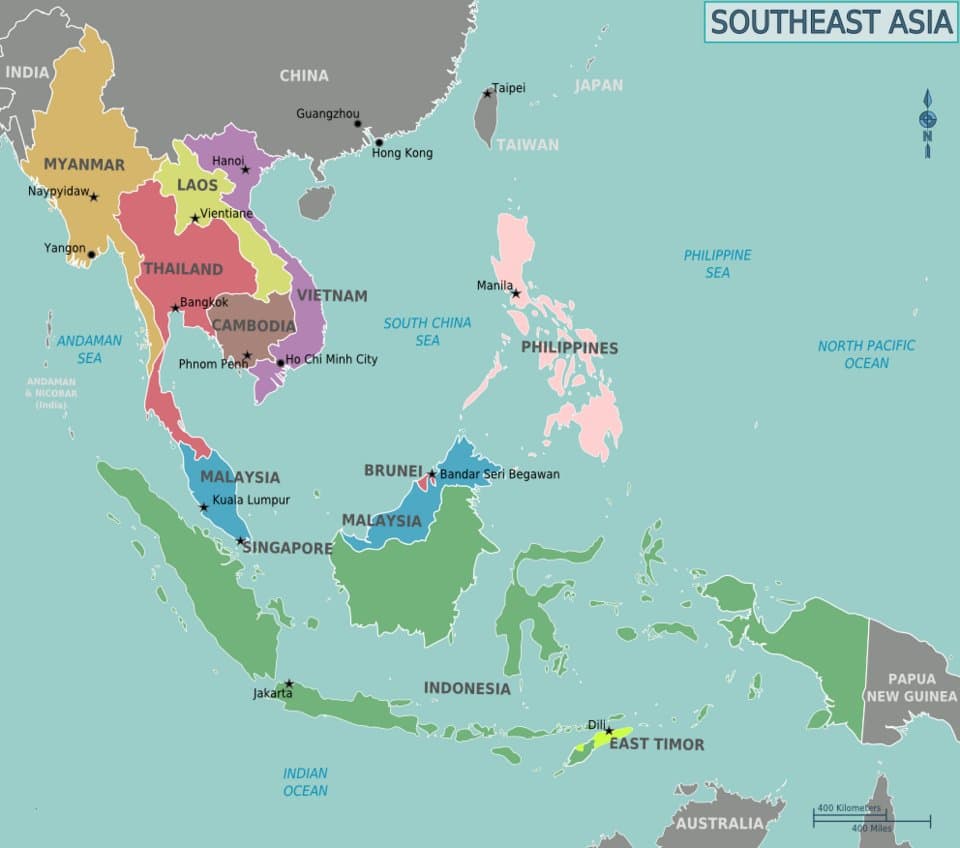
The drape fin barb hails from northeastern India, specifically from small forest streams in the states of West Bengal and Meghalaya. These are not the wide, open rivers that many tropical fish come from. Instead, think narrow, shallow streams flowing through dense tropical and subtropical forest cover. The water is typically clear to slightly tannin-stained, slow-moving, and shaded by overhanging vegetation.
The substrate in these habitats is usually a mix of sand, gravel, leaf litter, and fallen branches. There’s often dense marginal vegetation along the banks and submerged plant growth where the light penetrates. The water chemistry is soft and slightly acidic, consistent with forest streams that receive a steady input of organic matter from the surrounding environment. This is important context for anyone setting up a tank for this species, because replicating these conditions goes a long way toward keeping drape fin barbs healthy and colorful.
The fact that this species wasn’t described until 2009 says a lot about how remote and underexplored its native range is. Northeastern India is a biodiversity hotspot, and ichthyologists are still discovering and describing new species from the region. The drape fin barb is a perfect example of a fish that was likely known to local communities for generations before Western science caught up.
Appearance & Identification
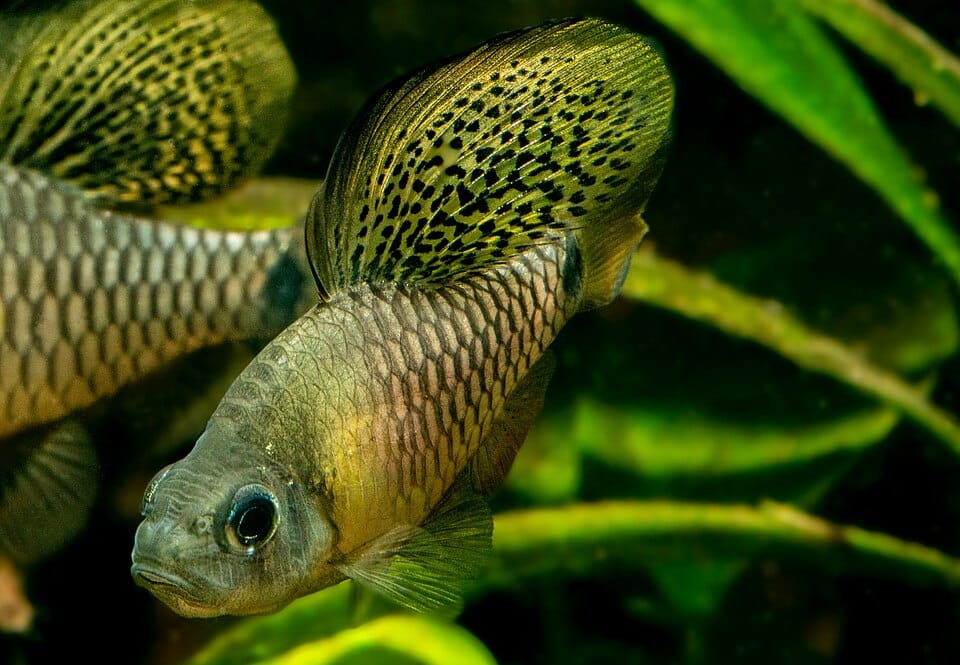
Let’s start with the obvious: the dorsal fin. In mature males, the dorsal fin is dramatically elongated, extending well above the body and tapering to a flowing, flag-like point. It’s the single most distinctive feature of this species and the reason it got the common name “drape fin.” When a male displays, he raises that fin and it ripples and catches the current, creating a visual effect unlike anything else in the barb world. There’s genuinely nothing comparable in Cyprinidae.
Beyond the fin, the drape fin barb has a sleek, laterally compressed body with a base coloration that ranges from golden-olive to warm bronze. There’s often a subtle dark lateral stripe or series of markings along the midline, and the scales can catch the light with a faint iridescent sheen. The overall impression is of an understated, elegant fish, until the male raises that dorsal fin and transforms into something extraordinary.
Coloration will intensify in mature, well-conditioned specimens, especially when the fish are kept over a dark substrate with subdued lighting. Males in display mode can show deeper golden tones and more pronounced markings. The caudal and anal fins may carry subtle tinting as well.
Male vs. Female
| Feature | Male | Female |
|---|---|---|
| Dorsal Fin | Dramatically elongated, flag-like, flowing | Standard size, rounded |
| Coloration | Deeper golden-bronze with more intense markings | Paler, more muted tones |
| Body Shape | Slimmer and more streamlined | Slightly fuller-bodied, especially when gravid |
| Fins | Other fins may show subtle color and extension | Fins mostly clear and shorter |
Sexing is straightforward once the fish are mature. The male’s dorsal fin is so dramatically different that there’s virtually no chance of confusing the two. In juvenile fish, the differences are less obvious, but the dorsal fin begins to elongate in males relatively early.
Average Size & Lifespan
Drape fin barbs are a small species, reaching a maximum size of about 2 inches (5 cm) in standard length. Most aquarium specimens will settle in the 1.5 to 2 inch (4 to 5 cm) range. This compact size is a big part of their appeal, since it puts them firmly in nano fish territory.
With proper care, you can expect a drape fin barb to live 3 to 5 years in the aquarium. Reaching the upper end of that range comes down to the usual fundamentals: stable water chemistry, a varied diet, low stress from appropriate tank mates, and a clean, well-maintained environment. These aren’t the hardiest fish in the hobby, so cutting corners on water quality will shorten their lifespan noticeably.
Care Guide
Tank Size
A 15-gallon (57 liter) aquarium is the minimum recommended size for a group of drape fin barbs. This gives a school of 6 fish enough space to establish small territories and display without constant conflict. If you want a larger group of 8 to 10, which is ideal for seeing the best social dynamics, step up to a 20-gallon (76 liter) long or larger. The emphasis should be on horizontal footprint rather than height, since these fish primarily occupy the middle and lower portions of the water column.
This species does well in densely planted setups and benefits from having structured hardscape like driftwood and rocks that break up sight lines. Males will stake out display areas near prominent features in the tank, and watching them raise their fins and posture for each other is one of the great pleasures of keeping this species.
Water Parameters
| Parameter | Ideal Range |
|---|---|
| Temperature | 68 to 77°F (20 to 25°C) |
| pH | 6.0 to 7.0 |
| Hardness | 2 to 10 dGH |
| Ammonia | 0 ppm |
| Nitrite | 0 ppm |
| Nitrate | Below 20 ppm |
Water chemistry is where the drape fin barb gets a bit more demanding than your average community fish, and this is a big reason it’s rated as moderate care rather than easy. These fish come from soft, acidic forest streams, and they do best when you replicate those conditions. Hard, alkaline water can stress them and dull their coloration over time.
If your tap water is naturally hard, consider using RO (reverse osmosis) water blended with tap water to bring the hardness down into their preferred range. Indian almond leaves, driftwood, and peat filtration can all help lower pH naturally while also tinting the water with tannins, which these fish seem to appreciate. Keep the temperature on the moderate side. They don’t need tropical heat, and cooler temperatures within their range will promote better health and longer lifespans.
Filtration & Water Flow
Gentle filtration is key. Drape fin barbs come from slow-moving forest streams, and strong current will stress them and make it difficult for the males to display their signature dorsal fin. A sponge filter is an excellent choice, especially in smaller setups. It provides biological filtration without creating excessive flow, and it won’t suck up fry if you end up with a spawning event.
If you’re using a hang-on-back filter, baffle the outflow or turn it down to its lowest setting. The goal is to keep the water clean and oxygenated without creating a current that pushes these small fish around. Turn the tank over 3 to 4 times per hour, and you’ll be in good shape.
Lighting
Subdued lighting works best for drape fin barbs. Remember, these fish come from shaded forest streams where dense canopy cover filters most of the sunlight. Bright, direct overhead lighting can make them feel exposed and lead to washed-out coloration and skittish behavior.
Floating plants are your best friend here. A layer of Amazon frogbit, red root floaters, or water lettuce creates dappled shade that mimics the fish’s natural habitat and immediately makes them more comfortable and willing to display. If you’re growing rooted plants that need more light, balance the coverage so the fish still have shaded retreats.
Plants & Decorations
A well-planted tank is the ideal environment for drape fin barbs. Think of a biotope-inspired setup with dense vegetation, plenty of hiding spots, and a natural forest stream aesthetic. Java fern, Anubias, Cryptocoryne species, and various mosses are all excellent choices that thrive in the same soft, slightly acidic conditions these barbs prefer.
Driftwood is almost mandatory. It provides visual barriers, leaches tannins into the water (which these fish love), and creates a natural look that complements the species perfectly. Dried Indian almond leaves scattered over the substrate add to the blackwater effect and provide surfaces where beneficial biofilm and microorganisms can grow, giving the fish additional natural grazing opportunities.
Leave some open areas between planting zones for the fish to swim and display. Males need a bit of space to show off that remarkable dorsal fin to rivals and potential mates.
Substrate
Fine sand or fine-grained gravel is the best substrate choice. A dark substrate will bring out the drape fin barb’s coloration noticeably better than a light-colored one. Aqua soils designed for planted tanks work well too and have the added benefit of slightly lowering pH, which aligns with this species’ preferences. Avoid anything sharp-edged, as these fish will occasionally nose around the bottom looking for food particles.
Is the Drape Fin Barb Right for You?
Before you buy, run through this honest checklist. The Drape Fin Barb is a great fish for the right keeper, but it is not for everyone.
- You can provide soft, acidic water (pH 5.5-6.5) with low mineral content
- You have a calm, heavily planted tank with subdued lighting
- You appreciate the elegant trailing fins on mature males
- Your tank does not include nippy, fast-moving species that will stress this fish
- You have at least a 15-gallon tank for a small group
- You enjoy subtle beauty over flashy coloring
Tank Mates
Drape fin barbs are peaceful, somewhat shy fish. Tank mate selection is important because overly boisterous or aggressive companions will cause them to hide, refuse to eat, and never display their best behavior. The ideal community is a calm, low-energy setup with species that share similar water chemistry preferences.
Best Tank Mates
- Small rasboras like chili rasboras, dwarf rasboras, and lambchop rasboras that share the preference for soft, acidic water
- Small peaceful tetras like ember tetras, green neon tetras, and cardinal tetras
- Other small barbs with a calm disposition, such as cherry barbs
- Dwarf corydoras like Corydoras habrosus, C. Pygmaeus, and C. Hastatus that stay small and occupy the bottom
- Otocinclus catfish, which are peaceful algae grazers that won’t bother anyone
- Small peaceful loaches like kuhli loaches
- Amano shrimp and nerite snails for a cleanup crew
- Cherry shrimp can work in heavily planted setups, though adult barbs may snack on baby shrimp
Tank Mates to Avoid
- Active, boisterous species like tiger barbs, Buenos Aires tetras, or giant danios that will outcompete them for food and stress them with constant activity
- Aggressive cichlids of any kind, including dwarf species that may become territorial
- Large fish that could view drape fin barbs as food
- Fast-swimming surface dwellers that create too much commotion in the tank
- Fish requiring hard, alkaline water like African cichlids or livebearers, since the water chemistry needs are incompatible
Food & Diet
In the wild, drape fin barbs function as micropredators, feeding on tiny invertebrates, insect larvae, small crustaceans, and other live prey found in and around forest stream substrates. They also graze on biofilm and will take small amounts of plant-based material. This natural diet gives us a clear blueprint for feeding them in captivity.
A quality micro pellet or crushed flake food can serve as a daily staple, but the real key to keeping drape fin barbs in top condition is regular supplementation with live and frozen foods. Daphnia, baby brine shrimp, cyclops, grindal worms, and micro worms are all excellent choices. Frozen bloodworms can be offered as an occasional treat, though they’re larger than this species’ natural prey items, so chop them up or use the smaller grades.
Feed small amounts two to three times daily rather than one large feeding. These are small fish with small stomachs, and they’ll do better with multiple light meals throughout the day. A varied diet is especially important for conditioning males to show their best color and fin development. If you’re feeding nothing but basic flakes, you’ll never see this fish at its best.
Breeding & Reproduction
Breeding drape fin barbs is achievable but not quite as straightforward as some of the more commonly bred barb species. It takes a bit of planning and attention to water conditions, which is why it’s considered moderate difficulty.
Breeding Difficulty
Moderate. Spawning can be triggered with proper conditioning and water management, but raising the fry requires attention to detail with feeding and water quality.
Spawning Tank Setup
Set up a dedicated breeding tank of 5 to 10 gallons (19 to 38 liters) with fine-leaved plants like java moss, or use spawning mops. A layer of glass marbles or mesh on the bottom prevents the adults from consuming eggs after scattering them. Keep the lighting dim, as these are forest stream fish that naturally spawn in low-light conditions. Use a gentle sponge filter to maintain water quality without creating current that could sweep tiny eggs and fry around.
Water Conditions for Breeding
Soft, acidic water is important for triggering spawning and ensuring good egg viability. Aim for a pH of 6.0 to 6.5, temperature around 74 to 77°F (23 to 25°C), and very low hardness of 2 to 4 dGH. Using RO water remineralized to these parameters gives you the most control. A partial water change with slightly cooler, soft water will be the nudge needed to trigger spawning behavior.
Conditioning & Spawning
Condition your breeding group with frequent feedings of high-quality live and frozen foods for two to three weeks before attempting to breed them. Males will begin displaying their dorsal fins more frequently and intensely as they come into peak condition. Introduce a well-conditioned pair or small group into the breeding tank in the evening, and spawning often occurs the following morning.
The male’s dorsal fin display plays a central role in courtship. He’ll position himself near the female, raising and rippling his dramatic fin to attract her attention. When the female is receptive, she’ll scatter eggs among the plants or over the substrate while the male follows and fertilizes them. Remove the adults promptly after spawning, as they will eat the eggs if given the opportunity.
Egg & Fry Care
Eggs are small and adhesive, sticking to plant surfaces and spawning media. They typically hatch within 24 to 48 hours depending on temperature. The fry are tiny and will absorb their yolk sacs over the next one to two days before becoming free-swimming. At that point, start feeding infusoria, commercially prepared liquid fry food, or paramecium cultures. After about a week, the fry should be large enough to accept freshly hatched baby brine shrimp and microworms.
Keep the breeding tank scrupulously clean during fry rearing. Small, frequent water changes with matching parameters are better than large changes that could shock the delicate fry. Growth is steady but not fast, and young males will begin developing their elongated dorsal fin at around 3 to 4 months of age.
Common Health Issues
Drape fin barbs are reasonably hardy once established in a mature, stable aquarium, but their preference for soft, acidic water means they can be sensitive to poor conditions or sudden parameter swings. Here are the most common issues to watch for.
Ich (White Spot Disease)
The most common freshwater ailment across all species. Ich presents as tiny white spots on the body and fins, and it’s usually triggered by temperature fluctuations, stress from transport, or introducing new fish without quarantine. Treat with a standard ich medication and gradually raise the temperature to around 80°F (27°C) for the duration of treatment. Always quarantine new arrivals for at least two weeks before adding them to your main tank.
Fin Rot
Bacterial infection that causes progressive deterioration of the fins. This is especially concerning with drape fin barbs because the males’ signature dorsal fin is particularly vulnerable. Fin rot is almost always caused by poor water quality, so the first step is testing your parameters and doing water changes. If caught early, improved conditions alone are often enough for recovery. More advanced cases requires antibacterial medication.
Fungal Infections
White, cottony growths on the body or fins indicate a fungal infection. These typically develop on fish that are already weakened by stress, injury, or bacterial infection. Treat with an antifungal medication and address whatever underlying condition allowed the fungus to take hold. Maintaining stable, clean water is the best prevention.
Stress-Related Issues
Drape fin barbs are sensitive to stress, and chronic stress leads to faded coloration, loss of appetite, clamped fins (including that prized dorsal fin flattening against the body), and increased vulnerability to disease. Common stressors include aggressive tank mates, water that’s too hard or alkaline, excessive current, bright lighting without cover, and being kept in groups that are too small. Address the root cause, and the fish will typically recover.
Common Mistakes to Avoid
- Keeping them in hard, alkaline water. This is the number one mistake. Drape fin barbs need soft, slightly acidic water. Throwing them into a tank with a pH of 7.8 and 15+ dGH hardness is a recipe for stressed, dull-looking fish with shortened lifespans.
- Housing them with boisterous tank mates. These are shy, retiring fish. Putting them in a tank full of tiger barbs or other hyperactive species means they’ll hide constantly and never show their best behavior or coloration.
- Keeping too few. Like most barbs, drape fin barbs are social fish that need a group of at least 6. Keeping a pair or trio leads to stressed, reclusive fish. In a proper group, males compete and display, which is the entire reason you bought this species in the first place.
- Feeding only dry foods. These are micropredators that need regular live and frozen foods to thrive. A diet of flakes alone won’t support good color development or fin growth in males.
- Too much light, no cover. Without floating plants or shaded areas, drape fin barbs feel exposed and stressed. Adding some floating plant cover is one of the simplest things you can do to improve their well-being immediately.
- Skipping quarantine. Because these fish can be sensitive to disease when stressed, introducing pathogens from unquarantined new additions is especially risky. Always quarantine newcomers for two weeks minimum.
Where to Buy
Drape fin barbs are not a fish you’ll find at your average big box pet store. They’re still relatively uncommon in the trade, which means you’ll likely need to turn to specialty retailers or online sellers who focus on uncommon and nano species. Here are two reliable options I recommend:
- Flip Aquatics specializes in high-quality freshwater fish and is a great source for harder-to-find species like drape fin barbs. They carefully pack and ship healthy livestock directly to your door.
- Dan’s Fish stocks a wide variety of freshwater species, including uncommon barbs and nano fish. They offer competitive pricing and reliable shipping.
Availability can be seasonal and sporadic, so if you see drape fin barbs listed in stock, don’t hesitate. They will sell quickly when they pop up. When purchasing, try to get a group of at least 6 to 8 fish with a mix of males and females. Males are easy to identify by their elongated dorsal fins, even in subadult fish. Expect to pay a premium over common barb species, typically in the range of $8 to $15 per fish depending on size and availability.
Frequently Asked Questions
Are drape fin barbs good for beginners?
They’re better suited for intermediate hobbyists. The need for soft, acidic water, a specific diet that includes live and frozen foods, and their sensitivity to water quality issues puts them a step above beginner-friendly species like cherry barbs or zebra danios. If you already have experience maintaining stable water parameters in a planted tank, you’ll do fine with this species.
How many drape fin barbs should I keep?
A minimum of 6, with 8 to 10 being ideal. In larger groups, males display more frequently and intensely, and the social dynamics are much more interesting to observe. Keeping fewer than 6 typically results in stressed, reclusive fish that rarely show their dorsal fin display.
Can drape fin barbs live in a nano tank?
Yes, and they’re actually one of the best barb species for nano setups. A 15-gallon (57 liter) tank is the minimum for a group, and a well-planted 20-gallon (76 liter) setup gives you room to keep a nice school along with a few compatible nano tank mates. Their small adult size of 2 inches (5 cm) makes them well-suited to smaller aquariums.
Do drape fin barbs nip fins?
Generally, no. Drape fin barbs are one of the most peaceful barb species available. Males may spar with each other by displaying their dorsal fins and posturing, but this is normal social behavior and rarely results in any actual physical contact or damage. They are not fin nippers in the way that tiger barbs are notorious for.
Why isn’t my male drape fin barb displaying his dorsal fin?
Several factors can suppress fin displays. The fish may still be immature (the dorsal fin develops fully over several months), stressed by poor water conditions or aggressive tank mates, or lacking the social stimulation that comes from being in a proper group. Check your water parameters, make sure the tank has adequate cover and subdued lighting, and confirm you have multiple males present. Rival males trigger the most dramatic displays.
What water parameters do drape fin barbs need?
Soft, slightly acidic water is essential. Aim for a temperature of 68 to 77°F (20 to 25°C), pH of 6.0 to 7.0, and hardness of 2 to 10 dGH. These fish are notably less tolerant of hard, alkaline water than many other barb species, so testing and adjusting your water chemistry before purchase is strongly recommended.
Can drape fin barbs live with shrimp?
Adult Amano shrimp are safe. Smaller species like cherry shrimp can coexist in heavily planted tanks, but be aware that drape fin barbs are micropredators by nature and will likely prey on baby shrimp. If you’re running a breeding shrimp colony, keep it in a separate tank. For a mixed community with adult shrimp, provide dense plant cover like moss mats and you should be fine.
What It Is Actually Like Living With Drape Fin Barb
The drape fin barb in motion is ballet. The elongated fins flow behind and beneath the fish, responding to every current change with fluid movement. In still water, they drape. In flow, they stream.
Males display to each other by spreading every fin to maximum extension, hovering parallel, and slowly circling. It is one of the most graceful aggression displays in the barb family.
They are shy and need a calm tank with muted lighting. Bright lights and active tankmates push drape fin barbs into permanent hiding.
Closing Thoughts
The drape fin barb is one of those rare fish that genuinely offers something different. In a hobby where so many species start to blur together, a barb with a dorsal fin that drapes like a flag is an immediate conversation starter. It’s not the easiest fish to keep, and it’s not the most widely available, but that’s part of its charm. This is a fish for hobbyists who enjoy creating specific conditions and being rewarded with behavior and appearance that you simply can’t get from more common species.
Set up a dimly lit, densely planted tank with soft, acidic water, add a group of 8 or more, feed them well with live and frozen foods, and give them time to settle in. When those males start raising their dorsal fins and displaying for each other, you’ll understand exactly why this hidden gem from the forests of India is worth the extra effort.
Recommended Video
References
- Schaefer, S.A. (2009). Oreichthys crenuchoides, a new species of cyprinid fish from the upper drainage of the Ganges River. Zootaxa, 2271, 41-50.
- Froese, R. & Pauly, D. (Eds.). (2024). Oreichthys crenuchoides in FishBase. fishbase.se
- SeriouslyFish. (2024). Oreichthys crenuchoides species profile. seriouslyfish.com
- Practical Fishkeeping. Drape Fin Barb care guide and species profile. practicalfishkeeping.co.uk
- About the Author
- Latest Posts

I’m Mark Valderrama, founder of Aquarium Store Depot and a fishkeeper with over 25 years of hands-on experience. I started in the hobby at age 11, worked at local fish stores, and have kept freshwater tanks, ponds, and reef tanks ever since. I’ve been featured in two best-selling aquarium books on Amazon and built this site to share practical, experience-based fish keeping knowledge.
Leave a Reply