
Last Updated: June 25, 2026
Thank you for visiting! By the way… any links on this page that lead to products on Amazon and other stores/partners are affiliate links Aquarium Store Depot earns a commission if you make a purchase.
Table of Contents
- What Care Guides Get Wrong
- The Reality of Keeping Melon Barb
- Key Takeaways
- Species Overview
- Classification
- Origin & Natural Habitat
- Appearance & Identification
- Average Size & Lifespan
- Care Guide
- Is It Right for You?
- Tank Mates
- Food & Diet
- Breeding & Reproduction
- Common Health Issues
- Common Mistakes to Avoid
- Where to Buy
- Frequently Asked Questions
- Species Comparison
- Closing Thoughts
- Recommended Video
- References
The melon barb is a peaceful, warm-toned schooler that never causes problems and never gets the credit it deserves. It has a subtle salmon-to-orange coloration that deepens with age, gets along with virtually everything, and stays at a manageable 3 to 4 inches. If you want a schooling barb that brings color without bringing conflict, this is the one.
The issue is availability. Melon barbs are not as common in pet stores as cherry or tiger barbs, and many hobbyists have never encountered them. This guide covers everything you need to know if you do find them, because the melon barb is the barb you recommend when someone wants color without chaos.
The melon barb will not wow you with flash. It will win you over with consistency. That is a harder thing to find in this hobby.
The Reality of Keeping Melon Barb
The melon barb is a peaceful, mid-sized barb from India with a warm orange-pink coloration that resembles a slice of cantaloupe. It reaches about 3 inches and fits comfortably in tanks starting at 20 gallons.
It is one of the more consistently colored barbs, maintaining its warm tones without requiring breeding condition or male competition. This makes it more predictable than species like the black ruby barb where color depends heavily on mood.
Availability is moderate. Melon barbs are not stocked at every pet store, but specialty retailers and online sellers carry them regularly.
Biggest Mistake New Owners Make
Keeping them in water that is too hard. Melon barbs come from soft, slightly acidic streams in southern India and show their best color in softer water. Hard, alkaline tap water will not kill them, but it will mute their coloration.
Melon barbs (Puntius fasciatus) are a medium-sized barb with attractive banding and a peaceful temperament compared to some of their more aggressive relatives. They do well in groups in planted community tanks.
Expert Take (Mark Valderrama, AquariumStoreDepot)
The melon barb is the most consistent-looking barb in the hobby. You do not need breeding condition, male competition, or perfect water to see attractive coloration. A group of six in a 20-gallon with moderate planting and dark substrate gives you warm orange-pink fish that look good every day, not just during displays.
Key Takeaways
- Colorful and variable. Melon Barbs display warm reddish-orange to purplish-red coloring with prominent dark vertical bands. Color intensity varies by geographic origin and intensifies when males compete
- Peaceful schooling fish that should be kept in groups of 8 to 10. They’re active without being aggressive, making them excellent community tank residents
- A 30-gallon tank is recommended to give a proper school enough swimming room. They prefer planted setups with moderate flow
- Prefers slightly cooler tropical water between 72 and 79°F (22 to 26°C), with soft to moderately hard, slightly acidic to neutral pH
- Omnivorous and easy to feed. They accept flakes, pellets, frozen, and live foods readily. Include plant-based foods in their diet for best health
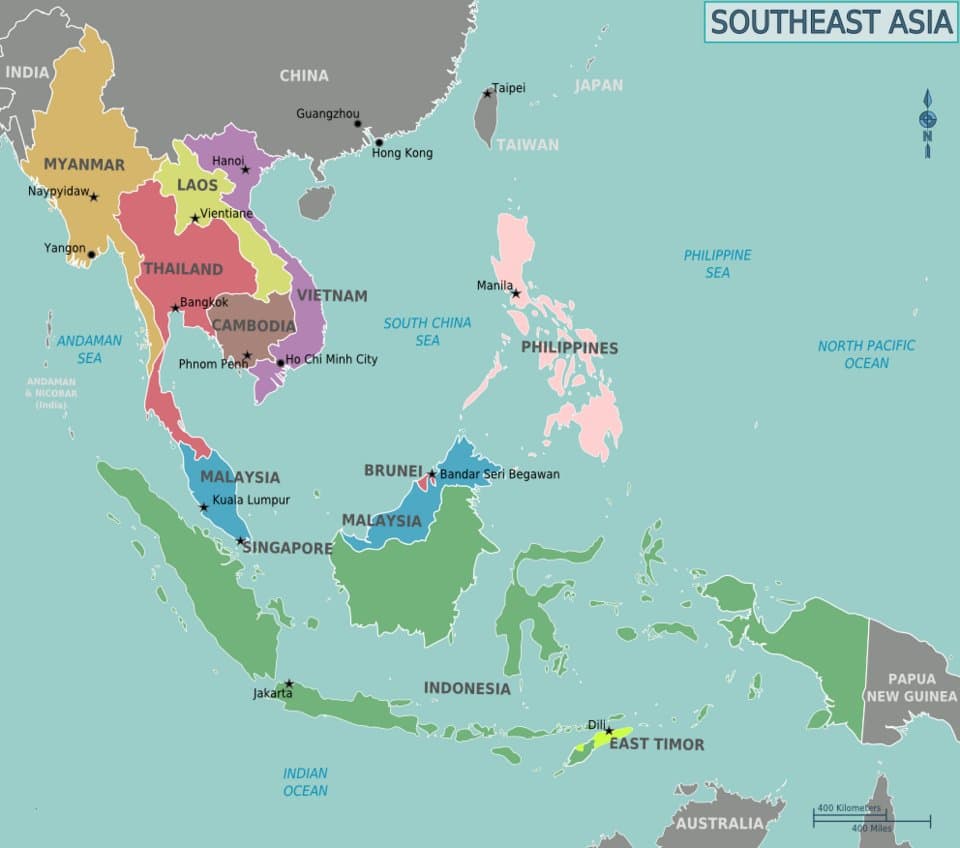
- Endemic to India’s Western Ghats across Kerala, Karnataka, Goa, and Tamil Nadu. Currently listed as Least Concern by the IUCN
Species Overview
| Field | Details |
|---|---|
| Scientific Name | Haludaria fasciata (Jerdon, 1849) |
| Common Names | Melon Barb, Red Panda Barb |
| Family | Cyprinidae |
| Origin | Southern India (Western Ghats) |
| Care Level | Easy |
| Temperament | Peaceful |
| Diet | Omnivore |
| Tank Level | Middle to Bottom |
| Maximum Size | 3.5 inches (7 cm) |
| Minimum Tank Size | 30 gallons (114 liters) |
| Temperature | 72 to 79°F (22 to 26°C) |
| pH | 6.0 to 7.5 |
| Hardness | 2 to 10 dGH |
| Lifespan | 4 to 6 years |
| Breeding | Egg scatterer |
| Breeding Difficulty | Moderate |
| Compatibility | Community |
| OK for Planted Tanks? | Yes |
Classification
| Taxonomic Level | Classification |
|---|---|
| Order | Cypriniformes |
| Family | Cyprinidae |
| Subfamily | Smiliogastrinae |
| Genus | Haludaria |
| Species | H. Fasciata (Jerdon, 1849) |
The Melon Barb has had a bit of a taxonomic journey. It was originally described by Thomas C. Jerdon in 1849 and spent many years classified under the catch-all genus Puntius as Puntius fasciatus. In 2012, it was briefly moved into the genus Dravidia as part of a broader reorganization of South Asian barbs. Then in 2013, Rohan Pethiyagoda revised the classification again, placing it in the newly erected genus Haludaria. The accepted name today is Haludaria fasciata, though you’ll still see it listed under Puntius fasciatus in many older references and on retailer websites.
Origin & Natural Habitat
The Melon Barb is endemic to southern India, specifically the Western Ghats mountain range. Its natural range stretches across multiple states, including Kerala, Karnataka, Goa, and Tamil Nadu. This is one of the world’s biodiversity hotspots, with a remarkable number of species found nowhere else on Earth. The Melon Barb is one of many freshwater fish species that call these ancient mountains home.
In the wild, Melon Barbs inhabit rivers and streams at various elevations, from lowland waterways near sea level up to cooler highland streams. They will favor shallow, quiet sections of these waterways where there’s submerged cover in the form of aquatic vegetation, fallen leaves, roots, and overhanging bank vegetation. The substrate is typically a mix of sand and gravel, with smooth rocks and organic debris scattered throughout.
The water in these habitats is soft and slightly acidic, flowing at a gentle to moderate pace. Depending on the elevation, temperatures can range from the low to mid 70s°F. An interesting aspect of this species is that different populations across its range display distinct color variations. Highland fish will show more orange coloration, while lowland populations can appear more purplish or reddish. These geographic color forms are different enough that some researchers have questioned whether they represent separate species entirely, though they’re currently all classified under Haludaria fasciata.
Appearance & Identification
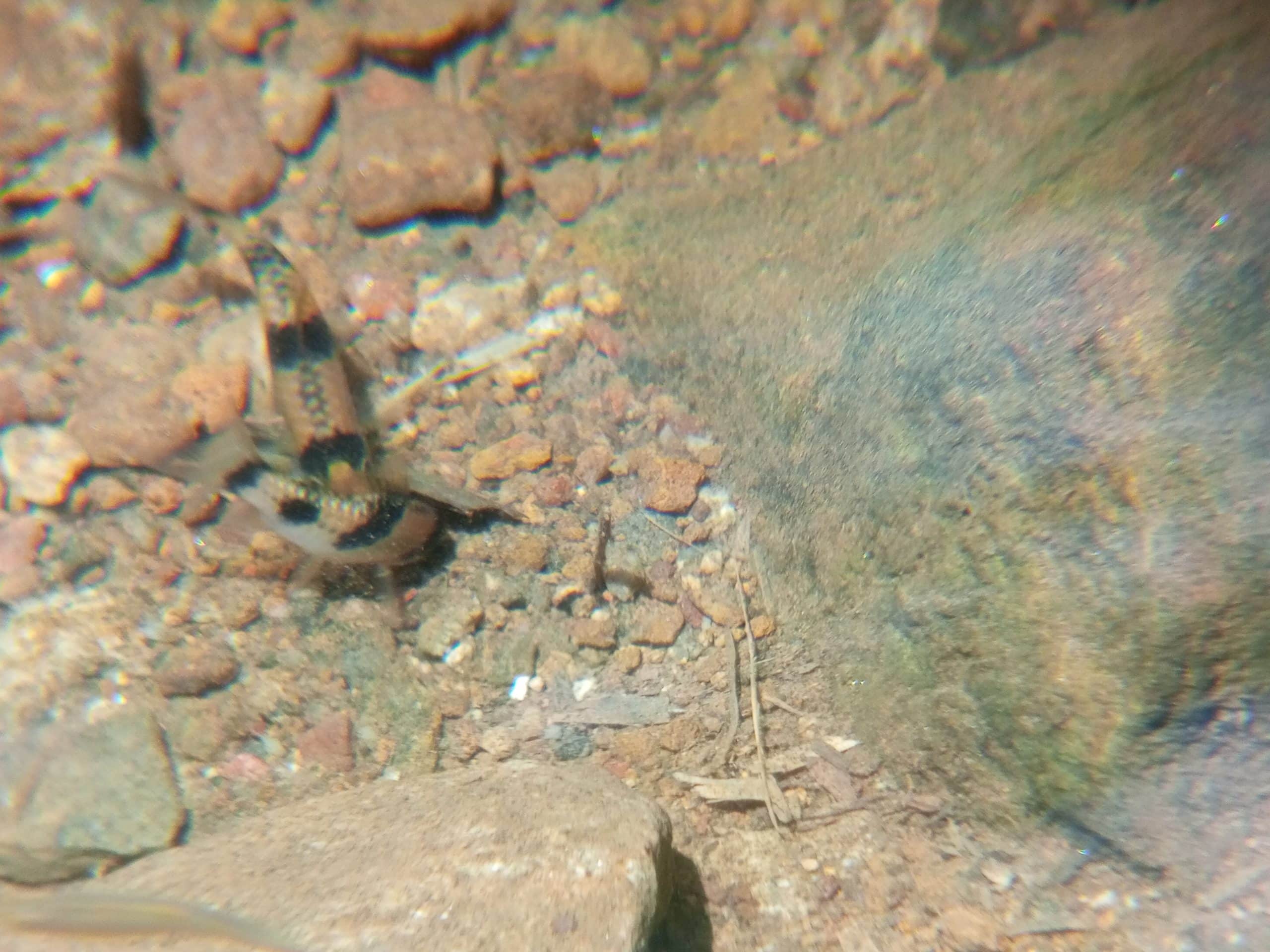
The Melon Barb is a moderately sized barb with a somewhat elongated, laterally compressed body. Its most recognizable feature is the series of prominent dark vertical bands that run along its flanks, typically 4 to 5 in number. These bold bars contrast sharply against the fish’s warm base coloration, which ranges from bright reddish-orange to deeper purplish-red depending on the population of origin. The species name fasciata means “banded,” and it’s an accurate description.
Overall body color can shift quite a bit depending on the fish’s mood, condition, and environment. When males are actively competing or in peak condition, those warm orange and red tones really intensify across the body. In less-than-ideal conditions or when stressed, they can appear considerably more muted. The fins may show red or orange coloring as well, particularly in dominant males. There is often a slight iridescent or golden sheen visible on the scales when the light catches them at the right angle.
Male vs. Female
Sexing Melon Barbs becomes fairly straightforward once the fish reach maturity. Males are slimmer and more streamlined, with noticeably more intense coloration. They will show stronger reds and oranges across the body, and their dorsal fin often develops distinct red and black markings that females lack.
Females are larger and fuller-bodied, especially when carrying eggs. Their coloration is more subdued compared to males, with less intense orange or reddish tones and less prominent fin coloring. The dark vertical bands are present in both sexes, though they will stand out more dramatically against the male’s brighter background color.
Average Size & Lifespan
Melon Barbs reach a maximum size of around 2.5 to 3.5 inches (6 to 7 cm) standard length in aquarium conditions. They’re a bit larger than some of the more common small barbs like Cherry Barbs or Black Ruby Barbs, which is one reason a 30-gallon tank works better than a 20-gallon for a proper school. They have enough body mass and activity level that they appreciate the extra swimming space.
With good care, Melon Barbs typically live 4 to 6 years in captivity. Consistent water quality, a varied diet, and keeping them in a proper school all contribute to hitting the upper end of that range. Stressed fish kept in small groups or poor conditions will obviously not fare as well.
Care Guide
Tank Size
A 30-gallon tank is the recommended minimum for a school of Melon Barbs. These are active, energetic swimmers that use the full length of the tank, and a group of 8 to 10 needs room to move without feeling crowded. A standard 30-gallon long is ideal because it provides more horizontal swimming space than a taller tank of the same volume. If you plan to keep them in a mixed community, stepping up to 40 gallons or larger gives everyone more breathing room.
Water Parameters
| Parameter | Recommended Range |
|---|---|
| Temperature | 72 to 79°F (22 to 26°C) |
| pH | 6.0 to 7.5 |
| Hardness (dGH) | 2 to 10 |
| Ammonia / Nitrite | 0 ppm |
| Nitrate | Below 20 ppm |
Melon Barbs come from soft, slightly acidic water in the wild, and they do show their best coloration in similar conditions in the aquarium. That said, commercially bred specimens are reasonably adaptable and will tolerate a range of conditions as long as extremes are avoided. Keep the water on the softer side if you can, and avoid pushing the pH much above neutral.
Temperature-wise, they prefer the mid-70s°F range. They don’t need particularly warm water, and keeping them at the lower end of their range is perfectly fine. Consistency matters more than hitting an exact number. Regular water changes of 25 to 30% weekly will keep nitrates low and water quality stable.
Filtration & Water Flow
A good quality hang-on-back or canister filter with a turnover rate of 4 to 5 times the tank volume per hour works well. Melon Barbs come from flowing rivers and streams, so a gentle to moderate current is natural and appreciated. They don’t need a powerhead creating a river simulation, but completely still water isn’t ideal either. Position your filter output to create some flow across the tank, and you’ll see them swimming into it from time to time.
Lighting
Moderate lighting works best for Melon Barbs. In the wild, they will inhabit areas with some degree of overhead cover, so extremely bright, open lighting can make them feel exposed. If you’re running a planted tank with higher intensity lights, provide some shaded areas using floating plants or tall stem plants. Their warm coloration looks best under natural or slightly warm-toned lighting rather than harsh white LEDs.
Plants & Decorations
A planted tank is the way to go with Melon Barbs. Live plants provide cover, break up sight lines, and create a more natural environment that encourages confident behavior and better coloration. Java fern, Anubias, Cryptocorynes, and Vallisneria are all solid choices. Floating plants like Amazon frogbit or red root floaters help diffuse light and give the fish a sense of security.
Driftwood, smooth river stones, and root structures all work well as hardscape. A few dried Indian almond leaves scattered on the substrate add tannins that replicate the natural leaf-litter environment and can help bring out deeper coloring. Just replace them as they break down every few weeks.
Substrate
Sand or fine gravel best replicates their natural habitat. A darker substrate is recommended, as it brings out the warm tones in their coloring much more effectively than light-colored gravel. Dark sand, black gravel, or a planted tank substrate like Fluval Stratum all work well. Melon Barbs naturally forage along the bottom, picking through the substrate for bits of food, so a soft or fine-grained substrate is more comfortable for them.
Is the Melon Barb Right for You?
Before you buy, run through this honest checklist. The Melon Barb is a great fish for the right keeper, but it is not for everyone.
- You want a peaceful barb that is safe with nearly every community fish, including long-finned species
- You have a 20-gallon or larger planted tank
- You enjoy warm, subtle coloring rather than flashy reds
- You can keep a group of 6+ for the best color and social behavior
- You want a hardy, forgiving species that does not demand perfect conditions
- You need a mid-sized barb that will not nip fins or bully tank mates
Tank Mates
Melon Barbs are peaceful community fish that get along well with a wide range of tank mates. They’re active and can be vigorous feeders, so the main consideration is avoiding species that are very slow or timid, as they might get outcompeted at feeding time. Keep them in a proper school and they’ll largely stay focused on each other rather than bothering other species.
Best Tank Mates
- Other barbs (Cherry Barbs, Black Ruby Barbs, Gold Barbs, Odessa Barbs)
- Tetras (Ember Tetras, Pristella Tetras, Glowlight Tetras, Bleeding Heart Tetras)
- Danios (Zebra Danios, Pearl Danios, Celestial Pearl Danios)
- Rasboras (Harlequin Rasboras, Scissortail Rasboras)
- Corydoras catfish (Bronze Corys, Sterbai Corys, Peppered Corys)
- Loaches (Kuhli Loaches, Yo-yo Loaches)
- Rainbowfish (Boesemani Rainbowfish, Dwarf Neon Rainbowfish)
- Peaceful gouramis (Honey Gouramis, Pearl Gouramis)
- Peaceful bottom-dwellers (Bristlenose Plecos, Otocinclus)
Tank Mates to Avoid
- Large, aggressive cichlids (Oscars, Jack Dempseys, Green Terrors)
- Aggressive or nippy barbs in small groups (Tiger Barbs kept in groups under 8 can be trouble)
- Very slow, long-finned species that is outcompeted at feeding time
- Fish requiring very warm water (Discus, German Blue Rams) since their preferred temperature ranges don’t align well
- Large predatory fish that could view Melon Barbs as a meal
Food & Diet
Melon Barbs are foraging omnivores that are genuinely easy to feed. In the wild, they spend their time picking through substrate and vegetation, consuming a mix of algae, diatoms, small invertebrates, and organic detritus. In the aquarium, they’ll accept just about anything you offer.
A high-quality flake or micro-pellet food should serve as the daily staple. Look for formulas that include both protein and plant-based ingredients, as Melon Barbs need vegetable matter in their diet to stay healthy. Supplement regularly with frozen or live foods like bloodworms, daphnia, brine shrimp, and mosquito larvae. These protein-rich foods are especially good for conditioning fish and bringing out their best coloration.
Blanched vegetables like zucchini, cucumber, or spinach are a good addition a few times per week. You’ll also notice them grazing on algae growth in the tank, which is perfectly natural behavior. Feed small portions two to three times daily rather than one large feeding. These fish are natural grazers, and spreading out meals keeps them more active and healthier overall.
Breeding & Reproduction
Melon Barbs are egg scatterers with no parental care. Breeding them in captivity is achievable with a bit of preparation, though it requires more deliberate effort than some of the easier barb species like Cherry Barbs.
Breeding Difficulty
Moderate. They can be bred in a dedicated spawning tank, but successful fry raising requires attention to water quality and proper first foods. They won’t typically spawn readily in a standard community setup without some encouragement.
Spawning Tank Setup
Set up a separate breeding tank of at least 10 to 15 gallons. Use a mesh or grid on the bottom to prevent the adults from eating the eggs once they’re scattered. Alternatively, a thick layer of java moss or spawning mops provides enough cover to protect at least some of the eggs. Keep the lighting dim, as bright light can discourage spawning. A sponge filter provides gentle filtration without risking injury to eggs or fry.
Water Conditions for Breeding
Soft, slightly acidic water will produce the best results. Aim for a pH around 6.0 to 6.5, temperature of 77 to 79°F (25 to 26°C), and low hardness around 2 to 5 dGH. A slight temperature increase from their normal conditions, combined with a large water change using slightly cooler water, can help trigger spawning behavior.
Conditioning & Spawning
Condition a breeding group with generous amounts of high-quality live and frozen foods for one to two weeks before attempting to spawn them. Bloodworms, daphnia, and brine shrimp are all excellent conditioning foods. Select the most colorful, healthy males and the plumpest females for your breeding group.
Spawning typically happens in the morning. Males will display to females with intensified coloring and active chasing. The female scatters her eggs among plants or across the mesh, and the male fertilizes them as they fall. Remove the adults promptly after spawning, as they will readily eat their own eggs.
Egg & Fry Care
Eggs typically hatch within 24 to 48 hours depending on temperature. The fry will absorb their yolk sacs over the next day or so before becoming free-swimming. At that point, start feeding infusoria or a commercial liquid fry food. After about a week, you can introduce microworms and freshly hatched baby brine shrimp (Artemia nauplii).
Keep the water exceptionally clean with small, frequent water changes. Use a sponge filter to avoid sucking up the tiny fry. As they grow, gradually transition them to crushed flake food and finely ground pellets. Growth is steady but not rapid, so patience is key during the first several weeks.
Common Health Issues
Melon Barbs are hardy fish that don’t suffer from species-specific diseases. Most health issues are related to water quality, stress, or introduction of pathogens from new fish. Here are the most common problems to watch for.
Ich (White Spot Disease)
Ich is the most common freshwater fish disease, and Melon Barbs can be affected, especially after transport or sudden temperature changes. Watch for small white spots on the body and fins, along with flashing or rubbing against objects. Gradually raising the temperature to 82°F (28°C) combined with a commercial ich treatment is the standard approach. Caught early, ich is very treatable.
Fin Rot
Frayed or deteriorating fins usually indicate a bacterial infection triggered by poor water quality. The best prevention is consistent water changes and proper filtration. Mild cases often clear up with improved water conditions alone. More severe infections requires antibiotic treatment.
Velvet Disease
Caused by the parasite Piscinoodinium, velvet shows up as a fine gold or rust-colored dusting on the body. It’s easy to miss in early stages, especially on fish with warm-colored bodies like Melon Barbs. Affected fish often clamp their fins and rub against surfaces. Copper-based medications are the go-to treatment, and reducing light in the tank helps since the parasite uses photosynthesis.
Stress-Related Color Loss
If your Melon Barbs look washed out and pale, it’s almost always an environmental issue rather than a disease. Common causes include too-small group sizes, bright lighting with no cover, light-colored substrates, poor water quality, or an overly aggressive tank mate stressing them out. Address the underlying cause and the color should return within a few days to weeks.
Common Mistakes to Avoid
- Keeping too few. Melon Barbs are schooling fish that need a group of at least 8 to feel secure and show natural behavior. In smaller groups, they become shy, stressed, and never develop their full coloring. Males need competition to bring out their best display.
- Tank too small. These are active swimmers that reach 3.5 inches (7 cm). A 20-gallon tank is cramped for a proper school. Give them at least 30 gallons, ideally a long-format tank for maximum swimming length.
- Mixing geographic populations. Different color forms exist across the Melon Barb’s range. Mixing populations risks hybridization, which can dilute the distinct coloring of each form. Try to buy from the same source to keep your school consistent.
- No plant cover. A bare tank with no plants or hiding spots will leave Melon Barbs feeling exposed and stressed. They need vegetation and cover to behave naturally and show good color.
- Skipping vegetable foods. These fish are omnivores that naturally graze on algae and plant matter. A protein-only diet is incomplete. Include foods with spirulina or algae content, and offer blanched vegetables regularly.
- Light-colored substrate. A bright white or beige substrate washes out their warm tones. Switch to dark sand or gravel and you’ll see a dramatic improvement in coloration.
Where to Buy
Melon Barbs aren’t as commonly stocked as Cherry Barbs or Tiger Barbs, but they do show up at specialty fish stores and online retailers with reasonable regularity. Because of the geographic color variation in this species, it’s worth asking your seller which color form they carry if you have a preference for more orange vs. More reddish-purple fish.
For healthy, well-cared-for specimens shipped to your door, I recommend checking these trusted online retailers:
Both are reputable sellers who take good care of their livestock and ship responsibly. Availability varies, so check their sites regularly or sign up for stock notifications if the species isn’t currently listed.
Frequently Asked Questions
How many Melon Barbs should I keep together?
A minimum of 8 is recommended, though 10 or more is even better. Larger groups distribute any minor chasing behavior and give males more competition, which drives better coloration. In a big enough tank, a school of 12 or more is a genuinely impressive sight.
Are Melon Barbs the same as Red Panda Barbs?
Yes, they’re the same species. “Melon Barb” and “Red Panda Barb” are both common names for Haludaria fasciata. You also see it listed under its older name, Puntius fasciatus, in some shops and online listings.
Are Melon Barbs aggressive?
No. They’re a peaceful species overall. Males will display and posture to each other, but this is normal social behavior, not aggression. They don’t nip fins or harass other species the way some barbs can. They are vigorous feeders, though, so make sure slower tank mates are getting enough food.
Can Melon Barbs live with shrimp?
Adult Amano Shrimp are safe, as they’re too large to eat. Adult Cherry Shrimp may be fine as well, but baby shrimp will likely get picked off. If you’re breeding shrimp in the same tank, dense moss and plenty of hiding spots will help some shrimplets survive, but losses should be expected.
Why do Melon Barbs have different colors?
The color variation is geographic in origin. Populations from different parts of the Western Ghats display different dominant colors. Highland fish are more orange, while lowland populations show more purple or reddish tones. These are natural variants, not different species, though the taxonomy is still being studied. Avoid mixing populations if possible to preserve each form’s distinct look.
What temperature do Melon Barbs prefer?
They do best at 72 to 79°F (22 to 26°C). They don’t need the warmer temperatures that some tropical fish require, and keeping them in the mid-70s°F range is perfectly fine. Avoid pushing above 80°F (27°C) for extended periods.
What It Is Actually Like Living With Melon Barb
Melon barbs are the steady state fish. Their color does not fluctuate dramatically based on mood or competition. They look good when you wake up and they look good when you go to bed.
They are gentle enough for the most peaceful community tanks but active enough to add motion. The mid-tank swimming pattern complements bottom-dwelling cories and top-dwelling surface feeders.
Feeding is uncomplicated. They accept everything and eat at a moderate pace that does not outcompete slower tankmates.
Closing Thoughts
The melon barb never looks bad. That is its superpower in a hobby full of fish that only look good half the time.
The Melon Barb is a fish that deserves more attention in the hobby than it currently gets. It has the coloring to turn heads, the temperament to fit into a wide range of community setups, and the hardiness to thrive without demanding expert-level care. A school of 8 to 10 in a well-planted tank with dark substrate is the kind of display that gets visitors asking what those gorgeous fish are.
They’re active without being hectic, colorful without being delicate, and social without being aggressive. The natural color variation across different populations adds an extra layer of interest that most barb species don’t offer. Whether you end up with the warmer orange form or the deeper reddish-purple variety, you’re getting a fish with real visual impact. Give them a proper school, decent water quality, and a setup that makes them feel at home, and they’ll reward you with years of color and activity.
Recommended Video
References
- Froese, R. And D. Pauly, Editors. FishBase. Haludaria fasciata (Jerdon, 1849). https://www.fishbase.se/summary/Haludaria-fasciata.html
- Seriously Fish. Haludaria fasciata. Melon Barb. https://www.seriouslyfish.com/species/haludaria-fasciata/
- Pethiyagoda, R. (2013). Haludaria, a replacement generic name for Dravidia (Teleostei: Cyprinidae). Zootaxa, 3646(2), 199.
- Pethiyagoda, R., Meegaskumbura, M., & Maduwage, K. (2012). A synopsis of the South Asian fishes referred to Puntius. Ichthyological Exploration of Freshwaters, 23(1), 69-95.
- About the Author
- Latest Posts

I’m Mark Valderrama, founder of Aquarium Store Depot and a fishkeeper with over 25 years of hands-on experience. I started in the hobby at age 11, worked at local fish stores, and have kept freshwater tanks, ponds, and reef tanks ever since. I’ve been featured in two best-selling aquarium books on Amazon and built this site to share practical, experience-based fish keeping knowledge.
Leave a Reply