Tag: Fishkeeping

  • Sparkling Gourami Care Guide: The Tiny, Croaking Nano Tank Gem

    Sparkling Gourami Care Guide: The Tiny, Croaking Nano Tank Gem

    The Sparkling Gourami is one of the most misunderstood fish in the hobby. I have watched beginners buy them expecting a peaceful, easy community fish, only to deal with aggression, disease, or slow decline within months. After keeping gouramis for over two decades, I know exactly where most people go wrong.

    Most gourami problems start with the tank, not the fish.

    Gouramis live 4 to 6 years in good conditions. That means consistent water quality, proper tank mates, and an environment that lets them feel secure enough to show their natural behavior.

    The right gourami in the right tank is one of the most graceful fish in freshwater. The wrong gourami in the wrong tank is a stressed, aggressive nightmare.

    What It Is Actually Like Living With Sparkling Gourami

    Gouramis move slowly and deliberately through the tank, using their modified pelvic fins to “feel” their surroundings. Watching them gently tap plants, substrate, and decorations with those threadlike feelers is genuinely mesmerizing.

    Males display regularly, spreading their fins and deepening their colors. In good conditions, this happens daily and is one of the most visually striking behaviors in freshwater fishkeeping.

    Gouramis surface breathe. You will see them rise to the top and gulp air several times an hour. This is normal labyrinth organ function, not a sign of low oxygen.

    In a well-planted tank, gouramis are surprisingly curious. They investigate new decorations, follow your finger along the glass, and react to activity outside the tank.

    What Most Care Guides Get Wrong About Sparkling Gourami

    Most care guides vastly understate how territorial male sparkling gouramis is. People buy them thinking they’re getting a docile nano fish, and then they’re shocked when males start fighting in a 10-gallon tank. For their size (under 1.5 inches), sparkling gouramis pack a surprising amount of attitude. I’ve watched males lock jaws and wrestle for territory in ways that rival much larger cichlids. The other thing guides often miss is their vocalization. Sparkling gouramis actually produce audible croaking sounds. It’s not loud enough to hear across a room, but if you sit quietly next to the tank, you can hear them communicating. It’s one of the most unique behaviors in the freshwater hobby.

    The Reality of Keeping Sparkling Gourami

    Disease susceptibility is a real issue with commercially bred stock. Dwarf gouramis in particular carry Iridovirus at alarming rates. Even honey gouramis from mass-production facilities arrive stressed and immune-compromised. Buying from a reputable source matters more with gouramis than with almost any other community fish.

    Males get territorial. The “peaceful community fish” label on gouramis is misleading. Male gouramis of most species will harass other males, especially in tanks under 30 gallons. One male per tank is the safest approach for most setups.

    Surface access is non-negotiable. Gouramis are labyrinth fish. They breathe air from the surface. Strong surface agitation or tall tanks with limited surface area stress them out. Leave the top of the tank calm with floating plants for cover.

    Biggest Mistake New Owners Make

    Keeping multiple male gouramis in the same tank. One dominant male will relentlessly chase and stress the others. In a community setup, stick with one male and two or three females at most.

    Expert Take

    I always tell new gourami keepers the same thing. Buy from a breeder, not a chain store. The quality difference in health and coloration is worth the extra cost every single time.

    Table of Contents

    Key Takeaways

    • Sparkling gouramis are peaceful, beautiful fish that add shimmer to any aquarium.
    • Create the right environment with dense planting and decorations, feed them regularly in small amounts, and pick compatible tank mates for a healthy home.
    • They are nano fish, only going to around 1.5 inches
    • With proper care, your sparkling gouramis can live up to 4-5 years!

    Species Overview

    Scientific NameTrichopsis pumila
    Common NamesSparkling Gourami, Pygmy Gourami, Dwarf Gourami (mistakenly)
    FamilyOsphronemidae
    OriginSoutheast Asia
    DietOmnivorous
    Care DifficultyEasy
    ActivityActive
    Life Expectancy4 – 5 years
    TemperamentPeaceful
    Tank LevelAll levels
    Minimum Tank Size10 gallons (38 liters)
    Temperature Range77-83ยฐF (25-28ยฐC)
    Water Hardness1-10 dKH
    pH Range6.0 – 7.5
    Filtration/Water FlowLow to moderate
    Water TypeFreshwater
    BreedingBubble nester
    Difficulty to BreedEasy
    CompatibilityCommunity Tanks
    OK, for Planted Tanks?Yes

    Classification

    Taxonomic RankClassification
    Common NameSparkling Gourami
    Scientific NameTrichopsis pumila
    OrderAnabantiformes
    FamilyOsphronemidae
    GenusTrichopsis
    SpeciesT. Pumila

    Introduction

    Originating in Southeast Asia, sparkling gouramis are members of the pygmy gourami family and anabantiformes order. They are commonly found in freshwater aquariums. These colorful fish bear distinctive iridescent scales giving them a sparkly appearance that draws many admirers. Their mild temperament makes these aquatic animals an ideal choice for adding to a community tank with other various types of fish species. They possess a special labyrinth organ allowing them to breathe directly from air at the surface level of their surrounding water environment.

    Due to being hardy and adaptable creatures, sparking gouramis (also known as pygmy gourami) can prove quite easy to manage in any standard household aquarium, ensuring hours upon hours of eye catching beauty while living comfortably among its companion fish inhabiting the same environment.

    Origins And Habitats

    Sparkling gouramis, a type of freshwater fish native to Southeast Asia, is found in slow-moving rivers, small ponds, and even rice fields. This particular species has adapted well to aquatic environments with plenty of places to hide among the dense vegetation. They tend not to be aggressive due to their preference for calm waters with adequate coverage as it allows them access to secluded spots they need for safety purposes.

    What is really unique about this labyrinth fish is its ability to obtain oxygen from air instead of just water because these fish have special organs called “labyrinth,” which lets them breathe outside the environment under low levels of O2 conditions in nature1.

    Appearance

    Sparking Gourami in Planted Tank

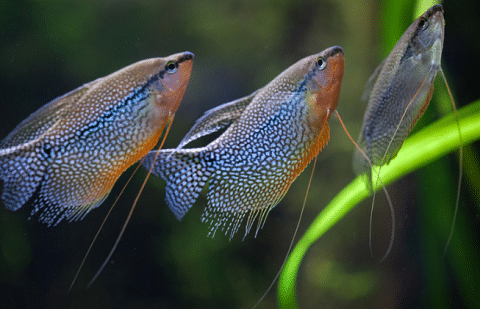
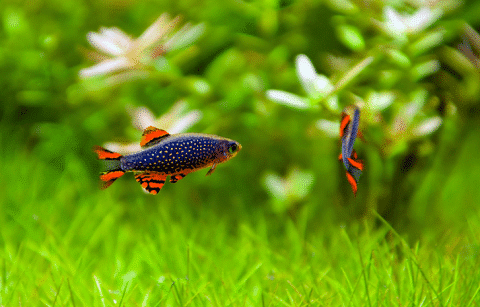
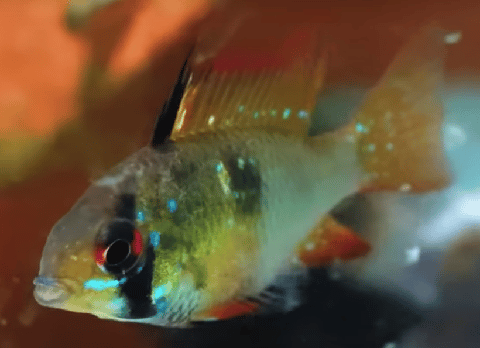
    These beautiful fish possess striking colors and a shining appearance, which is caused by their scale composition. Noteworthy are the light blue fins with red trimmings and markings, as well as eyes showing an azure tinge surrounded with a thin crimson contour. Close to 30% of these creatures’ bodies consist of large fin appendages that accentuate their elegance, making them a captivating inhabitant in any type of freshwater tank.

    Lifespan

    It is necessary to provide optimal living conditions in order for sparkling gouramis to reach their 4-5 year life expectancy. Regularly monitoring water quality and performing regular water changes, as well as providing a healthy diet, are essential components of keeping these fish happy and healthy. Following the tidbit in this guide will teach you what you need to know to maximize their lifespan by providing the proper environment, tankmates, and diet to keep them healthy and thriving.

    Size

    Sparkling gouramis are tiny fish, growing no more than 1.5 inches long at maturity. Despite their small size, they make a beautiful statement in any freshwater aquarium, especially ones 10 gallons and under. They need minimal care and are very resilient, making them an ideal choice for novice aquarists.

    Sparkling Gourami Care Guide

    In order to keep your sparkling gouramis healthy and happy, it is important for their tank environment to meet specific requirements such as aquascaping ideas, appropriate water parameters, and proper flow. A well-maintained aquarium will make sure they live in a comfortable space where you can see them shimmer with life.

    One thing to keep in mind with the Sparkling Gourami is that they naturally live in slow moving water. Filtration needs to be calm and quiet to keep stress levels low. We will go into more detail in the next subsections.

    Tank Requirements

    When creating a home for your sparkling gouramis, it is vital to provide them with ideal living conditions. A tank of at least 5 gallons in size should be used, which 10 gallons being the recommended tank to start with. Bigger tanks will offer more comfort and more opportunities to add tankmates.

    Aquascaping Ideas

    To ensure their well being and prevent stress levels from rising, the aquarium must contain dense plant life and several hiding spots replicas of what you’d find in their natural environment. These elements together create an inviting space designed specifically for your sparkling gouramis’ needs!

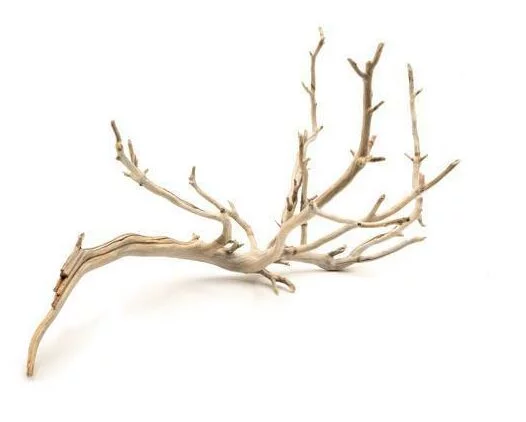
    For a natural look that mirrors the environment of your sparkling gouramis, incorporate water wisteria and hornwort to provide plenty of cover. The addition of rocks, driftwood or other decorations is helpful. Boost the appeal while offering various places for your fishy friends to scurry away into when they feel threatened. This will help create an attractive aquascape as well as giving them a secure refuge in their habitat.

    Water Wisteria

    An easy to grow and great beginner floating plant to try!

    Click For Best Price Buy Tissue Culture

    Water Parameters

    The well-being of sparkling gouramis requires appropriate water parameters. The ideal temperature should be from 76ยฐF to 82ยฐF, with 4-8 KH hardness level.

    It is critical to check the values often and do the required modifications so the fish’s health does not suffer any damage due to incorrect levels or fluctuations in conditions. You can check your parameters using water test kits that you can buy in stores. Here are some other basic parameters to watch out for.

    By monitoring these issues regularly, you can ensure your sparkling gouramis live happily and healthily!

    Importance Of Water Flow

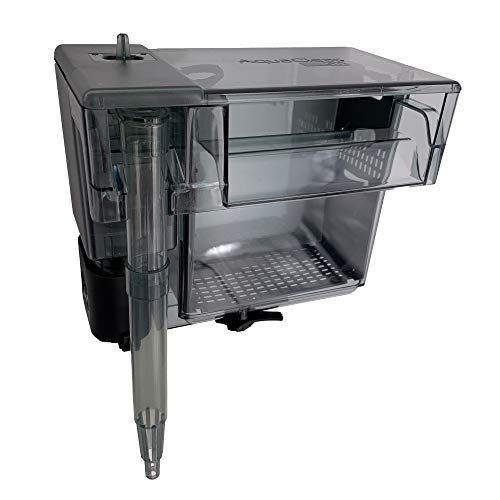
    When setting up an aquarium for sparkling gouramis, it’s important to replicate the slow water flow they would naturally experience in their habitat. This is beneficial both comfort-wise and oxygenation/circulation-wise. A lot of filters you can purchase for your fish tank will be too strong for them by default.

    In order to have a filter that has enough bacterial bacteria to handle your bioload while also keeping your Sparkling Gourami happy, you will need to purchase a filter that is able to be adjustable. Power filters and canister filters will have these features. They are strong enough swimmers that you do not need a sponge on the intake, but you just need to worry about the flow in the water to keep them from getting stressed.

    By making sure that the movement of water throughout your tank remains soft, you’re helping them feel more at ease while also ensuring adequate levels of aeration and circulation within their environment.

    Filtration

    Maintaining a clean environment for sparkling gouramis is absolutely essential. Proper filtration should be implemented. The ideal filter type would be an air-powered sponge that provides gentle water flow as these fish prefer it slow. However, if you are seeking to have a large community tank or a planted tank, a sponge filter may not be enough for everyone.

    Editor’s Choice
    Hikari Bacto Surge Sponge Filter

    The Best Sponge Filter

    With a name brand and high quality reputation, the Bacto Surge separates itself from the pack

    Buy On Chewy Buy On Amazon

    Nutritional Needs And Feeding

    In order to keep your sparkling gouramis in great condition, it’s important that you understand their nutritional needs and feeding habits. It involves knowing what types of food they like. Live or frozen, for example, as well as providing a healthy diet that will ensure the well being of your fish.

    Types Of Foods

    Sparkling gouramis need to consume a variety of live and frozen foods such as daphnia, artemia, bloodworms, and shrimp meat in order for them to get the full spectrum of nutrients that are essential for their well being. Besides these meals, they will also require leafy greens, which is found in home aquariums with plants although this species won’t eat those. These fish will eat these foods prepped in various ways like:

    • Flake foods
    • Pellets
    • Freeze dried foods
    • Frozen foods
    • Live (when cultivated)

    Feeding Tips

    In order to maintain your sparkling gouramis’ health, it is necessary to provide them with small meals multiple times daily and avoid overfeeding. Removing any leftovers from the tank can help ensure that water quality stays at a high level. As a rule of thumb, fish should eat food very fast when you feed them. They should devour all their food within a minute if you feed them multiple times daily.

    My Pick
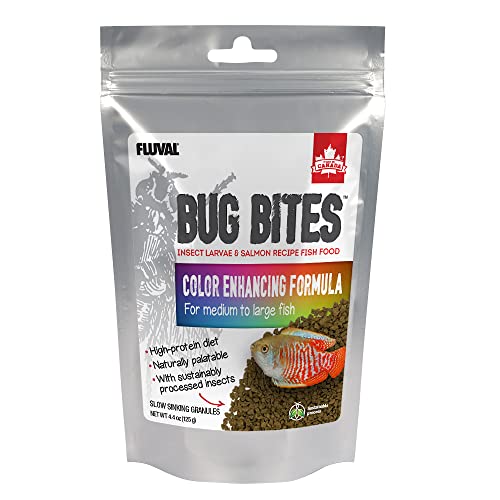
    Fluval Bug Bites – Tropical Formula

    Fluval bug bites tropical fish is an excellent staple food for most tropical fish. Made of black solider fly larvae

    Buy On Amazon Buy On Petco

    Regularly including diverse foods in their diet will contribute greatly towards keeping these fish healthy and happy overall.

    Selecting Compatible Tank Mates

    When it comes to keeping your sparkling gouramis in an aquarium, selecting compatible tank mates is paramount for creating a peaceful environment. Some species of fish are ideal companions because they are more docile, while others should be avoided due to the potential for confrontation or aggression.

    In this portion, we will address both the types of beneficial and detrimental counterparts that can inhabit the same space as your sparkly gourami.

    Good Tank Mates

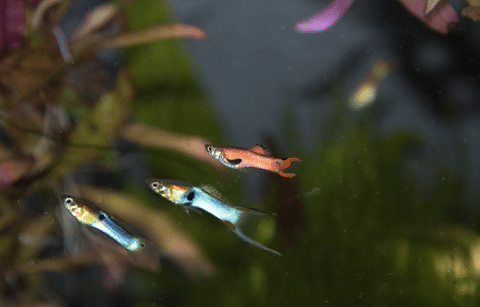
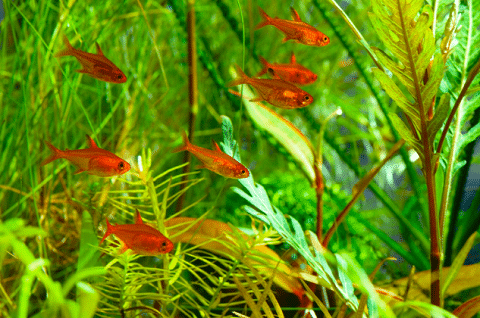
    Ember Tetra in Planted Tank

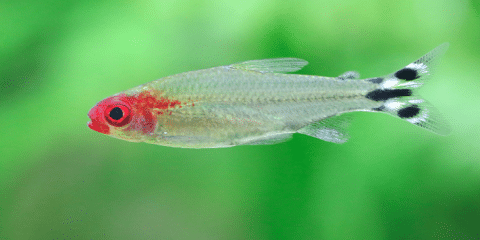
    When considering suitable Sparkling Gourami tank mates, some good options are fish species that are peaceful and non-aggressive. These include:

    Note that we excluded livebearers from our list. In our experience, livebearers are known to be a bit too boisterous for our calm Sparkling Gourami. It’s best to keep them with similar fish like the ones we mentioned above.

    Bad Tank Mates

    Alien Betta Male

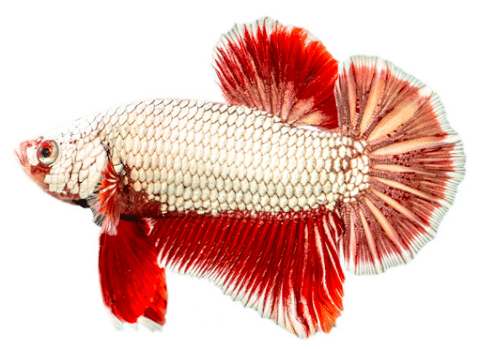
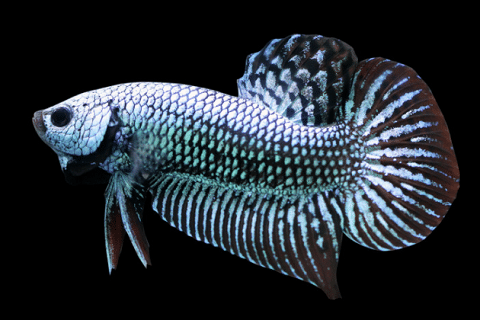
    When selecting tank mates for your sparkling gouramis, steer clear of aggressive and larger fish species. Here are a few to avoid:

    These types of fish all be avoided as they may cause harm or create conflicts with the peaceful-natured aquatic creature. Instead, seek out smaller fish that are less likely to pose a threat.

    Breeding

    Creating the perfect habitat for breeding sparkling gouramis is very rewarding. Watching their courtship, mating, and taking care of their young is a remarkable experience! They have a fascinating mating ritual like Betta fish and build bubble nests just like them (video source).

    In order to get your fish to breed, we need to create the proper environment first. Let’s talk about that next.

    Creating The Ideal Breeding Environment

    Creating a natural habitat that’s comfortable for your sparkling gouramis is key to successful breeding. This includes lowering the water level to 6-8 inches, increasing the temperature by 3-5 degrees Fahrenheit, and providing plenty of hiding spots in an area dense with plants. Itโ€™s also crucial to monitor all water conditions carefully so you can maintain this ideal environment for them.

    Having your fish breed in a breeding tank focused on them is best. This will also take out the stress level from other tankmates.

    Caring For Eggs And Fry

    When the sparkling gouramis mate, their eggs to hatch with 3-5 days. During this time, the male Sparkling Gourami watches over and guards the eggs. Once the eggs are provided in the male’s bubble nest, you should remove the female Sparkling Gourami, as they are known to eat the eggs and babies. Once the eggs hatch, remove the male Sparkling Gourami and focus on raising the fry.

    Initially, the fry requires being fed with tiny organisms such as infusoria or rotifers. Later on, when they grow bigger, frozen food like daphnia, cyclops or baby brine shrimp can also form part of their diet.

    Disease Prevention And Treatment

    It is important to stay vigilant when taking care of your sparkling gouramis and monitoring their water parameters as part of disease prevention. Providing them with hiding spaces, along with avoiding overfeeding, are also necessary measures for maintaining the health of these fish. In case any illness symptoms appear, such as white spots on the body, it is essential to treat them immediately in order to ensure their well being. Some of the common diseases your Sparkling Gourami may be prone to include:

    • Ich
    • Fin and tail rot
    • Dropsy
    • Freshwater Velvet

    Frequently Asked Questions

    How many sparkling Gouramis should be kept together?

    Experts advise that for optimal conditions, four or more sparkling gouramis should be kept in an aquarium. If you desire to have a larger group of these fish, it is advisable to upgrade the size of your tank accordingly so as to ensure their well-being and health.

    How big are Sparkling Gourami?

    Sparkling Gourami are small fish, ranging from 1 to 1.5 inches in size with females being smaller than the males. So they should be kept with similarly-sized fish, and in an aquarium that provides lots of hiding places for them to feel safe and comfortable. They make a great addition to any nano community tank!

    Can I keep a Sparkling Gourami in a 5 gallon tank?

    The Sparkling Gourami is an ideal fish for a 5 gallon tank, as it’s considered a true nano fish and requires very limited space. To provide some companionship in the aquarium, one should consider introducing several dwarf shrimp to join your new aquatic friend. They are a small bioload than a Betta and won’t eat adult shrimp.

    How do sparkling Gouramis make noise?

    Sparkling Gouramis make their presence known by using specialized pectoral fins to vibrate the water around them, emitting a clicking sound. This noise serves both as communication and courtship among these fish in the wild!

    How big do pygmy Gouramis get?

    Pygmy Gouramis are a small species of fish, reaching an average size of 4 centimetres (1.6 inches). These tiny creatures have some beautiful and eye-catching colouring – blues, reds and greens which will bring bright vibrancy to your aquarium. With their unique markings, they can make for interesting additions to any tank setup featuring these delightful little fish!

    Is the Sparkling Gourami Right for You?

    Before you commit to this species, here’s an honest assessment of whether it fits your setup and experience level.

    • Perfect for dedicated nano setups. A well-planted 10-15 gallon tank is ideal for a small group of sparkling gouramis.
    • Unique vocalizations. If you want a fish that makes audible sounds, this is one of the very few freshwater species that does.
    • Not for boisterous community tanks. They’re easily outcompeted for food and stressed by fast-moving or aggressive tank mates.
    • Need heavy plant cover. Without dense vegetation, males will fight excessively and weaker fish will have nowhere to retreat.
    • Surprisingly colorful up close. Their iridescent spots and blue eyes don’t show in store tanks but become stunning in a proper planted setup.
    • Best kept as a species-only group or with very small, calm tank mates. Micro rasboras and small shrimp are ideal companions.

    How the Sparkling Gourami Compares to Similar Species

    Want a peaceful labyrinth fish for a community tank? Get a honey gourami. Want more color and size? Get a pearl gourami. Avoid dwarf gouramis from chain stores unless you are willing to gamble on Iridovirus.

    The honey gourami is the most practical comparison for nano tank keepers. Honey gouramis are larger (2-2.5 inches vs. Under 1.5 for sparklers), significantly calmer, and more visible in a tank. They’re the better choice for a community nano tank because they’re less likely to be stressed by moderate tank mates and easier to feed. Sparkling gouramis are the specialist pick. Best appreciated in a quiet, heavily planted species setup where you can enjoy their iridescence and listen for their croaking. If you want ease, go honey. If you want a unique experience, go sparkling.

    Betta fish are the other common labyrinth fish comparison. Wild-type bettas and sparkling gouramis share similar habitats and care requirements, and both build bubble nests. The key difference is that sparkling gouramis is kept in groups (with proper space and cover), while male bettas cannot. If you want social labyrinth fish behavior in a nano setup, sparkling gouramis give you something bettas can’t.

    Closing Thoughts

    By providing the right living space and meeting their needs, sparkling gouramis is a magical addition to any freshwater aquarium. These fish are stunningly peaceful creatures that must be taken care of properly if they’re going to thrive in your tank – with good maintenance, you’ll have these dazzling gouramis giving off an enchanting sparkle underwater.

    Have you ever kept a Sparkling Gourami in the past? Let us know your experience. We would love to hear about it in the comments below. Until next time!


  • Rope Fish Care Guide: The Escape Artist You’ll Actually Want to Keep

    Rope Fish Care Guide: The Escape Artist You’ll Actually Want to Keep

    The Rope Fish is the kind of fish that makes experienced keepers stop and stare. This is not a beginner species. It requires specific conditions, a specific tank, and a keeper who understands what they are signing up for. After 25 years in the hobby, I still consider this one of the most fascinating fish you can own.

    This fish will outgrow your plans. Accept that before you buy it.

    This fish lives a long time, grows large, and demands a dedicated setup. The commitment is real and the costs add up over years, not months.

    Oddball fish are not conversation starters. They are conversation dominators. Guests will stare at this tank for twenty minutes.

    What It Is Actually Like Living With Rope Fish

    Oddball fish are the fish that visitors notice first. Nobody glances at this tank and keeps walking. They stop, stare, and ask questions. Be prepared to explain what you are keeping multiple times a week.

    Feeding is an event. Many oddballs are predators that hunt live or frozen food with visible intensity. Watching this fish track and strike at prey is one of the most dramatic moments in fishkeeping.

    These fish grow fast and steadily. One month it fits comfortably. Three months later, you are researching larger tanks. The growth rate catches new owners off guard every single time.

    Oddball fish often recognize their owners. They approach the glass when you enter the room, accept food from your hand, and display behaviors that feel remarkably personal. That connection is why oddball keepers rarely go back to community tanks.

    What Most Care Guides Get Wrong About Rope Fish

    Most care sheets list the minimum tank size for Rope Fish and call it a day. But a minimum is just that. In my experience, giving them more room changes their behavior completely. You see more natural movement, less stress, and fewer aggression issues. Another thing guides gloss over is temperament. Rope Fish are often described with a single label, but their behavior shifts depending on tank size, tank mates, and territory. You need to plan for the worst-case scenario, not the best. Group size is another area where most guides fall short. Saying ‘keep them in groups’ is not enough. The difference between keeping 3 and keeping 8 or more is night and day when it comes to coloration, confidence, and natural behavior.

    The Reality of Keeping Rope Fish

    Tank size requirements are extreme. Most oddball fish grow large, fast, and need significantly more space than beginners expect. A 2-inch juvenile will eventually need hundreds of gallons. Research adult size before purchasing, not juvenile size.

    Diet is specialized. Many oddball fish are predators that need live or frozen foods. Some refuse pellets entirely. Feeding costs for large predatory fish add up quickly over the life of the fish.

    Tankmate compatibility is extremely limited. Most oddball fish are either predators that eat smaller fish or territorial species that attack anything in their space. Community setups require careful size matching.

    Biggest Mistake New Owners Make

    Buying a juvenile oddball fish without understanding its adult size. That cute 3-inch fish at the store will be 18 inches long within two years and need a tank most people cannot afford or fit in their home.

    Expert Take

    Before you buy any oddball fish, look up its adult size and multiply your expected tank cost by three. That is the realistic budget for keeping this fish properly.

    Key Takeaways

    Species Overview

    Want a conversation piece? Get this fish. Want easy maintenance? Get community fish instead. There is no middle ground with oddball species.

    Scientific NameErpetoichthys calabaricus
    Common NamesRope Fish, Reed Fish, Snake Fish
    FamilyPolypteridae
    OriginWest and Central Africa
    DietCarnivorous
    Care DifficultyIntermediate
    ActivityNocturnal
    Life Expectancy10 – 15 years
    TemperamentPeaceful (Will eat smaller fish)
    Tank LevelBottom Dweller
    Minimum Tank Size55 gallons (208 liters)
    Temperature Range72-82ยฐF (22-28ยฐC)
    Water Hardness5-20 dKH (degrees of Carbonate Hardness)
    pH Range6.2 – 7.8
    Filtration/Water FlowModerate
    Water TypeFreshwater or Brackish Water
    BreedingN/A
    Difficulty to BreedN/A
    CompatibilityCommunity tank with appropriate sized fish
    OK, for Planted Tanks?Yes

    Introduction

    Coming from the rivers of West and Central Africa, Erpetoichthys calabaricus – otherwise known as African rope fish – make for a unique freshwater species with long eel-like bodies. Despite looking like snakes, these animals are quite peaceful, making them perfect community aquarium candidates if given suitable tank mates.

    So let’s explore what it takes to care for rope fish correctly and why they have become so popular aquarium fish in the aquarium trade.

    Natural Habitat And Distribution

    Rope fish, also known as snake or reed fish, are native to rivers in countries such as the West and Central African regions of Cameroon and Nigeria1. To achieve a comfortable environment for these creatures in an aquarium, it’s essential that the water quality remain consistent like their natural habitat with little oxygen flow plus adequate hiding places made available for them to feel secure, reducing stress levels and leading to healthier, happier rope fish!

    Creating tank conditions resembling those found naturally is a key factor when setting up a suitable home so they can thrive optimally.

    Appearance

    Reed Fish

    The rope fish is distinguished by its long, cylindrical form, which features diamond-shaped scales and the lack or reduction of fins aside from small pectoral fins near their heads. Like with many eel like fish, it is difficult to determine between male and female rope fish because they appear so alike. Some think that males may have more rays on their dorsal fin than females, though it proves tough for accurate counting. In any case, these exotic looking creatures with make a great addition to community aquariums due to their very distinct appearance and easygoing nature

    Size And Growth

    Rope fish can reach up to 2 feet in length, which means they need a suitable sized tank. When providing them with an environment suitable for their needs a tank of at least 50 gallons is best for housing a rope fish.

    Each additional ropefish requires 10-15 extra gallons. As the rope fish grow bigger and longer over time, other species inside the same enclosure have to increase in size, too, or else risk becoming food for your ever-growing pets. To ensure health and happiness, you need to make sure there’s enough space available for all residents within the tank!

    Rope Fish Care Guide

    When it comes to looking after rope fish, creating the perfect habitat that replicates their natural environment is key. We will discuss how best to do this with regard to substrate, decorations, and water parameters in order for your rope fish’s health and happiness.

    Substrate And Decorations

    When setting up a tank for rope fish, it is important to mimic their natural habitat and provide a sandy substrate. This allows them to feel comfortable while exploring in the familiar environment they are accustomed to. To be able to do so, add character to their setup.

    Great For Bottom Feeders
    Fine Natural Sand

    Natural sand is excellent for bottom feeder fish to forage around in.

    Click For Best Price Buy On Amazon

    Hiding places such as rocks, driftwood, or caves is incorporated along with plants like Java Ferns and Amazon Swords which not only give an aesthetically pleasing view but also offer additional cover for your Rope Fish.

    Water Parameters And Filtration

    While this fish is a hardy fish, having consistent ideal water parameters will help them thrive. These levels include a pH level between 6.0 and 7.5, as well as a hardness level of up to 20 dKH. In order to provide the best environment possible, it’s important that you maintain an aquarium temperature range between 72ยฐF. 75ยฐF (22-24ยฐC). Ammonia and Nitrite levels should be maintained at 0 PPM. Nitrates should say below 40 PPM.

    The right filtration system is essential in keeping high standards when it comes to maintaining optimal water quality and clarity – we recommend using canister filters which are particularly adept at removing debris & organic waste from your tank while also sustaining suitable conditions day after day for these aquatic creatures.

    Diet And Nutrition

    When it comes to diet, rope fish have a carnivorous palate that consists of small crustaceans, insects, worms, and other tiny species. Being nocturnal creatures reliant on their sense of smell for food in the wild, meaty foods such as bloodworms and insect larvae should be given regularly when kept captive. As they get older, food like night crawlers are ideal for them.

    Adult Rope Fish are best fed once every 24 hours, while juvenile rope fish require twice daily meals before turning off tank lights at night for optimal nourishment.

    Behavior

    When it comes to Rope Fish behavior, they have a peaceful temperament and get along well with other non-aggressive species of aquatic life. The Rope Fish possess the remarkable ability to live in oxygen-deficient surroundings, which leads them, from time to time, to come up close to the water’s surface for air. This is a major problem in captivity as your Rope Fish is known as escape artists. You will want to secure your tank with a proper lid to keep them from getting out.

    Establishing Compatible Tank Mates

    When it comes to tankmates for rope fish, selecting the proper ones is essential to guarantee a peaceful and serene habitat. We’ll go over some of the best compatible choices as well as those which should be avoided when considering what other freshwater species are suitable companions for your Rope Fish.

    Good Tank Mates

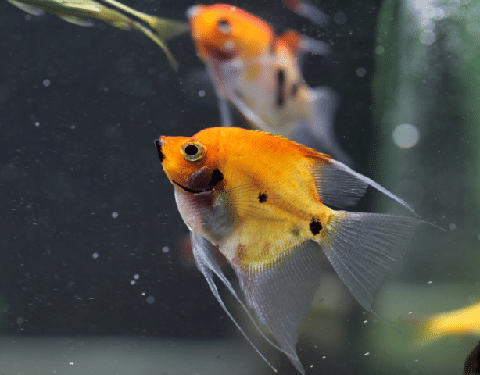
    Koi Angelfish

    When it comes to rope fish tank mates, peaceful species that are not very small fish are great choices. Some good options include:

    When keeping rope fish one must consider its increasing size over time which may cause aggression towards smaller fishes thus, proper attention should be given by providing adequate space accordingly without endangering them from being an intended mealtime snack!

    Bad Tank Mates

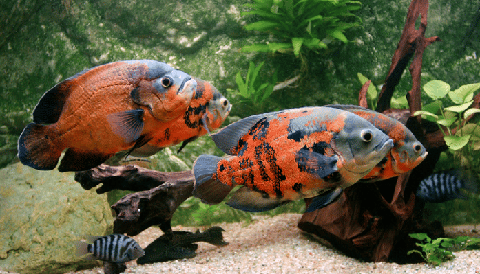
    Tiger <a href=Oscar Fish” class=”wp-image-1059319″/>
    It’s essential to be selective about the tank mates of rope fish. Aggressive species, such as the following below, should be avoided:

    These types of freshwater fish could generate stress for your ropefish or inflict damage on them, which will make their habitat an unhealthy one. Here are small fish and other peaceful species that may end up as snacks:

    Breeding Challenges And Tips

    If you’re determined to breed rope fish in captivity, there are certain steps that may improve your chances. Increasing the water temperature slightly and adding taller plants can help create a suitable habitat for breeding. After around 70 hours, when juveniles hatch, it is important to move them away from adult rope fish since they might get eaten otherwise. Even though this kind of endeavor is demanding, having successful results will make aquarium enthusiasts very pleased with their achievement!

    Health Concerns And Disease Prevention

    The health of rope fish is jeopardized by diseases like:

    To ensure a healthy environment for the species, it is essential to monitor their condition and regularly check water parameters that imitate their natural habitat. Good quality water helps maintain overall stability for your freshwater fish’s wellbeing, so make sure you keep an optimum balance in terms of temperature and other variables such as oxygen content etc.

    Frequently Asked Questions

    Are rope fish hard to take care of?

    Maintaining rope fish does not need to be complicated. The tank should provide enough space and stability in order for the species to thrive, while also selecting suitable companions is important. All of this combined makes it great. A simple process when taking care of them. They are one of the hardier varieties that can adapt easily within various types of tanks provided their habitat stays consistent.

    Overall, properly looking after your rope fish doesn’t have too many complexities as long as essential aspects such as choosing compatible tank mates and keeping environmental conditions relatively similar remain intact.

    How big of a tank do rope fish need?

    If you are planning on having multiple rope fish in a single tank, make sure to increase the capacity by 10-15 gallons for each additional one. This way, your creatures will have plenty of space to move and grow happily inside their 50 gallon or more aquarium. Keeping them safe with sufficient swimming room is essential if you want healthy happy pet fishes!

    What is fish rope?

    Fish rope is a must-have for fishermen as it is used to tether the catch and also serves other fishing needs. Constructed of nylon, polypropylene or cotton depending on requirement, this strong material comes in various sizes and lengths suitable for any angler’s need. It has impressive durability due to its resistance to abrasion and UV rays making it dependable gear when heading out into the sea.

    Do rope fish need sand or gravel?

    To ensure the safety of rope fish, their habitat should mimic a natural one with soft substrates such as sand or coral sand. This way they won’t be hurt by sharp edges and can still enjoy the environment that resembles their native home without any issues.

    Are rope fish hard to take care of?

    Rope fish need a large tank for their eventual full size and require precise monitoring of water temperature in order to remain healthy. Maintaining this environment isn’t particularly difficult, however. Taking proper care is key when it comes to keeping rope fish happy and well-adjusted.

    Do rope fish need sand or gravel?

    To ensure the safety of rope fish, their habitat should mimic a natural one with soft substrates such as sand or coral sand. This way they won’t be hurt by sharp edges and can still enjoy the environment that resembles their native home without any issues.

    Are rope fish hard to take care of?

    Rope fish need a large tank for their eventual full size and require precise monitoring of water temperature in order to remain healthy. Maintaining this environment isn’t particularly difficult, however. Taking proper care is key when it comes to keeping rope fish happy and well-adjusted.

    Summary

    Want a conversation piece? Get this fish. Want easy maintenance? Get community fish instead. There is no middle ground with oddball species.

    With an engaging presence and tranquil disposition combined with fantastic aesthetic qualities, these creatures become truly remarkable aquatic companions – itโ€™s no wonder why people find caring for African ropes such a rewarding pursuit! So if you’re ready to begin your journey as an aquarist specializing in ropefish care be sure not to forget any helpful tips from here!


    ๐Ÿ“˜ Want to learn more? This article is part of our complete Freshwater Fish Guide. Your ultimate resource for freshwater species, care tips, tank setup, and more.

  • Red Tail Catfish Care Guide: The Monster Bucket List Fish Most People Can’t Keep

    Red Tail Catfish Care Guide: The Monster Bucket List Fish Most People Can’t Keep

    The Red Tail Catfish reaches 4 feet long. Four feet. It needs a tank measured in hundreds of gallons or a heated pond. If you cannot provide a 1,000-gallon setup, do not buy this fish.

    Pet stores sell red tail catfish to people who have no business owning them. Do not be that person.

    Table of Contents

    The Red Tail Catfish is not the boring bottom-feeder most people expect. This fish has real personality, specific care needs, and a few traits that catch new owners off guard. I have kept catfish for over 25 years and this species stands out for reasons most care guides never mention.

    This fish is nocturnal, social, and far more active than most people realize.

    This fish will outgrow every tank most hobbyists own. Buying one without a plan is not adventurous. It is irresponsible.

    This catfish lives 8 to 15 years in proper conditions. That means years of providing the right environment, diet, and tank mates.

    People buy catfish to clean the tank. They stay because the catfish has more personality than anything else swimming in it.

    So why would you want to keep them? You’ll be surprised, but they are a bucket list fish for many in our hobby. This article is all about how to pull it off so you can flex to your fellow fish keepers and not make your significant other crazy with their care. It’s best to prep them now if you want to keep this monster fish. That’s what I’m here to help with :).

    What Most Care Guides Get Wrong About Red Tail Catfish

    Most care sheets list the minimum tank size for Red Tail Catfish and call it a day. But a minimum is just that. In my experience, giving them more room changes their behavior completely. You see more natural movement, less stress, and fewer aggression issues. Another thing guides gloss over is temperament. Red Tail Catfish are often described with a single label, but their behavior shifts depending on tank size, tank mates, and territory. You need to plan for the worst-case scenario, not the best. Group size is another area where most guides fall short. Saying ‘keep them in groups’ is not enough. The difference between keeping 3 and keeping 8 or more is night and day when it comes to coloration, confidence, and natural behavior.

    The Reality of Keeping Red Tail Catfish

    Most catfish are social and nocturnal. Keeping a single catfish means you rarely see it. Many species need groups of 3 to 6 to feel secure enough to come out during the day. Solitary catfish hide constantly and stress silently.

    Sharp spines are a real hazard. Many catfish species have venomous or sharp pectoral and dorsal spines. Netting them is risky. Getting stung during a water change is painful and surprisingly common. Use a container, not a net, when moving catfish.

    Feeding needs attention. In a community tank, catfish often get outcompeted for food by faster midwater fish. Sinking pellets dropped after lights-out ensure your catfish actually eats.

    Biggest Mistake New Owners Make

    Assuming the catfish will eat leftover food and algae. Catfish need their own dedicated feeding, preferably after the tank lights go off when they are most active.

    Expert Take

    Feed your catfish after lights-out with sinking pellets. If you only feed when the lights are on, your catfish is starving while your tetras get fat.

    Key Takeaways

    • Redtail catfish are large bottom dwelling fish requiring an experienced aquarist
    • Conventional tanks won’t suffice. They need a 1000+ gallon tank – ideally, an indoor pond!
    • They come with stunning colors, long whiskers & rapid growth up to 4ft in length!
    • They eat a ton of food – most conventional fish food will not suffice for them!
    • With the right environment, diet & compatible tank mates, they is a peaceful addition.

    Species Overview

    Scientific Name Phractocephalus hemioliopterus
    Common Names Redtail Catfish, South American Red Tailed Catfish, Red Tail Catfish, Banana Catfish
    Family Pimelodidae
    Origin Amazon and Orinoco River basins in South America
    Diet Omnivorous
    Care Difficulty Advanced
    Activity Nocturnal
    Life Expectancy 15-20 years
    Temperament Aggressive
    Tank Level Bottom Dweller
    Minimum Tank Size 1000+ gallons (3705+ liters) – best for indoor ponds
    Temperature Range 68-79ยฐF (20-26ยฐC)
    Water Hardness 5-20 dKH (degrees of Carbonate Hardness)
    pH Range 6.0 – 7.5
    Filtration/Water Flow High
    Water Type Freshwater
    Breeding Egg layer
    Difficulty to Breed Difficult
    Compatibility Best alone, but is kept with very large fish
    OK, for Planted Tanks? No – will dig out and destroy aquatic plants

    Classification

    Order Siluriformes
    Family Pimelodidae
    Genus Phractocephalus
    Species P. Hemioliopterus (Bloch & Schneider, 1801)

    Introduction

    The redtail catfish or banana catfish, scientifically known as Phractocephalus hemioliopterus, is a freshwater fish found in the basins of South America and have been attracting experienced aquarists for its incredible growth rate and gigantic size. With long whiskers, vibrant red tail coloration, plus the voracious appetite that enables them to eat anything from large stingrays to small creatures, easily distinguish these bottom dwellers from others.

    Though they may look tiny when juveniles, make no mistake. This species grows a foot a year so having at least 1,500 gallons of water would be needed if you want to keep these critters happy over time otherwise your aquarium might turn into a warzone with the fish’s constant hunger demands not met! And even though it can take up quite a lot of space within your fish tanks, it will definitely become a showstopper due to its striking appearance whenever kept properly by skilled hobbyists.

    Natural Habitat And Distribution

    The redtail catfish of South America is known for their stunningly vibrant tail and semi-aggressive nature, making them a favorite among experienced aquarists. These bottom dwelling fish thrive in warm, soft river basins such as the Amazon, Orinoco and Essequibo. The natural environment they inhabit offers abundant opportunities to hunt smaller fish or invertebrates which form part of their diet.

    Its majestic beauty hides an aggressive personality that makes it less than ideal for those wishing to create a peaceful home aquarium community tank. Instead, these creatures are symbols of strength throughout the lands where they originate from due tales of power transmitted by word-of-mouth stories amongst locals over time.

    For this reason keeping one comes with additional care requirements best handled by skilled aquarists who can understand how much effort needs to be put into providing proper surroundings so that your pet redtail catfish has all chances to flourish healthily within their captivating habitat at your house!

    Appearance

    Red Tailed Catfish

    The redtail catfish, with its large body and remarkable features, stands out from other fish species. Its dark grey coloring is adorned by a vibrant red tail as well as orange dorsal and caudal fins that are outlined by a pale yellow band running across the body. Long whiskers protrude from either side of their face, providing them with added attractiveness, but more importantly, aiding in locating food in their natural habitat.

    Due to its size and local lore, it has because a bucket list fish for a lot of freshwater hobbyists. It is hard to handle, eats everything that will fit in its mouth, prefer tropical waters, and grows so large that conventional aquariums don’t work for it.

    Size And Growth

    While they may only start off at just inches long when first born, these magnificent creatures can grow to an awe-inspiring length of 6 feet and reach weights up to 180 pounds if left unchecked, even reaching 4 feet or 80 pounds within captivity! Such rapid growth rates make it quite difficult for those who wish to keep this gorgeous fish within home aquariums, partly because of its size but also because it is so striking visually speaking too. Making sure your tank isn’t overcrowded must be taken into consideration before taking the plunge!

    Their potential lifespan in captivity is 15 years. This makes them quite the lifelong commitment for any aquarist. That said, it’s essential that their new home is large enough to provide them with plenty of space and allow them to claim territories without aggressive outbursts occurring due to overcrowding or cramped living conditions. Not only does this guarantee comfort, but also water quality, which should never be underestimated when dealing with such big catfish!

    Tank Requirements And Setup

    To ensure a redtail catfish is content and healthy, it’s important to replicate its natural habitat in your home aquarium. This includes providing them with lots of room by having a big tank complete with secure decorations that canโ€™t be moved or destroyed due to their size as well as slow-moving filters for water circulation and regular tests on the parameters.

    The ideal set up for these cats would have limited decor (like sand substrate maybe no additional textures at all) along with dim light fixtures plus strong filtering systems such as those found inside canister models. Recreating how it naturally lives gives them enough space available so swimming comes easier without issues while simultaneously maintaining proper conditions, and reducing stress levels, which leads to sicknesses affecting both body and mental state if left unchecked over extended periods.

    Given their size, a number of aquarists have opted to build out a pond for them. Because they prefer tropical waters, they do not do well in outdoor ponds unless you like in a tropical environment. They are best in indoor ponds. Many hobbyists construct indoor ponds specialized for them that are bare bottom with pond filtration. This will be the most economical way of keeping them long-term.

    Diet And Feeding Guidelines

    Feeding redtail catfish involves giving them an omnivorous diet that is a high-protein diet in order to live happily. In their natural environment, these fish feed on different kinds of worms, tiny fishes and invertebrates as well as the occasional vegetation matter. For those kept captive, feeding is a challenge as they get larger.

    When they are small they need sink pellets, freeze-dried or fresh worms. As they get larger, conventional fish food will not suffice for them. Store brought shrimp chunks and cut-up pieces of fish (they love tilapia) will offer them both essential nutrients and food mass to them healthy. You can also try pond pellets designed for large koi and fish.

    How often one should give food depends mainly upon the age of your redtail catfish. You will be needing better quality pellets and frozen food daily if it’s still young since their growth rate happens rapidly, while just once or twice weekly could serve adults due to its slower metabolism plus the tendency towards overfeeding that can lead to poor water conditions.

    One of the most endearing characteristics of a Redtail Catfish is that they will eat food out of your hands and will recognize their owners. Some may also enjoy being pet during feeding times.

    Behavior And Social Compatibility

    Redtail catfish are normally quite quiet and will hide away in cave-like enclosures within the aquarium. As they get bigger, they get bigger. Their behavior can alter due to them feeling more secure. This often leads to increased territoriality or aggression, especially if overcrowding is an issue. It’s not. Important that a single species tank should be set up for these cats so as not to prevent clashes between other fish of similar size from occurring.

    When trying to choose suitable companions for your redtail catfish, it mustn’t be forgotten that they’re scavengers who will take advantage of food opportunities whenever possible – making small fish or invertebrates off-limits since there’s no telling whether said meals might end up being eaten by the catfish instead! Going with animals around their own size would provide peace without any risk of predation taking place in the future.

    Tank Mates Selection

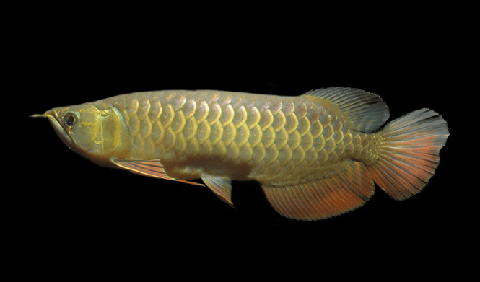
    Arowana Fish

    For those looking after a population of serene yet powerful fish like Redtails Catfishes, obtaining the right kind of companions is essential to ensure overall health throughout their lifespans. Taking note of appearances/sizes alongside personalities & dispositions, along with compatibility among other families, are key criteria needed when making a decision. Let’s list out a few possible candidates:

    Note while these are possible Redtail Catfish Tank Mates, they have been known for choking to death trying to eat fish that was too large for it. Despite these large fish listed, they can still become a meal for your catfish. Some keepers eventually opt to house them alone after a few losses.

    Challenges In Breeding

    It is almost impossible for aquarists to successfully breed redtail catfish in a home aquarium due to the huge fry size, making it difficult to provide them with enough space and resources. Breeding Redtail Catfish takes place at fish farms where proper conditions are maintained so that their fry can survive.

    In the wild, males have parental care instincts, which compels them to stay by their offspring for about 7 days after they come out of eggs, up to 20 thousand eggs may be laid by female catfish at one time and they take nearly 10 days until hatching occurs. Although there exists interest amongst aquarists regarding attempting such a process. Nevertheless, understanding all hardships involved should help people make well-informed decisions related to taking care of these beautiful creatures as well as the feasibility of trying successful captive reproduction pursuits.

    Health Concerns And Disease Prevention

    Redtail catfish require special care to ensure their health and well-being. Water parameters must be monitored regularly in order to prevent common ailments such as fin rot, gill flukes, and nitrite poisoning, which affect all kinds of fish. It is important that new additions are quarantined before being added into the main tank so they do not spread any illness or infection among existing members.

    When treating redtail catfish for disease or other health issues, due caution should be taken when using certain medications. Copper or potassium permanganate might prove too harsh on these scaleless creatures, while antibiotics and antifungals need carefully adjusted dosages depending on the sensitivity levels of each individual species’ needs.

    Your red tails are also prone to getting a condition called gill curl. This is a condition where the gills curl outwards, causing breathing difficulties. It is theorized that this is caused by poor water conditions or could actually be a genetic condition. This condition is best resolved by surgery. The gills will need to be clipped under sedation. Fortunately, the Redtail is a large enough fish that vets will actually see your fish and are able to treat them! I supplied a video from Anders Cornelius Olesen for those brave enough to try it themselves!

    By following proper precautionary measures, one can guarantee a safe environment that will allow your redtail catfish maximum enjoyment throughout their lives! Monitoring water conditions frequently with adequate treatment along with regular quarantine procedures become key elements necessary for maintaining an optimal aquatic habitat within your home aquariums suitable for healthy Redtails.

    Frequently Asked Questions

    Are red tail catfish in the US?

    The redtail catfish is indigenous to the rivers and basins of South America, especially those found in Colombia, Brazil, Peru, Venezuela, Ecuador, Guyana and Bolivia. This type of catfish cannot be located within US borders, but it can often be seen swimming around these river systems in south America.

    How big do redtail catfish get?

    Redtail catfish, a species not to be underestimated due to its cute name. Though they grow up around three feet in length – big enough for an unexpected encounter if you’re visiting the Dallas World Aquarium! Originating from South America’s Amazon River basin and now housed in many aquariums across the globe, these fish have become popularly sought out as pets. It is no surprise. This particular kind of catfish provides owners with all sorts of fascinating entertainment!

    Can you have a red tail catfish as a pet?

    Yes, you can have a red tail catfish as a pet! Though they require an expert level of aquarium keeping and come with quite a bit of responsibility, they are fascinating fish to keep and make an eye-catching addition to your tank. If you’re prepared for the challenge, they is beautiful and rewarding pets.

    Can red tail catfish live in an aquarium?

    Redtail catfish is a majestic sight. It’s not feasible to house them in an average-sized home aquarium. These fish need vast tanks for their wellbeing and growth. More than most people have room for unfortunately. If you do have the capacity though, why not give it a go?

    Are there red tail catfish in the US?

    No, the redtail catfish is not found in the US. Native to South America, they inhabit larger rivers, streams, and lakes only in Ecuador, Venezuela, Guyana, Colombia, Peru, Suriname, Bolivia, and Brazil. Sorry Americans, no redtail catfish for you!

    How the Red Tail Catfish Compares to Similar Species

    Want a social bottom dweller? Get corydoras. Want a dramatic predator? Get a pictus catfish. Want something unique? This is your fish.

    The most common alternative to the Red Tail Catfish is the Arowana, another monster fish favorite. Both need enormous tanks and dedicated keepers. Red Tail Catfish are bottom dwellers that ambush prey, while Arowanas hunt at the surface. Both can exceed 3 feet in captivity. If you do not have a 500+ gallon setup planned, neither is appropriate.

    Closing Thoughts

    Redtail catfish can make a great addition to an aquarium when their particular care needs, fast growth rate, and potential aggression are taken into consideration by experienced aquarists. By learning more about these beautiful creatures’ natural habitats as well as the challenges that come with breeding and disease prevention for them in one’s home aquarium, you will be able to provide your redtail catfish with all they require for a long life full of joy. Are you prepared enough to embark on the thrilling adventure of keeping this species?

  • Electric Blue Crayfish Care Guide: Stunning But Not a Community Fish

    Electric Blue Crayfish Care Guide: Stunning But Not a Community Fish

    After keeping these for years, electric Blue Crayfish eat plants, catch slow fish, and fight everything including each other. They are beautiful and destructive.

    Crayfish and planted tanks do not coexist. The crayfish will win that fight every time.

    Table of Contents

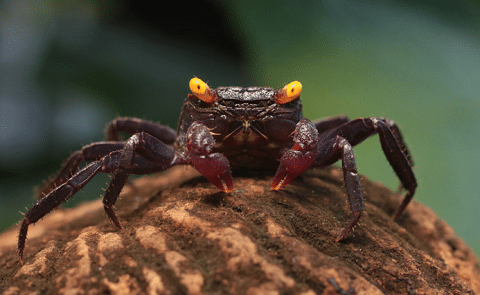
    Electric Blue Crayfish are one of the most visually striking invertebrates you can add to a freshwater tank. That bright blue coloring is genuinely unreal in person. The thing people need to understand going in is that crayfish are predators and opportunistic eaters. They will go after slow or bottom-dwelling fish, they will uproot plants, and they will rearrange your tank decor because that’s what crayfish do. They’re fascinating to keep, but they work best in a species-specific setup or with fast-moving tank mates that can stay out of reach. Manage those expectations and they’re excellent.

    What Most Care Guides Get Wrong About Electric Blue Crayfish

    Most guides give you a cookie-cutter care sheet for Electric Blue Crayfish without mentioning the nuances. After 25+ years in this hobby, I have seen how small details in tank setup and maintenance make a real difference in long-term health. Another thing guides gloss over is temperament. Electric Blue Crayfish are often described with a single label, but their behavior shifts depending on tank size, tank mates, and territory. You need to plan for the worst-case scenario, not the best. Group size is another area where most guides fall short. Saying ‘keep them in groups’ is not enough. The difference between keeping 3 and keeping 8 or more is night and day when it comes to coloration, confidence, and natural behavior.

    Key Takeaways

    • Electric Blue Crayfish are native to Florida and require the right tank setup with a 30 gallon capacity, hiding places, and a powerful filtration system.
    • Feed them once daily in small portions of dry or live food for optimal health & happiness.
    • Be mindful when choosing compatible tank mates – fast swimmers like danios & snails can coexist peacefully, but be sure to research their compatibility first!

    Species Overview

    Scientific NameProcambarus alleni
    Common NamesElectric Blue Crayfish, Blue Crayfish, Florida Crayfish, Sapphire Crayfish Family: Cambaridae, Freshwater Lobster,
    FamilyCambaridae
    OriginFlorida, United States (Florida Keys & St. Johns River)
    DietOmnivorous
    Care DifficultyEasy
    ActivityNocturnal
    Life Expectancy5-7 years
    TemperamentSemi-Aggressive – will attack and eat smaller fish
    Tank LevelBottom Dweller
    Minimum Tank Size55 gallons (208 liters)
    Temperature Range65-75ยฐF (18-24ยฐC)
    Water Hardness3-10 dKH (degrees of Carbonate Hardness)
    pH Range6.5 – 7.5
    Filtration/Water FlowModerate
    Water TypeFreshwater
    BreedingEgg layer
    Difficulty to BreedModerate
    CompatibilitySemi-Aggressive tanks with medium to large fish
    OK, for Planted Tanks? no – will dig out or eat plants

    Classification

    PhylumArthropoda
    ClassMalacostraca
    OrderDecapoda
    FamilyCambaridae
    GenusProcambarus
    SpeciesP. Alleni (Faxon, 1884)

    Introduction

    Originating from Florida, the Electric Blue Crayfish (also called Sapphire Crayfish) are an extraordinary freshwater species that has attracted people with their striking black eyes and marvelous brilliant blue shade. With a tough exoskeleton to protect them as well as antennae, swimmerets and spiky horns adorning them, these crayfish can reach 4-6 inches in size with the capability of surviving 5-6 years on average.

    Although they look intimidating at first glance. When given proper care according to guidelines, it’s not difficult looking after this type of crap. To learn more about where these creatures come from naturally, we should start by examining its natural habitat closely before going any further. Into caring for your own electric blue sapphire pet!

    Origin And Natural Habitat

    This crayfish species native to Florida, United States, is also known as Procambarus alleni. They live in wetlands, floodplains and other freshwater areas. Its characteristic brilliant blue color allows it to stand out from other kinds of crayfish in its natural habitat, which often presents a salinity level up to 18 parts per thousand. In contrast to younger specimens, adult crayfish molt much less frequently – that’s when they remove their hard outer shell absorbing calcium internally instead.

    When creating your own tank for the peculiar breed of crustaceans at home, make sure you replicate conditions close enough so that they can feel comfortable like back in nature. Pick good substrate material, and provide suitable hiding places while keeping track of water conditions, too. These last two being key elements ensuring success.

    If everything has been implemented carefully, then you will have created just what was needed for them. The ideal environment allows those same mesmerizing creatures we first found during our discovery journey through Florida waterways to swim freely again!

    Appearance And Size

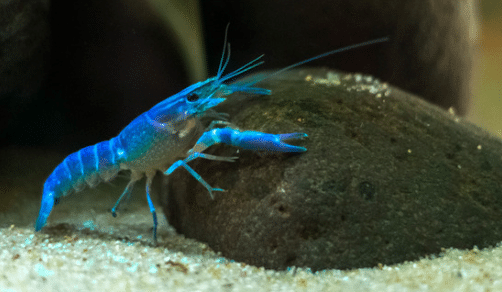
    The Electric Blue Crayfish is a truly remarkable creature that stands out in any aquarium, especially if there is more than one! Noted for their bright blue coloring and their exoskeleton, which gives them great protection, they also have distinctive horns, antennae as well as swimmers. Adults of the species is quite big. Reaching up to 4-6 inches in length at maturity.

    Blue Crayfish

    An important part of the crayfish life cycle involves molting. Newborns molt every couple of days, while those slightly older do so once 1-3 weeks apart. Adults take longer periods between molting intervals (4-8 weeks), with this process allowing them to shed off an old protective shell before growing into a larger-sized version of themselves.

    Lifespan

    The life expectancy of Electric Blue Crayfish can range from 5-6 years, depending on certain factors such as water quality and diet. As these freshwater crayfish age, their molting rate slows down, which is something to keep in mind when providing them with suitable care for a healthy lifespan. By paying close attention to the living conditions that your electric blue crayfish require, you could help ensure they lead long lives!

    Electric Blue Crayfish Care Guide

    Taking proper care of an Electric Blue Crayfish is essential to having a healthy and comfortable habitat. This involves providing the right tank size, substrate material, and decorations, and ensuring optimal water parameters.

    In order to look after your blue crayfish properly, it’s important to understand these aspects of electric blue crayfish care, from getting the correct aquarium set up, such as tank requirements and decor items, to making sure that all necessary water parameters are met for its well being.

    Tank Requirements

    Electric Blue Crayfish require at least a 30-gallon tank for sufficient space to explore and hide. While that is the minimum, the recommended would be a 4 foot 55 gallon tank. Tanks that are long and shallow are best for them as they prefer to hang around the bottom of the tank.

    Hiding places, such as rocks, PVC pipes or plants (real or artificial), must be present in order to keep these crafty escape artists from reaching the top of the aquarium lid or other fish. If you want to use PVC pipe, black PVC is best as it replicates dark caves.

    It’s essential that powerful filtration is employed with this crayfish due to their waste production and natural environment. In nature, they live in rivers that are fast flowing. As such, maintaining water quality and oxygen levels is big for them.

    Substrate And Decor

    Electric Blue Crayfish need hiding places, particularly if they are sharing their tank with others of the same species. Sand or gravel makes a great substrate as it allows them to burrow and explore. Using artificial caves, rocks, overturned pots, and PVC pipes will give your crayfish somewhere comfortable where they can hide away in privacy. These animals are nocturnal and need dark places to hide during the day.

    It is also important to consider what type of environment these creatures inhabit naturally when selecting decorations for the aquarium. Try to include natural features such as driftwood and rocks! Do bear in mind that live plants may be eaten by Electric Blues, so take care when considering this option.

    Water Parameters

    In order to replicate the electric blue crayfish’s Florida habitat, which contains a warm neutral pH level in its waters, it is key to ensure proper water parameters. The temperature should remain between 68-75ยฐF and the desired pH reading would be 7.0. To keep your tank environment healthy for these creatures as well as maintain good water quality, you must also execute an appropriate nitrogen cycle. This will reduce any potential risk of ammonia poisoning, too (don’t forget about nitrites too)! Thus with keeping a close eye on all these requirements being met, providing a safe comfortable home is achieved for your blue crayfish! Water test kits are your friend. Make sure you make consistent water changes to keep parameters in check.

    Feeding

    Taking care of Electric Blue Crayfish involves providing them with an adequate diet. Since they are omnivores, these crayfish can eat a vast range of fish food.

    In this part, we will learn about the optimal food for your electric blue crustacean and how to plan suitable feeding times in order to ensure their health and safety. Here are some food suggestions:

    • Algae wafers
    • Sinking pellets
    • Frozen food (like bloodworms)
    • Silver Sides

    Feeding Schedule

    The Crayfish is a scavenger by nature and prefer to eat decaying matter. They are also nocturnal and have been known to starve to death if you only feed them during the day. To prevent this, leave a few wafers on the bottom of the tank at night so they can eat.

    Calcium should be supplemented in their take so their exoskeleton is properly supported during molting. You can use cuttlebone, but this is known for being an eyesore. A more reasonable approach is to supplement using a calcium supplement or an aquarium Iodine supplement.

    For best results, feed your crayfish once per day. Knowing they are most active at night, try to feed them when the lights are off. Remove any uneaten food left overnight.

    Understanding Their Behavior

    Electric Blue Crayfish is both captivating and demanding to maintain in an aquarium. In order to properly manage these creatures, it is important that we understand their aggressive instincts along with how best to handle them in a home tank environment. With proper attention and upkeep, they make great additions for any aquarist! It’s vital then that one has knowledge of their natural tendencies prior to taking on this species of crayfish as a pet.

    Aggression And Territoriality

    Electric Blue Crayfish have a reputation for their territorial and combative nature, which is often on display as they swim across the bottom of the tank or climb decorations to get closer to fish. It’s important that proper setup consideration goes into creating an aquatic environment in order for them and any other inhabitants living with it (i.e., its tank mates) to co-exist without conflict arising between species such as these Electric Blues versus other types of fish.

    Providing enough space within your tank gives each individual crayfish room to establish its own territory. This reduces chances of interspecies scuffles from occurring due largely in part to lessening competition among food sources too. For example, when making sure all parties involved are regularly fed, both helping quell potential animosity amongst aquatics while promoting harmonious vibes throughout!

    Breeding

    When it comes to breeding Electric Blue Crayfish, aquarium owners can find this an incredibly rewarding experience. Before getting started, the first step is correctly identifying and sexing your crayfish. Males of the electric blue species have specialized claws referred to as gonopods which are used for mating purposes.

    It’s then necessary to create a suitable environment in order for successful reproduction. Looking after both parents and offspring require care throughout this process too! With all that being said, cultivating these beautiful creatures is something truly amazing when done right; making sure you pay attention every step along the way ensures success with Electric Blue Crayfish breeding!

    Sexing

    Identifying the sex of your Electric Blue Crayfish is essential before breeding can take place. Males are known to have triangular-shaped tail and large claws in front, while females boast an ovary on their last two legs with more rounded tails. By being able to determine gender, will enable you to pair compatible crayfish for successful mating, and the appropriate setting must also be created for it as well. Knowing all these facts about blue crayfish reproduction provides guidance when moving forward with attempting egg laying or hatching them out afterward.

    Creating A Breeding Environment

    In order to make sure your crayfish breeding pair can successfully reproduce, it is important to provide a comfortable habitat. This includes having an adequately sized tank that matches the water parameters and temperature of their natural environment as well as adding hiding spots for both male and female crayfish. Providing food in ample supply should also be taken into consideration so they are at peak health during mating season. We have this informative video by Christopher Scott above that goes into more detail.

    By creating these proper conditions, you increase your chances of success when reproducing, which leads to healthier offspring overall.

    Caring For Offspring

    When the eggs have been fertilized and the female carries them in her tail, it is important to maintain a careful watch over the breeding tank and provide proper care for those babies. As soon as the eggs hatch, be sure to separate mom from the baby crayfish, or else she will eat them! Nourish your Electric Blue Crayfish youngsters with nutritious food such as Spirulina, baby brine shrimp pellets that are essential in aiding the growth & development.

    To ensure optimal living conditions for small crayfish, you must supply abundant space together with safe spots which act both like shelters when feeling threatened but also prevent cannibalism while providing an adequate quantity of nutrient-dense meal options, including spirulina wafers alongside other feeds specifically formulated made suitable for young freshwater crustaceans.

    Choosing Tank Mates

    When selecting the best freshwater tank inhabitants for your Electric Blue Crayfish, it is essential to pick appropriate ones as these creatures is territorial and aggressive. To help ensure a successful environment in which they thrive, we will explore some compatible tankmates along with those that you should avoid when trying to keep harmony within your aquarium. Keeping all of this information into account while maintaining an ideal condition for long-term health are both paramount aspects when caring for electric blue crayfish.

    Suitable Tank Mates

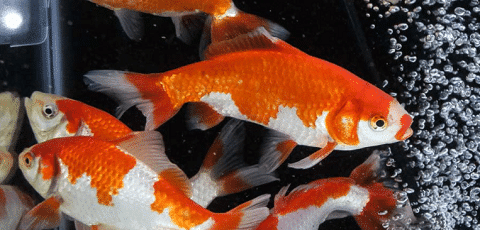
    How Does A <a href=Wakin Goldfish Look Like” class=”wp-image-546010″/>
    Electric Blue Crayfish can live in an aquarium with fast-moving fish such as:

    These are less likely to get preyed upon by the crayfish’s territorial nature. Other species of invertebrates such as snails or even other types of crayfish may be considered tankmates too, but it is crucial to assess their compatibility first before introducing them into the same environment as your Electric Blue Crayfish. Be sure you have enough space for hiding places when housing multiple creatures together!

    Incompatible Tank Mates

    Electric Blue Crayfish should be kept away from slower or bottom-dwelling fish, as they can easily become a target for aggressive crayfish. Shrimp and slow moving small fish may also experience difficulty sharing an aquarium with them. Here are more specific examples:

    • Cichlids – they will harass and even eat the crayfish or large or the opposite if small
    • Fancy goldfish – they will get eaten or killed

    In order to create harmony between your aquatic pets, it is important to avoid choosing tank mates which might endanger the Electric Blue by attacking it aggressively. Doing this will help ensure that there is no conflict among all of them inside their living space.

    Frequently Asked Questions

    How rare is the electric blue crayfish?

    They are pretty rare. If you’re lucky enough to spot an electric blue crayfish, seize the opportunity! This one-of-a-kind crustacean has a rare chance of showing up – about 1 in every 10,000 birth will end up with this coloration. Make sure not to miss out on seeing such a fascinating creature. It’s definitely worth the watch!

    What fish can live with electric blue crayfish?

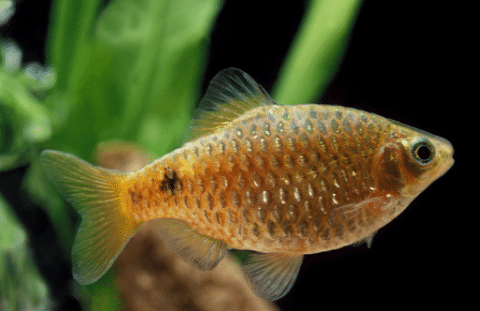
    When it comes to finding compatible tankmates for Electric Blue Crayfish, the advice is that Danios, Rosy Barbs, and Guppies make great options due to their fast swimming. Slim bodied goldfish work great too. Special attention should be taken when introducing dwarf shrimp as they may become a meal if they are too small or sluggish in movement.

    How big does an electric blue crayfish get?

    Electric Blue Crayfish can reach up to 4-6 inches when fully matured, giving them the appearance of mini lobsters. These crayfish have an interesting molting process that they go through during their younger years. This is how these creatures increase in size as they grow older. The electric blue coloration of these species makes them a remarkable site for aquatic hobbyists and enthusiasts alike!

    Are electric blue crayfish edible?

    Tempted by the electric blue of these freshwater crustaceans? Don’t hesitate to give them a try – they are related to shrimp and lobster, making them an excellent seafood dish! Blue crayfish is enjoyed as part of your diet.

    The unique color may come as a surprise, but don’t let it put you off from tasting what could prove a delicious culinary experience. These edible creatures will make for quite the addition to any meal!

    What is an electric blue lobster?

    The Everglades crayfish, commonly known as the electric blue lobster or by any of its nicknames – Florida crayfish, blue crayfish and sapphire crayfish. Is a stunningly vivid creature that can mostly be found in the state of Florida.

    How the Electric Blue Crayfish Compares to Similar Species

    The most common alternative to the Electric Blue Crayfish is the Blue Velvet Shrimp, another blue invertebrate but much smaller and peaceful. Blue Velvet Shrimp work in nano tanks and community setups, while Electric Blue Crayfish are destructive and need a species-only tank. For a community tank, shrimp are the way to go. For a solo display invertebrate, the Crayfish is more interactive.

    Closing Thoughts

    Owning an Electric Blue Crayfish is a wonderfully rewarding experience, but it is important to ensure that its environment and needs are met correctly. This guide has discussed tank setup, feeding habits, breeding opportunities, and selecting suitable tank mates so that owners have all the essential knowledge needed to create a healthy home for their blue crayfish. By understanding these brilliant creatures better, one will surely benefit from many years of fascinating observations in their aquariums with this electric species!

  • Elephant Nose Fish Care Guide: One of the Most Intelligent Fish You Can Keep

    Elephant Nose Fish Care Guide: One of the Most Intelligent Fish You Can Keep

    Elephant Nose Fish navigate using electrical fields. They are sensitive, shy, and stress easily in brightly lit tanks or with aggressive tankmates. They need sand substrate, dim lighting, and hiding spots.

    Elephant nose fish are not display fish. They are nocturnal, sensitive animals that need darkness to thrive.

    What It Is Actually Like Living With Elephant Nose Fish

    Oddball fish are the fish that visitors notice first. Nobody glances at this tank and keeps walking. They stop, stare, and ask questions. Be prepared to explain what you are keeping multiple times a week.

    Feeding is an event. Many oddballs are predators that hunt live or frozen food with visible intensity. Watching this fish track and strike at prey is one of the most dramatic moments in fishkeeping.

    These fish grow fast and steadily. One month it fits comfortably. Three months later, you are researching larger tanks. The growth rate catches new owners off guard every single time.

    Oddball fish often recognize their owners. They approach the glass when you enter the room, accept food from your hand, and display behaviors that feel remarkably personal. That connection is why oddball keepers rarely go back to community tanks.

    Table of Contents

    The Elephant Nose Fish is the kind of fish that makes experienced keepers stop and stare. This is not a beginner species. It requires specific conditions, a specific tank, and a keeper who understands what they are signing up for. After 25 years in the hobby, I still consider this one of the most fascinating fish you can own.

    This fish will outgrow your plans. Accept that before you buy it.

    This fish navigates by electrical fields. Bright lights, aggressive tankmates, and bare tanks shut down the behavior that makes it worth keeping.

    This fish lives a long time, grows large, and demands a dedicated setup. The commitment is real and the costs add up over years, not months.

    Oddball fish are not conversation starters. They are conversation dominators. Guests will stare at this tank for twenty minutes.

    What Most Care Guides Get Wrong About Elephant Nose Fish

    Want a conversation piece? Get this fish. Want easy maintenance? Get community fish instead. There is no middle ground with oddball species.

    Most care sheets list the minimum tank size for Elephant Nose Fish and call it a day. But a minimum is just that. In my experience, giving them more room changes their behavior completely. You see more natural movement, less stress, and fewer aggression issues. Another thing guides gloss over is temperament. Elephant Nose Fish are often described with a single label, but their behavior shifts depending on tank size, tank mates, and territory. You need to plan for the worst-case scenario, not the best. Group size is another area where most guides fall short. Saying ‘keep them in groups’ is not enough. The difference between keeping 3 and keeping 8 or more is night and day when it comes to coloration, confidence, and natural behavior.

    The Reality of Keeping Elephant Nose Fish

    Tank size requirements are extreme. Most oddball fish grow large, fast, and need significantly more space than beginners expect. A 2-inch juvenile will eventually need hundreds of gallons. Research adult size before purchasing, not juvenile size.

    Diet is specialized. Many oddball fish are predators that need live or frozen foods. Some refuse pellets entirely. Feeding costs for large predatory fish add up quickly over the life of the fish.

    Tankmate compatibility is extremely limited. Most oddball fish are either predators that eat smaller fish or territorial species that attack anything in their space. Community setups require careful size matching.

    Biggest Mistake New Owners Make

    Buying a juvenile oddball fish without understanding its adult size. That cute 3-inch fish at the store will be 18 inches long within two years and need a tank most people cannot afford or fit in their home.

    Expert Take

    Before you buy any oddball fish, look up its adult size and multiply your expected tank cost by three. That is the realistic budget for keeping this fish properly.

    Key Takeaways

    • Native to Africa, Elephant Nose Fish thrive in low-visibility environments and can live up to 10 years.
    • Creating the perfect habitat for them requires a minimum tank size of 50 gallons with dimmed lighting, hiding spots & compatible tank mates.
    • Breeding Elephant Nose Fish is difficult but possible. Be aware of their sensitivity to noise/vibrations & medications when caring for them!

    Species Overview

    Scientific Name Gnathonemus petersii
    Common Names Elephant Nose Fish, Long-nosed Elephant Fish, Peters Elephant Nose Fish, Peters’s Elephant Nose Fish, Peter’s Elephant
    Family Mormyridae
    Origin Central African Republic – West and Central Africa (Including Chari River & Ogun River)
    Diet Omnivorous
    Care Difficulty Difficult
    Activity Noctornal
    Life Expectancy 6. 10 years
    Temperament Peaceful, but is territorial
    Tank Level Bottom Dweller
    Minimum Tank Size 55 gallons (208 liters)
    Temperature Range 73-82ยฐF (23-28ยฐC)
    Water Hardness 5-12 dKH (degrees of Carbonate Hardness)
    pH Range 6.0 to 7.5
    Filtration/Water Flow Moderate to high
    Water Type Freshwater
    Breeding Egg scatterer
    Difficulty to Breed Very difficult
    Compatibility Community Tanks with other similarly sized fish
    OK, for Planted Tanks? Yes

    Classification

    Want a conversation piece? Get this fish. Want easy maintenance? Get community fish instead. There is no middle ground with oddball species.

    Order Osteoglossiformes
    Family Mormyridae
    Genus Gnathonemus
    Species G. Petersii (Gunther, 1862)

    Introduction

    The Elephant Nose Fish, scientifically known as Gnathonemus petersii, has a natural habitat in some of Africa’s rivers. These include the Niger River and two others (Chari and Ogun Rivers) that feature low visibility due to dense plant life like branches, logs, and roots. They swim near the middle or bottom layers of these murky waters where they have plenty of food sources available to them with their good adaptation skills for such an environment.

    These incredible aquatic creatures rely on instincts developed specifically for navigating these complex ecosystems while showcasing remarkable traits in order to thrive as Elephant Nose Fish in such situations.

    Adaptations For Low Visibility Environments

    Elephant Nose Fish are remarkable creatures that possess an impressive adaptation known as electrolocation. This helps them to maneuver and hunt underwater even when visibility is low due to murky water or darkness (they have poor vision too). Their schnauzenorgan1 (their long nose) plays a key part in this process. It allows the fish to sense objects around it using electrical impulses, allowing for an effortless navigation of its aquatic environment.

    Lifespan And Adult Size

    The Elephant Nose Fish is an intriguing freshwater fish species, reaching adult sizes of up to 9 inches. If given a suitable home aquarium and kept in optimal water quality conditions, it’s believed they could live anywhere between 6-10 years, making them one of the longer living freshwater fish species out there.

    It takes special care to make sure that these nose fish have all they need for their long lives. With just a few simple steps, owners can ensure many happy and healthy years together!

    Appearance

    Elephant Nose Fish in Planted Tank

    One of the most recognizable features of Elephant Nose Fish is their distinct and attractive shape, which consists of a dark brown or gray shade with white markings. The fish’s impressive schnauzenorgan (its trunk-like nose) stands out as its most striking feature. This drooping organ provides them with electrolocation capabilities. They boast large pectoral fins along with two dorsal fins where the first one has an obvious spine in front. Their head displays a pointed thinness that renders it unforgettable when looking at these fish up close.

    Elephant Nose Fish Care Guide

    Caring for Elephant Nose Fish needs a deep understanding of their special demands and atmosphere. It is vital to make sure that they have the suitable tank size, habitat construction, and water parameters in order for them to remain healthy and happy. What makes this fish difficult to keep in the combination of the following factors:

    • They are territorial
    • High sensitivity to water conditions
    • There isn’t a lot of information about care online for them

    While they are social, they is very territorial. To stay fit and content, it is recommended that you feed your fish high-protein live or frozen meals.

    In this section we will give advice on taking care of an elephant nose so you can build the optimal home environment for your aquatic companion. We’ll make sure all aspects regarding the specific necessities are met – from appropriate tank dimensions, constructing natural habitats within tanks right down to providing proper water conditions. Doing everything correctly offers assurance in having a thriving population of these amazing creatures!

    Tank Size

    For the optimal well being of your Elephant Nose Fish, it is essential to ensure they have a spacious and comfortable environment. To provide them with adequate space for activity and searching for food, a 50-gallon tank or larger should be provided.

    By choosing bigger tanks comes with more added benefits. Additional plants can easily fit in, which ultimately leads to decreased levels of stress among these fish as well as contributes to their overall healthiness over extended periods of time.

    Habitant Construction

    When setting up a tank for your Elephant Nose Fish, it’s essential to ensure there are plenty of hiding places. Including pipes, pots and caves along with the right plants and decorations, can create an ideal habitat for them. Popular choices that make great additions include:

    A soft substrate such as sand or gravel should also be added in order to protect their delicate schnauzenorgan from any possible injury while dimmed lighting helps give off more natural conditions for the fish themselves.

    Tannins also help dim the aquarium. You can introduce tannins with driftwood or Indian Almond leaves.

    Sensitivities To Noise And Equipment

    The Elephant Nose Fish is attuned to water movement through its lateral line sensory system, thus making it essential for the tank in which they are held to be away from loud appliances and noise. Having plenty of hiding spots like a hollow log or more vegetation can provide them with added security as they navigate their environment.

    To ensure minimal sound and vibration levels, filter choice must also take into account. Ideally, a canister filter is best for them. This accomplishes a few problems your electric species may come across. Canister filters are external and won’t cause vibrations in the tank. They are also able to house external water heaters with with filters like the OASE where you can please the heater in the filter or via an inline heater.

    The Elephant nose fish requires minimal electrical current and vibrations in the tank. Putting a heater out of the display tank makes their sensory system calm. You should also stay away from powerheads and wavemakers in the tank, as the vibration will cause disruptions to them.

    Water Parameters

    It is essential to regulate the water parameters in order to ensure that an Elephant Nose Fish is healthy and happy. To do so, maintain a neutral pH level, keep temperatures between 78-82ยฐF and hardness levels within 5-15 dKH. For other parameters, check them out below:

    While in the wild, the Elephant fish is known for being very hardy, they are highly sensitive. Outside of the parameters listed, they require low TDS water and a high oxygen environment. Utilizing accurate testing kits regularly can help monitor these environmental conditions, which will consequently benefit your fishโ€™s well being overall. Make sure to also do water changes based on the parameters you want to maintain in your fish tank.

    Feeding

    For proper nutrition and growth, the diet for your Elephant Nose Fish must contain lots of protein. Live or frozen foods like bloodworms, brine shrimp, earthworms, mosquito larve, tubifex worms, and larvae are important elements in their meals.

    Feeding Frequency And Tips

    Your elephant nose fish needs to eat regularly. Providing them with small amounts throughout the day works best rather than giving one big meal per day that can cloud up the water quickly from uneaten food. Monitoring what they have consumed will allow you to make any necessary adjustments so there isn’t an excess amount in each serving size given by yourself!

    For a healthy and contented Elephant Nose Fish, it is suggested to give them a bit of food three times each day. These fish can even be taught to eat from your fingers! Leave some snacks at the bottom of the tank allows their natural scavenging instincts to come into play as they search through the substrate looking for something good to munch on.

    Behavior And Social Preferences

    In order to ensure a healthy and well-balanced environment for Elephant Nose Fish, it is essential to understand their behavior and social preferences. Speaking, they remain peaceful when in solitary confinement. If housed with other fish of the same species within the same tank, then aggression may arise as they are known for being very territorial.

    Peaceful Solitude Vs. Aggression

    Elephant Nose Fish will prefer their own space and don’t take kindly to sharing it with other fish. But when confined in overcrowded conditions or lacking hiding spots, these creatures may become aggressive due to competition for food.

    To avoid such scenarios, ensure that the tank they inhabit is adequately sized so as not to have too many nose fishes coexisting there at once, also provide appropriate places of refuge from which your aquatic friends can hide if needed, and finally, be mindful of regular feeding times-this will help keep disputes over sustenance under control!

    Activity Patterns

    These unique Elephant Nose Fish, using their weak electric field produced by special muscle tissue, can discover prey and mates easily as they explore the substrate of an aquarium for food at night. Such behavior makes them interesting additions to any tank. They also use these electrical signals to be warned of potential predators during their search for food at night.

    Tank Mates

    Congo-Tetra

    It is very important to consider what species are suitable tankmates for an Elephant Nose Fish when setting up their aquatic environment. To ensure a healthy and peaceful aquarium, it’s critical that the other fish abide by the same water parameters as these special creatures.

    Recommended Tank Mates

    The Elephant Nose Fish cohabitates harmoniously with larger tetras, catfish, loaches,, and gouramis. Here are some specific good tank mates;

    For this reason, it is important to avoid placing any small fish or other aggressive species in the same tank as them since they may be scared away or become prey for the elephant nose fish. Cory Catfish also make a good choice.

    Tank Mates to Avoid

    When setting up an aquarium for your Elephant Nose Fish, choose tankmates that are not aggressive and will not cause the fish unnecessary stress. Here are a few bad examples:

    While a fish like the Black Ghost seems like a good option, other electric species will create issues as the interference will stress the fish out and cause aggression.

    The Challenges Of Breeding

    Breeding Elephant Nose Fish in aquariums presents some tough challenges due to the difficulty of gender identification and their unique behavior when confined. Despite various attempts, no successful evidence has been found for breeding these fish at home, making it a complicated task even for experienced aquarists.

    In this section, we will delve into the problems associated with attempting to breed Elephant Nose Fish as well as factors that can make reproducing them difficult.

    Gender Identification

    When attempting to breed Elephant Nose Fish, the most reliable method of determining their gender is not physical, but through dissection. A process which unfortunately proves unfeasible for aquarists. There are no clear signs or features that is used as an identifier. Thus, nose fish remain difficult to sex with without a more thorough investigation.

    Breeding Attempts And Outcomes

    Breeding Elephant Nose Fish is an intricate endeavor that requires commitment, dedication and a suitable set up. To get the results you want, itโ€™s necessary to prepare a big tank with hiding places, have water temperatures between 78-82ยฐF and maintain pH levels of 6.5-7.5, respectively. Even under these perfect conditions. This type of fish presents many challenges due to its complex behavior patterns making gender recognition quite difficult.

    That being said, it’s highly unlikely you will be able to breed these fish on your own. There are captive bred Elephant Fish for sale, but they are breeding via commercial means, which are not available to the average aquarist.

    Common Health Issues And Treatment Options

    The Elephant Fish is particularly sensitive to the majority of medications, which makes preventing health problems a priority. This section will go over typical illnesses that these fish face including Ich and fin rot as well as discuss what treatments are suitable for them.

    It’s very important to remember their sensitivity when giving medication so it is used judiciously whenever needed.

    Disease Prevention

    Keeping the water quality and tank conditions optimal is essential for preserving a healthy Elephant Nose Fish population. Regular testing, guaranteeing that all of the parameters such as temperature, pH balance and other elements in their habitat remain within an acceptable range, is key to shielding them from common diseases like Ich or fin rot – anything it takes to keep your fish disease-free.

    Sensitivity To Medications

    Due to the vulnerability of the Elephant Nose Fish, caution must be used when administering medications. Whenever possible, avoiding giving them medication should be your first priority, and utmost care should be taken not to expose these fish to any hazardous toxins.

    In cases where bacterial or fungal infections are present, a combination of Ich X and Erythromycin is recommended. They are safe for use with nose fish. Both being successful in treating such conditions.

    Best For Ich


    Hikari USA Ich-X

    Ich-X is the best all around medication when it comes to treating Ich


    Buy On Amazon

    Frequently Asked Questions

    Are elephant nose fish hard to keep?

    Yes, they are one of the more difficult fish to keep in the freshwater hobby. They are not for beginner aquarists. Having an elephant nose fish as a pet is incredibly rewarding, but you must put in the effort to maintain their environment. It is essential for good health that water parameters and temperature are kept within suitable ranges.

    If you’re up for it, caring for your own nose fish is quite fulfilling! Take into account all of its specific tank needs. This includes keeping certain elements stable, which will help guarantee a happy life-long companion.

    How smart are elephant nose fish?

    The remarkable intellect of elephant nose fish is a truly amazing thing. Utilizing their electro-sensing organs, these fishes can learn and remember objects in the environment they inhabit. Despite not having an outer cortex, the ability to recognize unfamiliar things or differentiate previously encountered ones holds true for them! This extraordinary intellectual aptitude is really impressive.

    Elephant noses have become popular pet fish due to this intelligence. Their ability to detect with such accuracy has captivated many owners over time – people drawn by both its uniqueness as well as how it functions.

    How many elephant nose fish should I keep?

    If you want to have a group of Elephant Nose Fish, it is suggested that at least five should be kept. Alternately, keeping them individually may also work as they are known for being hostile in pairs.

    This type of fish needs special consideration when deciding how many individuals will occupy an aquarium environment because their aggression towards each other could create problems. Having more than 5 nose fishes can ensure the safety and coexistence among all specimens.

    How big do elephant nose fish grow?

    The elephantnose fish can reach an impressive size of up to 14 inches (35 cm)! On average, though, they stay around 9 inches (23 cm) – still a substantial size.

    How many elephant nose fish should be kept together?

    Elephant Nose Fish should be kept in an environment with at least five of their own kind, as they will become quarrelsome when there are less than that. Tank mates who won’t battle for food should also accompany these fish. This will create a pleasant setting and ensure the Elephant Noses remain happy.

    How the Elephant Nose Fish Compares to Similar Species

    Want a conversation piece? Get this fish. Want easy maintenance? Get community fish instead. There is no middle ground with oddball species.

    The most common alternative to the Elephant Nose Fish is the Black Ghost Knife Fish, another electroreceptive species. Black Ghosts grow larger and need more space, but both share similar care needs and sensitivities. If you have a 100+ gallon tank, the Black Ghost is the more impressive display fish. For smaller setups, the Elephant Nose is more practical.

    Closing Thoughts

    This thorough guide offers helpful information on looking after Elephant Nose Fish. To provide them with the best possible environment, diet and suitable tankmates, it is essential to have an in-depth knowledge of their specific needs as well as recognizing the unique features and adaptations they possess. Dedication and patience will result in healthy, content fish for many years if you understand how to care properly for these captivating creatures!

  • Clown Pleco Care Guide: The Small Pleco That Actually Stays Small

    Clown Pleco Care Guide: The Small Pleco That Actually Stays Small

    The Clown Pleco is a wood eater, not an algae eater. Without driftwood in the tank, this fish slowly starves.

    No driftwood, no clown pleco. It is that simple.

    Nobody tells you about the poop. Bristlenose plecos produce an astonishing amount of waste relative to their size. You will see long strings of it draped across every surface in your tank. This is normal, but it means your filtration needs to keep up. If you are not doing weekly water changes, your pleco will create a nutrient problem faster than any other fish in the tank.

    Table of Contents

    The Clown Pleco is one of the most commonly misunderstood fish in the aquarium trade. Most people buy one thinking it will clean their tank. It will not. After 25 years of keeping plecos, I know exactly what this fish actually needs and what surprises first-time owners.

    Plecos do not survive on algae alone. Period.

    Depending on the species, this pleco lives 10 to 20 years and may reach sizes that demand a tank upgrade. Think long-term before bringing one home.

    The pleco you see hiding behind the filter during the day is a completely different fish at midnight.

    What Most Care Guides Get Wrong About Clown Pleco

    Most guides give you a cookie-cutter care sheet for Clown Pleco without mentioning the nuances. After 25+ years in this hobby, I have seen how small details in tank setup and maintenance make a real difference in long-term health. Another thing guides gloss over is temperament. Clown Pleco are often described with a single label, but their behavior shifts depending on tank size, tank mates, and territory. You need to plan for the worst-case scenario, not the best. Group size is another area where most guides fall short. Saying ‘keep them in groups’ is not enough. The difference between keeping 3 and keeping 8 or more is night and day when it comes to coloration, confidence, and natural behavior.

    The Reality of Keeping Clown Pleco

    Algae is not a diet. Most plecos are omnivores or wood-eaters, not algae eaters. Relying on tank algae to feed your pleco is a recipe for a starving fish. You need to provide sinking wafers, blanched vegetables, and in many cases driftwood for proper nutrition.

    Size varies dramatically by species. A bristlenose stays around 5 inches. A common pleco hits 18 to 24 inches. A royal pleco reaches 17 inches. Knowing the adult size of your specific species before buying is essential.

    They are nocturnal and territorial. Most plecos hide all day and come out at night. If you have multiple plecos, they need separate hiding spots or they will fight. Territorial disputes between plecos cause real injuries.

    Biggest Mistake New Owners Make

    Buying a “pleco” without knowing the species. Common plecos sold at chain stores as 2-inch juveniles grow to nearly 2 feet. Most people do not have a tank large enough for the fish they just bought.

    Expert Take

    Driftwood is not optional for most pleco species. It aids digestion and provides essential fiber. If your pleco does not have wood to rasp on, its long-term health will suffer.

    Key Takeaways

    • Clown pleco are great beginner fish for home aquariums, requiring dim or indirect light and natural decor to replicate their native environment.
    • With the right care, clown plecos can have a long and healthy life in your tank with compatible tank mates like other calm species.
    • Regular maintenance is important to prevent common health issues such as illness and ensure they stay happy & healthy!

    Species Overview

    Scientific NamePanaque maccus
    Common NamesClown Pleco, Clown Panaque, Ringlet Pleco, Striped Clown Pleco, Clown Panaque
    FamilyLoricariidae
    OriginVenezuela, South America
    DietOmnivorous
    Care DifficultyEasy
    ActivityActive
    Life Expectancy10. 12 years
    TemperamentPeaceful
    Tank LevelBottom Dweller
    Minimum Tank Size20 gallons (75 liters)
    Temperature Range73-82ยฐF (23-28ยฐC)
    Water Hardness5-10 dKH (degrees of Carbonate Hardness)
    pH Range6.8 to 7.6
    Filtration/Water FlowModerate to high
    Water TypeFreshwater
    BreedingEgg layer
    Difficulty to BreedModerate
    CompatibilityCommunity Tanks
    OK, for Planted Tanks?Yes

    Classification

    OrderSiluriformes
    FamilyLoricariidae
    GenusPanaqolus
    SpeciesP. Maccus (Schaefer & Stewart, 1993)

    Introduction

    Panaqolus maccus, commonly known as the clown pleco, are a type of small freshwater fish native to South America’s swift-flowing rivers. With their attractive colors and patterns, they have become popular inhabitants in home aquariums. These peaceful creatures enjoy swimming around the fish tank while scouring for food. Also fulfilling an important role as an algae eater which keeps your freshwater fish tank tidy and healthy!

    Their low upkeep demands make them ideal for rookie aquarists who wish to keep more than one kind of species together within the same environment without having difficulties. If you opt for these lovely little guys, be sure that all other potential tank mates will get along with no problems or hassles.

    Origin And Habitants

    Wild Clown plecos, otherwise known as ringlet plecos, is found in the rivers of Venezuela and Colombia. These fish thrive under fast flowing waters with dense root systems along with a forest nearby which provides them algae-covered rocks and driftwood to feed on vegetation that grows here. To ensure they are healthy, it’s key we create an environment resembling its natural habitat while maintaining correct water parameters.

    Appearance

    Clown Pleco

    The Clown pleco boast captivating patterns in circles, stripes and waves that contrast against their flat heads tapering down to a tail. They are often labelled “mega clown plecos” when growing larger than usual due to this impressive display of coloration coupled with evenly sized pectoral fins. Such traits make them highly desirable among aquarists looking for some characterful additions into the home aquarium setup.

    At night, the Clown Pleco really comes alive. Being nocturnal creatures, they appreciate dim or indirect lighting around them during the day as bright light has an adverse effect on their behavior, forcing them into hiding among rocks and wood pieces near dark areas where they feel safe from harm’s way.

    Size

    The Clown pleco is an excellent choice for those looking to keep fish in a small tank. Clown Pleco Size as adults is up to 5 inches long, but will stay at around 3-4 inches. Just make sure the water quality is healthy! Poor conditions could harm their health or reduce growth size, so taking care of your aquarium environment must be taken seriously when it comes to these pets. With good maintenance on our part, we can all look forward to having such captivating inhabitants flourish happily in our homes’ tanks!

    Lifespan And Growth

    The Clown Pleco has the potential to live up to 10-12 years if given the necessary living requirements, attention, and nutritional balance. Tankmates that are too aggressive or poor water quality can decrease their lifespan significantly. It is important for fish keepers to make sure they create an appropriate environment with cleanliness in mind as well as protect your pet from any form of distress so you can delight in its presence over many enjoyable years.

    Clown Pleco Care Guide – The Essential

    Clown pleco care is a relatively straightforward task, ideal for beginner aquarists. These fish will do best in an aquarium with ample space and appropriate filtration that mimics their natural environment. Supplying them with the right home will ensure they remain content and healthy.

    We’ll look at all of the key components necessary when caring for clown plecos – from tank setup to water parameters, aeration, and beyond, so you can provide your pet with just what it needs!

    Tank Setup And Environment

    For a single clown pleco, it is best to have at least 20 gallons of tank space for the Clown pleco to have room to swim around. Community setups should include no less than 40 gallons so all species can thrive peacefully. When setting up your aquarium, be sure to add natural elements such as driftwood pieces and caves with softer substrates like sand or fine gravel alongside rocks, which encourage edible algae growth. These features make the environment stimulating and secure for any Clown Plecos within their territorial boundaries.

    The Clown Pleco is a driftwood eater. It is best to have a good source available. Spiderwood is going to be the softest and least lasting for them. Manzanita and Malaysian driftwood are better choices long term. Aquarium rocks are also good to have so algae and grow on them for additional food sources.

    Editor’s Choice
    Manzanita Driftwood

    Editor’s Choice

    Manzanita offers it all. Great shape, low tannins, quick to water log and reasonably priced. It’s the ultimate driftwood!

    Click For Best Price Click For Branch Pieces

    Water Parameters

    It is important for the health of your clown pleco to keep water parameters at their optimal levels. The temperature should be between 73-83ยฐF, with a pH ranging from 6.8 and 7.6 and a hardness no higher than 10 dGH. Regular aquarium changes are necessary in order to avoid accumulating any harmful toxins within its environment. Here are other key parameters to look out for:

    Filtration And Aeration

    Maintaining a healthy environment for your clown pleco is key to their well being and long-term survival. An optimal setup includes the use of either a canister or HOB filter with replaceable filters, as well as an air stone which will help oxygenate the water. To create a moderate flow rate along the bottom of the tank, similar to what they would experience out in nature. Having these components combined correctly ensures that your clown pleco receives clean, oxygenated water so it can remain safe and happy!

    Feeding Your Clown Pleco

    A proper Clown Pleco diet requires a variety of greens and insect matter. Consider feeding them other plant matter like zucchini or spinach (blanched for easier consumption) as well as high-quality sinking algae wafers. Offer occasional protein sources such as brine shrimp or bloodworms too.

    Great For Bottom Feeders!
    Hikari Algae Wafers

    Algae wafers are a great way to directly feed your bottom feeding fish. They are especially effective for larger fish like plecos

    Buy On Amazon Buy On Petco

    Having an abundance of driftwood and rocks will allow your Clown Pleco to eat algae that grow on the driftwood and rocks.

    In order for your little fishy friend to stay healthy and grow properly, you should monitor what you are giving him from time to time in case any adjustments may be necessary. After all, having an appropriate balance of elements is very vital in maintaining his overall well being!

    Compatible Tank Mates

    School of Rasboras

    When it comes to clown pleco tank mates, they are quite docile and is kept together with other non-confrontational fish breeds in a community tank. One should stay away from dominant or belligerent species since their behavior might upset the well-being of your Clown Pleco, leading to reduced life expectancy.

    With that being said, let’s go over a few compatible species for your Clown Pleco:

    Because of the peaceful nature of your Clown Pleco. They is housed with just about anyone as long as they can’t fit the fish in their mouths, and those fish can fit in theirs.

    Tank Mates To Avoid

    When considering what other species to add to your pleco’s community tank, it is important to avoid larger or more aggressive fishes that may put the clown pleco in harm’s way. As well as being aware of any competition for food and living space. These can lead to an unpleasant atmosphere if another fish outcompetes them.

    Your Clown Pleco will not fight back (except against other bottom of the tank feeders). Knowing this, let’s list several species that are a clear no for them:

    • Large aggressive fish that can mouth them in their mouths
    • Larger fin nippers like Tiger Barb – larger pleco species are more appropriate
    • Other plecos – they will fight
    • Same Pleco species when both are male with inadequate space

    By carefully researching which inhabitants would be suitable companions, you will ensure a comfortable habitat where they are able to flourish happily with their tank mates around them.

    Territory And Space Considerations

    It’s essential to ensure your Clown Pleco have enough room in order for them to be able to maintain their territories and live peacefully alongside other tank dwellers. A minimum of 20 gallons should be allotted for a community tank, avoiding confrontations between the aquatic inhabitants. Aquarium lights should either be dimmed, or you should have sections of the tank with shadows, as the Clown Pleco prefers lower light.

    Tannins can also be introduced via Indian almond leaves or with driftwood that leaches them.

    In this way, a peaceful habitat is maintained as aggression or unease among your Clown Pleco is less likely when there is sufficient space provided.

    Breeding Clown Plecos

    For those aquarists looking for a fulfilling experience, breeding a Clown Pleco offers the chance to witness and cultivate their fascinating reproductive behavior.

    You must create proper parameters – ideal water quality with appropriate temperature range being key indicators that will determine the overall success rate amongst your populationโ€™s potential mating.

    Male And Female Differences

    Sexing your dwarf pleco is tricky with a young clown pleco, but the signs are more obvious as they get older.

    I’m going to share a photo from Planetcatfish that shows the visual differences between male clown plecos and female Clown Plecos. The main difference is there is a large genital papilla for the female that is visible on the side and ventral view.

    Pleco Male and Female Differences
    Image Source – Planetcatfish

    If viewed from above, female clown plecos possess a wider body than their male counterparts, who may be slightly smaller in size with an overall less triangular head structure. Knowing these differences is essential for the successful breeding and mating of your Clown Plecostomus.

    Preparing For Breeding

    Clown Pleco breeding is best in a separate breeding tank set up with driftwood and an adequate cave for the fish to spawn in. The natural habitat of the Clown Pleco can then be replicated by slowly lowering water temperature and elevating pH levels during the mating process. Adding live foods such as bloodworms, brine shrimp or daphnia may also help trigger spawning. By setting up their ideal environment correctly, you will have higher chances of observing this interesting event while taking care of your clown plecos!

    The female Clown Pleco produces large eggs and only drops 20-25 eggs. It takes 1-2 days for the female to completely lay her eggs and the male will watch the eggs. The eggs hatch after around 5 days, and it will take 25 days after hatching for the baby Clown Plecos to venture out of its original hatching spot.

    Raising Fry

    The delight of watching clown plecos develop is achieved by providing attentive care throughout the fry’s life. For their optimal growth, you must maintain consistent water parameters and ensure they are fed algae as well as driftwood. Overcrowding should be avoided to prevent stress among your fish population since it causes a battle for resources.

    Common Health Issues And Prevention

    Good water quality and a clean tank are key to keeping your clown plecos healthy. Regularly changing the tank’s water, having proper filtration equipment in place, as well as providing them with adequate nutrition will help prevent any potential diseases from occurring.

    Should you spot any white spots on their bodies that may be symptomatic of Ich – an infectious parasite – then immediate treatment is necessary for prevention purposes. Remove all charcoal filters from the aquarium and replace one third of its contents with freshly treated water before leaving it undisturbed for 24 hours.

    Repeat until there’s no longer evidence of the disease remaining. This process must be carried out swiftly to ensure full recovery and prolonged life expectancy if, indeed, Ich has been contracted by your clown pleco fish.

    Frequently Asked Questions

    How big do clown plecos get?

    The Clown Pleco belong to the Loricariid family, also labeled as L104, 162 or LDA22. They are an excellent choice for smaller tanks since they measure 3-4 inches in size and require only little attention from owners. These fish can contribute by consuming algae that builds up within aquariums.

    How big of a tank does a clown pleco need?

    For keeping a Clown Pleco, you should opt for a tank of at least 20 gallons. These fish don’t need vast amounts of space to be content, meaning investing in an expansive aquarium isn’t necessary, even small tanks can provide them with a comfortable home.

    Do clown plecos need wood?

    Experts recommend that clown plecos should have access to wood in their tank for the best nutrition. They feed on algae from glass and rocks, but it’s been noticed that they gain most of their nutrients by consuming the outer layer of decaying driftwood. Providing aquarium safe cholla wood is strongly suggested so these fish can benefit optimally.

    Can you keep 2 clown plecos together?

    When keeping two clown plecos together, it is necessary to have a large aquarium with plenty of hiding spaces for them. It also must be ensured that the tank contains adequate food supplies so they don’t compete for resources and both get an equal share. Close observation should take place regularly in order to verify if these fish are peacefully co-habitating or not.

    How big will a clown pleco get?

    A Clown Pleco are a suitable starter pet for any aquarium hobbyist due to their low upkeep needs, even though they can grow up to 4 inches in length., this fish species reaches an average size of around 3 and half inches.

    Given that these little creatures don’t require much from their owners other than occasional maintenance tasks such as cleaning the tank or changing water levels, clown plecos make great pets!

    How the Clown Pleco Compares to Similar Species

    Want a small pleco that stays small? Get a bristlenose or clown pleco. Want a show pleco? Get a gold nugget or zebra pleco. Want an algae eater? Get otocinclus. Plecos are not algae cleaners.

    The most common alternative to the Clown Pleco is the Bristlenose Pleco, a slightly larger pleco that is also manageable in size. Bristlenose Plecos are better algae eaters, while Clown Plecos prefer driftwood and are not as effective at cleaning glass. For algae control, go Bristlenose. For a small, low-maintenance pleco, the Clown Pleco works well.

    Closing Thoughts

    Taking care of clown plecos is a fulfilling experience when you know their distinct characteristics and create the right environment for them to thrive in, similar to their natural habitat. Appropriate nutrition with compatible tank mates and keeping an eye on potential health concerns are necessary steps in making sure they live a long life that brings joy through their beauty, coloration, and algae-eating capabilities.

  • Chinese High Fin Banded Shark Care Guide: The Fish That Outgrows Almost Every Tank

    Chinese High Fin Banded Shark Care Guide: The Fish That Outgrows Almost Every Tank

    The Chinese High Fin Banded Shark is the kind of fish that makes experienced keepers stop and stare. This is not a beginner species. It requires specific conditions, a specific tank, and a keeper who understands what they are signing up for. After 25 years in the hobby, I still consider this one of the most fascinating fish you can own.

    This fish will outgrow your plans. Accept that before you buy it.

    This fish lives a long time, grows large, and demands a dedicated setup. The commitment is real and the costs add up over years, not months.

    Oddball fish are not conversation starters. They are conversation dominators. Guests will stare at this tank for twenty minutes.

    What It Is Actually Like Living With Chinese High Fin Banded Shark

    Oddball fish are the fish that visitors notice first. Nobody glances at this tank and keeps walking. They stop, stare, and ask questions. Be prepared to explain what you are keeping multiple times a week.

    Feeding is an event. Many oddballs are predators that hunt live or frozen food with visible intensity. Watching this fish track and strike at prey is one of the most dramatic moments in fishkeeping.

    These fish grow fast and steadily. One month it fits comfortably. Three months later, you are researching larger tanks. The growth rate catches new owners off guard every single time.

    Oddball fish often recognize their owners. They approach the glass when you enter the room, accept food from your hand, and display behaviors that feel remarkably personal. That connection is why oddball keepers rarely go back to community tanks.

    What Most Care Guides Get Wrong About Chinese High Fin Banded Shark

    Most care sheets list the minimum tank size for Chinese High Fin Banded Shark and call it a day. But a minimum is just that. In my experience, giving them more room changes their behavior completely. You see more natural movement, less stress, and fewer aggression issues. Another thing guides gloss over is temperament. Chinese High Fin Banded Shark are often described with a single label, but their behavior shifts depending on tank size, tank mates, and territory. You need to plan for the worst-case scenario, not the best. Group size is another area where most guides fall short. Saying ‘keep them in groups’ is not enough. The difference between keeping 3 and keeping 8 or more is night and day when it comes to coloration, confidence, and natural behavior.

    The Reality of Keeping Chinese High Fin Banded Shark

    Tank size requirements are extreme. Most oddball fish grow large, fast, and need significantly more space than beginners expect. A 2-inch juvenile will eventually need hundreds of gallons. Research adult size before purchasing, not juvenile size.

    Diet is specialized. Many oddball fish are predators that need live or frozen foods. Some refuse pellets entirely. Feeding costs for large predatory fish add up quickly over the life of the fish.

    Tankmate compatibility is extremely limited. Most oddball fish are either predators that eat smaller fish or territorial species that attack anything in their space. Community setups require careful size matching.

    Biggest Mistake New Owners Make

    Buying a juvenile oddball fish without understanding its adult size. That cute 3-inch fish at the store will be 18 inches long within two years and need a tank most people cannot afford or fit in their home.

    Expert Take

    Before you buy any oddball fish, look up its adult size and multiply your expected tank cost by three. That is the realistic budget for keeping this fish properly.

    Key Takeaways

    Species Overview

    Want a conversation piece? Get this fish. Want easy maintenance? Get community fish instead. There is no middle ground with oddball species.

    Scientific NameMyxocyprinus asiaticus
    Common NamesChinese High Fin Banded Shark, Chinese Banded Shark, High-fin Banded Loach, Wimple Carp, Freshwater Batfish, Topsail Sucker
    FamilyCatostomidae
    OriginChina, particularly the Yangtze River basin
    DietOmnivorous
    Care DifficultyAdvanced
    ActivityActive
    Life Expectancy15. 25 years (longer lifespan in ponds)
    TemperamentPeaceful (but will fish smaller fish)
    Tank LevelBottom
    Minimum Tank Size300 gallon aquarium or a pond of at least 1000 galloons
    Temperature Range60-75ยฐF (16-24ยฐC)
    Water Hardness10-20 dKH
    pH Range6.0 – 7.5
    Filtration/Water FlowModerate to high
    Water TypeFreshwater
    BreedingEgg layer
    Difficulty to BreedVery difficult
    CompatibilityBest with similarly sized fish that arenโ€™t overly aggressive
    OK, for Planted Tanks?No

    Introduction

    The Chinese High Fin Banded Shark, better known as the Chinese Sailfin Sucker Fish, is a freshwater species native to the Yangtze River Basin in China. This remarkable animal serves a role in its local ecosystem and provides vital sustenance for those living nearby. Unfortunately, because of its popularity within aquarium trading circles, this fish has experienced severe drops in wild populations rendering it protected in China.

    Despite these obstacles imposed upon them by man-made industry practices, they have nonetheless become highly sought after additions not just inside tanks but also out on a backyard pond all around the world due to their calm demeanor complimented with good looks combined with unique traits.

    But before you take up such task, let us look at more closely where this creature comes from, what does he look like & how significant his presence plays back home in its natural habitat?

    Origins And Habitat

    This species, which only inhabits Asia and belongs to the Catostomidae family of fish, is known as the Chinese High Fin Banded Shark. It is seen living in many parts of China, including rivers such as Yangtze River Basin, Pearl River Min River or Lake Dianchi, foraging food while also traveling between its habitats due to being a migratory fish.

    The natural environment that this unique creature needs is one with a cool temperature and an adequate amount of current so they can receive enough oxygen necessary for them to survive comfortably. Something found exclusively in high altitude regions like those surrounding these bodies of water located near mountains.

    Appearance

    The Chinese High Fin Banded Shark stands out from other fish due to its distinguished look. Younger versions of this species are identifiable by the stripes on their body, earning them their โ€œbanded sharkโ€ nickname. Has they get older, the fin becomes smaller.

    Chinese High Fin Banded Shark

    When fully matured, they take on a single hue depending on gender, males show off red while females are adorned with purple and vertical streaks of red across themselves. This peaceful aquatic creature can grow up to 4 and a half feet in length, which necessitates large habitats such as outdoor ponds or spacious aquariums for adequate growth space. Hence novice aquarists should consider what is needed carefully before welcoming one into captivity.

    The distinctive form, dorsal fin, and size of these high fin banded sharks makes an eye-catching addition that will add beauty to any tank environment!

    Environmental Importance

    The presence of freshwater fish such as the Chinese High Fin Banded Shark is fundamental for keeping rivers, lakes and wetlands in good health. These species are essential to maintain food chain balance and keeping their habitants tidy. This makes them key players that need local protection.

    You should never purchase a wild caught Chinese High Fin Shark, there are plenty of captive breed species available. It may take some time to find them, but we will go over that in more detail on where to purchase them.

    Conservation Status

    The Chinese High Fin Banded Shark is a highly endangered species that has been officially listed on the Chinese Red Book of Endangered Species1. It is listed as a second-class state-protected animal. Its decline in wild populations is caused by overfishing, pollution, and its use as an aquarium fish.

    So much so that it’s become locally extinct in some regions like Min. As aquarists, we have to take responsibility for helping maintain this unique finned animalโ€™s future survival: buying captive-bred specimens instead and making sure proper practices are taken when using these creatures for their aquarium trade purpose can make all the difference!

    Lifespan

    The High Fin Banded Shark of China can life up to 10-15 years in the wild, yet with good care this species can live for even 25 years. Those bred in captivity who are given appropriate conditions and attention throughout their lives have a similar life expectancy as those living freely.

    If incorrect tankmates or unsuitable water quality is provided, it will reduce the lifespan of these fish dramatically. Giving your Chinese high fin banded sharks ample space and adequate nutrition ensures they live long, prosperous lives, enabling you to enjoy observing them time after time!

    Size And Growth Patterns

    Want a conversation piece? Get this fish. Want easy maintenance? Get community fish instead. There is no middle ground with oddball species.

    The Chinese High Fin Banded Shark stands out due to its impressive size and how quickly it grows. As juveniles, they have a beautiful striped pattern, but adult specimens feature one solid coloration along with different physical characteristics. This species can get quite large.

    They are sold in pet stores when they are only a few inches. However, adult size fish reach up to 4.5 feet in length, which means that fish keepers will require large home aquariums or outdoor pond if looking to keep them healthy and happy at home. Before considering the high fin banded shark for their collection, potential owners must be sure they can provide this type of environment before taking on such a unique fish as part of their family!

    Caring For Your Chinese High Fin Banded Shark

    For a Chinese High Fin Banded Shark to thrive, it is key that their habitat and dietary needs are attended to. Providing them with adequate tank size as well as the correct water conditions will ensure they receive an environment that allows them proper socialization while meeting all of their requirements for comfort.

    Tank Size

    When keeping Chinese High Fin Banded Sharks in captivity, the size of their tank is essential. 55 gallons is suitable for younger specimens. As they mature, larger tanks or even backyard ponds are needed to provide enough swimming space and prevent them from being stressed out due to inadequate environments.

    Adults require a minimum capacity of 300 gallons if you want your high fin banded fish to remain healthy and safe. Don’t take these prerequisites lightly, proper housing must always be ensured when dealing with such species as Chinese high fin banded sharks.

    Water Parameters

    The Chinese High Fin Banded Shark needs a habitat that is similar to its natural habitat, characterized by low-to-moderate water flow and cool water temperature between 55-75ยฐF. With an optimum range of 55. 68ยฐF. A neutral to alkaline pH level in the 7.0 – 8.0 zone is best for these fish to be comfort. Check your ammonia and nitrate levels as well. Here are some general parameters for you to follow:

    Constant checking on ammonia levels as well as nitrites should always occur before water changes. Keeping your parameters in check will keep your fish’s stress level low.

    Diet And Nutrition

    To ensure good health and wellbeing for their Chinese High Fin Banded Shark, owners should provide a balanced diet that includes fish food such as flakes, pellets and pond fish pellets. Organic material like green hair algae, soft cold water plants or snails is added to give variety in the meals while also providing essential nutrients.

    Invertebrates, including worms, insect larvae, shrimp may also be offered. Offer a varied diet like this will help them preserve their magnificent looks whilst keeping them as healthy as possible!

    Social Interaction And Behavior

    When picking tankmates for Chinese High Fin Banded Sharks, it is essential to consider the size and disposition of other fish as well as their aquatic habitat requirements. It is also necessary to keep in mind how these conditions fit with those of the banded shark so that they can live harmoniously. These high fin sharks are peaceful by nature, but will eat fish much smaller than them.

    Amongst themselves, they do best in groups. Keeping 3-4 individuals together ensures that these creatures have a secure and comfortable atmosphere.

    Choosing Compatible Tank Mates

    Want a conversation piece? Get this fish. Want easy maintenance? Get community fish instead. There is no middle ground with oddball species.

    It is very important to select the appropriate companions for Chinese High Fin Banded Sharks in order to have a nonaggressive community tank or pond. These sharks will stay at the base of their aquarium or pond during daylight hours, so it’s necessary that any other fish chosen don’t try to compete or bother them while resting.

    By looking into each potential mate’s compatibility carefully, you can create an environment where all your pet creatures thrive harmoniously together!

    Good Tank Mates

    Kawarimono Koi Types

    When choosing suitable tank mates for your Chinese High Fin Banded Shark, it’s important to look for peaceful fish species that have similar water requirements. Ideal options when it comes to selecting companions include non-aggressive fish like:

    These are all peaceful species that will not cause any undue stress on your high finned friends! Steer clear from overly territorial fish. Fish that can bully them could put them at risk within the aquarium or pond home. Remember that stress is the #1 killer in aquariums and ponds. Keep life peaceful and chill for your Chinese Hi Fin Shark.

    Monitoring how well the aquarium inhabitants get along is a must. Offering plenty of hidey-holes as well as designated territories within their space creates an environment where all aquatic animals feel secure.

    Bad Tank Mates

    Chinese High Fin Banded. Sharks are calm and can coexist with other fish, but some species should be avoided to protect the shark from possible harm. Careful evaluation of potential tank mates is necessary so all aquatic creatures live harmoniously together without causing unnecessary stress or physical damage. To guarantee a safe environment for your high fin banded sharks, it’s important to stay away from aggressive fish that occupy similar habitats as them. Here are a few bad examples:

    Bottom dwellers like Plecos and catfish, while big enough to house, will fight. Small fish that do not reproduce fast, like Minnows or Rice Fish are also bad options. Ideally, the Chinese Banded Shark is best suited in a pond with full grown Goldfish and/or Koi fish.

    Challenges Of Breeding In Captivity

    The breeding of Chinese High Fin Banded Sharks in captivity is a significant task, considering the fishโ€™s natural habits of migrating to certain places for spawning. Although it may be possible to recreate these migratory behaviors within an aquarium or pond, inducing such conditions with hormones are often employed by those keeping them domestically in China.

    This practice is common with commercial breeders and can lead to stress. This method should only be done by experienced owners who have studied their specific requirements and behavior patterns carefully.

    Alternatives To The Chinese High Fin Banded Shark

    Want a conversation piece? Get this fish. Want easy maintenance? Get community fish instead. There is no middle ground with oddball species.

    If you are considering a shark-like fish but cannot meet the needs of the Chinese High Fin Banded Shark, there are many alternatives for your aquarium or pond. Here are a few:

    • Bala Sharks
    • Red-tailed Black Sharks
    • Roseline Sharks
    • Rainbow Sharks
    • Long-finned Apollos

    If you want a pond fish, the Roseline will be the best candidate as it can tolerate cold water the best of the ones listed.

    Sharks offer unique looks and behaviors that will keep any aquatic environment vibrant. Before settling on one species it is important to ensure their care requirements is met, as they all need specific parameters in order to thrive and live happily.

    Where To Get A Chinese High Fin Banded Shark

    If you would like to add a Chinese High Fin Banded Shark to your aquarium or pond, make sure that the supplier is reputable and trustworthy. Get information on where they came from- if it’s not captive bred there is an impact made on wild populations of these fish. Prices range around $10-$30 depending on size and age.

    Choosing a healthy animal raised in captivity will help conserve their species while also providing stunning beauty for aquarists and ponds alike! If you are having trouble finding them at local pet stores, consider purchasing them from an online dealer.

    Frequently Asked Questions

    What is a Chinese hi fin sucker?

    The Chinese High Fin Banded Shark, also known as the Topsail Sucker, Chinese high fin sucker, hi fin sharks, Chinese banded sharks, or Myxocyprinus Asiaticus, is an eye-catching freshwater fish. With its attractive hues and extended dorsal fin, it makes for a stunning addition to any aquarium.

    Another name frequently used in place of this species of fin banded shark is the Chinese Sailfin Sucker. Though all these monikers refer to one particular type. The high fin banded variety.

    What is the temperament of a high fin shark?

    Chinese High Fin Sharks are well suited for living in community tanks., these sharks will cruise around the tank during most of their day and spend some time resting near the floor. For them to stay active, they require plenty of room within their aquarium space. These peaceful fishes make a great companion and add beauty to any environment that they inhabit!

    What do Chinese high fin banded sharks eat?

    Chinese High Fin Banded. Sharks have a varied diet, so you can feed them a combination of live foods, such as earthworms, bloodworms, and tubifex worms, along with crustaceans, insects, mollusks, and pieces of shrimp.

    For vegetables, they enjoy zucchini and seaweed too. In short, it’s an exciting menu for this freshwater fish!

    Can Chinese high fin shark live in a pond?

    Experts believe that the Chinese high fin shark should have no problem thriving in a pond environment. This type of shark is small and requires minimal food sources, so as long as the water space is ample with sufficient oxygenation levels they ought to be able to survive there comfortably.

    If all necessary research has been conducted on how to properly maintain this species in your pond habitat then you can rest assured it will make for an ideal home for them!

    How long do Chinese high fin sharks live?

    If you’re looking for a pet fish with long-term potential, consider the Chinese high fin shark. They have an impressive lifespan of up to 25 years and can provide great joy to aquarists who take care of them properly!

    High fins require special attention if they are going to thrive in their environment, but doing so will guarantee many enjoyable moments over their lengthy life span.

    Summary

    As an owner of a large aquarium or outdoor pond, the Chinese High Fin Banded Shark is an eye-catching addition to any space. With its remarkable size and peaceful temperament combined with striking coloring, this species of freshwater fish have become truly iconic in the pond industry. To guarantee their well being for years ahead, it is essential that they are supplied ample nourishment alongside suitable tankmates as well as fostering conditions that mimic those found in nature closely.

    Have you kept this fish in the past? Let us know about your experience in the comments below. We would like to hear more. Until next time!


    ๐Ÿ“˜ Want to learn more? This article is part of our complete Freshwater Fish Guide. Your ultimate resource for freshwater species, care tips, tank setup, and more.

  • Fish Popeye Disease: How to Identify, Treat, and Prevent It

    Fish Popeye Disease: How to Identify, Treat, and Prevent It

    Popeye is one of those fish health issues that looks alarming the first time you see it. one or both eyes bulging out noticeably from the fish’s head. I’ve dealt with disease issues across 25+ years in the hobby, and the most important thing to understand about Popeye is that it’s a symptom, not a disease. It’s usually caused by a bacterial infection that develops as a result of poor water quality or an injury. That means the fix isn’t just medication. it’s finding and addressing whatever stressed the fish enough to allow the infection to take hold. Treat the root cause, not just the visible symptom.

    Key Takeaways

    • Popeye Disease is a condition that causes fluid buildup in fish eyes, leading to infection and blindness if untreated.
    • Preventing it requires maintaining water conditions, providing a vitamin-rich diet, using appropriate decor, and reducing stress factors.
    • Treatment involves Epsom salt for swelling relief as well as antibiotics like Kanaplex, depending on the species affected.

    What Is Fish Pop Eye Disease

    Fish are particularly susceptible to Popeye Disease due to weakened immune systems and poor water conditions. This condition causes a fluid buildup behind or within the eyes, leading to severe infections which can result in potential blindness. Depending on its cause, this fish disease may either be infectious (if caused by a bacterial infection) or not if physically injured.

    Infected fish have been known to spread quickly among other species of fish if left untreated. It could even lead to organ failure besides just potentially blinding them completely. Recognizing signs early and taking adequate steps for prevention as well as treatment is essential for ensuring healthy underwater environments with your pet fish.

    Identifying The Condition

    Popeye Fish

    The Popeye Disease is marked by one or both of the fish’s eyes protruding outwards from its socket, and early symptoms can be subtle such as slight bulging and changes in behavior. It may manifest unilaterally (in a single eye) or bilaterally (both eyes), often caused due to poor water quality or an infection that has gone untreated1.

    If not taken care of, the condition can lead to other issues within your fish that may be fatal. Your fish could also lose their eyes.

    Recognizing Symptoms

    Monitoring the condition of your fish and their habitat closely can help detect symptoms of Popeye Disease while it’s still in its early phases, increasing chances of successful recovery. Fish may be more likely to sustain an injury that leads to this disease if they’re either high-energy or overly timid because then they are more apt at bumping into tank decorations with potentially sharp edges.

    Having a lesser immunity than other animals makes them particularly susceptible to bacteria which cause infectious diseases like Popeye Disease. When left unchecked, swelling around the eye area can become prominent as the illness progresses further.

    Prevention Methods

    In order to protect the fish in your aquarium from Popeye Disease, it is important to maintain good water conditions, provide a vitamin-rich diet and create an environment with suitable decor. Reducing stress factors for aquatic creatures will play a role in preventing this condition.

    We’ll take a closer look at each of these measures so you can keep your finned friends healthy and free of any popeye issues! Here’s a quick outline of the 4 ways to prevent:

    • Proper water conditions
    • A well balanced diet
    • Proper decor choices
    • Reducing stress

    1. Ensuring Optimal Water Conditions

    In order to stop Popeye Disease from occurring in aquariums, it is essential that the correct water conditions be maintained. Depending on what type of aquarium fish species are kept, factors such as pH balance and temperature can play a huge role. Checking these levels frequently and doing partial tank changes weekly will ensure healthy water for your aquatic friends. Making sure there’s no detectable ammonia or nitrates in the environment helps prevent this fish disease from happening at all! Here are some basic parameters to follow:

    pH and temperature are dependent on your fish species. Check out our overview of all tropical fish types for some basic and our individual care articles for detailed parameters for every fish in the hobby!

    2. Feeding A Vitamin Rich Diet

    Fish need a balanced and nutritious diet to help prevent any common fish disease they could be afflicted with. Depending on your fish, their diet will differ, but we can provide a few guidelines here.

    Carnivornes and Omnivornes

    • Flake – High quality flake food with probiotics
    • Pellets – Flakes with high protein or insect matter for digestibility to prevent bloat
    • Frozen/Freeze Dried – Daphnia, Brine shrimp, bloodworms, blackworms, krill, frozen silversides (for large fish)
    • Live – bloodworms, blackworms
    My Pick
    Fluval Bug Bites – Tropical Formula

    Fluval bug bites tropical fish is an excellent staple food for most tropical fish. Made of black solider fly larvae

    Buy On Amazon Buy On Petco

    Herbivores

    • Flake – High quality plant-based flake food with probiotics
    • Pellets – Or wafers with Spirulina, seawood, algae
    • Frozen/Freeze Dried – Formula based planted based frozen food
    • Live – Vegetables and seaweed sheets
    Great For Bottom Feeders!
    Hikari Algae Wafers

    Algae wafers are a great way to directly feed your bottom feeding fish. They are especially effective for larger fish like plecos

    Buy On Amazon Buy On Petco

    Feed your fish a balanced vitamin rich diet to keep them as healthy as possible. With an enriched diet, your aquarium fish will always be in breeding shape – which will keep their immune systems strong.

    3. Proper Decor Choices

    Choosing the right ornaments for your aquarium is important to help guard against Popeye Disease. Decorations should be free from sharp edges and coarse surfaces, such as petrified wood, quartz rock, gravel stones, artificial coral rocks and shells that reflect the natural environment of your fish species. Lava stone pebbles driftwood caves ships ruins statues backgrounds can also create a safe habitat while providing aesthetic value to your tank.

    Some fish that have fancy finned varieties are very prone to injury. These types of fish are best without plastic plants. If you want artificial plants, consider going with silk based plants to protect your fish from injury.

    Great For Delicate Fins!
    Marina Naturals Plants

    Silk plants that are designed to be gentle on fish with fancy fins like Bettas and Fancy Goldfish

    Buy On Amazon

    4. Reducing Stress Factors From Tank Mates

    Fish can easily succumb to stress, which is caused by poor water conditions, overcrowding and sudden changes in lighting or temperature. It weakens their immunity, leading them to be vulnerable to Popeye Disease.

    Aside from stress from the environment, there is also stress to manage from tank mates. Poor selection of tank mates will lead to fighting and aggressive behavior, both of which will increase the state for injury and stress that may lead to disease.

    Common Causes

    Popeye Disease is a common affliction that affects fish, with physical trauma, bacterial infection within the body, and suboptimal water parameters are the most frequent causes. If one eye appears swollen in a fish, it may be due to an external injury which should be observed carefully.

    Internal infections from bacteria or parasites could also contribute along with poor water quality affecting fish’s immune systems. Monitoring of both symptoms and environmental conditions are essential when diagnosing Popeye disease in order to ensure successful treatment for any affected individuals.

    Treatment

    If your fish is afflicted with Popeye Disease, it’s essential to be aware of the most efficient treatment methods. To treat this condition effectively, one could use Epsom salt to reduce inflammation, administer antibiotics when there are bacterial infections, and take measures for keeping a healthy aquarium in order to promote healing.

    In the following sections we’ll look more closely into each component mentioned before: how Epsom Salt can help decrease swelling, what should you do if your aquarium fish has a bacterial infection, and lastly, tips on how to keep an optimal environment for aiding the recovery process of sick fishes.

    Using Epsom Salt

    For hundreds of years, Epsom salt has been employed to aid with pains, aches and skin troubles. It is composed of oxygen, sulfur, and magnesium. To treat Popeye Disease in affected fish, it can be used as a remedy that decreases swelling providing temporary relief for your aquatic friend.

    Add up to three teaspoons per five gallon water to the treatment tank for the highest efficacy while looking after that pesky Popeye problem on hand! The reduction in puffiness should occur within several days, making sure to observe your fish daily when treating your beloved pet fish’s condition!

    Administering Antibiotics for Bacterial Infections

    When fish popeye is bacterial related, antibiotics are needed to cure the condition. One antibiotic that has been proven to work on goldfish specifically is Baytril, it can either be added to the water or offered as medicated food orally. However, this is a vet prescribed medication that I know most of you will not be able to get.

    On the hobby side, Kanaplex is a great broad spectrum antibiotic that can be used and is known for being very effective. Kanaplex is also great for fungal and other bacterial infections. It’s a good medication to have on hand!

    Maintaining Aquarium Health To Aid Recovery

    It is very important to create a healthy fish tank environment while treating Popeye Disease in order for the fish to successfully recover. This includes making sure water conditions are suitable, providing a diet with an adequate amount of vitamins and nutrients, as well as minimizing any possible stressors that may be present.

    Test kits are recommended if the cause of the infection is from poor water. Do water changes accordingly to keep your water balanced.

    By monitoring both your fish’s health and its habitat closely, you can prevent the fish species from dying. Spread of this fish disease and contribute significantly towards helping it heal properly.

    Species Particularly Prone To This Disease

    Popeye Disease can affect any type of fish, but betta and goldfish are particularly prone to it. In the next sections, we’ll explore how this condition affects those two species as well as potential treatments available for them. Thus, these particular types of fish should be monitored closely by owners when they begin showing signs or symptoms associated with Popeye Disease.

    Betta Fish

    WYSIWYG Available!
    Betta Fish

    Use Coupon Code ASDFISH at Checkout

    Betta Fish are one of the most beautiful varieties of freshwater fish available in the hobby. Easy to care for with plenty of varieties!

    Buy Premium Varieties Buy On Petco Online

    Betta fish can suffer from Popeye Disease, a condition with symptoms that include discoloration or a ring around the affected eye, as well as difficulty in swimming. Treatment of this illness often involves antibiotics like Kanaplex, which have been proven to help bettas recover when applied according to directions on its packaging.

    Another natural remedy that is used is Indian almond leaves. These leaves put the tank in the ideal parameters for your fish. They also are great for combating the fungus and bacterial issues that cause popeye. They are natural antibiotics. It has a great dual purpose when working with Betta fish!

    Bettas are most prone to this condition and are easily injured. Because many varieties have fancy fins, they are slow moving and clumsy. If you have water flow that is too much for them, it’s easy for them to get injury. Temperature is also another factor, as they prefer warmer temperatures than other tropical fish.

    Goldfish

    How Does A <a href=Wakin Goldfish Look Like” class=”wp-image-546010″/>

    Popeye Disease can be a problem for goldfish, and often exhibits symptoms like bulging or cloudiness of the eyes. These health issues are sometimes caused by inadequate water quality, dropsy or even goldfish tuberculosis.

    To remedy this condition, it is important to add Epsom salt as well as administer antibiotics in combination with keeping up optimal aquarium conditions that will enable recovery. Proper sanitation of the environment around your fish friend should not be underestimated when trying to treat Popeye Disease in goldfish! Silk plants are a must with fancy goldfish if you want to utilize artificial plants. Plant plants are the cause of a lot of injuries for Goldfish!

    Frequently Asked Questions

    Why do fish eyes pop?

    Fish have a tendency to suffer from barotrauma, due to extreme alterations in the surrounding pressure. In the wild, if an underwater fish species is raised out of its depth too quickly, then gases within their swim bladders and other organs can expand, causing distressingly swollen eyes that protrude from the creature’s head.

    This happens not only when transferring specimens into aquariums, but also if anglers are fishing for them without proper caution while out at sea.

    Why is my Molly fish eye popping out?

    When it comes to your Molly fish, the reason why its eye might be bulging out can either be due to water conditions that are not ideal, physical damage or an infection. Poor aquarium quality of the water is usually one of the primary reasons for swollen eyes in fish, so please make sure you have already tested and adjusted these parameters accordingly if this has not been done yet.

    What causes fish bubble eyes?

    Fish bubble eyes, a condition which is seen in both wild and captive fish species populations, are extremely rare. Caused by gas bubble disease. This occurs when there’s an excess of nitrogen or other gases found within the water. Microbubbles form in small blood vessels and accumulate around fins, gills, as well as inside the eye itself if left untreated. As these bubbles become bigger, they begin to block out normal circulation resulting in damage being done to tissues near them over time.

    Can dropsy spread to other fish?

    Due to the potential that its underlying cause may be contagious, it is highly recommended to quarantine any ill fish in order to prevent the infection. Transmission of illness among other aquarium fish.

    What is bulging eye disease in fish?

    Captive and wild fish alike can suffer from a disorder called bulging eye disease or gas bubble disease. It occurs when small blood vessels become filled with gas bubbles, causing not only the eyes to swell but fins, gills and other organs as well. The effects of this condition may be visible in several areas on the body of afflicted fish species.

    Summary

    In summary, Popeye Disease in aquarium fish species is a concerning affliction that can affect numerous species, such as betta and goldfish. Fortunately, with knowledge of its triggers, symptoms, and treatment plans in hand, you are able to help your aquatic friends heal faster while creating an appropriate habitat for them that is free from disease. To avoid this condition, it’s essential to provide clean water conditions along with high-vitamin nutrition. Using suitable decor will also reduce any potential stress factors present around the fish at all times.

    Dealt with this condition before? Leave a comment and start a conversation! We always love to hear from our readers. Thank you for stopping by and I hope to see you again.

  • Best Amano Shrimp Tank Mates: 15 Fish That Won’t Eat Your Shrimp

    Best Amano Shrimp Tank Mates: 15 Fish That Won’t Eat Your Shrimp

    Amano Shrimp are hardy enough to live with most peaceful community fish, but any fish large enough to eat them will try.

    Amano shrimp are tough for shrimp. But a hungry cichlid does not care about tough.

    Let’s go!

    Key Takeaways

    • Amano shrimp are peaceful species that get along with other species.
    • They are best known for their algae eating habits that keep your tank clean and free of toxins, debris, dead matter, and ammonia spikes.
    • They can survive in as little as a 10-gallon tank with appropriate tank mates to ensure a stress-free environment and promote a healthy lifestyle.

    15 Best Amano Shrimp Tank Mates

    Let’s talk about good tank mates. We are going to through to a list we combed through of the most compatible fish in the hobby. Read over the list and see which ones you like best for your potential fish tank setup.

    1. Harlequin Rasboras

    • Scientific Name: Trigonostigma heteromorpha
    • Adult Size: Approximately 2 inches (5 cm)
    • Care Level: Easy
    • Temperament: Peaceful
    • Swimming Level: Mid to top levels of the tank
    • Minimum Tank Size: 10 gallons (approximately 38 liters)
    • pH: 6.0 – 7.5
    • Water Temperature: 72-81ยฐF (22-27ยฐC)

    If you’re planning to keep Amano shrimp in your tanks, you would love Harlequin Rasboras with them because they do exceptionally well in community tanks and are super peaceful fish. Since Harlequin Rasboras are schooling fish, they mingle well in other small fish and shrimp tanks. Therefore, Harlequin Rasboras are my top preference for Amano shrimp tanks.

    Also, they enjoy the top of the tank, so the Amano shrimp gets lots of time digging the substrate and cleaning your tank without being disturbed at all. 

    2. Chili Rasbora

    • Scientific Name: Boraras Brigittae
    • Adult Size: Approximately ยพ inch (2 cm)
    • Care Level: Easy
    • Temperament: Peaceful and timid
    • Swimming Level: Mid to top levels of the tank
    • Minimum Tank Size: 10 gallons (approximately 38 liters)
    • pH: 4.5 – 7.0
    • Water Temperature: 72-81ยฐF

    Most aquarists believe that cherry shrimp and Chili Rasbora get along pretty well. And while it’s 100% true, Chili Rasboras and Amano shrimp equally enjoy each other’s company.

    That’s because their water parameters requirements are almost similar and they both are peaceful and small species. So, Chili Rasboras are great tank mates for Amano shrimp. 

    As far as the diet and food is concerned, Chili Rasboras being omnivorous feed on a variety of food while Amano shrimp are scavengers and feed on algae. Hence, they reside at the bottom of the tank and do all the cleaning for your little Rasboras. 

    3. Dwarf Corydoras (Pygmy Cory)

    • Scientific Name: Corydoras hastatus
    • Adult Size: Approximately 1.4 inch (3.4 cm)
    • Care Level: Easy
    • Temperament: Peaceful fish
    • Swimming Level: Mid levels of the tank
    • Minimum Tank Size: 10 gallons (approximately 38 liters)
    • pH: 4.5 – 7.0
    • Water Temperature: 72-79ยฐF

    Dwarf Corydoras and Amano shrimp should coexist in the same tank without any major issues because their water requirements, tank requirements, and conditions are exactly the same. 

    Dwarf Corys and Amano shrimp, despite being small fish species, thrive in a large tank with appropriate tank decorations and hiding spots to reduce stress and nurture their natural foraging behavior. 

    Also, both species are bottom dwellers and omnivorous, so feed them a varied diet such as algae wafers and protein-based food to promote their health and overall growth. You can set up a planted tank with lots of decorations to keep them happy and thriving together.

    4. Otocinclus Catfish

    • Scientific Name: Macrotocinclus affinis
    • Adult Size: Approximately 2 inches
    • Care Level: Easy
    • Temperament: Peaceful fish
    • Swimming Level: Top levels of the tank
    • Minimum Tank Size: 10 gallons (approximately 38 liters)
    • pH: 6.0 – 7.5
    • Water Temperature: 72-82ยฐF

    Otocinclus Catfish are popular freshwater fish native to South America that is beautiful in appearance and distinct in their body shape. Like Amano shrimp, Otocinclus Catfish loves a spacious tank with open free swimming space and lots of decorations and hiding spots to ease their stress.

    Luckily, Otocinclus catfish are also algae eaters and feed on a variety of different algae. So, the harmful algae growth in your tank remains at bay with these gorgeous sea creatures at your disposal. 

    5. Ember Tetra

    • Scientific Name: Hyphessobrycon amandae
    • Adult Size: Approximately 0.8 inch
    • Care Level: Easy
    • Temperament: Peaceful fish
    • Swimming Level: Middle levels of the tank
    • Minimum Tank Size: 10 gallons (approximately 38 liters)
    • pH: 5.5 to 7.0
    • Water temperature: 73 to 84ยฐF

    One of the most famous types of small tetras, Ember tetra are small, beautiful, and peaceful fish that are also shoaling fish and enjoy the company of at least 6 fish in the tank. Like Amano shrimp, Ember tetras remain the same small size throughout their lives, so there are always very good chances of survival for Amano or any other shrimp in your tank. 

    6. Neocaridina Shrimp (Cherry Shrimp)

    Beginner Friendly
    Cherry Shrimp

    Great red color and very hardy. Cherry shrimp are the best beginner shrimp for shrimp tanks

    Click For Best Price Buy In Bulk
    • Scientific Name: Neocaridina Davidi
    • Adult Size: Approximately 1 to 1ยผ inches
    • Care Level: Easy
    • Temperament: Peaceful fish
    • Swimming Level: All levels, but bottom feeders
    • Minimum Tank Size: 10 gallons (approximately 38 liters)
    • pH: 6.5 to 8.0
    • Water temperature: 57 to 84ยฐF

    Neocaridina is a group of dwarf shrimp species with different varieties including Blue Jellies, Orange Sakura, and Neon Yellow. But, we are particularly talking about the red cherry shrimp. They are freshwater shrimp that are fun to watch in an aquarium. Both Amano and cherry shrimp are sociable, peaceful fish that get along pretty well. 

    The best part about cherry shrimp is they are highly adaptable and can survive in a range of water temperatures, water hardness, and other water parameters (video source). 

    Additionally, they are easy to care for and don’t require much food, but breed rapidly. So, even if you introduce two shrimp in your Amano shrimp tank, there will soon be a colony of cherry shrimp, controlling soft green algae in your tank. 

    However, the red cherry shrimp is a nuisance to find in local pet stores. Therefore, many aquarists get them from online shops at great, discounted prices. 

    7. Bamboo Shrimp

    Bamboo Shrimp on Driftwood
    • Scientific Name:Atyopsis Moluccensis
    • Adult Size: Approximately 2 to 3 inch
    • Care Level: Easy
    • Temperament: Peaceful fish
    • Swimming Level: Middle levels of the tank
    • Minimum Tank Size: 20 gallons
    • pH: 7.0 to 7.5
    • Water temperature: 68 to 85ยฐF

    Bamboo shrimp goes by many names, including, Fan shrimp, wood shrimp, flower shrimp, marble shrimp, and Singapore shrimp.

    Bamboo shrimp demands different care requirements and water conditions than Amano shrimp, so many aquarists hesitate to keep them both in the same tank.

    However, they can truly coexist peacefully, if taken care of. Firstly, Bamboo shrimp are filter feeders and require a constant water flow to distribute food particles to survive and Amano shrimp are primary scavengers and feed on algae and other organic matter. Therefore, it’s advisable to keep both shrimp if you can accommodate the feeding habits of both. 

    Additionally, adult bamboo shrimp can grow larger in size than Amano shrimp and can completely outcompete Amano shrimp, putting them under stress.

    Thus, if you’re planning to keep them together as tank mates, research their requirements and basic water conditions. 

    8. Guppy Fish

    • Scientific Name: Poecilia reticulata
    • Adult Size: Approximately 1.5 to 2 inch
    • Care Level: Easy
    • Temperament: Peaceful fish
    • Swimming Level: Top levels of the tank
    • Minimum Tank Size: 10 gallons
    • pH: 6.8 to 7.8
    • Water temperature: 72 to 82ยฐF

    Guppy fish are popular small freshwater fish that look colorful and absolutely beautiful indoor aquariums. These little guys are native to South America and easy to care for with interesting breeding behavior. 

    Due to their similar requirements and behavior, Guppies are compatible with Amano shrimp as one of the best shrimp tank mates.

    9. Celestial Pearl Danio

    • Scientific Name: Danio margaritatus
    • Adult Size: Approximately 0.75. 1 inch
    • Care Level: Moderate
    • Temperament: Peaceful fish
    • Swimming Level: Middle levels of the tank
    • Minimum Tank Size: 10 gallons
    • pH: 6.5 and 7.5
    • Water temperature: 71 – 78ยฐF

    Celestial pearl danios are truly celestial look-wise and look majestic flowing in your aquarium with Amano shrimp. However, celestial pearl danios are known to eat baby cherry shrimp and baby shrimp. Therefore, keep them with adult Amano shrimp, so they stay in harmony. 

    10. Kuhli Loaches

    • Scientific Name: Pangio kuhli
    • Adult Size: Approximately 3 to 4 inches
    • Care Level: Easy
    • Temperament: Peaceful fish
    • Swimming Level: Bottom levels of the tank
    • Minimum Tank Size: 20 gallons
    • pH: 5.5 to 6.5
    • Water temperature: 75. 86 ยฐF

    Kuhli loaches and shrimp have a love-hate relationship. Some say Kuhli loaches are friends to Amano shrimp, while some say, they are foes. 

    But, in my years of fish-keeping experience, I’ve rarely seen a Kuhli loach attack shrimp, especially if they are kept in a large, planted tank of around 30 gallons or over, and fed a varied diet with proper care and attention. 

    Therefore, you can easily keep Kuhli loaches and Amano shrimp together, provided that they have sufficient room to move around freely and have enough food and hiding places to reduce stress.

    11. Pearl Gourami

    Pearl Gourami Fish
    • Scientific Name: Trichopodus Leerii
    • Adult Size: Approximately 4 to 5 inches
    • Care Level: Easy
    • Temperament: Peaceful fish
    • Swimming Level: Top and Middle levels of the tank
    • Minimum Tank Size: 30 gallons (approximately 38 liters)
    • pH: 5.5 to 7.5
    • Water temperature: 77 F to 82 F

    Pearl Gouramis are some of the very soft, mild, peaceful fish that make one of excellent tank mates for Amano shrimp. 

    Amano shrimps are sufficiently large to be eaten or nipped by Pearl Gouramis, unlike dwarf shrimps. They are also simple to care for and prosper on a diet of vegetables like algae wafers, spinach, and zucchini.

    12. Cherry Barb

    • Scientific Name: Puntius titteya
    • Adult Size: Approximately 2 inch
    • Care Level: Easy
    • Temperament: Peaceful fish
    • Swimming Level: Top and Middle levels of the tank
    • Minimum Tank Size: 25 gallons
    • pH: 6.0 to 8.0
    • Water temperature: 72 – 78ยฐF

    Cherry barbs not only go with Amano shrimp but cherry shrimp as well and most dwarf shrimp species. That’s because cherry barbs are not demanding tank setup, water parameters, and food requirements. Therefore, they cause little to no harm to each other and are great tank mates.

    However, no matter how peaceful and soft cherry barbs get, always avoid keeping baby shrimp in the same tank as Cherry Barbs because they is eaten and nibbled by them. 

    13. Bristlenose Pleco

    • Scientific Name: Ancistrus cirrhosus
    • Adult Size: Approximately 4 to 5 inches
    • Care Level: Easy
    • Temperament: Peaceful fish
    • Swimming Level: Bottom levels of the tank
    • Minimum Tank Size: 22 gallons
    • pH: 6.5 to 7.5
    • Water temperature: : 73ยฐF to 80ยฐF

    If you’re just starting out with a shrimp tank, and have no idea which fish species to keep. Close your eyes and choose Bristlenose Pleco without second thoughts!

    They are brilliant beginner-friendly fish with a peaceful and docile nature towards other tank mates. Like Amano shrimp, they are also hardy and easy to care for. Hence, they can survive in a variety of tank conditions. 

    You will, find your pleco scaring away Amano shrimp at the feeding time of shrimp pellets. Nothing is more serious than that!

    14. German Blue Ram

    German Ram Cichlid in Tank
    • Scientific Name: Mikrogeophagus ramirezi
    • Adult Size: Approximately 2-2.5 inches
    • Care Level: Easy
    • Temperament: Peaceful fish
    • Swimming Level: Middle and bottom levels of the tank
    • Minimum Tank Size: 20 gallons (approximately 38 liters)
    • pH: 5.0 to 7.5
    • Water temperature: 78 to 85ยฐF

    German blue rams are partially territorial and might corner your shrimp if they are too small. However, a fully grown adult cherry shrimp or Amano shrimp are less likely to be harassed and killed by German Blue rams.

    The key to keeping your German blue rams and Amano shrimp happy and in harmony is to feed your fish well with enough food. Also, keep them in large planted tanks with lots and lots and lots of hiding places, especially for shrimps such as moss to prevent potential harm. 

    15. Nerite Snail

    • Scientific Name: Nerita
    • Adult Size: 1/2 to 1 inch
    • Care Level: Easy
    • Temperament: Peaceful fish
    • Swimming Level: All levels
    • Minimum Tank Size: 20 gallons
    • pH: 6.5 to 8.0
    • Water temperature: 72. 78ยฐF

    Nerite snails, Oto fish, and Amano shrimp are aquarists’ favorite trio when it comes to choosing the best algae eating shrimp and fish. That’s because they have similar sizes, tank water requirements, and behavior. Also, they are super peaceful creatures that enjoy each others’ company. 

    And the best part? They all are algae eating species, hence keep your tank water crystal clear. 

    Tank Mates To Avoid

    There are some fish that you should definitely avoid keeping with Amano shrimp and cherry shrimp because they are large and aggressive feeders and fish that may disturb and even attack your Amano shrimp and cherry shrimp, such as:

    1. Angelfish
    2. Discus fish
    3. Oscar fish
    4. Jack Dempsey 
    5. Jewel Cichlids
    6. Green terror cichlid
    7. Silver Dollars
    8. Knife fish
    9. Goldfish

    However, there are some peaceful fish species on the list above that is kept as tank mates for most fish. But, we don’t recommend keeping them with Amano shrimp because they is a potential threat.

    Polka Dots Botias

    Though they are small fish, mostly peaceful with other fish species. By judging their water requirements and other conditions, you would consider keeping them as Amano shrimp tank mates, but the nature of their diet is a problem for your algae eating shrimp friends. Therefore, always avoid keeping Polka dots Botias with Amano shrimp.

    Betta fish

    Betta fish is an ideal tank mate for many fish species, but their strong personality largely clashes with Amano shrimp. Also, the water requirements are not similar and male bettas can get super territorial, especially during mating, and attack your Amano friends. Bamboo shrimp are a better option for Bettas.

    Clown Loaches

    Clown loaches are a popular choice as a tank mate for many fish, but they can get pretty mean and rude around Amano shrimp and cherry shrimp, basically every shrimp.

    What Food Do They Eat?

    Many people in the aquarium hobby believe they don’t have to feed Amano shrimp individually because they only eat algae from the tank or survive on leftover fish food. 

    However, it is not true!

    While that’s true they prefer eating biofilm which is growing on your tank’s surface every day in a healthy way and biofilm is an excellent choice of food for Amano shrimp, especially young or baby shrimp.

    However, fish experts always recommend feeding proper food to your Amano shrimp to extend their lifespan and improve the quality of their life.

    Here are some of the food choices for Amano shrimp:

    1. Shrimp pellets
    2. Flake food
    3. Sinking food sticks
    4. Pears and spinach in small pieces
    5. Cucumbers
    6. Other commercial shrimp food and pellets

    Many brands have introduced shrimp-exclusive food that does not break apart easily and settle at the bottom such as Mosura and Borneo Wild. The shrimp food holds its form in water and does not pollute it easily.

    How To Stop Amano Shrimp From Getting Into The Filter?

    Though Amano shrimp are pretty great at cleaning your tank, you still need a tank filter. However, there is a common problem with shrimps and filters either internal or external, that the shrimp gets sucked into the filter. 

    For a tank with Amano shrimp, cherry shrimp, or any other shrimp, always choose sponge filters.

    Sponge filters act as mechanical pre-filters and catch all the bigger bits of dirt. They are also biological filters with a large surface area on which nitrifying bacteria can grow and control ammonia spikes in your tank.

    Editor’s Choice
    Hikari Bacto Surge Sponge Filter

    The Best Sponge Filter

    With a name brand and high quality reputation, the Bacto Surge separates itself from the pack

    Buy On Chewy Buy On Amazon

    Compared to canister filters and hang-on-back filters, sponge filters are easy to clean. You just have to rinse the filter in the bucket filled with aquarium water. Gently squeeze to remove all the debris.

    Additionally, Amano shrimp love sponge filters since they are scavengers and voracious eaters. They enjoy foraging for food in small places and sponge filters provide them with just that. Amano shrimps get uneaten fish flakes, pellets, algae wafers, dead shrimp, dead plant matter, and much more from the sponge. Especially adult freshwater shrimp-like looking for food through sponge filters on the course side, and young shrimps are more interested in filters with smaller textures.

    FAQs

    Final Thoughts

    Amano shrimps are beautiful, peaceful freshwater tank creatures that mind their own business in a happy, thriving environment. To nurture them, provide them with proper food, water parameters, and aquatic plants, such as Java moss, driftwood, etc to ensure a healthy ecosystem for your shrimp and other fish. 


    ๐Ÿ“˜ Want to learn more? This article is part of our complete Freshwater Fish Guide. Your ultimate resource for freshwater species, care tips, tank setup, and more.

  • 11 Common Betta Fish Diseases: How to Identify, Treat, and Prevent Them

    11 Common Betta Fish Diseases: How to Identify, Treat, and Prevent Them

    Betta fish are actually pretty resilient when kept in proper conditions. the diseases people commonly see are almost always a result of stress from poor water quality, wrong temperature, or a tank that’s too small. I’ve kept bettas and made my share of early mistakes; the turning point was realizing that most betta health problems are preventable, not inevitable. When something does go wrong, catching it early makes the difference between a treatable condition and a fish that’s already too far gone. Here are the 11 most common betta diseases, what causes them, and what to actually do about them.

    Key Takeaways

    • Betta fish are vulnerable to most of the common fish diseases
    • Stress from poor water quality management, poor diet, and small aquariums without heating and filtration are common causes of disease
    • Treating your betta begins with finding the cause of stress and looking for tell-tale symptoms
    • Many betta diseases can be treated at home, but consult a qualified veterinarian if you’re unsure

    What Causes Illness?

    In many ways, betta fish (AKA Siamese Fighting Fish) are the ideal tropical aquarium fish. These hardy fish are beautiful, interactive, and surprisingly easy to care for. However, betta fish are also susceptible to many health issues, and they can get sick for many different reasons.

    Understanding these causes is the best way to prevent problems and give your pet the best chance at a long and healthy life. So why do betta fish get sick? Let’s get into it!

    Genetics

    Just like people, some fish are prone to certain illnesses because it’s in their ‘family history’. Unfortunately, there’s nothing you can do about this, but buying fish from reputable breeders can lower the risk.

    Contamination

    Betta fish can be exposed to harmful chemicals and infections when you introduce new decorations, live plants, or infected fish to their tank.

    You can minimize the risk by quarantining new fish and live plants and using only aquarium safe decor in your tank.

    Stress

    This is the big one and probably the #1 killer of aquarium fish. Stressed fish are highly likely to develop illness because it compromises their immune system, leaving them wide open to infections and diseases. Let’s run through a few major causes of stress:

    Fighting

    Male betta fish are naturally territorial and aggressive, and that’s why you should keep them in their own tank. Fighting causes physical injuries and exhaustion, which are both leading causes of secondary infections.

    Water Quality

    Most people keep betta fish in pretty small aquariums, where poop and uneaten food quickly build up to cause toxic water. It’s really important to keep your fish in a filtered tank and perform regular water changes, treat your tap water, and maintain a healthy environment for your pet.

    Water Temperature & Water parameters

    Betta fish are pretty tolerant creatures, but they can only be healthy within a certain range of water parameters. Use an aquarium heater to maintain their water temperature and test your water regularly to make sure they are the ‘safe zone’. Poor water quality will create stress that can get your fish sick.

    Safe parameters

    • Tank temperature: 76 – 85 ยฐF
    • pH: 6.8 – 7.5
    • GH: 3 – 4 dGH
    • KH: 3 – 5 dKH
    • Ammonia: 0 ppm
    • Nitrite: 0 ppm
    • Nitrate: less than 40 ppm

    Diet

    Overfeeding and a poor diet are major causes of poor health in betta fish. As a rough guide, feed your fish twice each day and provide a helping of pellets about as big as one of its eyes.

    Supplement their diet with live or frozen foods like blood worms once or twice a week to improve their condition.

    Injuries

    One of the most common causes of illnesses we see in betta fish is injuries from sharp edges. These fish easily tear their fins on objects like plastic plants and pointed decorations.

    Current

    Betta fish are adapted to life in the slow lane. These tropical fish live in stillwater environments and they are not known for their speed or agility!

    A filtered tank is essential, but it’s just as important to keep the flow low. A strong current will blow your fish around, causing exhaustion, stress, and illness. It’s also possible to have your fish sucked in by the intake. The longer and more ornate your Betta’s fins are, the higher the risk of this happening.

    The factors mentioned in this section are responsible for most of the health issues we see in betta fish. Refer back to this list whenever you pick up problems, and go through each one to see if you can identify the root cause.

    Warning Signs

    Checking in on your fish every day and taking the time to watch and learn about their normal behaviors is the best way to monitor their health. You will have a much better chance of curing your fish when problems are caught early.

    If you suspect your betta fish might be sick, or if you just want to know what to look out for, these are the most common warning signs of a sick betta fish:

    • Bloated or hollow belly
    • Bulging eyes
    • Torn, damaged, or split fins
    • Floating, sinking, or having trouble swimming
    • Dull color
    • Decreased activity level
    • Clamped fins
    • Decreased appetite
    • Horizontal stress stripes
    • Flashing/scratching against surfaces in the tank
    • Gasping and rapid breathing

    11 Betta Fish Diseases To Look Out For

    So now you know about the major causes of Betta illness and some of the warning signs to watch for, let’s go ahead and learn about some typical diseases you might encounter.

    We can separate these common betta fish diseases into four major categories. These are:

    • Parasites
    • Bacterial infections
    • Fungal infections
    • General symptoms

    Keep in mind that your betta fish may be affected by more than one of these categories at the same time.

    For example, a fish with a heavy parasite load will have a weakened immune system and will struggle to fight disease. This leaves them vulnerable to an opportunistic fungal or bacterial infection.

    1. Ich

    Freshwater Ich

    Ich is one of the most common diseases of freshwater fish, and unfortunately, Betta fish are not immune. This parasite (Ichthyophthirius multiliis) causes an illness known as white spot disease, and it can be fatal if left untreated.

    Symptoms

    The most common symptom of an ich infection are small white spots on the fish’s fins and or body, but sometimes these are only present on the fish’s gills.

    Affected fish will often rub their body against the substrate, glass, or ornaments to try to rid themselves of the parasite, but there are some other common signs to look for. They may breathe rapidly, lose their appetite, and hide themselves away.

    Treatment Options

    • Medications like Ich-X
    • Aquarium Salt
    • Heat treatments
    Best For Ich
    Hikari USA Ich-X

    Ich-X is the best all around medication when it comes to treating Ich

    Buy On Amazon

    2. Flukes

    Flukes are another common parasite that can affect betta fish. Microscopic flatworms such as Gyrodactylus species feed on your fish’s skin and gill tissues, causing discomfort and itching. Unfortunately, serious infestations can be fatal, so this is one disease you definitely want to treat fast.

    Symptoms

    Flukes are too small to see, but you may notice your fish scratching itself on the gravel or against the rocks and other objects in their tank.

    Treatment Options

    • Medications like Praziquantel
    • Aquarium salt

    3. Velvet (AKA Gold Dust Disease)

    Freshwater Velvet

    Velvet is another common betta fish disease that is caused by a parasitic protozoan called Piscinoodinium. It is common in Betta fish, and serious cases can be fatal.

    Symptoms

    The classic sign of this disease is a covering of gold particles all over the betta’s body. Other common signs include missing scales or flashing behavior.

    Velvet affects the skin, causing redness and itching. It also damages the fish’s gills, causing rapid breathing.

    Treatment Options

    • Heat treatments and reduced lighting
    • Medications containing copper sulfate

    4. Anchor Worms

    Anchor Worms

    Achor worms are a relatively rare but serious parasite of betta fish. These worm-like crustaceans (Lernaea species) attach themselves to your fish’s skin causing local damage and bleeding.

    Symptoms

    Anchor worms are large parasites (up to half an inch) that are often visible to the naked eye. They may cause redness and inflammation on your fish or cause your fish to scratch itself against surfaces in the aquarium.

    Treatment Options

    • Careful removal with tweezers
    • Water treatment with Hikari Cyropro or similar products
    • Aquarium salt

    Fungal Infections

    5. Saprolegnia And Other Fungal Infections

    Fungi are common lifeforms in our aquariums, but they rarely affect healthy fish. The problem starts when an injured or stressed fish has a weak immune system and reduced blood flow to a certain part of the body.

    Symptoms

    A fungal infection can appear as gray cotton-like growths on your betta’s body, gills, or fins.

    Treatment Options

    • The first step to treating a fungal infection is to find the underlying cause of stress or illness in the affected fish. Test your aquarium water and perform water changes if necessary.
    • Next, you can treat the fungus itself by medicating your fish with an antifungal medication like API Fungus Cure or Tetra Fungistop Plus.

    6. Fin Rot and Tail Rot

    Betta with Fin Rot

    Betta fish fin and tail rot is one of the most common betta fish diseases and often results from a physical injury. Betta fish have especially long and delicate fins that are easily damaged by snagging on sharp decorations and plastic plants.

    Fin rot and tail rot are secondary infections that are most likely to occur in poor water quality or in fish with weakened immune systems.

    Symptoms

    Fish with fin and tail rot will have visible tears, rips, and splits in their fins. Their fins may show discoloration in mild fin rot cases before more advanced symptoms set in.

    Treatment Options

    • Antibiotics such as Erythromycin are effective against a bacterial infection
    • Methylene blue for treatment of fungal infections
    • Aquarium salt

    7. Mouth Rot/columnaris

    Gram Negative Bacteria

    Mouth rot or mouth fungus is a bacterial infection that looks very similar to a fungal infection. This condition is caused by the bacteria Flavobacterium columnare and it is also known as columnaris, saddle-back, or cotton-wool disease.

    Symptoms

    Affected fish develop a fuzzy cottony growth around their lips, whitish patches on their skin, gills and fins, or sores and lesions on their body.

    Treatment Options

    • Antibiotics
    • Aquarium salt treatment
    • Aquarium water quality management

    General Symptoms

    Betta fish suffer from many health conditions where the cause is not clear, or could involve various factors.

    8. Swim Bladder Disorder

    Swim bladder disease is a symptom rather than a specific medical condition. The swim bladder is a gas-filled organ that fish need to maintain neutral buoyancy in the water so they can stay upright and stable in the water.

    Poor health caused by low temperature, overfeeding, or starvation can cause this common problem. Pharmaquatics has a great video above no how he treats the disease. It’s a must watch!

    Swim bladder disease is also is a cause of Betta Fish Vertical Death Hang, which is a condition and symptom that can be fatal to your fish.

    Symptoms

    Betta fish with swim bladder disease have difficulty swimming. They may sink to the bottom, float at the surface on their side, or even swim upside down.

    Treatment Options

    • Improve aquarium water quality
    • Improve diet
    • Identify and remove any causes of stress

    9. Bloat

    Bloat is a common symptom of poor health in betta fish, and it has various possible causes such as overfeeding, constipation, egg-holding, tumors, or bacterial infection.

    Symptoms

    Betta fish with bloat have a bloated belly. This symptom may show up on one or both sides of the body.

    Treatment Options

    Treating bloat is difficult because its cause is not easy to isolate. The best course of action for mysterious conditions like bloat is to look for any causes of stress in your fish’s environment.

    You may also want to move your betta to a quarantine tank if you are worried about other fish being affected in community tanks. Early bloat can be constipation and may be resolved with epsom salt.

    10. Dropsy (Edema)

    Dropsy is a serious illness that requires urgent treatment. Unfortunately, this condition could be a symptom of various problems, ranging from poor diet to cancer, so finding a solution can be difficult without professional help. I included a video from EverdayAquatics that goes through how he cured his Betta fish.

    Symptoms

    This alarming illness causes your fish’s scales to lift, making them look almost like a pineapple or a pinecone. This condition is caused by excess water in your fish’s tissues and it can be a sign of kidney or gill failure.

    Treatment Options

    It’s best to consult a veterinarian if your fish has dropsy. If you can’t get to a vet you’ll need to try to identify the cause of the problem. Check your aquarium water quality, parameters, and temperature first, and make any necessary adjustments.

    11. Popeye

    Popeye Fish

    Popeye is an alarming condition that causes your betta fish’s eye to bulge out. This symptom is technically known as exophthalmia. It is often treatable and sometimes clears up on its own, but it can cause the loss of the eye or fatal complications in advanced cases.

    Popeye is most often caused by swelling after physical trauma when your fish bumps into something, but it can also result from organ failure resulting from unhealthy tank conditions or bacterial infection.

    Symptoms

    Popeye is easy to identify. Your fish may have bilateral pop-eye which affects both eyes or just one eye may be affected.

    Treatment Options

    If just one of your betta fish’s eyes is enlarged, it is quite likely the result of mechanical trauma. The best course of action is to maintain high aquarium water quality and monitor your fish carefully. A bacterial infection may require antibiotics which are available from a veterinarian.

    Preventing Illness

    Prevention is always better than cure when it comes to caring for your pet beta fish. Here are my 7 top tips to help prevent the common betta fish diseases:

    1. Set your fish up in a 5-gallon + aquarium with a suitable heater and filter
    2. Make sure your tank is cycled before buying/adopting your new pet
    3. Choose a healthy, lively specimen that has been well looked after
    4. Acclimate your pet slowly to its new home
    5. Feed your pet a healthy, balanced diet and avoid overfeeding
    6. Stay on top of weekly aquarium maintenance
    7. Choose tank mates very carefully and always quarantine them before introducing new fish to your betta tank

    Treating Your Pet

    As you can see, different betta fish diseases have different treatments, so there is no magic cure for every illness. However, the first two steps are the same in most cases:

    • Try to identify the illness
    • Identify any sources of stress

    Depending on the diagnosis, you may be able to treat the condition yourself using medications from your local pet store, but it’s important to do your homework before treatment. Ask your local fish store for advice and look up a good veterinarian in the area and call in if you’re not sure. It’s best to call before you have an issue.

    If you are going to use medications, be sure to follow instructions carefully and consider the health of the other animals in the tank. If you keep other fish, animals, or plants in a community tank, you might need to move your betta to its own hospital tank for treatment.

    What is A Hospital/Quarantine Tank?

    A quarantine tank is a small aquarium or tub where you can keep new fish for a few weeks before adding them to your main display tank. During this period you can monitor them for signs of illness and parasites to avoid introducing them to your other fish.

    You can also use your quarantine tank as a hospital tank for treating sick fish. This is important because many fish medications are harmful to invertebrates and live plants, but it also helps you to separate a sick fish to prevent spreading your betta’s illness.

    A small hospital tank also makes feeding and monitoring easier while your fish recovers.

    Useful Medications

    Let’s take a look at some common medications that you might want to keep for treating common betta fish diseases:

    Aquarium Salt

    Aquarium salt is helpful for treating many common betta diseases, including bacterial infection, fungal infection, and external parasites like anchor worms. Aquarium salt is not exactly the same as table salt which includes other chemicals like iodine.

    Anti-parasitic Medications

    API General Cure

    A great general medication for various fish diseases. Can be used in water or fed direct with a binder like SeaChem Focus.

    Buy On Amazon Buy On Chewy
    • Ich-X
    • Seachem Paraguard
    • Seachem Metro
    • General Cure
    • Praziquantel
    • Hikari Cyropro

    Antibiotics

    • Seachem Kanaplex
    • API Triple Sulfa

    Antifungal Medications

    • API Fungus Cure
    • Tetra Fungistop Plus
    • Seachem SulfaPlex

    FAQs

    How do I know if my betta fish has a disease?

    There are many warning signs to look out for if you think you have a sick betta. Start by looking for physical changes like growths, damaged fins, white spots, or bulging eyes.

    Behavioral changes are also important clues. Look for changes in activity levels, difficulty swimming, and a lack of appetite.

    What does a sick betta fish look like?

    Sick betta fish may have clear physical signs like white spots on their body and fins, damaged fins, or other physical symptoms.

    Behavioral changes are often the only obvious sign you’ll see though, and these include flashing (scratching), difficulty swimming and buoyancy issues (floating/sinking), and clamped fins.

    Can you heal a sick betta fish?

    Sometimes you can heal a sick betta fish by simply identifying the cause of the problem, fixing it, and allowing the fish time to recover. However, fish medications and aquarium salt treatments are required in serious cases.

    What could be wrong with my betta fish?

    Bettas suffer from many common aquarium fish diseases. These are most often caused by keeping them in small tanks without heating, filtration, and regular maintenance.

    How do you help a sick betta fish?

    The first step for treating a sick fish is to identify the illness and its cause. Observe your fish’s behavior and look out for any obvious physical problems to help you diagnose the illness before choosing a treatment plan.

    What is the best medicine for sick betta fish?

    Different betta fish diseases require different treatments, and many problems require no medications at all. Aquarium salt is a good general treatment to have in your first aid kit, but it won’t always work as well as more targeted treatments. Try to identify the cause of your fish’s illness, or get some advice from a professional before medicating a sick betta fish.

    How often should I change water for a sick betta?

    A regular aquarium water change schedule of 10-20% per week is usually sufficient for a healthy betta, but sick fish may need a more aggressive approach. If you are placing your fish in a quarantine tank, be sure to monitor your ammonia and nitrate levels. Fish in quarantine will usually need water changes sometimes as often as multiple times a week of the tank wasn’t properly cycled.

    Make sure to follow your medications instructions on dosaging when changing water

    What to do if your betta fish is laying on the bottom?

    There are many possible reasons why your betta fish may be lying on the bottom of the tank, and often this is completely normal behavior. Often your fish is just sleeping at the bottom of the tank, but it can be a sign of poisoning, swim-bladder disorder, or other forms of distress. Check out this in-depth article on 12 possible reasons for this behavior to help you get to the bottom of this common concern.

    Final Thoughts

    Having a sick betta is distressing for any fish owner. However, by identifying the cause of the problem and acting early, fish keepers have a good chance of treating most betta diseases and saving the affected fish.

    I hope this article has been helpful to you (and your betta-buddy) and that you will enjoy many more years with your wonderful wet-pet!


    ๐Ÿ“˜ Want to learn more? This article is part of our complete Betta Fish Guide. your ultimate resource for betta care, types, tank setup, feeding, tank mates, and more.

  • Firemouth Cichlid Care Guide: Big Personality, Manageable Aggression

    Firemouth Cichlid Care Guide: Big Personality, Manageable Aggression

    Firemouth Cichlids are one of the more approachable cichlids for keepers who want Central American personality without the full aggression of a Jack Dempsey or Green Terror. The red throat display they put on when threatened or during breeding is genuinely impressive. It’s where the name comes from and it’s one of the coolest behavioral moments in freshwater fishkeeping. They can coexist with other fish in a reasonably sized tank, but they will defend territory, especially when they have eggs. Know what you’re working with and they’re a fantastic species.

    The cichlid equivalent of a dog that is all bark.

    Firemouths are the cichlid equivalent of a small dog with a big bark. Entertaining, manageable, and full of personality.

    What Most Care Guides Get Wrong About Firemouth Cichlid

    The most misleading thing about firemouth care guides is calling them “highly aggressive.” Firemouths are all bark and very little bite. Their signature behavior. Flaring their red gill membranes to look intimidating. Is mostly bluff. I’ve kept firemouths with a variety of mid-sized community fish, and outside of breeding season, they’re remarkably reasonable tank mates. The real aggression only shows up when a pair is guarding eggs or fry, and even then, it’s focused defense rather than the relentless territory patrol you get from fish like convicts or Jack Dempseys. Don’t let the “aggressive” label scare you away from what is genuinely one of the more manageable Central American cichlids.

    Table of Contents

    Firemouth cichlids look intimidating but their aggression is mostly bluff. That throat flare is designed to scare, not to fight. The problem is when keepers take that bluff at face value and overstock the tank thinking firemouths are harmless. They are not. Breeding pairs will control half your tank and a stressed firemouth in the wrong setup will actually follow through on those threats. I have kept these for years and the key is understanding the difference between display and real aggression. The cichlid equivalent of a dog that is all bark.

    The Reality of Keeping Firemouth Cichlid

    Firemouths are among the most commonly recommended Central American cichlids, and they deserve that reputation. But there are things you need to know before buying one.

    Their aggression is context-dependent. A firemouth in a 55 gallon tank is a mild-mannered bluffer. A firemouth in a 20 gallon tank is a territorial nightmare. Tank size directly controls how aggressive this fish behaves. Give them room and they calm down dramatically.

    Breeding pairs are a different animal. A pair of firemouths guarding eggs will defend their territory against anything. Tank mates get pushed to the far corners of the tank. In a small setup, breeding firemouths can make life miserable for everyone else.

    They are sand sifters. Firemouths naturally sift through sandy substrate. Without sand, they cannot perform this core behavior. Use fine sand, not gravel.

    They are sensitive to water quality. Despite being considered hardy, firemouths are more sensitive to ammonia and nitrite than many Central American cichlids. Keep your water clean and your filtration strong.

    Biggest Mistake New Firemouth Cichlid Owners Make

    Putting them in a 20 gallon tank. Firemouths need space to establish territories without constantly being in each other’s face. A 30 gallon is the minimum for one, 55 for a pair. Smaller tanks amplify aggression.

    Expert Take

    A pair of firemouths in a 55 gallon tank with sand substrate, caves, and a few dither fish is one of the best Central American cichlid setups for intermediate keepers. You get the full range of cichlid behavior. Displaying, breeding, parental care. Without the extreme aggression of species like red devils or jack dempseys.

    Key Takeaways

    • Firemouth cichlids are a popular freshwater fish with vibrant coloration and adaptability.
    • They are large and aggressive fish that need extra consideration on tankmate selection
    • Provide them with an ideal environment, water conditions, diet & tankmates for successful breeding.
    • Firemouth cichlids make interesting additions to any aquarium due to their omnivorous diet & rearranging of decorations!

    Species Overview

    Scientific NameThorichthys meeki
    Common NamesFiremouth Cichlid
    FamilyCichlidae
    OriginCentral America, particularly the Yucatan Peninsula
    DietOmnivorous
    Care DifficultyEasy
    ActivityActive
    Life Expectancy10. 15 years
    TemperamentSemi-aggressive
    Tank LevelMiddle to bottom
    Minimum Tank Size40 gallons (151 liters) for a pair
    Temperature Range75-86ยฐF (24-30ยฐC)
    Water Hardness8-15 dKH
    pH Range6.5 – 8.0
    Filtration/Water FlowModerate
    Water TypeFreshwater
    BreedingEgg layer
    Difficulty to BreedEasy to moderate
    CompatibilityBest with similarly sized fish that aren’t overly aggressive
    OK, for Planted Tanks?Yes, but can dig them out

    Classification

    Taxonomic RankClassification
    Common NameFiremouth Cichlid
    Scientific NameThorichthys meeki
    OrderCichliformes
    FamilyCichlidae
    GenusThorichthys
    SpeciesT. Meeki

    Introduction

    The Firemouth cichlid are fish which inhabit Central America and have grown popular in the aquarium trade due to their hardiness. They’re native freshwater species, part of the same family as African cichlids but known for being more mild tempered (but still aggressive compared to many community fish) than them.

    They reside in slow moving rivers or streams within the Yucatan Peninsula’s warm shallow waters where they can adjust themselves well even when conditions alter. To create an optimal setting for these amazing creatures, we should carefully investigate their origins and natural habitat so that it is accurately reflected inside your tank!

    Origins And Habitat

    The wild Firemouth cichlids are native to the rivers of Mexico’s Yucatan Peninsula, Belize and Guatemala. These fish live in slow-moving streams with a variety of substrates like sand, mud or limestone that is either clear or cloudy depending on their salinity levels ranging from freshwater to brackish water. In terms of vegetation, they thrive best without dense foliage but rather underpopulated areas filled mostly by different algae species instead.

    When setting up an aquarium for your Firemouth Cichlid, it is important to keep temperature between 23-30ยฐC (75-86ยฐF) and pH level at 6.5. 8. Replicating as much as possible their natural habitat will guarantee them good health and quality life while living in captivity.

    Appearance

    Firemouth Cichlid Aquarium

    When it comes to aquarium inhabitants, firemouth cichlids certainly have a unique look that stands out from the rest! These active fish feature greyish-green hues on their bodies with darker stripes and red/orange colors under their bellies as well as near the base of its gill cover. During spawning season, this fiery hue grows even more pronounced alongside an increase in aggression towards other species.

    Found cruising through midwater areas, these curious fish are seen socializing with one another when living together, which is why knowing males’ and females’ differences are paramount for successful breeding conditions within the tank environment.

    Size And Growth

    The firemouth cichlid, when cared for properly, has a lifespan of up to 10 years. This species is quite slow growing and will take 4-5 years before reaching its full potential size of 6-7 inches in males and around 4-5 inches for females.

    Tank Size And Requirements

    When housing firemouth cichlids, a minimum tank size of 40 gallons is recommended for keeping them in pairs. To keep with other fish species, it’s best to go with at least 55 gallons. A rectangular shaped container will provide adequate swimming space and create a more natural atmosphere, essential factors when caring for these vibrant creatures!

    It’s necessary to maintain slow water flow as the motion is too much for this particular type of cichlid and cause stress. So opt-in favor if using an appropriate filter system such as one designed specifically with slower speeds in mind or one that is adjusted (e.g., canister filters).

    As far as lighting conditions are concerned, choose between 10,000K white light that contains blue wavelengths along some RGB light spectrum features which should prove beneficial. Remember though: If you’re planning on adding additional animals, then 5-10 extra gallon tanks per new entry would be highly favorable elements towards achieving optimal living conditions inside its abode!

    Water Parameters

    Firemouth cichlids, which are tropical fish species, require the right water parameters to thrive. The suggested temperature range is between 70-82ยฐF (21.1, 27.8 ยฐC), pH should be within 6.5 and 8. And the hardness of 8-15dGH makes for the best environment for these creatures. Consequently, a dependable filtration system must also be established in order to prevent harmful substances from harming your firemouths. Such as monthly filter media cleanings with your tank water and biweekly water changes help protect their health tremendously!

    Decor Tips

    It is essential for the well-being of firemouth cichlids to maintain a natural and comfortable environment. Try incorporating driftwood, rocks and decorations that give them places to hide, all things necessary in helping these fish feel secure (and their aggression down). A sandy substrate mixed with bigger smoothed stones would make an excellent area for your cichlid’s exploration needs too! Make sure water flow remains at a low level while still enabling plenty of oxygenation throughout their habitat.

    Great For Bottom Feeders
    Fine Natural Sand

    Natural sand is excellent for bottom feeder fish to forage around in.

    Click For Best Price Buy On Amazon

    Feeding

    Firemouth cichlids eat a wide selection of food, including live, frozen and dried items. It’s essential that they get fed every two days, but with no more than what is eaten in 1 minutes to avoid health problems caused by leftover material in the water.

    The staple diet should include fish flakes or pellets plus sometimes some blanched vegetables along with protein-rich frozen treats such as brine shrimp or bloodworms. All leftovers must be removed from their environment. If you have bottom feeders like Plecos in the tank you is able to get by with leftover fish food, but still keep an eye on your nutrient levels. Keep several types of foods available so they can maintain a varied diet.

    Social Behavior And Compatibility

    Firemouth cichlids are peaceful, so they can peacefully coexist with other non-aggressive freshwater fish that match their size. During the spawning period though, territorial behavior and aggressiveness will appear. It’s important to monitor your tank inhabitants carefully in order not to get into trouble.

    Good Tank Mates

    Heros Severus

    When picking Firemouth Cichlid tank mates to accompany your firemouth cichlids in the aquarium, you need to select species of similar size and temperament.

    Some good choices for compatible Firemouth Cichlid tank mates include:

    The Silver Dollar is also a great choice has a dither fish that can bring out your Firemouth Cichlid.

    When considering stocking any tank housing firemoth cichildes one must ensure ample space is available as well, this will provide enough swimming room needed even when mixing various kinds of fish there!

    Tank Mates To Avoid

    Jaguar Cichlid

    Firemouth cichlids is aggressive towards smaller freshwater fish. Tiny schooling fish such as tetras and rasboras should not be kept alongside firemouths since they could end up becoming their dinner. Shrimp or freshwater snails are unsuitable companions for these cichlids because they munch on them without warning. There are also more aggressive species that would be a bad choice. Here are a few bad tank mates:

    It is important that the compatibility among inhabitants in your aquarium is taken into account so that a peaceful atmosphere remains intact and stress-free for all the fish involved.

    Breeding Practices And Parental Care

    The Firemouth Cichlid is known to form monogamous partnerships and reproduce independently. During breeding, the female can lay up to 500 eggs that will be fertilized by her mate. Both parents then work together in providing care for their eggs as well as protecting young fry until they become big enough to fend for themselves (video source).

    Creating an appropriate habitat, abiding water quality conditions desirable according to diet needs all contribute high probability rates when it comes your firemouth cichlid breeding. Making sure these elements remain ideal will undoubtedly have a positive influence within every step leading up to successful breeding efforts.

    Flat surfaces are best to use for breeding as the eggs will stick to these surfaces once the Firemouth Cichlid female lays its eggs. Rocks such as slate or even ceramic tile are great to use as a breeding ground.

    Small World Slate & Stone Rock

    Great price and selection. Small world offers an affordable solution for quality aquarium slate

    Buy On Amazon

    Male And Female Differences

    For successful breeding and a healthy tank environment, it is important to recognize the differences between male and female firemouth cichlid. The male Firemouth Cichlid will have more intense red-orange coloration plus longer dorsal and anal fins with sharp tips. By comparison, females are not as vibrant in hue, but they do possess rounder genital papillae. These two distinctions make it easier for aquarists to distinguish one from the other.

    Unfortunately, as juveniles, it is hard to tell. These differentiating features become more obvious as the fish grows into adulthood.

    Health Concerns And Disease Prevention

    Firemouth cichlids, like other fish species, may suffer from health complications. These is bacterial or fungal infections as well as Ich, a parasitic infection which is characterized by white spots on the fins and gills of the affected fishes. If this happens to your Firemouth Cichlid, raising tank water temperature up to 86ยฐF can help treat it along with specific medications for treating Ich if needed.

    To maintain healthy firemouth cichlid conditions and avoid illnesses in general, ensure that you keep their environment clean at all times through monthly filter media cleaning and biweekly water changes while also maintaining optimal pH levels alongside correct dGH amounts and temperatures necessary for survival within the aquarium ecosystem. Here are other parameters to keep in mind:

    Providing them with a balanced diet along with ensuring they are not stressed out will aid greatly in keeping your colorful fish safe too!

    Firemouth Cichlid As An Invasive Species

    Firemouth cichlids have a great appeal, but they are considered an invasive species in areas outside of their native Central America. Invasive aquatic creatures is damaging to local ecosystems by replacing existing wildlife and upsetting the environmental equilibrium.

    Fish keepers should take responsibility for preventing fish diseases. Spread of firemouth cichlids while protecting natural habitats with careful consideration when selecting fish sources to maintain a healthy aquarium environment. This means never releasing any tank inhabitants into nature and sourcing only from trusted suppliers.

    Fun Facts About Firemouth Cichlids

    Firemouth cichlids have a diet that is both omnivorous and crustacean based, with the occasional plant nibble. They are also remarkable interior designers as they often move around decorations in their tanks to suit them best. Don’t fall in love too much with your aquascaping, as your Firemouth will happily rearrange everything over time!

    These fish display captivating social behavior. Being monogamous creatures who pair up for life makes it an attractive addition to any aquarium. Firemouths provide intriguing characteristics due to their unique dietary habits and strong loyalty amongst partners, resulting in fascinating entertaining inhabitants of your tank!

    Frequently Asked Questions

    Are firemouth cichlids aggressive?

    Firemouth cichlids can become very aggressive during mating periods, especially in aquariums where there is not enough space or hiding areas. To keep these fish together peacefully, it’s essential to give them sufficient room and retreat options.

    Can I keep 2 firemouth cichlids together?

    Keeping two Firemouth Cichlids together is possible in a properly sized tank. A 30-gallon aquarium should be enough space for the pair of them and their nonaggressive fish companions to thrive harmoniously. It’s recommended to get a set of these colorful freshwater cichlids and create an enjoyable home environment they will both enjoy.

    How many firemouth cichlids in a tank?

    When it comes to Firemouth Cichlids, a tank of at least 30 gallons is recommended if you plan on housing them in pairs. This gives the fish adequate space and prevents any struggles for food or resources from developing. Be sure that their environment remains healthy by appropriately caring for your tank as well as monitoring size and activity levels of the cichlids inside.

    Are firemouth cichlids aggressive?

    When it comes to defending their territories, Firemouth cichlids is aggressive. With other types of cichlid species. Keeping them with similar sized fish is recommended as they are large fish. More peaceful than most. To ensure a stress-free environment for the fish, providing numerous hideaways within an aquarium setting is encouraged too.

    Can I keep 2 firemouth cichlids together?

    It is possible to keep two firemouth cichlids together, provided they have adequate tank size and are not provoked. A minimum of 30-gallon aquarium capacity should be maintained for a pair of this species. It would also be beneficial to select non-aggressive fish as companion tank mates in order to avoid any conflict between the Firemouths themselves or with other inhabitants.

    Is the Firemouth Cichlid Right for You?

    Before you commit to this species, here’s an honest assessment of whether it fits your setup and experience level.

    • One of the best Central American cichlids for semi-aggressive community tanks. Their aggression is mostly display, not actual violence.
    • Stunning threat display. The gill-flaring behavior is one of the most visually impressive things in the freshwater hobby.
    • Need 55 gallons minimum for a pair. They need room to establish territories, especially during breeding.
    • Hardy and adaptable. They tolerate a wide range of water parameters, making them practical for most tap water conditions.
    • Excellent parents. If you want to observe cichlid parental care without extreme aggression, firemouths strike a great balance.
    • Not a good match for truly aggressive cichlids. Despite their bluster, firemouths can be bullied by species like convicts and Jack Dempseys.

    What It Is Actually Like Living With Firemouth Cichlid

    This is the part no other care guide gives you. Forget water parameters for a minute. Here is what it is actually like to share your tank with this species.

    The throat display is spectacular. When a firemouth flares its gill covers and shows that red throat, it is one of the most dramatic displays in the freshwater hobby. They do this to rivals, to reflections, and sometimes to you.

    They are curious and interactive. Firemouths watch what happens outside the tank. They follow your movements and learn when feeding time approaches. They are more aware of their surroundings than most fish.

    Breeding behavior is fascinating. Both parents participate in guarding eggs and fry. The pair works as a team, with one parent fanning eggs while the other patrols the perimeter. It is genuine cooperative parenting.

    They have a surprisingly gentle side. Outside of breeding, firemouths coexist well with similar-sized fish. They are not the destructive bulldozers that some cichlids are. Your plants and decorations are safe.

    How the Firemouth Cichlid Compares to Similar Species

    The convict cichlid is the most common comparison, and the difference is meaningful. Convicts back up their threats with real aggression. A breeding pair of convicts will physically attack any fish that comes near their territory. Firemouths mostly bluff. This makes firemouths significantly better community fish in mixed Central American setups. Convicts are slightly hardier and breed more readily, but if you want a Central American cichlid that won’t terrorize your entire tank, the firemouth is the clear winner.

    The electric blue acara occupies a similar niche as a mid-sized, community-compatible cichlid, though it’s South American rather than Central American. Electric blue acaras are calmer than firemouths and won’t do the dramatic gill-flaring display. If you want a peaceful community cichlid with stunning color, the acara is hard to beat. If you want a fish with more behavioral drama and a classic Central American look, the firemouth delivers more entertainment value.

    Closing Thoughts

    A firemouth bluffs until it does not. Know the difference or your tank pays for it.

    For the adventurous fish keeper, firemouth cichlids are an alluring option for their tanks. These stunningly vibrant creatures come with unique characteristics that must be taken into account when considering them as part of your aquatic family. These include habitats, looks and behaviors like feeding habits and social tendencies.

    With proper care to provide a comfortable environment meeting their specific needs while also taking on beginner or experienced levels of difficulty, they will surely make a colorful addition to any aquarium community! Firemoth cichlids need not seem intimidating though, because by understanding what it takes for them to thrive you can ensure that each one is kept happy in its new fiery home.

    Kept this freshwater fish before? Let us know your experience in the comments below!


  • Black Ghost Knife Fish Care Guide: Stunning, Electric, and Needs Space

    Black Ghost Knife Fish Care Guide: Stunning, Electric, and Needs Space

    Black Ghost Knife Fish grow to 20 inches and navigate using electrical fields. They are nocturnal, sensitive to medications, and need a tank of 100 gallons or more.

    Black ghost knives are not community fish. They are nocturnal predators that need their own space.

    What It Is Actually Like Living With Black Ghost Knife Fish

    Oddball fish are the fish that visitors notice first. Nobody glances at this tank and keeps walking. They stop, stare, and ask questions. Be prepared to explain what you are keeping multiple times a week.

    Feeding is an event. Many oddballs are predators that hunt live or frozen food with visible intensity. Watching this fish track and strike at prey is one of the most dramatic moments in fishkeeping.

    These fish grow fast and steadily. One month it fits comfortably. Three months later, you are researching larger tanks. The growth rate catches new owners off guard every single time.

    Oddball fish often recognize their owners. They approach the glass when you enter the room, accept food from your hand, and display behaviors that feel remarkably personal. That connection is why oddball keepers rarely go back to community tanks.

    Table of Contents

    The Black Ghost Knife Fish is the kind of fish that makes experienced keepers stop and stare. This is not a beginner species. It requires specific conditions, a specific tank, and a keeper who understands what they are signing up for. After 25 years in the hobby, I still consider this one of the most fascinating fish you can own.

    This fish will outgrow your plans. Accept that before you buy it.

    A juvenile Black Ghost Knife fits in a 30 gallon tank. An adult does not. This fish reaches 20 inches and most keepers are not ready for that.

    This fish lives a long time, grows large, and demands a dedicated setup. The commitment is real and the costs add up over years, not months.

    Oddball fish are not conversation starters. They are conversation dominators. Guests will stare at this tank for twenty minutes.

    What Most Care Guides Get Wrong About Black Ghost Knife Fish

    Want a conversation piece? Get this fish. Want easy maintenance? Get community fish instead. There is no middle ground with oddball species.

    Most care sheets list the minimum tank size for Black Ghost Knife Fish and call it a day. But a minimum is just that. In my experience, giving them more room changes their behavior completely. You see more natural movement, less stress, and fewer aggression issues. Another thing guides gloss over is temperament. Black Ghost Knife Fish are often described with a single label, but their behavior shifts depending on tank size, tank mates, and territory. You need to plan for the worst-case scenario, not the best. Group size is another area where most guides fall short. Saying ‘keep them in groups’ is not enough. The difference between keeping 3 and keeping 8 or more is night and day when it comes to coloration, confidence, and natural behavior.

    The Reality of Keeping Black Ghost Knife Fish

    Tank size requirements are extreme. Most oddball fish grow large, fast, and need significantly more space than beginners expect. A 2-inch juvenile will eventually need hundreds of gallons. Research adult size before purchasing, not juvenile size.

    Diet is specialized. Many oddball fish are predators that need live or frozen foods. Some refuse pellets entirely. Feeding costs for large predatory fish add up quickly over the life of the fish.

    Tankmate compatibility is extremely limited. Most oddball fish are either predators that eat smaller fish or territorial species that attack anything in their space. Community setups require careful size matching.

    Biggest Mistake New Owners Make

    Buying a juvenile oddball fish without understanding its adult size. That cute 3-inch fish at the store will be 18 inches long within two years and need a tank most people cannot afford or fit in their home.

    Expert Take

    Before you buy any oddball fish, look up its adult size and multiply your expected tank cost by three. That is the realistic budget for keeping this fish properly.

    Key Takeaways

    • Black Ghost Knife Fish require a specific environment and diet to thrive.
    • They are a peaceful fish that is bullied easy, but also gets very large
    • Choose your tankmates carefully, making sure they are peaceful and of similar size & temperament
    • Meaty foods are best for them. Flake foods are not enough
    • Practice responsible breeding by providing the correct conditions for fry growth & nutrition

    Species Overview

    Want a conversation piece? Get this fish. Want easy maintenance? Get community fish instead. There is no middle ground with oddball species.

    Scientific Name Apteronotus albifrons
    Common Names Black Ghost Knife Fish, Ghost Knife Fish
    Family Apteronotidae
    Origin Amazon Basin, South America
    Diet Carnivorous
    Care Difficulty Intermediate
    Activity Nocturnal
    Life Expectancy 10. 15 years
    Temperament Peaceful, but aggressive to own kind
    Tank Level Middle to bottom
    Minimum Tank Size 100 gallons (378 liters)
    Temperature Range 73-82ยฐF (23-28ยฐC)
    Water Hardness 5-19 dKH
    pH Range 6.0 – 8.0
    Filtration/Water Flow Moderate
    Water Type Freshwater
    Breeding Cave spawner
    Difficulty to Breed Very difficult
    Compatibility Community Tank with larger fish
    OK, for Planted Tanks? Yes

    Classification

    Order Gymnotiformes
    Family Apteronotidae
    Genus Apteronotus
    Species A. Albifrons (Linnaeus, 1766)

    Introduction

    The Black Ghost Knifefish is a fascinating freshwater species from South American rivers with abundant vegetation. It utilizes its electric organ discharge (EOD) for communication and orientation in the dark, making it one of the most remarkable electric fish on earth. Successfully keeping this unique creature requires knowing what habitat, tank setup and diet to provide. Understanding these areas is key when considering adding a Black Ghost to your aquarium environment.

    Origins And Habitat

    The Black Ghost Knifefish is found across the Amazon River drainage area. This includes parts of Venezuela, Paraguay and Peru where tropical freshwater habitats are present. These environments feature dense vegetation, soft sand substrate and low lighting, an ideal habitat for a black ghost knifefish to reside in naturally.

    In terms of dietary habits, these carnivorous freshwater fish feed on different insect larvae and adult species as well as their larvae so it’s essential that aquariums which house feed them lots of meaty foods in order for them to continue growing and to stay strong.

    Electric Abilities

    The Black Ghost Knifefish has an extraordinary electro-sensory capability that makes it stand out from other species of fish – its electric organ discharge (EOD)1. By deploying this EOD, the ghost knifefish can navigate murky water using electrolocation. Essentially utilizing a surrounding electrical field as though they all ‘seeing’.

    This is especially handy in their natural habitat, where light conditions are poor. They have poor eyesight, so this feature allows them to navigate around.

    When paired with others of the same kind and through use of its EOD emission capacity, these weakly electric fish communicate among themselves. Even though you don’t need to worry about any shocks coming your way when encountering them directly. The electricity aspect plays a major role in their day-to-day existence which ultimately serves to make them distinct amongst all other kinds of aquatic life!

    Appearance

    The Black Ghost Knifefish is an eye-catching species with its distinctive traits and electric abilities. Its body is thin, long, curved without a dorsal or caudal fin whereas the pectoral and anal fins provide locomotion instead of usual fins. The coloration consists of black primary shade complemented by two white rings on tail as well as a stripe extending from nose to backside that adds up more complexity in appearance.

    Black Ghost Knife Fish in Aquarium

    It has no scales, which increases sensitivity to changes in water conditions and increases vulnerability against diseases – making it even more important for proper care through suitable environment understanding, especially regarding this fish’s unique features.

    When selecting these fish from a fish store, look for the white markings on the tail. They should have double white marks. If they are missing this, it is likely that the fish has been nipped or bullied. You will want to avoid fish that have been harassed as they are under too much stress to be transferred successfully. Bullying is common in crowded tanks – and local fish stores are known for purposely overcrowding their tanks.

    Size And Growth

    When you want to get a Black Ghost Knifefish, it’s important that you take into account their size. These fish can reach up to 20 inches (51 cm) in length and are capable of growing as much as 8 inches (20 cm) during the initial year. The growth rate slows down to about 2 inches per annum after the first year, faster in larger tanks. This has an effect on tank requirements along with what other species of fish is housed together.

    Tank Size And Requirements (Black Ghost Knife Fish Care)

    When setting up a habitat for the Black Ghost Knifefish, it is important to take into account their size and unique traits. An aquarium of at least 100 gallons (125 galloons is recommended) should be provided per individual. Adding an extra hundred if there are two or more fish as they may act aggressive with one another.

    Replicating natural environment by decorating with soft substrate along with providing places where your Black Ghosts can hide will certainly improve its well being, enhancing its life span significantly.

    Water Parameters And Conditions

    To ensure a safe environment for the Black Ghost Knifefish, it is essential to maintain certain water parameters and conditions. The fish thrives in an aquarium with 6.0-8.0 pH level, 5-19 dGH hardness and water temperature between 73ยฐF – 82ยฐF.

    Stability of these values should be a priority at all times since sudden changes can cause great stress or even illnesses to this species called the ghost knifefish (Black Ghost). To guarantee that tank water stays clean & free from any pollutants, frequent testing as well as regular partial water changes are extremely important in order to keep them healthy!

    Tank Decorations And Hiding Places

    Providing a range of hiding spots such as clear PVC pipes, rock caves, pleco caves and driftwood alongside aquarium plants is very important for the health of Black Ghost Knifefish. Keeping low levels of lighting in their tank will allow them to feel most at home due to their nocturnal nature.

    Editor’s Choice


    Manzanita Driftwood

    Editor’s Choice

    Manzanita offers it all. Great shape, low tannins, quick to water log and reasonably priced. It’s the ultimate driftwood!


    Click For Best Price


    Click For Branch Pieces

    In order not to hurt its delicate skin, it’s also crucial that you use soft substrate like sand on your bottom bedding rather than gravel or stones which are found more commonly with other fish species habitat-wise. By replicating what they would find in their natural surroundings, the Black Ghost Knifefish should thrive happily when living within an aquarium environment!

    Great For Bottom Feeders


    Fine Natural Sand

    Natural sand is excellent for bottom feeder fish to forage around in.


    Click For Best Price


    Buy On Amazon

    Feeding

    Looking after your Black Ghost or Knifefish involves giving them a balanced diet to meet their needs. As carnivores, they require an adequate supply of live or frozen protein sources for nourishment and strength in immunity. For best results, feed the fish just once every day during twilight hours as this is when it be most active being nocturnal fish. Keeping up with such regular dietary intakes will allow you to ensure that your fish stays healthy while properly fed.

    Preferred Foods

    Black Ghost Knifefish should be provided with a variety of meals that are similar to what they would find in their natural environment. These may include things like live or frozen items such as bloodworms, brine shrimps, black worms, tubifex worms and other sources of protein like krill and prawns.

    Although they can also consume pellets or flakes, it might take some time for them to get accustomed to these food forms too. Flake food is also not going to be enough substance for these fish. Thus providing the right diet is important if you wish your Black Ghost Knifefish stay healthy and strong over time!

    Feeding Schedule

    Black Ghost Knifefish, which are nocturnal creatures, should be given their meals once a day in the evening as this is when they are most active. It’s essential to note how much your fish eats and not let it overeat because it can lead to declining water quality. If there isn’t any noticeable decrease after only a few minutes then reduce portion size accordingly. When introducing them into an unfamiliar environment try mimicking its natural habitat so that it will feel comfortable enough to start eating regularly again.

    Social Behavior And Compatibility

    The Black Ghost Knifefish is a solitary creature that emerges in the evening to hunt for food and likes to be on its own. If given enough space, they can exist amicably with other fish. Though if kept in too small enclosures, aggression may ensue. When selecting tank mates it’s vital to take into account their size and nature so to guarantee peaceful coexistence within a community aquarium.

    Black Ghost Knife Fish will eat small fish or invertebrates making them incompatible with many schooling tropical fish – thus understanding their social behavior when combined with others forms an essential part of setting up your shared habitat harmoniously which meets everyone’s needs perfectly!

    Compatible Tank Mates

    Geophagus

    For a harmonious environment, suitable tankmates for the Black Ghost Knifefish include peaceful fish such as neon tetras and other larger community species. It’s important to pick tankmates of similar size and temperament in order not to cause harm or stress to the knifefish. Here are a few good picks:

    Bad Tank Mates

    When introducing tank mates to your Black Ghost Knifefish, it is of great importance to stay away from small fish such as neon tetras and guppies since they is swallowed by the ghost knifefish which might cause damage or death. It’s necessary for you to choose compatible companions, both in size and nature, so that all inhabitants are kept safe. Here are also some bad fish:

    • Aggressive cichlids
    • Other Ghost Knife Fish (they are aggressive to their own kind)
    • Elephant Noses
    • Baby Whales (Brienomyrus brachyistius)

    You may see other blogs and forums state fish like Elephant noses are okay. I will say that fish that generate electrical impulses/current like them will upset fish with similar systems. This is why the Elephant Nose is a bad choice. They fight at night too – and you will see the aftermath in the morning!

    Common Health Problems

    The Black Ghost Knifefish is especially vulnerable to skin ailments such as Ich and other parasitic infestations due to their lack of scales. It’s important for the owners of these fish to be aware of potential health issues in order to ensure its wellbeing.

    Apart from diseases, stress can also occur with changes in water temperature, bullying, diet or light exposure which should all be monitored carefully by ghost knifefish keepers so they may address any problems quickly before it causes significant damage.

    Preventative Measures

    Maintaining optimal water parameters and providing a suitable natural habitat can ensure that your Black Ghost Knifefish stays healthy. It is important to maintain consistency in temperature, pH levels, and salinity, as well as regularly change the tank’s water content.

    You should provide them with plenty of hiding places or decorations which simulate their usual environment while also ensuring they receive balanced nutrition without overfeeding them for full health benefits. By taking these precautions, you will create an ideal living space for your ghost knifefish so it remains happy and healthy long-term.

    Breeding Challenges and Considerations

    Breeding Black Ghost Knifefish in a domestic aquarium is difficult due to Indonesian fisheries’ secret techniques for breeding them. To optimize success, the ideal environment should have a low level of light and sound, along with stable temperatures that necessitate frequent water changes.

    When eggs are laid, they may take three days to hatch, at which point feeding infusoria or brine shrimp nauplii as well as powdered fry food would be appropriate nutrition sources for young fish. In any case, when attempting black ghost knifefish reproduction, it is imperative that you always prioritize their welfare above everything else during this process. Below is a quick video of Knife Fish fry (video source).

    While there are no guarantees on successfully reproducing your own stock of this iconic species, such attempts can yield tremendous rewards if done correctly. Ultimately making all efforts worthwhile when observing beautiful adult specimens swimming happily around an aquascape!

    Responsible Breeding Practices

    When breeding the Black Ghost Knifefish, you must ensure their tank replicates its natural habitat. Maintain a constant temperature between 78-82ยฐF and provide darkness and peace to create conditions similar to what is experienced in the wild when these fish spawn during the rainy season. Regularly change out some of the water for proper maintenance.

    If successful with your efforts, itโ€™s essential that you nurture any fry produced by transferring them into another aquarium kept at an appropriate temperature as well as feeding them live or frozen food options for optimal healthiness and nutrition. By following such practices responsibly, you can contribute greatly to preserving this remarkable species!

    Frequently Asked Questions

    How much do black ghost knife fish cost?

    For a stunning aquarium inhabitant, the black ghost knife fish is an attractive option! This type of fish can be purchased for under $25 each when small and provides beautiful display value.

    These aquatic creatures are known to have good longevity. They are capable of surviving up to 10 years when given proper care and attention in compatible water conditions that vary from medium-hard waters to soft acidic aquaria. Ghost knives make excellent pet companions due to their peaceful nature as well as how easy it is to look after them overall.

    How long do black ghost knife fish take to grow?

    Black ghost knife fish can reach up to 24 inches (60 cm) in only two years if they are provided with the right environment and nutrition. This species of fish, when purchased. Measures a couple of inches, but with proper care it can grow quickly into its full size. An ideal tank for them should have at least 100 gallons (113 liters) capacity as well as maintain an optimal temperature range for their growth. With correct conditions met, you will find your black ghost or Ghost Knife Fish reaching maturity within two years!

    What fish go well with black ghost knife?

    For tankmates for your black ghost knife fish, think about peaceful types such as geophagus cichlids and some other friendly sizable catfish. These kinds of aquatic creatures will certainly bring variety to the aquarium environment while providing much fun!

    What is the ghost fish?

    A ghost fish is a fish from the knifefish family Apterontidae. They are originally from South America and grow large, with many varieties growing over 18 inches in length. They are peaceful, but due to their large size they may smaller fish as they get larger.

    How big does a ghost fish get?

    The Black Ghost Knifefish is quite an impressive creature when mature, as it can grow up to 20 inches long. If you want to house this species of fish in your home aquarium, then a minimum tank size of 100 gallons must be provided.

    Due to the sensitivity that these ghost knifefishes have to changes in water conditions and environmental parameters such as temperature and pH. Close attention should always be paid to their habitat so any alterations are monitored regularly for them to feel comfortable and safe within its living space.

    How the Black Ghost Knife Fish Compares to Similar Species

    Want a conversation piece? Get this fish. Want easy maintenance? Get community fish instead. There is no middle ground with oddball species.

    The most common alternative to the Black Ghost Knife Fish is the Elephant Nose Fish, another electroreceptive oddball. Both use electrical fields to navigate and hunt. Elephant Nose Fish are smaller but equally sensitive to water quality. If tank size is a constraint, the Elephant Nose needs less space. Both are fascinating fish for experienced keepers.

    Closing Thoughts

    In closing, taking proper care of the Black Ghost Knifefish necessitates understanding its natural habitat and other necessities such as tank requirements, nutrition habits, social behavior and potential health issues. To give them a pleasant home environment that resembles their native setting where they can thrive is essential. This means following all the advice included in this article.

    Remember that being responsible when dealing with these extraordinary creatures is key to ensure their optimal wellbeing. As you carry on your journey along side your Black Ghost or Ghost Knifefish companion, make sure it has what it needs so both you enjoy a lovely time together!

    Ever kept these tropical freshwater fish before? Let us know your experience with the Black Ghost Knife Fish in the comments below!