Tag: Fishkeeping

  • Hillstream Loach Care Guide: High-Flow, Cool-Water Requirements Explained

    Hillstream Loach Care Guide: High-Flow, Cool-Water Requirements Explained

    Table of Contents

    The Hillstream Loach needs fast-moving, oxygen-saturated water. This is not optional. Without strong current from a powerhead or river manifold, it will slowly suffocate even in a well-filtered tank. Standard tropical setups are fundamentally wrong for this species. Build the right environment or do not buy the fish.

    If you can’t feel the current by holding your hand in the tank, it’s not enough flow for a hillstream loach.

    What Most Care Guides Get Wrong About Hillstream Loach

    Most guides give you a cookie-cutter care sheet for Hillstream Loach without mentioning the nuances. After 25+ years in this hobby, I have seen how small details in tank setup and maintenance make a real difference in long-term health. Another thing guides gloss over is temperament. Hillstream Loach are often described with a single label, but their behavior shifts depending on tank size, tank mates, and territory. You need to plan for the worst-case scenario, not the best. Group size is another area where most guides fall short. Saying ‘keep them in groups’ is not enough. The difference between keeping 3 and keeping 8 or more is night and day when it comes to coloration, confidence, and natural behavior.

    The Reality of Keeping Hillstream Loach

    The hillstream loach is not a tropical fish and it does not belong in a standard community tank. It needs water temperatures between 65 and 75F with strong, oxygen-rich current. A standard aquarium filter does not provide enough flow. You need a powerhead, a river manifold, or a specialized hillstream setup to keep this fish properly.

    Most hillstream loaches sold in pet stores die within a year because they are kept in warm, still water. The fish is not fragile. The setup is wrong. In a properly configured coolwater tank with strong flow and smooth rocks, hillstream loaches are hardy and long-lived.

    They eat biofilm and algae, not fish food. A hillstream loach in a sterile, algae-free tank will starve. The tank needs mature surfaces covered in biofilm and green algae. Supplementing with blanched vegetables and algae wafers helps, but natural biofilm growth is the primary food source.

    Biggest Mistake New Owners Make

    Putting them in a standard heated tropical community tank. Hillstream loaches need cool water (65 to 75F) and strong current that replicates their native river habitat. A 78F tank with a hang-on-back filter is slowly killing them. Every single day in warm, still water shortens their lifespan.

    Expert Take

    A dedicated hillstream setup with a river manifold, smooth river rocks, temperatures around 68 to 72F, and high oxygen levels is one of the most unique aquarium configurations in the hobby. Hillstream loaches in their element are active, visible, and fascinating. Hillstream loaches in a standard tropical tank are stressed, hidden, and dying. The setup makes or breaks this fish entirely.

    Key Takeaways

    • The Hillstream Loach is a peaceful fish that grows up to 3 inches
    • It is a social fish that prefers to be kept in groups
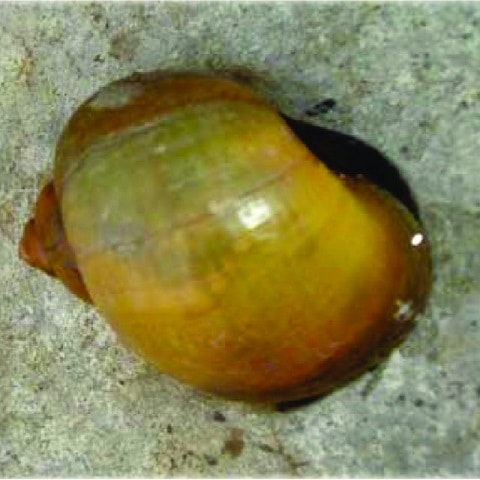
    • They are bottom-dwelling fish that will eat pest snails
    • They will not bother plants and are great for aquascapes

    Introduction to Hillstream Loaches

    Hillstream loaches will not be found on a top 10 freshwater fish to buy list, but that doesn’t mean that they don’t make a great addition to any beginner or expert aquarium! These fish are one of the most attractive algae-eating species available, but they have some special requirements when it comes to their tank setup and feeding. It’s also important to note that these are expensive fish, with individual fish fetching upwards of $10-$20.

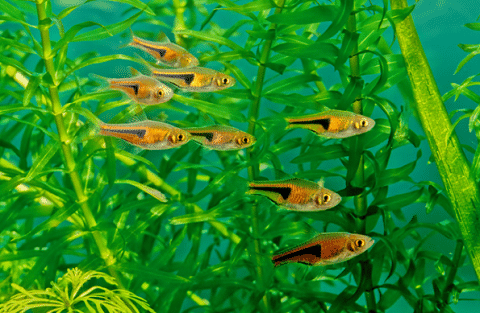
    In general, the hillstream loach, scientifically known as Sewellia lineolata, is considered a coldwater species that prefers water temperatures in the mid 60s to low 70s. This makes them compatible with goldfish and cooler-water fish, like white cloud minnows (Tanichthys albonubes) and zebra danios (Danio rerio); they especially like being kept in small groups with one another. That being said, many hobbyists have successfully kept these fish with typical tropical fish in water temperatures up to 80ยฐ F.

    The common name ‘hillstream loach’ also refers to the overall Balitoridae scientific family instead of the singular species; this group also be known as river loaches. From this family, many members of the Sewellia genus are available for trade in the aquarium hobby.

    Appearance

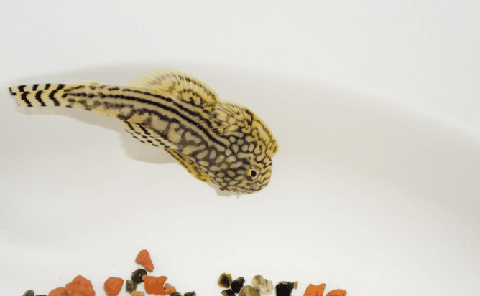
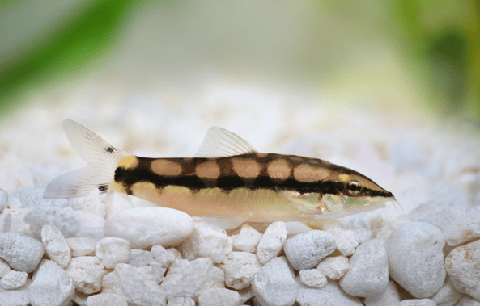
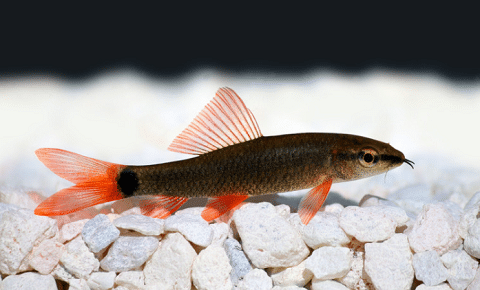
    The appearance of the hillstream loach can tell you everything you need to know about the natural habitats of this fish. These fish are undeniably flat!

    Hillstream Loach in Tank

    The flat body of the hillstream loach and its strong suckermouth are designed to keep these fish attached to hard surfaces when up against a strong water current. Their flattened fins allow them to scoot across these surfaces and the substrate without having to swim up into the water column, where they would easily be pushed away. All these features make these loaches resemble tiny little freshwater stingrays!

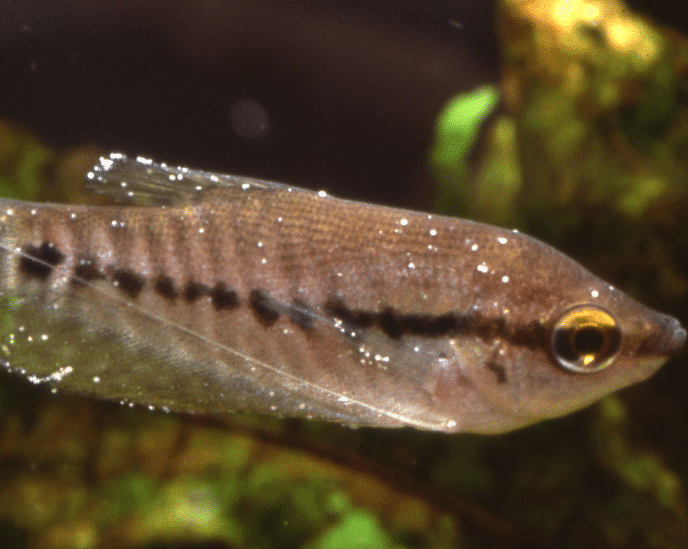
    Hillstream loaches have unique reticulated black and yellowish-green spots and stripes that help them blend in against sandy and rocky surfaces. They have very short barbels that help them locate food.

    It can be near impossible to tell male hillstream loaches apart from females, especially if trying to differentiate between juveniles. Adult hillstream loaches can be told apart due to the broadness of their heads. Females have very broad heads that are nearly the same width as their pectoral fins. Males have square heads that stick out from the rest of the body. Male hillstream loaches also develop ‘fences’, or small raised bumps, along their pectoral fin and head area.

    How Big Do They Get?

    Adult hillstream loaches only grow to about 3 inches. As we’ll see though, these small fish like to be kept in groups which can start to increase bioload.

    Are They A Type of Pleco?

    At first glance, it’s easy to confuse a hillstream loach with a pleco fish from the Loricariidae family. However, hillstream loaches and plecos are not even remotely related. In fact, their similarities end with their matching colors and body shapes.

    The differences begin when they diverge as different taxonomic species at the order level, where hillstream loaches are members of the Cypriniformes family and plecos are members of the Loricariidae family. The biggest difference between these two fish is that hillstream loaches originate from Southeast Asia, while plecos are found throughout South America. Other morphological differences also become apparent when put side to side.

    An Overview of the Fish Species

    Scientific NameSewellia lineolata
    Common NamesReticulated hillstream loach, Hillstream loach, Tiger hillstream loach, Vietnamese hillstream loach, Gold ring butterfly sucker
    FamilyBalitoridae
    OriginVietnam, Laos, Cambodia
    DietOmnivore
    Care LevelModerate
    ActivityLow Activity
    Lifespan5 to 10 years
    TemperamentPeaceful
    Tank LevelBottom
    Minimum Tank Size20 gallons
    Temperature Range64. 80ยฐ F
    Water Hardness10. 15 KH
    pH Range6.5. 7.5
    Filtration/Water FlowHigh
    Water TypeFreshwater
    BreedingEgg Layer
    Difficulty to BreedModerate
    CompatibilityCommunity tanks
    OK, for Planted Tanks?Yes

    Classification

    KingdomAnimalia
    PhylumChordata
    ClassActinopterygii
    OrderCypriniformes
    FamilyBalitoridae
    GenusSewellia / Beaufortia / Gastromyzon
    SpeciesMultiple genera and species

    Origin and Habitat

    Take a guess where the hillstream loach originates. If you answered with hill streams, then you’d be correct!

    Hillstream loaches come from shallow and well-oxygenated, fast-moving rivers and streams throughout Vietnam, Laos, and Cambodia1. They’ve been documented in some veins of the famous Mekong River, which houses some of the largest freshwater fish ever recorded.

    Due to the high water flow of these waterways, the substrate is usually composed of smooth rocks and gravel. Because of this intense water movement, most plant species cannot take root. Instead, these shallow areas receive high amounts of sunlight, facilitating biofilm and other algae growth for hillstream loaches to feed on.

    Hillstream Loach Care

    Hillstream loaches are considered a moderate fish species to keep in terms of difficulty. These are peaceful freshwater fish that have a few specific requirements, though they is more adaptable than we think.

    Are They Hard to Keep?

    There are a few reasons why hillstream loaches are considered more difficult to keep than your average tropical fish, but there are a few myths behind their care too.

    One of the main reasons the hillstream loach is seen as a difficult species to keep is due to its price tag–it’s true! These fish are expensive to buy, and so logic follows that they’re hard to keep. Unfortunately, this creates a lot of rumors about these fish and limits them to a certain group of hobbyists.

    Another reason why hillstream loaches are seen as difficult is that many hobbyists believe they only do well in fish tank setups that match the exact parameters as seen in their natural habitat ecosystems. This includes oxygen-rich water with high currents and lots of biofilm. While these conditions should try to be met as best as possible, it’s been proven that they’re not necessary to ensure that hillstream loaches thrive.

    In fact, a hillstream loach tank can look very different from one hobbyist to another. Some people keep them with coldwater goldfish, while others keep them with typical tropical fish species. Like all other fish species, the key to keeping these beautiful loaches is maintaining water parameters and quality.

    Aquarium Setup

    A hillstream loach tank can look like a lot of different things. These are versatile fish that can be kept in various aquarium setups.

    There are four main hillstream loach aquarium setups you can consider:

    1. Goldfish Tank

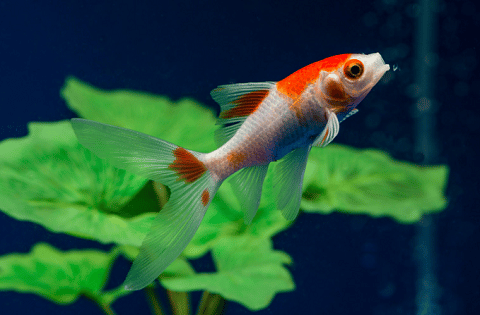
    Hillstream loaches originate from cool waters, which allow them to live in the lower temperatures preferred by goldfish. However, there are a few things that need to be considered before just throwing these loaches in with any goldfish. Hillstream loaches still prefer well-oxygenated, fast-flowing water with stable parameters. Many fancy goldfish cannot swim against an overly strong current, and large goldfish can create a lot of waste that creates instability in water chemistry.

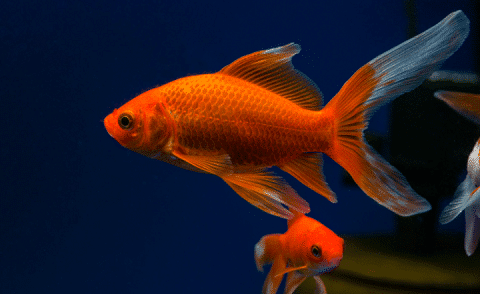
    What Does A Comet Goldfish Look Like

    If planning on keeping hillstream loaches with goldfish, only keep goldfish breeds capable of swimming against a strong current while also maintaining water quality. This aquarium setup should have minimal decorations to meet goldfish requirements, but still have some structures for your loaches to hide and graze.

    2. Coldwater Setup

    Goldfish aren’t the only type of coldwater fish. A coldwater fish tank can house a variety of fish and plant species that prefer cooler temperatures. These setups can be complex or straightforward in design, but plenty of space and the surface area should be allotted to your loach.

    3. River Tank

    A river tank is the most natural habitat you could give your hillstream loach. This aquarium setup would mimic the fast-moving, boulder-filled streams and rivers these fish originate from. Powerful filtration and powerheads circulate water to create a constant current that agitates the surface water to introduce oxygen. Plants would be minimal, with intense lighting that facilitates algae growth.

    4. Tropical Community Tank

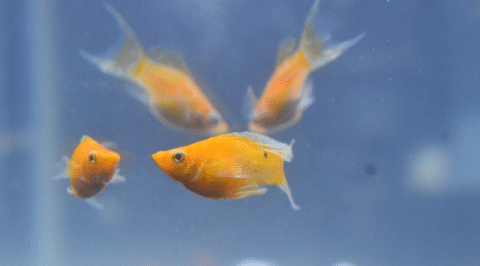
    Lastly, hillstream loaches can be kept in a community tank setting. You may be wondering how to keep a coldwater species in warm water temperatures, but these fish are surprisingly adaptable. Most hillstream loaches have adapted to aquarium water parameters, meaning that they can comfortably survive in water temperatures up to 80ยฐ F.

    Spotted Rasbora In Display Tank

    These community tanks can be filled with your favorite tetras, rasboras, and featured fish. However, make sure to ask the previous owner the water temperature at which your fish was being kept so that you can acclimate it correctly.

    There are many ways that you can keep a hillstream loach in your aquarium. There are a few additional rules to keeping them safe within your setup, though.

    One thing to consider is that hillstream loaches are agile fish that have the ability to travel upstream and over waterfalls. The glass wall of an aquarium is no feat and they can easily travel their way up the side and out. To help prevent this, make sure to use a tight-fitting aquarium lid.

    Another thing to consider is that these fish are relatively delicate. They also have very strong suckermouths that can easily become attached to a filter intake or other equipment. Make sure to use a filter guard to prevent this from happening while also giving your fish more room to graze!

    Tank Size

    The hillstream loach is a relatively small fish that stays on the bottom of the aquarium. However, they are relatively active and appreciate plenty of room for grazing on algae so they won’t do well in an overly small tank.

    What Size Tank Do They Need?

    The best tank size for a small group of 3 hillstream loaches is 20 gallons; a longer tank will provide more open swimming space and surfaces for algae to grow for your loaches. Hobbyists keep a single hillstream loach in a 10 gallon fish tank, but these fish do best when kept in groups.

    Any aquarium larger than 20 gallons will comfortably house hillstream loches as long as there is enough room for adequate water flow and filtration. You will also need to consider which hillstream loach tank mates you plan on keeping and if you want to keep them in a group. These fish are very sociable with each other, but will largely leave other fish unbothered.

    Water Parameters

    Hillstream loaches aren’t necessarily sensitive fish, but they will thrive when freshwater aquarium conditions are stable. They should be kept in a mature tank with 0 ppm ammonia, 0 ppm nitrite, and minimal nitrates. Hillstream loaches can adapt to a wide range of pH and hardness levels but do best in water that tests between 6.5-7.5 and 10-15 KH, respectively.

    Depending on the type of freshwater tank you plan on keeping your hillstream loach in, water temperature should remain stable between 64-80ยฐ F.

    Filtration and Aeration

    Filtration and aeration are some of the most important factors of this hillstream loach care guide. These fish come from very fast-moving waterways that are filled with oxygen! Recreating that in the aquarium can be difficult, but it’s also unnecessary.

    Best Value
    Fluval Canister Filters

    Our Subscriber’s Choice

    Top name brand, Italian made, and updated design. The next gen Fluval Canisters are a best buy!

    Buy On Amazon Buy On Petco

    If you want to keep your hillstream loaches in a setup that resembles their natural habitats most, then you will need strong filtration and aeration. Together, a powerful filter and an aerator can create a unidirectional water flow that carries dissolved oxygen; additional wave pumps may be needed to create the desired effect. The filter will create surface movement while the wave pump pushes the rest of the water column. The aerator can be placed anywhere in the tank to help introduce additional oxygen.

    Lighting

    Hillstream loaches are one of the few species of bottom feeders that stays active throughout the day. These peaceful fish have diurnal sleep cycles where they are awake during the day and sleep at night. This is in contrast to most loaches and catfish that wait until the cover of night to emerge.

    Remember, the hillstream loach can usually be found eating algae in shallow waters under direct sunlight. This means that they can withstand relatively high lighting intensities in the aquarium, though shade from driftwood and smooth rocks should be provided throughout the tank in case they want to hide.

    Aquarium Plants and Decorations

    Though tank conditions might allow for live aquarium plants with intense lighting, they’re not necessary for the success of your hillstream loach. Unlike most other fish species in the wild, hillstream loaches take shelter under rocks and other structures instead of plants.

    In the aquarium, hillstream loaches will appreciate plants for coverage and shade. They will also gladly eat any algae that grow on the leaves without eating any of the healthy ones.

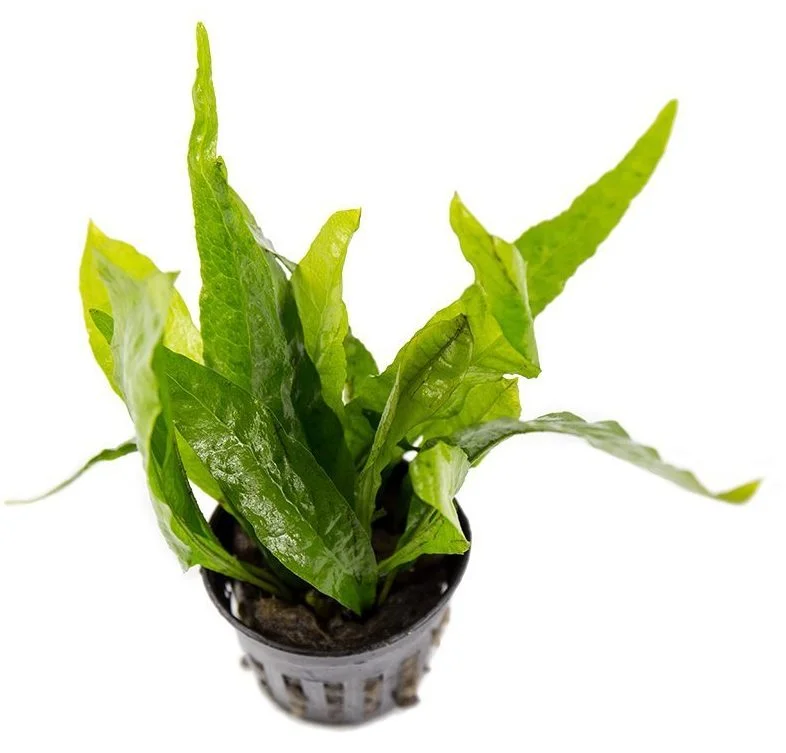
    If keeping your hillstream loach in high-flow conditions, then you’ll need sturdy plants that can withstand the current. Some recommended species are Java fern (Leptochilus pteropus), Amazon sword (Echinodorus grisebachii), and members of Bolbitis.

    Otherwise, the tank can be decorated with any aquarium-safe decoration of your choosing.

    Tank Maintenance

    This loach species isn’t the most difficult to keep, but water quality needs to be maintained. Hillstream loaches are sensitive to excess nutrients and rapid changes in parameters. Regular tank maintenance is necessary to keep nutrients down and replenish the tank water.

    In general, 10-25% weekly or biweekly water changes are recommended for any tank. During water changes, the substrate can be siphoned for leftover food and other fish waste. Planted tanks will process nutrients better than those without any plants.

    Since these fish can be kept in coldwater setups, it is necessary to chill new water than warm it up, as most tropical fish keepers need to do otherwise.

    Substrate

    Hillstream loaches can be kept on a variety of substrates, but it’s important that whatever you choose doesn’t cause injury to the underside of your fish. In the wild, the substrate is eroded down by fast-moving water. This allows the smooth bodies of hillstream loaches to stay safe from jagged rocks and twigs.

    The best aquarium substrate for a hillstream loach would be sand or fine gravel.

    Great For Bottom Feeders
    Fine Natural Sand

    Natural sand is excellent for bottom feeder fish to forage around in.

    Click For Best Price Buy On Amazon

    Community Tank Mates

    Though beautiful fish, a group of hillstream loaches won’t fill a tank on their own. You need tank mates that stay active in the middle and top portions of the water column! Again, the best hillstream loach tank mates will depend on the type of aquarium setup you keep them in.

    For goldfish tanks, hillstream loaches will do well with active goldfish breeds that aren’t weighed down by excess finnage or appendages. For general coldwater tank setups, your loach can get along with danios and white cloud minnows.

    There aren’t too many aquarium fish that originate from the exact same areas as the hillstream loach, but there are a few species that do well in a river tank setup. This includes freshwater gobies and danios as well.

    Hillstream loaches can also be kept in the same tank as popular tropical fish, like tetras, gouramis, and other bottom-dwellers as long as they are with other peaceful species. They can even be safely kept with dwarf shrimp!

    Aggressive and predatory fish will stress out and even injure unprotected loaches.

    Food and Diet

    Though they greatly enjoy benthic algae, hillstream loaches are omnivores that need both meat- and plant-based foods. One of the difficult aspects of keeping hillstream loaches is ensuring they get enough to eat as other fish may eat their food before them.

    Hillstream loaches will enjoy a variety of live, frozen, and freeze-dried options including brine shrimp, insect larvae, and bloodworms. They can be given algae wafers and a variety of blanched vegetables, including lettuce and cucumber, to supplement their vegetative needs.

    To help make sure that your loaches are getting enough to eat, feed the rest of the tank floating fish flakes while providing your hillstream loaches with sinking food. This should keep the other fish in the aquarium distracted while your hillstream loaches eat.

    Breeding Them

    Hillstream loaches have been successfully bred in the aquarium hobby and are considered one of the easiest loach species to breed in general. This is great due to their high retail price!

    It should be noted that hillstream loach breeding is possible in all aquarium setup types, not just coldwater ones. Differentiating males from females can also be difficult if they’re not fully mature adults.

    Hillstream loaches can be bred in a separate tank or in the main display. It’s strongly believed that sudden warm to cold water temperature changes encourage spawning, which can be replicated with a succession of water changes. Eventually, the male will begin to entertain and chase the female; the male may even try to dislodge the female from her attached surface.

    When ready, the couple will pair up freely in the water column. This often happens in the area with the most flow. The theory is that the fertilized eggs will be transported downstream to more relaxed water conditions. In the aquarium, this can lead to many eggs and fry being sucked up by the filter.

    Once the eggs hatch, the fry should be fed infusoria. They are not able to suction themselves to surfaces as well as their parents at small sizes, so they will mainly be found along the substrate. Parents are unlikely to eat their young, but it’s still advised to separate them as soon as possible to have the most success.

    Where to Buy

    Hillstream Loaches are widely available at most local fish stores and online. For healthy, quality stock I recommend checking out Flip Aquatics. They consistently have great fish and back every order with a live arrival guarantee. Dan’s Fish is another solid option with a wide selection of freshwater species.

    This article is part of our Loach Species Directory. Visit the hub page to explore all species care guides.

    Check out our loach tier list video where we rank all the popular loach species for home aquariums:

    What It Is Actually Like Living With Hillstream Loach

    Watching a hillstream loach navigate strong current is unlike anything else in the hobby. They suction to rocks and glass, crawl against the flow, and hold position in current that would sweep other fish downstream. Their flattened body and specialized pelvic fins are engineered for this exact purpose.

    They graze constantly. A hillstream loach works its way across every hard surface in the tank, rasping biofilm with a mouth designed for the task. You can watch the clean trails they leave on algae-covered rocks. It is satisfying in the same way watching a Roomba clean a floor is satisfying.

    Temperature is something you monitor daily with this species. A summer heatwave that pushes your tank above 78F is a genuine health emergency. Keeping a fan directed at the water surface or running a chiller during warm months is standard practice for hillstream keepers.

    Conclusion

    You won’t find the hillstream loach on many top-fish-to-buy lists, but there’s no reason you can’t add one of these beautiful fish to your coldwater or tropical fish tank. Hillstream loaches originate from unique ecosystems, but they’ve adapted well to hobby tank conditions and will even be willing to breed. The only problem you may run into with these loaches is making sure they get enough to eat, but otherwise, hillstream loach care is straightforward and easy.

  • 15 Fish With Big Eyes: Aquarium Species and Deep-Sea Giants

    15 Fish With Big Eyes: Aquarium Species and Deep-Sea Giants

    Big eyes in fish aren’t just a quirky trait. they’re almost always an adaptation. Nocturnal hunters, blackwater species, deep-sea fish, and animals that live in murky, low-visibility environments all evolved larger eyes to gather more light. I’ve kept several species over the years that are notably big-eyed for exactly this reason, and understanding why they look that way usually tells you a lot about how to keep them.

    This list covers 15 of the most fascinating big-eyed fish. a mix of aquarium-keepable species and some deep-sea oddities that are genuinely mind-bending.

    Key Takeaways

    • There are both freshwater and saltwater fish with these traits
    • Some examples are telescope goldfish, squirrel fish, and the giant squid
    • Night Vision, hunting, and selective breeding are the main reasons for fish having big eyes
    • Some of the fish on our list, while having large eyes, are not suitable for home aquariums

    15 Amazing Fish With Big Eyes

    Are you ready to meet some amazing big-eyed fish? We’ve chosen 15 fascinating fish from the coral reefs of the Pacific Ocean to brackish waters in South America. Read along to learn some fascinating facts about each one and why they have such big eyes.

    So let’s dive right in!

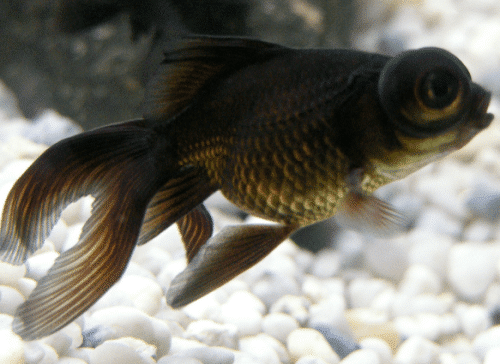
    1. Black Moor Goldfish

    Black moor goldfish in aquarium
    • Family: Cyprinidae
    • Scientific name: Carassius auratus
    • Size: 6 – 8 inches
    • Water type: Freshwater
    • Aquarium friendly? Yes

    The black moor goldfish is a wonderful pet fish with some pretty extreme eyes. Unlike their wild ancestors, these fish are pure black with huge eyes and a double tail.

    This fancy breed is the all-black version of the telescope goldfish. They thrive in cool water aquariums and are easy to find in pet stores worldwide.

    Their huge eyes are the product of centuries of selective breeding. In fact, they were probably first bred in the 15th century in China and were brought to the United States in the 1800s.

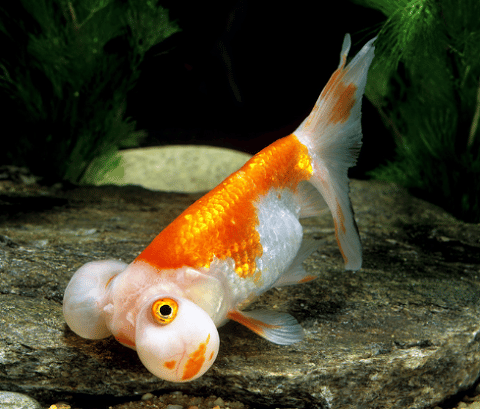
    2. Bubble-Eye Goldfish

    Bubble-Eye-Goldfish -n -Fish-Tank
    • Family: Cyprinidae
    • Scientific name: Carassius auratus
    • Size: 3 – 5 inches
    • Water type: Freshwater
    • Aquarium friendly? Yes

    The bubble eye goldfish is another amazing fancy goldfish breed. Just like the telescope goldfish above, these fish have been bred to have some pretty extreme features.

    Bubble-eye goldfish have a huge, fluid-filled sack below each eye, which causes their large eyes to point upwards all of the time. These small freshwater fish also differ from regular goldfish by lacking a dorsal fin on their back.

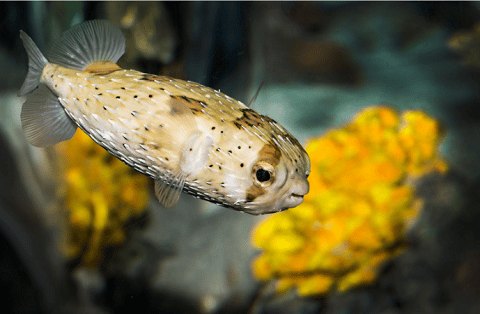
    3. Pufferfish

    Saltwater Puffer Fish
    • Family: Tetraodontidae
    • Scientific name: varied
    • Size: 1 – 20 inches
    • Water type: Fresh, brackish, and saltwater
    • Aquarium friendly? Selected species

    There are nearly 200 species of pufferfish in the world. Most of these unusual fish live in brackish and saltwater, although there are also some amazing freshwater species. Many pufferfish have huge eyes, but their most distinctive feature is probably their parrot-like beak.

    Puffers really live up to their name when they get upset. These fish literally inflate with water or air to make themselves much larger and more difficult to eat. If a predator still wants to take a bite, these big-eyed fish are often highly toxic, so most fish prefer to leave puffers in peace!

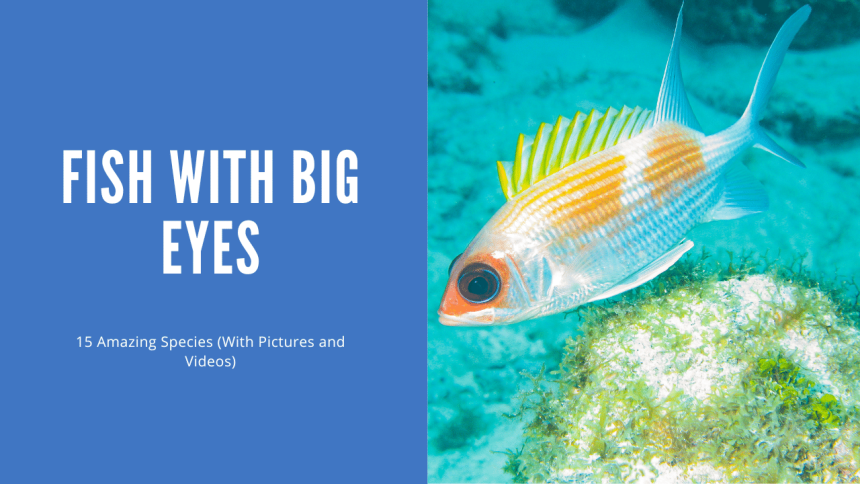
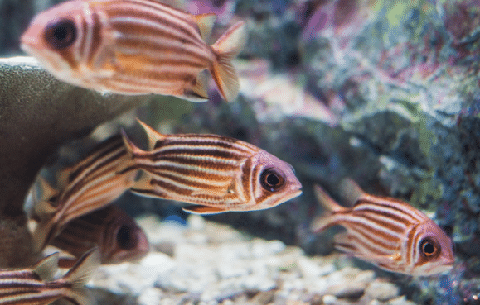
    4. Squirrel-Fish

    Squirrel Fish In Aquarium
    • Family: Holocentridae
    • Scientific name: Sargocentron spp.
    • Size: 3 – 19 inches
    • Water type: Saltwater
    • Aquarium friendly? Selected species

    Squirrel fish are tropical marine fish from the Holocentrinae subfamily. These fish can be common on coral reefs where they entertain divers with their beautiful colors and big eyes.

    Some species, like the striped squirrel fish, make beautiful aquarium fish, although these guys prefer dark tanks. They are nocturnal and use their big eyes to detect their prey, like shrimp and other sea creatures.

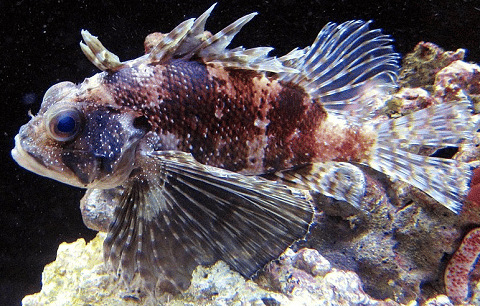
    5. Hawaiian Lionfish

    Hawaiian Lionfish
    • Family: Scorpaenidae
    • Scientific name: Dendrochirus barberi
    • Size: 6.5 inches
    • Water type: Saltwater
    • Aquarium friendly? Yes, with caution

    The Hawaiian lionfish is a beautiful but dangerous marine fish with big eyes and venomous spines. Their bright red eyes stand out against their well-camouflaged bodies on the coral reefs where they live.

    The Hawaiian lionfish is native to the Pacific Ocean, where it lives in tropical waters from the shallows to about 400 feet down. The species is uncommon in the aquarium trade, although they could make an interesting reef fish for an experienced aquarist. Just watch out for those spines!

    6. Bigeye-Fish

    Big-Eye-Fish
    • Family: Priacantidae
    • Scientific name: Pristigenys spp.
    • Size: 8 – 20 inches
    • Water type: Saltwater
    • Aquarium friendly? Selected species

    Bigeye fish are from the Priacanthidae family. Most species are red in color, and they have enormous eyes to help them detect prey after dark. These fish come from tropical and subtropical waters where they inhabit rocky areas.

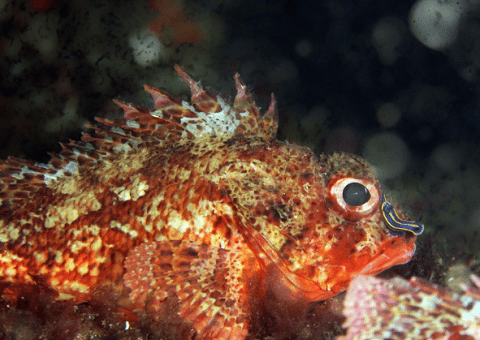
    7. Rockfish

    Rockfish in Ocean
    • Family: Scorpaenidae
    • Scientific name: Varied
    • Size: 6 inches to 4 feet
    • Water type: Saltwater
    • Aquarium friendly? Potentially

    There are dozens of rockfish species that live around the coast of the US. These long-lived fish have huge eyes and very large mouths. Rockfish are common along rocky shores where they use their big eyes to detect their prey

    Rockfish are very popular with fishermen, and some small species like the Puget Sound rockfish could even make a fascinating addition to a reef tank.

    8. Bigeye Tuna

    • Family: Scombridae
    • Scientific name: Thunnus obesus
    • Size: up to 8 feet
    • Water type: Saltwater
    • Aquarium friendly? No

    The bigeye tuna (video source) is a magnificent marine predator that occurs across all temperate and tropical seas, including the waters around the USA. They are one of the largest tuna species and can weigh up to 400 pounds. Their incredible speed helps them catch the squid and other fish species they need to survive.

    The bigeye tuna usually spends the daylight hours a thousand feet or more below the water surface but moves up to hunt at night- that’s where their large eyes really come in handy.

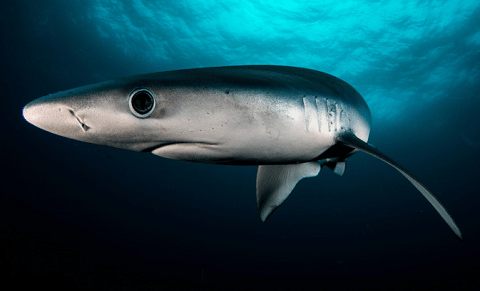
    9. Blue Shark

    Blue Shark
    • Family: Carcharhinidae
    • Scientific name: Prionace glauca
    • Size: Up to 12 feet
    • Water type: Saltwater
    • Aquarium friendly? No

    The blue shark is a large, streamlined fish that inhabits cool surface waters of the open ocean, down to about a thousand feet. Blue Sharks really are blue, although their sides are silver and their bellies are white.

    Blue sharks have very large eyes, and their large black pupils create a cute, cartoon-like appearance. These predators are not exactly cuddly, but they are not usually dangerous to humans.

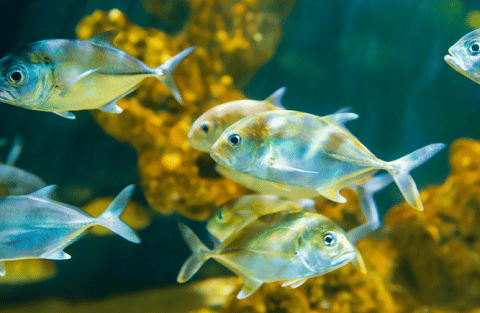
    10. Jack-Fish

    Horse Eye Jack Fish
    • Family: Carangidae
    • Scientific name: Caranx latus
    • Size: Up to 3 feet
    • Water type: Saltwater
    • Aquarium friendly? Suitable for large, public aquariums

    The horse-eye jack is a large, predatory fish that hunts small fish and crustaceans in the oceans off the east and west coasts of North and South America. They are a popular sport fish, although they carry toxins that make them dangerous to eat. These powerful, deep-bodied fish are silver with a strongly forked, yellow tail. They are sight hunters who use their large eyes to spot their prey and attack with speed.

    11. Thresher Shark

    • Family: Alopiidae
    • Scientific name: Alopias spp.
    • Size: up to 20 feet
    • Water type: Saltwater
    • Aquarium friendly? No

    The bigeye thresher shark (video source) is one of the coolest and strangest animals in the ocean. These sharks are instantly recognizable by their long tail, which can be as long as their whole body!

    Bigeye thresher sharks can use their tails to generate great speed, and they can jump high out of the water. Their tails are used to strike their prey. Despite their sharp teeth, bigeye thresher sharks actually have adorable faces with huge dark eyes.

    12. Swordfish

    Sword Fish Jumping
    • Family: Xiphiidae
    • Scientific name: Xiphias gladius
    • Size: Up to 14 feet
    • Water type: Saltwater
    • Aquarium friendly? No

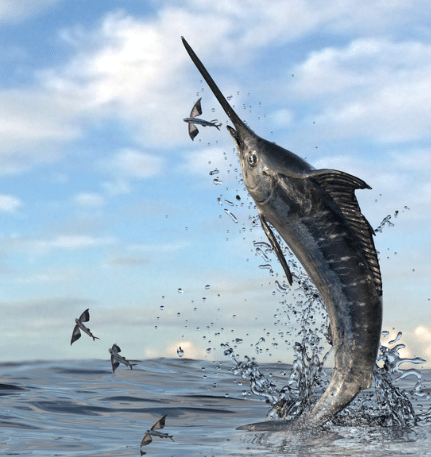
    Swordfish are true monsters of the deep. These impressive fish have long, dagger-like bills that they use to kill their prey. Swordfish are one of the fastest fish on the planet, and they use their large eyes to locate prey in the dark depths where they hunt.

    Swordfish occur in temperate, tropical, and subtropical waters in the Pacific, Indian, and Atlantic oceans. Unfortunately, swordfish are very difficult to see in the wild, although fishermen do catch them with hook and line and even with harpoons. This is one fish you don’t want to mess with!

    13. Giant Squid

    Giant Squid
    • Family: Arciteuthidae
    • Scientific name: Architeuthis dux
    • Size: Up to 43 feet
    • Water type: Saltwater
    • Aquarium friendly? No

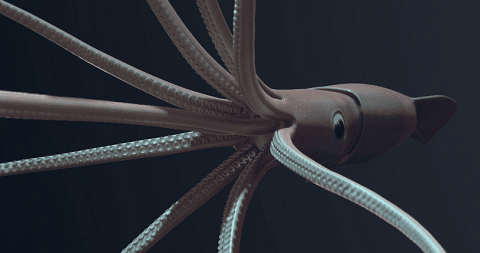
    No article on big-eyed creatures would be complete without mentioning the giant squid. These animals have the largest eyes on the planet1, reaching up to 10 inches across!

    The giant squid is a beast of legend, although it absolutely does exist. Most of their incredible length is made up of their tentacles and their body reaches a little over seven feet long.

    Giant Squids have giant eyes to match, and this helps them find their prey in the dark. However, they are not at the top of the food chain down there and are often eaten by Sperm Whales.

    14. Brazilian Four-Eye

    • Family: Anablepidae
    • Scientific name: Anableps anableps
    • Size: Up to 12 inches
    • Water type: Brackish
    • Aquarium friendly? Yes

    The Brazilian Four Eye Fish actually has just two eyes, although their eyes have a pretty remarkable adaption. These strange-looking fish have two pupils in each eye, one below the other.

    Amazingly, these large-eyed fish have the unique ability to swim at the water’s surface, with one pupil scanning the air above the water and the other looking below the water.

    Although it is not suitable for beginners, these fish can be kept in large aquariums by experienced fish keepers.

    15. Porbeagle Shark

    • Family: Lamnidae
    • Scientific name: Lamna nasus
    • Size: 8 feet
    • Water type: Saltwater
    • Aquarium friendly? No

    The Porbeagle shark looks much like the well-known great white, and only it maxes out at about 8 feet and 300 pounds. These fast-swimming sharks are a popular game fish species and are even harvested commercially for their meat and oil.

    Porbeagles, like the other sharks in this list, have huge dark eyes that help them zero in on their prey which consists of smaller fish and other marine animals.

    However, not all shark species need big eyes. Some larger shark species, like whale sharks and basking sharks, have pretty small eyes because they feed on slow-moving plankton. These gigantic sharks don’t need the sharp teeth of smaller species, and they are completely harmless to people.

    Why Do Some Species Have This Trait?

    There are many reasons for having big eyes, but the most important reason is to improve vision. Keep reading to learn about four reasons why some fish have big eyes.

    Night Vision

    Big eyes really come in useful for seeing in dim light. Just like owls and other animals that hunt at night have big eyes, many fish that live in the dark need outsized eyes to see their predators and prey.
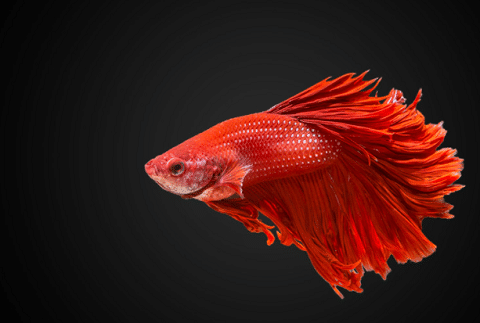
    Nocturnal fish like squirrelfish and species that live in deep water like the adorable Genie’s dogfish use their big eyes to focus light and find food in low-light conditions.

    Hunting

    Even regular game fish like barracuda fish that hunt in daylight hours benefit from having big eyes.

    These fish live life in the fast lane, where having sharp eyesight and great speed can make the difference between getting a meal or going hungry.

    Selective Breeding

    Some fish with big eyes are the result of breeding projects by fish keepers and farmers. Just like humans have bred dogs into all the amazing types we have today, fish breeders can develop interesting fishy features by selectively breeding for those traits.

    Goldfish are a great example, and the strange but beautiful telescope goldfish have some of the biggest eyes of any freshwater fish, thanks to humans rather than nature.

    Health Conditions

    Sometimes pet fish develop a health condition known as exophthalmia. This common but alarming problem is often called popeye by fish keepers, and it results from trauma, infection, or poor water quality.

    Popeye Fish

    Popeye is a serious condition, and it can cause permanent damage or even the loss of the eye if left untreated. However, if an injury caused the problem, time might be all your fish needs to heal up.

    If your fish has popeye, test your water quality to see if all your parameters are safe and healthy. Treatment with Epsom salts to reduce swelling or antibiotics to fight an underlying infection can be helpful.

    Why Do Some Fish Have Small Eyes?

    You might be wondering why all fish don’t have big eyes. Surely all species would benefit from having great vision, right?

    Many bottom-dwelling fish like loaches and catfish have pretty small eyes because they rely on their sense of smell and touch to navigate the world around them. Big eyes don’t really help in very murky waters either, so these fish have evolved to rely on their other senses.

    In some cases, fish don’t use their eyes at all. The blind cave tetra from Mexico lives in complete darkness, where eyes are useless.

    FAQs

    What are the animals with these eyes called?

    Fish with big eyes do not have any specific scientific classification. This trait has evolved in many different bony fish and cartilaginous fish families from deep oceans to shallow waters around the world.

    Which of these species are from the Gulf?

    The gulf of Mexico is home to several species with big eyes, including swordfish, horse-eye jacks, and big-eye tuna to name just a few.

    Which of these are from the Caribbean?

    Tropical waters of the Caribbean are home to many impressive big-eyed gamefish, as well as tropical reef fish like squirrelfish.

    Why do some have this trait?

    Most fish that have big eyes are nocturnal predators or live in deep waters where it is always dark. Big eyes allow more light through to the optic nerve, allowing better vision.

    Why is my fish’s eye getting big?

    Popeye is a common but alarming condition that affects pet fish from time to time. There are various causes, ranging from physical injury to infection.

    The eye of the affected fish bulges out because fluid builds up behind the eye, causing pressure. If just one eye is affected, your fish has probably suffered trauma from a collision or aggression from a tank mate. When both eyes swell, it could be a sign that water quality is low.

    What is the name of a small species with this trait?

    The dwarf pufferfish (AKA pea puffer) is a great example of a small fish with big eyes. These awesome freshwater fish have tiny bodies, growing to just an inch or so, and they make great pet fish.

    Dwarf Puffers can be kept in aquariums as small as 10 gallons, and they do best if kept alone or in a larger tank with other members of their own species.

    Final Thoughts

    Big-eyed fish species are found everywhere from the tropical oceans to your local fish store. With over 30, 000 fish species on the planet, this list is just a drop in the ocean, but hopefully, you’ve enjoyed this look at 15 amazing types!

    What is your favorite fish species with big eyes? Let us know in the comments below!

  • Why Do Betta Fish Flare Their Gills? 6 Reasons Explained

    Why Do Betta Fish Flare Their Gills? 6 Reasons Explained

    After 25+ years keeping bettas, I can tell you that gill flaring is one of the most misunderstood behaviors in the hobby. New keepers often panic when they see it, assuming their fish is stressed or sick. But flaring is actually your betta’s primary communication tool. it can signal territory defense, a stress response, or even just a reaction to seeing its own reflection in the glass. I’ve covered this exact topic in a dedicated video, and in this guide I’ll walk you through the six main reasons bettas flare so you know exactly when to intervene and when to relax.

    Key Takeaways

    • When agitated or enthusiastic, betta fish may flare their gills to display their hostility.
    • When it comes to aggression, males might be more aggressive than females.
    • When they are first exposed to a new area, they may snap at their owners.
    • When Betta fish flare, they enlarge their gills and fins to seem larger and more intimidating to potential competitors or rivals.

    Why Do Betta Fish Flare Gills?

    In the wild, some animals express their rage or violence in distinctive yet potent ways. They frequently engage in it to avoid intrusion or protect themselves from predators. (Video source).

    When their control over their established areas is in danger, Betta Fish flare their fins.

    This behavior is also possible when they need to defend their mating partners or when they catch a glimpse of themselves in the mirror.

    Fortunately, this aggressive behavior is confined to brief flares and fin spreads. So, there is no need for concern.

    But first, let’s examine their actions in greater depth so that you can comprehend them. Additionally, it will aid in preventing excessive flare-ups

    1. Signaling Aggression

    When they see another fish that they believe could invade their region, bettas are known to respond violently.

    They may also be hostile to other fish simply because they don’t like the way their tank mate looks.

    And Betta flares its gills to show its rage or fury. This is a basic trait that enables them to protect their area against intruders.

    2. Showing Dominance

    Comparatively speaking to their female counterparts, male Bettas are rather territorial. In their natural environment, male Betta fish may flare their gills and fins to display hostility if another fish wanders into their channel.

    In order to protect its area from any potential threats, it does this.

    Their gills flare, making them appear larger and more menacing. The adversary often caves and alters its strategy as a consequence. This behavior aids in preventing physical harm to other members of the species.

    But problems might go worse if the space is tiny. Because of this, you should take special care not to house two male Bettas together in a tiny or constrained space when you first bring them home.

    Give each fish ample room to establish its own territories, or keep only one male Betta in the entire tank.

    Without a way out, the two male betta will end up fighting until one of them dies.

    3. Protecting the nest

    In order to safeguard their eggs and fry after the fish tank’s spawning season is over, Betta fish create bubble nests out of saliva and air.

    It’s rather typical for certain fish animals to assault their rivals’ nests. Additionally, some fish species have distinctive strategies to frighten off visitors.

    When it comes to asserting their supremacy, betta fish are already very aggressive and show territorial aggression. They will never put up with even the smallest suggestion of having their nests destroyed. They also flare their gills to defend their territories.

    Bettas often don’t flare up when they see smaller animals like snails. But in the event of a threat, they may also scare them away by acting like Bettas.

    So make sure you get a limited number of bettas when it’s time for them to spawn.

    Authorโ€™s Note: Bettas release a chemical into the water as a warning sign for other bettas to stay away from them. This helps with avoiding serious outbreaks. But I still recommend providing your betta fish with separate spawning sites within the tank. You can make different hiding spots in their tank using plants.

    4. Flaring At Reflection

    Finding your fish flaring at nothing might stress you out or even make you laugh. But oddly enough, your Betta buddy finds it challenging to differentiate its own reflection from another fish.

    Seeing their own reflection makes Betta males aggressive. For the most part, they mistake it for another fish in the same tank. And as an act of defense, they flare their gills and fins.

    Finding Betta’s flaring fins is natural. But if it happens too often, Betta fish can end up getting distressed.

    5. A New Environment

    Any type of fish can become distressed by a change in their habitat. And Bettas’ situation is the same.

    Fish have a difficult time adjusting to different environments after they grow accustomed to one type of habitat. They consequently exhibit hostility.

    Some animals have a tendency to grow timid and stop feeding altogether until they feel more at ease.

    Betta fish are acutely aware of any changes in their surroundings. Additionally, they could act aggressively since they’re new to the tank and aren’t comfortable with the surroundings.

    A little time will help your pet acclimate. An accurate grasp of the environment might need a few days or perhaps a week.

    6. Unfamiliarity With The Owner

    Betta fish have different perspectives from humans. While humans can distinguish items with more precision, Bettas just use shapes and colors to detect the presence of their owners and other nearby objects.

    When you move around the room or close to their tank to feed them or check on them, they experience vibrations as well. To your new Betta pet, you are only a powerful predator attempting to ingest them.

    Bettas are able to distinguish colors visually, making it simpler for them to identify a male Betta.

    However, they are unfamiliar with you because you are new to their neighborhood. In this situation, they will behave violently and protect themselves as is only normal.

    It doesn’t imply that they hate their owners or that betta fish are aggressive by nature. They only use it as a means of projecting fear onto any potential environmental threat they perceive to exist.

    How To Make Them Comfortable?

    It’s simple and easy to make your Betta comfy. Only when they are startled by their surroundings do they get angry.

    You won’t often see Bettas displaying their gills and fins at you after they are used to their owners and there is nothing nearby that can disrupt their serenity.

    1. Don’t Make Too Much Noise

    Reduced noise is one strategy for reducing their stress. Bettas are sensitive to strong vibrations, which might cause them to activate their defense mode.

    By reducing the noise surrounding them, you can prevent continuous flaring.

    Make sure you don’t provoke their hostility too frequently since it is really unhealthy for your pet’s immune system. They will be more susceptible to diseases due to a compromised immune system.

    Additionally, avoid taking them out every time you clean the Betta tank to let them become acclimated to your presence.

    Be cautious while moving the gravel vacuum around the fish if you’re using one. Additionally, while cleaning the water in the tank, use a cup or another item that you generally use to clean water gently.

    I advise against often removing the Siamese fighting fish from the aquarium, particularly when they are young.

    2. Give Them Time To Adjust

    How would you feel or act if you were in a strange place, surrounded by unfamiliar people, in a setting you had never experienced?

    Your response might not be the same as a Betta fish. However, even a person would find it difficult to handle the terrible scenario.

    Betta flare as a reaction to the novel setting. The hostility should stop once the Betta fish has thoroughly surveyed the aquarium. How you act will also affect how quickly your fish adjusts to its new environment.

    Giving them some time to acclimate is, therefore, preferable to giving up on your fish.

    3. Cover The Back Of The Tank

    In order to reduce the likelihood of potential aggression, block their reflection with a background.

    Backgrounds will keep them from seeing their reflections all the time. Consider a background or a lit background that will either provide more intrigue for your fish or prevent them from seeing themselves.

    4. Get A Spacious Tank With Plenty Of Hiding Spaces

    Long-term success depends on you giving Betta fish lots of places to hide. When your pet is young, it has no idea where to hide from you or its bothersome tank mates.

    Once Betta fish are comfortable in their new environment, they can spend as much time as they like hiding from you and their tank mates by using the hideouts.

    To create perfect hiding places for your Betta fish, you may use various plants, pebbles, and other decorations.

    They will now retreat into hiding rather than flaring excessively, which is advantageous for you, your Betta fish, and their tank companions.

    Do Female Bettas Flare?

    You would assume that only male Betta fish flare their gills as a natural reaction to danger given the males’ aggressive attitude. The fact is that women are not as aggressive as men. But they can also flare to express hostility or disgust.

    Typically, females lash out at one another. Female fish may or may not act in a domineering or territorial manner, in contrast to males who usually do.

    They are semi-aggressive, therefore their hostility doesn’t come over as strongly as a guy would.

    It’s also quite uncommon for females to flare at their own mirror. They concentrate on exploring their surroundings as a means to receive the activity and excitement they need rather than engaging in combat with the seeming adversary.

    By putting a mirror next to the tank, you can assess their level of hostility. It will make it easier for you to keep an eye on the female’s aggression’s frequency and level.

    Additionally, consider giving female bettas a variety of places to hide so they may do so during times of adversity.

    Additionally, female betta fish flare their fins to deter males when they notice them.

    For female bettas, leading a stress-free life is just as important. The female Betta fish’s immune system is highly likely to get compromised if she flares excessively. In order to set up a large tank with lots of hiding places, I advise purchasing an equal number of males and female bettas.

    Benefits Of Behavior

    It’s not always awful or bad for the fish when flares are used. Even though flaring on occasion might be beneficial, flaring frequently is a symptom of discomfort. I’m going to highlight a few advantages of Betta flaring.

    1. A way to make things interesting

    In general, bettas are highly clever. Whether it’s eating food, interacting with their owners, or getting along with other fish in their tank, it’s simple for them to become bored with their routine.

    A mirror can be held up to the fish or placed in their direction to prevent boredom. Watch to see whether the fish see their own reflection. Your fish will immediately puff up their gills and fins to defend their territory from their apparent opponent as soon as they notice it.

    It’s sufficient to perform this task once every week for up to two minutes. By doing this, you’ll be able to mimic their usual behavior without putting them in any risk.

    2. Helps with attracting potential mates

    In their native habitat, male Bettas flare to entice the female betta fish. In captivity, they consistently follow the same pattern of attraction. Usually entertaining to see is the rivalry among the males to see who is larger and more intimidating.

    3. Makes it easy to get rid of stress

    Stress is a genuine problem for bettas. They will flare their gills and fins to let some of the tension out if they encounter anything upsetting nearby.

    Bettas have a high level of excitement. To maintain their composure, they flare their fins and gills. A hormone called cortisol is released into their systems as a result of the unexpected excitation.

    This stress hormone, if present in the body for an extended period of time and in excessive quantities, might harm the health of your fish.

    Their gills and fins will naturally flare as a means of releasing it.

    4. Stretches their muscles and fins

    Do you know how Bettas maintain the health of their fins and muscles? To maintain the integrity of their organs, they flare their fins and gills.

    You might consider it a beneficial form of exercise for the fish.

    Utilizing mirrors for exercise is a terrific concept, much like using them to assist people pass time when they are bored.

    Simply set a mirror in front of the tank and wait for them to catch a glimpse of themselves. Some bettas can even swim up to the mirror and attack the adversary from there. Just be careful that the exercise doesn’t go on for too long.

    Why does betta fish flare too much?

    As I have explained, your betta fish should never flare excessively. Their immune system may be compromised, which would make them much more vulnerable to illness.

    While fish naturally flare, they usually only do so when something threatens them or when they’re having fun. However, there is another reason why fish flare.

    Incompatibility with tank mates

    One of the main causes of your fish’s frequent flare-ups may be a poor selection of tank mates.

    It is common for male bettas to fight one another. However, a single male in a group of six female fish won’t cause any trouble for other fish species.

    In a Betta aquarium, species including common guppies, Platies, swordtails, and black Mollies thrive.

    FAQs

    Why is my Betta fish flaring its gills?

    The nature of Betta includes flare-ups. Betta fish flare their gills and fins to display anger that prevents other fish from invading their territory.

    Due of their tendency to be more aggressive than females, males exhibit this behavior more frequently.

    What is coming out of Bettas gills?

    A parasite called a gill fluke can infect the gills of your pet. These parasites, which resemble skin flukes but only affect the Betta’s gills, are parasites.

    Your fish may be an easy target for the parasites to assault if it has a compromised immune system or dwells in unfavorable water conditions.

    Is Betta flaring healthy?

    Only if it is kept under control can flaring benefit your Betta fish. In actuality, this is a fantastic technique to release the stress hormone cortisol. To keep things from being too monotonous, you may also stimulate flare in your pet.

    However, your Betta may become stressed if you flare excessively. Make sure stresses don’t affect your pet.

    Closing Thoughts

    As a new aquarist or someone who isn’t familiar with Bettas, finding them flaring at you is certainly distressing.

    Bettas tend to flare at other fish and their own reflection when they feel threatened. But wait for a second! Why would they flare at you when you aren’t a fish or someone who can endanger their territory?

    The answer is simple. They aren’t familiar with you or the new environment. As a result, they show aggression by puffing up their gills and fins to protect themselves.

    I will walk you through some of the most common reasons for Betta flaring and how to make them comfortable.

    References

  • Blood Parrot Cichlid Care Guide: The Honest Take on This Controversial Hybrid

    Blood Parrot Cichlid Care Guide: The Honest Take on This Controversial Hybrid

    Table of Contents

    Blood parrot cichlids are a man made hybrid that divides the hobby. Love them or hate them, they are here to stay. What most people get wrong is underestimating their size and their sensitivity to water quality. A blood parrot in a dirty tank loses color, develops black spots, and hides constantly. I have kept these for years and the fish you see hiding in a pet store corner is not the same fish you get in a clean, stable setup. But feeding is where most people fail. Their fused mouths cannot bite or tear food. The cichlid that needs you to rethink how feeding works.

    The cichlid that needs you to rethink how feeding works.

    What Most Care Guides Get Wrong About Blood Parrot Cichlid

    Most care sheets list the minimum tank size for Blood Parrot Cichlid and call it a day. But a minimum is just that. In my experience, giving them more room changes their behavior completely. You see more natural movement, less stress, and fewer aggression issues. Another thing guides gloss over is temperament. Blood Parrot Cichlid are often described with a single label, but their behavior shifts depending on tank size, tank mates, and territory. You need to plan for the worst-case scenario, not the best. Group size is another area where most guides fall short. Saying ‘keep them in groups’ is not enough. The difference between keeping 3 and keeping 8 or more is night and day when it comes to coloration, confidence, and natural behavior.

    The Reality of Keeping Blood Parrot Cichlid

    Blood parrots are hardy, personable fish. But their hybrid origins come with real limitations that you need to accept before buying one.

    Their mouths are deformed by design. Blood parrots cannot close their mouths fully. This is a feature of the hybrid, not a defect you can fix. It means they struggle to eat certain foods, cannot defend themselves against aggressive tank mates, and are vulnerable to mouth injuries. Feed pellets sized for their mouth and avoid aggressive species.

    They are messy eaters. Because of their mouth structure, blood parrots drop a lot of food while eating. This means more uneaten food on the bottom, higher waste levels, and a greater need for filtration and gravel vacuuming.

    Dyed blood parrots are an industry shame. If you see purple, blue, or green blood parrots, they have been dyed. This process is stressful, often involves injections, and the color fades over time. Never buy dyed fish. You are funding animal cruelty.

    They are surprisingly shy. Despite their chunky appearance, blood parrots are nervous fish. They need caves and hiding spots to feel secure. A blood parrot without cover will spend its life stressed and pale.

    Biggest Mistake New Blood Parrot Cichlid Owners Make

    Keeping them with aggressive cichlids. Blood parrots cannot defend themselves properly due to their deformed mouths. Putting them with jack dempseys, convicts, or aggressive mbuna is setting them up to get beaten up. Choose peaceful tank mates only.

    Expert Take

    If you want a blood parrot, buy a natural red or orange specimen from a reputable source. Never buy dyed fish. Give them caves, feed them quality pellets, and keep them with peaceful tank mates. They will reward you with 10+ years of genuine personality.

    Key Takeaways

    • The blood-red parrot cichlid is a hybrid fish that was developed through cross-breeding practices in 1986.
    • These fish have some difficulties feeding, but they are otherwise very easy to care for.
    • Blood parrot cichlids make great community fish but should not be kept with large aggressive species or with smaller fish that they might swallow.
    • Blood parrot cichlids should not be confused with saltwater parrotfish.

    Fish Species Overview

    Scientific NameHybrid
    Common Namesblood parrot cichlid, blood red parrot cichlid, freshwater parrot fish
    FamilyCichlidae
    OriginCaptivity
    DietOmnivore
    Care LevelEasy
    ActivityModerate
    Lifespan10 – 15 years
    TemperamentSemi-aggressive
    Tank LevelAll levels
    Minimum Tank Size55 gallons for a single fish, increase by twenty gallons for each individual
    Temperature Range72 – 82ยฐF
    Water Hardness6-18 dGH
    pH Range6.5 – 8.0
    Filtration/Water FlowLow
    Water TypeFreshwater
    BreedingEgg-layers
    Difficulty to BreedDifficult
    CompatibilityCompatible with larger community fish
    OK, for Planted Tanks?With Caution

    Classification

    OrderCichliformes
    FamilyCichlidae
    SubfamilyCichlinae
    GenusHybrid origin
    SpeciesHybrid (Amphilophus citrinellus x Paraneetroplus synspilus)

    What Is Are They?

    The blood-red parrot cichlid is a medium to large tropical freshwater fish from the Cichlidae family. These strange, ball-shaped fish are instantly recognizable with their huge eyes and very small mouth. Their mouth is unusual in that it looks somewhat like a parrot’s beak, but it is actually a deformation.

    These cichlids are pretty controversial because they are man-made fish and we don’t know exactly which parent species were used to breed the blood parrot cichlid. They are probably a hybrid of two or more Central American Cichlids. The prime suspects are the well-known Midas Cichlid and the Redhead cichlid.

    Regardless of their controversial ancestry, these fish make excellent pets. Sure, they will look strange, but in a really cool way! These fish have bright colors and the most expressive eyes.

    Blood parrot cichlids are also very interactive fish. They often swim up to meet you, especially if you’re the person who provides their dinner!

    Origin And Habitat

    The blood parrot cichlid is a hybrid fish, which means it was bred from two or more different species. They were first developed in Asia in the 1980s, and today they are popular in the aquarium trade all over the world.

    Some hybrids can occur in nature, but blood parrots are only found in captivity. You could say that their natural habitat is the aquarium! In fact, it’s pretty unlikely that these unusual fish would be able to survive in the wild at all.

    Appearance

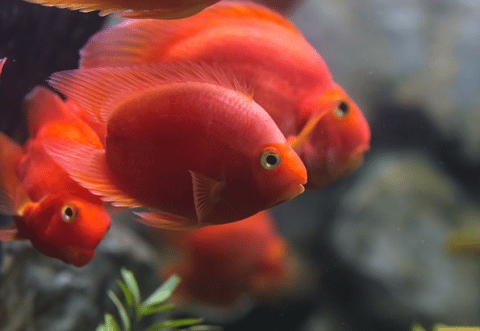
    Blood parrot cichlids are instantly recognizable by a combination of their bright orange colors, round body, humped shoulders, huge eyes, and small parrot-like mouths that can’t fully close.

    Blood Parrots in Aquarium

    They are clearly recognizable as cichlids, although their strange features make them look more like cartoon characters than wild fish!

    Orange is the most dominant color, but there are other breeds too. Their large fins are the same color as their body, although they is darker, lighter, or even translucent.

    The blood parrot’s eyes are one of its most unique features. Their pupil is large and often strangely shaped. The iris around their pupil contrasts strongly with blue or gold.

    These features have become less extreme since they were first bred, but the parrot cichlid is still a very distinctive freshwater fish.

    Blood parrot cichlids change a little as they grow older. Young fish often have dark markings toward the tail and less color than adults.

    Common Varieties (Types)

    Blood parrot cichlids come in a few different colors and breeds. Natural blood parrot cichlids vary from white to yellow and orange.

    You will also come across the king kong blood parrot. This is a larger breed that has a normal mouth.

    Unfortunately, there are some blood parrot breeding practices that should not be supported. If you ever come across a heart-shaped blood parrot cichlid, take a closer look. These fish have no tails because they have been cut off (video below).

    Jellybean parrots are fish that have been dyed, and they are available in just about any color. Some breeders also tattoo their fish to enhance their colors or write messages on them. Rather get yourself a regular blood parrot. These fish have all the color, charm, and cuteness that you could ever need!

    Lifespan

    Blood parrots can make long-lived pets if properly cared for. This hybrid fish species has a typical lifespan of five to fifteen years.

    Of course, there are many factors that decide the actual life span of any fish, including genetics, diet, water quality, and more. Take note of the care tips in this article to keep your pet healthy and live longer.

    Average Size

    Blood parrot cichlids are often sold at just two or three inches, which can catch beginner fishkeepers off guard. They will grow a lot larger as they mature and reach 6 or 7 inches in length.

    Fortunately, these hybrid fish are relatively slow growers, which gives you plenty of time to upgrade their aquarium if necessary. Regular blood parrots max out around 8 inches, but there are some larger breeds too. The rarer king kong blood parrots can reach an impressive 12 inches.

    Blood Parrot Cichlid Care

    Blood parrot cichlids are easy to care for once you understand their feeding needs. Read on to learn how to create the perfect home for these adorable hybrid fish.

    Aquarium Setup

    The blood-red parrot cichlid is pretty undemanding when it comes to its care and aquarium setup. These fish will thrive in just about any tank that provides enough space.

    If you’re setting up a new aquarium for blood parrot cichlids, you’re going to need some basic hardware like a heater, filter, and lighting. You’ll also need to cycle your tank before introducing your first fish.

    Tank Size

    The Blood red parrot cichlid is a big fish, so it needs a big fish tank. An 8-inch specimen is much bigger than it sounds when you factor in how tall and wide these ball-shaped hybrids can get!

    They are fairly slow-growing fish, but it’s best to start out with a big enough tank from the beginning. You could keep a young specimen in a 29-gallon aquarium, but 55 is a much better bet. Add 20-30 gallons for each additional parrot cichlid you want to house.

    Blood parrot cichlids are not the fastest fish in the world, but they sure can jump. Make sure your aquarium has a secure-fitting hood to avoid any mishaps.

    Water Parameters

    The blood parrot cichlid is pretty adaptable when it comes to water parameters. They are tropical fish, so they will need warm, stable water temperatures. Their preferred temperatures seem to be around 80ยฐF, although they is kept down to about 75 ยฐF.

    Blood parrots are adaptable to soft or hard water, and they do great in pH levels between 6.5 and 7.5.

    Ammonia and nitrite levels should always read zero when you test your water. However, these fish are not overly sensitive to nitrates if you perform regular water changes.

    Filtration and Aeration

    Good quality filtration is essential for keeping parrot cichlids healthy in the long run. Parrot cichlids are not the strongest swimmers, so they won’t appreciate a powerful current in their tank.

    However, their inefficient eating habits mean a lot of uneaten food will accumulate in the tank. Therefore, high-volume but low-flow filtration is ideal. A canister filter with plenty of filtration media is always a good bet.

    Best Value
    Fluval Canister Filters

    Our Subscriber’s Choice

    Top name brand, Italian made, and updated design. The next gen Fluval Canisters are a best buy!

    Buy On Amazon Buy On Petco

    Additional aeration is helpful but not essential. You can run an airstone to increase oxygen levels in the water or aim your filters outflow toward the surface of the water. Breaking the water surface will allow more oxygen to mix into the water.

    Lighting

    Blood parrot cichlids do not have any particular lighting needs, but they should have access to a natural day/night cycle. The easiest way to do this is to use a timer set to 6 to 10 hours per day.

    Of course, you don’t want your tank to receive any direct natural sunlight, as this can cause high temperatures and serious algae problems.

    Aquatic Plants

    Live plants can help to maintain great water quality for your blood parrot cichlids while making their tank more natural and attractive. Unfortunately, blood parrot cichlids are not the ideal fish for planted tanks, but that doesn’t mean it can’t be done. However, a lot will depend on your individual fish.

    Some blood parrots will tear up plants, while others won’t touch them. Fortunately, most blood parrots have weak mouths, so they can’t do too much damage.

    The biggest problem is that these fish may dig up the regular stem and rosette-type plants. Fortunately, you can still grow some amazing plants that don’t root themselves in the substrate.

    Epiphytes like Java ferns and anubias are safe bets if secured to some sturdy hardscape. Floating plants like red root floater, Salvinia, and hornwort are also great options.

    Decorations

    Blood parrots often dig, and this is a problem for your decorations too. Carefully arranging rock piles and driftwood is pretty dangerous if your fish tip them over into the glass or onto themselves.

    Blood parrot cichlids is shy, especially while they are still adjusting to a new fish tank. Caves and tunnels between your hardscape make great hiding places, and broken clay pots work just as well.

    Avoid using tall, heavy ornaments, especially near the walls of your tank. However, driftwood, flatter rocks, and aquarium-safe ornaments are great choices.

    Substrate

    Sand is the ideal substrate for blood parrot cichlids because it is safe for them to dig. However, rounded gravel is also a great choice.

    Avoid sand or gravel with sharp edges, and don’t bother with aquarium soils for rooted plants because these fish will just dig up your aquascape.

    Tank Maintenance

    Blood parrot cichlids are not particularly sensitive to nitrates, but like all fish, they deserve the best water quality that you can provide.

    Testing

    Purchase a water test kit before you add your parrotfish. You will need it during the aquarium cycling process. You’ll also need to test your water regularly once your tank is ready and you have added your fish.

    Testing is the best way to monitor the build-up of nitrates in your aquarium, and this information will help you design a tank maintenance schedule that is perfect for your setup.

    Vacuuming

    These messy fish leave a fair amount of food to sink to the bottom, so remove whatever doesn’t get eaten. Vacuuming your gravel while performing a water change is the best way to remove poop and waste particles trapped between your substrate.

    Python Cleaner

    The Python is a mainstay in the fish hobby. Easily clean your aquarium by connecting this to your sink!

    Buy On Amazon

    Water Changes

    Partial water changes are essential for maintaining your blood parrot cichlid aquarium. Depending on the size and stocking of your tank, you will need to do this every one or two weeks.

    Remember to dechlorinate new water before adding it to your aquarium. Some of the chemicals found in tap water is harmful to your aquarium bacteria, plants, and animals.

    Community Tank Mates

    One of the great things about blood parrots is that they are pretty safe with other fish. Sure, they is pretty aggressive, especially when spawning, but they just don’t have the tools to do a whole lot of damage.

    However, some modern blood parrots are bred with larger mouths, and these fish will not be safe with smaller tank mates.

    One of the best tank mate species for blood parrot cichlids is other blood parrot cichlids. That’s right, and these funny fish can get along great with their own kind. However, they is kept with many other cichlids too.

    The following cichlid species can make good tank mates for blood-red parrots:

    In fact, most peaceful fish species that enjoy the same water parameters will make good blood parrot tank mates. However, you should avoid very small fish because your blood parrot will try to swallow them!

    Here are some potential tank mates that you can try:

    Tank Mates to Avoid

    Avoid aggressive fish that can hurt your blood parrots. Any large, carnivorous species that could swallow your parrotfish whole is a risky choice!

    Small fish like rasboras, badis, and endler’s livebearers can make a nice snack for your blood parrot cichlids. Sure, these hybrids aren’t exactly built for the kill, but they is persistent!

    Fish species that have special care requirements like cool water or fast currents should be avoided. Unfortunately, that rules out fancy goldfish as tank mates.

    Breeding

    Male Blood parrot cichlids are sterile, so these hybrid fish are very difficult to breed in the home aquarium. They do form pairs, and they may even lay eggs, but they are infertile and rarely hatch.

    Pairs will be very aggressive towards other fish at this time, and they will dig up the substrate to create a spawning area. However, the adults end up eating the eggs when they begin to develop fungi.

    Female blood parrot cichlids are often fertile, and they can actually breed with other cichlid species like red devils. Sexing blood parrot cichlids is tricky, although males have longer and more pointed fins.

    Food And Diet

    Feeding is probably the trickiest part of keeping blood parrot cichlids. Firstly, their small mouths don’t open and shut like other fish, so they struggle to get food into their mouths. Secondly, they are easily outcompeted by faster-moving fish in their tank.

    Avoid overfeeding your tank to overcome these issues, as this will only impact your water quality. One, two, or three meals per day is enough; just keep an eye on your fish to make sure they are getting a good meal.

    Keep reading to learn about the best foods to feed blood parrots.

    Daily Diet

    There are some excellent pellets formulated specifically for the blood parrot, but you can provide any high-quality, soft pellet that is small enough for them to swallow.

    Sinking foods are better since they lessen the chance of swim bladder problems, but many fishkeepers use floating foods without any issues.

    Supplements

    Supplements are foods that you can provide once a week or so to boost your fish’s condition. Frozen foods like blood worms and brine shrimp are great supplements, but your blood parrots will struggle to feed on them.

    Supplementing your parrot cichlid diet with shelled peas once per week is beneficial too. Simply boil them briefly and remove the outer shell.

    Common Health Problems

    Blood parrot cichlids are very hardy and not prone to disease if kept in good conditions.

    In the early days, blood-red parrot cichlids were quite heavily deformed and prone to various illnesses. These days the fish are more robust. Nevertheless, this hybrid species is susceptible to swim bladder problems.

    Swim Bladder Disease

    Swim bladder disease is a common condition in aquarium fish that causes swimming difficulty. Affected fish will sink to the bottom of the tank or float at the surface, and some even swim upside down.

    Mild cases is solved by feeding shelled peas, but Epsom salt baths is necessary for more serious situations.

    Other Health Issues

    Blood parrot cichlids are susceptible to most of the common aquarium fish illnesses. These show up after introducing diseased fish to the tank or when your fish are under stress from poor water quality or bullying from other fish.

    Keep an eye out for the following symptoms:

    • White spots on your fish’s body. This is a common symptom of a parasitic infection called ich.
    • Flashing. Fish scratch their itches by rubbing against the substrate or decorations in their tank. This behavior can be a sign of infection or poor water quality.
    • Torn fins and sores on the body. Torn fins can be a sign of fin nipping and bullying by other fish, but it can also be a symptom of other conditions like bacterial infections and a compromised immune system.
    • Rapid Breathing. A variety of stressors can cause rapid breathing. Testing your water quality for issues is the first step when identifying health problems in your fish, and increasing oxygen levels with an airstone can be helpful.

    FAQs

    What fish can live with them?

    Blood parrots are pretty peaceful fish and they get along with many other species. You can keep them with similar fish like severums or even other blood parrots. It’s best to avoid much larger or smaller fish and stick with species that enjoy the same water parameters.

    Are they peaceful?

    Blood Parrots are relatively peaceful as far as cichlids go, but they is aggressive when attempting to spawn. Fortunately, they are pretty harmless bullies due to their weak mouths.

    Are these fish smart?

    The blood parrot is known as a smart and interactive pet fish. They learn to recognize their owner’s face and will often swim up to the glass to greet you.

    Can parrot fish live with other fish?

    Blood parrots can be great community fish if kept with the right tank mates. However, they should only be kept with other freshwater fish that enjoy the same kind of water conditions. Tiny tetras and other nano fish are not safe.

    What do these type of freshwater fish eat?

    Blood parrots are omnivorous fish that will thrive on a diet of small sinking or floating pellets. They will appreciate frozen foods like bloodworms and vegetables like shelled peas as a weekly snack.

    How long do they live?

    Freshwater parrot cichlids can live for a long time if well cared for. Some specimens survive as long as 15 years.

    How many should you keep together?

    You can keep one blood parrot cichlid, or three or more. Two blood parrot cichlids might fight a lot unless you have plenty of space and structure in your aquarium. A big group of these hybrid fish works great, just make sure you provide 20 gallons or so for each additional fish you add.

    How big of a tank do they need?

    A single adult blood parrot cichlid should be kept in at least 55 gallons. Young fish can be housed in a 29-gallon tank.

    What It Is Actually Like Living With Blood Parrot Cichlid

    Blood parrots are the dogs of the fish world. That is not an exaggeration. A blood parrot will learn your face, swim to the front of the tank when you walk into the room, and beg for food with the same shameless enthusiasm every single time. They recognize the difference between the person who feeds them and a stranger. After a few months, you stop thinking of them as fish.

    The color changes tell you everything about their mood and health. A happy, comfortable blood parrot glows deep orange to red. A stressed one fades to pale peach and develops dark patches. You will learn to read your fish like a mood ring, and that feedback loop makes you a better fishkeeper whether you realize it or not.

    Watching them eat is equal parts endearing and frustrating. Their deformed mouths mean food falls out constantly. They chase pellets around the tank, grab one, drop half of it, and go back for more. You need to accept that some food waste is inevitable and plan your filtration accordingly. It is part of the deal with this fish.

    Final Thoughts

    A blood parrot in clean water is a completely different fish than one in a neglected tank.

    Parrot cichlids are one of the most adorable freshwater fish in the hobby. They will not be for everyone, and it’s understandable that many aquarists prefer to steer clear of hybrids. Keep these fish if you want a pet with great color and personality, but be prepared to provide for its special feeding needs.

    Do you keep blood parrot cichlids? Share your experiences in the comments below!

    South American Cichlid Species Directory

    This article is part of our South American Cichlids: Complete A-Z Species Directory. Visit the hub page to explore care guides for all 32 South American cichlid species we cover.

  • Why Are There Bubbles In My Fish Tank? 9 Causes (and How to Read Them)

    Why Are There Bubbles In My Fish Tank? 9 Causes (and How to Read Them)

    Bubbles in a fish tank can mean a lot of different things. some completely normal, some worth addressing, and at least one (gas bubble disease from supersaturated water) that’s a genuine emergency. After 25+ years of keeping tanks, I’ve learned to read bubbles the same way I read other water quality signals.

    The most common scenario: persistent foam or small bubbles clinging to the surface usually means elevated organic waste. time for a water change. But betta bubble nests, plant pearling, and filter surface agitation are all healthy signs. Here’s how to tell them apart across all 9 common causes.

    Key Takeaways

    • Bubbles in your fish tank can be good, bad, or somewhere in between.
    • These bubbles can be the result of many factors, such as the aquarium filter, water quality, or labyrinth fish.
    • The best way to stop little bubbles from forming in your aquarium is by finding the thing that’s causing them.

    What Causes Air Bubbles In Your Tank?

    H2O, also known as water. The science behind our aquariums.

    In order to make the water for our fish tanks, hydrogen needs to bond with oxygen. This means that there is always oxygen available in your aquarium in the form of H2O! But sometimes oxygen can start to appear in the form of annoying microbubbles that stick to the sides of the aquarium and decorations and might even create a mat at the surface of the water.

    While they might look out of place, microbubbles are usually temporary in both freshwater and saltwater aquariums. In most cases, air bubbles will only stick around for a few days. But what causes these bubbles, and are they harmful to fish and invertebrates?

    1. New Fish Aquarium

    The most common time to see air bubbles form in the aquarium is in the few days following a new tank setup. Small bubbles clinging to the side of the aquarium and the surface of the water often leads new hobbyists asking “why are there bubbles in my fish tank”? It’s a good question!

    Bubbles in a new tank are nothing to worry about and should be expected. This is perfectly normal and is the result of oxygen escaping from the substrate, decorations, and surfaces of the aquarium. They should dissipate within a week.

    2. Air Stones And Filtration

    The next obvious source of air bubbles in your aquarium is direct oxygen inputs, like an air pump or your filtration system. This equipment pumps oxygen into your tank in an attempt to create surface water agitation, which facilitates the gas exchange of oxygen and carbon dioxide between the aquarium and the atmosphere.

    Both air stones and filters are great ways to introduce dissolved oxygen into the aquarium. The bubbles produced should be clear in color and pop almost immediately. Some bubbles created by the air pump may not pop right away and create an area of tiny bubbles on the surface of the water. This is usually nothing to worry about.

    3. Water Changes

    Water changes can also cause microbubbles. This can result from tank water agitation causing more oxygen to enter the tank, but it can also be due to differences in water temperature.

    Cold water holds more oxygen than warm water. If new aquarium water is cooler than that already in the tank, this oxygen may be released through tiny bubbles that stick to the aquarium glass. This is not ideal if there are fish and invertebrates present in the tank due to stressful changes in water temperature.

    Water change water should be the same water temperature as the existing aquarium water to prevent fish from going into shock. A several-degree difference can lead to tiny bubbles forming while also stressing out fish.

    To help prevent this, new water should be heated with an aquarium heater to the desired temperature.

    Best Value
    Eheim Jager Aquarium Heater

    Best Value

    Very accurate, durable, and German made. A great value buy for any aquarium

    Click For Best Price Buy On Amazon

    4. Medications

    Another reason why tiny air bubbles might form on the water’s surface is due to medication use. Many medications, like Hikari’s PraziPro1

    Thus, any bubbles that form in the aquarium during this time are thicker than usual, leading to longer-lasting bubbles. This effect can be decreased by increasing water agitation, which is normally recommended when using strong medications. The bubbles formed should be clear, though some medications can cause an unusual shimmer or foam bubbles.

    5. Oily Surface Layer

    Look down at your aquarium. Do you see a rainbow or off-white swirls? This could be a sign that a contaminant is in your fish tank. Don’t worry just yet, though.

    This contaminant can be organic or inorganic. The natural oil from fish food as well as from hobbyists’ arms and hands, can leak into the aquarium over time. Other organic waste and proteins can also build up and create an oily surface layer. In addition to the discoloration, this layer of oil and protein foam will prevent bubbles from rising all the way to the top of the aquarium.

    Some hobbyists use paper towels to remove this layer periodically, but this is a temporary fix. The best way to prevent this is by improving surface movement. Hands and arms should also be thoroughly washed before performing fish tank maintenance.

    The real problem happens if this sheen isn’t from a natural source and is the result of soap residue or contamination from other cleaning tools and products. Not only will this result in foamy bubbles on the water’s surface, but will also affect your fish’s ability to breathe, which can quickly prove to be deadly.

    Keep cleaning products far away from the tank (including out of the air) and never use soap to clean an aquarium!

    6. Poor Water Quality

    Bubbles forming in the aquarium can be a sign of poor water quality, specifically concerning ammonia. Ammonia is a toxic compound that can burn fish’s gills and cause them to suffocate. Excess ammonia greater than 5 ppm can also cause the nitrogen cycle to stall in the aquarium, preventing beneficial bacteria from detoxifying the compound.

    If bubbles seemingly appear out of nowhere in your fish tank, check for improper water conditions with a reliable water test kit.

    7. Fish Nest

    Not all foamy bubbles are bad, though. In fact, creating a bubble nest is the main way labyrinth fish species reproduce. This is most commonly seen with male betta fish (Betta splendens), but can be seen in gouramis (Osphronemidae family) as well.

    Red <a href=Betta Fish” class=”wp-image-547320″/>
    Bubble nests are made up of many microbubbles on the surface of the water, usually attached to aquarium plants, aquarium glass, or other equipment. These nests can have a foamy appearance.

    It is often said that betta fish only make bubble nests when they’re perfectly happy in their environment. While this is largely true, bubble nests don’t always indicate that your fish is thriving. If your fish is creating bubble nests more than usual, make sure to check for poor water quality, as it might be a sign of stress.

    The male betta fish typically maintain bubble nests for several days; some hobbyists have noted a bubble nest lasting more than a week. Eventually, the bubbles will dissipate, even quicker if they’re near areas of water flow.

    8. Pearling

    Another good reason why you might have bubbles in your fish tank is due to a sought-after phenomenon called pearling. This is the visualization of aquarium plants releasing oxygen into the water column; the oxygen produced is released faster than it can dissolve into the water. This is regarded as a sign of a healthy tank with rapid aquarium plant growth.

    Pearling can result in bubbles covering the plant or floating to the surface of the water.

    Do They Hurt Your Aquarium?

    In general, air bubbles aren’t good or bad. There are many reasons for them to occur, with some reasons being neutral while others being good or bad. Small bubbles may be present in new fish tanks but they can also appear in well-established ones that have good a filtration system or that have regular water changes.

    At the same time, foam in your fish tank can either be a sign of recent medication use and bad water parameters or a healthy betta tank with pearling. If you aren’t expecting air bubbles to be present in your aquarium, then it’s worth questioning.

    9. Lookalikes

    It’s pretty easy to identify air bubbles in a fish tank, but there are one saltwater pest algae that you need to keep an eye out for bubble algae (Valonia ventricosa). This presents small, green jewel-like bubbles that cover the surface of rocks, corals, and equipment. These bubbles can even get stuck in the intake of a powerhead or aquarium filter.

    Newly-formed bubbles can have a more transparent appearance than older ones, making it confusing to realize they’re a type of algae. Some hobbyists like the appearance of bubble algae, but most try to eliminate it with regular maintenance as well as chemical and biological intervention.

    How To Get Rid Of These In The Aquarium

    Like anything in the aquarium hobby, to fix bubbles from appearing in your fish tank, you need to understand the root of the problem. Once that’s been discovered, small and large bubbles can be eliminated.

    1. Preventing Them In A New Aquarium

    There’s no reason to get upset over bubbles appearing in a new fish tank, but some hobbyists want to skip the waiting. There are a few ways to keep these bubbles out:

    1. Thoroughly rinse and soak all substrate, decorations, aquarium equipment, and filter media before use.
    2. Fill the aquarium with warm or hot water to lessen the amount of oxygen that enters the aquarium.
    3. Perform water changes to remove any foam bubbles that may appear on the water’s surface.
    4. Use an algae scrubber to wipe away any bubbles that form on the aquarium glass.

    2. Decreasing Due To Air Stones And Filtration

    Most hobbyists want to increase the amount of available oxygen in their fish tanks, just not in the form of microbubbles. While surface agitation is good, there are a few ways to prevent too many bubbles from entering your water column.

    1. Make sure equipment is securely installed. Connections and joints within the equipment should be fully submerged to prevent air from being introduced.
    2. Keep the air stone away from the filter. Bubbles can get sucked up and returned via the aquarium filter, creating additional bubbles.

    3. Increasing Oxygen And Dosing Medications

    Bubbles should be the least concern when dealing with dosing medications, but we understand that you want comfortable conditions for a sick fish.

    The best way to stop thick bubbles from forming in a medicated fish tank is by increasing water surface agitation. This will introduce some bubbles on its own but should help break up the viscosity caused by the medications. Increased oxygen and carbon dioxide exchange will also help combat lowered oxygen levels due to treatment.

    4. Removing An Oily Surface Layer

    Natural oils are to be expected in both freshwater and saltwater fish tanks. These can be removed through improved water surface agitation, manual removal, or physical removal through something like a protein skimmer.

    If your oily surface layer is due to a type of chemical, then there is more reason to be concerned. By the time these bubbles form, it’s usually too late for fish and invertebrates. However, a large water change can help save the remaining inhabitants.

    In the future, steer clear of traditional cleaning products in and around your fish tank. Instead, use hot water and vinegar to clean what you need to.

    5. Improving Water Quality

    Improving water quality and reaching more ideal water parameters is a long game. It takes time and patience, and the road to a healthy ecosystem isn’t linear.

    That being said, each fish tank is unique in how it runs. This means that the water parameters that work for one tank might not work for the next. However, no tank runs well with poor water quality.

    Here are a few ways to improve the overall health of your aquarium:

    1. Use good source water. Source water should be within the ideal parameters needed for your fish tank or a blank slate; many saltwater keepers use RO/DI water that is completely customizable for what their tank requires.
    2. Perform regular tank maintenance. The importance of aquarium maintenance cannot be overstated. Vacuuming the substrate, introducing fresh water, and rinsing filter media can easily keep waste down and parameters where you want them to be.
    3. Take regular water tests. As you understand your fish tank more, you won’t need to do water tests as often. However, in the beginning, stages, and future problems, you want to know how your tank operates across days. This will identify the problem and stop it from reoccurring in the future.
    4. Check on your fish tank daily. The best way to track your fish tank progress is by checking on it daily. Most problems happen over time and not overnight (though things can go south very quickly!). Be there to see it as it happens and stop it before it gets out of hand.

    6. Keeping Your Betta Fish Busy

    There is some discussion as to how to ‘treat’ bubble nests. Betta fish work hard on their nests and can get stressed when they’re prematurely disturbed or destroyed.

    What Is A Bubble Nest

    At the same time, bubble nests are a great form of enrichment for betta fish. By destroying your betta fish’s nest by removing it or breaking it up, you are giving your fish something to do. Still, this can stress out your fish and cause a change in their demeanor.

    7. Reduce Pearling

    In general, pearling from aquarium plants is never a bad thing; it’s a highly desirable effect that many hobbyists dream of! But if you don’t like the look of it, then there is an easy way to fix it.

    The best way to deal with aquatic plant pearling is by increasing water flow. This will dislodge and disperse any bubbles that form and rise. Be careful not to push your aquarium plants over with too much water flow, though.

    Final Thoughts

    Microbubbles can make a fish tank look unkempt and dirty. On the contrary, tiny bubbles are usually a good sign or the result of something else in the aquarium! Sometimes, bubbles are a sign that something is wrong in the aquarium, so any first or unexpected appearance of them should be taken into consideration.


    ๐ŸŸ Want to learn more? This article is part of our complete Aquarium Care Guide. your ultimate resource for water chemistry, maintenance, feeding, disease prevention, and everything you need for a healthy tank.

    References

  • 17 Real Fish From Finding Nemo: Which Ones Can You Actually Keep?

    17 Real Fish From Finding Nemo: Which Ones Can You Actually Keep?

    Finding Nemo had a real impact on the saltwater hobby. I watched it happen firsthand. When the film came out in 2003, clownfish demand surged at fish stores everywhere. After Finding Dory in 2016, the spike in Blue Tang demand was actually concerning, because Hippo Tangs are large, water-quality-sensitive fish that need at least a 100-gallon tank. Not exactly a beginner fish, regardless of what a movie might suggest.

    Most of the species in the film are real, and several of them. clownfish, royal grammas, blue tangs, yellow tangs. are regulars in the saltwater hobby. Some are manageable for experienced reef keepers. Others are better appreciated on screen. Here’s the full breakdown of all 17 species.

    Let’s keep swimming!

    Key Takeaways

    • There are several fish featured in Finding Nemo including Clownfish, Hippo tang, Yellow tang, Royal Gramma, and the Moorish Idol
    • All fish featured in Finding Nemo and Finding Dory are saltwater fish that require specialized care
    • The easiest-to-care-for fish shown in the movie are the Clownfish and Royal Gramma
    • The only freshwater fish show in the movie was a Goldfish by the name of Chuckles

    Types Of Fish In Finding Nemo

    1. Clownfish (Nemo)

    • Scientific Name: Amphiprion ocellaris
    • Difficulty Level: Easy beginner fish
    • Temperament: Semi-aggressive
    • Adult Size: Up to 4 inches
    • Minimum Tank Size: 20 gallons
    • Diet: Omnivores
    • Origin: Indian Ocean, Red Sea and western Pacific Ocean.
    • Water temperature: 75 and 80 degrees Fahrenheit
    • Reef Safe: Yes
    • Available As Tank Bred: Yes

    The movie, Finding Nemo starts with three main characters of the clownfish, namely Marlin, Mother Coral, and Nemo, inhabiting the Great Barrier Reef.

    Clownfish are also called as anemonefish because they form symbiotic relationships with sea anemones within coral reef environments, are tropical fish that reside and breathe in sea anemones. just like the finding Nemo fish; Marlin and Mother Coral.

    They have a very striking appearance that becomes even more dazzling near sea anemones.

    In reality, there are around 30 different fish species of clownfish of various size, color, and patterns. However, the most popular among them is the fish from Finding Nemo1; with orange and white stripes.

    They are easy to look for and generally hardy, especially when provided with a balanced diet and ideal water conditions.

    Aquatic Dreams Metal Signs

    Discover the ultimate way to showcase your underwater masterpiece with custom, breathtaking personalized metal wall art. levate your marine paradise to a whole new level of artistry and let your underwater world shine like never before!

    Click For Best Price

    2. Blue Hippo Tang (Dory)

    Blue Tang
    • Scientific Name: Paracanthurus hepatus
    • Difficulty Level: Moderate
    • Temperament: Semi-aggressive
    • Adult Size: 12 inches
    • Minimum Tank Size: 180 gallons
    • Diet: Herbivore
    • Origin: Fiji, Indonesia, Maldives
    • Temperature: 72-78ยฐ F
    • Reef Safe: Yes
    • Available As Tank Bred: Yes

    No one motivated us like Dory did with her heroic lesson; “Just keep swimming!”

    Dory is a beautiful Blue Hippo Tang fish that is kind, friendly, and jolly. However, she suffers from short-term memory loss, a condition that adds humor and challenges to her journey through the vast and adventurous East Australian Current, alongside Nemo’s dad, Marlin and Crush the sea turtle.

    Blue Hippo tang are also called as Royal Blue Tang, Regal Rang, blue hippo tang, and Palette Surgeonfish. These fish are found in the reeds of Indian and Pacific oceans. In reality, they are pretty much like Dory; with bright blue bodies with a yellow tail and black spots on the head.

    The Blue tangs or the palette surgeon fish are medium and large in size, suitable for large aquarium. They are a popular aquarium fish. However, due to their sensitive nature, the quality of water and diet should be well cared for.

    3. Spotted Eagle Ray (Mr. Ray) – Can’t be kept in aquariums

    Spotted Eagle Ray
    • Scientific Name: Aetobatus narinari
    • Difficulty Level: N/A
    • Temperament: Non-aggressive but defensive
    • Adult Size: 16.4 feet (5 m)
    • Minimum Tank Size: N/A
    • Diet: carnivores
    • Origin: Indo-Pacific region from the western Pacific Ocean, the Indian Ocean, and the western Atlantic Ocean
    • Temperature: 75 to 81 degrees Fahrenheit
    • Reef Safe: N/A
    • Available As Tank Bred: N/A

    We sure had lovely, supportive and encouraging teachers just like Mr. Ray that we loved throughout the animated movie Finding Nemo.

    Spotted eagle ray includes other species of eagle rays and stingrays. They are mostly found in tropical and subtropical regions around Atlantic, Pacific, and Indian Oceans.

    Just like Mr. Ray, the real life spotted eagle ray have long, slender bodies with wings, spanning up to 10 feet wide.

    They are near threatened species as listed by the IUCN due to overfishing and habitat destruction.

    4. Longnose Butterfly (Tad)

    Longnose Butterfly Fish in Reef Tank
    • Scientific Name: Forcipiger Flavissimus
    • Difficulty Level: Moderate
    • Temperament: Peaceful
    • Adult Size: 9 inches
    • Minimum Tank Size: 125 gallons
    • Diet: Carnivore
    • Origin: East Indian Ocean, West Indian Ocean, Australia, Japan, The Red Sea, Indonesia, East Pacific, Central/West Pacific
    • Temperature: 70.0 to 81.0ยฐ F
    • Reef Safe: No
    • Available As Tank Bred: Rare

    Tad is a friend who labels himself as obnoxious, but he’s rather a very enthusiastic, playful, and excited pal who loves exploring the reef with Nemo.

    In real life, Tad is known as a long nose butterfly fish mostly found in the Western Atlantic Ocean and the Caribbean Sea. Just like Tad, Longnose Butterfly fish has long, thin snout with yellowish orange color adorned with black stripes. The Longnose butterfly fish are generally small in size and very hardy fish in the aquarium hobby.

    5. Yellow Tang (Bubbles)

    Yellow Tang In Reef Tank
    • Scientific Name: Zebrasoma flavescens
    • Difficulty Level: (Put N/A for fish that can’t be kept in aquariums)
    • Temperament: Semi-aggressive
    • Adult Size: 8 inches
    • Minimum Tank Size: 100 gallons
    • Diet: Omnivores
    • Origin: Northwest and Central Pacific ocean from southwest Japan to Marianna Islands, Marshall Islands, Marcus Island, Wake Island and Hawai’i.
    • Temperature: 75. 82 ยฐF
    • Reef Safe: Yes
    • Available As Tank Bred: No

    Bubbles is a very bubbly, fun-loving friend of Nemo and Dory. Bubbles is a yellow tang fish who is very cheerful and enjoys blowing bubbles . Hence, the name.

    In real aquatic life, you can find many Bubbles by the name of Yellow tang. These tang fish are found in the Indo-Pacific region, growing around 8 inches in length.

    Yellow tang fish are popular fish in the saltwater aquarium hobby because of their beautiful yellow color and hardiness.

    In their native habitat, they love exploring the reefs and other shallow spots.

    6. Striped Damselfish (Deb)

    Stripped Damselfish
    • Scientific Name: Dascyllus aruanus
    • Difficulty Level: Easy
    • Temperament: Semi-aggressive fish
    • Adult Size: 3 to 4 inches
    • Minimum Tank Size: 30 gallons
    • Diet: Omnivore
    • Origin: Western Pacific Ocean
    • Temperature: 75-82ยฐ F
    • Reef Safe: Yes
    • Available As Tank Bred: Yes

    Deb is a delusional friend who talks to her own reflection. Deb, despite her delusional behavior, is a supportive friend who helps Nemo on his journey, alongside characters like Peach, the patient sea star, and other tank inhabitants in the dentist’s office.

    You can find an adorable pet like Deb by the name of Striped Damselfish. Since they are popular saltwater aquarium fish species, it’s easy to care for them.

    7. Moorish Idol (Gill) – For Experts-only

    Moorish Idol in Reef
    • Scientific Name: Zanclus cornutus
    • Difficulty Level: Expert; not recommended as an aquarium fish
    • Temperament: Peaceful
    • Adult Size: 7 inches
    • Minimum Tank Size: 125 gallons and over
    • Diet: Omnivore
    • Origin: Red Sea, the Indo-Pacific, and the eastern Pacific Oceans
    • Temperature: 75 to 82 F
    • Reef Safe: No
    • Available As Tank Bred: Rare

    Gill is a very intimidating and serious fish from Finding Nemo. He is also the leader of the tank gang in the dentist’s aquarium. The best trait of Gill is he is committed to help Nemo escape the aquarium. He also guides Nemo in many ways and eventually becomes his mentor.

    Gill is a Moorish Idol fish that are easily found in the Indian and Pacific Ocean. They can be kept in saltwater aquarium hobby because they are small fish and hardy.

    8. Royal Gramma (Gurgle)

    Royall Gramma Fish
    • Scientific Name: Gramma loreto
    • Difficulty Level: Easy
    • Temperament: Mellow and peaceful fish
    • Adult Size: 3.1 inches
    • Minimum Tank Size: 30 gallons
    • Diet: Planktivores
    • Origin: Native to reef environments of the tropical western Atlantic Ocean
    • Temperature: 72 and 78 ยฐF
    • Reef Safe: Yes
    • Available As Tank Bred: Yes

    Gurgle is a brave fish in the dentist’s aquarium who has the audacity to tell Gills that his escape plans are nutty. Gurgle in Finding Nemo is shown asa pessimistic fish who is reluctant to be friends with reef fish, Nemo.

    Gurgle is a Royal Gramma fish native to Western Atlantic Ocean and Caribbean Sea. Royal Gramma is an ombre colored dark purple to deep voilet fish with a golden yellow tail.

    The royal gramma basslet are popular saltwater aquarium fish species as they add a brilliant pop of color to any home aquarium because of their beautiful bizarre colors.

    9. PufferFish (Bloat)

    Saltwater Puffer Fish
    • Scientific Name: Tetraodontidae
    • Difficulty Level: Difficult
    • Temperament: Aggressive fish
    • Adult Size: Can vary from two inches to up to several feet in length
    • Minimum Tank Size: Typically 75+ gallons for most puffer fish
    • Diet: Omnivores
    • Origin: Middle Eocene Europe, with fossils found in Monte Bolca and the Caucasus Mountains
    • Temperature: 74 and 78 degrees Fahrenheit
    • Reef Safe: No
    • Available As Tank Bred: Rare

    Bloat is Gill’s, the Moorish Idol fish’s best friend. He an anxious and nervous puffer fish who inflates himself at any minor inconvenience.

    For their delicate flavour and texture, Porcupine pufferfish, also known as Fugu in Japanese, are a species of fish that are highly esteemed in various cultures.

    Some species of porcupine pufferfish are also extremely dangerous since their internal organs, skin, and certain tissues all contain tetrodotoxin, a neurotoxin. Humans are fatally affected by this toxin, which can result in severe symptoms including paralysis, respiratory problems, and even death.

    10. Goldfish (Chuckles)

    Goldfish Mouth
    • Scientific Name: Carassius auratus
    • Difficulty Level: Easy
    • Temperament: Peaceful
    • Adult Size: 10 inches
    • Minimum Tank Size: at least 20 gallons for one fish (Freshwater fish)
    • Diet: Omnivores
    • Origin: Native to East Asia
    • Temperature: 68ยฐ to 74ยฐ F
    • Reef Safe: NA
    • Available As Tank Bred: Yes

    Chuckles is a goldfish in Finding Nemo who was supposed to be the pet of the dentist’s niece, Darla. However, it never made it to Darla’s home aquarium as it was already dead in the doctors’ clinic.

    Goldfish is a freshwater fish that is popular as pet and for use in ornamental ponds. They belong to the Cyprinid family, which also contains carps and koi.

    The brilliant, glittering scales of goldfish, which can be orange, red, yellow, or any combination of these hues, are what make them so distinctive.

    They range from little, skinny fish to enormous, spherical fish, and they come in a wide range of sizes and forms.

    11. Anglerfish

    Deep Sea Female Angler Fish
    • Scientific Name: Lophiiformes
    • Difficulty Level: Difficult. some species are cannot be kept in an aquarium
    • Temperament: Aggressive
    • Adult Size: Often less than a foot long
    • Minimum Tank Size: 15 to 20 gallon tank
    • Diet: Carnivore
    • Origin: Atlantic and Antarctic ocean
    • Temperature: Between 70 and 80 degrees
    • Reef Safe: With caution
    • Available As Tank Bred: Rare

    The female Anglerfish shown in the movie Finding Nemo is fictional, but based on the real life characteristics of actual anglerfish.

    Anglerfish are a particular species of fish distinguished by its unique hunting style. They have a lure, which is a long, rod-structure device, extending from their head, to draw in prey. In order to attract food to the lure in the deep, dark waters where anglerfish dwell, the tip of the lure is typically coated with a luminous or luminescent material.

    12. Blue Whale

    Blue Whale in Ocean
    • Scientific Name: Balaenoptera musculus
    • Difficulty Level: N/A
    • Temperament: Loners
    • Adult Size: Between 70 and 80 feet
    • Minimum Tank Size: N/A
    • Diet: Carnivore
    • Origin: Found in all oceans except the Arctic
    • Temperature: N/A
    • Reef Safe: N/A
    • Available As Tank Bred: N/A

    Blue whale is a finding Nemo fish that plays a supportive role in the movie. He helps Marlin and Dory on their way to the Sydney harbor.

    The largest animal on planet Earth, the blue whale grows around 100 feet in length and weigh around 200 tons. No ocean on planet Earth is free from the Blue Whale. However, they are commonly found in cold waters around polar regions.

    The blue whale is a species of whale that is the largest animal on Earth. They can grow up to 100 feet in length and can weigh as much as 200 tons.

    Blue whales are found in every ocean on the planet, but they are most commonly found in the colder waters of the polar regions.s. They are known for their unusual blue-gray appearance, which results from minute particles in their skin reflecting sunlight. The Blue whale looks celestial, darting in and out of the ocean.

    13. FlounderFish (Mr. Johannsen)

    Flounder Fish in Ocean
    • Scientific Name: Paralichthys
    • Difficulty Level: Moderate
    • Temperament: Shy and peaceful
    • Adult Size: 9. 24 inches in length
    • Minimum Tank Size: 125 gallons or more
    • Diet: Carnivore
    • Origin: Native to the Gulf of Mexico
    • Temperature: 55-68ยบ F
    • Reef Safe: With caution
    • Available As Tank Bred: No

    Mr. Flounder is an old, grumpy fish from finding nemo that doesn’t like children. He also doesn’t like it when children plays in his sandy yard. Unfortunately, even after continuous struggle, he cannot catch the kids as he has both eyes on only one side of his face.

    The shallow coastal areas of the Atlantic Ocean, the Mediterranean Sea, and the Black Sea are the native regions of Flounder, a species of flatfish. The bodies of Flounder is round, and they can blend in with their environment by changing the color of their skin. This allows them to hide on the ocean floor.

    14. Barracuda (Ate Nemo’s Mother)

    Barracuda Fish in Ocean
    • Scientific Name: Sphyraena
    • Difficulty Level: Moderate
    • Temperament: Semi-aggressive
    • Adult Size: 24 to 39 inches
    • Minimum Tank Size: no less than 1000 gallons (not suited for aquariums)
    • Diet: Carnivores
    • Origin: West Indies and Florida
    • Temperature:74 F and 82 F
    • Reef Safe: No
    • Available As Tank Bred: No

    We all remember the main antagonist from Finding Nemo; the very aggressive fish that attacked Nemo’s mother. And made us very sad!

    Barracudas are predatory fish native to tropical and subtropical seas all around the world. They eat tiny fish, shrimps, insects with their sharp teeth and streamlined bodies.

    15. Great White Shark (Bruce)

    Great White Shark in Ocean
    • Scientific Name: Carcharodon Carcharias
    • Difficulty Level: N/A
    • Temperament: Aggressive
    • Adult Size: 15 to 16 feet
    • Minimum Tank Size: N/A
    • Diet: Carnivore
    • Origin: California, Peru, Chile, and surrounding coastal deposits
    • Temperature: N/A
    • Reef Safe: N/A
    • Available As Tank Bred: N/A

    Bruce in Finding Nemo appeared as a very intimidating, scary character, and rightfully so! Bruce is nothing but a great white shark.

    However, Bruce is a fish-friendly shark, meaning he has made a promise to himself to NOT hurt any other fish. He is supportive and empathetic, however, sometimes, he can’t fight with nature and struggles badly with his predatory instincts.

    The Great white sharks are endangered, and despite their terrifying reputation, their populations have been dropping recently as a result of overfishing and other human activity.

    16. Mako Shark (Chum) – Bruce’s friend

    Mako Shark in Ocean
    • Scientific Name: Isurus oxyrinchus
    • Difficulty Level: N/A
    • Temperament: Fast and aggressive
    • Adult Size: 13 feet
    • Minimum Tank Size: N/A
    • Diet: Carnivore
    • Origin: Argentina and the Gulf of Mexico to Browns Bank off of Nova Scotia.
    • Temperature: N/A
    • Reef Safe: N/A
    • Available N/A

    Chum is an extremely lively Mako shark that is a member of the Fish-Friendly Sharks family. Chum also has a hook stuck in his nose because of some fishing history. Like Anchor, he loathes dolphins.

    The Mako shark is popular for its speed and agility and is regarded as one of the ocean’s most powerful and athletic sharks. The mako shark is known for its razor-sharp teeth, which it uses to rip apart prey when hunting.

    17. Hammerhead Sharks (Anchor)

    Hammerhead Shark in Ocean
    • Scientific Name: Sphyrnidae
    • Difficulty Level: N/A
    • Temperament: Aggressive
    • Adult Size: 15 to 18 feet
    • Minimum Tank Size: N/A
    • Diet: Carnivore
    • Origin: Found throughout the Atlantic and Indian Oceans and Pacific oceans and also in the Mediterranean sea
    • Temperature: N/A
    • Reef Safe: N/A
    • Available As Tank Bred: N/A

    Anchor is an unhappy hammerhead shark that belongs to the group “Fish Are Friends, Not Food.”

    A hammerhead shark is a particular kind of shark distinguished by its distinctive Cephalofoil, or hammer-shaped head. The world’s temperate and tropical oceans are home to nine different species of hammerhead sharks.

    FAQs

    What Are The Fishes Called In the Movie?

    Nemo, a clownfish, is the film Finding Nemo’s primary character. Marlin, his father, is also a clownfish. Other fish characters in the animated film include Gill, a Moorish idol who is the leader of the โ€œFish-Friendlyโ€ fish tank residents, Bruce, a great white shark who is trying to stop eating fish, and Dory, a blue tang fish with short-term memory loss.

    What Are The Types Of Fishes In Finding Dory?

    The protagonist is Dory, a blue tang fish. Other fish characters in the film include Bailey, a beluga whale with echolocation issues, Hank, a seven-armed octopus who helps Dory on her trip, and Nemo, a clownfish who is Dory’s buddy and Marlin’s son. Sea turtles, sea lions, and birds are just a few of the various marine and aquatic animals that appear in the film.

    What Kind Of Fish Is Nemo And Dory?

    Nemo is a clownfish and Dory is a blue tang. Both species are native to the coral reefs of the western Pacific Ocean and the Indian Ocean.

    What’s The Black And White Fish From Nemo?

    The black and white fish named Gill is a male Moorish Idol fish and the tritagonist of Finding Nemo, and a minor character in Finding Dory.

    Final Thoughts

    We have a video that summarizes everything we talked about in our blog post. Check out our YouTube Channel if you want more.

    Now that you know that the fish in โ€œFinding Nemoโ€ are all based on real species that can be found in the ocean, including coral reefs and marine animals. The filmmakers worked with marine biologists to ensure that the characters in the movie were accurately depicted, and the movie has helped to raise awareness about the importance of protecting marine ecosystems and the sea creatures that live in them.

    What was your favorite fish among all the fish in Finding Nemo? Let us know in the comments below!

  • Fish That Clean Tanks: My Go-To Clean-Up Crew Picks

    Fish That Clean Tanks: My Go-To Clean-Up Crew Picks

    No fish will replace your gravel vac. I want to set that expectation right upfront. But after 25+ years building community tanks, I’ve come to genuinely rely on a good clean-up crew to handle the in-between work: grazing algae off the glass, picking up leftover food before it rots, and sifting through substrate. The right mix of bottom dwellers and algae eaters makes a real difference in water quality and tank aesthetics. Here’s what I actually use and recommend.

    Key Takeaways

    • Cleaner fish are fascinating and beautiful pets in their own right.
    • Each species requires care, so research their needs before adding them to your tank.
    • Provide bottom feeders with high-quality sinking food and supplement algae-eating fish with algae wafers when their natural food source runs low.
    • You will still need to perform regular aquarium maintenance and use an aquarium filter to keep your tank clean.

    What Are Clean-Up Crew Fish?

    You might have heard the phrase ‘clean up crew’ and wondered what it refers to. Well, your clean-up crew (CUC) are the animals that help to keep your aquarium clean!

    These fish and invertebrates keep your tank looking beautiful for longer, and they can even help to keep your other pets healthy.

    They do this by eating algae and uneaten food in your aquarium before it spoils. Some species even clean your substrate (sand/gravel) by searching for food morsels between the grains and the stems of plants.

    Clean-up-crew animals are not a replacement for good old-fashioned tank maintenance, but they can reduce the amount of cleaning that you need to do. As a bonus, these fish and inverts are also fascinating and beautiful creatures, so they add a ton of interest to any tank!

    Are you ready to learn about 10 amazing clean-up crew animals for freshwater aquariums? Let’s get started!

    Top 10 Fish That Clean Tanks

    So now you know what clean-up crew animals do and how they can benefit your fish tank, but how do you choose the right species?

    Careful research is important before choosing any aquarium inhabitant. Aquarists should ensure that the new fish, animal, or plant will be happy in their tank size and water parameters and get along with their existing tank mates.

    We have a video below posted from our YouTube Channel for you visual learners. We go over more details in our blog post. If you enjoy our content, be sure to give us a sub on YouTube. We post new videos every week!

    Consider the following important stats before making your choice:

    • Scientific name
    • Temperament
    • Care Level
    • Origin
    • Adult Size
    • Benefits for your tank
    • Minimum tank size
    • Preferred water temperature range

    1. Corydoras Catfish

    Habrosus Corydoras
    • Scientific name: Corydoras spp.
    • Temperament: Peaceful
    • Care Level: Easy
    • Origin: South America
    • Adult Size: 2-3 inches
    • Benefits: Eats leftover food and cleans the substrate
    • Minimum Tank Size: 20 gallons
    • Temperature: 74 – 80 ยฐF

    Corydoras are classic clean-up crew fish that deserve a place in almost any freshwater aquarium. These cute little catfish are wonderful community fish that get along with a huge variety of peaceful tank mates.

    Cory cats really shine when it comes to keeping your substrate clean. These small schooling fish scour the bottom for leftover fish food and actively search through the gravel and between plant stems to look for scraps.

    2. Loach

    <a href=Dwarf Chain Loach” class=”wp-image-1061557″/>
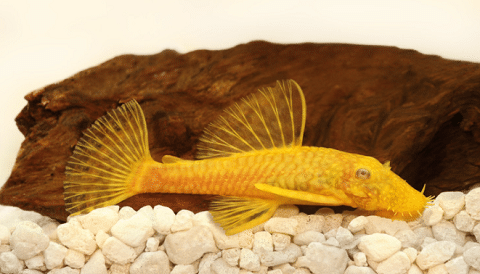
    • Scientific name: Pangio, Misgurnus, etc.
    • Temperament: Peaceful to semi-aggressive
    • Care Level: Easy to moderate
    • Origin: Asia
    • Adult Size: 2 -12 inches
    • Benefits: Eats leftover food, cleans substrate, and controls pest snail populations
    • Minimum Tank Size: Species dependent
    • Temperature: Species dependent

    Loach fish are great bottom-dwellers that will keep your tank clear of uneaten fish food. These peaceful fish come in a wide range of shapes, colors, and sizes.

    Loaches are also great for controlling pest snails. These fish can be a little shy during the day, but their crazy antics are very entertaining.

    Small species like the kuhli loach are great for tanks in the 20-gallon range, while larger loaches like the weather loach are suitable for larger tanks of 50 gallons or more.

    3. Bristlenose pleco

    • Scientific name: Ancistrus sp.
    • Temperament: Peaceful
    • Care Level: Easy
    • Origin: South America
    • Adult Size: 5 inches
    • Benefits: Algae removal from hardscape and glass, and substrate cleaning
    • Minimum Tank Size: 30 gallons
    • Temperature: 72 – 82 ยฐF

    Bristlenose plecos are excellent algae-eating fish for freshwater tanks. These strange-looking catfish are true bottom dwellers that use their sucker mouths to graze on algae and diatoms (brown algae) on many surfaces, including your aquarium decorations and glass.

    These strange-looking fish are generally very peaceful, although they can be territorial with their own species. Keep a single bristlenose pleco in your tank with plenty of driftwood and hiding places to enjoy all the benefits this fish has to offer.

    4. Flagfish

    Florida Flagfish in Tank
    • Scientific name: Jordanella floridae
    • Temperament: Semi-aggressive
    • Care Level: Easy
    • Origin: Florida, USA
    • Adult Size: 2.5 inches
    • Benefits: Controlling algae growth
    • Minimum Tank Size: 10 gallons
    • Temperature: 66 – 72 ยฐF

    The American Flagfish is an underrated champion when it comes to eating algae. These small freshwater fish feed on many types of algae, including hair algae, brown algae, and green algae. They even have a reputation for eating tough types like black beard algae.

    5. Geophagus & Satanperca Cichlids

    Geophagus
    • Scientific name: Geophagus spp., Satanperca spp. etc.
    • Temperament: Peaceful to aggressive
    • Care Level: Easy to Advanced
    • Origin: South America
    • Adult Size: 4 – 12 inches
    • Benefits: Substrate cleaning
    • Minimum Tank Size: 50 -100 gallons (depending on species)
    • Temperature: Species dependent

    Geophagus and Satanperca are two popular genera of South American cichlids1. These fantastic substrate cleaners are commonly known as eartheaters and they come in a huge range of sizes and colors.

    Earth-eaters feed by sifting through the substrate. They do this by taking mouthfuls of sand, filtering out the food particles, and expelling the rest back out through their gills.

    There are various species, but most eartheaters are larger fish that need a fairly large tank to thrive. Their care and temperament differ by species, so make sure to research carefully before buying a school of these fascinating fish.

    6. Rainbow Shark

    What does a rainbow shark look like
    • Scientific name: Epalzeorhynchos frenatus
    • Temperament: Semi-aggressive
    • Care Level: Moderate
    • Origin: Southeast Asia
    • Adult Size: 6 inches
    • Benefits: Controlling algae and eating leftover fish food
    • Minimum Tank Size: 50 gallons
    • Temperature: 70 – 79ยฐF

    Rainbow sharks are great for cleaning up uneaten fish food, but they are also great algae eaters for a larger freshwater aquarium.

    These streamlined bottomfeeders are semi-aggressive fish, so keep them with similar-sized tropical fish species and make sure they are the only shark in your fish tank.

    Rainbow sharks are available in the wild type, with a dark body and red fins, or the albino version with a red eye and white body. GloFish rainbow sharks are also available in dazzling shades like Cosmic Blue and Sunburst Orange for fish keepers who want even more color.

    7. Molly

    How Do Molly Fish Look Like
    • Scientific name: Poecilia latipinna/ P. sphenops
    • Temperament: Peaceful
    • Care Level: Easy
    • Origin: South & North America
    • Adult Size: 3 inches
    • Benefits: Great algae-eating fish
    • Minimum Tank Size: 30 gallons
    • Temperature: 68 – 82ยฐF

    Molly fish are one of the most popular species in the aquarium hobby. These easy fish are excellent algae eaters for a freshwater aquarium. They will eat algae from any surface, including your aquarium ornaments and the leaves of live plants.

    Molly fish are livebearers, so they are super easy to breed in the home aquarium. They also come in many colors, patterns, and fin shapes, so there is a variety to suit almost any tank!

    8. Slim Bodied Goldfish

    What is a slim bodied goldfish
    • Scientific name: Carassius auratus
    • Temperament: Peaceful
    • Care Level: Easy
    • Origin: China
    • Adult Size: 6 – 8 inches
    • Benefits: Helpful algae eater for lightly stocked cool-water aquariums
    • Minimum Tank Size: 30 gallons
    • Temperature: 65 – 75 ยฐF

    Did you know that goldfish can make great algae-eating fish? Slim-bodied types like commons and comet goldfish can help to keep your freshwater tank clean. However, goldfish can be messy themselves if overstocked in a small tank.

    Goldfish are not suitable for a tropical tank because they are at home in cool water temperatures. Your goldfish tank should be at least 30 gallons, and beware; these fish will eat plants.

    9. Amano Shrimp

    • Scientific name: Caridina japonica
    • Temperament: Peaceful
    • Care Level: Easy
    • Origin: Japan
    • Adult Size: 2 inches
    • Benefits: These shrimp are excellent algae eaters for a planted tank
    • Minimum Tank Size: 10 gallons
    • Temperature: 60 – 80 ยฐF

    The Amano shrimp is one of the best algae eaters for a nano freshwater aquarium. These awesome crustaceans feed on a variety of algae types, and they will keep your aquarium plants clean and healthy.

    Amano shrimp are very peaceful towards other tank inhabitants, but they are vulnerable to predatory fish species and other aggressive tank mates.

    Amano Shrimp are not the only algae-eating shrimp. Dwarf shrimp species like cherry shrimp and glass shrimp will also eat food scraps and help to control algae.

    Bamboo shrimp are another fascinating invertebrate species. These guys are filter feeders, which means they eat tiny food particles that are suspended in the water column.

    10. Aquarium Snails

    Golden Apple Snail
    • Scientific name: Various
    • Temperament: Peaceful
    • Care Level: Easy
    • Origin: Worldwide
    • Adult Size: 0.5 – 2 inches
    • Benefits: Snails are excellent algae eaters and they eat fish waste and leftover fish food
    • Minimum Tank Size: gallons
    • Temperature: 68 – 82ยฐF

    Snails are one of the best clean-up crew animals for freshwater aquariums. Snails eat algae, uneaten food, and fish waste, all the things that we don’t want to see in our tanks! However, choosing the right species for your tank is important.

    Snails get a bit of a bad rap because some species have a tendency to multiply. These invertebrates tend to breed out of control in aquariums that are overfed and undermaintained. Nevertheless, some species are much easier to manage than others.

    Choose rabbit snails, mystery snails, and nerite snails if you would prefer to keep the population low. Ramshorn snails, Malaysian trumpet snails, and pond snails should be added with caution.

    Bonus Species

    Looking for even more algae eaters? Check out these great algae-eating fish and aquarium inhabitants:

    • Siamese algae eater – Crossocheilus siamensis

    Siamese algae eaters are peaceful fish that grow to about 6 inches. They are excellent algae eaters for aquariums of 30 gallons or larger.

    • Chinese algae eater – Gyrinocheilos aymonieri

    Chinese algae eaters are similar to the Siamese algae eater but grow much larger. These fish are fantastic for controlling algae, but they have a reputation for eating the slime coat off their tank mates when they get older.

    Otos are the perfect algae eaters for a nano freshwater tank. These tiny catfish will keep your plants and glass sparkling clean without harming your shrimp or other fish.

    • Twig catfish – Farlowella acus

    Twig catfish are another excellent algae eater that won’t bother other fish in your community tank. These unusual creatures look just like twigs and reach about 6 inches in length.

    Caring For Them

    Clean-up fish and other helpful animals like algae-eating shrimp and snails can do an amazing job of cleaning up your aquarium, but they need care just like any other pet. That means you need to observe their preferred temperature range, water parameters, and minimum tank size.

    Algae eaters can make your tank look brand new in just a few days, but it’s what you can’t see that can become really dangerous. Test your water regularly to monitor the water quality in your aquarium.

    You will need a heater for most species, and good-quality filtration is vital. Remember to provide your pets with a natural day/night cycle by running your aquarium lighting on a timer.

    Feeding Your Crew

    Your clean-up fish can be split into two categories. Algae eaters and bottom feeders. Many species fit into both groups, but some species have specialized diets and require specific supplements.

    Typical bottom feeders like corydoras catfish and loaches will require sinking fish foods, while specialized algae eaters like Otocinclus catfish will need an extra food source if they manage to eat all the algae in your tank.

    Supplement your cleaner fish and animals with the following foods:

    • Frozen food like brine shrimp
    • Algae wafers
    • bottom feeder pellets
    • Blanched vegetables like zucchini

    Keeping Your Aquarium Tidy – Other Factors to Consider

    Algae-eating fish and invertebrate species can do a wonderful job of cleaning your fish tank, but they are not a replacement for aquarium maintenance. Remember, even cleaning up fish produce waste.

    Several factors contribute to algae growth and mess in your aquarium, and these factors tend to work hand in hand.

    Clean-up fish may help your tank’s ecosystem function more efficiently, but they cannot maintain good water quality in the long run. If you are considering adding clean-up animals, you might already have a water quality issue.

    So how do you improve water quality?

    Filtration

    The first step is to run good filtration. Your filter has some unexpected benefits for your aquarium. Firstly, filtration removes a lot of the physical waste particles from your water, leaving it visibly cleaner.

    More importantly, your filter is home to vast numbers of beneficial bacteria. These are the ‘good guys’ that turn dangerous nitrogen compounds like ammonia into relatively safe nitrates.

    However, your filter cannot capture all the solid particles because many of them drop to the bottom and collect. Your beneficial bacteria cannot remove nitrates either, so regular aquarium maintenance is vital.

    Proper Aquarium Maintenance

    The most important aquarium maintenance task is the partial water change. This involves physically removing a percentage of your aquarium water and replacing it with new dechlorinated water. Typically you’ll need to replace 25-50% of your aquarium water every 1 to 3 weeks.

    You can design your maintenance schedule based on the results of water testing, and the frequency and volume of your water changes are determined largely by the next few factors listed below.

    Aquarium Stocking Levels

    The more fish you have, the more you need to feed them, and the more waste they will produce. Unfortunately, you cannot fix an overstocked fish tank by adding more fish!

    School of Rasboras

    So how many fish can you keep? Well, there is no simple answer. The old guideline of 1 inch of fish for every gallon in your tank is helpful, but this rule has serious flaws.

    Your tank’s maximum stocking level depends on the factors discussed below, but it’s always wise to slightly understock your aquarium.

    Low-maintenance vs. Messy

    Some fish are messier than others. For example, larger fish like Oscars and other cichlids can be messy feeders that leave a lot of uneaten food to sink and decay in your tank.

    These fish can be hard on your clean-up crew and often require plenty of space, strong filtration, and frequent maintenance.

    Low-maintenance fish like mollies are a great choice because they do a good job at hunting down food scraps. They will even keep their own tank free of most algae.

    Small vs. Large

    Larger fish eat larger meals and produce more waste, so think carefully before buying a monster fish. However, A small aquarium does not necessarily stay cleaner than a large one. Small tanks can be very unstable and tend to require more frequent maintenance.

    A large aquarium with small fish is a great option if you wish to minimize aquarium maintenance. Adding live plants will make a huge difference too.

    Read on to learn about the benefits of keeping a planted tank.

    Live Plants Keep Algae at Bay

    Live aquarium plants are a beautiful addition to any aquarium. They provide a natural environment for your fish, they’re fun to grow, and they look great. However, plants do even more than that!

    Live plants compete with algae, so they are one of the best options for keeping your tank clean. Plants also use nitrates and phosphates as a fertilizer, turning harmful compounds into beautiful new growth.

    FAQs

    Which ones cleans the aquarium?

    There are many excellent cleaner fish for freshwater tanks. Nerite snails and otocinclus catfish are some of the best algae eaters, but they won’t do much to keep the bottom of your tank clean. Other freshwater snails like Malaysian trumpet snails and bottom-dwelling fish like bristlenose plecos can do a great job of cleaning up waste at the substrate level.

    What animal keeps an aquarium clean?

    There are a variety of animals that can help to keep your freshwater aquarium clean. Ghost shrimp, cherry shrimp, and other invertebrates like apple snails are fascinating creatures that can help control an aquarium algae problem.

    Do algae eaters keep an aquarium clean?

    Algae eaters can do an amazing job of controlling many types of algae, including green spot algae, brown algae, and most soft algae types. However, you will still need to clean your tank and perform regular water changes and maintenance to keep your pets healthy.

    Which one maintains the glass?

    Otocinclus catfish, stiphodon gobies, and bristlenose plecos are the best algae eaters for cleaning your glass. Mystery snails and nerite snails are great invertebrate options for keeping your glass free of algae.

    What can I put in my aquarium to keep the water clean?

    A good quality filtration system is the most important tool for keeping your aquarium clean. Cleaner fish like Siamese algae eaters, corydoras catfish, and mollies can also help to keep your tank looking great.

    Final Thoughts

    Practically any freshwater aquarium can benefit from one or more of the amazing clean-up fish and invertebrates in this article. If you’re like me, you might find that these fascinating creatures become your favorite animals in the tank!

    Just remember that you need to perform regular maintenance in your tank no matter what, and even bottom feeders and algae eaters need good care and regular feeding. Which clean-up crew animals do you keep? Tell us about your favorites in the comments below!

  • Green Aquarium Water: 4 Causes and 7 Fixes (Including the Fastest One)

    Green Aquarium Water: 4 Causes and 7 Fixes (Including the Fastest One)

    Green water is one of those problems that happens fast and looks alarming. your tank goes from crystal clear to pea-soup in what feels like days. I’ve dealt with it in both freshwater and saltwater setups over the years, and the cause is almost always the same combination: too much light and excess nutrients creating ideal conditions for a free-floating algae bloom.

    The good news is that green water isn’t dangerous to your fish. The bad news is water changes alone won’t solve it. you need to hit the light and nutrient problem at the root. Here are the 4 main causes and the 7 most effective fixes, starting with the fastest one.

    Key Takeaways

    • Green aquarium water is ugly but usually not harmful to aquatic life.
    • The main causes behind green discoloration in a fish tank are lighting issues, overfeeding, overstocking, or poor aquarium maintenance.
    • Greenish water can be cured by resolving these problems, installing additional equipment, or planting live plants in freshwater tanks and growing more corals/macroalgae in reef tanks.

    Why Is Your Aquarium Water Green?

    What causes aquarium water, and how do you fix it?

    Green aquarium water is often caused by single-cell algae that free-swim in the water column. This planktonic algae is different from those you may find growing on glass or aquarium decorations but grows due to many of the same contributing factors.

    It can be near impossible to tell exactly which type of single-cell algae you’re dealing with when you have green water1. Luckily, the specific species doesn’t matter too much. It is safe to assume that you are dealing with a kind of phytoplankton, most commonly dinoflagellates.

    In order to make your water go from swampy green to crystal clear, you need to understand what’s causing the algae to grow.

    Reasons Your Aquarium Water Is Green

    Although a single-celled species, this algae growth is caused by the same factors that influence macroalgae growth. This includes lighting issues, overfeeding, overstocking, and overall poor tank maintenance.

    Green Water in Aquarium

    1. Lighting Issues

    Aquarium lighting is hard to get right but we’ve certainly come a long way from fluorescent light bulbs. Today, many aquarium lights give complete control to the user in terms of intensity, spectrum, and photoperiod. All of these parameters are customizable for the best plant and coral growth.

    The problem is that algae growth hasn’t changed over the years. Algae still love light and will grow whenever and wherever they can when light is available.

    Lighting can contribute to algae growth in several ways. The first way is intensity. High lighting intensity is needed for good plant and coral growth. However, if there is excessive light or the speed of organism growth doesn’t match the strength of the light, then algae can start to outcompete the other photo-dependent creatures in the tank. Sudden increases in light can also increase algae growth as plants need time to acclimate to stronger conditions.

    Another way tank lighting affects green water is due to the spectrum emitted, or the different wavelengths of energy that are transmitted from the aquarium light to the photosynthetic parts of the plant or coral. The problem is that different photosynthetic species absorb different wavelengths of energy, meaning that plants and corals thrive under different spectrum settings from algae. It can take some trial and error to find the right tank light settings that allow for plant growth instead of algae growth.

    Lastly, photoperiod can greatly influence the appearance of green aquarium water. A long photoperiod is one of the leading causes of green water along with excess nutrients, which we’ll talk about more later.

    Photoperiods vary from tank to tank based on the aquatic plants and corals being kept. In general, hobbyists keep their tank lights on for anywhere between 7 to 10 hours. This gives enough time for plants to make and store food, which contributes to healthy growth.

    However, plants can’t fulfill photosynthetic processes to their full extent for longer-than-normal periods. As a result, algae become opportunistic and outcompetes other photosynthetic organisms for the leftover available light energy.

    Another important factor to keep in mind is that natural light will contribute to green aquarium water. This may be the result of a nearby window. Natural light has a very different spectrum from controllable tank lighting, allowing unwanted wavelengths to feed algae. Direct sunlight can also contribute to warming the tank, which further fuels green water algae.

    2. Overfeeding

    Most hobbyists are guilty of overfeeding their fish. The truth is that fish don’t need to eat that much food and a lot of it goes wasted. This excess is left to rot at the bottom of the tank until it is converted into nutrients or manually removed.

    Another problem that comes along with overfeeding is the quality of the food. Many unknowing hobbyists pick foods that are inexpensive. Unfortunately, many of these foods have poor nutritional value with lots of filler ingredients. These filler ingredients don’t get completely digested by fish and are mixed back into the aquarium water; phosphate levels from these foods are especially likely to affect green water algae reproduction rates.

    Leftover and uneaten food lead to excess nutrients that quickly cause green water algae to thrive.

    3. Overstocking

    Similarly, overstocking can also cause algae to bloom in your aquarium.

    Green Water in Tank

    A surplus of fish and invertebrates means more waste that needs to be processed. In balanced aquariums, fish waste is effectively broken down and processed by beneficial bacteria. When there is too much waste available, bacteria are overwhelmed, and nutrients are left to accumulate in the form of ammonia, nitrite, and nitrate.

    In extreme cases, high levels of ammonia can stop the nitrogen cycle from happening altogether. This is deadly to fish and a much bigger problem than unpleasant green aquarium water.

    4. Poor Tank Maintenance

    Free-floating algae bloom when there are imbalances within the aquarium. One of the main ways aquarium hobbyists keep their fish tanks running smoothly is by performing regular tank maintenance. This includes regular water changes, gravel vacuums, and filter upkeep.

    Python Cleaner

    The Python is a mainstay in the fish hobby. Easily clean your aquarium by connecting this to your sink!

    Buy On Amazon

    This might sound like a lot of work, but minimal maintenance will ensure that you never experience green water in your freshwater or saltwater aquarium.

    Most aquariums need to be cleaned once a week or once every other week. Some hobbyists get by with doing maintenance only once a month, but this can only be achieved once you know the ins and outs of your system. In general, a 10-25% water change is needed weekly or biweekly.

    When performing a water change, it is important to know the water parameters of the new water that is added. Many freshwater hobbyists use tap water as it contains the necessary minerals needed for a healthy tank. Unfortunately, tap water also contains a lot of unknowns, which can unknowingly boost nitrate and phosphate levels, leading to unwanted free-floating algae.

    If your tap water has poor water quality, then you will need to find another source. For the best control, marine hobbyists use RO/DI water that can then be customized to their preference.

    During water changes, the substrate should be vacuumed. Food and waste accumulate on the bottom of the tank, which can lead to high nitrate and phosphate levels. Kicking up the substrate too much at once can also upset water parameters, so it’s important to only do one section at a time at first.

    Every now and then, the filtration system should also be cleaned. Some hobbyists gently rinse their filter media weekly, but this can be done on a monthly basis; handling filtration media can disturb and damage beneficial bacteria, which could potentially lead to green water outbreaks.

    Is This Harmful To Fish?

    Green aquarium water looks bad. While it might seem like your fish is struggling to survive in a cloud of green, green water is generally harmless to fish.

    Free-floating algae won’t kill your fish and many fish and invertebrates naturally live in green-colored ecosystems; you won’t see crystal-clear aquarium water in the wild!

    However, free-floating algae bloom can cause oxygen levels to dip, which could potentially cause fish to suffocate. While algae perform photosynthesis and create oxygen in the process, algae respire when light is not present and create carbon dioxide in exchange. This buildup, in addition to the carbon dioxide produced by fish and invertebrates, can prove to be deadly in extreme cases.

    It should also be noted that plants love light. In especially green water, they may struggle to receive enough light necessary to grow and live. Stunted plant growth means less nutrient uptake, which further contributes to the growth of the algae.

    Big picture, green water in a fish tank is usually indicative of a greater underlying problem. These are the true problems that could potentially kill your fish. In general, this means severe imbalances in water quality.

    Can This Ever Be Good for the Tank?

    Yes! In fact, some hobbyists deliberately grow free-floating algae in their fish tanks to cultivate a natural ecosystem.

    Algae is considered a primary producer, which means that it’s at the bottom of the food chain. Bacteria and other microorganisms use algae as food. These are then eaten by other organisms, including infusoria, which eventually become desirable food for small fish and fry.

    How To Fix Your Tank Problem

    It can be hard to tell when aquarium water is turning green. One day your fish tank is crystal clear, the next, it’s murky, and then you have a full-on green water problem. This transformation can happen in just a few days, so it’s important that you check on your aquarium daily.

    Luckily, fixing a green algae problem is pretty straightforward once you’re able to identify the underlying problem: lighting issues, overfeeding, overstocking, or poor tank maintenance. A few other methods of treating green aquarium water are using additional equipment, chemical treatments, and adding live aquatic plants.

    1. Resolving Lighting Issues

    Aquarium light fixtures are the best they’ve ever been, but they only work their best when they’re calibrated for your individual system. This takes some trial and error, but a good light setting and schedule are crucial for maintaining and preventing green aquarium water.

    If a green algae bloom has already taken hold of your fish tank, reassess how many hours your light is on. If you’re towards the bottom of the recommended 7 to 10-hour range, then check the intensity and spectrum. Recalibrate the light for the specific species you are growing. Failing lighting can also affect efficiency.

    While you’re at it, check your tank’s surroundings. Ensure that there is no direct sunlight hitting the aquarium and that ambient lighting is kept to a minimum.

    2. Limit Feedings

    Overfeeding is easy to fix, though it may pull at some heartstrings–you do not need to feed your fish every time you walk past the tank!

    Instead, invest in high-quality food that will be fully digested. At the same time, reduce portion sizes. If your fish are still hungry, feed them several smaller portions throughout the day.

    Remove all uneaten food after 5 minutes.

    3. Compensating For Overstocking

    It happens. You get wrapped up in the excitement of buying fish that you take home a few too many. While this isn’t ideal, you need to give all your fish the best life possible.

    If possible, rehome the fish. Some pet stores might take back the fish, but there are many online communities that can connect fellow hobbyists.

    If rehoming the fish isn’t possible, then a larger filtration system may be installed. Additional filtration media will help compensate for the increased waste entering the system. Providing more water flow in the form of powerheads and air stones will also help keep debris from settling while facilitating gas exchange.

    Editor’s Choice!
    Eheim Air Pump

    The Quietest Air Pump

    Powerful, quiet, and German engineered. Even comes with an air stone! The best aquarium air pump you can buy today!

    Click For Best Price Buy On Amazon

    4. Achieving Perfect Water Parameters

    The truth is those perfect water parameters don’t exist, and you should never change a healthy tank for one that looks good on paper. The most important part of tank parameters is having 0 ppm ammonia and 0 ppm nitrite, as these compounds can be deadly. Nitrate and phosphate levels should be kept to a minimum but are needed to facilitate a functioning system.

    Water parameters can be maintained through regular tank maintenance and water changes with reliable source water. Debris and other organics should be removed weekly with an aquarium siphon to prevent nutrient buildup. Water parameters should then be tested weekly to ensure that balance and stability are achieved.

    5. Additional Equipment

    It usually isn’t necessary to purchase additional equipment to deal with a green algae problem, but there are some added benefits to installing new equipment. One of the best pieces of equipment you can purchase to combat greenish water is an ultraviolet (UV) sterilizer.

    UV sterilizers polish water. This device uses UV light to penetrate DNA, RNA, and proteins to destroy most pathogens, viruses, bacteria, and algae. UV sterilizers are very commonly used in pond settings that are susceptible to algal blooms and infestations. In the aquarium, UV sterilizers can be very helpful for combatting small issues concerning diseases and suspended algae in the water column.

    Budget Option
    Green Killing Machine

    Budget Option

    A great way to get clarification level UV sterilization for a great price. Very effective against green water

    Buy On Petco Buy On Amazon

    The problem is that UV sterilizers are not the cheapest pieces of aquarium equipment. Quality ones retail for at least $100, with prices increasing depending on the size required. The UV light also needs to be regularly replaced. It’s important to keep in mind that a UV sterilizer will also take up valuable space in the aquarium display or in external filtration.

    6. Chemical Treatment

    Chemical treatment is not recommended for treating a green algae problem. Chemicals simply cover up the problem and don’t address it as its root.

    The only chemicals we recommend are those that bolster the fish’s immunity and overall fish tank health during stressful periods.

    7. Add Live Plants

    Instead of harsh, difficult-to-dose chemicals, simply add live plants to your tank. For reef tanks, add easy-to-keep corals or macroalgae; a refugium can also help to export excess nutrients.

    Live plants provide a plethora of benefits to the freshwater aquarium. Not only will aquatic plants help tackle green algae problems, but they’ll continue to feed the system with fresh oxygen, food, and shelter.

    If you’ve never kept a planted tank before, the initial thought of it can be scary. It is true that most plants require a better-than-average aquarium light, but LED lights are very affordable and low maintenance. If you can’t take that plunge right now, floating plants and other low-maintenance species can easily be kept under lower light settings.

    Best Value
    Serene RGB Pro LED

    Current USA’s offering into aquascaping is an incredible value. Spectrum, spread, easy to program and great PAR output.

    Click For Best Price Buy On Amazon

    No matter which species of plant you decide to go with, aquarium plants will help correct a green water problem and keep the tank healthy.

    Final Thoughts

    A fish tank can turn green in just a few days. While this sudden change is definitely a cause for concern, the algae that cause the discoloration is unlikely to harm fish or invertebrates. However, there is some threat to aquatic life if excess nutrients are the underlying problem.

    Green aquarium water is mostly caused by lighting issues, overfeeding, overstocking, and poor tank maintenance. The hardest part of correcting a green water problem is identifying the root of the problem. Luckily, the discoloration can be fixed by resolving those issues or by adding additional equipment or live plants.


    ๐ŸŸ Want to learn more? This article is part of our complete Aquarium Care Guide. your ultimate resource for water chemistry, maintenance, feeding, disease prevention, and everything you need for a healthy tank.

  • Why Do Fish Jump Out of the Tank? 8 Reasons and How to Prevent It

    Why Do Fish Jump Out of the Tank? 8 Reasons and How to Prevent It

    If you’ve kept fish for any length of time, you’ve probably lost at least one to jumping. I have. It’s one of those things that happens quietly. you come home, you’re one fish short, and then you find the culprit dried up behind the tank stand. Not a great morning.

    The fix is almost always the same: a tight-fitting lid. But understanding why fish jump is worth knowing, because some of the reasons. bad water quality, aggression, wrong tank conditions. are actually warning signs you need to address. Here are the 8 main causes and how to prevent each one.

    Key Takeaways

    • It’s not every day you see a flying fish, and hopefully, you’ll never see a fish leaping out of your aquarium. This behavior can be an indicator that something is wrong in the aquarium.
    • If your fish jump out of their aquarium, this can mean there is an imbalance in the system.
    • There are many ways to prevent your fish from jumping out of the aquarium, though some species are naturally inclined to display this behavior.

    Why Do Fish Jump Out Of Water?

    If you had to search this question, then it’s likely too late for your fish. But it’s a great question to ask as a fish jumping out of water can indicate some major problems in the aquarium. This includes stress, bullying, and your fish being frightened by outside factors. At the same time, some species of fish are just natural jumpers, no matter how your tank is set up.

    8 Reasons

    1. Stress

    Stress is the number one reason why fish jump out of the aquarium, mostly from water parameter issues. However, illness and maintenance stress can also have an effect.

    2. Water Issues
    Green Water in Aquarium

    While we love the fish tank hobby, these conditions aren’t natural for fish. Many species migrate hundreds of miles in between the wet and dry months, sometimes even between freshwater and brackish conditions. We simply can’t recreate these changing environments in the aquarium though most species have adapted well to a more confined and stable space of living.

    That being said, when conditions become inopportune, the fish will try to leave. This can result in the fish jumping out of the tank in hopes of finding a more favorable environment.

    The leading cause of a jumping fish is poor water quality, namely due to ammonia, nitrite, nitrate, pH, or water temperature. If ammonia or nitrite levels are allowed to get too high, the water can become toxic; high nitrate levels can also become uncomfortable for fish over time. Swinging pH levels and water temperatures can also cause your fish to become unable to regulate its body, leaving only one way out.

    3. Illness
    Freshwater Ich

    Stress from disease and illness is another common reason for fish jumping out of the aquarium. Many skin parasites cause fish to develop sores and lesions across their body which can be itchy and painful. In response, fish ‘flash’ or quickly twitch randomly, sometimes against objects in the aquarium. Unfortunately, this random motion can cause them to jump right out of the top of the fish tank.

    Some diseases and illnesses also infect the gills. This can make it difficult for dissolved oxygen to be absorbed into the bloodstream, causing the fish to feel like it’s suffocating. In an attempt to find better conditions, the fish may jump out of the aquarium.

    4. Maintenance Stress

    Another reason fish jump out of the aquarium–through one you’re likely to catch in time–is due to maintenance stress. This includes times when your hands are in the tank, like when trimming plants or doing water changes. Luckily, fish will get used to your presence over time, especially if you follow a schedule. If you’re too quick with your motions though, fish might get scared and look for a quick escape route.

    5. Bullying

    Some aquarium fish jump out of the water to escape predators and other bigger fish. This is especially true if a schooling fish species is kept alone outside of a school.

    It is natural for fish to chase each other every now and then, even fish of the same species. However, problems can occur when this chasing turns into harassment or bullying. If your fish doesn’t have a good defense mechanism, then it’s left to shelter in hiding places or escape the predator altogether by jumping across the water surface and out of the tank.

    Not enough open space to swim. It is also possible for fish to jump out of their tank if space is limited. This usually happens in addition to bullying or poor water quality, but fish have been known to seek more space outside the confines of their tank. If your fish look cramped, then they probably are. Fix it before it’s too late!

    6. They Get Scared

    Why do fish jump out of the water when they’re scared? It seems counterintuitive.

    Many fish kept in the aquarium hobby are not predators, meaning they are prey that are reactive to their surroundings; when danger is near, they swim away. There isn’t any way to ensure that your fish will never get scared, but there are ways to make them more comfortable within their environment.

    1. Keep schooling species in groups. The better majority of tropical fish species require being kept in small groups. In the wild, these groups are used as protection from predators, providing safety in numbers. The bigger the group, the safer and less reactive your fish will feel.
    2. Limit activity around the outside of the tank. Aquarium fish get used to their surroundings. Change isn’t often, so whenever something happens out of the ordinary, fish will react. This is especially true for stimuli outside of the tank which can appear as shadows and bright lights outside the aquarium.
    3. Use friendly lighting. Unfortunately, many aquarium lights, especially freshwater ones, do not provide a ramp-up/down setting. This is when the light slowly turns on or off in a set period of time, allowing for a more subtle awakening and less chance of a jumping fish.

    7. Not Enough Food

    Pellet Foods

    In the wild, fish migrate depending on food availability and for spawning grounds. In a fish tank, food needs to be supplied to keep fish and invertebrates alive. Some aquarium keepers have had luck keeping some species alive in closed conditions, where fish and invertebrates rely on each other and plants as a source of food, but this is difficult to achieve.

    Certain species, like Otocinclus, refuse common aquarium foods though and rely solely on the algae that naturally grows in the tank. While most fish will starve before they jump out of the tank, there is always the possibility that they try to venture into new areas for food.

    8. Water Flow Is Too Strong

    This isn’t likely to happen, but too much or overly strong water movement can push fish right out of the tank. Fish species that swim directly under the water’s surface are most prone to this as they get directly hit by filter and powerhead returns.

    Plan ahead and coordinate where your fish like to swim with where water will circulate.

    How To Prevent Jumping

    If you’re reading this before you’ve had a fish jump out of your tank, then congrats! You’re one step ahead of making sure your fish live a safe, healthy, and happy life.

    Luckily, it is pretty easy to make your aquarium safe for all fish. Here are a few ways to stop fish from jumping out of your tank.

    1. Provide A Safe Environment

    A good tank setup cannot be understated. Lots of thought goes into aquascaping, and for a good reason.

    There are a few checkpoints you need to hit when setting up an aquarium. Inside the tank, you need to have a balance of available hiding spots and open swimming space. Fish need structure and shade to rest and to escape if they feel threatened by other fish. They also need plenty of open swimming space to stay enriched and to exercise.

    You also need to create a safe environment on the outside of the tank. A fish tank should be kept in a relatively calm and quiet location without flashing lights or loud sounds.

    2. Pick Compatible Tank Mates

    <a href=Serpae Tetra Fish” class=”wp-image-1060036″/>
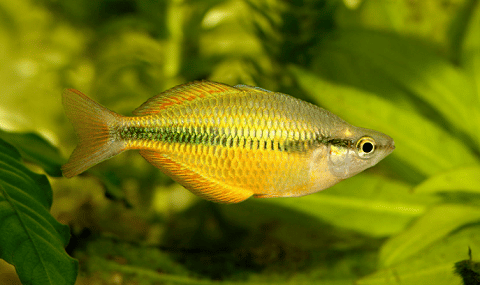
    Picking compatible tank mates is important for long-term aquarium success. You do not want a predator/prey situation where fish get eaten, are stressed out, or end up jumping out of the aquarium. Try to keep community fish with other community species. Keep predatory and aggressive fish with other predators.

    3. Get An Aquarium Lid

    The easiest way to keep fish inside the tank is to get an aquarium lid. Over the past decade, aquarium lids have fallen out of favor due to their clunky appearance, advances in tank lighting, and a better understanding of gas exchange.

    There are many benefits to using an aquarium lid, like lessening evaporation rates, increasing heating ability, and, most importantly, keeping fish inside the tank. For the most part, even if fish happen to jump and hit the lid, they can make a full recovery.

    There are a few drawbacks to using an aquarium lid, though. Apart from their clunky appearance, aquarium lids can limit the type of lighting fixture that can be used on the tank. This becomes especially problematic for saltwater hobbyists that need strong overhead lights. To keep fish in the tank but also get the best lighting possible, many saltwater enthusiasts use fish-safe nets that keep most sized fish from escaping; nets need to be reinforced when keeping larger fish.

    For freshwater fish, the higher-end lids are made of low-iron glass.

    4. Set Your Lights On A Schedule

    Consistency is key for freshwater and saltwater aquariums. Any change can throw your system off balance, which can take weeks or months to correct. One of the most understated parameters that should be regulated is lighting.

    Lighting should be predictable for fish. This allows them to have a set sleep/wake cycle that keeps stress down. To help make this transition even smoother, a light with a programmed dimmer or an external dimmer can be used to ramp up and down into daylight or moonlight.

    As previously mentioned, ambient lighting and sudden flashes of light outside the aquarium should be regulated.

    5. Keep Water Quality High

    The best way to keep your fish from jumping out of your aquarium is by keeping water quality stable. Keep in mind that having good water quality does not mean that your water parameters match ideal standards. Instead, water quality should be in the ranges that work best for your aquarium.

    That being said, poor water quality, like high ammonia levels, should be addressed immediately to keep fish healthy. These levels can easily be checked with a reliable test kit.

    An aquarium heater should also be used to keep the water temperature stable.

    6. Plan For A Larger Tank

    We understand that a large tank is a big commitment. You need to pick the tank size that’s best for you. However, if you pick a small tank with the intention of upgrading in the near future, we suggest getting the big tank right from the start.

    Current USA Serene 65

    Current’s Serene line offers a unique opportunity for Freshwater Aquarists. Comes with a filter, stand, light. You can even pick an aquascaping package!

    Click For Best Price Buy On SWA

    There are many pros and cons to having both small and big tanks, but it’s better to understock a big tank than to overstock a small tank. If you do end up with a smaller tank, then make sure to stock accordingly. In general, saltwater fish species need much more space than their freshwater counterparts.

    Known Freshwater Jumpers

    Many freshwater fish live at the top of the water column. This is common behavior for fish that catch food directly on the surface of the water or insects that fly above. Some fish even venture out of the water to lay their eggs on nearby vegetation. Other species have a labyrinth organ that allows them to breathe atmospheric air in case water conditions deteriorate.

    Lake Tebera Rainbowfish

    No matter the reason they’re at the surface of the water, these species are very capable to jump out of the aquarium. Some of these aquarium fish species include:

    • White Cloud Minnows (Tanichthys albonubes)
    • Rainbowfish (Melanotaeniidae family)
    • Hatchetfish (Gasteropelecidae family)
    • African Butterflyfish (Pantodon buchholzi)
    • Freshwater Eels and Loaches
    • Corydoras Catfish (Corydoras spp.)
    • Betta Fish (Betta splendens)
    • Silver Arowana (Osteoglossum bircurrhosum)

    One of the most famous freshwater jumper fish outside of the aquarium hobby is the Asian carp (Cyprinus carpio), also known as the jumping carp. These fish have been known to jump into boats while hunting for zooplankton and other organisms on the water surface!

    Known Saltwater Jumpers

    Saltwater fish are less likely to be found leaping out of the water in saltwater ecosystems due to the depth of marine environments. However, estuaries and lagoons are home to many fish and insects that create diverse ecosystems loaded with food at the surface.

    Melanurus Wrasse in Reef Tank

    Many of the saltwater fish that leap out of the aquarium are timid, streamlined fish that don’t mean to leave the tank water. These fish include:

    • Firefish (Nemateleotris magnifica)
    • Triggerfish (Balistidae family)
    • Rabbitfish (Siganidae family)
    • Wrasses (Labridae family)
    • Saltwater Eels

    That being said, there are a few accomplished wild jumper species in the saltwater world that are utterly unique and powerful. This includes the flying fish (Exocoetidae family), which uses wings to glide above the surface of the water. Another fish you might not even consider to be a fish, the great white shark (Carcharodon carcharias) is a voracious predator that uses its large body to propel up and out of the water to attack prey1.

    Obviously, you don’t need to worry about your great white escaping your tank, though!

    Final Thoughts

    Why do fish jump out of the water? For many reasons, some of the immediate concern and others not so much. Some fish, especially those that stay in the upper regions of the water column, have an instinctual behavior to jump. This could be in an attempt to catch food or lay eggs. In the aquarium, this could be a sign that something is wrong with the tank water or the aquarium setup.

    Luckily, it is relatively easy to prevent fish from jumping out of the aquarium. Unfortunately, this is a lesson most hobbyists need to learn at least once.


    ๐ŸŸ Want to learn more? This article is part of our complete Aquarium Care Guide. your ultimate resource for water chemistry, maintenance, feeding, disease prevention, and everything you need for a healthy tank.

    References

  • Severum Cichlid Care Guide: The Hardy Alternative to Discus

    Severum Cichlid Care Guide: The Hardy Alternative to Discus

    Table of Contents

    Severums are the fish people buy when they want discus but are not ready for the commitment. That is fine, because severums are hardier, more forgiving, and still stunning. But they still get big, still need warm water, and still become territorial when breeding. I have kept both for years and the biggest mistake I see is people putting severums in tanks that are too small because they bought them as juveniles. A 4 inch severum turns into an 8 inch severum faster than you expect. The discus alternative that forgives the mistakes discus never would.

    Discus beauty on a community tank budget.

    What Most Care Guides Get Wrong About Severum Cichlid

    Severums constantly get marketed as “poor man’s discus,” and while I understand the comparison. They’re both round, colorful South American cichlids. It sets the wrong expectations. Severums are their own fish with their own personality. They’re hardier than discus, more interactive, and significantly more territorial. I’ve seen keepers buy severums expecting a discus temperament and then get surprised when their severum starts rearranging the tank and bullying smaller fish. The other thing most guides understate is how big these fish actually get. A full-grown severum can hit 8-10 inches, and at that size, a 55-gallon tank is genuinely too small for a pair.

    They’re not a beginner fish. They need real space (55 gallons minimum, more is better), they’ll eat small tank mates, and they’ll demolish live plants. But for an experienced keeper who wants a large, personable South American cichlid with personality, severums are a great pick. Here’s everything you need to know to keep one successfully.

    The Reality of Keeping Severum Cichlid

    Severums are genuinely one of the easier large cichlids to keep. But easier does not mean effortless. Here is what you need to actually prepare for.

    They get bigger than you expect. People see juvenile severums at 3 inches in the store and think they stay that size. They do not. A full-grown severum hits 8 inches and needs a 55 gallon tank at minimum. A pair needs 75 gallons or more.

    They eat your plants. Severums are herbivores that will mow down soft plants like a lawnmower. Java fern, anubias, and other tough plants survive. Anything delicate is lunch. Plan your aquascape accordingly.

    They bond with their owner. Severums are one of the more interactive cichlids. They learn to recognize you, follow your movements, and some will take food from your hand. This is a fish with genuine personality.

    Pairs is aggressive. A bonded pair of severums guarding eggs will defend their territory fiercely. In a community tank, this can mean other fish get pushed into corners or harassed. You need enough tank space to give everyone room.

    Biggest Mistake New Severum Cichlid Owners Make

    Keeping them in a 29 or 30 gallon tank because they looked small at the store. Severums need room. A single fish needs 55 gallons, and if you plan on a pair, 75 is the starting point. Cramped severums become stressed, pale, and aggressive.

    Expert Take

    If you want a large, personable cichlid that does well in a planted tank without the extreme demands of discus, a severum is the best option in the hobby. Go with a gold severum for maximum color or a green severum for a more natural look. Either way, you will not be disappointed.

    Key Takeaways

    • Severum cichlids are large, docile, and wonderful species to introduce to a home tank 
    • They are one of the very few Cichlid species that are partial vegetarians and frugivores
    • They are beginner-friendly and do well in a variety of tank conditions
    • While their temperament is on the peaceful side, they may eat fish that fit in their mouths

    An Overview

    Scientific NameHeros severus
    Common NamesSeverum Cichlid, Banded Cichlid, Rainbow Severum Cichlid
    FamilyCichlidae
    OriginOrinoco and upper Rio Negro basins, South America
    DietOmnivore
    Care LevelModerate
    ActivityActive
    Lifespan7 to 10 years
    TemperamentSemi-aggressive
    Tank LevelBottom and mid
    Minimum Tank Size55 gallons
    Temperature Range75 Fยฐ to 84 Fยฐ
    Water Hardness4 to 6 dH
    pH Range6.0 to 7.5
    Filtration/Water FlowLow
    Water TypeFreshwater
    BreedingEgg-layers
    Difficulty to BreedEasy
    CompatibilityCommunity tanks (with large enough fish)
    OK, for Planted Tanks?With Caution

    Classification

    OrderCichliformes
    FamilyCichlidae
    SubfamilyCichlinae
    GenusHeros
    SpeciesH. Efasciatus (Heckel, 1840)

    What Is A Severum Cichlid

    Severum Cichlids have been in the aquarium hobby since the 1800s1 and the reasons are apparent: their pleasant personalities, large size, and unique and attractive color patterns have made them very popular to aquarists.

    These freshwater fish species are scientifically named Heros Severus while commonly known as Severum Cichlids, Rainbow Severum Cichlids, and Banded Cichlids.

    Apart from adding a diversity of colors to your aquarium, these fish can are one of the rare large fish that can actually be considered community fish (as long as the fish housed aren’t small enough to fit their mouths)

    Origin And Habitat

    Severum Cichlids, also labeled as a Poor Man’s Discus, hail from the upper Orinoco and upper Rio Negro Basins in South America.

    They were first sighted in the 1800s by an Austrian zoologist and ichthyologist named Johann Jakob Heckel. In their natural habitat, they inhabit slow-moving and vegetated areas with underwater trees and plants.

    Appearance

    Finding a fish that exhibits a beautiful spectrum of unique colors and patterns, pleasant personality traits, and the ability to bring liveliness to a traditional home aquarium is not impossible anymore.

    Severums Fish

    Severum Cichlids fit well in the showcase fish role. These Cichlid Fish come in different varieties, and each variety has a special color pattern that helps it stand out.

    , Severum Cichlids have large oval-shaped compressed bodies with a golden hue dispersed over their entire frames. These bands are visible along the sides and are more vivid in juveniles. Adult Severum Cichlids feature duller stripes. The fry feature consistent gold colors that become flecked with burnt orange spots across a large part of their bodies and fins. There are almost 8 bands present on their bodies, which go dull as the fish ages.

    But awkwardly enough, noticing these bands in fry is hard. You can only see that clearly once the juveniles hit maturity.

    Severum Cichlids feature sharp anal and dorsal fins that look rather yellow. Their pectoral fins also look pointed. The first set of fins narrows down to a striking point. And in most fish, these fins extend past the caudal fin, giving them a round-shaped look.

    Apart from yellow dorsal fins, they have yellow eyes and beautiful tails with a combination of a white base and specks of yellow.

    These fish are sold in fish sizes when they are small, but they can grow to an impressive size if you properly look after them.

    Since there are different types, it is slightly hard to recognize the original one. To identify which one is real, look at the greenish-hued body combined with a golden-yellow underbelly. Nowadays, you can see alternations in their color patterns that are obtained by home breeding.

    These fish are well-known for their subtle orange. These fish will get more intense in color as they mature.

    Depending on what species you have, you can expect to see changed color morphs, as well as stripes. Some fish have large and vertical stripes, while others only exhibit extremely contrasting spots that sit perfectly with their yellowish-golden base.

    And unlike African and South American Cichlids, Severum Cichlids look flattened and are tall with a vertically rounded shape. The reason they are called poor man’s discus lies in the fact that they mimic the profile of the more pricey discus fish.

    To differentiate males from females, look at the size and markings on their gills. The male Severum Cichlid is larger and may develop a nuchal hump and extensions to its anal and dorsal fins. This makes the overall appearance more prominent compared to the female Severum.

    Another difference between males and females is the dark spot visible on the female’s dorsal fin. Females also lack patterning on their heads.

    Now it’s time to talk about the five most common varieties of Severum Cichlids!

    5 Common Varieties

    In the aquarium hobby, there are different types of Severum Cichlids. Introducing any type to your tank is a good change from the wild Severum Cichlids that have subdued colored bodies.

    Heros Severus

    This type of Severum Cichlid is the most recognized compared to others. It has yellow and golden spots, a flat body with pointed dorsal fins, and a tail. They sometimes feature dark stripes down their length and make a beautiful addition to dull aquariums.

    Heros Severus

    These fish is semi-aggressive around some specific species. Usually, they do well in a community tank, so make sure you select the right tank mates for them (we discuss tankmates later in this post).

    Heros efasciatus

    Heros efasciatus, Redhead Severum, or Red Shoulder Severum are the same fish. This type isn’t as common , but it is incredibly beautiful in its own right. They feature a golden base and bright red spots behind their gill covers, and a vibrant green color as well. 

    Heros efasciatus

    They are available as wild-caught, which makes them more sensitive to tank-bred species. Because they are in high demand, they command a high price tag at the local fish store.

    Heros liberifer

    Fish of this type feature a plain glistening white base that will sometimes look red or orange.

    They have prominent horizontal deep black stripes. Unlike Heros Severus, they are more aggressive and can give a tough time to their tank mates.

    Heros spurius

    This type of Severum Cichlid is duller than the others mentioned previously. They have hues and stripes visible all across their bodies, including their fins and tails. They can grow up to 7 inches in length.

    Heros Notatus

    You can find different color varieties with this type of Severum Cichlid. They is purple, orange, green, and yellow. They are known for their spotted bodies. This Severum Cichlid has spots all over their bodies, fins, and tails.

    Author's Note: Green Severum Cichlids are the most common and easily found type in pet stores. The Gold variety is the second most common type of Severum Cichlids found in the aquarium trade.

    Lifespan

    The average lifespan of a Severum Cichlid is around 5 years. With proper care, they can live as long as 10 years in an aquarium.

    This makes them a perfect pet for those fish owners who want to spend more time with their pets and establish a stronger connection with their aquatic friends.

    Average Size

    The Severum Cichlid is known to grow to an impressive size both in the wild and in a home tank.

    The Severum Cichlid can go as large as 8 inches. You need to focus on its diet, tank conditions, water quality, and what type of tank mates it has around it to ensure healthy growth. It will suffer from stunted growth as a result of stress. So, ensure there’s nothing in the tank that can stress your pet out.

    Care

    Severum Cichlid care is actually pretty basic compared to other large fish species. If you’re an ambitious beginner, and you understand their temperament, and what things fit them best in a home tank, you can have a great experience with them.

    The Severum Cichlid is a hardy fish capable of adapting to harsh conditions in the wild. Some fish cannot survive what they can peacefully put up with. But it doesn’t mean you should ignore regular maintenance and a proper tank setup.

    Severum Cichlid Fish

    The Severum Cichlid is a peaceful fish. Unlike other Cichlid species that can fight to the death over food or maintain control over their territory, they remain relatively calm.

    However, they can act potentially aggressively around other fish. It is territorial aggression or the overwhelming effect of attacking the smaller fish. Once they show aggression or signs of stress, make sure you separate them from the cause of stress. The Severum Cichlid can fall prey to diseases because of high levels of stress.

    Providing good care and a safe environment will create a strong preventive shield from diseases.

    Aquarium Setup

    Severum Cichlids get large and need an appropriately sized home to make themselves comfortable. A large environment with clean water will help stress low and your fish healthy.

    When it comes to setting up an aquarium, you should think about the Severums habitat in the wild. These fish come from murky waters that have low water flow. Knowing this, we do not want high water flow for our gentle giants. They are surface swimmers, so open space is ideal for them.

    Open space will get them to swim around, and a large space will keep aggression down. These fish, which gentle in nature can get territorial. A crowded tank will lead to disputes and fighting. Rocks are preferred over driftwood as these fish like to dig. They will stay active throughout the day.

    Tank Size

    Severum Cichlids don’t grow overnight. But while setting up their tank, considering their growth rate can help decide the size of the tank. Usually, a 55-gallon tank does best for a Severum Cichlid. Feel free to get a larger tank because it’s always better to invest in a spacious tank for your pet.

    Current USA Serene 65

    Current’s Serene line offers a unique opportunity for Freshwater Aquarists. Comes with a filter, stand, light. You can even pick an aquascaping package!

    Click For Best Price Buy On SWA

    Baby Severum Cichlids grow half an inch a month. Once they get to a certain size, you will see a decline in their growth rate. It takes them 2 years to become 8 inches long. Depending on the number of species you have, you can go for a 70-100 gallon tank for fully grown Severum Cichlids and other fish of similar size.

    Water Parameters

    Severum Cichlids live in tropical water areas of South America. To provide them with the healthiest environment, maintaining the right water parameters is necessary.

    Keep the water temperature between 75 Fยฐ to 85 Fยฐ. Anything below this range will stress out your pet. The range can vary if you want to breed your fish though.

    For pH, keep it between 6.0 to 7.0. Make sure pH levels remain stable. Any drastic changes can harm your fish. As for water hardness, I recommend staying between 4 to 15 dGH.

    Filtration and Aeration

    Facilitating regular water changes is a great way to maintain a healthy tank environment.

    A freshwater tank can accumulate several nutrients from waste, such as nitrites, nitrates, and ammonia. Fish waste will contaminate your water quality.

    It’s better to make regular water changes of up to 20% to ensure a healthy environment. You can also use a high-quality canister or hang-on-back filter to keep the water well-oxygenated.

    Author's Note: Severum Banded Cichlids often gasp for air at the surface when the oxygen levels are low. This often leads to high levels of distress in the fish. If your fish constantly repeats it, it's time to clean out the aquarium water.

    Lighting

    Lighting is not an issue when it comes to Severum Cichlids. They mostly stay active throughout the day and rest throughout the night. A mild exposure to natural lighting is great.  You can also use light LED lights to monitor their activities or to enhance their appearance.

    Aquatic Plants And Decoration

    Designing the interior of your Severum Cichlid freshwater tank is one of the most enjoyable aspects of the aquarium hobby.

    In the wild, they thrive in highly vegetated water and use plenty of hiding spaces to rest in.

    While designing their tank, you can use different live plants, plastic caves, and castle accessories. Adding driftwood and rock formations are also some good choices.

    This way, your fish will stay busy exploring different things and feeling at home.

    While the Severum Cichlid needs hideouts, it is problematic for you to keep the decorative items in place. They have a tendency to dig below decorations. You need to to have them set at the tank glass bottom, so they don’t topple over if dug up.

    Live plants are a major challenge with Severums. While many guides you will find online will tell you there are some plants like Anubias and Hornwort that can survive, our experience tells us that this is not the case. Severums are best kept with aquarium rocks over live plants.

    Tank Maintenance

    Regular tank maintenance holds great value for the well-being of Severum Cichlid.

    Cichlids produce chunks of bioload. Apart from getting a good-sized canister filter, you should clean the tank every now and again to keep decorative items, the tank, and the underwater environment clean.

    Best Value
    Fluval Canister Filters

    Our Subscriber’s Choice

    Top name brand, Italian made, and updated design. The next gen Fluval Canisters are a best buy!

    Buy On Amazon Buy On Petco

    Here are some tank-cleaning tips to get you started:

    • Occasionally trim the plants and remove plant material from the tank.
    • Use aquarium water and a clean toothbrush to wash caves and other decorative items
    • Use an algae scrapper to clean off algae from the tank walls.

    Substrate

    Severum Cichlids will dig around a lot. They love to create hills and pits by moving sand. You don’t have to be too creative with layering the base since they will redecorate it anyway.

    I recommend using a fine sand substrate for the Severum tank. You can also use a little bit bigger grains but don’t good too large on the gravel as large gravel can injure these fish when they try to dig

    Pro Tip: In community tanks that need softer water. You can layer the top of the substrate. You can use Indian almond leaves or small clumps of peat moss. This will benefit water conditions. Using leaves will also help create the effect of their natural habitat. Also, make regular replacements as the debris deteriorates.

    Is the Severum Cichlid Right for You?

    Before you commit to this species, here’s an honest assessment of whether it fits your setup and experience level.

    • Great for keepers who love the discus look but want easier care. Severums tolerate a wider range of water conditions and are far more forgiving.
    • Need at least 75 gallons for a pair. These fish get big, and they need room to establish territories without constant conflict.
    • One of the more personable cichlids. They recognize their owners and develop distinct behavioral patterns over time.
    • Not ideal for planted tanks. Severums are known plant eaters. They’ll systematically destroy most aquarium plants.
    • Good for semi-aggressive community tanks. They coexist well with similar-sized South American cichlids, large tetras, and plecostomus species.
    • Skip if you want a hands-off tank. They produce significant waste and need strong filtration plus regular water changes.

    Community Tank Mates

    Placing your Severum Cichlid with the right kind of tank mates will help in the long run. No beginner can afford frequent conflicts among fish. Not only that, incompatible tank mates can turn a healthy fish into a stressed one.

    Severum Cichlids are peaceful. But they habitually love colonizing the entire tank. You can prevent this by creating necessary barriers within the tank without curtailing their land and freedom to roam around.

    <a href=Altum Angelfish in Planted Tank” class=”wp-image-551860″/>

    For a Severum Cichlid tank, you should look for medium or larger mellow fish species that can make compatible tank mates.

    Here’s a list of some of the best species to consider.

    Poor Tank Mates

    Avoid larger and more aggressive fish species to pair up with Severum Cichlids. These aggressive tank mates should never be kept in the same tank as your Severum Cichlid.

    <a href=Green Terror Cichlid in Aquarium” class=”wp-image-545177″/>

    Unlike other Cichlid species, Severum Cichlids don’t realize they have the ability to defend themselves. Avoid these other species when it comes to Banded Cichlid tank mates:

    Breeding

    Breeding Cichlids is a wonderful experience as these fish will breed in pairs and will care for their fry. In order to pull it off, you will need to start up with several juvenile fish – at least to start out. They will need to grow up together until you see a couple pair up. That is your sign that a breeding pair is forming

    However, these Severum Cichlids are selective about who they decided to breed with. Keep them together and hope that they bond. It will take up to 6 months for cichlids to go from juveniles to forming as a pair. You will need to be patient and understand that this takes time.

    Once you have a breed, it’s time to set up the environment. Here is what you need to do:

    1. Obtain a separate tank to use for breeding the pair.
    2. Set the temperature higher – 78 – 81 degrees F to be exact
    3. Keep plenty of decor and hiding plants for comfort
    4. Feed the fish a well-balanced diet. A healthy fish will actively breed, so diet is key

    Once the pair do their thing, the eggs will hatch in about a week. Both parents will watch over the eggs and raise the fry together. Work with crushed flake food to feed the fry or use enriched hatch brine shrimp.

    Food and Diet

    The Severum Banded Cichlid is an omnivore. They are hardly picky and, therefore, will feast on anything you drop in their tank.

    To spice up their menu, feel free to go for high-quality herbivore and carnivore flakes.

    You can also feed them pellets, micro worms, earthworms, bloodworms, marine crustaceans, white mosquito larvae, brine shrimp, green vegetables, and even fruit.

    Don’t feed your pet beef heart or liver as they have fragile digestive systems and can fall ill from it.

    Common Health Problems

    Like any other fish, Common Severum Cichlid species can also fall prey to different diseases. You should always keep an eye out for common symptoms so that you can treat them on time.

    Here are some common diseases Severum Cichlids are susceptible to.

    Head and Lateral Line Erosion (HLLE)

    This disease is common in fish species raised in tanks with poor water quality. Other common reasons is over-filtration with toxic chemicals, stress, vitamin deficiency, and poor diet.

    The most common symptom of this disease is a hole in the head of the fish

    It begins as small pits of receding skin around the fish’s head and lateral line and sometimes occurs on the unpaired fins. To treat this, simply isolate your pet, get water conditions fixed and supplement its diet with vitamin C, calcium, and phosphorus.

    Ich

    Ich is a very common fish disease. The presence of an external protozoan parasite causes this infection.

    Some common symptoms are:

    • Multiple small white spots on the fish’s body and gills
    • Frequent scrapping of the body against hard objects
    • Abnormal behavior

    FAQs

    Is Severum a hardy fish?

    Yes, Severum cichlids are very hardy. They can withstand harsh environmental conditions but still need proper tank conditions to thrive. If they are properly looked after, they can provide you with enjoyment for a very long time.

    Can Oscars and severums live together?

    Severum Cichlids are semi-aggressive. Some species can be on the more aggressive side, while others stay pretty composed. But their large size and toughness allow them to stand up to an Oscar. The behavior Severum Cichlids display in a tank shared with an Oscar is not problematic. But make sure there is no aggression from the other side as well.

    South American Cichlid Species Directory

    This article is part of our South American Cichlids: Complete A-Z Species Directory. Visit the hub page to explore care guides for all 32 South American cichlid species we cover.

    What It Is Actually Like Living With Severum Cichlid

    This is the part no other care guide gives you. Forget water parameters for a minute. Here is what it is actually like to share your tank with this species.

    They are gentle giants. For a fish that reaches 8 inches, severums are remarkably docile. They coexist with smaller fish like tetras and corydoras without issues, as long as the tank mates are too big to fit in their mouth.

    They have moods. Severums change color based on mood and stress level. A happy, dominant severum shows vivid bars and bright colors. A stressed one fades to a pale, washed-out version of itself.

    Plant destruction is real. I cannot overstate this. If you put delicate stem plants in a severum tank, they will be eaten. Use java fern, anubias, and bolbitis. Everything else is at risk.

    They pair bond for life. Severums form strong pair bonds and will breed repeatedly once established. The courtship behavior is fascinating to watch, and both parents participate in guarding the eggs and fry.

    How the Severum Cichlid Compares to Similar Species

    The obvious comparison is discus, and I’ll be direct: severums are the better choice for 90% of fishkeepers. Discus need pristine water quality, temperatures above 82ยฐF, soft acidic water, and a carefully controlled diet. Severums thrive in a much wider range of conditions. Standard tropical temperatures, moderate pH, and they’ll eat practically anything. Discus are more visually refined and come in more color varieties, but severums offer 80% of the visual impact with about 20% of the difficulty. The main downside of severums compared to discus is aggression. Severums will hold their own in a community, which discus won’t.

    The uaru cichlid is a less common but worthwhile comparison. Uarus are similar in size and shape to severums but are calmer and more social. Both are herbivorous grazers that will destroy plants. Uarus are rarer in the hobby and harder to find, but if you can source them, they offer a gentler temperament with similar care requirements.

    Closing Thoughts

    Severums are the discus you can actually keep without losing sleep.

    I hope you learned a lot about Severums from our article. They are an underrated fish, and in my opinion, the label of poor person’s cichlid doesn’t jive well with me. They stand on their own in an aquarium and make a settler showcase fish. Their gentle nature makes them one of the rare large fish that will tolerate tank mates and is hardy. Give them a chance, and they will shine and give you many years of joy.

    Have you kept Severums in the past? Let us know in the comments. Until next time!

  • 16 Orange Fish for Your Aquarium: 9 Freshwater and 7 Saltwater Species

    16 Orange Fish for Your Aquarium: 9 Freshwater and 7 Saltwater Species

    Orange is one of those colors that genuinely pops in a tank. whether you’re talking about a planted freshwater setup or a reef aquarium. I’ve kept a good number of the species on this list over the years, including clownfish in my 125-gallon reef and various orange cichlids on the freshwater side. It’s a color that spans some really different habitat types, from African rift lakes to Pacific coral reefs.

    Here are 16 orange fish worth knowing. 9 freshwater and 7 saltwater. with honest notes on what each one actually needs to thrive.

    Key Takeaways

    • There are many species of bright orange fish available in the aquarium trade.
    • Many species include yellow, green, and blue patterns, but solid orange fish are available.
    • Some orange aquarium fish are peaceful, but others are very aggressive and unsuitable for community tanks.
    • Consider tank size, parameters, and temperament before choosing an orange fish for your tank.

    Freshwater Orange Fish

    Who said freshwater fish species can’t be colorful? These 9 orange freshwater fish will look great in your home aquarium. Just don’t mix them all together. We got a YouTube video from our official YouTube channel below. Keep in mind that some of these fish are mean…

    Let’s get started

    1. Sunset Thick-lipped Gourami

    • Scientific Name: Trichogaster labiosa
    • Difficulty Level: Easy
    • Temperament: Peaceful
    • Adult Size: 4 inches
    • Minimum Tank Size: 20 gallons
    • Diet: Carnivore
    • Origin: Myanmar
    • Temperature: 72 – 82 ยฐF

    Looking for an awesome orange community fish species with a very peaceful nature? Look no further than the sunset thick-lipped gourami.

    These Southeast Asian stunners are not the most common gourami in the hobby, but they are one of the best.

    These shy tropical fish will be happiest in a planted aquarium with a low water flow and plenty of hiding places. They will thrive on a diet of regular dried flake food supplemented with live and frozen food like brine shrimp.

    2. Honey Gourami

    • Scientific Name: Trichogaster chuna
    • Difficulty Level: Moderate
    • Temperament: Peaceful
    • Adult Size: 2 inches
    • Minimum Tank Size: 15 gallons
    • Diet: Carnivore
    • Origin: India, Bangladesh, Nepal
    • Temperature: 72 – 80 ยฐF

    The honey gourami is like a smaller, chunkier version of the previous species. They are awesome centerpiece fish for nano aquariums down to about 15 gallons.

    These small fish come in many color variations, including golden orange. The males are the most colorful, and they develop intense colors around the breeding season.

    3. Variatus Platy

    Sunset Variatus
    • Scientific Name: Xiphophorus variatus
    • Difficulty Level: Easy
    • Temperament: Peaceful
    • Adult Size: 2 – 2.8 inches
    • Minimum Tank Size: 15 gallons
    • Diet: Carnivore
    • Origin: Mexico
    • Temperature: 68 – 79 ยฐF

    The variatus platy is an excellent orange fish for beginners to the aquarium hobby. These active fish are great community fish, and you can even breed them at home!

    Platy fish are livebearers, which means they give birth to live swimming fish instead of laying eggs. Some of the fry might even grow into beautiful orange adults if you provide loads of hiding places and vegetation.

    Variatus platy fish come in many different colors, but look out for the marigold and sunset varieties if you want a burst of orange in your home aquarium. These tropical fish have golden bodies with a darker back half. The area around their tail really pops with intense orange color!

    4. Clown Loach

    Clown Loach in Aquarium
    • Scientific Name: Chromobotia macracanthus
    • Difficulty Level: Moderate
    • Temperament: Semi-aggressive
    • Adult Size: 12 inches
    • Minimum Tank Size: 150 gallons
    • Diet: Omnivore
    • Origin: Borneo & Sumatra
    • Temperature: 75 – 86 ยฐF

    This next species is one for all the monster fish lovers out there. Clown loaches are probably the most colorful loach species in the hobby, but these gorgeous fish need a very large aquarium.

    Clown loaches have shark-like fins and a large forked tail, and their exotic orange body and bold black stripes give them a really great contrast. Keep these bright orange fish in with other peaceful, similar-sized tank mates, and enjoy watching their entertaining antics.

    5. Goldfish

    Goldfish Mouth
    • Scientific Name: Carassius auratus
    • Difficulty Level: Moderate
    • Temperament: Peaceful
    • Adult Size: 6 inches
    • Minimum Tank Size: 30 gallons
    • Diet: Omnivore
    • Origin: China
    • Temperature: 65 – 72 ยฐF

    How many fish do you know that are more popular than goldfish? These stunning fish are the first choice for many beginner fish keepers, but they have loads to offer for more experienced aquarists too.

    However, this hugely popular aquarium fish species is not the first choice for a community tank, and they require cool water and good filtration to stay happy and healthy.

    Goldfish come in many different colors, but the classic orange variety is the brightest. You can choose from loads of different breeds with various color shades, tail, and fin shapes. Some of the most interesting breeds even have strange features like double tail fins, missing dorsal fins, and strange bulging eyes!

    6. Red Zebra Mbuna

    <a href=Red Zebra Cichlid” class=”wp-image-1068151″/>
    • Scientific Name: Maylandia estherae/ Metriaclima estherae/ Pseudotropheus estherae
    • Difficulty Level: Easy
    • Temperament: Semi-aggressive
    • Adult Size: 5 inches
    • Minimum Tank Size: 50 gallons
    • Diet: Omnivore
    • Origin: Lake Malawi
    • Temperature: 75 – 82 ยฐF

    The red zebra mbuna is a beautiful and affordable African cichlid from lake Malawi. These colorful fish have a real mean streak so they are not a good choice for a community tank.

    However, this species can be kept with their own kind and other species from the mbuna group. Both males and females can have a deep orange body and their bright colors will really catch your attention.

    7. Lemon Cichlid

    Lemon Cichlid
    • Scientific Name: Neolamprologus leleupi
    • Difficulty Level: Moderate
    • Temperament: Semi-aggressive
    • Adult Size: 4 inches
    • Minimum Tank Size: 30 gallons
    • Diet: Omnivore
    • Origin: Lake Tanganyika
    • Temperature: 72 – 82ยฐF

    Lemon cichlids are one of the smaller African cichlids, and also one of the most colorful! Their color ranges from golden yellow to deep orange, and they have a large blue or black mouth.

    Keeping these tropical fish over light-colored aquarium gravel tends to bring out the best of their bright colors. This species requires excellent water quality and plenty of caves to really shine.

    Lemon cichlids are not especially mean, but they will become aggressive when breeding. They can be kept with other fish species from their native habitat but avoid keeping more than a pair of lemon cichlids unless you have a very large aquarium.

    8. Blood Parrot

    Blood Parrots in Aquarium
    • Scientific Name: Hybrid
    • Difficulty Level: Easy
    • Temperament: Semi-aggressive
    • Adult Size: 8 inches
    • Minimum Tank Size: 55 gallons
    • Diet: Omnivore
    • Origin: aquarium trade
    • Temperature: 72 – 80ยฐF

    The blood parrot is an unusual freshwater fish. These Central American cichlids are a hybrid, or mix of various other species, so you’ll never find them swimming free in the wild.

    Blood parrot cichlids are strange-looking tropical fish with a small mouth that looks like a parrot’s bill. With their bright orange color and large curious eyes, these interesting fish truly stand out.

    The best part is that blood parrots make amazing pets with no shortage of personality.

    9. Red Devils

    Red Devil Cichlid Amphilophus labiatus
    • Scientific Name: Amphilophus labiatus
    • Difficulty Level: Moderate
    • Temperament: Aggressive
    • Adult Size: 12 inches
    • Minimum Tank Size: 75 gallons
    • Diet: Omnivore
    • Origin: Central America
    • Temperature: 72 – 77ยฐF

    The red devil cichlid is a large Central American species with an attitude that matches its name. These guys are known for their aggressive behavior, and they have a habit of turning their tank upside down, so don’t bother with live plants or fancy aquascapes.

    Experts do keep these fish with other species, but you’re better off keeping a single red devil in its own tank and enjoying all the wild personality they bring.

    The good news is they are easy to keep if you give them enough room and protect their filter and other equipment from those powerful jaws!

    Saltwater

    Do you have a saltwater tank? There are some jaw-dropping orange tropical reef fish to choose from.

    Some of these fish are great for beginners, but others have a hefty price tag and need expert care. Nevertheless, every fishkeeper can appreciate their amazing looks!

    1. Clownfish

    Editor’s Choice
    Tank Raised Clownfish

    Best Choice For Reef Tanks!

    Clownfish are hardy, full of personality, and are safe for all corals. They are an icon for any saltwater tank

    Click For Best Price Purchase ORA Clownfish
    • Scientific Name: Amphiprion species
    • Difficulty Level: Easy
    • Temperament: Semi-aggressive
    • Adult Size: 3 inches
    • Minimum Tank Size: 20 gallons
    • Diet: Omnivore
    • Origin: Western Pacific & Indian Ocean
    • Temperature: 72 – 78ยฐF
    • Reef Safe: Yes
    • Available As Tank Bred: Yes

    Clownfish are an obvious choice for saltwater fish keepers looking for a splash of orange in their reef tank. These small fish can thrive in tanks as small as 20 gallons, and no, they don’t need an anemone to stay happy and healthy.

    Many clownfish species are available, and the rise of designer tank-bred specimens means there are some truly breathtaking and unique individuals to choose from.

    2. Flame Angelfish

    Flame Angel
    • Scientific Name: Centropyge loricula
    • Difficulty Level: Moderate
    • Temperament: Semi-aggressive
    • Adult Size: 4 inches
    • Minimum Tank Size: 70 gallons
    • Diet: Omnivore
    • Origin: Central Pacific Ocean
    • Temperature: 72 – 78 ยฐF
    • Reef Safe: With caution
    • Available As Tank Bred: Rare/Limited

    This incredibly beautiful species is one of the brightest orange fish in the world. These fish also have vertical black bars on their body and electric blue trailing edges of the anal and dorsal fin, and the edge of their tail fin is transparent.

    Flame angelfish are not ideal for beginners, and they are not cheap, but this is one fish for every saltwater fish keeper’s wishlist! These fish are omnivores, and they will nip at corals and non-moving invertebrates, which means they are not the safest bet in many reef setups.

    3. Carpenter’s Flasher Wrasse

    McCosker's Wrasse
    • Scientific Name: Paracheilinus carpenteri
    • Difficulty Level: Easy
    • Temperament: Peaceful
    • Adult Size: 3 inches
    • Minimum Tank Size: 55 gallons
    • Diet: Carnivore
    • Origin: Western Pacific Ocean
    • Temperature: 72 – 78 ยฐF
    • Reef Safe: Yes
    • Available As Tank Bred: No

    The Carpenter’s Flasher Wrasse is a wonderful orange fish for a reef aquarium. However, you can expect these fish to change color as they mature. Juveniles are intensely orange but they become more yellow as adults.

    Carpenter’s flasher wrasses have an interesting dorsal fin shape that includes a few long flowing rays. The caudal fin is commonly banded in multiple colors. These wrasse fish get along great with other fish in a peaceful reef aquarium.

    4. Female Lyretail Anthias

    Lyretail Anthias Male in Reef Tank
    • Scientific Name: Pseudanthias squamipinnis
    • Difficulty Level: Moderate
    • Temperament: Semi-aggressive
    • Adult Size: 5 inches
    • Minimum Tank Size: 125 gallons
    • Diet: Carnivore
    • Origin: Indian & Western Pacific Ocean
    • Temperature: 72 – 78 ยฐF
    • Reef Safe: Yes
    • Available As Tank Bred: Rare/Limited

    The lyretail anthias, or sea goldie as it is also known, brings amazing color to any reef aquarium. These schooling fish swim actively and need a large aquarium relative to their body size.

    Males are bright red, but females are a shocking orange color that really pops! Females are also more peaceful and can be kept in small groups of 5 or 6. Beware, though, the dominant female will probably develop into a male. Pretty fascinating!

    5. Harlequin Tusk

    Tusk Fish
    • Scientific Name: Choerodon fasciatus
    • Difficulty Level: Moderate
    • Temperament: Semi-aggressive
    • Adult Size: 10 inches
    • Minimum Tank Size: 125 gallons
    • Diet: Carnivore
    • Origin: Western Pacific
    • Temperature: 72 – 78 ยฐF
    • Reef Safe: With caution
    • Available As Tank Bred: Rare/Limited

    The harlequin tusk combines bold orange stripes with pearl white and neon blue. These fish have some serious dentition too, and even their teeth are colorful. That’s right; harlequin tusks get their name from their electric blue dagger-like fangs.

    These saltwater fish are safe with corals and other semi-aggressive fish that can hold their own, but they will snack on inverts and bully smaller peaceful fish. Keep this species as a show-stopping centerpiece fish.

    6. Copper Band Butterfly

    Copper Band Butterfly
    • Scientific Name: Chelmon rostratus
    • Difficulty Level: Expert only
    • Temperament: Peaceful
    • Adult Size: 8 inches
    • Minimum Tank Size: 125 gallons
    • Diet: Carnivore
    • Origin: Pacific & Indian Oceans
    • Temperature: 72 – 78 ยฐF
    • Reef Safe: With caution
    • Available As Tank Bred: No

    The Copper banded butterflyfish is one of the most beautiful and distinctive saltwater species in the world. This flattened fish has a small head, with a strange shape. Their long snout and tiny mouth make this species very difficult to feed.

    They have a specialized diet, but their ability to control the population of pesky glass anemones makes them very popular with experienced reef keepers. These butterfly fish have been bred in captivity, but they are not yet commercially available.

    7. Miniatus Grouper

    • Scientific Name: Cephalopholis miniatus
    • Difficulty Level: Moderate
    • Temperament: Aggressive
    • Adult Size: 14 inches
    • Minimum Tank Size: 180 gallons
    • Diet: Carnivore
    • Origin: West Pacific & Indian Oceans
    • Temperature: 72 – 78 ยฐF
    • Reef Safe: With caution
    • Available As Tank Bred: No

    The Miniatus grouper (video source) is a spectacular bright orange fish species. This tropical fish has a deep orange body covered in neon blue spots for amazing contrast.

    However, miniatus groupers are the wrong choice if you keep any smaller fish or invertebrates. These dazzling fish grow to over a foot long, and they have a large bucket mouth, so stick to similar-sized tank mates.

    Bonus Species

    Looking for even more orange aquarium fish? Check out these bonus fresh and saltwater species!

    Nano & Schooling Fish

    Cichlids

    Saltwater

    • Dispar anthias
    • Flame hawkfish
    • Citrinis clown goby

    FAQs

    Final Thoughts

    Putting together a color-themed aquarium is great fun, and with such an amazing variety of aquarium fish out there, you can find fish of any color.

    Orange fish are especially eye-catching, and with the 16 awesome fish in this post, you can take your fresh or saltwater aquarium to the next level!

    What’s your favorite orange fish? Let us know in the comments below!

  • Blackwater Aquarium Guide: 6 Best Fish Types and How to Set One Up

    Blackwater Aquarium Guide: 6 Best Fish Types and How to Set One Up

    Blackwater is one of my favorite aquarium styles, and one that doesn’t get nearly enough attention. There’s something genuinely beautiful about a dimly lit tank with amber-tinted water, leaf litter, driftwood roots, and a school of wild-type tetras or apistogramma moving through it. Done right, it looks like a slice of the Amazon. because that’s exactly what it’s mimicking.

    A lot of people who end up with tannin-stained water from new driftwood actually have the beginnings of a blackwater setup without knowing it. Understanding what blackwater really means. and which species evolved for it. opens up one of the most rewarding directions in freshwater fishkeeping. Here’s a practical guide to setting one up, plus the 6 fish types that belong in it.

    Keep reading!

    What Are Blackwater Aquariums (Blackwater Biotopes)?

    Blackwater tank aquariums mimic the natural habitat of rivers, swamps, floodplains, and lakes. Since these blackwater rivers have low minerals and high organic compounds or matter, the color of the blackwater habitat is mostly dark water with a tannin-stained appearance.

    And so, the fish species that inhabit these environments are called blackwater fish. Most blackwater fish prefer slightly acidic conditions having a pH of around 6.5 or below. Also, they need a balanced diet with live food or frozen foods.

    Though mesmerizing, a blackwater tank is challenging to keep and maintain because of the unique water chemistry and conditions required by the blackwater fish.

    Types of Blackwater Aquarium Fish

    It is a popular belief that blackwater fish such as Tetras, Discus, Apistos, Loaches, and rams can thrive without soft water, low pH, or perfect water chemistry or water parameters. However, it’s not true.

    Blackwater fish requires exceptionally crystal clean and clear water that is bacteria-free. Thus, make sure to keep blackwater fish, only if you can keep your tank clean.

    Here is a list of some of the popular blackwater aquarium fish to keep in your home aquariums:

    • Tetras
    • Rasboras
    • Hatchetfish
    • Corydoras
    • Discus
    • Gourami
    • Apistogramma and other dwarf cichlids.

    1. Tetras

    Many species of tetras thrive in a blackwater tank. The tetras that live in dark water such as in swamps, peat bogs, and blackwater rivers prefer low concentrations of dissolved minerals and ph-neutral substrates such as freshwater sand. Avoid using marine sand or gravel sand since they are usually made of limestone that breaks up and increases the pH levels of your tank.

    Congo-Tetra

    The tetras living in blackwater biotope have adapted to the blackwater conditions, thus, are very sensitive to changes in the water chemistry or parameters than other tetra species. Blackwater tetras are also more prone to stress and illness. So, proper monitoring should be done to avoid any mishaps.

    2. Geophagus

    Geophagus are a species of Cichlids found in the streams and blackwater rivers of South America. Blackwater tank hobbyists love Geophagus fish for the fact that it is a blackwater fish. Since they are a blackwater fish species, they require a specialized diet and water conditions to thrive in.

    Geophagus

    Also, they are territorial and aggressive towards other fish, so they need plenty of hiding places and large tank size to tame their aggressive traits. Nevertheless, Geophagus is a unique and enchanting addition to your freshwater fish tank.

    3. Discus Fish

    When we speak of blackwater aquarium fish, Discus is the first one that comes to mind.

    Discus fish are usually called “the king of the aquarium fish”, and rightfully so. They have a serene, vibrantly colored body with a unique body shape that stands out from the crowd. Discus are well-adapted for blackwater tanks with low pH and high levels of organic matter.

    Discus In An Aquarium

    Discus loves hanging out in small groups, hence, ideal for a community tank. Also, it requires a varied diet to maintain the vibrancy of its colors and overall health. Therefore, the water conditions and nutritional requirements need to be met to keep a discus fish in a blackwater tank.

    4. Gouramis

    <a href=Pearl Gourami Fish” class=”wp-image-554652″/>

    Gouramis, especially Chocolate Gouramis, enjoy the blackwater biotope setup as much as bettas and cichlids do. Just make sure your Gourami is happy with the soft, acidic, and tannin-filled water.

    5. Dwarf Cichlids

    Dwarf Cichlids are an excellent choice for a biotope aquarium. Check out our article on them for more info. There are several types available with German Rams being the most colorful

    German Ram Cichlid in Tank

    6. Betta Fish

    If you’ve kept Betta fish or the Siamese fighting fish, you’ll understand that the use of tannins is not a novel concept. Experts aquarists use dried or dead Indian almond leaves to keep their bettas healthy, happy, and thriving. In the past, it has also been noted that bettas kept in tannin water with organic matter leached are more colorful and healthier.

    WYSIWYG Available!
    Betta Fish

    Use Coupon Code ASDFISH at Checkout

    Betta Fish are one of the most beautiful varieties of freshwater fish available in the hobby. Easy to care for with plenty of varieties!

    Buy Premium Varieties Buy On Petco Online

    How To Set Up

    Setting up a blackwater biotope properly requires special attention and care due to the unique conditions of these environments. Here are some steps you can follow to set up a blackwater aquarium:

    1. Choose A Suitable Tank Size

    Choosing a suitable aquarium size for blackwater fish is not an issue. Since these fish species are usually small, the tank size is pretty flexible. Also, nano blackwater biotope are easy to maintain under strict water conditions.

    Therefore, I recommend setting up a smaller tank starting with ultra-purified water and treating it with plant tannins.

    If you want to keep fish species such as Discus fish and angelfish, you can opt for a 55 gallons tank or over only if you can maintain it.

    2. Choose The Right Substrate

    I recommend using a fine gravel substrate to provide your plants with a root zone. You can opt for a dark substrate, especially for planted aquariums. In all cases, marine sand or gravel should never be used because they are made of limestone and aragonite, which increase the pH levels of water.

    To keep the pH neutral, it’s important to use freshwater sand or gravel. Basically, any substrate that is rich in organics or pH neutral would be the best choice for a blackwater biotope.

    3. Add Live Aquatic Plants

    If you’re into keeping live plants, choose plants that are adapted to low light and low pH conditions, such as Anubias or Java fern.

    Live aquatic plants, although not necessary, provide beautiful aesthetics and a more natural environment for the blackwater fish. Also, plants are an ideal source of natural tannins, especially with the dead or decaying leaves.

    1. Choose plants that can survive low light and low pH conditions. Some good choices include Anubias, Java fern, and Cryptocoryne. Also, you can add floating plants such as Amazon frog bit, Najas Indica, red root floaters floating plants, etc.
    2. Use natural materials for decorations: Natural materials, such as driftwood, Indian almond leaves, aquarium wood, and rocks, can help to create blackwater habitats.

    4. Set Up The Filtration System

    To maintain excellent overall water chemistry, it’s important to install and set up an effective filtration system. Choosing a reliable filtration system for a blackwater aquarium is a daunting task because of the critical requirements.

    I recommend setting up a canister filter or power filter. Also, remove activated carbon from the media chambers and use peat in place of activated carbon in the filter’s media. After adding the peat, closely monitor watercolor and water quality and adjust the peat quantity accordingly.

    Best Value
    Fluval Canister Filters

    Our Subscriber’s Choice

    Top name brand, Italian made, and updated design. The next gen Fluval Canisters are a best buy!

    Buy On Amazon Buy On Petco

    5. Prepare The Fish

    The blackwater habitat is relatively different from any freshwater or saltwater tanks. Therefore, it is important to prepare the fish before adding so it can adapt well.

    6. Maintain The Water Quality

    Blackwater aquarium tank works the best with general water hardness (GH) and carbonate hardness (CH) in the 2 to 5-degree range. This range has low dissolved minerals which are ideal for a blackwater aquarium.

    Ideally, you should do partial water changes to keep the water in pristine condition for your blackwater fish.

    Maintaining your tank water is the best bet for keeping a blackwater biotope aquarium. If the tank becomes too dark, up the number of water changes or does them a bit more regularly. If you need to clean the substrate or gravel, I recommend doing a quick “sweep” with a gravel siphon.

    7. Choose The Right Tank Mates

    It’s crucial to take the fish’s size, temperament, and care needs into account when selecting tank mates for blackwater fish.

    To fit their tank size, many aquarium owners choose for smaller schooling fish that flourish in a planted aquarium. The following advice will help you select the best tank mates for your blackwater fish:

    Think About The Fish’s Size

    It is crucial to select tank mates that are comparable in size and temperament to blackwater fish because they are often tiny and quiet. Avoid larger or more aggressive fish since they could intimidate or damage the blackwater fish.

    Choose Compatible Species

    Blackwater fish originate from a range of habitats, so it’s crucial to pair them with tank mates who are acclimated to the same types of water. Included in this are elements like pH, temperature, and water hardness.

    Think About The Care Demands

    Some blackwater fish species could need particular care, including a particular food or amount of water flow. To guarantee that every fish can survive in the aquarium, it is crucial to pair species that require a similar level of care.

    Pay Attention To The Amount Of Fish

    Overcrowding the blackwater tank should be avoided as it might result in poor water quality and stress for the fish. Make careful to look up the appropriate tank size and stocking rates for each fish species you are thinking about.

    FAQs

    Is This Good For Tanks?

    Yes, blackwater aquariums are suitable for fish designed for blackwater biotope. However, freshwater or saltwater fish might not be the right choice for a blackwater aquarium. Blackwater aquarium has low levels of dissolved minerals and high concentration of organic matter, which is not suitable for all fish types.

    Why Is the Water Dark?

    Blackwater is dark water because of humic substances or humic and fulvic acids.

    Do Neon Tetras Like This?

    Yes, Neon tetras (Paracheirodon innesi) are well adapted for Amazonian Blackwater environment and can thrive in these environments when given proper care.

    Can Tetras Live In Blackwater?

    Yes, some species of tetras are adapted to living in blackwater environments.

    Can You Have Plants In This Type Of Tank?

    Yes, you can have plants in a blackwater tank. Some examples of plants that may be suitable for a blackwater tank include Amazon sword plants, Anubias species, and Cryptocoryne species.

    What Does This Look Like In A Tank?

    Blackwater in an aquarium is water that appears black and tannin-stained, usually as a result of the presence of organic materials and little dissolved mineral content.

    Tannins

    Blackwater habitats are prevalent in nature and are characterized by very low levels of dissolved minerals and a high concentration of organic matter. They may be found in shallow, slow-moving waterways like rivers, swamps, and floodplains. In the realm of fishkeeping, blackwater tanks can be formed by utilizing a dark-colored substrate consisting of organic materials, such peat moss or coconut coir, or by employing leaves (Indian almond leaves or oak).

    Are These Tanks Good?

    Blackwater tanks, also known as “blackwater aquariums,” are aquariums that are designed to mimic the natural habitat of certain species of fish, plants, and other aquatic animals. These environments are typically characterized by low pH and high levels of dissolved organic matter, which can be achieved by using specialty filters and substrates, such as peat or leaf litter.

    Some people find blackwater tanks to be aesthetically pleasing and enjoy the unique appearance of the water and plants in these environments. Additionally, some species of fish and plants are adapted to living in blackwater environments and may thrive in these conditions.

    However, blackwater tanks can be more challenging to maintain compared to traditional freshwater aquariums. The low pH and high levels of organic matter can make it more difficult to keep the water clean and healthy, and it can be challenging to find the appropriate filtration and water-changing equipment for these types of tanks.

    Do All Fish Like Dark Water?

    No, not all fish species are adapted to living in blackwater environments, which are characterized by low pH and high levels of dissolved organic matter.

    Can Shrimp Live In This Type of Tank?

    Yes, some species of shrimp, such as Red Cherry shrimp, Pinto shrimp, and bamboo shrimps thrive in blackwater environments.

    Final Thoughts

    Blackwater aquariums, despite being challenging to set up and maintain, look ravishing and refreshing.

    It is important to carefully research the care requirements of the fish you are considering for a blackwater aquarium to ensure that they are suitable for these conditions. Blackwater aquariums can be rewarding to keep, as they provide a unique and beautiful setting for the fish to thrive in.


    ๐Ÿ“˜ Want to learn more? This article is part of our complete Freshwater Fish Guide. your ultimate resource for freshwater species, care tips, tank setup, and more.