
The Red Tail Catfish reaches 4 feet long. Four feet. It needs a tank measured in hundreds of gallons or a heated pond. If you cannot provide a 1,000-gallon setup, do not buy this fish.
Pet stores sell red tail catfish to people who have no business owning them. Do not be that person.
Table of Contents
- Species Overview
- What Most Care Guides Get Wrong
- Classification
- Introduction
- Natural Habitat And Distribution
- Appearance
- Size And Growth
- Tank Requirements And Setup
- Diet And Feeding Guidelines
- Behavior And Social Compatibility
- Tank Mates Selection
- Challenges In Breeding
- Health Concerns And Disease Prevention
- Frequently Asked Questions
- Is the Red Tail Catfish Right for You?
- Species Comparison
- Closing Thoughts
- The Reality of Keeping Red Tail Catfish
The Red Tail Catfish is not the boring bottom-feeder most people expect. This fish has real personality, specific care needs, and a few traits that catch new owners off guard. I have kept catfish for over 25 years and this species stands out for reasons most care guides never mention.
This fish is nocturnal, social, and far more active than most people realize.
This fish will outgrow every tank most hobbyists own. Buying one without a plan is not adventurous. It is irresponsible.
This catfish lives 8 to 15 years in proper conditions. That means years of providing the right environment, diet, and tank mates.
People buy catfish to clean the tank. They stay because the catfish has more personality than anything else swimming in it.
So why would you want to keep them? You’ll be surprised, but they are a bucket list fish for many in our hobby. This article is all about how to pull it off so you can flex to your fellow fish keepers and not make your significant other crazy with their care. It’s best to prep them now if you want to keep this monster fish. That’s what I’m here to help with :).
What Most Care Guides Get Wrong About Red Tail Catfish
Most care sheets list the minimum tank size for Red Tail Catfish and call it a day. But a minimum is just that. In my experience, giving them more room changes their behavior completely. You see more natural movement, less stress, and fewer aggression issues. Another thing guides gloss over is temperament. Red Tail Catfish are often described with a single label, but their behavior shifts depending on tank size, tank mates, and territory. You need to plan for the worst-case scenario, not the best. Group size is another area where most guides fall short. Saying ‘keep them in groups’ is not enough. The difference between keeping 3 and keeping 8 or more is night and day when it comes to coloration, confidence, and natural behavior.
The Reality of Keeping Red Tail Catfish
Most catfish are social and nocturnal. Keeping a single catfish means you rarely see it. Many species need groups of 3 to 6 to feel secure enough to come out during the day. Solitary catfish hide constantly and stress silently.
Sharp spines are a real hazard. Many catfish species have venomous or sharp pectoral and dorsal spines. Netting them is risky. Getting stung during a water change is painful and surprisingly common. Use a container, not a net, when moving catfish.
Feeding needs attention. In a community tank, catfish often get outcompeted for food by faster midwater fish. Sinking pellets dropped after lights-out ensure your catfish actually eats.
Biggest Mistake New Owners Make
Assuming the catfish will eat leftover food and algae. Catfish need their own dedicated feeding, preferably after the tank lights go off when they are most active.
Expert Take
Feed your catfish after lights-out with sinking pellets. If you only feed when the lights are on, your catfish is starving while your tetras get fat.
Key Takeaways
- Redtail catfish are large bottom dwelling fish requiring an experienced aquarist
- Conventional tanks won’t suffice. They need a 1000+ gallon tank – ideally, an indoor pond!
- They come with stunning colors, long whiskers & rapid growth up to 4ft in length!
- They eat a ton of food – most conventional fish food will not suffice for them!
- With the right environment, diet & compatible tank mates, they is a peaceful addition.
Species Overview
| Scientific Name | Phractocephalus hemioliopterus |
| Common Names | Redtail Catfish, South American Red Tailed Catfish, Red Tail Catfish, Banana Catfish |
| Family | Pimelodidae |
| Origin | Amazon and Orinoco River basins in South America |
| Diet | Omnivorous |
| Care Difficulty | Advanced |
| Activity | Nocturnal |
| Life Expectancy | 15-20 years |
| Temperament | Aggressive |
| Tank Level | Bottom Dweller |
| Minimum Tank Size | 1000+ gallons (3705+ liters) – best for indoor ponds |
| Temperature Range | 68-79°F (20-26°C) |
| Water Hardness | 5-20 dKH (degrees of Carbonate Hardness) |
| pH Range | 6.0 – 7.5 |
| Filtration/Water Flow | High |
| Water Type | Freshwater |
| Breeding | Egg layer |
| Difficulty to Breed | Difficult |
| Compatibility | Best alone, but is kept with very large fish |
| OK, for Planted Tanks? | No – will dig out and destroy aquatic plants |
Classification
| Order | Siluriformes |
| Family | Pimelodidae |
| Genus | Phractocephalus |
| Species | P. Hemioliopterus (Bloch & Schneider, 1801) |
Introduction
The redtail catfish or banana catfish, scientifically known as Phractocephalus hemioliopterus, is a freshwater fish found in the basins of South America and have been attracting experienced aquarists for its incredible growth rate and gigantic size. With long whiskers, vibrant red tail coloration, plus the voracious appetite that enables them to eat anything from large stingrays to small creatures, easily distinguish these bottom dwellers from others.
Though they may look tiny when juveniles, make no mistake. This species grows a foot a year so having at least 1,500 gallons of water would be needed if you want to keep these critters happy over time otherwise your aquarium might turn into a warzone with the fish’s constant hunger demands not met! And even though it can take up quite a lot of space within your fish tanks, it will definitely become a showstopper due to its striking appearance whenever kept properly by skilled hobbyists.
Natural Habitat And Distribution
The redtail catfish of South America is known for their stunningly vibrant tail and semi-aggressive nature, making them a favorite among experienced aquarists. These bottom dwelling fish thrive in warm, soft river basins such as the Amazon, Orinoco and Essequibo. The natural environment they inhabit offers abundant opportunities to hunt smaller fish or invertebrates which form part of their diet.
Its majestic beauty hides an aggressive personality that makes it less than ideal for those wishing to create a peaceful home aquarium community tank. Instead, these creatures are symbols of strength throughout the lands where they originate from due tales of power transmitted by word-of-mouth stories amongst locals over time.
For this reason keeping one comes with additional care requirements best handled by skilled aquarists who can understand how much effort needs to be put into providing proper surroundings so that your pet redtail catfish has all chances to flourish healthily within their captivating habitat at your house!
Appearance

The redtail catfish, with its large body and remarkable features, stands out from other fish species. Its dark grey coloring is adorned by a vibrant red tail as well as orange dorsal and caudal fins that are outlined by a pale yellow band running across the body. Long whiskers protrude from either side of their face, providing them with added attractiveness, but more importantly, aiding in locating food in their natural habitat.
Due to its size and local lore, it has because a bucket list fish for a lot of freshwater hobbyists. It is hard to handle, eats everything that will fit in its mouth, prefer tropical waters, and grows so large that conventional aquariums don’t work for it.
Size And Growth
While they may only start off at just inches long when first born, these magnificent creatures can grow to an awe-inspiring length of 6 feet and reach weights up to 180 pounds if left unchecked, even reaching 4 feet or 80 pounds within captivity! Such rapid growth rates make it quite difficult for those who wish to keep this gorgeous fish within home aquariums, partly because of its size but also because it is so striking visually speaking too. Making sure your tank isn’t overcrowded must be taken into consideration before taking the plunge!
Their potential lifespan in captivity is 15 years. This makes them quite the lifelong commitment for any aquarist. That said, it’s essential that their new home is large enough to provide them with plenty of space and allow them to claim territories without aggressive outbursts occurring due to overcrowding or cramped living conditions. Not only does this guarantee comfort, but also water quality, which should never be underestimated when dealing with such big catfish!
Tank Requirements And Setup
To ensure a redtail catfish is content and healthy, it’s important to replicate its natural habitat in your home aquarium. This includes providing them with lots of room by having a big tank complete with secure decorations that can’t be moved or destroyed due to their size as well as slow-moving filters for water circulation and regular tests on the parameters.
The ideal set up for these cats would have limited decor (like sand substrate maybe no additional textures at all) along with dim light fixtures plus strong filtering systems such as those found inside canister models. Recreating how it naturally lives gives them enough space available so swimming comes easier without issues while simultaneously maintaining proper conditions, and reducing stress levels, which leads to sicknesses affecting both body and mental state if left unchecked over extended periods.
Given their size, a number of aquarists have opted to build out a pond for them. Because they prefer tropical waters, they do not do well in outdoor ponds unless you like in a tropical environment. They are best in indoor ponds. Many hobbyists construct indoor ponds specialized for them that are bare bottom with pond filtration. This will be the most economical way of keeping them long-term.
Diet And Feeding Guidelines
Feeding redtail catfish involves giving them an omnivorous diet that is a high-protein diet in order to live happily. In their natural environment, these fish feed on different kinds of worms, tiny fishes and invertebrates as well as the occasional vegetation matter. For those kept captive, feeding is a challenge as they get larger.
When they are small they need sink pellets, freeze-dried or fresh worms. As they get larger, conventional fish food will not suffice for them. Store brought shrimp chunks and cut-up pieces of fish (they love tilapia) will offer them both essential nutrients and food mass to them healthy. You can also try pond pellets designed for large koi and fish.
How often one should give food depends mainly upon the age of your redtail catfish. You will be needing better quality pellets and frozen food daily if it’s still young since their growth rate happens rapidly, while just once or twice weekly could serve adults due to its slower metabolism plus the tendency towards overfeeding that can lead to poor water conditions.
One of the most endearing characteristics of a Redtail Catfish is that they will eat food out of your hands and will recognize their owners. Some may also enjoy being pet during feeding times.
Behavior And Social Compatibility
Redtail catfish are normally quite quiet and will hide away in cave-like enclosures within the aquarium. As they get bigger, they get bigger. Their behavior can alter due to them feeling more secure. This often leads to increased territoriality or aggression, especially if overcrowding is an issue. It’s not. Important that a single species tank should be set up for these cats so as not to prevent clashes between other fish of similar size from occurring.
When trying to choose suitable companions for your redtail catfish, it mustn’t be forgotten that they’re scavengers who will take advantage of food opportunities whenever possible – making small fish or invertebrates off-limits since there’s no telling whether said meals might end up being eaten by the catfish instead! Going with animals around their own size would provide peace without any risk of predation taking place in the future.
Tank Mates Selection
For those looking after a population of serene yet powerful fish like Redtails Catfishes, obtaining the right kind of companions is essential to ensure overall health throughout their lifespans. Taking note of appearances/sizes alongside personalities & dispositions, along with compatibility among other families, are key criteria needed when making a decision. Let’s list out a few possible candidates:
Note while these are possible Redtail Catfish Tank Mates, they have been known for choking to death trying to eat fish that was too large for it. Despite these large fish listed, they can still become a meal for your catfish. Some keepers eventually opt to house them alone after a few losses.
Challenges In Breeding
It is almost impossible for aquarists to successfully breed redtail catfish in a home aquarium due to the huge fry size, making it difficult to provide them with enough space and resources. Breeding Redtail Catfish takes place at fish farms where proper conditions are maintained so that their fry can survive.
In the wild, males have parental care instincts, which compels them to stay by their offspring for about 7 days after they come out of eggs, up to 20 thousand eggs may be laid by female catfish at one time and they take nearly 10 days until hatching occurs. Although there exists interest amongst aquarists regarding attempting such a process. Nevertheless, understanding all hardships involved should help people make well-informed decisions related to taking care of these beautiful creatures as well as the feasibility of trying successful captive reproduction pursuits.
Health Concerns And Disease Prevention
Redtail catfish require special care to ensure their health and well-being. Water parameters must be monitored regularly in order to prevent common ailments such as fin rot, gill flukes, and nitrite poisoning, which affect all kinds of fish. It is important that new additions are quarantined before being added into the main tank so they do not spread any illness or infection among existing members.
When treating redtail catfish for disease or other health issues, due caution should be taken when using certain medications. Copper or potassium permanganate might prove too harsh on these scaleless creatures, while antibiotics and antifungals need carefully adjusted dosages depending on the sensitivity levels of each individual species’ needs.
Your red tails are also prone to getting a condition called gill curl. This is a condition where the gills curl outwards, causing breathing difficulties. It is theorized that this is caused by poor water conditions or could actually be a genetic condition. This condition is best resolved by surgery. The gills will need to be clipped under sedation. Fortunately, the Redtail is a large enough fish that vets will actually see your fish and are able to treat them! I supplied a video from Anders Cornelius Olesen for those brave enough to try it themselves!
By following proper precautionary measures, one can guarantee a safe environment that will allow your redtail catfish maximum enjoyment throughout their lives! Monitoring water conditions frequently with adequate treatment along with regular quarantine procedures become key elements necessary for maintaining an optimal aquatic habitat within your home aquariums suitable for healthy Redtails.
Frequently Asked Questions
Are red tail catfish in the US?
The redtail catfish is indigenous to the rivers and basins of South America, especially those found in Colombia, Brazil, Peru, Venezuela, Ecuador, Guyana and Bolivia. This type of catfish cannot be located within US borders, but it can often be seen swimming around these river systems in south America.
How big do redtail catfish get?
Redtail catfish, a species not to be underestimated due to its cute name. Though they grow up around three feet in length – big enough for an unexpected encounter if you’re visiting the Dallas World Aquarium! Originating from South America’s Amazon River basin and now housed in many aquariums across the globe, these fish have become popularly sought out as pets. It is no surprise. This particular kind of catfish provides owners with all sorts of fascinating entertainment!
Can you have a red tail catfish as a pet?
Yes, you can have a red tail catfish as a pet! Though they require an expert level of aquarium keeping and come with quite a bit of responsibility, they are fascinating fish to keep and make an eye-catching addition to your tank. If you’re prepared for the challenge, they is beautiful and rewarding pets.
Can red tail catfish live in an aquarium?
Redtail catfish is a majestic sight. It’s not feasible to house them in an average-sized home aquarium. These fish need vast tanks for their wellbeing and growth. More than most people have room for unfortunately. If you do have the capacity though, why not give it a go?
Are there red tail catfish in the US?
No, the redtail catfish is not found in the US. Native to South America, they inhabit larger rivers, streams, and lakes only in Ecuador, Venezuela, Guyana, Colombia, Peru, Suriname, Bolivia, and Brazil. Sorry Americans, no redtail catfish for you!
How the Red Tail Catfish Compares to Similar Species
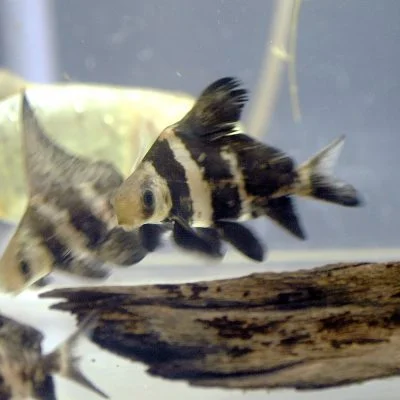
Want a social bottom dweller? Get corydoras. Want a dramatic predator? Get a pictus catfish. Want something unique? This is your fish.
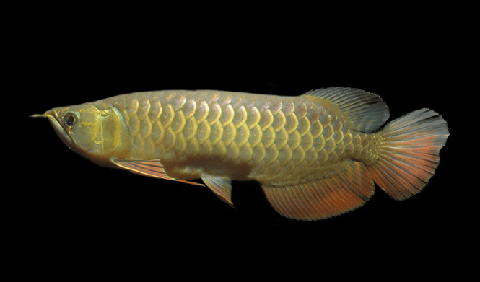
The most common alternative to the Red Tail Catfish is the Arowana, another monster fish favorite. Both need enormous tanks and dedicated keepers. Red Tail Catfish are bottom dwellers that ambush prey, while Arowanas hunt at the surface. Both can exceed 3 feet in captivity. If you do not have a 500+ gallon setup planned, neither is appropriate.
ASD Difficulty Rating: Tier 4 – Expert — Red-tail catfish require ponds or massive tanks. This is a lifetime commitment to an animal that grows to 4 feet.
Hard Rule: Red-tail catfish reach 3–4 feet (90–120 cm) and cannot be kept long-term in any standard aquarium. Plan for an outdoor pond before you buy the juvenile.
Is the Red-Tail Catfish Right for You?
Good Fit If:
- You have an outdoor pond of 1,000+ gallons (3,785+ L) or are actively building one
- You understand this is a 20+ year commitment to an animal the size of your arm
- You have experience with large, predatory fish and understand their feeding and waste output
- You have a plan for transport, veterinary care, and rehoming if needed
Avoid If:
- Your tank is under 500 gallons (1,893 L) for even a young adult
- You have any fish under 10 inches (25 cm) in the same tank – they will be eaten
- You cannot commit to maintaining a large, powerful filtration system indefinitely
- You think a red-tail catfish is a “big community fish” – it is not a community fish at any size
Closing Thoughts
Redtail catfish can make a great addition to an aquarium when their particular care needs, fast growth rate, and potential aggression are taken into consideration by experienced aquarists. By learning more about these beautiful creatures’ natural habitats as well as the challenges that come with breeding and disease prevention for them in one’s home aquarium, you will be able to provide your redtail catfish with all they require for a long life full of joy. Are you prepared enough to embark on the thrilling adventure of keeping this species?


 Wakin Goldfish Look Like” class=”wp-image-546010″/>