Tag: ReefKeeping

  • Top 10 Saltwater Puffer Fish: My Picks and What You Need to Know Before You Buy

    Top 10 Saltwater Puffer Fish: My Picks and What You Need to Know Before You Buy

    I’ve kept both porcupine and dog face puffers, and they’re some of the most personable fish I’ve ever had in a saltwater tank. They recognize you, they beg for food, and the character they bring is hard to match. But they’re not for everyone โ€” they need serious swimming space, they’re not reef safe, and they can get aggressive. In this guide I’ll walk through the top 10 saltwater puffer types and tell you which ones I’d actually recommend.

    Key Takeaways

    • Saltwater pufferfish are one of the best fish you can have in your saltwater aquarium.
    • These fish are full of personality and relatively easy to keep if dietary and spatial needs can be met.
    • Many large species of puffer need several hundred gallon tank systems, but there are also a few that can be kept in smaller tanks.
    • Pufferfish are poisonous and have crushing teeth and/or a sharp beak.

    Intro To Species

    Pufferfish are some of the most interesting and fun fish to keep in the freshwater, saltwater, and brackish water aquarium. These fish have big personalities with interesting feeding habits that let them fill up a tank all on their own.

    Saltwater pufferfish can be found in tropical and subtropical oceans around the world. These fish vary greatly in size, with species in the Canthigaster genus staying under 5 inches in length, with most other puffer species surpassing 20 inches.

    In general, pufferfish are hardy fish. They can adapt to most aquarium settings and conditions as long as other major requirements are met, like tank size and diet. The tank size will depend on the specific type of puffer being kept as there are small, medium, and large puffers available within the aquarium hobby. Regardless of size, pufferfish are voracious carnivores that need hard-shelled, high-protein content.

    Saltwater Puffer Fish Types (Top 10)

    There are many different types of pufferfish within the realm of saltwater puffers. Though many of these fish grow to large sizes, some stay medium-sized and even small. This means that there is a puffer right for every fish only aquarium!

    โš ๏ธ What Most Guides Don’t Tell You: Saltwater puffers need significantly more space than most people expect โ€” they’re active, constant swimmers. They’re also not reef safe; they’ll eat corals, inverts, and anything they can fit in their beak. Beyond that, they can be surprisingly aggressive with tank mates, even large ones. And during transport or stress, they inflate with air rather than water, which puts real strain on them. These are experienced-hobbyist fish that belong in a large, dedicated FOWLR system โ€” not a community reef.

    1. Porcupine

    Porcupine-Puffer
    • Scientific Name: Diodon holocanthus
    • Size: 1-2 feet
    • Origin: Worldwide
    • Tank Size: 180+ gallons
    • Available As Tank Bred: No

    The porcupine puffer fish, also known as the long-spine, spiny, or balloon pufferfish, is one of the most recognizable species of puffer due to its spiky appearance. This puffer is a light tan with darker brown and black spots. The lower half is usually very light tan or white.

    Diodon are some of the larger puffers available, and Diodon holocanthus is no exception. These fish can surpass 2 feet in length but typically stay a little smaller in aquarium settings. Even though they are poor swimmers, they need a large tank with large tank mates, like mature angelfish and tangs, that won’t get eaten or picked on.

    Porcupine puffers can be found around the coasts of most tropical continents, including Australia, Asia, and North America. They can be found in a variety of habitats, ranging from muddy substrates to coral reefs.

    2. Stars and Stripes

    Stars-And-Stripes-Puffer
    • Scientific Name: Arothron hispidus
    • Size: 1-2 feet
    • Origin: Indo-Pacific
    • Tank Size: 180+ gallon
    • Available As Tank Bred: No

    The stars and stripes puffer is appropriately named after the light blue spots and light tan stripes over a light tannish-grey body. As the fish matures, the stars and stripes puffer change, and darker bands may develop across the body of the fish.

    The stars and stripes puffer is often sold in small sizes. Don’t let this fool you into thinking it does well in smaller tanks, though! These puffers can grow to be close to 2 feet in length and need a large aquarium setup. Despite their size, stars and stripes puffers can be shy. That being said, they still do best in a tank of their own, or with other tank mates that won’t bother them and that won’t be bothered in return.

    These pufferfish originate from the Indo-Pacific in deeper reefs. They have been known to eat coralline algae, but prefer a variety of invertebrates.

    3. Golden

    Golden-Pufferfish-in Aquarium
    • Scientific Name: Arothron meleagris
    • Size: 1-2 feet
    • Origin: Indian and Pacific Oceans
    • Tank Size: 180+ gallons
    • Available As Tank Bred: No

    The golden puffer, also known as the spotted puffer, guinea fowl puffer (sometimes spelled guineafowl puffer), or Arothron puffer, comes in three different color variations. One is dark blue, almost black, and white-spotted. Some are a mottled combination of this dark blue and yellow, while others are fully yellow.

    Another unique feature of these fish is their prominent beaks. These help catch and eat prey, but are especially adapted to scraping food, like corals, off of rock.

    The golden puffer originates from the Indo-Pacific and Eastern Pacific Oceans, in clear lagoons brimming with coral. They eat large amounts of coral and do best when kept in a large aquarium without any invertebrates. Some sources say that these fish can comfortably live in a 125 gallon aquarium, but at least 180 gallons or more is recommended for long-term housing.

    4. Dog Face

    Dogface-Puffer
    • Scientific Name: Arothron nigropunctatus
    • Size: 1 foot
    • Origin: Indo-Pacific
    • Tank Size: 150+ gallons
    • Available As Tank Bred: No

    The dog face puffer is one of the most popular species of saltwater puffer for the saltwater aquarium. Oscar fish (Astronotus ocellatus) might be the puppies of the freshwater world, but dog face puffers are the puppers of the saltwater world with eyes and a snout that really look like a dog!

    ๐Ÿก Mark’s Pick: Dog Face (or Go Bold with a Golden)
    I’ve kept both porcupine and dog face puffers, and the dog face is my go-to recommendation if you have the tank space. They’re one of the most interactive fish you’ll ever own โ€” they recognize you, beg for food, and have a personality that’s genuinely hard to match. If you want to go big and you have a truly massive system, the golden puffer is a stunning fish โ€” just know it’s an advanced keep. Either way, budget for a large FOWLR setup first.

    These puffer fish come in a few different colors, including light tan and yellow. These fish originate from shallow waters near reef slopes. They feed on corals, algae, sponges, and other invertebrates. This makes them not reef-safe.

    However, some hobbyists have had luck keeping a dog face puffer with less aggressive puffer species. They also do well with large angelfish, triggers, and other fast and semi-aggressive fish species. If keeping a dog face puffer with other fish, a tank larger than 150 gallons is strongly recommended.

    5. Saddle Valentini

    Valentini-puffer
    • Scientific Name: Canthigaster valentini
    • Size: 4 inches
    • Origin: Indo-Pacific
    • Tank Size: 30+ gallons
    • Available As Tank Bred: Rarely

    The saddle valentini puffer is one of the smallest pufferfish species available in the saltwater aquarium trade. These fish only grow to be 4 inches big and aren’t overly active, allowing them to live in a 30 gallon aquarium. Because these fish are a manageable size, some hobbyists have begun breeding them, though there haven’t been any fully successful attempts yet.

    The saddle valentini puffer, also known as the black saddle pufferfish, comes from coral reefs throughout the Indo-Pacific. There, they eat small crustaceans and mollusks along with marine worms and algae. Though these fish might seem like they’re more reef-safe than larger species, they do best in a fish only aquarium.

    Interestingly, the saddle valentini puffer can be seen shoaling with a similar-looking fish, the black saddle filefish (Paraluteres prionurus).

    6. Central American Sharpnose

    Central-American-Sharpnose-Puffer
    • Scientific Name: Canthigaster punctatissima
    • Size: 3-4 inches
    • Origin: Western Atlantic Ocean
    • Tank Size: 30+ gallons
    • Available As Tank Bred: No

    The Central American sharpnose puffer is one of the most attractive puffer species on this list, with a red body and tightly fitted white spots that cover the body. These are also one of the smallest puffers, only growing to about 3.5 inches in length on average.

    As its name suggests, the Central American sharpnose puffer originates from the western Atlantic Ocean. Unlike the other pufferfish on this list, this Central American species primarily lives among seagrass beds. There, they eat seagrasses, sea urchins, starfish, and algae.

    Central American sharpnose puffers have an absolute minimum tank size of 30 gallons as the only fish in a well-maintained tank. Otherwise, they do best in 55 gallon or larger aquariums.

    7. Blue Spotted Puffer

    Canthigaster solandri
    • Scientific Name: Canthigaster solandri
    • Size: 4-5 inches
    • Origin: Central Pacific Ocean
    • Tank Size: 55+ gallons
    • Available As Tank Bred: No

    Another species of Canthigaster, the blue spotted puffer is a beautiful fish from rocky reefs throughout the Central Pacific Ocean. Interestingly, they were thought to exist in the Indian Ocean, but that species has been reidentified as Peter’s puffer (Canthigaster petersii).

    Similar to the Central American sharpnose, blue spotted puffers have a red body with electric-blue spots and stripes. These fish stay relatively small and have a minimum tank size of 55 gallons. They should not be kept with invertebrates, however, it’s possible to keep them with their own species in larger tanks.

    In the wild, blue spotted puffers are often seen in pairs. These fish are monogamous and may even pair up in the aquarium setting. However, no successful spawnings have been reported.

    8. Scribbled Puffer

    Map-Puffer
    • Scientific Name: Arothron mappa
    • Size: 2+ feet
    • Origin: Indo-Pacific
    • Tank Size: 300+ gallons
    • Available As Tank Bred: No

    The scribbled puffer, more commonly known as the mappa puffer, is one of the largest species of puffer on this list. These saltwater fish grow to be well over 2 feet in length and require a 300 gallon tank or bigger! Because of this, only extreme hobbyists and public aquariums may be able to comfortably house a scribbled puffer.

    Scribbled puffers have an interesting pattern with light squiggles outlined in yellow and black. Their most noticeable feature is their orange eyes!

    The scribbled puffer originates from the Indo-Pacific and lives alone among shallow reefs. Larger individuals usually find a cave deeper down and take shelter.

    9. Immaculatus Puffer

    • Scientific Name: Arothron immaculatus
    • Size: 1 foot
    • Origin: Indo-West Pacific
    • Tank Size: 125+ gallons
    • Available As Tank Bred: No

    The immaculate puffer (video source) is sometimes mistaken for a dog face puffer. Immaculatus puffers have a similar tan coloration but have a distinctive yellow tail fin that is outlined in black. Other fins may also be black.

    This coloration allows the immaculatus puffer to blend in with its natural surroundings throughout the Indo-West Pacific Ocean, which includes mangrove forests, estuaries, and seagrass beds. This fish has not been bred in the aquarium trade as fry and juveniles often stay in protected areas of brackish water.

    In the aquarium, the immaculatus puffer can grow to an impressive 1 foot. Though one of the smaller types of large puffer available, these puffers still need big tanks to thrive with the minimum being 125 gallons.

    10. Starry Puffer

    Starry-Puffer
    • Scientific Name: Arothron stellatus
    • Adult Size: 2-3 feet
    • Origin: Indo-Pacific
    • Tank Size: 300+ gallons
    • Available As Tank Bred: No

    It’s generally agreed that starry pufferfish should not be kept by the average saltwater hobbyist. These fish can surpass 3 feet in length and need a monster sized fish tank. That being said, they are readily available and relatively easy to find in most specialized pet stores.

    The starry puffer is named after its black body with tons of tiny white spots; these fish can also have reverse coloration with a white body and black spots or a yellow body with black spots.

    These fish originate from reefs and lagoons around the Indo-Pacific. Juveniles often float into estuaries, where they are further protected from predators.

    Diet

    Both freshwater and saltwater pufferfish are carnivores. These fish mainly rely on crustaceans and other invertebrates as their source of food. Some favorite foods include clams, mussels, squid, shrimp, krill, and sometimes other fish.

    Not only are these foods important for nutritional content, but hard-shelled mollusks keep pufferfish beaks and teeth trimmed. Pufferfish beaks and teeth never stop growing, so they need to keep them filed down by eating hard foods. In the aquarium, this can make for a demanding diet.

    An aquarium diet for puffers should replicate their natural diet as best as possible. This means purchasing a variety of seafood products. In most cases, it is cheaper and more convenient to go to a local grocery store for restaurant-grade snails, clams, and shrimp. Local fish stores may provide better options for krill, silversides, and seafood blends. Some popular aquarium options are LRS Fish Frenzy Chunky Frozen Food and Rod’s Predator Blend Frozen Food.

    This food can be purchased frozen in bulk for longer use; frozen food should be dethawed before being given to fish. Cubes and frozen sheets may be easier to feed to smaller species or juveniles. In addition to meaty foods, pufferfish will also enjoy a sheet of nori from time to time.

    On top of being eager eaters, pufferfish are messy eaters. These fish love sifting through the substrate for their next meal and vigorously cracking open shells to get out the meat. While this is a sign of a healthy puffer, water quality needs to be maintained.

    Water Quality

    As mentioned before, saltwater pufferfish are generally hardy fish. They can adapt to a broad range of water parameters and don’t stress easily. However, they will quickly succumb to toxic water parameters, with high ammonia, nitrite, and nitrate.

    Saltwater aquariums should be fully cycled with 0 ppm ammonia, 0 ppm nitrite, and minimal nitrates. Pufferfish are tropical fish that need a constant water temperature between 72-80ยฐ F. pH should stay between 8.0-8.4 with alkalinity between 8-12 dkH. Salinity must remain constant between 1.020-1.025.

    Good filtration is a must for saltwater pufferfish. These fish can tolerate a higher water flow, so return rates can be strong enough to move leftover food and waste off the substrate. Filtration media, especially filter floss and socks, should be rinsed out weekly or as needed to prevent pieces of food from building up. Water changes are also recommended to help keep nutrients down. A sump is highly recommended for any type of puffer.

    Editor’s Choice!
    Trigger Systems Triton

    The Best Aquarium Sump

    Developed for the triton method and feature rich, this the best overall sump you can purchase today

    Click For Best Price

    Reef Considerations

    In general, saltwater pufferfish are not considered to be reef safe. They will happily eat any present invertebrates and may even go after smaller fish. However, some hobbyists have had luck keeping puffers with hardy, fast-growing corals that can survive being picked at. It’s important to remember that even if your pufferfish doesn’t directly eat corals, then it can also be very challenging to maintain water parameters needed to keep corals happy.

    In general, saltwater pufferfish do best in a fish only aquarium with other large fish. That being said, most pufferfish are aggressive to each other so only one puffer should be kept per tank. This is true unless keeping an extremely large system where each fish has plenty of space.

    Transportation And Acclimation

    Once you know everything that comes along with owning a saltwater pufferfish, you need to know how to bring one home. Transporting and acclimating these fish can be slightly more challenging than with other fish, though puffers will adapt quickly once in the tank.

    The main concern when transporting pufferfish is having them inflate. Pufferfish are poisonous when eaten by predators, but inflation is their main defense mechanism. When puffers feel threatened or stressed, these fish intake water to make them look bigger than they really are to predators. Some species of puffer have spikes around their body that make them even more intimidating.

    However, this behavior is not ideal during high periods of stress throughout the transportation and acclimation processes. If pufferfish inflate while outside of water, they intake air instead. When placed back into the water, they may have trouble swimming and might even float to the top.

    If this happens, it’s recommended to observe the fish for a few more minutes. They may be able to pass the air bubble by themselves. If a considerable amount of time has gone by and your fish is still swimming wobbly, then you may need to burp your fish. The following excerpt explains the process:

    “If your puffer takes in air or you find one that has, find either a glove or a net to hold the puffer. Take the puffer in your hand using a net or glove, to protect the puffer from oils and other undesirables. You want to position the puffer underwater with its head pointed toward the surface of the water. Carefully take hold of the puffer supporting its entire body.

    To do this and restrict the movement of the fish, hold the head and body, the bones of your hand parallel to the fishโ€™s spine and along its back and the fingers wrapping the head , avoiding the eyes as much as possible. Use your other hand to gently nudge the stomach to help the puffer release the air. Throughout the process, the puffer may attempt to reinflate.

    This is okay because the puffer is underwater and will refill with water, further helping to expel the air. If you need to โ€œburpโ€ a puffer larger than 6 or 7 inches, it may be necessary to enlist the help of a few extra hands. Also, with a large puffer, gloves will work better than a net to hold the puffer.”

    Source – https://www.thepufferforum.com

    To help prevent your fish from filling with air, try to keep your puffer submerged at all times. If your pufferfish has spikes, then a container should be used instead of a net. I found this video from stumperhead on how to burp a puffer. Note he’s not wearing gloves. Wear gloves to be safe!

    Enrichment

    Once your fish has gotten comfortable in its tank, then it’s time to make it feel at home. Pufferfish are very intelligent fish that need a good amount of enrichment to keep them thriving. While food is the main way to keep your fish interested, there are a couple of other ways you can add some fun to your puffer tank:

    1. Interact with your puffer. Pufferfish easily recognize their owners and are very willing to form a relationship. You can use unique signals for feeding times and water changes, letting your fish know what’s coming. Some hobbyists have even trained their puffers to do certain behaviors when someone is close to or in the tank. Just watch your fingers!
    2. Change your puffer’s environment. Another great way to keep your fish guessing is by changing its environment. This can mean moving decorations around or adding new scenery. It can also mean changing the amount and direction of water flow in the aquarium. It should be noted that it is not recommended to change lighting parameters in the aquarium as this can scare fish and cause them to inflate.

    FAQS

    Are saltwater pufferfish aggressive?

    Yes, pufferfish are largely considered to be semi-aggressive to aggressive fish. However, this isn’t because they’re overly territorial.

    Pufferfish are aggressive because their natural diet consists of aquarium life that hobbyists like to keep alive in their tanks, like snails, crabs, corals, and algae. That being said, pufferfish are very capable of using their teeth to damage a finger that gets too close to them or that resembles food.

    How big of a tank do saltwater pufferfish need?

    How big your pufferfish tank needs to be depends on the size of the pufferfish. There are several pufferfish that stay under 5 inches big and need a ‘normal size’ aquarium, smaller than 125 gallons. Many other puffers require monster size aquariums of well over several hundred gallons.

    Are there small saltwater pufferfish?

    Yes! There are a few small saltwater pufferfish that derive from the genus Canthigaster. Some possible options include the saddle valentini puffer (Canthigaster valentini) and the Central American sharpnose puffer (Canthigaster punctatissima).

    What is the best saltwater pufferfish?

    The best saltwater pufferfish is the one that fits your tank size and setup most comfortably. Many pufferfish can be kept in the aquarium as long as their basic needs are met.

    Make sure to also consider if the puffer will be kept as the only fish in the tank.

    Are pufferfish poisonous?

    Yes! Almost all pufferfish are poisonous. These fish belong to the Tetraodontidae family, which means that they contain the toxin, tetrodotoxin. The good news is that the fish must be eaten to have an effect.

    Final Thoughts

    Pufferfish are some of the most fascinating and fun fish to keep in the saltwater aquarium hobby. While some hobbyists think these fish need huge setups, there are many other pufferfish species apart from the biggest ones that can comfortably fit in a smaller setup. Just make sure that you’re able to provide longterm housing, diet, and maintenance.

    Also, watch out for their breaks and sharp spines!
  • 10 Types of Fish Tanks: How to Choose the Right Setup for Your Budget

    10 Types of Fish Tanks: How to Choose the Right Setup for Your Budget

    My most rewarding tank setup was my 125-gallon reef โ€” it took years to build and it was worth every bit of it. But I’ve also kept a 65-gallon community freshwater, bettas, and plenty of other setups over the years. The type of tank you choose sets the direction for everything else: your fish choices, your equipment, your budget, your maintenance routine. Getting this decision right from the start makes a real difference. Here’s how I’d break it all down.

    Key Takeaways

    • All-in-one aquariums are ideal for beginners, but careful cleaning is necessary for tanks made of acrylic.
    • A freshwater tropical fish aquarium is a great choice for novice fish keepers, just make sure all the species you keep will get along and stay small enough for your tank size.
    • Basic saltwater aquariums can be suitable for beginners, but more equipment and technical knowledge is needed to keep live corals and sensitive marine fish.
    • All aquariums with live animals should have a quality filtration system to keep a clean and healthy environment for your fish. You’ll also need a heater to maintain warm water for tropical fish and good lighting to grow aquatic plants.

    Top 10 Types Of Fish Tanks

    In this section, we’ll learn about ten awesome types of fish tanks and the species that you can keep in them. Check out the video above from our YouTube Channel and read along! Let’s dive right in!

    ๐ŸŽฏ Mark’s Sizing Rule: Match Your Budget to the Tank
    My biggest advice before you choose a tank type is to match your budget to the setup, not the other way around. I’ve seen plenty of people push for a 75-gallon because it sounds impressive, then cut corners on filtration, lighting, or livestock because the money ran out. A well-equipped 40-gallon is a better experience every time. For freshwater beginners, I recommend starting at 20 gallons โ€” it’s forgiving and affordable to set up right. For saltwater, aim for at least 40 gallons for stability, and push to 75 if your budget genuinely allows it.

    1. Cold Water Aquarium

    Coldwater-Aquarium

    A cold water aquarium is the ideal choice for fish keepers who want to keep goldfish and other types of fish that prefer cooler aquarium water. Unlike tropical fish, coldwater species come from parts of the world where winter temperatures can drop pretty low, so these species do not need a heater to survive in most homes.

    Stocking Options:

    2. Brackish

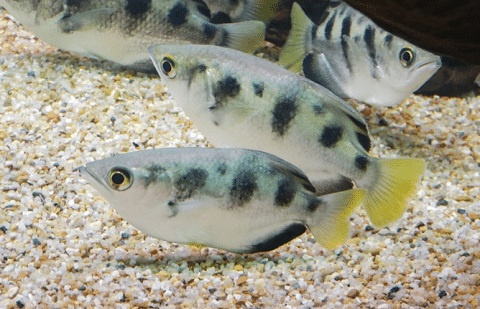
    Archer-Fish

    Brackish fish live in coastal environments where freshwater rivers and lakes mix with salty water from the ocean. There are many awesome brackish fish to choose from, and most are tropical species that require stable, warm temperatures.

    These fish need aquarium water with a specific gravity of between about 1.005 and 1.012, so you’ll need to prepare their water with reef salt and monitor the salinity with a refractometer to keep them healthy.

    Stocking options:

    • Scats
    • Monos
    • Bumblebee goby
    • Brackish puffer fish species
    • Archer fish

    3. Tropical Community Setup

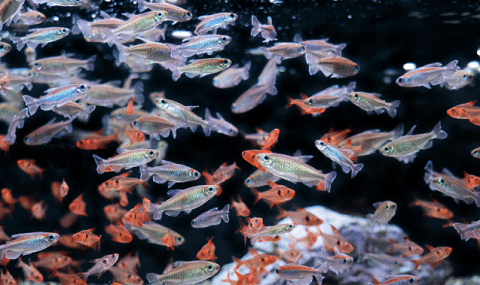
    Congo-Tetra

    The tropical community setup is probably the most popular choice in the aquarium hobby. This kind of aquarium houses a variety of different freshwater tropical fish together in the same tank.

    However, it’s very important to research each fish carefully because some prefer different water parameters and temperatures while others just don’t get along. Good filtration and heating are very important for this type of fish tank.

    Stocking options:

    4. Freshwater Aggressive

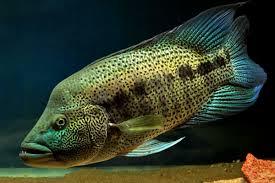
    Wolf-Cichlid

    There’s something really cool about big, aggressive fish, and these species can actually make the best pets! However, choosing their tank mates carefully is important because some of these fish are mean!

    Some experienced fishkeepers know how to mix various aggressive species together in the same tank, but it’s much safer to keep just one aggressive fish in its own tank if you’re just starting out.

    Stocking options:

    5. African Cichlids

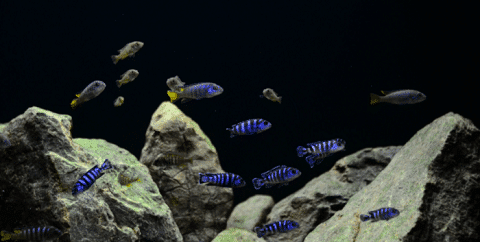
    African-Cichlids

    African cichlids are some of the most colorful and fascinating freshwater fish on the planet. Most of the popular aquarium species come from huge East African Lakes like Lake Malawi and Tanganyika, and there are loads of options to choose from.

    These fish are often highly territorial, so you really need to do your research before mixing different species in the same tank. However, you can create a truly stunning display tank if you choose the right fish. African cichlids generally need hard, alkaline water to thrive.

    Stocking options:

    6. Planted Aquarium

    Planted-Aquarium-EI

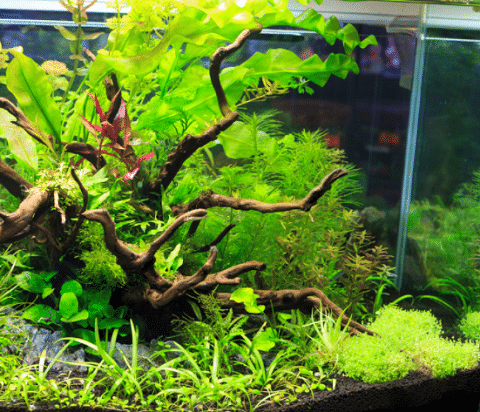
    Did you know you can grow live plants in an aquarium? Hobbyists worldwide grow all sorts of beautiful aquatic plants in their tanks, often in amazing layouts called aquascapes that look like miniature scenes from nature.

    Whether you’re trying to create a magical underwater world or simply growing a few live plants to improve your water quality and create a more interesting home for your fish, a planted aquarium is always a great option!

    Stocking options:

    • Coldwater species
    • Tropical community species
    • Various aquascapes

    7. Paludarium

    Pal-Setup

    A paludarium is an interesting type of aquarium that includes both underwater and land environments in the same tank. This kind of setup usually imitates a swamp, a river bank, or the shore of a lake. Paludariums are a little more complicated to create, but they can be really fun to build!

    Stocking options:

    • Nano fish in the water section
    • Various aquatic and terrestrial plants
    • Frogs
    • Turtles

    8. Saltwater Aquariums

    Flame Angel

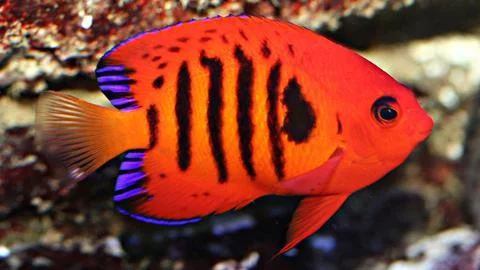
    Aquariums aren’t just for freshwater fish. You can keep all sorts of marine fish in a home aquarium, including some stunning tropical reef fish!

    Keeping a saltwater aquarium is not all that different from keeping freshwater species, although it does require some extra equipment and knowledge to keep the water salinity correct and maintain a healthy aquarium environment for the fish.

    Stocking options:

    • Huge variety of fish species

    9. Reef

    Aquatic_Life_T5_LED_Hybrid_Lights_Reef_Tank_large

    Reef tanks are special saltwater aquariums that recreate the habitat of a tropical coral reef. These tanks are not just about the fish. Instead, reef keepers maintain amazing underwater worlds with many different types of sea creatures.

    Stocking options:

    • Many colorful fish species
    • Live corals
    • Anemones, starfish, shrimp, snails, and other invertebrates

    10. Saltwater Predators

    Clown-Triggerfish

    Not all the colorful saltwater aquarium fishes are friendly creatures like nemo. You can also keep some awesome saltwater predators in a fish tank if you choose their tank mates carefully!

    This kind of tank is usually all about the fish because saltwater predators tend to snack on invertebrates. However, many species can live together with live corals.

    Stocking options:

    • Moray eels
    • Grouper
    • Lionfish
    • Marine pufferfish

    7 Types Of Aquariums You Can Buy

    Choosing which type of fish tank to create involves careful planning and research, especially when it comes to choosing the right fish. However, each kind of setup requires some important equipment, and the first choice you need to make is the actual aquarium and aquarium stand you are going to use.

    Aquarium tanks come in many shapes and sizes, and the materials used to build them vary too. From simple fish bowls to tanks big enough to fill a living room, there’s no limit to the kind of tank you can keep if you have the space and budget!

    Continue reading to learn about seven popular types of aquariums.

    1. Nanos

    Betta-Tank-Setup

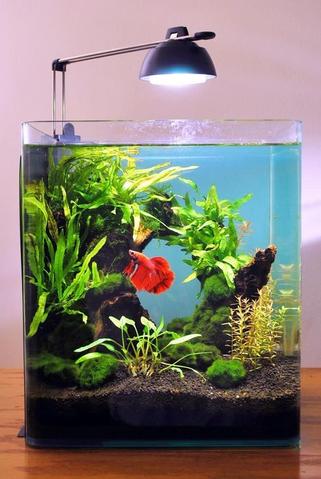
    Nano aquariums are simply small tanks up to about 20 gallons or so. These are popular choices for small fish like guppies and betta fish, although there is a long list of amazing nano fish that you can keep and some aquarists even keep saltwater fish and reef tanks in nano aquariums!

    While nano aquariums might be cheaper to buy and easier to clean, they are not necessarily the easiest to maintain, so think twice before buying a tiny tank.

    You can keep invertebrates like snails and shrimp in 1-2 gallon tanks, but 5 gallons is about as small as you can go for fish, and only a few species will thrive in such a small space. However, a 15-gallon tank is great for beginners and allows you to keep many more fish species, including small tropical communities.

    2. All-In-Ones

    Waterbox Nano

    A classy rimless nano reef tank that won’t break the bank! Great design with a well design all in one chamber

    Click For Best Price Buy On Amazon

    Setting up an aquarium from scratch can save you a few dollars and be lots of fun, but buying the right equipment can be tricky if you’re just getting started.

    Fortunately, all-in-one setups with built-in chambers for heating, and filtration are available. The manufacturers put a lot of work into their designs, making these the most stylish and visually appealing options too, and models with built-in aquarium stands and cabinets make organizing your fish tank super convenient.

    All-in-one aquariums come in various shapes and sizes, including nano tanks perfect for shrimp or betta fish, medium setups for community fish, and even bigger tanks large enough for impressive African cichlid or saltwater predator displays.

    3. Reef Ready

    Reef_Ready_Rimless_Aquarium_large-1

    Reef-ready aquariums are a kind of tank designed for saltwater reef tanks. These aquariums may come pre-drilled so you can design and fit your own overflow and sump setup or they may come complete with everything needed for reef tank filtration systems.

    These all-in-one setups take a lot of the hassle and risk out of a complicated DIY job, leaving you more time to research and plan your new reef inhabitants!

    4. Glass And Acrylic

    Back in ancient China, fish were first kept in ponds and water gardens and could only be viewed from above. Thankfully, we have transparent aquarium materials today that give us a much better view!

    Most fish tanks are made from glass or acrylic (a clear plastic-like material), and each material has its own pros and cons. Let’s start with glass, the traditional option.

    • Glass fish tanks
    Low_Iron_vs_Traditional_Glass_Aquariums_large-1

    Glass tanks offer high clarity and visibility making them the best choice for enjoying crystal-clear views of your fish. They are widely available and come in standard sizes, so you can easily find a hood, stand, and equipment to match your setup.

    Glass is relatively scratch-resistant, but it is a brittle material that can crack and break if bumped or filled on an uneven surface. Glass is also a heavy material and this becomes an important consideration for large fish tanks.

    • Acrylic fish tanks

    Acrylic fish tanks come in a much wider range of shapes and sizes than glass tanks, and they are the go-to option when designing custom fish tanks. Acrylic is much lighter and tougher than real glass, although it does not offer the same viewing clarity, and it scratches easily if cleaned carelessly.

    While acrylic tanks may have some important benefits, they generally won’t last as long as a well-cared-for glass tank because they can become scratched and discolored with age.

    5. Cubes And Rectangles

    UNS-Shallow-Rimless-Aquarium

    Most fish tanks are rectangular, and this shape should be your first choice for most aquarium types. Rectangles offer more floor space for aquascaping and more horizontal swimming space for your fish. This is especially important for active, open-water species. Longer tanks also tend to decrease aggression as fish will become more aggressive in small environments. A statement from a study backs up this assertion below:

    Aggressive behavior was not correlated with small-scale changes in either group size or habitat size alone. However, a significant difference was observed in environments sufficiently large and complex: fish spent less time exhibiting aggressive behavior.

    Journal of Applied Animal Welfare Science – Volume 14 Issue 4

    Rectangular tanks are also strong, easy to construct from sheet glass or acrylic, and offer a large surface area for oxygenation. However, don’t be too quick to rule out a cube-shaped aquarium. Cube tanks are also readily available and offer a few benefits over the traditional rectangular tank.

    Firstly, there’s something undeniably elegant about a cube aquarium that makes them really pop. Their symmetrical shape also improves visibility, making them great for positions like the center of a room where you might view them from any direction.

    6. Tall And Shallow Aquariums

    Some common tank sizes come in more than one rectangular shape. A 20-gallon tank, for example, is available in a ‘long’ or ‘high’ shape, while a 40-gallon is available in a ‘long’ or ‘breeder’ shape.

    Long, shallow aquariums are generally the better choice because they offer more swimming distance for your fish and they have a greater surface area for oxygen and carbon dioxide to diffuse into the water. However, ‘high’ and ‘breeder’ tanks need less floor space and work better for some aquascapes and reef layouts.

    7. Rimmed And Rimless

    Rimless_Tank_large-1

    Traditionally, glass aquariums have been built with solid bracing around the top rim for added strength. However, many modern aquariums are designed to be rimless, with no plastic strip along the top edge of the glass.

    There are pros and cons to each design, and depending on your goals you may need to choose one over the other. Let’s take a look at the differences:

    • Rimmed tanks

    They might not look as good, but rimmed tanks are stronger than rimless tanks. They are also cheaper and the top edge of the glass is well protected from chipping. Rimmed tanks are supported by bracing, so they can be made with lighter glass which cuts down on their overall weight too.

    The rim of these tanks also hides the waterline at the top of the tank, an area that often shows hard water stains or bright light when your water level drops between water changes.

    • Rimless tanks

    The benefits of rimless tanks are not that obvious, especially since the hood of your aquarium may cover the rim anyway. However, there are some situations where a rimless tank is the obvious choice.

    Many aquarists prefer to keep open-top aquariums which allow the viewer to see the animals and plant life from a whole other dimension. A rimless tank creates a seamless blend between the walls and the surface of the water, which just looks so much better than a solid rim around the top.

    How To Choose a Fish Tank

    Choosing a fish tank is not something you should rush into. Fish can live for many years, and you’ll need to perform regular maintenance to keep your tank looking its best. So, how do you choose the right kind of tank for your needs?

    Size

    Most people will have limits on the amount of space they have for a tank, and the amount of money they are willing to spend. However, the size and shape of your tank need to be suitable for the kind of fish you plan to keep, so your options will be limited if you choose a very small aquarium.

    โš ๏ธ The Most Common Mistake I See: Choosing a tank size you can’t properly support. Bigger tanks need better filtration, more lighting (especially for reef setups), and more expensive livestock. Going large before you’re ready almost always leads to equipment shortcuts that make the whole experience harder and costlier. Get the size that fits your actual budget first โ€” you can always upgrade later once you understand what you’re doing.

    While a smaller tank is easier to clean, it does require more frequent maintenance, and it can be tough to maintain stable conditions, especially if you keep sensitive types of fish.

    Marine Vs. Freshwater Aquarium

    The bright colors and amazing shapes of a tropical coral reef aquarium make this kind of setup the ultimate display tank. Maintaining a vibrant tropical reef in your home is the pinnacle of achievement in the hobby, but the effort required and the costs involved are not suited to everyone. Fortunately, basic saltwater tanks or a fish-only brackish tank are easier to maintain and can be achieved by a dedicated beginner.

    A freshwater tank can have just as much color, and you can usually find a much wider range of fish species at your local fish store. These aquariums tend to be more forgiving too, since you don’t need to monitor the salinity of the water and it’s often safe to use dechlorinated tap water.

    Placement

    RImless-Setup

    Always choose a location in your home, office, or business before you buy the tank, taking care to consider factors like the distance to the nearest electrical point and faucet/tap, the amount of foot traffic and noise the area gets, and the distance from windows. You should avoid positioning your tank anywhere that receives direct sunlight.

    Fish tanks are surprisingly heavy when full of water, so you’ll need a strong stand to hold a medium-sized tank. However, small nano aquariums can be placed on a solid, level piece of furniture. Get your measuring tape out and make sure your tank will fit into the space you have available.

    Consult a professional to assist in setting up a custom design like a wall aquarium or a very large floor aquarium because they can affect the structure of your building.

    FAQs

    What type of fish tanks are there?

    Choosing types of fish tanks can be tough because there are so many options! Aquariums can be big or small, come in a wide range of shapes, and they can be made of different materials like acrylic or glass.

    Aquariums can also house many different types of fish, ranging from tiny tropical fish to huge saltwater species. Many freshwater fish keepers also plant aquatic plants in their tanks, and saltwater fish keepers can keep live corals and all sorts of interesting saltwater creatures.

    Which type of fish tank is best?

    With so many amazing options available to the modern aquarium hobbyist, choosing just one type of aquarium requires some careful thought.

    If you’re just getting started, consider an all-in-one, medium-sized cabinet aquarium. These types of fish tanks are the easiest to set up and they provide storage space for all your equipment and supplies. Cabinet-style aquariums even blend right into your home like a stylish piece of furniture!

    When it comes to size, larger fish tanks are generally better than smaller tanks because they require less aquarium maintenance to keep the fish healthy. However, very large tanks can be quite a chore to clean, so consider a 20 to 55-gallon starter setup before moving to something very large.

    What are the different types of freshwater aquariums?

    There are many different types of fish tanks that you can create. A tropical fish aquarium is one of the most popular choices, and there are hundreds of different types of fish to choose from in the hobby.

    Freshwater aquariums aren’t only for fish! You can even create a thriving aquatic world by including different forms of aquatic life such as shrimp, snails, and live aquatic plants. Temperature makes a difference too, and aquariums can hold tropical species that prefer warm water or cold water fish like goldfish that prefer a cooler environment.

    Final Thoughts

    The sky is the limit when it comes to setting up fish tanks, and that’s what I love so much about this hobby. From a small glass cube of live aquatic plants to a huge tank full of colorful saltwater predators, anything is possible with the right tank, knowledge, and vision. I hope this guide has helped you learn more about the different types of fish tanks and given you some great ideas for your next aquarium!

    Do you have a dream fish tank that you’d love to create? Tell us about it in the comments below!


    ๐Ÿ”ง Want to learn more? This article is part of our complete Aquarium Equipment & Gear Guide โ€” your ultimate resource for filters, heaters, lights, pumps, tanks, and more.

  • Do Fish Sleep? What 25 Years of Watching Tanks Taught Me

    Do Fish Sleep? What 25 Years of Watching Tanks Taught Me

    One of the questions I get surprisingly often โ€” even from people who’ve been in the hobby for years โ€” is whether fish actually sleep. I noticed it myself early on: my bettas would go still near the surface or rest on a leaf late at night, barely moving. My cichlids would find a corner of the tank and just hover. It took me a while to realize that’s exactly what fish sleep looks like. No eyelids, no lying down โ€” but the rest-state is real, and understanding it actually matters for how you set up your tank and your lighting schedule.

    And today, in this article, we’ll cover everything about how a fish sleep.

    So, stay with me!

    Do fish sleep?

    As mentioned earlier, like all living beings, fish sleep too. However, their sleep is different than the sleep of mammals birds, or other animals. That’s because they don’t need a land to rest their body, they don’t need beds, covers, or even eyelids. Basically, most fish cannot even close their eyes (except sharks). Check out the video above from our YouTube Channel and follow along with our blog post.

    The Definition

    To discuss the topic, we need to talk about the actual definition of sleep so we have the proper frameset when talking about our pets. Here is the definition:

    Sleep has a simple definition that includes closed eyelids and a particular brainwave pattern in the neocortex – which makes sleep easy to determine for most animals. However, this makes it difficult for fish because they have neither a neocortex or eyelids.

    The University of Zurith did a study of over 150 animals to determine if all animals sleep1. They determined that all animal sleeps – even microbes! This study used Henri Pieron’s definition of sleep. There are 4 key characteristics:
    1. A species specific sleep posture
    2. The maintenance of behavioral quiescence (inactivity/dormancy)
    3. Elevation of arousal threshold (takes effort to get organism to react)
    4. Reversibility with stimulation (we can wake them up)

    Fish mostly sleep in the form of activity reduction and lower response to stimulus. So, next time, when you find your fish floating in the tank with minimal body movement and changed body coloration, know that it is just sleeping.

    Stanford researchers have found that the freshwater zebrafish slumber much the way we do: They display a type of slow-wave sleep and a type of REM (also known as paradoxical) sleep. The discovery suggests that these neural sleep signatures — present in mammals, reptiles, and birds — emerged at least 450 million years ago.

    It is crucial to understand that fish sleep doesn’t include rapid eye movement (REM sleep), which is associated with dreaming in mammals. In fish species, sleep only occurs with reduced activity levels to save energy and undergo physiological changes to restore or rejuvenate the body.

    Some diurnal species (fish that sleep at night) will actually be active during day and night if they are doing something very involved such as migration. You will see this with Tilapia and even eels when they are trying to mate.

    Fun Fact: Zebrafish species can exhibit two sleep cycles like most higher vertebrates.

    Mindblowing Behaviors Of Dolphins

    Dolphins In Ocean

    Some animals like marine mammals exhibit even stranger behavior. Dolphins do not have gills and need to surface to breathe. They can maintain a sleep cycle by shutting off half the hemispheres of their brain. This is known as unihemispheric slow-wave sleep. While one half of the brain sleeps, the other half keeps them swimming and tracks their need to surface for air while the other half sleeps.

    Other behaviors from dolphins include “logging” which is them floating to the surface on their sides like a log to rest and still breathe air.

    How do fish species sleep?

    Like other animals that require sleep to stay healthy, fish also need sleep to undergo many bodily changes. However, fish sleep differs from other animals. For example, most fish are sleeping while hovering in the water or lying on the sand or substrate, reducing their activity levels. In such conditions, they conserve energy and their metabolic rate decreases they will not respond to external stimuli like usual. Also, the fact that fish do not have eyelids, makes it challenging to figure out if the fish are sleeping.

    Furthermore, many fish seek out shelters or hiding places when they are in resting mode to protect themselves from predators. Therefore, adding crevices, under rocks, and driftwood is recommended to keep in your aquariums.

    How does parrot fish sleep?

    Parrotfish sleep in a very interesting way. They make their own cocoons in the form of sleeping bag by secreting their mucous around them every night, protecting them from predators and parasites.

    How do fish from fast moving water sleep?

    Many different fish species, including pelagic fish and sharks, are constantly moving even when they are resting to ensure a constant water flow and oxygen supply over the gills.

    Other than that, there are several fish species with swim bladder that maintain buoyancy, so even when the fish sleeps, it still floats in the water. 

    How can you tell when your aquatic pet is sleeping? 

    Guppies Swimming

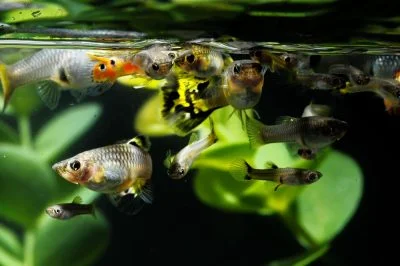
    Chances are your fish are sleeping, but showing no apparent signs of sleep because obviously, they don’t human sleep behaviors. 

    Therefore, it is necessary to figure out how your fish sleeps and provide adequate night time to maintain overall health. Like humans, fish may show signs of sleep deprivation. Thus, provide adjustable aquarium light to understand your fish’s sleep patterns and allow your fish to sleep soundly. 

    Since fish do not have eyelids, you cannot judge whether it’s sleeping. However, there are a few ways to spot a sleeping fish in your aquarium. 

    Location

    Look out for fish that are resting on the bottom or just hovering without being active. If you have a school of fish, you may notice a small group resting somewhere around the corner. Other fish may be sleeping or resting in or around tank decorations or caves.

    Signs of deprivation

    There are thousands of research done on sleep deprivation in many invertebrates and other mammals, but there is little available data on fish. In fact, almost all studies have been conducted on some species, like zebrafish, to know the potential signs of sleep deprivation2.

    1. One of the common signs is increased resting
    2. No response to external stimuli even to potential environmental threats
    3. Changes in activity patterns
    4. Difficulty in learning and memory tasks
    5. Potential stress due to increased cortisol levels

    Note that 4 and 5 are hard to observe in the tank. However, in the studies cited, fish can suffer from insomnia and can develop sleeping disorders. Their sleep is also regulated by Melatonin3.

    How Do I Make Sure They Get Enough?

    One of the easiest ways to let your fish fall asleep is by putting your lights on a timer. This provides your fish with a consistent day and night routine like you would normally do for other animals. Avoid having your fish in constant light.

    It is also recommended to provide hiding places and cover in your aquarium in the form of rocks, caves, driftwood, and other tank decors or aquarium plants, so your fish feels safe and secure in the aquarium while resting. For example, fish living near coral reefs love to hide during the nighttime. Thus, replicate their environment for a better and deeper sleep. 

    During their sleep state, avoid slamming the doors or watching TV at loud volume. Also, do not allow your pets to go near the tank when the fish are sleeping. 

    When transitioning from dark periods to daytime, I recommend gradually brightening the aquarium lights to stimulate natural sleep cycles.

    FAQs

    How do you know if a fish is sleeping?

    There are a few signs of a sleeping fish:

    1. Inactive or motionless during periods of time
    2. Laying on the bottom or just hovering on any aquarium object
    3. Not responding to any external stimuli, even food.

    Do Fish Suffer From Sleep Disorder?

    Even though there’s not a lot of research material available on sleep disorders in fish, however, studies on zebra danios, suggest that the fish may sleep more when there’s a sleep loss.ย 

    Do fish swim when they sleep?

    It depends on the fish species and the type of sleep you get. For example, many fish are almost completely inactive during resting period or they just hover in one place or lie on the substrate. While other fish are continuous swimmers, especially those living in fast-flowing waters, such as Pelagic fish. However, some fish find hiding spots so they can rest without swimming between rocks, corals, or other tank decors.ย 

    Many species of catfish or rays rest on the bottom during resting periods.

    Do fish close their eyes?

    No. Fish do not close their eyes during sleep because they don’t have eyelids.ย 

    How long do fish sleep at a time?

    Aquarium fish may sleep for around 8 to 12 hours, depending on the aquarium light and other factors.

    Do fish sleep or close their eyes?

    Yes, like all other animals, fish do sleep. No, they don’t close their eyes because they don’t have eyelids.ย 

    Final Thoughts

    Sleep is important for the well-being of animals, including fish. However, fish don’t sleep in a conventional way like many animals, and they do not follow circadian rhythm as strictly as humans do. Still, they put their bodies at rest and adjust their sleep routine to water temperature, food, migration patterns, and other factors.

  • Fish Tank Water – The 9 Best Sources For Your Aquarium

    Fish Tank Water – The 9 Best Sources For Your Aquarium

    Water quality is the foundation of every successful aquarium โ€” I’ve said this for 25 years and it never stops being true. The source water you use, how you treat it, and how you maintain it over time determines whether your fish and corals thrive or just survive. Here’s everything I’ve learned about choosing and managing aquarium water.

    The most important thing about your aquarium is water! Without water, there’s no aquatic life… no decorations – nothing!

    But, can you use any source of water for your fish? The answer is subjective!

    In this article, I will list the 9 best fish tank water sources for your freshwater and saltwater fish tanks.

    Let’s go!

    Key Takeaways

    • Tap water is the most available source of aquarium water for most tropical or freshwater aquariums.
    • Distilled water is actually a great source of aquarium water only if it is remineralized for aquarium use. 
    • RO water is a big no-no for saltwater fish tanks. Go for RODI water systems for a saltwater aquarium and use a quality saltwater mix for the best water you can provide to your marine animals.
    • Never use 0 TDS water directly in an aquarium unless for top off purposes. Always remineralize.

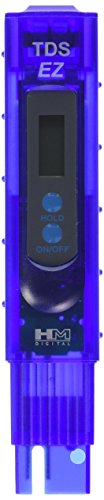
    What Is TDS?

    TDS stands for Total dissolved solids which represents the total concentration of dissolved solids in water, such as inorganic salts, and organic matter. The total TDS level in the aquarium setting determines the amount of dissolved solids present in the aquarium water.

    My Pick
    HM Digital TDS Meter

    Readily available online, this TDS Meter is perfect for ensuring your levels are optimum for your shrimp

    Buy On Amazon

    Fish, in general, prefer a stable environment with the same levels of TDS and pH as their natural habitat. Many freshwater aquarium fish prefer a TDS of around 100 – 400. Too high TDS concentrations would cause excessive algae blooms or death of your fish at extreme levels. Too low levels will adversely affect the health of your fish and would kill them if you use 0 TDS water. Note that some fish do better with high TDS and others prefer lower TDS water. Inverts prefer the lowest TDS and discus fish are among one of the tropical fish species that demand a low TDS water source.

    The Best Fish Tank Water Sources To Consider

    Here are the 9 best fish aquarium water sources you should consider for your adorable pets. We have a video from our YouTube Channel that you can follow along. Be sure to subscribe if you enjoy our content as we post new videos every week.

    1. Municipal Tap

    Tap-Water-Source

    Many aquarists use municipal water supply or municipal tap water for their fish, not knowing the fact that it could be extremely dangerous. However, research suggests otherwise!

    According to the Central Institute of Fisheries Association1:

    Tap water is probably the safest source of aquarium water for the majority of tropical fish. However, pH, dissolved oxygen, hardness, ammonia, chlorine, temperature, salinity, etc. play an important role in the management of an aquarium.

    As mentioned, dissolved oxygen, pH, ammonia, chlorine, chloramine, nitrates, silicates, and high phosphate trace elements may alter the quality of your tap water. Therefore, regular filtration systems are needed to improve aquarium water quality. Hardness is also a factor. I’m supplying a map of carbonate hardness by region in the US for your reference (source):

    Pros of tap water

    • It is a readily available and super cheap option
    • Contains many essential minerals such as calcium, and magnesium, which are important and safe for fish
    • Mostly consistent in terms of water parameters like pH levels, water hardness, etc. However, the water hardness depends on the area which may be high in some regions, low in many regions, and ideal in some.

    Cons of tap water

    • It has trace elements of Chlorine and Chloramine that are toxic to fish and may damage their gills
    • Tap water may contain heavy metals, industrial chemicals, and pesticides that may adversely affect your fish.
    • In many parts, the pH levels, water hardness, and other water parameters are always fluctuating, leading to unnecessary stress in fish.

    How to make municipal tap water safe for fish?

    Since tap water is the safest option for your fish, it’s a shame to give in to the cons. There are always ways to make municipal water safe for your fish.

    1. Always test the water before adding it to your aquariums for ammonia, nitrates, nitrites, and other essential parameters to make sure it does not contain harmful chemicals or heavy metals.
    2. It is recommended to neutralize Chlorine and chloramine with a de-chlorinator or water conditioner to maintain a healthy aquarium.
    3. Many studies suggest storing water in large containers before adding it to the aquarium allows Chlorine to evaporate naturally. Therefore, you can opt for this method.
    4. Regular and weekly water changes and tank maintenance are crucial to reduce the amount of contaminants and other chemicals in your aquarium.

    One thing to note is that tap water is often times loaded with high phosphates or silicates, which will encourage the growth of algae. For those who are considering planted tanks or reef aquariums, it would be best to switch to the other sources we are going to mention in this article.

    2. Distilled

    Distilled-Water-Facility

    Distilled water is devoid of all the contaminants; Chlorine, heavy metals, and other harmful chemicals that may affect your fish’s quality of life. Ideal water choice for your fish tank, no?

    No!

    If you’re someone who’s always running errands and has no time to make grocery runs last minute, I’d never suggest using PURE distilled water for your fish tank.

    That’s because distilled water, despite being free of contaminants, lacks many essential minerals found in natural water sources.

    Therefore, to use distilled water for your fish tank, you need to first remineralize distilled water in various ways. Only then you can use it for your tank water. You will want to use a product like SeaChem Equilibrium to bring your minerals to natural levels, which will make it safe for aquarium usage. While you can use distilled water to top off, I would not recommend using pure distilled water for your water changes. Remineralization is a must!

    My Pick
    Seachem Equilibrium

    A great remineralizer for freshwater tanks. Best used with RO, RODI, and distilled water. Completely aquarium safe

    Click For Best Price

    Pros of distilled water

    • Distilled water is free of all the impurities, and contaminants, including those pesky chlorine, and chloramine.
    • You will not have aquarium blooms due to the introduction of nutrients from your source water

    Cons of distilled water

    • It lacks essential mineral content such as Calcium, Magnesium
    • Distilled water is more expensive than tap water. 
    • The water is pH neutral, which may require buffer to increase or lowering agents to decrease

    How to remineralize distilled water for your fish tank

    So what if distilled water lacks essential minerals? There’s a way to solve that strategically.

    1. You can use commercial remineralizes in the market that helps to remineralize your distilled water, safe for aquarium use.
    2. For easy and cost-effective remineralization, many aquarists mix tap water with distilled water to make up for those missing essential minerals. However, make sure the ratio of tap water and distilled water suits the specific requirements of your fish and aquatic plants. Using a TDS meter can help in this process.
    3. The best recommended method is to add additives like Seachem equilibrium to get your trace elements up
    4. In your filters or substrates, you can also add crushed coral, limestone, and aragonite so they gradually release calcium and magnesium into the water, increasing water hardness and pH. You can use peat moss or driftwood to lower pH and hardness

    Regardless of what you add to your aquarium, it’s essential to do regular water testing of water parameters and adjust everything to keep the environment healthy for your fish. 

    3. Rainwater

    Rainwater System

    As I said, municipal tap water is one of the safest aquarium water for your fish, but rainwater is the purest water for fish. However, like all water forms, it comes with its pros and cons and limitations.

    So, let’s just discuss.

    Pros of rainwater

    1. Rainwater is naturally soft and acidic and ideal water for tropical fish, including tetras, discus, and other shrimp species.
    2. It is free of chlorine and chloramines. 
    3. Rainwater eliminates the use of water softeners in many cases because it is naturally low in dissolved minerals.
    4. It contains many microorganisms essential to maintaining a healthy ecosystem in your aquarium. 

    Cons of rainwater

    1. Rainwater is not always safe for fish. The safety of rainwater in your tank largely depends on your area and atmosphere, which may include acid rain, dust particles, pesticides, and other additives.
    2. Just like distilled water, the pH and water chemistry of rainwater fluctuates, maintaining a low buffering capacity, which could be detrimental to fish.

    How to use rainwater for aquarium use

    1. Collect water in clean and sealed containers to avoid contamination. 
    2. Use the water instantly to avoid the chances of stagnation. 
    3. Never collect the water from the first rain as it may contain pollutants from the roof, trees, or other surfaces.
    4. Filter the rainwater with activated charcoal to remove contaminants or use a UV sterilizer to kill harmful pathogens 
    5. Test the water regularly for pH, water hardness, ammonia, nitrates, and nitrites.
    6. Add minerals and buffers to make the necessary adjustments for your fish. 

    4. Well

    Well-Water

    Well water is also commonly used for aquarium water. And it’s one of the best water sources for freshwater fish tanks as it has zero chlorine or chloramines. However, I recommend using it with automated systems.

    Pros of well water

    1. Zero traces of chlorine or chloramine.
    2. It has beneficial nutrients like Calcium and Magnesium, useful for fish and many aquatic plants.
    3. Well water is usually stable with consistent water parameters, including pH, hardness, etc. 

    Cons of water water 

    1. Despite being free from chlorine and chloramines, well water may contain other potential contaminants and pollutants such as nitrates, nitrites, pesticides, and heavy metals. 
    2. Water from a well is usually hard water or high/low in pH, which could be stressful for your fish. 
    3. Sometimes, gases like Methane can accumulate in the well and give off a pungent smell. Therefore, aeration of well water is essential to keeping the water safe for your fish.

    5. Lake And River Sources

    Lake Summertime

    If you’re setting up a biotope aquarium, using lake and river water is an ideal option to mimic the natural environment. 

    However, like any other source of water, lake, and river water sources have their pros and cons. 

    Pros of Lake or River water

    1. It provides a natural environment for your fish in a natural biotope. 
    2. Lake or river water contains microfauna and natural bacteria to establish a balanced ecosystem.
    3. No traces of chlorine or chloramines.

    Cons of the lake or River water

    1. May contain harmful bacteria, viruses, or parasites.
    2. It could be polluted depending on the location.
    3. May introduce many invasive species such as snails, pests, or plants into your aquarium.
    4. River water has fluctuating parameters. Therefore, water testing is essential before adding lake or river water into your home aquariums.

    6. Bottled Water

    Drinking-Water

    If you’re choosing the best source of water for yourself, why not get it for your aquarium pets? It seems like a great idea, but you have to take some precautions first. However, it’s always good to use in a pitch. If you’re serious about trying bottled water, I recommend using bottled spring water as it’s readily available in the market and an excellent option for your freshwater fish tank.

    Pros of bottled water

    1. Bottled water is 100% pure water that undergoes a filtration process to remove harmful contaminants. 
    2. No traces of Chlorine or Chloramines.
    3. You get consistent water parameters, which is beneficial for maintaining a healthy ecosystem. 
    4. It’s easily available in the supermarkets.

    Cons of bottled water

    1. Regular water changes in your aquarium might be very costly, especially for large fish tanks.
    2. Bottled water comes in plastic bottles that contribute to landfill waste and pollution. So, not environmentally friendly. 
    3. Filtered water lacks many essential nutrients necessary for the health of your fish. 
    4. Could be low in TDS – always check your source

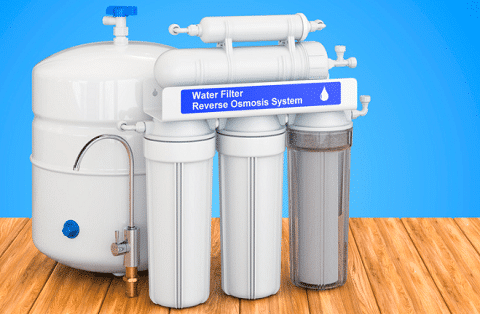
    7. Reverse Osmosis Water (RO)

    RO Filter

    If you have a heavily planted tank, you should go for reverse osmosis water. However, for saltwater tanks, Reverse osmosis is the preferred option. You can safely use reverse osmosis deionized water for saltwater tanks for top off or after you mix it with a quality marine tank salt mix. 

    Pros of reverse osmosis (RO) 

    1. RO water is free of contaminants such as Chlorine, chloramine, and heavy metals.
    2. Since there are lack of nutrients in RO water, it prevents algae growth in the aquarium. 
    3. It’s more suitable for sensitive fish species such as shrimps.
    4. You can also use RO water for home usage 

    Cons of reverse osmosis (RO)

    1. Since RO water goes through a purification process. The process of filtration can contribute to longer water change prep times.
    2. It is costly to set up an RO system. The maintenance also comes with additional cost. 
    3. RO water is not ideal for saltwater aquariums. 

    How to remineralize RO Water for aquarium use:

    If you need higher TDS than what RO water outputs, it is essential to remineralize RO water before use:

    1. You can use commercial remineralizer to add necessary minerals according to the volume of water.
    2. If you want to use natural alternatives, go for crushed coral, or aragonite to naturally introduce minerals into water. 
    3. The best way to mix RO water with tap water or well water is to reintroduce minerals.

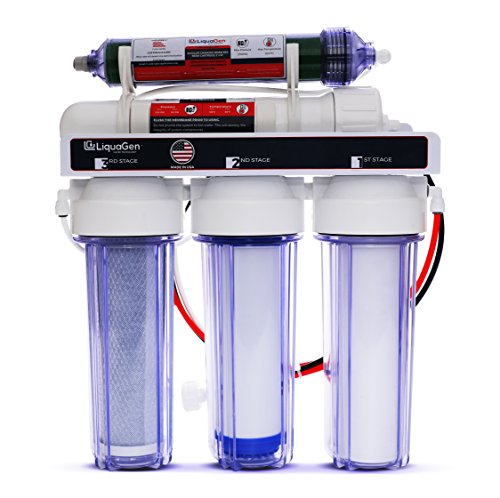
    8. Reverse Osmosis Deionized (RODI)

    Best Value
    LiquaGen – 5-Stage RODI

    Best Value

    A complete 5 stage RODI unit without the excessive price

    Buy On Amazon

    If you have a saltwater fish tank, I highly recommend using reverse osmosis deionized water. It’s a combination of reverse osmosis water and deionized water process to purify water completely. Of all water options available, this is the go to for any saltwater tank owner.

    Pros of RODI water

    1. Highly water quality available in the hobby
    2. It allows precise control over water parameters, ideal for sensitive tank setups.
    3. RODI system gets rid of Chlorine and Chloramine completely.
    4. There are no potential algae or microorganisms in the aquarium.
    5. An ideal water source for heavily planted tanks and delicate fish species such as Discus. 
    6. A must for reef tanks

    Cons of RODI water

    1. The cost of the RODI system altogether is very high, including the replacement items and DI resins. 
    2. It requires lots of maintenance because of the complexity of systems.
    3. Requires remineralization to be used in freshwater systems
    4. pH neutral – water requires buffering for fish that prefer higher pH or hardness

    9. The Ocean (For Saltwater Only)

    Ocean

    Natural ocean water is a great option only if you have saltwater tanks or live near coastlines. The ocean water contains microfauna and natural bacteria that are very useful for saltwater fish tanks. 

    Pros of ocean water:

    1. It contains a natural balance of salt minerals and other beneficial organisms completely mimicking the natural environment.
    2. It’s an affordable option for aquarists living near the coastlines. 
    3. There’s no salt mix required to maintain the salinity of the aquarium water. 

    Cons of ocean water

    1. It might contain many pollutants, depending on the location. 
    2. There might be a potential risk of introducing pathogens, algae, and other bacterial infections, harmful to your fish. 
    3. The saltwater use may not be compatible with the ocean fish you keep. Check parameters!
    FAQs

    What is the best water to put in a fish tank?

    The only answer to this question is:ย It depends! Any water source could be good or bad depending on your location and other external factors. However, according to the Central Institute of Fisheries Association:
    Tap water is probably theย safest sourceย of aquarium water for the majority of tropical fish. However, pH, dissolved oxygen, hardness, ammonia, chlorine, water temperature, salinity, etc. plays an important role in the management of aquarium. All these are described here with tips for cleaning the aquarium and selecting an aquarium filter.

    Therefore, tap water, when properly filtered and clean, is the best aquarium water source.

    Should I use distilled or purified water in my fish tank?

    You can use distilled water in combination with tap water for fish tanks. Because distilled water has very low mineral content and tap water can be hard. Therefore, they both can neutralize each other to keep your fish healthy. Always make sure to use a decholorinator when using any solution of tap water!

    Is spring water or distilled water better for a fish tank?

    Yes, spring water is considered a better source of water than purified water. But avoid using spring water if it’s polluted enough or doesn’t contain natural minerals. Distilled water requires demineralization to be safe to use in aquariums. It is excellent for top off.

    What kind of bottled water do you use for a fish tank?

    Deionized water is an excellent choice for top off water because it’s free from contaminants and harmful substances. Spring water is best in a pitch and likely does not require demineralization. At all costs, avoid using carbonated water in your fish tanks.

    Does distilled water need a conditioner for the fish tank?

    Yes, distilled water needs to be remineralized to be used for aquarium water. It is essential for distilled water to undergo the heating and cooling process for the removal of impurities.

    How long can fish survive in tap water?

    Without proper treatment, your fish willย die in a matter of a few hours. I have personally seen this happen with a fish of mine who accidentally used pure tap water when changing their water. Fish will not last long with untreated tap water! If you accidentally do this, promptly remove the fish, and place them in treated freshwater. Treat the tank with a dechlorinator than promptly change the water and add in treated water to replace it.

    What kind of water do you use in a fish tank?

    You can use any type of water with proper treatment and guidelines. Many freshwater aquarists use treated tap water. Planted tanks will usually use RO water. Saltwater tanks will usually use RODI or distilled water.ย 

    Final Thoughts

    Choosing aquarium water is the most crucial step to keeping your fish in a healthy environment. Therefore, choose wisely. You can use a combination of tap water and distilled water or if your tank is too small, you can even go for bottled spring water. The choice is entirely up to you, just make sure you’re following all the instructions and guidelines about water usage. If you have any questions, leave a comment below and I’ll get back to you. Thanks for reading!

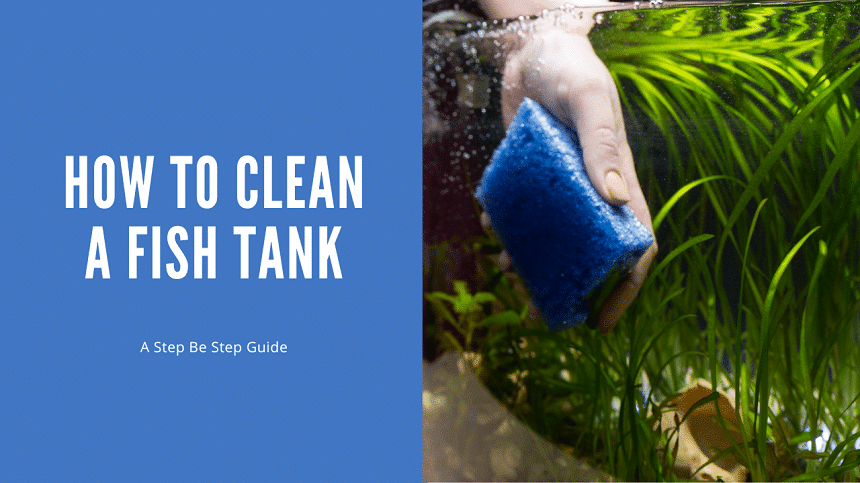
  • How to Clean a Fish Tank: My Step-by-Step Method (And What Not to Do)

    How to Clean a Fish Tank: My Step-by-Step Method (And What Not to Do)

    One thing I’ve told beginners for years: the biggest mistake in tank cleaning isn’t doing too little โ€” it’s doing too much at once. I’ve seen people strip everything out, scrub every surface, and wonder why their fish are stressed or their cycle crashed afterward. A good clean preserves your beneficial bacteria while removing waste. After 25 years of running tanks, my routine is simple, consistent, and takes less time than most people think. Here’s the step-by-step process I actually use.

    Key Takeaways

    • Gather essential supplies and prepare your aquarium before cleaning.
    • Always change water based off your major water chemistry parameters. Never do a water change to stay on a schedule
    • Clean interior glass, decorations, substrate & filter media with the right materials. Replace old water & condition new water.
    • Wipe down the exterior of the tank and reconnect equipment after cleaning

    Essential Supplies

    Before you begin, make sure to assemble all the required materials. Here is the list of items you will want:

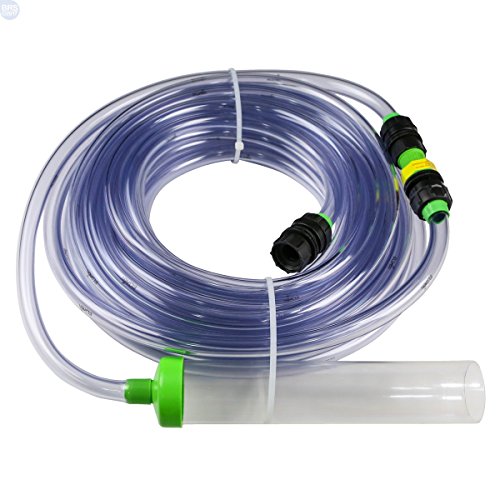
    • A gravel vacuum
    • Algae scraper (make sure you purchase the correct one, whether glass or acrylic tanks)
    • Water test kits
    • Toothbrush (to clean rocks and plants)
    • Pruning scissors (for planted tanks)
    • Fine net
    • Dechlorinator
    • Paper towel, microfiber towel, or bath towesl for exterior glass cleaning
    • Aquarium safe glass cleaner like Fritz glass cleaner or homemade

    You donโ€™t need to splurge on these items since many can be bought at reasonable prices at a local fish store, pet store, or online – so there are no excuses not to have whatโ€™s needed for success here! freshwater. For glass of glass construction, you can use a razor blade to clean off algae growth, just be careful around the silicon edges.

    Preparing Your Aquarium

    Once you are well prepared for the cleaning process, itโ€™s time to begin. Make sure that all equipment such as filters and lights have been turned off so that they are unaffected by the changing water levels while performing the water change. Before reaching into your aquarium, make sure both of your hands and forearms are properly cleaned1. Use an aquarium safe soap when washing your hands. You can use these products as a guideline:

    • Dr. Bronner’s unscented soap
    • Plain Dawn dish soap
    • Reef suds

    This will prevent any harmful substances from entering the water.

    Make sure your heater is unplugged during your water change so it does not try to heat your tank when dry. Last but not least, ensure that new and existing waters stay within similar temperatures since vast fluctuations may cause temperature shock on fish inside. Now that everything is set up just right, we can start our cleaning procedure!

    Interior Glass And Decorations

    Begin by wiping down the glass inside your fish tank with an algae pad. Take extra care to scrub off any persistent patches. Cleaning up this area first will help you avoid scattering additional algae when vacuuming the substrate afterward.

    Next, attend to decorations as necessary, only once they look dirty and have a buildup of algae matter on them. To clean them within the tank, use a clean toothbrush and brush the decoration to remove the algae. You can also use a toothbrush to clean algae off of a plant’s leaves. Just apply more gentle pressure on live plants, so you do not accidentally damage the leaves.

    If you decide to remove driftwood or rocks to clean them, use equal parts water and white vinegar mixed together. Rinse with your used tank water, and then you can safely add them back when done. Another method is boiling rock, which works best on granite and limestone rocks. Do not attempt to boil artificial decor, as they could melt.

    Live Plants And Artificial Decor

    Maintaining a healthy and attractive freshwater fish tank requires the regular cleaning of live plants as well as artificial decorations. To optimize your tank cleaning process, prune plants so that light can reach lower stems, promoting growth. Use aquascaping tools so you can be extra precise in your plant grooming. You can also prune stem plants and propagate them at this time if you want.

    Stainless Steel Aquascaping Tools

    Look cool and get the job done right with these stainless steel aquascaping tools. For for fine detailing on your scape!

    Buy On Amazon

    Clean leaves with a cloth sponge or toothbrush to remove algae build up. For stubborn algae on tank decorations, you can place the decor in a half solution of white vinegar and water overnight to remove it. Do not attempt to use a bleach solution artificial decor. While it can be done with the right process, I prefer not to detail it out for the sake of the safety of your aquatic pets.

    How To Clean A Fish Tank – Maintaining The Substrate And Filter Media

    Cleaning the substrate and filter media is important to keeping your fish tank healthy. First, vacuum out any waste, such as uneaten food or dead leaves.

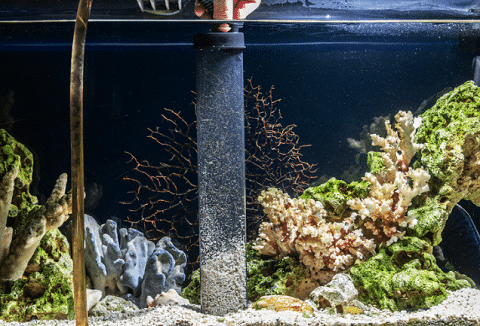
    Vaccuming Subtrate

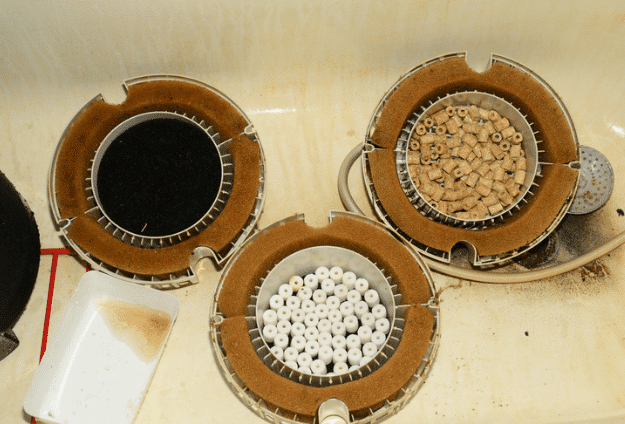
    Media should be cleaned out before vacuuming the substrate. Note there are filtration components that are permanent and others that are temporary and need to be changed out. Let’s differentiate them:

    • Replaceable media (mechanical filter cartridges and chemical media)
    • Reusable (sponges)
    • Permanent (biological media such as bio balls or ceramic media)

    For replacement media, you can replace them during a water change. Follow your manufacturer’s instructions regarding when to change out your cartridges, or consider changing them earlier if you run a heavily stocked tank.

    For reusable media like sponges, pull some tank water out of the tank into a container so you can squeeze out the sponges. This will release any trapped debris, and using tank water will protect your beneficial bacteria. After squeezing them out several times, you should have removed most of the trapped debris. When done, place the sponge back into the filter and discard the old tank water. Sponges should generally be cleaned out once a month or twice a month for heavily stocked tanks.

    For permanent media, cleaning out the media with old aquarium water once a quarter is helpful. This is optional, though. Several aquarium veterans are against cleaning them all together and letting the sludge build up over time. I clean mine out every 3-6 months. It’s entirely optional. Always use aquarium water when cleaning out your permanent media.

    Vacuuming The Substrate

    Using an aquarium gravel vacuum to keep your tank clean is great if you keep a substrate. Start by dipping the vacuum in the substrate to start siphoning it. If you have more course substrate, consider placing a sponge at the intake of the tube to prevent it from sucking up your gravel.

    Continue siphoning gravel until you see clear water come out of the gravel. Aim for 25% to 50% water changes depending on how much water you need to change to regain your water quality parameters.

    Python Cleaner

    The Python is a mainstay in the fish hobby. Easily clean your aquarium by connecting this to your sink!

    Buy On Amazon

    For fine substrates like sand, you will need to hover the vacuum about an inch from the sand bed and pinch your siphon to pull out the debris and fish waste on the sand. Do not try to put the siphon in the sand, as it will suck it up and may clog the siphon.

    Replacing Filter Media

    Cleaning Filter Media

    Remember that it is important to replace carbon media regularly at intervals no greater than two-to-six weeks so that the media doesn’t leech out the contaminants removed. Do not forget: tap water should never come into contact with filtration supplies since this can put your fish at risk of harm. Always use old tank water when rinsing any media to keep your fish safe from contaminants.

    Water Replacement And Conditioning

    Once the inside of your fish tank has been cleaned, changing and conditioning the new water is crucial. Using a conditioner helps eliminate hazardous chemicals while preserving your healthy aquarium habitat. A dechlorinator (AKA water conditioner) such as Seachem Prime should be used when filling up with tap water so that it is safe for your fish species in their new environment.

    Water conditioning products are indispensable accessories that make sure chlorine or chloramine levels are neutralized prior to adding them into the tank.

    Also note, if you use pure H20 water sources like distilled water or RODI water (also known as 0 TDS water), you will need to remineralize the water to make it aquarium safe. You will not need to use a conditioner for these water sources since they are already filtered for contaminants. For RO water, you will not need to mineralize in most cases. Water conditioned with reef salt for marine tanks will also not need to be remineralized as the salt mix already takes care of that. You can use a product like Seachem Equilibrium to remineralize your water.

    My Pick
    Seachem Equilibrium

    A great remineralizer for freshwater tanks. Best used with RO, RODI, and distilled water. Completely aquarium safe

    Click For Best Price

    Draining Old Water

    When maintaining a healthy and clean environment for your fish, use a gravel vacuum or siphon to draw out 25-50% of the water in your tank. It is important that you do not use any synthetic detergents when cleaning as this could be toxic to fish.

    Use a bucket solely used for your aquarium or siphon to a drain. For your new video, if you need to prepare it, prepare it in a clean bucket only meant for aquarium usage. The best brand known for aquariums are Brute trash cans as they are certified food safe. If you cannot find a Brute brand container, ensure that the container you use is food safe grade.

    Part of conditioning water is making sure the water is around the same temperature. Use a heater if you need to, and measure the temperature with a thermometer before placing the new water in the aquarium.

    Old water can be safely disposed of in the kitchen sink, in your garden, or in your street drain if you have a freshwater tank. Unmediciated used tank water is an excellent fertilizer for garden plants. For saltwater tanks, it’s best to dispose of the water in the sink or to an outside drain.

    Adding New, Treated Water

    Itโ€™s time to introduce fresh, dechlorinated water into your fish tank. There are a few ways to do this:

    • Use a hose and a return pump to move the water into the display tank
    • Use a pail to pour in the new water

    I personally prefer the return pump method, and that makes a lot more sense to me because I’ve generally kept larger tanks for smaller tanks using a pail works. You will want to have some diffuser though so you can ensure that your decor and substrate are not disturbed. A colander works excellent for this. Again, ensure any items you use for your aquarium are ONLY used for aquariums. You don’t want to mix something like a colander with your own food prep and an aquarium.

    Final Touches

    Once the inside of your fish tank is neat and tidy, itโ€™s time to focus on making the exterior dazzling. Use a paper towel with some white vinegar to wipe down all surfaces for streaks or marks. Do not apply household glass cleaners like Windex, as they could contain ammonia, which would be toxic for any aquatic species within your tank.

    Attach filter systems securely along with lights and heaters, taking note that cords should remain untangled at all times. Once done, turn everything after the new water has been put in. Keep an eye on temperatures in case adjustments need to be made regarding heating levels after setup.

    Reconnecting And Turning On Equipment

    Once you have all the equipment hooked up, monitor your aquarium carefully to ensure everything works as intended and that the water temperature remains consistent. If anything looks or sounds out of place, investigate if air may be trapped in any part of the filtration system or if a piece of equipment is running dry.

    With every detail taken care of, it’s time to admire your sparkling clean tank!

    Frequently Asked Questions

    How do you properly clean a fish tank?

    To clean fish tanks properly, first make sure to turn off any equipment and unplug the filter. Then clean the inside tank glass and decorations with an appropriate acrylic-safe or glass scrub and use a gravel vacuum to get into the substrate crevices. Finally, rinse your filter media, refill the tank with new water, and turn on the equipment.

    How often should you clean a fish tank?

    For a clean and healthy environment for your freshwater aquarium, cleaning your fish tank when your parameters are off is the best method. Siphon out any uneaten food or debris from gravel, replace 25-50% of the water (depending on how your nitrates are) in the tank and ensure that filter functions as it should.

    Do you remove fish when cleaning tank?

    When cleaning the tank, itโ€™s preferable to keep your fish in there, taking them out would cause needless worry and potential harm. You can perform maintenance without having to dispose of all the water. Hence you donโ€™t have to remove your pet fish from their home.

    What should I put my fish in when cleaning tank?

    In most situations, you should keep your fish in your tank while you are cleaning it out. Only consider moving a fish if your tank is very small. However, if you have been reading our articles, you know that our minimum tank size is 5 gallons for a fish. Fish in a 5 gallon tank can be kept in the tank when cleaning the tank. Avoid moving fish around to mitigate any transfer stress.

    Can I use tap water to clean my filter media?

    Using tap water for cleaning your filter media is not advisable. The safest bet would be to utilize old tank water.

    Closing Thoughts

    By performing this step-by-step cleaning process, you have created a happy and healthy fish habitat. Take pride and sit back as you admire the now sparkling clean aquarium that will provide happiness and flourishing life to its inhabitants. Regular maintenance is key so those aquatic creatures can enjoy their underwater world fully! Congratulations on making it happen!


    ๐ŸŸ Want to learn more? This article is part of our complete Aquarium Care Guide โ€” your ultimate resource for water chemistry, maintenance, feeding, disease prevention, and everything you need for a healthy tank.

  • 15 Aquarium Fish That Start With B (Species Reference Guide)

    15 Aquarium Fish That Start With B (Species Reference Guide)

    B is a great letter for aquarium fish โ€” bettas, barbs, blennies, butterflyfish, and plenty more. I’ve kept a good number of species on this list personally over the years, from cherry barbs in community tanks to various cichlids. Use this as a quick reference if you’re trying to identify a species or just browsing for your next addition.

    Key Takeaways

    • Many of the world’s most popular aquarium fish start with the letter B.
    • Not all fish that start with the letter B are good choices for a fish tank. Species like the basking shark can grow to 30 feet!
    • These fish live everywhere from tiny mountain streams to the deepest darkest oceans.

    15 Aquarium Fish That Start With B

    This section is all about awesome fresh and saltwater fish that are perfect for a fish enthusiast. Read along to get some great ideas for your next pet fish!

    1. Betta Fish

    WYSIWYG Available!
    Betta Fish

    Use Coupon Code ASDFISH at Checkout

    Betta Fish are one of the most beautiful varieties of freshwater fish available in the hobby. Easy to care for with plenty of varieties!

    Buy Premium Varieties Buy On Petco Online
    • Scientific Name: Betta splendens
    • Fish Family: Osphronemidae
    • Water Type: Freshwater
    • Temperament: Semi-aggressive
    • Care Level: Easy
    • Size Range: 2 – 2.5 inches
    • Special Features: Intelligent and interactive nature

    The betta fish or Siamese fighting fish is a tropical fish from Southeast Asia that has become one of the world’s most popular pets. These vibrant and colorful creatures are easy to care for and don’t need a large aquarium to live a happy and healthy life.

    Don’t let their beautiful looks fool you though, these fish love to fight! Make sure you keep just one male in his own tank to prevent any aggression.

    2. Bala Shark

    How Does A Bala Shark Look Like
    • Scientific Name: Balantiocheilos melanopterus
    • Fish Family: Cyprinidae
    • Water Type: Freshwater
    • Temperament: Peaceful
    • Care Level: Intermediate
    • Size Range: up to 14 inches
    • Special Features: Silvery body and dramatic shark-like fins

    The bala shark might have the outline of of shark, but it’s actually a freshwater fish from the goldfish family.

    These large, streamlined fish are popular with fish keepers, although they can grow to over a foot long, so they need a large aquarium of at least 125 gallons and bigger if they want to be kept with other fish.

    3. Bristlenose Catfish (Pleco)

    Bristle Nose Pleco
    • Scientific Name: Ancistrus sp.
    • Fish Family: Loricariidae
    • Water Type: Freshwater
    • Temperament: Peaceful
    • Care Level: Easy
    • Size Range: 4 – 5 inches
    • Special Features: Interesting bristle-like growths on their nose

    The bristlenose catfish is a popular fish species for peaceful community aquariums. These strange but peaceful bottom dwellers love to hang out in caves and come out to graze on algae and tiny creatures that grow on the driftwood in their tank.

    4. Bamboo Shark

    Bamboo Shark
    • Scientific Name: Chiloscyllium spp.
    • Fish Family: Hemiscyliidae
    • Water Type: Saltwater
    • Temperament: Aggressive
    • Care Level: Advanced
    • Size Range: 3 – 3.5 feet
    • Special Features: Cat-like eyes and small whiskers

    The bamboo shark is a true shark and one of the few species that stays small enough to be kept in a home aquarium. However, these camouflaged creatures still need a very big tank of at least 300 gallons when fully grown.

    Bamboo sharks pose no threat to humans, but crustaceans and slow-moving fish in their tank are never safe!

    5. Barb Fish

    Gold Barbs Profile
    • Scientific Name: Puntius, Barbodes, Pethia, etc.
    • Fish Family: Cyprinidae
    • Water Type: Freshwater
    • Temperament: Peaceful/ semi- aggressive
    • Care Level: Easy-moderate
    • Size Range: 2 – 14 inches
    • Special Features: Large eyes, shapely fins, and small whiskers

    Barb fish are small to medium-sized freshwater fish native to Asia, Europe, and Africa. There are many beautiful species available for fishkeepers, ranging from colorful nano-fish like the Odessa barb to large and impressive species like the tinfoil barb.

    Want more info? Check out my guide to 12 amazing barb fish to learn much more about the different species you can keep and how to care for them!

    6. Bichirs

    Bichir Fish in Aquarium
    • Scientific Name: Polypterus spp.
    • Fish Family: Polypteridae
    • Water Type: Freshwater
    • Temperament: Semi-aggressive
    • Care Level: Intermediate
    • Size Range: 10 inches to 3+ feet
    • Special Features: Prehistoric appearance

    Bichirs are strange freshwater fish from the rivers and swamps of Africa. These prehistoric creatures almost look more like a dinosaur than a fish, and they can actually leave the water to walk over land for short distances when their home dries up.

    These fascinating ‘fish with legs’ make great aquarium pets too, but they need a big tank and large tank mates. Small fish tend to disappear into their large, dinosaur-like mouth!

    7. Blue Gourami

    Blue Gourami Fish
    • Scientific Name: Trichopodus trichopterus
    • Fish Family: Osphronemidae
    • Water Type: Freshwater
    • Temperament: Peaceful
    • Care Level: Easy
    • Size Range: 5 to 6 inches
    • Special Features: long, feeler-like fins

    Also known as the three-spot gourami, these beautiful Southeast Asian fish are a great choice for medium-sized freshwater aquariums. These popular fish have attractive marbled patterns and spotted fins, making them an excellent centerpiece species.

    Not all blue gouramis are blue, and the species is also available in an interesting golden form. Like other gourami species, these fish have strange but interesting pelvic fins that are modified into long feelers.

    8. Banded Killifish

    • Scientific Name: Fundulus diaphanus
    • Fish Family: Fundulidae
    • Water Type: Freshwater
    • Temperament: Peaceful
    • Care Level: Easy
    • Size Range: 2.5 – 5 inches
    • Special Features: Banded body pattern

    The banded killifish (video source) is a beautiful native species that is rare in the aquarium hobby. These schooling fish live in lakes, rivers, and streams in the Northeast of the United States.

    These short-lived fish survive for just two to three years, but they make a great species for aquarists interested in native fish.

    9. Baby Whale

    https://youtu.be/obLZciUDy48
    • Scientific Name: Brienomyrus brachyistius
    • Fish Family: Mormyridae
    • Water Type: Freshwater
    • Temperament: Peaceful
    • Care Level: Easy
    • Size Range: 4 – 5 inches
    • Special Features: Round, whale-shaped head

    The baby whale (video source) is a true oddball fish, all the way from tropical West Africa. They are not very common in the aquarium trade, but they are a great choice for an African forest biotope setup.

    These strange but adorable fish are nocturnal scavengers that emit a weak electrical field to explore their surroundings and communicate with other fish.

    10. Bumblebee Goby

    Bumblebee Goby In Planted Tank
    • Scientific Name: Brachygobius doriae
    • Fish Family: Oxudercidae
    • Water Type: Brackish
    • Temperament: Generally peaceful
    • Care Level: Intermediate
    • Size Range: 1.5 inches
    • Special Features: Black and yellow banded pattern

    The bumblebee goby is an awesome nano species for brackish aquariums that can be kept in tanks as small as 10 gallons. These little guys are not ideal for a beginner, but more experienced aquarists will love the experience of keeping these feisty little fish!

    11. Banded Dwarf Cichlid

    • Scientific Name: Apistogramma bitaeniata
    • Fish Family: Cichlidae
    • Water Type: Freshwater
    • Temperament: Generally peaceful
    • Care Level: Intermediate
    • Size Range: 2 – 3 inches
    • Special Features: Bold black horizontal stripes and dramatic spiky fins

    Also known as the two-striped apistogramma, banded dwarf cichlids are beautiful tropical fish from South America that can be kept in a species-only nano aquarium or a larger community setup with other peaceful fish.

    They are not as common as some of the other apistos but are still available in various color forms, including Blue, orange, and yellow.

    12. Black Winged Hatchetfish

    • Scientific Name: Carniegiella marthae
    • Fish Family: Gasteropelecidae
    • Water Type: Freshwater
    • Temperament: Peaceful
    • Care Level: Intermediate
    • Size Range: 1 inch
    • Special Features: Deeply rounded belly

    The Orinoco and Negro Rivers of South America are home to a strange and tiny freshwater fish with a flat body and hatchet-shaped profile (video source).

    These hachetfish are great for South American biotope aquariums. Just make sure you have a tight-fitting lid – these fish are jumpers!

    13. Bronze Corydoras

    Bronze Corydoras Fish
    • Scientific Name: Corydoras aeneus
    • Fish Family: Callichthyidae
    • Water Type: Freshwater
    • Temperament: Peaceful
    • Care Level: Easy
    • Size Range: 2 – 3 inches
    • Special Features: Metallic green sheen on armour-like scales

    The bronze corydoras is one of the most popular pet fish for community aquariums because they are just so peaceful and easygoing with other fish species. Although they grow to just 3 inches, these are one of the biggest cory catfish species, and ideal for aquariums of 30 gallons or larger.

    These social bottom dwellers love to hang out with their own kind, so be sure to keep a school of at least 6 individuals.

    14. Black Triggerfish

    • Scientific Name: Melichthys niger
    • Fish Family: Balistidae
    • Water Type: Saltwater
    • Temperament: Semi-aggressive
    • Care Level: Easy
    • Size Range: 12 – 18 inches
    • Special Features: Deep black body with white margins on Caudal, dorsal, & anal fin

    The black trigger (video source) is a unique saltwater fish from the coral reefs of the Indo-Pacific. They are easy to care for, although they require a large tank of at least 180 gallons for long-term care.

    Over in Hawaii, these fish are known as Humuhumu’ele’ele. Try saying that three times fast!
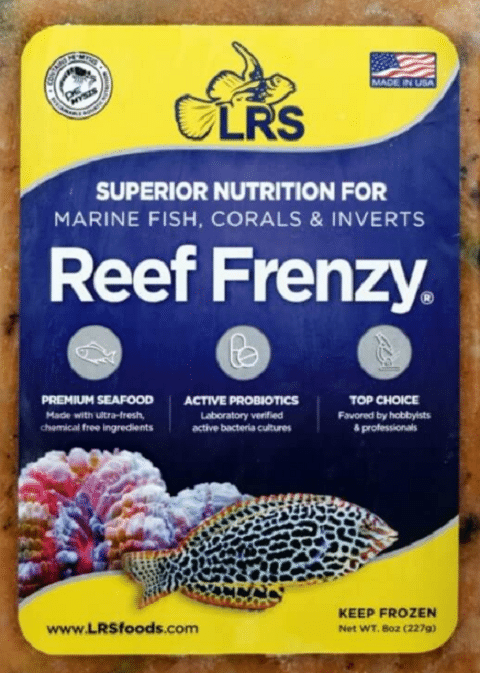
    15. Blue Throat Triggerfish

    Blue Throat Triggerfish in Fish Tank
    • Scientific Name: Xanthichthys auromarginatus
    • Fish Family: Balistidae
    • Water Type: Saltwater
    • Temperament: Semi-aggressive
    • Care Level: Easy
    • Size Range: 9 inches
    • Special Features: Male has a blue throat and yellow fin margins

    The blue triggerfish is an interesting tropical saltwater species for aquariums of 125 gallons or larger. These tropical fish are generally peaceful, although they are true carnivores that use their sharp teeth to crush hard-shelled marine invertebrates like shrimp.

    Other Species That Can’t Be Kept In Aquariums

    Not all fish that start with B are great choices for aquariums. However, that doesn’t mean we can’t ‘nerd out’ and learn some fascinating facts about their species!

    Keep reading to learn more about 15 interesting fish that start with B.

    1. Bluefin Tuna

    Bluefin Tuna
    • Scientific Name: Thunnus thynnus
    • Fish Family: Scombridae
    • Water Type: Saltwater
    • Size Range: Up to 12 feet and nearly 1,500 pounds
    • Special Features: World’s largest tuna fish

    The Atlantic bluefin tuna is one of the world’s largest and most powerful bony fish. They are prized for their meat and the incredible sport they offer to fishermen.

    Despite their massive size, these fast-swimming fish tend to hunt small prey like sardines and mackerel. Of course, these magnificent creatures are not recommended for the home aquarium!

    2. Blue Catfish

    • Scientific Name: Ictalurus furcatus
    • Fish Family: Ictaluridae
    • Water Type: Freshwater
    • Size Range: Can reach over 5 feet and 150 pounds
    • Special Features: Largest North American Catfish species

    The Blue Catfish is a large freshwater fish that lives in the rivers and lakes of eastern North America and down through Mexico to Central America.

    These predatory fish eat pretty much any prey that they can swallow, but they also scavenge for any meaty foods.

    3. Blue Shark

    • Scientific Name: Prionace glauca
    • Fish Family: Carcharhinidae
    • Water Type: Saltwater
    • Size Range: Up to 12 feet and 450 pounds
    • Special Features: Sky blue dorsal color

    Blue sharks are large, graceful sharks that live near the surface of the open ocean, including cool waters off the west and east coasts of the United States.

    The blue shark is a predator that hunts fish and squid with speed and powerful jaws filled with sharp triangular teeth.

    4. Bull Trout

    Bull Trout
    • Scientific Name: Salvelinus confluentus
    • Fish Family: Salmonidae
    • Water Type: Freshwater
    • Size Range: Can reach over 3 feet and 30 pounds
    • Special Features: Green body with white spots and white fin edges

    The bull trout (or Brook Trout) is a large char species native to the Northeast and Upper Midwest of the United States and neighboring Canad. These attractive freshwater fish live in cold mountain rivers, streams, and lakes where they feed on invertebrates, other fish, and their eggs. They are popular with fly fisherman.

    5. Basking Shark

    • Scientific Name: Cetorhinus maximus
    • Fish Family: Cetorhinidae
    • Water Type: Saltwater
    • Size Range: Reaches over 30 feet and 5 tonnes
    • Special Features: Huge mouth for filter feeding

    The Basking shark is the world’s second-largest fish (video source). Despite their dangerous appearance, these real-life sea monsters are gentle giants that feed on plankton and other tiny invertebrates that live in the water column.

    Basking sharks are widespread in the temperate regions of the world’s oceans and occur off both the west and east coasts of the United States.

    6. Blacktip Reef Shark

    Blacktip Reef Shark
    • Scientific Name: Carcharhinus melanopterus
    • Fish Family: Carcharhinidae
    • Water Type: Saltwater
    • Size Range: Up to 5 feet and 30 pounds
    • Special Features: Black-tipped fins

    The Blacktip reef shark is a common predator around reefs of the tropical and subtropical waters of the Indian and Pacific Oceans.

    These small sharks pose low risk to humans although they have bitten a few unlucky divers. Their natural prey is much smaller, including smaller fish, octopuses, and crustaceans.

    8. Buffalo Fish

    • Scientific Name: Ictiobus spp.
    • Fish Family: Catostomidae
    • Water Type: Freshwater
    • Size Range: Up to 4 feet and 80 pounds
    • Special Features: World’s oldest fish

    There are five species of buffalo fish in North America (video source), including three in the United States. The bigmouth buffalo is the largest, reaching impressive weights of nearly 80 pounds.

    The buffalo fish’s longevity is even more impressive than its size, and with a lifespan of up to 127 years, they are the oldest known fish species by a long way!

    9. Beaked Salmon

    • Scientific Name: Gonorynchus spp.
    • Fish Family: Gonorynchidae
    • Water Type: Saltwater
    • Size Range: Up to 2 feet
    • Special Features: Beak-like snout

    Beaked salmon (video source) are marine fish that live along the sandy bottom in coastal waters. These nocturnal fish have an elongated body and they bury themselves into the substrate, leaving just their eyes and snout exposed.

    10. Bonnethead Shark

    Bonnethead Shark
    • Scientific Name: Sphyrna tiburo
    • Fish Family: Sphyrnidae
    • Water Type: Saltwater
    • Size Range: 3 – 4 feet
    • Special Features: Flattened, shovel-like head

    The bonnethead shark is a remarkable North and South American shark species from the hammerhead family. These small sharks live in shallow coastal waters where they feed on various small fish and crustaceans that live on the sandy sea bed.

    They also eat large amounts of seagrass, which is very strange for a shark. In fact, the bonnethead is the only known omnivorous shark in the world!

    11. Bull Shark

    Bull Shark
    • Scientific Name: Carcharhinus leucas
    • Fish Family: Carcharhinidae
    • Water Type: Saltwater, brackish water, freshwater
    • Size Range: Up to 13 feet and nearly 1,000 pounds
    • Special Features: Muscular body and aggressive behavior

    The bull shark rivals the Great White as one of the world’s most dangerous sharks. These aggressive apex predators are at home in warm, shallow coastal waters of the Atlantic, Pacific, and Indian Oceans.

    Bull sharks are unusually comfortable in brackish water, and some individuals even swim up hundreds of miles into pure freshwater rivers and lakes.

    12. Brook Lamprey

    • Scientific Name: Lampetra planeri
    • Fish Family: Petromyzontidae
    • Water Type: Freshwater
    • Size Range: 4 – 5 inches
    • Special Features: Sucker-like mouth

    Brook lampreys (video source) are tiny eel-like fish that live in streams in Europe and North America. Unlike the parasitic sea lamprey, these primitive fish are harmless creatures that filter-feed on tiny plants, animals, and other organic matter in the water.

    13. Butterfly Ray

    Butterfly Ray
    • Scientific Name: Gymnura spp.
    • Fish Family: Gymnuridae
    • Water Type: Saltwater
    • Size Range: Up to 13 feet across
    • Special Features: Diamond-shaped body

    Butterfly rays are large relatives of the stingrays that live along sandy beaches and estuaries in warmer oceans, including the southeast of the United States.

    These rays are much wider than they are long and perfectly camouflaged to blend in with the sandy or muddy bottom of their natural habitat.

    14. Burrowing Goby

    • Scientific Name: Croilia mossambica
    • Fish Family: Gobiidae
    • Water Type: Saltwater, brackish water, & freshwater
    • Size Range: Up to 2.4 inches
    • Special Features: Elongated body and spear-shaped tail

    The burrowing goby (video source) is a small fish native to the warm coastal waters of Southern Africa. These interesting creatures can tolerate both fresh and saltwater, although they need areas with still water and fine sand to create their burrows.

    15. Bobtail Snipe Eel

    • Scientific Name: Cyema atrum & Neocyema erythrosoma
    • Fish Family: Cyematidae
    • Water Type: Saltwater
    • Size Range: Up to 6 inches
    • Special Features: Long, bird-like snout

    Bobtail snipe eels (video source) are unusual saltwater fish with long snouts, almost like a bird’s bill. These small deep sea fish are rarely seen, although they are found in all oceans, including off the coast of the United States.

    Bonus Fish That Start With B

    Looking for more fish that start with B? Check out these 10 bonus species!

    • Blue Whiting
    • Black ruby barb
    • Bombay duck
    • Buri fish
    • Brook stickleback
    • Bramble shark
    • Black mackerel
    • Brown trout
    • Balzani’s earth eater
    • Blue marlin
    • Butterfy Fish
    • Black Stripe Dwarf Cichlid
    • Banjo Catfish
    • Baikal Oilfish
    • Black Piranha
    • Prinance Glauca Buri
    • Black Fin Cory

    Other Lists

    Looking for other fish that start with other letters of the alphabet? Check out the other posts below:

    Final Thoughts

    From brutish bull sharks to beautiful bettas, there’s no shortage of amazing fish that start with B. I hope you’ve enjoyed reading along with us and discovering all these fascinating species! Why not choose some fish from the first section to add to your aquarium?

    Do you keep any species of fish that start with the letter B? Share your favorites in the comments below!

  • Panther Grouper Care: What They Don’t Tell You at the Fish Store

    Panther Grouper Care: What They Don’t Tell You at the Fish Store

    The Panther Grouper is one of those fish that ends up in the wrong hands constantly โ€” and it’s entirely the pet store’s fault for selling juveniles without the full conversation. I’ve kept groupers in saltwater setups, and I know how charming that polka-dot juvenile looks at 3 inches. The problem is they grow to over a foot and will eat anything that fits in their mouth. They’re not reef safe, they’re not community fish, and they need a genuinely large system. But in the right setup โ€” a large FOWLR with appropriate tankmates โ€” they’re impressive, personable fish that recognize their keeper. Here’s what success with them actually looks like.

    Key Takeaways

    • Panther Grouper is a popular reef fish native to the Indo-Pacific, growing up to 27โ€ in length and living for 20+ years with proper care.
    • Provide a tank size of 300 gallons or more, strong filtration & natural decorations like live rocks/corals for hiding spots.
    • Feed them freeze dried/frozen foods and raw seafood. Use feeder fish sparingly
    • Choose aggressive tank mates that can defend themselves such as large angelfish and eels.

    Species Overview

    Scientific NameCromileptes altivelis
    Common NamesPanther Grouper, High Finned Grouper, Barramundi Cod, Humpback Grouper, Polka Dot Grouper
    FamilyPomacanthidae
    OriginIndo-Pacific, Red Sea, Austral Islands, New Caledonia, Southern Japan
    DietOmnivore
    ColorsPurplish-pink, blue, yellow, orange, green
    Care LevelModerate
    TemperaturementSemi-aggressive to Aggressive
    Minimum Tank Size125 gallons (473 liters) 200+ Gallons recommended (757 liters)
    Max Size12 inches
    Temperature Range76 โ€“ 82 degrees F (24 โ€“ 27 C)
    pH Range8.0 โ€“ 8.4
    Salinity1.025 or 35 PPT
    Reef SafeWith Caution

    Introduction – Origin and Habitant

    The Panther Grouper (Cromileptes altivelis) is a small reef fish known for its unique appearance and inhabiting the tropical Western Pacific Ocean, eastern Indian Ocean as well as Nicobar Islands and the Australian coral reefs. These active creatures are from the subfamily Epinephelinae, which extends with the family Serranidae. This family includes fish like sea basses and anthias. These fish bring an exciting element to their environment with their lively character. In a tank with fish of similar size to them, they are known for being relatively mild but will eat anything they can fit in their mouth.

    Appearance

    Panther Grouper with Cleaner Wrasse

    The Panther Grouper, also known as the humpback grouper or polka dot grouper is easily recognisable with its sloping back and spots scattered across a white body. Juveniles exhibit larger black polka dots along with large fins, while adult specimens develop small black dots against a darker background when stressed. They become less colorful as they get older and larger. They will look their cutest and their whitest as juvenile fish.

    Average Size

    The Panther Grouper can grow up to 27 inches. They are one of the largest fish in the saltwater aquarium trade. This means it is critical to pick the right tank mates for them as fish that are significantly small will be at risk of being eaten. A young Panther Group will increase its length by a number of inches each month. Thus necessitating ample living area with an adequate large aquarium. Lack of space will not slow down the growth of this fish and will make it more aggressive if space is cramped.

    Lifespan

    The life span of Panther Groupers can be highly variable, ranging from 9 to 37 years in the wild. With good husbandry practices like offering a nutritious diet and providing proper water quality while minimizing stress levels, they have been known to live up to 20 years or more when kept as pets. Factors such as their environmental conditions play an important role in determining how long these fish will survive over time.

    Aggressive Behavior And Temperament

    For Panther Groupers to remain peaceful, they need plenty of space in the tank as well as compatible fish companions. Aggressive or territorial behavior towards other inhabitants could result if it feels threatened by smaller aquatic life or if the tank is undersized for the fish.

    It’s also important to note that this fish, while aggressive is less aggressive than other groupers. It is best to house them with large fish that won’t bully them. Avoid very aggressive fish like an Undulate Triggerfish

    Creating The Ideal Panther Grouper Environment

    To ensure your Panther Grouper is happy and healthy, itโ€™s critical to replicate its natural habitat in the aquarium. This includes providing a sandy base for burrowing, live rock as well as hiding places so that the fish can explore but still feel safe.

    Tank Size Requirements

    For Panther Grouper, a minimum tank size of 300 gallons is needed. This is due to the size of the adult fish and also to keep aggression to a minimum. Given the minimum tank size, the panther group is not suited for most aquarists.

    If you do not have the tank size for such a fish, consider purchasing a different one. A good alternative to the panther grouper is the Marine Betta, which is smaller (grows to 8 inches) and has beautiful coloration.

    Water Parameters And Filtration

    Panther Groupers are large saltwater fish that need specific water parameters to remain healthy. The temperature should be between 75-82ยฐF, pH levels from 8.1-8.4, and specific gravity at 1.020 – 1.025 for optimal living conditions.

    Because this fish is large and consumes a lot of food, filtration is key in keeping their tank clean of waste materials. You should have an aquarium sump to provide the best filtration and stability in the tank. Monitor your ammonia, nitrite, and nitrate levels. Keep your nitrates below 40 PPM. You can keep nitrates down in the aquarium with water changes, using a high quality protein skimmer, or utilizing a refugium to house macro algae that will absorb nitrates.

    Itโ€™s essential to look after your filtration equipment. Regularly maintain your equipment. Equipment in saltwater environments typically does not last as long as freshwater equipment. This is due to the quality of the manufacturer (many top quality manufacturers in freshwater make their products in Italy/Germany) and also the saltwater itself, which breaks down equipment over time.

    Decorations And Hiding Places

    When it comes to setting up the environment for your Panther Grouper, try incorporating natural materials like live rocks and corals that mimic their habitat in the wild. By providing sufficient hideouts as well as ample space for swimming around, youโ€™ll create a place where they can feel secure. Just be careful not to overcrowd. Ensure there is enough room so that these fish have plenty of opportunity to explore!

    Real Reef Rock

    This is the best aquacultured rock you can find in stores and online

    Buy On Amazon Click For Best Price

    Diet And Feeding Schedule

    Panther Groupers are carnivores, so itโ€™s essential to provide them with the necessary nutrition and a steady feeding schedule in order for their health to stay strong. To maintain balance in its diet, they need an array of meaty food items.

    Preferred Foods

    To keep your Panther Grouper happy and healthy, you should provide them with a varied diet. Consider including the following:

    • Frozen silversides
    • Krill
    • Mysis Shrimp

    For a complete frozen food meal, consider a top quality brand like LRS foods and their Chunky blend. This blend includes scallops, shrimp, perch, squid, clams, oysters, and more. It also includes probiotics.

    You can also consider purchasing raw seafood like clams and squid from the supermarket and feeding this to your Panther Grouper

    While you can feed your fish feeder goldfish, it is not recommended as a staple as these fish are not nutritious, have an evalated level of thiminase1 (which is toxic to saltwater fish), and can transfer diseases.

    Tank Mates And Compatibility

    In establishing a balanced home for your Panther Grouper, it is important to consider which tank mates are suitable. Smaller fish and invertebrates may become prey for the grouper. Thus, larger and more aggressive specimens that can defend themselves should be selected instead.

    Suitable Tank Mates

    Lionfish in Aquarium

    Having enough space for all the tank inhabitants to swim and hide is essential in creating a stress-free habitat. Thus, suitable species that can cohabitate with Panther Groupers include:

    We will note that you need to have a sizable tank to house all these fish species in one tank.

    Incompatible Species

    Yellow Tail Damsel

    To ensure a harmonious aquarium, itโ€™s important to choose tank mates carefully when keeping Panther Groupers. Here are some fish that should be avoided:

    • Small fish such as damsels and clownfish
    • Timid fish that could be bullied
    • Very aggressive fish, such as clown triggers
    • Other groupers

    Reef Tank Compatibility

    Including Panther Groupers in a reef tank can be feasible since they do not usually harm corals. You should, however, consider that your Panther Grouper will happily eat any inverts in your tank. This will include crabs, shrimp, and clams. As long as you don’t mine only keep live rock and corals only, you can keep a panther group in a reef tank. Keep in mind that these fish will get large and may knock down corals or snap off hard corals like SPS corals.

    Disease Prevention And Treatment

    If you want to keep your Panther Grouper healthy, the two most important things are keeping a clean environment and quarantining new arrivals. Test water quality regularly and do partial water changes when needed in order to ensure optimal panther grouper care. If sickness does arise, determine what disease your fish may have and quarantine the fish so you can treat the fish efficiently. Note that diseases in saltwater tanks are deadlier and hit faster and harder than in a freshwater tank.

    Frequently Asked Questions

    How big does a Panther Grouper get?

    Panther groupers can rapidly reach up to 27 inches (68.6 cm) in size when fully grown, thus making them unfit for small home aquariums that are unable to house such large fish. A spacious tank is needed as they expand their adult dimensions quickly and cannot be contained by most domestic aquaria due to the significant space required.

    Are Panther Grouper aggressive?

    Panther Groupers can be quite hostile when facing off with other fish in cramped spaces. However, in large tanks they are more docile then other aggressive fish. However, they will eat anything that they can fit in their mouths.

    What size tank do you need for a Panther Grouper?

    A Panther Grouper requires a massive aquarium. To successfully house one without having serious aggression issues and to be able to house other fish, you will need an aquarium at least 300 gallons in size.

    What are the ideal water parameters for a Panther Grouper?

    For optimal health and contentment of a Panther Grouper, the water parameters should stay within 75-82ยฐF for temperature, 8.1-8.4 pH levels, and specific gravity at 1.020 to 1.025 range, respectively. Ammonia and Nitrites should be 0 PPM, and nitrates should be kept to under 40 PPM.

    What type of diet should I provide for my Panther Grouper?

    To care for your Panther Grouper effectively, feed it a diet of frozen and freeze-dried krill, silversides, and mysis shrimp. You can also feed them store bought raw seafood like calms or shrimp.

    Closing Thoughts

    Caring for a Panther Grouper can be extremely rewarding, and following these guidelines is key to giving them the long life they deserve. Here we have covered their origin, habitat needs, diet requirements as well as compatibility with other fish and reef tanks in order to create an ideal environment for your beloved pet fish. Dedication combined with attention to detail will ensure that you are able to provide proper care while enjoying watching it thrive in its new home!

  • 15 Aquarium Fish That Start With S (Species Reference Guide)

    15 Aquarium Fish That Start With S (Species Reference Guide)

    S is one of the strongest letters in the hobby โ€” swordtails, serpae tetras, silver dollars, Siamese algae eaters, saltwater species like seahorses and sea horses. I’ve kept several on this list personally. Whether you’re trying to ID a species or looking for your next purchase, this guide covers the most relevant aquarium fish starting with S, both freshwater and saltwater.

    Key Takeaways

    • Many aquarium fish start with S, including extremely popular species like the Siamese fighting fish and the shubunkin goldfish
    • This guide lists pet fish and species that aren’t kept in the hobby.
    • Be sure to research any fish before adding it to your fish tank.

    15 Aquarium Fish That Start With S

    1. Severum

    Yellow Severum Cichlid
    • Scientific Name (Latin Names): Heros spp.
    • Fish Family: Cichlidae
    • Water Type: Freshwater
    • Temperament: Semi-aggressive
    • Care Level: Moderate
    • Size Range: 7 – 10 inches
    • Special Features: Peaceful nature and beautiful colors

    The severum is an awesome South American cichlid from the Rio Negro and Orinoco rivers. These fish also known through their common names Banded Cichlid and Rainbow Severum Cichlidare have many different types available, ranging from solid oranges to red and green fish breeds with bold black stripes.
    These large fish are relatively peaceful as far as cichlids go, and they make a great choice for tanks of 55 gallons or more. They can be kept with a variety of tank mates, but avoid any fish small enough for your severum to swallow.

    2. Siamese Fighting Fish

    WYSIWYG Available!
    Betta Fish

    Use Coupon Code ASDFISH at Checkout

    Betta Fish are one of the most beautiful varieties of freshwater fish available in the hobby. Easy to care for with plenty of varieties!

    Buy Premium Varieties Buy On Petco Online
    • Scientific Name: Betta splendens
    • Fish Family: Osphronemidae
    • Water Type: Freshwater
    • Temperament: Aggressive toward their own species
    • Care Level: Easy
    • Size Range: 2 – 2.5 inches
    • Special Features: Amazing range of breeds and colors

    The Siamese fighting fish is also known as the betta fish. These freshwater fish species come from Southeast Asia originally, but today you can find them in pet stores all over the world!

    Siamese fighting fish are available in almost every color imaginable, and their beautiful fins really add to their charm. These tropical fish are wonderful pets, and they’re a great choice for fishkeepers who don’t have space for a large aquarium.

    3. Siamese Algae Eater

    • Scientific Name: Crossocheilus oblongus
    • Fish Family: Cyprinidae
    • Water Type: Freshwater
    • Temperament: Peaceful
    • Care Level: Easy
    • Size Range: 6 inches
    • Special Features: Shark-like fins and bold horizontal strips

    The Siamese algae eater is an excellent species for medium to large tropical aquariums. These hardy fish come from rivers in Southeast Asia but adapt to a wide range of water parameters in the home aquarium.
    These useful freshwater fish love to eat aquarium algae, and they work tirelessly to keep your tank clean! Siamese algae-eaters are schooling fish, so be sure to keep them in a group of at least four.

    4. Swordtail

    Swordtail Fish in Planted Tank
    • Scientific Name: Xiphophorus hellerii
    • Fish Family: Poeciliidae
    • Water Type: Freshwater
    • Temperament: Peaceful
    • Care Level: Easy
    • Size Range: 5 – 6.5 inches
    • Special Features: Long, sword-shaped tail

    The swordtail is a popular aquarium fish that comes from Mexico and Central America. They have been selectively bred into many beautiful color forms, mostly with bright orange, yellow, and red shades.
    Swordtails are great freshwater fish for a peaceful planted community aquarium. These fish are livebearers like guppies and mollies, which means they are super easy to breed in your aquarium.

    5. Snakeskin Discus

    Snakeskin-Discus
    • Scientific Name: Symphysodon spp.
    • Fish Family: Cichlidae
    • Water Type: Freshwater
    • Temperament: Peaceful
    • Care Level: Advanced
    • Size Range: 6 – 8 inches
    • Special Features: Disc-shaped body with beautiful neon colors

    The discus fish is one of the world’s most beautiful fish species. These South American cichlids are often known as the King of the aquarium because of their bold appearance, although they are pretty sensitive creatures that need excellent water quality to survive.

    The snakeskin discus is a particularly mesmerizing discus breed that has 14 dark vertical bars instead of the normal 9 of the wild fish. These stunning freshwater fish are available in many beautiful color patterns, usually including intense turquoise and deep red.

    6. Shubunkin Goldfish

    Shubunkin Tank Requirements
    • Scientific Name: Carassius auratus
    • Fish Family: Cyprinidae
    • Water Type: Freshwater
    • Temperament: Peaceful
    • Care Level: Intermediate
    • Size Range: 8 – 10 inches in aquariums
    • Special Features: Calico color pattern

    Shubunkins are a slim-bodied breed of goldfish that were first developed over a century ago. These peaceful fish stand out from regular goldfish with their attractive calico color pattern of pearly scales with overlapping patches of various colors, including white, red, and black.

    Shubunkin goldfish make great pets for large, coldwater aquariums, but they can also be kept outdoors in ponds.

    7. Saulosi African Cichlid

    • Scientific Name: Pseudotropheus saulosi
    • Fish Family: Cichlidae
    • Water Type: Freshwater
    • Temperament: Semi-aggressive
    • Care Level: Moderate
    • Size Range: 3 – 3.4 inches
    • Special Features: Different male and female colors

    The saulosi cichlid (video source) is an African Cichlid fish species from Lake Malawi in East Africa. These dwarf mbuna cichlids can be kept in a relatively small tank of about 40 gallons, although they do need hard, alkaline water to thrive.

    Like many other African cichlids, adult males and females look completely different! Females are bright yellow, while males are electric blue with black vertical bars.

    8. Splendid Killifish

    • Scientific Name: Aphyosemion splendopleure
    • Fish Family: Nothobranchiidae
    • Water Type: Freshwater
    • Temperament: Peaceful
    • Care Level: Intermediate
    • Size Range: 2 – 2.2 inches
    • Special Features: Bright colors and full fins

    The splendid killifish (video source) is a beautiful African fish that can make a peaceful and fascinating aquarium pet. The male is particularly colorful and develops pearly pink, blue, green, and yellow tones. They are shy fish that do best when kept in well-planted nano aquariums.

    9. Sunset Gourami

    • Scientific Name: Trichogaster/colisa chuna
    • Fish Family: Osphronemidae
    • Water Type: Freshwater
    • Temperament: Peaceful
    • Care Level: Easy
    • Size Range: 2 inches
    • Special Features: Interesting feeler-like fins

    The sunset gourami is also known by their common name, the honey gourami. Males develop beautiful sunset-orange colors to impress females in the breeding season, but these tropical fish are fascinating to watch at any time of the year.

    These peaceful nanofish are excellent for community aquariums, where they will get along with many other fish species.

    10. Smudge Spot Corydoras

    • Scientific Name: Corydoras similis
    • Fish Family: Callichthyidae
    • Water Type: Freshwater
    • Temperament: Peaceful
    • Care Level: Easy
    • Size Range: 2 – 2.4 inches
    • Special Features: Spotted pattern with a dark blotch near the tail

    The smudge spot corydoras (video source) is one of over 160 small catfish species in their family. These adorable little bottom-dwellers are excellent community fish for tropical freshwater aquariums where they love to hang out in schools with their own species.

    Keep your similis cory-cats on a smooth, fine substrate and feed them quality sinking food to keep them happy and healthy.

    11. Seahorse

    Seahorse Couple
    • Scientific Name: Hippocampus spp.
    • Fish Family: Syngnathidae
    • Water Type: Saltwater
    • Temperament: Peaceful
    • Care Level: Moderate
    • Size Range: 2 to 13 inches
    • Special Features: Long curly tail and horse-shaped head

    There are over 40 species of these strange saltwater fish, and some of them make great aquarium pets for dedicated fishkeepers! They are not all that difficult to keep, although they require a diet of mysis shrimp and very low water flow in their tank.

    Seahorses should not be kept with other fish. Rather, keep these unique creatures in a species-only marine tank where you can create the perfect conditions for them to thrive.

    12. Scorpion Fish

    • Scientific Name: Taenianotus spp., Amblyapistus spp. etc.
    • Fish Family: Scorpaenidae
    • Water Type: Saltwater
    • Temperament: Semi-aggressive
    • Care Level: Moderate
    • Size Range: 2 – 40+ inches
    • Special Features: Venomous spines

    There are hundreds of different scorpionfish in the world’s oceans (video source), and many of these strange marine fish make fascinating pets.

    However, scorpionfish have venomous spines, which can cause serious pain or even death in some cases, so this is one fish you do not want to touch!

    13. Squirrelfish

    Squirrel Fish In Aquarium
    • Scientific Name: Sargocentron spp.
    • Fish Family: Holocentridae
    • Water Type: Saltwater
    • Temperament: Peaceful
    • Care Level: Easy – Moderate
    • Size Range: 3 – 19 inches
    • Special Features: Large eyes and colorful stripes

    Squirrelfish are nocturnal saltwater fish that come out onto the reef at night to hunt for shrimp and other marine invertebrates. These colorful fish are excellent for marine aquariums, especially if you keep the lights low. One thing to note is that some of these fish have venomous spines, so never touch them with your bare hands.

    14. Scribbled Rabbitfish

    Scribbled Rabbitfish
    • Scientific Name: Siganus doliatus
    • Fish Family: Siganidae
    • Water Type: Saltwater
    • Temperament: Peaceful
    • Care Level: Moderate
    • Size Range: 10 inches
    • Special Features: Circuit board pattern of scribbled lines

    Also known as the barred spinefoot and the blue-lined rabbitfish, scribbled rabbitfish are attractive tropical marine fish from the western Pacific Ocean. They take their fish names from the beautiful scribbled blue lines across their pearl and yellow body.

    These herbivores don’t only look great in a marine tank, but they also help to keep your aquarium clean by grazing on unwanted algae!

    15. Sharks

    Bamboo Shark
    • Scientific Name: Various
    • Fish Family: Chondrichthyes
    • Water Type: Saltwater
    • Temperament: Semi-aggressive – aggressive
    • Care Level: Moderate – advanced
    • Size Range: 7 inches to 60 feet
    • Special Features: Leathery skin and prominent gill slits

    Sharks are one of the largest fish in the world, and with over 500 species, these notorious creatures come in all shapes and sizes!

    Larger species like the sand tiger shark are only suitable for massive displays at public aquariums like the Georgia Aquarium, but that doesn’t mean you don’t have options for a home fish tank. Some small shark species, like catsharks can be kept in tanks as small as 200 gallons.

    Other Fish (Not For Aquariums)

    Not all fish that start with S are going to fit into your home aquarium. Let’s dive in and meet some larger species from all over the world!

    1. Snake Mackerel

    • Scientific Name: Gempylus serpens
    • Fish Family: Gempylidae
    • Origin: Subtropical and tropical waters worldwide
    • Water Type: Saltwater
    • Size: 3 feet
    • Special Features: Elongated body and sharp fangs

    The snake mackerel (video source) is an ocean predator that spends its days hiding out in deep dark water over a thousand feet below. When night falls, these sleek, sharp-toothed fish rise to the surface to hunt smaller fish and squid.

    2. Sea Catfish

    Sea Catfish
    • Scientific Name: Various
    • Fish Family: Ariidae
    • Origin: Tropical and subtropical waters worldwide
    • Water Type: Brackish and saltwater
    • Size: Usually 1 -2 feet but over 5 feet in some species
    • Special Features: Venomous spines

    Sea catfish are fascinating creatures that are often the first to reach fishermen’s baits.These gray/silvery fish have long, whisker-like barbles and venomous spines.

    Sea catfish are great parents, too, and keep their young safe in their own mouth until the fry are ready to fend for themselves. This family includes the Colombian shark, a challenging but popular aquarium fish.

    3. Sea Lamprey

    Sea Lamprey
    • Scientific Name: Petromyzon marinus
    • Fish Family: Petromyzontidae
    • Origin: North Atlantic Ocean around North America and Europe
    • Water Type: Saltwater
    • Size: Up to 4 feet
    • Special Features: Jawless sucker-mouth

    The sea lamprey is a primitive, eel-like creature that feeds by latching onto other fish and sucking their blood. To do this, lampreyes have round, flattened sucker mouths full of sharp teeth and often kill their victim. Pretty creepy right? Fortunately, lampreys don’t usually bite humans!

    4. Sea Bass

    Sea Bass
    • Scientific Name: Various
    • Fish Family: Serranidae
    • Origin: Tropical and subtropical waters worldwide
    • Water Type: Saltwater
    • Size: Up to 8 feet and over 500 pounds in some species
    • Special Features: Large mouth for catching prey

    There are many species of seabass, from the giant seabass of the Pacific Ocean to the European seabass of the eastern Atlantic Ocean. These large-mouthed hunters are common in the marine environment.

    5. Sea Dragon

    Sea Dragon
    • Scientific Name: Phycodurus eques
    • Fish Family: Syngnathidae
    • Origin: West and south coast of Australia
    • Water Type: Saltwater
    • Size: 8 – 9 inches
    • Special Features: Amazing leafy camouflage

    The Leafy sea dragon is a remarkable little sea creature that looks something like a cross between a seahorse and a piece of seaweed! These slow-swimming creatures cruise around hunting for tiny crustaceans and invertebrates to snack on.

    6. Salmon Shark

    • Scientific Name: Lamna ditropis
    • Fish Family: Lamnidae
    • Origin: North Pacific Ocean
    • Water Type: Saltwater
    • Size: up to 10 feet
    • Special Features: Chunky body and large black eye

    The salmon shark (video source) is built like a tank. These small relatives of the great white shark feed on salmon and other species of fish that they catch with amazing speed. Salmon Sharks occur from California up to Alaska and across the Pacific to Japan.

    7. Snake Eel

    Snowflake Eel in Aquarium
    • Scientific Name: Various
    • Fish Family: Ophichthidae
    • Origin: Tropical and temperate waters worldwide
    • Water Type: Saltwater
    • Size: Up to 7 feet in larger species
    • Special Features: Snake-like patterns

    Over 200 snake eel species live in the world’s oceans, either free-swimming or burrowing into the substrate of the ocean floor. Burrowing species use their pointed tails that they use to dig down into the sand.

    These creatures can have some pretty amazing colors and patterns that make them look just like sea snakes.

    8. Sea Toad

    • Scientific Name: Various
    • Fish Family: Chaunacidae
    • Origin: Indian, Pacific, & Atlantic Oceans
    • Water Type: Saltwater
    • Size: Up to 12 inches
    • Special Features: Spiny scales and leg-like fins.

    The sea toad (video source) is a bottom-dwelling sea fish that occurs at depths of several thousand feet. These unusual fish pick a good spot and lie in wait for small creatures to approach a glowing lure above their mouth.
    Sea toads may not be strong swimmers, but they have another interesting way to get around. Leg-like fins allow them to walk along the ocean floor!

    9. Sea Devil

    • Scientific Name: Melanocetus spp.
    • Fish Family: Melanocetidae
    • Origin: Atlantic, Pacific, & Indian Ocean
    • Water Type: Saltwater
    • Size: Up to 7 inches
    • Special Features: Glowing lure on the end of a fishing rod-like structure above their head

    The black sea devil (video source) is a true sea monster, even though it grows to just a few inches long! The males are really tiny, growing to just about an inch long when mature. These pitch-black deep-sea fish have huge fangs and a glowing lure to attract their prey within reach.

    10. Speckled Trout

    Speckled Trout
    • Scientific Name: Cynoscion nebulous
    • Fish Family: Sciaenidae
    • Origin: Southeastern United States
    • Water Type: Brackish & saltwater
    • Size: Up to 3 feet and 17 pounds
    • Special Features: Speckled body and bright yellow mouth

    The speckled trout or spotted sea trout is a beautiful game fish from shallow coastal waters around the United States. They have huge fangs for latching onto crustaceans and small baitfish like mullets. These predatory fish are very popular with sport fishermen because they aggressively strike at baits in shallow waters.

    11. Sockeye Salmon

    Sockeye Salmon
    • Scientific Name: Oncorhynchus nerka
    • Fish Family: Salmonidae
    • Origin: Northern Pacific, from Columbia River to Alaska and across to Japan
    • Water Type: Fresh, brackish, & saltwater
    • Size: 2 – 2.5 feet
    • Special Features: Bright red and green spawning colors

    The sockeye salmon is a common Pacific salmon species that grows to about 17 pounds. Although some populations are landlocked, most sockeyes spend their lives in saltwater and return to freshwater to spawn in the rivers where they hatched. The male changes color from silvery blue to bright red and green when it’s time to breed.

    12. Skipjack Tuna

    • Scientific Name: Katsuwonus pelamis
    • Fish Family: Scombridae
    • Origin: Tropical and temperate regions worldwide
    • Water Type: Saltwater
    • Size: Up to 3 feet
    • Special Features: Striped belly and large eyes

    The skipjack tuna (video source) is a small tuna species that occurs in warm surface waters of the open ocean and is a popular food fish. These lightning-fast fish feed on squid, crustaceans, and baitfish, although they are also important prey for large pelagic fish like marlin.

    13. Spiny Dwarf Catfish

    • Scientific Name: Scoloplax spp.
    • Fish Family: Scoloplacidae
    • Origin: South America
    • Water Type: Freshwater
    • Size: 0.75 inches
    • Special Features: Tiny size

    The spiny dwarf catfishes are a handful of South American species that live among debris in streams and lakes. They are among the world’s smallest catfish, with some species reaching just half an inch when full-grown!

    14. Sea Bream

    • Scientific Name: Sparus aurata
    • Fish Family: Various
    • Origin: Worldwide
    • Water Type: Saltwater
    • Size: Variable
    • Special Features: Deep body shape

    Sea bream (video source) are one of the largest groups of saltwater fish and one of the most popular food fish! These fish have a flattened body with a deep profile and they range in size from a few inches all the way to a few feet.
    The sheepshead is a good example of an American sea bream species but European readers may be more familiar with the popular gilthead bream.

    15. Sand Diver

    • Scientific Name: Synodus intermedius
    • Fish Family: Synodontidae
    • Origin: Western Atlantic Ocean and the Gulf of Mexico
    • Water Type: Saltwater
    • Size: up to 18 inches
    • Special Features: Lizard-like appearance

    The sand diver (video source) is a fierce predator that hangs out in sandy areas around reefs. These elongated bottom-dwellers bury themselves in the sand with just their face sticking out and wait for food to come to them. Any small crustacean or fish that cruises by will be swallowed in an instant by their large, toothy mouth!

    Bonus Species

    There are many more fascinating fresh and saltwater fish beginning with S that we kept off to keep this post shorter. Keep reading for loads more!

    Aquarium Species

    • Sandbar cichlid
    • Sailfin Molly
    • Sailfin Pleco (poecilia velifera)
    • Salvini Cichlids
    • Seba Mono
    • Short finned congo tetra
    • Silver gourami
    • Silver shark
    • Sparkling earth eater
    • Snakeskin Gourami
    • Striped goby cichlid
    • Spike-tailed paradise fish
    • Striped silver dollar
      Siamese flying fox
    • Spotted climbing perch
    • Spiny eel

    Other Species

    • Sand Goby
    • Sheepshead minnow
    • Shovelnose Catfish
    • Spot line peacock cichlid
    • Spaghetti eel
    • Southern dolly varden
    • Southern soft-spined rainbowfish
    • Other Saltwater Species
    • Sawtooth eel
    • Smalleye Squaretail
    • Snipe eel
    • Southern hake & silver hake
    • Striped bass
    • Southern smelt
    • Surf sardine
    • Spanish Mackerel
    • Sea raven
    • Scabbard fish
    • Sea chub
    • Sand goby
    • Flatfish
    • Sand sole
    • Southern flounder
    • Sand dab
    • Summer flounder
    • Sleeper shark
    • Smooth dogfish
    • Sandbar shark

    Other Lists

    Looking for other fish that start with other letters of the alphabet? Check out the other posts below:

    Final Thoughts

    From sixty-foot sharks to shrimp-sized spiny dwarf catfish, there’s no shortage of fish that start with S. I hope you’ve enjoyed this fun guide, and who knows, one of these species could even be the next addition to your aquarium!

    Do you have a favorite fish that starts with S? Share your top pick in the comments below!

  • How to Raise pH in Aquarium Water – 6 Safe and Effective Ways

    How to Raise pH in Aquarium Water – 6 Safe and Effective Ways

    pH management trips up hobbyists at every level โ€” and the solutions that seem obvious (adding baking soda, using pH-up products) often cause more instability than they fix. After 25 years managing pH across freshwater and reef systems, I know what works long-term and what approaches create more problems than they solve.

    Are you struggling to maintain a healthy and stable environment for your aquatic friends? Fear not, because youโ€™re about to discover safe and effective strategies on how to raise pH in aquarium water, ensuring the well-being of your fish. Letโ€™s dive into the world of pH levels and learn how to keep our finned friends happy and healthy!

    Key Takeaways

    • Understand the importance of pH levels in aquariums and research ideal levels for different fish species.
    • Use natural methods such as crushed coral, aragonite sand, or limestone rocks to raise pH levels safely.
    • Signs of low pH include algae growth, fish laying on the bottom, and pale looking fish
    • Monitor your aquariumโ€™s pH regularly with test kits to maintain a healthy environment for your fish.

    Understanding What It Is And How it Works

    Maintaining the proper pH level of your aquarium is essential to the health of your aquatic inhabitants. With a few helpful tips, raising pH in tank water can be easily accomplished with minimal stress on both you and your fish.

    The key factor here lies in keeping stable pH in your aquarium for extended periods โ€“ something thatโ€™s attainable by understanding what lowers you pH and how to balance it. Having insight into these components will allow all parties involved (yourself included) to ensure their aquatic family remains happy and healthy through maintaining safe ph levels!

    The Scale And Its Significance

    The pH scale is a measurement of acidity or alkalinity, which ranges from 0 to 14 where 7 represents neutrality1. It has an incredible impact on the health of your fish inhabiting the aquarium. Any variations can cause strain or even death in some cases. Consequently, keeping stable ph levels for your tank inhabitants should be oneโ€™s top priority!

    Generally, most freshwater fish will live within pH levels of 6.5 and 7.5, giving you sufficient room within both boundaries as well as ensuring good health conditions for them at all times. It is important that you do your research on the fish you are purchasing of their preferred levels as living in incompatible pH levels will result in stress, which can lead to illness or death.

    Ideal Levels For Different Fish Species

    In order to provide the ideal environment for your fish, you must research and abide by their specific pH requirements. For example, saltwater tanks Require a range of 7.5-8.5. With reef systems on the higher end of that scale.

    Regarding freshwater fish, usually, Cichlids enjoy higher pH levels, with African Cichlids preferring the highest levels.

    Identifying Issues in Your Aquarium

    It is essential to identify and tackle low pH issues in your aquarium. Such levels are usually the result of fish waste, uneaten food particles, or excess carbon dioxide accumulating in water. Letโ€™s have a look at how it affects not only the water quality but also the inhabitantsโ€™ health as well as other aspects of an aquarium ecosystem with regard to ph levels.

    Symptoms associated with lower than normal values may include lethargic behavior from your fish population and irregular activity patterns due to hindered oxygen supply caused by higher concentrations of CO2, making them more susceptible to diseases and infections, among other things. This leads ultimately to the deterioration of overall environmental conditions for all dwellers present within that particular tank habitat.

    Symptoms Of Wrong Parameters In Fish

    Low pH levels can have serious repercussions for fish in your aquarium. Symptoms such as erratic movements, difficulty breathing, and excessive mucus secretion may appear if the pH is too low. You might also see an increase in algae growth or dirt accumulation on the bottom of the tank, which could indicate this issue.

    Cichlids

    Stressed-looking fish lying at the base are also a warning sign that somethingโ€™s wrong with their environment – namely its acidity level (pH). If not properly addressed quickly enough, it could lead to other severe problems like loss of appetite or weaker immune systems. Both risks of disease exposure increase significantly when left unaddressed. Thus, watch out for these indications and take action swiftly to ensure your aquatic petsโ€™ safety!

    Effects On Water Quality And Aquarium Environment

    It is important to keep a close eye on the pH levels of your aquarium as low ones can have serious implications for water quality and impact fish health. To help reduce them, regular monitoring and adjustments are needed in order to avoid potential crashes that could disrupt biological filtration.

    How To Raise pH in Aquarium – 6 Safe Methods

    When you notice low pH levels in your aquarium, itโ€™s important to take the necessary steps to bring them back up. To increase these levels, safe and effective approaches such a water change for the tank, buffering solutions, adding chemistry changing substrates, and more can ensure an optimal environment for fish residing within.

    We have 6 methods that are safe and effective to share with you. Let’s start with the first that is tried and true.

    1. Regular Water Changes

    Maintaining and increasing the pH levels of an aquarium can be done regularly through water changes. It is suggested to change 20% of the tank water every two or three weeks in order to keep away any pollutants like nitrates. However, when you have pH that is off, a 50% water change could be helpful. If the acidity in your tank falls below ideal ph standards, then partially replace the fish tank water using clean water and add a buffering solution, which will raise its pH accordingly.

    Use clean freshwater that is close to the desired ph for replenishment. Doing so will help increase the pH and do so gradually. You may need to do several water changes over a week’s time to get your pH back in check, depending on how off it is. Do not attempt to increase pH by more than .5 each day when adjusting.

    2. Buffering Solutions

    There are buffering solutions that are designed for fish that prefer high pH in a freshwater aquarium. One of the most popular solutions is SeaChem Malawi Victoria buffer. This Buffering solution is great to use with your water source to get it to the correct levels. It’s also great to use if you use RODI water as this solution will also adjust the pH and TDS to the correct levels for your fish.

    Seachem Malawi/Victoria Buffer

    This buffering solution by SeaChem is great to use for African Cichlid tanks

    Buy On Amazon

    For saltwater, we have a natural buffering system with aquarium salts. Marine salts and reef tank salts will have buffering solutions that will increase both the hardness and the pH of the water to suit your marine animals. Just follow the directions and you should be good to go!

    3. Incorporating Crushed Coral Or Aragonite Sand

    The use of crushed coral and aragonite sand as buffering solutions is a great way to boost pH levels in aquariums. These all-natural materials discharge minerals into the water, which slowly boosts, and then stabilizes the level of pH over time. Simply add them to your fish tankโ€™s filter or substrate for an effective result. It offers a number of advantages that chemical alternatives donโ€™t: no potential risks involved with utilizing chemicals, relieves stress on aquatic life due to gradual increases in ph balance, and contributes towards healthier living conditions overall within the environment.

    Monitoring pH levels is crucial when incorporating crushed coral and aragonite sand into an aquarium to help raise the waterโ€™s PH. It is possible to overdo it and add too much crushed coral or aragonite sand. Monitor your pH levels with test kits regularly when you first add the substrate.

    For a long lasting solution, consider putting the substrate in media bags behind your background if you use a 3D background or use hollow rocks and place them inside the rocks. Both solutions will buffer the water and keep

    4. Using Limestone Rocks Or Coral Rocks

    Adding limestone rocks or coral rocks to your aquariumโ€™s decor is another natural way of increasing the pH levels in the water. These sedimentary formations are composed mostly of calcium carbonate and can help enhance both the hardness and pH of the environment. Careful monitoring must be done when incorporating these materials, as higher concentrations might end up causing levels to rise too high. Aside from maintaining an optimal balance for all inhabitants, including such decorations also augments its aesthetic appeal dramatically!

    For cichlids, Texas Holey Rock is great to use for African setups. Any live rock or aragonite-based rock for reef tanks will do the job.

    Great For African Cichlids
    Texas Holey Rock Natural Limestone

    With its ability to raise pH and hardness, this rock is an excellent choice for African Cichlids

    Buy On Amazon

    5. Utilizing Baking Soda

    If youโ€™re seeking a cost-efficient and short-term solution to increase the pH of your aquarium, baking soda could be the right solution. Sodium bicarbonate (baking soda) can raise pH levels by adding small amounts to the tank water. Adding approximately one teaspoon per 5 gallons is advisable as a rule of thumb. Be sure to keep track of how much changes occur with regards to ph level when using this method, never exceeding 0.5 increments each day for safety reasons, ensuring that there will remain an adequately stable environment for all aquatic life within your fish tank habitat!

    6. Chemical Solutions

    When trying to raise pH levels in an aquarium, one may consider using chemical solutions. This should be done with extreme caution as it can potentially have dangerous consequences for the fish and other aquatic life. Instead of going down that path, there are several natural ways to keep a stable pH level, such as crushed coral or aragonite sand, made from calcium carbonate. If you must, you can use solutions like pH up or down depending on what you need to adjust in the aquarium.

    API pH Proper

    API offers a pH proper series for various pH targets. This will allow you to set your pH to the desired level for your fish

    Buy On Amazon Buy On Chewy

    Limestone rocks and baking soda (sodium bicarbonate) are much safer than many chemicals, however. All these options provide reliable methods of increasing your tankโ€™s pH without risking adverse effects on any living beings within the aquarium environment itself.

    Acclimating New Fish To Your Environment

    In order to ensure the best possible transition for your fish into their new home, acclimation to aquarium conditions is key. To do this effectively, you should adjust temperature and pH levels incrementally so that they can become accustomed with ease.

    Utilizing a drip method is the best way to accomplish this with new fish introduction. A drip method is releasing the fish into a container with an air pump where you can drip the display aquarium water. This drop lasts for 1-2 hours. Once this is done, you can release the fish into the display tank.

    Get For Acculimation
    Accudrip Acclimator

    Most of us know that fish and shrimp are sensitive creatures, who don’t do well with sudden changes. The Accudrip Acclimator is here to help adjust your aquatic creatures to new tanks and conditions

    Click For Best Price Buy On Amazon

    Note that the drip method cannot be used for fish that have been shipped to you overnight. Only use the drip method for fish you purchase locally. Shipped fish have trapped ammonia in the bag, which is released once you open the bag. If you lost a shipped fish shortly after introduction to its new home and you dripped them – this was like the culprit.

    Monitoring And Maintaining Stable Levels

    Maintaining a stable pH level in an aquarium is essential for the health of your inhabitants and can be achieved through regular monitoring and upkeep. Most test kit sets will include a pH tester standard. I would recommend using the API master test kit for freshwater tanks and the Red Sea kit bundle for saltwater tanks.

    Adapting To Your Fish’s Needs

    Having the right pH level in your aquarium is essential to sustaining a healthy environment for all fish species. To achieve this, itโ€™s important to research their individual needs and ensure theyโ€™re met accordingly. Appropriate filtration and aeration are both key components of maintaining steady pH levels as nitrates and ammonia can lead to lower pH levels. Circulation allows oxygen exchange more effectively while good amounts of air provide optimal oxygen quantities that benefit ph stability too. CO2 can also decrease pH, which could be problematic if you house fish that prefer higher pH.

    Frequently Asked Questions

    How can I raise the pH in my aquarium naturally?

    Raising the pH of your aquarium naturally is possible by adding baking soda dissolved in conditioned water, or introducing crushed coral or aragonite sand. Decorating with limestone or coral rock also helps to buffer and raise the pH. Make sure to remove the fish before raising the pH levels and reintroduce them afterwards.

    Why is my aquarium pH so low?

    Poor upkeep is most likely what caused your aquariumโ€™s pH to be low. Fish waste that isnโ€™t consumed, decaying and releasing nitrate into the water leads to an acidic environment, reducing the pH level.

    Can I add baking soda to my fish tank with fish in it?

    It is possible to incorporate baking soda into a fish tank, but it is easy to overdose. Careful use is a must so you don’t overwhelm your fish with a sudden swing.

    What rocks will raise pH in aquarium?

    Increasing pH levels in an aquarium can be achieved by adding crushed limestone, aragonite, or coral into the filter. Such calcareous materials contain calcium that makes water harder and raises its pH level. All of this helps boost ph values for a successful fish tank environment.

    What is the ideal pH range for most aquarium fish?

    For aquarium fish to remain in good health, the ideal pH range for their habitat should be between 6.5 and 7.5. Certain fish, like African cichlids and saltwater fish prefer higher pH while Discus fish prefer lower pH.

    Closing Thoughts

    Having a stable pH level in your aquarium is an essential element for the health all aquarium fish. With that being said, itโ€™s important to know what the scale looks like and keep tabs on how high or low it gets, as you can increase these levels with safe methods whenever necessary. Have you dealt with pH imbalances before? Let us know how you fixed it in the comments below. Until next time aquarists!

  • 15 Fish With Big Foreheads: Species Guide With Photos

    15 Fish With Big Foreheads: Species Guide With Photos

    The nuchal hump โ€” that distinctive forehead bulge you see on certain cichlids and other species โ€” is one of those features that immediately catches people’s attention at fish stores. Flowerhorn cichlids are probably the most well-known example, but the list goes well beyond them. In most cases it’s a secondary sexual characteristic that develops in mature males, though the function varies by species. Here are 15 fish where that forehead is part of what makes them so distinctive.

    Key Takeaways

    • Many freshwater and saltwater fish have modified facial structures that appear as a large bump or hump on the top of their head.
    • Male individuals are much more likely to have these humps, but females may also have smaller head features.
    • Big foreheads may be used for mating, defense, and foraging for food.
    • Studies are being made to understand why fish and other marine life have large heads, like for echolocation and physiological process.

    Face Morphology

    A lot can be determined by simply looking at the face of a fish. Notice the eyes, the mouth, the teeth, and the barbels if they’re present. Every feature of a fish’s morphology evolved to help the fish in one way or another; in some cases, these features, mostly eyes, disappear altogether to allot resources to more important functions!

    One morphology that has evolved in fish is the nuchal hump1. The nuchal hump is an often large bump on top of the fish’s head. This feature is mostly present in freshwater cichlids but can be seen in some marine species as well. It’s important to note that not all fish with big foreheads have a nuchal hump.

    Why did fish evolve to have this morphology?

    It seems that most fish with big foreheads use their structures for the same reasons: mating, defense, and foraging as well as some other possible physiological benefits. Still, the overall uses and advantages of these structures are being closely studied across species.

    Mating

    Like most animals, fish use body modifications to attract mates. This may be through intense coloration or specialized structures, such as a big forehead. Most saltwater and freshwater fish individuals that exhibit a large head are male (like the humphead glassfish). Female fish might have a smaller bump or lack one altogether.

    Male fish with big foreheads are most likely to be physically fit, meaning that they have good genes that are ideal to be passed down to future generations. A female will see this and be much more likely to mate with a male with a big forehead than a smaller one. To help bring attention to this, the bump is usually brightly colored as well.

    Defense

    Fish with big foreheads may also use their structures to defend themselves and their resources. Similar to animals on land, headbutting behaviors have been observed in some species. Most times, though, fish try to settle disagreements without getting physical, as this could potentially cause injury to both parties.

    Instead, a fish with a big forehead might first try to intimidate other fish with smaller foreheads. This may be through sheer size alone or certain movements or colors that help enhance the size of the forehead.

    Foraging

    Another way fish with big forehead modifications use their heads is by searching for food. One specific example is the green humphead parrotfish (Bolbometopon muricatum). These are large saltwater fish that live and feed among coral reefs throughout the Pacific and Indian Oceans. In addition to their strong beaked mouth, these fish dislodge and eat coral by ramming their heads into the reef.

    It’s possible that other species of fish locate small fish and crustaceans by sensing vibrations through their hump.

    Other Benefits

    For a lot of saltwater and freshwater fish, it’s unknown why fish develop big foreheads. While the main reason is likely to be one of the explanations listed previously, some hypotheses state otherwise.

    Some of these beliefs include that fish with big forehead modifications use them to maintain buoyancy and orientation within the water column. Another popular theory is that these appendages are used to store excess nutrients.

    One animal being closely studied is the sperm whale (Physeter macrocephalus), which is one of the most wondrous creatures of the sea. But why do these mammals have such massive heads?

    Sperm Whale In Ocean

    It’s believed that the head of sperm whales contains many of the necessary organs needed for echolocation (Beluga whales have similar features). These specialized organs are filled with an oil called spermaceti, which was used for manufacturing candles and other oil-based products. However, it’s also been theorized that sperm whales have padded heads due to headbutting behaviors, though more research is needed.

    Another fish with a unique forehead is the barreleye fish. It is a small deep sea fish with a transparent head. The head and forehead are transparent, which allows the eyes to collect more light. These are adaptions that help them find food in the deepest parts of the ocean.

    Top 15 Fish With Big Foreheads

    Here are some of the most recognizable fish with big forehead modifications and why they have them. Some of these species can be found in the aquarium hobby, but many are too large to keep inside a closed environment.

    1. Flowerhorn Cichlid

    Flowerhorn Cichlid in Competition
    • Family: Cichlidae family
    • Scientific name: Hybrid
    • Size: 8-16 inches
    • Water type: Freshwater
    • Aquarium friendly? Yes

    The flowerhorn cichlid is a hybrid cichlid species bred for its incredible colors and body modifications. One of these modifications is the large bump on these fish’s heads, which gives way to the flowerhorn fish name.

    This ornamental bump is called a nuchal hump. Male flowerhorn fish have much more pronounced humps than females, though their exact size varies depending on stress levels, nutrition, and genes. This hump is mainly used for attracting mates and asserting dominance over other males but has also been theorized to store nutrients.

    2. Red Devil

    Red Devil Cichlid As An Adult
    • Family: Cichlidae family
    • Scientific name: Amphilophus labiatus
    • Size: 10-12 inches
    • Water type: Freshwater
    • Aquarium friendly? Yes

    The red devil is another type of cichlid with a strong forehead. These are cichlids, naturally found in Central America, specifically around Nicaragua and in the san juan river. This fish shares a common name with Amphilophus citrinellus, also known as the Midas cichlid, which can make picking out the right fish confusing.

    Interestingly, wild A. labiatus individuals feature large lips. When in captivity, red devil lips greatly diminish in size. While this body modification can vary, red devils still keep a prominent forehead both in and out of the aquarium setting.

    It is believed that these large heads are used for sexual dimorphism, mating, defense, and possibly protecting fry as these cichlids are excellent parents. There is also a possibility that this head is used to help the fish control its buoyancy.

    3. Frontosa

    Frontosa Cichlid with Live Plants
    • Family: Cichlidae family
    • Scientific name: Cyphotilapia frontosa
    • Size: <1 foot
    • Water type: Freshwater
    • Aquarium friendly? Yes

    The frontosa cichlid, also known as the front cichlid, is a large fish with a big head to match. Even more so, the alternating black and blue stripes of these fish help accentuate an already large forehead.

    Like the other cichlids on this list, frontosa may use their head for sexual dimorphism, mating, and defense. This defense is in regards to maintaining territory and resources, but may also aid in protecting these fish from other predators throughout Lake Tanganyika in East Africa.

    4. Redhead Cichlid

    • Family: Cichlidae family
    • Scientific name: Vieja melanurus
    • Size: 12-14 inches
    • Water type: Freshwater
    • Aquarium friendly? Yes

    Not only does the redhead cichlid have a large forehead, (video source) but these fish also have a bright purplish-red face that can’t be missed in the home aquarium. The redhead cichlid originates from Central America, specifically throughout Mexico, Guatemala, and Belize.

    As one of the most colorful cichlids available, these large fish were used to create some of the most popular aquarium hybrids, like blood parrot cichlids and flowerhorn cichlids. That means that they use their nuchal hump to attract mates, defend their territory, and possibly store nutrients.

    5. Midas Cichlid

    • Family: Cichlidae family
    • Scientific name: Amphilophus citrinellus
    • Size: 8-10 inches
    • Water type: Freshwater
    • Aquarium friendly? Yes

    Not to be confused with the red devil (Amphilophus labiatus), the Midas cichlid is a very aggressive fish that uses its large forehead to defend its territory, which often encompasses the entirety of the tank. Midas cichlids likely use their hump to attract mates as well (video source).

    In the wild, Midas cichlids have a less prominent hump that only appears during the breeding season. In the aquarium, fish are selectively bred for more extreme color and body modifications.

    6. Tapajos Orange Head Geophagus

    • Family: Cichlidae family
    • Scientific name: Geophagus sp. ‘orange head’
    • Size: 8-10 inches
    • Water type: Freshwater
    • Aquarium friendly? Yes

    The Tapajos orange head Geophagus hasn’t yet been designated a cichlid scientific species, but it’s believed these fish are derivations of Geophagus brasiliensis.

    These Geophagus don’t have the largest foreheads on this list but are popular aquarium fish due to their bright red face. Dominant males are especially likely to form nuchal humps and brighter colors as the fish ages.

    7. Chocolate Cichlid

    https://youtu.be/tOXHRO_oZIY
    • Family: Cichlidae family
    • Scientific name: Hypselecara temporalis
    • Size: 10-12 inches
    • Water type: Freshwater
    • Aquarium friendly? Yes

    Not much is known about the chocolate cichlid (video source). They belong to a small group of cichlids that originate from the Amazon basin in South America. While their colors aren’t the desired bright blue or red, these fish bring unique natural tones to the aquarium, which has increased their popularity over the years.

    Chocolate cichlids are unique in that they don’t have an enormous forehead. Instead, they have a very broad and round head, which likely aids in their ability to find and hunt for food while also attracting mates.

    8. Rio Grand Cichlid (Texas Cichlid)

    Texas Cichlid
    • Family: Cichlidae family
    • Scientific name: Herichthys cyanoguttatus
    • Size: 10-12 inches
    • Water type: Freshwater
    • Aquarium friendly? Yes

    Also known as the Texas cichlid, the Rio Grand cichlid is the only native cichlid fish species in the United States. They are used as sporting fish and aquarium fish. They are also a popular local dish.

    The Rio Grand cichlid does not have an overly pronounced forehead, but males may develop one if they gain dominance over a certain territory or group.

    9. Green Terror

    Green Terror Cichlid in Aquarium
    • Family: Cichlidae family
    • Scientific name: Andinoacara rivulatus
    • Size: 4-12 inches
    • Water type: Freshwater
    • Aquarium friendly? Yes

    The green terror is one of the most popular fish species available in the aquarium hobby. These fish are big and colorful. Their aggression varies on an individual basis, which allows them to be kept with a variety of fish.

    Like other large cichlids, the green terror has a nuchal hump, most obviously seen on dominant male fish. This hump may also be used to attract females, which are much smaller in size, as well as to aid in feeding and defending territory.

    10. Asian Sheepshead Wrasse

    https://youtu.be/rrDK26Qfcb0
    • Family: Labridae family
    • Scientific name: Semicossyphus reticulatus
    • Size: 3-4 feet
    • Water type: Saltwater
    • Aquarium friendly? No

    Far from being the prettiest fish species on this list, the Asian sheepshead wrasse definitely makes an impression in more ways than one (video source).

    In addition to a large jaw and big teeth, the Asian sheepshead wrasse has a perfectly round pink egg on its head. This hump has yet to be closely studied, but it’s safe to assume that it helps the fish attract mates and defend recourses.

    Like most wrasse fish species, the Asian sheepshead wrasse can change between having male and female organs throughout its life depending on environmental factors.

    11. Green Humphead Parrotfish

    • Family: Scaridae family
    • Scientific name: Bolbometopon muricatum
    • Size: 3-5 feet
    • Water type: Saltwater
    • Aquarium friendly? No

    Also known as the bumphead parrotfish, the green humphead parrotfish is a giant saltwater fish with a giant forehead.

    Interestingly, green humphead parrotfish do not display large differences in sexual dimorphism, meaning that both the males and females have a very similar appearance, including their humpheads. This would imply that the main uses of their hump is less for attracting mates, and more so for defending resources and foraging. It’s believed that green humphead parrotfish may use their nuchal hump to break up coral reefs, which are their main source of food.

    These fish have a few other unique features about them, including large scales and a powerful crushing beak.

    12. Mahi Mahi

    Mahi Mahi
    • Family: Coryphaenidae family
    • Scientific name: Coryphaena hippurus
    • Size: <7 feet
    • Water type: Saltwater
    • Aquarium friendly? No

    Mahi Mahi, also known as dolphinfish, is a very common commercial fish. These are long, impressive fish that don’t look like any other fish species. One of their defining features is their vertical forehead that curves into their long dorsal fin and scissor shaped tail fin.

    Mahi Mahi are very fast swimmers that are apex predators. However, they’re also prey for many larger, faster fish. Their overall slender body shape, including their head, allows these fish to quickly and expertly cut through the water to either catch prey or avoid predators.

    Male Mahi Mahi fish also have greater accentuated heads which can mean their appearance is used for attracting mates.

    13. Oranda Goldfish

    Oranda Close Up
    • Family: Cyprinidae family
    • Scientific name: Carassius auratus
    • Size: 7-9 inches
    • Water type: Freshwater
    • Aquarium friendly? Yes

    Goldfish are some of the most recognizable fish in the aquarium hobby. These are not naturally occurring fish in freshwater habitats, but rather, have been bred for centuries to achieve the most desired colors and body modifications.

    One of these modifications is the wen, or an often-colorful head cap commonly seen on ornate breeds of goldfish. This growth was initially a mutation that was later selectively bred for its unique appearance.

    Oranda goldfish can have large, bubbly wens that cover the entire topside of their head. One of the most popular types of oranda goldfish is the red cap oranda, with a bright orange or red cap against a pure white body.

    Unfortunately, these head growths are delicate and can easily become damaged or infected with improper care.

    14. Napoleon Wrasse

    Humphead Wrasse
    • Family: Labridae family
    • Scientific name: Cheilinus undulatus
    • Size: 3-6 feet
    • Water type: Freshwater
    • Aquarium friendly? No

    Similar to the Asian sheepshead wrasse, the Napoleon wrasse also has a strong forehead. These marine fish live in and around coral reefs and are very opportunistic feeders of small crustaceans and other invertebrates.

    In addition to its thick lips, the Napoleon fish may also use its big head to attract mates. The hump is likely used to defend territory.

    Sadly, the Napoleon wrasse is endangered throughout the Indo-Pacific region.

    15. Hump Headed Blenny

    • Family: Blenniidae family
    • Scientific name: Blenniella gibbifrons
    • Size: 2-4 inches
    • Water type: Saltwater
    • Aquarium friendly? No

    Not all fish with big heads need to be big. The hump headed blenny, also known as the bullethead rockskipper, is a small fish from the Indian and Pacific Oceans that hasn’t really been studied.

    That being said, almost all blennies have high-mounted eyes on the tops of their head that allow them to spot prey on the substrate or rock floor while also being alert to passing predators. This accentuated hump may help these blennies find prey and avoid predators better altogether.

    FAQs

    What is the name of the fish that has a big head?

    There are many fish with a big head! In the aquarium hobby, the flowerhorn fish is thought to have some of the biggest heads possible as they have been selectively bred for decades. In the wild, humphead wrasses have some of the most prevalent head features.

    What is the big fish with a bulbous head?

    When talking about not only big heads but also bulbous heads, fancy goldfish are at the top of most hobbyists’ lists. Some breeds of goldfish have bubbly head caps that have been selectively bred for generations.

    Why do some fish have big foreheads?

    Fish have large foreheads to better aid in survival. This could be for mating, defensive, and foraging purposes.

    What kind of fish is Yoriko?

    Yoriko is another common name for the Asian sheepshead wrasse.

    What is the Japanese big forehead fish?

    The most well-known species of a big foreheaded fish in the western Pacific Ocean is the Asian sheepshead wrasse. These fish are native to tropical waters around Japan, China, and the Korean peninsula.

    What are the goldfish with big heads called?

    The oranda goldfish is one of the most common breeds of big-headed goldfish. The lionhead goldfish also has a smaller wen head cap.

    Conclusion

    While a big forehead doesn’t make a fish smarter, these body structures can help fish survive in their natural habitats. Big foreheads can impress mates while allowing individuals to guard themselves and their resources. There is also a lot of speculation about how these modifications could further help fish store nutrients, maintain buoyancy, and even aid in better echolocation of each other and prey.

    If keeping a fish with an enhanced forehead, make sure to take special care that it does not get damaged, as infection can easily spread.

  • What Do Starfish Eat? Feeding Habits, Diet, and Reef Safety Explained

    What Do Starfish Eat? Feeding Habits, Diet, and Reef Safety Explained

    Starfish feeding is one of those topics that genuinely surprises people โ€” the mechanics of how they actually consume prey are bizarre in the best way. In my saltwater years I kept reef tanks where hitchhiker starfish would occasionally show up on live rock, and watching them work is something else. The feeding method varies significantly by species too, which matters a lot if you’re considering adding one to a reef tank. Some are safe, some will systematically eat everything you’ve built. Here’s what you need to know.

    Key Takeaways

    • Starfish have evolved anatomy and feeding mechanisms to feed on a variety of prey in their oceanic habitats.
    • They mainly eat mussels, clams, oysters & other small invertebrates, predators or scavengers, depending on the species.
    • Starfish employ defense mechanisms like regeneration and toxins to protect themselves from predators such as fish, turtles & birds.

    Understanding Starfish: Anatomy and Feeding Mechanism

    Tube Feet And Their Functions

    The tube feet of starfish, found on the underside of its arms in numerous species such as the sunflower starfish, have with hundreds or thousands present. They are a crucial component for feeding and movement. These unique appendages look like mini water balloons filled with liquid, which assist them in capturing prey and opening shells from mollusks. Not only do they act as locomotion, but they also serve a purpose in prying apart their shell-encased meals too! That’s right; they forcibly open up clams and oysters with their feet!

    The Process Of Eversion

    The starfish stands out from other sea creatures with its ability of eversion, an creepy yet intriguing process in which the stomach extends outside of the body for digestion. You see, starfish actually have two stomachs. The first stomach is called the Pyloric stomach and stays internal. The second stomach is called the cardiac stomach. The starfish expels its cardiac stomach, and that envelops the prey!

    The tube feet will hold onto prey while the second stomach is wrapped around the prey (source – Vancouver Aquarium). This cardiac stomach then breaks down prey and allows them to eat much larger than themselves. The second stomach then soaks up the nutrients from the prey and, when completed, returns back to the starfish’s body so the Pyloric stomach can complete digestion.

    Not only is this technique incredibly effective, but it also demonstrates remarkable flexibility not found amongst most marine life forms that help give the starfish success during meals.

    Diets In The Ocean (What Do Starfish Eat)

    Sea stars mainly feed off mussels, clams, oysters as well as various other small invertebrates, a feeding process which is quite remarkable when observed up close!

    The diets of starfish (or sea star) that inhabit their natural ocean habitats can depend on the region and what prey are available. While some of these species hunt proactively, others sustain themselves by scavenging fish food and other organic matter. It is of note that most starfish are carnivorous by nature and are actually predators in the wild. Who knew from their innocent-looking exterior!

    Predatory Species

    Pedatory Starfish

    Starfish species are voracious hunters, using their tube feet to capture and manipulate prey. These predators feed on a wide range of marine life, including shellfish such as clams, mussels and oysters, crustaceans like shrimp and crabs, worms, snails, sea cucumbers, and even sea urchins! Most starfish prefer to snack on these common items, while the larger ones can enjoy more varied fare. Regardless of size or what they have chosen for dinner that night, though, itโ€™s undeniable that starfishes make skilled hunters in all kinds of environments around the world!

    Scavenger Species

    Scavenger starfish maintain a diet that includes decomposing organisms, algae, and leftover food particles. These animals feed on whatever sources are available in their environment- muscles, shrimp, snails, and other small creatures, serving as opportunistic feeders to keep the balance of their aquatic habitat clean by consuming organic matter and detritus. These invertebrates play an essential role within its ecosystem when it comes to finding meals.

    Feeding In Aquariums

    It is essential to maintain a balanced diet and healthy environment for starfish kept in aquariums. They feed on fish flakes, algae pieces, sponges or anything else that may be found in the sand bed of their habitat. Thus keeping up with water changes and cleaning the substrate are two imperative tasks required when caring for these sea creatures. To make sure they thrive, itโ€™s important to give them an ample supply of food such as leftovers from other marine life like fish. This ensures they have proper nutrition to keep them happy and content within their artificial home!

    Providing A Balanced Diet

    A well-rounded dietary regimen for starfish in aquariums should comprise a variety of food items to ensure they are receiving all the nutrition they require. Sea stars feed on food such as shrimp, crabs, snails, mussels, and clams, as well as decomposing organisms. It is recommended that these creatures be fed every two to four days so their diet remains balanced and your sea stars live without going hungry.

    Monitoring Health

    Keeping a close watch on the welfare and environment of starfish is essential in order to make sure they get all that their diet requires. Monitoring them regularly should include inspecting for signs of distress before buying, measuring tank salinity, adjusting food supplies as needed, and keeping an eye out for activity levels and movement patterns. Certain filtration methods are being properly employed with proper water circulation in aquariums as well as ensuring it stays clean at all times. All these steps contribute towards providing the best possible care so your starfish can thrive with plenty of nutrition from its specially-designed diet featuring a combination of various types of fish.

    Starfish Species And Their Specific Diets

    When encountering different types of starfish, it is important to understand the individual dietary needs that each species requires for its health and well being. In this article, we will discuss the diets of some popular forms of starfish in aquariums as well as those with specific diet requirements.

    For instance, various kinds of starfish have distinctive nutritional habits. Yet others may require special nourishment in order to remain healthy. Being aware of these particular provisions for every kind of species ensures that you can keep them long term.

    Common Species Of Starfish

    Brittle Starfish in Reef Tank

    Starfish species, such as brittle, chocolate chip and marble sea stars, have their own specific preferences when it comes to food. For example, the diet of a brittle star mostly consists of mollusks like clams, snails and oysters while those with distinct chocolate chips on them usually go for marine worms along with some sea urchins. Marble starfish prefer having shrimp in their menu plus plentiful algae too, so if you plan on caring for these popular types, including sand dollars, be sure to provide proper nourishment according to what they love eating! In general, most starfish will not eat soft corals and they will not eat fish (unless they are already deceased)

    Unique Dietary Requirements

    It is important to understand the special dietary habits of starfish species in order to ensure their well-being and minimize the impact on coral reefs. The crown-of-thorns starfish, a corallivorous creature that feeds exclusively off coral colonies, can consume up to 6, 10 square meters every year1. Fortunately, you will not see these fish sold in stores. They are only found in the wild.

    Baby Starfish: Food And Growth

    The nutritional needs of baby starfish vary depending on their lifecycle stage. During both larval and juvenile stages, these animals have to consume various types of food in order to reach physical maturity. To gain a better understanding of what is needed for their growth and development, let us explore how the diets of young starfish differ between these two phases.

    For starters, during the larvae phase, they feed upon planktonic organisms or organic particles found within waterbodies such as algae or detritus. When transitioning into juveniles, which happen after several molts, they start eating larger invertebrates like clams, barnacles, etc., as well prepared meals from commercial sources, which can provide additional minerals not available otherwise through natural sources.

    Larval Stage

    Baby starfish, in their larval stage, feed on the small creatures and plants that can be found living in the ocean. The baby starfish are still too weak to swim so they use a whirlpool effect to help them get food nearby.

    To develop into juveniles, these tiny animals eat microorganisms as well as other minuscule sources of nutrition from which they receive all essential nutrients for growth.

    Juvenile Stage

    During their juvenile stage, starfish rely heavily on microalgae to get the essential nutrients for growth and development. They also consume other plants such as seaweed, kelp, and sea grass, while some species of them feed on coral polyps or larval/juvenile mussels and barnacles, too. This time period in their life is critical as they continue maturing into adulthood.

    And ensuring that there is enough food from which to gain nutrition so those vital processes can go ahead smoothly is very important when considering different types of starfish species overall.

    Predators And Defense Mechanisms

    Starfish are often thought of as serene animals, but in their habitats, they face several predators. These creatures have adapted different defensive techniques to stay safe from potential dangers. This section will explain the common predators of starfish and how they use these strategies for protection.

    In order to survive attacks by adversaries, starfish possess an array of defense mechanisms that help them resist possible harm. Weโ€™ll take a look at what kinds of natural threats exist out there for these sea stars and examine the methods used to keep away predators who seek after them.

    Common Predators

    Spotted Eagle Ray

    Starfish face the threat of predation from larger fish, sea turtles, and marine birds. Manta rays, various shark species as well as bony fish that are quite large also tend to feed on starfish, a vulnerable group due to their slow movement. These animals have adapted defensive strategies in order for them to survive better against their predators.

    Defense Mechanisms

    Starfish have developed various defense strategies to help them stay safe from predators. Their outer shells made of calcium carbonate plates held together by a flexible membrane serve as an effective protection barrier. Starfish possess the remarkable ability to regrow lost body parts such as their arms, through a process known as autonomy.

    For some species, like the crown-of-thorns starfish, they can even release toxins in order to ward off enemies and competitors living in the same ocean environment where they reside. Thanks to these protective mechanisms, starfishes are able to thrive successfully under different conditions found across oceans all over the world.

    Frequently Asked Questions

    What is a starfish’s favorite food?

    Starfish can be seen feeding on a variety of food items, including clams, oysters and snails, which are their favored delicacy. They also feed on sand dollars, mussels, and injured or deceased fish. It uses its stomach to digest the meal after it has fastened itself onto it.

    Do starfish drink water?

    Starfish extract oxygen through their outer body using tiny tubes called tube feet. These little structures draw water from the bottom of the ocean and take in its oxygen molecules via a process known as osmosis. This allows starfish to drink liquid from seawater, without having to come up out of it or leave their aquatic environment altogether. By utilizing this method, they can remain safe while still getting what they need for survival in an ever-changing marine ecosystem full of threats both above and below sea level!

    What do you feed a starfish in a tank?

    Starfish should be fed prepared mollusk-based foods or shrimp every 2-3 days. While many are excellent scavengers in aquariums, it is often not enough to keep a starfish healthy and fed.

    How do common starfish eat?

    Starfish use their tube feet to latch onto prey such as snails, clams, oysters, mussels and barnacles in order to feed. They can digest these animals due to the extraordinary structure of their digestive system, which allows them to digest food outside of their stomachs. They are able to consume large amounts that would otherwise be too big for consumption. Additionally, these amazing creatures can also regenerate lost limbs – another impressive adaptation!

    What do starfish eat in the ocean?

    Starfish in the ocean have a varied diet that includes predation on prey, and scavenging fish food as well as other organic matter. This diversified range of nutrients enables them to stay nourished with all sorts of meals available from their aquatic environment, such as fish, providing an optimal balance for sustainable nutrition.

    Closing Thoughts

    The way the starfish eats is one of the most unique things you will observe in the animal word. They look innocent from the outside, but they are scary with how they eat. Just imagine taking out your own stomach having it eat your fish instead of you putting food in your mouth!

    Are you fascinated or freaked out after learning about how these starfish eat? If so, let us know in the comments. We leave to hear from our feeders. Until next time, fellow aquarists!


    ๐Ÿ“˜ Want to learn more? This article is part of our complete Saltwater Fish & Reef Guide โ€” your ultimate resource for marine fish, coral care, reef setup, and more.

  • 15 Most Unusual Deep Sea Fish Ever Discovered (With Photos)

    15 Most Unusual Deep Sea Fish Ever Discovered (With Photos)

    Deep sea fish are the one category where even someone with 25 years in the hobby just gets to be a spectator โ€” none of these species can be kept in captivity, and most have never been seen alive at depth. What draws me to them is how extreme the adaptations are: bioluminescence, hinged jaws, pressure-resistant biology that we still don’t fully understand. As someone who’s spent decades obsessing over what makes fish thrive in controlled environments, the deep sea is a reminder of how much of the ocean is still completely outside our reach. Here are 15 of the most unusual species ever documented.

    Unfortunately, none of these fish will ever be able to make their way into the home aquarium. Still, they’re some of the most interesting species ever discovered. Lets look at 15 of the most unusual Deep Sea Fish to be discovered.

    Key Takeaways

    • There is an incredible amount of life at the bottom of the ocean.
    • The better majority of the ocean has yet to be discovered and new species are regularly discovered.
    • Deep sea organisms have had to make extreme adaptations to their environments.
    • New technology is allowing for deep sea observation, collection, and preservation.

    An Overview

    What is the deep sea and how deep is it actually?

    It’s believed that the deepest part of the ocean is about 35,876 feet below the surface1.

    There are many layers to the ocean which can be divided into 5 different pelagic zone (s) based on depth below sea level: the Epipelagic (0-660 ft), Mesopelagic (660โ€“3,300 ft), Bathypelagic (3,300โ€“13,000 ft), Abyssopelagic (13,000โ€“20,000 ft), and Hadalpelagic (20,000-36,000 ft) zone.

    The deep sea is largely considered the part of the ocean without light and where continental shelves start to turn into continental slopes; light begins to fade at about 660 feet which is part of the Mesopelagic zone, also known as the twilight zone. This means that the majority of the ocean is considered the deep sea. We have learned the most from Alan Jamieson, a well-known marine biologist who has participated in over 65 deep sea expeditions and runs the Deep-Sea Podcast. Definitely check it out after reading this article if you want to learn more about these creatures.

    What fish live in the deep sea?

    Many fish live in the deep sea! It is impossible to say just how many fish and species are living at the bottom of the ocean as the ocean is largely unexplored. Some of the most recognizable deepest fish species are anglerfish, sleeper sharks, and lanternfish.

    What fish goes the deepest?

    As of now, the deepest fish ever recorded is a Mariana snailfish (Pseudoliparis swirei) at 26,135 feet.

    What is the newest species discovered?

    Earlier this year, an estimated 5,000 new species of deep sea organisms were found in the Pacific Ocean. One of these new species is a gummy squirrel (Psychropotes longicauda), which is a type of sea cucumber2.

    Some Crazy Facts About Creatures Here

    As of now, only about 20% of the ocean has been documented and understood. Even within that 20% are numerous microcolonies and ecosystems that have yet to be imagined. As marine science technology advances, scientists are finally able to get a glimpse into the world that exists at extreme depths.

    One of the major factors preventing further research is pressure, which makes exploration and collection extremely difficult. As depth increases, temperature decreases while pressure increases.

    Interestingly, the bottom of the ocean always remains just above slightly freezing at about 39ยฐ F. While this temperature may be adaptable for some creatures, the other extreme factors experienced in the ocean’s depths have caused many animals and bacteria to become highly specialized.

    Light begins to dissipate after about 660 feet below sea level. Even in complete darkness, life found a way. Interestingly, many deep sea fish still have eyes. While it is still not fully understood why the deepest fish have eyes that would otherwise be used to sense visible light, it is strongly believed that they interpret bioluminescence instead.

    Bioluminescence

    Bio Lit Jellyfish

    Bioluminescence, or a chemical reaction between luciferin and oxygen that generates internal light, is a common method of both predation and protection in deep sea organisms. It is believed that up to 75% of deep sea organisms generate their own light.

    For example, some species of anglerfish (Lophiiformes order) are able to light up their fishing lure appendage to attract prey in front of their large mouth. Other fish, like the marine hatchetfish (Sternoptychidae family), use bioluminescence for counter-illumination; this is a method of camouflage where the fish lights up the bottom of its body to better blend in with any light that is perceivable by a predator below.

    Absence Of light

    What happens to the organisms that depend on light, though? Photosynthetic organisms do not exist past the sunlight zone of the ocean. However, there are known species of coral and sponge that thrive outside of this layer.

    Deep sea corals grow extremely slowly and are incredibly old as a result. Instead of using light for energy, these organisms rely on consuming other organisms. As we’ll see with other creatures, a lot of their nutrition is made up of organic material that falls from the ocean surface above.

    Chemosynthesis

    Even at the bottom of the ocean, life depends on bacteria. The nitrogen cycle looks a little different down here, though and organisms chemosynthesize instead3.

    Chemosynthesis is the process that organisms use to create energy from other inorganic materials. For example, giant tube worms (Riftia pachyptila), contain symbiotic bacteria that use oxygen and hydrogen sulfide to provide the worm with essential nutrients.

    Extreme Pressure

    As ocean depth increases, pressure increases and conditions quickly become uninhabitable for most species. Most terrestrial and superficial marine organisms have gas-filled cavities, like lungs. Under high pressure, these cavities would collapse. As a result, deep sea species have had to evolve.

    One of the ways organisms do this is by being comprised of mostly water. This way, internal pressure matches external pressure. Other ways of combatting extreme water pressure are by having flexible bodies, specialized lungs, slower movement, and reduced metabolic processes.

    One instance of extreme adaptation to high pressure is the sperm whale (Physeter macrocephalus). These whales regularly exhibit vertical migration, sometimes spanning 1,000 feet. As you can imagine, pressure greatly varies across this distance. In response, sperm whales have collapsable ribs and lungs that can adjust as needed.

    Collecting deep sea fishes becomes difficult for scientists due to these pressure gradients. Under these high pressures, the body works as intended with compacted functions. If the organism is brought to the surface, things are left to expand. So much so that, sadly, organs are sometimes forced out of the orifices of the animal, resulting in death.

    New research and technology will hopefully allow deep sea fish and other specimens to be brought to the surface for continued observation. For now, scientists must rely on washed-up carcasses and real-time discovery on the sea floor.

    Unique Ecosystems

    While the ocean floor is a unique ecosystem in itself, there are self-sustaining environments with species found only in those locations. One of these ecosystems surrounds hydrothermal vents.

    Hydrothermal vents are fissures in the deep ocean where seawater is cycled through the sediment and geothermically heated. The water is then released back into the ocean, filled with important minerals and gases. Hydrothermal vents are often located near areas with high volcanic activity.

    Hydrothermal vents are rich in minerals and gases. If these factors don’t kill the organism, then the intense heat will sometimes reach 700ยฐ F. However, some deep sea organisms are found only in these ecosystems, such as the yeti crab (Kiwa spp.) and the scaly-foot gastropod (Chrysomallon squamiferum).

    Another mini ecosystem that emerges in the deep ocean is known as whale fall. This is when a deceased whale falls to the ocean floor and becomes a temporary ecosystem, though sometimes lasting a few decades.

    Whale falls are very important for local ecosystems as well as those towards the sea surface. Some common deep sea fish seen around whale falls are hagfish (Myxinidae family) and sleeper sharks (Somniosus spp.). Many other invertebrates and small crustaceans also make their homes in whale falls, like mussels, clams, and octopuses.

    Top 15 Deep Sea Fish

    While you might not know any deep sea fish off the top of your head, there are a few unmistakable species. Here are some of the most common deep sea species you may have only seen in pictures or may not be familiar with at all! We have a video below for you from our YouTube Channel. Check it out along with the blog post as the blog goes into more detail. Subscribe if you enjoy our content as we post videos every week!

    1. Anglerfish

    Deep Sea Female Angler Fish
    • Scientific Name: Lophiiformes order
    • Diet: Carnivorous
    • Size: Up to 3 feet; most individuals stay under 7 inches
    • Origin: Worldwide
    • Depths: Epipelagic to mesopelagic (<3,300 ft)
    • Unique Features: Fishing rod predation

    There are over 200 species of anglerfish. A select few of shallow water species are available in the aquarium hobby, such as species from the Antennarius genus.

    Anglerfish are one of the most recognizable deep sea fish, but they can also live in shallower zones. Deep sea species are easily identifiable by the modified fin ray that dangles in front of their mouths and acts as bait for their prey. Most times, the bait on this fishing rod is bioluminescent.

    Another interesting fact about anglerfish is that most species display high degrees of sexual dimorphism. For anglerfish, this means that the male is significantly smaller than the female. In some cases, the male becomes a parasite attached to the female purely for reproduction purposes.

    2. Black Seadevil

    • Scientific Name: Melanocetus spp.
    • Diet: Carnivorous
    • Size: 1-7 inches
    • Origin: Atlantic, Pacific, and Indian Oceans
    • Depths: Mesopelagic to bathypelagic (660โ€“13,000 ft)
    • Unique Features: Dark body coloration

    One notable genus of anglerfish is the group of black seadevils (video source). These fish have pitch-black skin that allows them to blend in across the twilight zone and deeper.

    Within this genus is one of the most recognizable species, the humpback anglerfish (Melanocetus johnsonii).

    3. Viperfish

    Viperfish
    • Scientific Name: Chauliodus spp.
    • Diet: Primarily carnivorous
    • Size: 12 inches
    • Origin: Atlantic, Pacific, and Indian Oceans
    • Depths: Mesopelagic to bathypelagic (660โ€“13,000 ft)
    • Unique Features: Vertical migration; bioluminescent lure

    At first glance, the viperfish is a very intimidating fish. These fish lack scales and seem to be almost transparent. They have large bottom teeth and an extendable jaw that can open large for bigger prey.

    Like many other fish in the meso- and bathypelagic zones, viperfish display bioluminescence. To attract prey, viperfish have a modified bioluminescent fin ray they use to dangle in front of their mouths, similar to anglerfish. To hide from predators, viperfish can also counter-illumination to better blend into their surroundings.

    Lastly, viperfish exhibit vertical migration, specifically diel vertical migration where they live in deep water during the day and move to shallower conditions at night. There, they hunt for shallow water fish and invertebrates. Due to their slow metabolism, these fish probably don’t need to migrate every night.

    4. Sleeper Shark

    • Scientific Name: Somniosidae family
    • Diet: Carnivorous
    • Size: 20+ feet; most individuals average 12 feet
    • Origin: Arctic Ocean
    • Depths: Mesopelagic to bathypelagic (660โ€“13,000 ft)
    • Unique Features: Anti-freeze proteins

    The sleeper shark (video source) is one of the more well-known species of shark, namely the Greenland shark (Somniosus microcephalus) which has been known to live to 500 years. These sharks live in greater depths in polar and subpolar waters and have had to adapt to cold temperatures. They have done this by using an anti-freeze protein that prevents their blood from freezing.

    It is believed that these cold conditions, in addition to their slow movement and metabolism, allow these sharks to live for such long times. Sleeper sharks may migrate during warm and cold seasons, but they regularly move across ocean zones between the day and night.

    5. The Sarcastic Fringehead

    Fridgehead Fish
    • Scientific Name: Neoclinus blanchardi
    • Diet: Carnivorous
    • Size: 8 inches
    • Origin: Pacific Ocean
    • Depths: Epipelagic (0-660 ft)
    • Unique Features: Large mouth

    The sarcastic fringehead fish doesn’t come from the deepest parts of the ocean but still lives towards the edge of the epipelagic zone at an average depth of 300 feet.

    These fish make the list due to their giant mouths that open up triangularly on the sides. While these large mouths may be used for prey, they’re largely used for competition between males battling for space and territory. These fish live in tight crevices in shallow waters and regularly need to defend their homes.

    6. Stoplight Loosejaw

    • Scientific Name: Malacosteus spp.
    • Diet: Carnivorous
    • Size: <1 foot
    • Origin: Worldwide
    • Depths: Mesopelagic to bathypelagic (660โ€“13,000 ft)
    • Unique Features: Open mouth; pharyngeal teeth; fang-like teeth; suborbital photophores

    A light in the dark, the stoplight loosejaw has fearsome sharp teeth and a flashing red light. The stoplight loosejaw (video source) is aptly named for its hanging, bottomless lower jaw which gives way to many fang-like teeth and pharyngeal teeth. To help catch prey, these fish use red suborbital photophores that emit from their head to view prey; it is believed that many fish that live in low light conditions cannot see red light.

    For being such a large fish with high evaluation traits, stoplight loosejaws prefer smaller foods, like copepods and crustaceans.

    7. Chimaera

    • Scientific Name: Chimaeriformes order
    • Diet: Carnivorous
    • Size: 5 feet
    • Origin: All oceans besides the Antarctic
    • Depths: Epipelagic to bathypelagic (<13,000 ft)
    • Unique Features: Cartilagenous

    Not to be confused with the mythological chimera, chimaeras (video source) are cartilaginous fish similar to sharks and rays. These are very large fish that have become accustomed to the pitch black, though some species of chimaera can be found in shallow and coastal waters.

    Chimaeras have a unique way of swimming, which makes them appear as though they’re flying through the water. This is due to their large pectoral fins that can be used to gently push them along without much effort.

    Like many other cartilaginous fish, chimaeras use electroreception to sense their prey in the water. They mainly eat crustaceans.

    8. Mariana Snailfish

    • Scientific Name: Pseudoliparis swirei
    • Diet: Carnivorous
    • Size: <1 foot
    • Origin: Pacific Ocean
    • Depths: Hadalpelagic (20,000-36,000 ft)
    • Unique Features: Transparent skin

    One of, if not the deepest fish ever recorded, the Mariana snailfish is named after its home in the deep dark caverns of the Mariana Trench. This transparent fish is the top predator in some stretches of the trench, feasting on small crustaceans and other fish.

    An interesting discovery about the Mariana snailfish is its adaptation to laying unusually large eggs, though the exact reason for this evolution is not known.

    9. Lanternfish

    • Scientific Name: Myctophidae family
    • Diet: Carnivorous
    • Size: <6 inches
    • Origin: Worldwide
    • Depths: Epipelagic to bathypelagic (<13,000 ft)
    • Unique Features: Extremely prevalent; bioluminescence; vertical migration

    Arguably the most prevalent deep fish in all the world’s oceans, the lanternfish is believed to make up about 65% biomass of all deep sea fish. This means that they’re an extremely important food source for their immediate ecosystem as well as those above and below, including birds and other land-dwelling marine animals. They were recorded on video for the first time in 2007 and reported by National Geographic.

    Lanternfish are named after their prominent use of bioluminescence. These fish emit blue, green, or yellow light depending on species and sex. This is used to evade predators as counter-illumination.

    These fish also display diel vertical migration, where they remain in and around the bathypelagic zone during the day and move to the epipelagic zone at night to avoid predation and feed on their favorite food, zooplankton.

    10. Red Handfish

    • Scientific Name: Thymichthys politus
    • Diet: Carnivorous
    • Size: 3 inches
    • Origin: Tasmania
    • Depths: Epipelagic (<660 feet)
    • Unique Features: Red coloration; hand-like fins

    The red handfish (video source) isn’t a true deep sea species, but their appearance is similar to that of anglerfish, minus the light. Red handfish are found in very exact reef ecosystems surrounding the country of Tasmania.

    These fish have a very unique light red body speckled with darker red spots. They are especially recognizable by their hand-like fins that they use to scoot themselves across the sea floor to search for worms and other small crustaceans living in the sediment.

    The red handfish is currently recognized as a critically endangered species.

    11. Rattail Fish

    • Scientific Name: Macrouridae family
    • Diet: Carnivorous
    • Size: 4-60 inches
    • Origin: Worldwide
    • Depths: Epipelagic to bathypelagic (<13,000 ft)
    • Unique Features: Big head and slender tail

    Also known as grenadiers, members of the family Macrouridae are very abundant in the deep ocean (video source); it is believed they make up 15% of the population. There are many different species of this fish, with some growing to massive sizes. Some species may also form schools.

    These fish get their name from their large head, big eyes, and tapering tail that resembles that of a rat.

    12. Faceless Cusk Eel

    • Scientific Name: Typhlonus nasus
    • Diet: Carnivorous
    • Size: 11 inches
    • Origin: Pacific and Indian Oceans
    • Depths: Bathypelagic to abyssopelagic (3,300โ€“20,000 ft)
    • Unique Features: Reduced face; large nostrils

    The faceless cusk eel (video source) has a very wide vertical range of distribution. Though ‘eel’ is in its name, cusk eels are not related to true Anguilliformes that live in shallow waters.

    The faceless cusk eel is a relatively rare fish to find, though is unmistakable once seen. These fish have a large face, though often lack eyes. They have large nostrils that are sometimes mistaken as eyes. The mouth is at the very bottom of the face.

    13. Deep-Sea Lizardfish

    • Scientific Name: Bathysaurus ferox
    • Diet: Carnivorous; sometimes cannibalistic
    • Size: <28 inches
    • Origin: Atlantic Ocean and Indo-Pacific (Indian ocean)
    • Depths: Mesopelagic (660โ€“3,300 ft)
    • Unique Features: Upward-pointing mouth; sharp teeth

    Fearsome-looking fish, deep-sea lizardfish are ambush predators (video source). They live on the sea floor waiting for other fish, including other lizardfish, to swim above. Then, they use their large, upward-pointing mouth lined with teeth to catch their prey.

    14. Atlantic Wolffish

    Atlantic Wolf Fish
    • Scientific Name: Anarhichas lupus
    • Diet: Carnivorous
    • Size: 5 feet
    • Origin: West and east coasts of the Atlantic Ocean
    • Depths: Epipelagic to mesopelagic (<3,300 ft)
    • Unique Features: Antifreeze proteins; protruding teeth

    The Atlantic wolffish is a very recognizable species and is often caught in bycatch. These are large fish that sometimes enter the twilight zone, where they prefer to stay hidden among the rocks and caves.

    Atlantic wolffish have very large teeth and a strong bite that helps them regulate green crab and sea urchin populations. To help compensate for cooler water temperatures, wolffish have special anti-freeze proteins that stop their blood from crystallizing.

    15. Barreleye

    • Scientific Name: Opisthoproctus soleatus
    • Diet: Carnivorous
    • Size: 4-5 inches
    • Origin: Eastern Atlantic Ocean, South China Sea
    • Depths: Mesopelagic (1,600 โ€“ 2,300 ft)
    • Unique Features: Tubuler eyes and transparent head

    The barreleye (also known as the spook fish), is one of the strangest fish you will come across in the ocean. It has a transparent head and tubuler. The transparent head allows it to soak in more light. These features help them hunt zooplankton. The fish has no teeth, is spineless, and fairly small, only growing to 4 – 5 inches in length.

    Conclusion

    Marine life doesn’t just stop past the reach of light. The depths of the ocean are full of life, though a very different kind of life than what we’re used to. Animals have had to make special adaptations to these extreme environments, like bioluminescence and anti-freezing proteins in their blood. Some may also take on the amazing challenge of vertically migrating hundreds of feet every day for their own protection and for food.