
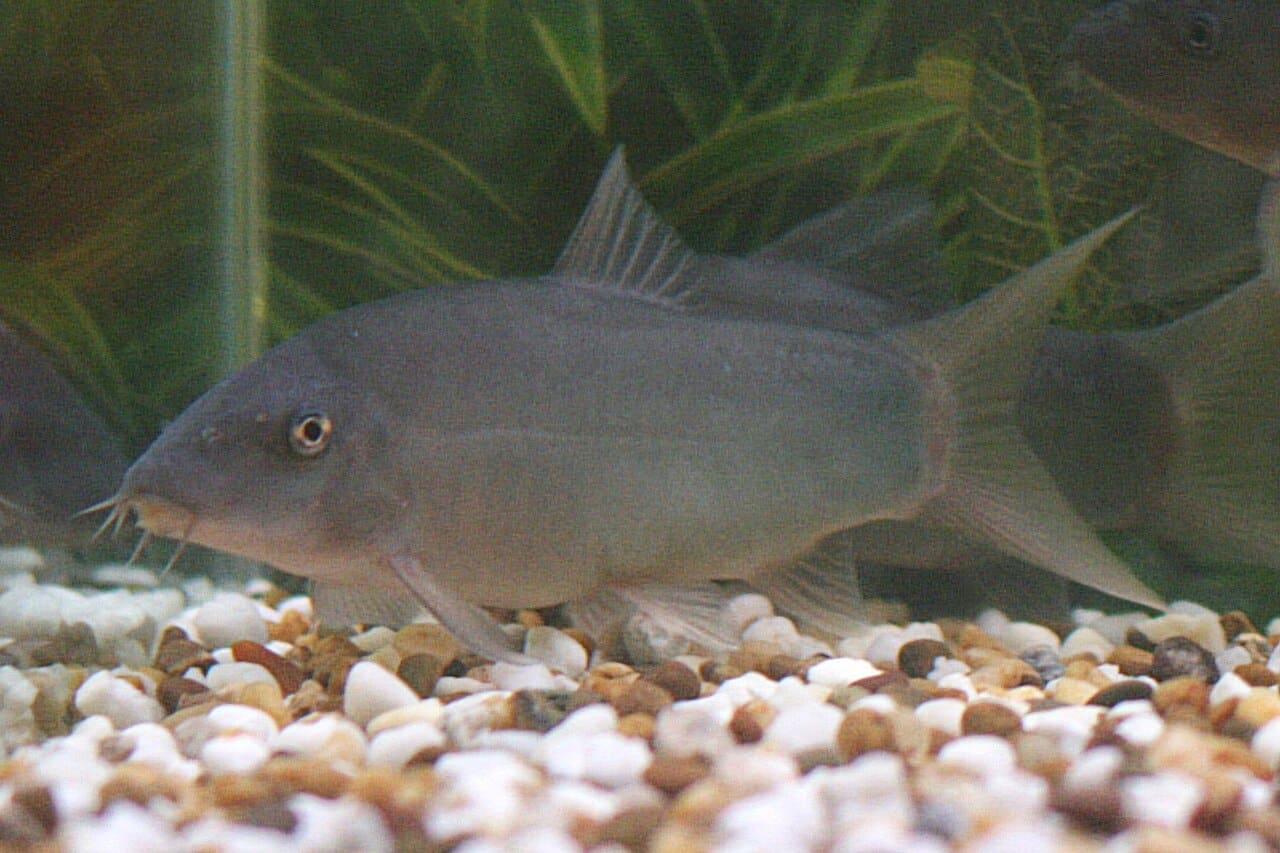
Last Updated: June 25, 2026
Thank you for visiting! By the way… any links on this page that lead to products on Amazon and other stores/partners are affiliate links Aquarium Store Depot earns a commission if you make a purchase.
Table of Contents
- What Care Guides Get Wrong
- The Reality of Keeping Blue Botia
- Key Takeaways
- Species Overview
- Classification
- Origin & Natural Habitat
- Appearance & Identification
- Average Size & Lifespan
- Care Guide
- Is It Right for You?
- Tank Mates
- Food & Diet
- Breeding & Reproduction
- Common Health Issues
- Common Mistakes to Avoid
- Where to Buy
- Frequently Asked Questions
- Species Comparison
- Closing Thoughts
- Recommended Video
- References
The blue botia gets big, gets aggressive, and gets there faster than most people expect. It can reach 8 to 10 inches, needs a group to spread aggression, and will dominate every other bottom dweller in the tank. This is not a peaceful loach. It is a large, opinionated fish that requires serious planning.
But for keepers who are ready for it, the blue botia is one of the most rewarding loaches in the hobby. The color, the behavior, and the sheer presence of a group in a large tank is hard to match. This guide covers what you actually need to know before bringing one home, because the blue botia is not a community fish. It is a personality in a tank that happens to eat snails.
If you are not prepared for a large, semi-aggressive loach that needs 75+ gallons, the blue botia will teach you why preparation matters.
The cute snail hunter you bought at two inches will be an eight-inch tank boss within two years.
The Reality of Keeping Blue Botia
The blue botia reaches 8 to 10 inches and has the personality of a fish twice its price. It is assertive, territorial, and will dominate any tank it is in. This is not a community fish in the traditional sense. It is a centerpiece bottom dweller that requires tankmates chosen specifically to coexist with its attitude.
A 75-gallon tank is the minimum for a group, and keeping them in groups of five or more is essential. Solitary blue botias become aggressively territorial. A group spreads the dominance behavior across multiple interactions instead of concentrating it on tankmates.
Half-dose all medications. The blue botia is scaleless and will die from standard ich treatments applied at full concentration. Copper-based medications are especially dangerous. Prevention through quarantine and water quality management is the only safe strategy.
Biggest Mistake New Owners Make
Keeping one in a small community tank. A single blue botia in a 30-gallon tank will terrorize everything on the bottom. It needs space, it needs a group, and it needs tankmates that can hold their own. This is a big, bold loach that requires planning, not impulse buying.
Blue botia (Yasuhikotakia modesta) are a medium-to-large loach species reaching 10 inches (25 cm). They are active, semi-aggressive, and need spacious tanks with bold tank mates that can handle their personality.
Expert Take (Mark Valderrama, AquariumStoreDepot)
The blue botia is the serious loach keeper’s fish. A group of five in a 75-gallon tank with sand, large caves, and moderate flow creates a dynamic bottom-level display that rivals cichlid setups for entertainment value. The blue coloration under proper lighting is subtle but real. This is not a beginner fish and it is not for small tanks. But for keepers ready for a large, interactive loach, it delivers.
Key Takeaways
- Large loach that needs a large tank. Adults reach 8 to 10 inches (20 to 25 cm) and need a minimum of 75 gallons (284 liters)
- Must be kept in groups of 5 or more to distribute aggression and reduce stress; solitary specimens become territorial and reclusive
- Semi-aggressive temperament. Not a good fit for timid or slow-moving tank mates, but manageable with the right companions
- Long-lived species reaching 12 to 15 years or more in captivity, so this is a serious commitment
- Not bred in home aquariums. Commercial production relies on hormone injections, and no reliable method exists for hobbyist breeding
Species Overview
| Field | Details |
|---|---|
| Scientific Name | Yasuhikotakia modesta |
| Common Names | Blue Botia, Redtail Botia, Red-Finned Loach |
| Family | Botiidae |
| Origin | Southeast Asia (Mekong, Chao Phraya, and Mae Klong basins) |
| Care Level | Moderate |
| Temperament | Semi-Aggressive |
| Diet | Omnivore (primarily carnivorous) |
| Tank Level | Bottom to Middle |
| Maximum Size | 8 to 10 inches (20 to 25 cm) |
| Minimum Tank Size | 75 gallons (284 liters) |
| Temperature | 73 to 82°F (23 to 28°C) |
| pH | 6.0 to 7.5 |
| Hardness | 2 to 12 dGH |
| Lifespan | 12 to 15 years |
| Breeding | Egg scatterer (migratory spawner in the wild) |
| Breeding Difficulty | Not achieved in home aquariums |
| Compatibility | Semi-aggressive community with robust tank mates |
| OK for Planted Tanks? | Yes, with sturdy plants |
Classification
| Taxonomic Level | Classification |
|---|---|
| Order | Cypriniformes |
| Family | Botiidae |
| Subfamily | Botiinae |
| Genus | Yasuhikotakia |
| Species | Y. Modesta (Bleeker, 1864) |
This species was originally described by Pieter Bleeker in 1864. For years, it was classified under the genus Botia, and you’ll still see it sold as Botia modesta at most fish stores and online retailers. The genus Yasuhikotakia was established by Nalbant in 2002 to separate several Southeast Asian species from the true Botia loaches. The genus name honors Dr. Yasuhiko Taki, a Japanese ichthyologist who contributed significantly to the study of Southeast Asian freshwater fishes.
Origin & Natural Habitat
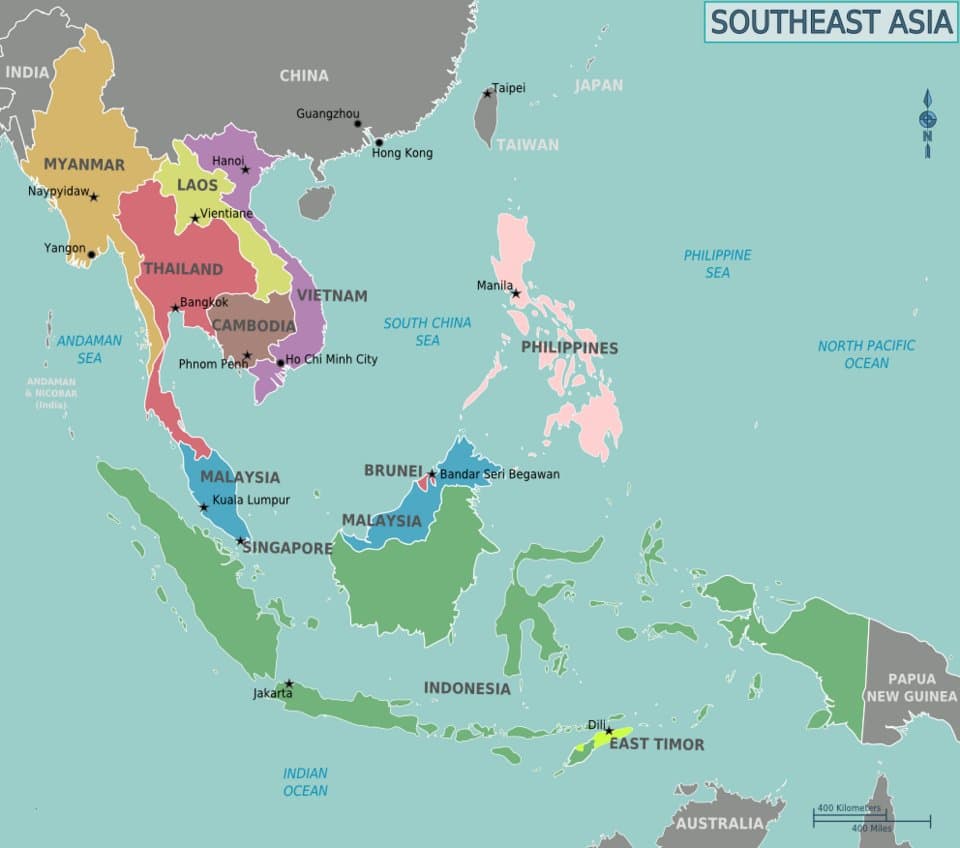
The blue botia is native to mainland Southeast Asia, with a wide distribution across the Mekong River basin in Thailand, Laos, Cambodia, and Vietnam. It’s also found in the Chao Phraya and Mae Klong drainages in central and western Thailand. This is a fish with a large natural range, which partly explains why it’s been so commonly available in the aquarium trade for decades.
In the wild, blue botias inhabit large, flowing rivers with muddy or sandy substrates. They’re found in main river channels as well as floodplain areas, and they move into flooded fields during the wet season. These are migratory fish. They travel upstream during the dry season (roughly November through March) and spawn during the rainy season when water levels rise and conditions trigger reproductive behavior. This migratory spawning pattern is one of the main reasons they haven’t been successfully bred in home aquariums.
Their habitats typically have moderate to strong current, turbid water, and abundant cover in the form of submerged logs, rocks, and root tangles along riverbanks. Understanding this environment is key to setting up a tank that keeps them healthy and comfortable.
Appearance & Identification
Adult blue botias have a solid blue-gray to slate-blue body that’s sleek and laterally compressed. The real visual punch comes from their fins, which range from bright orange to deep red, creating a striking contrast against the muted body color. There’s typically a dark vertical bar at the base of the caudal fin, which is one of the identifying features of the species.
Juveniles look quite different from adults. Young blue botias often display an iridescent green coloration with numerous narrow dark vertical bars along the body. As they mature, these bars fade and the body color transitions to the characteristic blue-gray that gives the species its common name. This color change can take a year or more, and it catches a lot of new owners off guard when their banded little loach slowly turns into a solid-colored adult.
Like all botiid loaches, blue botias have a suborbital spine beneath each eye that can be erected as a defensive mechanism. This spine can get tangled in nets, so always use a container rather than a net when moving these fish. They also have four pairs of barbels around the mouth, which they use to sift through substrate in search of food.
Male vs. Female
| Feature | Male | Female |
|---|---|---|
| Body Shape | Slightly more slender and streamlined | Fuller-bodied, especially when gravid |
| Size | Slightly smaller at maturity | Slightly larger overall |
| Coloration | No reliable color difference | No reliable color difference |
| Nose Shape | May have a slightly more pointed snout | Slightly rounder snout |
Sexing blue botias is genuinely difficult outside of breeding condition. The most reliable indicator is body shape. Mature females are noticeably fuller and rounder when viewed from above, particularly when carrying eggs. Beyond that, there are no consistent external differences in color or fin shape between males and females. Don’t let anyone tell you they can reliably sex juvenile blue botias. It’s essentially impossible until they reach sexual maturity.
Average Size & Lifespan
Blue botias are a large loach species. In the aquarium, they typically reach 8 to 10 inches (20 to 25 cm) in standard length, though wild specimens can occasionally exceed that. They’re not as massive as clown loaches, but they’re still a substantial fish that needs real estate.
Growth rate is moderate. You can expect juveniles to reach about half their adult size within the first year or two, with growth slowing considerably after that. They won’t outgrow their tank overnight, but they will get there eventually, and you need to plan for their adult size from the start.
Lifespan is impressive. With proper care, blue botias routinely live 12 to 15 years in captivity, and there are reports of individuals exceeding 20 years. This is a long-term commitment. More comparable to keeping a dog than to keeping a typical community fish. Make sure you’re prepared for that before bringing a group home.
Care Guide
Tank Size
A minimum of 75 gallons (284 liters) is necessary for a group of blue botias, and honestly, bigger is always better with this species. A standard 75-gallon (roughly 48 x 18 x 21 inches) gives an adequate footprint, but a 6-foot tank of 125 gallons (473 liters) or larger is ideal, especially if you’re keeping a larger group or housing them with other sizable tank mates.
These are active swimmers that use the full length of the tank, particularly during dawn and dusk when they’re most active. A longer tank is always preferable to a taller one. If you’re starting with juveniles, you can begin in a smaller tank, but have a plan to upgrade within the first year or two as they grow.
Water Parameters
| Parameter | Ideal Range |
|---|---|
| Temperature | 75 to 82°F (24 to 28°C) |
| pH | 6.5 to 7.5 |
| General Hardness (GH) | 2 to 12 dGH |
| Carbonate Hardness (KH) | 2 to 10 dKH |
| Ammonia | 0 ppm |
| Nitrite | 0 ppm |
| Nitrate | Below 20 ppm |
Blue botias are reasonably adaptable when it comes to water chemistry, but they do best in slightly soft to moderately hard water with a near-neutral pH. They’re more sensitive to poor water quality than they are to specific pH or hardness numbers. High nitrate levels and accumulated organic waste will stress them out quickly, so consistent water changes are non-negotiable.
Aim for weekly water changes of 30 to 50% to keep things clean. These are messy eaters and produce a fair amount of waste for their size, so don’t skimp on maintenance.
Filtration & Water Flow
Strong filtration is essential. You want a filter rated for at least 4 to 5 times the tank volume per hour. A canister filter is the best choice for a tank this size. Something like a Fluval FX4 or FX6 works well for a 75 to 125 gallon setup. If your tank is on the larger side, consider running two canister filters or supplementing with a powerhead.
Blue botias come from rivers with moderate to strong current, so they appreciate good water movement. Position your filter outflow to create a directional current across the length of the tank. They’ll often swim into the flow, which is natural behavior. Just make sure there are calmer areas behind decorations where they can rest when they want to.
Well-oxygenated water is important for this species. The combination of good flow and surface agitation from your filter return should handle this, but an airstone doesn’t hurt as a backup, especially in warmer months when dissolved oxygen levels naturally drop.
Lighting
Blue botias are naturally most active during dawn, dusk, and nighttime. They don’t need. Or particularly enjoy. Intense lighting. A standard LED light on a timer with a gradual ramp-up and ramp-down is ideal. Bright, unshaded lighting will keep them hiding in their caves all day.
If you’re keeping live plants (which is totally fine), go with moderate lighting and choose shade-tolerant species. Floating plants are a great addition because they diffuse the light and make the fish feel more secure, which means you’ll actually see them out and about more often.
Plants & Decorations
Caves, caves, and more caves. Blue botias are obsessed with hiding spots, and each fish in the group will want its own. Use a mix of driftwood, smooth river rocks, PVC pipes, and ceramic caves to create plenty of shelter. Stack rocks securely. These are strong fish that can dislodge poorly placed decorations.
Avoid anything with sharp edges. Like all botiid loaches, blue botias are scaleless (or more accurately, have very small embedded scales), which makes them more susceptible to cuts and abrasions. Smooth, water-worn rocks and rounded driftwood are the safest choices.
Live plants can work, but stick with hardy, well-rooted species like java fern, anubias, and vallisneria. Blue botias won’t deliberately destroy plants, but their size and activity level can uproot anything that isn’t firmly anchored. Attaching plants to driftwood or rocks rather than planting in substrate is a smart strategy.
A tight-fitting lid is mandatory. Blue botias are jumpers, especially when startled or stressed, and they will find any gap in your tank cover.
Substrate
Sand or fine, smooth gravel is the way to go. Blue botias spend a lot of time sifting through substrate with their barbels, and rough or sharp gravel can damage these sensitive structures. A natural sand substrate in a tan or brown color mimics their wild habitat and looks great in a loach tank.
Pool filter sand and play sand are both affordable options that work well. If you prefer gravel, choose a smooth, rounded variety with no jagged edges. Avoid crushed coral or sharp-edged substrates entirely.
Is the Blue Botia Right for You?
Before you buy, run through this honest checklist. The Blue Botia is a great fish for the right keeper, but it is not for everyone.
- You have a 75-gallon or larger tank and can plan for an 8-10 inch adult fish
- You want a loach with dramatic blue-gray coloring and serious personality
- You can keep a group of 5+ to manage social dynamics
- Your tank does not include small or timid bottom dwellers
- You are comfortable managing a long-lived species (15+ years)
- You appreciate a fish that becomes a genuine centerpiece over time
- You understand this is a multi-year commitment to a large, assertive fish
Tank Mates
Choosing tank mates for blue botias requires some thought. They’re not outright aggressive like cichlids, but they’re definitely not peaceful community fish either. They can be fin nippers, and they’ll bully slow-moving or timid species. The key is to pick tank mates that are robust enough to hold their own and fast enough to stay out of trouble.
Best Tank Mates
- Large barbs. Tiger barbs, tinfoil barbs, and denison barbs are active and fast enough to coexist well
- Medium to large rainbowfish. Boesemani, turquoise, and Melanotaenia species add color and activity to the upper levels
- Large, robust tetras. Congo tetras and Buenos Aires tetras work in bigger setups
- Other botiid loaches. Clown loaches, YoYo loaches, and other Yasuhikotakia species can work in very large tanks
- Medium to large gouramis. Pearl gouramis and moonlight gouramis can hold their own
- Larger catfish. Synodontis species, larger plecos, and pictus catfish are good bottom-dwelling companions
- Semi-aggressive cichlids. Severums and firemouths can coexist in tanks of 125 gallons or larger
Tank Mates to Avoid
- Small, slow fish. Neon tetras, guppies, and endlers will be harassed or eaten
- Long-finned species. Bettas, angelfish, and fancy guppies are fin-nipping targets
- Shrimp and snails. Blue botias are natural invertebrate predators and will eat both enthusiastically
- Very aggressive cichlids. Oscars, Jack Dempseys, and other large, territorial cichlids can cause serious stress
- Other bottom dwellers that are too small. Small corydoras and dwarf plecos may be bullied off food and hiding spots
Food & Diet
Blue botias are enthusiastic eaters that lean toward the carnivorous side of the omnivore spectrum. In the wild, their diet consists primarily of aquatic snails, insects, worms, crustaceans, and other invertebrates. They’ll also consume some plant matter, but protein-rich foods should make up the bulk of their diet in captivity.
A good feeding routine looks something like this:
- Staple foods: High-quality sinking pellets or wafers designed for bottom feeders. Feed daily
- Frozen foods: Bloodworms, brine shrimp, mysis shrimp, and daphnia. Offer 2 to 3 times per week
- Live foods: Earthworms (chopped for smaller specimens), blackworms, and live snails. Excellent enrichment when available
- Vegetables: Blanched zucchini, cucumber, spinach, and shelled peas. Offer 1 to 2 times per week
Speaking of snails, blue botias are one of the best natural snail control options in the hobby. If you have a pest snail problem in a large tank, a group of blue botias will demolish the population in short order. They crush snail shells with their pharyngeal teeth and are remarkably efficient at it. Just be aware that this means you can’t keep ornamental snails like nerites or mystery snails in the same tank.
Feed once or twice daily, offering only what they can consume within a few minutes. These fish are prone to overeating, and obesity can become a real health issue over their long lifespan. Keep portions moderate and skip a feeding day once a week.
Breeding & Reproduction
Breeding Difficulty
Let’s be straightforward here: blue botias have not been successfully bred in home aquariums. All commercially available specimens are either wild-caught or produced in fish farms using hormone injections to induce spawning. This isn’t a species where you can set up a breeding tank and hope for the best.
Spawning Tank Setup
Since natural aquarium breeding hasn’t been documented, there’s no proven spawning tank setup for hobbyists. In the wild, these fish are seasonal migratory spawners that travel upstream during the dry season and spawn when monsoon rains raise water levels and trigger hormonal changes. Replicating these large-scale environmental shifts in a home aquarium simply isn’t feasible.
Water Conditions for Breeding
Wild spawning is closely tied to the monsoon cycle. Fish migrate upstream from November through March, and egg production has been documented from February through July, with peak spawning activity in May and June. The triggers appear to be a combination of increased water flow, rising water levels, temperature changes, and other environmental cues associated with the wet season.
Conditioning & Spawning
Commercial breeders in Southeast Asia use hormone injections (typically HCG or pituitary extract) to artificially induce spawning. The fish are conditioned with high-protein diets before injection, and spawning typically occurs within 6 to 12 hours of hormone administration. This is not something that should be attempted by hobbyists without professional training and veterinary guidance.
Egg & Fry Care
In commercial operations, fertilized eggs are collected and incubated separately. Blue botias are egg scatterers with no parental care. Adults will readily consume their own eggs if given the opportunity. Eggs are small, adhesive, and hatch within approximately 18 to 24 hours at tropical temperatures. Fry are tiny at first and are initially fed infusoria or liquid fry food before graduating to newly hatched brine shrimp.
If you’re interested in breeding loaches, other species like the kuhli loach or zebra loach are more realistic options for the home aquarium, though none of the botiid loaches are considered easy breeders.
Common Health Issues
Blue botias are hardy fish when kept in clean water with proper conditions, but like all loaches, they have some specific health vulnerabilities you should be aware of.
Ich (White Spot Disease)
Loaches are notoriously susceptible to ich, and blue botias are no exception. They’re often the first fish in a tank to show symptoms when an outbreak occurs. The problem is compounded by the fact that loaches are also more sensitive to many ich medications, particularly those containing copper or malachite green. When treating ich in a tank with blue botias, use half the recommended dose of medication and extend the treatment period. Heat treatment (gradually raising the temperature to 86°F / 30°C) combined with increased aeration is often the safest first-line approach.
Skinny Disease
This condition, often caused by internal parasites or Mycobacterium infections, shows up as a fish that eats normally but loses weight and becomes emaciated. It’s more common in wild-caught specimens. Quarantine new fish for at least 2 to 4 weeks before adding them to your main tank, and consider a preventive course of praziquantel-based dewormer during the quarantine period. Once skinny disease becomes advanced, it’s very difficult to treat successfully.
Bacterial Infections
Red streaks on the body or fins, cloudy eyes, and ulcerations can indicate bacterial infections, which typically arise from poor water quality or physical injuries from sharp decorations. Prevention is the best medicine here. Keep your water clean, use smooth decor, and address any injuries promptly. If treatment is needed, broad-spectrum antibiotics like kanamycin or nitrofurazone are safe for loaches at standard doses.
Fungal Infections
Cotton-like white growths on the body or fins usually indicate fungal infection, which often develops secondary to a wound or as a consequence of poor water quality. Methylene blue baths and antifungal medications like API Pimafix can help, but again, fix the underlying water quality issue first or you’ll be treating symptoms endlessly.
Common Mistakes to Avoid
- Keeping them alone or in pairs. Blue botias need a group of at least 5, ideally more. Solitary specimens become reclusive, stressed, and often redirect their social frustration toward other tank mates through aggression.
- Underestimating their adult size. That 2-inch juvenile at the fish store will eventually become an 8 to 10 inch adult. Plan your tank size for their full-grown dimensions, not their purchase size.
- Using sharp-edged decorations. Their small embedded scales offer minimal protection. Always choose smooth rocks and driftwood to prevent cuts that can lead to secondary infections.
- Netting them. Their suborbital spines will get tangled in standard aquarium nets, potentially injuring the fish. Always use a container or cup to move blue botias.
- Using full-strength medications. Loaches are sensitive to many common fish medications, especially copper-based treatments. Start at half dose unless the medication is specifically labeled as loach-safe.
- Neglecting water changes. These are large, messy fish that demand pristine water quality. Skipping regular maintenance is one of the fastest ways to run into health problems.
- Leaving gaps in the tank cover. Blue botias will jump, especially when startled. Make sure every opening in your lid is sealed.
Where to Buy
Blue botias are a common species in the aquarium trade and can be found at many local fish stores, particularly those with a good freshwater selection. Online retailers are another solid option, especially if you’re looking for healthy, well-conditioned specimens. Here are two reputable online sources I recommend:
- Flip Aquatics. Great selection of freshwater fish with solid customer service and healthy stock
- Dan’s Fish. Another reliable online retailer known for quality freshwater species
When purchasing blue botias, try to buy a group of at least 5 at once from the same source. This lets the group establish a social hierarchy from the start, which reduces aggression compared to adding individuals one at a time. Look for active, well-colored specimens with clear eyes and intact fins. Avoid any fish with clamped fins, visible spots, or a pinched belly. These are red flags for stress or disease.
Frequently Asked Questions
Are blue botias aggressive?
They’re semi-aggressive. Blue botias aren’t predatory in the way cichlids are, but they can be pushy, territorial, and will nip fins on slow-moving tank mates. Keeping them in a proper-sized group (5 or more) and providing plenty of hiding spots significantly reduces problematic behavior. Most aggression issues stem from keeping them in groups that are too small or in tanks that are too cramped.
Can I keep a single blue botia?
You can, but you shouldn’t. A solitary blue botia will typically become reclusive, stressed, and may redirect its social instincts into aggression toward other species. These are social fish that establish hierarchies within their group, and without conspecifics to interact with, they don’t thrive. If you can’t accommodate a group of 5 or more, this probably isn’t the right species for your setup.
Do blue botias eat snails?
Absolutely. Blue botias are one of the most effective snail-eating fish in the hobby. They actively hunt and consume pest snails like ramshorn, bladder, and Malaysian trumpet snails. If you have a snail infestation in a large tank, a group of blue botias will clean it up efficiently. The flip side is that you can’t keep any ornamental snails in the same tank. They’ll eat those too.
How big do blue botias get?
Adults typically reach 8 to 10 inches (20 to 25 cm) in aquarium conditions. They grow at a moderate rate, usually reaching half their adult size within the first 1 to 2 years. Plan your tank around their full adult size, not their size at purchase.
Can blue botias live with clown loaches?
Yes, in a sufficiently large tank. Both species are botiid loaches with similar care requirements, and they can coexist well in tanks of 125 gallons (473 liters) or larger. Keep adequate numbers of each species (5+ of each) and provide plenty of hiding spots to minimize territorial disputes. The two species generally establish separate social groups and stay out of each other’s way.
Why is my blue botia clicking?
Blue botias (and other botiid loaches) produce audible clicking sounds using their pharyngeal teeth or suborbital spine mechanism. This is completely normal behavior and is thought to be a form of communication, particularly during feeding or social interactions. Some keepers also report clicking sounds when the fish are excited, such as during feeding time. It’s not a sign of distress. It’s just part of being a loach.
How the Blue Botia Compares to Similar Species
Blue Botia vs. Bengal Loach
The Bengal Loach is smaller (6 inches vs 8-10 inches) and slightly less aggressive. Both are bold botiids that need groups and big tanks, but the Blue Botia is the larger commitment in every way. Bigger tank, longer lifespan, more attitude. The Bengal Loach is the better choice for most hobbyists; the Blue Botia is for the dedicated loach enthusiast.
Blue Botia vs. Polka Dot Loach
Both are large, assertive botiids, but the Polka Dot Loach has more dramatic patterning while the Blue Botia grows larger. The Blue Botia is the bigger long-term commitment. If tank size is a limiting factor, the Polka Dot Loach is slightly more manageable.
What It Is Actually Like Living With Blue Botia
Blue botias run your tank’s bottom level. They decide who eats where, who hides where, and who gets pushed aside. Tankmates either learn to coexist above the substrate or they learn to dodge. There is no ignoring a blue botia.
The group dynamics are fascinating. The alpha fish patrols actively, checking hiding spots and confronting subordinates that move into its territory. The subordinates develop strategies. Some become evasive. Others become bold enough to challenge. The social structure shifts over months.
They are surprisingly gentle with fish that are clearly not competitors. A blue botia that dominates other bottom dwellers will completely ignore tetras and rasboras swimming above. The aggression is targeted and contextual, not random.
Closing Thoughts
The blue botia is a genuinely rewarding fish for keepers who can provide what it needs. A big tank, a proper group, strong filtration, and a long-term commitment. The combination of that beautiful blue-gray body with fiery red fins makes them one of the most attractive loach species available, and their active, social behavior gives you something to watch every day.
But this isn’t a beginner fish, and it isn’t a fish you should impulse-buy because a juvenile looked cute at the pet store. Do the planning first. Make sure you have the tank space, the filtration capacity, and the willingness to keep up with maintenance on a large tank for the next decade or more. If you can check those boxes, a group of blue botias will be one of the most engaging additions you’ve ever made to a freshwater aquarium.
Recommended Video
Check out this video for more on blue botia care and what to expect from these impressive loaches:
References
- Seriously Fish. Yasuhikotakia modesta species profile. seriouslyfish.com
- FishBase. Yasuhikotakia modesta (Bleeker, 1864). fishbase.org
- Nalbant, T.T. (2002). “Sixty Million Years of Evolution. Part One: Family Botiidae.” Travaux du Museum National d’Histoire Naturelle “Grigore Antipa”, 44: 309-333.
- Practical Fishkeeping. Blue Botia care guide and species information. practicalfishkeeping.co.uk
- About the Author
- Latest Posts

I’m Mark Valderrama, founder of Aquarium Store Depot and a fishkeeper with over 25 years of hands-on experience. I started in the hobby at age 11, worked at local fish stores, and have kept freshwater tanks, ponds, and reef tanks ever since. I’ve been featured in two best-selling aquarium books on Amazon and built this site to share practical, experience-based fish keeping knowledge.
Leave a Reply