

Last Updated: March 24, 2026
Thank you for visiting! By the way… any links on this page that lead to products on Amazon and other stores/partners are affiliate links Aquarium Store Depot earns a commission if you make a purchase.
The Blue Hippo Tang needs a tank of 125 gallons or larger. It is also one of the most ich-prone fish in the marine hobby.
If you skip quarantine with a blue tang, you are introducing ich to your display tank. It is not a question of if. It is when.
Saltwater fish do not forgive mistakes the way freshwater fish do.
Saltwater fish require stable parameters, quality food, and a mature tank. The startup cost and ongoing maintenance are significantly higher than freshwater.
In saltwater, the tank runs on stability. Every shortcut you take shows up weeks later as a problem.
There are so many opportunities to teach children – biological, chemistry, trade skills from DIY projects, plumbing, software, etc. I’m going a little bit off topic in my excitement though – I promise you I will follow up in a later post about the benefits and activities you can work on with your family when you have an aquarium.
- What is The Dory Fish
- Realistic Expectations Regarding the Dory Fish
- Alternative similiar looking fish
- Selection and Introduction
- Nutritional requirements
- Care requirements
- The Reality of Keeping Blue Hippo Tang
- What It Is Actually Like Living With Blue Hippo Tang
What It Is Actually Like Living With Blue Hippo Tang
The Blue Hippo Tang is more active and aware of its surroundings than most people expect. In a properly set up tank, it shows behaviors that generic care guides never mention.
Feeding becomes a routine both you and the fish look forward to. The Blue Hippo Tang learns your schedule and responds to your presence near the tank within the first few weeks.
Maintenance is consistent, not difficult. Regular water changes and parameter monitoring become second nature. The fish rewards consistent care with better color, more activity, and visible health.
Over time, you notice personality traits unique to your individual fish. Some are bold explorers. Others are cautious observers. That individual personality is what turns casual fishkeeping into a genuine hobby.
The Reality of Keeping Blue Hippo Tang
A mature tank is mandatory. Most saltwater fish need a tank that has been running and stable for at least 3 to 6 months. New tanks have unstable parameters that stress saltwater fish far more than freshwater species.
Diet is not just flake food. Many saltwater fish need frozen mysis, brine shrimp, or specialty foods to thrive. A pellet-only diet leads to malnutrition, faded colors, and immune suppression. Variety is not optional.
Quarantine is essential. Marine ich and velvet are common in newly purchased saltwater fish. A proper quarantine tank before adding fish to your display tank prevents devastating disease outbreaks.
Biggest Mistake New Owners Make
Skipping quarantine and adding a new saltwater fish directly to the display tank. One infected fish introduces marine ich to your entire system. Treatment in a reef tank is nearly impossible because copper kills corals and invertebrates.
Expert Take
Quarantine every new fish for 4 to 6 weeks before adding it to your display. I have never met a serious reefer who regretted quarantining. I have met dozens who regretted skipping it.
So What Is A Dory Fish?
| Scientific Name | Paracanthurus hepatus |
| Common Name (Species) | Blue Hippo Tang, Regal Tang, Blue Tang, Dory Fish, Pacific Blue Tang, Pacific Regal Blue Tang, Blue Tang Fish |
| Family | Acanthuridae |
| Origin | Indo Pacific |
| Diet | Omnivore |
| Care Level | Moderate to Difficult |
| Activity | Active |
| Lifespan | Up to 20 years |
| Temperment | Semi-aggressive |
| Tank Level | All Areas |
| Minimum Tank Size | 120 Gallons |
| Temperature Range | 73. 81 Degrees F |
| pH Range | 8.1. 8.4 |
| Filtration/Flow Rate | All |
| Water Type | Saltwater |
| Breeding | Difficult – tank bred available |
| Compatibility | Semi-Aggressive tanks |
| Ok, For Reef Tanks? | Yes |
| Ok, For Inverts? | Mostly Yes |
The Dory Fish is known by various names including Blue Tang, Regal Tang, Blue Hippo Tang, Blue Surgeonfish, Indo-Pacific Blue Tang or by its scientific name Paracanthurus hepatus. These tangs are found in the Indo-Pacific from East Africa to Japan and swim at depths of 30 to 130 feet.
The terms Tang and Suregonfish actually refer to the extremely sharp spines on each side of the fish’s tail, which are said to resemble surgeon’s scalpels. These spines remain flat against the fish’s body and extend only when they are threatened or alarmed.
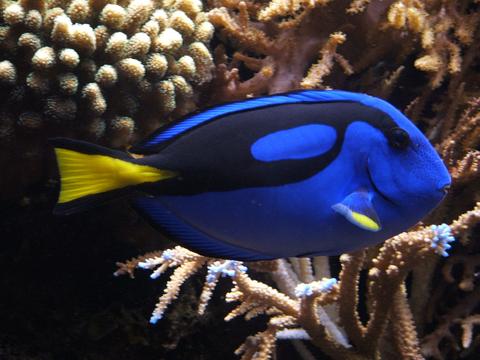
They are recognized for their vibrant coloring, yellow tail, and bold black markings. They are capable of adjusting their color intensity of their hue from light blue to deep purple. These colors will often fad as the fish ages.
Adults average about 12 inches in length and is found living alone, in pairs, or in schools of 10-12. They are known to live as long as 30 years in the wild – which is longer than any cat or dog! Blue Hippo Tang is a very active fish. It will easily swim miles a day in the ocean looking for food and may move seasonally. They feed on algae and use their sharp teeth to rip algae off rocks and corals. Their diet is not only important for the tang fish itself, but also for the health of reefs as they prevent algae from overgrowing and suffocating corals.
Realistic Expectations of a Dory Fish (Blue Hippo Tang) in an Aquarium
So we have learned that a blue hippo tang can grow to a foot long, can outlive your cat or dog, and swim miles every day. What does that mean in a salwater aquarium? After all, you likely have seen a small 1 inch blue hippo tang for sale at your local fish or chain store. Please do not let this fool you. A small 1 inch blue hippo tang will quickly outgrow a small aquarium and needs a needs a proper tank tank size for a long and healthy life.
A Blue Hippo Tang (paracanthurus hepatus) needs a proper tank with plenty of space to move around because as we all know Dory just loves to keep swimming! So what does proper tank mean? Well, I’m going to be very honest with you. Dory is a large fish and therefore requires a very large tank with lots of swimming room. So this means the following:
- Minimum tank length – 60 inches
- Minimum tank volume – 120 gallons
- Recommended tank length – 72 inches
- Recommended tank volume – 180 gallons
I know these recommendations are going to be outside of many people’s budgets or wants in the home, but I would rather be honest and realistic about the requirements about the blue hippo tang. I have seen far too many local store happily sell a 1″ blue hippo tang to a new hobbyist with a small tank without thinking twice about the care and requirements. I’m all about responsible aquarium keeping and want to ensure you are successful for the long-term.

Even Petco is starting to get on-board with notices about Dory care
If getting a large tank is something not feasible for you, but you still want a Dory you are still in good shape because there are fish are would make an excellent alternative.
Alternatives
Want a hardy first saltwater fish? Get clownfish. Want more personality? Get a six-line wrasse. Want a showstopper? This fish is worth the effort if your tank is ready.
The best example of a similar looking fish to a Dory or Blue Hippo Tang are yellow-tail damsels. I have been in the aquarium industry for many years and you would be surprised how often I would hear “Look – a baby Dory!” – from a child pointing at the yellow-tail damsel in a tank. In fact, my story was so interesting that I was actually interviewed by the Huffington Post about my experience with the Blue Hippo Tang and the yellow-tail damsel.
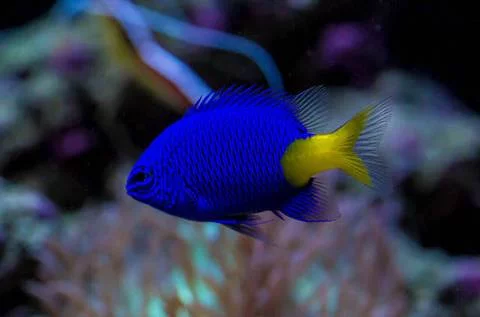
Not only is the yellow-tail damsel much smaller than the blue tang, but it is also very hardy. In fact, many damsels from the Chysipetra genus would make good alternative with their vibrate blue and yellow colors. I actually wrote a blog post earlier about them that you can read about here.
There are also some fish among Nemo’s group of friends from the first movie that would make good additions to a saltwater aquarium – including the Gurgle the Royal Gamma and Nemo himself that I wrote about earlier in my Top 10 Saltwater Fish List. Even if you are going to get your own Dory, these fish make perfect tank-mates for them.
Selection and Introduction
If I have not scared you off in purchasing a regal blue tang, then I take it you know full well the requirements of keeping this fish so I will continue on. When selecting a blue hippo tang, it is best to purchase a tang at least 3 inches, not thin, actively feeding, and shows no physical signs of disease. The truth with the blue hippo tang is they are highly susceptible to parasites like ich and marine velvet as well as head and lateral line disease.
I have seen far too many tank crashes where a blue hippo tang is added, they get ich, then the tank quickly crashes as the disease spreads. Because of this, it is highly recommended that you quarantine a blue hippo tang before introducing them to your display tank. The quarantine period will help ensure that your fish is healthy before introducing them to your main tank. Outside of proper selection and quarantine, the main reason why these fish often get sick is lack of space (which I covered earlier) – and lack of nutrition.
Nutritional Requirements
The blue hippo tang is an omnivorous saltwater fish and providing them with a solid mix of meaty and green based foods is absolutely critical in keeping your tang healthy and happy. Seaweed probably the best green source you can feed your tang. One of the biggest secrets out there if you can get your tang to eat it is actually Nori sheets from your grocery store. They are way cheaper than the seaweed products that sellers like myself can get and you can pick them up locally.
Please ensure that seaweed is the only ingredient and no salt is added. Romaine lettuce and spinach work as well, but there is some debate about this from purists in the reefing community that feel that greens of a marine origin are best. They also are not as nutritious as seaweed.
A feeding clip is incredible handy for feeding Tangs. These clips allow the blue hippo tang to naturally graze and keeps the seaweed from spreading around your tank. It may take some time for them to get used to eating this way, but once they get used to the clip it will be a feeding frenzy every time! Here is an example of a Palting from the ReefCentral forum feeding his tangs Nori from the grocery store:
For meaty foods, I would recommend LRS Foods. LRS foods are one of the finest saltwater fish foods in the world, used by top breeders in Europe and North America. You want to get top quality food for a blue tang as nutrition is such a critical aspect from keeping them disease food.
Care Requirements
A Blue Hippo Tang is a large saltwater fish that require quality water, filtration, and oxygenation. I would not recommend a hang-on back setup for tank with a Blue Hippo Tang. You absolutely have to go with a sump setup and quality protein skimmer and/or algae turf scrubber. The sump will provide you with additional tank volume, stability, and utility for added equipment like auto top offs and controllers which you will likely want to invest in order to ensure your aquarium is as stable as possible. Blue tangs live in environments with natural strong flow and lots or rocks so the flow and aquascaping of a mixed reef tank definitely suits them.
They are compatible with most other aquarium fish, but be very careful with keeping more than one. Two blue tangs in a single reef tank will often show aggression except in very large tanks. They are also known for getting aggressive in smaller tanks, which is another reason I recommended a tank volume size of 180 gallons.
FAQs
Are They Aggressive?
Blue Hippo Tangs are semi-aggressive, which means they will be territorial and harass more timid fish. You can curb aggression with a larger tank. They are also aggressive to other tangs of the same sub-species. If you are considering multiple tangs, consider a tang of a different sub-species too maximize your chances of success.
What Do They Eat?
Blue Hippo Tangs are omnivornes, but do better with greens in their diets. A diet with greens like nori, spirulina, and algae are healthy for a blue tang. They will also eat meaty foods like mysis shrimp, brine shrimp, and black worms. A good frozen food to try is LRS Foods Herbivore Frenzy
Are They Hardy?
They are not as hardy as other tangs is. They are very susceptible to ich and other marine fish diseases. Tangs like the Scopas, Kole, and Tomini tang are better candidates for first time tang keepers.
We are here to help you!
I have gone over what is a Dory fish, recommended tank size, introduction, nutrition, care, and even alternative fish. Following these guidelines and tips in this post will help you succeed in keeping your very own Dory (or “baby dory”). If you have any additional questions, leave me a comment below. Myself and the team here are Aquarium Store Depot are happy to help! See you next time :).
- About the Author
- Latest Posts

I’m Mark Valderrama, founder of Aquarium Store Depot and a fishkeeper with over 25 years of hands-on experience. I started in the hobby at age 11, worked at local fish stores, and have kept freshwater tanks, ponds, and reef tanks ever since. I’ve been featured in two best-selling aquarium books on Amazon and built this site to share practical, experience-based fish keeping knowledge.

Leave a Reply to Crystal Cancel reply