

Thank you for visiting! By the way… any links on this page that lead to products on Amazon and other stores/partners are affiliate links Aquarium Store Depot earns a commission if you make a purchase.
GloFish are genetically modified fish that glow under blue or UV light. They are not painted or dyed. The modification is permanent and heritable. The care is identical to their non-GloFish counterparts.
GloFish are the same species with a visual twist. Care requirements do not change because a fish glows.
The biggest challenge with Glofish is not keeping them alive. It is managing how fast they multiply.
The Glofish breeds constantly and lives 3 to 5 years. You need a plan for fry before you buy your first pair, or your tank will be overrun within months.
Livebearers teach you more about population management than any textbook ever will.
What It Is Actually Like Living With Glofish
The Glofish is more active and aware of its surroundings than most people expect. In a properly set up tank, it shows behaviors that generic care guides never mention.
Feeding becomes a routine both you and the fish look forward to. The Glofish learns your schedule and responds to your presence near the tank within the first few weeks.
Maintenance is consistent, not difficult. Regular water changes and parameter monitoring become second nature. The fish rewards consistent care with better color, more activity, and visible health.
Over time, you notice personality traits unique to your individual fish. Some are bold explorers. Others are cautious observers. That individual personality is what turns casual fishkeeping into a genuine hobby.
Key Takeaways
- Glofish are specially bred to contain fluorescent protein genes
- There are several types of glofish species, all with unique characteristics
- Specialized lighting and gravel are needed to enhance their look in an aquarium
- As with any other fish, they require care and maintenance so they can thrive
- Glofish are exclusively owned by the Tetra Company and are distributed worldwide to local fish stores
- The Reality of Keeping Glofish
- What It Is Actually Like Living With Glofish
The Reality of Keeping Glofish
Breeding is not optional. It is automatic. If you have males and females, you will have fry within weeks. Most new owners are not prepared for the population explosion. You need a plan, whether that is a grow-out tank, selling to a local store, or keeping predators that naturally control numbers.
Water hardness matters more than people realize. Livebearers come from hard, alkaline water. Keeping them in soft, acidic conditions leads to chronic health problems, fin clamping, and shortened lifespans. If your tap water is soft, livebearers are not ideal unless you buffer the water.
Male aggression is constant. Males chase females relentlessly. Without a ratio of at least two females per male, the females get stressed, stop eating, and weaken. Overcrowding males does not solve this. It makes it worse.
Biggest Mistake New Owners Make
Buying one male and one female thinking it will be manageable. Within three months you have 30 to 50 fish in a tank designed for 10. Always plan for breeding output before you buy your first pair.
Expert Take
If you are keeping livebearers, you are a breeder whether you planned to be or not. Accept it early and have a plan for the fry. That single decision prevents 90% of livebearer problems.
Understanding Them (Origins)
Fluorescent Protein Genes
The dazzling array of colors that Glofish display is attributed to the fluorescent proteins genes they contain. Genes which carry instructions for producing Green Fluorescent Protein (GFP) and Red Fluorescent Protein (RFP). When hit by certain wavelengths, these proteins emit light resulting in their iconic glow. This phenomenon has made Glofish a popular choice among aquarium owners seeking something special.
Many Glofish kits contain a specialized light to allow these fish to grow. However, you can replicate this “glo” by purchasing actinic fluorescent rights or using your led light’s moonlight feature (AKA blue light).
Types Of Glofish Available In The Hobby
Glofish species vary in their characteristics and care requirements. To provide a full overall post about glofish, I need to cover all the current species available. The list is growing every day (and our video above is a nice visual for you to view) and I will also to this list as new releases occur. I will include comprehensive care details for you to look up. Currently, here is what is offered by the Glofish family:
- Cory Catfish
- Tetras
- Long Finned Tetras
- Danio fish
- Barbs
- Pristellas
- Sharks
- Betta Fish
When researching these Glofish it is important to consider the size of tank they need, what environment will best suit them, diet for each individual fish type including compatibility with other types of fishes living together in one fish tank. Let us take a closer look at those extraordinary creatures!
1. Cory Catfish
- Scientific Name: Corydoras spp.
- Difficulty Level: Easy
- Temperament: Peaceful
- Adult Size: 2 inches
- Minimum Tank Size: 20 gallons
- Diet: Feed frozen, live, and dried foods
- Origin: South America
- Temperature: 72-79°F
- pH: 6.4-7.4
- Planted tank suitability: Yes
Cory Catfish are small, gentle fish with an encased body and a highly social nature. They prefer to live in shallow bodies of water such as rivers, streams, marshes or ponds where the visibility is poor. For their safety they rely on strong scales which provide them protection from danger.
Currently, there are two cory glofish available – Electric green and Sunburst Orange. Both cory fish have similar requirements and sizes. These cories are arguably the most exciting addition to the collection as these fish get along with nearly every other glofish on the list. Their bottom dwelling tendencies keeps them away from the aggression of Betta Fish and Tiger barbs (as long as the school of tiger barbs are big enough)
Cory Catfish prefers a fine substrate to dig around in. This means that the glofish gravel you will see onsale are not the best for them. It’s not their natural behavior to work through this type of gravel. They also prefer a heavily planted tank with plenty of hiding spaces.
They will eat just about anything you feed them in the tank and are omnivores. Purchase them in a group of at least 5 or 6 so they can maintain their schooling fish behaviors. You can mix both these species together without any issues.
2. Tetras
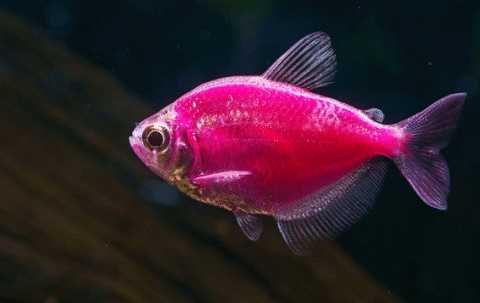
Tetra glofish derive from black skirt tetras. They tend to be nippy, but can be housed with a variety of other fish.
- Scientific Name: Gymnocorymbus ternetzi
- Difficulty Level: Moderate
- Temperament: Peaceful – though nippy with certain fish
- Adult Size: 2.5 inches
- Minimum Tank Size: 20 gallons
- Diet: Feed frozen, live, and dried foods
- Origin: South America
- Temperature: 70-82°F
- pH: 6.0-7.5
- Planted tank suitability: Yes
Tropical fish, such as tetras, are a popular choice among aquarium enthusiasts for their pleasant temperament and array of colors. They naturally school together in mid-level depths of the tank. These glofish derive from the Black Skirt tetra and come in the following varieties:
- Cosmic blue
- Electric green
- Galactic purple
- Moonrise pink
- Starfire red
- Sunburst orange
You can mix all these colors together in the tank and they will still get along and school together. Note however, that these tetras come from the black skirt tetra and exhibit some behaviors you need to be aware of:
- These fish prefer low light – which conflicts with the need of fluorescent light to make them glow
- They are nippy in nature and will not get along with some glo fish like Bettas
To design an ideal environment suitable for keeping Tetras healthy and active in your tank at home: Create a space no less than 20 gallons, provide numerous hiding spots that can act as refuge when needed, keep water temperatures between 70°F – 82°F ; lastly feed regularly flakes/pellets along live food options or frozen items alike but be sure all meals comprise of essential nutrients necessary to sustain growth which will help protect against disease development due to deficiency problems over time from unbalanced eating habits.
3. Long Fin Tetras
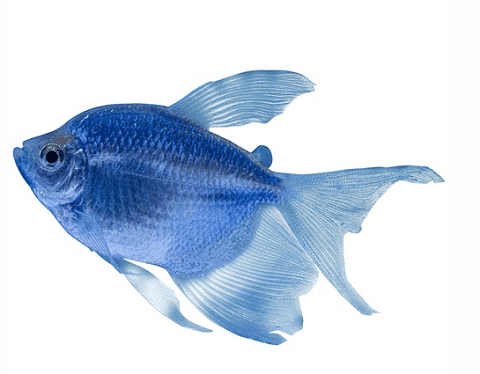
Longfin Tetras are a variety of blackskirt tetra. Available in several colors. Don’t house with nippy fish
- Scientific Name: Gymnocorymbus ternetzi
- Difficulty Level: Moderate
- Temperament: Peaceful – though nippy with certain fish
- Adult Size: 2.5 inches
- Minimum Tank Size: 20 gallons
- Diet: Feed frozen, live, and dried foods
- Origin: South America
- Temperature: 70-82°F
- pH: 6.0-7.5
- Planted tank suitability: Yes
These are the long fin varieties of the same black skirt tetra. They are offered in the following colors:
- Cosmic blue
- Electric green
- Galactic purple
- Moonrise pink
- Starfire red
- Sunburst orange
They have the same water chemistry requirements and the same quirks with them regarding being nippy and preferring low light. Given their longer fins though, they will be targeted by more aggressive fish on the glofish catalog like tiger barbs and bettas and will struggle with fast fish like danios to compete with fish.
4. Danio Fish
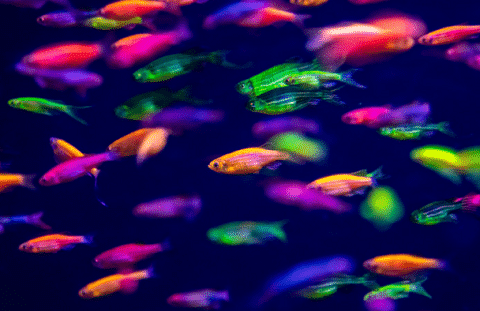
Danios are the original fish that started it all. Great dither fish. Gets along with many fish. Should be housed in at minimum 10 gallons and in a group
- Scientific Name: Danio rerio
- Difficulty Level: Easy
- Temperament: Peaceful
- Adult Size: 2 inches
- Minimum Tank Size: 10 gallons
- Diet: Feed frozen, live, and dried foods
- Origin: India
- Temperature: 72-81°F
- pH: 6.5 – 7.5
- Planted tank suitability: Yes
The Danio is the fish that started it all. Originally, the Zebra Danio (also known as Zebra Fish) was the first glofish was available in electric green. Now, you have blue, purple, red, and orange available. These dither fish need a group of at least 5 in order for them to stay less stressed and aggressive. They are best in at least a 10 gallon tank since they need lots of open space to swim in.
5. Barbs
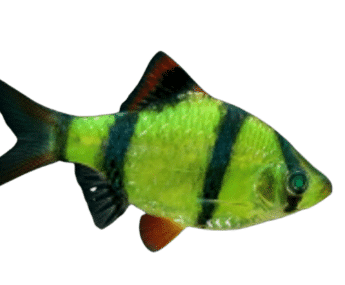
Tiger barbs are one of the more aggressive fish available. Should kept in groups of 12 to curb aggression. Should not be housed with fish with long fins.
- Scientific Name: Puntius tetrazona, Barbus tetrazona, Capoeta sumatraus, Barbodes tetrazona, and Capoeta tetrazona.
- Difficulty Level: Easy
- Temperament: Semi-aggressive
- Adult Size: 3-4 inches
- Minimum Tank Size: 20 gallons
- Diet: Feed frozen, live, and dried foods
- Origin: South East Asia including Cambodia
- Temperature: 73-86°F
- pH: 6.0 – 8.0
- Planted tank suitability: Yes
Barb glofish are one of the most polarizing additions to the collection. Regular Tiger Barbs are semi-aggressive and these varieties are no exception. They will bully and nip every fish in the collection except for the rainbow shark. They are not for beginners and are probably best in a species only tank or housed with a single rainbow shark in a group of at least 12 (versus 5 like suggested on the glofish website.
They come in three colors, electric green, starfire red, and sunburst orange. If anything, I’m hoping one day glofish comes out with a cherry or gold barb instead as those barbs are more community orientated fish.
6. Pristellas
- Scientific Name: Pristella maxillaris
- Difficulty Level: Easy
- Temperament: Peaceful
- Adult Size: 1.5 inches
- Minimum Tank Size: 10 gallons
- Diet: Feed frozen, live, and dried foods
- Origin: South East Asia including Cambodia
- Temperature: 70-80°F
- pH: 6.5 – 7.5
- Planted tank suitability: Yes
Pristellas are small, brightly colored freshwater fish native to South America with a peaceful temperament. With regular varieties, males have deeper gray bodies and more vivid red tails than their female counterparts. These species make excellent tank mates for other Glofish as long as they are not kept with any long-finned varieties, as they are known for nipping long nips! They are available in electric green, galactic purple, and sunburst orange.
7. Sharks

The Rainbow Shark Glofish is the largest fish available from the catalog. Semi-aggressive as an adult. Best housed with Tiger barbs
- Scientific Name: Epalzeorhynchos frenatum
- Difficulty Level: Moderate
- Temperament: Semi-aggressive
- Adult Size: 6 inches
- Minimum Tank Size: 50 gallons
- Diet: Feed frozen, live, and dried foods
- Origin: Mekong, Chao Phraya, Xe Bangfai, and Maeklong in Indochina
- Temperature: 72-80°F
- pH: 6.0 – 8.0
- Planted tank suitability: Yes
The sharks in the glofish collection come from the rainbow shark. It is the largest and most aggressive in the glofish catalog, requiring an aquarium over over 50 gallons to house them properly. The glofish site states 20 gallons and I will tell you that that is pretty bad information. These fish once they hit 3-4 inches in length will com into their own, and if you house the wrong fish with them, they will experience their aggression.
The only fish I would recommend in Glofish’s catalog would be tiger barbs. Both species of fish go hand in hand and have similar temperaments as long as you can put them all in a big enough tank. These glofish sharks have 4 colors available: cosmic blue, electric green, galactic purple, and sunburst orange.
7. Bettas
- Scientific Name: Betta splendens
- Difficulty Level: Easy
- Temperament: Peaceful, aggressive towards own kind and fish that look like that them
- Adult Size: 2-3 inches
- Minimum Tank Size: 5 gallons
- Diet: Feed frozen, live, and dried foods
- Origin: Southeast Aisa
- Temperature: 76-82°F
- pH: 6.5 – 7.5
- Planted tank suitability: Yes
The betta fish glofish is the only Glofish I would recommend in small tanks. They is house alone in a 5 gallon tank or in a community tank at 10 gallons and up. They can also be kept in a group of females if you have a large enough tank (minimum 29 gallons). They prefer planted aquariums and given their fins and slow moving nature they are best not housed with the plastic flake plants that glofish offers in their catalog. You are best to use silk plants or just opt out of the lighting for glofish and go with a planted tank and just use your moonlights when you want to see your betta glo in the tank.
Creating A Suitable Aquarium
Want color and activity without breeding headaches? Get all males. Want a self-sustaining colony? Get a proper male-to-female ratio and a grow-out tank.
To create an optimal environment for your Glofish, begin by selecting the right sized aquarium and tank. Then ensure that it is equipped with suitable lighting which adds to its attractive characteristics while providing a comfortable habitat as well. Whie you can include decorations tailored specifically for enhancing the vibrant look of your Glofish, its best to focus on what’s naturally beneficial to them. Here is some quick points about Glofish before we go into detail:
- No fish on this list should be in a tank smaller than 5 gallons
- Many of these fish are schooling fish and need to be in groups
- Some of these fish are semi-aggressive and require larger tanks
- Some of these fish like Bettas and Black skirt tetras, prefer long lit tanks – this is in conflict with Glofish light kits available by Glofish
- In order for you to keep live plants, you will need a planted LED lighting system. Use moonlight features to get your fish to “glo” at night time or in the mornings
Tank Size And Environment
When deciding on the proper tank size for your Glofish, keep in mind that at least a 5 gallon capacity is necessary. This is in conflict with the Glofish website as they offer kits smaller than 5 gallons. However, I would NOT recommend any fish for anything under 5 gallons. Between 5-9 gallons I would only consider betta fish. After you hit 10 and up you can consider other fish for a community tank. Note that the largest aquarium offered by Glofish is 10 gallons. However, there is a 20 gallon aquarium by Aqueon that works well for a number of the fish in their catalog. You can check out the list below for a good starter kit option.

A 20 gallon aquarium kit that is specially designed for Glofish.
30+ gallons would be preferable to allow your fluorescent fish them plenty of space for swimming and staying healthy. Several fish like the tiger barb and the rainbow shark require larger tanks. The best combo for glofish would be a Betta Fish with corydoras or zebra danios with corydoras. Along with providing an appropriate amount of water, it’s important to create a stimulating environment. Including adding plants like rocks or driftwood, which provide extra hiding spots as well as aesthetically enhancing your aquarium.
Lighting And Decor
Creating the perfect environment for Glofish fluorescent fish is essential and involves more than just lighting. To achieve a tank with beautiful vibrancy, proper light should be utilized to enhance their colors while producing an inviting atmosphere in your aquarium. Here are some tips on how best to do so:
- Consider a light that has a moonlight feature so you can display the fish’s fluorescent color
- Avoid illumination around-the-clock as it may cause algae buildup or disturb sleep patterns of any inhabitants
For decor, Glofish does offer plastic plants that will “glow” in moonlights or with their lighting side, however not that these plants are not appropriate with Betta fish as their fins is damaged by them.
Maintaining Water Quality
It is essential to preserve an appropriate water quality for Glofish. You need to create a steady habitat with suitable temperature and filtration, which will benefit your fish’s health and their contentment. Let’s first talk about temperature.
Temperature And Heater Requirements
Glofish species are native to tropical climates, which means they need heaters in order to keep the water temperature stable and within their preferred range of 61 – 81 degrees Fahrenheit. Of all glofish available, the Betta will 100% require a heater. The danio fish is the only fish on the list that you can keep without a heater. However, for these fish we would consider a heater for them to keep temperatures stable.
For a heater setup, a heater and controller setup is the best practice with Finnex’s Titanium heater set being reasonable and reliable for these types of tanks.

Best Aquarium Heater
Finnex has achieved what we as hobbyist have asked for decades. A reliable heater that won’t fail. Japanese components. Receives our top recommendation.
Water Parameters
In order to ensure a healthy environment for Glofish species, it’s essential to keep track of the water chemistry requirements listed for each fish. I’ll also highlight nutrient parameters to watch out for:
Note that glofish are less hardy their their non modified counterparts. Also, many systems will not include live plants, which will limit the ability to handle nitrates. It’s best to stick to the parameters when considering water changes. If any of these levels are off, you should do a water change ASAP.
Filtration
In order to maintain a healthy environment in an aquarium for Glofish, it is essential that proper filtration be employed.
The ideal system used specifically for the fish would be a hang-on filter. Some of the available kits will offer a baseline filter supplied by tetra, which I consider okay. I would opt for a quality hang-on like an Aquaclear. If you go to an aquarium over 40 gallons or consider adding plants, I would consider a canister filter.
Feeding Your Fish
It’s essential to provide the required nutrients by offering various sorts of edibles while minding how often they get fed and their portion sizes. This way, you can guarantee an optimum level of nourishment necessary for them to showcase their striking appearance.
Types Of Food
When it comes to feeding your Glofish, there are various types of food you can give them. All the fish offered by Glofish are ominvorious so they will all eat the same food. Here are some types of food that work well – most of which are offered in flake, freeze dried, frozen or in pellets.
- Bloodworms
- Insects
- Daphnia
- Blackworms
- Krill
Also mix your food to keep everything balanced. All these fish will also benefit from a one day fast every week to clear their digestive systems. While Tetra offers a special flake food for glofish, I would not recommend using it only. I think fluval bug bites color enhancing flakes or their standard pellets are a better buy and have fewer preservatives.
Feeding Frequency And Portions
All Glofish are active fish that require frequent feedings. It is important to feed your Glofish two times daily in small amounts, ensuring all of the food has been consumed within a 1-2 minute window. Overfeeding can lead to water contamination, resulting in lower quality and an increased risk for diseases.
Tank Mates And Social Behavior
It is very important to choose the right tank mates when establishing an aquarium with Glofish since each species has their own distinct social behavior. While you can can mix these fish with non glo fish, I’m going to focus on every glofish type and who they mix best with.
| Corydoras | Danio | Tetra | Long Fin Tetra | Pristella | Tiger Barb | Shark | Betta |
| Danio | Corydoras | Corydoras | Corydoras | Corydoras | Shark | Tiger Barb | Corydoras |
| Tetra | Tetra | Danio | Danio | Danio | |||
| Long Fin Tetra | Long Fin Tetra | Long Fin Tetra | Tetra | Tetra | |||
| Pristella | Pristella | Pristella | Pristella | Long Fin Tetra | |||
| Betta |
I highly advise NOT purchasing a community collection package. From what I’ve seen that is included, they often in fish that long-term will not be compatible with each other. For example, the 20 gallon variety pack offered comes with a rainbow shark, which long-term is only compatible with tiger barbs in a tank larger than 50 gallons.
Common Health Aliments
It is essential to keep a watchful eye on the well-being of Glofish for their long life. Knowing common health problems and identifying signs that suggest good health will ensure you can intervene when necessary. Diseases like ich, velvet, and fin rot are common with these fish. The main issue however is the conditioning of the fish.
Identifying Healthy Glofish
Because of the nature of how these fish are sold at pet stores, many are in poor condition. They are often stressed out and put in small tanks. Quarantining is highly recommended for these fish to get them in proper shape before introduction into your main tank.
When purchasing, ensure they have clear eyes, show an appetite, and exhibit bright, uniform coloration. Their swimming should be steady with a slightly rounded abdomen while there are no signs of torn fins or white spots on their body.
Breeding
Several readers have asked me to address breeding Glofish. As a reminder, Glofish are protected by a patent. While they can breed in your tank, you cannot legally sell the fish due to the patent protecting them.
Frequently Asked Questions
Why were Glofish banned?
In 2003, California barred the sale of GloFish due to qualms that genetic engineering a fish species would be an inappropriate use of powerful technology. The regulation had been instated prior to their marketing. As of the publication of those post, they are still banned in California1.
Is it hard to keep Glofish alive?
Maintaining Glofish is easy due to their robustness and suitability for beginner aquarists. To ensure they live contentedly, make sure the aquarium stays clean and you supply them with proper nutrition. All these factors will help your fish flourish in its new home!
How many Glofish should be together?
GloFish Barbs should be kept in groups of at least 12 (to limit aggression), while both GloFish Danios and GloFish Tetras will do well with a school of five or more, but will feel comfortable in larger numbers. To form an eye-catching school of colorful fish, you could get one of each color for a school of six. They will still swim together.
Can you put GloFish in tank right away?
No! First, your tank should be cycled, second you should accumulate your fish before putting in to your tank. Before releasing GloFish into their tank, it’s important to let them acclimate – put the sealed bag in for about 15-20 minutes to temperature accumulate. If you can, quarantining is highly recommended.
Closing Thoughts
Creating a suitable environment with the right tank size and providing essential care such as maintaining water quality and offering balanced diets are vital to keeping your vibrant Glofish healthy. By following these guidelines, you will be able to ensure that they continue to captivate in your aquarium for many years ahead.
Have you ever keep these fish in your tank? Let us know your experience in the comments below!
📘 Want to learn more? This article is part of our complete Freshwater Fish Guide. Your ultimate resource for freshwater species, care tips, tank setup, and more.
- About the Author
- Latest Posts

I’m thrilled that you found Aquarium Store Depot! Here you’ll find information on fish, aquariums, and all things aquatics related. I’m a hobbyist (being doing this since I was 11) and here to help other hobbyists thrive with their aquariums! I adhere to a high quality Editorial Process and Review products with real life field usage and practical analysis.

Leave a Reply to Mark Valderrama Cancel reply