
Last Updated: June 25, 2026
Thank you for visiting! By the way… any links on this page that lead to products on Amazon and other stores/partners are affiliate links Aquarium Store Depot earns a commission if you make a purchase.
Table of Contents
- What Care Guides Get Wrong
- The Reality of Keeping Gold Zebra Loach
- Key Takeaways
- Species Overview
- Classification
- Origin & Natural Habitat
- Appearance & Identification
- Average Size & Lifespan
- Care Guide
- Is It Right for You?
- Tank Mates
- Food & Diet
- Breeding & Reproduction
- Common Health Issues
- Common Mistakes to Avoid
- Where to Buy
- Frequently Asked Questions
- Species Comparison
- Closing Thoughts
- Recommended Video
- References
The gold zebra loach is a warm-toned, active botia that needs the same things every botia needs: a group of at least five, sand substrate, and a tank large enough to handle the social dynamics. It reaches about 4 inches, has a semi-aggressive temperament, and will harass other bottom dwellers if understocked or bored.
In a properly set up tank with the right group size, gold zebra loaches are active, beautifully colored, and endlessly entertaining to watch. This guide covers the real requirements, because a single gold zebra loach is a stressed gold zebra loach. Group size is not optional with botias.
Buy five or do not buy any. That is the rule with every botia, and the gold zebra is no exception.
The Reality of Keeping Gold Zebra Loach
The gold zebra loach is a color variant of the standard zebra loach with warmer, golden-toned banding. The care requirements are identical to the standard form. Everything that applies to zebra loaches applies here, including the need for groups, sand substrate, and half-dose medications.
One gold zebra loach isn’t a pet. It’s a prisoner pacing its cell.
Availability is more limited than standard zebra loaches, and prices are slightly higher. The golden coloration is more visible on dark substrate than the standard silver-and-black pattern, making it a more striking display fish.
A group of five or more is essential. The social behavior, feeding confidence, and visible activity levels all depend on adequate group size. Solitary gold zebra loaches hide and stress.
Biggest Mistake New Owners Make
Treating it differently from a standard zebra loach because of the color. Same fish. Same care. Same group requirements. Same medication sensitivity. The gold coloring is aesthetic, not a different species with different needs.
Gold zebra loaches are an attractively striped loach species suitable for community tanks with peaceful, active fish. They are social, active, and appreciate groups of 5 or more.
Expert Take (Mark Valderrama, AquariumStoreDepot)
The gold zebra loach is the premium version of an already underrated species. A group of five on dark sand with driftwood and moderate planting creates a warm-toned bottom display that the standard silver zebra loach cannot replicate. Same behavior, same hardiness, better visual impact in the right setup.
Key Takeaways
- One of the more peaceful botia loaches, making it a solid choice for community tanks with appropriately sized tank mates
- Keep in groups of 5 or more to reduce stress and encourage natural social behavior, including their characteristic “loach dance”
- Excellent snail control. Gold zebra loaches will actively hunt and eat pest snails, making them a natural solution for snail infestations
- Requires a minimum 30-gallon (114 liter) tank with plenty of hiding spots, smooth substrate, and moderate to strong water flow
- Long-lived commitment. With proper care, expect 8 to 12 years, so plan accordingly before bringing them home
Species Overview
| Field | Details |
|---|---|
| Scientific Name | Botia histrionica |
| Common Names | Gold Zebra Loach, Burmese Loach, Silver Striped Loach, Myanmar Loach |
| Family | Botiidae |
| Origin | Myanmar (Irrawaddy, Salween, and Sittang river drainages) |
| Care Level | Moderate |
| Temperament | Peaceful to Semi-Aggressive |
| Diet | Omnivore |
| Tank Level | Bottom to Middle |
| Maximum Size | 5 inches (13 cm) |
| Minimum Tank Size | 30 gallons (114 liters) |
| Temperature | 72 to 82°F (22 to 28°C) |
| pH | 6.0 to 7.5 |
| Hardness | 2 to 12 dGH |
| Lifespan | 8 to 12 years |
| Breeding | Egg scatterer (not bred in home aquaria) |
| Breeding Difficulty | Very Difficult / Not Achieved |
| Compatibility | Community (with appropriate tank mates) |
| OK for Planted Tanks? | Yes |
Classification
| Taxonomic Level | Classification |
|---|---|
| Order | Cypriniformes |
| Family | Botiidae (separated from Cobitidae) |
| Subfamily | Botiinae |
| Genus | Botia |
| Species | B. Histrionica (Blyth, 1860) |
This species was originally described by Edward Blyth in 1860 from specimens collected in Myanmar (then Burma). The family Botiidae was formerly included within Cobitidae (the true loaches), but taxonomic revisions separated the botia-type loaches into their own distinct family. The genus Botia is much smaller than it used to be, with many former members reassigned to Yasuhikotakia, Ambastaia, and other genera. Botia histrionica remains firmly within Botia proper.
The specific epithet histrionica comes from the Latin word for “theatrical” or “actor,” likely a reference to the species’ bold, dramatic stripe pattern. It’s a fitting name for a fish that definitely knows how to put on a show.
Origin & Natural Habitat
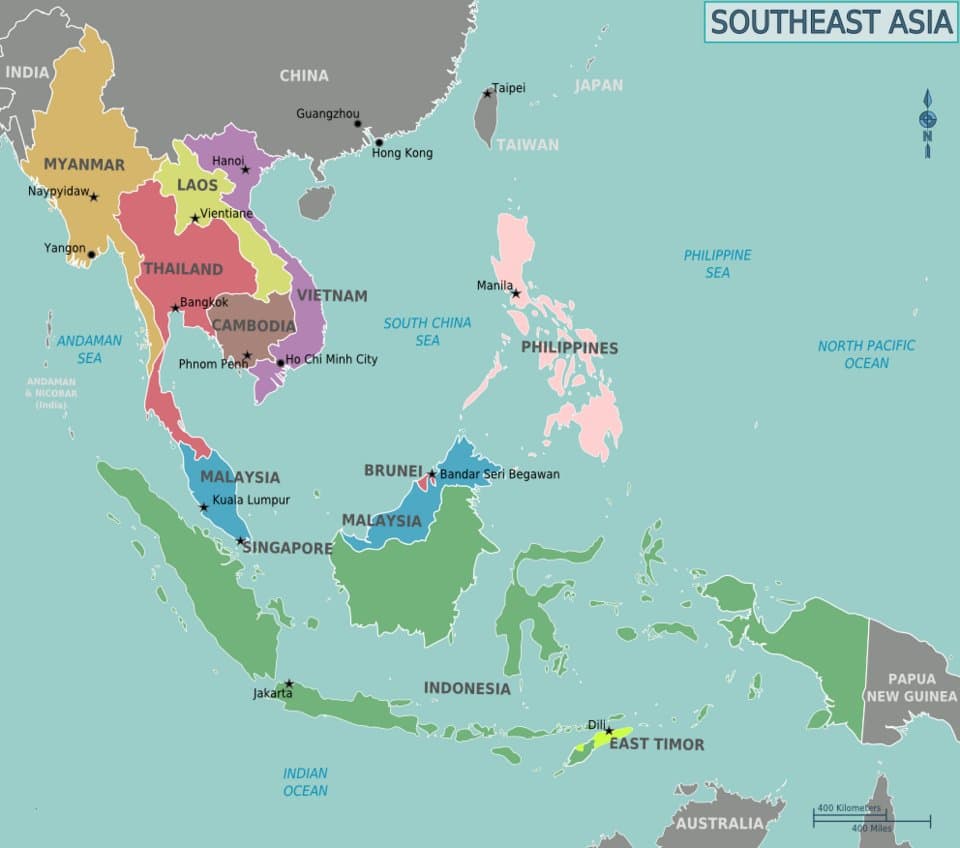
The gold zebra loach is endemic to Myanmar, where it’s found in several major river systems including the Irrawaddy, Salween, and Sittang drainages. These rivers flow through a range of habitats from highland streams to lowland floodplains, and the gold zebra loach will occupy the mid-elevation stretches where the water is clear, moderately flowing, and well-oxygenated.
In their natural environment, these loaches inhabit rocky substrates with cobbles, gravel, and sand, along with submerged roots and driftwood that provide shelter. The water is soft to moderately hard with a slightly acidic to neutral pH. During the monsoon season, water levels and flow rates increase dramatically, and the fish are well adapted to handling seasonal changes in their environment.
Like most botiid loaches, gold zebras are found in groups in the wild. They use crevices between rocks and tangles of submerged wood as daytime hiding spots, becoming more active during dawn and dusk. Understanding this natural behavior is key to setting up a proper home aquarium. They need structure, flow, and the security of a group to feel comfortable.
Appearance & Identification
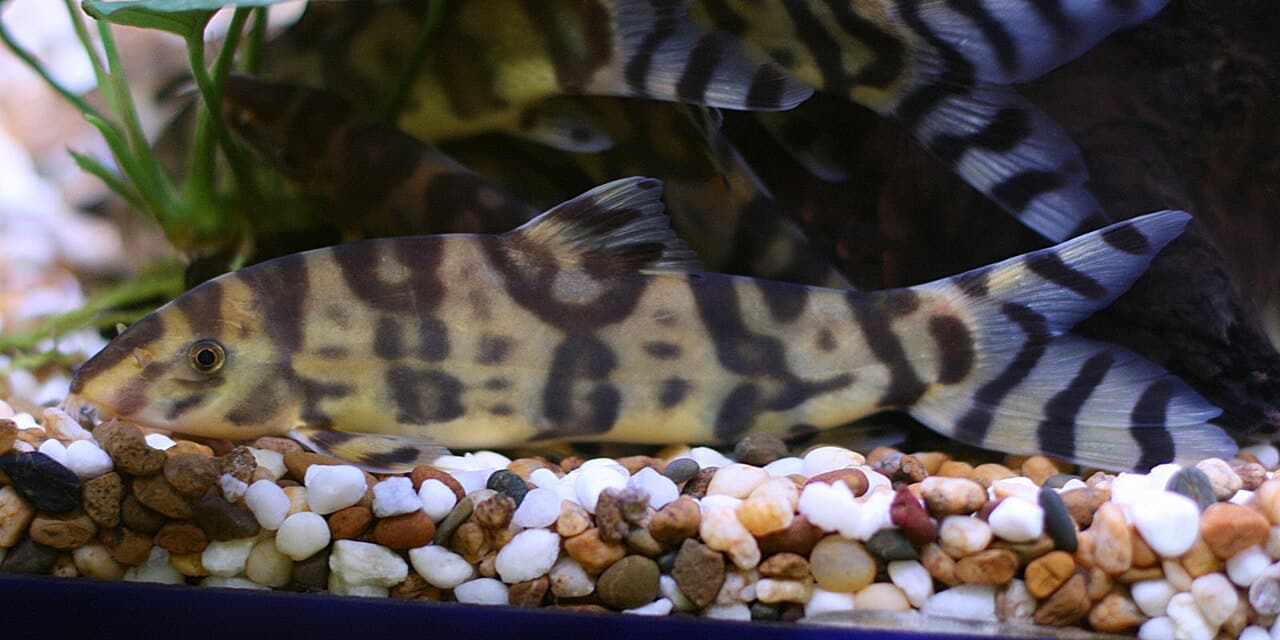
The gold zebra loach is a genuinely attractive fish. The base body color ranges from warm golden-yellow to a creamy silver-gold, and it’s overlaid with a series of prominent dark brown to black vertical bands. These bands vary in width and spacing between individuals, giving each fish a unique pattern. Some specimens have bands that fork or branch, adding to the visual complexity.
The fins are mostly clear to slightly yellowish, and the caudal (tail) fin often shows banding that extends from the body pattern. The head features a characteristic dark stripe running through the eye, which is a common trait in the Botia genus. Like all botiid loaches, they have a bifid (two-pronged) suborbital spine beneath each eye that can be erected when the fish is stressed or threatened. Be careful when netting them. These spines can get tangled in mesh.
Their body shape is typical of botias: laterally compressed with a slightly arched back and a flat underside suited for bottom-dwelling. They have four pairs of barbels around the mouth that they use to probe the substrate for food.
Male vs. Female
| Feature | Male | Female |
|---|---|---|
| Body Shape | Slightly slimmer and more streamlined | Fuller, rounder body, especially when mature |
| Size | Is slightly smaller | Often slightly larger at maturity |
| Coloration | May show slightly more intense coloring | Similar coloring, sometimes slightly muted |
| Belly Profile | Flat to slightly concave | Rounded, especially when carrying eggs |
Sexing gold zebra loaches isn’t easy, especially in juveniles. The differences are subtle at best and really only become apparent in mature adults. Females are a bit fuller-bodied than males, particularly when viewed from above, but without a side-by-side comparison of known specimens, it’s more guesswork than science. Since these fish haven’t been successfully bred in home aquaria, sexing them is more of an academic exercise than a practical concern for most hobbyists.
Average Size & Lifespan
Gold zebra loaches typically reach about 4 to 5 inches (10 to 13 cm) in the aquarium. Most specimens sold in stores are juveniles in the 1.5 to 2.5 inch (4 to 6 cm) range, so they do need room to grow. They’re not massive fish, but they’re not small either, especially when you factor in that you should be keeping a group.
With proper care, these loaches live 8 to 12 years in captivity. Hobbyists have reported specimens living even longer. This is a genuine long-term commitment, and it’s worth considering before you bring a group home. A lot of fishkeepers underestimate how long loaches live, and these are no exception.
Care Guide
Tank Size
A 30-gallon (114 liter) tank is the minimum for a small group of gold zebra loaches, but bigger is always better with active bottom-dwellers like these. If you’re keeping a group of 5 to 6, a 40 to 55-gallon (151 to 208 liter) tank gives them much more room to establish territories and explore. These are active fish that use the full footprint of the tank, so prioritize length and width over height. A standard 55-gallon long is ideal.
Give them plenty of hiding spots. Stacked rocks with gaps, driftwood caves, PVC pipe sections, and dense plant groupings all work well. Gold zebra loaches like to wedge themselves into tight spaces, so make sure there are retreat options throughout the tank. Without adequate hiding spots, they’ll be stressed and you’ll rarely see them.
Water Parameters
| Parameter | Recommended Range |
|---|---|
| Temperature | 72 to 82°F (22 to 28°C) |
| pH | 6.0 to 7.5 |
| Hardness (GH) | 2 to 12 dGH |
| Ammonia | 0 ppm |
| Nitrite | 0 ppm |
| Nitrate | Below 20 ppm |
Gold zebra loaches are moderately adaptable when it comes to water chemistry, but they do best in soft to moderately hard water with a slightly acidic to neutral pH. Consistency matters more than hitting an exact number. What they absolutely cannot tolerate is poor water quality. Like most loaches, they’re sensitive to elevated ammonia and nitrite levels, and they’re often among the first fish in a tank to show signs of stress when water quality slips.
Weekly water changes of 25 to 30% are a good baseline. If your tank is heavily stocked, bump that up. These fish come from flowing waters with good oxygen levels, so don’t let things get stagnant.
Filtration & Water Flow
Good filtration is non-negotiable. A canister filter or a quality hang-on-back filter rated for your tank size (or slightly above) is the way to go. Gold zebra loaches appreciate moderate to strong water flow, which mirrors the moving streams they come from in the wild. A powerhead or spray bar can help create directional current, and you’ll often see them play in the flow.
Oxygenation is important too. An air stone or surface agitation from the filter output keeps dissolved oxygen levels high, which these loaches prefer. Stagnant, low-oxygen conditions will stress them out over time.
Lighting
Gold zebra loaches aren’t fussy about lighting, but they do prefer subdued to moderate light levels. Bright, unshaded tanks will make them shy and they’ll spend most of their time hiding. Floating plants, driftwood overhangs, and areas of shadow give them the confidence to come out and explore. If you’re running strong lights for a planted tank, just make sure there are shaded zones where they can retreat.
Plants & Decorations
Live plants work well with gold zebra loaches, and they generally leave plants alone. Hardy species like Java fern, Anubias, Vallisneria, and Cryptocoryne are all good choices. Floating plants like Amazon frogbit or water lettuce help dim the light and make the loaches feel more secure.
Decorations should focus on providing hiding spots. Stacked rocks (make sure they’re stable and can’t topple), driftwood with crevices, and ceramic caves are all appreciated. These loaches will investigate every gap and hollow in the tank, and they sometimes squeeze into spaces that look impossibly tight. That’s normal behavior. Just make sure nothing can shift and trap them.
Substrate
Smooth sand or fine rounded gravel is the best choice. Gold zebra loaches spend a lot of time on the bottom, sifting through substrate and probing with their barbels. Sharp or rough substrates can damage those sensitive barbels over time. A fine sand substrate is ideal and mimics their natural habitat. If you prefer gravel, choose a smooth, rounded variety and avoid anything with jagged edges.
Is the Gold Zebra Loach Right for You?
Before you buy, run through this honest checklist. The Gold Zebra Loach is a great fish for the right keeper, but it is not for everyone.
- You have a 30-gallon or larger established tank with strong filtration
- You can maintain consistently low nitrates and high water quality
- You want an eye-catching loach with bold gold and dark banding
- You can keep a group of at least 5 for social stability
- You are experienced enough to avoid copper-based medications
- Your tank has a sandy or smooth substrate that will not damage their barbels
Tank Mates
Gold zebra loaches are one of the more peaceful botia species, which gives you some solid options for community setups. That said, they’re still loaches. They is nippy with each other (which is normal social behavior in a group), and very slow-moving or long-finned fish will get pestered. The key is choosing tank mates that occupy different levels of the tank and can handle a little bit of loach energy.
Best Tank Mates
- Barbs. Cherry barbs, tiger barbs, and other medium barbs are active enough to hold their own
- Rasboras. Harlequin rasboras, scissortail rasboras, and similar mid-dwellers work well
- Tetras. Larger tetras like Congo tetras, emperor tetras, and bleeding heart tetras are good matches
- Corydoras catfish. Peaceful bottom dwellers that occupy similar space but don’t compete aggressively
- Bristlenose plecos. Calm, stay out of the loaches’ way, and help with algae
- Danios. Zebra danios and giant danios are fast and hardy enough to coexist
- Gouramis. Pearl gouramis and other medium-sized gouramis work well as upper-level tank mates
- Other loaches. Kuhli loaches and other peaceful loach species can coexist, though monitor closely
Tank Mates to Avoid
- Long-finned or slow-moving fish. Bettas, fancy guppies, and angelfish with flowing fins can be targeted
- Very small fish. Tiny species like microrasboras or endlers may be stressed by the loaches’ activity
- Large aggressive cichlids. Oscar, Jack Dempsey, and similar aggressive species will bully loaches
- Ornamental snails. Mystery snails, nerite snails, and other pet snails will likely become lunch
- Shrimp. Small shrimp like cherry shrimp and Amano shrimp are at risk of being eaten or harassed
One important note on snails: if you’re keeping ornamental snails like mystery snails or nerites, gold zebra loaches are probably not for you. These fish are dedicated snail hunters. That’s actually a major selling point if you have a pest snail problem, but it means any snails you want to keep will be on the menu.
Food & Diet
Gold zebra loaches are omnivores with a hearty appetite. In the wild, they feed on insect larvae, worms, small crustaceans, snails, and plant matter. In the aquarium, they’re not picky eaters, which makes feeding them straightforward.
A good staple diet should include high-quality sinking pellets or wafers, since these bottom-dwellers won’t usually chase food at the surface. Supplement that with frozen or live foods like bloodworms, brine shrimp, daphnia, and tubifex worms. They go absolutely crazy for live blackworms if you can find them. Blanched vegetables like zucchini, cucumber, and spinach are also accepted and help round out their nutrition.
And then there are snails. Gold zebra loaches are natural snail predators and will actively hunt down pest snails like Malaysian trumpet snails, pond snails, and ramshorn snails. If you’ve got a snail infestation in another tank, dropping a few in with your loaches is like giving them a live buffet. They’ll crack the shells with their pharyngeal teeth and slurp out the contents.
Feed once or twice a day, offering only what they can consume within a few minutes. Since they’re most active in the evening and early morning, an evening feeding often gets the best response.
Breeding & Reproduction
Let’s be straightforward here: gold zebra loaches have not been successfully bred in home aquaria with any regularity. The vast majority of specimens available in the hobby are wild-caught from Myanmar. This is unfortunately common with botiid loaches. Most species in the family are extremely difficult to breed outside of their natural environment.
Breeding Difficulty
Very difficult. There are virtually no documented cases of hobbyists successfully spawning this species at home. Some commercial breeders in Southeast Asia have reportedly used hormonal injections to induce spawning in related botia species, but this isn’t practical or accessible for home aquarists.
What We Know About Their Reproduction
In the wild, gold zebra loaches are believed to be seasonal spawners that migrate upstream to spawn during the monsoon season. They’re egg scatterers, releasing eggs over rocky or gravel substrates in flowing water. The eggs are left unguarded and hatch on their own.
The seasonal migration and specific environmental triggers. Changes in water chemistry, temperature, flow rate, and photoperiod. Are likely key to reproductive behavior, and replicating all of those conditions simultaneously in a home tank is extremely challenging.
If You Want to Try
If you’re determined to attempt breeding, start with a large group of at least 8 to 10 well-conditioned adults in a spacious tank. Provide excellent water quality, a varied high-protein diet, and try simulating seasonal changes by gradually lowering the temperature and then raising it while increasing water flow. Large, cool water changes will trigger spawning attempts in botia species. But realistically, your chances of success are very slim. Don’t be discouraged. Even expert breeders struggle with this one.
Common Health Issues
Gold zebra loaches are hardy once established, but they do have some vulnerabilities that are common across botiid loaches. Being aware of these will help you catch problems early.
Ich (White Spot Disease)
Loaches in general are particularly susceptible to ich, and gold zebras are no exception. Those small white spots on the body and fins are unmistakable. The tricky part is that loaches are also more sensitive to many common ich medications, particularly those containing copper or malachite green. If you need to treat, use a half-dose approach or choose ich treatments specifically labeled as safe for scaleless fish. Raising the temperature to 86°F (30°C) gradually while adding aquarium salt at a low dose is often the safest first response.
Skinny Disease
Wild-caught loaches sometimes arrive with internal parasites that cause them to eat normally but lose weight. Hence the name “skinny disease.” If your gold zebra loach is eating well but looking increasingly thin, internal parasites are the likely culprit. A course of anti-parasitic food or medication containing praziquantel or levamisole can address this. Quarantining new arrivals and treating prophylactically is a smart move with any wild-caught loach.
Bacterial Infections
Poor water quality can lead to bacterial infections that show up as reddened areas on the body, fin erosion, or cloudy eyes. Prevention through consistent maintenance and good water quality is the best approach. If infections do occur, broad-spectrum antibacterial medications can help, but again, use loach-safe formulations and dose conservatively.
Stress-Related Issues
Gold zebra loaches kept alone or in too-small groups are chronically stressed, and stressed fish get sick. Faded coloring, excessive hiding, loss of appetite, and erratic swimming can all signal stress. The solution is usually environmental: more hiding spots, more companions, better water quality, or less aggressive tank mates. Address the stress and the symptoms usually resolve.
Common Mistakes to Avoid
- Keeping them alone or in pairs. Gold zebra loaches are social fish that need a group of at least 5. Keeping fewer leads to chronic stress, aggression toward other species, and a fish that hides all day.
- Skipping the quarantine period. Since most are wild-caught, quarantining for 2 to 4 weeks and treating prophylactically for internal parasites is strongly recommended.
- Using sharp substrate. Rough gravel or crushed coral can damage their barbels and underside. Smooth sand or rounded gravel only.
- Not enough hiding spots. Without caves, crevices, and cover, these loaches will be permanently stressed and you’ll never see their natural behavior.
- Medicating at full dose. Loaches are sensitive to many medications, especially copper-based treatments. Always use half doses or loach-safe formulations.
- Adding them to uncycled tanks. They’re sensitive to ammonia and nitrite spikes. Only add them to fully cycled, established aquariums.
- Expecting them to coexist with ornamental snails. They will eat your mystery snails and nerites. It’s what they do.
- Underestimating their lifespan. 8 to 12 years is a real commitment. Make sure you’re ready for it.
Where to Buy
Gold zebra loaches aren’t always the easiest fish to find, but they do show up periodically at specialty fish stores and online retailers. Since most are wild-caught, availability can be seasonal and dependent on export conditions from Myanmar.
Here are two reputable online sources worth checking:
- Flip Aquatics. Great selection of freshwater fish with a focus on quality. Check their loach inventory for availability.
- Dan’s Fish. Another solid source for healthy freshwater fish shipped directly to your door.
When purchasing, look for active fish with clear eyes, full bodies, and intact fins. Avoid any specimens that look thin or lethargic. Remember, skinny disease is a concern with wild-caught loaches. Buying from a reputable seller who quarantines their fish reduces the risk of bringing home sick animals.
Frequently Asked Questions
How many gold zebra loaches should I keep together?
A minimum of 5 is recommended. These are social fish that establish a hierarchy within their group. Keeping fewer than 5 often results in the dominant fish bullying the others, or the loaches redirecting their social behavior toward other species in the tank. A group of 5 to 8 is ideal for most setups.
Will gold zebra loaches eat all my snails?
Most likely, yes. Gold zebra loaches are enthusiastic snail eaters and will hunt down pest snails like ramshorns, pond snails, and Malaysian trumpet snails. If you’re keeping them to control a snail population, they’re very effective. But if you have ornamental snails you want to keep, gold zebra loaches are not the right choice for that tank.
Are gold zebra loaches aggressive?
By botia standards, no. They’re one of the more peaceful species in the family. However, they do engage in normal loach social behavior that can look alarming if you’re not used to it. Chasing, play-fighting, and “loach dancing” are all normal within a group. They can occasionally bother slow-moving or long-finned fish, but in a properly sized tank with appropriate tank mates, aggression toward other species is uncommon.
Why does my gold zebra loach make clicking sounds?
Many botiid loaches produce audible clicking or snapping sounds, especially during feeding or social interactions. This is normal behavior and nothing to worry about. The sounds are produced by their pharyngeal teeth or by the movement of their suborbital spines. It’s actually one of the more endearing quirks of keeping botia loaches.
Can gold zebra loaches live with shrimp?
It’s not recommended. Small shrimp like cherry shrimp and Amano shrimp are likely to be eaten or at least harassed by gold zebra loaches. If you want both loaches and shrimp, keep them in separate tanks. Larger shrimp species might fare slightly better, but the risk is always there with any loach species.
Why is my gold zebra loach lying on its side?
Don’t panic. This is actually normal loach behavior. Many botiid loaches rest on their sides, wedge themselves into odd positions, or lie flat on the substrate. It can look alarming the first time you see it, but as long as the fish is eating normally, has good coloration, and is active during its usual times, it’s just being a loach. If it’s combined with other symptoms like loss of appetite or faded color, then investigate further.
How the Gold Zebra Loach Compares to Similar Species
Gold Zebra Loach vs. Bengal Loach
Both are attractive, medium-sized botiids, but the Bengal Loach grows larger (6+ inches vs 4-5 inches) and needs a bigger tank. The Gold Zebra Loach is slightly easier to manage in a 30-gallon setup, while the Bengal Loach really needs 55 gallons minimum. Both are sensitive to water quality and need groups.
Gold Zebra Loach vs. Polka Dot Loach
The Polka Dot Loach (Angelicus Botia) grows larger and is more aggressive than the Gold Zebra Loach. If you want a striking pattern but a slightly calmer fish, the Gold Zebra Loach is the better option. The Polka Dot Loach demands more tank space and tougher tank mates.
What It Is Actually Like Living With Gold Zebra Loach
Gold zebra loaches bring warmth to the bottom level of a tank in a way that standard zebra loaches do not. The golden banding catches light differently, creating a subtle glow against dark substrate that complements the green tones of live plants.
Behavior is identical to standard zebra loaches. Active, curious, social. They investigate, forage, and rest in groups. The only difference is the aesthetic impact of the warmer color palette.
Mixing gold and standard zebra loaches in the same group works without issues. They school together and interact normally. The visual contrast between gold and silver banding in a mixed group adds variety without any behavioral complications.
Closing Thoughts
The gold zebra loach is one of those fish that rewards you for doing things right. Give them a proper group, good water quality, plenty of hiding spots, and appropriate tank mates, and they’ll reward you with years of entertaining, active behavior. They’re curious, they’re social, and they’re genuinely beautiful fish that deserve more attention in the hobby.
They’re not quite a beginner fish. The group requirements, sensitivity to water quality, and medication concerns mean you should have some experience under your belt before taking them on. But for anyone who’s kept a community tank successfully and wants something with more personality at the bottom of the tank, the gold zebra loach is hard to beat. Just don’t get too attached to your pest snails.
Recommended Video
References
- Seriously Fish. Botia histrionica species profile. seriouslyfish.com
- FishBase. Botia histrionica (Blyth, 1860). fishbase.org
- Practical Fishkeeping. Loach care and husbandry guides. practicalfishkeeping.co.uk
- Loaches Online. Botia histrionica care information and community observations. loaches.com
- About the Author
- Latest Posts

I’m Mark Valderrama, founder of Aquarium Store Depot and a fishkeeper with over 25 years of hands-on experience. I started in the hobby at age 11, worked at local fish stores, and have kept freshwater tanks, ponds, and reef tanks ever since. I’ve been featured in two best-selling aquarium books on Amazon and built this site to share practical, experience-based fish keeping knowledge.
Leave a Reply