
Last Updated: June 25, 2026
Thank you for visiting! By the way… any links on this page that lead to products on Amazon and other stores/partners are affiliate links Aquarium Store Depot earns a commission if you make a purchase.
Table of Contents
- What Care Guides Get Wrong
- The Reality of Keeping Horseface Loach
- Key Takeaways
- Species Overview
- Classification
- Origin & Natural Habitat
- Appearance & Identification
- Average Size & Lifespan
- Care Guide
- Is It Right for You?
- Tank Mates
- Food & Diet
- Breeding & Reproduction
- Common Health Issues
- Common Mistakes to Avoid
- Where to Buy
- Frequently Asked Questions
- Species Comparison
- Closing Thoughts
- Recommended Video
- References
The horseface loach will bury itself in your substrate and disappear for days. That is not a sign of stress. That is the entire point of this fish. It is a dedicated sand burrower that spends most of its time completely hidden, with only its eyes poking above the surface. If you need a fish you can actually see, this is the wrong choice.
But if you appreciate the oddball side of the hobby, few fish are as genuinely interesting as a horseface loach. Watching one sift through sand, launch itself out of the substrate to grab food, and then rebury itself in seconds is something you do not get with any other species. This guide covers what makes them work, because the care is straightforward but the expectations need adjusting.
You do not keep a horseface loach. You keep sand and hope the loach shows up occasionally. That is the deal.
The Reality of Keeping Horseface Loach
The horseface loach spends most of its time buried in sand with only its eyes visible. If that sounds boring, this is not the right fish for you. If that sounds fascinating, you understand the appeal. It is the quintessential ambush dweller, waiting motionless until food drifts close enough to grab.
If you can see your entire horseface loach, something is wrong with your substrate.
Deep sand is mandatory. At least 3 inches of fine sand is needed for proper burrowing behavior. Gravel will not work. The horseface loach does not just sit on the substrate. It submerges itself completely and navigates through the sand layer like a mole through soil.
They reach 8 inches in captivity, which is larger than most people expect from a loach that stays hidden. A 40-gallon tank is the minimum for a single specimen. They are generally solitary and do not require groups like clown or kuhli loaches.
Biggest Mistake New Owners Make
Providing shallow or coarse substrate. The horseface loach’s entire behavioral repertoire depends on being able to bury itself in deep, fine sand. Two inches of gravel gives you a stressed, exposed fish that hides behind decorations instead of in the substrate where it belongs.
Horseface loaches are unusual bottom-dwellers that spend much of their time buried in sand. They need deep fine substrate, low-light setups, and patient keepers who can wait for them to emerge.
Expert Take (Mark Valderrama, AquariumStoreDepot)
The horseface loach is for a specific type of hobbyist. Someone who enjoys watching a buried fish suddenly lunge at a bloodworm from beneath the sand. Someone who finds it satisfying to scan the substrate and spot two tiny eyes poking up. It is not a display fish. It is an experience. A 40-gallon tank with 4 inches of fine sand, dim lighting, and sinking food dropped near its hiding spot is the setup.
Key Takeaways
- Sand substrate is non-negotiable. Horseface loaches bury themselves constantly, and gravel will damage their sensitive snout and barbels
- They need a 40-gallon (150 liter) minimum with a footprint of at least 4 feet (120 cm) long to accommodate their adult size of up to 8 inches (20 cm)
- Peaceful and nocturnal, they are best kept in groups of 3 to 6 and pair well with mid-to-upper dwelling community fish
- Breeding has never been documented in captivity, so all specimens in the trade are wild-caught
- Highly sensitive to medications. Avoid copper-based treatments and use half-dose protocols or loach-safe alternatives like quinine sulfate
Species Overview
| Field | Details |
|---|---|
| Scientific Name | Acantopsis dialuzona (formerly A. Choirorhynchos) |
| Common Names | Horseface Loach, Horsehead Loach, Long-nosed Loach |
| Family | Cobitidae |
| Origin | Southeast Asia (Indonesia, Malaysia, Thailand, Borneo, Sumatra, Java) |
| Care Level | Moderate |
| Temperament | Peaceful |
| Diet | Omnivore (bottom feeder) |
| Tank Level | Bottom |
| Maximum Size | 8 inches (20 cm), up to 12 inches (30 cm) in the wild |
| Minimum Tank Size | 40 gallons (150 liters) |
| Temperature | 75 to 82°F (24 to 28°C) |
| pH | 6.0 to 7.5 |
| Hardness | 3 to 12 dGH |
| Lifespan | 10 to 12 years |
| Breeding | Not achieved in captivity |
| Breeding Difficulty | Not documented |
| Compatibility | Community (with appropriate tank mates) |
| OK for Planted Tanks? | Yes (but may uproot delicate plants when burrowing) |
Classification
| Taxonomic Level | Classification |
|---|---|
| Order | Cypriniformes |
| Family | Cobitidae (true loaches) |
| Subfamily | Acantopsinae |
| Genus | Acantopsis |
| Species | A. Dialuzona (van Hasselt, 1823) |
If you’ve been in the hobby a while, you’ve probably seen this fish listed as Acantopsis choirorhynchos. That name was used for decades across the hobby and in most aquarium literature. However, Maurice Kottelat’s 2012 revision of Southeast Asian loaches established that A. Choirorhynchos is actually a junior synonym of A. Dialuzona, which was described earlier by van Hasselt in 1823. So A. Dialuzona takes priority. You’ll still see the old name on plenty of retailer websites and older care guides, but both names refer to the same fish.
It’s also worth noting that the genus Acantopsis currently contains just six recognized species but is considered poorly studied. Populations from different regions may actually represent undescribed species, so the taxonomy could change again in the future. The fish commonly sold in the hobby are collected from various locations across Southeast Asia and may not all be the same species.
Origin & Natural Habitat
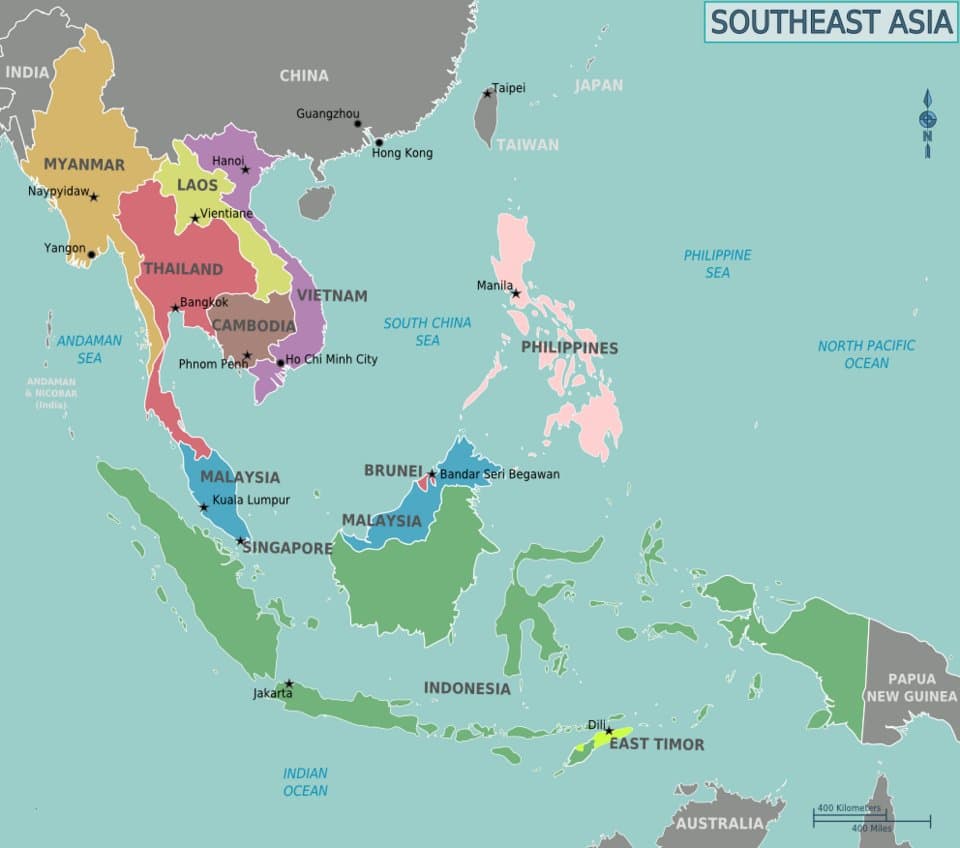
The horseface loach is native to mainland and island Southeast Asia, with its type locality in Jakarta, Java, Indonesia. As currently understood, the species occurs throughout the Greater Sunda Islands of Sumatra, Borneo, and Java, as well as Peninsular Malaysia and possibly into Thailand. However, given the taxonomic uncertainty within the genus, it’s likely that trade specimens collected from different regions represent multiple populations or even undescribed species.
In the wild, horseface loaches are near-exclusive inhabitants of flowing river channels with substrates of sand, fine gravel, or mud. These are not still-water fish. They live in clear, well-oxygenated streams and rivers with moderate to strong current. During the wet season, they may migrate into temporarily flooded zones to forage, but they always return to their preferred sandy river bottoms.
The substrate in their natural habitat is absolutely critical to understand because it directly informs how you need to set up their aquarium. These fish spend the vast majority of their time partially or fully buried in sand. They sift through fine substrate searching for insect larvae, worms, and other tiny invertebrates. This is a hardwired survival behavior, not a quirky habit. In the wild, burying in sand is how they avoid predators and ambush prey. Without suitable substrate, a horseface loach simply cannot behave naturally, and that leads to chronic stress.
Appearance & Identification
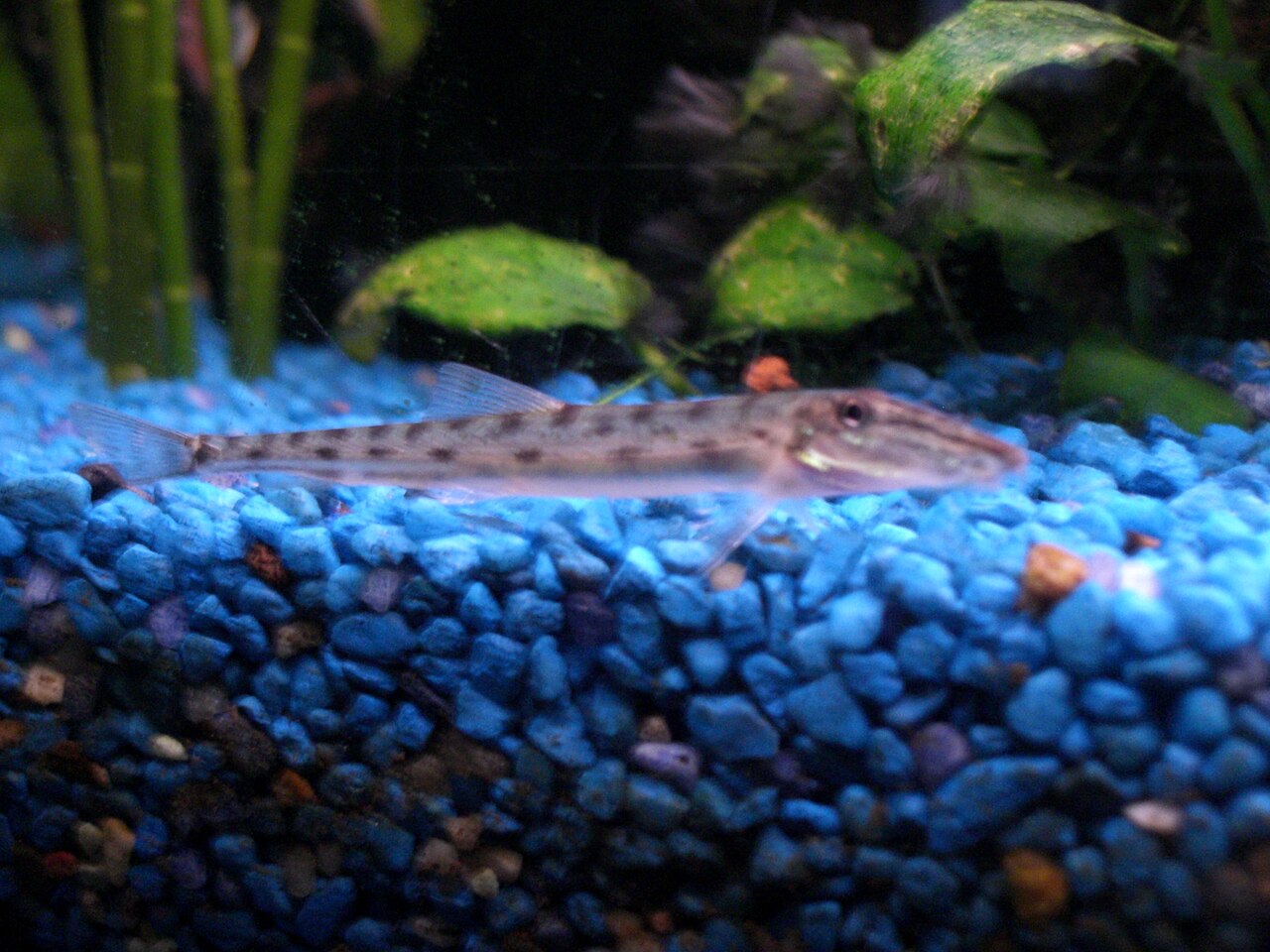
The horseface loach has one of the most distinctive body shapes in the freshwater hobby. The body is long, slender, and laterally compressed, with an exceptionally elongated snout that points downward, giving the fish its unmistakable horse-like profile. The eyes sit high on the head, positioned on top rather than on the sides. This placement makes perfect sense for a fish that spends most of its life buried in sand. It needs to see what’s happening above while the rest of its body is hidden.
Coloration is understated but attractive. The back and flanks are light brown to tan with a series of short brown bands, irregular spots, and a subtle mottled pattern that serves as excellent camouflage against sandy bottoms. The belly is whitish to cream. The fins are mostly translucent with a light brown tint, and the caudal (tail) fin is distinctly forked, which helps distinguish the horseface from the similar-looking longnose loach (Acantopsis octoactinotos).
Like all cobitid loaches, the horseface possesses a pair of sharp, retractable suborbital spines located beneath each eye. These spines can be extended when the fish feels threatened, and they can easily get tangled in aquarium nets. Always use a container or cup to move these fish rather than a net to avoid injuring both the fish and yourself.
Male vs. Female
Sexing horseface loaches is notoriously difficult, which is part of the reason breeding has never been accomplished in captivity. There are no reliable external differences between males and females, but a couple of subtle clues can help with educated guesses in mature specimens.
| Trait | Male | Female |
|---|---|---|
| Body Size | Generally smaller and more slender | Will grow larger and fuller-bodied |
| Body Shape | Slightly more streamlined | Broader, especially when carrying eggs |
| Pectoral Fins | May develop slightly extended fin rays | Standard fin length |
| Overall | Difficult to distinguish with certainty | Difficult to distinguish with certainty |
Average Size & Lifespan
In the aquarium, horseface loaches typically reach 6 to 8 inches (15 to 20 cm), though wild specimens have been recorded at up to 12 inches (30 cm). Most aquarium-kept individuals settle in the 6 to 7 inch (15 to 18 cm) range, which still makes them a substantial fish. Don’t be fooled by the small juveniles you see at the fish store. These fish grow considerably.
With proper care, horseface loaches can live for 10 to 12 years. Some sources report lifespans of 7 to 8 years, but that often reflects suboptimal conditions rather than the true potential of this species. Clean water, appropriate substrate, a good diet, and low stress are the keys to reaching that 10+ year mark. These are long-lived fish that represent a real commitment.
Care Guide
Horseface loaches aren’t difficult to keep, but they do have a few non-negotiable requirements that set them apart from many other community fish. Get the substrate right, keep the water clean and well-oxygenated, and these fish are remarkably hardy. Ignore those requirements, and you’ll have a stressed, unhealthy loach on your hands.
Tank Size
A minimum of 40 gallons (150 liters) is needed for a small group of horseface loaches, but bigger is always better with these fish. More importantly than volume, focus on the tank’s footprint. You want a tank that’s at least 4 feet (120 cm) long and 18 inches (45 cm) wide. Horseface loaches are bottom dwellers that need horizontal swimming space and plenty of substrate surface area for burying and foraging. A tall, narrow tank with the same volume won’t work nearly as well as a longer, wider one. If you’re keeping a group of 4 to 6, a 55-gallon (210 liter) or larger tank is ideal.
Water Parameters
| Parameter | Ideal Range |
|---|---|
| Temperature | 75 to 82°F (24 to 28°C) |
| pH | 6.0 to 7.5 |
| Hardness | 3 to 12 dGH |
| Ammonia | 0 ppm |
| Nitrite | 0 ppm |
| Nitrate | Below 10 ppm (never exceed 20 ppm) |
Horseface loaches are sensitive to dissolved organic waste and deteriorating water quality. They come from clean, flowing river environments, and they expect similar conditions in the aquarium. Nitrates should be kept well below 20 ppm. Ideally under 10 ppm. Weekly water changes of 25 to 30% are important, and more frequent changes may be needed in smaller tanks or heavily stocked setups. Consistency matters more than hitting exact numbers. Avoid sudden swings in temperature, pH, or hardness.
Filtration & Water Flow
Good filtration is essential. These fish come from flowing rivers with well-oxygenated water, so a filter that provides decent water movement is important. A canister filter or hang-on-back filter rated for your tank size (or slightly above) works well. Position the outlet to create some gentle current across the length of the tank. An additional air stone or powerhead can help boost oxygen levels, especially in warmer tanks where dissolved oxygen naturally decreases.
That said, you don’t want a raging torrent. Moderate flow that mimics a gentle river current is the sweet spot. If you notice your loaches being pushed around by the current, it’s too strong.
Lighting
Horseface loaches are primarily nocturnal and prefer subdued lighting. Bright, intense lighting will make them more reclusive and less likely to come out during the day. Floating plants are an excellent way to diffuse light and create the dim conditions these loaches prefer. If you’re running a planted tank with stronger lighting, make sure there are plenty of shaded areas where the loaches can retreat.
Plants & Decorations
Smooth rocks, driftwood, and root structures provide hiding spots and help break up sight lines. Avoid decorations with sharp edges that could injure the loaches as they move across the substrate. Live plants work well, but horseface loaches can uproot smaller or loosely planted species when they burrow through the sand. Hardy, well-established plants like java fern, anubias (attached to hardscape), and vallisneria will hold up better than delicate foreground plants.
A tight-fitting lid with no gaps is absolutely essential. Horseface loaches are notorious escape artists and will find their way out of the smallest opening, especially at night when they’re most active. Use a weighted lid if your setup allows it.
Substrate
This is the single most important element of horseface loach care, and I can’t stress it enough: you must use fine sand substrate. Not gravel. Not coarse sand. Fine, smooth sand at a depth of at least 2 inches (5 cm), and ideally 3 inches (7.5 cm) or more. Pool filter sand, play sand, or aquarium-specific sand all work well.
Horseface loaches spend the vast majority of their time buried in the substrate. They dive into the sand headfirst, wriggle down until only their eyes are visible, and sift sand through their gills as they search for food. This is not optional behavior. It’s how they’ve evolved to survive. Gravel or sharp substrate will damage their sensitive snout, barbels, and body, leading to abrasions, infections, and chronic stress. If you can’t provide sand, you shouldn’t keep this species. It really is that simple.
Is the Horseface Loach Right for You?
Before you buy, run through this honest checklist. The Horseface Loach is a great fish for the right keeper, but it is not for everyone.
- You have a tank with a deep bed of fine sand. This is genuinely non-negotiable
- You enjoy watching natural behaviors even if the fish is not always visible
- You have a 30-gallon or larger tank with moderate flow
- You want a peaceful bottom dweller that ignores other fish entirely
- You feed sinking foods that reach the substrate before mid-water fish steal them
- You are patient enough to appreciate a fish that reveals itself on its own schedule
Tank Mates
Horseface loaches are genuinely peaceful fish that want nothing to do with conflict. They spend most of their time buried in sand or foraging along the bottom at night, which means they naturally avoid interactions with most other fish. The best tank mates are species that occupy the mid-to-upper water column and won’t compete with the loaches for bottom territory or food.
Best Tank Mates
- Rasboras (harlequin, lambchop, scissortail). Peaceful mid-level schoolers that stay out of the loach’s way
- Barbs (cherry barbs, gold barbs). Active, peaceful, and occupy higher water levels
- Danios (zebra, pearl, celestial pearl). Energetic upper dwellers that add activity to the tank
- Tetras (ember, neon, rummy-nose). Small, peaceful schooling fish that are ideal companions
- Gouramis (pearl, honey, dwarf). Calm top-to-mid level fish that won’t bother bottom dwellers
- Other peaceful loaches (kuhli loaches, dwarf chain loaches). Can coexist if the tank is large enough with plenty of substrate area
- Larger shrimp (amano shrimp). Generally safe, though very small shrimp may be at risk
Tank Mates to Avoid
- Aggressive cichlids. Will harass the loaches and stress them into hiding permanently
- Large, territorial bottom dwellers. Large plecos or territorial catfish can create competition for bottom space
- Slow-moving bottom feeders. Corydoras may be outcompeted for food and stressed by the loach’s constant digging
- Very small fish or fry. While horseface loaches aren’t predatory, very small fish is accidentally consumed
- Aggressive fin nippers. Tiger barbs and similar species can target the loach’s fins during the rare times they’re exposed
Food & Diet
Horseface loaches are omnivores with a strong preference for meaty, protein-rich foods. In the wild, they sift through sandy substrates to find insect larvae, small worms, crustaceans, and other invertebrates. They also consume some plant matter and biofilm, but animal protein is the foundation of their diet.
In the aquarium, feed a varied diet built around high-quality sinking pellets or wafers as a staple. Supplement regularly with frozen or live foods for the best health and coloration. Good options include:
- Sinking pellets or wafers. The daily staple, formulated for bottom feeders
- Frozen bloodworms. An excellent treat, feed 2 to 3 times per week
- Frozen or live brine shrimp. Eagerly accepted
- Tubifex worms (live or freeze-dried). A natural favorite
- Frozen daphnia. Good variety and enrichment
- Blanched vegetables. Zucchini medallions or cucumber slices occasionally
Because these loaches are nocturnal, you need to feed after lights-out to make sure they’re actually getting food. Drop sinking pellets into the tank just before or right after turning off the lights. Watch for signs that your loaches are getting enough to eat. Sunken bellies or lethargy can indicate they’re being outcompeted by faster daytime feeders. If you have a busy community tank, target feeding near their hiding spots in the evening is the way to go.
Breeding & Reproduction
Let me be upfront here: horseface loaches have never been successfully bred in captivity. There are no documented cases of aquarium spawning, and virtually all specimens available in the trade are wild-caught. This is one of the few popular aquarium fish where home breeding remains completely uncharted territory.
Breeding Difficulty
Extremely difficult to impossible. No one has cracked the code on breeding horseface loaches in aquaria, and the reasons likely involve a combination of factors that are very hard to replicate: seasonal flooding cycles, specific water chemistry triggers, the fish’s naturally secretive and nocturnal behavior, and the difficulty of even identifying male from female with any certainty.
Spawning Tank Setup
Since captive breeding hasn’t been achieved, any spawning setup would be experimental. Based on their natural habitat, a dedicated breeding tank would likely need a deep sand substrate of 4 inches (10 cm) or more, gentle water flow, subdued lighting, and plenty of hiding spots including smooth rocks and PVC pipes where eggs is deposited. A long tank with a large footprint would give the best chance of replicating natural conditions.
Water Conditions for Breeding
Theoretically, simulating the onset of the wet season might trigger breeding behavior. This could involve gradually lowering the water level over several weeks, then performing large cool water changes to mimic seasonal rains. Slightly cooler water (around 75°F / 24°C), softened water (3 to 6 dGH), and a slightly acidic pH (6.0 to 6.5) is worth trying. Again, this is speculative. No one has confirmed what works.
Conditioning & Spawning
If attempting to condition horseface loaches for breeding, heavy feeding with live and frozen foods over several weeks would be the logical starting point. Tubifex worms, bloodworms, and brine shrimp offered generously may help bring the fish into condition. A group of 6 or more in a spacious tank would give the best odds of having both sexes represented, given how difficult it is to visually sex these fish.
Egg & Fry Care
Since spawning hasn’t been documented, there’s no reliable information on egg or fry care for this species. Related loach species in the Cobitidae family are typically egg scatterers, so it’s possible that horseface loaches would scatter eggs over the substrate. If spawning were ever achieved, removing adults after egg deposition would likely be necessary to prevent predation, and fry would probably need very small live foods like infusoria or baby brine shrimp as first feeds.
Common Health Issues
Horseface loaches are hardy fish when kept in appropriate conditions, but they share some vulnerabilities common to all loach species. The most important thing to understand is their sensitivity to medications. Like other loaches, horseface loaches have very small, fine scales that make them more susceptible to absorbing chemicals from the water. Standard medication dosages that are perfectly safe for most fish can be dangerous or even fatal to loaches.
Ich (White Spot Disease)
Ich is probably the most common disease you’ll encounter with horseface loaches, especially in newly imported wild-caught specimens. The classic white spots appear on the body and fins. The tricky part is treatment. Standard ich medications containing malachite green or formalin should be used at half the recommended dosage with loaches. A safer alternative is quinine sulfate, which is effective against ich without the same risk to scaleless and small-scaled fish. Gradually raising the temperature to 82 to 84°F (28 to 29°C) while treating can speed up the parasite’s life cycle and improve treatment effectiveness.
Skinny Disease
Skinny disease is a wasting condition seen in loaches where the fish gradually loses weight despite appearing to eat. It’s often caused by internal parasites, which is a real concern with wild-caught fish. Quarantining new horseface loaches and treating with an appropriate dewormer before adding them to your main display is strongly recommended. Look for a sunken belly or a visible spine as early warning signs.
Bacterial and Fungal Infections
Poor water quality or injuries from rough substrate can lead to bacterial or fungal infections, particularly around the snout and barbels. If you notice redness, white cottony growth, or eroded barbels, check your substrate first. Sharp gravel is the number one cause of snout injuries in horseface loaches. Treat with a mild antibacterial at reduced dosage and address the underlying cause by switching to fine sand if you haven’t already.
Common Mistakes to Avoid
- Using gravel instead of sand. This is by far the most common and most damaging mistake. Gravel prevents natural burrowing behavior and injures the fish. Fine sand is mandatory, not optional.
- Keeping only one. Horseface loaches do best in groups of 3 to 6. Solitary specimens are more stressed, more reclusive, and less healthy long-term.
- Not securing the lid. These fish are excellent escape artists. Any gap in the lid is an invitation for a dried-out loach on your floor in the morning.
- Using full-dose medications. Standard medication dosages can harm or kill loaches. Always use half-dose protocols or loach-safe treatments like quinine sulfate.
- Neglecting nighttime feeding. Horseface loaches are nocturnal. If you only feed during the day, your loaches may be slowly starving while daytime fish eat everything.
- Adding them to an immature tank. These fish need stable, established aquariums with mature biological filtration. Don’t add them to a tank that hasn’t fully cycled.
- Using a net to catch them. Their suborbital spines can get tangled in net mesh, injuring the fish. Always use a container or cup.
Where to Buy
Horseface loaches are not as commonly stocked as clown loaches or kuhli loaches, but they are available through quality online fish retailers. Since all specimens are wild-caught, availability can be seasonal. Here are two reliable sources I recommend:
- Flip Aquatics. A trusted source for healthy freshwater fish with excellent customer service and careful shipping practices
- Dan’s Fish. Another reliable retailer known for quality livestock and a wide selection of loach species
When purchasing horseface loaches, look for active specimens with clear eyes, intact barbels, and no visible signs of disease. Avoid any fish with sunken bellies, clamped fins, or redness around the snout, as these can indicate stress or infection from poor holding conditions. Quarantine all new arrivals for at least 2 to 3 weeks before introducing them to your main tank.
Frequently Asked Questions
Why is my horseface loach always buried in the sand?
This is completely normal and exactly what they should be doing. Horseface loaches are naturally burrowing fish that spend the majority of their time partially or fully submerged in the substrate. They often sit with just their eyes visible above the sand line. As they mature, they will bury more frequently and become increasingly nocturnal. Don’t worry if you rarely see them during the day. They’re likely coming out to forage at night when the lights are off.
Can I keep a horseface loach with corydoras?
It’s not the best combination. While neither species is aggressive, horseface loaches are significantly larger and more active burrowers. Their constant digging can stress out corydoras, and they may outcompete the smaller catfish for food, especially sinking pellets. If you want bottom dwellers alongside horseface loaches, kuhli loaches are a better fit since they occupy slightly different microhabitats.
How many horseface loaches should I keep together?
A group of 3 to 6 is ideal. While they’re not tightly schooling fish, they do form loose social groups and are noticeably more comfortable and active when kept with others of their kind. A single horseface loach will survive but is more reclusive and stressed. In a large enough tank (55 gallons / 210 liters or more), a group of 5 to 6 is wonderful.
Do horseface loaches eat snails?
Unlike some other loach species (like clown loaches or yoyo loaches), horseface loaches are not known for being effective snail eaters. They’re primarily sifters that search for small worms and insect larvae in the sand. While they might occasionally eat a tiny snail they stumble across, they are not a reliable snail control solution. If snails are your problem, look at other loach species instead.
Can horseface loaches live in a planted tank?
Yes, but with some caveats. Their constant burrowing can uproot delicate foreground plants and carpeting species. Plants attached to hardscape. Like java fern and anubias tied to rocks or driftwood. Are completely safe. Well-rooted background plants like vallisneria and cryptocoryne usually hold up fine once established. Avoid expensive carpet plants in a tank with horseface loaches unless you don’t mind occasionally replanting them.
Are horseface loaches good for beginners?
They’re moderate-level fish. The care itself isn’t complicated once you understand their needs, but the sand substrate requirement, medication sensitivity, nocturnal behavior, and wild-caught status make them a better fit for hobbyists with at least some experience. If you’ve successfully kept a community tank for a year or more and you’re willing to set up a proper sand-bottom tank, you’ll do fine with horseface loaches.
How the Horseface Loach Compares to Similar Species
Horseface Loach vs. Black Kuhli Loach
Both are peaceful, sand-loving loaches that like to hide, but they occupy the tank very differently. The Horseface Loach buries itself in the substrate, while the Kuhli Loach wedges into crevices and plant roots. The Horseface Loach grows larger (up to 8 inches) and needs more space. If you want a smaller, more social option, the Black Kuhli Loach in a group of 6+ is easier to manage.
Horseface Loach vs. Java Loach
The Java Loach is another peaceful burrower, but it stays much smaller (3-4 inches) and works in smaller tanks. The Horseface Loach is the better choice for larger setups where you want a truly unique sand-dwelling species. Both need fine sand substrates.
What It Is Actually Like Living With Horseface Loach
You will forget you own a horseface loach. Days will pass without a sighting. Then during a water change, the sand erupts and a prehistoric-looking fish bolts across the tank before re-burying itself. It is the jump scare of fishkeeping.
Feeding requires strategy. You cannot just drop food in and hope it finds it. Sinking pellets or frozen bloodworms placed near the loach’s buried position work best. Over time, you learn where it likes to hide and you feed that spot.
The horseface loach is the ultimate conversation piece. Guests look at the tank and see nothing unusual. Then you point out the eyes in the sand and their reaction is always the same. Surprise, followed by fascination.
Closing Thoughts
Horseface loaches are one of those fish that reward patience and attention to detail. You won’t always see them during the day, and they’ll never be the flashy centerpiece of your aquarium. But when you catch one sifting through the sand at dusk, or watch a group of them emerge from the substrate after lights-out like little sandy ghosts, you realize why people who keep them become lifelong fans.
The key takeaway is simple: give them sand, keep the water clean, feed them at night, and don’t medicate carelessly. Do those things, and you’ll have a fascinating, long-lived fish that adds a behavior to your tank that nothing else can replicate. In my 25+ years in the hobby, I’ve found that the fish with the most interesting natural behaviors are often the ones you have to slow down to appreciate. The horseface loach is definitely one of those fish.
Recommended Video
Check out our loach tier list video where we rank the most popular loach species for home aquariums:
References
- Seriously Fish. “Acantopsis dialuzona. Horseface Loach.” seriouslyfish.com
- Kottelat, M. (2012). “Conspectus cobitidum: an inventory of the loaches of the world.” Raffles Bulletin of Zoology, Supplement No. 26: 1. 199.
- Aquadiction. “Horseface Loach. Acantopsis dialuzona Fish Profile & Care Guide.” aquadiction.world
- Fish Laboratory. “Horseface Loach: Care, Food, Tank Mates, Lifespan & More.” fishlaboratory.com
- About the Author
- Latest Posts

I’m Mark Valderrama, founder of Aquarium Store Depot and a fishkeeper with over 25 years of hands-on experience. I started in the hobby at age 11, worked at local fish stores, and have kept freshwater tanks, ponds, and reef tanks ever since. I’ve been featured in two best-selling aquarium books on Amazon and built this site to share practical, experience-based fish keeping knowledge.
Leave a Reply