
Last Updated: June 25, 2026
Thank you for visiting! By the way… any links on this page that lead to products on Amazon and other stores/partners are affiliate links Aquarium Store Depot earns a commission if you make a purchase.
Table of Contents
- What Most Care Guides Get Wrong
- The Reality of Keeping Red-Base Tetra
- Key Takeaways
- Species Overview
- Classification
- Origin & Natural Habitat
- Appearance & Identification
- Average Size & Lifespan
- Care Guide
- Is This Fish Right for You?
- What People Get Wrong
- Tank Mates
- Food & Diet
- Breeding & Reproduction
- Common Health Issues
- Common Mistakes to Avoid
- Where to Buy
- Frequently Asked Questions
- What It Is Actually Like Living With Red-Base Tetra
- How It Compares to Similar Species
- Closing Thoughts
- Recommended Video
- References
The red-base tetra is a mid-size schooler with intense red coloration at the base of the tail that only shows in proper conditions. Soft water, dark substrate, and a school of 8+. Skip any of these and you get a plain silver fish that looks nothing like the photos online.
The red-base tetra in the wrong setup is a plain silver fish. In the right setup, the red is electric.
The Reality of Keeping Red-Base Tetra
Group size is not a suggestion. The minimum school size for red-base tetra is not just a guideline. In small groups, these fish lose color, become stressed, and display abnormal behavior. A proper group of 6 to 8+ is where you start to see natural schooling behavior, full color expression, and the confidence that makes them worth keeping.
Tank mate selection requires thought. The red-base tetra is not aggressive in the traditional sense, but it is assertive enough to cause problems with the wrong companions. Slow-moving, long-finned species are targets. Fast, short-finned fish of similar size are fine. Plan your community around this reality.
Hardy does not mean indestructible. The red-base tetra tolerates a range of conditions, but it still needs basic care. Ammonia spikes, dramatic temperature swings, and neglected water changes will catch up to even the toughest species. The difference is margin of error, not immunity.
Store appearance is not home appearance. Fish in store tanks are stressed, crowded, and under inappropriate lighting. The red-base tetra almost always looks better in a properly set up home aquarium than it does at the store. Dark substrate, live plants, and appropriate lighting bring out colors and behaviors you will never see in a retail environment.
Biggest Mistake New Owners Make
Keeping them with fish small enough to eat. This is a predator. It will eat anything it can fit in its mouth. If you stock smaller fish with a red-base tetra, you are feeding it expensive live food.
Expert Take
Red base tetras are a peaceful schooling fish that reward keepers who pay attention to water chemistry. Soft, slightly acidic water is where their red coloration really comes alive. Keep a school of 8 or more in a planted tank and they are an active, colorful midwater display fish that punches above its weight in terms of visual impact.
Key Takeaways
- Distinctive red caudal spot sets this tetra apart from similar small characins
- Minimum group of 6, but 10 or more brings out confident schooling behavior and better coloration
- 15 gallons minimum for a small school, 20+ gallons for a larger group
- Tolerates a wide pH range (5.5 to 7.5), making it adaptable to most community setups
- Easy care level with no special requirements beyond stable water and a varied diet
Species Overview
| Field | Details |
|---|---|
| Scientific Name | Hemigrammus stictus |
| Common Names | Red-Base Tetra |
| Family | Characidae |
| Origin | Amazon basin, widespread across South America |
| Care Level | Easy |
| Temperament | Peaceful |
| Diet | Omnivore |
| Tank Level | Mid |
| Maximum Size | 1.8 inches (4.5 cm) |
| Minimum Tank Size | 15 gallons (57 liters) |
| Temperature | 75-82°F (24-28°C) |
| pH | 5.5-7.5 |
| Hardness | 2-15 dGH |
| Lifespan | 3-5 years in captivity |
| Breeding | Egg scatterer |
| Breeding Difficulty | Moderate |
| Compatibility | Community |
| OK for Planted Tanks? | Yes |
Classification
| Taxonomic Level | Classification |
|---|---|
| Order | Characiformes |
| Family | Characidae (retained in Characidae after 2024 Melo et al. Revision) |
| Genus | Hemigrammus |
| Species | H. Stictus (Durbin, 1909) |
Red base tetras (Hemigrammus stictus) need specific water chemistry — slightly acidic, soft water — to show their best coloration. They’re not difficult to keep once conditions are dialed in, but they don’t forgive major parameter swings.
The genus Hemigrammus is one of the largest in the order Characiformes, containing over 70 described species. Its taxonomy has been considered Incertae Sedis (uncertain placement) for years, and revisions are still ongoing.
Note on classification: Unlike many other Hemigrammus species that were moved to the newly erected family Acestrorhamphidae in the 2024 Melo et al. Phylogenomic study, H. Stictus was retained within Characidae. This is worth noting because if you’ve been reading our other tetra care guides, you’ll notice that many closely related species were reclassified. The red-base tetra stayed put.
Origin & Natural Habitat
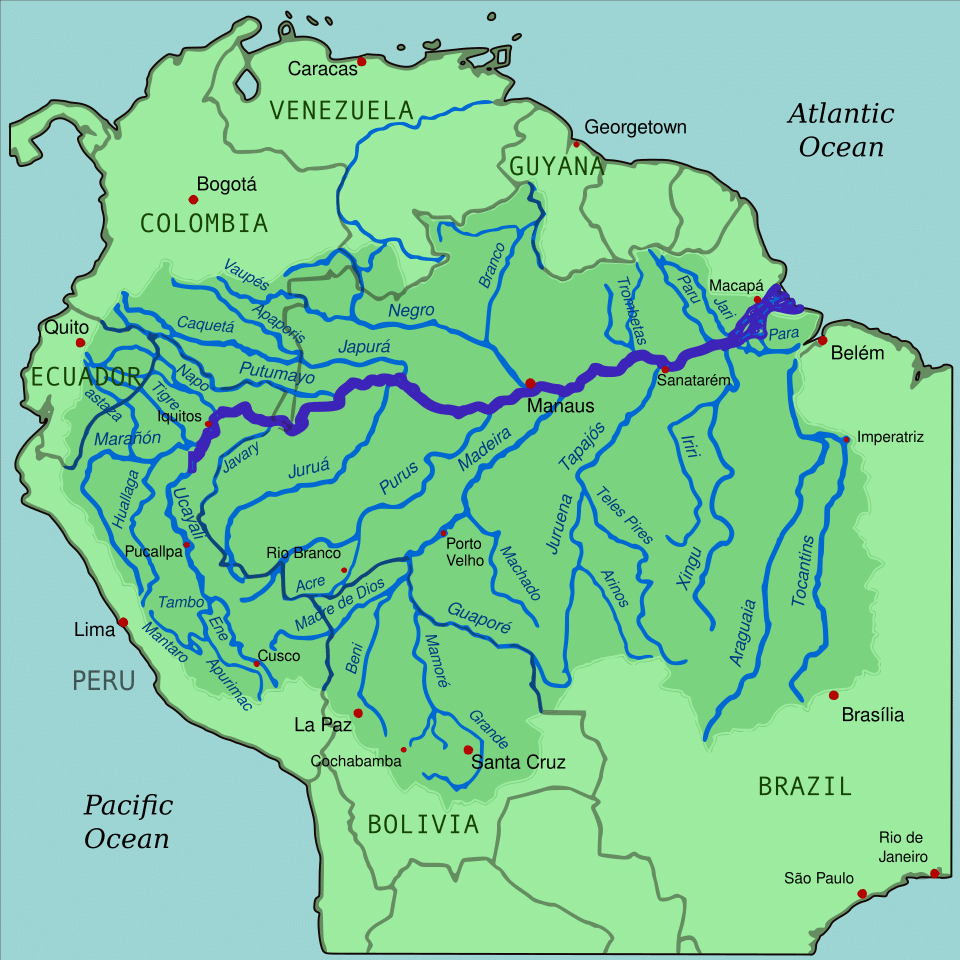
The red-base tetra has one of the wider distributions of any small tetra species. It’s found throughout much of the Amazon basin and across several river systems in South America. This widespread range is part of why the species is so adaptable in captivity. It has evolved to handle a variety of water conditions across different habitats.
In the wild, these fish inhabit slow-moving tributaries, forest streams, and floodplain areas where the water is typically warm and soft. Many of these habitats feature dense vegetation along the banks, a substrate of sand and leaf litter, and water stained with tannins from decomposing organic matter. This gives you a good blueprint for how to set up their tank at home.
Appearance & Identification
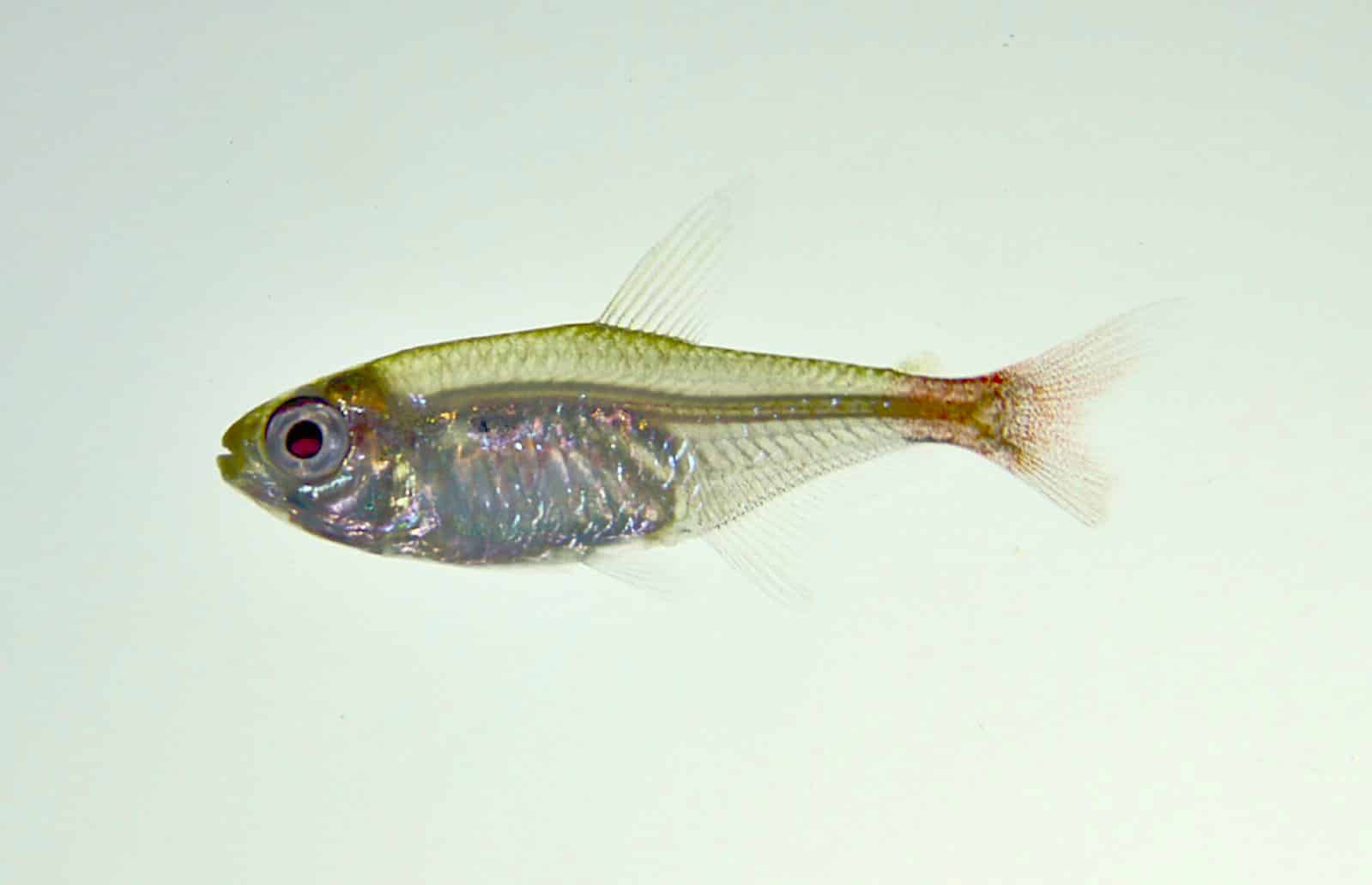
At first glance, the red-base tetra might look like a fairly plain silver tetra. But once you look a little closer, that changes fast. The standout feature is the vivid red patch at the base of the caudal fin, which is where the common name comes from. It’s a bold splash of color that becomes even more pronounced under good conditions and against a dark background.
The body is elongated and somewhat compressed laterally, typical of many Hemigrammus species. The base color is a silvery-olive tone with a subtle iridescence along the flanks. The upper portion of the eye is a bright red-orange, another common trait in this genus. The fins are mostly transparent, which makes that red caudal spot stand out even more.
A faint horizontal stripe may be visible along the lateral line, though it’s not as prominent as you’d see on a neon or cardinal tetra. Overall, this is a clean-looking fish that really pops in groups.
Male vs. Female
Sexual dimorphism in red-base tetras is subtle. Females are slightly rounder and deeper-bodied than males, especially when they’re carrying eggs. Males are typically slimmer and may show slightly more intense coloration, particularly in the red caudal patch. The differences are not dramatic, and sexing them outside of breeding condition is tricky.
Average Size & Lifespan
Red-base tetras max out at about 1.8 inches (4.5 cm) in standard length. Most aquarium specimens settle closer to 1.5 inches. They’re in the same size range as glowlight tetras and ember tetras, so plan your stocking accordingly.
With stable water conditions and a varied diet, expect a lifespan of 3 to 5 years. This is standard for small characins. Keeping up with consistent water quality, avoiding overcrowding, and feeding a nutritious diet are the biggest factors in reaching the upper end of that range.
Care Guide
Tank Size
A 15-gallon tank is the minimum for a group of 6 red-base tetras. If you plan to keep 10 or more (which I’d strongly recommend for the best display), step up to 20 gallons or larger. These are active mid-level swimmers that use horizontal space, so a longer tank footprint is better than a tall, narrow one.
Water Parameters
| Parameter | Ideal Range |
|---|---|
| Temperature | 75-82°F (24-28°C) |
| pH | 5.5-7.5 |
| General Hardness | 2-15 dGH |
| KH | 1-10 dKH |
| Ammonia / Nitrite | 0 ppm |
| Nitrate | Below 30 ppm |
One of the things that makes red-base tetras so easy to keep is their broad tolerance for different water chemistry. They do well in soft, acidic water, but they also handle neutral to slightly alkaline conditions without issue. That wider pH range of 5.5 to 7.5 makes them flexible for a variety of community setups.
That said, they look their best in softer water with some tannins. Adding Indian almond leaves, driftwood, or alder cones will naturally soften the water and bring out deeper coloration in that red caudal spot.
Filtration & Water Flow
Standard filtration works fine. A hang-on-back filter or sponge filter is all you need for a tank of this size. Keep the flow rate moderate. These fish come from slow-moving waters and don’t appreciate being blasted around the tank. If your filter creates too much current, a spray bar or baffle will fix that.
Weekly water changes of 20 to 25 percent will keep things stable. They’re not especially sensitive to minor parameter swings, but consistency is always the goal.
Lighting
Moderate to subdued lighting works best. The red-base tetra naturally comes from habitats with significant canopy cover, so they won’t appreciate blinding light. Floating plants are an easy way to diffuse the light and make the fish feel more secure. As a bonus, the darker environment makes that red caudal spot really stand out.
Plants & Decorations
A planted tank is the ideal setup for red-base tetras. Use a mix of background stem plants (like Vallisneria or Hygrophila), midground plants, and some floating cover. Driftwood and dried leaf litter add visual interest and help replicate their natural habitat.
Leave open swimming space in the center and front of the tank so you can enjoy the schooling behavior. The classic layout of a well-planted perimeter with open center works perfectly here.
Substrate
A dark substrate (black sand or fine dark gravel) is the best choice. It mimics the natural streambed these fish come from and provides contrast that makes their colors pop. Light-colored substrates won’t harm them, but the fish will look washed out by comparison.
Is the Red-Base Tetra Right for You?
Red-base tetras reward the right conditions with color that surprises people. Here’s who should keep them:
- You have a soft water setup where their red coloration can fully develop
- You use a dark substrate and moderate lighting. Bright white gravel will wash them out
- You keep tank mates with short fins. They can nip at long-finned species
- You can keep a group of 8+ to direct their energy at each other rather than other fish
- You want a tetra that’s easy to maintain but needs specific conditions for peak color
- Skip these if your tank has bettas, angelfish, or other long-finned species
What People Get Wrong
Red base tetras are frequently confused with similar red-tipped tetras. The key identifier is the red pigmentation extending from the caudal peduncle into the base of the tail — that’s where the common name comes from. If the fish you bought doesn’t have that distinct red base, you may have a different species entirely.
Water chemistry is where most keepers go wrong. These fish come from soft, acidic South American waters. Hard alkaline tap water dulls their coloration within weeks. If your fish look pale, water chemistry is the first thing to check — not disease.
Group size is routinely underestimated. Red base tetras kept in groups of 4 or 5 spend most of their time hiding or showing stress behavior. Eight is the functional minimum for a relaxed, actively schooling group that shows its full color potential.
Tank Mates
Red-base tetras are peaceful and well-suited for community aquariums. They don’t nip fins, they don’t bother other species, and they stay in the mid-water column where they won’t compete with bottom dwellers. Just make sure their tankmates have a similar temperament.
Good Tank Mates
- Other small, peaceful tetras (neon tetras, ember tetras, cardinal tetras, glowlight tetras)
- Rasboras (harlequin rasboras, chili rasboras)
- Corydoras catfish
- Small Loricariids (otocinclus, bristlenose plecos)
- Dwarf cichlids (Apistogramma, rams)
- Small gouramis (honey gouramis, sparkling gouramis)
- Peaceful livebearers (endlers, guppies)
- Cherry shrimp and amano shrimp
- Nerite snails, mystery snails
Tank Mates to Avoid
- Large or aggressive cichlids (oscars, Jack Dempseys, convicts)
- Fast, nippy species like tiger barbs or serpae tetras
- Large predatory fish that could eat them
- Overly territorial species that dominate the mid-water column
Food & Diet
Feeding red-base tetras is about as easy as it gets. They’re true omnivores with zero picky-eating tendencies. In the wild, they feed on small insects, larvae, worms, crustaceans, and bits of plant matter. In captivity, they’ll take just about anything you offer.
For the best health and coloration, provide a varied diet:
- Staple: High-quality flakes or micro pellets
- Frozen foods: Bloodworms, daphnia, brine shrimp
- Live foods: Baby brine shrimp, microworms, daphnia
- Supplements: Freeze-dried foods, spirulina-based flakes for plant matter
Feed small amounts two to three times per day. Their mouths are small, so crushed flakes or micro pellets work better than large food items. Color-enhancing foods with carotenoids helps intensify that red caudal spot.
Breeding & Reproduction
Red-base tetras are egg scatterers and is bred in captivity with some preparation. They’re not the most difficult species to spawn, but it does take more setup than simply letting nature take its course in a community tank.
Breeding Difficulty
Moderate. Triggering spawning requires soft, acidic water and proper conditioning. Raising the fry is the bigger challenge, as they’re tiny and need appropriately small foods in the first few weeks.
Spawning Tank Setup
- Tank size: 10 to 15 gallons
- Decor: Fine-leaved plants (java moss, spawning mops) to catch the scattered eggs
- Lighting: Very dim or covered
- Filtration: Gentle sponge filter only
- Bottom: Consider a mesh or grid on the bottom to protect eggs from being eaten
Water Conditions for Breeding
- Temperature: 80 to 84°F (27 to 29°C)
- pH: 5.5 to 6.5
- Hardness: 1 to 5 dGH (very soft)
Softer, more acidic water than their normal range is key to triggering spawning. Use RO or distilled water mixed with a small amount of tap water to achieve these parameters.
Conditioning & Spawning
Condition a breeding pair (or a small group of 2 males and 3 females) with high-protein live and frozen foods for one to two weeks before introducing them to the breeding tank. Move them to the spawning tank in the evening. Spawning typically occurs in the early morning hours the next day.
Egg & Fry Care
Remove the adults immediately after spawning, as they will eat the eggs if given the chance. The eggs are light-sensitive, so keep the breeding tank dark or dimly lit.
Eggs typically hatch within 24 to 36 hours. The fry will absorb their yolk sac for another 2 to 3 days before becoming free-swimming. Start feeding with infusoria or liquid fry food initially, then transition to freshly hatched baby brine shrimp as the fry grow large enough to take them. Frequent small water changes (5 to 10 percent daily) help keep the fry tank clean without stressing the young fish.
Common Health Issues
Red-base tetras are hardy fish, but they’re still susceptible to the same issues that affect most small tetras. The good news is that most problems are preventable with basic maintenance.
Ich (White Spot Disease)
The most common issue with any small tropical fish. You’ll see white spots on the body and fins, along with flashing (rubbing against surfaces). It’s usually triggered by temperature swings or stress from transport. Raise the temperature gradually to 86°F and treat with an ich medication.
Fin Rot
Ragged, deteriorating fins are a sign of bacterial infection, almost always linked to poor water quality. Increase your water change frequency, check your parameters, and treat with an antibacterial medication if the condition doesn’t improve.
Neon Tetra Disease
Despite the name, neon tetra disease can affect many small characins, including the red-base tetra. Symptoms include loss of color, erratic swimming, and body cysts. There is no reliable cure, which is why quarantining all new fish for 2 to 4 weeks before adding them to your main tank is so important.
Columnaris
A bacterial infection that shows up as white or grayish patches on the body or mouth. It can spread quickly in stressed or overcrowded tanks. Treat with antibiotics and address the underlying cause (usually poor water quality or overstocking).
Common Mistakes to Avoid
- Keeping too few: A group of 3 or 4 will be stressed and skittish. Get at least 6, ideally 10 or more for natural behavior.
- Skipping quarantine: Small tetras are notorious for bringing diseases into established tanks. Always quarantine new arrivals for at least 2 weeks.
- Adding to an uncycled tank: Even hardy tetras don’t do well in a tank that hasn’t been properly cycled. Make sure ammonia and nitrite are at 0 ppm before adding fish.
- Bright, stark lighting: This washes out their colors and makes them feel exposed. Use floating plants or moderate lighting for the best results.
- Overly aggressive tankmates: Their peaceful nature means they can’t compete with pushy or territorial fish. Match them with similarly calm species.
Where to Buy
Red-base tetras are not as commonly stocked as neons or cardinals, but they show up at specialty retailers and online fish stores from time to time. Your best bet is to check dedicated online suppliers:
Buy your full group at once if possible. Adding fish one or two at a time over weeks creates unnecessary stress for both the newcomers and the existing group. A single shipment of 8 to 10 fish is the way to go.
Frequently Asked Questions
Are red-base tetras good for beginners?
Yes. They’re hardy, peaceful, and accept a wide range of water parameters. As long as you keep them in a proper school and maintain stable conditions, they’re a great choice for hobbyists at any experience level.
How many red-base tetras should I keep together?
A minimum of 6, but 10 or more is ideal. Larger groups are more confident, school more tightly, and show better coloration. In a group of fewer than 6, they are shy and hide.
Do red-base tetras nip fins?
No. They’re peaceful and not known for fin nipping. They’re safe to keep with long-finned species like bettas and fancy guppies, as long as those tankmates are also peaceful.
What makes the red-base tetra different from other Hemigrammus species?
The vivid red patch right at the base of the caudal fin is the key identifying feature. While several Hemigrammus species have red tones or markings, the concentrated spot at the tail base is distinctive to H. Stictus.
Can red-base tetras live in hard water?
They can tolerate moderately hard water up to about 15 dGH, which is more flexible than many Amazonian tetras. However, they’ll show their best colors in softer conditions. Very hard, alkaline water should be avoided.
Do red-base tetras need a heater?
Yes. They’re tropical fish that need a consistent temperature between 75 and 82°F (24 to 28°C). A reliable heater with a thermostat is essential unless your room temperature stays consistently in that range year-round.
What It Is Actually Like Living With Red-Base Tetra
In a proper school, red-base tetra display natural movement patterns that are genuinely engaging to watch. The fish interact with each other, establish subtle hierarchies, and move through the tank with purpose.
They spend most of their time near the surface, which fills a level of the tank that many other species ignore. This makes them excellent complements to mid-water and bottom-dwelling fish.
Feeding time is when their personality comes out. They learn your routine quickly and will anticipate feeding before you even open the lid.
Their color and behavior improve over time as they settle into a stable environment. Fish that have been in the same tank for months look noticeably better than recently added stock.
They coexist peacefully with virtually every other appropriately-sized community fish. This compatibility makes tank planning straightforward.
How the Red-Base Tetra Compares to Similar Species
Red-Base Tetra vs. Bloodfin Tetra
Bloodfin tetras also feature red coloring around the fins, but the distribution is different. Bloodfins show red across all their fins, creating a more dramatic overall display. Red-base tetras concentrate the color at the tail base, creating a subtler effect. Bloodfins are also significantly hardier and longer-lived, making them the better choice for beginners. Red-base tetras need more specific water conditions to color up properly. If you just want red-accented tetras and don’t want to fuss with water chemistry, bloodfins are the practical choice. Check out our Bloodfin Tetra care guide for more details.
Red-Base Tetra vs. Flame Tetra
Flame tetras deliver consistent warm coloration without the water chemistry demands that red-base tetras need. They’re also completely peaceful. No fin-nipping tendencies at all. Red-base tetras offer a different aesthetic with the color concentrated at the tail, but they’re fussier about conditions and less safe with long-finned tank mates. For a low-effort warm-toned tetra, flame tetras win every time. Red-base tetras are the choice when you want something less common and have the setup to support them. Check out our Flame Tetra care guide for more details.
Closing Thoughts
The red-base tetra isn’t going to win any popularity contests against the neons and cardinals of the world, but that’s part of its charm. If you want a tetra that’s a little different, easy to care for, and genuinely attractive in a planted community setup, Hemigrammus stictus is hard to beat.
That red caudal spot is the star of the show, and it really pops once you give them the right environment. A dark substrate, some floating plants, a bit of tannin in the water, and a group of 10 or more of these fish will give you a display that’s subtle but undeniably beautiful. In my 25+ years in the hobby, I’ve learned that the best fish are often the ones people overlook. The red-base tetra is one of them.
Recommended Video
Check out our tetra tier list video where we rank the most popular tetras in the hobby, including the red-base tetra:
References
- Froese, R. And D. Pauly, Eds. FishBase. Hemigrammus stictus. Accessed 2025.
- SeriouslyFish. Hemigrammus stictus species profile. Accessed 2025.
- Melo, B.F, et al. (2024). Phylogenomics of Characidae. Zoological Journal of the Linnean Society, 202(1), 1-37.
- About the Author
- Latest Posts

I’m Mark Valderrama, founder of Aquarium Store Depot and a fishkeeper with over 25 years of hands-on experience. I started in the hobby at age 11, worked at local fish stores, and have kept freshwater tanks, ponds, and reef tanks ever since. I’ve been featured in two best-selling aquarium books on Amazon and built this site to share practical, experience-based fish keeping knowledge.
Leave a Reply